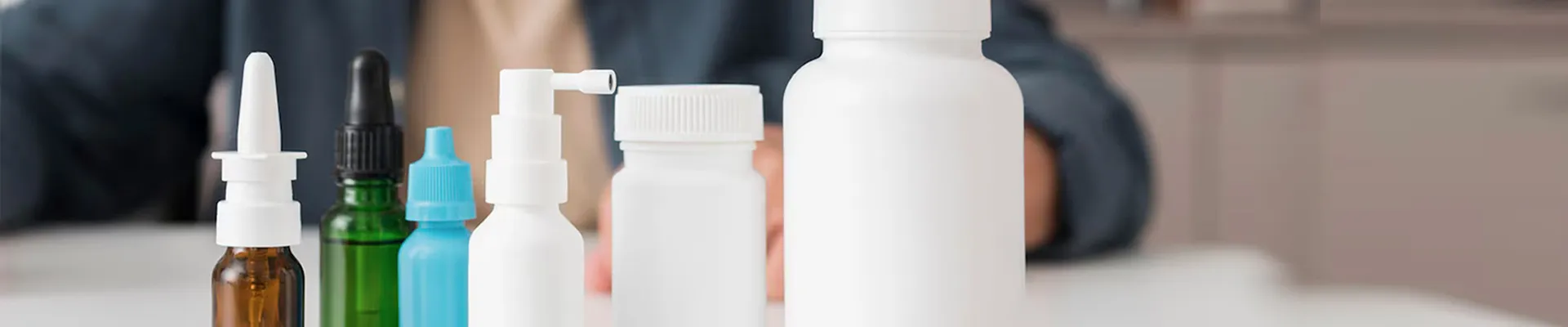


Trusted Pharma Plastic Bottle Manufacturer | Quality, Compliance & Innovation
Understanding the Role of a Pharma Plastic Bottle Manufacturer in Today's World
At first glance, a pharma plastic bottle manufacturer might sound like a niche topic reserved for industry insiders only. Yet, the fact is these manufacturers are quiet heroes in global healthcare, shaping how millions safely receive their medications every day. From holding lifesaving pills to packaging vaccines in volumes never seen before, these manufacturers play a pivotal role in public health, safety, and supply-chain efficiency worldwide.
Why should this matter to you—or frankly, anyone outside the pharma supply chain? Because the quality, availability, and innovation in plastic bottles for pharmaceuticals ripple out, affecting medicine safety, accessibility, and environmental impact globally.
The Global Context: Why Pharma Plastic Bottle Manufacturing Matters
The pharmaceutical packaging market is projected to hit over $200 billion by 2027, with plastic bottles being an essential segment of this growth (Source: Statista). The World Health Organization has emphasized packaging's critical role in reducing medication contamination and misuse, especially in developing countries. In fact, a large portion of medical waste worldwide comes from plastic pharmaceutical packaging — highlighting a key sustainability challenge.
Pharma plastic bottle manufacturing addresses both an urgent need for secure, reliable containers and a growing call for sustainability innovations. The challenge is balancing robust protection for sensitive medicines with the need to reduce plastic waste and environmental footprints — a tall order but an exciting one.
What Exactly Is a Pharma Plastic Bottle Manufacturer?
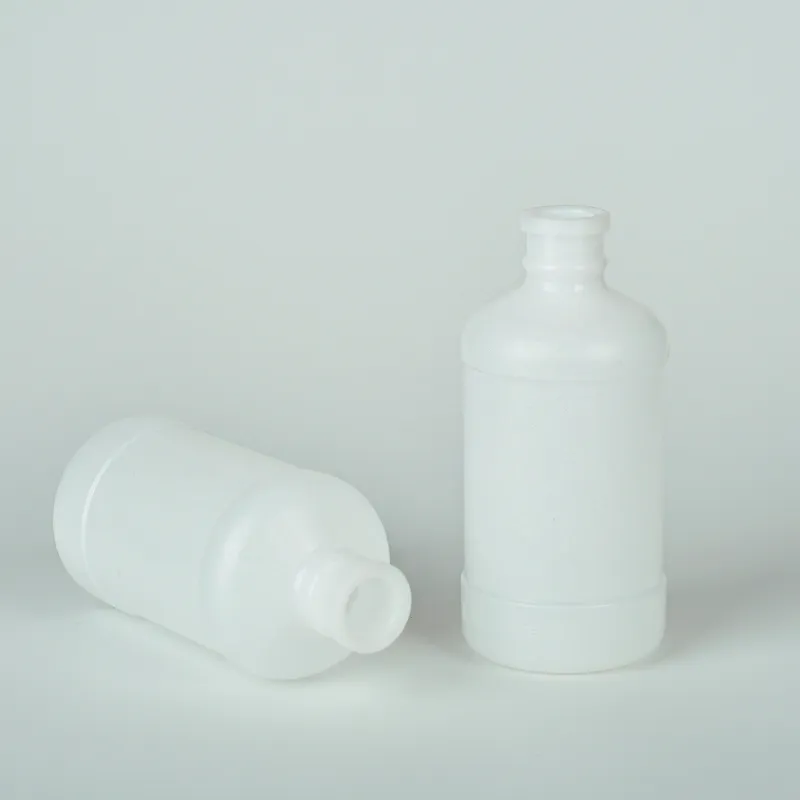
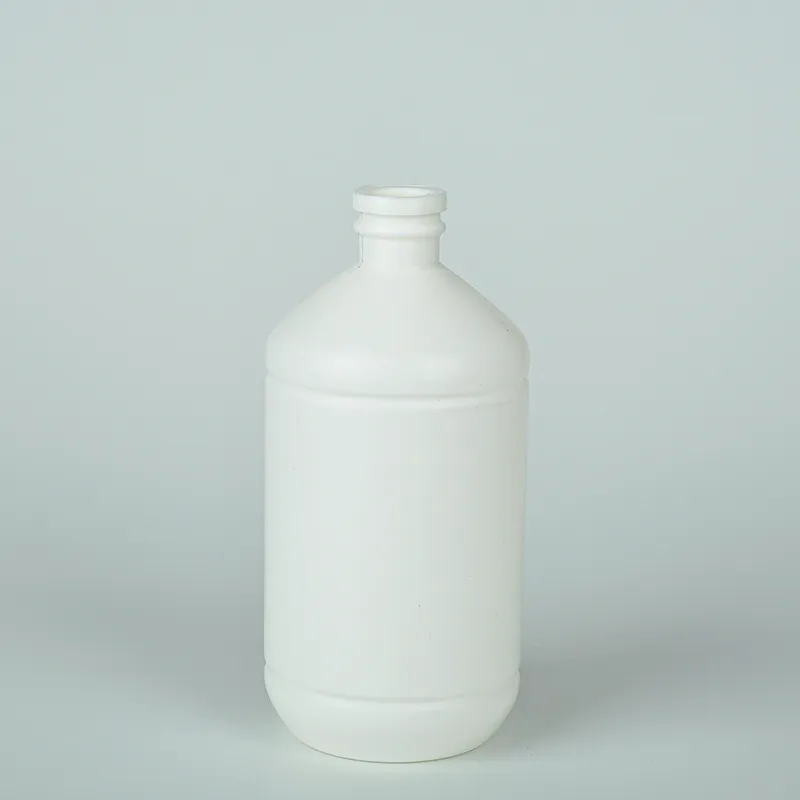
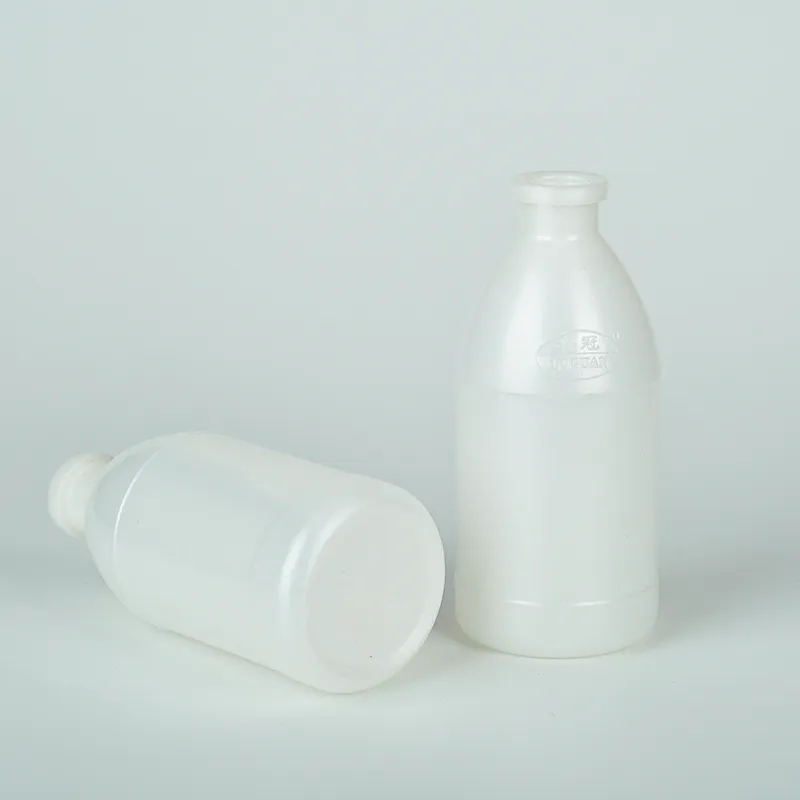
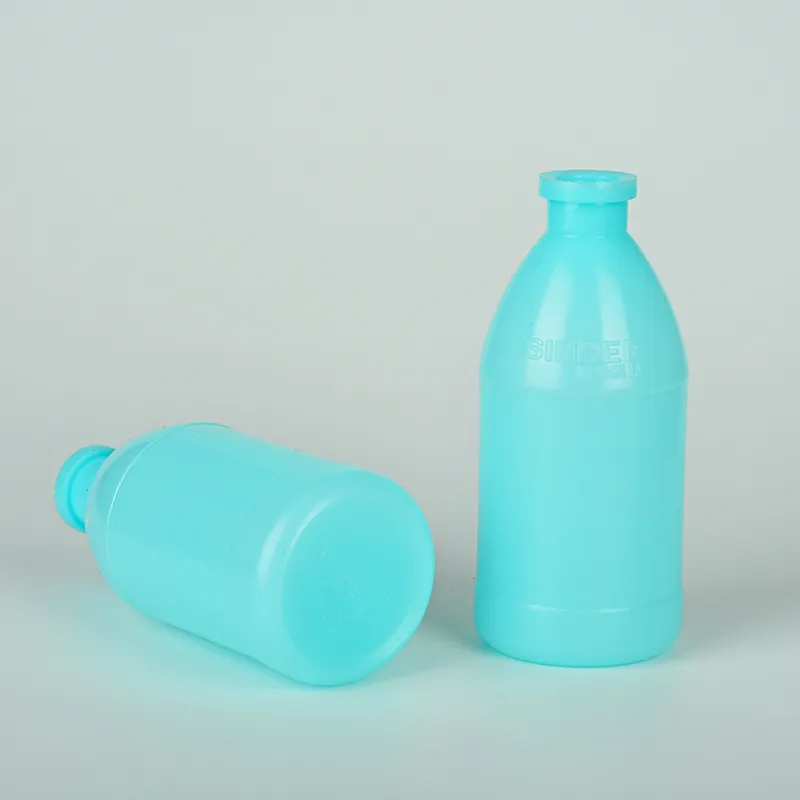
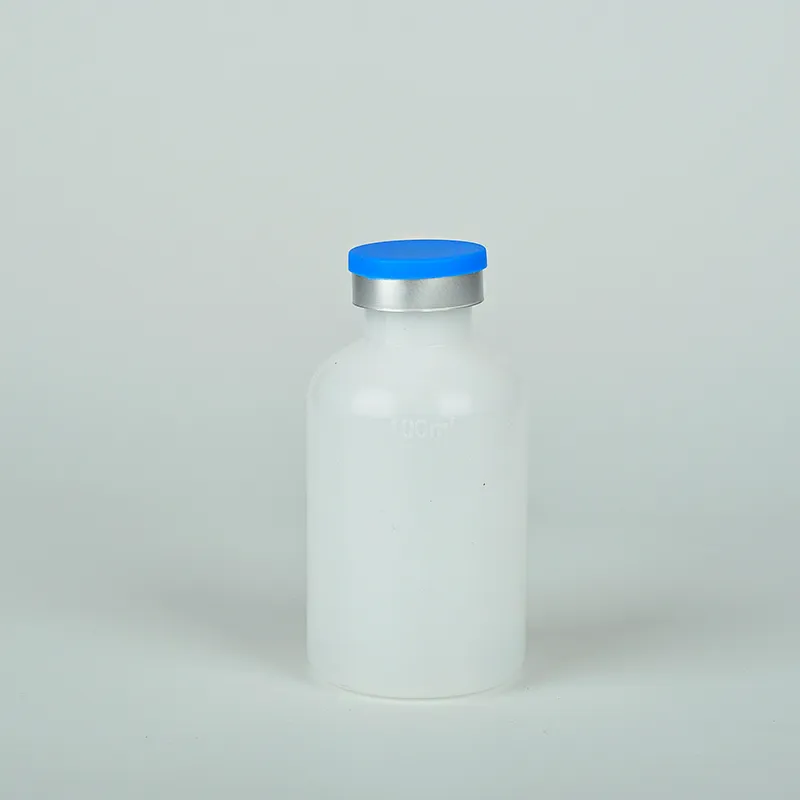
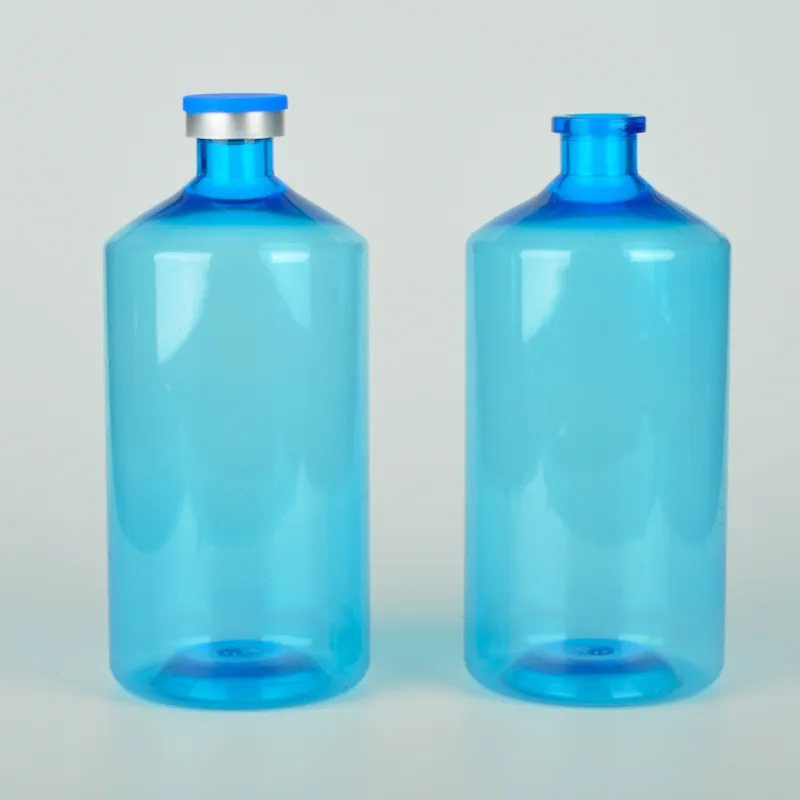
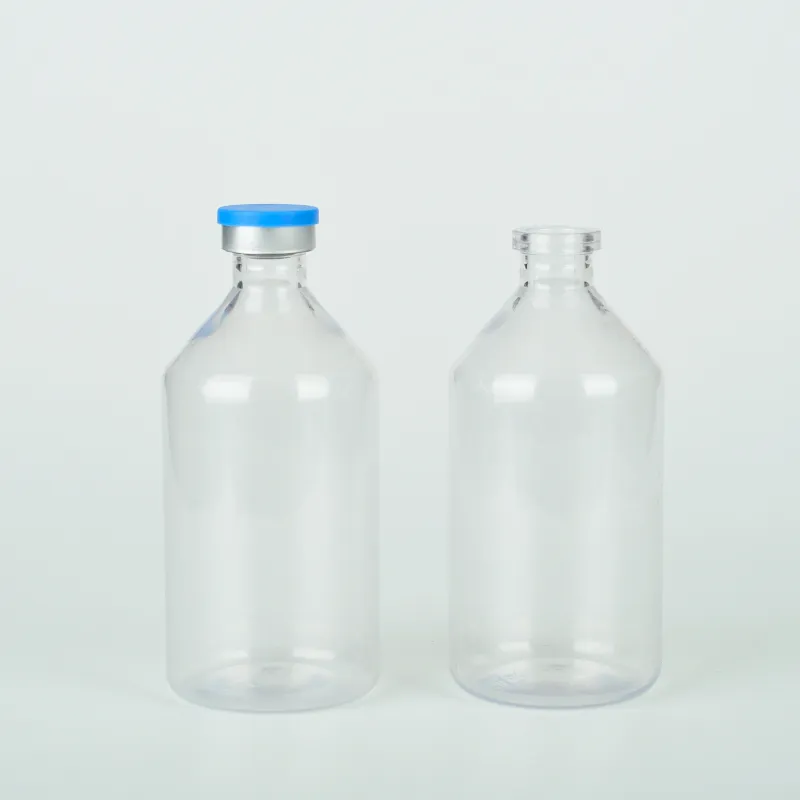
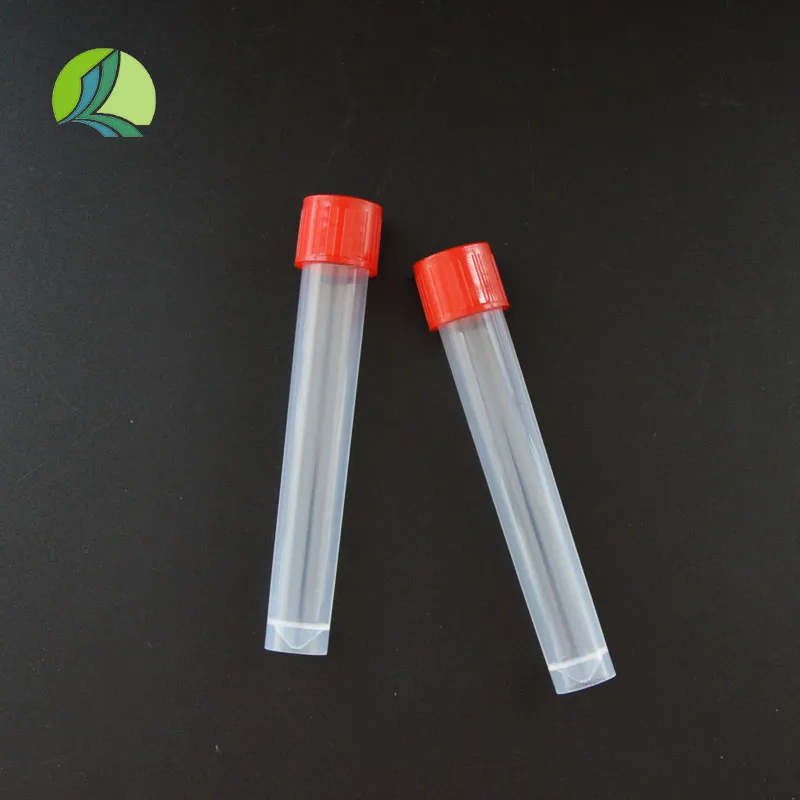
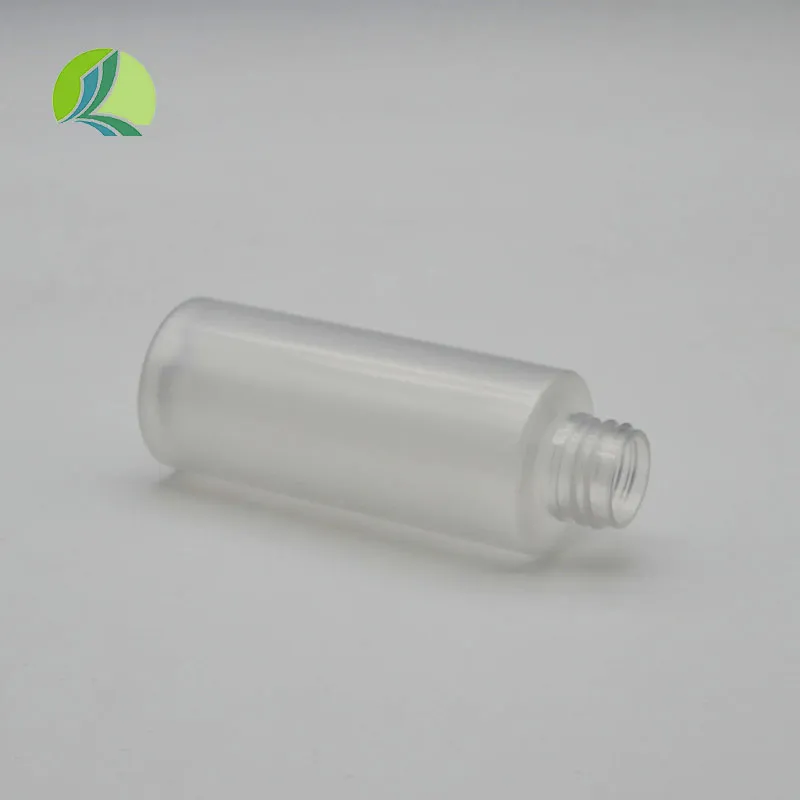
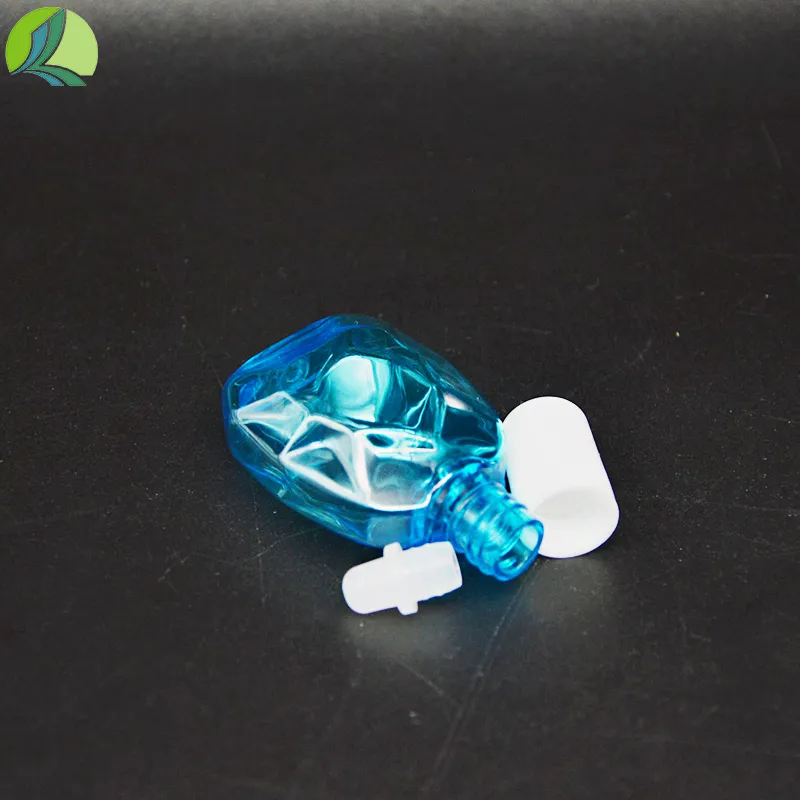
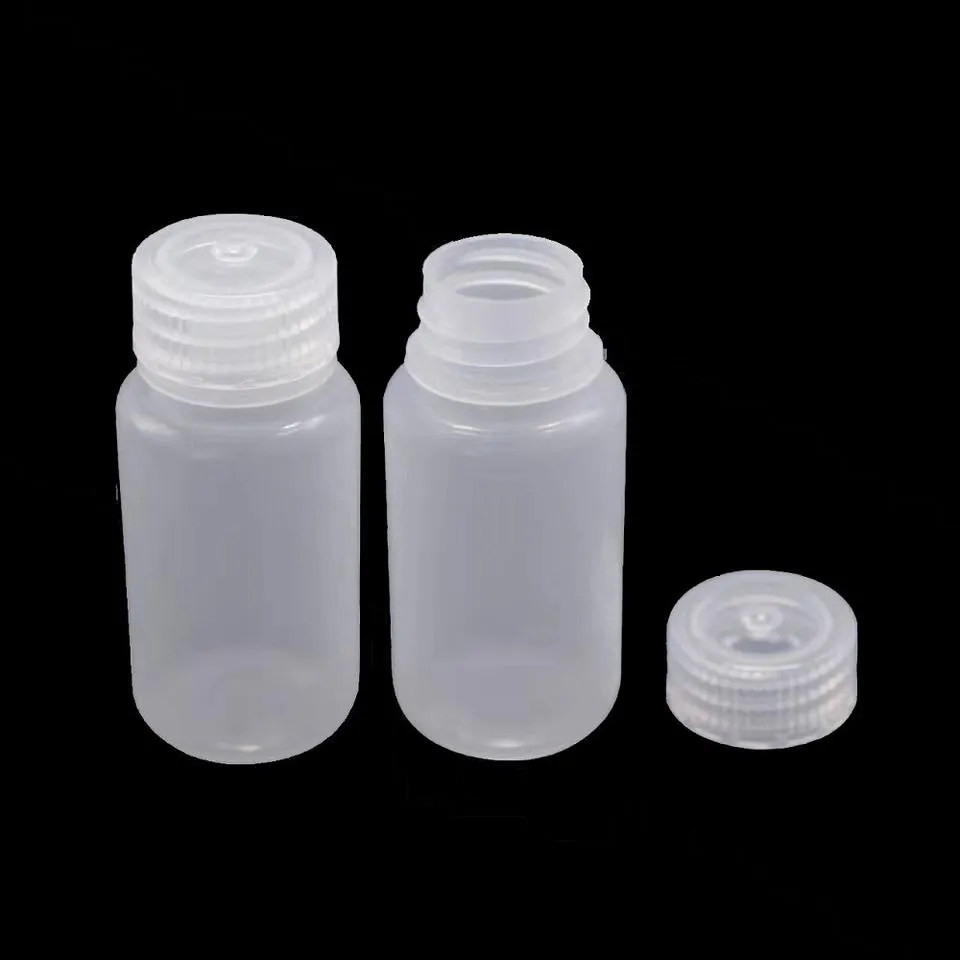
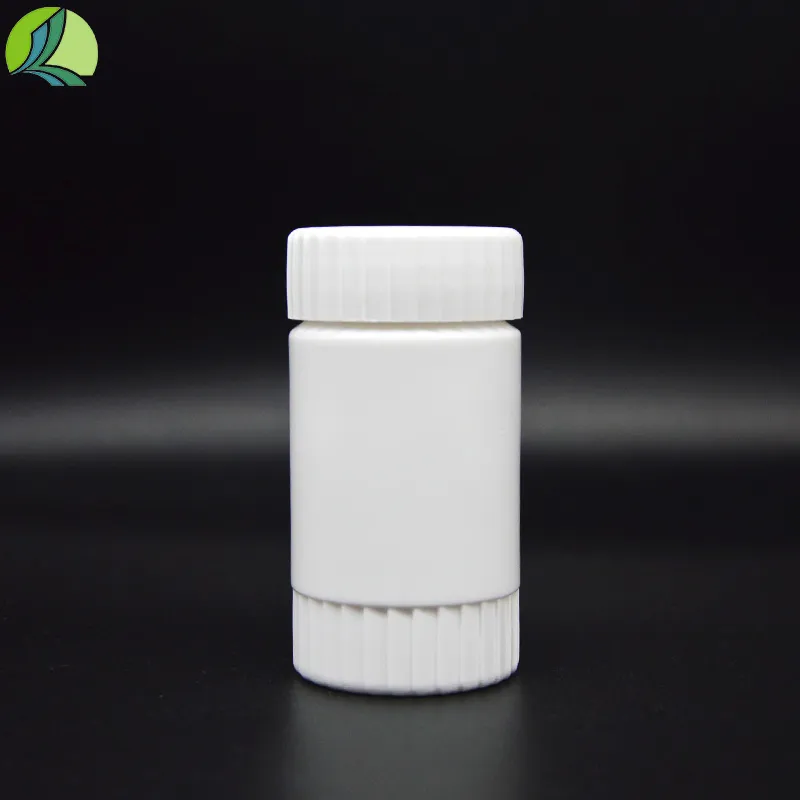
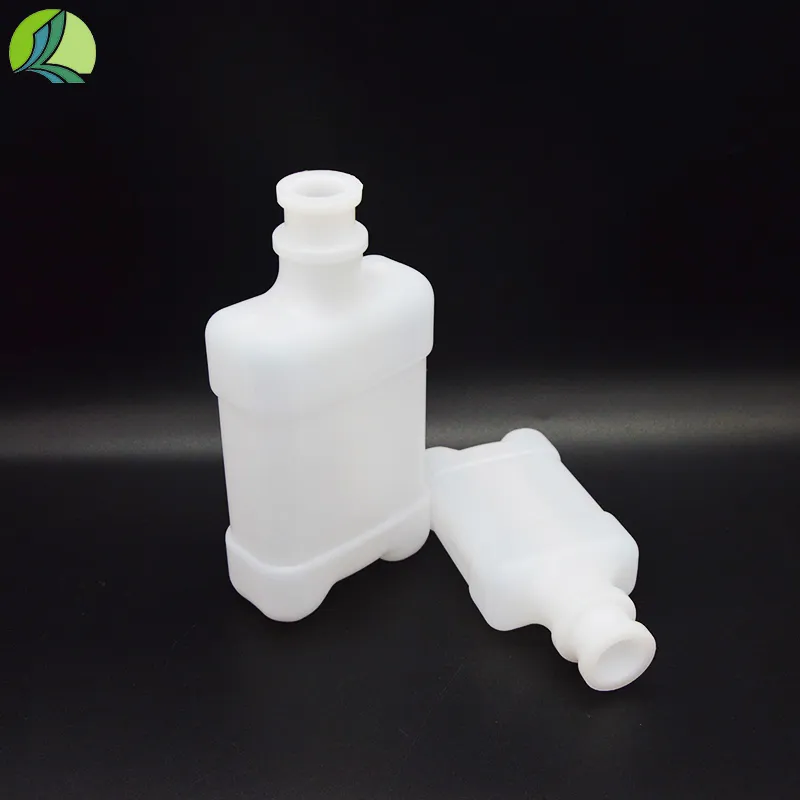
In simple terms, a pharma plastic bottle manufacturer produces plastic containers specially designed to house pharmaceutical products such as tablets, capsules, liquids, or powders. What sets these apart? They adhere to strict regulations for material safety, durability, tamper evidence, and contamination prevention.
These manufacturers use specialized polymers like high-density polyethylene (HDPE), polypropylene (PP), or polyvinyl chloride (PVC), each chosen to meet specific pharmaceutical standards such as ISO 15378, which governs primary packaging materials.
Importantly, their output impacts not only industrial logistics but also humanitarian efforts — think about vaccine drives or medicines shipped to remote disaster-stricken areas.
Core Characteristics Every Pharma Plastic Bottle Manufacturer Should Deliver
1. Durability & Barrier Protection
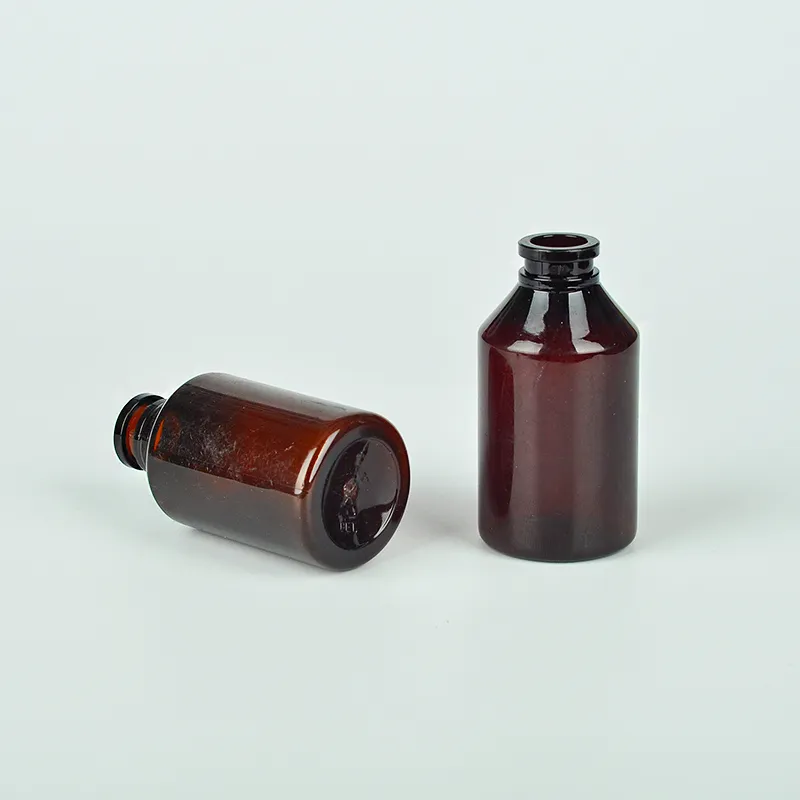
Pharmaceutical bottles must withstand rough handling, temperature variations, and exposure to light or moisture. Manufacturers often incorporate UV blockers or design multilayered bottles to keep medicines potent and contamination-free.
2. Regulatory Compliance & Safety
From the FDA’s standards in the U.S. to the EU’s stricter environmental laws, pharma bottle makers must ensure every batch complies with globally accepted practices to avoid recalls or hazards to consumer health.
3. Cost Efficiency at Scale
In large pharmaceutical supply chains, even a tiny per-bottle cost difference matters. Manufacturers that optimize production lines for speed without compromising quality often become preferred partners for global pharma brands.
4. Customization & Versatility
Different medicines require varied bottle sizes, shapes, closures, or child-resistant features. The ability to tailor products quickly ensures end users—hospitals, pharmacies, or wholesalers—get exactly what they need.
5. Sustainability & Environmental Responsibility
More manufacturers are adopting recycled or biodegradable materials. Some even offer take-back programs or design bottles for easier recycling. This still feels like an emerging area but is gaining steam fast.
Mini takeaway:
So much goes into each bottle beyond mere plastic molding—durability, safety, cost control, flexibility, and green innovations are all pivotal.
Global Applications and How These Pharma Plastic Bottles Get Used
In real-world terms, pharmaceutical plastic bottles find homes across continents and industries. Here's where they shine:
- Developed Nations: Precision medicine, clinical trials, and long-term treatments rely on bottles with stringent tamper-proof features.
- Emerging Markets: Affordable yet reliable bottles help expand access to medicine where supply chains can be unpredictable.
- Humanitarian Aid: After natural disasters or during health crises, pharma plastic bottles ensure rapid deployment of medicines, with packaging designed to withstand rough logistics and storage conditions.
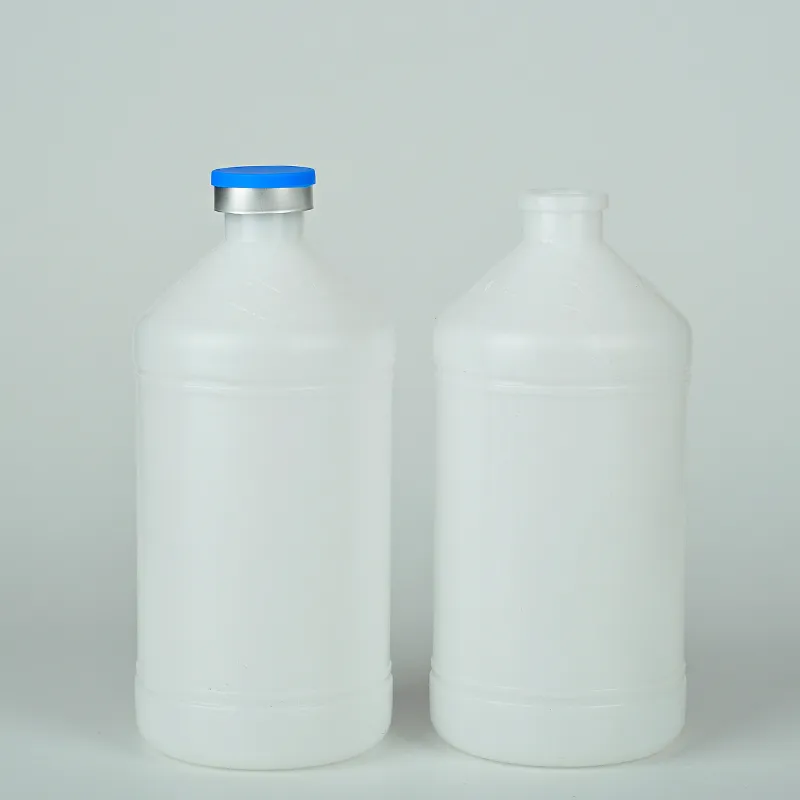
- Veterinary Medicine: Larger, robust bottles package animal drugs for farms and domestic care.
For example, after the 2010 Haiti earthquake, rapid surges in medicine demand required pharma plastic bottle manufacturers to quickly deliver secure packaging suitable for tropical climates and volatile transport conditions.
Product Specification Table: Typical Pharma Plastic Bottle Features
| Specification | Typical Value / Feature |
|---|---|
| Material | HDPE, PP, or PET (depending on use) |
| Capacity Range | 15 ml to 1 liter |
| Closure Type | Child-resistant caps, tamper-evident seals, standard screw caps |
| Compliance Standards | ISO 15378, FDA CFR 21 Part 210/211 |
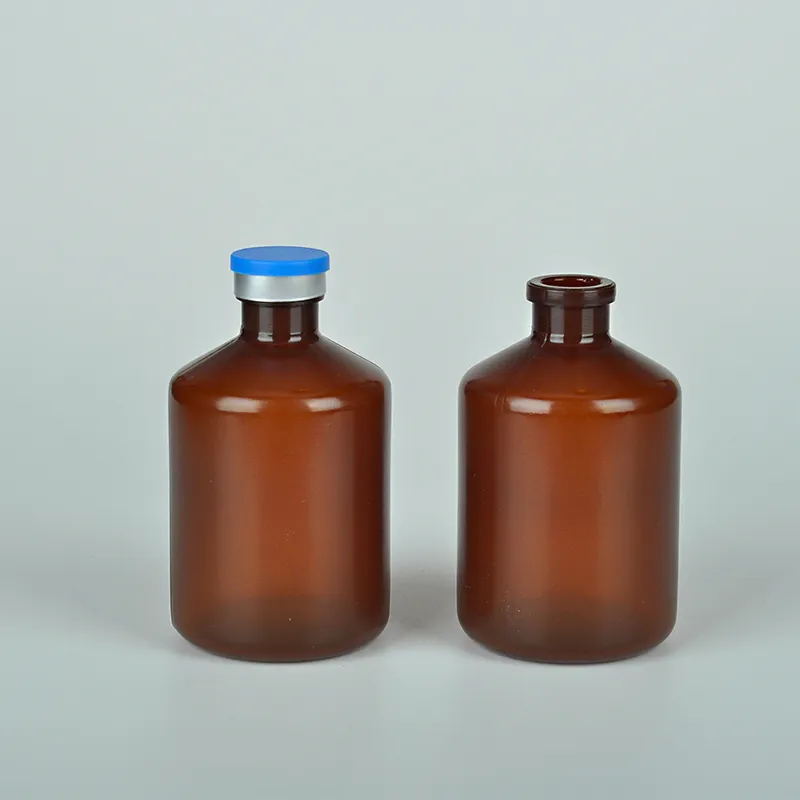
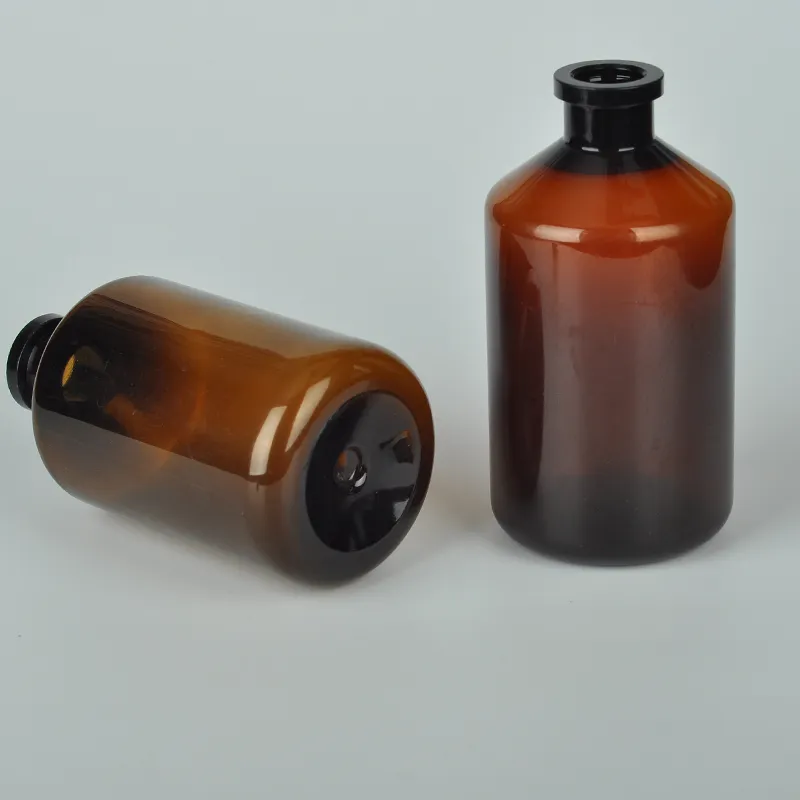
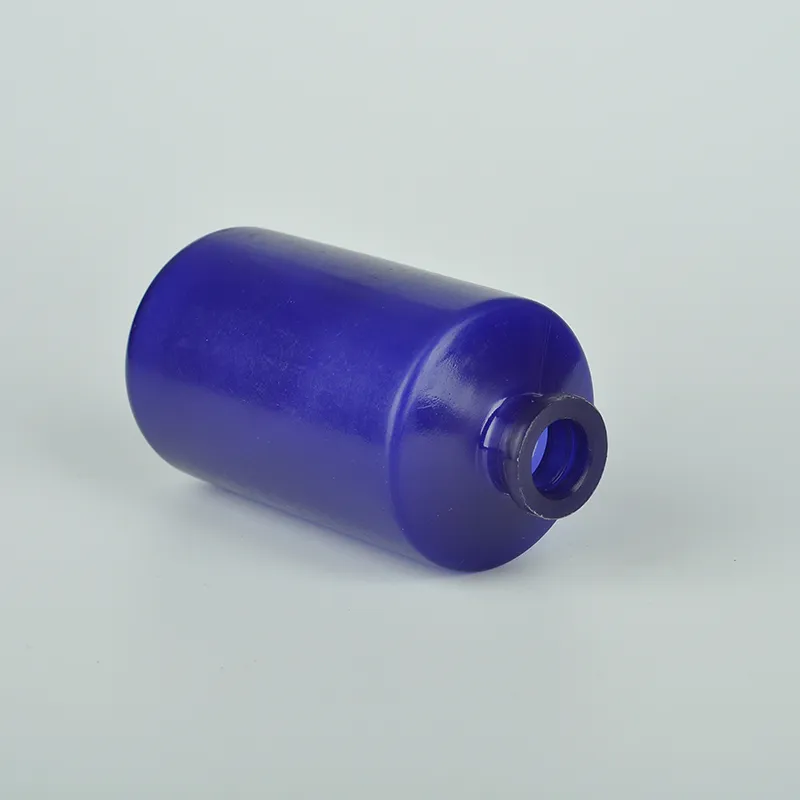
| Color Options | Opaque, translucent, amber (to protect light-sensitive meds) |
| Typical Weight | 5 to 50 grams, depending on size |
Comparing Leading Pharma Plastic Bottle Manufacturers
| Manufacturer | Specialty | Sustainability | Customization | Global Reach |
|---|---|---|---|---|
| WKPacking | Pharma-grade HDPE bottles with in-house R&D | Uses up to 30% recycled materials | High; fast prototyping available | Strong in Asia, expanding Americas & Europe |
| PharmaPack Inc. | Tamper-evident and child-resistant bottles | Limited biodegradable options | Moderate; standard SKUs mostly | Europe and North America |
| EnviroPharm Solutions | Focus on sustainable packaging innovations | High; compostable plastics and recycling programs | Growing, bespoke orders accepted | Global, focused on eco-conscious markets |
What Makes These Pharma Plastic Bottles So Valuable Long-Term?
We often talk about medicines themselves, but proper packaging is an unsung hero for patient safety and pharma company reputation. Good bottles mean:
- Reliability: Medicines stay effective until their expiration.
- Safety: Patients are confident the medicine is genuine and uncontaminated.
- Convenience: Easy-open designs for elderly patients, tamper-evident seals for caregivers.
- Sustainability: Less waste, more recycling, and support of circular economies.
Ultimately, investing in pharma plastic bottle manufacturing isn't just an operational decision; it’s a commitment to safer healthcare and better stewardship of resources.
Emerging Trends and the Future of Pharma Plastic Bottle Manufacturing
Looking ahead, digital innovations and sustainability initiatives are reshaping how manufacturers approach this sector. Think:
- Smart Packaging: Embedded QR codes or NFC chips for authenticating medicine and tracking distribution in real time.
- Bio-based Polymers: Replacing fossil-derived plastics with plant-based, biodegradable options — although adoption is slow, the momentum is unmistakable.
- Automation: Robotic production lines enabling rapid scaling during surges like pandemic vaccine rollouts.
- Regulatory Evolution: Governments tightening norms for recycling content and packaging waste reduction.
Frankly, the interplay of tech, policy, and environmental awareness is creating an exciting space where pharma plastic bottle manufacturers must constantly innovate or risk obsolescence.
Common Challenges and How the Industry is Addressing Them
Despite advances, the sector faces hurdles:
- Environmental Impact: Plastic waste remains a global concern; transitioning to greener materials is complicated and costly.
- Supply Chain Disruptions: COVID-19 showed us how fragile supply lines can be when global demand spikes suddenly.
- Regulatory Complexity: Navigating diverse standards across countries challenges manufacturers aiming for global reach.
Solutions include investing in R&D for recyclable or degradable materials, diversifying supplier bases, and adopting modular manufacturing that can adapt quickly to local markets. Plus, partnerships with organizations and government bodies help push sustainable packaging policies forward.
FAQ: Common Questions About Pharma Plastic Bottle Manufacturers
Q: How do pharma plastic bottle manufacturers ensure their bottles are contamination-free?
A: Manufacturers follow stringent clean-room standards and material safety testing, often verified by regulatory bodies. They use pharmaceutical-grade polymers and precision molding processes that reduce contamination risks, plus incorporate tamper-evident features.
Q: Are plastic pharmaceutical bottles recyclable?
A: Many pharma plastic bottles are recyclable, especially those made from HDPE and PET. However, recycling rates depend on local infrastructure. Increasingly, manufacturers design bottles with recyclability in mind, using single-material compositions.
Q: Can these manufacturers produce customized bottles for specific drug formulations?
A: Yes. Most pharma plastic bottle manufacturers offer customization options—including size, color, closure style, and special coatings—to match particular drug storage and handling needs.
Q: How fast can pharma plastic bottle manufacturers respond to sudden demand spikes?
A: It varies, but many manufacturers have invested in scalable automated production lines and inventory buffers to respond within weeks. Rapid prototyping also speeds up custom orders.
Q: What certifications should I look for in a pharma plastic bottle manufacturer?
A: Key certifications include ISO 15378 (primary packaging materials), GMP compliance, and FDA approval where applicable. These ensure quality and regulatory compliance worldwide.
Conclusion: Why Investing in a Trusted Pharma Plastic Bottle Manufacturer Pays Off
From protecting medicines to supporting sustainability goals, partnering with the right pharma plastic bottle manufacturer means investing in safety, innovation, and global health outcomes. As demand grows and regulations evolve, manufacturers who adapt quickly with quality and eco-consciousness will lead the way.
For reliable pharma-grade plastic bottles tailored to your needs, feel free to explore pharma plastic bottle manufacturer profiles and get a sense for who can make your vision a reality.
Final thought:
Every bottle carries more than medicine—it holds trust, responsibility, and a hope for better healthcare worldwide. Kind of humbling if you think about it.
References
-
Bulk Eye Dropper Bottles for Industrial Packaging - Reliable & CustomizableNewsDec.31,2025
-
Small Plastic Dropper Bottles – Durable, Precise Packaging Solutions for B2B ApplicationsNewsDec.10,2025
-
Medicine Dropper Bottles – Precision and Quality Packaging Solutions for B2B | WK PackingNewsDec.10,2025
-
Discover Top Quality 2 oz Eye Dropper Bottles for Industrial UseNewsDec.09,2025
-
1 Oz Eye Dropper Bottles - Precision Packaging Solutions for B2B Industries | WKPackingNewsDec.09,2025
-
Durable 4 oz Eye Dropper Bottles for Industrial & Cosmetic UseNewsDec.09,2025