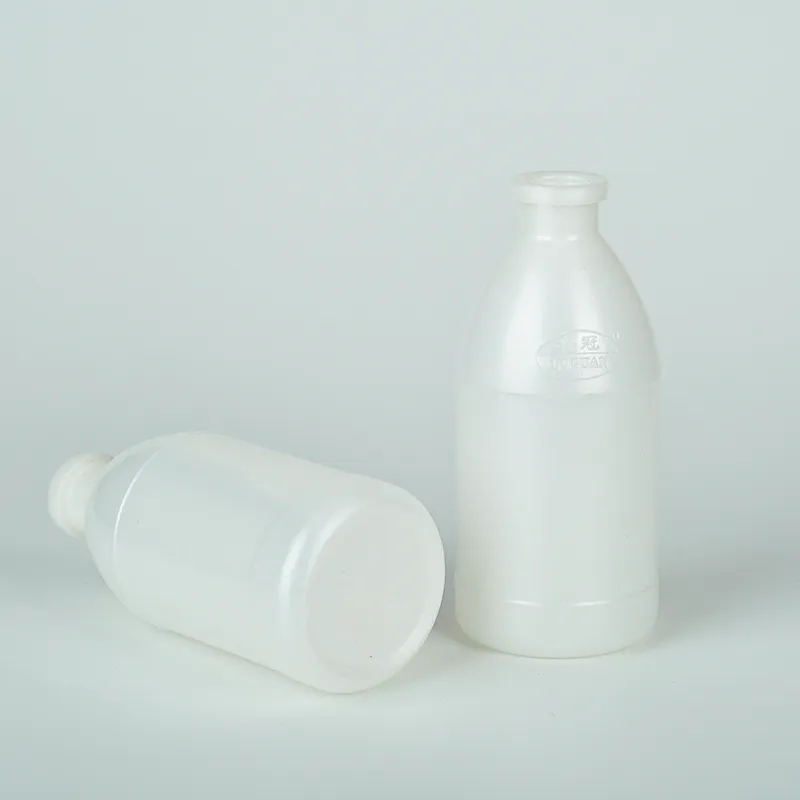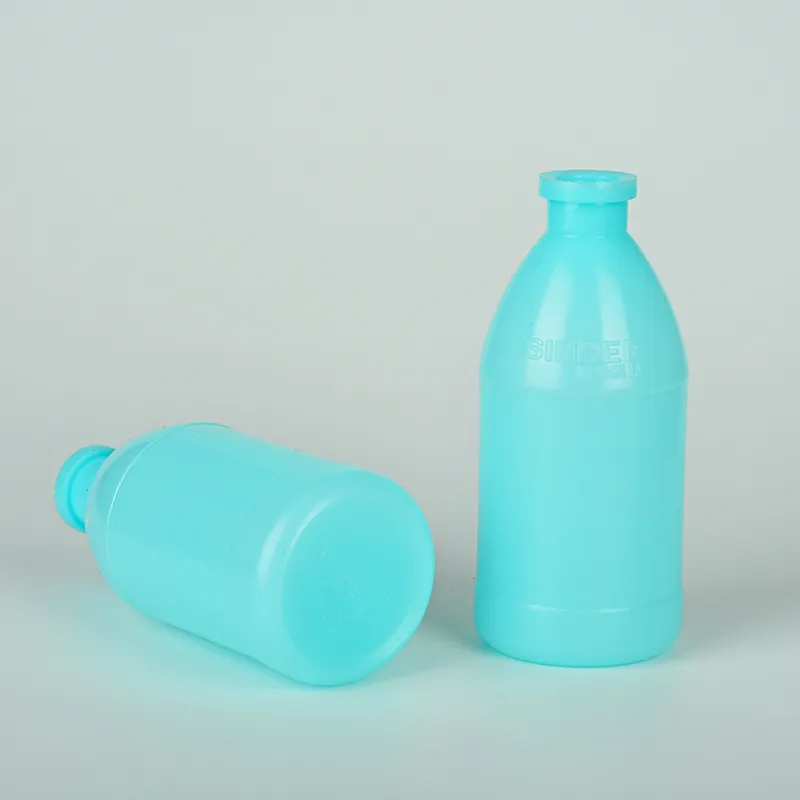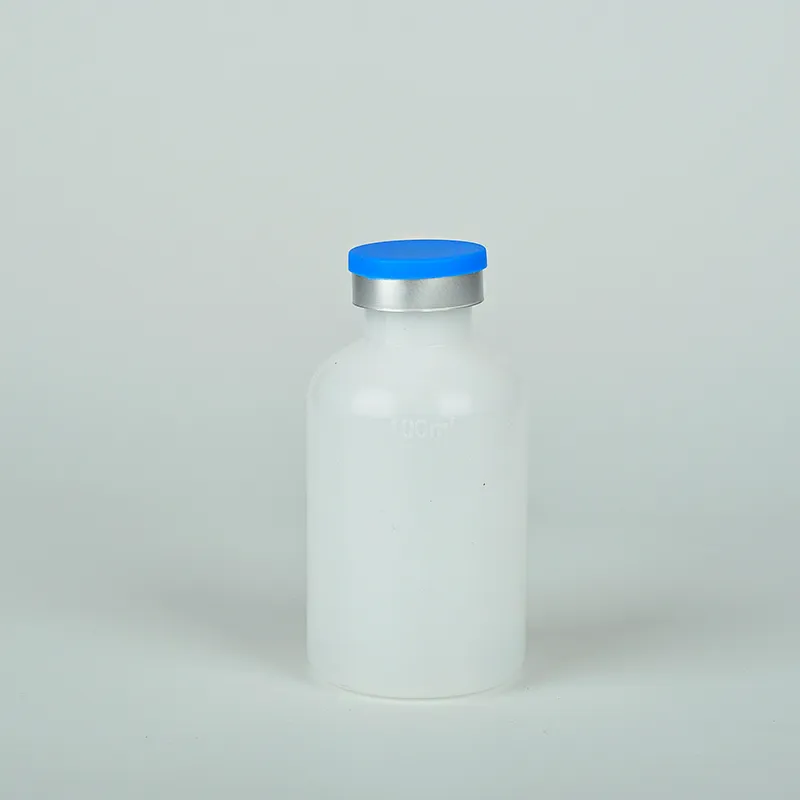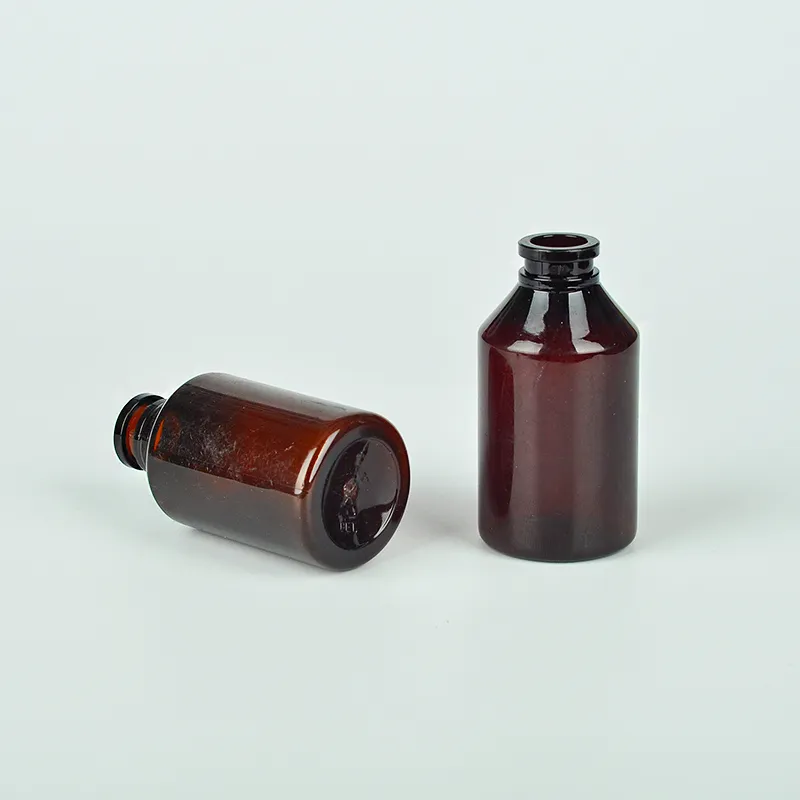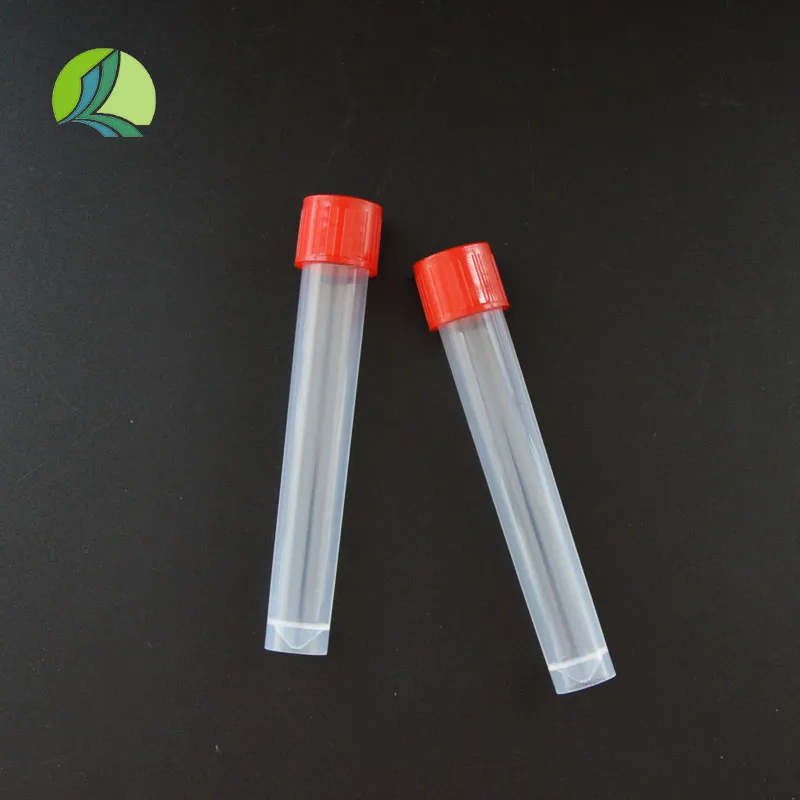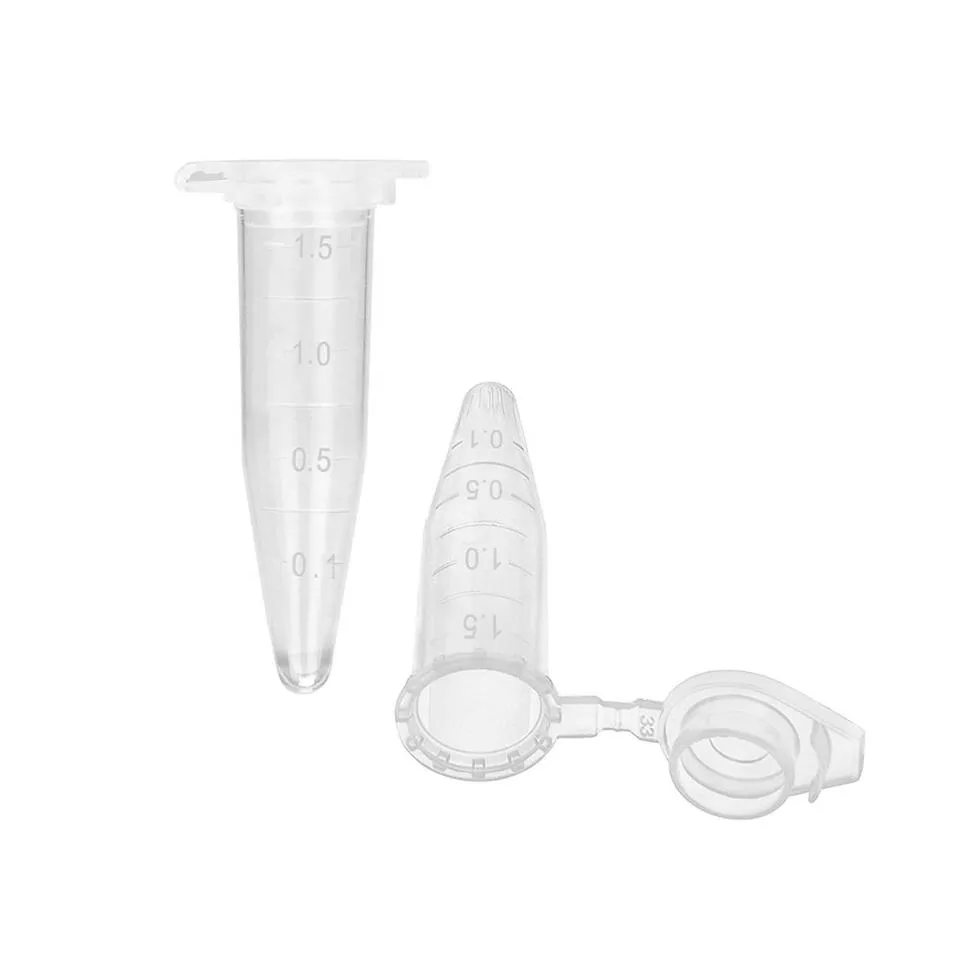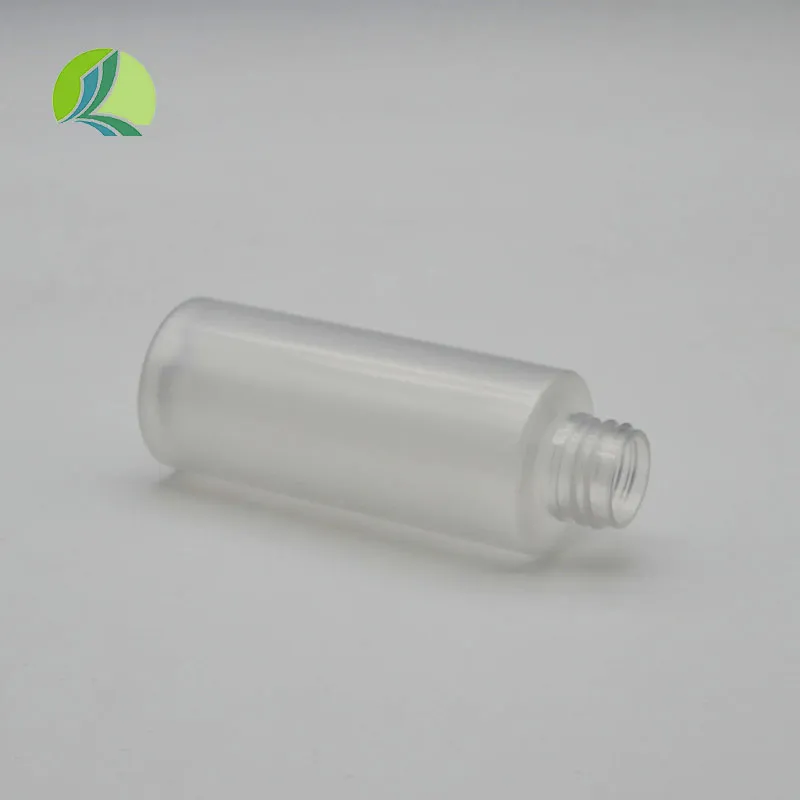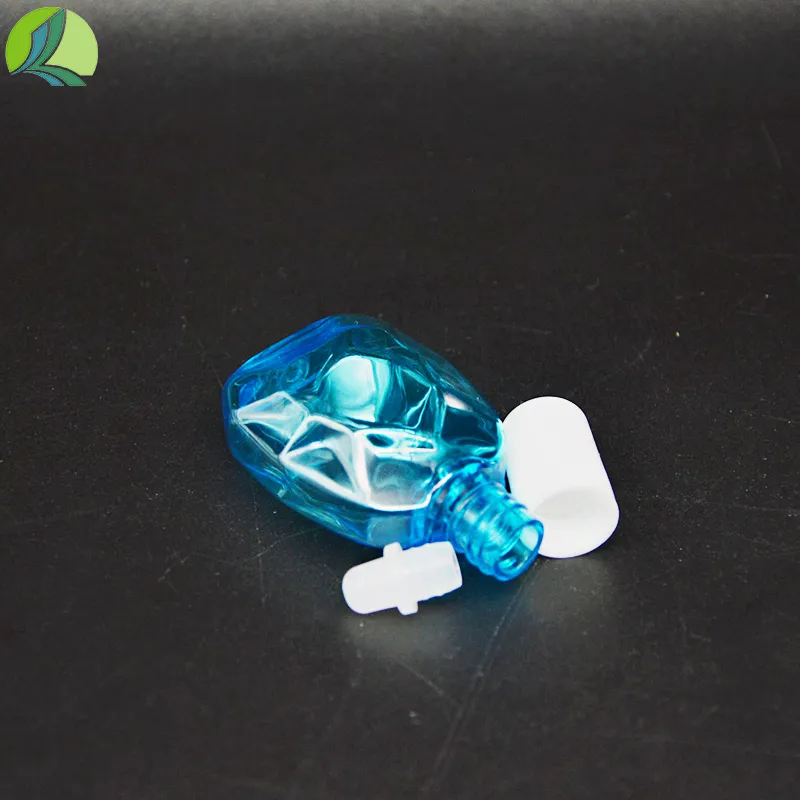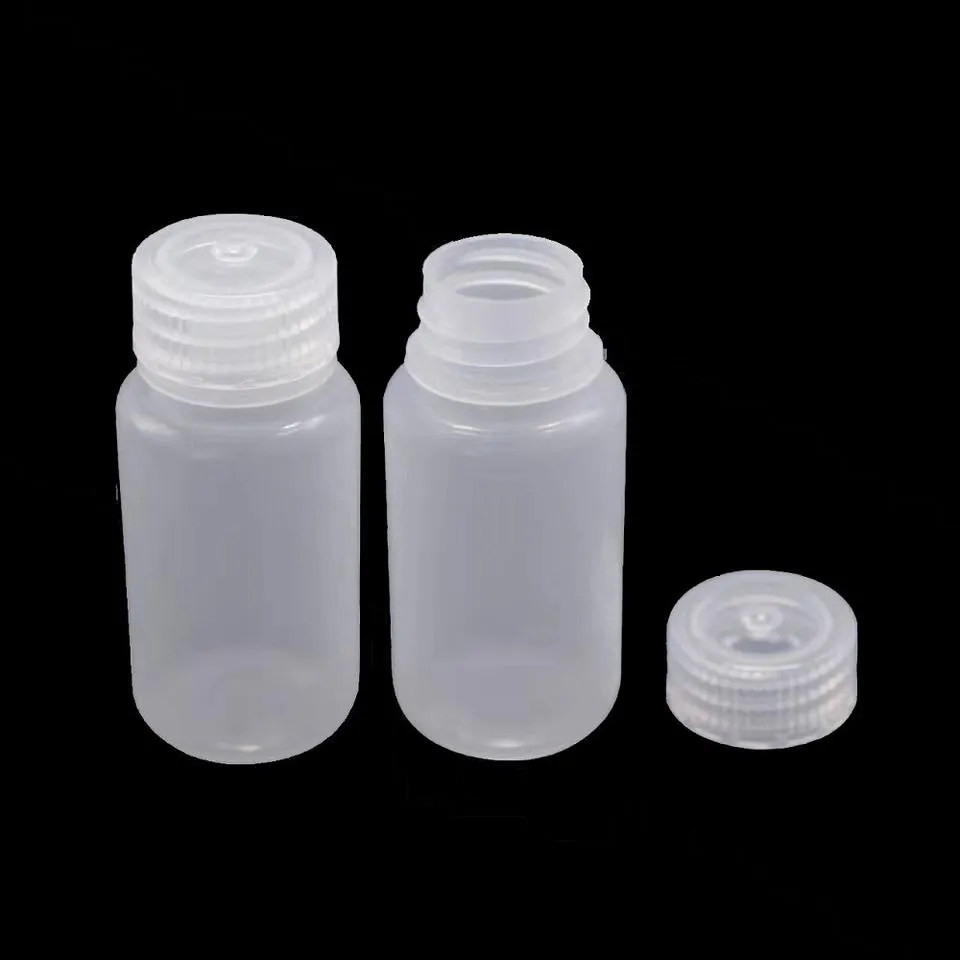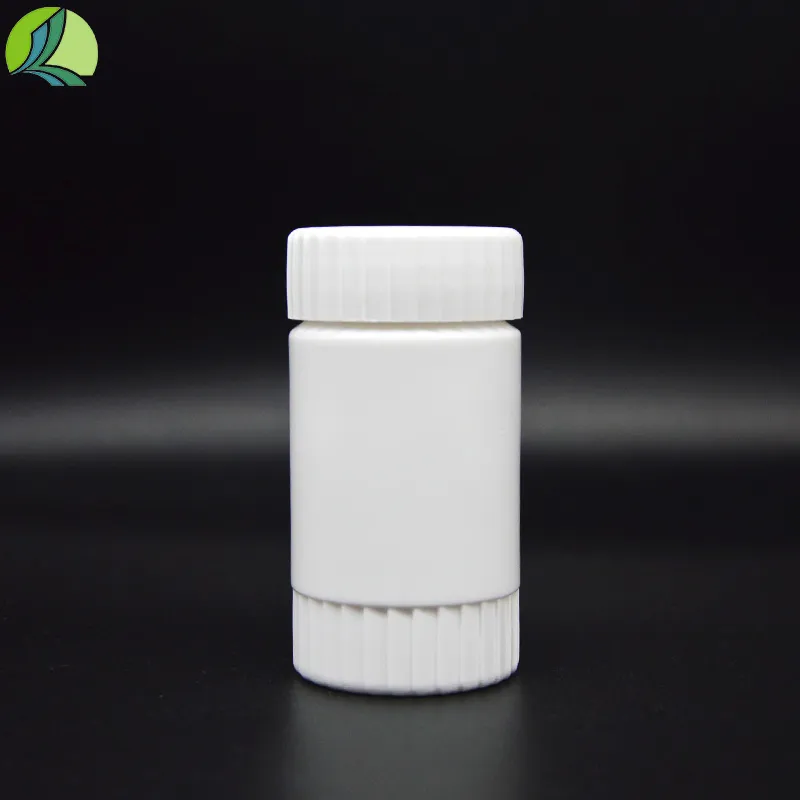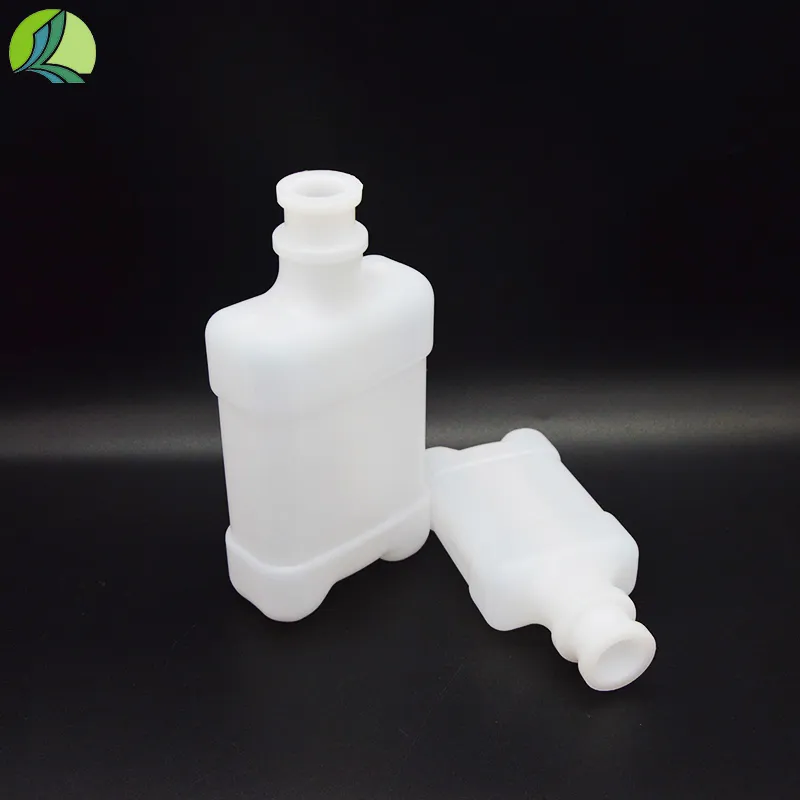
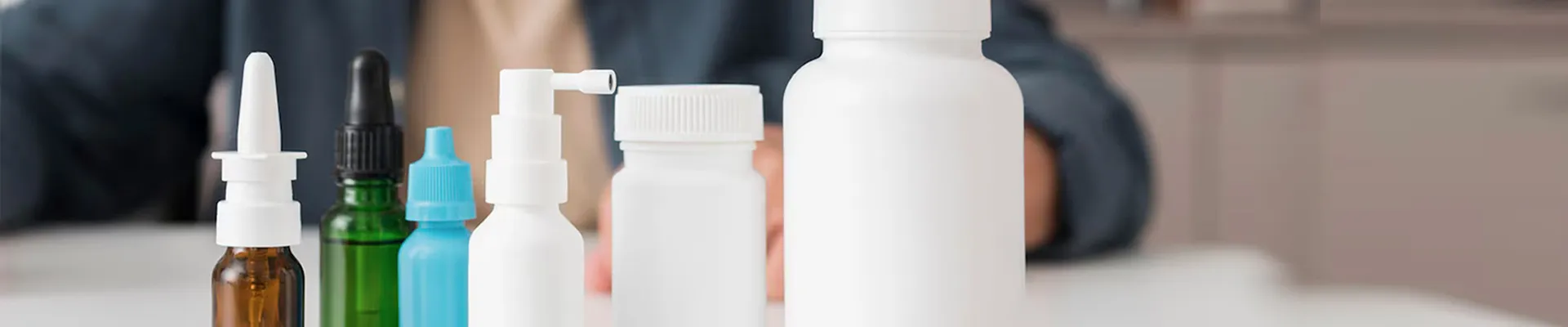


UV-Protect Brown Plastic Vaccine Vials for Lab & Vet Use
Industry Trends and the Critical Role of Pharmaceutical Packaging
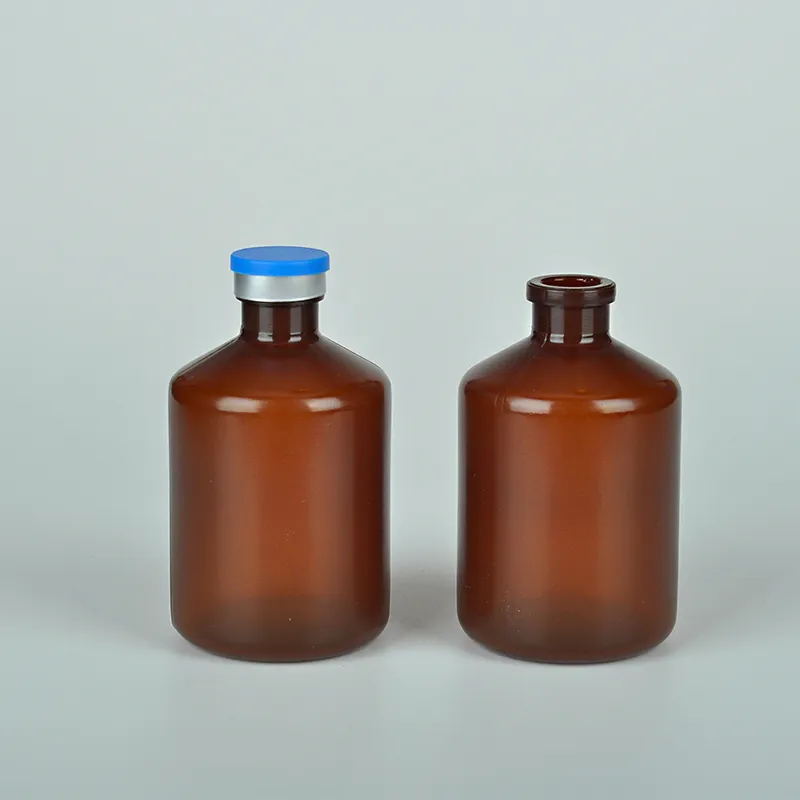
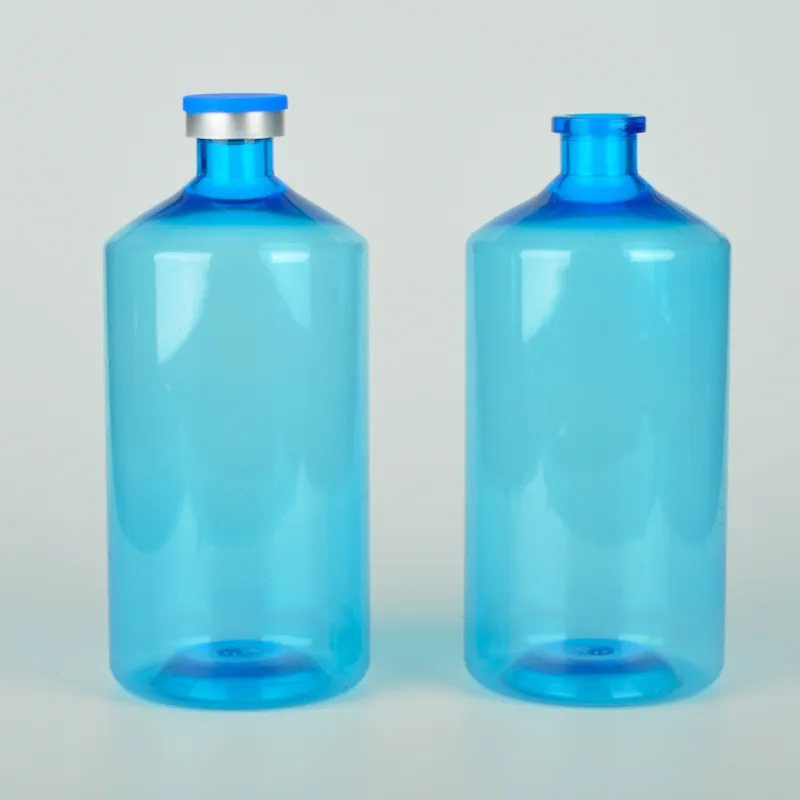
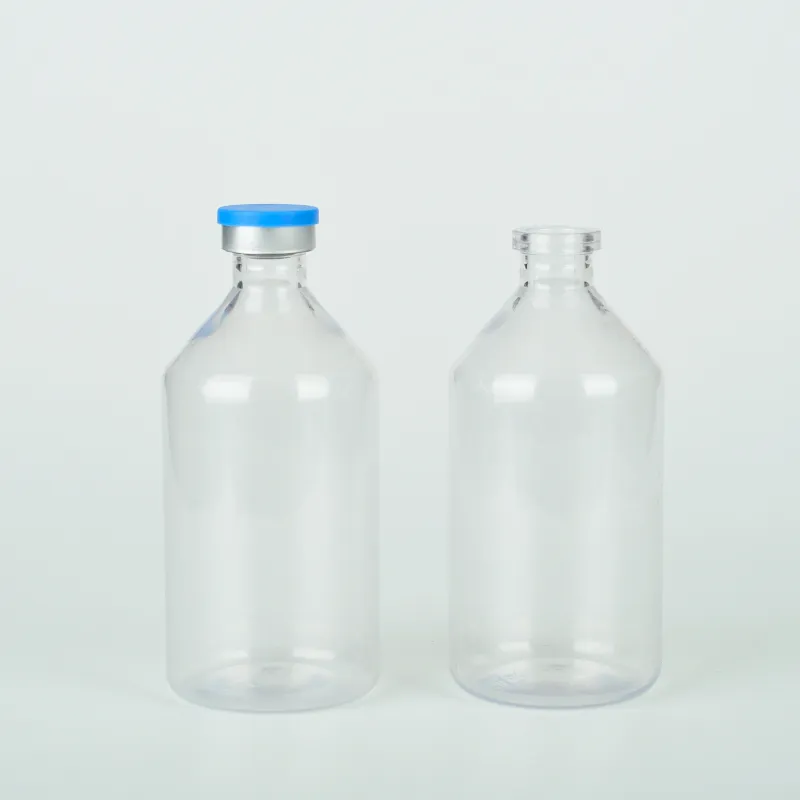
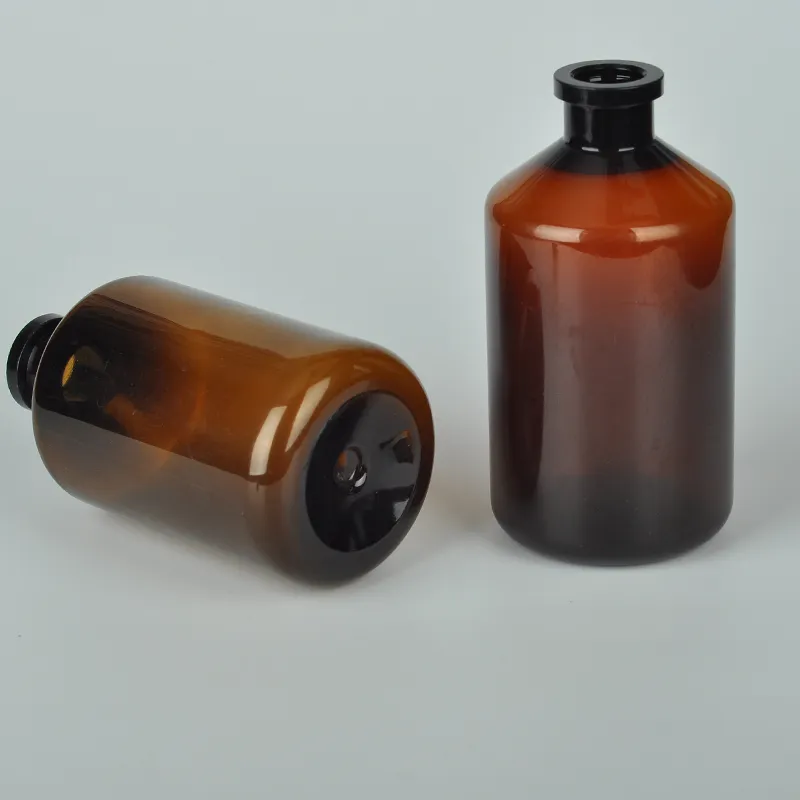
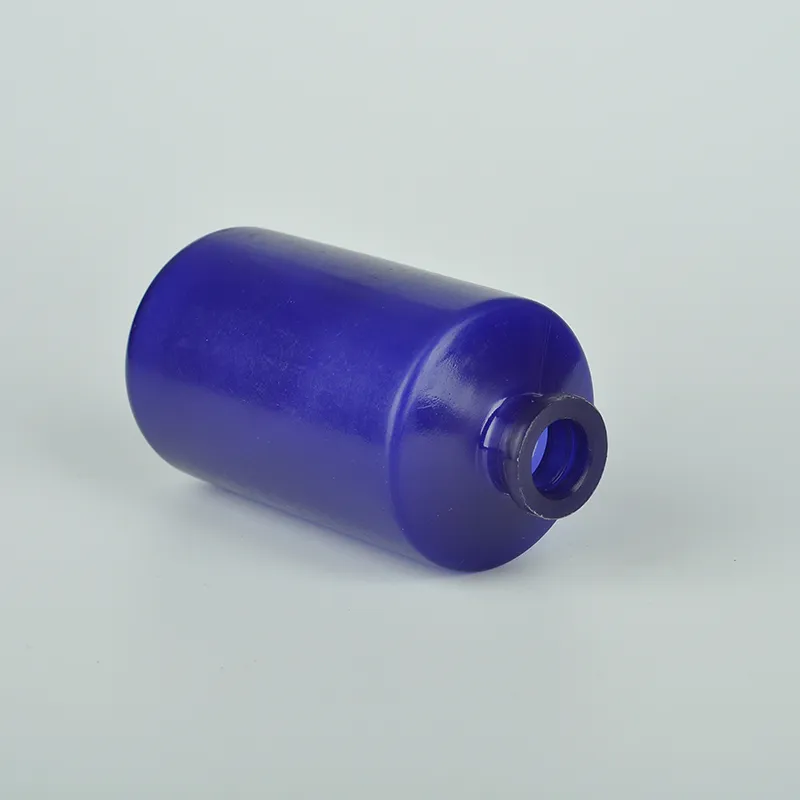
The global pharmaceutical and veterinary medicine industries are experiencing unprecedented growth, driven by advancements in biotechnology, increased demand for personalized medicine, and global health initiatives. This expansion places a premium on robust, reliable, and compliant packaging solutions. A key component in this ecosystem are Brown Plastic Vaccine Vials Laboratory Veterinary Medicine Liquid Vials. These specialized container111s are vital for maintaining the efficacy and stability of sensitive biologicals, small molecule drugs, and diagnostic reagents, particularly those susceptible to light degradation.
Current trends highlight a shift towards sustainable, shatter-resistant, and cost-effective packaging. While glass has historically dominated, plastic alternatives, especially those formulated for enhanced barrier properties and UV protection, are gaining significant traction. Regulatory bodies like the FDA and EMA are continually updating guidelines for drug packaging, emphasizing material inertness, leachables profiles, and overall container111-closure integrity. The market demands innovative solutions that not only meet stringent safety and quality standards but also optimize supply chain logistics and reduce environmental impact. The adoption of advanced polymers and precision manufacturing techniques is central to meeting these evolving industry requirements.
Manufacturing Process of Brown Plastic Vaccine Vials
The production of Brown Plastic Vaccine Vials Laboratory Veterinary Medicine Liquid Vials involves a highly controlled, multi-stage manufacturing process designed to ensure product integrity, sterility, and compliance with pharmaceutical-grade standards. The precision required in each step is paramount to producing vials suitable for sensitive biological and chemical formulations.
1. Material Selection and Preparation
- Polymer Granules: High-purity medical-grade polymers such as Polypropylene (PP) or High-Density Polyethylene (HDPE) are selected. These materials offer excellent chemical inertness, good barrier properties, and are generally recognized as safe (GRAS) for pharmaceutical contact by regulatory bodies.
- Amber Additives: Specialized colorants, typically iron oxides, are integrated into the polymer blend. These additives are crucial for imparting the amber hue, which provides effective protection against UV light (290-450 nm wavelength range), thereby preventing photodegradation of light-sensitive contents. The concentration and dispersion of these additives are precisely controlled to ensure consistent opacity and UV blocking performance.
- Drying: Polymer granules are thoroughly dried to remove any residual moisture, preventing defects like splay marks or voids during molding.
2. Injection Molding Process
- Melting: The prepared polymer blend is fed into an injection molding machine, where it is heated to its molten state within a barrel.
- Injection: The molten polymer is injected under high pressure into a precisely machined mold cavity that defines the shape of the vial. This process ensures dimensional accuracy and consistent wall thickness.
- Cooling: The mold is rapidly cooled, allowing the plastic to solidify into the vial's final form.
- Ejection: The solid vial is ejected from the mold. Advanced multi-cavity molds are often used to increase production efficiency.
3. Post-Molding Operations and Quality Control
- Trimming and Finishing: Any gate remnants or flash are removed to ensure a smooth, clean finish, particularly around the neck of the vial for proper sealing.
- Leak Testing: Each vial undergoes automated leak testing to verify container111-closure integrity, critical for maintaining product sterility and preventing contamination.
- Dimensional Verification: Automated optical inspection systems measure critical dimensions (e.g., height, diameter, neck finish) to ensure conformity to design specifications.
- Visual Inspection: Human operators or advanced machine vision systems inspect for visual defects such as inclusions, surface imperfections, or inconsistencies in color.
- Sterilization (Optional/External): While vials are manufactured in cleanroom environments, further sterilization methods like gamma irradiation or ethylene oxide (EtO) may be applied externally by the client depending on the specific application and regulatory requirements.
- Packaging: Finished, inspected vials are typically packed in double-bagged, sealed, and traceable packaging within a controlled environment, ready for shipment.
Testing Standards and Target Industries
- Compliance: Manufacturing adheres strictly to international standards such as ISO 13485 (Medical Devices Quality Management Systems), USP (Plastic Packaging Systems and Their Materials of Construction), USP (Containers – Performance Testing), and relevant sections of FDA 21 CFR Part 177. These standards ensure material biocompatibility, chemical inertness, and appropriate barrier properties.
- Service Life: When stored under recommended conditions and used with compatible formulations, these vials are designed for a service life commensurate with the shelf-life of the contained product, typically 2-5 years.
- Target Industries: The primary target industries include Pharmaceuticals (vaccines, ophthalmic solutions, oral liquids), Biopharmaceuticals (monoclonal antibodies, therapeutic proteins), Veterinary Medicine (animal vaccines, liquid medications), Diagnostic Laboratories (reagent storage, sample collection), and Research & Development (chemical storage, experimental formulations).
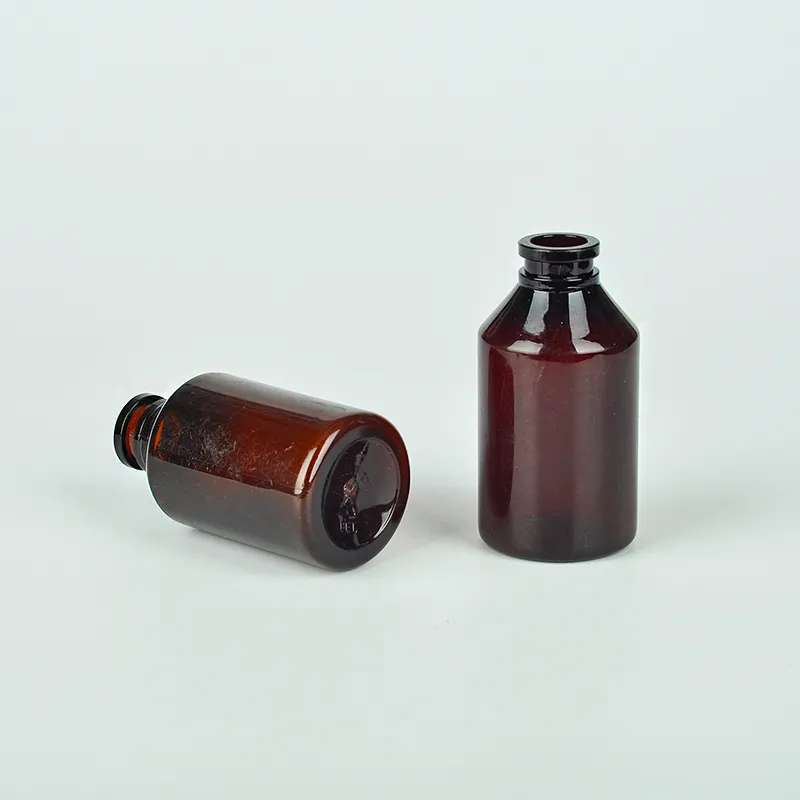
Advantages in Typical Application Scenarios: The primary advantages of Brown Plastic Vaccine Vials Laboratory Veterinary Medicine Liquid Vials include superior UV light protection, preventing degradation of light-sensitive compounds; excellent shatter resistance, reducing breakage during transport and handling compared to glass; chemical inertness, ensuring no deleterious interaction with sensitive drug formulations; and cost-effectiveness in both manufacturing and shipping due to lighter weight. These attributes translate to enhanced product stability, improved patient safety, and optimized supply chain efficiency.
Technical Specifications and Parameters
Understanding the technical specifications of Brown Plastic Vaccine Vials Laboratory Veterinary Medicine Liquid Vials is crucial for pharmaceutical engineers and procurement specialists to ensure compatibility with drug formulations and manufacturing processes. The following table outlines typical parameters for these critical packaging components.
Product Specification Table: Brown Plastic Vaccine Vials
| Parameter | Specification Range | Testing Standard / Compliance |
|---|---|---|
| Material | Medical Grade HDPE or PP (USP Class VI) | USP , ISO 10993 |
| Volume Capacity | 2mL, 3mL, 5mL, 10mL, 15mL, 20mL, 30mL, 50mL, 100mL | Internal volumetric calibration |
| Color / Opacity | Amber (Brown) opaque | USP (Light Transmission) |
| UV Light Protection | Blocks >90% of light below 500nm | USP , Ph. Eur. 3.2.2 |
| Closure Type | Screw cap (PP, with liner options like F217, PTFE, PE foam) or Crimp top | ISO 8362-5 |
| Neck Finish | Standard GL-series (e.g., GL18, GL25), or custom | Industry Standard (e.g., DIN) |
| Extractables & Leachables | Extremely low levels, compliant with regulatory thresholds | USP , , ICH Q3B |
| Temperature Range | -80°C to +121°C (Material dependent) | ASTM D648, ISO 11357 |
| Sterility Assurance | Manufactured in ISO Class 7/8 Cleanroom | ISO 14644-1 |
Application Scenarios and Technical Advantages
The versatility and protective properties of Brown Plastic Vaccine Vials Laboratory Veterinary Medicine Liquid Vials make them indispensable across a wide spectrum of critical applications. Their robust design and specific material composition address unique challenges in various sectors.
Key Application Scenarios:
- Human Vaccine Storage and Distribution: For vaccines containing light-sensitive antigens or adjuvants, amber plastic vials offer crucial photoprotection, extending shelf life and maintaining immunogenicity during transport and storage, particularly in regions with less stable cold chain infrastructure.
- Veterinary Vaccine Packaging: Similar to human vaccines, animal vaccines often contain sensitive biological components. These vials ensure that veterinary biologics remain potent and stable from manufacturing to field administration, protecting animal health and agricultural productivity.
- Laboratory Reagent Storage: Many chemical and biological reagents used in research and diagnostics are susceptible to UV degradation. Brown Plastic Vaccine Vials Laboratory Veterinary Medicine Liquid Vials provide an inert, opaque environment, safeguarding reagent integrity for accurate experimental results.
- Diagnostic Sample Collection & Transport: For clinical or veterinary diagnostic samples, particularly those containing light-sensitive analytes (e.g., bilirubin, certain vitamins), these vials help preserve sample integrity until analysis, crucial for reliable diagnostic outcomes.
- Oral Liquid Medications: Certain oral solutions, especially those containing photosensitive APIs (Active Pharmaceutical Ingredients), benefit from the protective amber plastic, which prevents degradation and ensures consistent dosage and efficacy throughout the product's lifespan.
Technical Advantages:
- Superior Photoprotection: The brown/amber pigmentation effectively filters out harmful UV and visible light wavelengths (typically 290-500 nm), which are known to catalyze degradation reactions in many pharmaceutical compounds. This extends product shelf life and maintains therapeutic efficacy.
- Exceptional Shatter Resistance: Unlike glass, plastic vials are highly resistant to breakage upon impact, significantly reducing product loss, enhancing safety for handlers, and improving robustness during high-speed filling operations and transportation. This is particularly advantageous for high-volume vaccine distribution.
- Chemical Inertness & Low Extractables: Manufactured from medical-grade polymers (e.g., USP Class VI HDPE/PP), these vials exhibit minimal interaction with drug formulations. Comprehensive extractables and leachables (E&L) testing ensures that no harmful compounds migrate from the container111 into the product, preserving drug purity and patient safety.
- Weight Reduction & Cost-Effectiveness: Plastic vials are substantially lighter than their glass counterparts, leading to reduced shipping costs and a lower carbon footprint in logistics. Their manufacturing process is also often more energy-efficient and scalable for mass production.
- Design Flexibility: Plastic molding allows for greater design versatility, enabling custom shapes, neck finishes, and closure systems to optimize compatibility with automated filling lines and specialized dispensing mechanisms.
- Temperature Stability: Modern medical-grade plastics offer a broad temperature tolerance, allowing for storage in cryogenic conditions (e.g., -80°C for some biologics with specific materials like PP) and resistance to high temperatures for sterilization (e.g., autoclaving with PP).
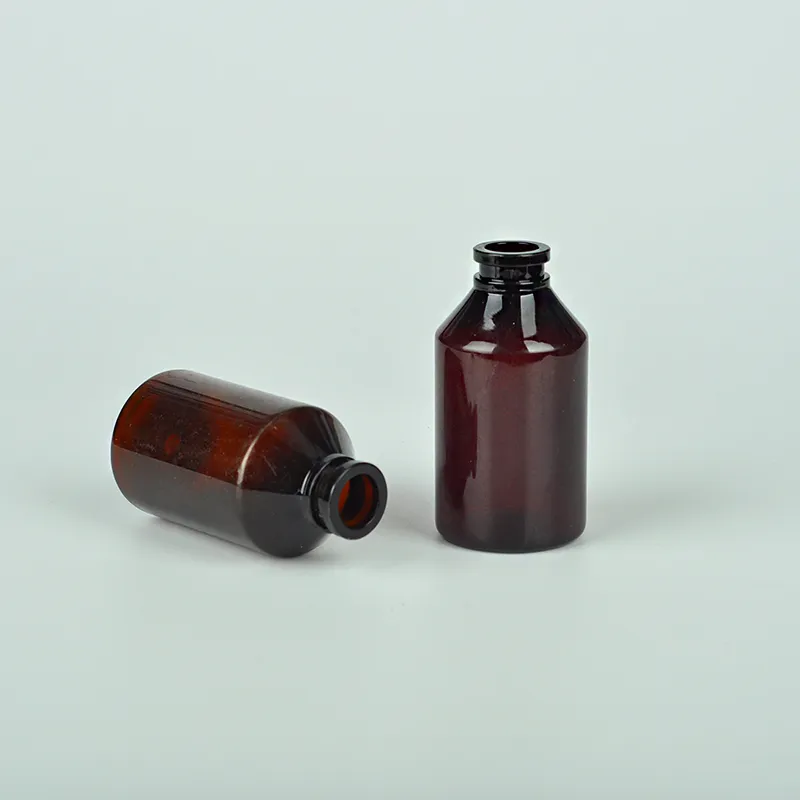
These inherent technical advantages solidify the position of plastic vaccine vials as a preferred choice for pharmaceutical and veterinary liquid packaging, offering a superior balance of protection, safety, and logistical efficiency.
Vendor Comparison and Customization Solutions
Selecting the right supplier for Brown Plastic Vaccine Vials Laboratory Veterinary Medicine Liquid Vials is a critical decision that impacts product quality, supply chain reliability, and regulatory compliance. Reputable vendors offer not only standard products but also comprehensive customization options to meet unique project requirements.
Key Considerations for Vendor Comparison:
| Aspect | High-Tier Vendor Attributes | Lower-Tier Vendor Risks |
|---|---|---|
| Certifications & Compliance | ISO 13485, GMP-compliant facilities, FDA DMF filings, USP Class VI materials, Ph. Eur. standards. | Lack of specific medical device/pharma certifications, generic material data sheets, non-compliant manufacturing environments. |
| Quality Control & Testing | In-house E&L testing, full dimensional analysis, sterility assurance, robust batch traceability. | Reliance on external labs, infrequent testing, limited batch data, inconsistent quality. |
| Material Expertise | Deep understanding of polymer science, ability to recommend optimal materials for specific drug formulations. | Limited material options, generic recommendations, potential for material incompatibility. |
| Customization Capability | In-house design, tooling, rapid prototyping, tailored volume, neck finishes, cap types, branding. | Limited to standard molds, inability to accommodate specific design or functional requirements. |
| Supply Chain & Logistics | Reliable lead times, global distribution network, secure warehousing, contingency planning. | Unpredictable delivery, limited shipping options, lack of inventory management, single-point failure risks. |
| Technical Support | Dedicated technical account managers, support for regulatory submissions (e.g., DMF access), post-sales assistance. | Generic customer service, lack of scientific or regulatory expertise, difficult communication. |
Customized Solutions for Specialized Needs:
Recognizing that standard solutions may not always suffice, leading manufacturers offer bespoke options for Brown Plastic Vaccine Vials Laboratory Veterinary Medicine Liquid Vials:
- Volume & Dimensions: Custom vial capacities (e.g., micro-vials for research, large bulk container111s) and specific dimensions to integrate seamlessly with existing automated filling lines.
- Material Formulations: Tailored polymer blends for enhanced barrier properties (e.g., EVOH co-extrusion for oxygen sensitivity), specialized temperature resistance, or specific chemical compatibility.
- Closure Systems: Development of unique screw caps, crimp seals, or dropper inserts that optimize dispensing, ensure tamper-evidence, or improve aseptic access. This includes selection of liner materials (e.g., PTFE for chemical resistance, F217 for general purpose sealing).
- Surface Treatment: Options for internal siliconization to reduce protein adsorption or external anti-static coatings for better handling in cleanroom environments.
- Branding & Serialization: Integration of company logos, specific labeling areas, or serialized barcodes directly into the vial design for enhanced brand identity and supply chain traceability.
- Pre-sterilization Services: While manufactured in cleanrooms, some applications require validated sterile products. Vendors can offer pre-sterilized vials via gamma irradiation or EtO, with Sterility Assurance Level (SAL) certificates.
Engaging with a vendor that prioritizes quality, regulatory adherence, and possesses strong R&D capabilities for customization ensures that your specific packaging needs are met with precision and confidence.
Application Case Studies and Customer Experience
Real-world application demonstrates the tangible benefits and reliability of Brown Plastic Vaccine Vials Laboratory Veterinary Medicine Liquid Vials. These case studies highlight their performance in demanding pharmaceutical and veterinary environments.
Case Study 1: Global Vaccine Distribution Initiative
A major international non-profit organization required a robust and cost-effective packaging solution for a critical vaccine distribution initiative in developing regions. The vaccine was highly sensitive to UV light and required extensive protection during transport through varied climates, often over rough terrain. Traditional glass vials presented significant challenges due to breakage rates and higher shipping costs.
- Solution: Customized 10mL HDPE Brown Plastic Vaccine Vials Laboratory Veterinary Medicine Liquid Vials with a tamper-evident screw cap were supplied. The vials were rigorously tested for UV transmission, chemical compatibility with the vaccine, and drop-impact resistance.
- Outcome: Over a 12-month period, the organization reported a >95% reduction in vial breakage compared to previous glass packaging. Shipping costs were reduced by 20% due to the lighter weight. Crucially, post-distribution assays confirmed that the vaccine maintained its full potency, demonstrating superior photoprotection and product stability. Customer feedback highlighted the ease of handling and increased safety for field workers.
Case Study 2: Specialized Veterinary Therapeutic
A veterinary pharmaceutical company developed a new therapeutic liquid formulation for livestock that required precise dosage and was prone to oxidation and light degradation. They needed a vial that could maintain the drug's stability over an extended shelf life while allowing for accurate dispensing in farm environments.
- Solution: The company opted for 30mL brown PP vials with a custom-designed dropper insert and an oxygen-barrier liner in the screw cap. This solution provided enhanced UV protection, precise dispensing control, and improved oxygen barrier properties.
- Outcome: Stability studies confirmed that the therapeutic maintained its efficacy for the entire projected shelf life of 36 months, significantly longer than initial estimates with alternative packaging. Veterinarians appreciated the user-friendly dropper for accurate administration, reducing waste and ensuring proper animal treatment. This packaging solution contributed to the successful market launch and adoption of the new therapeutic.
Customer Feedback Highlights:
- "Our biologics are incredibly sensitive, and these vials have consistently provided the light protection we need, batch after batch." - Head of QA, Biopharma R&D Lab
- "The transition from glass to these plastic vials was seamless, and the reduction in breakage during automated filling has been a game-changer for our production efficiency." - Operations Director, Pharmaceutical Manufacturer
- "For our field teams, the robustness of these vials means fewer damaged products and safer handling, which is paramount in remote veterinary clinics." - Logistics Manager, Veterinary Supply Chain
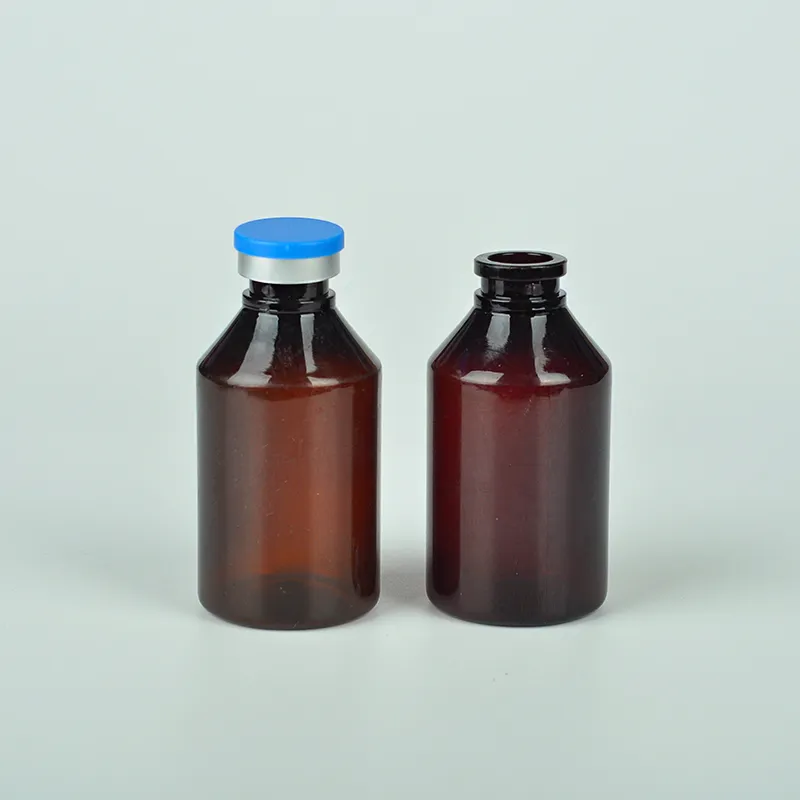
These testimonials underscore the practical benefits and high levels of satisfaction experienced by clients utilizing high-quality Brown Plastic Vaccine Vials Laboratory Veterinary Medicine Liquid Vials for their critical packaging needs.
Trustworthiness: FAQ, Lead Time, Warranty & Support
Frequently Asked Questions (FAQ)
- Q: Are your Brown Plastic Vaccine Vials Laboratory Veterinary Medicine Liquid Vials compatible with cryogenic storage?
- A: Certain polymer types, particularly specialized polypropylene formulations, are suitable for cryogenic temperatures down to -80°C. We recommend specifying your exact temperature requirements during the inquiry process so we can recommend the most appropriate material and conduct compatibility testing.
- Q: Can these vials be sterilized by my facility?
- A: Our vials are manufactured in controlled cleanroom environments. While some materials like PP are autoclavable (steam sterilization), other methods like EtO or gamma irradiation may also be compatible depending on the polymer. Please consult our technical team for specific sterilization compatibility data for your chosen vial material.
- Q: What is the UV protection efficacy of your amber plastic vials?
- A: Our amber plastic vials are designed to comply with USP and Ph. Eur. 3.2.2 requirements, blocking typically more than 90% of light in the UV spectrum (290-450 nm) and significantly reducing light transmission up to 500 nm, providing excellent protection for photosensitive formulations.
- Q: Do you provide Extractables & Leachables (E&L) data?
- A: Yes, we provide comprehensive E&L data for our medical-grade polymers, conducted by accredited third-party laboratories in accordance with USP and guidelines. This data supports regulatory submissions and ensures product safety.
Lead Time and Fulfillment
Standard Brown Plastic Vaccine Vials Laboratory Veterinary Medicine Liquid Vials typically have a lead time of 4-6 weeks, subject to stock availability and order volume. For customized solutions, lead times can range from 8-12 weeks, depending on design complexity, tooling requirements, and initial production runs. We operate a robust supply chain to ensure timely fulfillment, with options for expedited shipping available upon request. Our logistics team works closely with clients to optimize delivery schedules and manage inventory effectively.
Warranty Commitments
All our Brown Plastic Vaccine Vials Laboratory Veterinary Medicine Liquid Vials are manufactured to stringent quality standards and come with a comprehensive warranty against manufacturing defects. We guarantee that our products will conform to agreed-upon specifications and relevant regulatory standards at the time of delivery. Any issues related to material integrity, dimensional accuracy, or functional performance that are attributable to our manufacturing process will be addressed promptly, including replacement or credit, subject to our terms and conditions.
Customer Support Information
Our dedicated technical and customer support teams are available to assist with all inquiries, from initial product selection and technical specifications to post-sales support and troubleshooting. We offer:
- Technical Consultation: Expert advice on material selection, compatibility, and regulatory compliance.
- Order Management: Transparent communication regarding order status, lead times, and shipping.
- Quality Assurance: Prompt response and resolution for any quality concerns.
- Documentation Support: Provision of Certificates of Analysis (CoA), material data sheets, and regulatory support documentation.
Contact us via phone, email, or our online portal for reliable and professional assistance.
References
- United States Pharmacopeia and National Formulary (USP-NF). Plastic Packaging Systems and Their Materials of Construction.
- European Pharmacopoeia (Ph. Eur.). General Chapter 3.2.2. Plastic Containers and Closures for Pharmaceutical Use.
- International Organization for Standardization (ISO). ISO 13485:2016 Medical devices — Quality management systems — Requirements for regulatory purposes.
- Food and Drug Administration (FDA). 21 CFR Part 177 - Indirect Food Additives: Polymers.
- International Council for Harmonisation (ICH). ICH Q3B(R2) Impurities in New Drug Products.
-
Bulk Eye Dropper Bottles for Industrial Packaging - Reliable & CustomizableNewsDec.31,2025
-
Small Plastic Dropper Bottles – Durable, Precise Packaging Solutions for B2B ApplicationsNewsDec.10,2025
-
Medicine Dropper Bottles – Precision and Quality Packaging Solutions for B2B | WK PackingNewsDec.10,2025
-
Discover Top Quality 2 oz Eye Dropper Bottles for Industrial UseNewsDec.09,2025
-
1 Oz Eye Dropper Bottles - Precision Packaging Solutions for B2B Industries | WKPackingNewsDec.09,2025
-
Durable 4 oz Eye Dropper Bottles for Industrial & Cosmetic UseNewsDec.09,2025