




Sterile Virus Sample Tubes for Secure Collection & Testing
Industry Trends in Sample Collection and Preservation
The landscape of clinical diagnostics and public health surveillance is continuously evolving, driven by technological advancements and global health challenges. A critical component in this ecosystem is the virus sample tube, an indispensable tool for the collection, transport, and preservation of biological specimens containing viral pathogens. Recent trends highlight an increasing demand for highly reliable, standardized, and user-friendly sample collection systems. The COVID-19 pandemic significantly accelerated innovation in this sector, emphasizing the need for robust viral transport media (VTM) and inactivation solutions to ensure sample integrity from point of collection to laboratory analysis.
Key trends include the development of universal VTMs capable of preserving a broad spectrum of viruses, advancements in dry transport systems for ambient temperature storage, and the integration of features that enhance safety for healthcare workers. Furthermore, there's a growing emphasis on automation compatibility, allowing for seamless integration into high-throughput laboratory workflows. The market is also seeing a shift towards pre-filled and ready-to-use configurations, minimizing preparation steps and reducing the potential for human error. Sustainability is another emerging concern, prompting manufacturers to explore eco-friendlier materials and packaging solutions for sample tube production. The demand for products meeting stringent international standards (e.g., ISO 13485, FDA IVD clearance) continues to rise, ensuring product quality and regulatory compliance across global markets.
Technical Specifications of Virus Sample Tubes
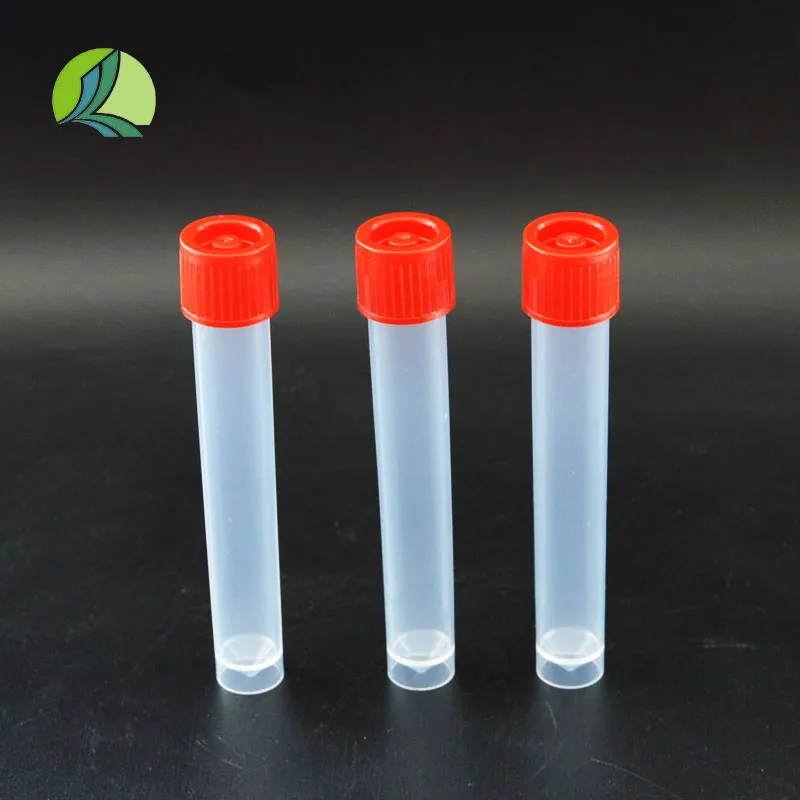
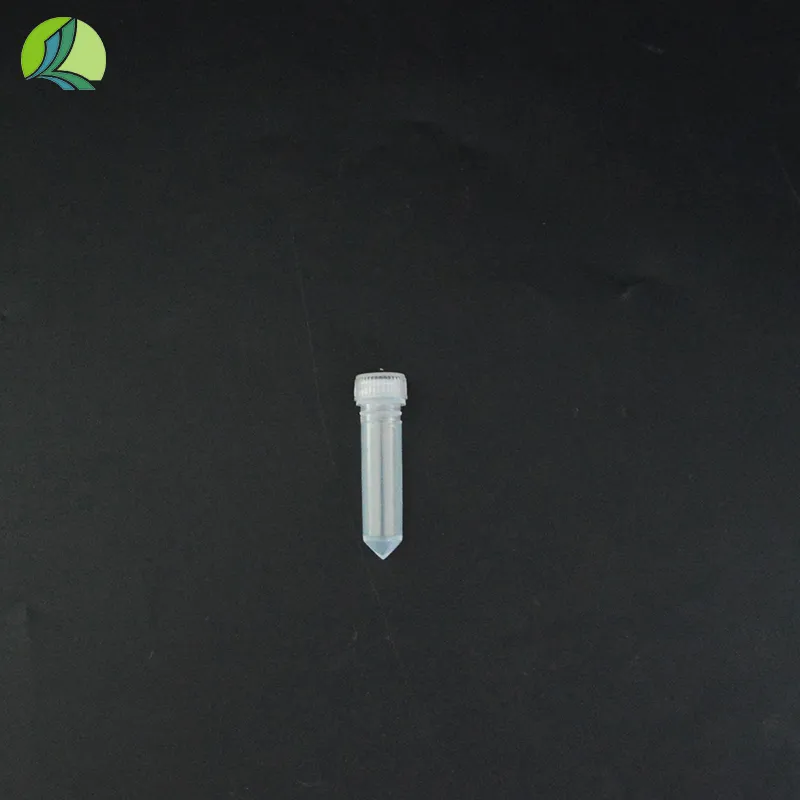
The technical specifications of a virus sample tube are critical for ensuring the viability and integrity of viral RNA/DNA for subsequent molecular diagnostics. These tubes are meticulously engineered components designed to withstand various environmental conditions during transport and storage while maintaining optimal preservation conditions for the viral load.
Core Components and Materials:
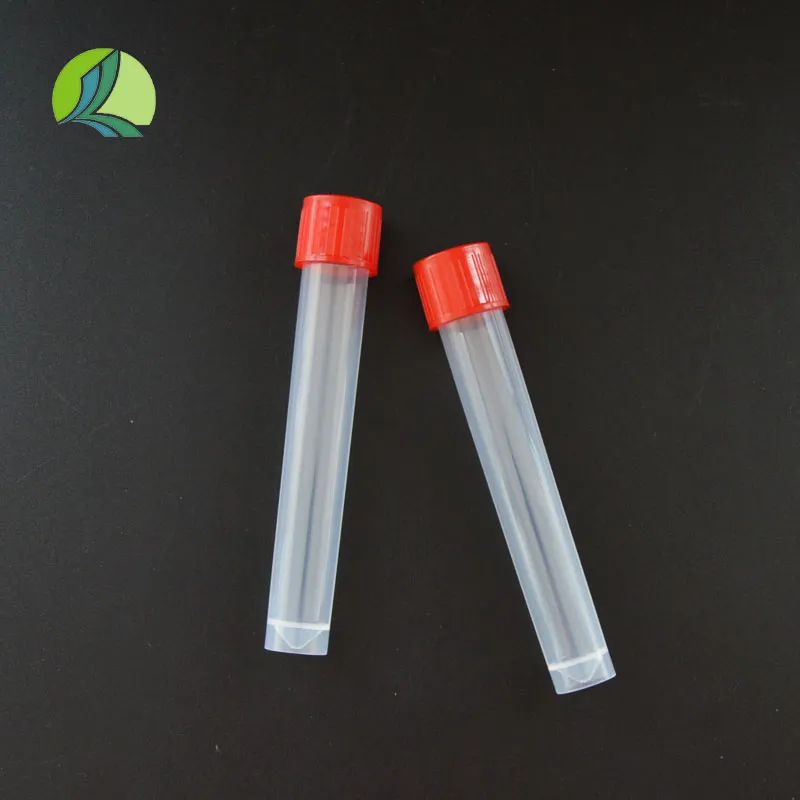
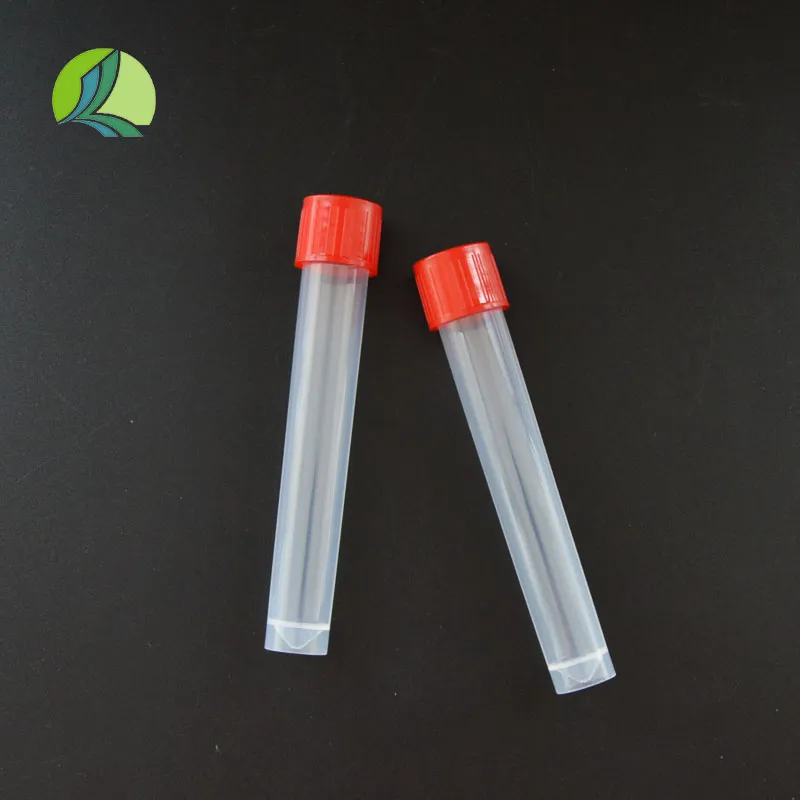
- Tube Body: Typically manufactured from medical-grade polypropylene (PP) or polyethylene terephthalate (PET). PP is favored for its chemical inertness, high temperature resistance (for autoclaving or freezing), and optical clarity, crucial for visual inspection. PET offers excellent gas barrier properties. Both materials are selected to be non-cytotoxic and non-inhibitory to PCR assays.
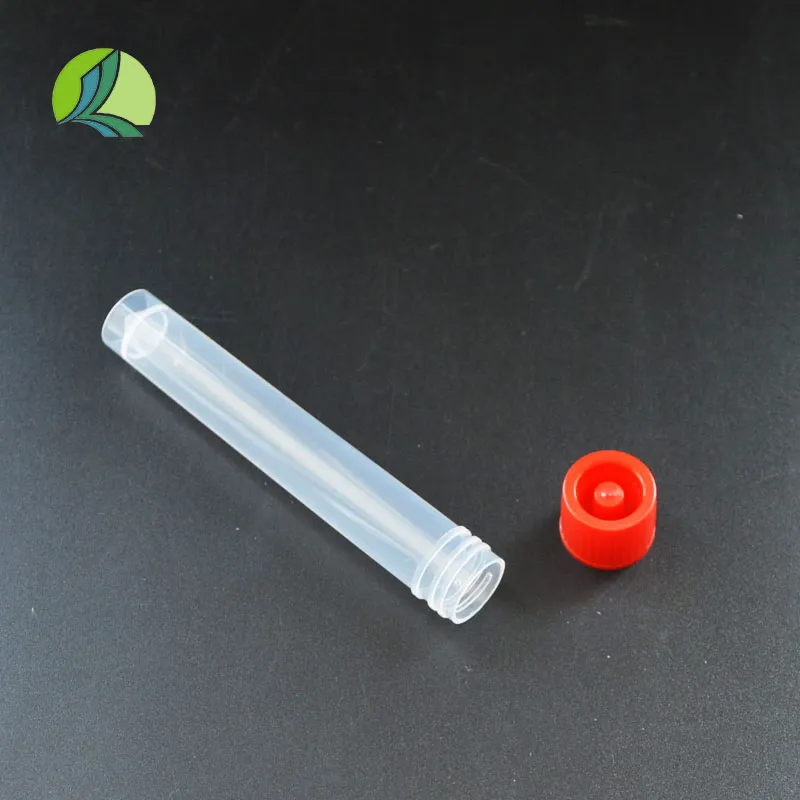
- Cap: Screw caps, often made from high-density polyethylene (HDPE) or PP, provide a secure, leak-proof seal. Features like an O-ring or ribbed internal design enhance sealing integrity, preventing sample loss and contamination during agitation or changes in atmospheric pressure.
- Viral Transport Medium (VTM): The essential component within the virus sample tube. VTMs are buffered solutions containing antibiotics (to inhibit bacterial/fungal growth), cryoprotectants, and sometimes protein stabilizers. They are designed to maintain viral viability for a specified duration at refrigerated temperatures (2-8°C) or even ambient temperatures, while preventing nucleic acid degradation. Common VTM volumes range from 2mL to 3mL. Some advanced VTMs also contain a lysis buffer to inactivate the virus immediately upon collection, making it safer for transport and handling.
- Swab: Paired with the virus sample tube, collection swabs are typically flocked nylon or dacron with plastic shafts, designed for optimal sample uptake and release without inhibiting PCR.
Key Performance Parameters:
- Sterility: Tubes and VTMs are typically sterilized by gamma irradiation, ensuring an aseptic environment for sample collection. Sterility Assurance Level (SAL) is often 10-6.
- Leak-proof Performance: Tested according to international standards (e.g., IATA, 95 kPa pressure differential test) to ensure no leakage during pneumatic tube transport or air freight.
- Temperature Stability: VTMs are formulated to maintain viral integrity across a defined temperature range, typically 2-8°C for up to 72 hours, and sometimes up to 7 days, or extended periods at -70°C.
- Nuclease-Free: Certified DNase and RNase-free to prevent degradation of viral nucleic acids, which is paramount for accurate PCR results.
- PCR Compatibility: VTM components are validated to ensure they do not inhibit PCR or RT-PCR amplification.
Product Specification Table: Standard Virus Sample Tube
| Parameter | Specification |
|---|---|
| Tube Material | Medical Grade Polypropylene (PP) |
| Cap Material | High-Density Polyethylene (HDPE) with leak-proof seal |
| Tube Dimensions (Dia x Height) | 16 x 100 mm (common), others available |
| VTM Volume | 2mL or 3mL (customizable) |
| VTM Type | Modified Hank's Balanced Salt Solution with antibiotics & cryoprotectants |
| Sterilization Method | Gamma Irradiation (SAL 10-6) |
| Storage Temperature (VTM) | Ambient (15-25°C) for up to 12 months (unopened) |
| Sample Transport (Post-collection) | 2-8°C for up to 72 hours, or -70°C for long-term storage |
| Certifications | CE, ISO 13485, FDA Listed |
| DNase/RNase Free | Yes |
| Cytotoxicity | Non-cytotoxic |
Application Scenarios for Virus Sample Tubes
The versatility and reliability of a virus sample tube make it indispensable across a multitude of clinical and research settings. These specialized collection systems are designed to ensure the integrity of viral samples, from the moment of collection until laboratory analysis.
- Clinical Diagnostic Laboratories: Primarily used for the collection and transport of respiratory specimens (nasopharyngeal, oropharyngeal swabs) for viral testing, including Influenza, RSV, and coronaviruses (e.g., SARS-CoV-2). They are crucial for PCR, RT-PCR, and other molecular diagnostic assays that require intact viral nucleic acids.
- Public Health Surveillance: Essential for monitoring the spread of infectious diseases, identifying new viral strains, and conducting epidemiological studies. Public health agencies rely on these tubes for mass testing initiatives and outbreak investigations.
- Research and Development: Used in virology research for culturing viruses, studying viral pathogenesis, and developing new diagnostic tools or vaccines. The ability to maintain viral viability and genetic material is paramount for such studies.
- Emergency Preparedness and Response: During pandemics or localized outbreaks, rapid and efficient sample collection is critical. Pre-filled tubes for sample collection facilitate quick deployment and minimize training requirements for frontline healthcare workers.
- Veterinary Diagnostics: Similar to human diagnostics, these tubes are employed for collecting samples from animals suspected of viral infections, aiding in veterinary public health and agricultural biosecurity.
- Environmental Monitoring: In some specialized applications, sample tube technologies may be adapted for detecting viral contaminants in water or air samples, although this is less common for standard VTM tubes.
The demand for robust and reliable tubes for sample collection extends beyond the immediate clinical need, influencing public health policy and the speed of scientific discovery. The efficacy of the entire diagnostic pipeline hinges on the quality of the initial sample collection and preservation using these specialized devices.
Technical Advantages of Our Virus Sample Tubes
Our advanced virus sample tube offerings are engineered to provide superior performance and reliability, addressing the critical needs of modern diagnostic and research laboratories. We focus on integrating cutting-edge materials and precision manufacturing to deliver tangible advantages.
- Optimized Viral Preservation: Our proprietary VTM formulations ensure maximum viral viability and nucleic acid stability for extended periods (up to 72 hours at 2-8°C, and longer at -70°C). This significantly reduces the risk of false negatives due to sample degradation, a common concern with inferior sample tube designs.
- Enhanced Safety Features: The leak-proof screw cap design, rigorously tested under varying pressure conditions (e.g., IATA 95 kPa compliance), minimizes biohazard exposure during transport and handling. For applications requiring immediate inactivation, we offer tubes pre-filled with inactivation buffer, rendering the virus non-infectious while preserving nucleic acid integrity.
- High-Purity Materials: Manufactured from medical-grade, virgin polypropylene, our tubes are certified DNase, RNase, and human DNA-free. This guarantees no interference with sensitive molecular assays like PCR and NGS, ensuring highly accurate and reproducible results.
- Automation Compatibility: Designed with standardized dimensions and features that are compatible with automated decapping/recapping systems, robotic liquid handlers, and extraction platforms. This streamlines laboratory workflows, increases throughput, and reduces manual labor, especially for high-volume testing.
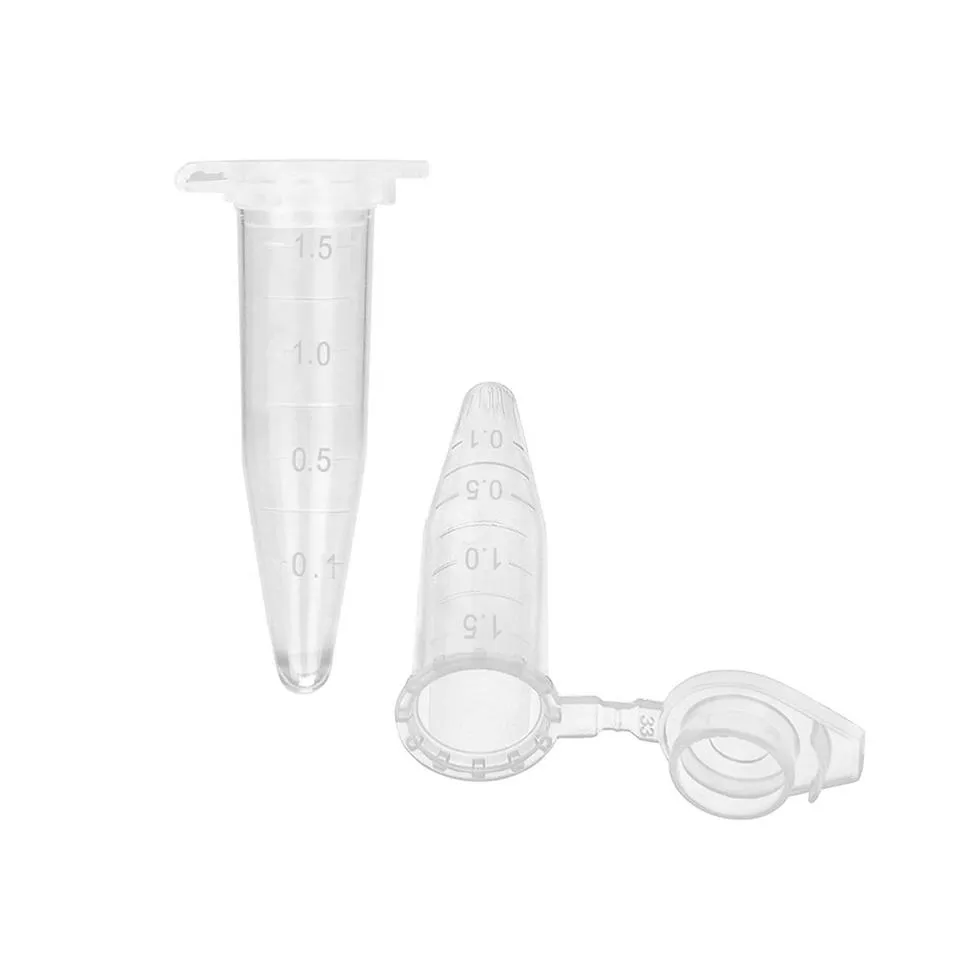
- Clear Labeling and Traceability: Tubes feature clear graduations and a frosted writing area for easy sample identification. Barcoding options (1D or 2D) are available for seamless integration into Laboratory Information Management Systems (LIMS), enhancing sample traceability and reducing transcription errors.
- Environmental Stability: The robust construction protects samples from environmental factors, including temperature fluctuations and mechanical stress during transit. Our tubes are designed to maintain integrity under conditions typical of global logistics chains.
These technical advantages translate into tangible benefits for our clients: improved diagnostic accuracy, enhanced laboratory efficiency, reduced operational costs, and superior safety for personnel handling potentially infectious materials. Our commitment to quality and innovation ensures that our virus sample tube solutions consistently meet and exceed industry expectations.
Manufacturing Process Flow of a Virus Sample Tube
The production of a high-quality virus sample tube involves a meticulously controlled manufacturing process, adhering to stringent quality and sterility standards. This multi-stage process ensures that each tube meets the critical requirements for reliable sample collection and preservation.
Process Steps:
-
Material Sourcing & Quality Control:
High-grade medical virgin polypropylene (PP) or polyethylene terephthalate (PET) pellets are sourced from reputable suppliers. Incoming materials undergo rigorous quality checks for purity, non-cytotoxicity, and absence of PCR inhibitors. Caps are typically made from HDPE.
-
Injection Molding of Tubes and Caps:
Precision injection molding machines form the tube bodies and caps. This process requires precise temperature and pressure control to ensure uniform wall thickness, dimensional accuracy, and a smooth, defect-free surface. Molds are designed to produce tubes with optimal clarity and mechanical strength.
-
VTM Preparation and Filling:
The Viral Transport Medium (VTM) is prepared in a controlled environment. This involves mixing various components – buffered saline, antibiotics, antifungals, protein stabilizers, and cryoprotectants – according to a precise formula. The VTM is then sterilized through filtration (e.g., 0.22µm filter) and aseptically dispensed into the molded tubes using automated filling machines in an ISO Class 7 or 8 cleanroom.
-
Capping and Sealing:
After VTM filling, caps are securely screwed onto the tubes by automated capping machines. The torque applied is calibrated to ensure a leak-proof seal that can withstand transport stresses but is still easy for end-users to open. A visual inspection system checks for proper cap seating.
-
Labeling and Packaging:
Each sample tube is labeled with essential information, including lot number, expiry date, and volume. This often includes human-readable text and scannable barcodes for efficient inventory management and traceability. Tubes are then packaged into racks or bags, ready for final sterilization.
-
Sterilization (Gamma Irradiation):
The packaged tubes are subjected to gamma irradiation at a validated dose. This is a highly effective method for sterilizing medical devices, ensuring a Sterility Assurance Level (SAL) of 10-6, meaning less than one in a million chance of a non-sterile unit. Post-irradiation, product functionality and material integrity are re-verified.
-
Final Quality Control & Release:
Batch samples undergo comprehensive quality control testing. This includes sterility testing, leak-proof testing (e.g., IATA 95 kPa pressure differential test), PCR inhibition testing, cytotoxicity assays, and tests for DNase/RNase contamination. Only batches meeting all specifications and international standards (e.g., ISO 13485, FDA IVD) are released for distribution.
Target Industries and Advantages:
While the primary application is in clinical diagnostics, the robust nature and precision manufacturing of these tubes for sample collection offer advantages across various sectors requiring sterile, reliable sample containment:
- Biopharmaceutical Industry: For research, development, and quality control of viral vectors or vaccine candidates. Advantages include prevention of contamination and precise sample integrity for downstream analysis.
- Environmental Microbiology: For highly sensitive detection of viral pathogens in environmental samples where sterility and minimal inhibition are crucial.
- Veterinary Science: Similar to human diagnostics, for pathogen surveillance and diagnosis in animal populations, ensuring reliable results for animal health and food safety.
The emphasis on controlled environments, validated sterilization, and rigorous testing ensures that each virus sample tube delivers unparalleled performance and reliability in demanding applications.
Vendor Comparison: Choosing the Right Virus Sample Tube Provider
Selecting the appropriate vendor for virus sample tube products is a critical decision for healthcare providers, diagnostic laboratories, and public health agencies. The choice impacts sample integrity, diagnostic accuracy, operational efficiency, and overall cost-effectiveness. Key differentiation points between vendors often lie in product quality, certifications, customization capabilities, and supply chain reliability.
Key Comparison Criteria:
- Certifications and Compliance: Reputable vendors possess international quality management system certifications (e.g., ISO 13485) and product-specific regulatory clearances (e.g., CE Mark for IVD, FDA Listing in the US).
- VTM Formulation and Performance: The effectiveness of the Viral Transport Medium varies. Some offer enhanced stability, broader pathogen compatibility, or immediate inactivation capabilities.
- Tube Material and Design: Quality of polypropylene, leak-proof cap design, and compatibility with automation are vital. Look for certified DNase/RNase-free and non-cytotoxic products.
- Supply Chain Robustness: Especially critical during high-demand periods, a vendor's ability to ensure consistent supply and manage logistics is paramount.
- Customization Options: The ability to tailor VTM volume, tube size, labeling, or even VTM formulation can be a significant advantage for specific research or clinical needs.
- Technical Support and Service: Responsiveness and expertise in addressing technical queries or logistical challenges.
Virus Sample Tube Vendor Comparison Table:
| Feature/Vendor | WKPacking (Our Offering) | Competitor A | Competitor B |
|---|---|---|---|
| VTM Stability (2-8°C) | Up to 72 hours (validated) | Up to 48 hours | Up to 72 hours |
| Leak-Proof Design | IATA 95 kPa Certified | Manufacturer Claimed (No IATA Cert.) | IATA 95 kPa Certified |
| DNase/RNase Free Cert. | Yes (Third-Party Verified) | Yes (Internal Verification) | Yes (Third-Party Verified) |
| Automation Compatibility | High (Robotic Handlers, LIMS) | Limited | Moderate |
| Customization Options | Extensive (VTM, Volume, Labeling) | Basic (Volume) | Moderate (Labeling) |
| Regulatory Certifications | CE IVD, ISO 13485, FDA Listed | CE IVD, ISO 9001 | CE IVD, ISO 13485 |
WKPacking differentiates itself through a steadfast commitment to superior material quality, advanced VTM formulations, and comprehensive regulatory compliance. Our focus on both performance and operational efficiency, coupled with flexible customization options, positions us as a preferred partner for institutions demanding the highest standards for their tubes for sample collection.
Customized Solutions for Virus Sample Tubes
Recognizing that "one size fits all" rarely applies to the diverse requirements of clinical diagnostics and research, we offer comprehensive customized solutions for our virus sample tube products. Our capability to tailor various aspects of the collection system allows clients to optimize their workflows, meet specific regulatory needs, or support unique research protocols.
Areas of Customization:
-
Viral Transport Medium (VTM) Formulation:
We can adjust the VTM composition to client specifications, including variations in antibiotic cocktails, buffer systems, or the inclusion of viral inactivating agents (e.g., guanidine-based lysis buffers) for immediate pathogen inactivation and nucleic acid stabilization. This is particularly useful for specific pathogen types or for enhancing biosafety during transport.
-
Tube Dimensions and Volume:
While standard sizes (e.g., 16x100mm with 2mL or 3mL VTM) are common, we can manufacture sample tube variations to fit specific automated platforms or to accommodate larger sample volumes. This ensures seamless integration into existing laboratory infrastructure.
-
Labeling and Barcoding:
Customized labels can include client-specific logos, branding, specific instructions for use, or integration with internal inventory management systems via tailored 1D or 2D barcodes. This enhances brand consistency and operational efficiency.
-
Packaging Configurations:
From bulk packaging to individually sterile-wrapped kits including swabs and instructions for use, we can adapt packaging to meet logistical requirements or end-user convenience. Pre-racked tubes are available for high-throughput automated systems.
-
Swab Type and Integration:
We offer various swab types (e.g., flocked nylon, dacron, rayon) and shaft materials (plastic, aluminum) to be paired with the virus sample tube, based on the specific anatomical collection site and diagnostic assay. Custom-length swabs or break-point designs are also available.
Our dedicated team of product development specialists collaborates closely with clients from concept to delivery, ensuring that customized types of sample collection tubes meet all performance and regulatory requirements. This consultative approach ensures that the final product is perfectly aligned with operational needs and scientific objectives, reinforcing trust and efficiency for our partners.
Application Case Studies
The proven efficacy and reliability of our virus sample tube solutions are best demonstrated through real-world applications. These case studies highlight how our products have supported critical diagnostic and surveillance efforts globally.
Case Study 1: Large-Scale Pandemic Surveillance in a Metropolitan Area
- Client: Major Public Health Laboratory Network, North America.
- Challenge: During a peak wave of a viral pandemic, the client required a stable, high-volume supply of tubes for sample collection that ensured viral RNA integrity for RT-PCR testing, even with extended transport times from remote collection sites. They also needed compatibility with existing high-throughput automation.
- Solution: We supplied millions of our standard 3mL VTM virus sample tube kits, pre-racked for immediate use on automated systems. Our VTM formulation demonstrated superior viral stability, maintaining integrity for up to 72 hours at 2-8°C, which was critical for samples collected in rural areas.
- Outcome: The laboratory achieved a consistent daily testing capacity of over 50,000 samples. Feedback confirmed minimal sample degradation, leading to high confidence in diagnostic results and efficient public health response. The automation compatibility significantly reduced manual handling errors and processing time.
Case Study 2: Research and Development of a Novel Antiviral Therapy
- Client: Leading Biopharmaceutical Research Institute, Europe.
- Challenge: The institute required sample tube kits for clinical trials of a new antiviral drug. They needed a specific VTM formulation optimized for a novel RNA virus and rigorous assurance that the tubes would not interfere with downstream sequencing and viral load quantification.
- Solution: We collaborated with their R&D team to develop a customized VTM with specific pH and osmotic properties tailored for their target virus. We provided extensive documentation for our DNase/RNase-free certification and PCR-inhibitor-free validation, assuring compatibility with their sensitive assays.
- Outcome: The customized types of sample collection tubes facilitated successful clinical trials, providing consistent and high-quality samples. This enabled accurate viral load monitoring and sequencing, significantly contributing to the development of the new therapy.
Frequently Asked Questions (FAQ)
Q1: What is a test tube used for in the context of viral collection?
A: In viral collection, a specialized test tube used for collecting samples is known as a virus sample tube or viral transport medium (VTM) tube. It's pre-filled with a solution designed to preserve viral RNA/DNA integrity and viability from the point of collection (e.g., via a nasopharyngeal swab) until it reaches the laboratory for diagnostic testing, such as PCR.
Q2: What is the recommended storage temperature for collected samples in your tubes?
A: Post-collection, samples in our virus sample tube should be transported and stored at 2-8°C (refrigerated) for up to 72 hours to maintain viral viability. For longer-term storage, samples should be frozen at -70°C or colder.
Q3: Are your tubes for sample collection sterile and free from PCR inhibitors?
A: Yes, all our sample tube products, including the VTM, are sterilized by gamma irradiation to a Sterility Assurance Level (SAL) of 10-6. Furthermore, each batch is rigorously tested and certified to be DNase/RNase-free and free from PCR inhibitors, ensuring optimal performance in molecular diagnostic assays.
Q4: Can these tubes be used for automation in high-throughput labs?
A: Absolutely. Our virus sample tube designs adhere to standard dimensions and feature characteristics that make them highly compatible with common automated decapping/recapping systems, robotic liquid handlers, and nucleic acid extraction platforms used in high-throughput diagnostic laboratories.
Q5: What certifications do your types of sample collection tubes hold?
A: Our virus sample tube products are manufactured under ISO 13485 certified quality management systems. They hold CE IVD marking for sale in Europe and are FDA Listed in the United States, affirming our commitment to global regulatory compliance and product quality.
Lead Time, Fulfillment, and Warranty Commitments
Lead Time and Fulfillment:
We understand the critical nature of timely supply in diagnostics. Our standard lead time for off-the-shelf virus sample tube orders typically ranges from 2-4 weeks, depending on order volume and current stock levels. For custom solutions, lead times will be confirmed after design finalization and may range from 6-10 weeks. We maintain robust inventory management and flexible manufacturing capabilities to respond quickly to urgent demands. Our global logistics network ensures efficient and secure delivery to your facility. We offer various shipping options, including express air freight and sea cargo, to meet specific delivery deadlines and budget requirements.
Warranty Commitments:
All WKPacking virus sample tube products are manufactured to the highest standards and come with a comprehensive warranty against defects in materials and workmanship. Our products are guaranteed to meet the specifications detailed in their respective product data sheets and packaging until the stated expiration date, provided they are stored and used according to our instructions. In the event of any product failing to meet these standards, we commit to prompt investigation, replacement, or credit, ensuring minimal disruption to your operations. Detailed warranty terms and conditions are available upon request and are included with all purchase agreements.
Customer Support Information:
WKPacking is dedicated to providing exceptional customer support. Our expert team is available to assist with product selection, technical inquiries, order processing, and after-sales service.
- Technical Support: For detailed product specifications, application guidance, or troubleshooting, please contact our technical support specialists via email at techsupport@wkpacking.com or by phone at +1 (555) 123-4567.
- Sales and Orders: For pricing, quotes, custom orders, or general inquiries, our sales team can be reached at sales@wkpacking.com or +1 (555) 987-6543.
- Online Resources: Visit our website at www.wkpacking.com for product catalogs, datasheets, and regulatory documentation.
We are committed to building long-term partnerships through reliable products and responsive service, ensuring your operations remain efficient and successful.
References
- World Health Organization. Laboratory testing for coronavirus disease (COVID-19) in suspected human cases. Interim guidance. WHO/COVID-19/laboratory/2020.6. www.who.int/publications/i/item/laboratory-testing-for-covid-19-in-suspected-human-cases
- Centers for Disease Control and Prevention. Interim Guidelines for Collecting, Handling, and Testing Clinical Specimens for COVID-19. www.cdc.gov/coronavirus/2019-ncov/lab/guidelines-clinical-specimens.html
- International Air Transport Association (IATA). Dangerous Goods Regulations. www.iata.org/en/publications/dgr/
- International Organization for Standardization (ISO). ISO 13485:2016 Medical devices — Quality management systems — Requirements for regulatory purposes. www.iso.org/standard/59752.html
- Food and Drug Administration (FDA). In Vitro Diagnostics (IVD) Devices. www.fda.gov/medical-devices/ivd-devices
-
Guide to Sourcing High Quality wholesale mister bottles for BusinessNewsApr.16,2026
-
Top Quality Spray Bottle 100ml Suppliers for Your Business NeedsNewsApr.09,2026
-
Comprehensive Guide to Pet Spray Bottle Manufacturers and Packaging SolutionsNewsApr.07,2026
-
Comprehensive Guide to Finding Reliable Perfume Sprayers SuppliersNewsApr.04,2026
-
Comprehensive Guide to Wholesale Mini Spray Bottles for Various ApplicationsNewsMar.31,2026
-
Comprehensive Guide to Sourcing Mini Plastic Spray Bottles Bulk for Your BusinessNewsMar.28,2026
Sterile Virus Sample Tubes for Secure Collection & Testing
Industry Trends in Sample Collection and Preservation
The landscape of clinical diagnostics and public health surveillance is continuously evolving, driven by technological advancements and global health challenges. A critical component in this ecosystem is the virus sample tube, an indispensable tool for the collection, transport, and preservation of biological specimens containing viral pathogens. Recent trends highlight an increasing demand for highly reliable, standardized, and user-friendly sample collection systems. The COVID-19 pandemic significantly accelerated innovation in this sector, emphasizing the need for robust viral transport media (VTM) and inactivation solutions to ensure sample integrity from point of collection to laboratory analysis.
Key trends include the development of universal VTMs capable of preserving a broad spectrum of viruses, advancements in dry transport systems for ambient temperature storage, and the integration of features that enhance safety for healthcare workers. Furthermore, there's a growing emphasis on automation compatibility, allowing for seamless integration into high-throughput laboratory workflows. The market is also seeing a shift towards pre-filled and ready-to-use configurations, minimizing preparation steps and reducing the potential for human error. Sustainability is another emerging concern, prompting manufacturers to explore eco-friendlier materials and packaging solutions for sample tube production. The demand for products meeting stringent international standards (e.g., ISO 13485, FDA IVD clearance) continues to rise, ensuring product quality and regulatory compliance across global markets.
Technical Specifications of Virus Sample Tubes
The technical specifications of a virus sample tube are critical for ensuring the viability and integrity of viral RNA/DNA for subsequent molecular diagnostics. These tubes are meticulously engineered components designed to withstand various environmental conditions during transport and storage while maintaining optimal preservation conditions for the viral load.
Core Components and Materials:
- Tube Body: Typically manufactured from medical-grade polypropylene (PP) or polyethylene terephthalate (PET). PP is favored for its chemical inertness, high temperature resistance (for autoclaving or freezing), and optical clarity, crucial for visual inspection. PET offers excellent gas barrier properties. Both materials are selected to be non-cytotoxic and non-inhibitory to PCR assays.
- Cap: Screw caps, often made from high-density polyethylene (HDPE) or PP, provide a secure, leak-proof seal. Features like an O-ring or ribbed internal design enhance sealing integrity, preventing sample loss and contamination during agitation or changes in atmospheric pressure.
- Viral Transport Medium (VTM): The essential component within the virus sample tube. VTMs are buffered solutions containing antibiotics (to inhibit bacterial/fungal growth), cryoprotectants, and sometimes protein stabilizers. They are designed to maintain viral viability for a specified duration at refrigerated temperatures (2-8°C) or even ambient temperatures, while preventing nucleic acid degradation. Common VTM volumes range from 2mL to 3mL. Some advanced VTMs also contain a lysis buffer to inactivate the virus immediately upon collection, making it safer for transport and handling.
- Swab: Paired with the virus sample tube, collection swabs are typically flocked nylon or dacron with plastic shafts, designed for optimal sample uptake and release without inhibiting PCR.
Key Performance Parameters:
- Sterility: Tubes and VTMs are typically sterilized by gamma irradiation, ensuring an aseptic environment for sample collection. Sterility Assurance Level (SAL) is often 10-6.
- Leak-proof Performance: Tested according to international standards (e.g., IATA, 95 kPa pressure differential test) to ensure no leakage during pneumatic tube transport or air freight.
- Temperature Stability: VTMs are formulated to maintain viral integrity across a defined temperature range, typically 2-8°C for up to 72 hours, and sometimes up to 7 days, or extended periods at -70°C.
- Nuclease-Free: Certified DNase and RNase-free to prevent degradation of viral nucleic acids, which is paramount for accurate PCR results.
- PCR Compatibility: VTM components are validated to ensure they do not inhibit PCR or RT-PCR amplification.
Product Specification Table: Standard Virus Sample Tube
| Parameter | Specification |
|---|---|
| Tube Material | Medical Grade Polypropylene (PP) |
| Cap Material | High-Density Polyethylene (HDPE) with leak-proof seal |
| Tube Dimensions (Dia x Height) | 16 x 100 mm (common), others available |
| VTM Volume | 2mL or 3mL (customizable) |
| VTM Type | Modified Hank's Balanced Salt Solution with antibiotics & cryoprotectants |
| Sterilization Method | Gamma Irradiation (SAL 10-6) |
| Storage Temperature (VTM) | Ambient (15-25°C) for up to 12 months (unopened) |
| Sample Transport (Post-collection) | 2-8°C for up to 72 hours, or -70°C for long-term storage |
| Certifications | CE, ISO 13485, FDA Listed |
| DNase/RNase Free | Yes |
| Cytotoxicity | Non-cytotoxic |
Application Scenarios for Virus Sample Tubes
The versatility and reliability of a virus sample tube make it indispensable across a multitude of clinical and research settings. These specialized collection systems are designed to ensure the integrity of viral samples, from the moment of collection until laboratory analysis.
- Clinical Diagnostic Laboratories: Primarily used for the collection and transport of respiratory specimens (nasopharyngeal, oropharyngeal swabs) for viral testing, including Influenza, RSV, and coronaviruses (e.g., SARS-CoV-2). They are crucial for PCR, RT-PCR, and other molecular diagnostic assays that require intact viral nucleic acids.
- Public Health Surveillance: Essential for monitoring the spread of infectious diseases, identifying new viral strains, and conducting epidemiological studies. Public health agencies rely on these tubes for mass testing initiatives and outbreak investigations.
- Research and Development: Used in virology research for culturing viruses, studying viral pathogenesis, and developing new diagnostic tools or vaccines. The ability to maintain viral viability and genetic material is paramount for such studies.
- Emergency Preparedness and Response: During pandemics or localized outbreaks, rapid and efficient sample collection is critical. Pre-filled tubes for sample collection facilitate quick deployment and minimize training requirements for frontline healthcare workers.
- Veterinary Diagnostics: Similar to human diagnostics, these tubes are employed for collecting samples from animals suspected of viral infections, aiding in veterinary public health and agricultural biosecurity.
- Environmental Monitoring: In some specialized applications, sample tube technologies may be adapted for detecting viral contaminants in water or air samples, although this is less common for standard VTM tubes.
The demand for robust and reliable tubes for sample collection extends beyond the immediate clinical need, influencing public health policy and the speed of scientific discovery. The efficacy of the entire diagnostic pipeline hinges on the quality of the initial sample collection and preservation using these specialized devices.
Technical Advantages of Our Virus Sample Tubes
Our advanced virus sample tube offerings are engineered to provide superior performance and reliability, addressing the critical needs of modern diagnostic and research laboratories. We focus on integrating cutting-edge materials and precision manufacturing to deliver tangible advantages.
- Optimized Viral Preservation: Our proprietary VTM formulations ensure maximum viral viability and nucleic acid stability for extended periods (up to 72 hours at 2-8°C, and longer at -70°C). This significantly reduces the risk of false negatives due to sample degradation, a common concern with inferior sample tube designs.
- Enhanced Safety Features: The leak-proof screw cap design, rigorously tested under varying pressure conditions (e.g., IATA 95 kPa compliance), minimizes biohazard exposure during transport and handling. For applications requiring immediate inactivation, we offer tubes pre-filled with inactivation buffer, rendering the virus non-infectious while preserving nucleic acid integrity.
- High-Purity Materials: Manufactured from medical-grade, virgin polypropylene, our tubes are certified DNase, RNase, and human DNA-free. This guarantees no interference with sensitive molecular assays like PCR and NGS, ensuring highly accurate and reproducible results.
- Automation Compatibility: Designed with standardized dimensions and features that are compatible with automated decapping/recapping systems, robotic liquid handlers, and extraction platforms. This streamlines laboratory workflows, increases throughput, and reduces manual labor, especially for high-volume testing.
- Clear Labeling and Traceability: Tubes feature clear graduations and a frosted writing area for easy sample identification. Barcoding options (1D or 2D) are available for seamless integration into Laboratory Information Management Systems (LIMS), enhancing sample traceability and reducing transcription errors.
- Environmental Stability: The robust construction protects samples from environmental factors, including temperature fluctuations and mechanical stress during transit. Our tubes are designed to maintain integrity under conditions typical of global logistics chains.
These technical advantages translate into tangible benefits for our clients: improved diagnostic accuracy, enhanced laboratory efficiency, reduced operational costs, and superior safety for personnel handling potentially infectious materials. Our commitment to quality and innovation ensures that our virus sample tube solutions consistently meet and exceed industry expectations.
Manufacturing Process Flow of a Virus Sample Tube
The production of a high-quality virus sample tube involves a meticulously controlled manufacturing process, adhering to stringent quality and sterility standards. This multi-stage process ensures that each tube meets the critical requirements for reliable sample collection and preservation.
Process Steps:
-
Material Sourcing & Quality Control:
High-grade medical virgin polypropylene (PP) or polyethylene terephthalate (PET) pellets are sourced from reputable suppliers. Incoming materials undergo rigorous quality checks for purity, non-cytotoxicity, and absence of PCR inhibitors. Caps are typically made from HDPE.
-
Injection Molding of Tubes and Caps:
Precision injection molding machines form the tube bodies and caps. This process requires precise temperature and pressure control to ensure uniform wall thickness, dimensional accuracy, and a smooth, defect-free surface. Molds are designed to produce tubes with optimal clarity and mechanical strength.
-
VTM Preparation and Filling:
The Viral Transport Medium (VTM) is prepared in a controlled environment. This involves mixing various components – buffered saline, antibiotics, antifungals, protein stabilizers, and cryoprotectants – according to a precise formula. The VTM is then sterilized through filtration (e.g., 0.22µm filter) and aseptically dispensed into the molded tubes using automated filling machines in an ISO Class 7 or 8 cleanroom.
-
Capping and Sealing:
After VTM filling, caps are securely screwed onto the tubes by automated capping machines. The torque applied is calibrated to ensure a leak-proof seal that can withstand transport stresses but is still easy for end-users to open. A visual inspection system checks for proper cap seating.
-
Labeling and Packaging:
Each sample tube is labeled with essential information, including lot number, expiry date, and volume. This often includes human-readable text and scannable barcodes for efficient inventory management and traceability. Tubes are then packaged into racks or bags, ready for final sterilization.
-
Sterilization (Gamma Irradiation):
The packaged tubes are subjected to gamma irradiation at a validated dose. This is a highly effective method for sterilizing medical devices, ensuring a Sterility Assurance Level (SAL) of 10-6, meaning less than one in a million chance of a non-sterile unit. Post-irradiation, product functionality and material integrity are re-verified.
-
Final Quality Control & Release:
Batch samples undergo comprehensive quality control testing. This includes sterility testing, leak-proof testing (e.g., IATA 95 kPa pressure differential test), PCR inhibition testing, cytotoxicity assays, and tests for DNase/RNase contamination. Only batches meeting all specifications and international standards (e.g., ISO 13485, FDA IVD) are released for distribution.
Target Industries and Advantages:
While the primary application is in clinical diagnostics, the robust nature and precision manufacturing of these tubes for sample collection offer advantages across various sectors requiring sterile, reliable sample containment:
- Biopharmaceutical Industry: For research, development, and quality control of viral vectors or vaccine candidates. Advantages include prevention of contamination and precise sample integrity for downstream analysis.
- Environmental Microbiology: For highly sensitive detection of viral pathogens in environmental samples where sterility and minimal inhibition are crucial.
- Veterinary Science: Similar to human diagnostics, for pathogen surveillance and diagnosis in animal populations, ensuring reliable results for animal health and food safety.
The emphasis on controlled environments, validated sterilization, and rigorous testing ensures that each virus sample tube delivers unparalleled performance and reliability in demanding applications.
Vendor Comparison: Choosing the Right Virus Sample Tube Provider
Selecting the appropriate vendor for virus sample tube products is a critical decision for healthcare providers, diagnostic laboratories, and public health agencies. The choice impacts sample integrity, diagnostic accuracy, operational efficiency, and overall cost-effectiveness. Key differentiation points between vendors often lie in product quality, certifications, customization capabilities, and supply chain reliability.
Key Comparison Criteria:
- Certifications and Compliance: Reputable vendors possess international quality management system certifications (e.g., ISO 13485) and product-specific regulatory clearances (e.g., CE Mark for IVD, FDA Listing in the US).
- VTM Formulation and Performance: The effectiveness of the Viral Transport Medium varies. Some offer enhanced stability, broader pathogen compatibility, or immediate inactivation capabilities.
- Tube Material and Design: Quality of polypropylene, leak-proof cap design, and compatibility with automation are vital. Look for certified DNase/RNase-free and non-cytotoxic products.
- Supply Chain Robustness: Especially critical during high-demand periods, a vendor's ability to ensure consistent supply and manage logistics is paramount.
- Customization Options: The ability to tailor VTM volume, tube size, labeling, or even VTM formulation can be a significant advantage for specific research or clinical needs.
- Technical Support and Service: Responsiveness and expertise in addressing technical queries or logistical challenges.
Virus Sample Tube Vendor Comparison Table:
| Feature/Vendor | WKPacking (Our Offering) | Competitor A | Competitor B |
|---|---|---|---|
| VTM Stability (2-8°C) | Up to 72 hours (validated) | Up to 48 hours | Up to 72 hours |
| Leak-Proof Design | IATA 95 kPa Certified | Manufacturer Claimed (No IATA Cert.) | IATA 95 kPa Certified |
| DNase/RNase Free Cert. | Yes (Third-Party Verified) | Yes (Internal Verification) | Yes (Third-Party Verified) |
| Automation Compatibility | High (Robotic Handlers, LIMS) | Limited | Moderate |
| Customization Options | Extensive (VTM, Volume, Labeling) | Basic (Volume) | Moderate (Labeling) |
| Regulatory Certifications | CE IVD, ISO 13485, FDA Listed | CE IVD, ISO 9001 | CE IVD, ISO 13485 |
WKPacking differentiates itself through a steadfast commitment to superior material quality, advanced VTM formulations, and comprehensive regulatory compliance. Our focus on both performance and operational efficiency, coupled with flexible customization options, positions us as a preferred partner for institutions demanding the highest standards for their tubes for sample collection.
Customized Solutions for Virus Sample Tubes
Recognizing that "one size fits all" rarely applies to the diverse requirements of clinical diagnostics and research, we offer comprehensive customized solutions for our virus sample tube products. Our capability to tailor various aspects of the collection system allows clients to optimize their workflows, meet specific regulatory needs, or support unique research protocols.
Areas of Customization:
-
Viral Transport Medium (VTM) Formulation:
We can adjust the VTM composition to client specifications, including variations in antibiotic cocktails, buffer systems, or the inclusion of viral inactivating agents (e.g., guanidine-based lysis buffers) for immediate pathogen inactivation and nucleic acid stabilization. This is particularly useful for specific pathogen types or for enhancing biosafety during transport.
-
Tube Dimensions and Volume:
While standard sizes (e.g., 16x100mm with 2mL or 3mL VTM) are common, we can manufacture sample tube variations to fit specific automated platforms or to accommodate larger sample volumes. This ensures seamless integration into existing laboratory infrastructure.
-
Labeling and Barcoding:
Customized labels can include client-specific logos, branding, specific instructions for use, or integration with internal inventory management systems via tailored 1D or 2D barcodes. This enhances brand consistency and operational efficiency.
-
Packaging Configurations:
From bulk packaging to individually sterile-wrapped kits including swabs and instructions for use, we can adapt packaging to meet logistical requirements or end-user convenience. Pre-racked tubes are available for high-throughput automated systems.
-
Swab Type and Integration:
We offer various swab types (e.g., flocked nylon, dacron, rayon) and shaft materials (plastic, aluminum) to be paired with the virus sample tube, based on the specific anatomical collection site and diagnostic assay. Custom-length swabs or break-point designs are also available.
Our dedicated team of product development specialists collaborates closely with clients from concept to delivery, ensuring that customized types of sample collection tubes meet all performance and regulatory requirements. This consultative approach ensures that the final product is perfectly aligned with operational needs and scientific objectives, reinforcing trust and efficiency for our partners.
Application Case Studies
The proven efficacy and reliability of our virus sample tube solutions are best demonstrated through real-world applications. These case studies highlight how our products have supported critical diagnostic and surveillance efforts globally.
Case Study 1: Large-Scale Pandemic Surveillance in a Metropolitan Area
- Client: Major Public Health Laboratory Network, North America.
- Challenge: During a peak wave of a viral pandemic, the client required a stable, high-volume supply of tubes for sample collection that ensured viral RNA integrity for RT-PCR testing, even with extended transport times from remote collection sites. They also needed compatibility with existing high-throughput automation.
- Solution: We supplied millions of our standard 3mL VTM virus sample tube kits, pre-racked for immediate use on automated systems. Our VTM formulation demonstrated superior viral stability, maintaining integrity for up to 72 hours at 2-8°C, which was critical for samples collected in rural areas.
- Outcome: The laboratory achieved a consistent daily testing capacity of over 50,000 samples. Feedback confirmed minimal sample degradation, leading to high confidence in diagnostic results and efficient public health response. The automation compatibility significantly reduced manual handling errors and processing time.
Case Study 2: Research and Development of a Novel Antiviral Therapy
- Client: Leading Biopharmaceutical Research Institute, Europe.
- Challenge: The institute required sample tube kits for clinical trials of a new antiviral drug. They needed a specific VTM formulation optimized for a novel RNA virus and rigorous assurance that the tubes would not interfere with downstream sequencing and viral load quantification.
- Solution: We collaborated with their R&D team to develop a customized VTM with specific pH and osmotic properties tailored for their target virus. We provided extensive documentation for our DNase/RNase-free certification and PCR-inhibitor-free validation, assuring compatibility with their sensitive assays.
- Outcome: The customized types of sample collection tubes facilitated successful clinical trials, providing consistent and high-quality samples. This enabled accurate viral load monitoring and sequencing, significantly contributing to the development of the new therapy.
Frequently Asked Questions (FAQ)
Q1: What is a test tube used for in the context of viral collection?
A: In viral collection, a specialized test tube used for collecting samples is known as a virus sample tube or viral transport medium (VTM) tube. It's pre-filled with a solution designed to preserve viral RNA/DNA integrity and viability from the point of collection (e.g., via a nasopharyngeal swab) until it reaches the laboratory for diagnostic testing, such as PCR.
Q2: What is the recommended storage temperature for collected samples in your tubes?
A: Post-collection, samples in our virus sample tube should be transported and stored at 2-8°C (refrigerated) for up to 72 hours to maintain viral viability. For longer-term storage, samples should be frozen at -70°C or colder.
Q3: Are your tubes for sample collection sterile and free from PCR inhibitors?
A: Yes, all our sample tube products, including the VTM, are sterilized by gamma irradiation to a Sterility Assurance Level (SAL) of 10-6. Furthermore, each batch is rigorously tested and certified to be DNase/RNase-free and free from PCR inhibitors, ensuring optimal performance in molecular diagnostic assays.
Q4: Can these tubes be used for automation in high-throughput labs?
A: Absolutely. Our virus sample tube designs adhere to standard dimensions and feature characteristics that make them highly compatible with common automated decapping/recapping systems, robotic liquid handlers, and nucleic acid extraction platforms used in high-throughput diagnostic laboratories.
Q5: What certifications do your types of sample collection tubes hold?
A: Our virus sample tube products are manufactured under ISO 13485 certified quality management systems. They hold CE IVD marking for sale in Europe and are FDA Listed in the United States, affirming our commitment to global regulatory compliance and product quality.
Lead Time, Fulfillment, and Warranty Commitments
Lead Time and Fulfillment:
We understand the critical nature of timely supply in diagnostics. Our standard lead time for off-the-shelf virus sample tube orders typically ranges from 2-4 weeks, depending on order volume and current stock levels. For custom solutions, lead times will be confirmed after design finalization and may range from 6-10 weeks. We maintain robust inventory management and flexible manufacturing capabilities to respond quickly to urgent demands. Our global logistics network ensures efficient and secure delivery to your facility. We offer various shipping options, including express air freight and sea cargo, to meet specific delivery deadlines and budget requirements.
Warranty Commitments:
All WKPacking virus sample tube products are manufactured to the highest standards and come with a comprehensive warranty against defects in materials and workmanship. Our products are guaranteed to meet the specifications detailed in their respective product data sheets and packaging until the stated expiration date, provided they are stored and used according to our instructions. In the event of any product failing to meet these standards, we commit to prompt investigation, replacement, or credit, ensuring minimal disruption to your operations. Detailed warranty terms and conditions are available upon request and are included with all purchase agreements.
Customer Support Information:
WKPacking is dedicated to providing exceptional customer support. Our expert team is available to assist with product selection, technical inquiries, order processing, and after-sales service.
- Technical Support: For detailed product specifications, application guidance, or troubleshooting, please contact our technical support specialists via email at techsupport@wkpacking.com or by phone at +1 (555) 123-4567.
- Sales and Orders: For pricing, quotes, custom orders, or general inquiries, our sales team can be reached at sales@wkpacking.com or +1 (555) 987-6543.
- Online Resources: Visit our website at www.wkpacking.com for product catalogs, datasheets, and regulatory documentation.
We are committed to building long-term partnerships through reliable products and responsive service, ensuring your operations remain efficient and successful.
References
- World Health Organization. Laboratory testing for coronavirus disease (COVID-19) in suspected human cases. Interim guidance. WHO/COVID-19/laboratory/2020.6. www.who.int/publications/i/item/laboratory-testing-for-covid-19-in-suspected-human-cases
- Centers for Disease Control and Prevention. Interim Guidelines for Collecting, Handling, and Testing Clinical Specimens for COVID-19. www.cdc.gov/coronavirus/2019-ncov/lab/guidelines-clinical-specimens.html
- International Air Transport Association (IATA). Dangerous Goods Regulations. www.iata.org/en/publications/dgr/
- International Organization for Standardization (ISO). ISO 13485:2016 Medical devices — Quality management systems — Requirements for regulatory purposes. www.iso.org/standard/59752.html
- Food and Drug Administration (FDA). In Vitro Diagnostics (IVD) Devices. www.fda.gov/medical-devices/ivd-devices