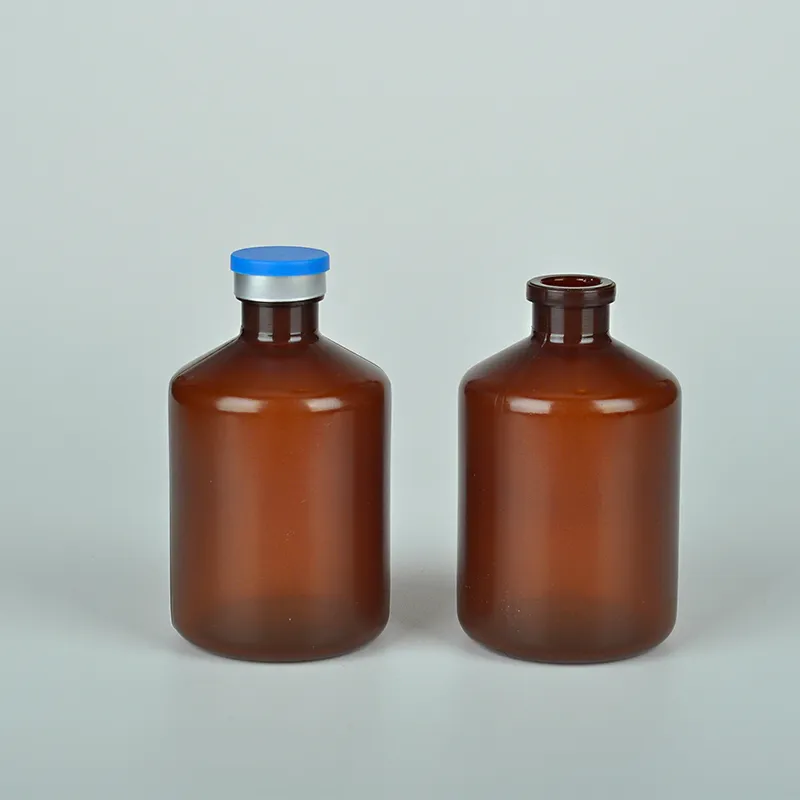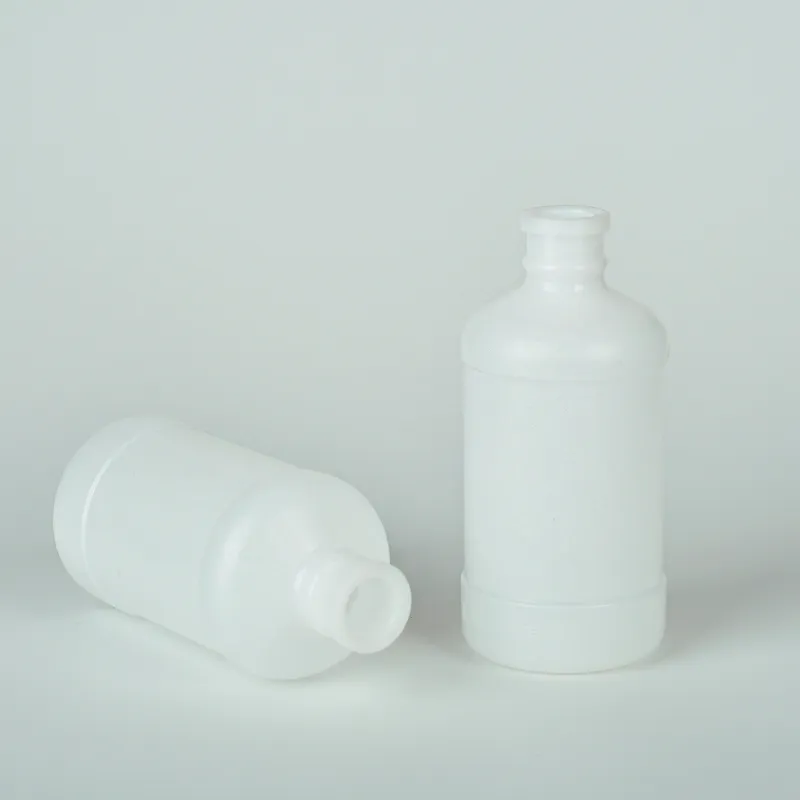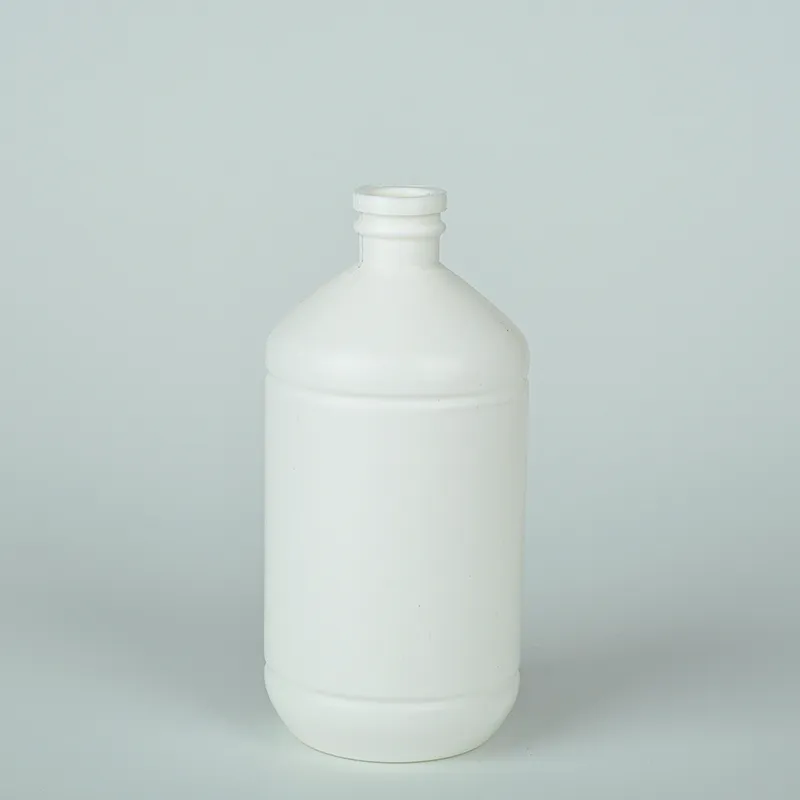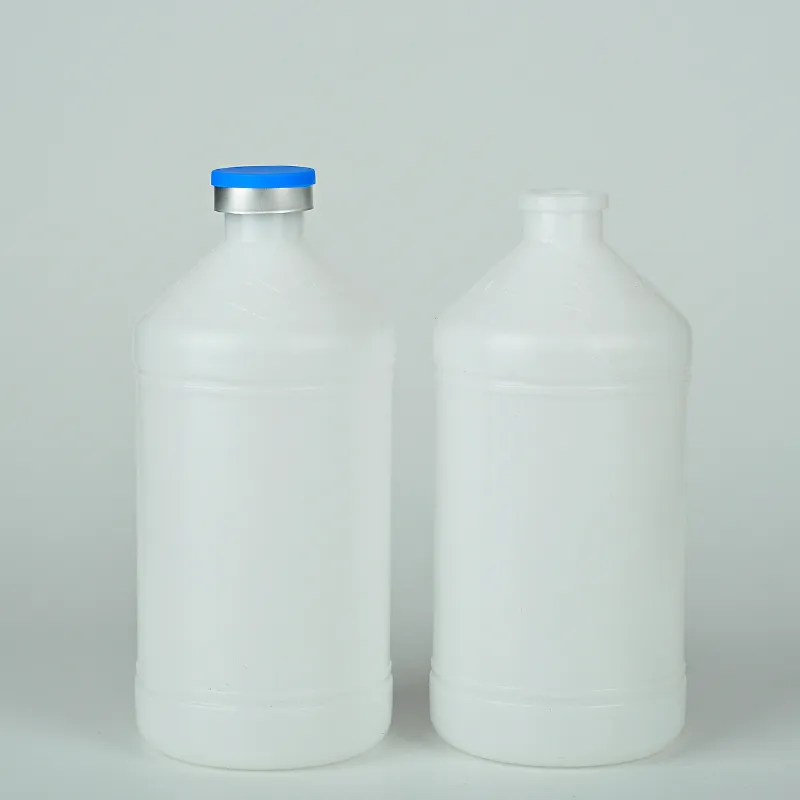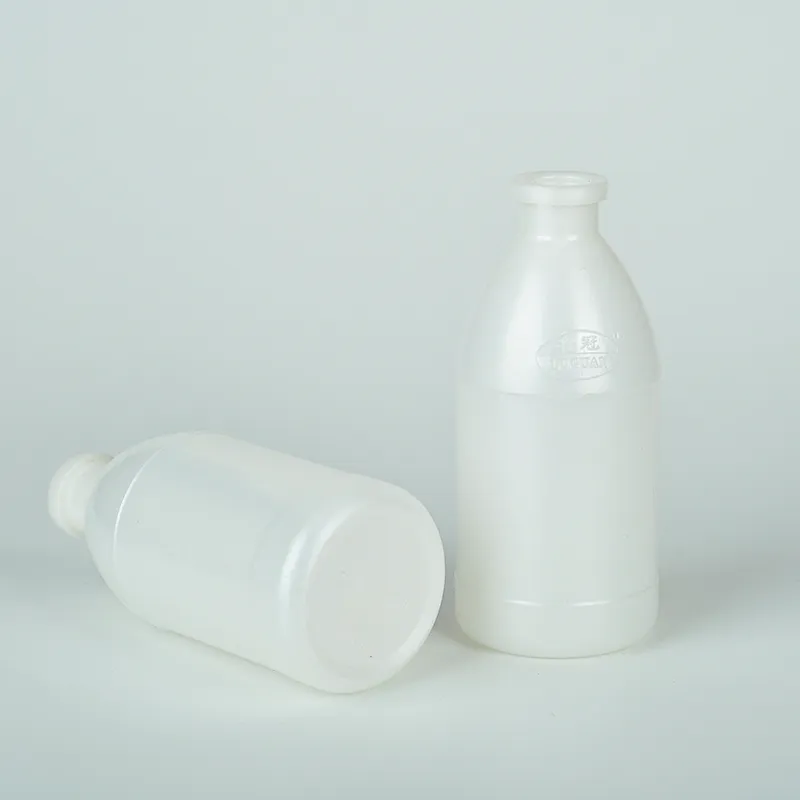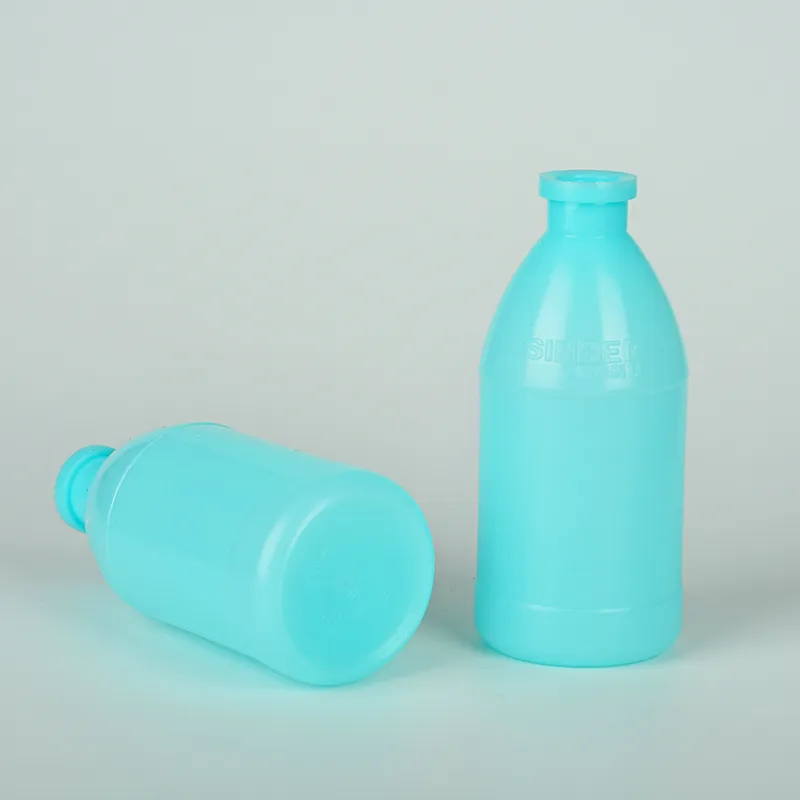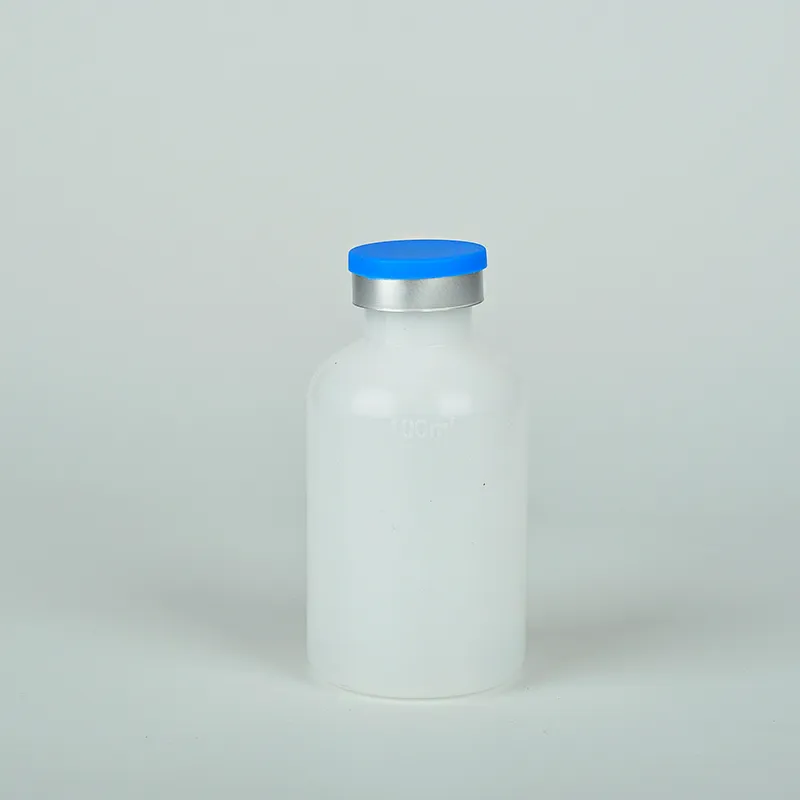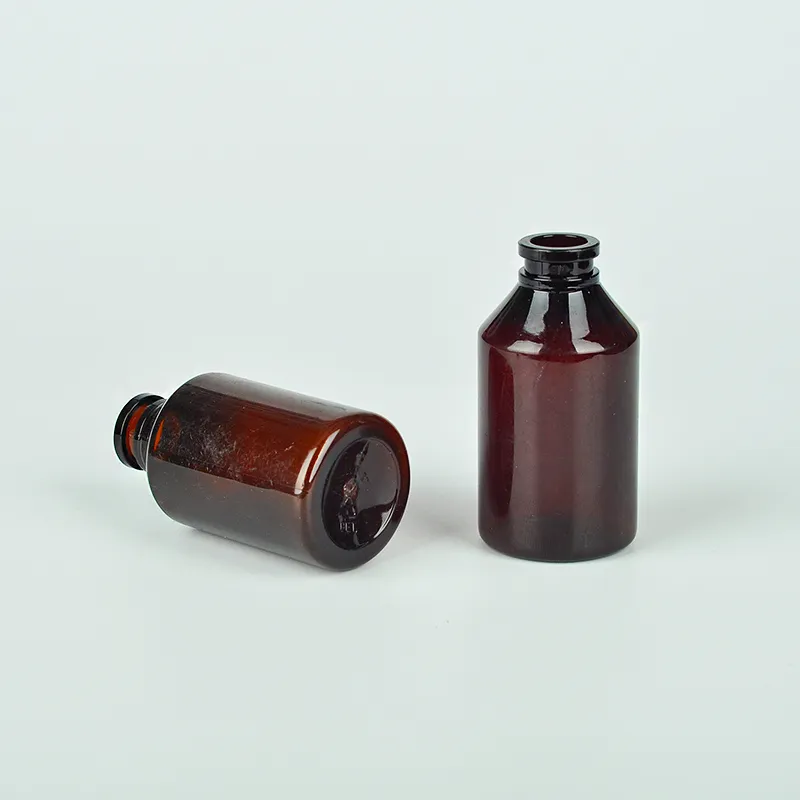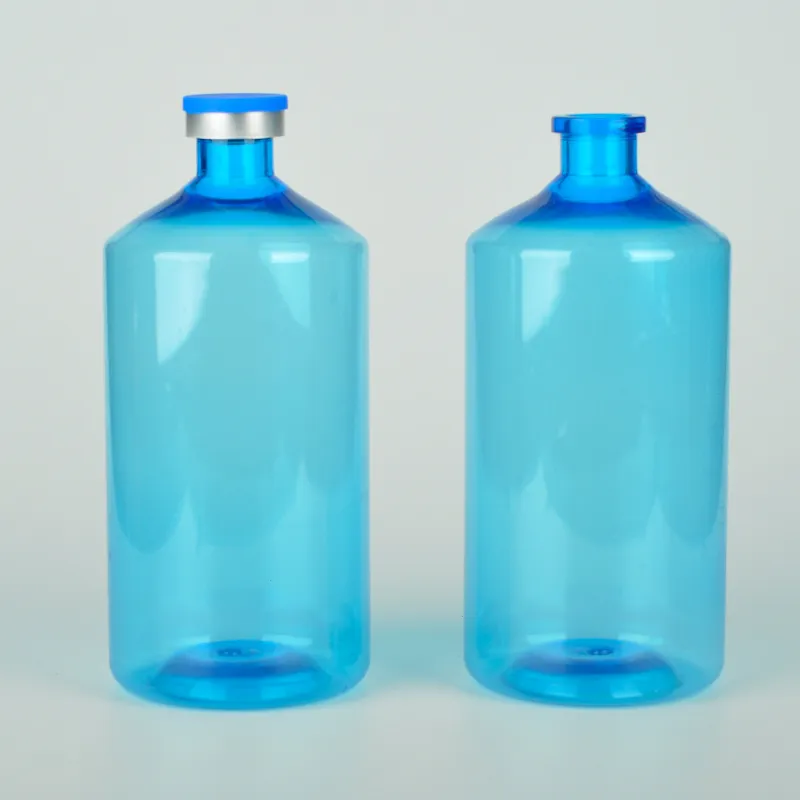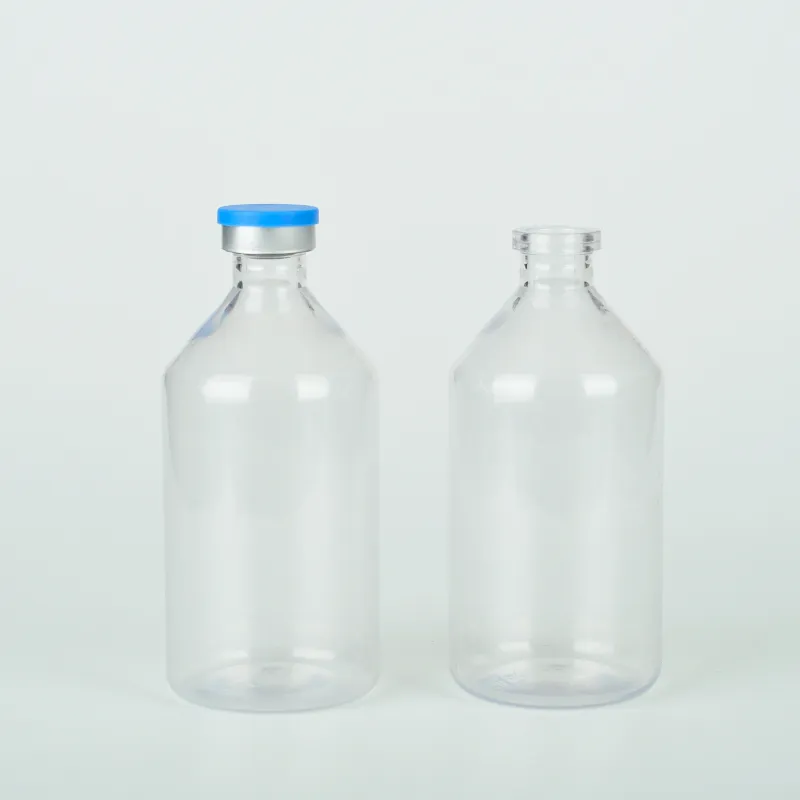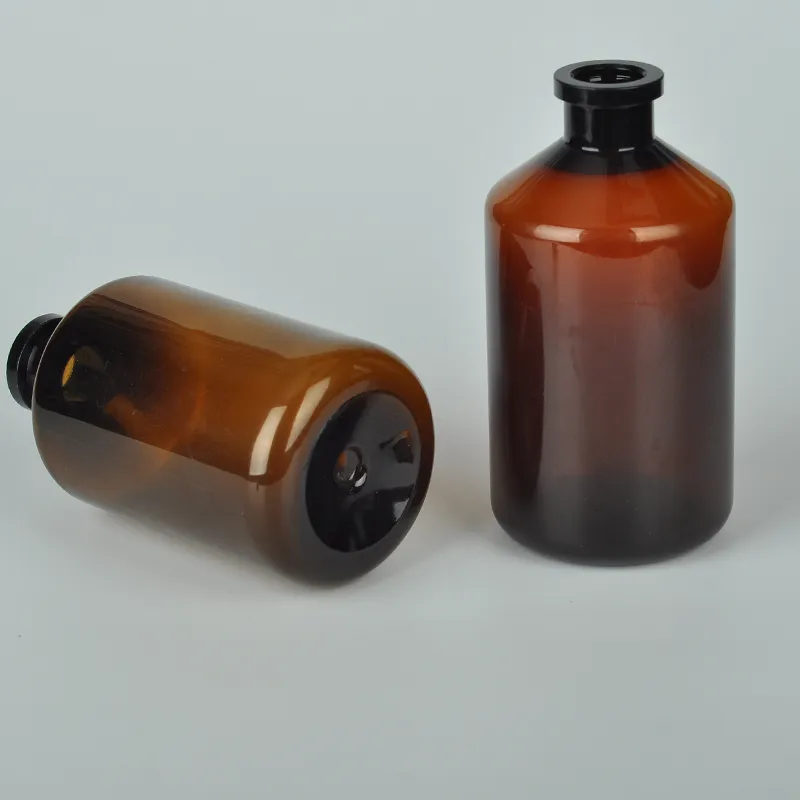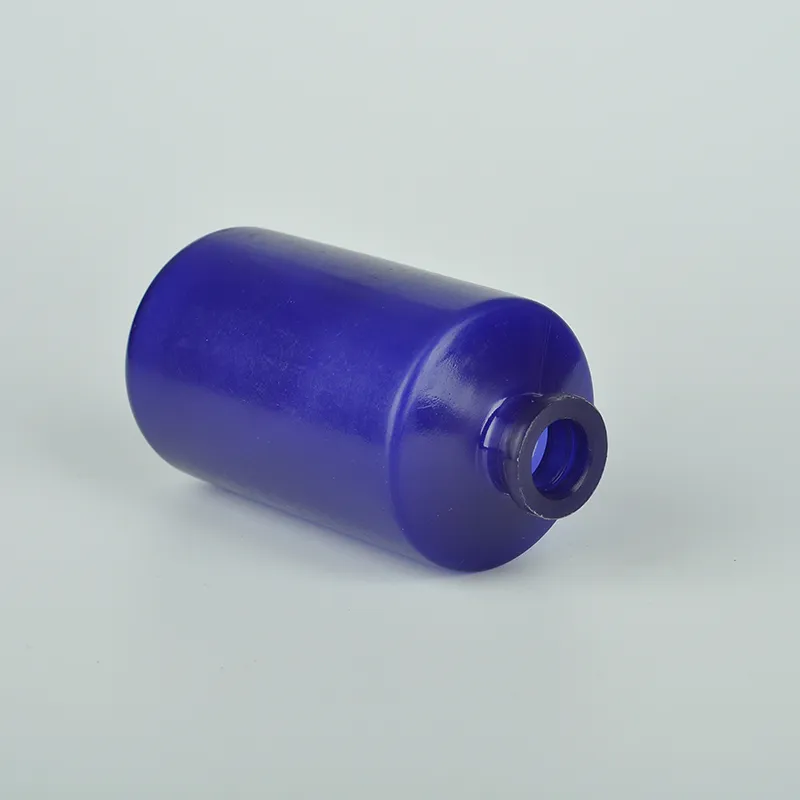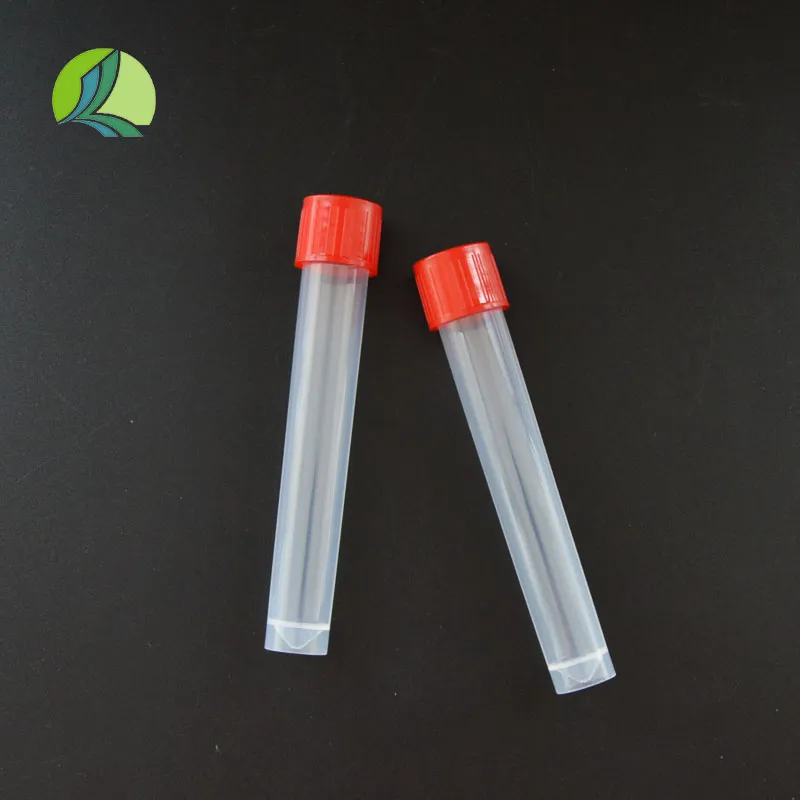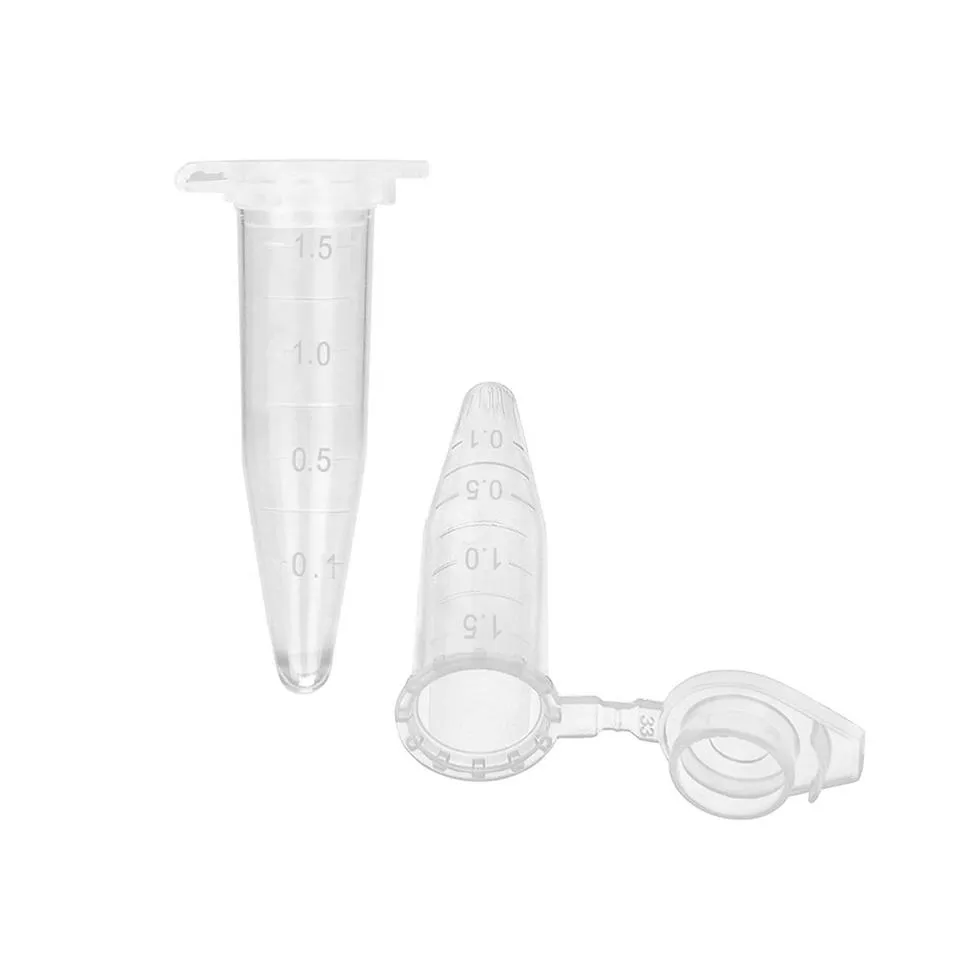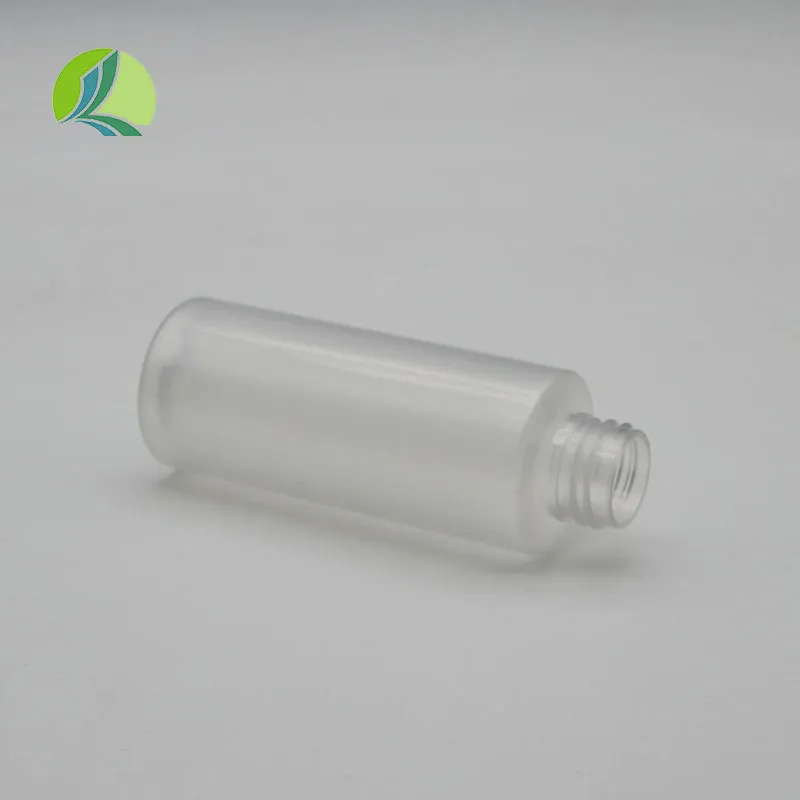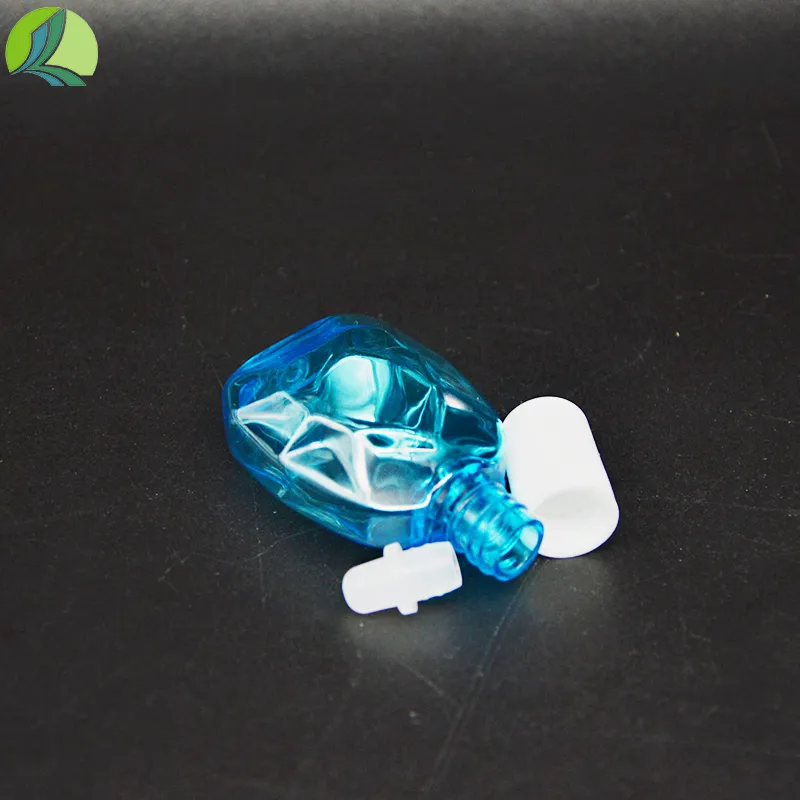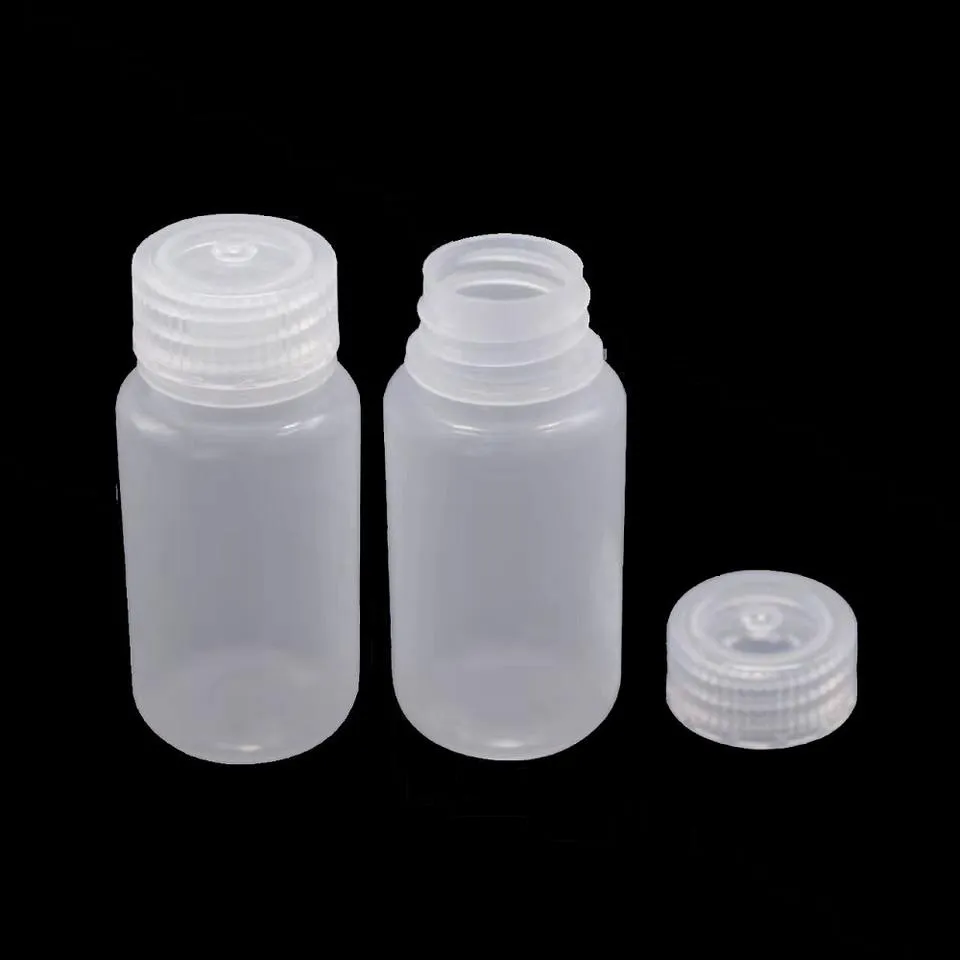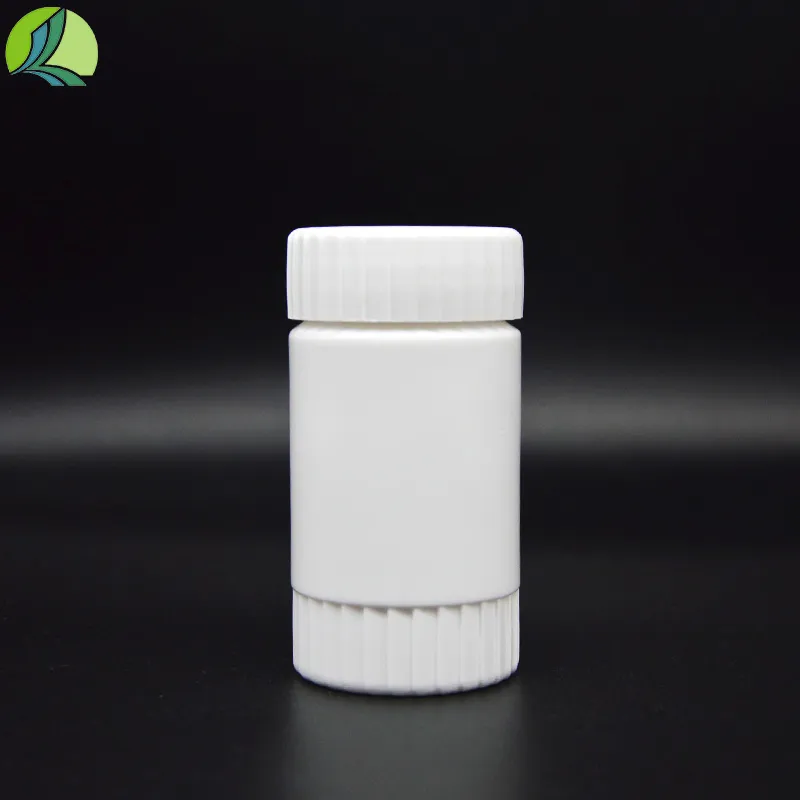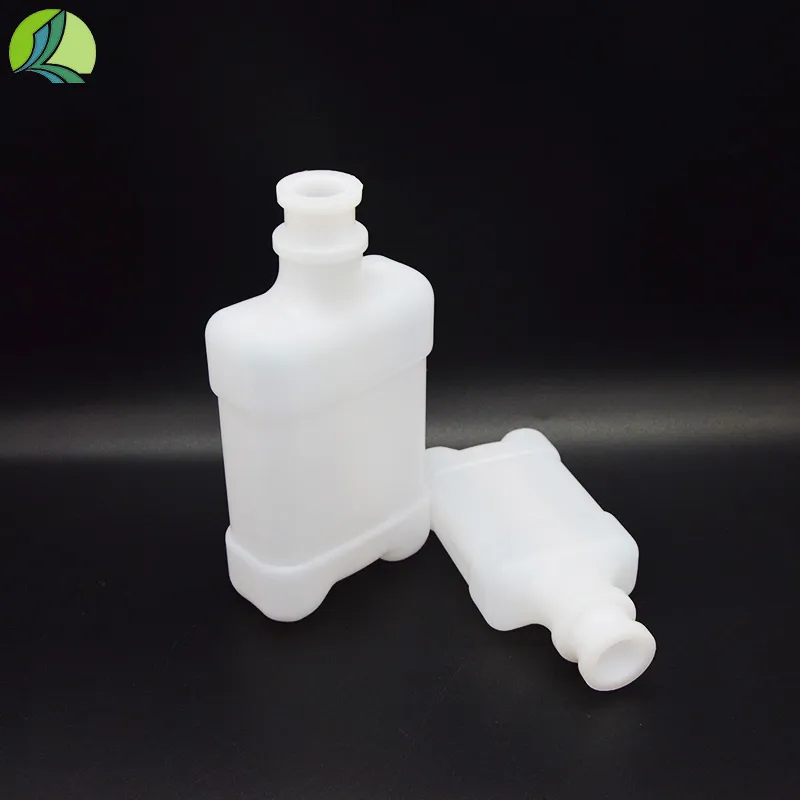




Quality Plastic Ink Droppers for Precise Industrial Dispensing
Why the Plastic Ink Dropper is a Game-Changer in Industrial Applications
Having spent well over a decade working in the industrial equipment sector, I've come across countless tools and components that promise precision and ease, but few have stuck in my mind quite like the humble plastic ink dropper. What might seem like a small part on the outside actually plays a mighty role in many packaging, printing, and chemical dispensing processes.
Oddly enough, while many engineers tend to focus on high-tech solutions, it’s often these simple, reliable devices that ensure smooth operation day after day. I suppose that’s why so many professionals recommend plastic ink droppers for their adaptability and consistent performance – plus, their affordability doesn't hurt.
Let's unpack the key elements that make this product worthy of attention, especially if you’re involved in handling inks, dyes, or other low-viscosity fluids.
The Essentials of Plastic Ink Droppers
At its core, a plastic ink dropper is designed to precisely dispense small volumes of ink drop by drop. But the devil’s in the details. The typical design involves a squeezable plastic bulb paired with a calibrated, narrow nozzle that lends excellent control over droplet size. In real terms, this means less mess and waste – which matters if you’re working with specialty or costly inks.
Material choices matter too. Most droppers use polyethylene or polypropylene for the body and tip – materials known for chemical resistance, lightness, and durability. I've seen workflows where droppers have been tested rigorously against harsh inks and chemicals without any noticeable degradation, which frankly surprised me a bit given the low cost.
Product Specifications at a Glance
| Specification | Details |
|---|---|
| Material | Polyethylene (PE) or Polypropylene (PP) |
| Capacity | 1 ml to 10 ml options |
| Drop Size | Approximately 0.05 ml per drop |
| Color Options | Clear, amber, blue, green |
| Chemical Resistance | Compatible with water-based and solvent-based inks |
Vendors: What to Look For
In my experience, not all plastic ink droppers are created equal. Differences in manufacturing tolerances, material quality, and design can make a world of difference, especially in complex industrial environments. This table summarizes a few key players and their unique selling points based on industry data and user feedback:
| Vendor | Material Quality | Customization Options | Typical Uses |
|---|---|---|---|
| WK Packing | High-grade PE/PP with UV resistance | Available in various sizes & colors | Medical, cosmetic, industrial inks |
| InkPro Supplies | Standard-grade PE | Limited (mostly clear only) | General lab use, DIY kits |
| FluidTech Innovations | Premium PE/PP blend, solvent resistant | Custom logos & labeling | Pharmaceutical, specialty inks |
Why Choose a Plastic Ink Dropper?
Frankly, the agility and precision provided by a plastic ink dropper make it indispensable, especially when dealing with small-scale applications or sensitive formulations. I once consulted on a project where the difference in dropper quality literally saved hours of cleaning and recalibration, allowing the team to finish ahead of schedule.
Customization is another key trend. With manufacturers like plastic ink dropper vendors providing tailored capacities, color options, and even branded tips, companies can stand out while improving workflow efficiency.
At the end of the day, these droppers help reduce waste and improve accuracy — goals all industrial partners strive for but sometimes find elusive.
Final Thoughts
If you’re in the market for a reliable, cost-effective way to manage small volumes of ink or chemicals, investing in a quality plastic ink dropper is, in my experience, almost a no-brainer. It feels like a small piece of the overall puzzle but with an outsized impact on operational smoothness and product consistency.
Of course, the best choice depends on your specific application; always test materials with your fluids and look for vendors that offer trial samples or customization. Those little details have saved many of my projects from unexpected hiccups.
In short — when it comes to dosing inks precisely, don’t underestimate the simple power of this little device.
References:
- Industry experience and vendor research, WK Packing product info
- Technical datasheets on polyethylene & polypropylene fluid compatibility
- Client case studies & field feedback from industrial packaging sectors
-
Guide to Sourcing High Quality wholesale mister bottles for BusinessNewsApr.16,2026
-
Top Quality Spray Bottle 100ml Suppliers for Your Business NeedsNewsApr.09,2026
-
Comprehensive Guide to Pet Spray Bottle Manufacturers and Packaging SolutionsNewsApr.07,2026
-
Comprehensive Guide to Finding Reliable Perfume Sprayers SuppliersNewsApr.04,2026
-
Comprehensive Guide to Wholesale Mini Spray Bottles for Various ApplicationsNewsMar.31,2026
-
Comprehensive Guide to Sourcing Mini Plastic Spray Bottles Bulk for Your BusinessNewsMar.28,2026