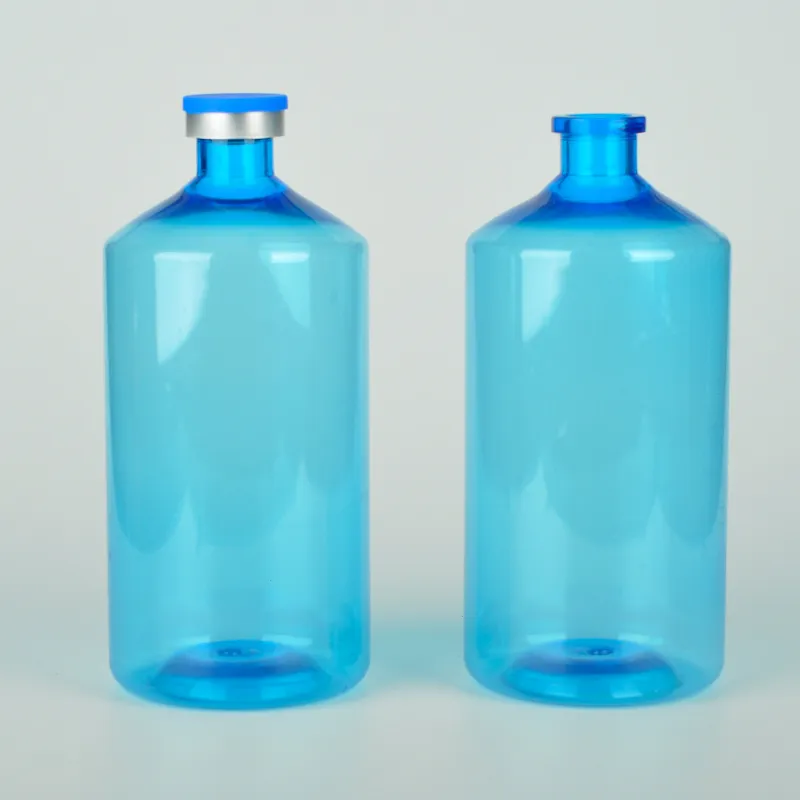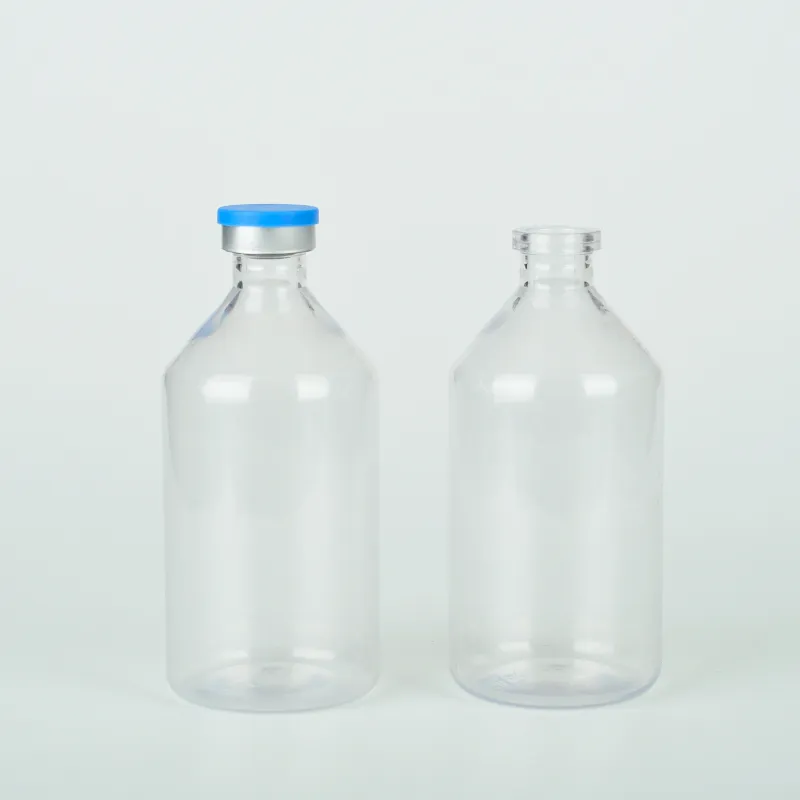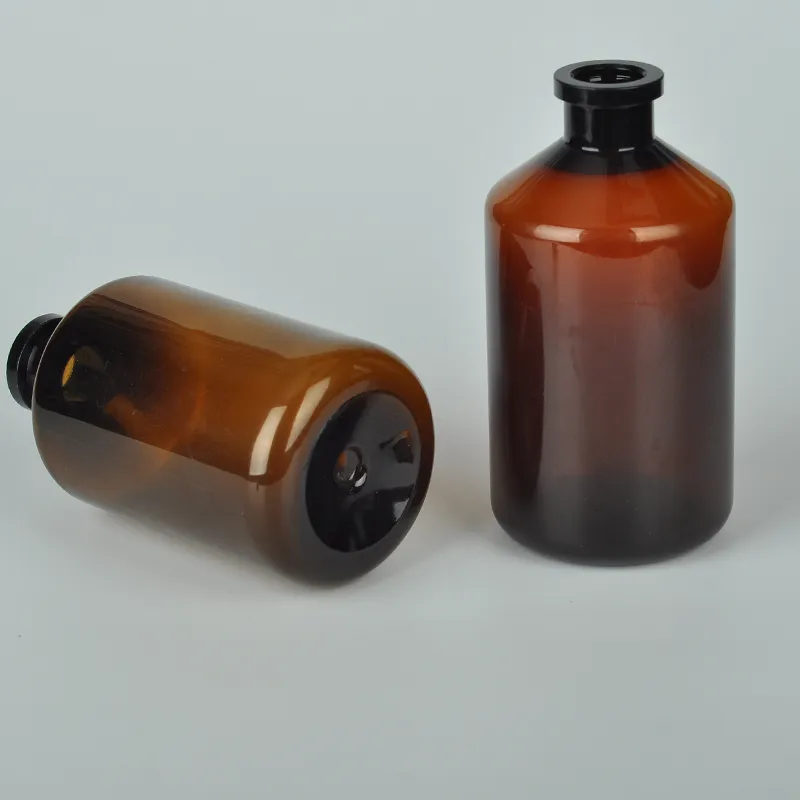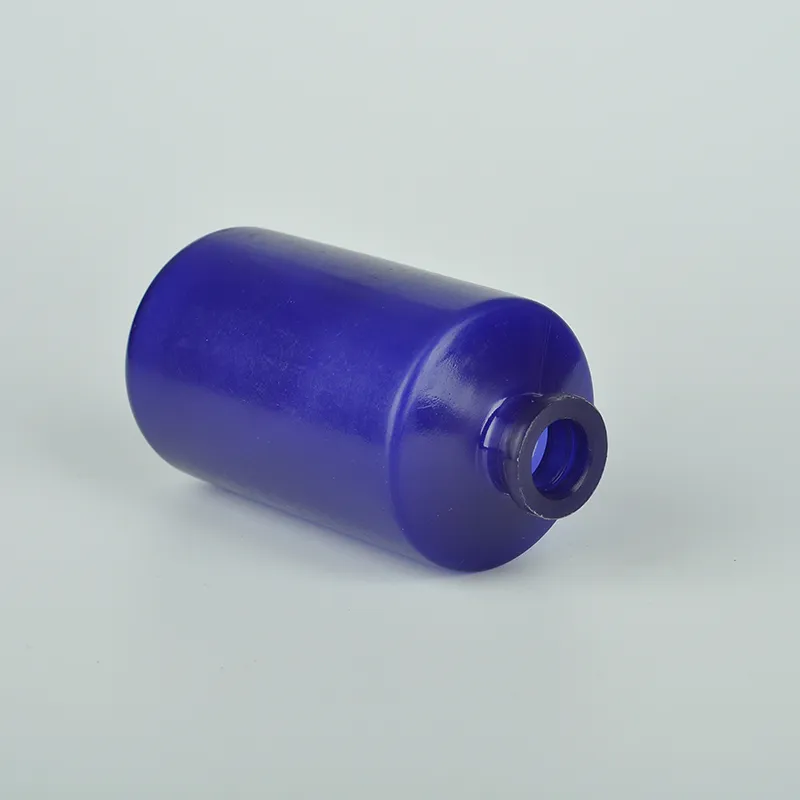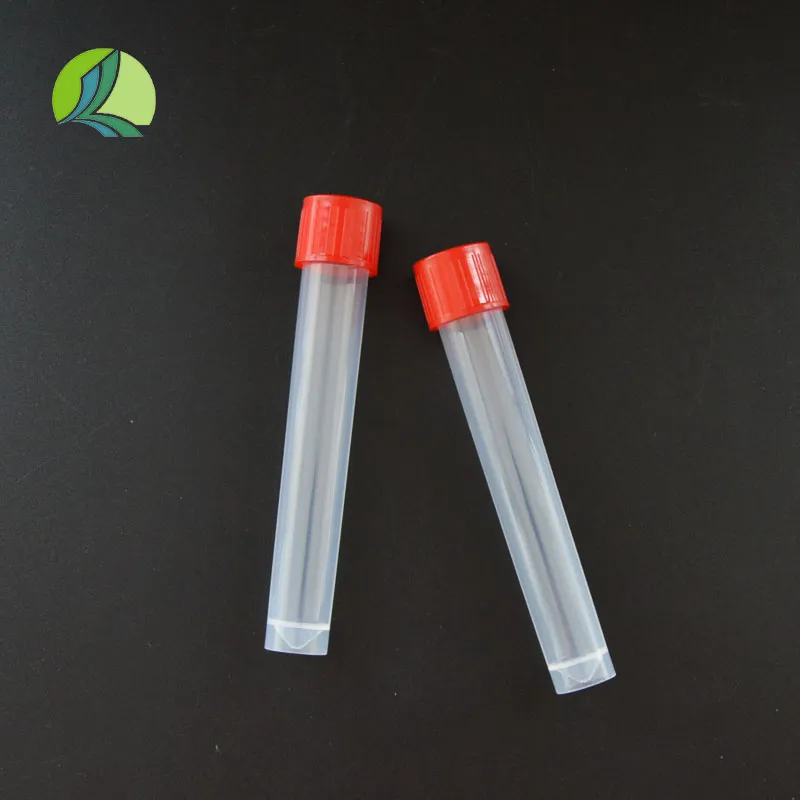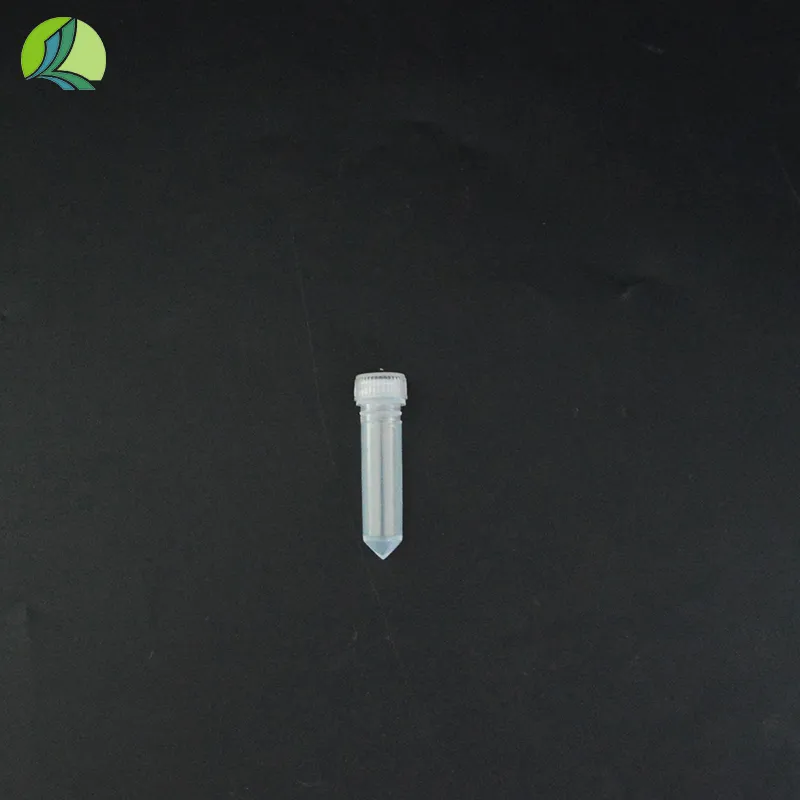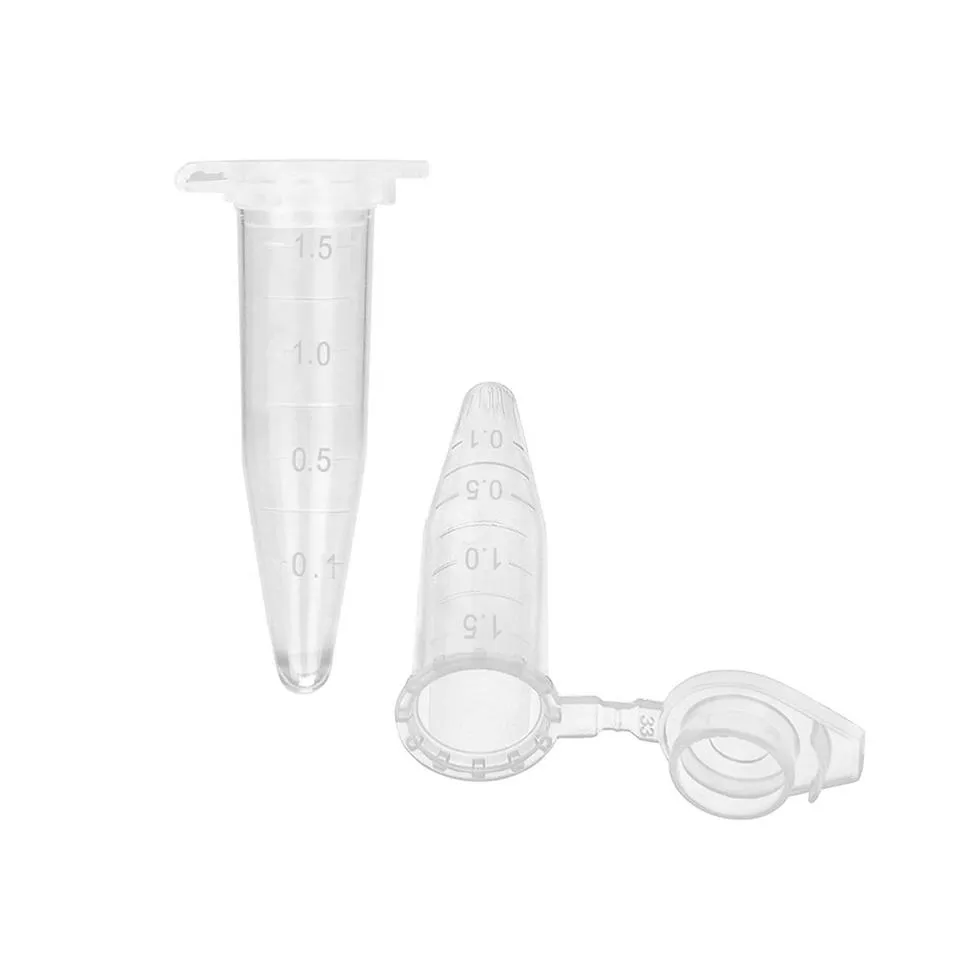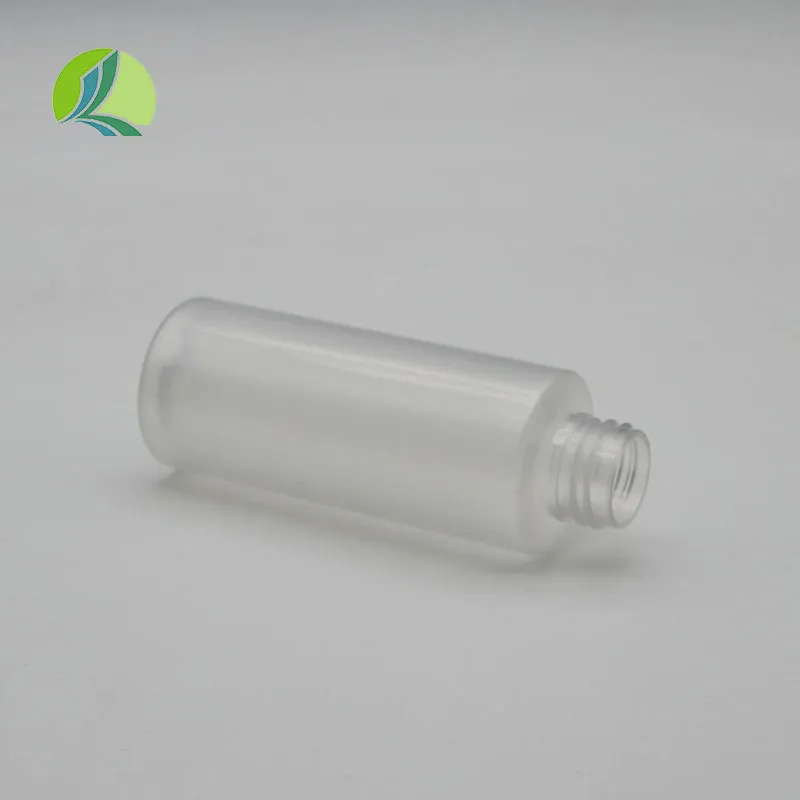

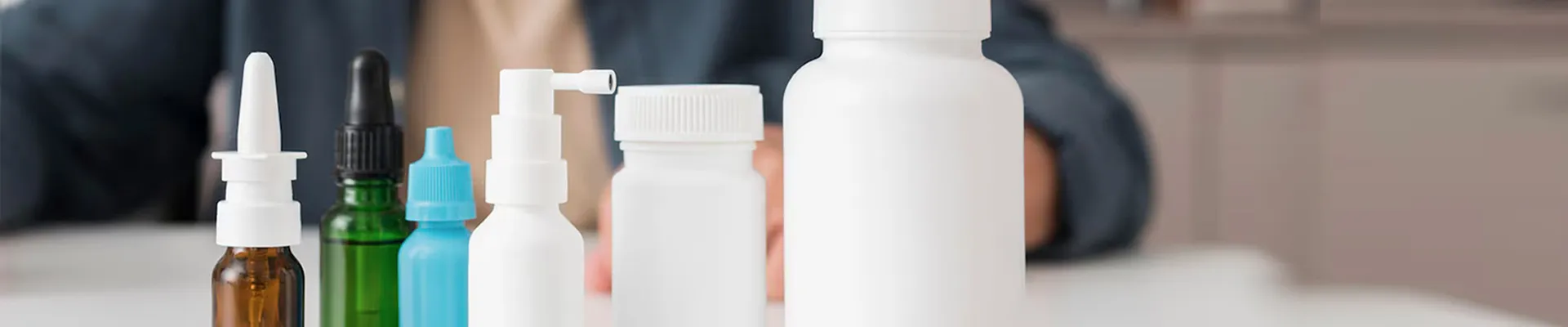


Brown Plastic Vaccine Vials | Lab & Vet Medicine, Leak-Proof
Brown Plastic Vaccine Vials: what labs and vet clinics are actually buying in 2025
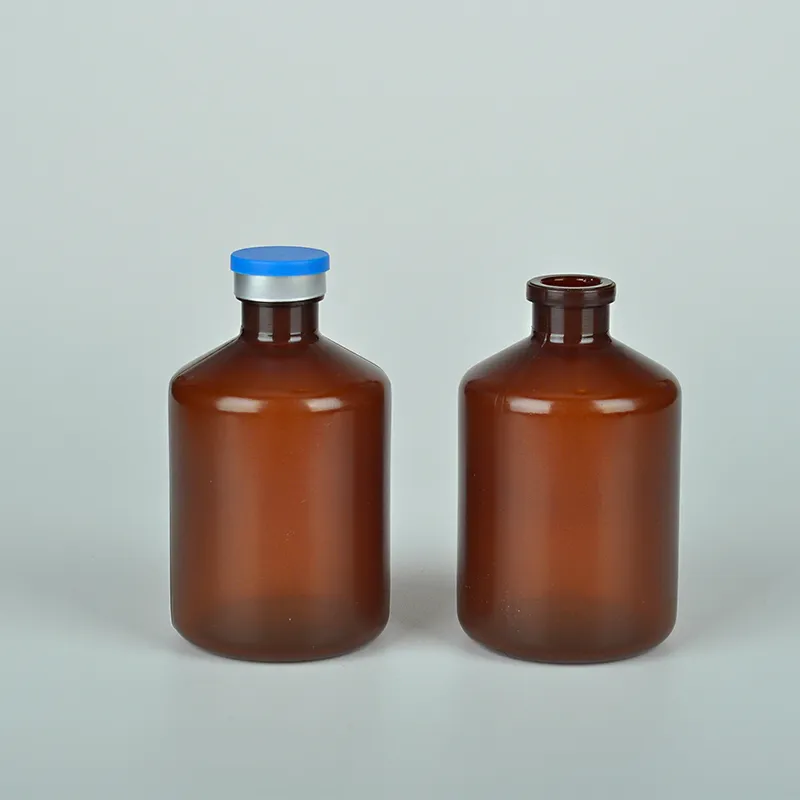
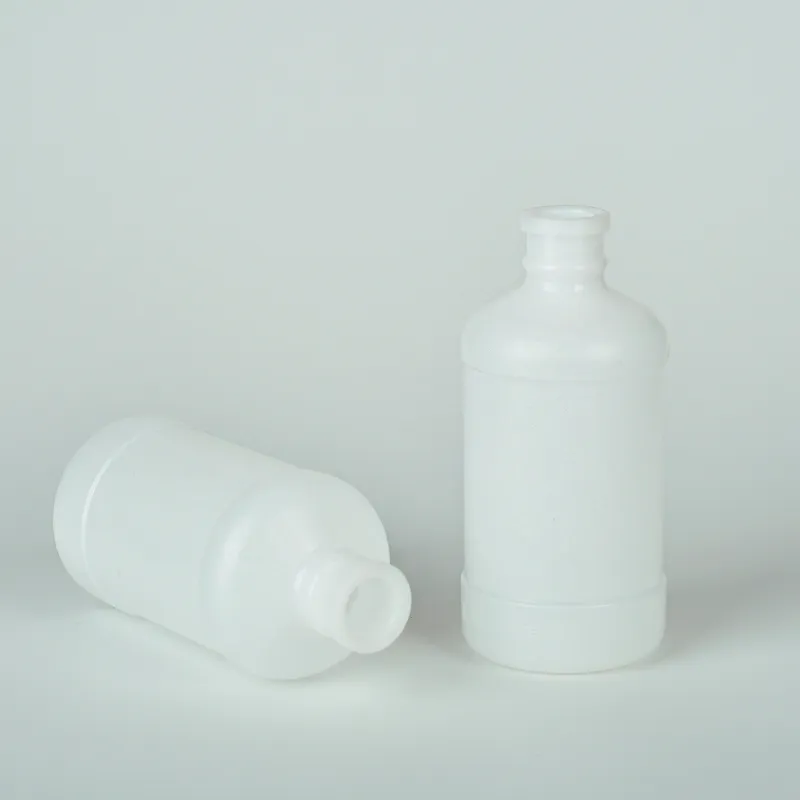
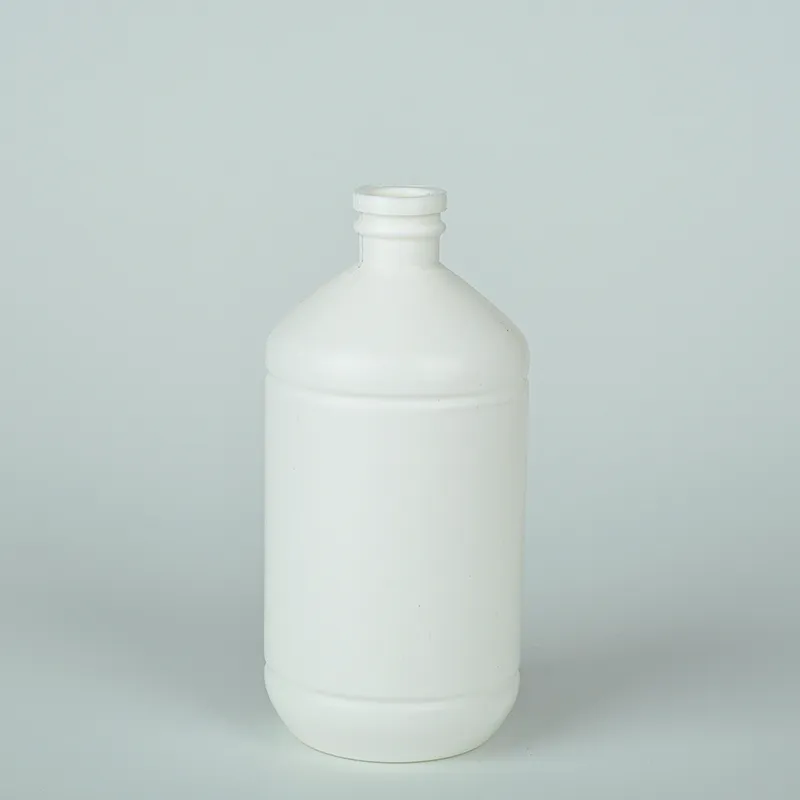
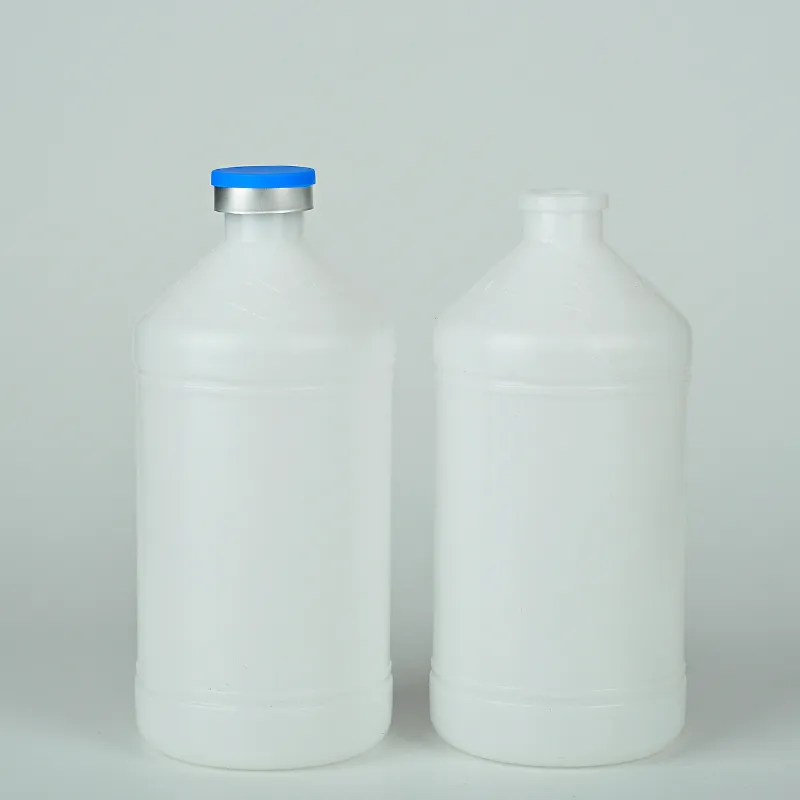
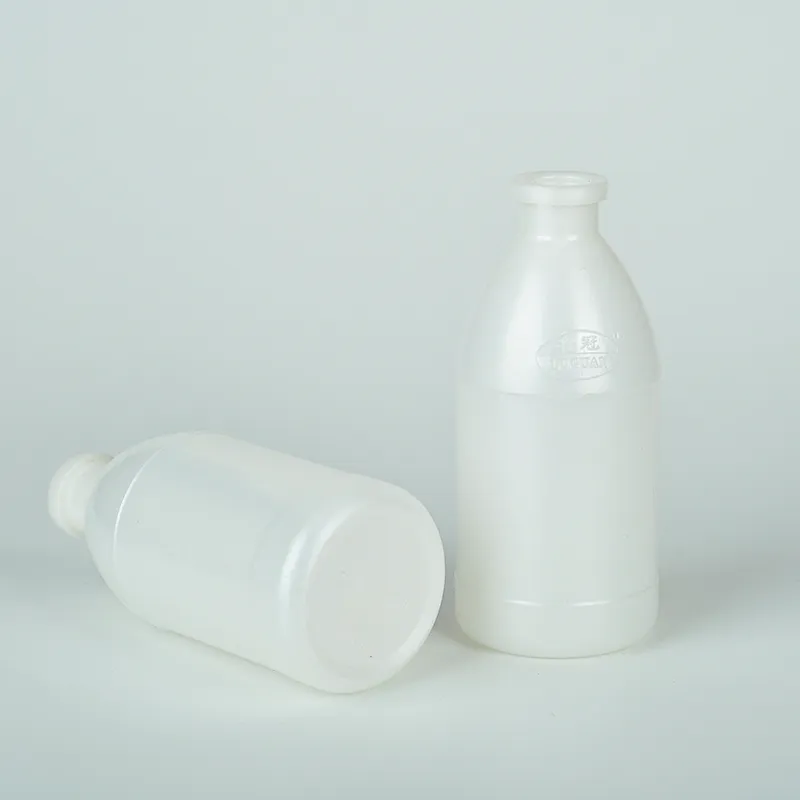
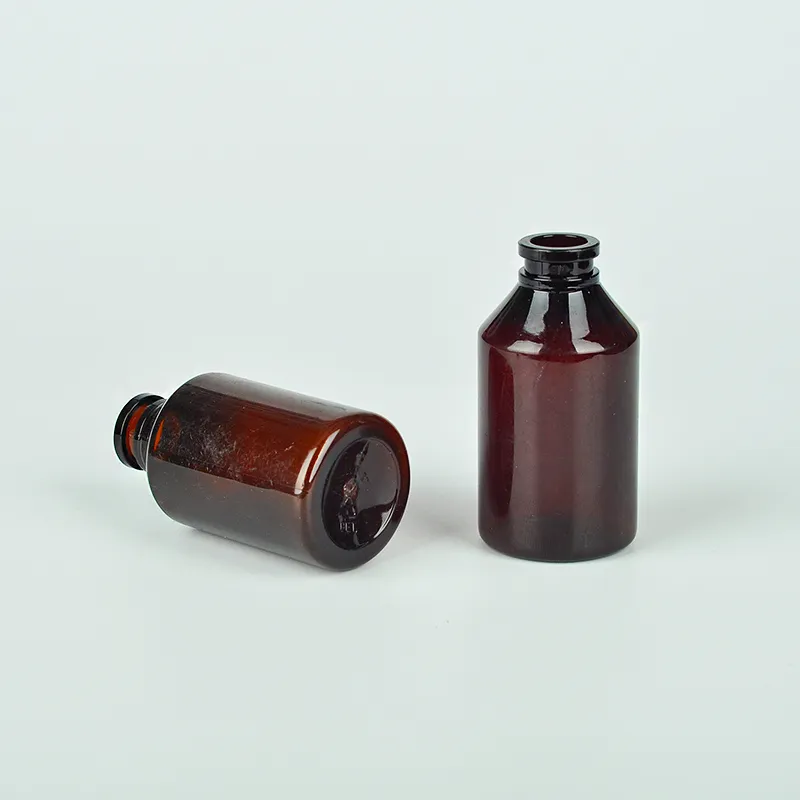
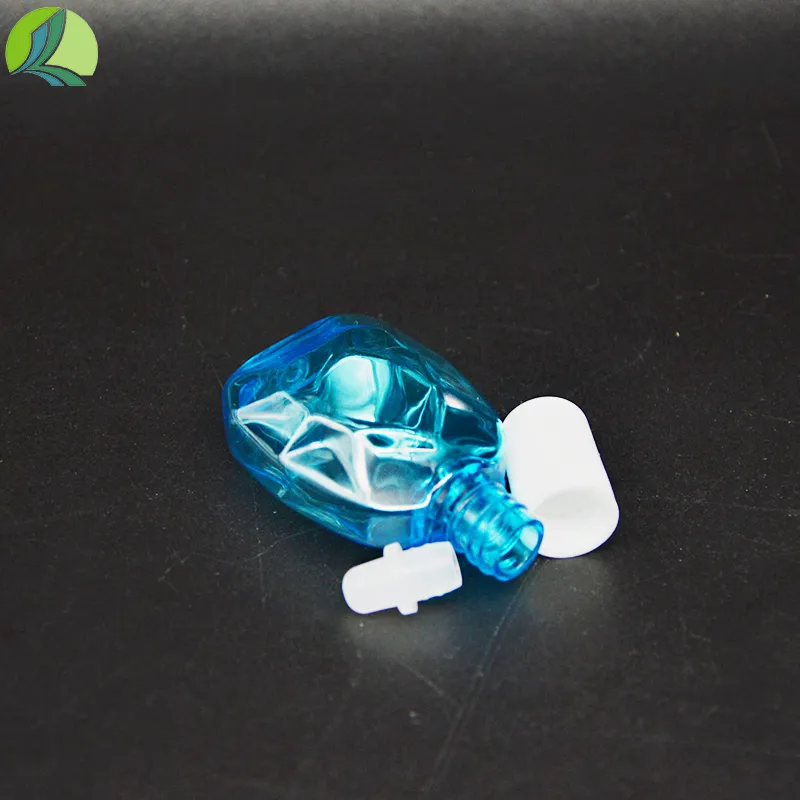
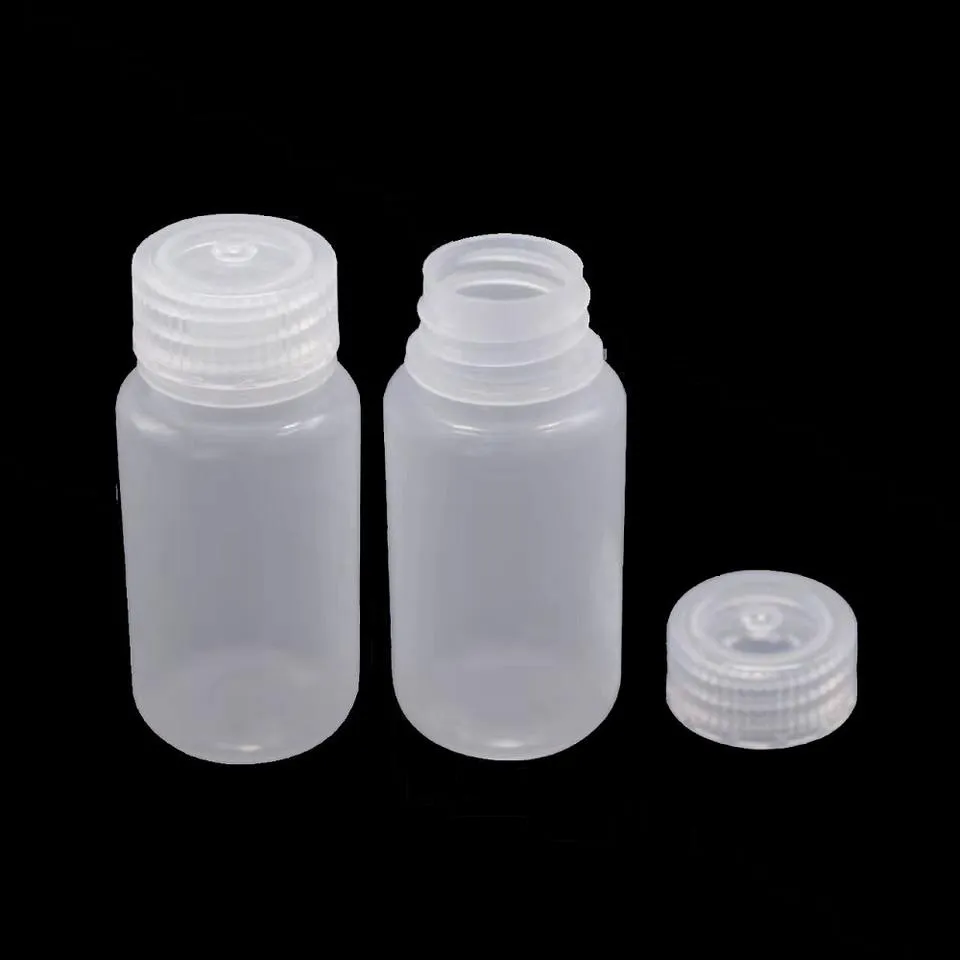
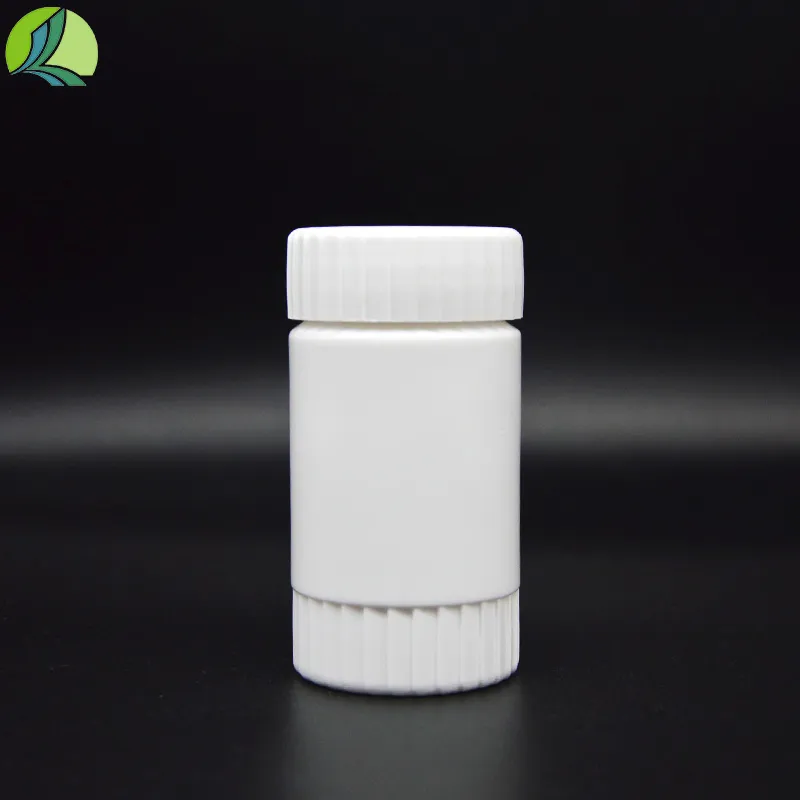
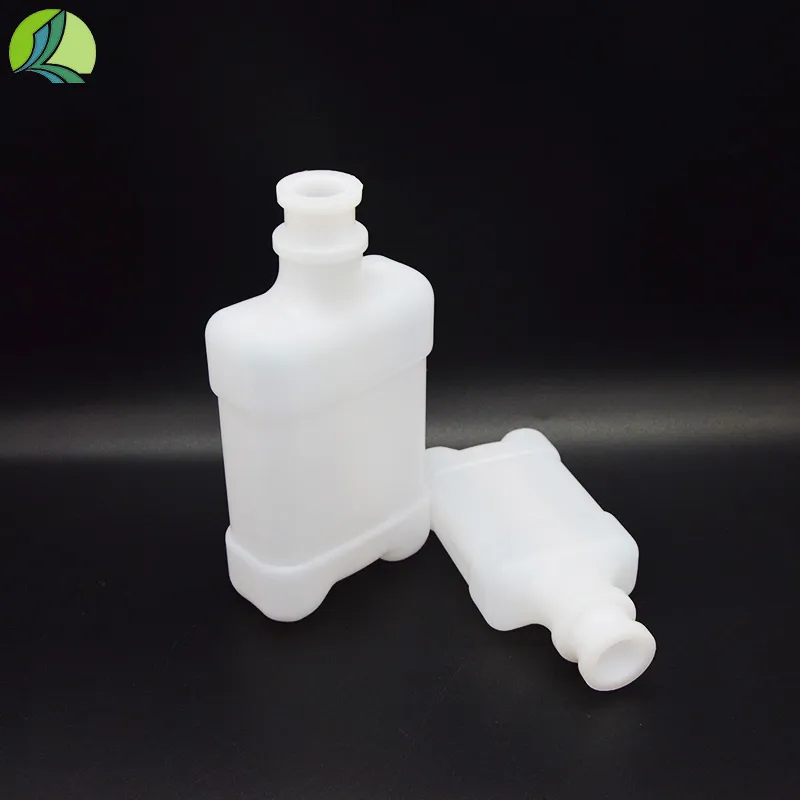
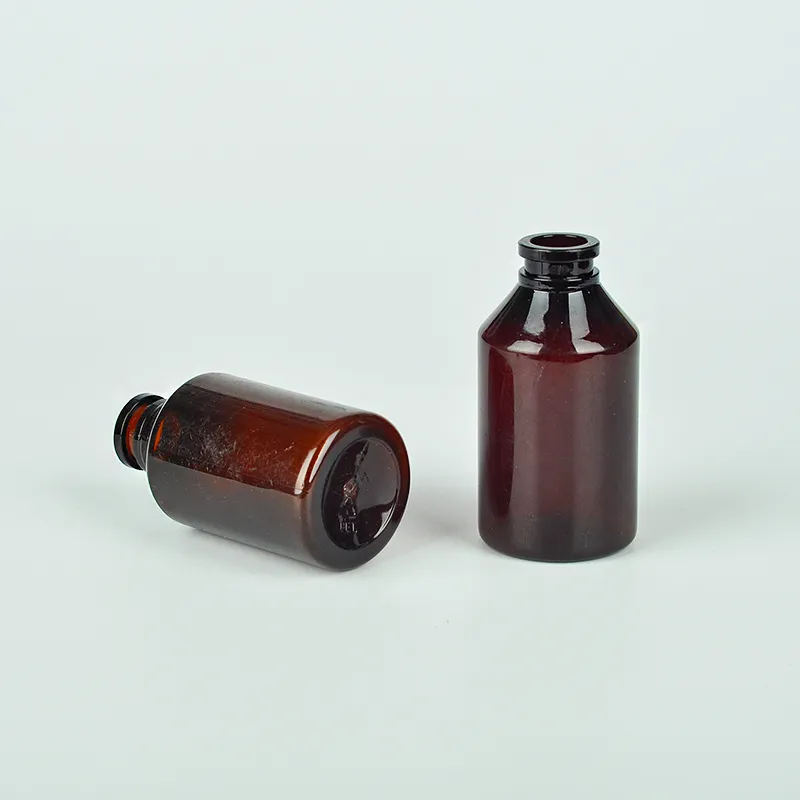
If you’ve handled vaccines or diluents, you already know the quiet hero is the container. I spent a week speaking with buyers and QC managers, and one SKU kept popping up: Brown Plastic Vaccine Vials Laboratory Veterinary Medicine Liquid Vials. The name is a mouthful, sure. But the value proposition—light protection, sterility, and cost stability—has legs.
What’s driving demand
Two things: the shift from glass to medical-grade polymers (fewer breakages in field settings) and tighter supply chains. Vet networks need predictable lead times, not heroic firefighting. Also, brown pigmentation helps shield photosensitive biologics—veterinary vaccines are often susceptible—without the fragility tax of amber glass.
Quick take: origin and build
Brown Plastic Vaccine Vials Laboratory Veterinary Medicine Liquid Vials are manufactured in LITUN, Dusheng Town, Cangxian County, Cangzhou, Hebei, China, in a 10,000-grade purification workshop (≈ ISO 7). Many customers say the line’s consistency is “boringly reliable”—which, to be honest, is exactly what you want for packaging.
Product specifications (typical)
| Material | Medical-grade PP (meets USP /), optional PETG on request |
| Capacity options | 2 mL, 5 mL, 10 mL, 20 mL, 30 mL, 50 mL (custom molds available) |
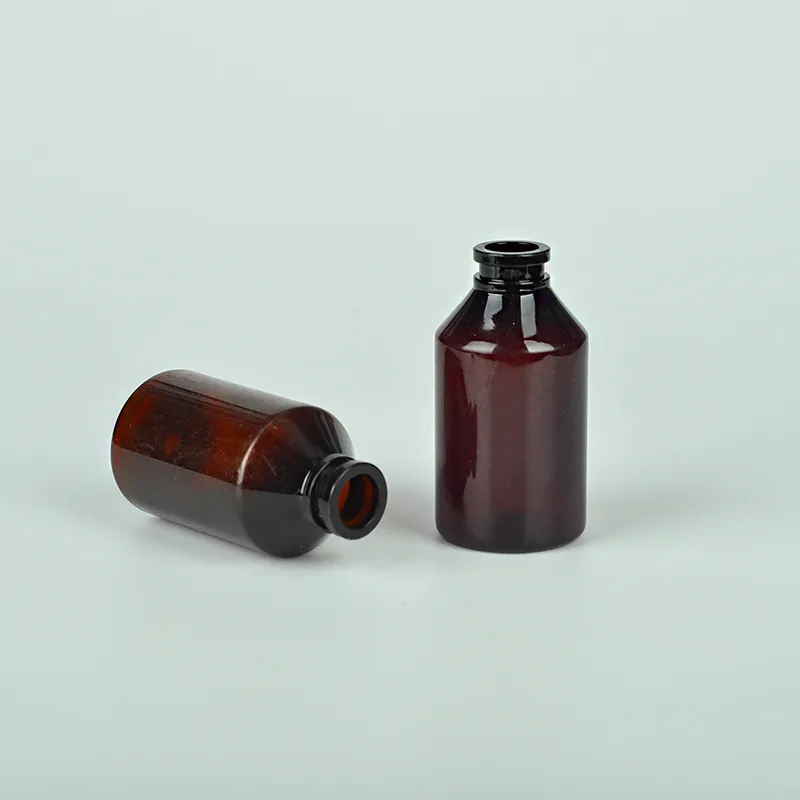
| Color / Light shielding | Brown (amber) pigment; transmittance at 450 nm ≈ 6–12% (real-world may vary by lot) |
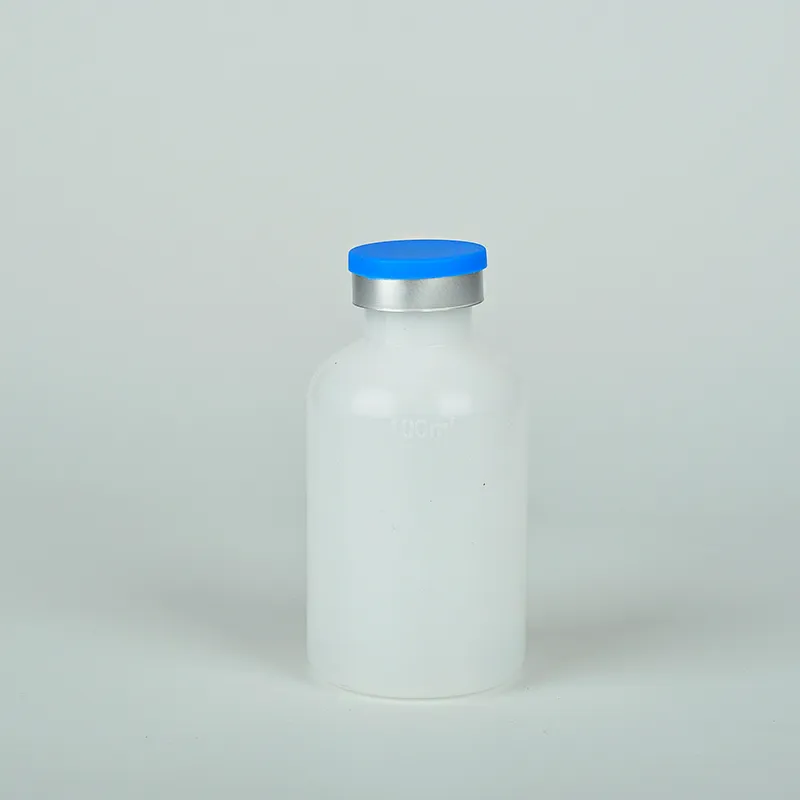
| Closure options | Screw cap, snap-off tip, or butyl stopper + flip-off seal (13 mm / 20 mm finishes) |
| Sterilization | Gamma (ISO 11137) or ETO; target SAL 10⁻⁶ |
| Leak/Integrity | 100% visual + vacuum leak test; dye ingress per internal SOPs referencing ASTM methods |
| Service life | ≈ 3–5 years shelf life empty, depending on storage; validated via accelerated aging |
How they’re made (short version)
- Polymer selection: medical-grade PP compliant with FDA 21 CFR 177.1520; pigment masterbatch optimized for UV attenuation.
- Injection-blow molding for precise neck finish; low particulates in ISO 7 cleanroom.
- Post-mold conditioning; vision inspection; torque-verification for caps (typ. 0.8–1.2 N·m).
- Sterilization: gamma or ETO with validated dose; bioburden trending.
- Quality tests: extractables screening (per USP ), drop test ≈ 1.2 m on HDPE panel, WVTR/OTR characterization for select sizes.
Where they’re used (and why)
Veterinary vaccines, diluents, diagnostics, field sampling, and small-batch R&D. Clinics like the lighter weight versus glass; mobile vaccination teams report fewer breakages in cool boxes. In fact, one buyer told me their loss rate dropped below 0.3% after switching.
Vendor snapshot
| Vendor | Cleanroom | Certifications | MOQ | Lead time | Customization |
| WK Packing (Hebei) | ISO 7 (≈ Class 10,000) | ISO 13485; sterilization per ISO 11137 | ≈ 10k pcs | 2–4 weeks | Custom molds, color, closures |
| Generic Importer A | ISO 8 | Basic GMP | ≈ 25k pcs | 5–8 weeks | Limited |
| Local OEM B | ISO 7 | ISO 9001 | ≈ 5k pcs | 3–6 weeks | Moderate |
Field notes and test data
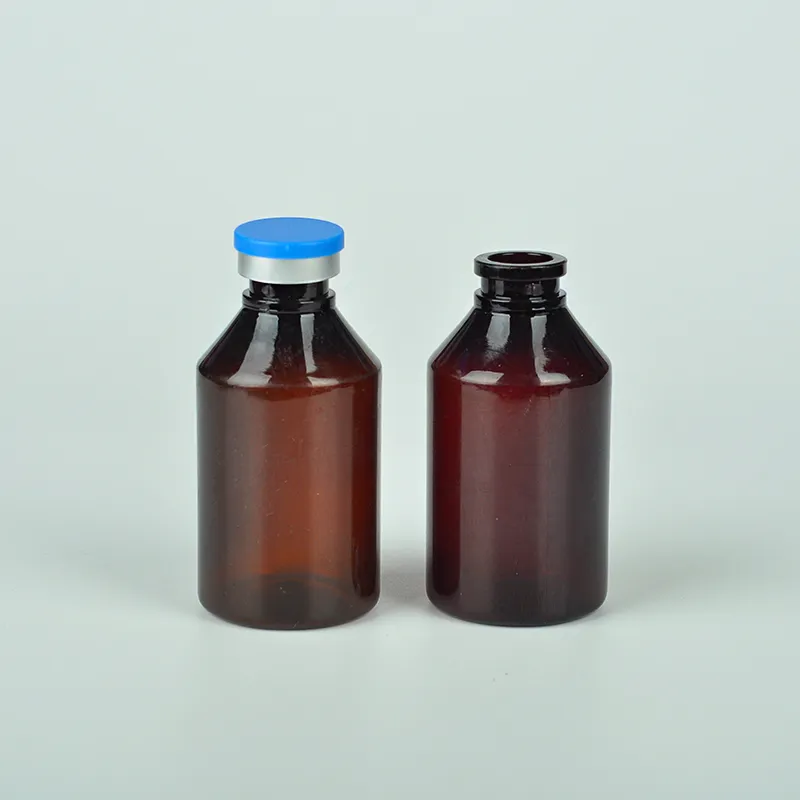
- Light protection: brown PP cuts blue/UV by≈85–94%, helping maintain potency for light-sensitive antigens.
- Integrity: vacuum leak test acceptance AQL ≤ 0.065 (typical lot data shared with buyers).
- Compatibility: extractables meet USP profiles; elastomeric closures tested per USP when specified.
- Transport: packaged to ASTM D4169-style profiles; clinics reported fewer cracked closures during cold-chain runs.
Customization
You can tweak volumes, pigmentation, neck finish, and sterilization modality. For brand owners, laser-marked lot codes help with traceability—nice touch when audits roll in.
Bottom line: if you need rugged, UV-attenuating primary packaging at scale, Brown Plastic Vaccine Vials Laboratory Veterinary Medicine Liquid Vials hit the sweet spot between compliance and practicality. Not flashy; just dependable.
Authoritative citations
- USP General Chapters <661.1> and <661.2>, Plastic Materials and Packaging Systems. https://www.usp.org
- ISO 11137, Sterilization of health care products—Radiation. https://www.iso.org/standard/60800.html
- FDA 21 CFR 177.1520, Olefin polymers for food/medical contact. https://www.ecfr.gov/current/title-21/part-177/section-177.1520
- ISO 14644-1, Cleanrooms and associated controlled environments. https://www.iso.org/standard/53394.html
- USP <382>, Elastomeric Closure Functionality. https://www.usp.org
- ASTM D4169, Performance Testing of Shipping Containers. https://www.astm.org/d4169
-
Guide to Sourcing High Quality wholesale mister bottles for BusinessNewsApr.16,2026
-
Top Quality Spray Bottle 100ml Suppliers for Your Business NeedsNewsApr.09,2026
-
Comprehensive Guide to Pet Spray Bottle Manufacturers and Packaging SolutionsNewsApr.07,2026
-
Comprehensive Guide to Finding Reliable Perfume Sprayers SuppliersNewsApr.04,2026
-
Comprehensive Guide to Wholesale Mini Spray Bottles for Various ApplicationsNewsMar.31,2026
-
Comprehensive Guide to Sourcing Mini Plastic Spray Bottles Bulk for Your BusinessNewsMar.28,2026