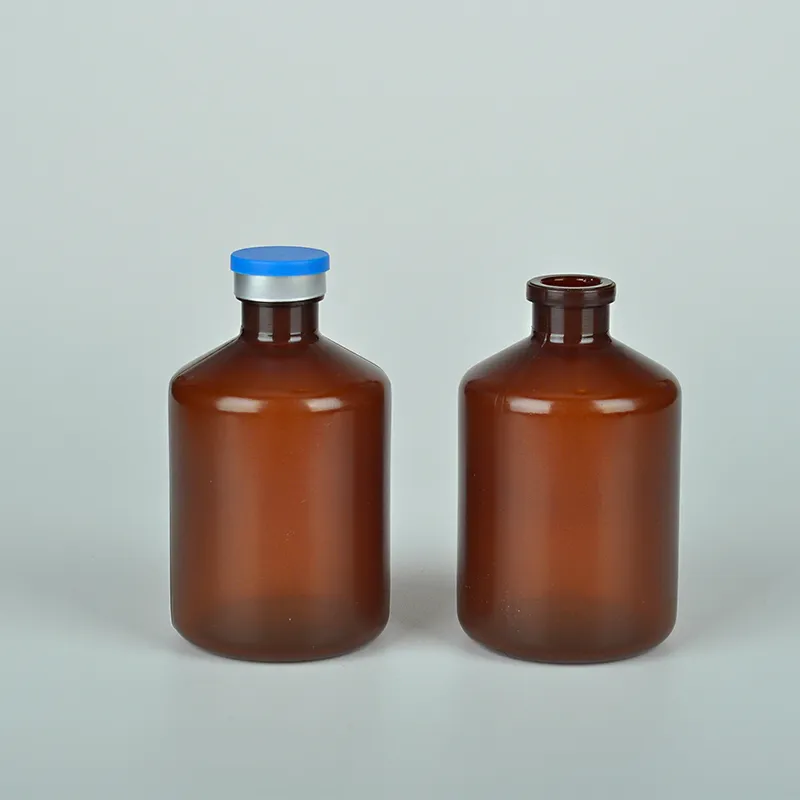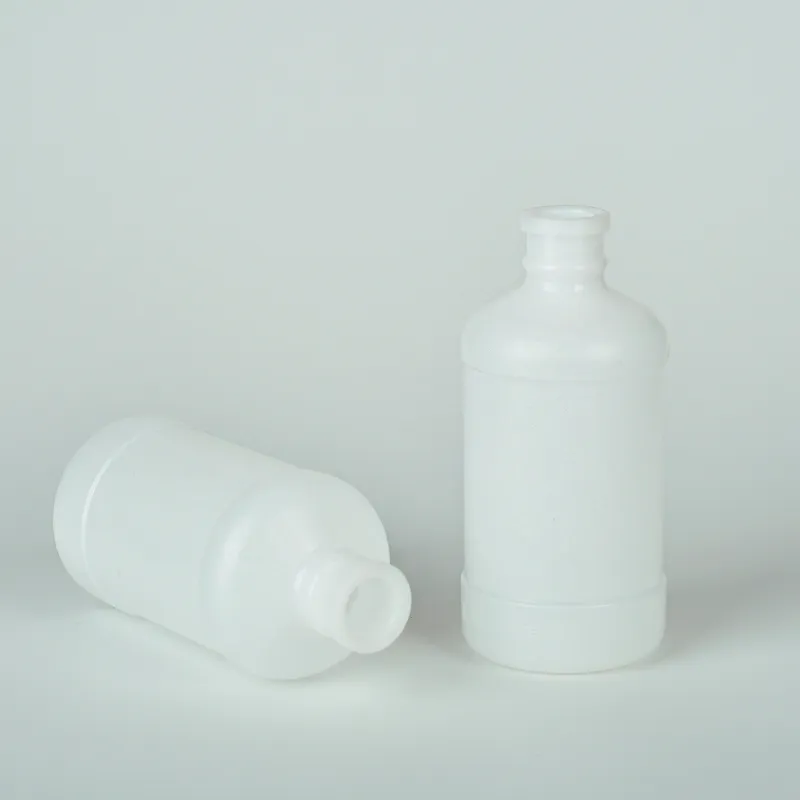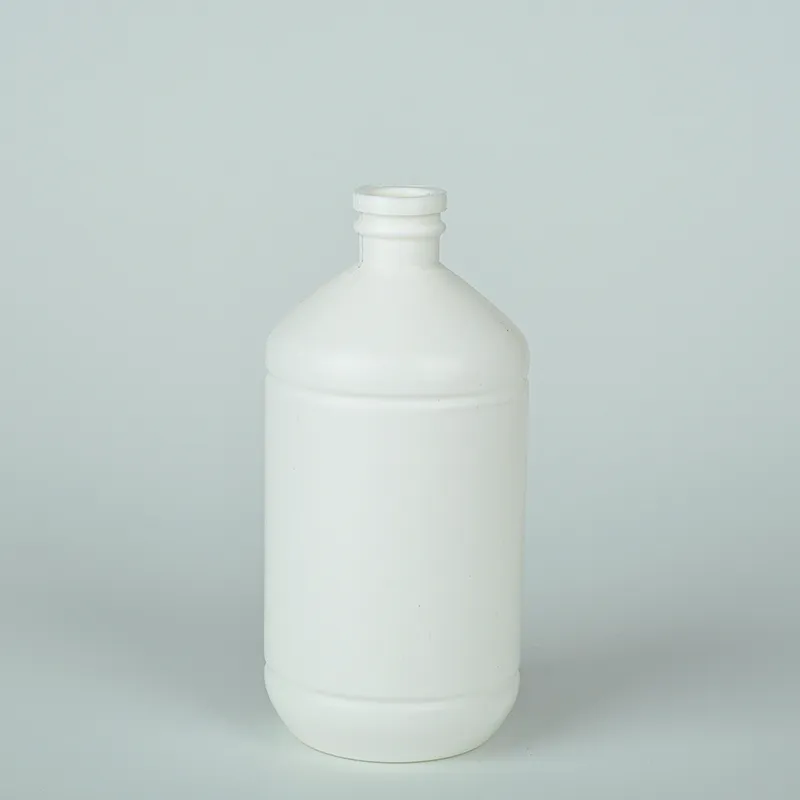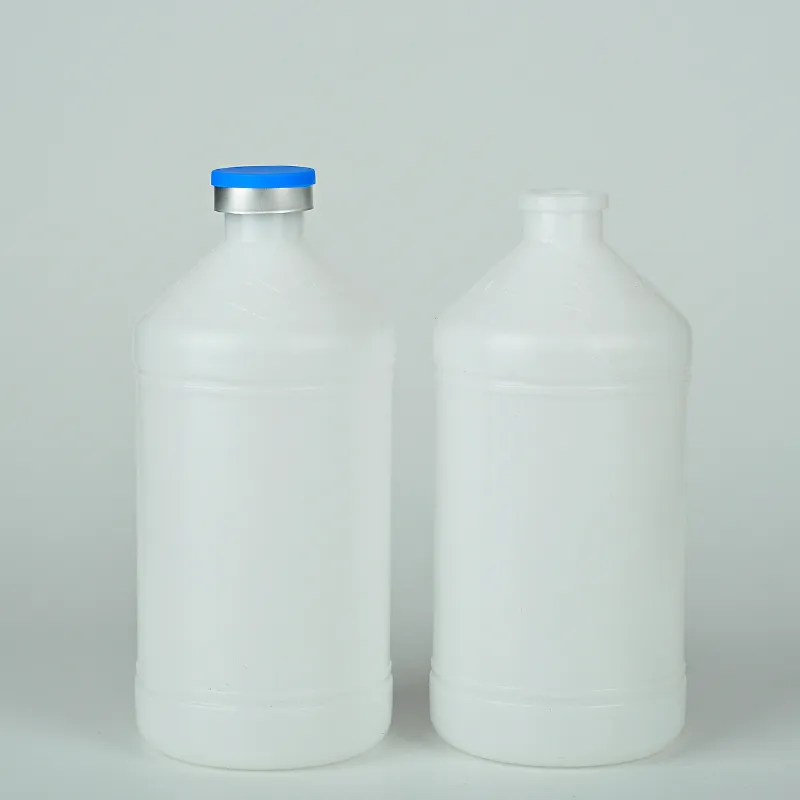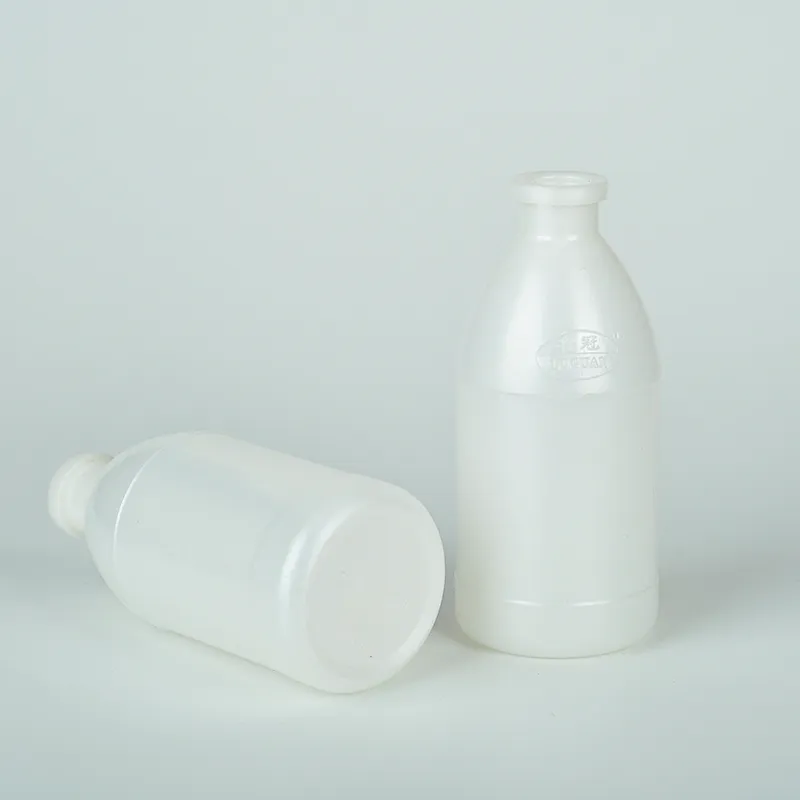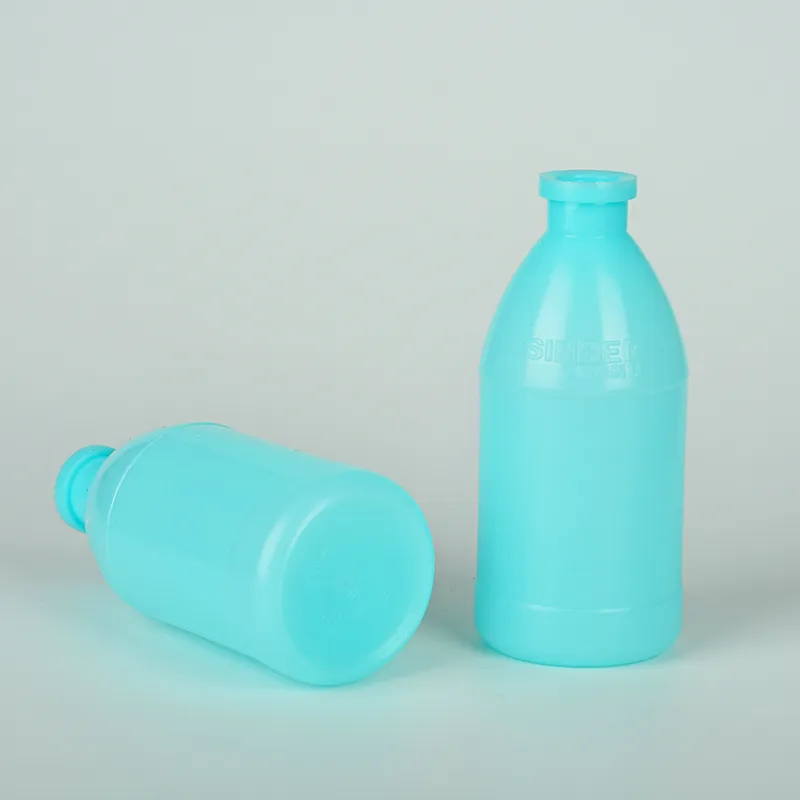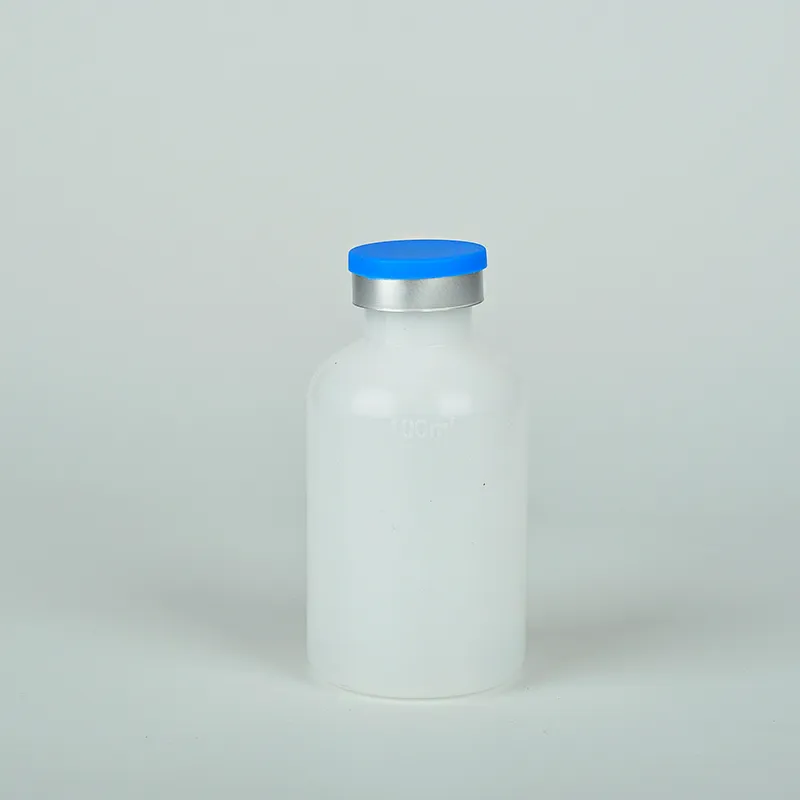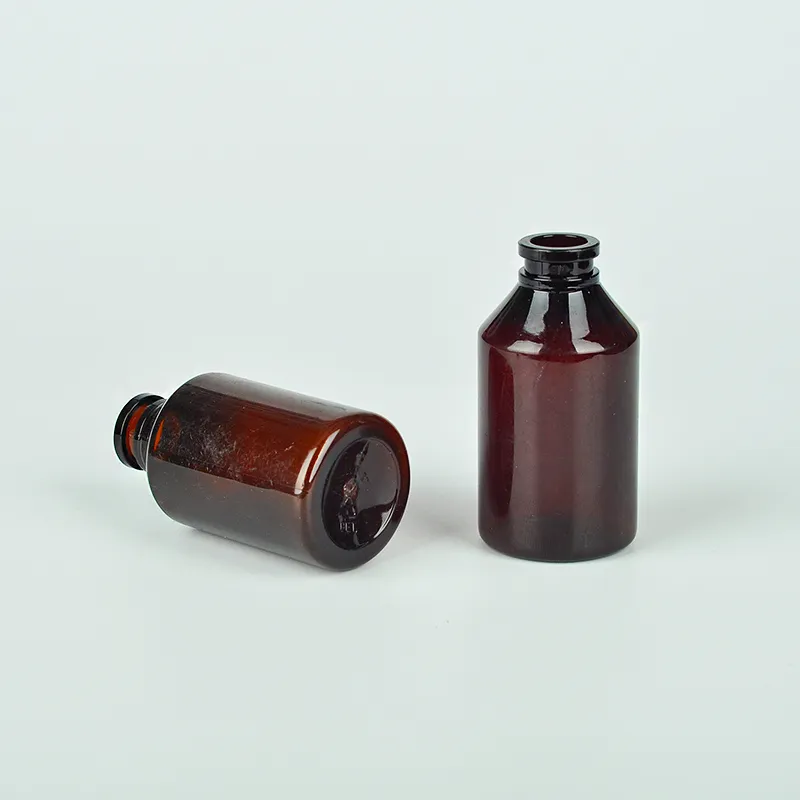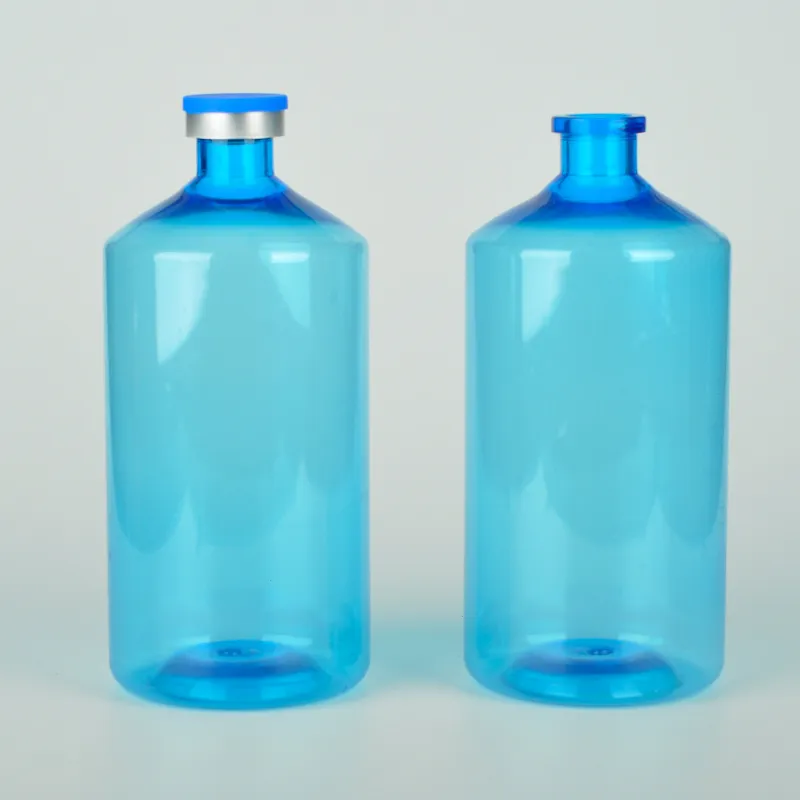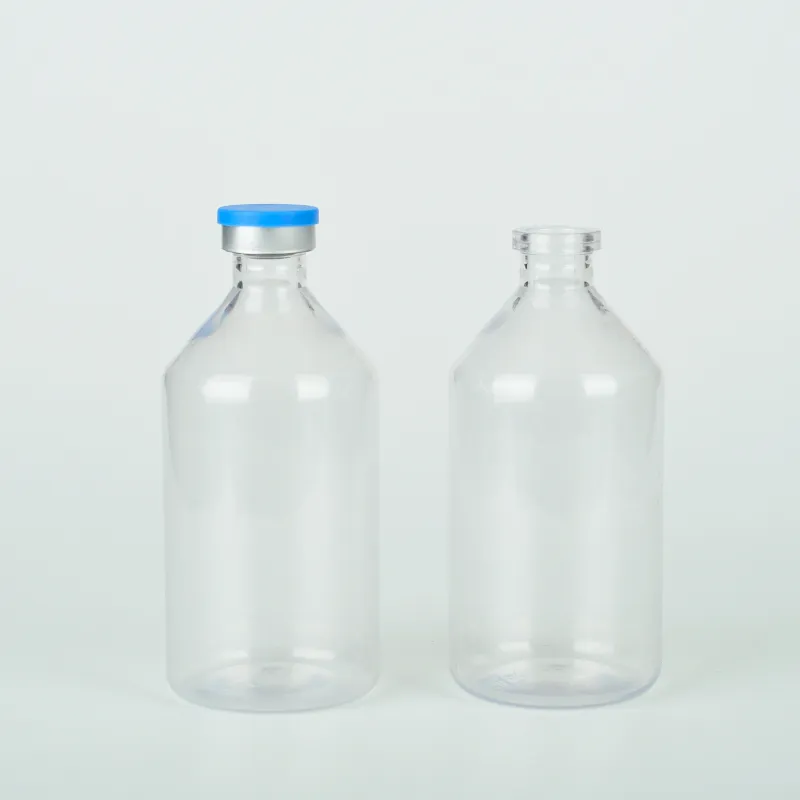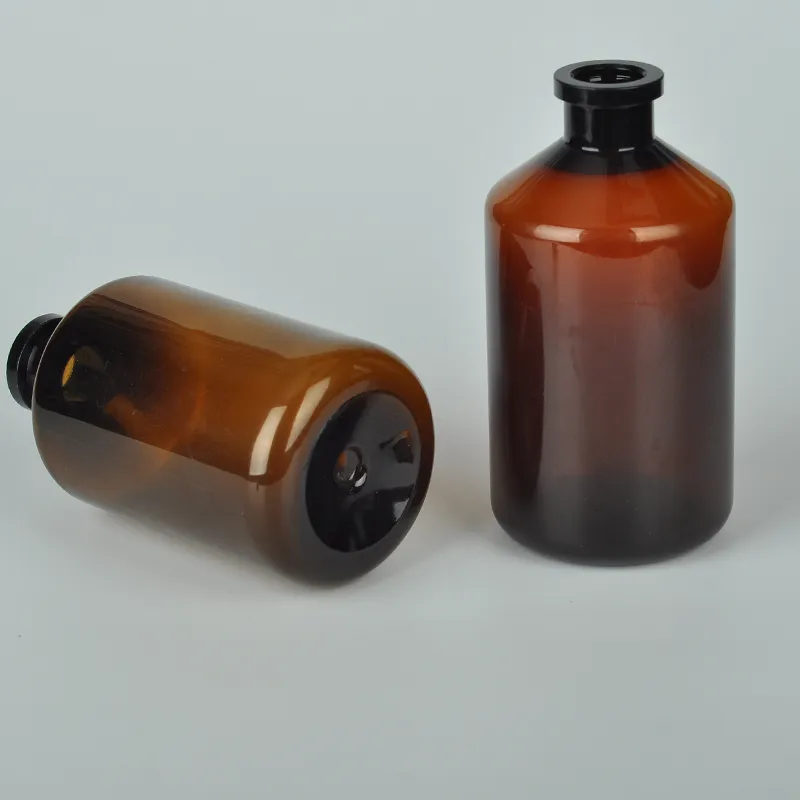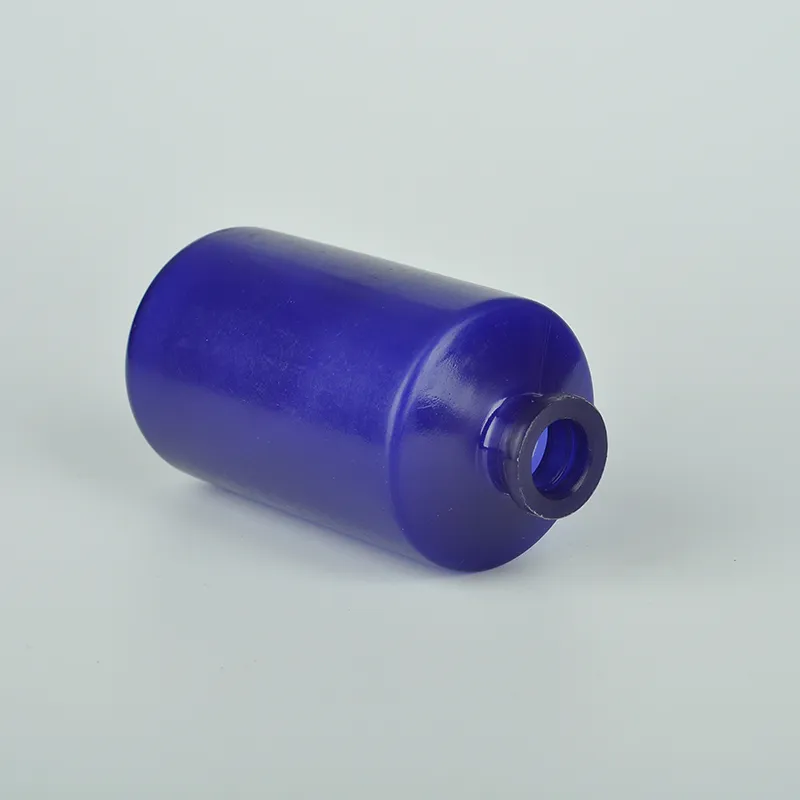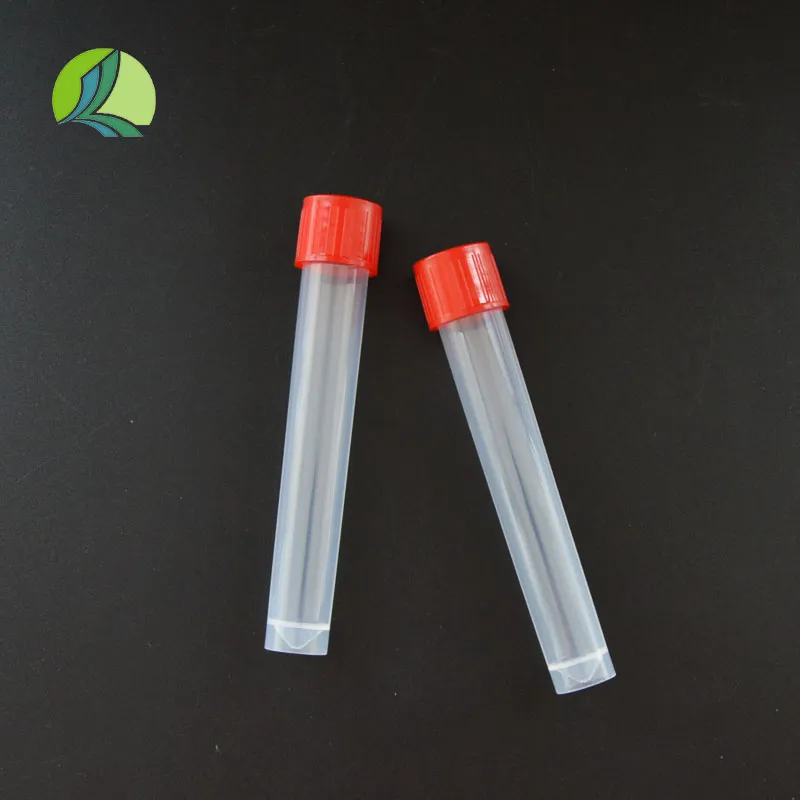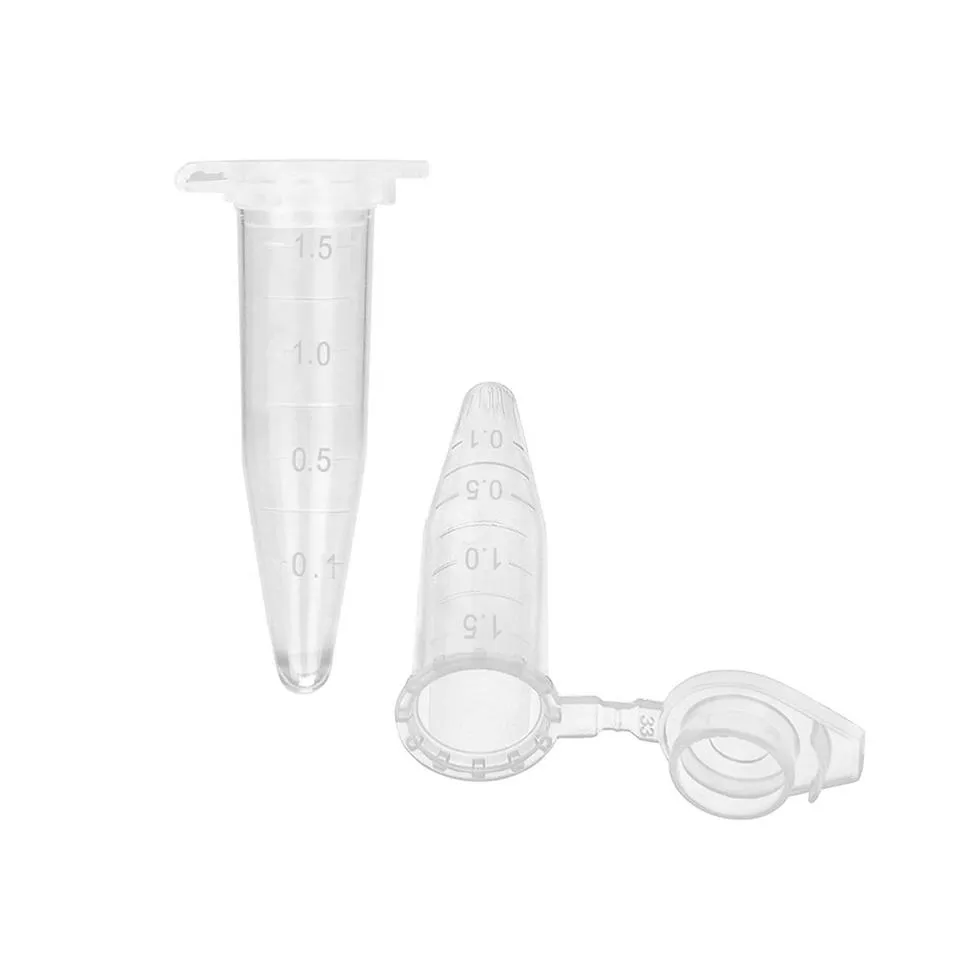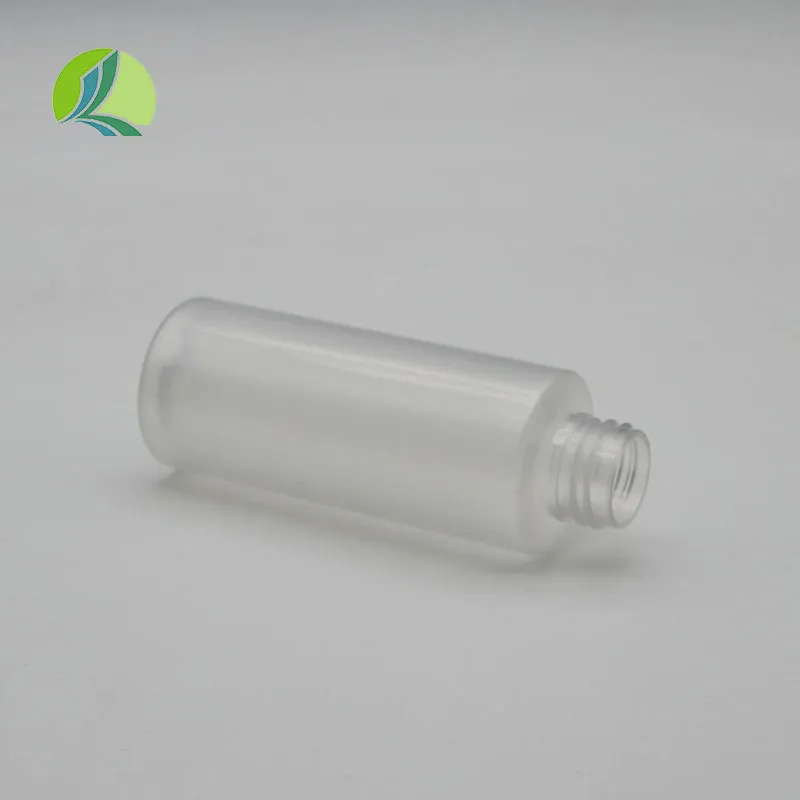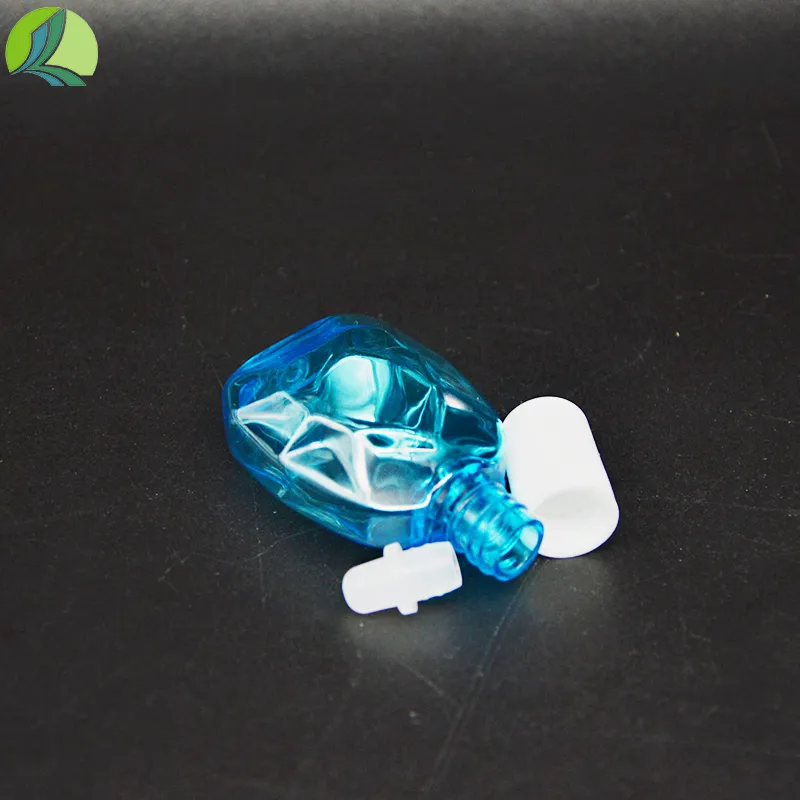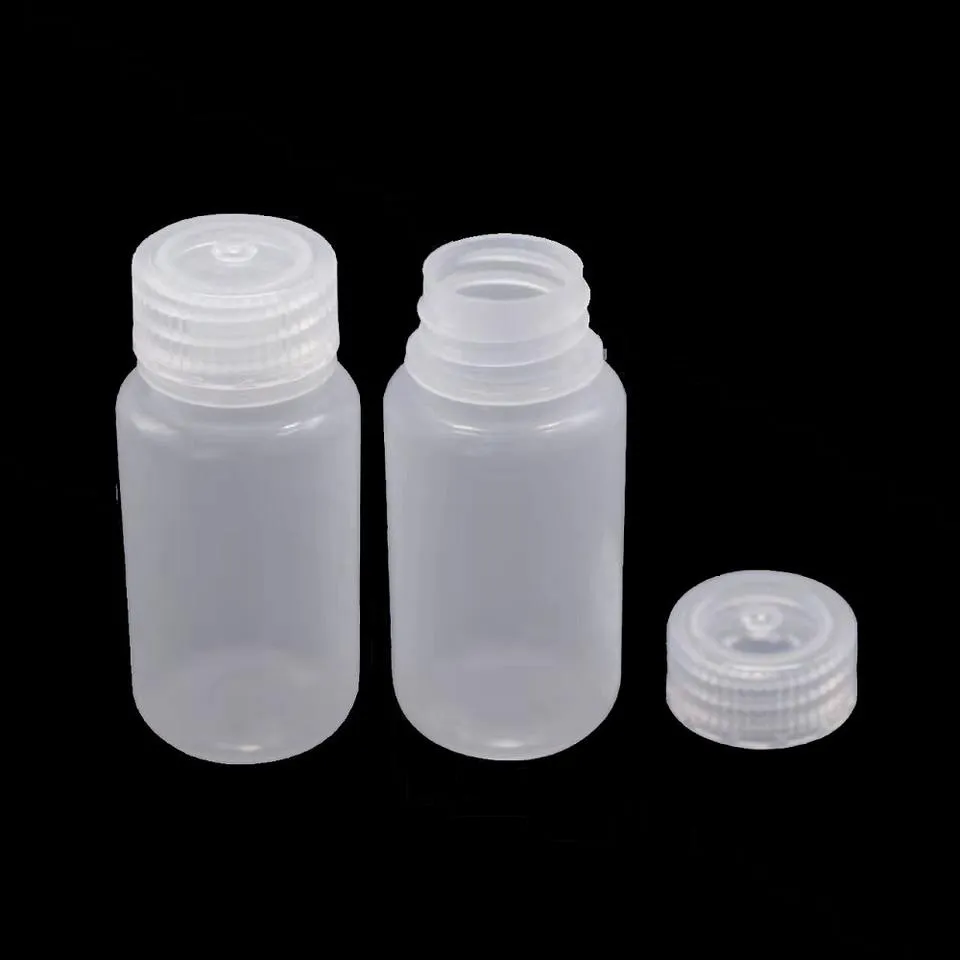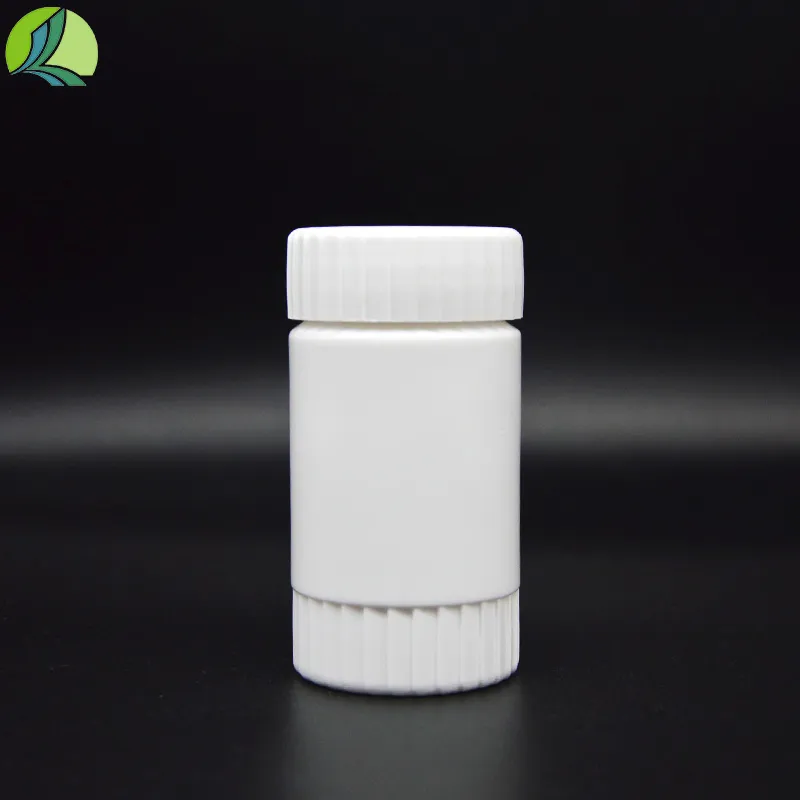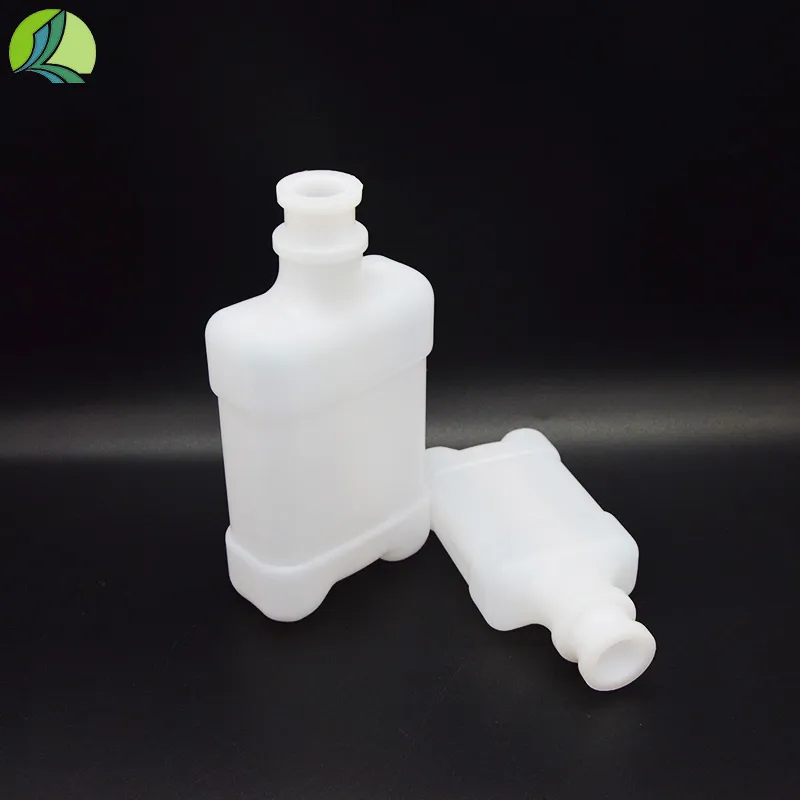




Durable Mini Eye Dropper Bottles for Precise Industrial Packaging
Why Mini Eye Dropper Bottles Are a Staple in Industrial Packaging
Having spent over a decade around industrial equipment and packaging lines, I’ve seen more product bottling solutions than most. Oddly enough, mini eye dropper bottles tend to fly under the radar, yet they play a surprisingly crucial role in many sectors—from pharmaceutical labs to cosmetics prototyping.
In real terms, these tiny container heroes are designed for precision. I remember visiting a small biotech startup that relied heavily on mini droppers for their sample distribution — it was clear how the accuracy of drop delivery made all the difference in testing. Plus, I have to admit, the simple engineering behind these bottles often impresses me. The materials, design, and quality controls come together in subtle ways you may not notice at first glance.
The typical materials? Usually, high-grade LDPE or sometimes PET for the bottle itself. The droppers often have soft rubber bulbs and polypropylene nozzles, which ensures chemical resistance and long shelf life. Fragile? Not really. I’ve seen some that survive industrial conditions surprisingly well—though, yes, the smaller size means you’ve got to be a little more careful, especially when it comes to crimping or sealing.
And customization is where these mini bottles really shine. You can get them in all sorts of sizes, colors, and nozzle styles depending on your industry needs. Drop sizes vary too—which is ideal if you need milliliter-perfect dosing or a gentler applicator. Many engineers I’ve worked with say this kind of flexibility can actually save costs down the line and reduce waste, since there’s less spillage or overuse.
If you’re diving into specs, here’s a quick summary of what a solid mini eye dropper bottle typically offers:
| Specification | Details |
|---|---|
| Capacity | 1ml to 30ml |
| Bottle Material | LDPE, PET, or HDPE depending on use |
| Dropper Tip | Polypropylene or soft rubber |
| Color Options | Clear, amber, assorted colors |
| Sealing Type | Child-resistant caps, tamper-evident seals |
| Typical Applications | Pharma samples, eye solutions, cosmetics, essential oils |
Now, comparing vendors is something I always stress on. You can find a lot of suppliers, but quality control, delivery times, and customization capabilities vary greatly. Here’s a simple comparison based on my past projects and supplier audits:
| Vendor | Product Quality | Customization | Lead Time | Price Range |
|---|---|---|---|---|
| WK Packaging | High - consistent and FDA compliant | Wide range of sizes and colors | 2-3 weeks | Mid-range |
| Supplier B | Average - spotty batch quality | Limited color options | 4-6 weeks | Low |
| Supplier C | High | Custom molding available but costly | 3-4 weeks | High |
Personally, I’ve worked most closely with WK Packaging (you know, the one linked above), and their products consistently strike a balance between quality and price. Their responsiveness to custom requests often surprises me — it's the kind of partnership that actually makes a big workflow difference.
So, wrapping up — the humble mini eye dropper bottle may look straightforward, but its design intricacies and material selection are what keep industries efficient and compliant. Whether it’s for a lab test or a cosmetic prototype, their role is kind of indispensable. I suppose next time you see one, you might think: there’s more engineering behind this little bottle than meets the eye.
References:
- Industry packaging standards and material datasheets, FDA guidelines.
- Various plant visits and quality audits across biotech and cosmetic manufacturers.
- Supplier interviews and documented client feedback from WK Packaging and others.
-
Guide to Sourcing High Quality wholesale mister bottles for BusinessNewsApr.16,2026
-
Top Quality Spray Bottle 100ml Suppliers for Your Business NeedsNewsApr.09,2026
-
Comprehensive Guide to Pet Spray Bottle Manufacturers and Packaging SolutionsNewsApr.07,2026
-
Comprehensive Guide to Finding Reliable Perfume Sprayers SuppliersNewsApr.04,2026
-
Comprehensive Guide to Wholesale Mini Spray Bottles for Various ApplicationsNewsMar.31,2026
-
Comprehensive Guide to Sourcing Mini Plastic Spray Bottles Bulk for Your BusinessNewsMar.28,2026