
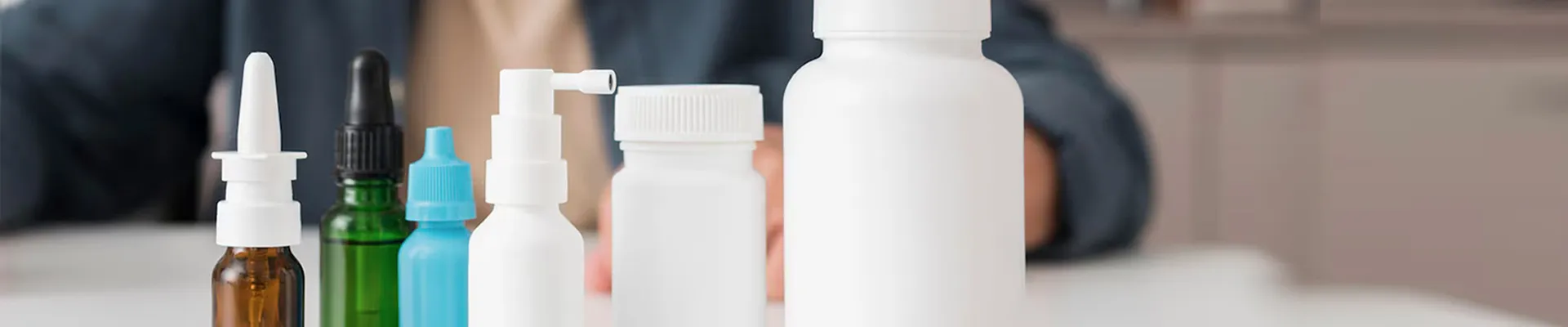


Exploring Different Types of Spray Bottles for Various Applications
Different Types of Spray Bottles: A Comprehensive Guide
Spray bottles are ubiquitous in countless industries and everyday life, from cleaning solutions to cosmetic applications. However, choosing the right spray bottle can significantly impact efficiency and product delivery. This article provides a detailed exploration of the different types of spray bottles available, their functionalities, and ideal applications, guiding you towards the optimal solution for your needs. Understanding these variations is essential for maximizing performance and user satisfaction.
Understanding Spray Bottle Mechanisms
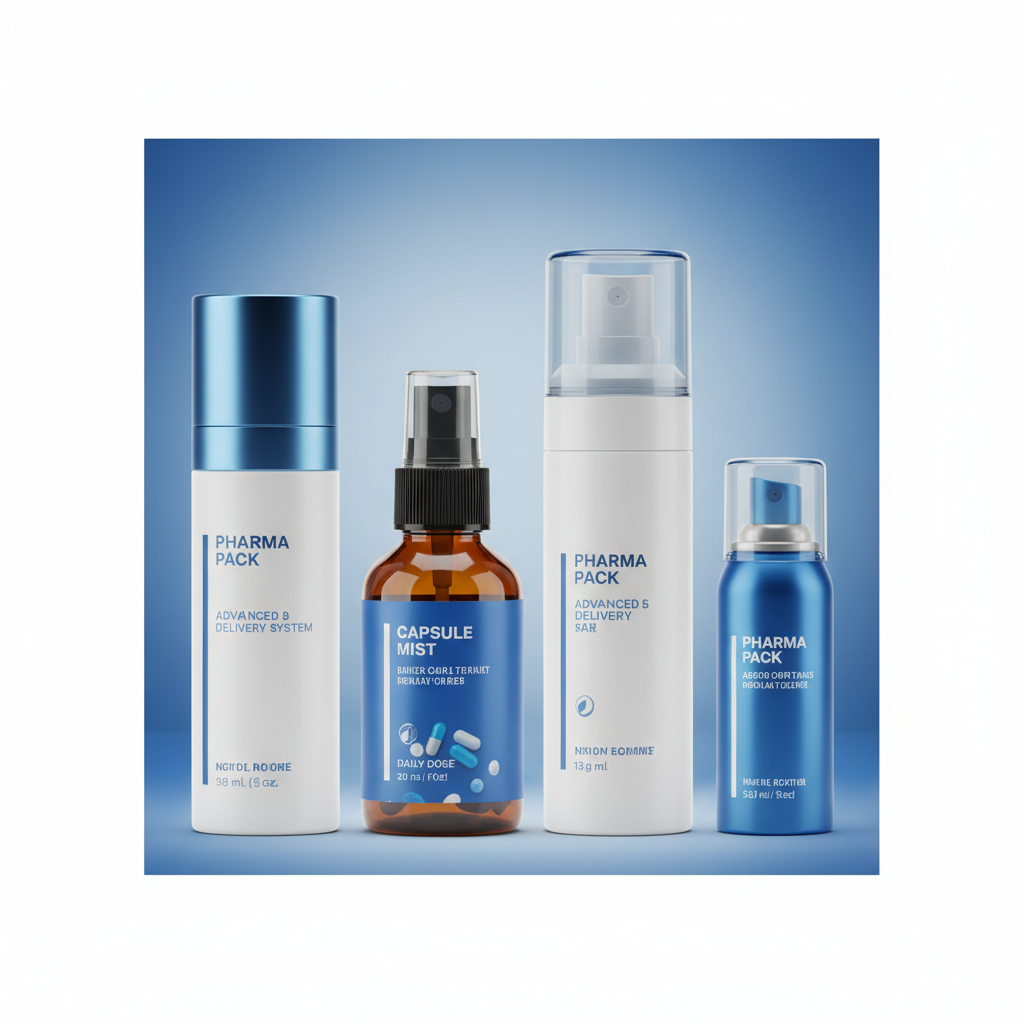
Before diving into specific types, it's crucial to understand the fundamental mechanisms. Most spray bottles rely on a pump action to create pressure and atomize the liquid. This pressure is generated either manually through squeezing a trigger or via an aerosol propellant. The nozzle design dictates the spray pattern – from a fine mist to a concentrated stream. The material of the bottle and internal components also influences compatibility with different liquids and the bottle’s overall durability. Different spray bottles are designed with specific materials to handle corrosive, viscous, or volatile liquids safely and effectively.
Key Consideration: The choice between manual and aerosol spray depends on the application. Manual pumps are cost-effective and environmentally friendly, while aerosol systems offer consistent pressure and wider spray coverage.
The Core Types of Spray Bottles
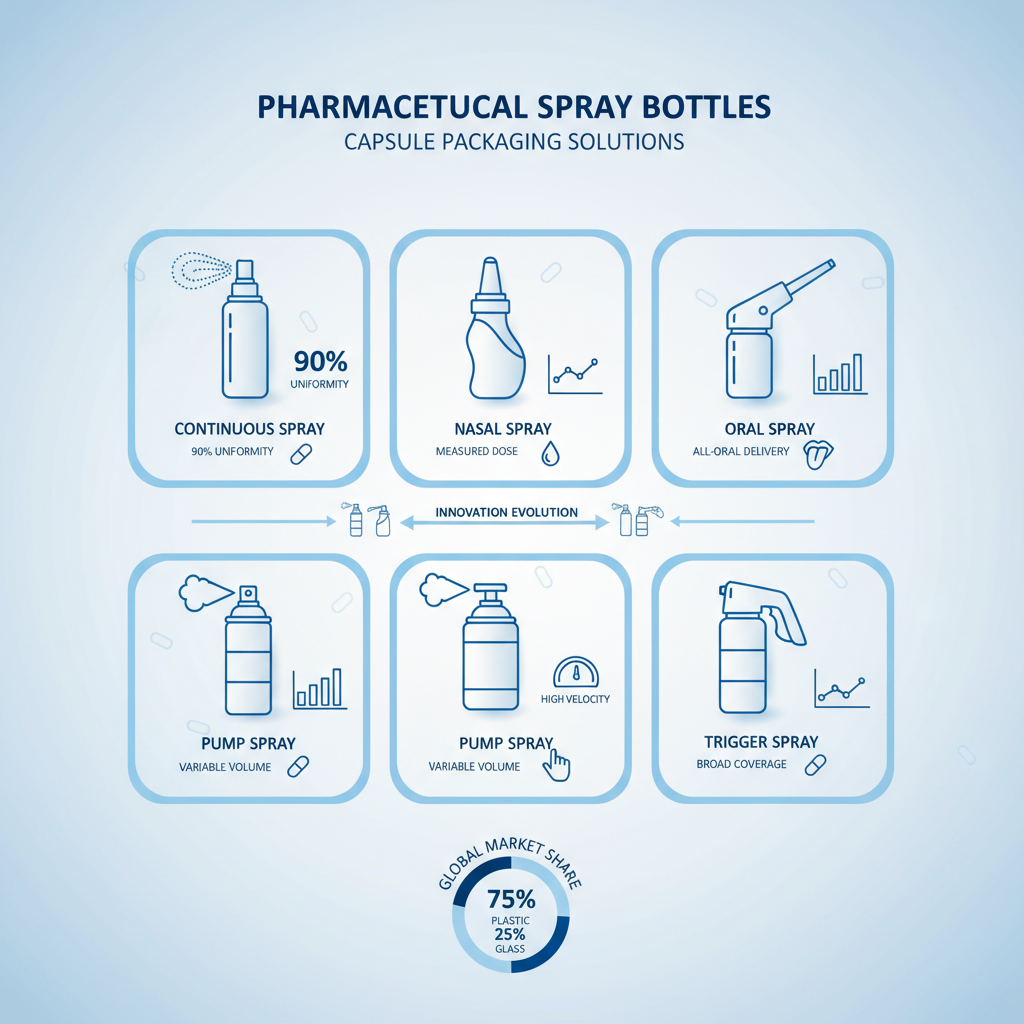
The market offers a wide range of spray bottle designs. Here are some of the most common types:
- Trigger Sprayers: These are the most common type, featuring a handle and trigger mechanism.
- Fine Mist Sprayers: Produce a very fine spray, ideal for cosmetics and cleaning solutions.
- Aerosol Spray Bottles: Utilize a pressurized propellant to deliver a continuous spray.
- Pump Sprayers: Employ a piston pump mechanism for higher volume applications.
- Bottle Sprayers: These come attached directly to the bottle and are often used for quick, single-use applications.
- Foam Sprayers: Designed to create a foam-like consistency, commonly used in cleaning products.
Trigger Sprayers vs. Fine Mist Sprayers: A Detailed Comparison
Trigger sprayers and fine mist sprayers are often confused, but they serve different purposes. Trigger sprayers offer adjustable spray patterns, ranging from stream to fan, making them versatile for various cleaning tasks. Fine mist sprayers, on the other hand, create a consistent, very fine spray, ideal for evenly distributing liquids like perfumes or hair sprays. The nozzle design and internal components differentiate these two types, impacting spray quality and coverage. When selecting between the two, consider the viscosity of the liquid and the desired spray characteristics.
Materials Used in Spray Bottle Manufacturing
The material used in a spray bottle directly impacts its durability, chemical resistance, and suitability for different liquids. Common materials include:
- HDPE (High-Density Polyethylene): Excellent chemical resistance, commonly used for household cleaners.
- PET (Polyethylene Terephthalate): Clear and lightweight, suitable for cosmetics and personal care products.
- PP (Polypropylene): Good chemical resistance and heat resistance, often used for automotive products.
- Glass: Offers superior chemical resistance but is more fragile.
- Stainless Steel: Durable and resistant to corrosion, ideal for industrial applications.
WK Packing offers a wide range of spray bottles crafted from these materials, ensuring compatibility with diverse formulations.
Choosing the Right Spray Bottle: Key Considerations
Selecting the ideal spray bottle involves evaluating several factors. Consider the type of liquid being dispensed, the desired spray pattern, the required durability, and the overall cost. For example, if dispensing a corrosive chemical, a bottle made of HDPE or stainless steel is crucial. For delicate fragrances, a PET bottle with a fine mist sprayer may be more appropriate. Always prioritize compatibility between the bottle material and the liquid to prevent degradation or leaks.
Conclusion: Optimizing Your Spray Application
Understanding the different types of spray bottles available and their specific characteristics is crucial for achieving optimal performance and user satisfaction. By carefully considering the liquid being dispensed, the desired spray pattern, and the required durability, you can select the perfect solution for your needs. Don't hesitate to explore the diverse offerings at WK Packing to find the ideal spray bottle for your application.
Frequently Asked Questions (FAQs)
What is the best material for a spray bottle containing essential oils?
Essential oils are known to degrade certain plastics over time. For storing and dispensing essential oils, glass or PET (Polyethylene Terephthalate) bottles are the best choices. Glass is non-reactive and provides the best protection against degradation. PET is a good alternative as it's resistant to essential oils, lightweight, and shatter-resistant, but may not be as durable as glass. Avoid using HDPE (High-Density Polyethylene) or PP (Polypropylene) for long-term storage of essential oils as they can react with the oils and compromise their quality. It's always a good practice to test a small amount of the oil with the plastic material before filling the entire bottle.
Can I use a spray bottle for alcohol-based liquids?
Yes, but material compatibility is crucial. HDPE (High-Density Polyethylene) is generally a good choice for alcohol-based liquids due to its excellent chemical resistance. PET can also be used, but prolonged exposure to high concentrations of alcohol might cause degradation over time. Avoid using PP (Polypropylene) for extended storage of alcohol, as it’s not as resistant. Glass is also an excellent option for alcohol-based liquids, offering superior chemical resistance. Always ensure the spray mechanism is also compatible with alcohol to prevent corrosion or malfunction.
How do I clean a spray bottle effectively?
Cleaning a spray bottle depends on the residue inside. For water-based liquids, simply rinsing with warm, soapy water is usually sufficient. For stubborn residues, fill the bottle with warm water and a few drops of dish soap, shake vigorously, and then rinse thoroughly. For oily or sticky residues, consider using a solvent like isopropyl alcohol (ensure compatibility with the bottle material first). Disassemble the spray mechanism and clean it separately to prevent clogging. Allow all parts to dry completely before reassembling.
What is the difference between a mist and a stream spray pattern?
A mist spray pattern creates a very fine, dispersed spray, ideal for even coverage over a large area – think of hairspray or cosmetic setting sprays. It's best suited for low-viscosity liquids. A stream spray pattern, on the other hand, delivers a concentrated, focused jet of liquid, perfect for targeted application and cleaning tasks. Stream sprayers can handle a wider range of viscosities. The choice depends on whether you need broad coverage or pinpoint accuracy. Many trigger sprayers offer adjustable nozzles allowing you to switch between mist and stream.
-
Guide to Sourcing High Quality wholesale mister bottles for BusinessNewsApr.16,2026
-
Top Quality Spray Bottle 100ml Suppliers for Your Business NeedsNewsApr.09,2026
-
Comprehensive Guide to Pet Spray Bottle Manufacturers and Packaging SolutionsNewsApr.07,2026
-
Comprehensive Guide to Finding Reliable Perfume Sprayers SuppliersNewsApr.04,2026
-
Comprehensive Guide to Wholesale Mini Spray Bottles for Various ApplicationsNewsMar.31,2026
-
Comprehensive Guide to Sourcing Mini Plastic Spray Bottles Bulk for Your BusinessNewsMar.28,2026