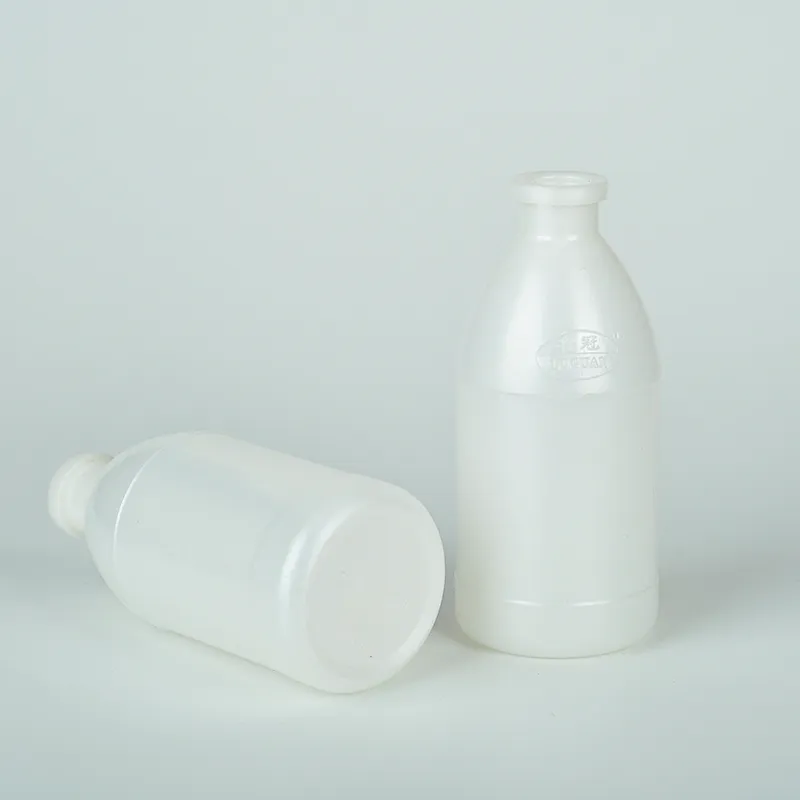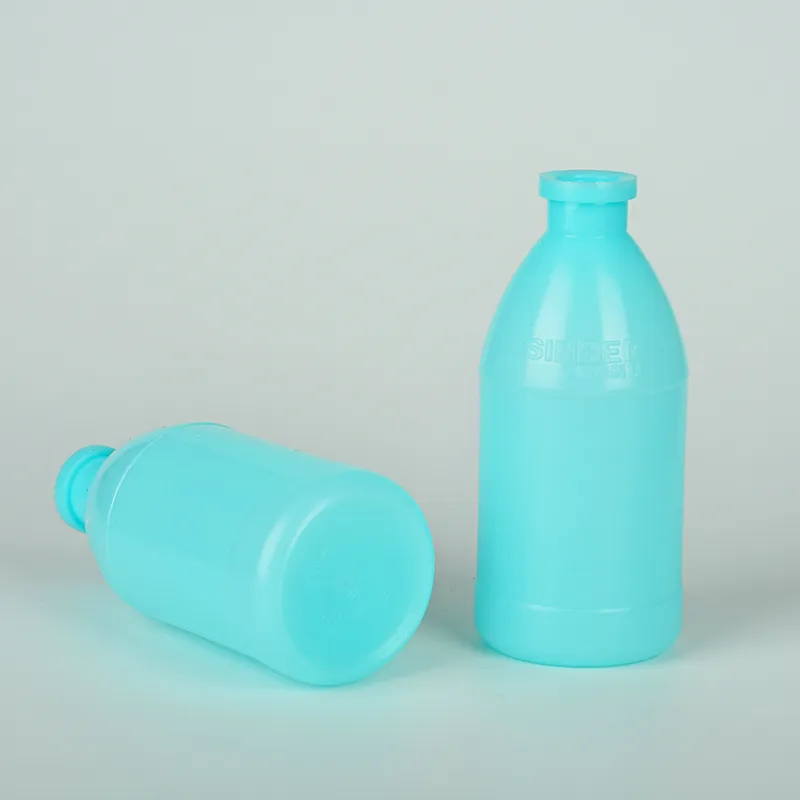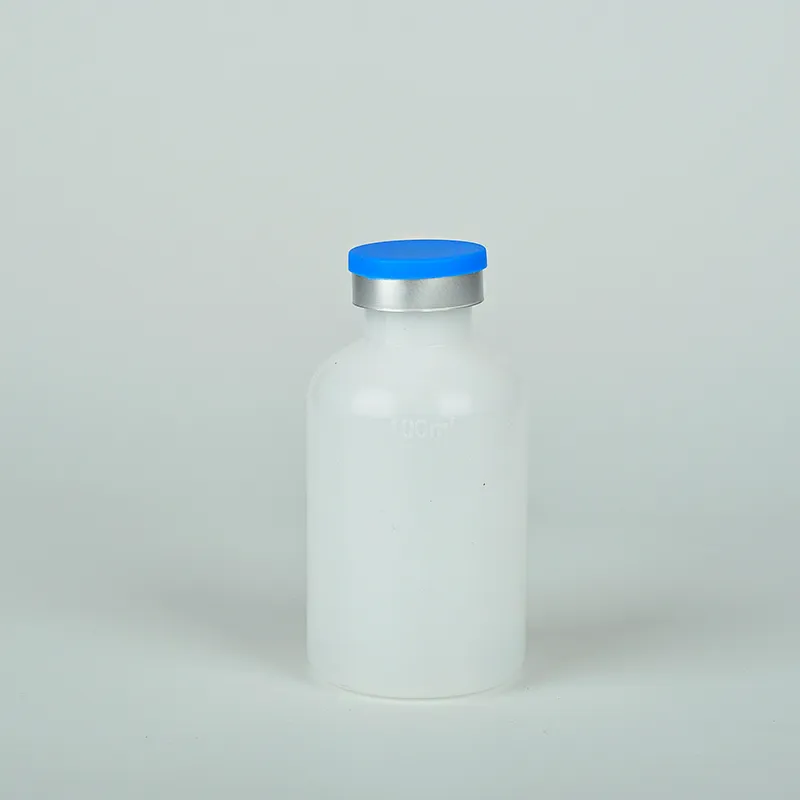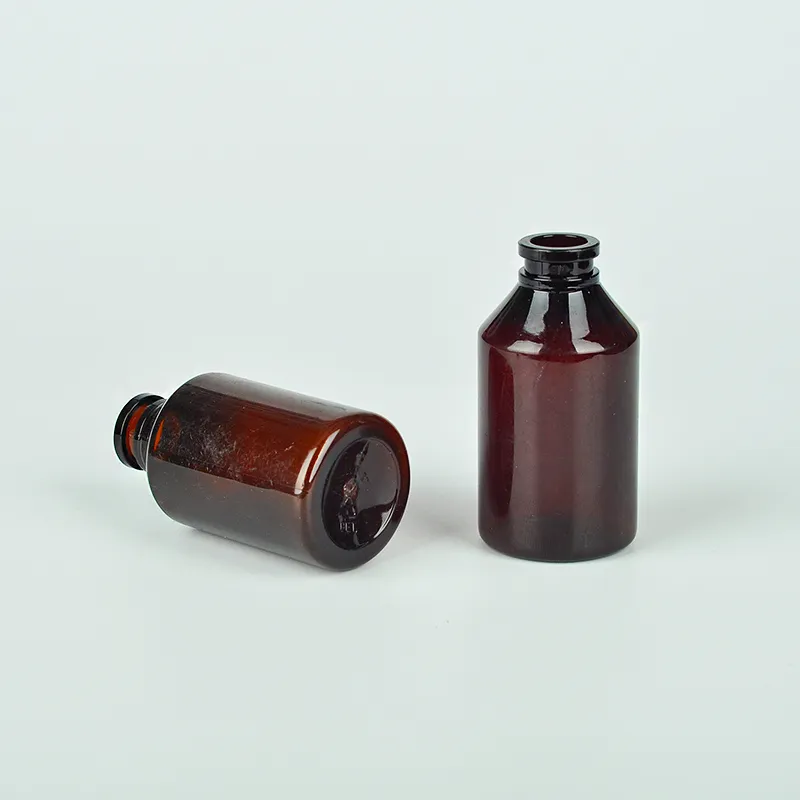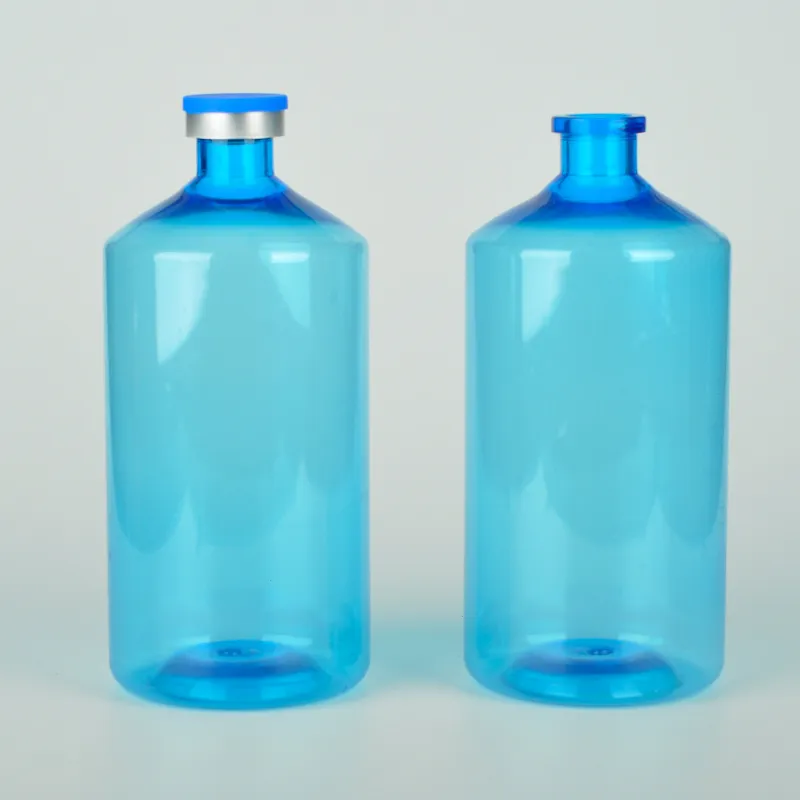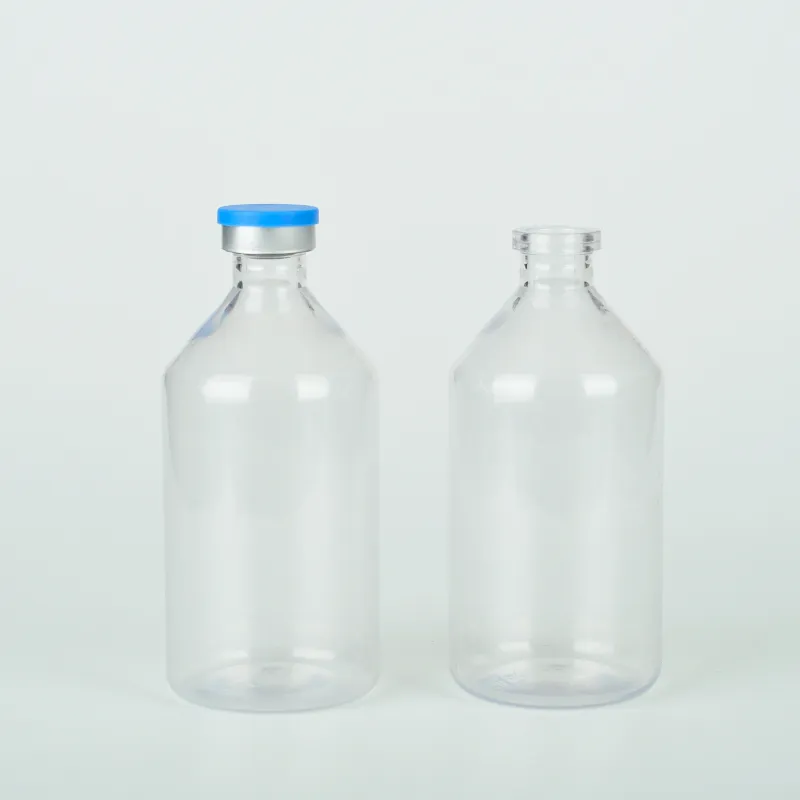

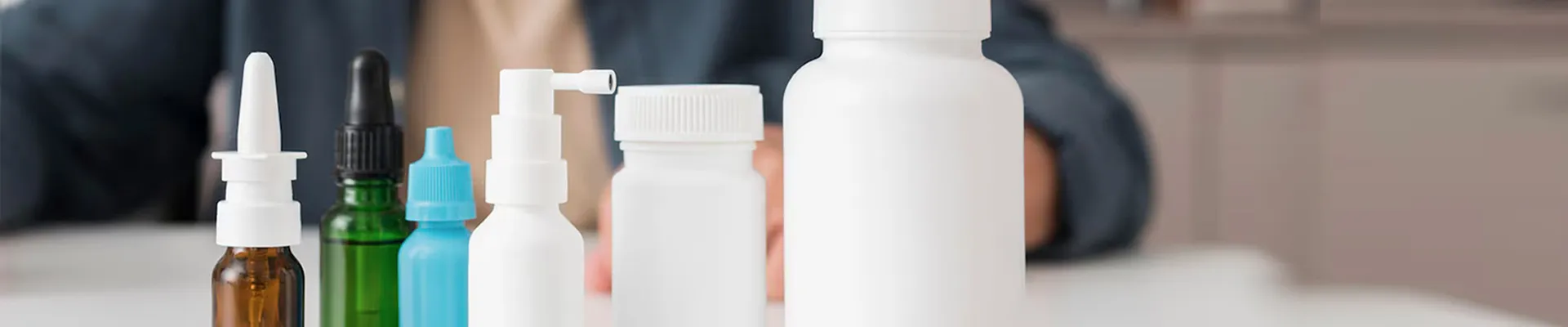


Buy Wholesale Plastic Medicine Bottles – Durable & Custom Pharmaceutical Packaging
Plastic Medicine Bottles Wholesale: A Quiet Backbone of Global Healthcare
When you think about the numerous small things that keep healthcare systems running smoothly, plastic medicine bottles probably don’t spring to mind immediately. Yet, their wholesale availability and use form an essential pillar in pharmaceutical packaging worldwide. From remote clinics in Africa to urban hospitals in Europe, these bottles ensure medicines stay safe, uncontaminated, and easy to dispense.
Understanding plastic medicine bottles wholesale matters because it sheds light not just on packaging but on access, safety, and cost-efficiency in medicine delivery — a genuinely global concern. The ability to mass-produce and distribute these bottles reliably can influence treatment outcomes and even public health.
Why Plastic Medicine Bottles Wholesale Matter Globally
The demand for plastic medicine bottles at wholesale scale is more than a niche industrial topic. According to the World Health Organization, approximately 2 billion people worldwide lack consistent access to essential medicines. A packaging failure or supply chain hiccup can jeopardize entire batches of critical drugs.
The global pharmaceutical packaging market is expected to exceed $120 billion by 2027, with plastic containers accounting for a significant chunk. This reflects the ongoing shift from glass to plastic for safety, weight, and cost reasons. But it’s not all roses — the environmental impact of single-use plastics and regulatory challenges in different countries complicate matters.
Mini takeaway: Wholesale plastic bottles may seem simple, but they’re a keystone in the massive, intricate ecosystem of healthcare delivery worldwide.
Plastic Medicine Bottles Wholesale: A Clear Definition
In essence, “plastic medicine bottles wholesale” refers to the bulk purchase and supply of plastic containers specifically designed for storing pharmaceuticals. These bottles are engineered to meet various standards concerning safety, durability, and chemical compatibility. Buying wholesale means large volumes at reduced costs, supporting manufacturers, pharmacies, hospitals, and relief organizations alike.
They’re connected deeply to modern industry requirements — sterile packaging, easy labeling, child safety features, and compliance with international standards like ISO 15378 for primary packaging materials. On the humanitarian front, they’re vital in mass distribution campaigns — think vaccination drives or emergency medicine distribution during crises.
Mini takeaway: Wholesale plastic medicine bottles provide both cost-efficiency and compliance in critical pharmaceutical supply chains.
Core Features of Plastic Medicine Bottles Wholesale
Durability and Chemical Resistance
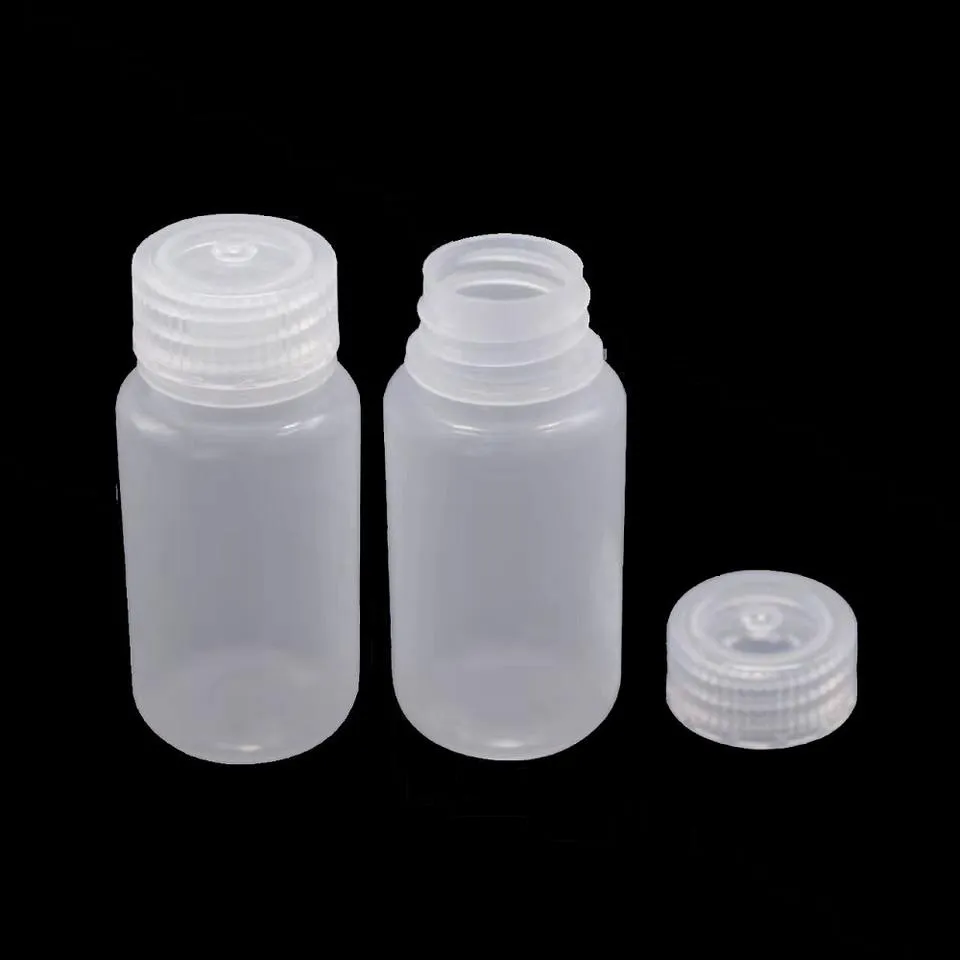
The plastic used must resist absorption or chemical reactions with the medicines inside. Polyethylene (PE) and polypropylene (PP) are common choices. This durability ensures the medicine’s efficacy over months or even years of storage, a must-have in drug manufacturing and distribution.
Scalability and Supply Chain Efficiency
When ordering bottles wholesale, buyers expect consistency — identical shapes, sizes, and quality. Automated pharmaceutical assembly lines rely on this uniformity for capping, labeling, and filling. It’s this scale that helps drive prices down, so bulk buying partners with high demand like government agencies or large drug makers.
Cost Efficiency Without Compromising Safety
For many institutions, especially in developing countries, cost is a decisive factor. Wholesale plastics help stretch budgets without skimping on safety features like tamper-evident caps or child-resistant closures.
Design Versatility
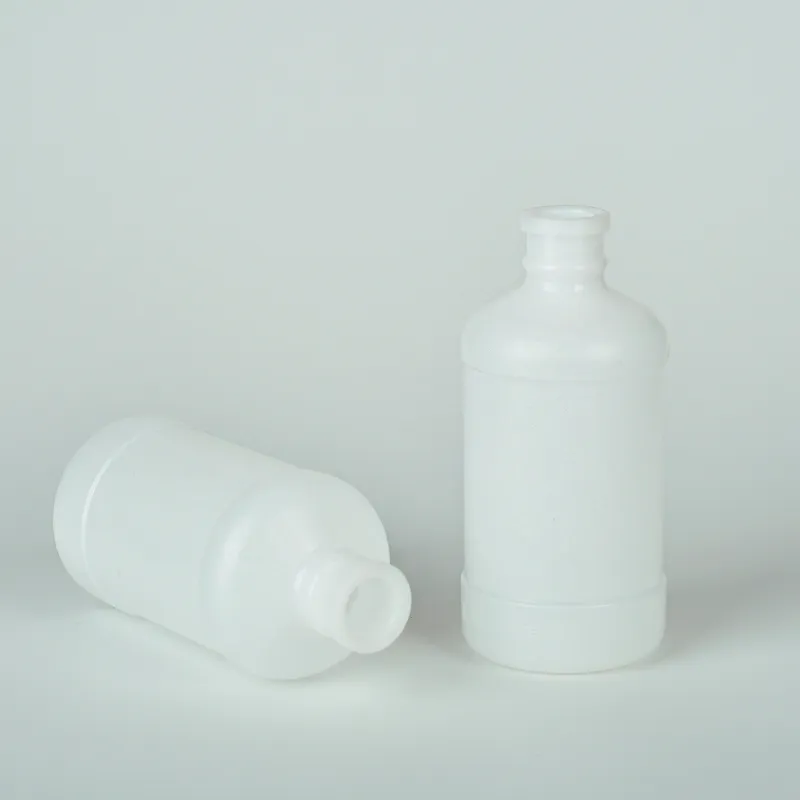
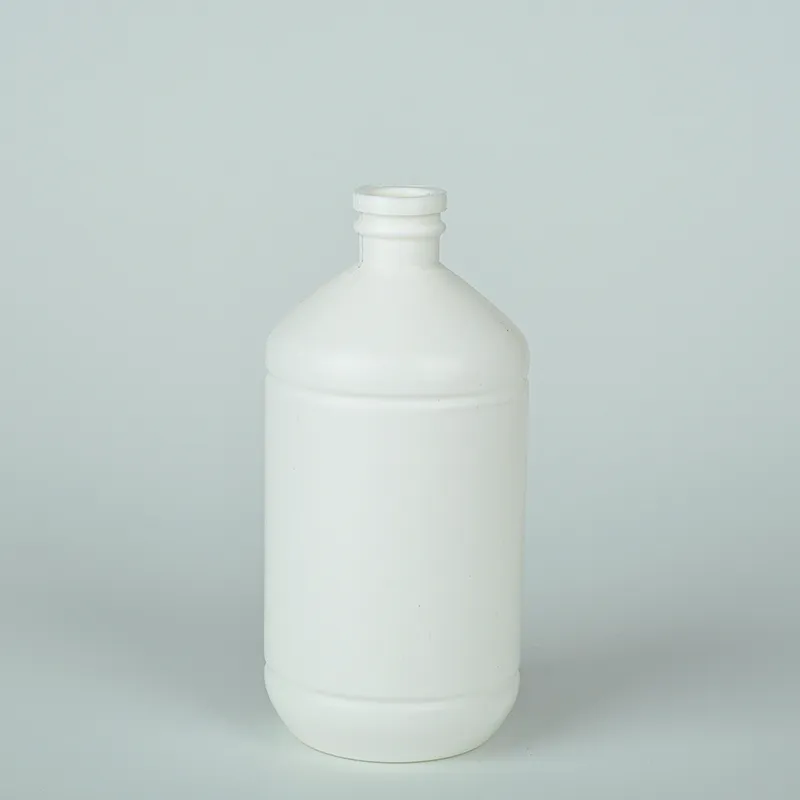
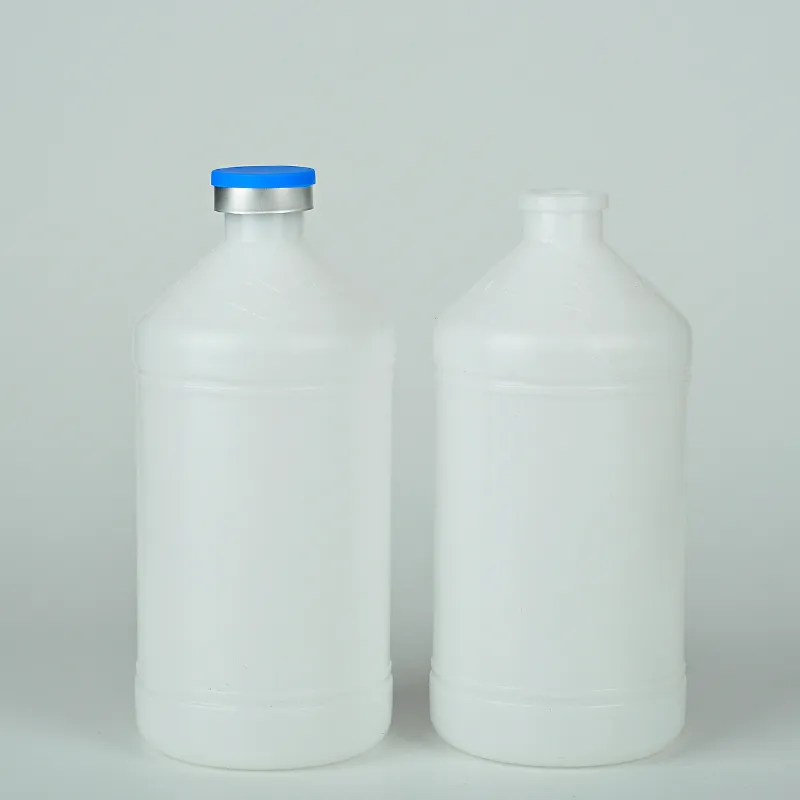
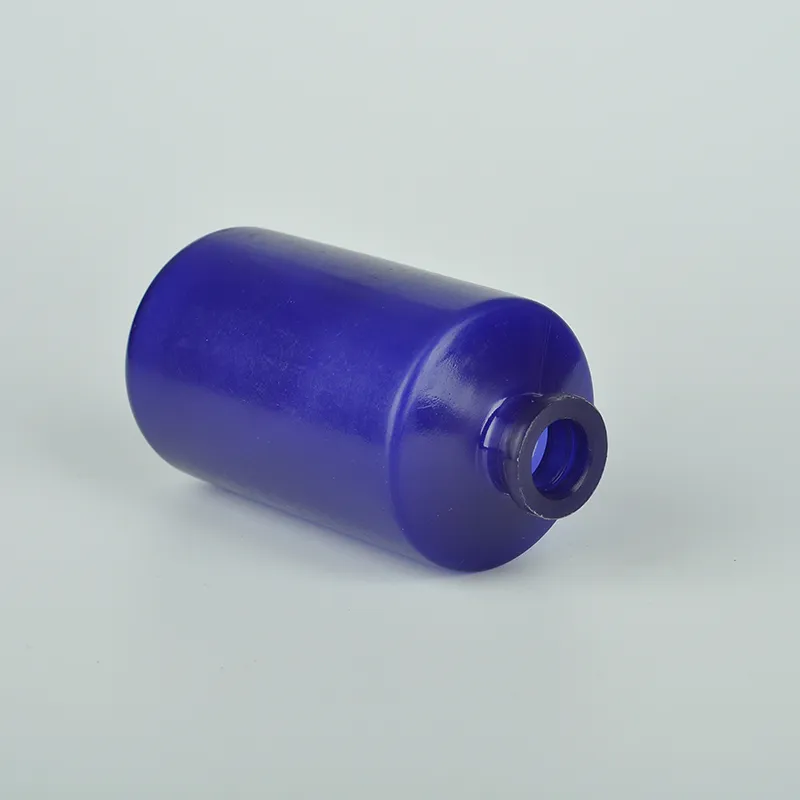
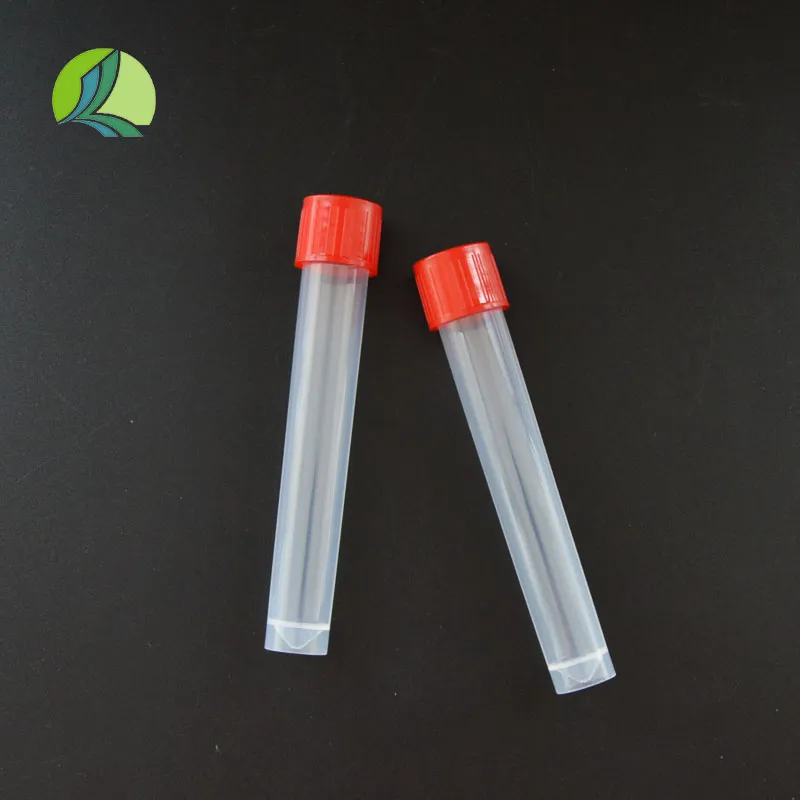
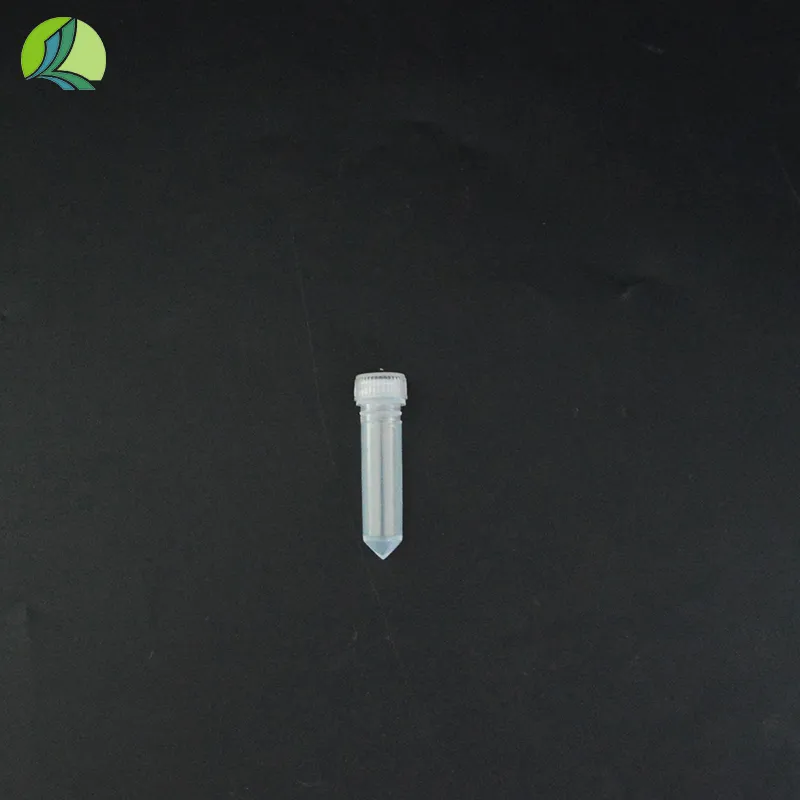
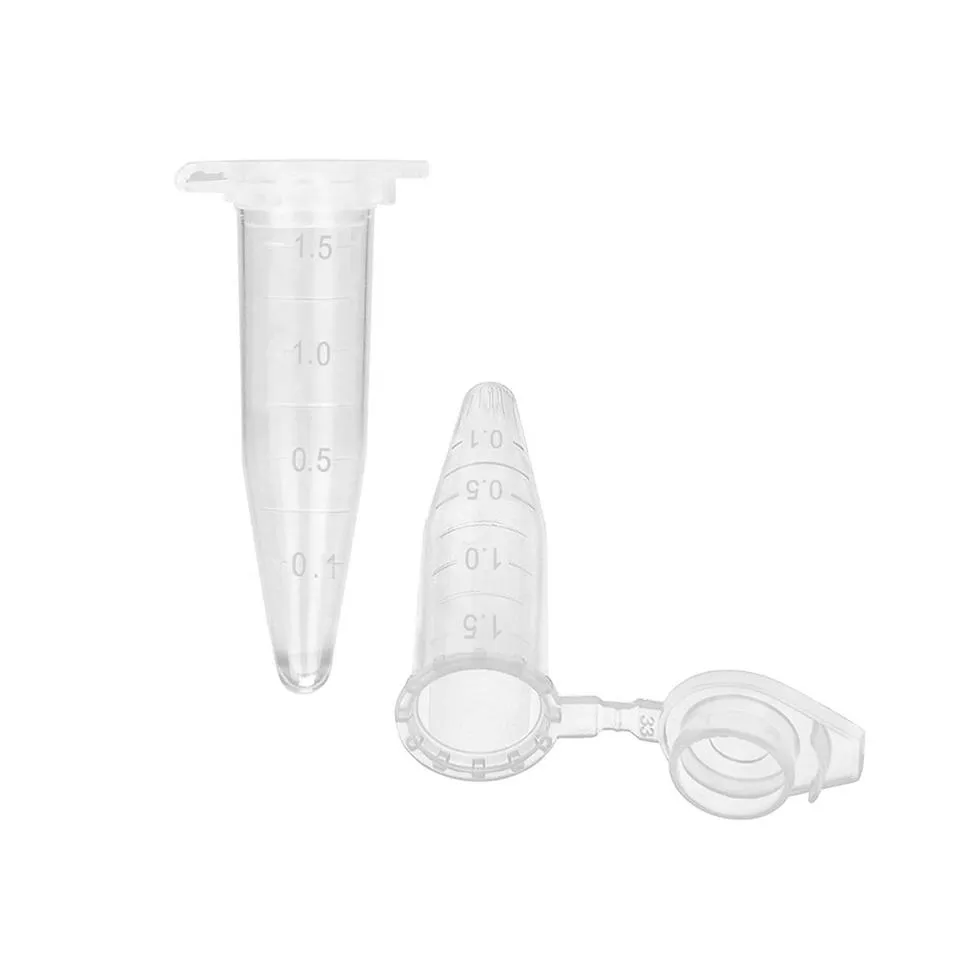
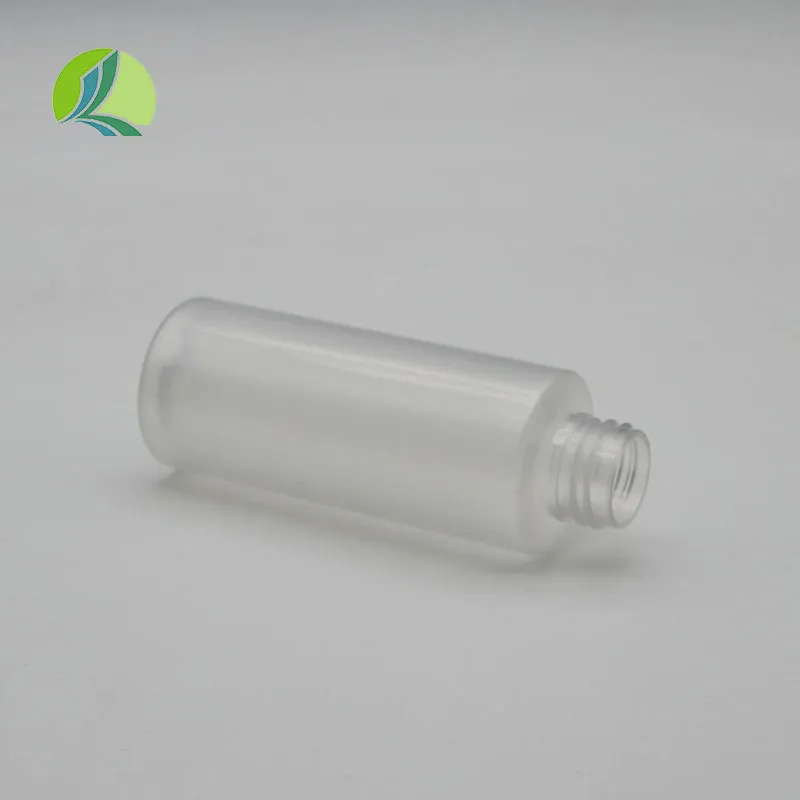
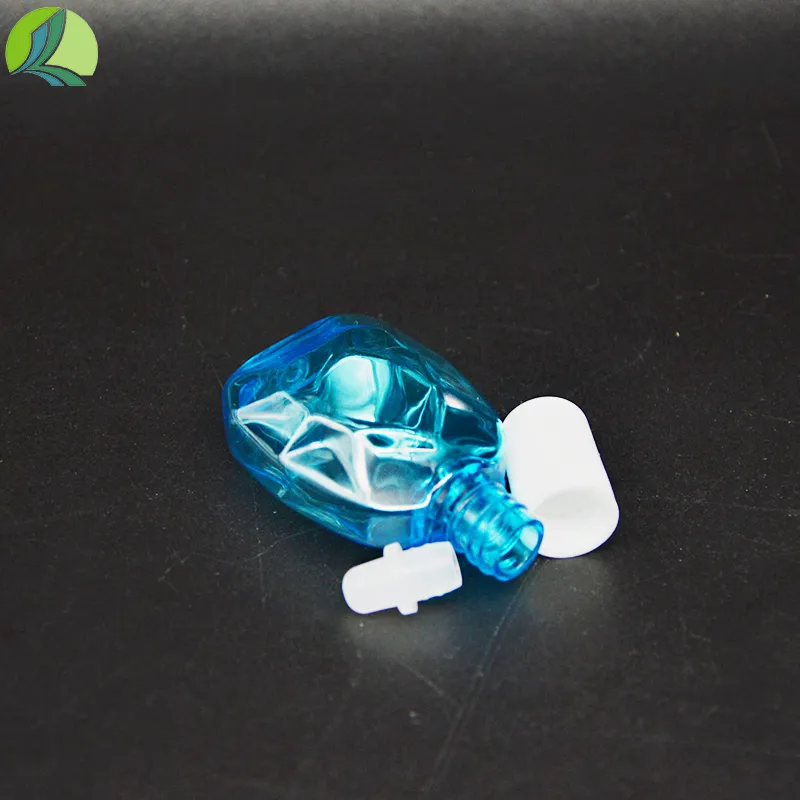
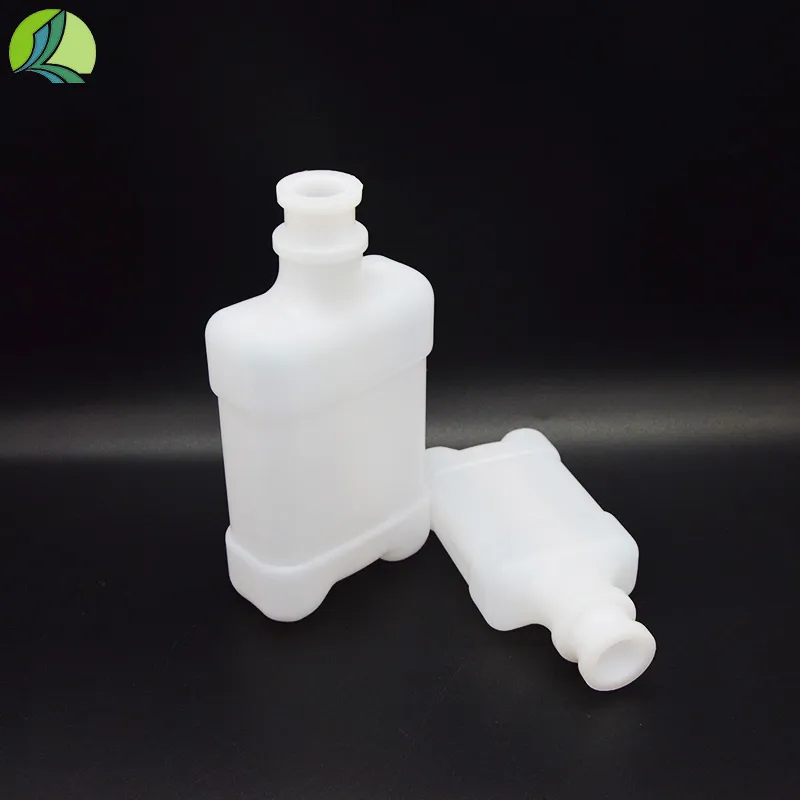
From small dropper bottles to large containers, plastic medicine bottles come in various dimensions and colors. Wholesalers often provide customization options for labels and features, meeting regulatory demands and branding needs.
Eco-friendly Innovations
With growing sustainability awareness, many suppliers now offer biodegradable or recycled plastic bottles. These products seek to balance healthcare safety with environmental responsibility.
Mini takeaway: Choosing a good wholesale supplier means balancing durability, cost, scale, and sustainability — all vital for practical pharmaceutical use.
Real-World Applications & Who Relies on Them
Plastic medicine bottles, sold wholesale, serve in an enormous range of contexts. For example:
- Healthcare Facilities: Hospitals and clinics worldwide order these in bulk to meet daily needs.
- Disaster Relief: In post-hurricane or earthquake scenarios, NGOs use bulk shipments of plastic bottles to package antibiotics and vaccines safely.
- Pharmaceutical Manufacturers: Rely on dependable bottles wholesale for bottling pills, liquids, and powders at scale.
- Remote Areas: In rural or industrial regions with limited infrastructure, robust plastic bottles maintain medicine quality despite tough conditions.
For example, during the 2014 Ebola outbreak, organizations depended heavily on durable, sealed plastic bottles to ensure antiviral medicines remained uncontaminated across Africa’s challenging terrains.
Mini takeaway: Wholesale plastic medicine bottles form the backbone of medicine accessibility from sophisticated cities to the most isolated villages.
Specification Table: Typical Plastic Medicine Bottle Features
| Feature | Specification | Notes |
|---|---|---|
| Material | High-Density Polyethylene (HDPE), Polypropylene (PP) | Sourced to meet FDA and ISO standards |
| Capacity | 10ml - 500ml | Custom sizes available on request |
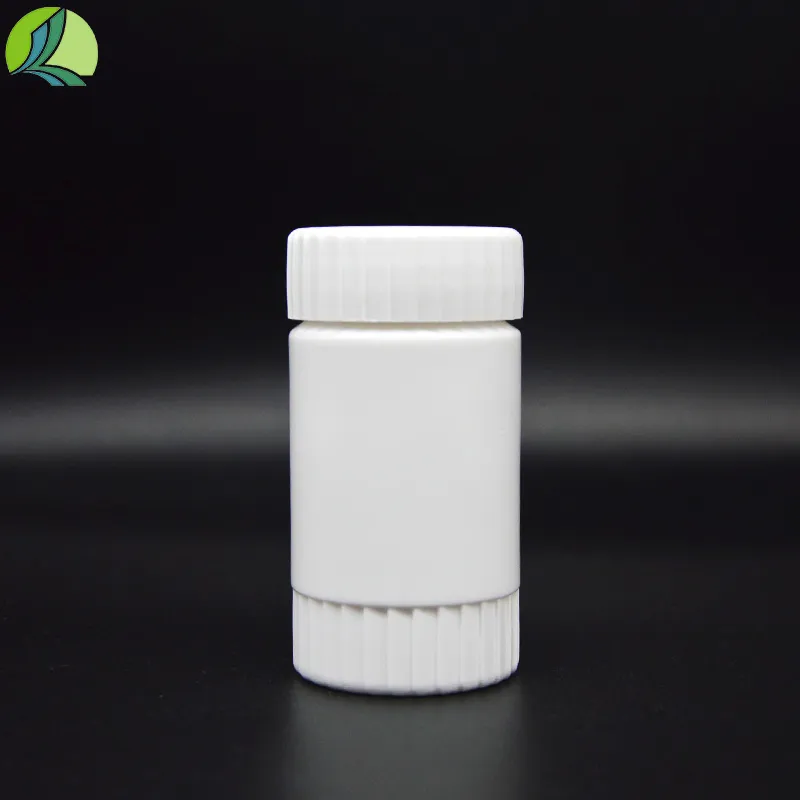
| Closure Type | Child-resistant, Tamper-evident, Screw caps | Optional custom caps for specific markets |
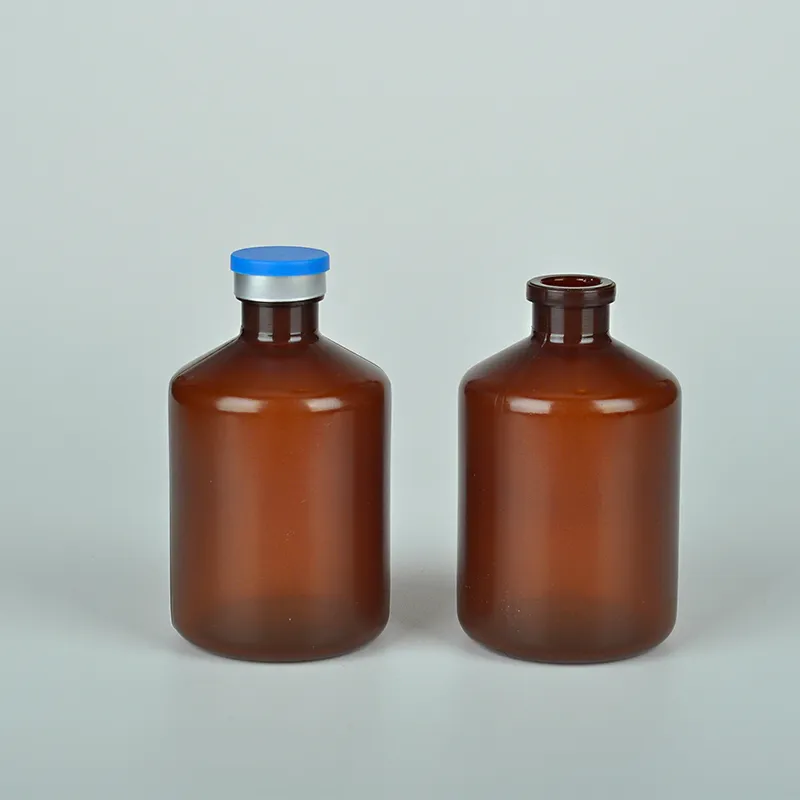
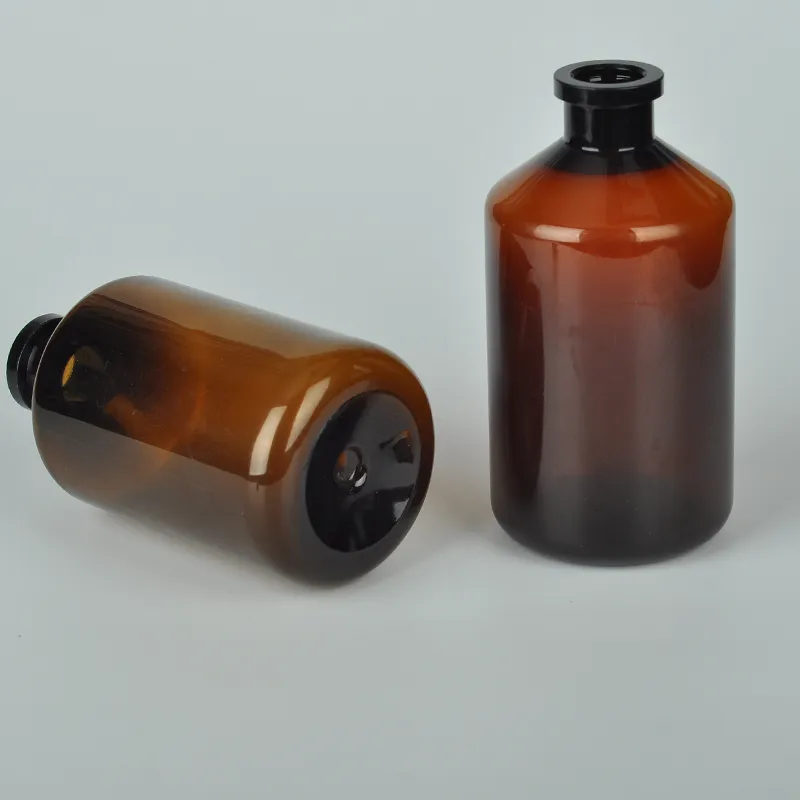
| Color | Clear, Amber, Opaque | Amber protects light-sensitive medicines |
| Standards Compliance | ISO 15378, FDA CFR Title 21 | Ensures safety and regulatory acceptance |
Comparing Leading Plastic Medicine Bottle Wholesalers
| Supplier | MOQ (Minimum Order Quantity) | Customization | Sustainability Options | Delivery Time (Avg.) |
|---|---|---|---|---|
| Alpha Packaging | 10,000 bottles | Full label printing & custom caps | Recycled PET options available | 3-4 weeks |
| Berry Global | 15,000 bottles | Mostly standard; customization on request | Biodegradable polymers offered | 4-5 weeks |
| W.K. Packaging (local) | 5,000 bottles | High customization; rapid prototyping | Focus on recycled HDPE and sustainable resins | 2-3 weeks |
Long-Term Advantages of Opting for Wholesale Plastic Medicine Bottles
Buying plastic medicine bottles wholesale isn’t just about saving money per unit. It’s a strategic choice that yields:
- Consistency: Uniform quality and dimensions ease downstream logistics and packaging automation.
- Cost Savings: Bulk discounting reduces packaging expenses, freeing funds for other healthcare needs.
- Safety: Trusted bottles minimize contamination risk and protect patient health.
- Sustainability: Increasingly, suppliers integrate recycled materials, helping reduce environmental footprints.
- Innovation Readiness: Wholesalers often innovate with smarter caps, childproof designs, and premium labeling features.
On an emotional level, knowing that medicine containers are safe, reliable, and responsible fosters trust — from pharmacists down to patients. It’s an underrated, yet crucial, piece of delivering dignity in healthcare.
Mini takeaway: Wholesale doesn’t just cut costs; it strengthens the entire medicine delivery chain’s integrity and future readiness.
Emerging Trends and What’s Next for Wholesale Medicine Bottles
The industry is buzzing with innovation:
- Bioplastics and Recycling: New bio-based polymers promise disposable bottles with a smaller carbon footprint, though cost and regulatory acceptance remain hurdles.
- Smart Packaging: RFID tags and QR codes on bottles enable traceability, counterfeit prevention, and even temperature monitoring.
- Automation: Integration with robotic filling and packing lines is pushing suppliers to maintain ever-tighter quality tolerances.
- Regulatory Harmonization: Worldwide regulatory bodies work toward unified packaging standards, easing international medicine trade and import/export processes.
I'm quite curious to see how these advances will reshape both giant pharma manufacturers and smaller NGOs buying wholesale in the coming decade.
Mini takeaway: The next generation of plastic medicine bottles may be smarter, greener, and more adaptable than ever.
Challenges in Wholesale Plastic Medicine Bottling and How to Navigate Them
Not everything is straightforward. Some ongoing challenges include:
- Environmental Concerns: Single-use plastics face increasing scrutiny worldwide.
- Supply Chain Disruptions: Raw material shortages or transport delays can stall medicine packaging.
- Customization Limits: Large orders sometimes lack needed flexibility for specialized medicines.
Experts suggest innovative recycling programs, local manufacturing hubs, and modular bottling solutions as possible ways forward.
Choosing suppliers who embrace sustainability and resilience is now prudent rather than optional.
FAQ: Practical Questions on Plastic Medicine Bottles Wholesale
Q1: How do I choose the right size and material for my medicine bottles?
A: Consider the type of medicine (liquid, solid, sensitive to light), required shelf-life, and patient safety needs. HDPE works well for most pills and syrups; amber bottles protect light-sensitive meds. Wholesale suppliers usually offer samples to help evaluation.
Q2: Can I order custom-printed bottles in bulk?
A: Yes, many wholesalers provide label printing and custom cap options. Keep in mind minimum order quantities might be higher, and lead times longer. It pays to discuss your specific regulatory and branding needs early.
Q3: Are wholesale plastic bottles suitable for cold chain medicines?
A: They can be, but you need to verify material performance under refrigeration or freezing. Some plastics may become brittle. Specialized bottles with validated temperature resistance are advisable.
Q4: How does buying wholesale impact supply chain reliability?
A: Bulk purchasing often enhances supply stability by securing larger inventory buffers and better supplier partnerships. Still, diversify sources if possible to reduce disruption risks.
Q5: What sustainability certifications should I look for?
A: Look for ISO 15378 compliance for pharmaceutical packaging plus environmental certifications like ISO 14001 or third-party recycled content verification.
Wrapping Up: Why Wholesale Plastic Medicine Bottles Are a Smart Bet
At the end of the day, plastic medicine bottles purchased wholesale quietly underpin a huge part of global medicine accessibility. They balance challenges of cost, safety, and sustainability better than most realize. Their adaptability across contexts—from crisis relief to cutting-edge pharma production—makes them a versatile solution.
Interested in exploring high-quality plastic medicine bottles at wholesale prices? Visit plastic medicine bottles wholesale for trusted options tailored to your needs.
References:
-
Guide to Sourcing High Quality wholesale mister bottles for BusinessNewsApr.16,2026
-
Top Quality Spray Bottle 100ml Suppliers for Your Business NeedsNewsApr.09,2026
-
Comprehensive Guide to Pet Spray Bottle Manufacturers and Packaging SolutionsNewsApr.07,2026
-
Comprehensive Guide to Finding Reliable Perfume Sprayers SuppliersNewsApr.04,2026
-
Comprehensive Guide to Wholesale Mini Spray Bottles for Various ApplicationsNewsMar.31,2026
-
Comprehensive Guide to Sourcing Mini Plastic Spray Bottles Bulk for Your BusinessNewsMar.28,2026