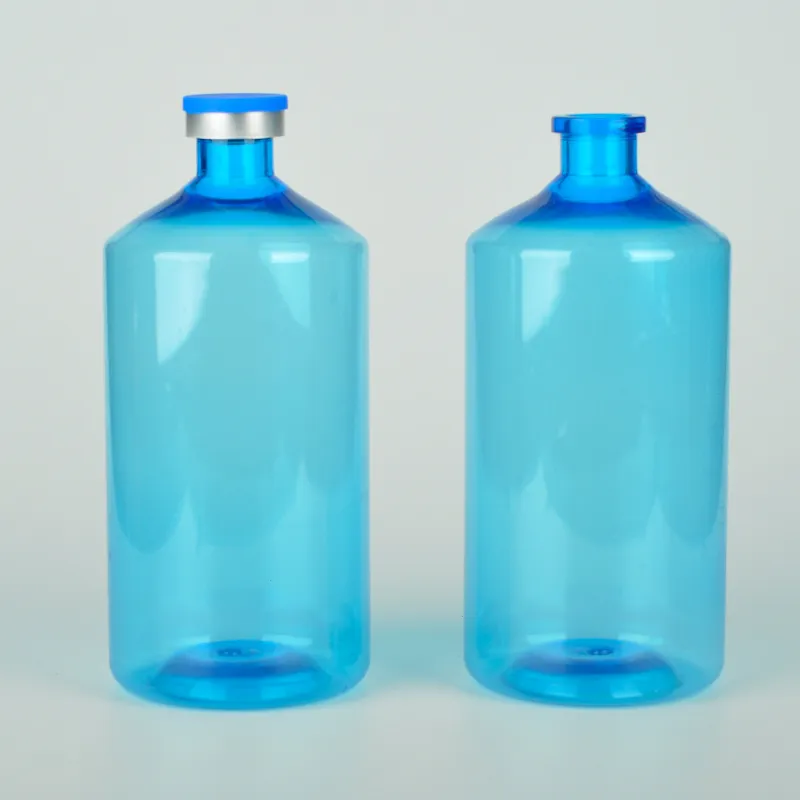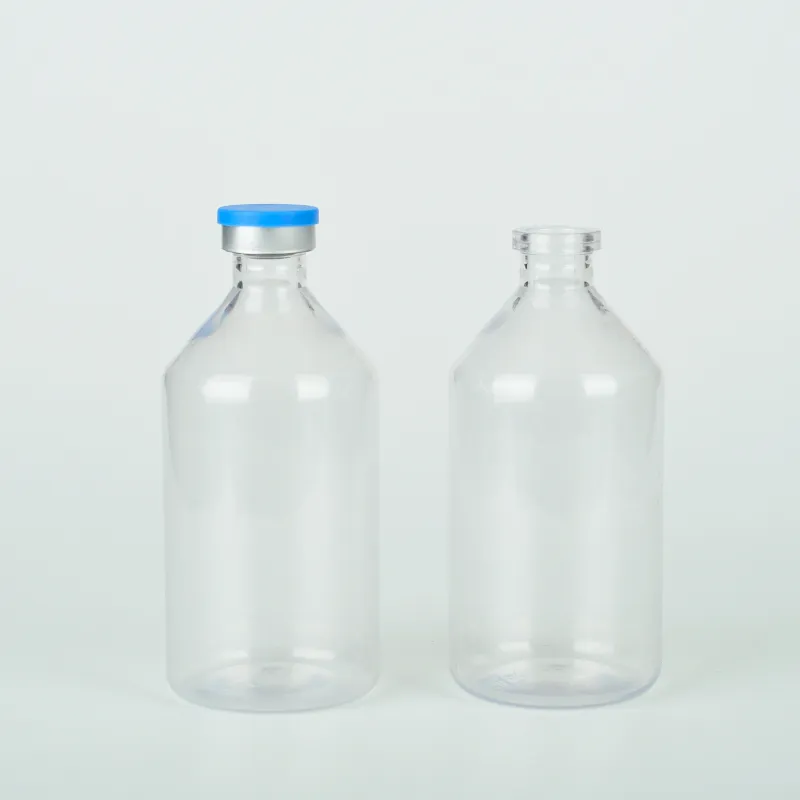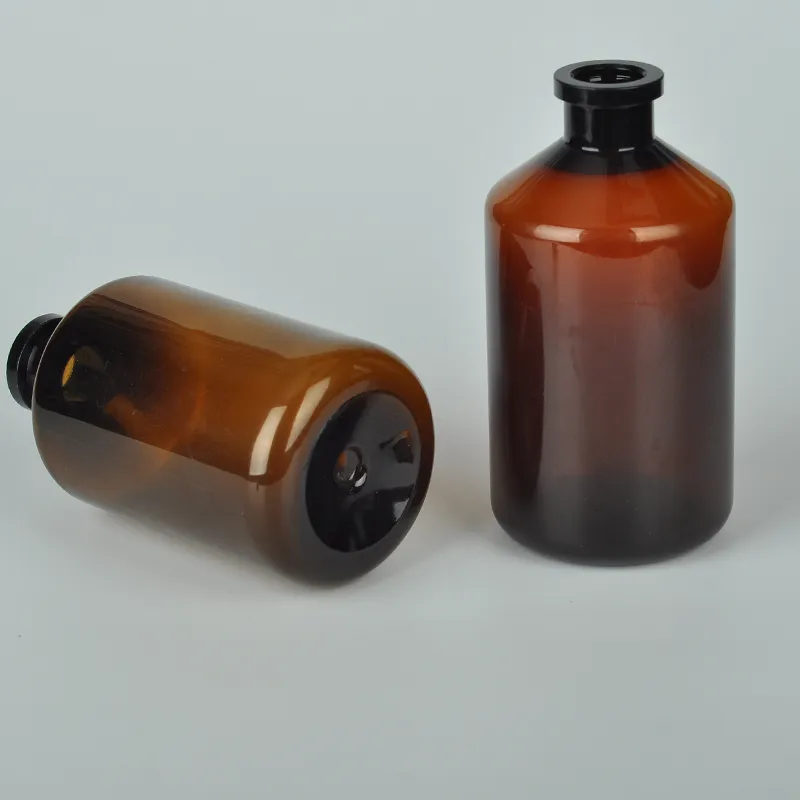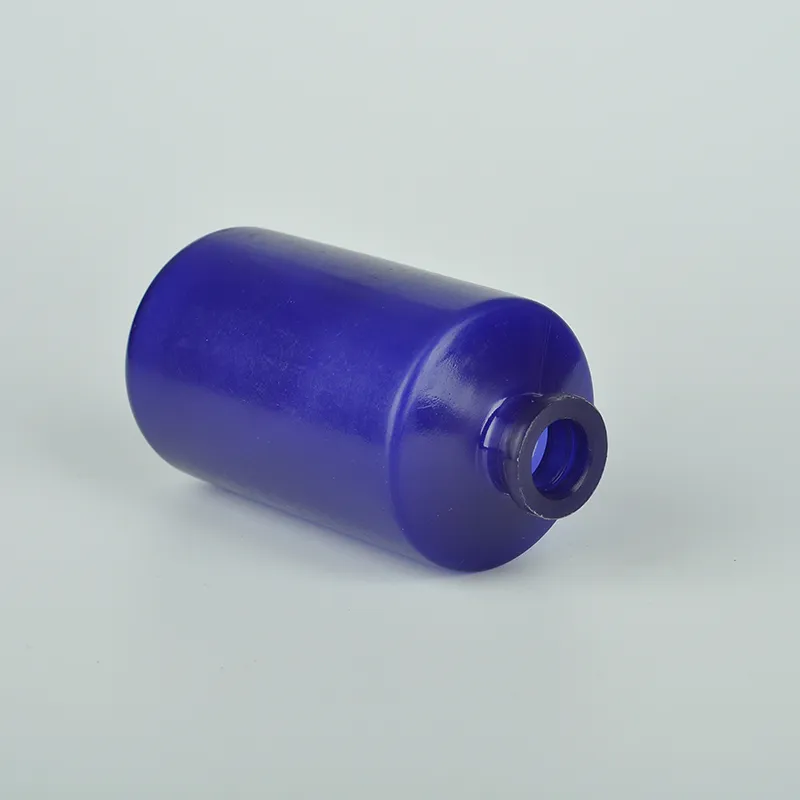

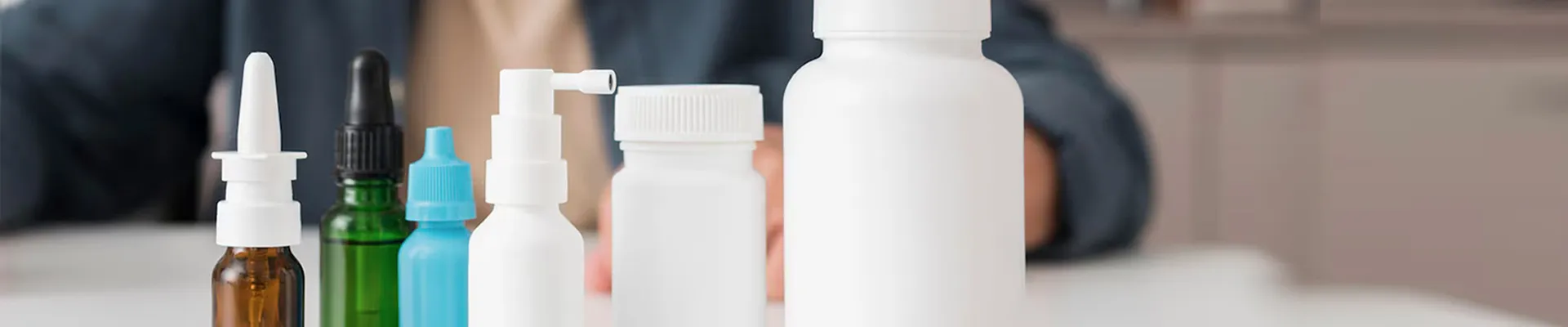


The Complete Guide to Brown Eye Dropper Bottles for Optimal Product Protection
Understanding Brown Eye Dropper Bottles: A Comprehensive Guide
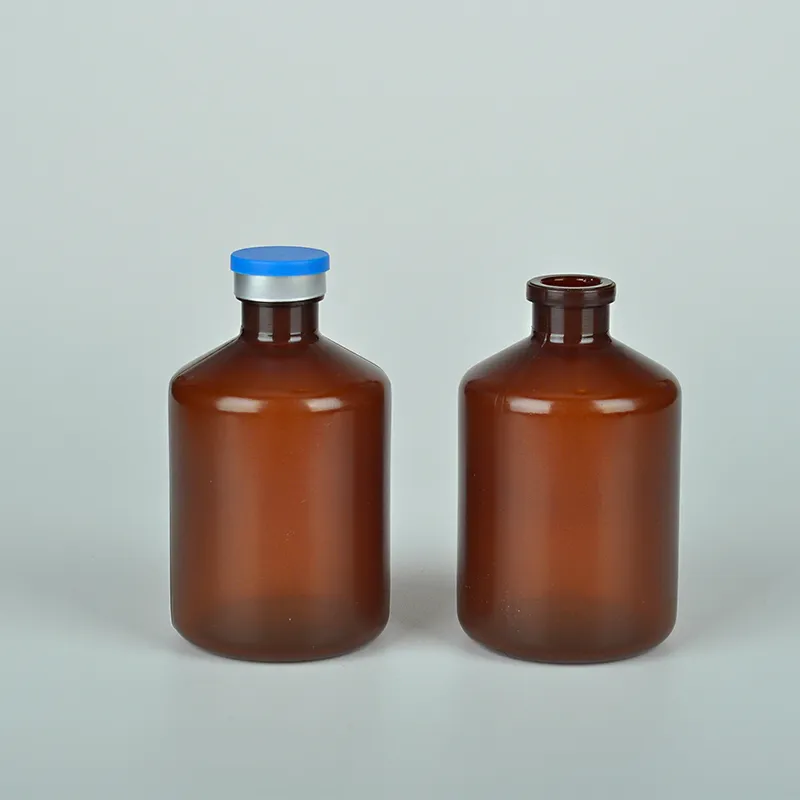
When selecting packaging for liquids, especially in industries like cosmetics, pharmaceuticals, and essential oils, brown eye dropper bottles are a consistently popular choice. Their appeal stems from a blend of functionality and aesthetic qualities. This article will provide an in-depth look at these bottles, exploring their benefits, uses, materials, and what to consider when making a purchase. Choosing the right bottle is vital for product preservation and a professional presentation. WKPacking offers a variety of brown glass dropper bottles for all of your needs.
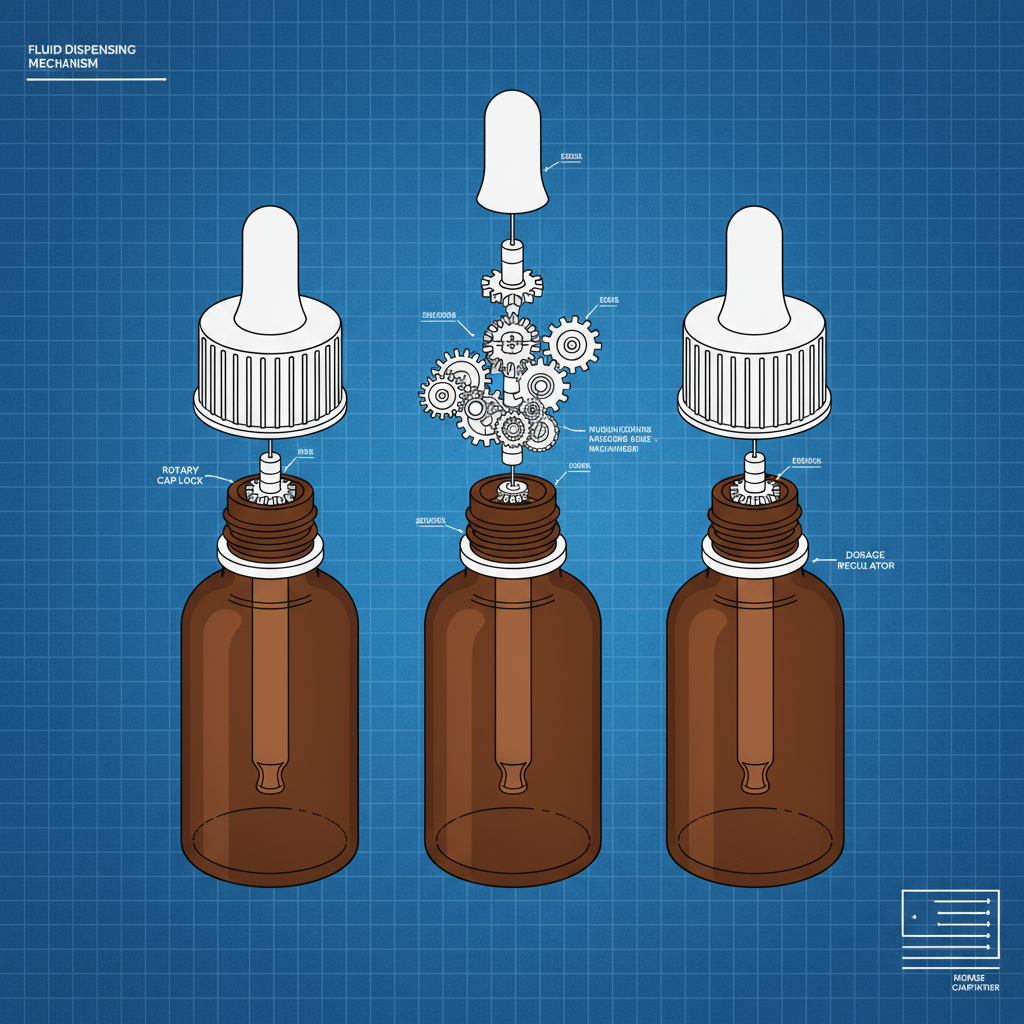
The Benefits of Brown Glass for Liquid Packaging
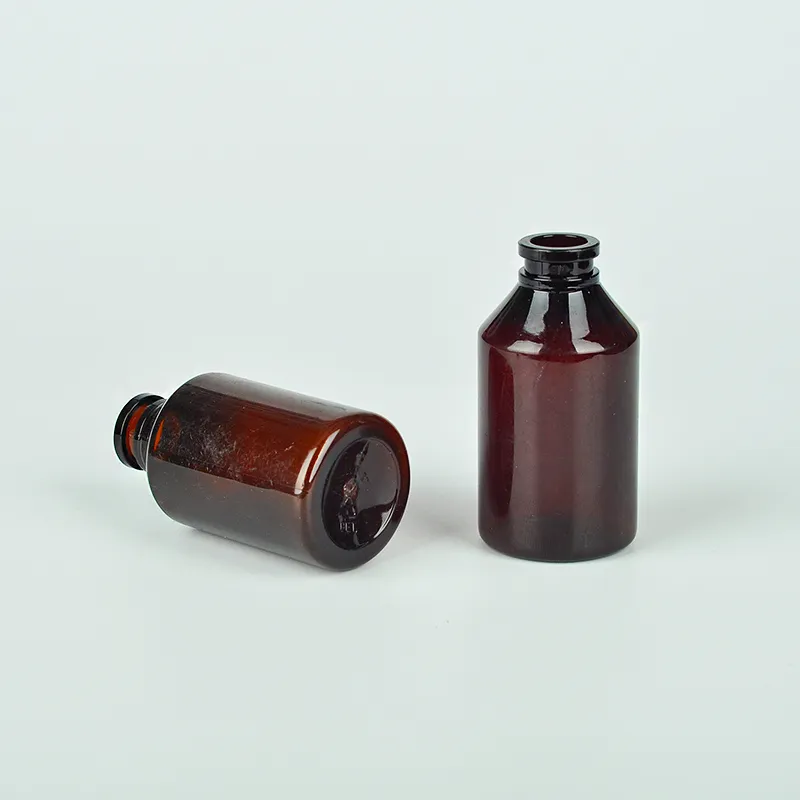
The color brown isn't simply an aesthetic choice; it's a functional one. Brown glass provides excellent protection against UV light, a primary cause of degradation in many light-sensitive substances. This protection is crucial for preserving the potency and efficacy of essential oils, serums, and other sensitive formulations. Beyond UV protection, brown glass also offers better barrier properties than clear glass, helping to maintain the integrity of the contents and prevent oxidation. This leads to a longer shelf life for your products, and ensures customers receive the highest quality goods. Furthermore, brown glass conveys a sense of quality and natural ingredients – a powerful marketing asset.
Key Highlights: Brown glass excels at protecting sensitive liquids from UV light, preventing oxidation and extending shelf life, and conveying a perception of natural quality.
Applications: Where are Brown Eye Dropper Bottles Used?
The versatility of brown eye dropper bottles makes them ideal for a diverse range of applications. In the cosmetic industry, they are commonly used for serums, facial oils, and beard oils. The pharmaceutical sector utilizes them for tinctures, essential oil blends, and small-volume liquid medications. The aromatherapy and natural health markets frequently employ them for essential oils, carrier oils, and custom blends. Finally, they also see use in the arts and crafts industries for containing pigments and dyes. Because of their precision delivery system, they're perfect for products where exact dosage is important.
Common Applications:
• Cosmetic Serums & Facial Oils
• Essential Oils & Aromatherapy Blends
• Pharmaceutical Tinctures & Medications
• Pigments & Dyes
Brown Eye Dropper Bottles: Materials and Features
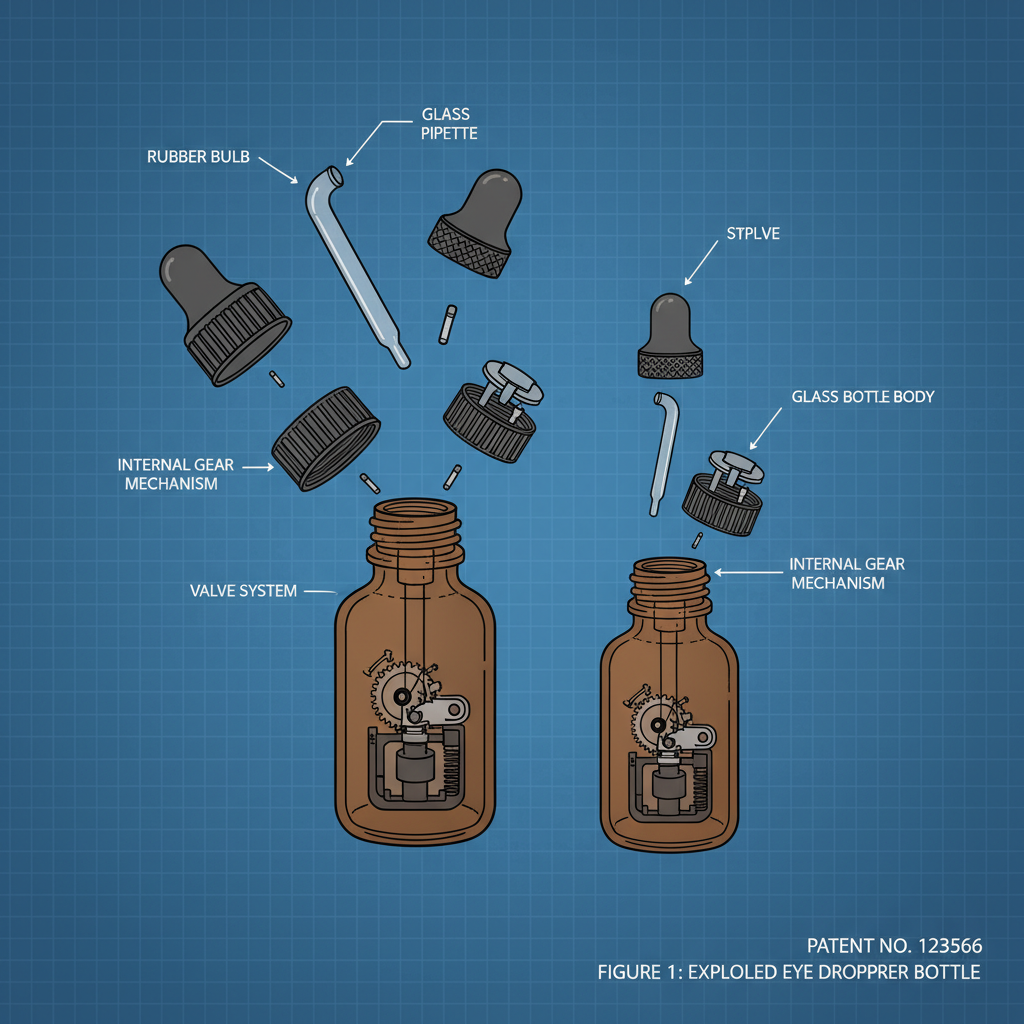
Most brown eye dropper bottles are crafted from high-quality glass, typically Type III borosilicate glass. This type of glass offers a good balance of chemical resistance and cost-effectiveness. The droppers themselves are usually made from glass or plastic (polypropylene or polyethylene), with glass droppers being preferred for higher-end products due to their greater chemical compatibility and aesthetic appeal. Key features to consider include the dropper's pipette length, the bottle's neck finish, and the quality of the seal to prevent leaks. WKPacking offers various materials and customization options.
Choosing the Right Brown Glass Dropper Bottle: Key Considerations
When sourcing brown eye dropper bottles, several factors come into play. First, consider the volume required for your product. Bottles are available in a range of sizes, from 5ml to 100ml or more. Second, assess the compatibility of the bottle and dropper materials with your specific liquid formulation. Some liquids may react with certain plastics. Third, evaluate the closure type – child-resistant caps are essential for certain products, while standard caps may suffice for others. Finally, consider the bottle's overall aesthetic appeal and how it aligns with your brand image. WKPacking offers customizable labeling options for a personalized finish.
Sourcing and Quality Control
Choosing a reputable supplier is paramount to ensure the quality and consistency of your brown eye dropper bottles. Look for suppliers with a proven track record, robust quality control processes, and certifications. Verify that the bottles meet relevant industry standards and are free from defects. Consider factors such as lead time, minimum order quantities, and shipping costs. Partnering with a reliable supplier like WKPacking can streamline your packaging process and guarantee a superior product.
Conclusion: The Enduring Appeal of Brown Glass
Brown eye dropper bottles remain a highly sought-after packaging solution due to their protective qualities, versatility, and aesthetic appeal. By carefully considering your product’s requirements and choosing a reputable supplier like WKPacking, you can ensure that your liquids are packaged safely and presented professionally.
Frequently Asked Questions (FAQs)
Why is brown glass preferred over clear glass for essential oils?
Essential oils are highly sensitive to ultraviolet (UV) light, which can cause them to degrade and lose their therapeutic properties. Brown glass effectively blocks UV rays, protecting the oil's chemical composition and extending its shelf life. Clear glass allows light to penetrate, accelerating the oxidation process and reducing the oil's potency. The darker the glass, the more protection it provides.
What types of liquids are not suitable for glass dropper bottles?
Highly corrosive or reactive liquids, such as strong acids or bases, may etch or dissolve the glass over time. It’s also not recommended to use glass dropper bottles for extremely viscous substances that are difficult to dispense through the pipette. Always check the chemical compatibility of the glass with your specific liquid to ensure safe and reliable packaging.
Are brown glass dropper bottles recyclable?
Yes, glass is highly recyclable, making brown glass dropper bottles an environmentally friendly packaging option. However, it’s important to remove the dropper and cap before recycling, as these components may be made of different materials. Check with your local recycling guidelines to confirm specific requirements.
How do I properly clean and sanitize brown glass dropper bottles?
To clean and sanitize brown glass dropper bottles, start by rinsing them thoroughly with hot water. Then, wash them with a mild detergent and a soft brush. Rinse again and allow them to air dry completely. For sanitization, you can use isopropyl alcohol or a sanitizing solution specifically designed for glassware. Ensure the bottles are completely dry before filling them with your product.
-
Guide to Sourcing High Quality wholesale mister bottles for BusinessNewsApr.16,2026
-
Top Quality Spray Bottle 100ml Suppliers for Your Business NeedsNewsApr.09,2026
-
Comprehensive Guide to Pet Spray Bottle Manufacturers and Packaging SolutionsNewsApr.07,2026
-
Comprehensive Guide to Finding Reliable Perfume Sprayers SuppliersNewsApr.04,2026
-
Comprehensive Guide to Wholesale Mini Spray Bottles for Various ApplicationsNewsMar.31,2026
-
Comprehensive Guide to Sourcing Mini Plastic Spray Bottles Bulk for Your BusinessNewsMar.28,2026