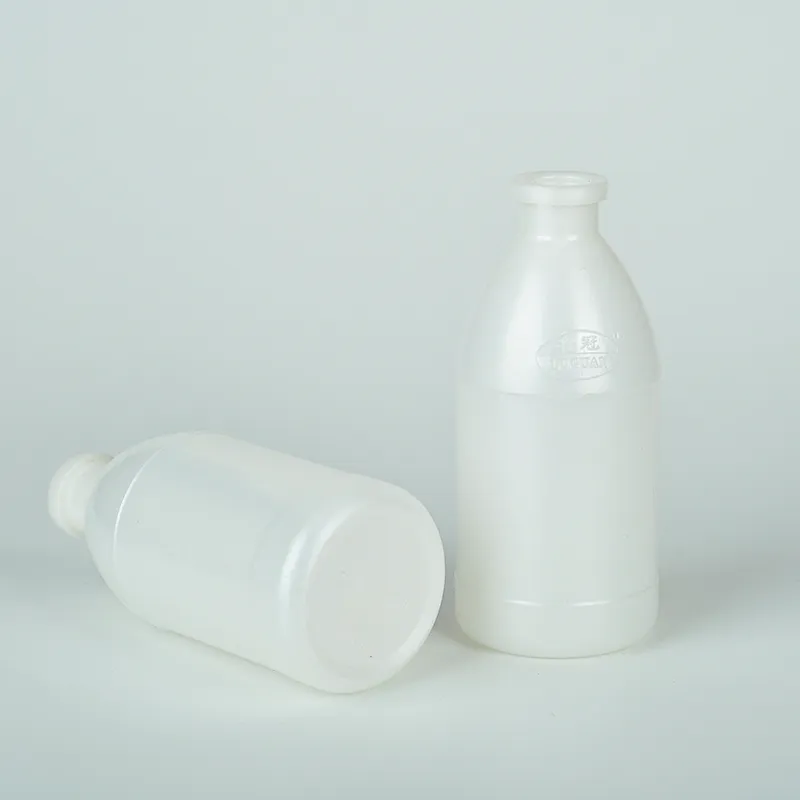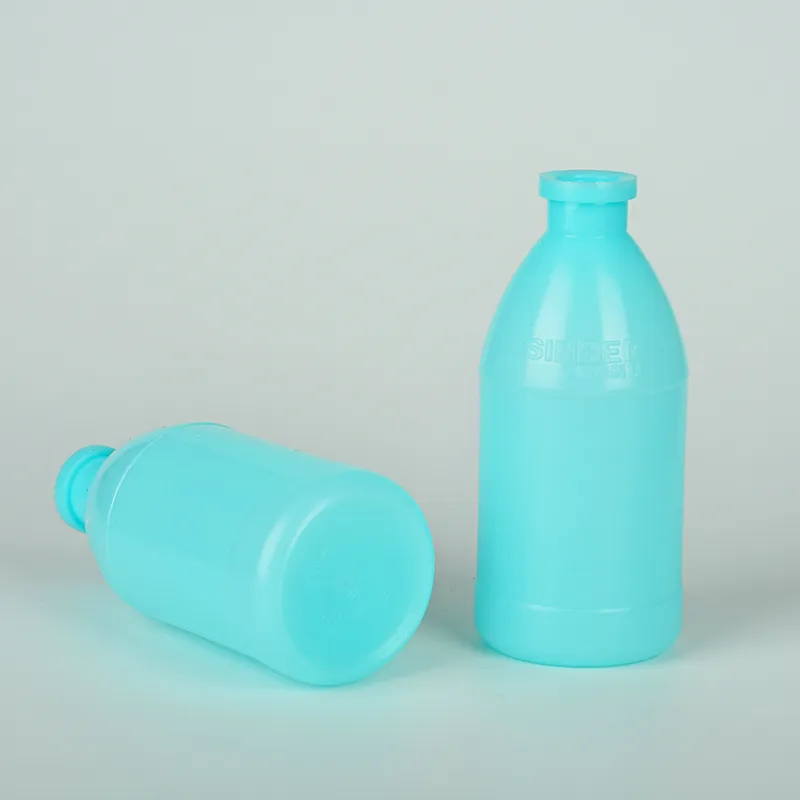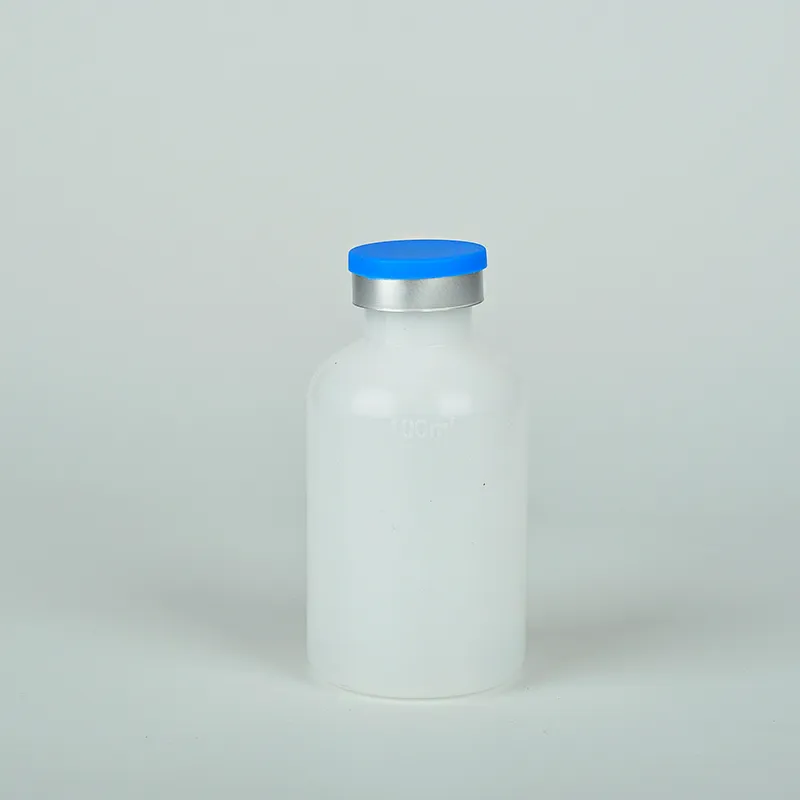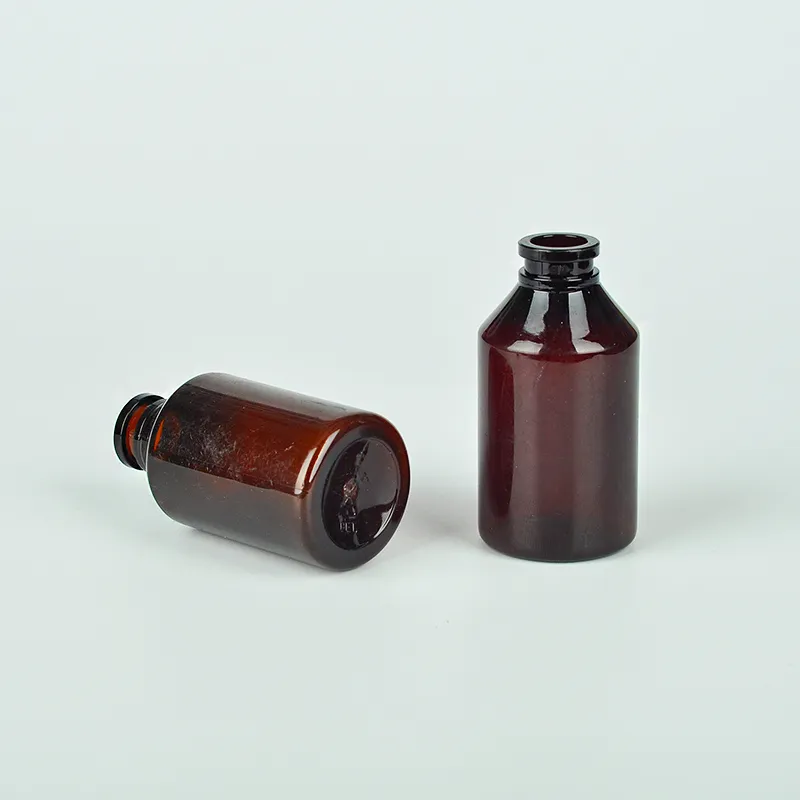

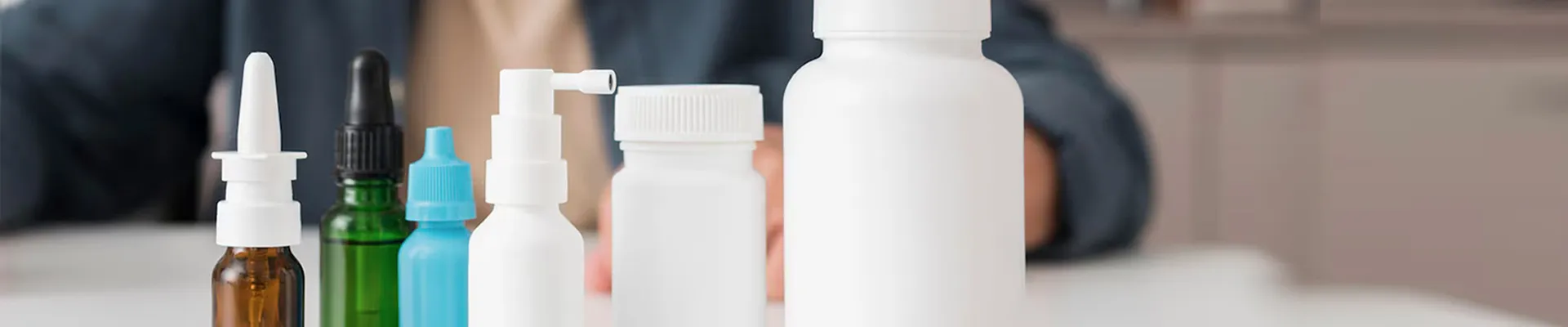


Small Plastic Bottles for Medicine | Durable & Safe Pharma Packaging Solutions
Why Small Plastic Bottles for Medicine Matter Globally
Small plastic bottles for medicine may sound mundane, but they play an outsized role in public health worldwide. From rural clinics in East Africa to urban hospitals in Europe, these containers safeguard pharmaceuticals, ensuring patients get safe, stable doses every time. With over 4 billion people dependent on reliable medication delivery annually, understanding these tiny heroes is crucial—not just for pharma companies, but for governments, NGOs, and even consumers who often overlook packaging's pivotal impact.
Knowing how these bottles work and why they are designed this way unveils benefits ranging from contamination prevention to cost savings and environmental considerations. Plus, as global medicine demand surges, especially in emergencies, their role grows more critical.
Setting the Stage: A Global Perspective on Medicine Packaging
The World Health Organization estimates that over 50% of medicines worldwide are incorrectly stored or dispensed, which threatens treatment effectiveness. Small plastic bottles help mitigate this by providing durable, tamper-evident containers that suit diverse climates and distribution chains — from refrigerated biologics in Europe to bulk relief medicines in tropical zones.
According to the International Organization for Standardization (ISO) standards like ISO 13127, packaging for pharmaceuticals must meet stringent safety and reliability criteria. Meanwhile, the United Nations highlights how effective medicine delivery can improve health outcomes in developing countries, reducing mortality from treatable diseases.
Despite their simple appearance, small plastic bottles confront challenges like leakage risk, material sustainability, and production scalability — all hot topics for the medical supply chain.
What Exactly Are Small Plastic Bottles for Medicine?
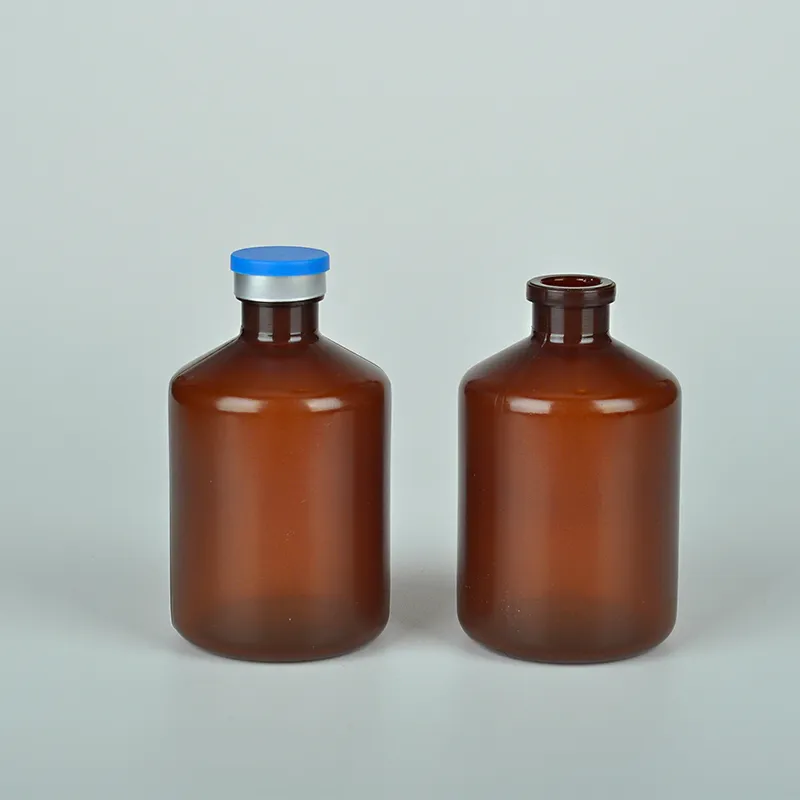
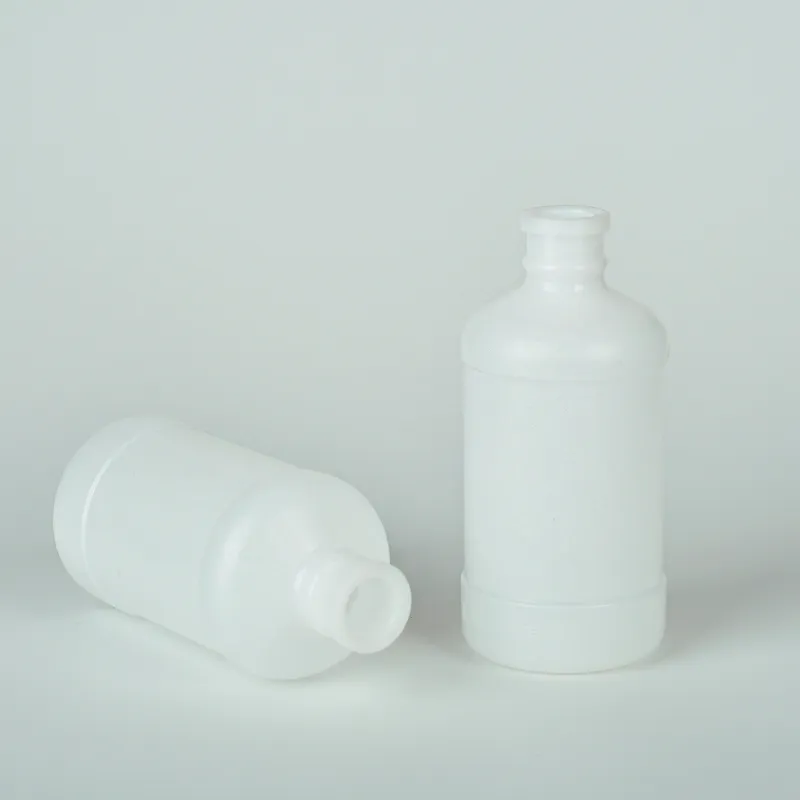
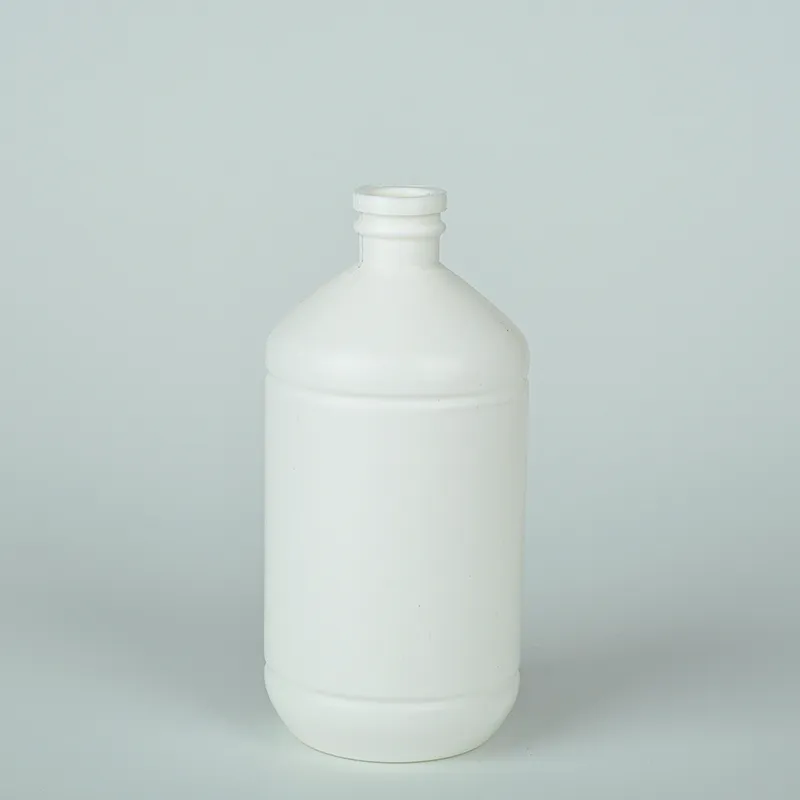
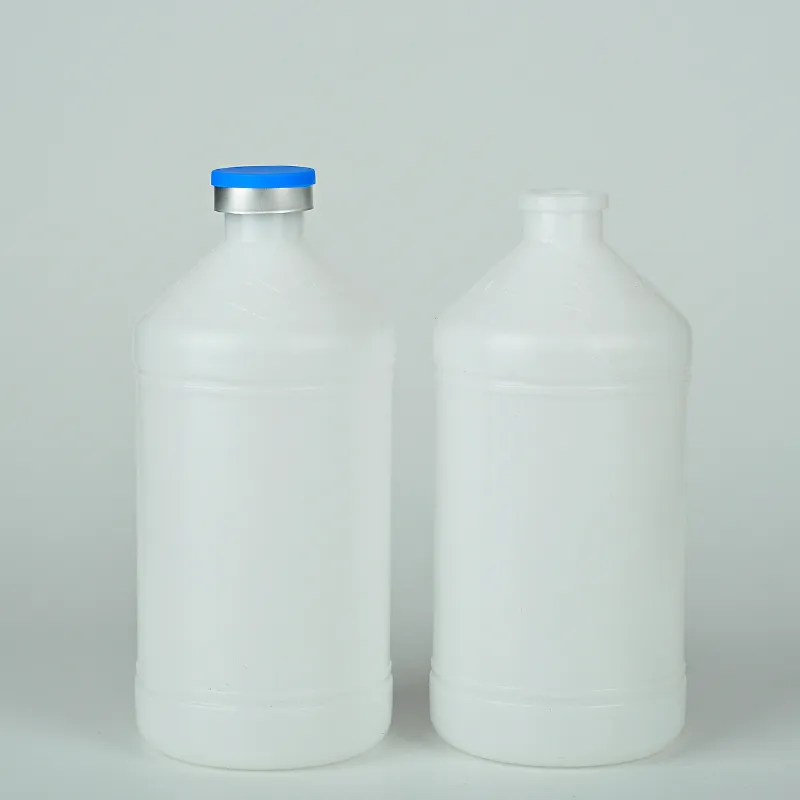
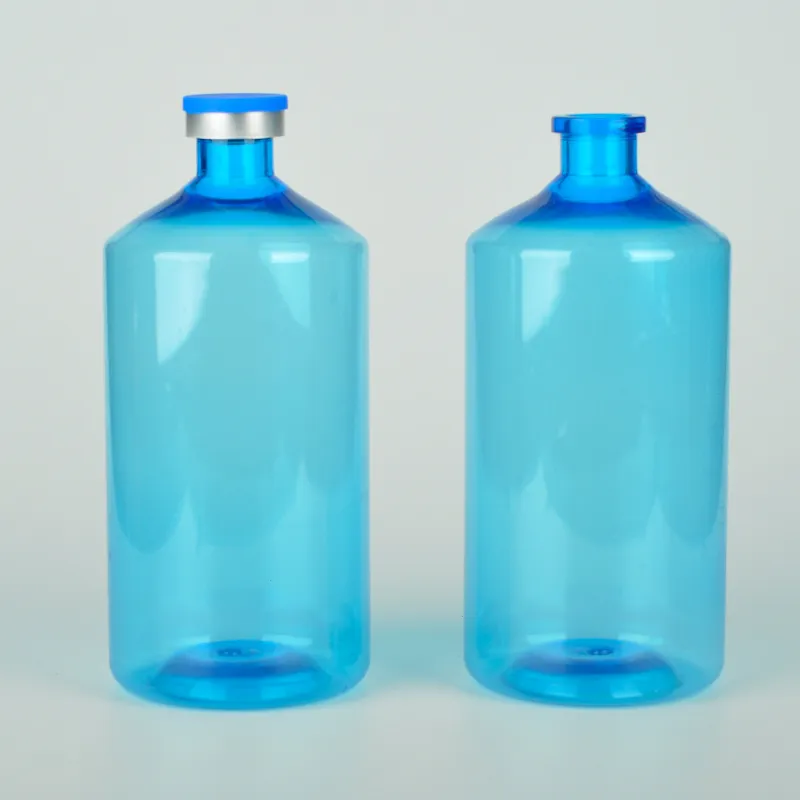
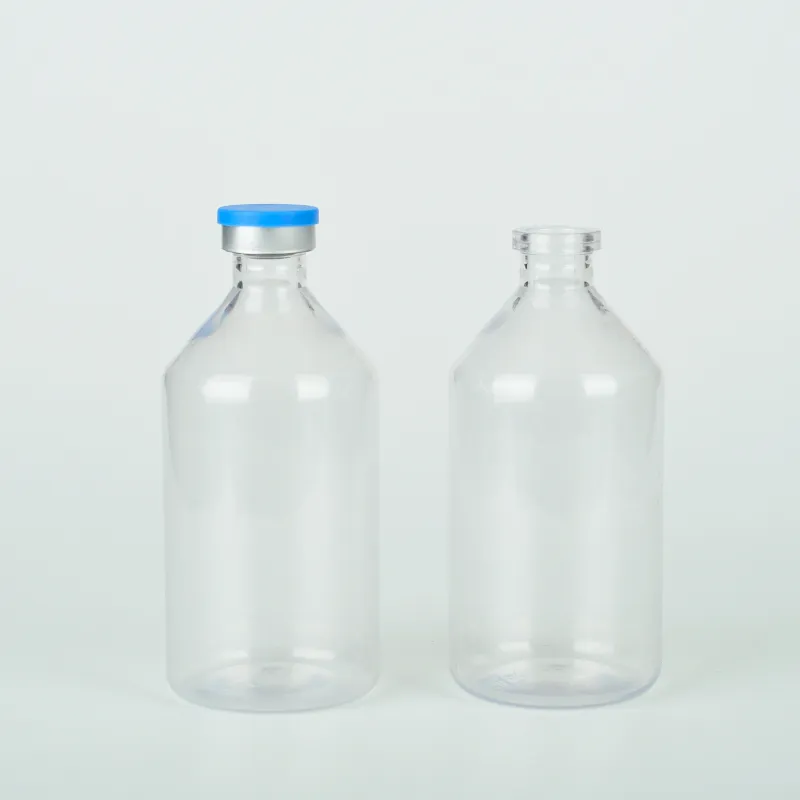
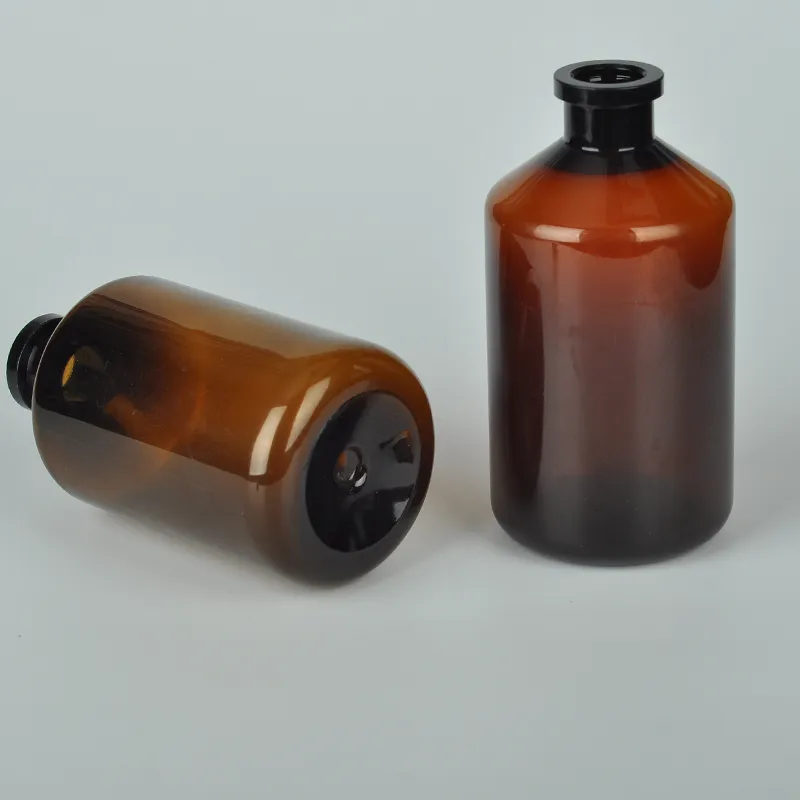
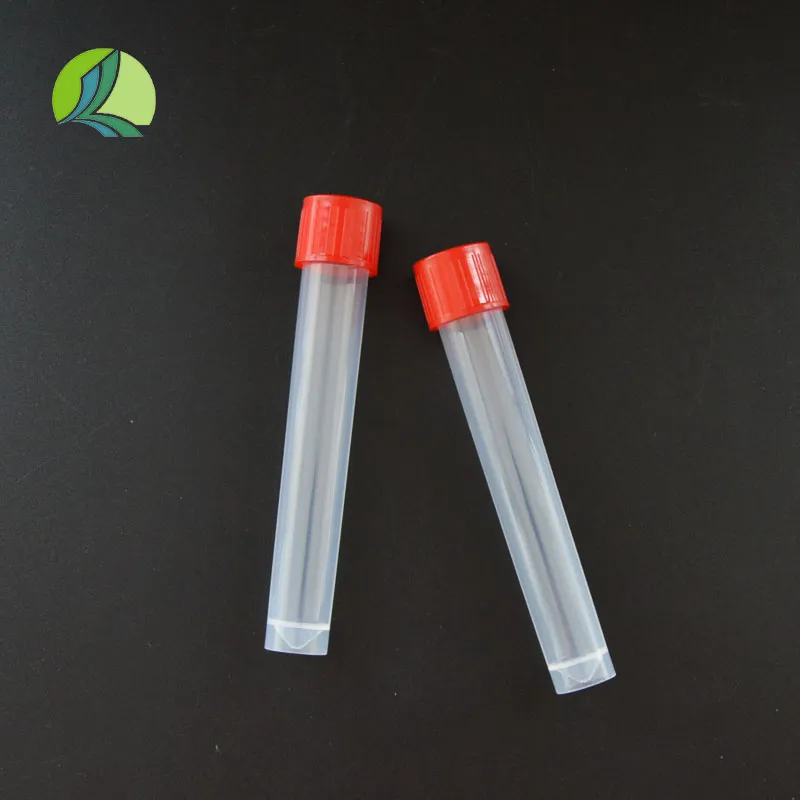
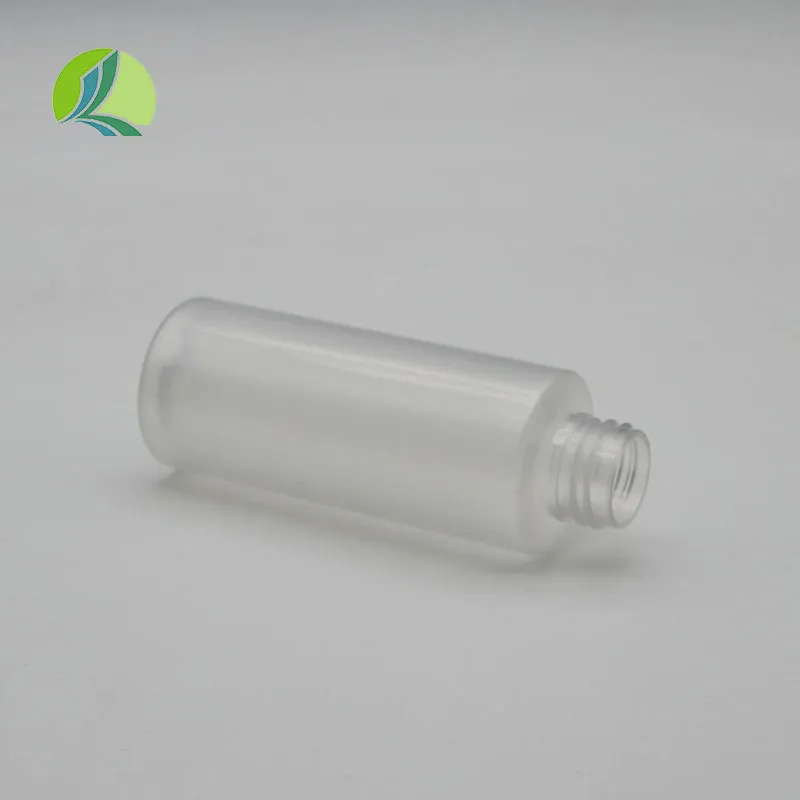
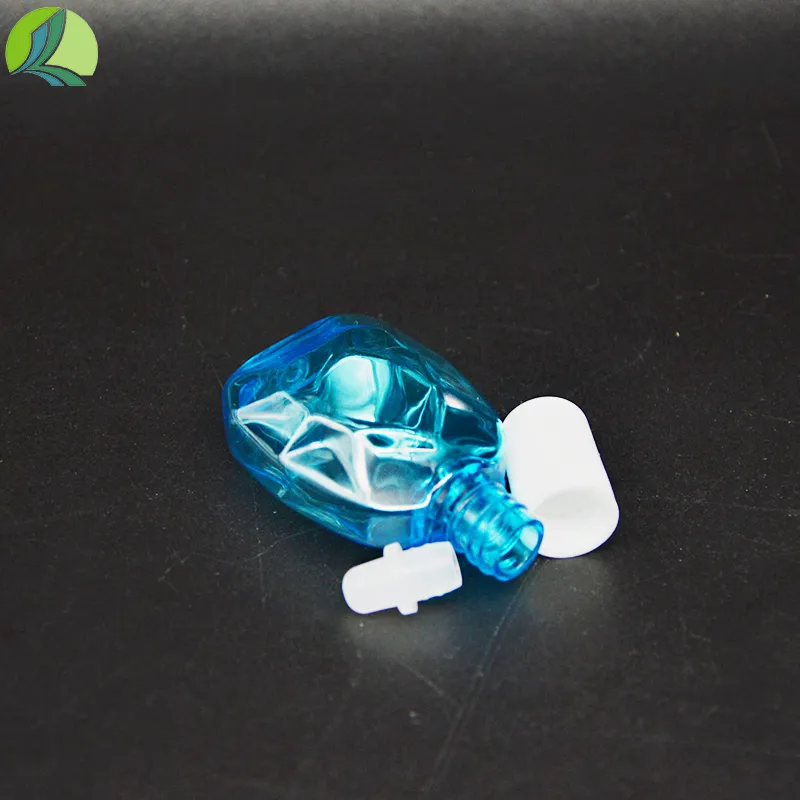
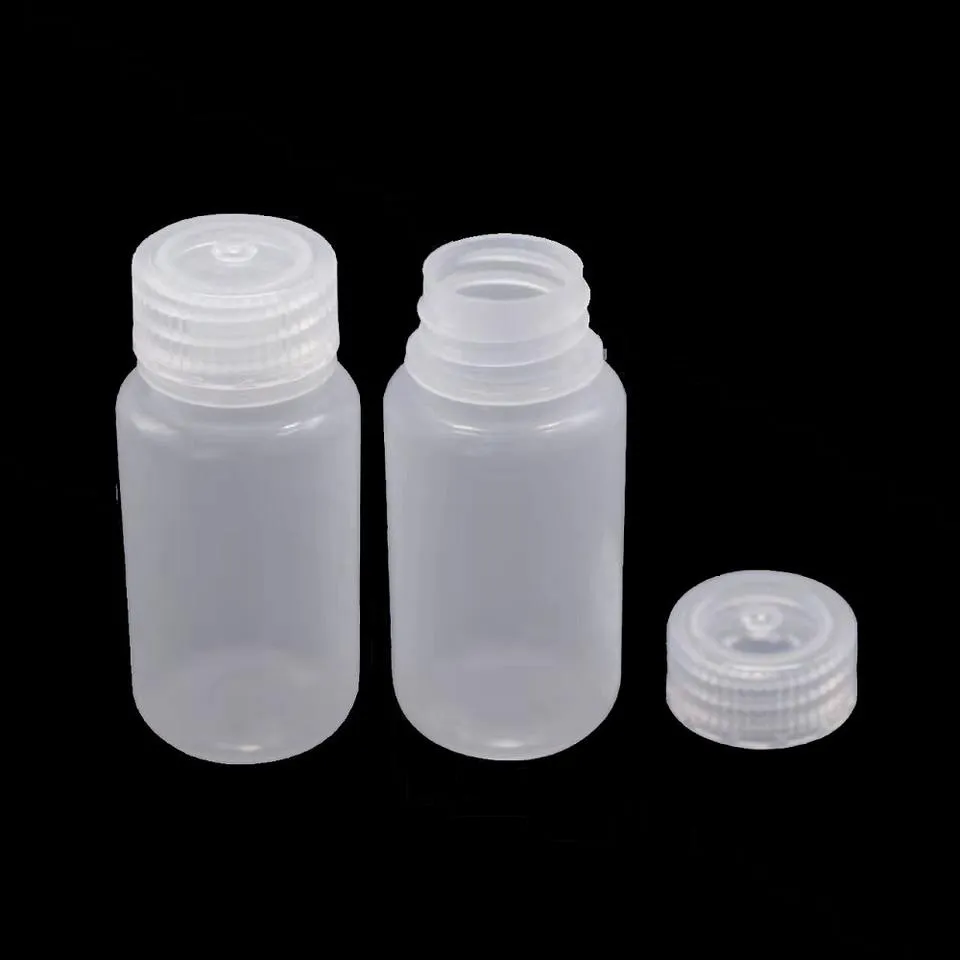
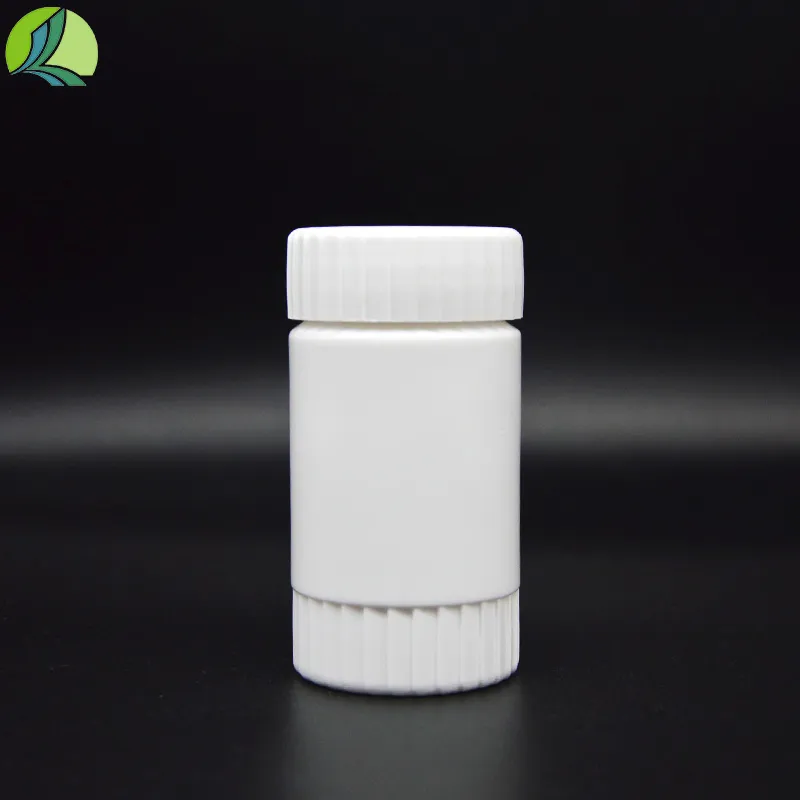
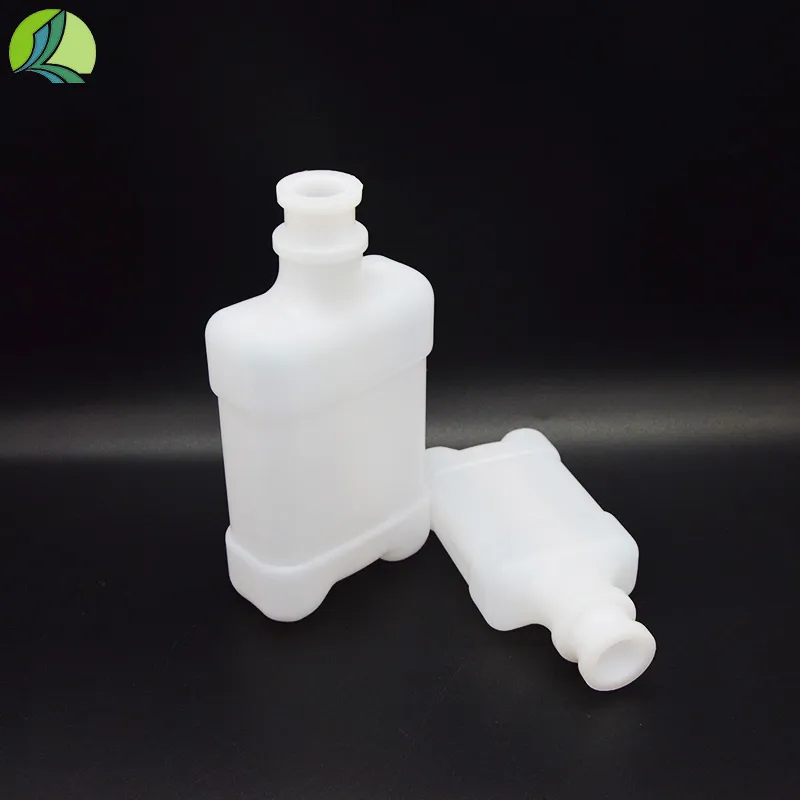
In straightforward terms, these are compact containers crafted mostly from polymer materials (like HDPE, LDPE, or PET) designed to store liquid or solid pharmaceutical products such as syrups, tablets, capsules, or powders. Their size typically ranges from 10 ml to 250 ml, optimized for patient convenience and efficient supply management.
They bridge the gap between high-tech pharmaceutical formulations and patient-friendly usage by ensuring product stability, protecting against contamination, and enabling clear labeling. In humanitarian aid scenarios, these bottles sometimes get designed for dropper caps or child-resistant closures to suit specific needs.
Key Aspects That Make Small Plastic Bottles for Medicine Effective
Durability & Safety
Durability isn’t just about dropping the bottle once or twice; it’s about withstanding transportation stress, temperature changes, and exposure to light and moisture. Many engineers say choosing polymers like HDPE offers chemical resistance, ensuring medicine stability. Meanwhile, tamper-evident and child-resistant caps add layers of safety and trust — essential when medicine falls into unintended hands.
Scalability & Production Efficiency
Pharmaceutical companies demand fast, large-scale production without compromising quality. Injection molding and blow molding technologies help manufacturers churn out thousands daily. Scalability affects cost, availability, and ultimately, how soon medicines reach patients. The pandemic demonstrated how bottlenecks in bottle manufacture can ripple through medicine supply.
Cost Efficiency
A small plastic bottle might cost pennies, but these pennies add up across millions of units. Material selection, manufacturing processes, and lightweighting strategies all help reduce costs without sacrificing integrity. It’s a delicate balance: cheaper materials can mean compromised quality or environmental harm, so companies often navigate trade-offs carefully.
User Convenience
Patients appreciate bottles that are easy to open yet secure, portable, and simple to dose. Features like molded measuring cups, dropper tips, or ergonomic shapes enhance user experience, promoting adherence to medication regimes. Oddly enough, the right packaging can improve health outcomes just by making the medicine easier to manage.
Sustainability Considerations
Environmental concerns loom large. With increasing plastic waste scrutiny, manufacturers explore biodegradable polymers, recycling initiatives, and refillable systems. Although full sustainability is complex, many firms adopt ISO 14001 environmental management frameworks to reduce carbon footprint and use recycled content wherever possible.
Where Small Plastic Bottles for Medicine Are Changing Lives
- Disaster Relief: In post-disaster zones, compact and durable medicine packaging ensures quick distribution of antibiotics and vitamins without waste.
- Remote Clinics: Rural healthcare facilities in Southeast Asia rely on lightweight bottles that aren’t prone to breakage or leakage, preserving rare medicine stocks.
- Pharmaceutical Industry: Major drug companies use these bottles globally as standard containers; their design impacts brand perception and regulatory approval.
- Veterinary Use: Packaging medicine for animals demands slightly different specifications but often overlaps in bottle types used.
For more specialized examples, check out small plastic bottles for medicine from trusted suppliers tailored to diverse needs.
Mini Takeaway
Small plastic medicine bottles aren’t just containers—they’re critical delivery tools that serve multiple sectors and geographies, impacting quality of life and treatment effectiveness.
Advantages That Keep These Bottles in High Demand
Besides obvious benefits like cost and convenience, these bottles symbolize safety and dignity. For patients dependent on daily medications for chronic illnesses, knowing their medicine comes in reliable packaging builds trust and confidence. Sustainability efforts also add emotional value, showing commitment to environmental responsibility.
Production reliability prevents shortages, supports logistical networks, and enables rapid response during pandemics or outbreaks. In short, small plastic medicine bottles are unsung but indispensable players in healthcare.
Looking Ahead: Trends Shaping Small Plastic Bottles for Medicine
Innovation is alive and well. Bio-based polymers, such as PLA blends, promise greener packaging, though challenges remain for stability. Digital transformation brings smart packaging, embedding QR codes or RFID tags for traceability and patient information—improving supply chain transparency and patient engagement.
Automation in production lines enables faster output and reduced errors. Regulatory agencies worldwide push for stricter sustainability policies, nudging suppliers to rethink design and materials. Frankly, the next decade could see medicine bottles as part of a connected, eco-smart ecosystem.
Common Challenges — And How the Industry Tackles Them
Recycling remains stubbornly difficult. Multi-layer bottles or composite caps can complicate waste streams. Also, balancing airtight seals with user-friendliness can pose design headaches. Experts recommend modular packaging styles or mono-material approaches to ease reuse and recycling.
Cost pressures risk pushing manufacturers toward cheaper but less reliable materials, so regulatory oversight stays vital. Investments in testing (drop tests, UV resistance) and material science continue to improve product robustness.
FAQ: Your Questions About Small Plastic Bottles for Medicine
- What materials are commonly used for small plastic medicine bottles?
- High-density polyethylene (HDPE), low-density polyethylene (LDPE), and polyethylene terephthalate (PET) dominate due to their chemical resistance, durability, and safety. Each offers different barrier properties suited to various medicines.
- Are these bottles recyclable?
- Most are recyclable, especially those made from HDPE and PET. However, factors like mixed materials, labels, and caps affect recycling. Initiatives are underway to improve recyclability and encourage closed-loop systems.
- How do child-resistant caps work on these bottles?
- Child-resistant caps typically require simultaneous pressing and turning or squeezing and opening motions, which adults find easy but prevent children from accidental access, enhancing safety.
- Can these bottles be customized for branding?
- Yes, manufacturers offer color options, custom shapes, embossed logos, and specialized labeling to align with brand identity and regulatory requirements.
- Where can I source these bottles reliably?
- Trusted suppliers like wkpacking.com provide a range of certified bottles with options for fast shipping and bulk orders tailored to industry needs.
Product Specification Table
| Specification | Details |
|---|---|
| Capacity | 10 ml to 250 ml |
| Material | HDPE, PET, LDPE |
| Closure Type | Child-resistant, tamper-evident, dropper |
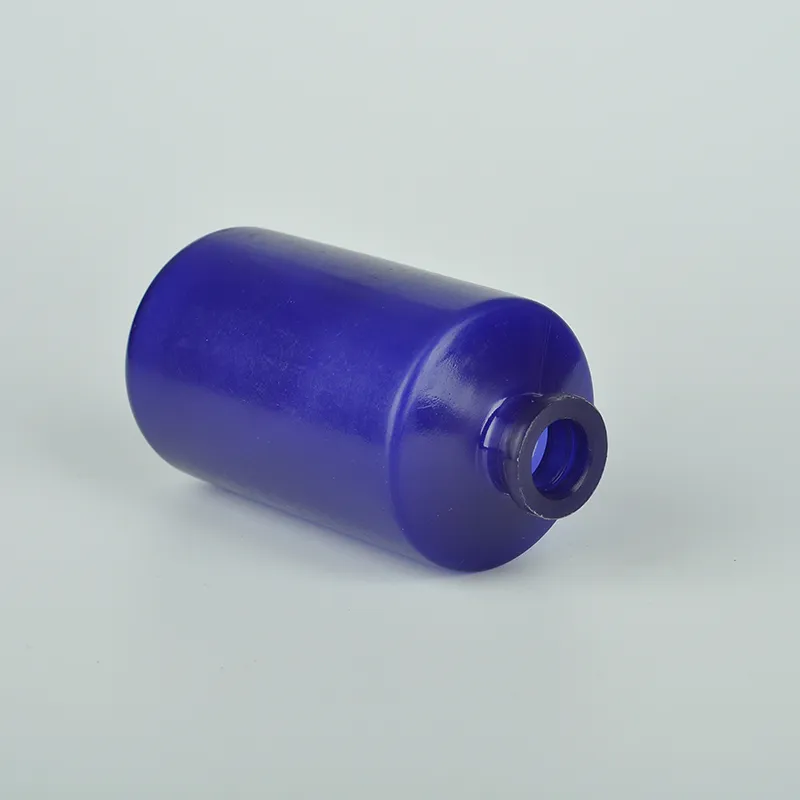
| Color Options | Natural, amber, white, custom colors |
| Compliance | FDA approved, ISO 15378 certified |
| Typical Weight | 5-20 grams (depending on size) |
Comparing Key Vendors of Small Plastic Medicine Bottles
| Vendor | Material Options | Customization | Pricing | Lead Time |
|---|---|---|---|---|
| WK Packing | HDPE, PET | Full custom shapes & colors | Competitive bulk rates | 2-3 weeks |
| MediPack Solutions | HDPE only | Limited color options | Mid-range pricing | 3-4 weeks |
| GreenMedpack | Bio-based polymers | Eco-focused customization | Higher than average | 4-6 weeks |
Conclusion: The Big Picture for Small Plastic Medicine Bottles
In real terms, these little bottles represent big advances in public health, logistics, and sustainability. They’re not glamorous, but they are foundational—enabling reliable treatment worldwide while meeting evolving environmental expectations.
If you're involved in pharmacy, healthcare, or global aid, investing some time to understand these containers pays off in better outcomes and smarter purchasing decisions. For tailored solutions and an extensive product range, consider visiting WK Packing—they really know their stuff.
References and Further Reading
-
Bulk Eye Dropper Bottles for Industrial Packaging - Reliable & CustomizableNewsDec.31,2025
-
Small Plastic Dropper Bottles – Durable, Precise Packaging Solutions for B2B ApplicationsNewsDec.10,2025
-
Medicine Dropper Bottles – Precision and Quality Packaging Solutions for B2B | WK PackingNewsDec.10,2025
-
Discover Top Quality 2 oz Eye Dropper Bottles for Industrial UseNewsDec.09,2025
-
1 Oz Eye Dropper Bottles - Precision Packaging Solutions for B2B Industries | WKPackingNewsDec.09,2025
-
Durable 4 oz Eye Dropper Bottles for Industrial & Cosmetic UseNewsDec.09,2025