
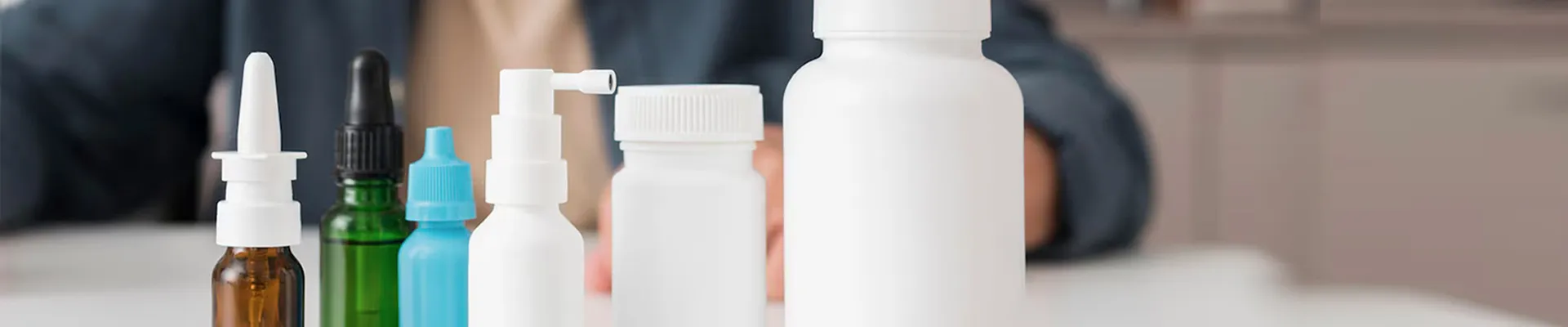


Compact Solutions: The Power of a Small Bottle for Medicine
Why Small Bottles for Medicine Matter Globally
At first glance, a small bottle for medicine might not seem like a game-changer. But zoom out to the global scale, and it’s clear these unassuming containers play a pivotal role in healthcare delivery, safety, and innovation. Whether it’s delivering crucial vaccines in remote areas or maintaining dosage accuracy in bustling urban pharmacies, the humble medical bottle has quietly supported public health efforts worldwide.
Understanding these small bottles—and why their design matters—gives you a glimpse into the logistics, safety standards, and compassionate care that keep the healthcare world ticking. Plus, with sustainability now on the table, new materials and production methods push these tiny containers into a new era. We’ll explore all that and more.
The Global Context of Small Medicine Bottles
Did you know that the global pharmaceutical packaging market, which includes small bottles for medicine, is projected to reach nearly $130 billion by 2027? Small bottle for medicine demand is accelerating, driven by increasing chronic diseases, aging populations, and a surge in self-administered treatments.
Yet, challenges remain — especially in developing regions where counterfeit medicines abound or fragile supply chains struggle with temperature control. A durable, well-designed small bottle for medicine is a frontline defense, ensuring effective treatment and patient safety.
Moreover, compliance with international standards like ISO 9001 for quality management and ISO 15378 for primary packaging in pharmaceuticals underscores industry expectations. It isn’t just about packaging; it’s a matter of trust.
Defining a Small Bottle for Medicine
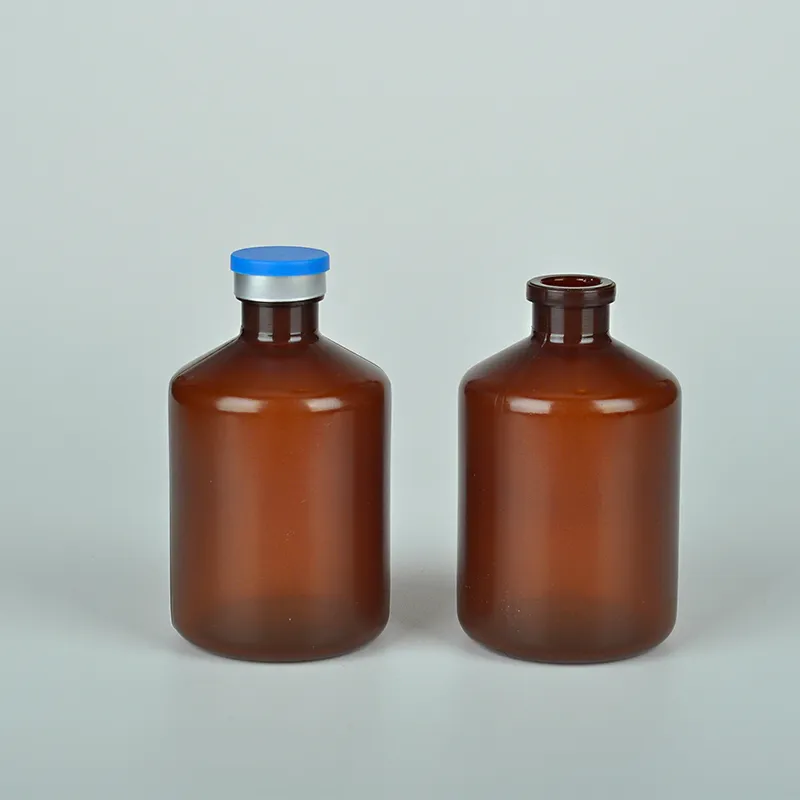
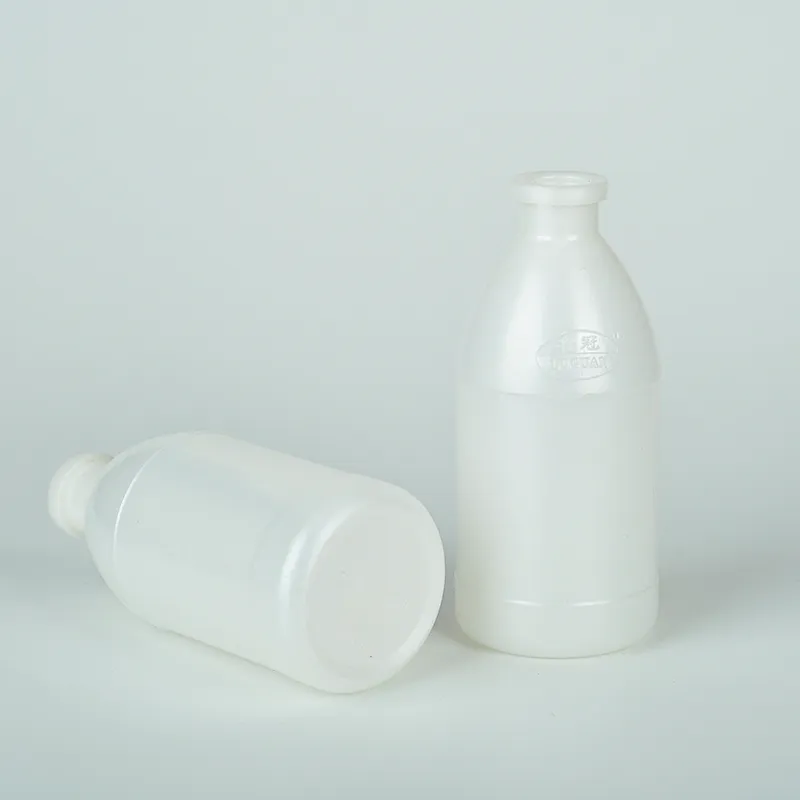
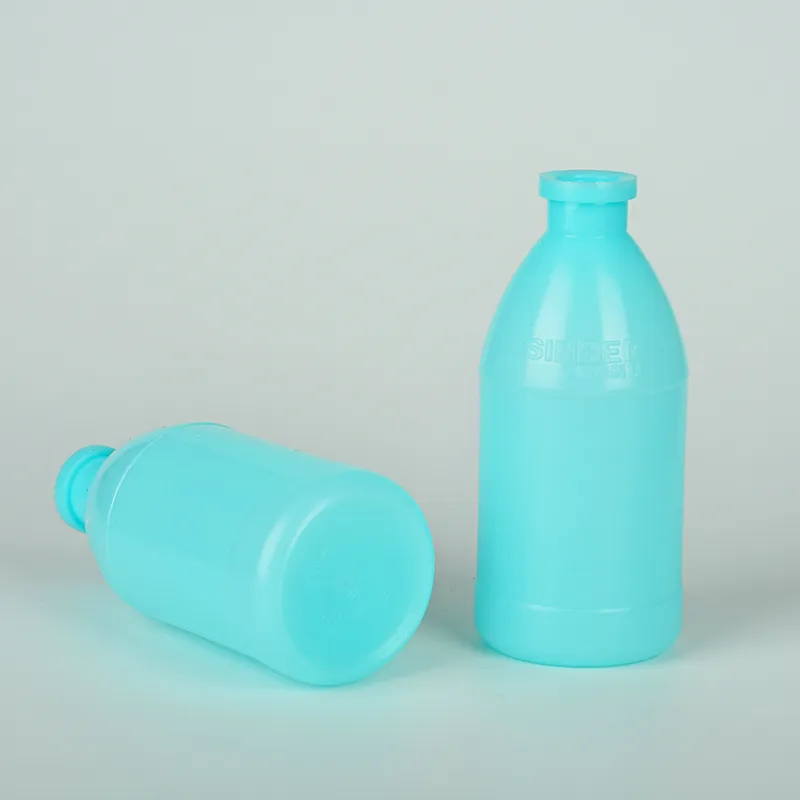
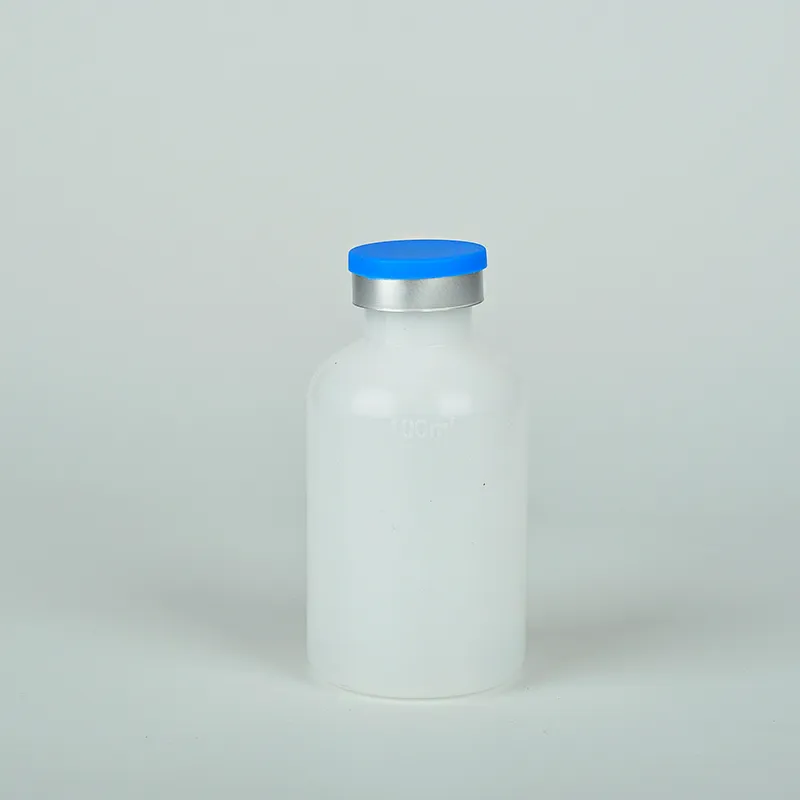
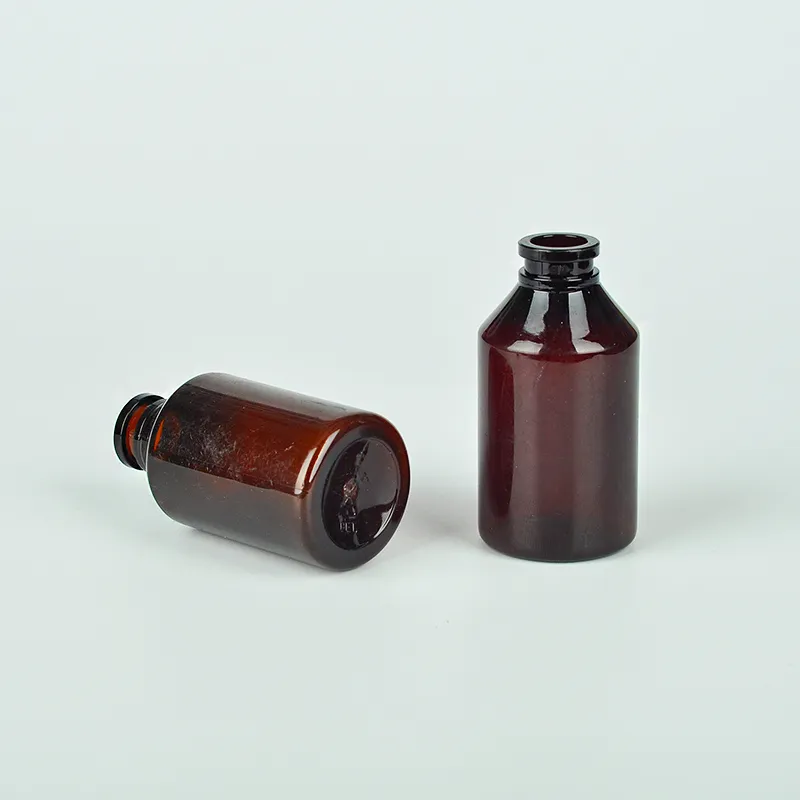
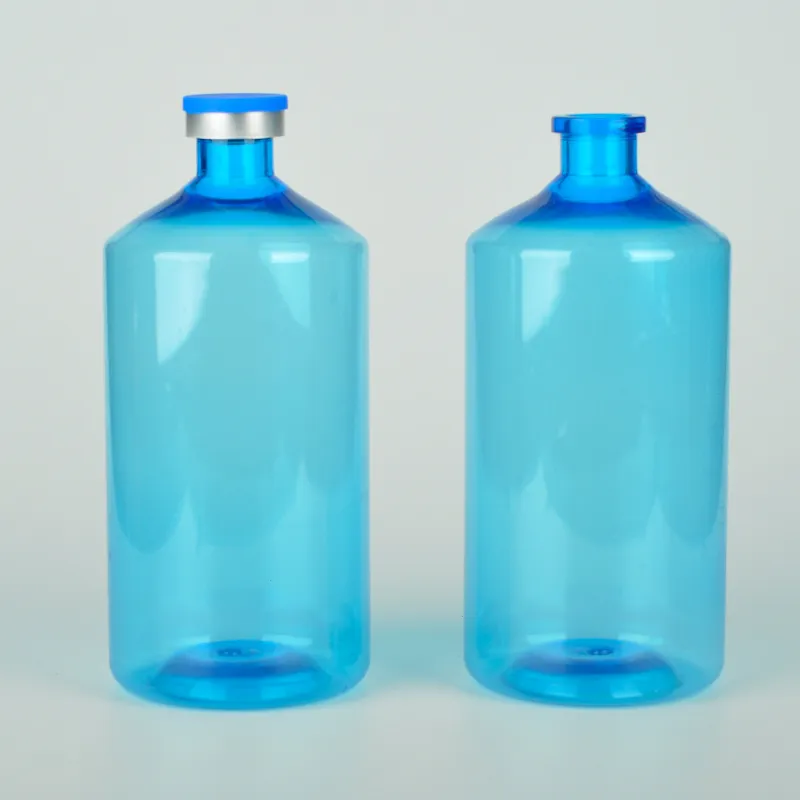
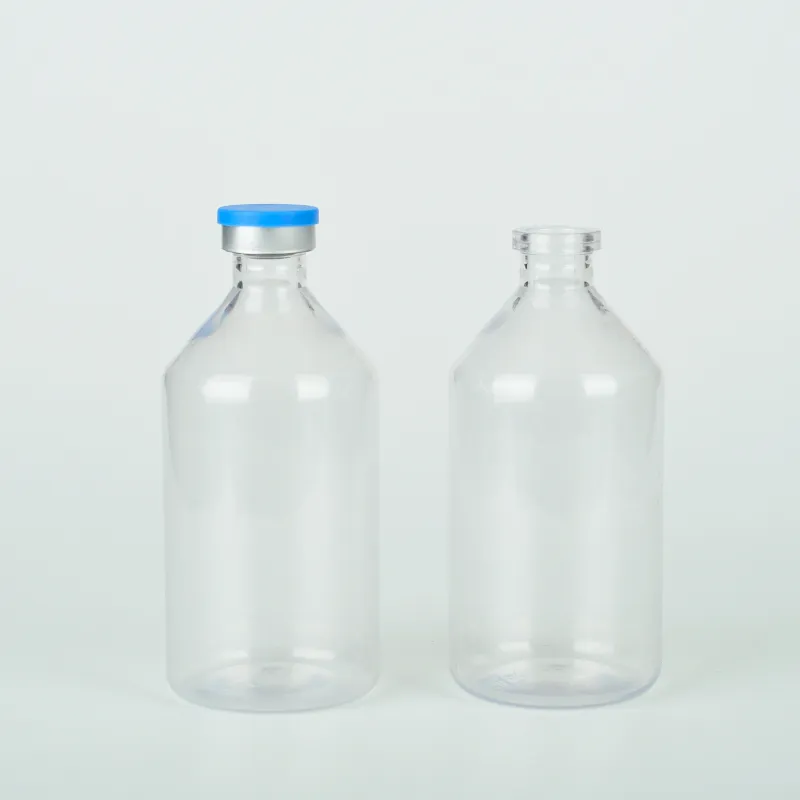
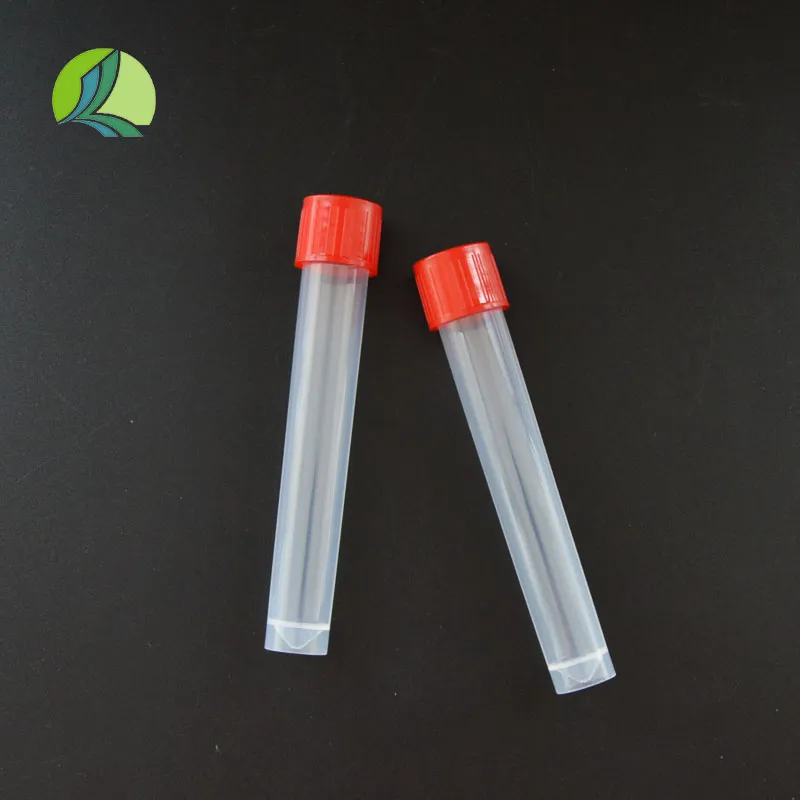
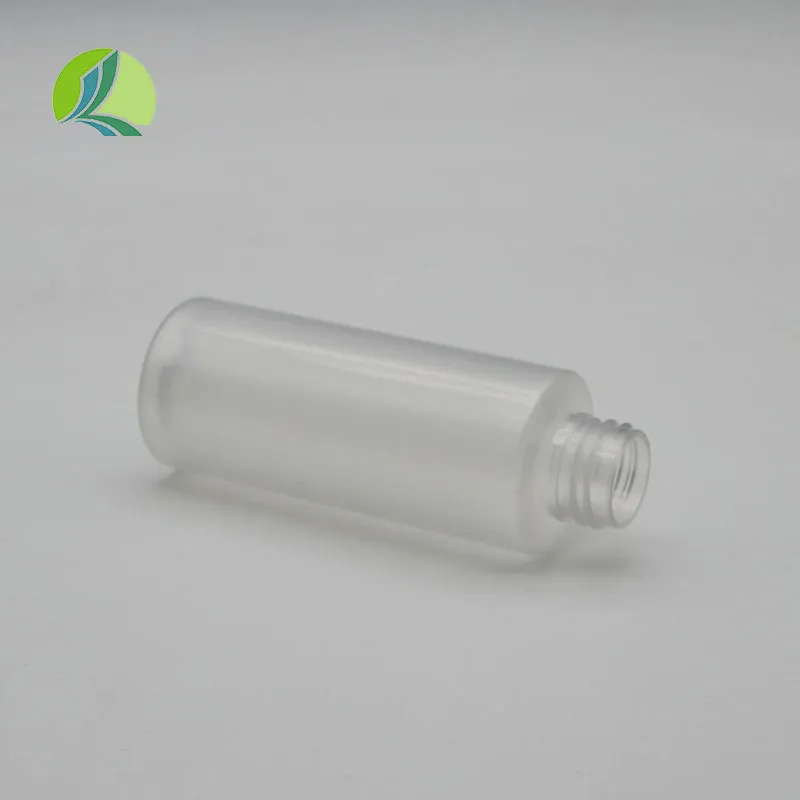
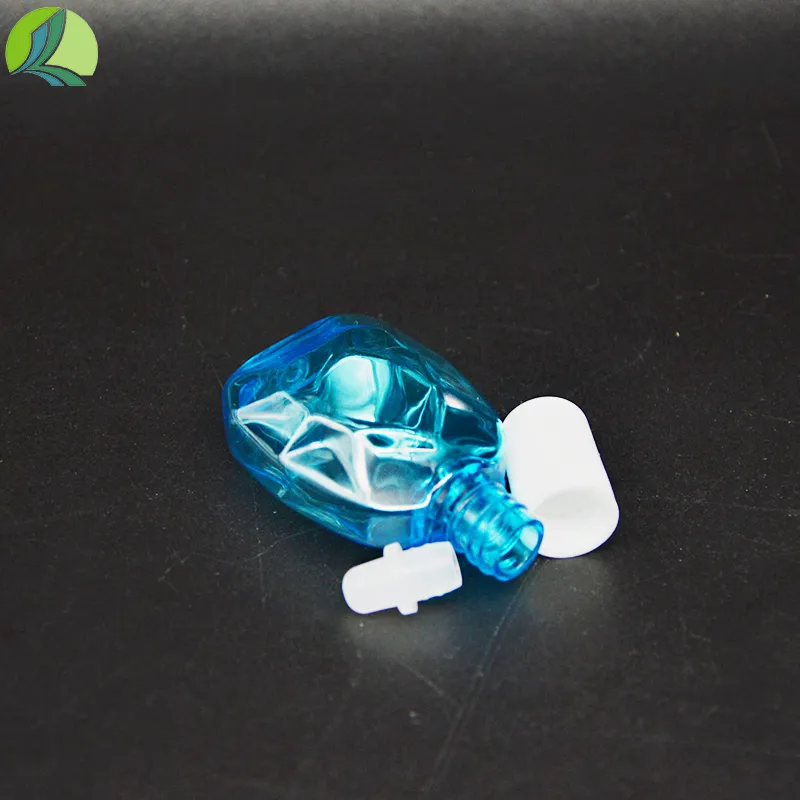
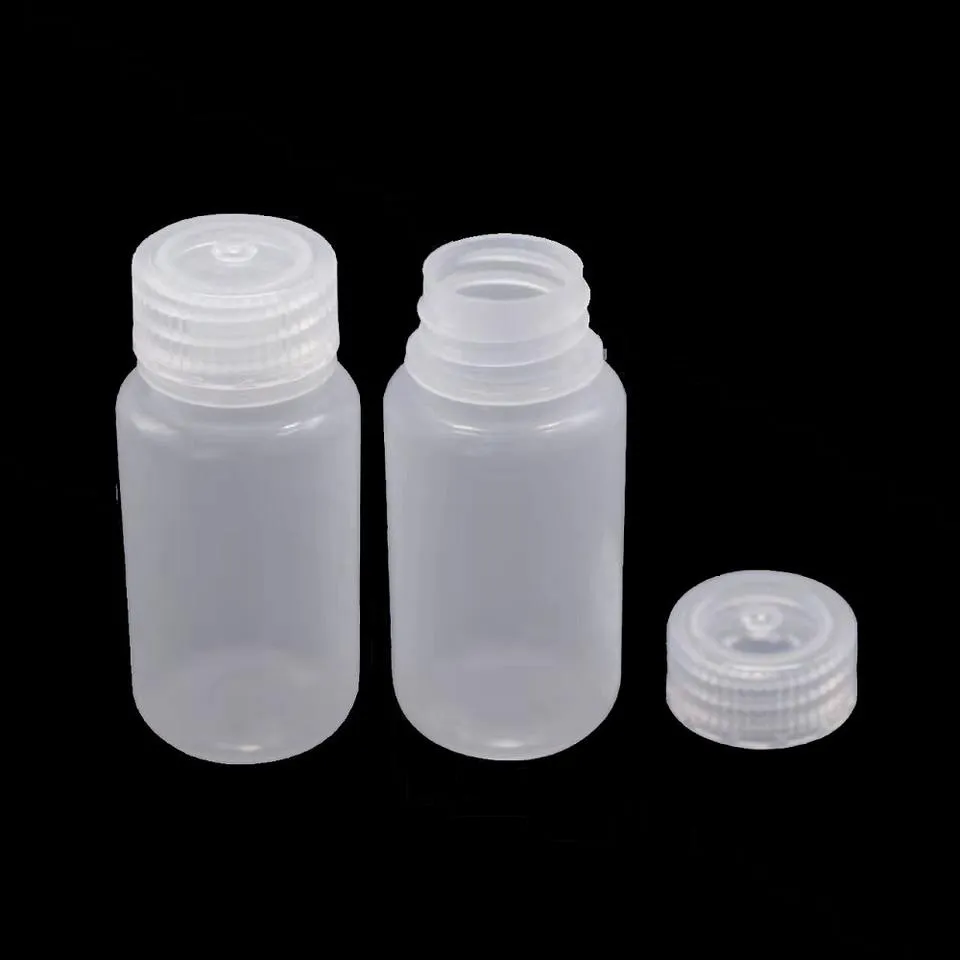
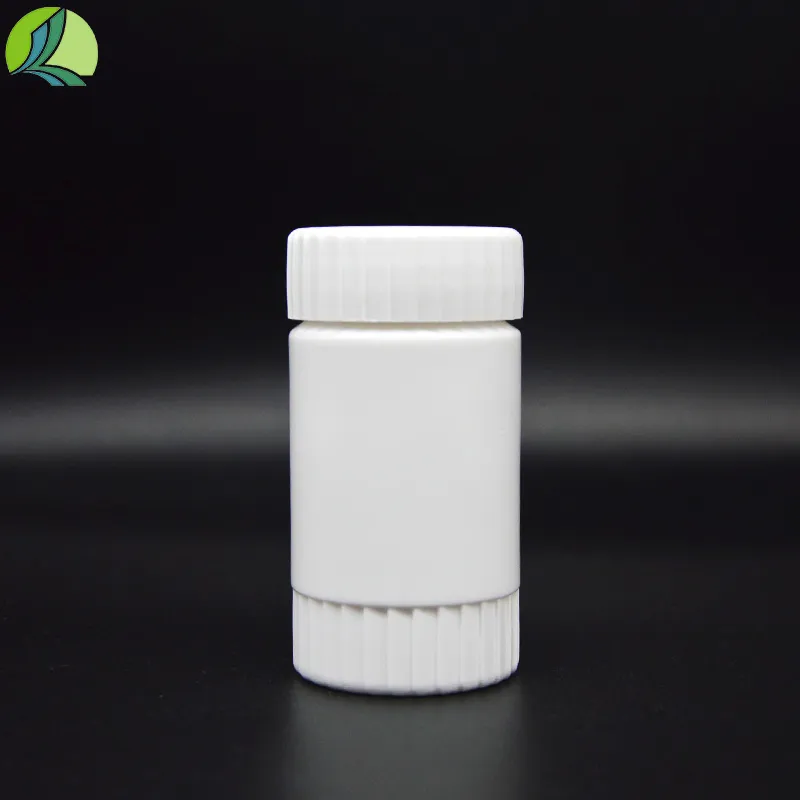
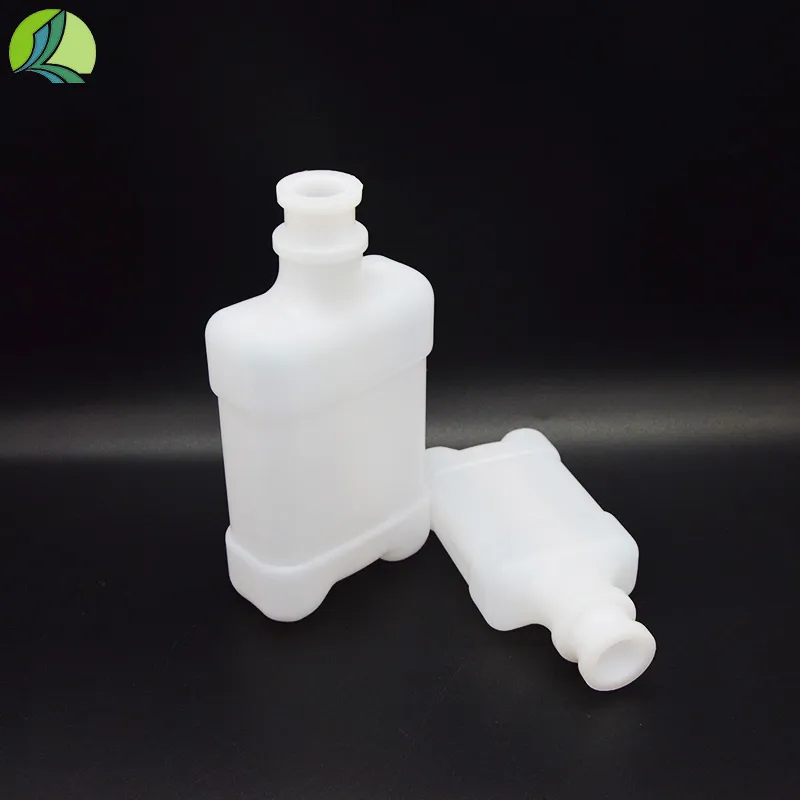
Simply put, a small bottle for medicine is a compact container designed to hold liquid or solid pharmaceutical products—think pills, syrups, or injectables—in appropriately measured quantities.
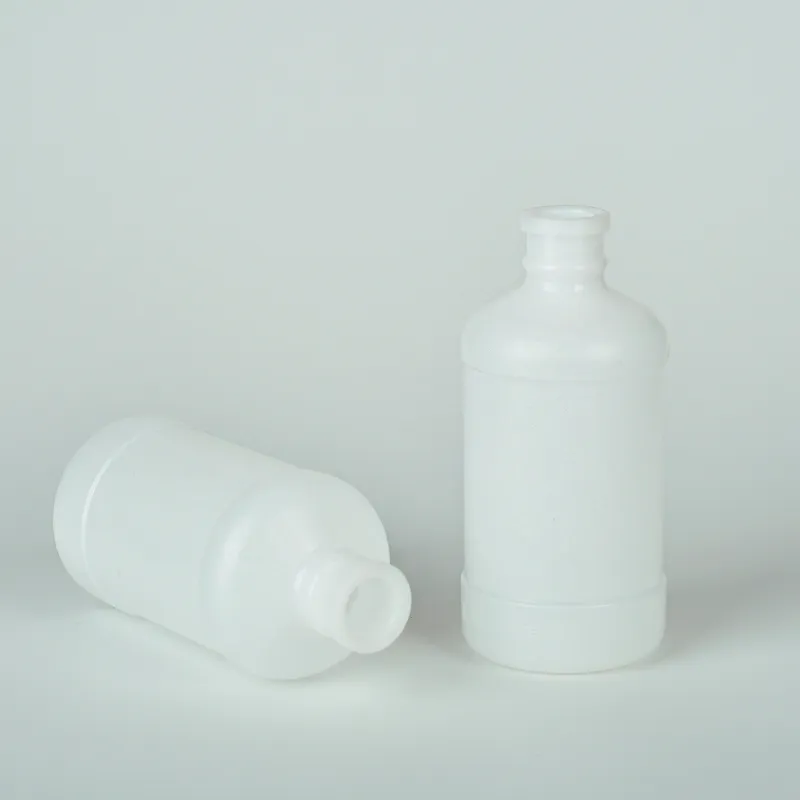
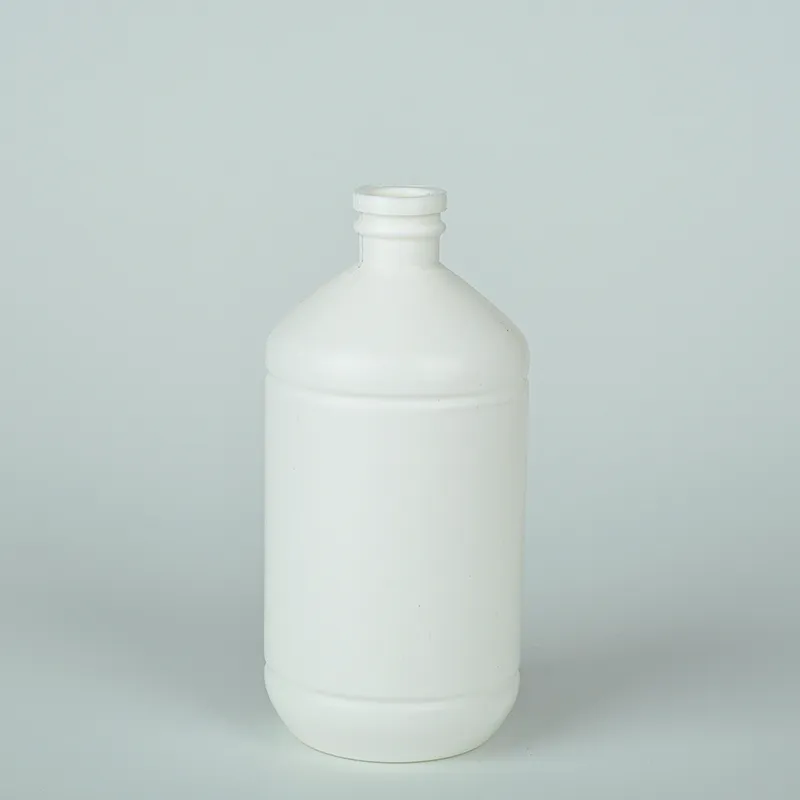
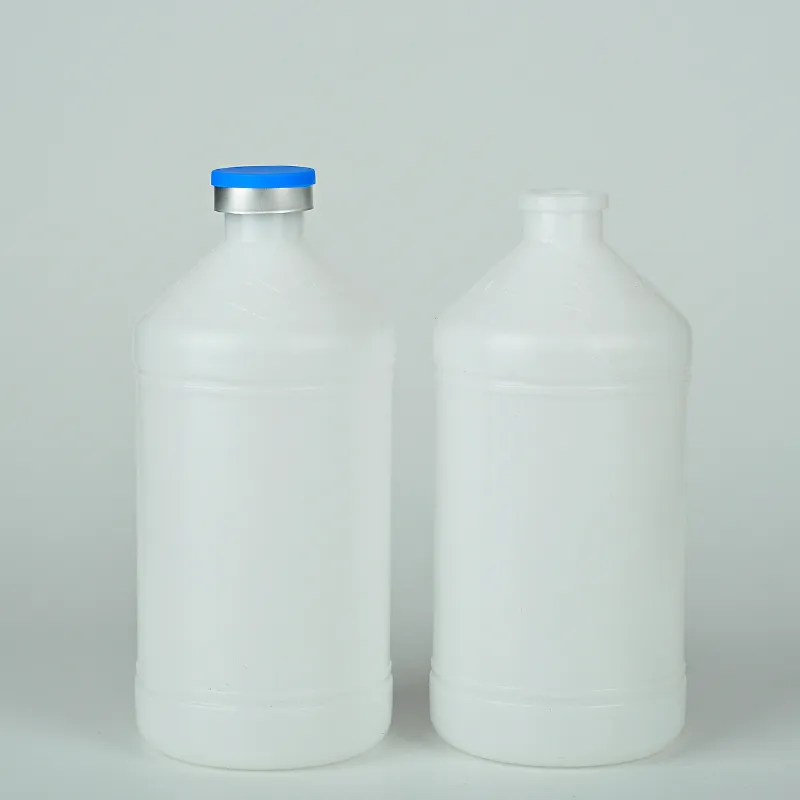
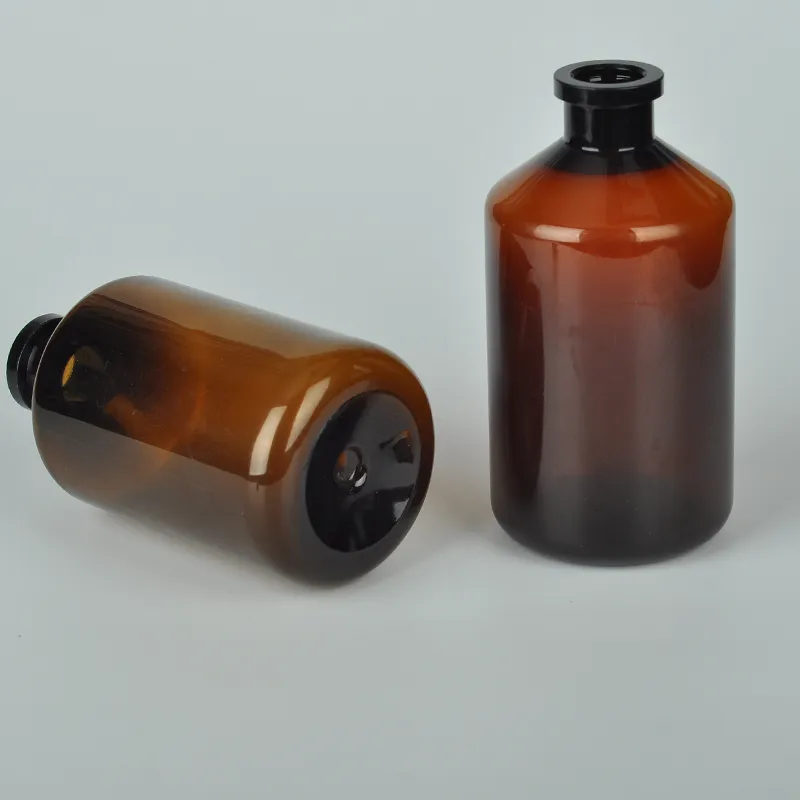
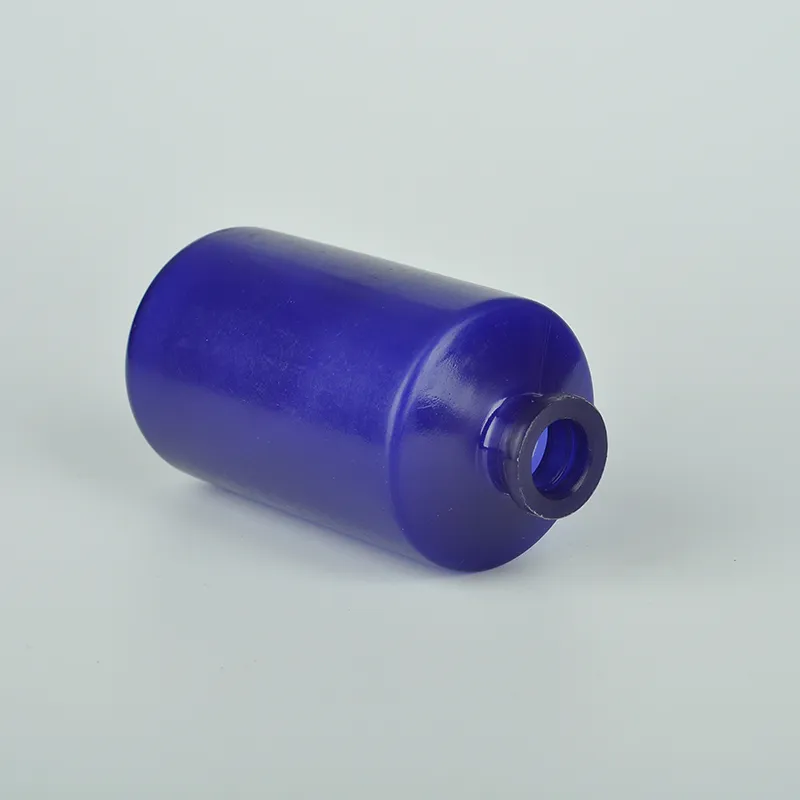
But behind that simplicity lies tremendous complexity. The design must protect medications from contamination, degradation, and spillage, while also being user-friendly. These containers come in glass or various plastics, often featuring child-resistant caps or tamper-evident seals.
In humanitarian efforts, such bottles are trusted vessels delivering life-saving drugs to refugee camps or rural clinics. They balance between sturdiness and portability, bridging the gap between medical advances and end-users.
Key Components of Effective Small Medicine Bottles
1. Durability and Protection
The bottle must withstand shocks, temperature fluctuations, and UV exposure. Glass bottles, often preferred for their chemical inertness, excel here but can be fragile. Plastics like HDPE offer impact resistance but require additives to prevent medication interaction.
2. Precise Dosage Delivery
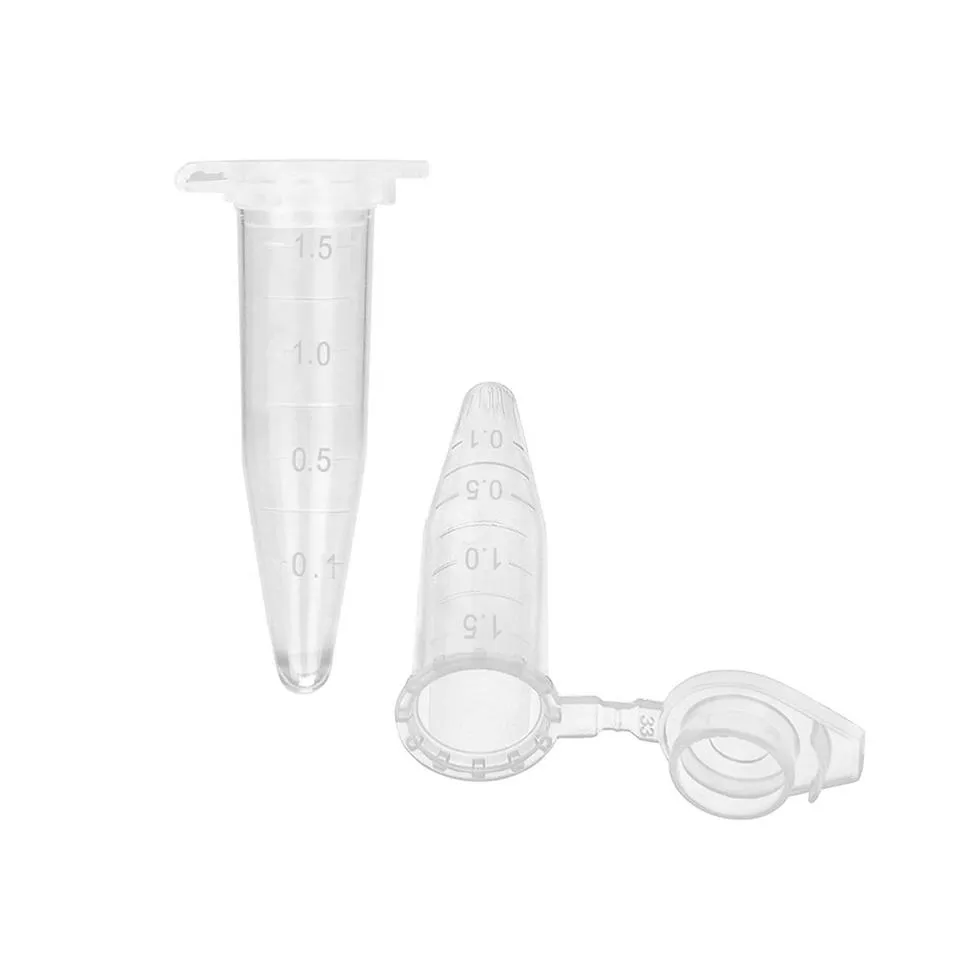
One can't overstate this: dosing accuracy saves lives. Small bottles often feature calibrated droppers, measuring cups, or graduated markings—tools indispensable for caregivers and patients alike.
3. Child-Resistance and Safety
Every parent breathes easier when a medicine bottle won’t pop open at the wrong moment. Child-resistant caps reduce accidental poisonings, a crucial element especially in households with young children.
4. Material Sustainability
The push toward greener packaging means more manufacturers seek recyclable, biodegradable, or reusable bottles. Material choices now balance environmental impact with pharmaceutical safety.
5. Cost Efficiency & Scalability
For large-scale production and distribution, bottles must be affordable without sacrificing quality. This scalability ensures medicines reach millions at sustainable prices.
| Specification | Common Range | Notes |
|---|---|---|
| Volume Capacity | 10 ml – 100 ml | Typical for syrups, suspensions, liquids |
| Material | Glass, HDPE, PET | Depends on drug compatibility and cost |
| Closure Types | Child-resistant cap, tamper-evident seal | Safety and compliance features |
| Label Area | Varies; typically 3x5 cm | For regulatory info and branding |
| Shelf Life Impact | Depends on packaging quality | Effective barrier improves shelf life |
Where Small Bottles for Medicine Are Making a Difference
From bustling hospitals in Europe to remote clinics in sub-Saharan Africa, small medicine bottles travel great distances to ensure treatment continuity. Aid organizations rely heavily on standardized bottles to distribute antimalarials or oral rehydration salts efficiently and safely.
Oddly enough, even space missions factor in these containers. NASA has strict requirements for space-friendly medicine packaging, where small bottles maintain drug integrity in zero gravity. Back here on Earth, startups are developing smart bottles equipped with sensors to track usage and alert patients.
Pharmaceutical giants and emerging biotech firms alike leverage these packaging formats, proving that from mega-corporations to local NGOs, the small bottle for medicine serves as a unifying vessel.
Advantages & Long-Term Benefits of Small Bottles for Medicine
- Cost Savings: Efficient design reduces waste and lowers production costs, improving affordability.
- Patient Safety: Child-resistant and tamper-evident features protect vulnerable populations.
- Sustainability: Advances in biodegradable plastics and recycling reduce environmental footprints.
- Trust & Compliance: Clear labeling and dosage controls enhance user confidence.
- Innovative Potential: Smart packaging opens new frontiers in remote healthcare monitoring.
On a human level, these small bottles enable dignity and autonomy—imagine a medication bottle that helps a patient stick to a treatment schedule or prevents accidental ingestion in a curious toddler’s hands.
Emerging Trends and Innovations in Medicine Bottle Design
Looking ahead, the industry is embracing:
- Bioplastics & Eco-Friendly Materials: Companies experiment with plant-based polymers to reduce waste.
- Smart Sensors: Embedded nano-technology/logger chips that monitor temperature, tampering, and dosage timing.
- 3D Printing Customization: Tailoring bottle size and features for niche pharmaceuticals or personalized medicine.
- Refillable Systems: Especially in developed markets, reusable bottles with sterilization methods reduce single-use plastics.
Challenges & Solutions in Small Medicine Bottle Use
Despite progress, hurdles linger: contamination risks, breakage during transport, and cost pressures sometimes force compromises.
However, industry experts say multi-layered plastic composites and enhanced barrier coatings mitigate many issues. Improved supply chain protocols and regulatory harmonization also help reduce counterfeit risks.
Lastly, I’ve noticed growing partnerships between packaging firms and pharmaceutical companies to develop “patient-centric” designs — making bottles easier to open, read, and carry.
Vendor Comparisons: Who’s Leading in Small Medicine Bottles?
| Vendor | Material Options | Customization | Sustainability Initiatives | Global Reach |
|---|---|---|---|---|
| PharmaPack Co. | Glass, HDPE | Cap design, label size | Recyclable plastics | 40+ countries |
| EcoMed Supplies | Bioplastics only | Fully customizable volumes | Biodegradable focus | International |
| GlobalMed Containers | PET, HDPE | Dropper & cap variants | Energy-efficient production | Major markets USA/EU/Asia |
Frequently Asked Questions About Small Bottles for Medicine
- Q1: What makes a small medicine bottle child-resistant?
- Child-resistant bottles incorporate special caps that require coordinated actions (e.g., push and turn) making it difficult for children to open. This design minimizes accidental poisonings without compromising adult usability.
- Q2: Can plastic bottles affect the medicine inside?
- Yes, some plastics may interact chemically or allow moisture/oxygen exchange that degrades drugs. That’s why material selection and barrier properties are critical—HDPE and PET are often chosen for their protective qualities.
- Q3: How are small medicine bottles tested for quality?
- They undergo rigorous tests, including leak prevention, drop resistance, temperature stability, and compatibility with medicines. Compliance with standards like the ISO 15378 is mandatory for medical packaging.
- Q4: Are small bottles for medicine recyclable?
- Many are recyclable, especially those made from glass or common plastics like PET or HDPE. However, some caps or multilayer materials might require special recycling processes.
- Q5: How do manufacturers customize small medicine bottles?
- Customization includes size, closure types, labeling space, and special features like dose counters or child locks. This flexibility helps meet diverse market and regulatory needs.
Conclusion: The Long-Term Value of Small Bottles for Medicine
It may sound cliché, but these small bottles carry enormous responsibility. They safeguard medicine integrity, ensure patient safety, and support complex distribution networks worldwide. Advances in materials and smart technologies promise a greener, more connected future. As healthcare continues to evolve, the small bottle for medicine quietly remains an indispensable tool—often overlooked, yet never underestimated.
Interested in exploring high-quality, customizable options? Visit our website: https://www.wkpacking.com to learn more and find the perfect packaging partner.
Quick Takeaways:
- Small medicine bottles are key to global healthcare safety and delivery.
- Design balances protection, dosage accuracy, cost, and sustainability.
- Innovation continues with smart materials and digital integration.
- Choosing the right packaging partner is crucial for success.
References
-
Bulk Eye Dropper Bottles for Industrial Packaging - Reliable & CustomizableNewsDec.31,2025
-
Small Plastic Dropper Bottles – Durable, Precise Packaging Solutions for B2B ApplicationsNewsDec.10,2025
-
Medicine Dropper Bottles – Precision and Quality Packaging Solutions for B2B | WK PackingNewsDec.10,2025
-
Discover Top Quality 2 oz Eye Dropper Bottles for Industrial UseNewsDec.09,2025
-
1 Oz Eye Dropper Bottles - Precision Packaging Solutions for B2B Industries | WKPackingNewsDec.09,2025
-
Durable 4 oz Eye Dropper Bottles for Industrial & Cosmetic UseNewsDec.09,2025