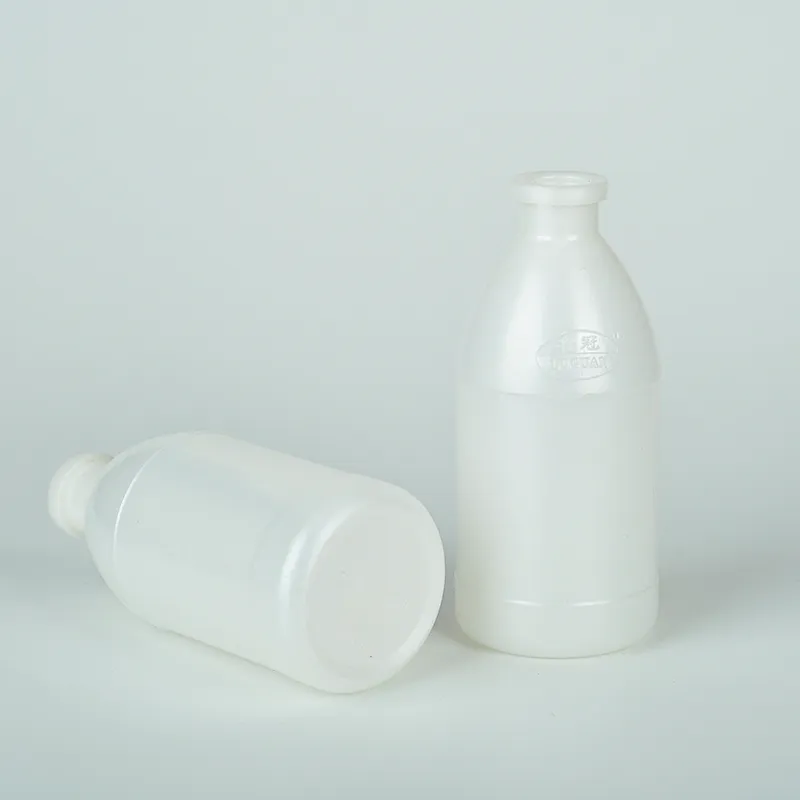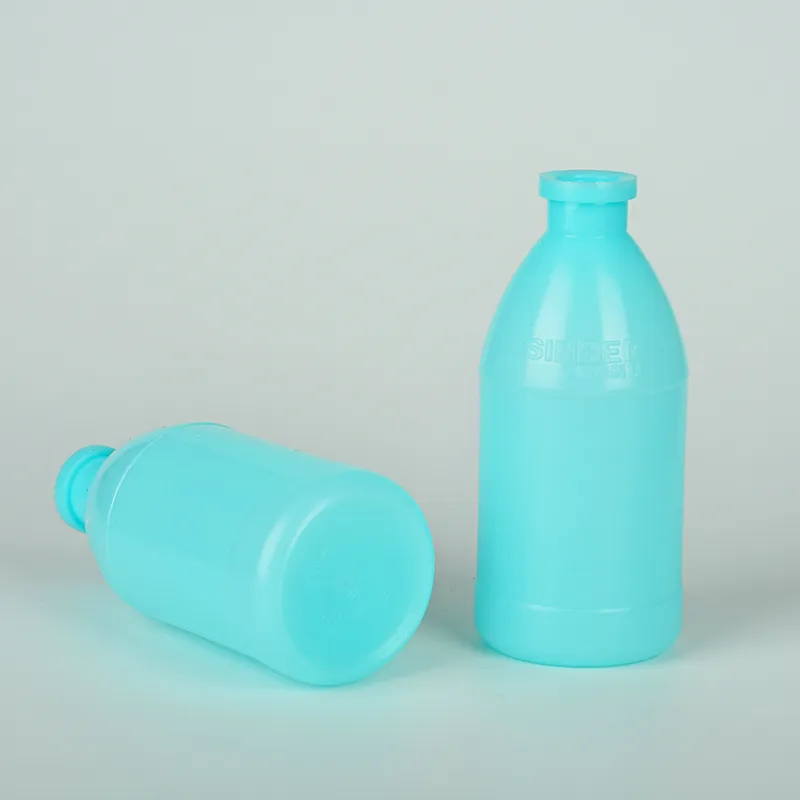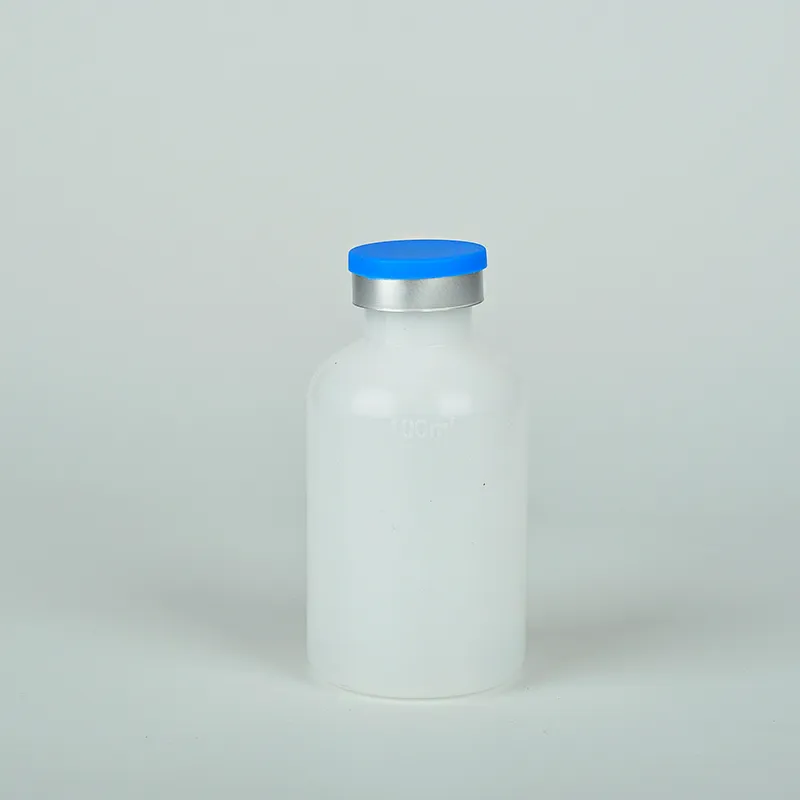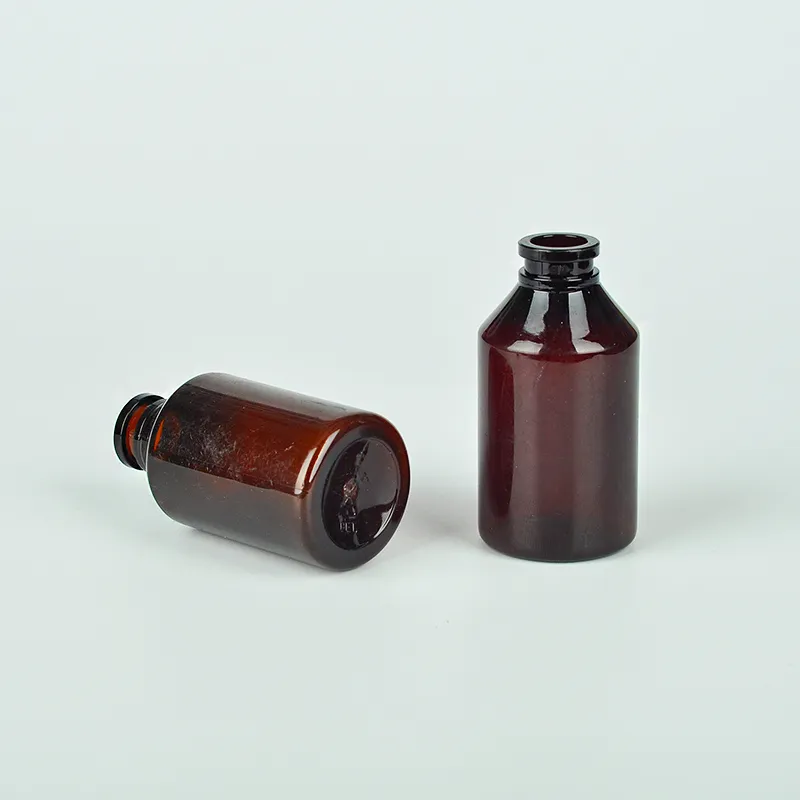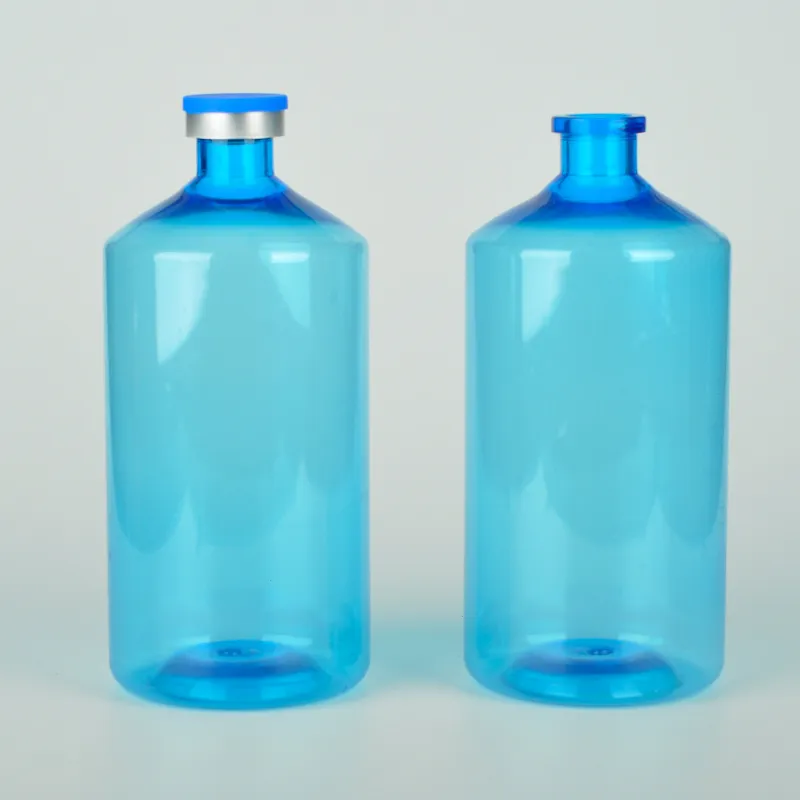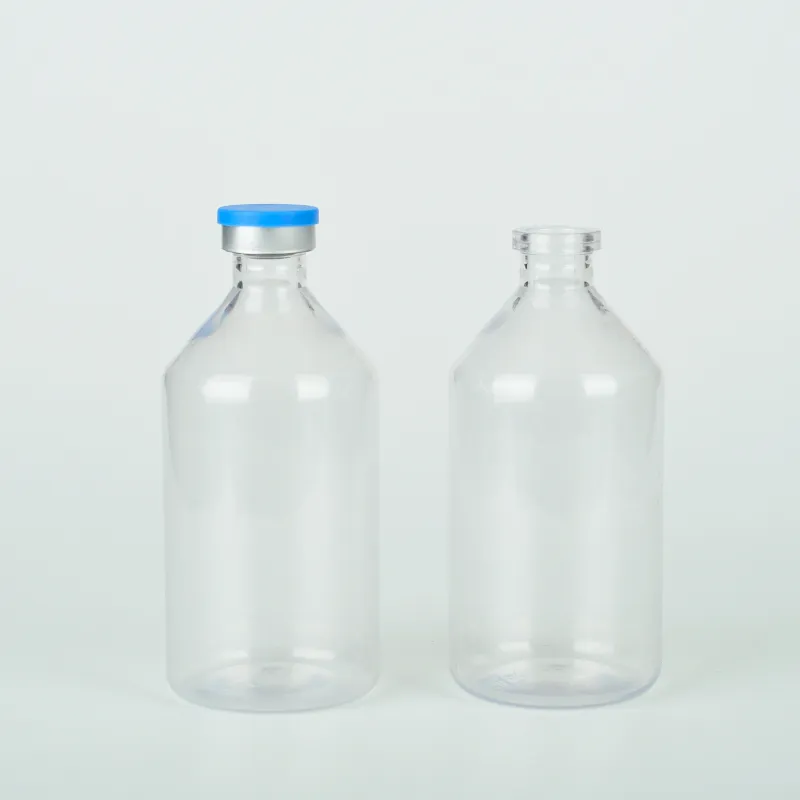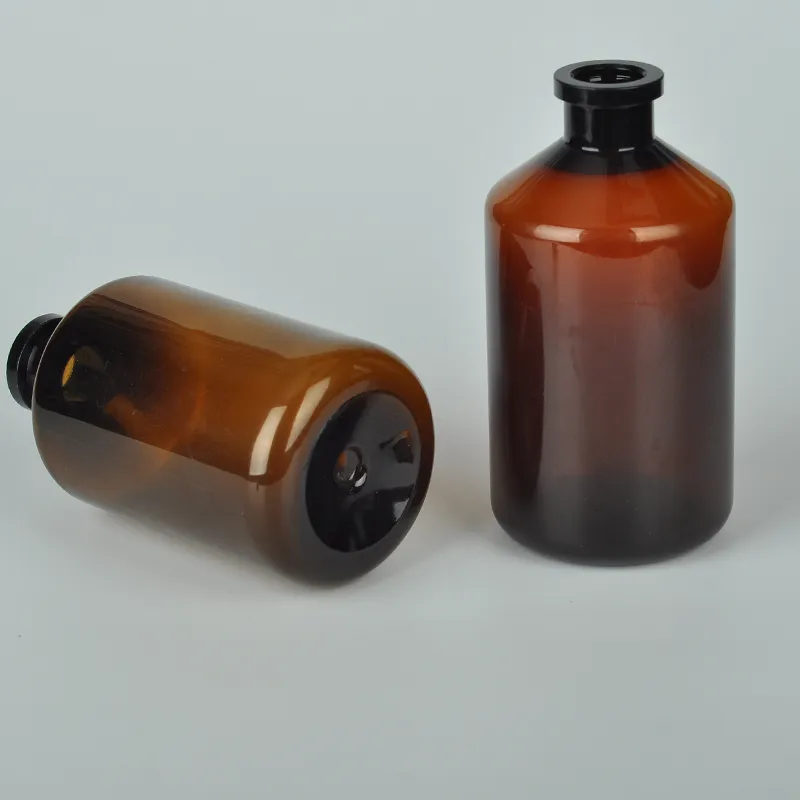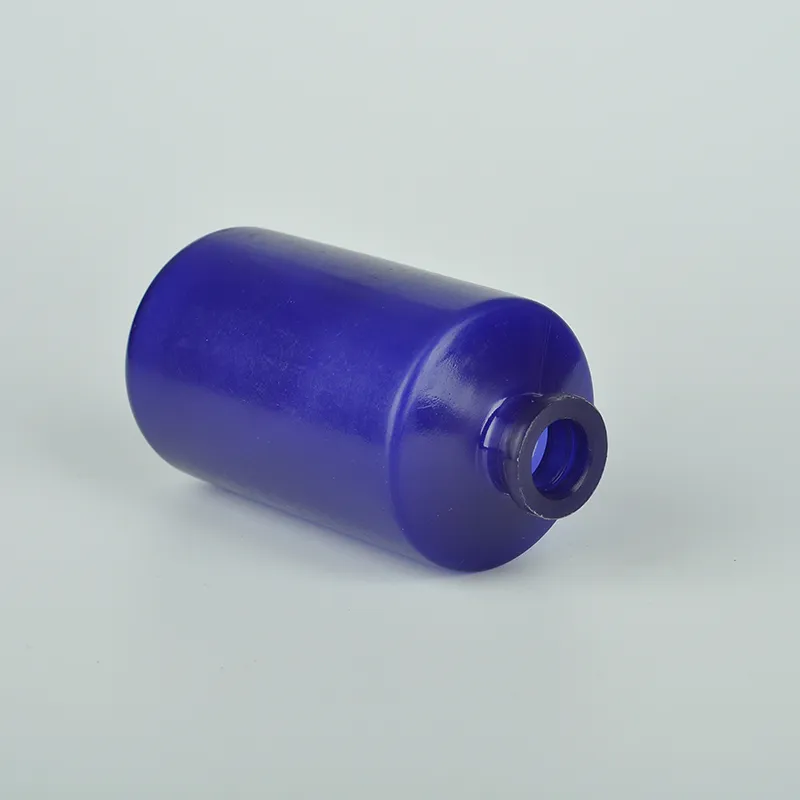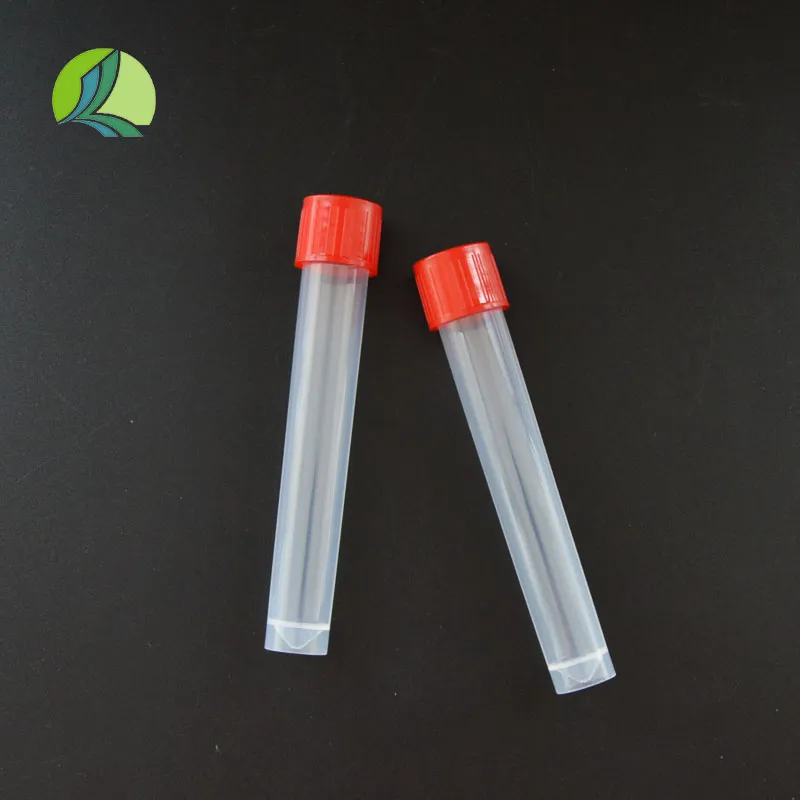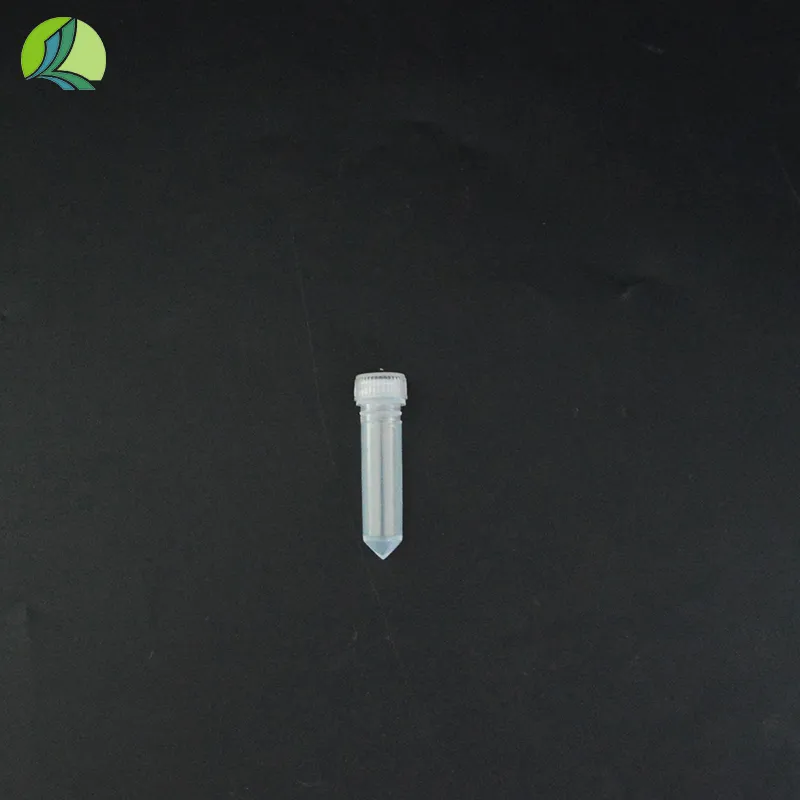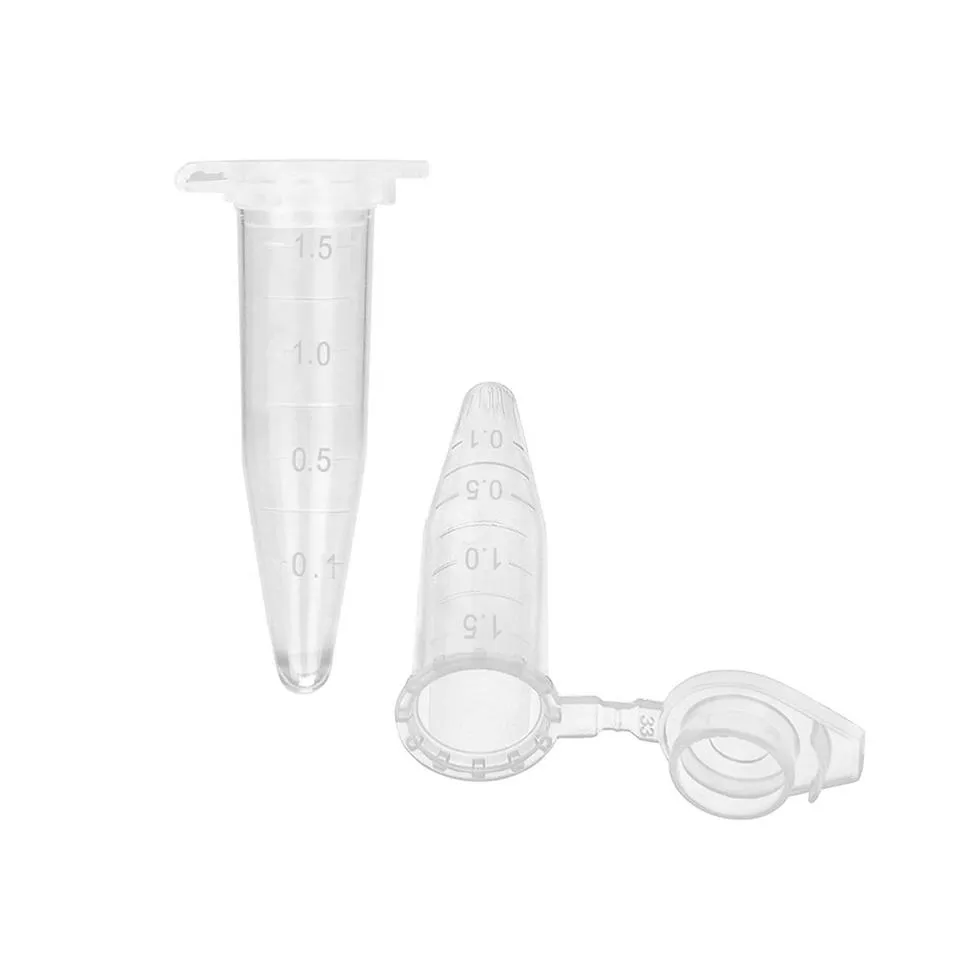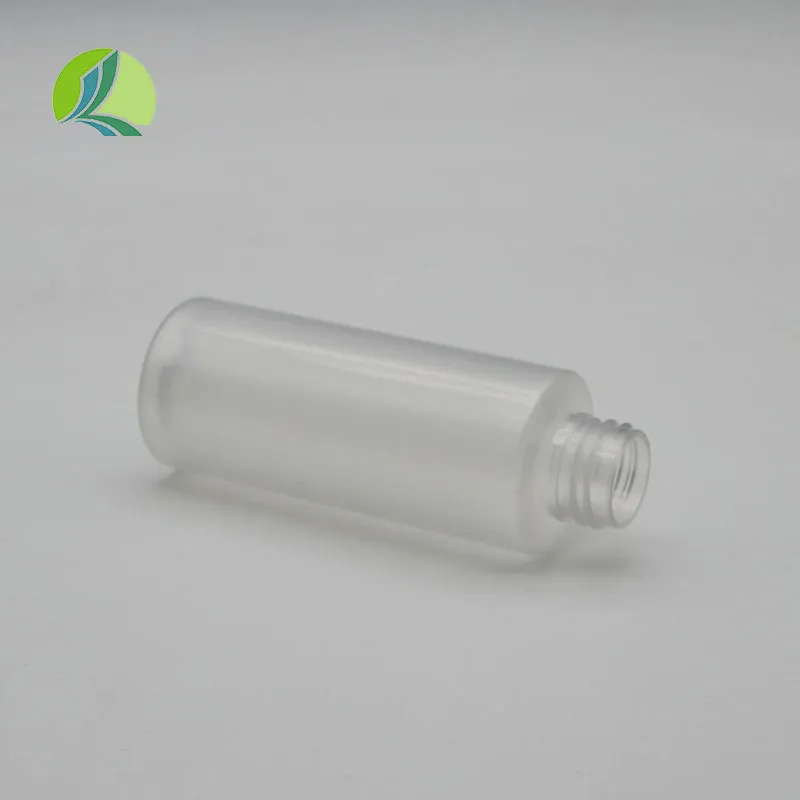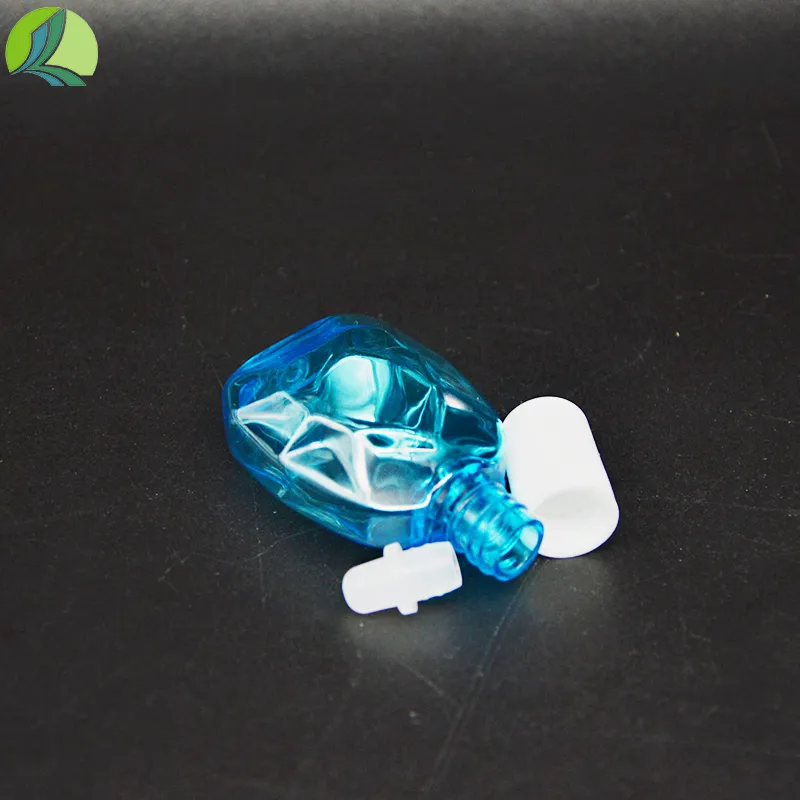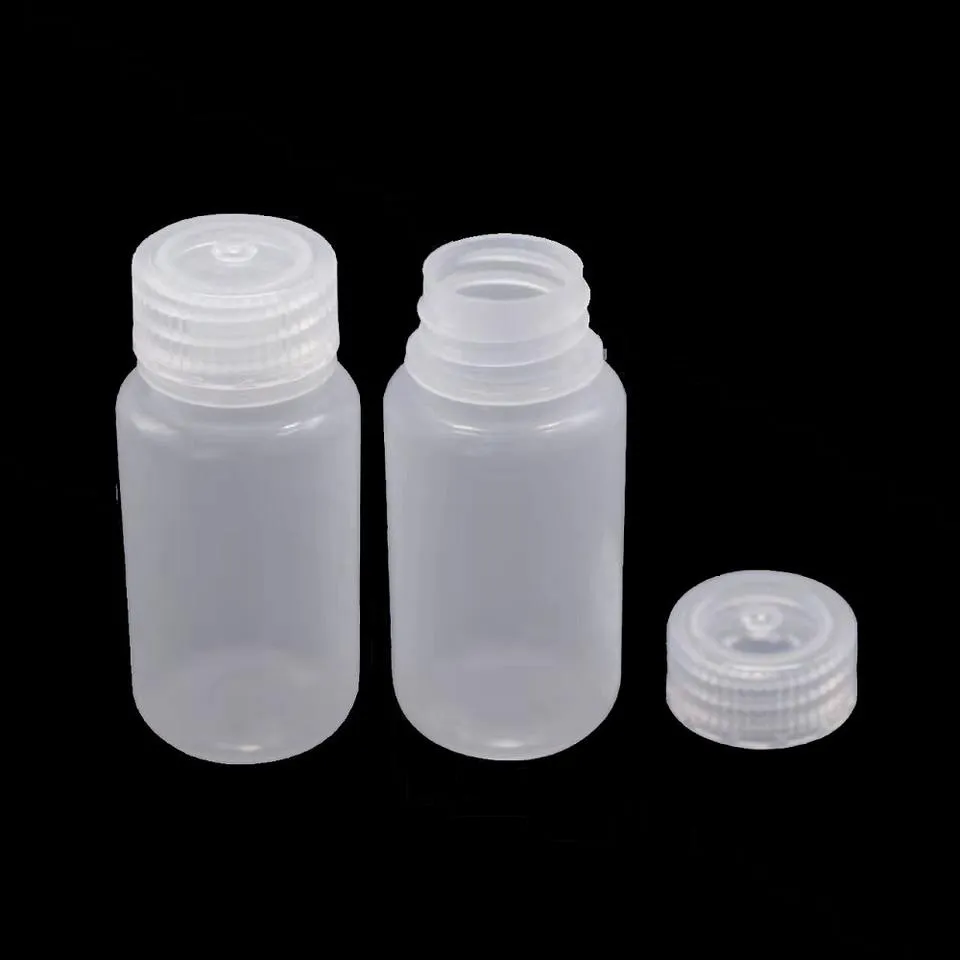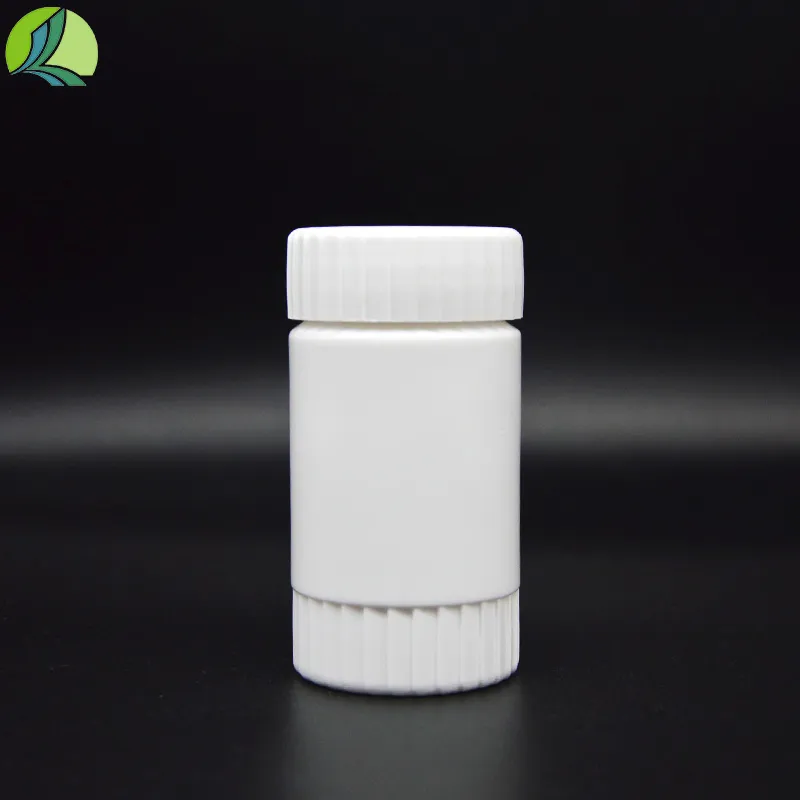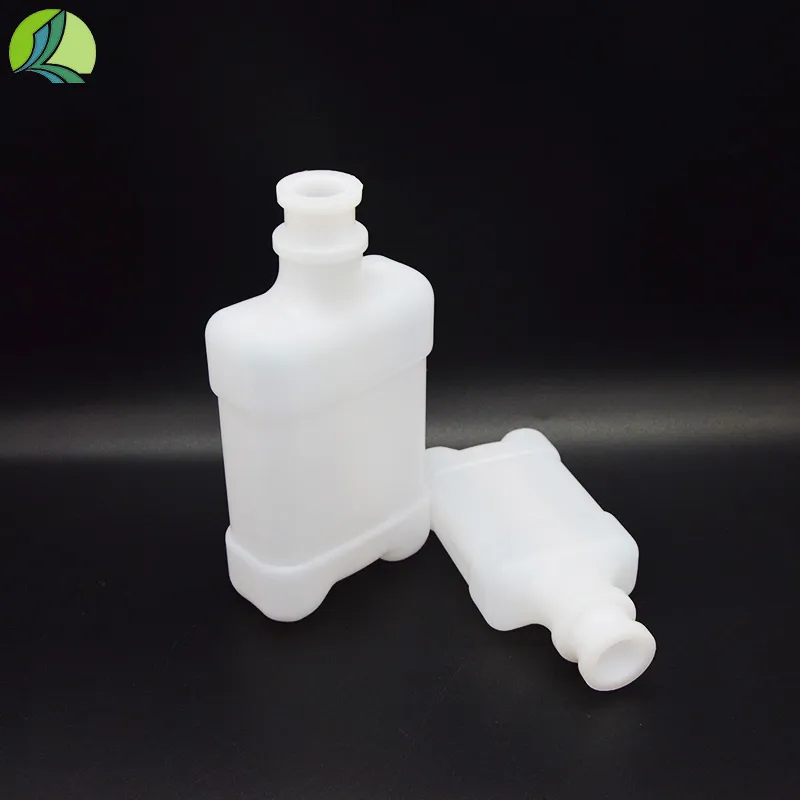

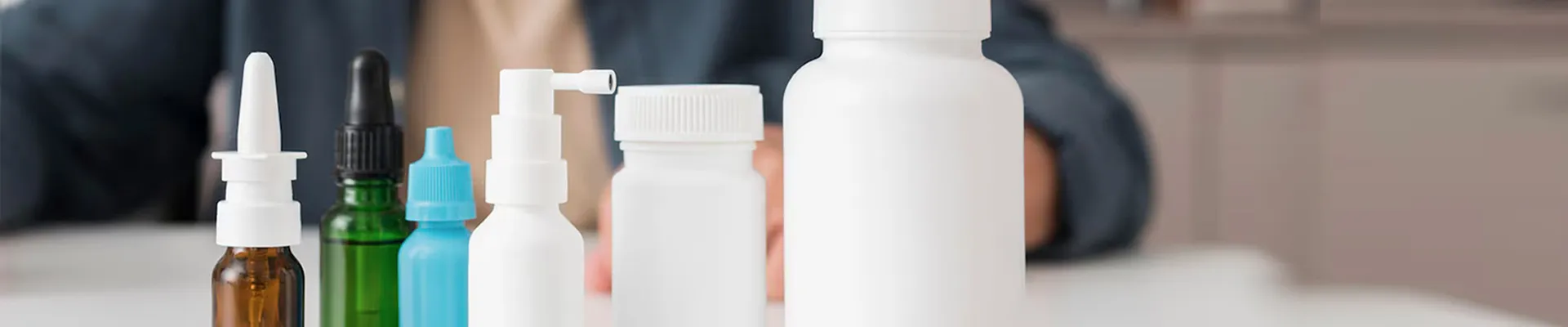


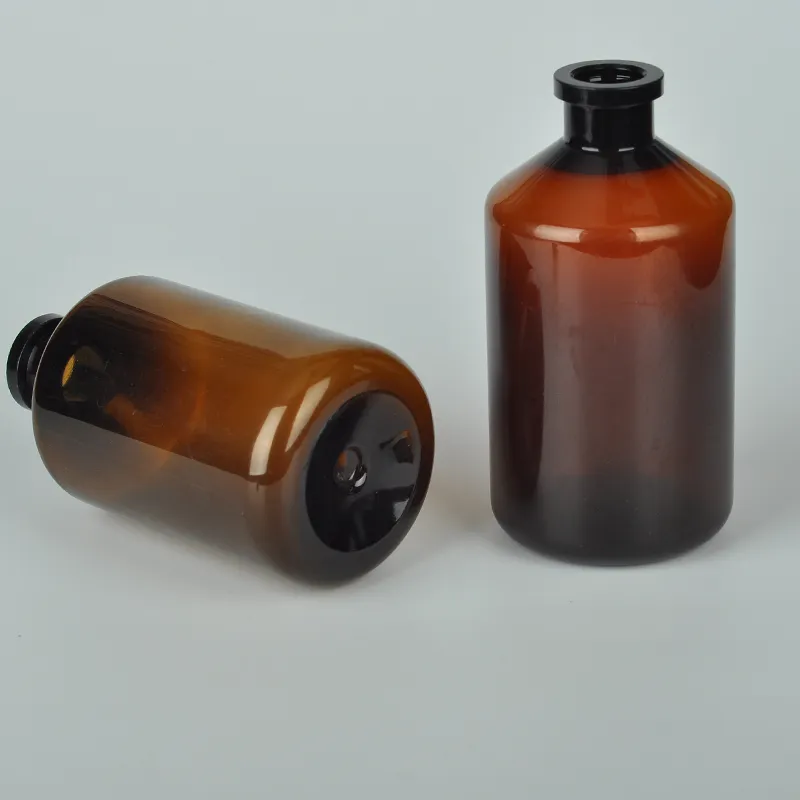
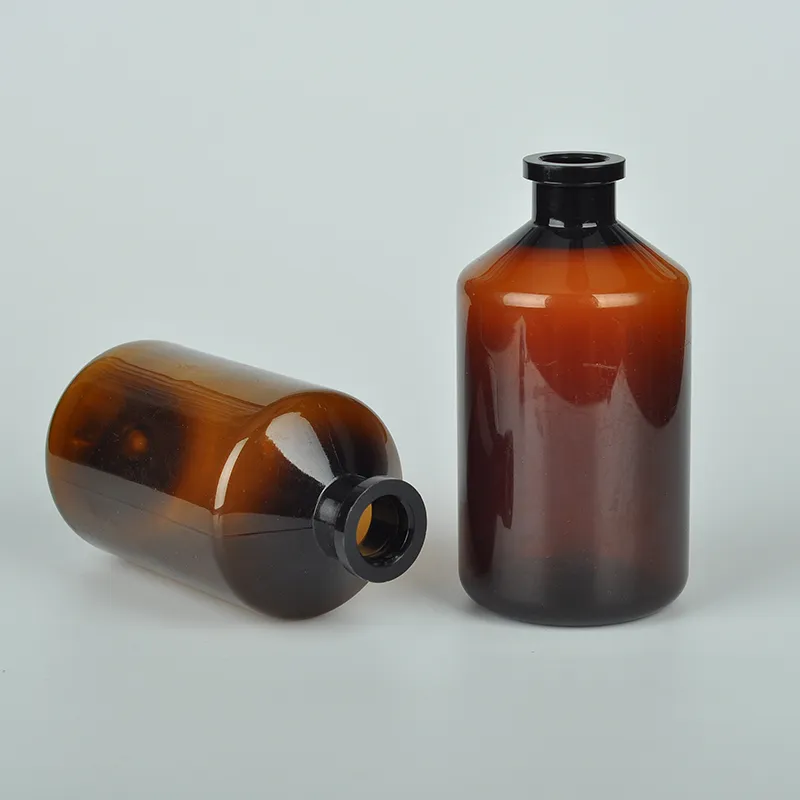
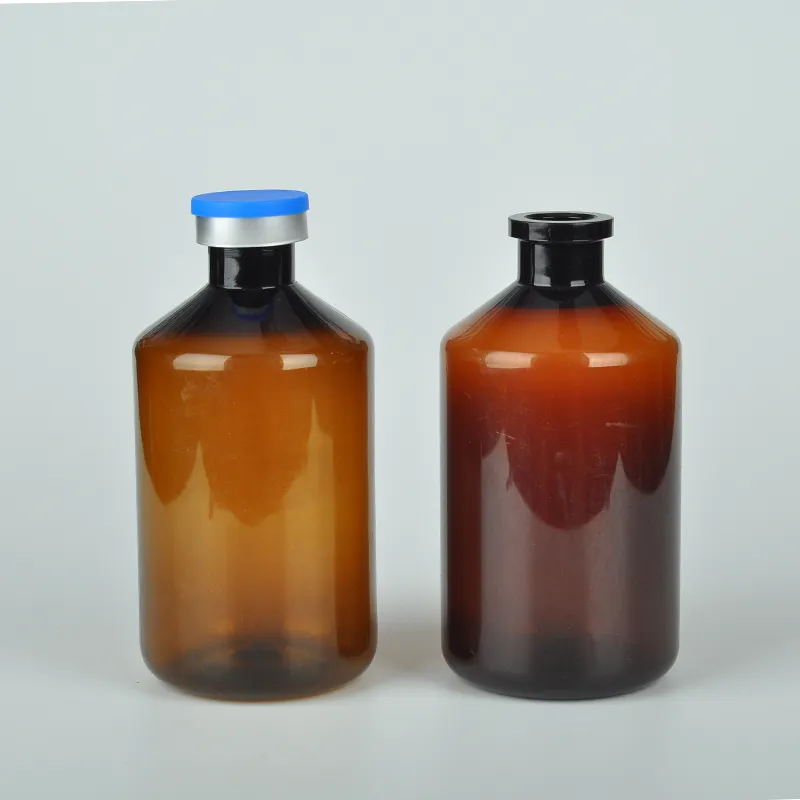
300ml Brown Sterile Vaccine Vial, Plastic Vet Medicine
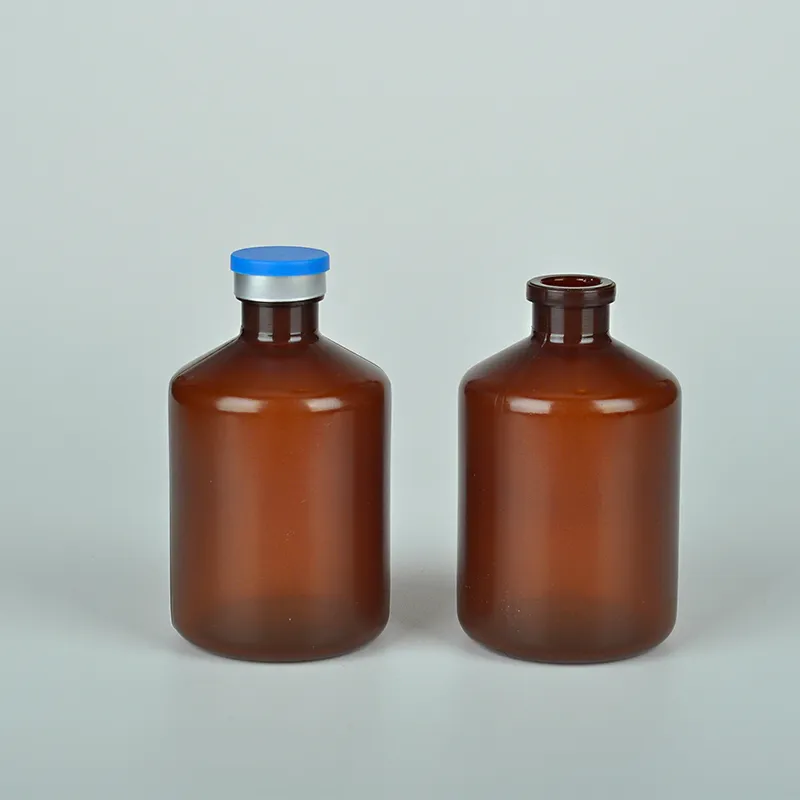
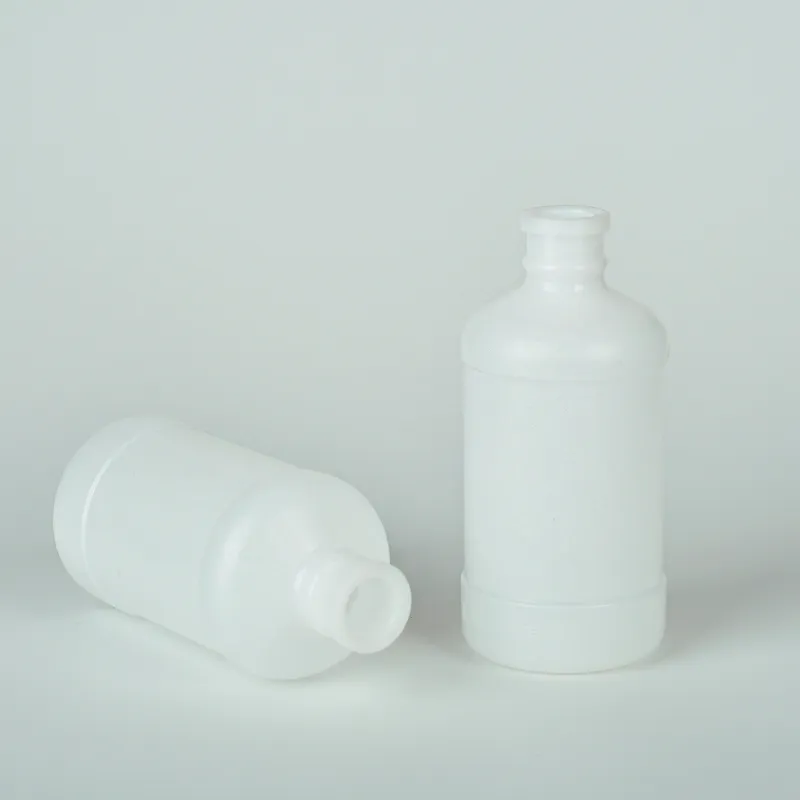
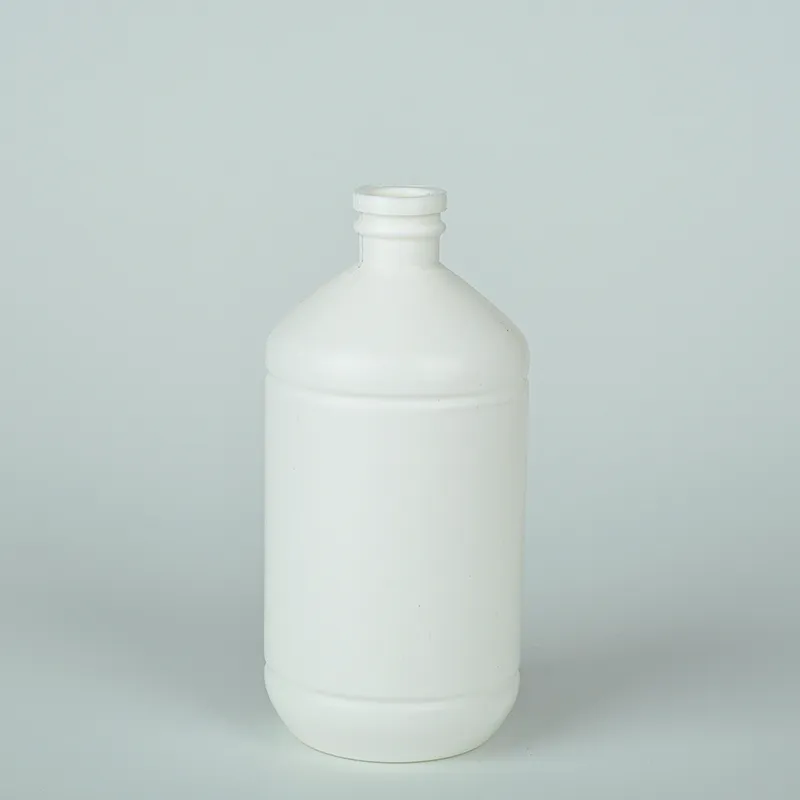
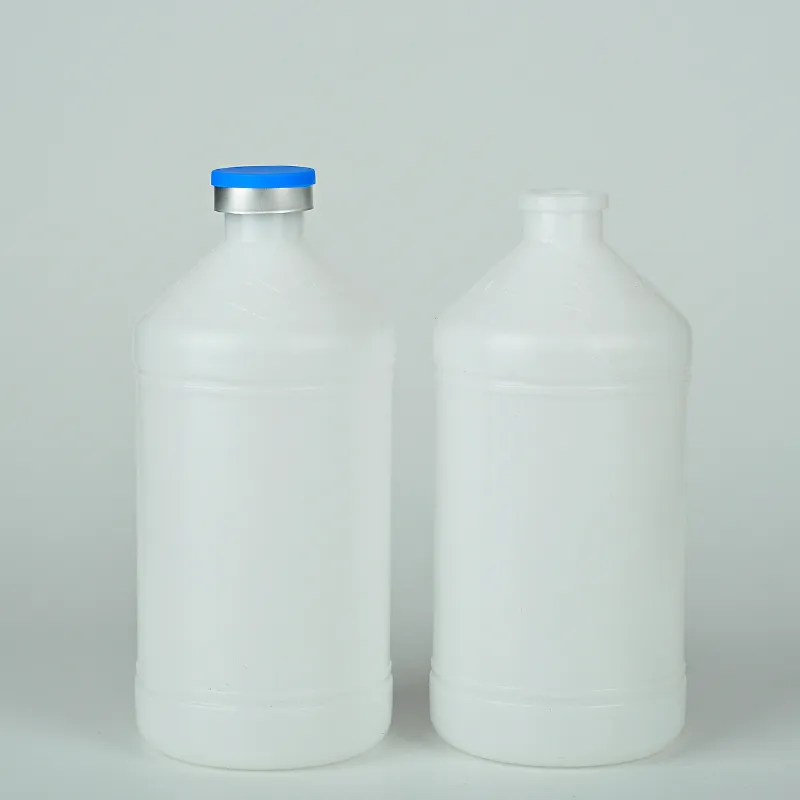
300ml Brown Sterile Vaccine Vial Plastic Veterinary Medicine Vial
I’ve toured more than a few packaging plants, and one thing is consistent: veterinary vaccine lines need containers that don’t crack under pressure—literally and figuratively. This amber-brown 300 ml plastic vial is one of those quiet workhorses. Made in LITUN, DUSHENG TOWN, CANGXIAN COUNTY, CANGZHOU CITY, HEBEI PROVINCE, CHINA, it leans on familiar materials (PET/PE/PP) and modern sterilization methods to keep biologics safe. Simple promise, strict science.
Why plastic, and why now?
The industry trend is clear: shatter-resistant plastics are displacing glass in field-use veterinary formats. Cold-chain logistics, mobile vaccination crews, and cost pressure all push toward lighter, safer packaging. Amber masterbatch improves UV blocking for light-sensitive antigens, and, yes, many customers say fewer breakages alone paid for their switch in a single season. Glass still has its place, but in barns, sheds, and trucks bouncing down gravel roads—plastic wins.
Technical snapshot
| Nominal Volume | 300 ml (usable ≈ 290–305 ml, real-world filling may vary) |
| Material Options | PET, HDPE, PP (pharma-grade, BPA-free), amber UV masterbatch |
| Color/Shielding | Brown (amber), light transmission at 290–450 nm <10% (typ.) |
| Neck/Closure | Screw finish (e.g., 28-410 or 30-400), tamper-evident cap, liner options |
| Sterilization | Gamma (25–40 kGy) or EtO; SAL 10^-6, validated per ISO 11137/11135 |
| Typical Tests | CCI per USP <1207>/ASTM F2338, torque, burst (>0.3 MPa), particulate per USP <788> |
| Certifications | ISO 9001; optional ISO 13485; materials per USP <661.1>/<661.2>, Ph. Eur 3.1.3 |
| Service Life | Sterile shelf life up to 3–5 years if stored 5–30°C, away from UV, dry |
How it’s made (short version)
Resins (PET/PE/PP) are compounded with amber masterbatch, then formed via injection/stretch-blow or extrusion-blow molding. After 100% visual inspection and leak checks, vials are cleaned, pouched, and sterilized (gamma or EtO). Quality control tracks bioburden, EO residuals (if applicable), and container-closure integrity. Cleanroom production aligns with ISO 14644; documentation follows EU GMP Annex 1 expectations. Not glamorous, but it keeps vaccines honest.
Where it fits
- Veterinary vaccines and diluents for cattle, swine, poultry
- Field-dose prep, cold-chain transport, mobile vet clinics
- Research lots in ag-bio labs; rugged sampling bottles
Advantages? Impact resistance, lighter freight, strong UV barrier, and fewer headaches with breakage. In fact, one integrator told me their truck returns were “finally quiet.”
Vendor comparison (quick view)
| Vendor | Lead Time | Sterilization Validation | Customization | Notes |
| WK Packing (300ml Brown Sterile Vaccine Vial Plastic Veterinary Medicine Vial) | ≈ 2–4 weeks | ISO 11137 dossier, CCI data available | Color, neck, cap, print | Amber masterbatch tuned for UV |
| Generic Plastic Supplier | 3–6 weeks | Basic certificate only | Limited | Often non-sterile |
| Glass Vendor (Amber) | 4–8 weeks | Strong pharmacopeial data | Moderate | Higher breakage risk, heavier |
Real-world notes and mini case studies
Case 1: A poultry group shifted 60% of their field inventory to 300ml Brown Sterile Vaccine Vial Plastic Veterinary Medicine Vial and reported ≈98% reduction in breakage incidents over two quarters, plus faster dosing because caps held torque consistently.
Case 2: A swine vaccine startup customized the neck to a 30-400 finish and added a TE cap with foil liner; CCI passed USP <1207> vacuum decay, and light transmission at 400 nm came in under 8%.
Customization options
- Neck finishes and cap styles (TE ring, CRC, foil or PE liners)
- Silk-screen/emboss logo, graduated marks, batch window
- Resin selection (PET/HDPE/PP) based on solvent or vaccine profile
- Enhanced amber for high-UV routes; lot-level sterility certificates
To be honest, specs are great—but support matters. Documentation packs with test data and change-control are often what tip procurement over the line.
Standards and references
- USP <661.1> / <661.2> Plastic Packaging Systems
- USP <1207> Package Integrity Evaluation
- ISO 11137-1 Sterilization of Health Care Products—Radiation
- EU GMP Annex 1: Manufacture of Sterile Medicinal Products
- Ph. Eur 3.1.3 Polyolefins
- ISO 14644-1 Cleanrooms and Associated Controlled Environments
- ASTM F2338 Standard Test Method for Non-Destructive Detection of Leaks
-
Bulk Eye Dropper Bottles for Industrial Packaging - Reliable & CustomizableNewsDec.31,2025
-
Small Plastic Dropper Bottles – Durable, Precise Packaging Solutions for B2B ApplicationsNewsDec.10,2025
-
Medicine Dropper Bottles – Precision and Quality Packaging Solutions for B2B | WK PackingNewsDec.10,2025
-
Discover Top Quality 2 oz Eye Dropper Bottles for Industrial UseNewsDec.09,2025
-
1 Oz Eye Dropper Bottles - Precision Packaging Solutions for B2B Industries | WKPackingNewsDec.09,2025
-
Durable 4 oz Eye Dropper Bottles for Industrial & Cosmetic UseNewsDec.09,2025