



Plastic Clear Vaccine Liquid Vials | Sterile Lab & Vet
Clearer, tougher, safer: plastic vials for vaccines and veterinary labs
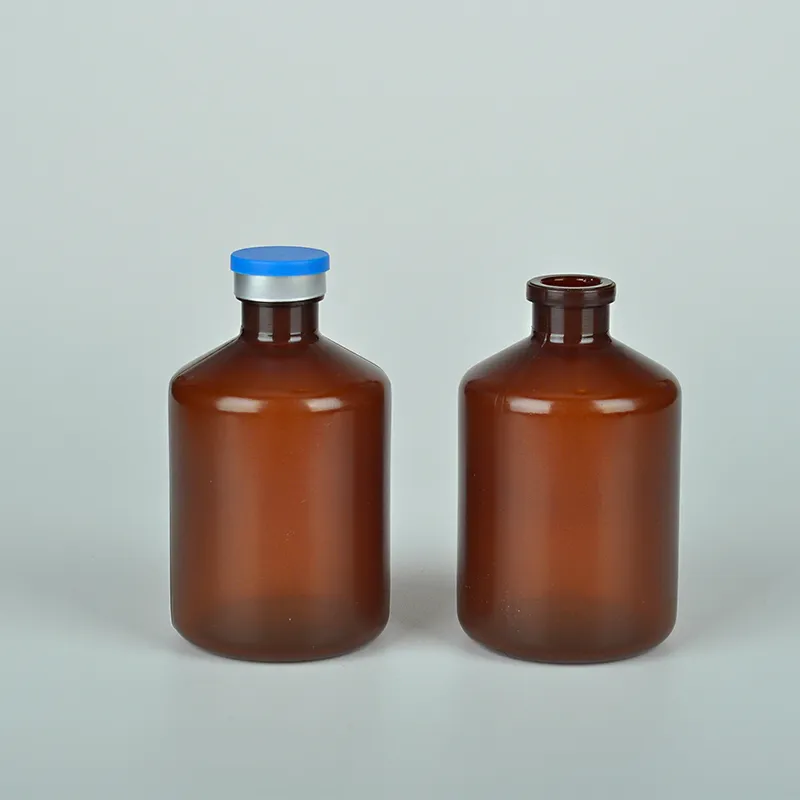
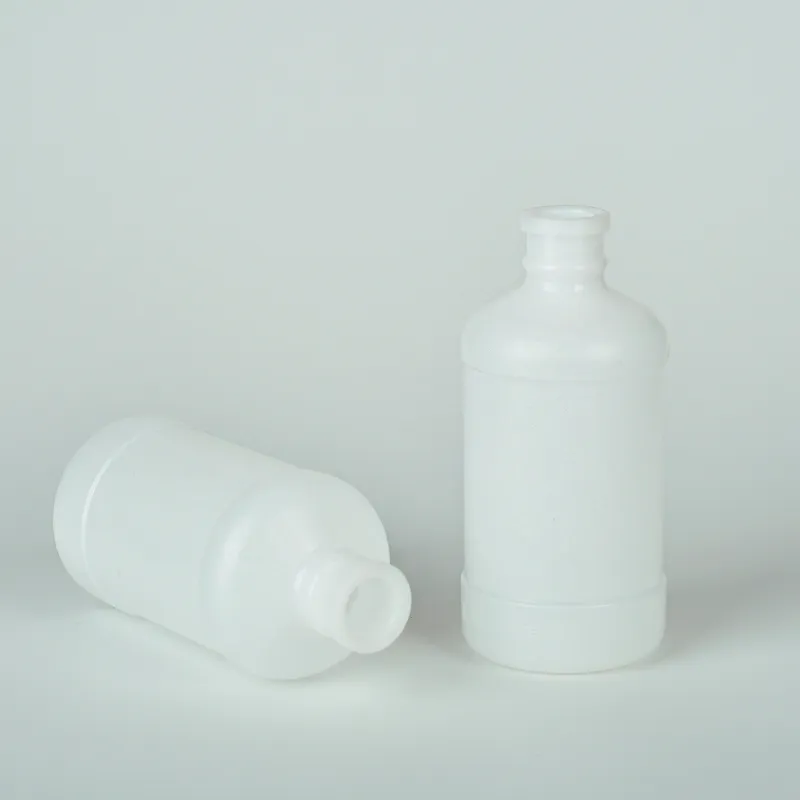
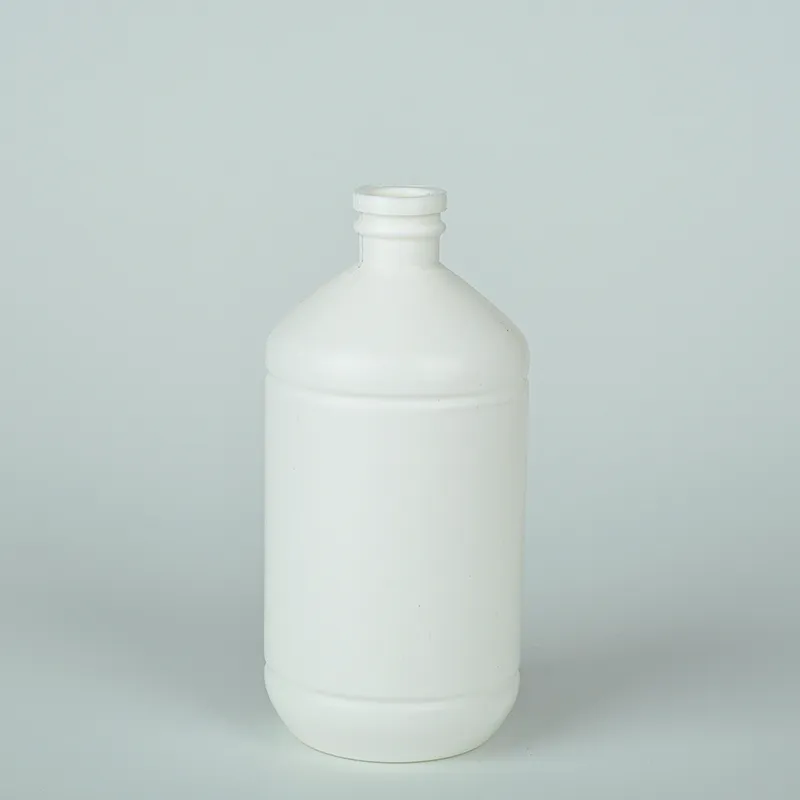
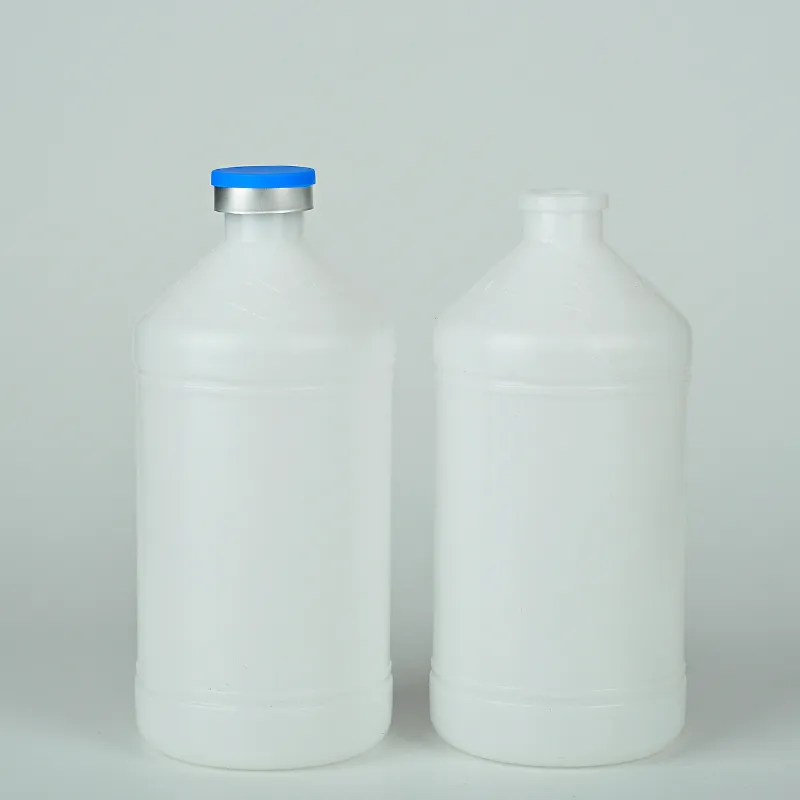
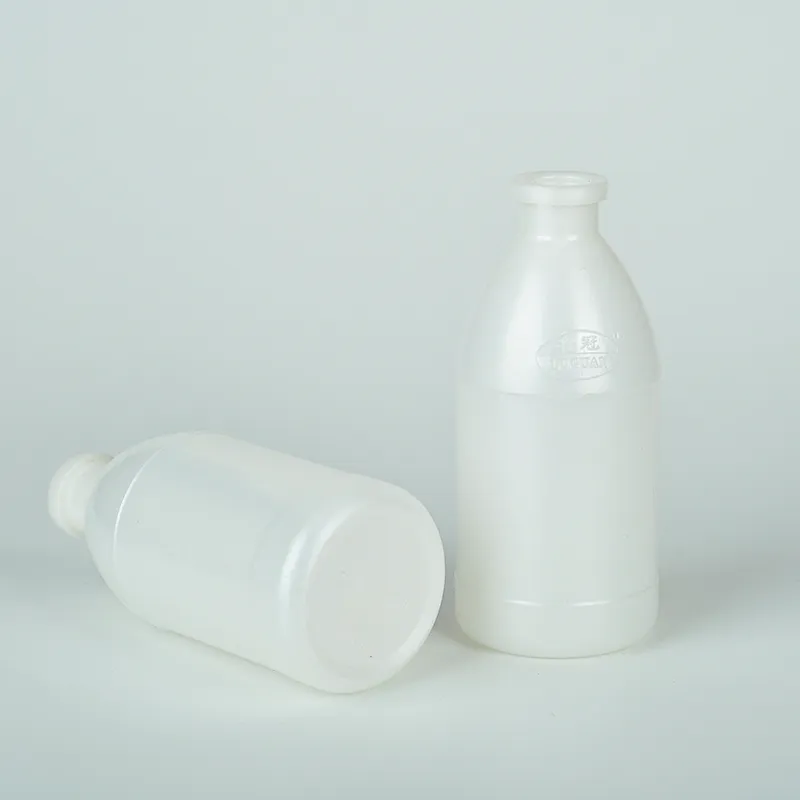
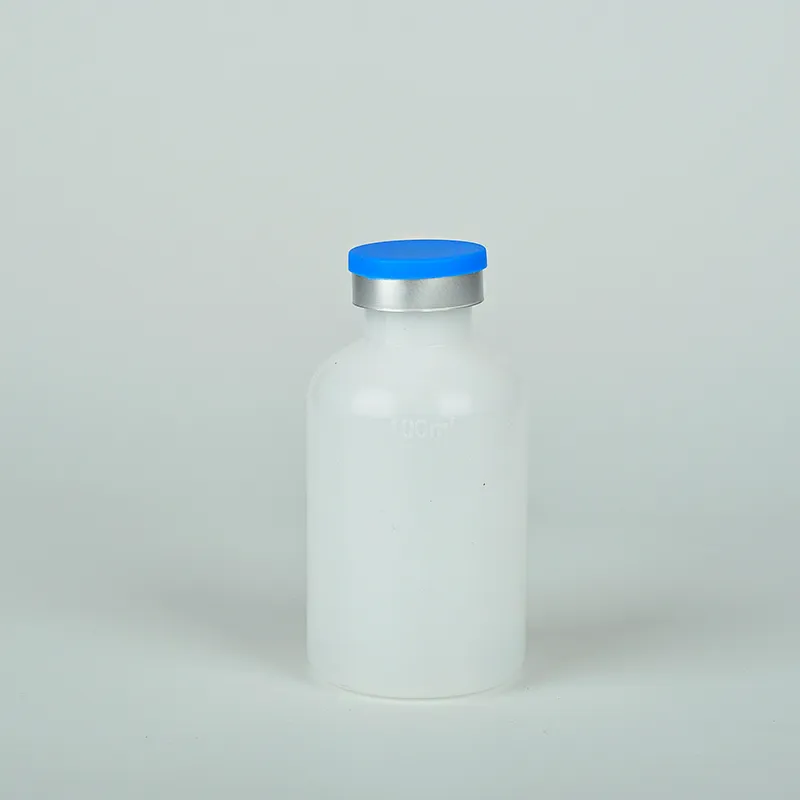
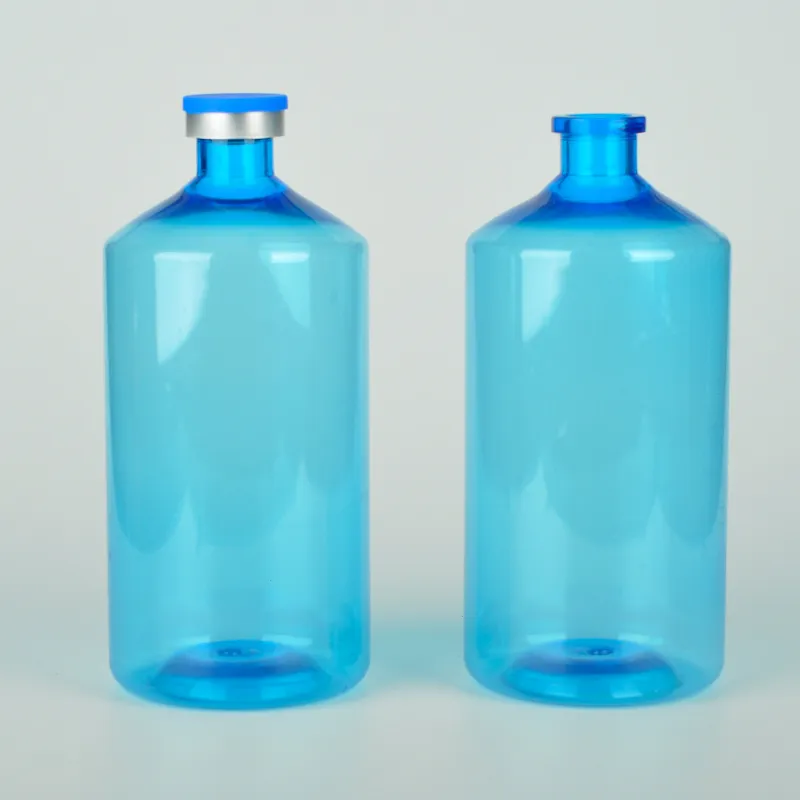
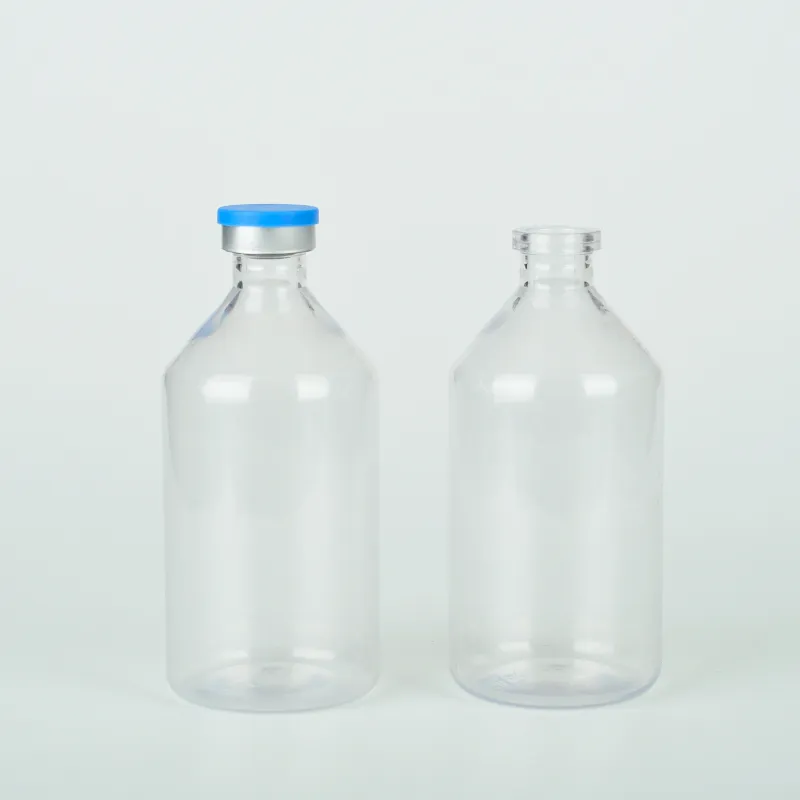
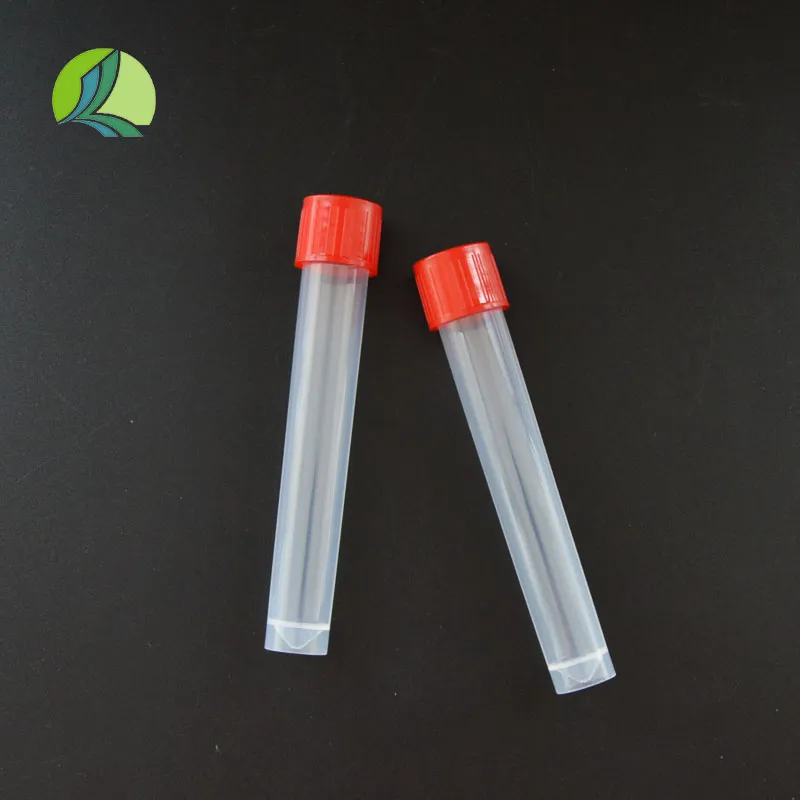
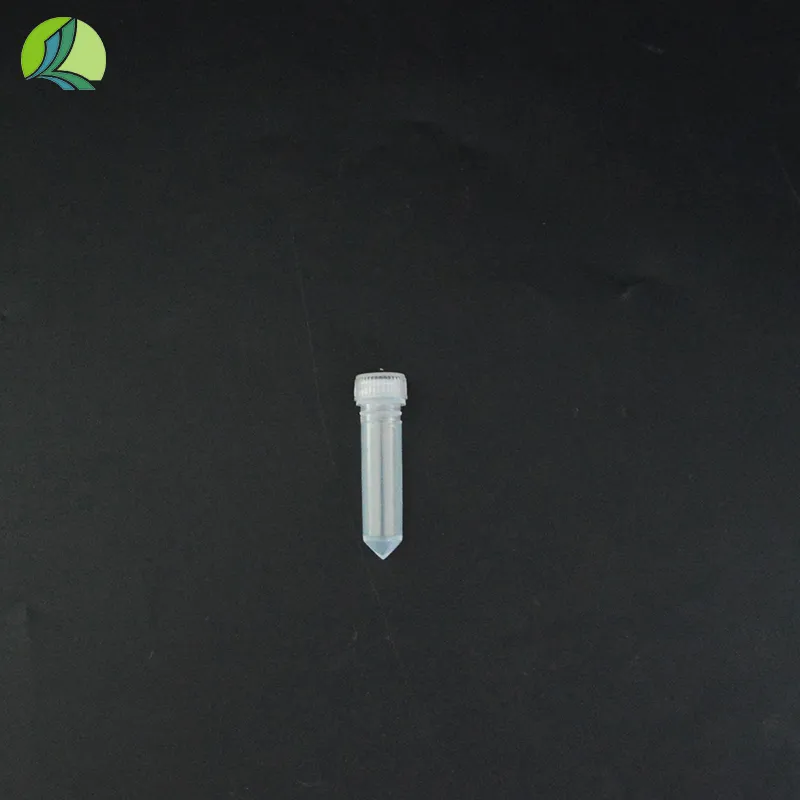
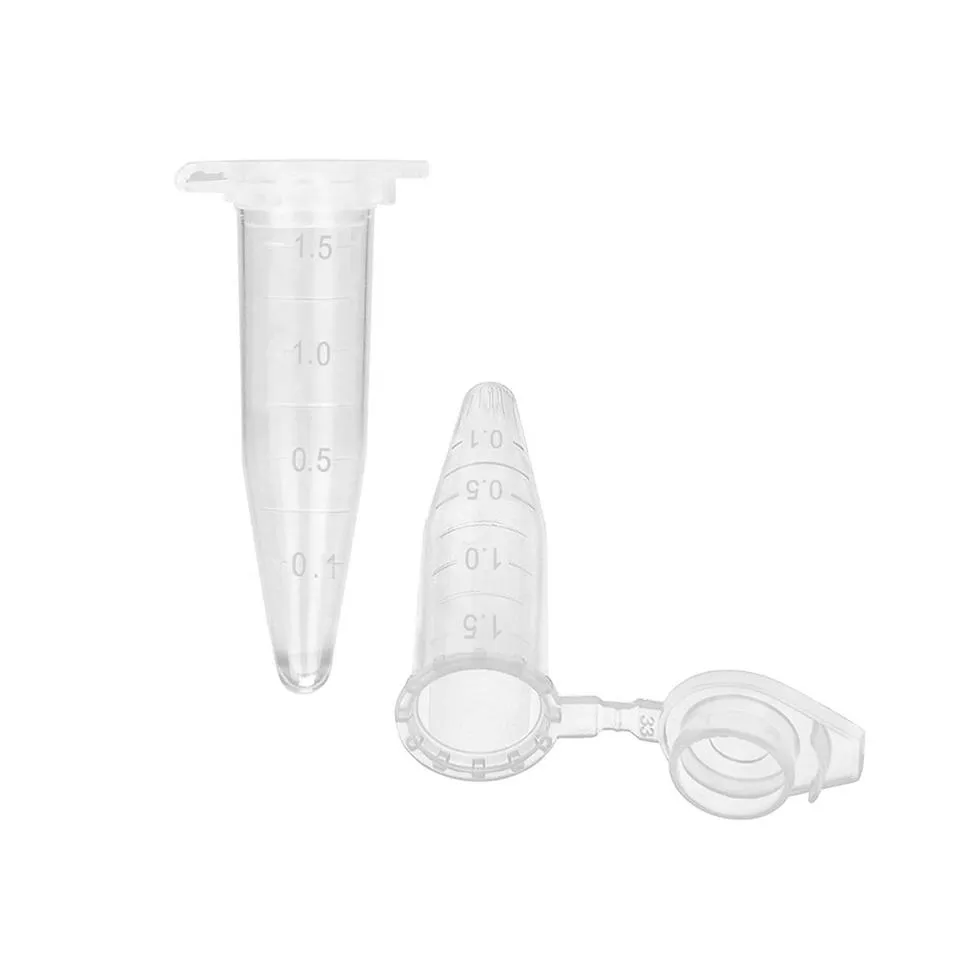
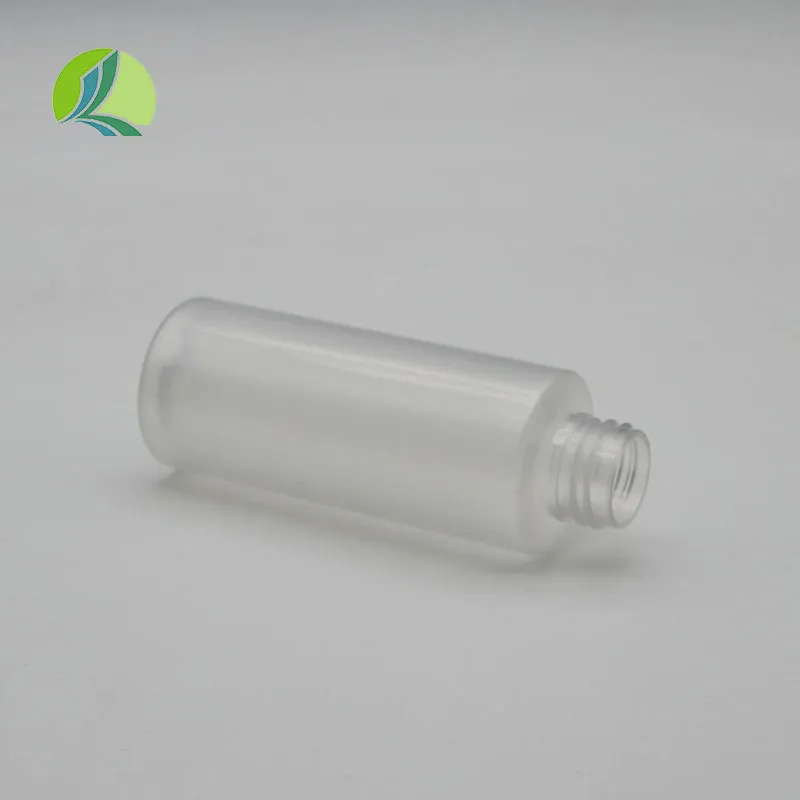
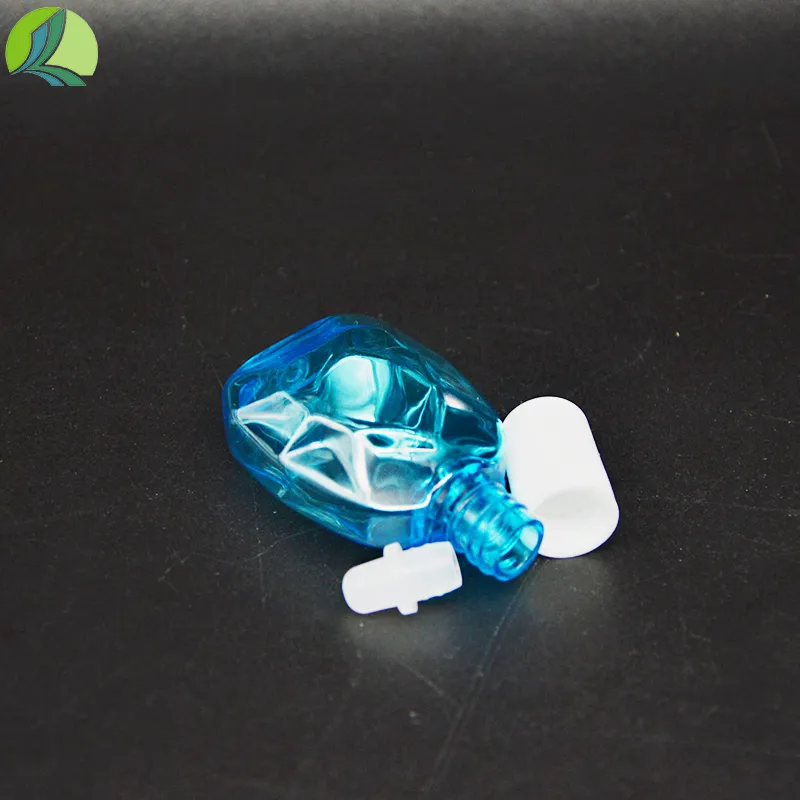
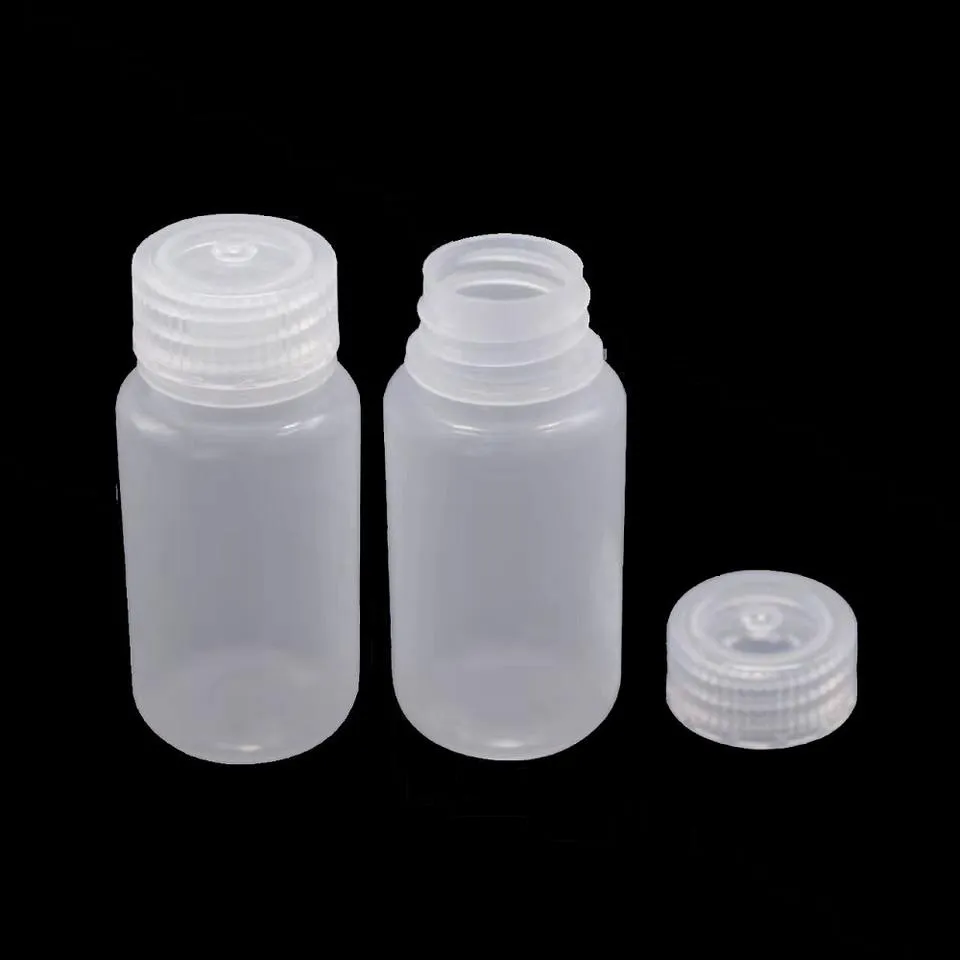
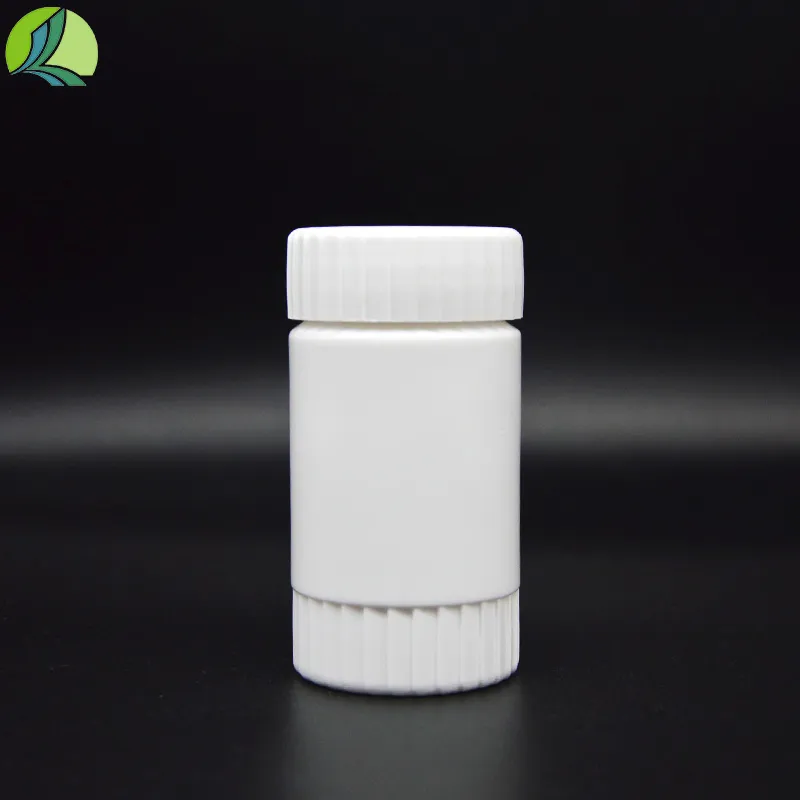
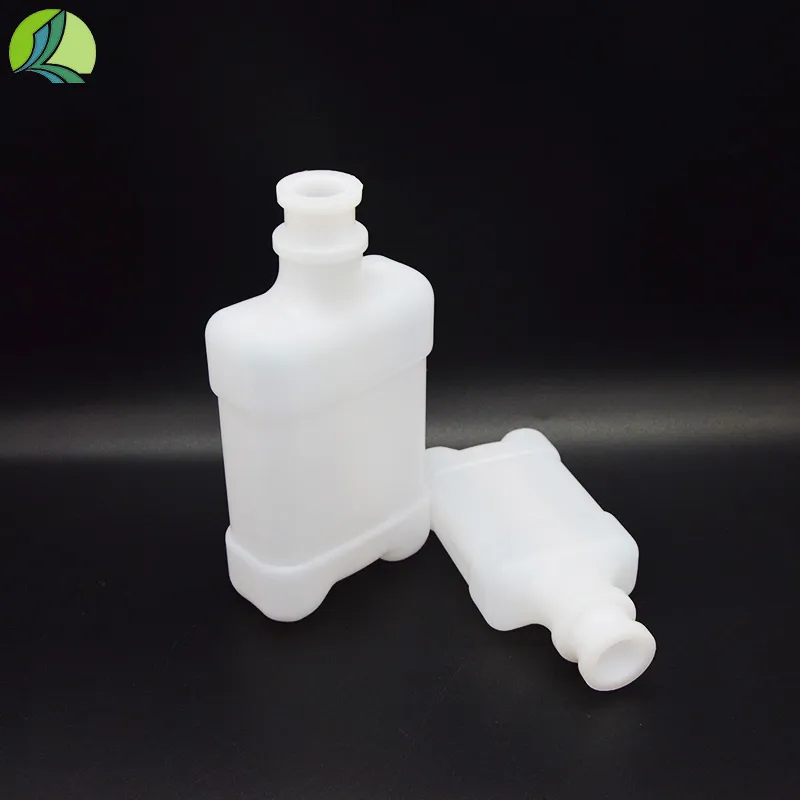
If you handle biologics every day, you learn quickly that packaging is not “just packaging.” I’ve been in cleanrooms where one hairline crack ruined an entire lot. This is why I’ve been watching Plastic Clear Vaccine Vials Laboratory Veterinary Medicine Liquid Vials closely—coming out of LITUN, Dusheng Town, Cangxian County, Cangzhou City, Hebei Province, China. The factory keeps saying they’ll tailor original products around real lab constraints; to be honest, that’s exactly what the industry needs right now.
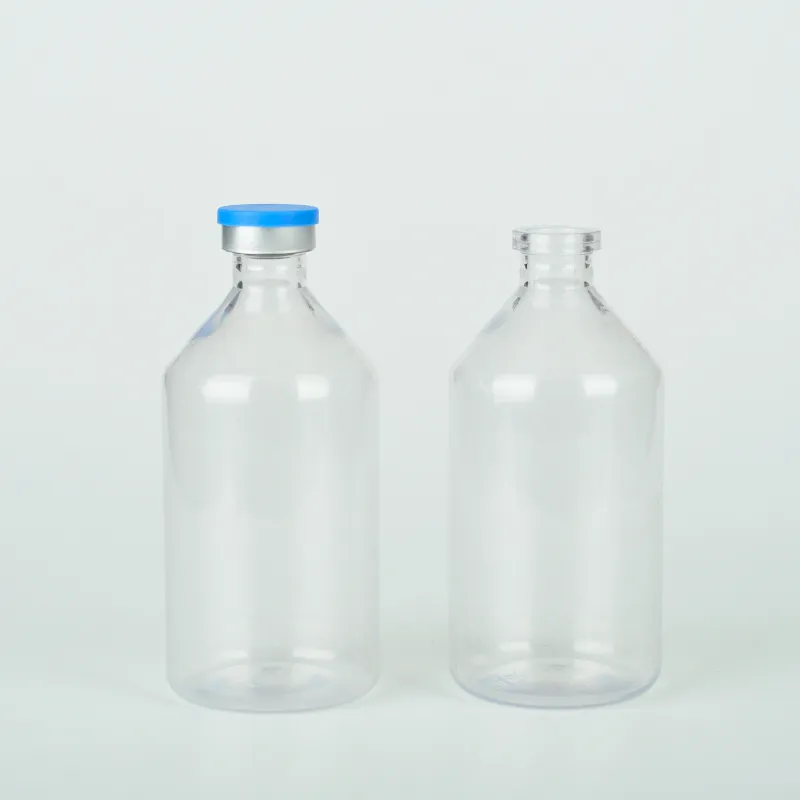
What’s driving the switch to high-clarity plastics
Glass still dominates injectable packaging, but labs and vet clinics are moving part of their portfolio to COP/COC and PETG—mainly for drop resistance, lighter logistics, and consistent clarity. Many customers say they see fewer breakages in field vaccination campaigns. And, surprisingly, optical inspection tends to be easier with low-haze plastics.
Typical specifications
| Parameter | Typical value (≈, real-world use may vary) |
|---|---|
| Materials | COP/COC, PETG, medical PP (USP <661.1> compliant) |
| Sizes | 2 mL, 5 mL, 10 mL, 20 mL |
| Neck/closure | Serum finish 13 mm / 20 mm or screw 13-415 |
| Clarity (haze) | < 2% per ASTM D1003 |
| Leak integrity | Pass at 30 kPa vac/1 min, no bubbles |
| Sterilization | Gamma 25–40 kGy or EtO (validated to ISO 11137) |
| Operating range | ≈ −20 °C to +50 °C |
| Service life | 3–5 years sealed in original packaging |
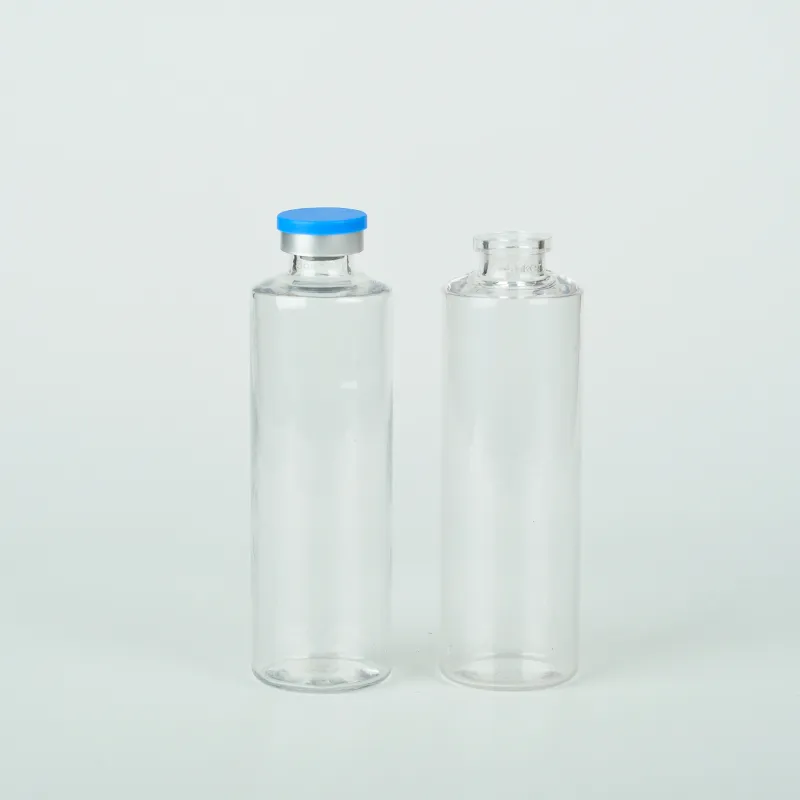
Process flow and testing
Materials are qualified (resin CoA, USP <661.1>), then molded via injection or injection-stretch-blow depending on size. Parts move to ISO 8 cleanroom for particulate control, then sterilized (gamma/EtO). QC includes visual inspection (AQL per ISO 2859), dimensional checks (±0.1 mm typical), vacuum leak test, torque/fit for closures, haze/transmittance (ASTM D1003), and where applicable, biocompatibility screening aligned with ISO 10993 principles. Facilities typically operate under ISO 9001 and ISO 13485 quality systems.
Where they’re used
- Veterinary vaccines and diluents for field use (drop-resistant, lighter kits).
- Diagnostics and ELISA reagents; sample archiving in biobanks.
- R&D aliquots for pilot biologics and tox studies (I know teams who swear by COC for clarity).
- Cold-chain shipments where weight and breakage matter.
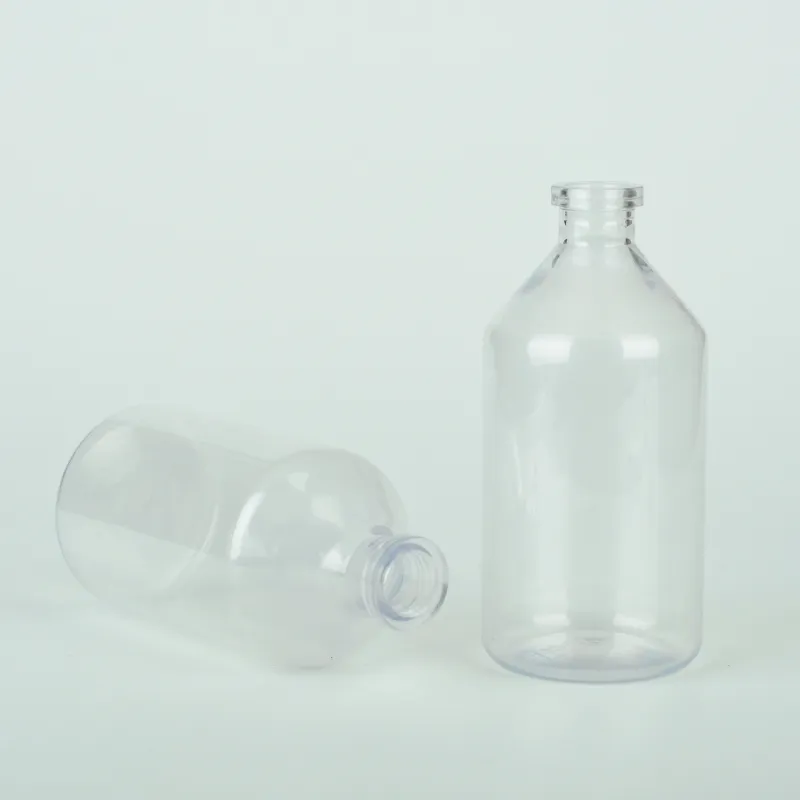
Vendor snapshot (quick comparison)
| Vendor | Compliance | Sterility | MOQ | Lead time | Customization | Notes |
|---|---|---|---|---|---|---|
| W.K. Packing | ISO 9001/13485; USP <661.1> | Gamma/EtO | ≈ 5,000 | 2–4 weeks (stock), 6–8 custom | Molds, colors, finishes | Type III DMF on request |
| Vendor B | ISO 9001 | EtO | ≈ 10,000 | 8–10 weeks | Limited | Good for standard SKUs |
| Vendor C | ISO 13485 | Gamma | ≈ 3,000 | 3–6 weeks | Moderate | Smaller volume agility |
Advantages and real feedback
- Breakage reduction: one vet network reported ≈92% fewer vial losses during farm calls.
- Inspection-friendly clarity; techs say “it’s easier to spot particulates.”
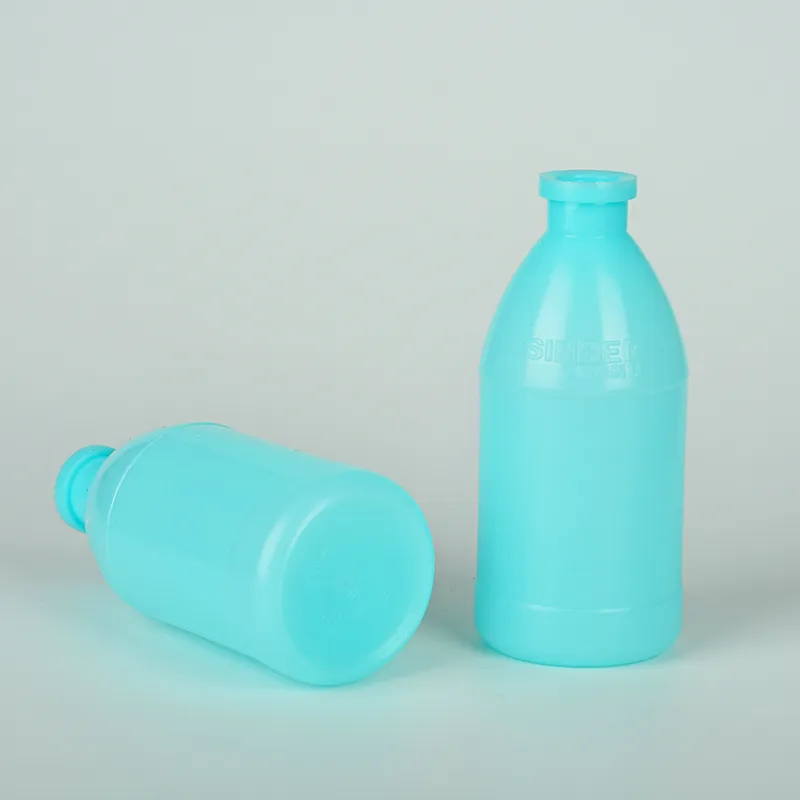
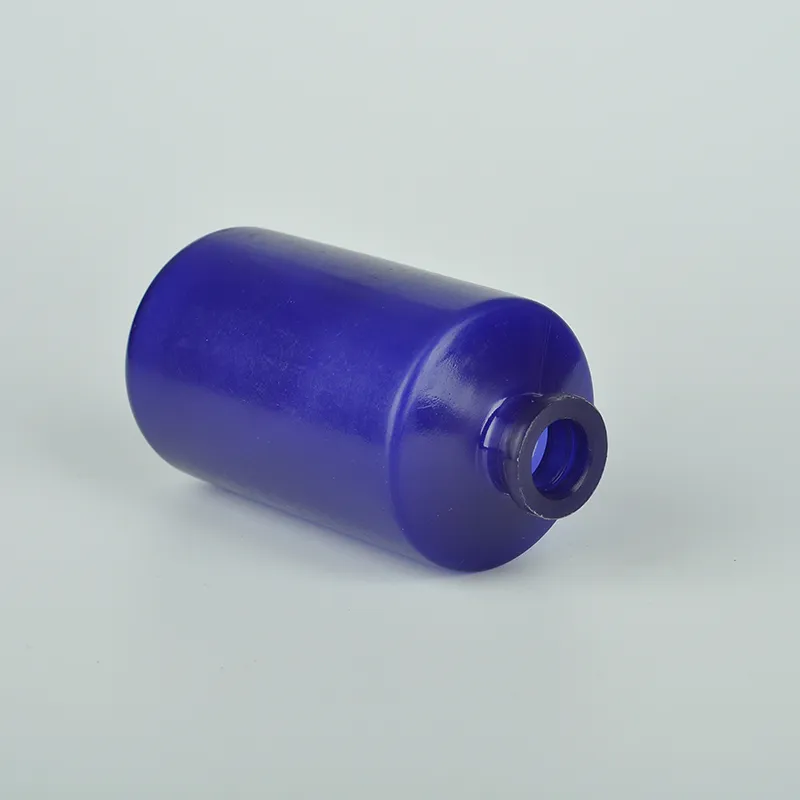
- Customizable: volumes, necks, color tints, and tamper-evident bands.
One lab manager told me they switched to Plastic Clear Vaccine Vials Laboratory Veterinary Medicine Liquid Vials for pilot lots and never looked back—mainly due to smoother torque and fewer chipped rims.
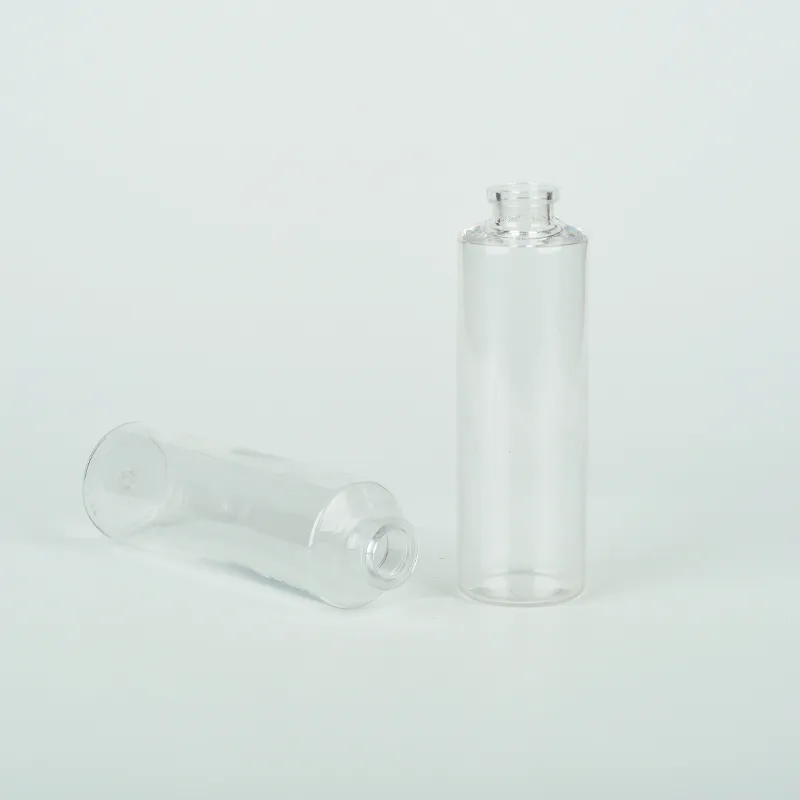
Customization playbook
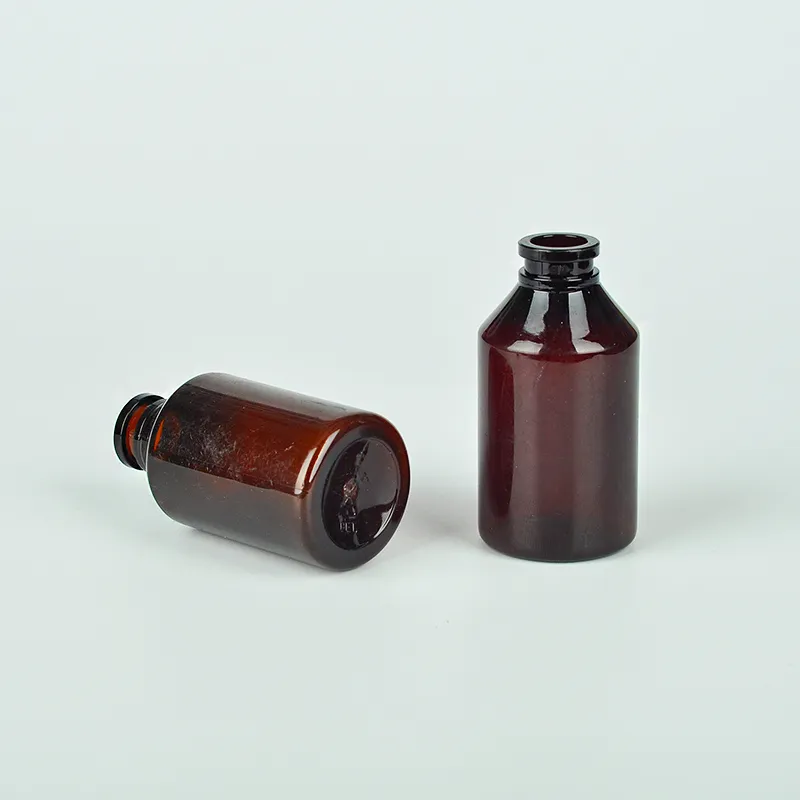
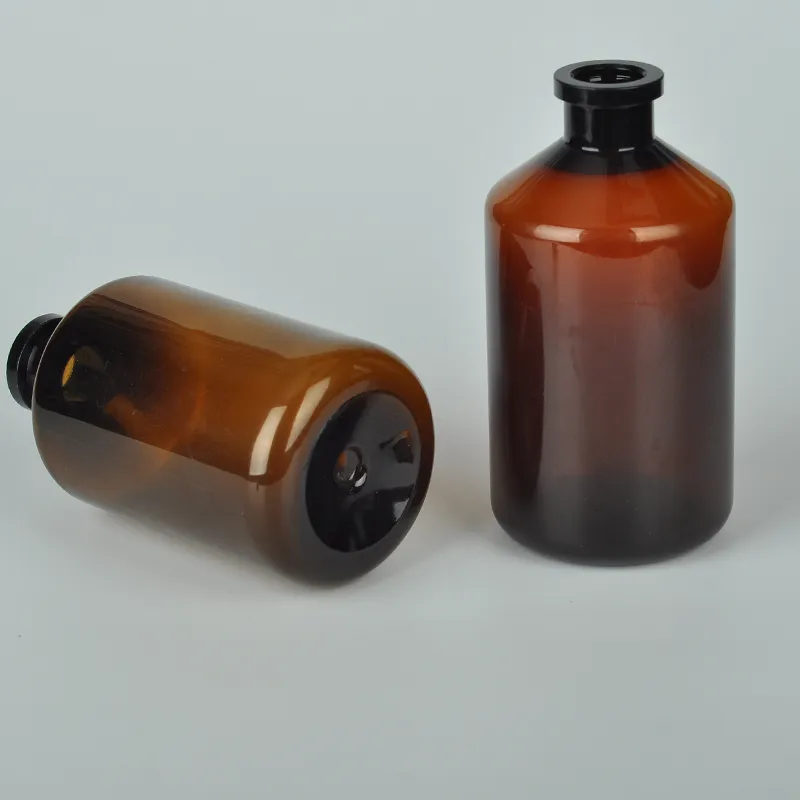
Options include molded logos, UV-protective amber tints, barrier-enhanced COP for oxygen-sensitive fills, and sterile-ready kits (vial + stopper + cap). Frankly, if you share your fill/finish line parameters early, tooling tweaks can shave weeks off validation.
Standards and references: USP <661.1> Plastics; ISO 13485 QMS; ISO 11137 sterilization validation; ASTM D1003 haze; FDA CCI guidance principles. Always verify compatibility with your specific drug product.
- USP <661.1> Plastic Materials of Construction (United States Pharmacopeia).
- ISO 13485:2016 Medical devices—Quality management systems.
- ISO 11137 Sterilization of health care products—Radiation.
- ASTM D1003 Standard Test Method for Haze and Luminous Transmittance of Transparent Plastics.
- FDA Guidance for Industry: Container Closure Systems for Packaging Human Drugs and Biologics.
-
Bulk Eye Dropper Bottles for Industrial Packaging - Reliable & CustomizableNewsDec.31,2025
-
Small Plastic Dropper Bottles – Durable, Precise Packaging Solutions for B2B ApplicationsNewsDec.10,2025
-
Medicine Dropper Bottles – Precision and Quality Packaging Solutions for B2B | WK PackingNewsDec.10,2025
-
Discover Top Quality 2 oz Eye Dropper Bottles for Industrial UseNewsDec.09,2025
-
1 Oz Eye Dropper Bottles - Precision Packaging Solutions for B2B Industries | WKPackingNewsDec.09,2025
-
Durable 4 oz Eye Dropper Bottles for Industrial & Cosmetic UseNewsDec.09,2025