

Choosing Sterile Vaccine Vial Plastic Liquid Vial For Medical Purposes: Intended Use and Required Documentation
THE BUYER'S GUIDE / SELECTION
Choosing Sterile Vaccine Vial Plastic Liquid Vial For Medical Purposes: Intended Use and Required Documentation
A buyer-focused guide to evaluating the Sterile Vaccine Vial Plastic Liquid Vial For Medical Purposes from CANGZHOU WEIKANG FOOD & PHARMACEUTICAL PACKAGE CO., LTD. It covers intended use, sterilization method, PP versus PE material, heat resistance, closure system and size selection, and lists the documents buyers should request before ordering. The published product information does not state prices, lead times, certifications or exact dimensions.

Intended use: veterinary vaccine or drug solution versus other medical or laboratory liquids, confirmed in writing for the target market
Sterilization method: ethylene oxide or cobalt-60, and sterile-as-supplied status
Material: polypropylene (PP) for high-temperature and high-pressure resistance versus polyethylene (PE)
Heat resistance: stated 121 °C for 30 minutes without deformation, to be confirmed for the specific item
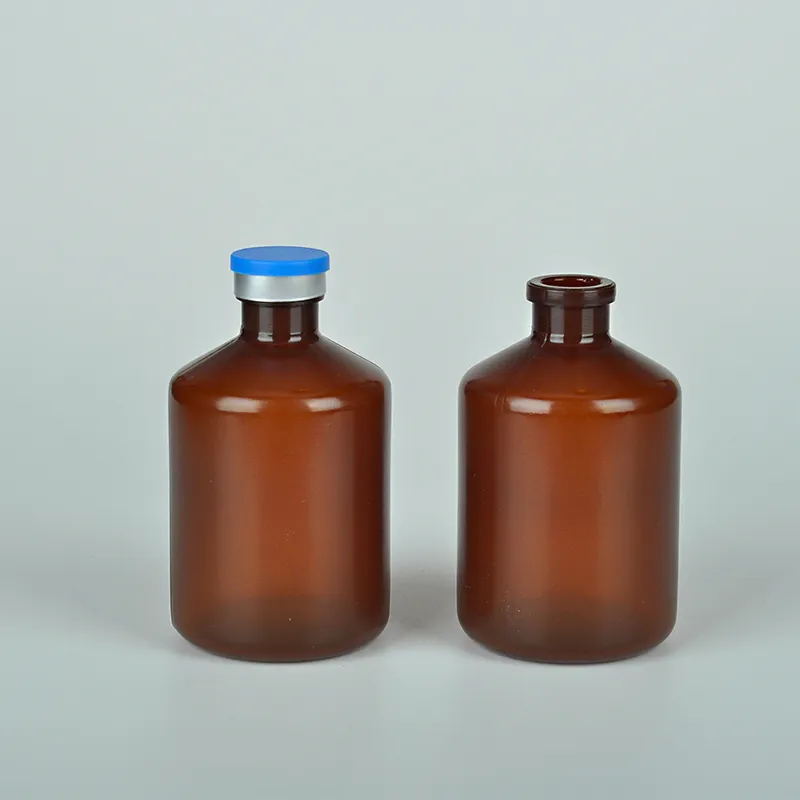
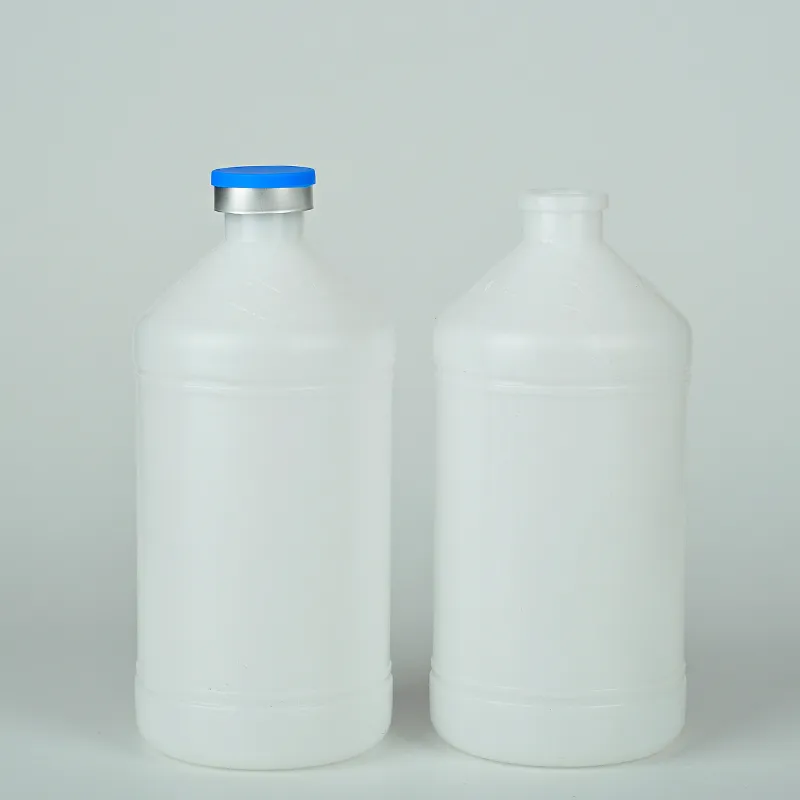
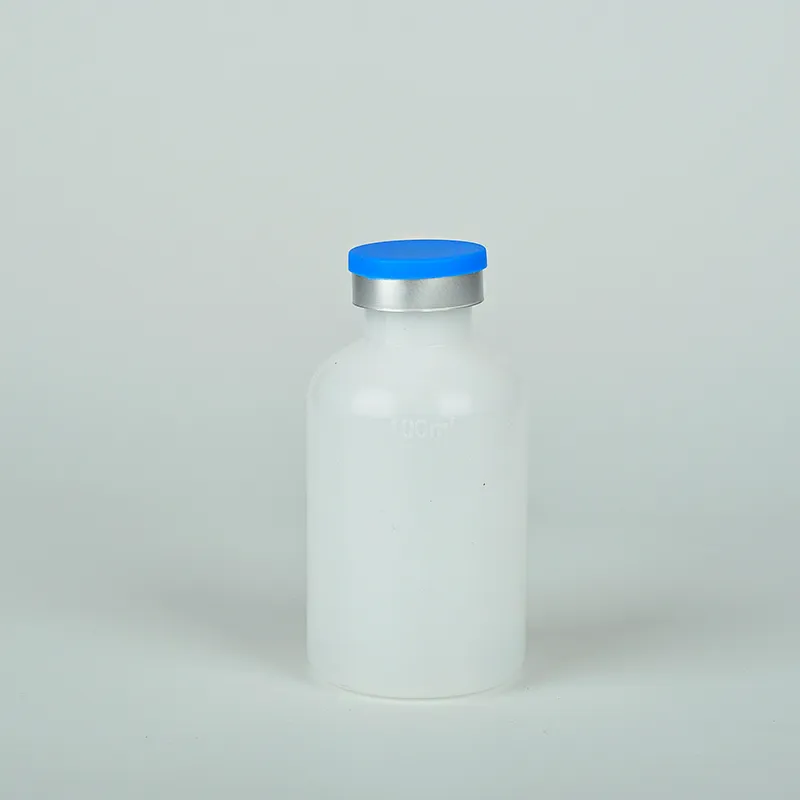
Closure system: rubber stopper with aluminum cap, screw cap or tamper-evident seal, child-resistant cap compatibility
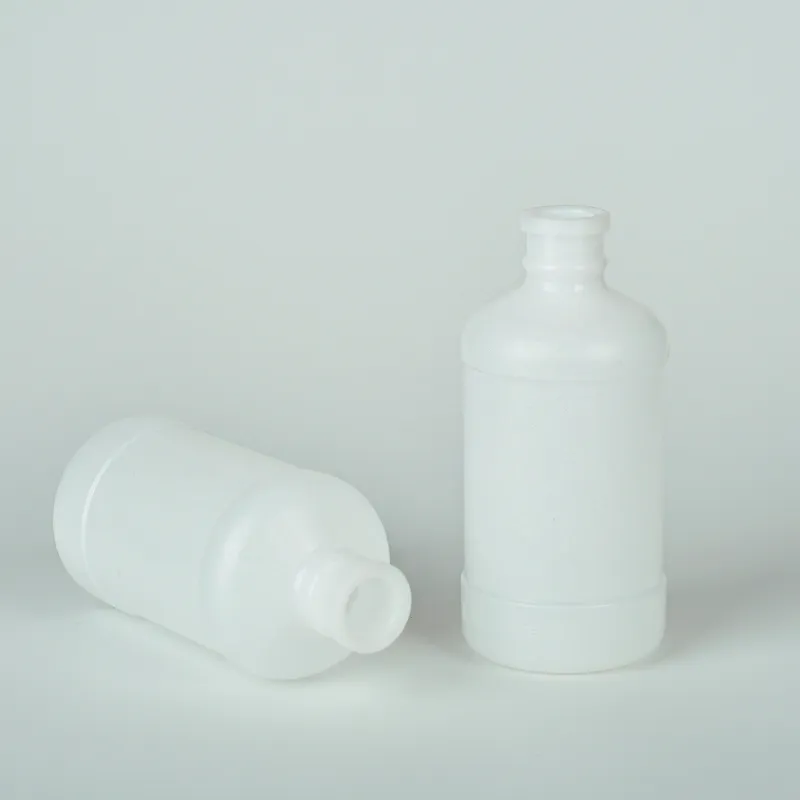
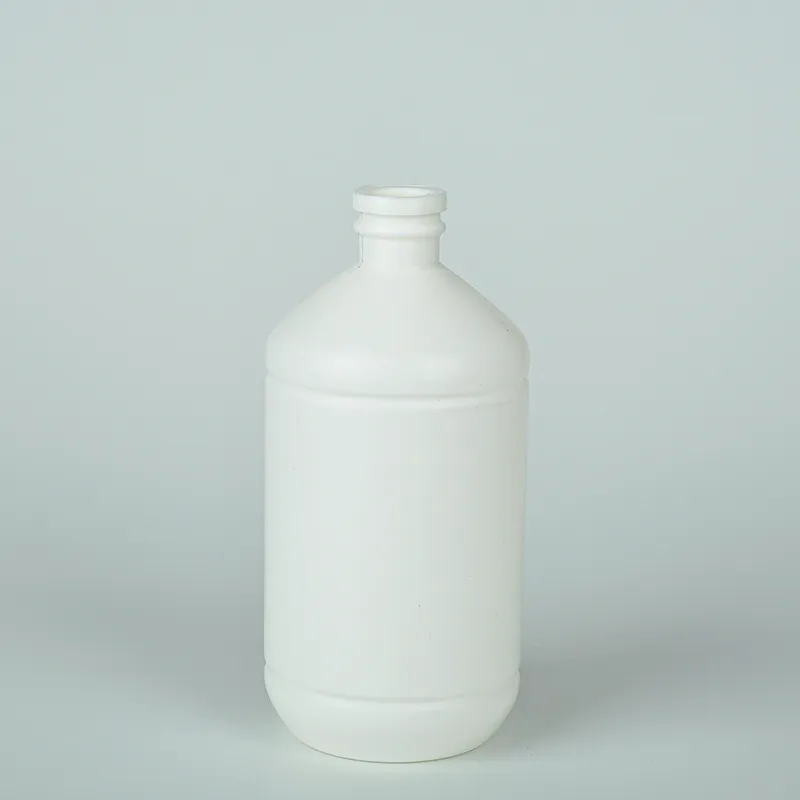
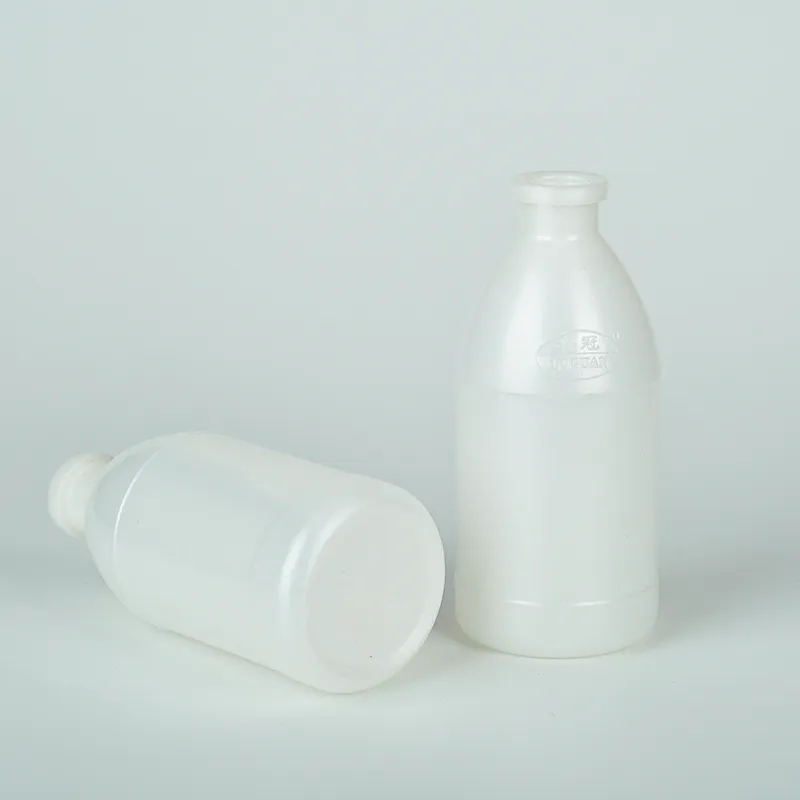
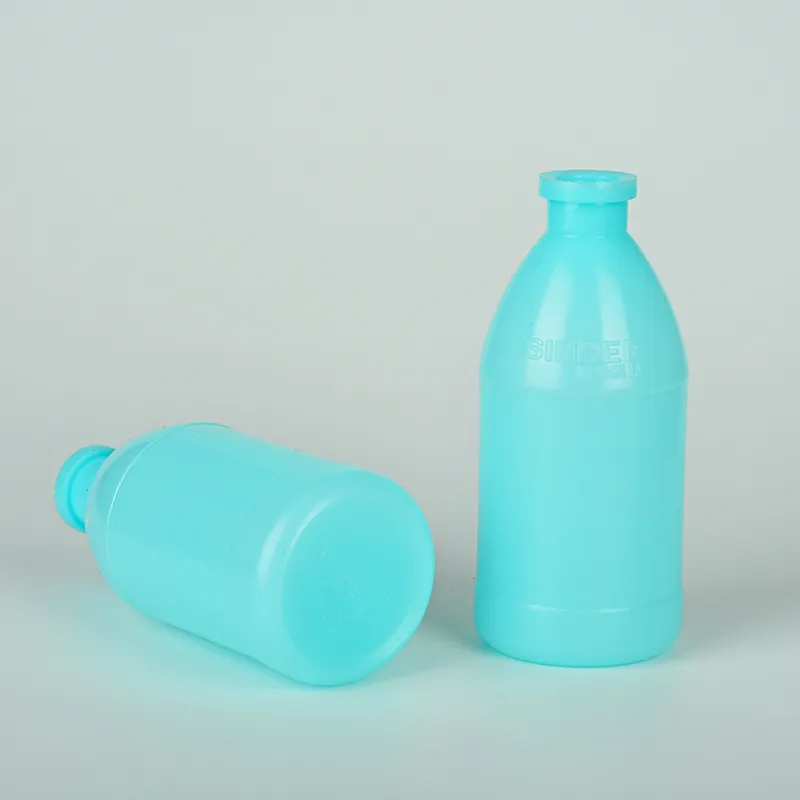
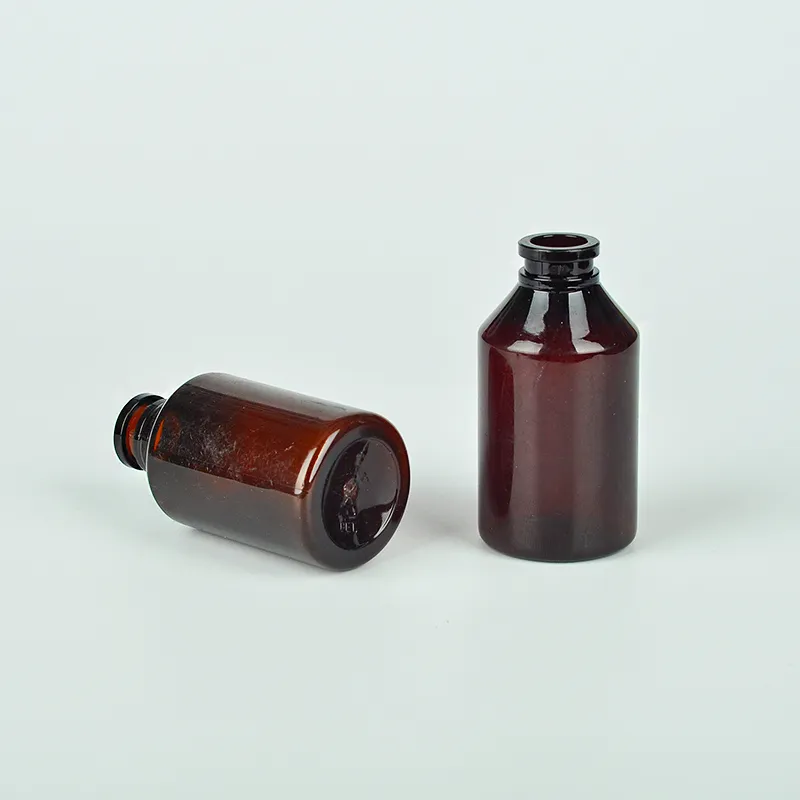
Forming and size: injection-blow molded with uniform wall thickness; capacities and dimensions to be confirmed per specification
Documentation: specification, material declaration, sterilization records, test reports and market-required certificates on request
Choosing Sterile Vaccine Vial Plastic Liquid Vial For Medical Purposes: Intended Use and Required Documentation
Buyers sourcing the Sterile Vaccine Vial Plastic Liquid Vial For Medical Purposes from CANGZHOU WEIKANG FOOD & PHARMACEUTICAL PACKAGE CO., LTD. should start with two questions. What will the vial hold, and what does your quality or regulatory team need before approving it?
1. Define the intended use first
The product description names two areas of use:
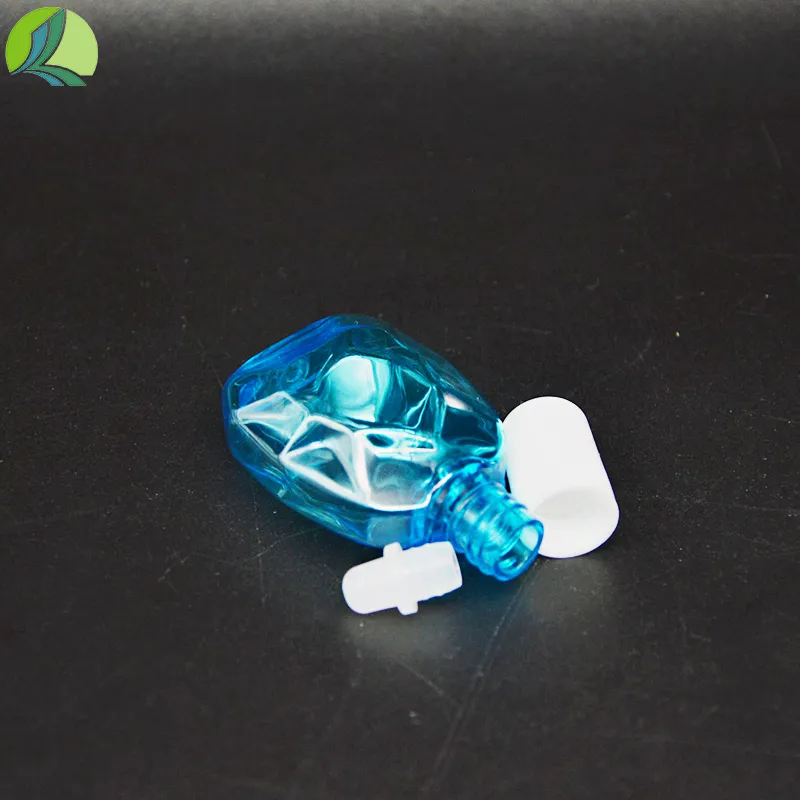
- It says the plastic vaccine bottle is mainly used for drug solutions for preventing and controlling animal diseases.
- It also says the vials are used in hospitals, clinics, laboratories and vaccination centers to store and transport vaccines and other liquid medicines.
Because the source names both veterinary and general medical uses, buyers should not assume one product configuration suits every application. Before requesting a quotation, write down:
- The liquid to be filled (vaccine, other liquid medicine, or laboratory solution)
- Whether the use is veterinary or human, and the target market
- How you will fill, sterilize and store the vials
Then ask the supplier to confirm in writing that the configuration offered suits that use. The published description does not cover any specific regulatory approval for a particular drug, species or market.
2. Confirm the sterilization method and sterile status
The description says the vials are sterilized with ethylene oxide or cobalt-60 to ensure sterility. It also says plastic vaccine vials must be thoroughly sterilized and guaranteed sterile before use.
Selection points:
- Specify which method you need, ethylene oxide or cobalt-60 irradiation. Your filling process or product compatibility may make one more suitable than the other.
- Ask whether the vials ship sterile and ready to fill, or whether you are expected to sterilize them again.
- Ask for batch-level sterilization records for the lots you receive.
3. Choose the material: PP or PE
According to the source, the vials are generally made from polypropylene (PP) or polyethylene (PE). It states that PP is the material that withstands high temperature and pressure. The description also states the vials resist 121 °C for half an hour without deformation.
What this means for buyers:
- If your process includes high-temperature, high-pressure treatment after filling or before use, specify PP and confirm the 121 °C / 30-minute performance for that exact item.
- If PE is offered, do not assume the same heat resistance. The source links heat and pressure resistance to PP.
- Check chemical compatibility between the vial material and your formulation through your own testing or documents provided by the supplier. The description says the plastic does not chemically alter the contents, but it gives no test data.
4. Specify the closure system
The description mentions more than one closure type:
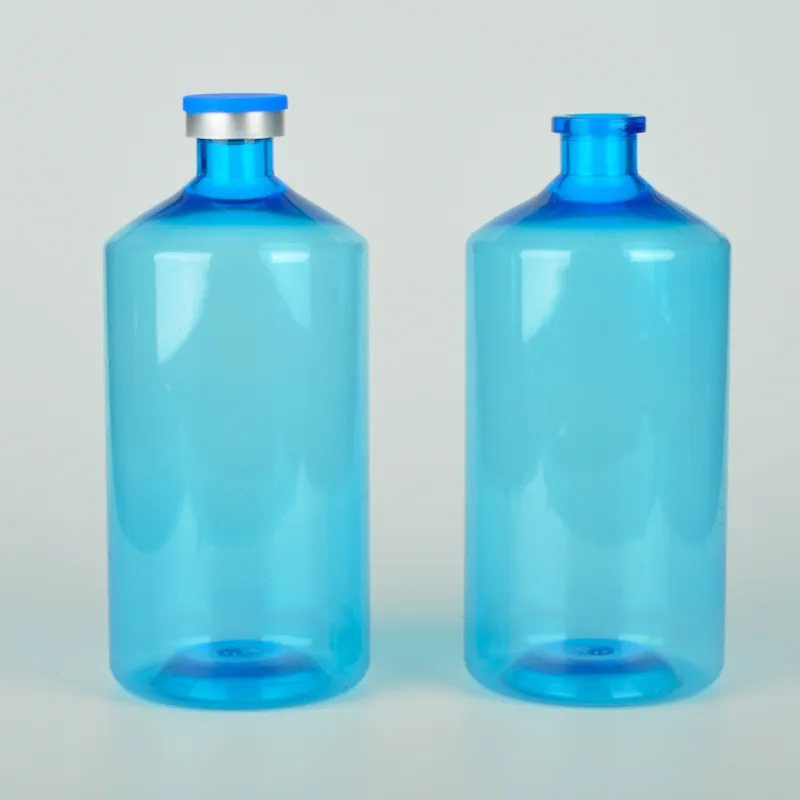
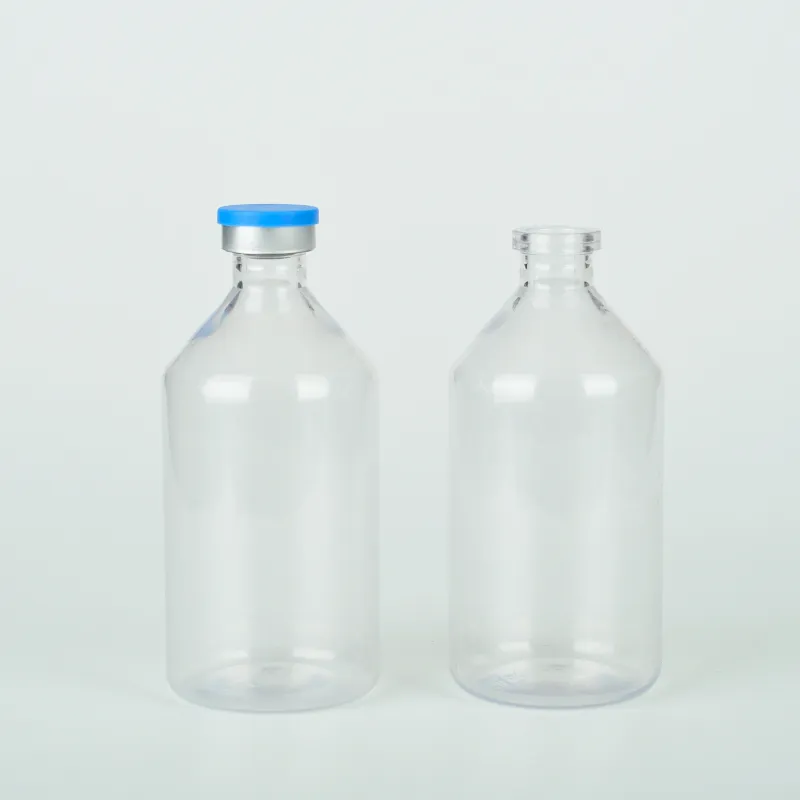
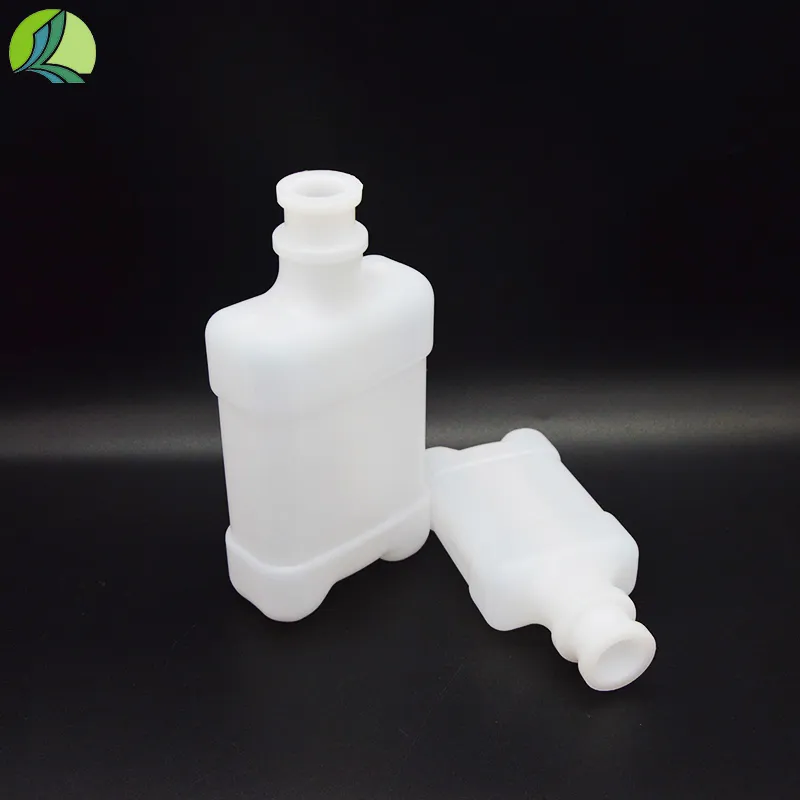
- A small mouth sealed with a rubber stopper and aluminum cap, described as preventing vaccine overflow
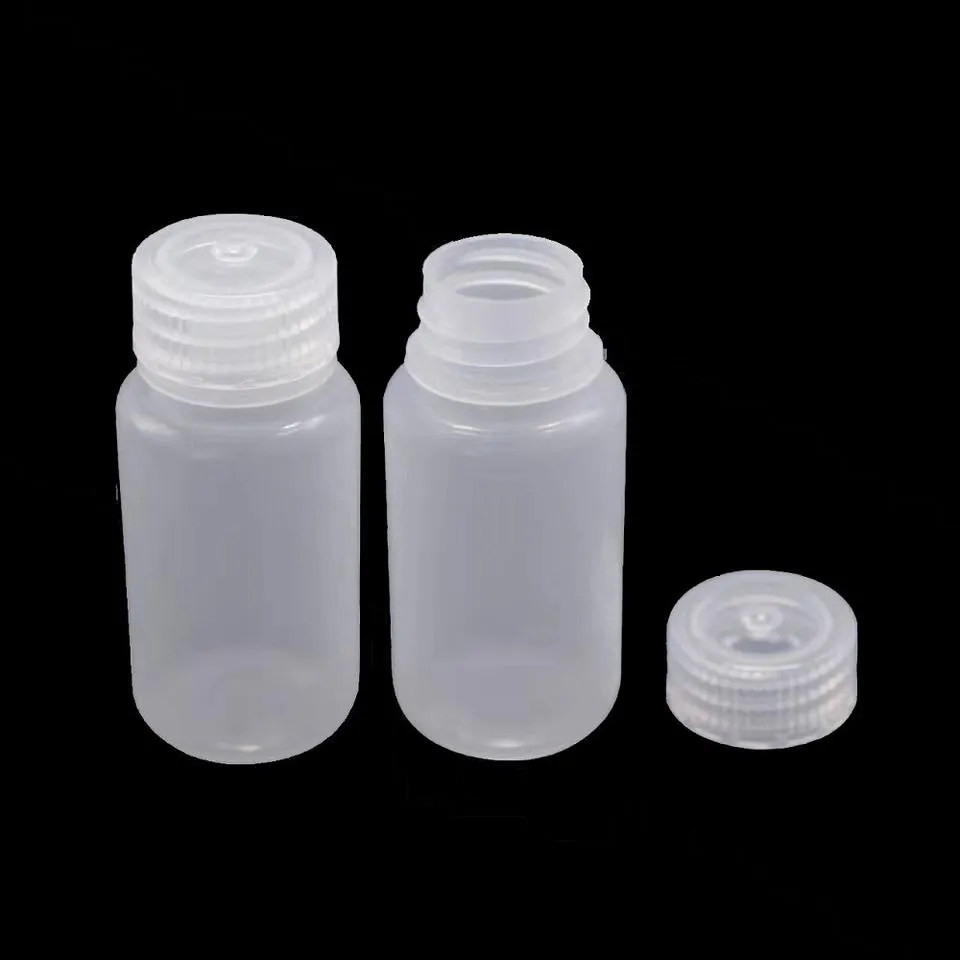
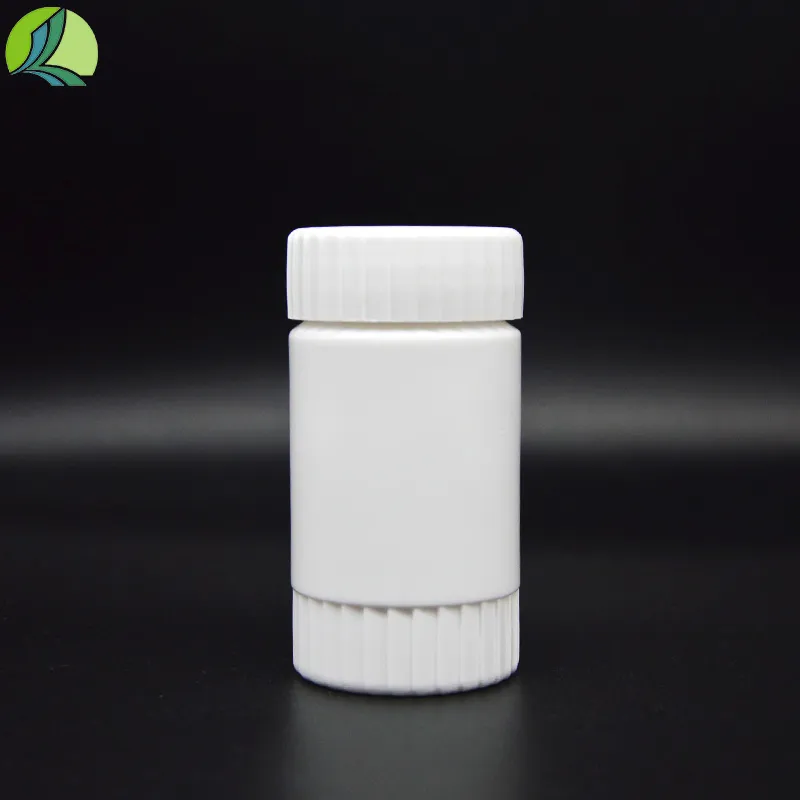
- Screw caps or tamper-evident seals to prevent leakage and show whether a vial has been opened
- Compatibility with child-resistant caps for some vials
These are different systems. State which closure your filling line and end users need, and confirm that the vial neck finish matches it. If you need stopper and cap components, ask whether they come with the vial or must be sourced separately.
5. Check forming quality and size range
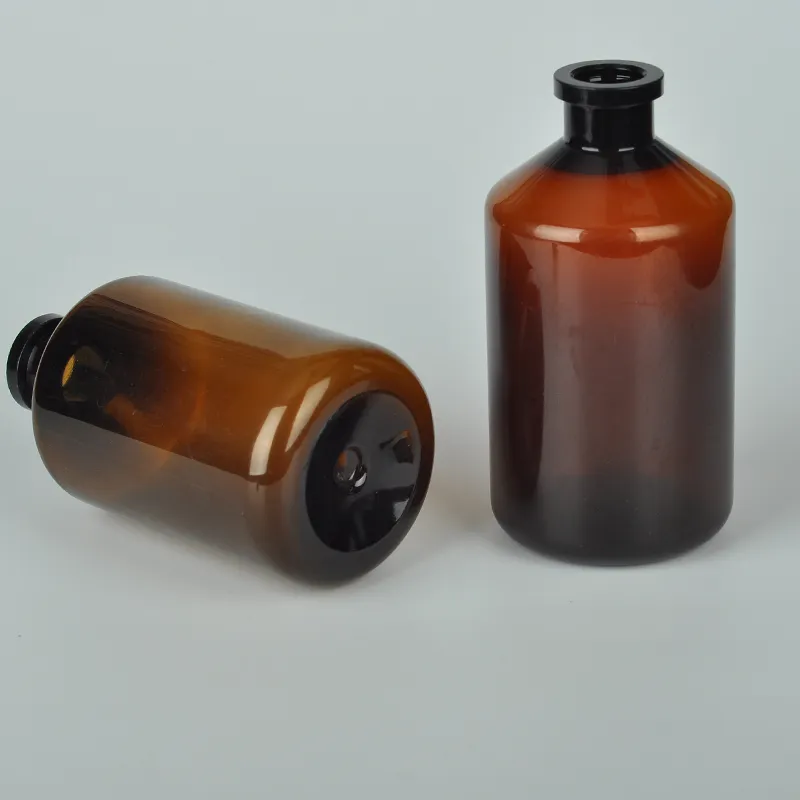
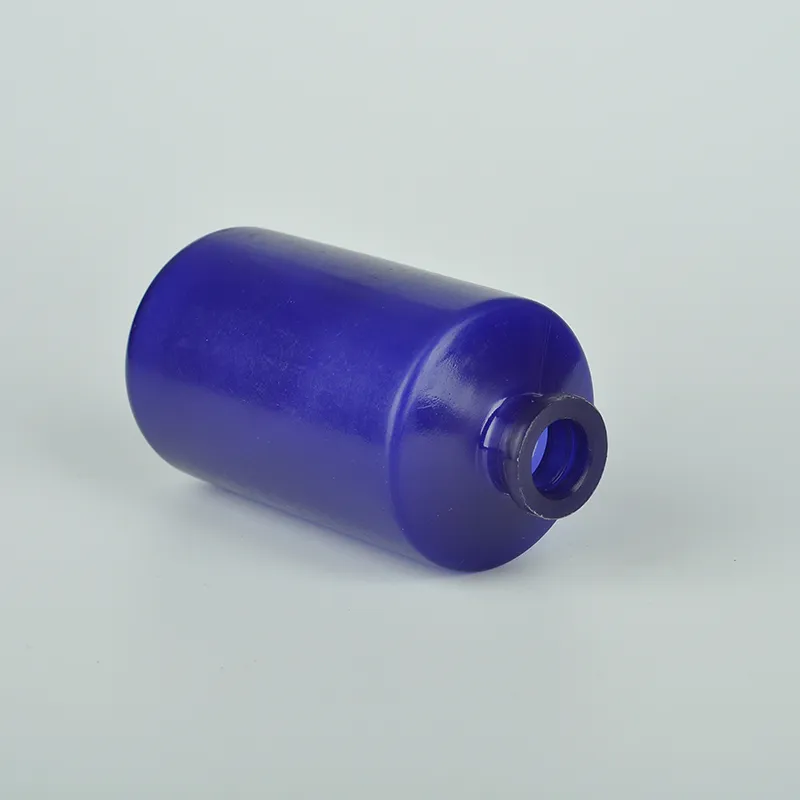
The vials are made by injection-blow molding, which the source says forms the bottle in one step with uniform, smooth wall thickness and stable quality. It also says the plastic vials are lighter than glass, easier to transport and shatter-proof, which reduces the risk of injury from broken containers.
The vials come in various specifications.
6. Documentation to request before ordering
- A product specification or drawing (capacity, dimensions, neck finish, tolerances)
- A material declaration confirming PP or PE for the specific item
- Sterilization method and batch sterilization records
- Any test reports supporting the 121 °C / 30-minute heat-resistance statement
- Closure compatibility information
- Any registration or quality certificates that your market requires, confirmed directly with the supplier
Ask for these documents. Do not assume they exist. The source material does not state prices, lead times, minimum order quantities or certifications for this product, so confirm these directly.
When this vial may not be the right choice
- Your process requires heat or pressure treatment but the item offered is PE rather than PP.
- You need a closure type the supplier cannot confirm for that vial.
- Your regulatory pathway requires documents the supplier cannot provide for this product.
- You need exact capacities or dimensions that have not yet been confirmed in writing.
Summary
The Sterile Vaccine Vial Plastic Liquid Vial For Medical Purposes is described as a sterilized (ethylene oxide or cobalt-60), injection-blow molded PP or PE vial. It is offered in various sizes, with closure options that include rubber stopper and aluminum cap. Define your intended use, choose the material and closure that fit your process, and get the supporting documents before you commit to an order.
THE PEOPLE

About the author
THE COMPANY
CANGZHOU WEIKANG FOOD & PHARMACEUTICAL PACKAGE CO., LTD.
Cangzhou Weikang Package was founded in 1986. It is an enterprise specialized in manufacturing pharmaceutical plastic packaging and laboratory apparatus. Covering an area of 10600 m2, our company have 4 workshops, 2 sets of 100,000 clean room and 36 fully automatic production lines. We have got 7 registration certificated for drug packing material and obtain ISO 9001 and FDA certification.
About Us ↗Visit company website ↗YOUR NEXT STEP
Bring your brief. Start a useful conversation.
Use case, specification, quantity and delivery window: make the next conversation specific.
-
Searching for a Trigger Sprayer Manufacturer? Assess This 100ml Press BottleNewsNov.03,2026
-
Plastic Medicine Bottles Compared: Materials, Dimensions, and Care RequirementsNewsOct.28,2026
-
Sustainable Packaging Guide from a Leading medicine bottle factoryNewsJul.01,2026
-
Professional Medicine Bottle Suppliers for Pharmaceutical SafetyNewsJun.29,2026
-
Top Prescription Bottle Manufacturers for Pharmaceutical SafetyNewsJun.27,2026