


Plastic Medicine Bottles Compared: Materials, Dimensions, and Care Requirements
SIDE BY SIDE
Plastic Medicine Bottles Compared: Materials, Dimensions, and Care Requirements
Choosing the right plastic medicine bottles involves weighing material properties, capacity ranges, color options, closure systems, and handling requirements. This comparison draws on three documented product lines from CANGZHOU WEIKANG FOOD & PHARMACEUTICAL PACKAGE CO., LTD. — the standard medicinal plastic bottle range, the Premium Plastic Medicine Bottles line, and the Professional Plastic Medicine Bottles line — evaluating each against the same criteria so procurement teams can identify the option that best suits their pharmaceutical packaging needs.

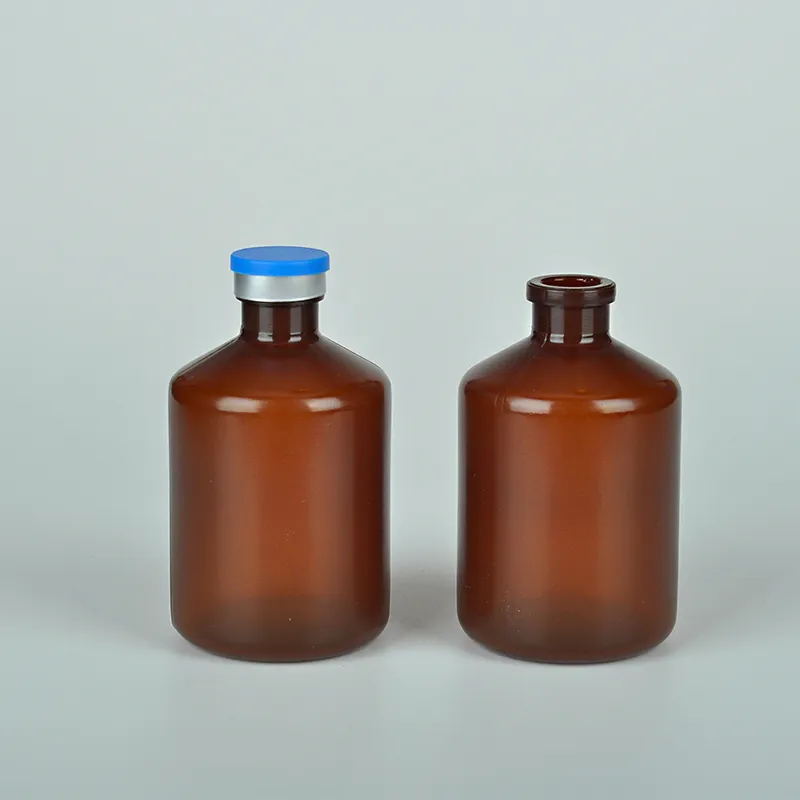
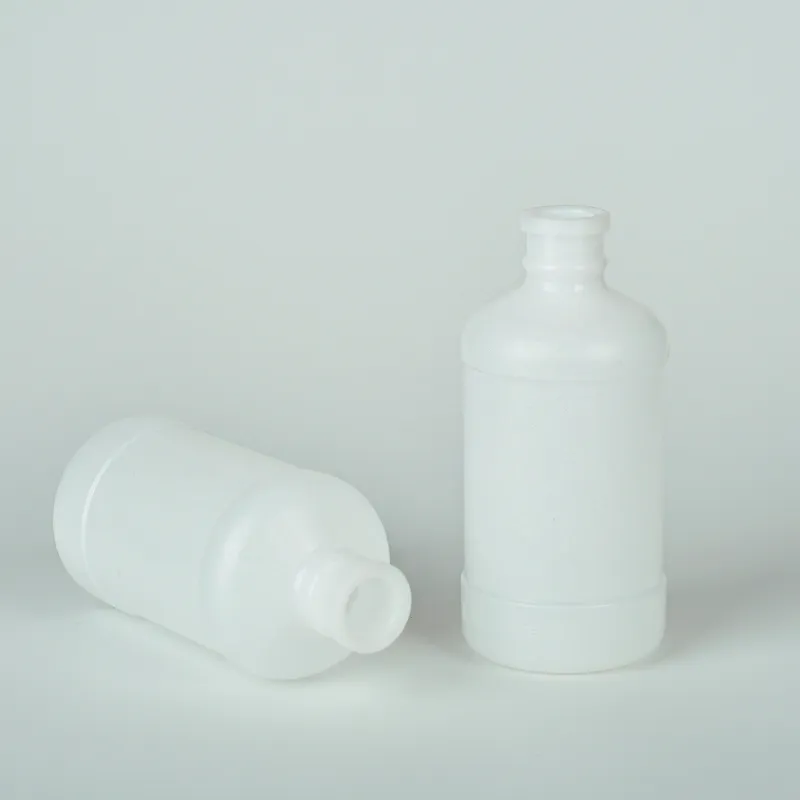
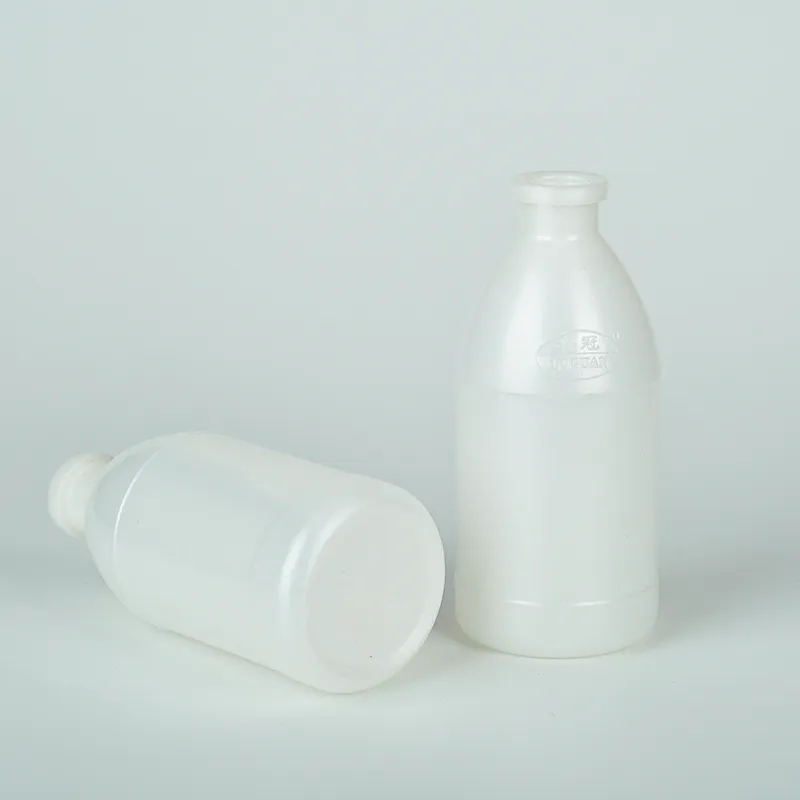
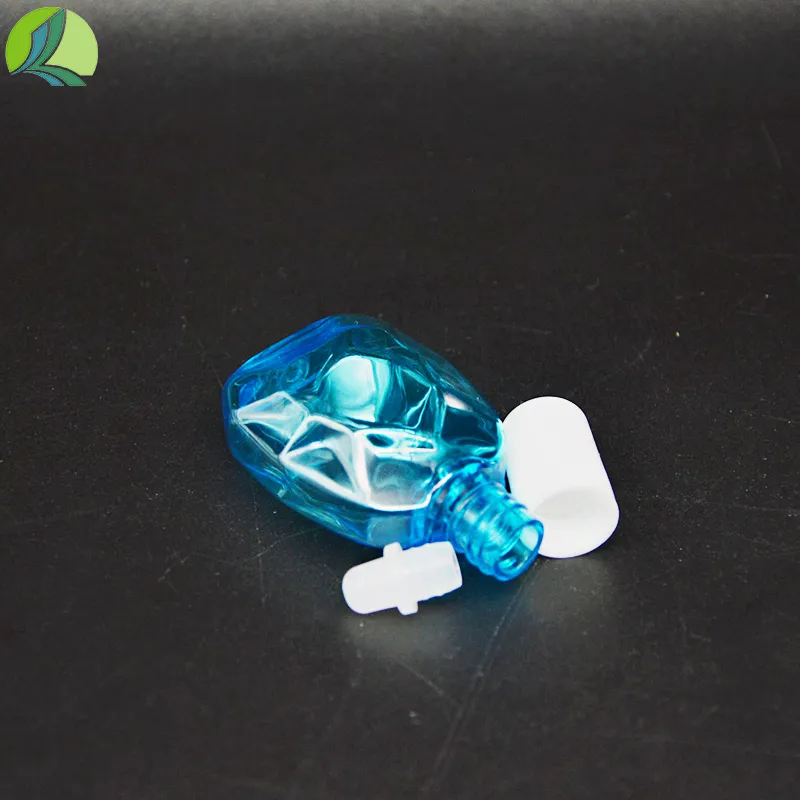
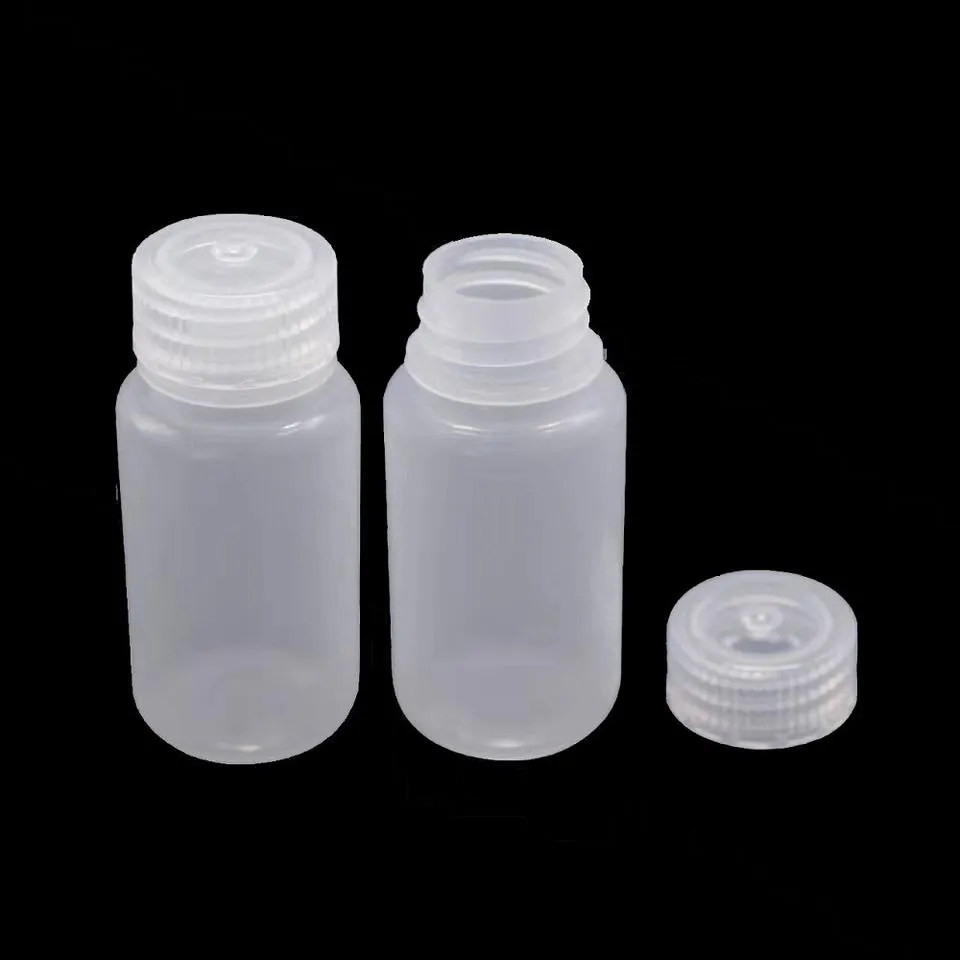
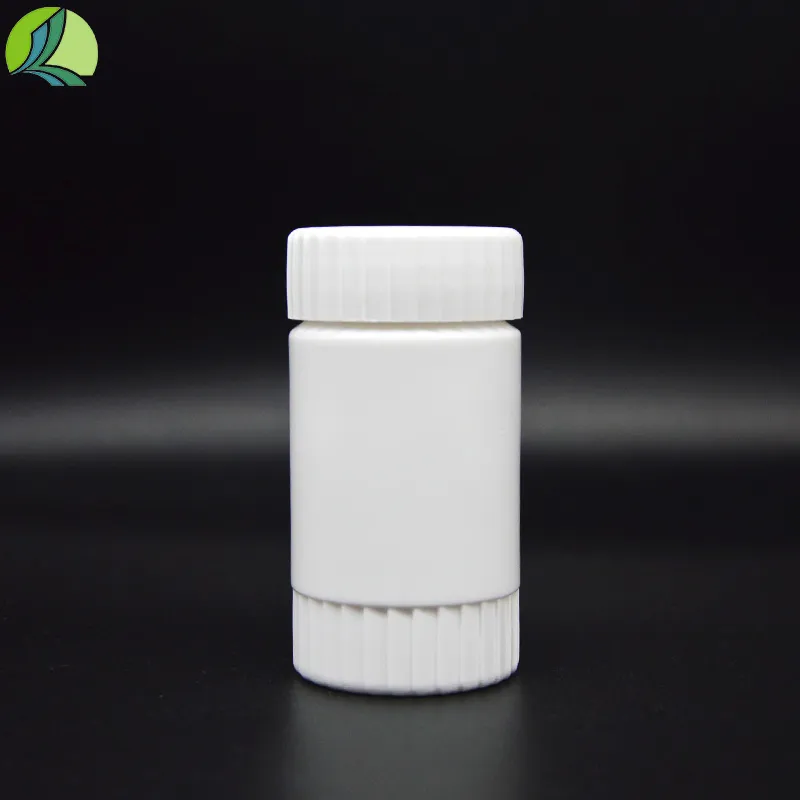
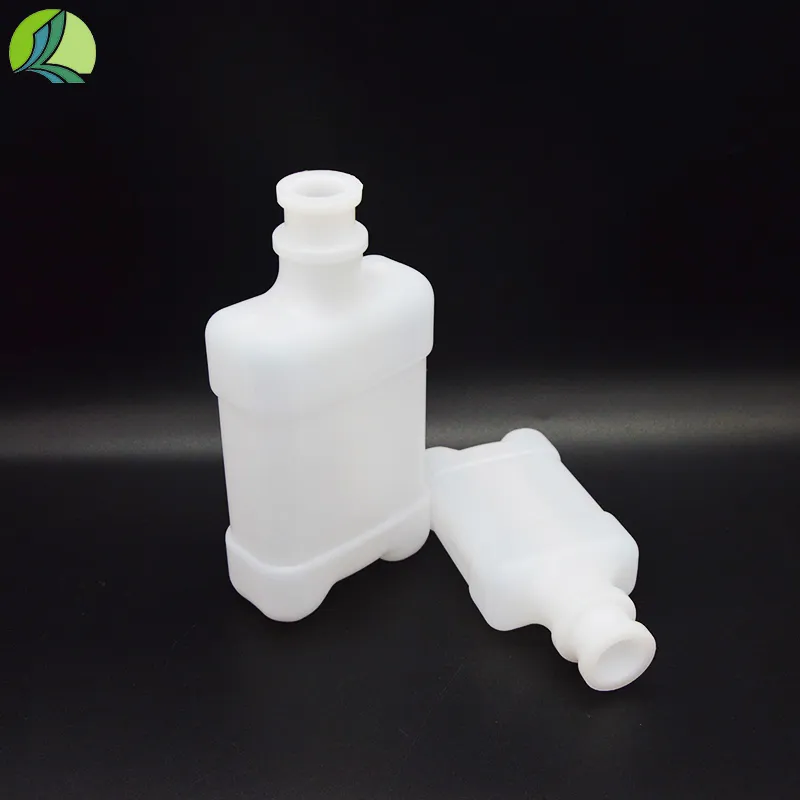
Plastic Medicine Bottle Material Beautiful Empty Medicinal Plastic Bottle (Standard Range) — documented materials: PE, PP, PET; colors: white, brown (amber), transparent; applications: oral solid and liquid drugs
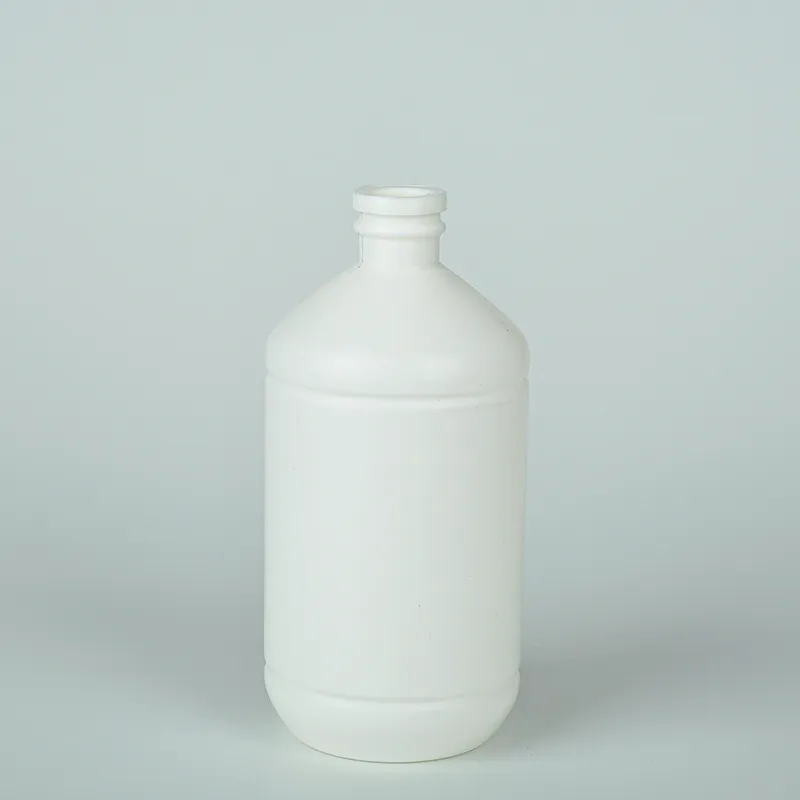
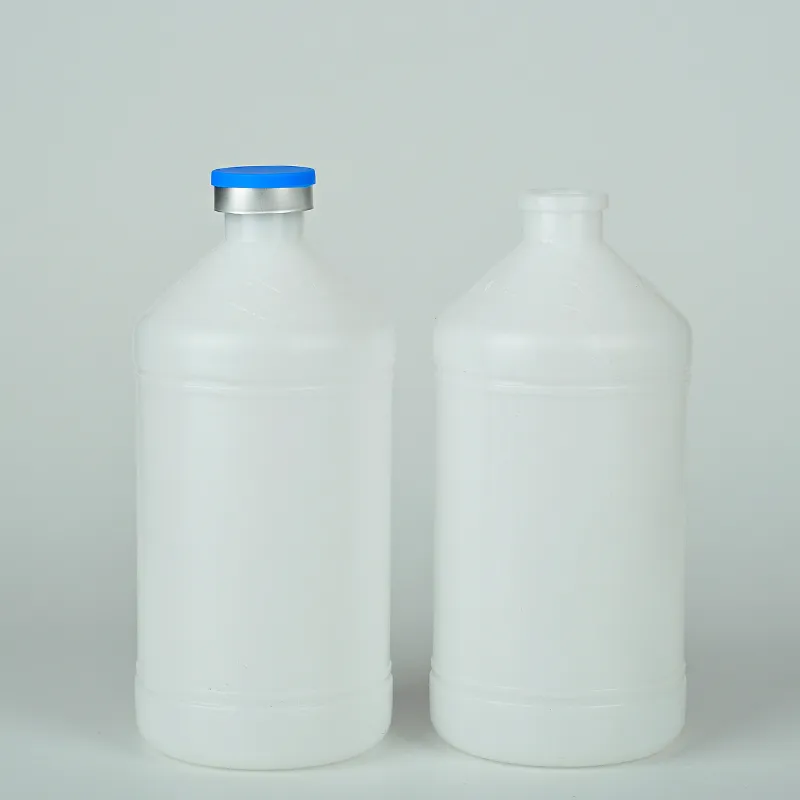
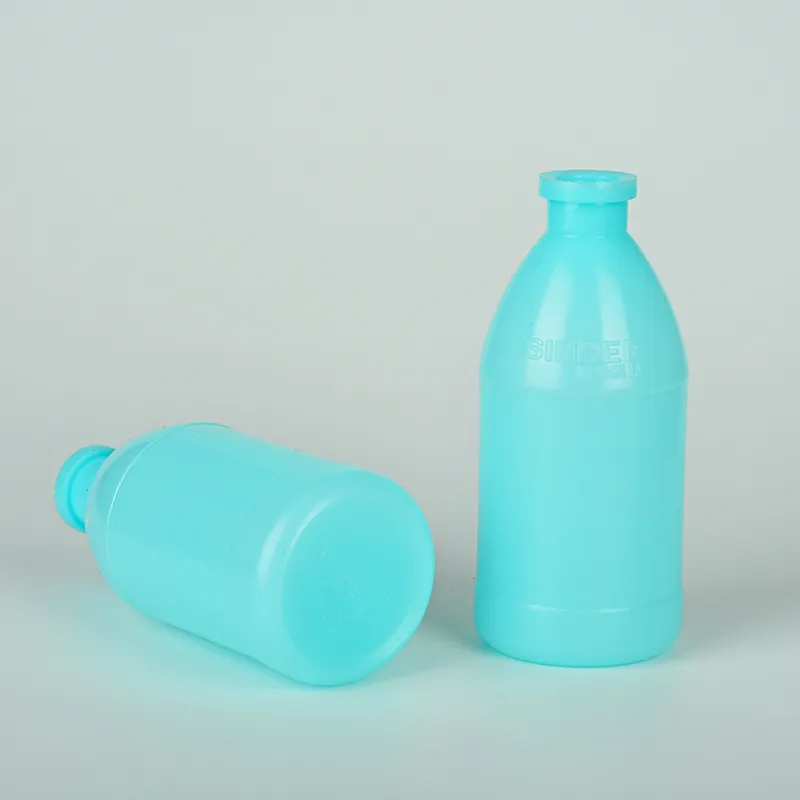
Premium Plastic Medicine Bottles — documented materials: PET, PP, HDPE, PE; capacity: 10 mL to 500 mL; colors: transparent, amber, white, frosted; closures: child-resistant, dropper, screw cap
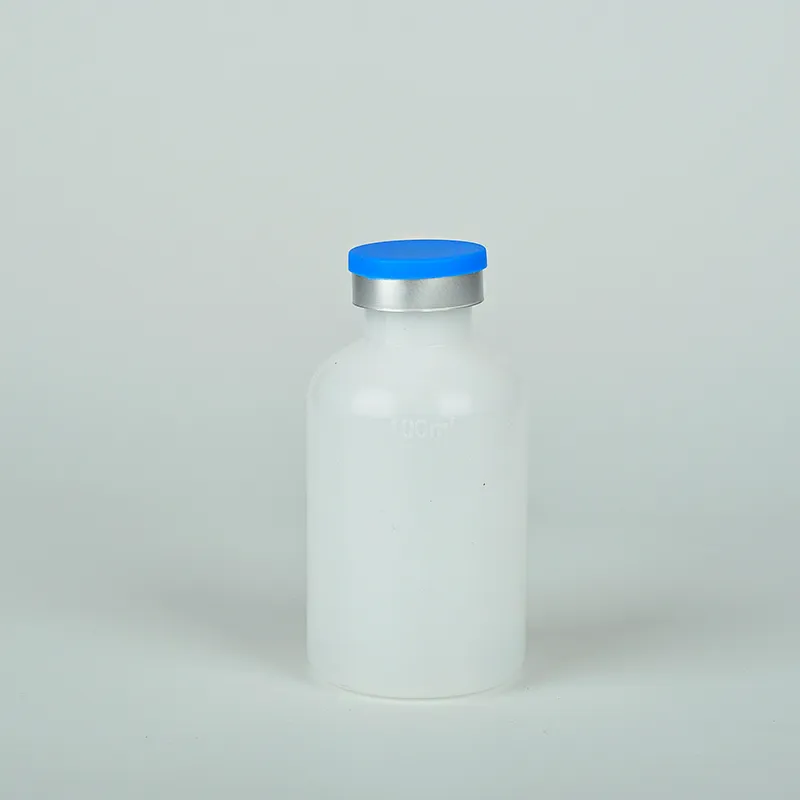
Professional Plastic Medicine Bottles — documented materials: PE, PP, PET, HDPE; capacity: 10 mL to 500 mL; colors: white, brown (amber), transparent; closures: child-resistant, dropper, screw cap
Introduction
Selecting suitable plastic medicine bottles is a foundational decision for pharmaceutical manufacturers, distributors, and procurement teams. The material a bottle is made from determines its chemical compatibility with active ingredients, its ability to block moisture and UV light, its weight in shipping, and its suitability for high-speed automated filling lines. At the same time, dimensions, color choices, and closure options shape the day-to-day experience of patients and pharmacists alike.
This article compares three plastic medicine bottle options offered by CANGZHOU WEIKANG FOOD & PHARMACEUTICAL PACKAGE CO., LTD.: the Plastic Medicine Bottle Material Beautiful Empty Medicinal Plastic Bottle (standard range), the **Premium Plastic Medicine Bottles** line, and the **Professional Plastic Medicine Bottles** line. All three share a common polymer foundation (PE, PP, and PET), but they differ in parameters, closure systems, and positioning.
Comparison Criteria Overview
The following criteria are applied consistently across all three product options:
- Primary materials — which polymers are used and what chemical properties they have
- Capacity range — documented volume options
- Color and light-protection options — available bottle colors and UV-blocking properties
- Closure options — cap and seal types confirmed in materials
- Manufacturing process — documented production methods
- Primary applications — drug types and formats for each option
- Handling and care requirements — documented guidance on transport, filling-line compatibility, and storage
Subject 1 — Plastic Medicine Bottle Material Beautiful Empty Medicinal Plastic Bottle (Standard Range)
Materials
The standard range uses polyethylene (PE), polypropylene (PP), and polyester (PET) as primary processing raw materials. These are high-quality plastics that are chemically stable, lightweight, and not prone to breaking. The inner wall of a medicinal plastic bottle is in direct contact with the drug, and bottle-making materials must meet pharmaceutical packaging requirements to ensure drug safety.
Capacity Range
Color and Light-Protection Options
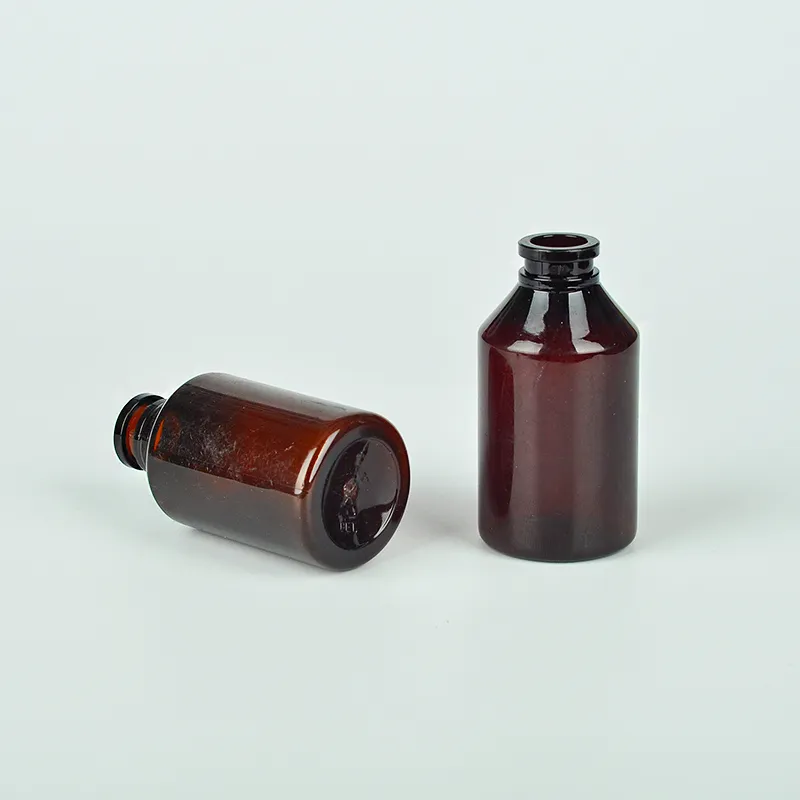
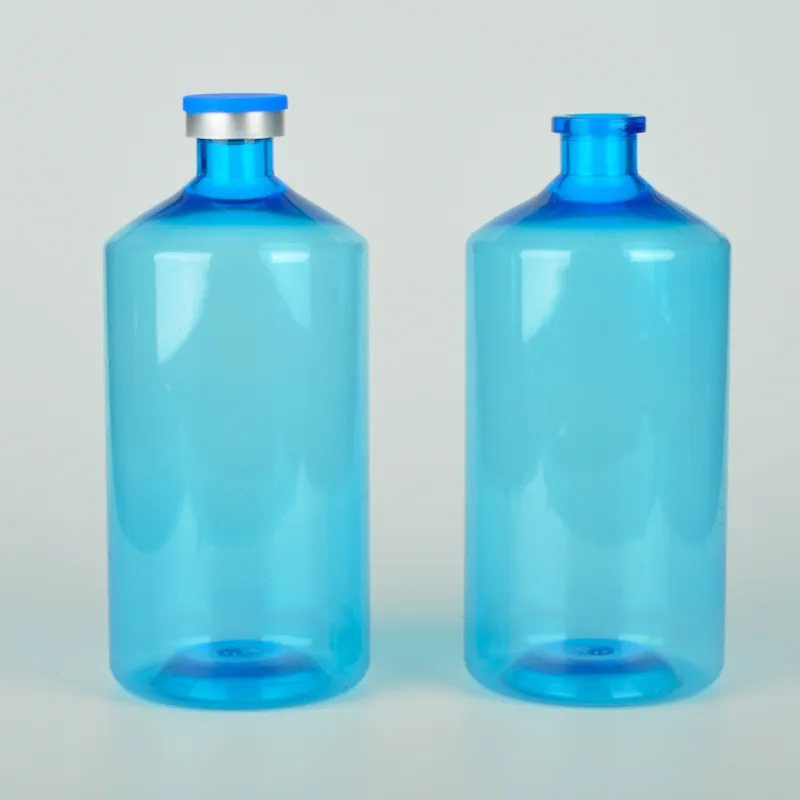
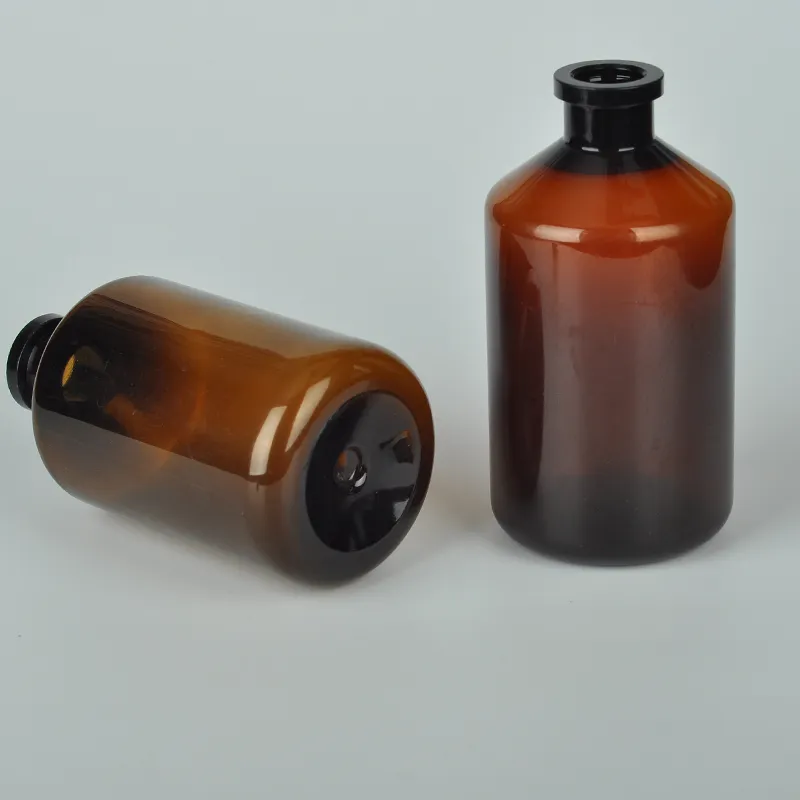
The range includes three colors: white, brown (amber), and transparent.
- White bottles — used for tablets without special light-sensitivity requirements.
- Brown (amber) bottles — used for drugs that decompose under light, such as nitroglycerin tablets and antihypertensive drugs.
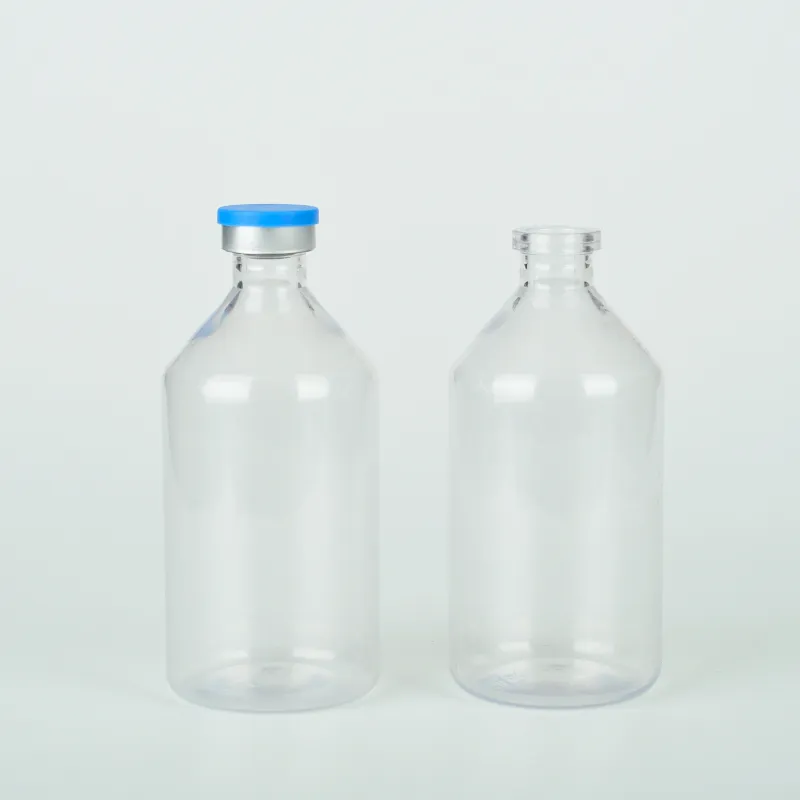
- Transparent bottles — used for multi-colored tablets and candy tablets for aesthetic purposes.
Closure Options
Manufacturing Process
The source references injection molding, injection blowing, extrusion blowing, and injection-and-drawing blowing as processing technologies that have contributed to the diversification of bottle shapes and functions.
Primary Applications
Documented applications include oral solid drugs (tablets, capsules, granules) and oral liquid drugs (syrups, tinctures). The standard range is described as having become the mainstream packaging form of solid drugs such as capsules, pills, and tablets.
Handling and Care Requirements
- Bottles are ready for pharmaceutical packaging without requiring cleaning or drying prior to use.
- Lightweight construction reduces economic losses from breakage during long-distance transportation.
- Good sealing performance and moisture-proof properties help maintain drug integrity during the effective period.
- Bottle shape and size are stated to meet the requirements of various pharmaceutical filling machines, including high-speed automatic filling machines.
Subject 2 — Premium Plastic Medicine Bottles
Materials
Documented materials are PET, PP, HDPE, and PE. These are described as high-grade polymers offering exceptional sealing, low permeability, and chemical inertness — preventing reactions with active pharmaceutical ingredients.
Capacity Range
10 mL to 500 mL is the capacity range.
Color and Light-Protection Options
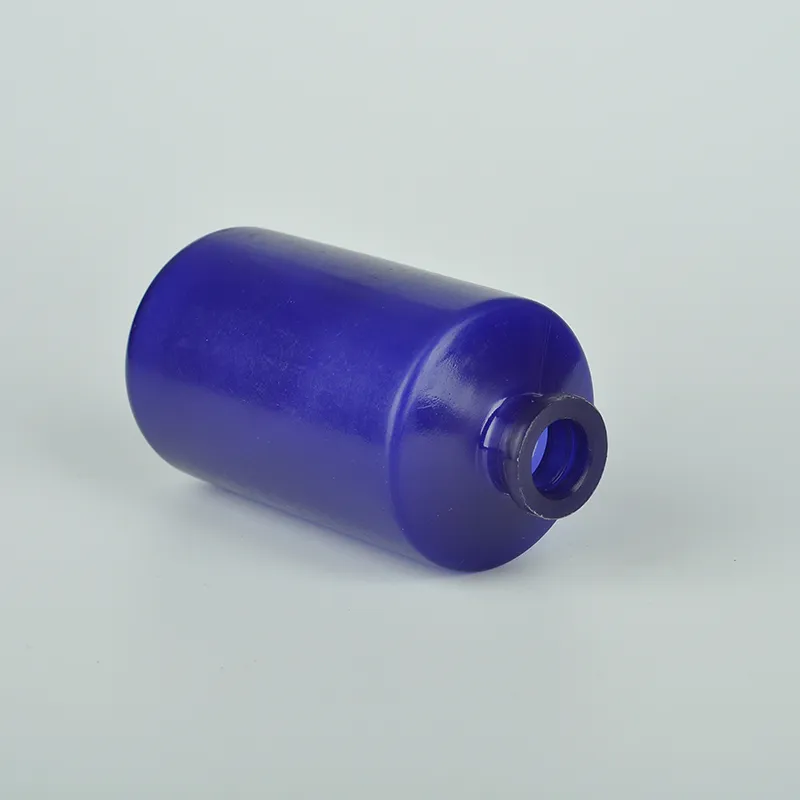
Four colors are available: Transparent, Amber, White, and Frosted. Amber and opaque options block harmful UV rays to prevent degradation of light-sensitive formulations.
Closure Options
Documented closure types are child-resistant caps, dropper caps, and screw caps.
Manufacturing Process
Documented processes are injection molding and extrusion blowing.
Primary Applications
Documented applications are capsules, pills, syrups, and solutions. The product description notes compatibility with high-speed automatic pharmaceutical filling lines.
Handling and Care Requirements
- Described as ready for immediate use without additional cleaning.
- Precision-engineered shapes are optimized for high-speed automatic pharmaceutical filling machines.
- Space-saving designs support higher storage density compared to blister packaging.
- Lightweight polymer construction reduces transportation costs and breakage losses.
- Materials are selected to meet strict healthcare industry standards for safety and contamination control.
Subject 3 — Professional Plastic Medicine Bottles
Materials
Documented materials are PE, PP, PET, and HDPE, described as medical-grade and pharmaceutical-grade polymers selected for chemical inertness. PET is specifically noted as generally preferred for liquid medications due to its clarity and resistance properties.
Capacity Range
10 mL to 500 mL is the capacity range.
Color and Light-Protection Options
Three colors are available: White, Brown (Amber), and Transparent. Amber and opaque finishes block UV light to protect vitamins and antibiotics from decomposition.
Closure Options
Documented closure types are child-resistant caps, dropper caps, and screw caps.
Manufacturing Process
Documented processes are injection molding and extrusion blowing.
Primary Applications
Documented applications include liquid, powder, tablets, and capsules — with explicit reference to compatibility with high-speed automatic filling machines.
Handling and Care Requirements
- Rigorous leakage and pressure testing is part of quality control to ensure airtight sealing for long-term storage.
- Lightweight design reduces shipping volume and prevents transit damage.
- Strict selection of medical-grade PE, PP, and PET polymers ensures chemical inertness.
- Documented as meeting international pharmaceutical safety and hygiene standards.
Side-by-Side Comparison Table
| Criterion | Standard Range | Premium Plastic Medicine Bottles | Professional Plastic Medicine Bottles |
|---|---|---|---|
| Primary Materials | PE, PP, PET | PET, PP, HDPE, PE | PE, PP, PET, HDPE |
| Capacity Range | 10 mL – 500 mL | 10 mL – 500 mL | |
| Available Colors | White, Brown, Transparent | Transparent, Amber, White, Frosted | White, Brown (Amber), Transparent |
| Closure Options | Child-Resistant, Dropper, Screw Cap | Child-Resistant, Dropper, Screw Cap | |
| Manufacturing Process | Injection Molding, Injection Blowing, Extrusion Blowing, Injection-Draw Blowing | Injection Molding, Extrusion Blowing | Injection Molding, Extrusion Blowing |
| Primary Applications | Oral solid and liquid drugs (tablets, capsules, granules, syrups, tinctures) | Capsules, pills, syrups, solutions | Liquid, powder, tablets, capsules |
| Pre-Use Cleaning Required | No (documented) | No (documented) | Not specified in confirmed materials |
| Filling Machine Compatibility | High-speed automatic filling machines | High-speed automatic filling machines | High-speed automatic filling machines |
| UV / Light Protection | Brown (amber) bottles for light-sensitive drugs | Amber and opaque options | Amber and opaque finishes |
| QC / Testing Notes | Regulatory compliance standards stated | Leakage and pressure testing documented |
Material-Level Comparison: PE, PP, PET, and HDPE
All three product lines share a polymer foundation, so understanding the properties of each resin helps buyers make informed decisions:
- PE (Polyethylene): Listed across all three product lines. Source materials associate PE with good moisture resistance and suitability for a wide range of pharmaceutical packaging formats.
- PP (Polypropylene): Documented across all three lines. Source materials reference its use in solid dosage form packaging and describe it as chemically inert and stable.
- PET (Polyethylene Terephthalate): Documented across all three lines. The Professional line's materials specifically note that PET is generally preferred for liquid medications due to its clarity and strong resistance properties. The Premium line also references PET for recyclability.
- HDPE (High-Density Polyethylene): Documented in the Premium and Professional lines. It is not separately itemized in the standard range's confirmed description.
Note: Exact chemical resistance profiles, permeability coefficients, wall-thickness tolerances, and regulatory registration numbers for individual resins are not included in the confirmed product materials. Buyers requiring precise technical data sheets should request them directly from CANGZHOU WEIKANG FOOD & PHARMACEUTICAL PACKAGE CO., LTD.
Key Differences Supported by the Materials
1. Capacity documentation: The Premium and Professional lines both document a 10 mL to 500 mL capacity range. The standard range does not specify a capacity range in the confirmed materials — a relevant gap for procurement teams sizing orders.
2. Color options: The Premium line is the only one to document a Frosted finish alongside Transparent, Amber, and White. The standard range and Professional line each document three colors.
3. Closure types: The Premium and Professional lines both offer three closure types: child-resistant, dropper, and screw cap.
4. Manufacturing processes: The standard range's source material references a broader list of production methods, reflecting a description of industry process diversity. The Premium and Professional lines document injection molding and extrusion blowing specifically.
5. Quality control detail: The Professional line is the only product to document leakage and pressure testing as a named quality control step. The Premium line references regulatory compliance standards. The standard range does not separately itemize QC steps.
6. Positioning emphasis: The Premium line highlights aesthetic versatility (ergonomic designs, embossed logos, custom labeling) and an investment return comparison with glass and blister packaging. The Professional line emphasizes material sourcing discipline and logistics optimization. The standard range focuses on functional attributes and color-selection rationale.
Care and Storage Guidance
The following handling principles apply across all plastic medicine bottles:
- No pre-use washing required: The standard range and Premium line are both documented as ready for use without cleaning or drying. Confirm this attribute for your specific regulatory environment before use.
- Sealing integrity: Good sealing performance and low permeability are described across all three lines as protecting drugs from moisture, oxygen, light, and heat during the effective period.
- Light-sensitive drugs: Use amber or opaque bottles — documented across all three product ranges — for drugs that decompose under UV exposure (e.g., certain vitamins, antibiotics, nitroglycerin-class tablets).
- Transport safety: Lightweight polymer construction across all lines reduces breakage risk and transportation costs compared to glass. The Premium and Professional lines have shatter-proof properties.
- Filling-line compatibility: All three lines reference compatibility with high-speed automatic pharmaceutical filling machines, relevant for manufacturing efficiency planning.
- Long-term storage: Airtight sealing — documented in the Professional line's QC process — helps maintain drug stability. For moisture-sensitive formulations, confirm the permeability specification of the chosen bottle with the supplier.
Buyer Decision Summary
| Decision Factor | Relevant Option |
|---|---|
| Need a documented 10–500 mL capacity range | Premium or Professional line |
| Need a frosted finish option | Premium line |
| Need documented child-resistant or dropper closure | Premium or Professional line |
| Need leakage and pressure test documentation | Professional line |
| Solid oral drug focus (tablets, capsules, granules) | All three lines |
| Liquid drug focus (syrups, solutions) | All three lines; PET noted as preferred for liquids in Professional line |
| Light-sensitive drug packaging | All three lines (amber/brown option available) |
Conclusion
All three plastic medicine bottle options from CANGZHOU WEIKANG FOOD & PHARMACEUTICAL PACKAGE CO., LTD. share a common material foundation of PE, PP, and PET — with HDPE additionally used in the Premium and Professional lines — along with lightweight construction, moisture-proof sealing, and compatibility with high-speed filling equipment. The differences lie in parameter specificity: the Premium and Professional lines provide explicit capacity ranges (10–500 mL) and closure types, while the Premium line also offers a frosted color option. Procurement teams evaluating plastic medicine bottles for pharmaceutical packaging applications are encouraged to use this comparison as a starting framework.
THE PEOPLE

About the author
THE COMPANY
CANGZHOU WEIKANG FOOD & PHARMACEUTICAL PACKAGE CO., LTD.
Cangzhou Weikang Package was founded in 1986. It is an enterprise specialized in manufacturing pharmaceutical plastic packaging and laboratory apparatus. Covering an area of 10600 m2, our company have 4 workshops, 2 sets of 100,000 clean room and 36 fully automatic production lines. We have got 7 registration certificated for drug packing material and obtain ISO 9001 and FDA certification.
About Us ↗Visit company website ↗YOUR NEXT STEP
Bring your brief. Start a useful conversation.
Use case, specification, quantity and delivery window: make the next conversation specific.
-
Searching for a Trigger Sprayer Manufacturer? Assess This 100ml Press BottleNewsNov.03,2026
-
Choosing Sterile Vaccine Vial Plastic Liquid Vial For Medical Purposes: Intended Use and Required DocumentationNewsOct.22,2026
-
Sustainable Packaging Guide from a Leading medicine bottle factoryNewsJul.01,2026
-
Professional Medicine Bottle Suppliers for Pharmaceutical SafetyNewsJun.29,2026
-
Top Prescription Bottle Manufacturers for Pharmaceutical SafetyNewsJun.27,2026