

Nov . 23, 2025 12:30
Back to list
Clear Medicine Bottles: Ensuring Safety & Transparency in Pharmaceutical Packaging
Clear Medicine Bottles: Why They Matter More Than You Think
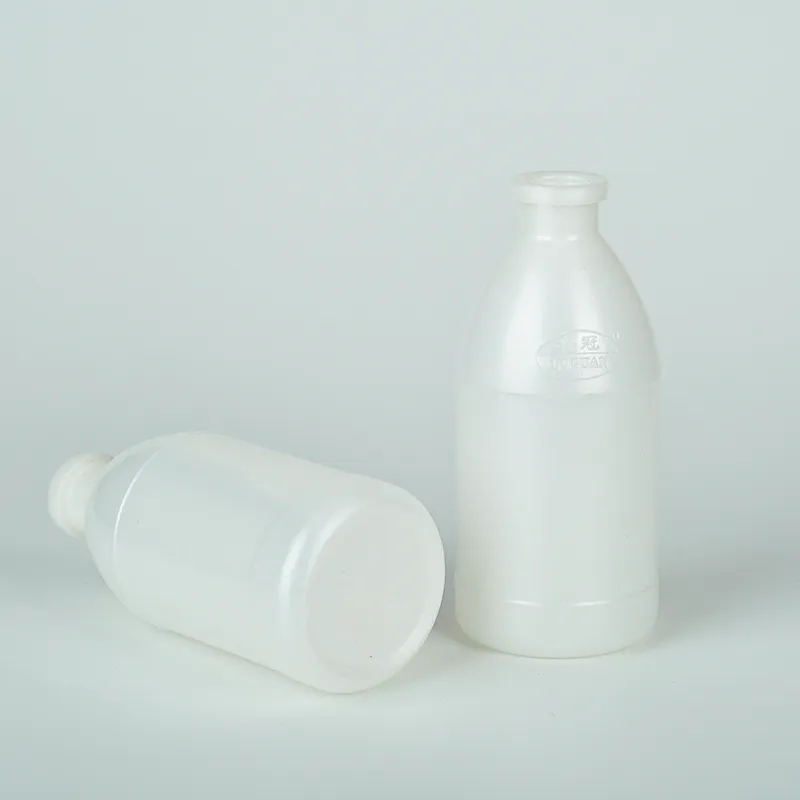
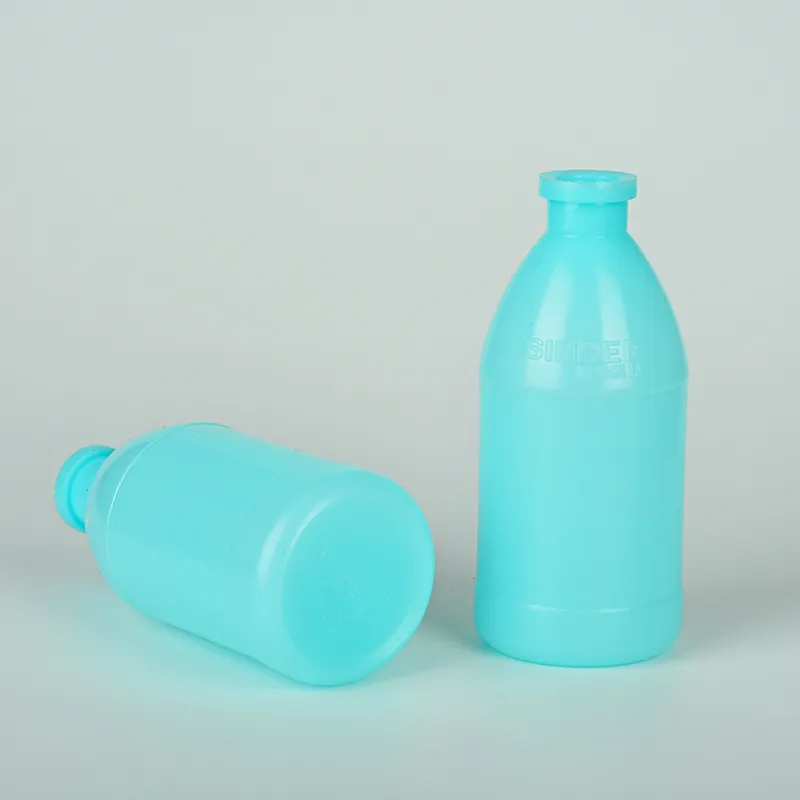
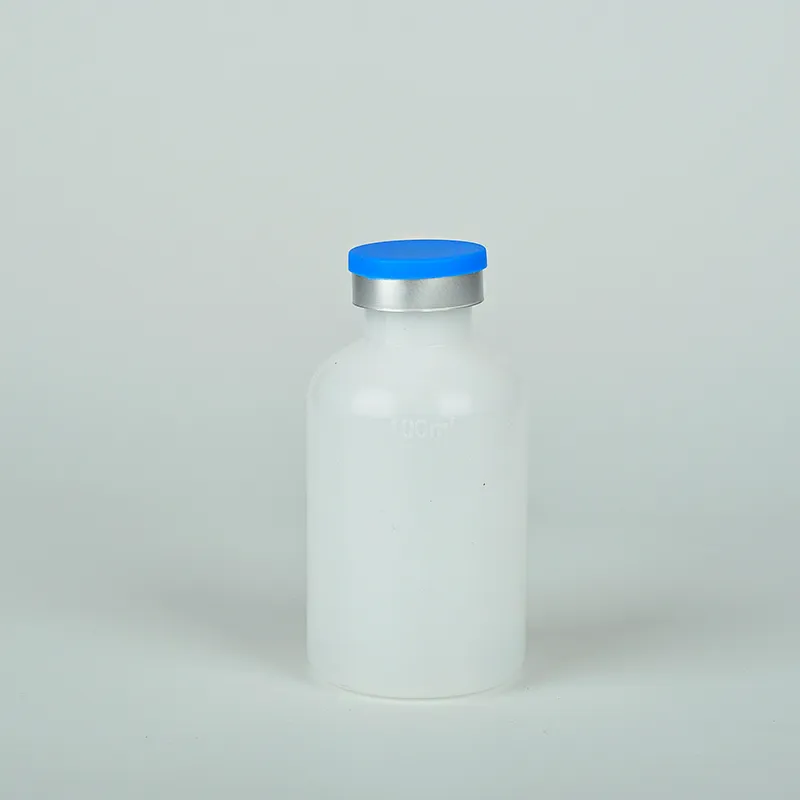
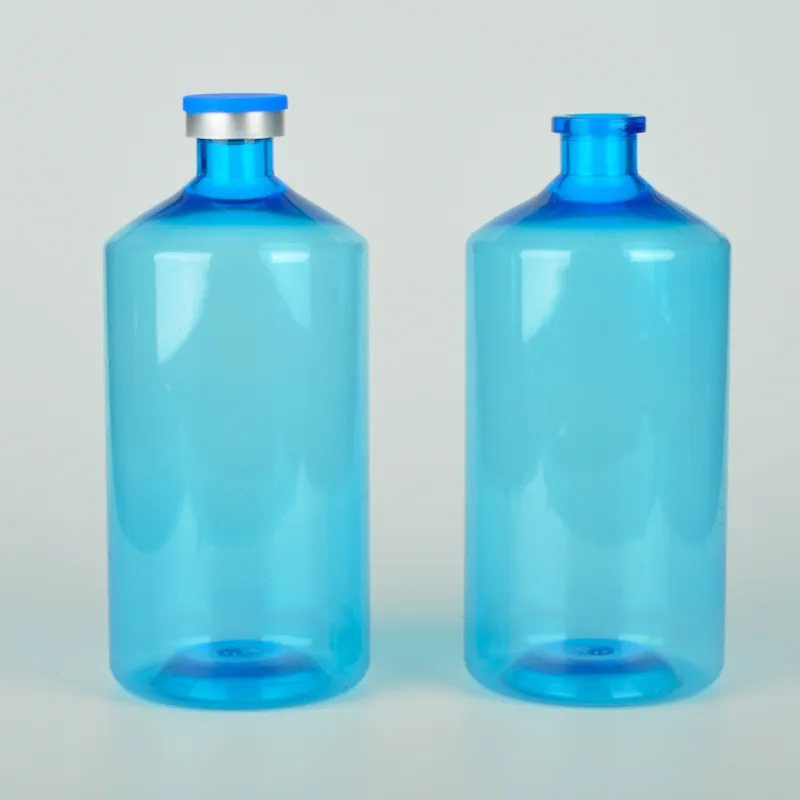
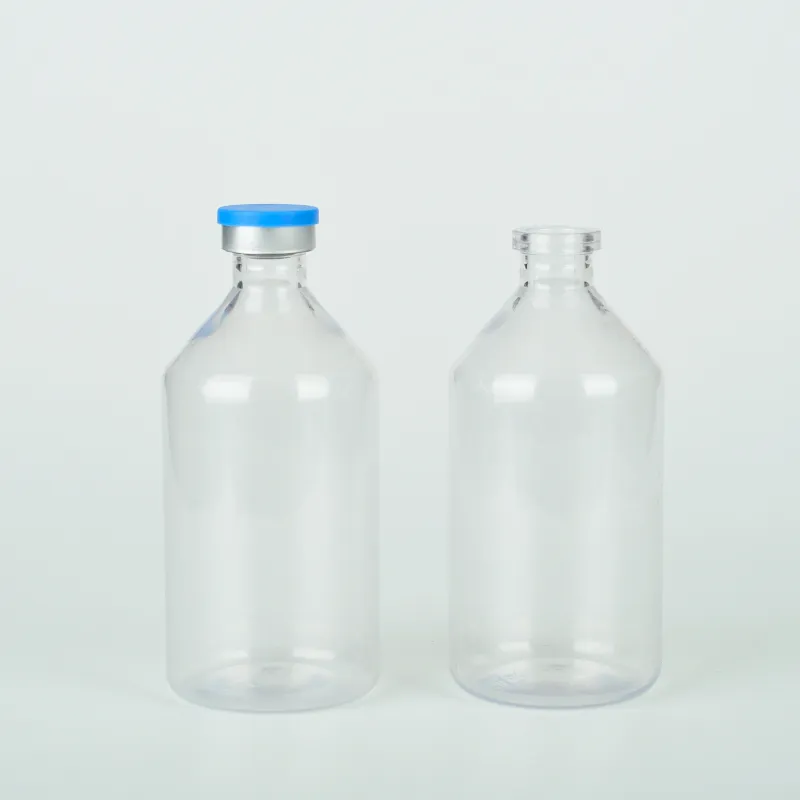
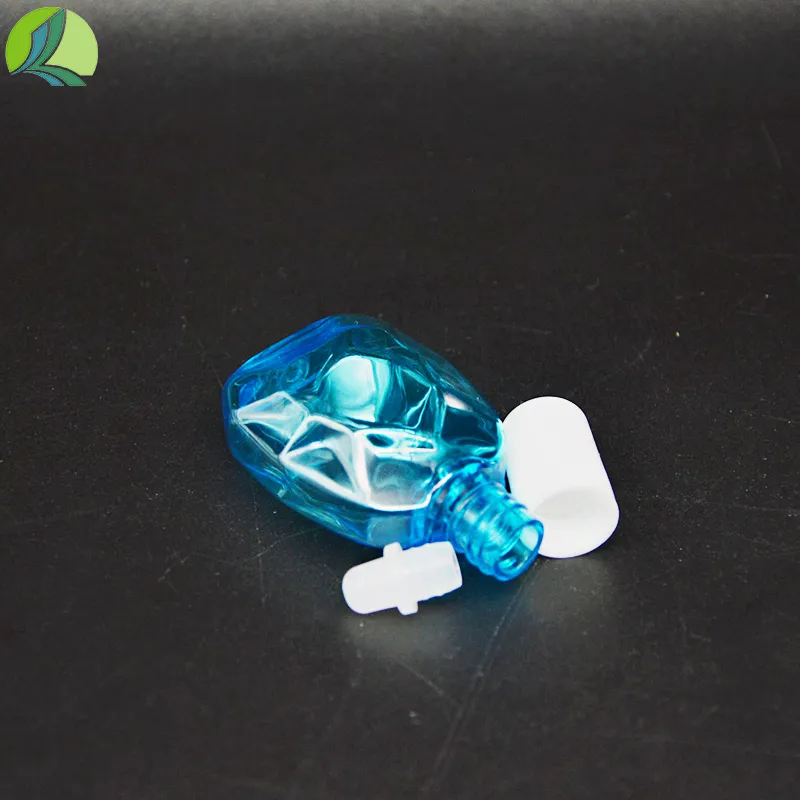
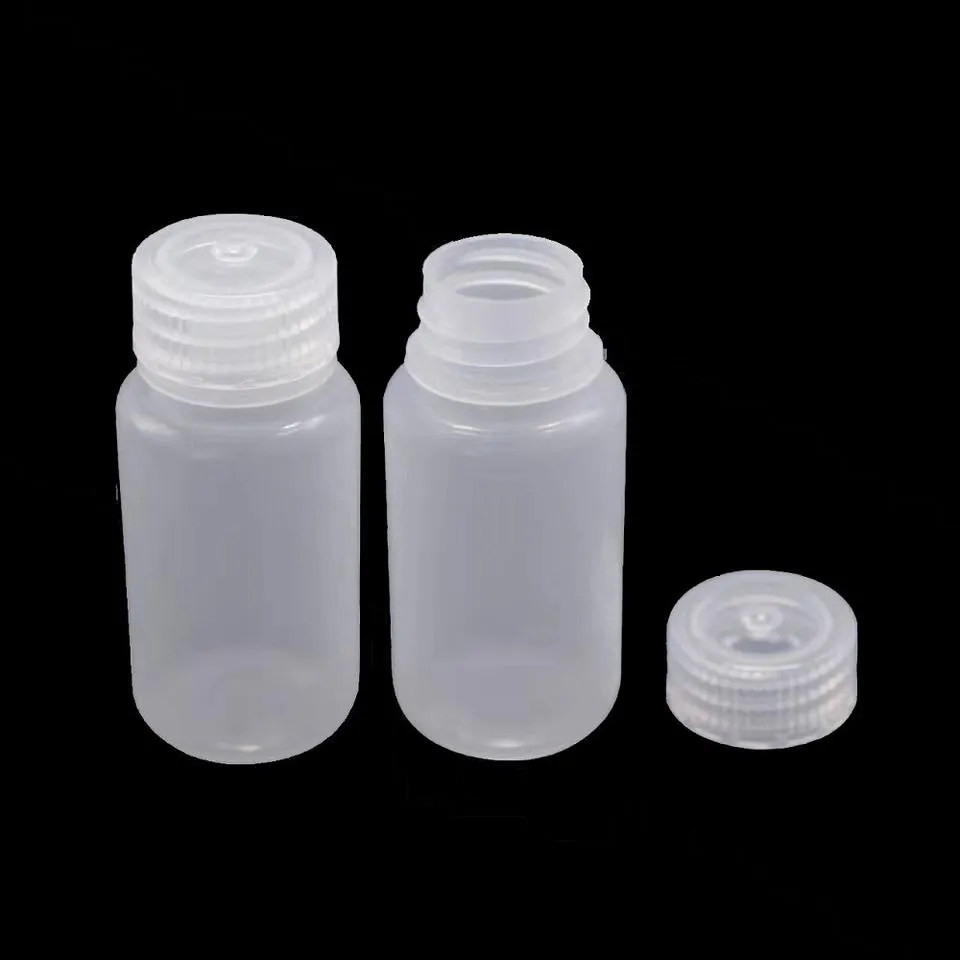
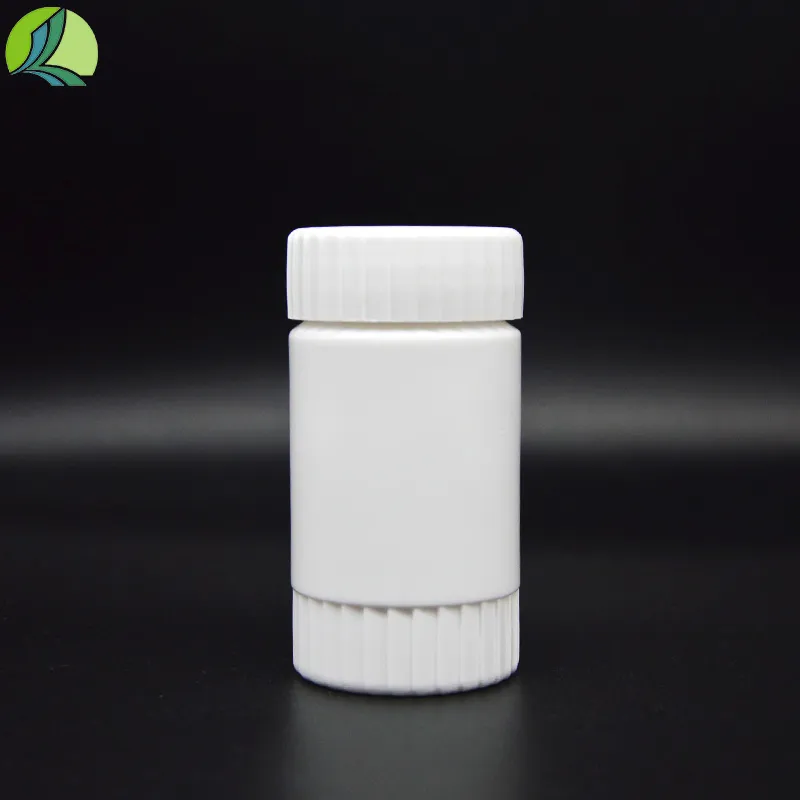
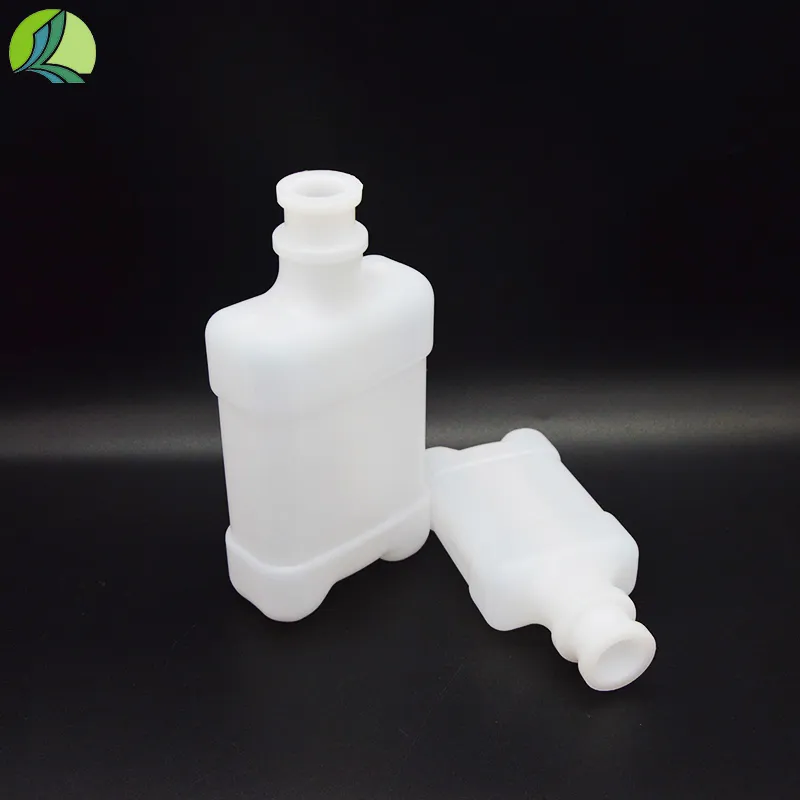
If you’ve ever held a crystal-clear bottle of pills or liquid medicine, you might’ve taken its simplicity for granted. But clear medicine bottles are a cornerstone of pharmaceutical safety, supply chain transparency, and global health logistics. On a world scale, they represent more than just hygiene — they’re about ensuring patients get the right dose, untainted and readable, every time. In fact, the global pharmaceutical packaging market, largely driven by demand for safe and visible containers like clear medicine bottles, is expected to register a CAGR of approximately 6% over the next half-decade (source: ISO, 2023). Why? Because amid rising awareness around counterfeit meds and quality control, the clarity of packaging often equates to trust. In a nutshell, understanding clear medicine bottles touches on patient safety, environmental responsibility, and manufacturing efficiency — all wrapped into one transparent container.Mini takeaway: Clear medicine bottles play a quiet but vital role in reinforcing trust and safety in the global pharma ecosystem.
Why the World’s Paying More Attention to Clear Medicine Bottles
On the global stage, the pharmaceutical industry faces multiple challenges: counterfeit drugs, diverse climates, fragile supply chains — to name just a few. Clear medicine bottles help solve these issues by providing visible, tamper-evident packaging. According to the World Health Organization, counterfeit medicines make up roughly 10% of the global drug market, particularly in lower-income countries. Transparent packaging assists healthcare workers in quickly verifying contents without opening the container, critical in chaotic environments like disaster zones or rural clinics. Moreover, clear medicine bottles enable easier quality inspection during manufacturing and shipping, which reduces waste and recalls. The market growth also echoes general consumer shifts toward transparency — literally and figuratively — where patients demand to see what they’re putting into their bodies.Common Challenges Addressed by Clear Medicine Bottles:
- Preventing contamination
- Ensuring correct dosage visibility
- Facilitating quality control
- Supporting recycling and sustainability efforts
Mini takeaway: Transparent packaging isn't just about looks; it directly targets real-world problems in pharma distribution and safety.
Defining Clear Medicine Bottles and Their Role
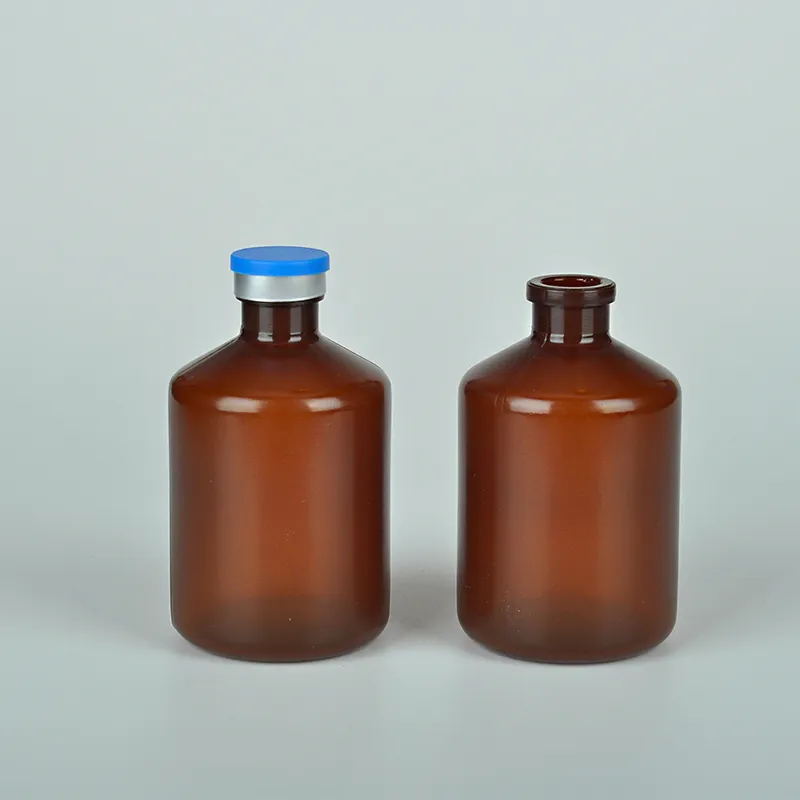
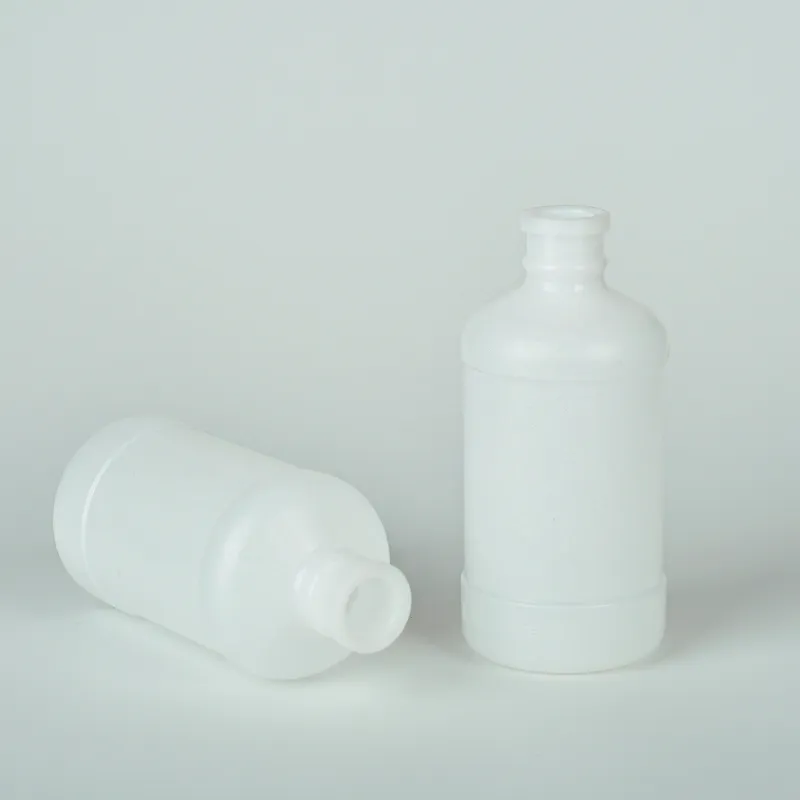
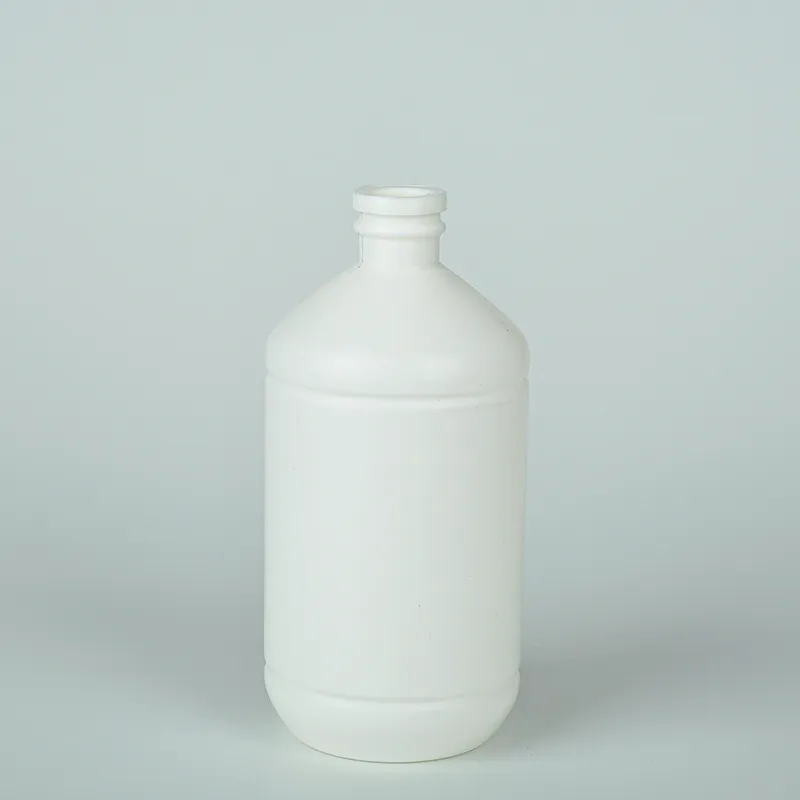
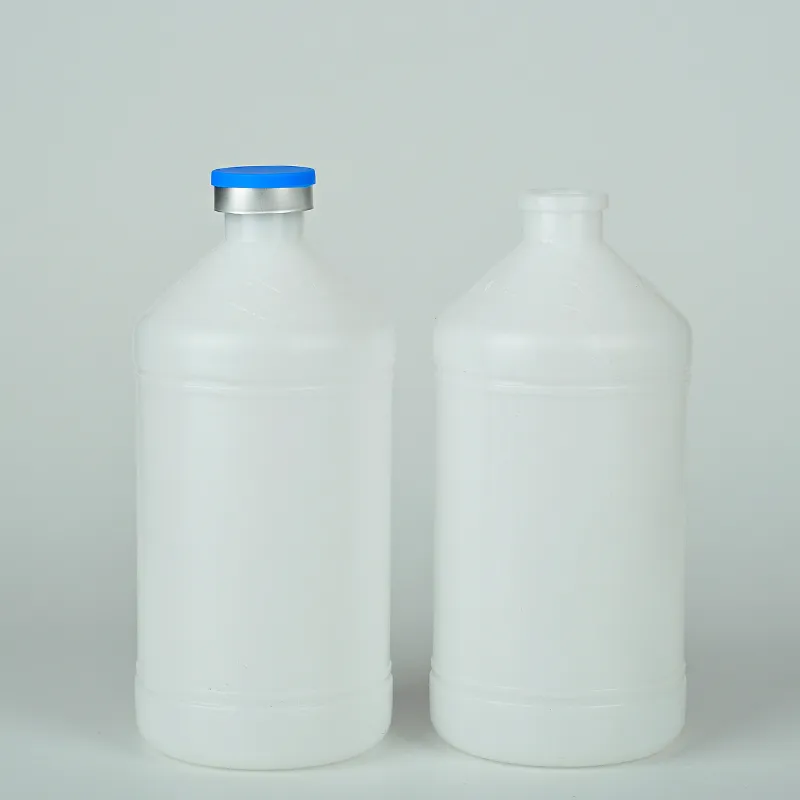
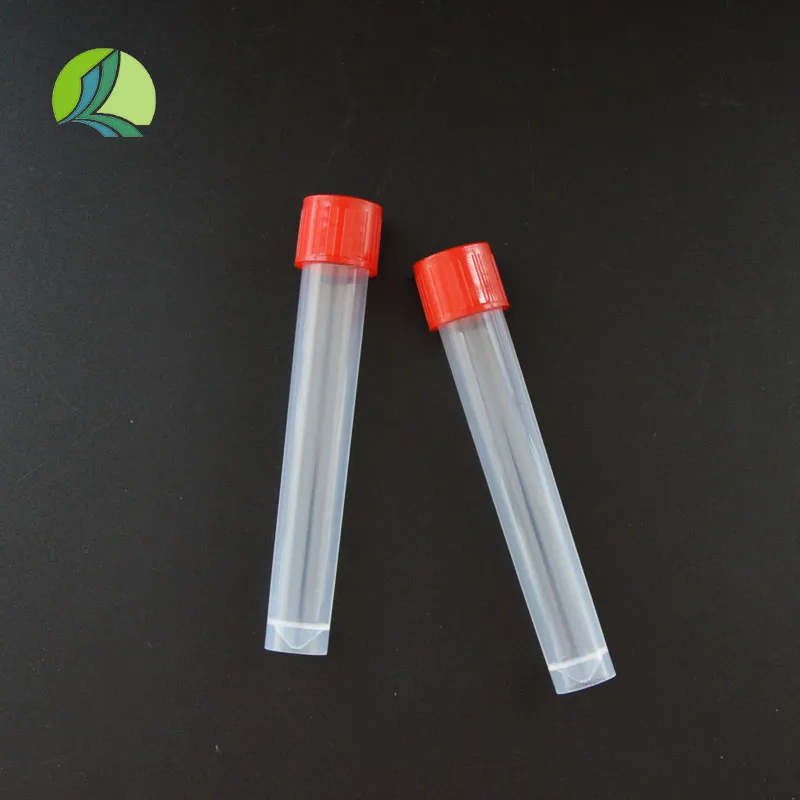
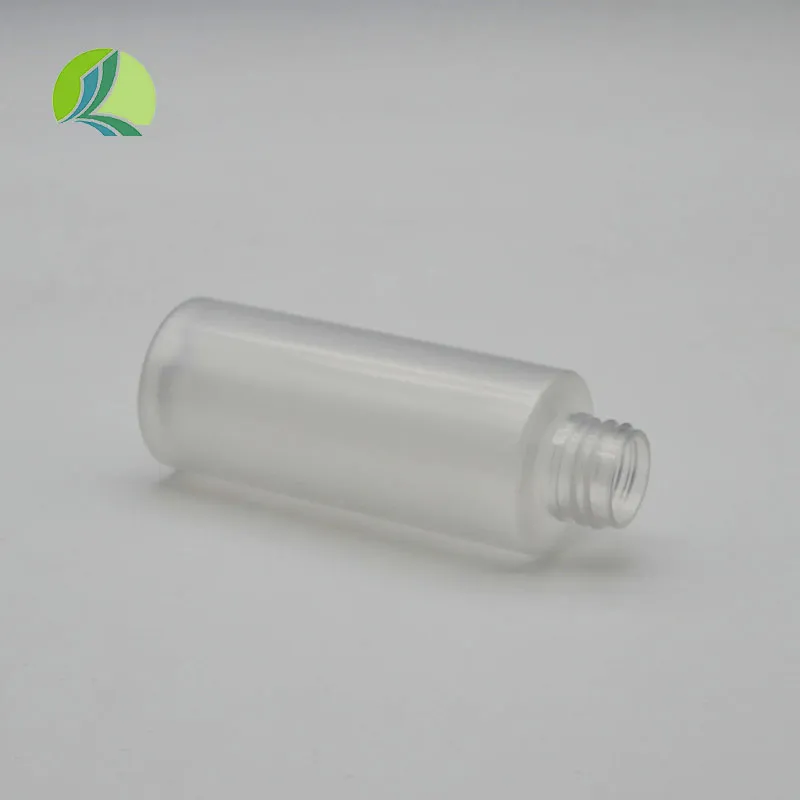
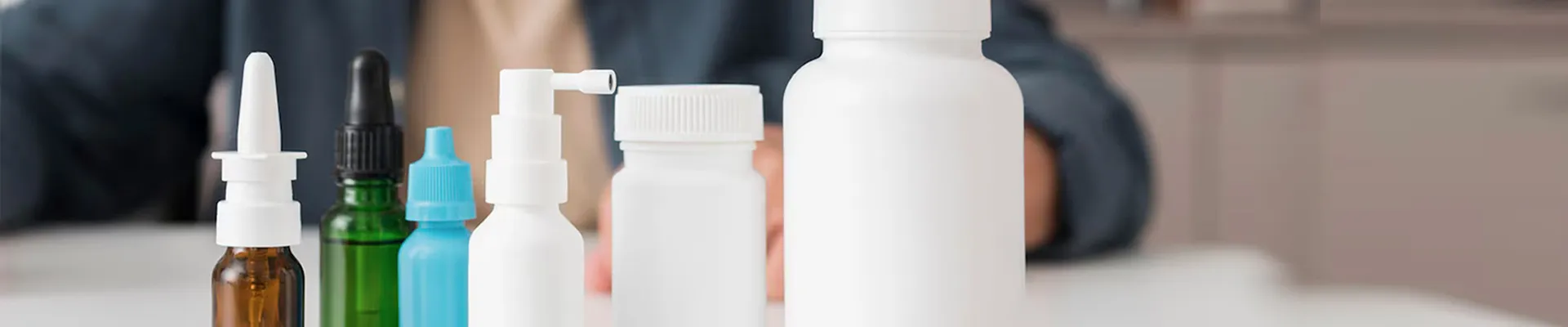
Put plainly, clear medicine bottles are pharmaceutical containers made from either medical-grade glass or plastic materials that allow users and medical professionals to see the contents easily without opening the bottle. They combine durability and transparency, meeting regulatory standards for safety and hygiene. They’re closely tied to modern healthcare demands, especially in humanitarian aid, where rapid deployment of medicines often depends on packaging that clearly communicates product type and expiration. Oddly enough, the clarity helps prevent accidental misuse — grandma reading the label by candlelight can confirm the contents without shaking the bottle or guessing.Key Features of Clear Medicine Bottles
1. Durability and Safety
Built to withstand drops and handling, especially in rough environments — think of those remote clinics in the Alps or tropical zones. Plastics like PET are often favored because they don’t shatter, unlike glass, but glass still retains advantages in chemical inertness.2. Clarity and Visibility
The defining factor. Clear medicine bottles provide an unbroken view into the medication which helps with quick visual confirmation, contamination checks, and dose monitoring.3. Scalability in Manufacturing
Manufacturers can easily produce clear medicine bottles at scale using injection molding or blow molding techniques, combining speed and consistency, especially for large pharma firms.4. Cost Efficiency
These bottles strike a balance — cheaper than custom-colored or opaque packaging yet still providing the necessary protection. Plus, clear bottles are often easier to recycle or repurpose, reducing costs downstream.5. Regulatory Compliance
Clear packaging must meet strict guidelines for pharma use (think ISO 15378), ensuring no harmful interactions or leaching. It’s not just about being crystal clear — it must be safe clear.Clear Medicine Bottles in the Real World: Global Applications
Around the globe, clear medicine bottles are everywhere — from bustling urban pharmacies in Europe to mobile clinics in sub-Saharan Africa. For instance, Médecins Sans Frontières (Doctors Without Borders) often chooses clear bottles for rapid medical kits deployed in disaster zones — here visibility can literally save lives. In industrialized countries, hospitals rely on these bottles for meticulous inventory checks. Remote industrial and mining camps use clear medicine bottles because their workers are often unsupervised, so being able to see the contents reduces errors. Pharmaceutical companies in Asia and Europe have significantly invested in clear bottle technology to boost consumer confidence amid fierce market competition.Example Use Cases:
- Post-disaster relief: Quick identification and verification of medicines
- Retail pharmacies: Transparent packaging improves consumer trust
- Long-haul logistics: Easy visual checks prevent contamination and spoilage
- Clinical trials: Ensures sample purity and dose tracking
Mini takeaway: Wherever medicine travels, clear medicine bottles provide transparency and efficiency that healthcare workers and consumers alike rely on.
Advantages and Long-Term Value of Clear Medicine Bottles
When you factor cost, safety, and sustainability, clear medicine bottles emerge as an unexpectedly smart investment. They reduce medication errors, facilitate recycling programs, and encourage responsible patient behavior. For a mom caring for her child or a pharmacist in a busy clinic, transparency equals peace of mind. On the emotional front, clear packaging fosters dignity for patients — no one wants to feel confused or in the dark about what they’re taking. The logical side? Less waste, fewer recalls, and smoother regulatory compliance.| Specification | Typical Value |
|---|---|
| Material | Medical-grade PET or borosilicate glass |
| Transparency | >90% light transmittance |
| Capacity Range | 10 ml – 500 ml |
| Seal Type | Child-resistant, tamper-evident |
| Shelf Life Compatibility | Up to 5 years (with proper storage) |
| Recyclability | 100% recyclable in appropriate facilities |
What’s Next? The Future of Clear Medicine Bottles
Innovation keeps marching: new bio-based materials promise to replace traditional plastics with plant-derived PET, cutting carbon footprints further. Digitally smart caps that track temperature and opening frequency are creeping into pharma packaging. Automation in manufacturing means clear medicine bottles can be personalized for patient-specific doses at scale, which is kind of futuristic. Regulations are pushing for greener energy in production processes and tighter controls on microplastics, too. So, these bottles aren’t just getting clearer, they’re getting smarter and kinder to the planet.Challenges & Ways Forward
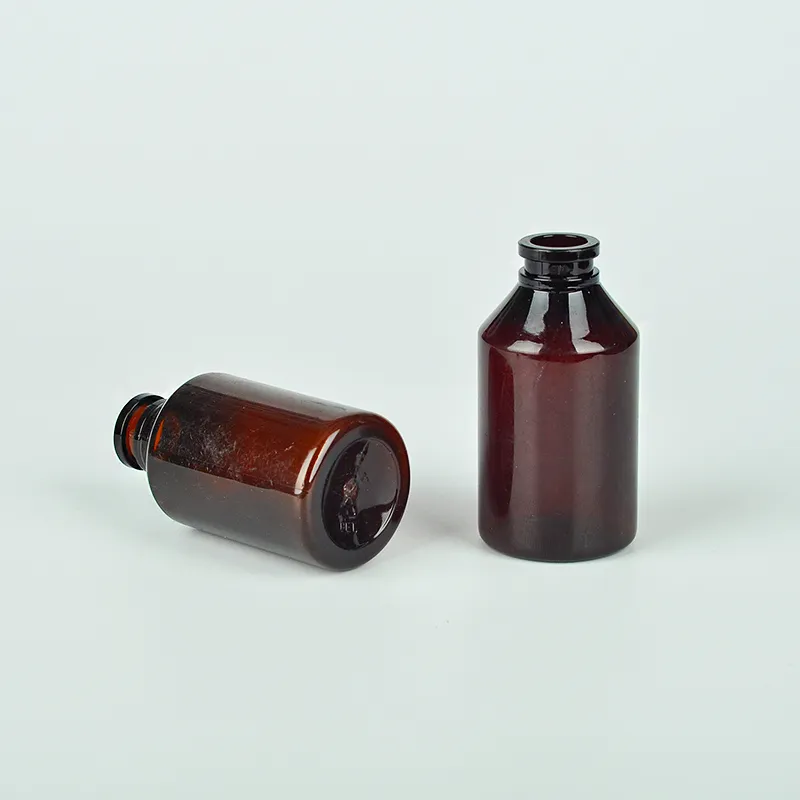
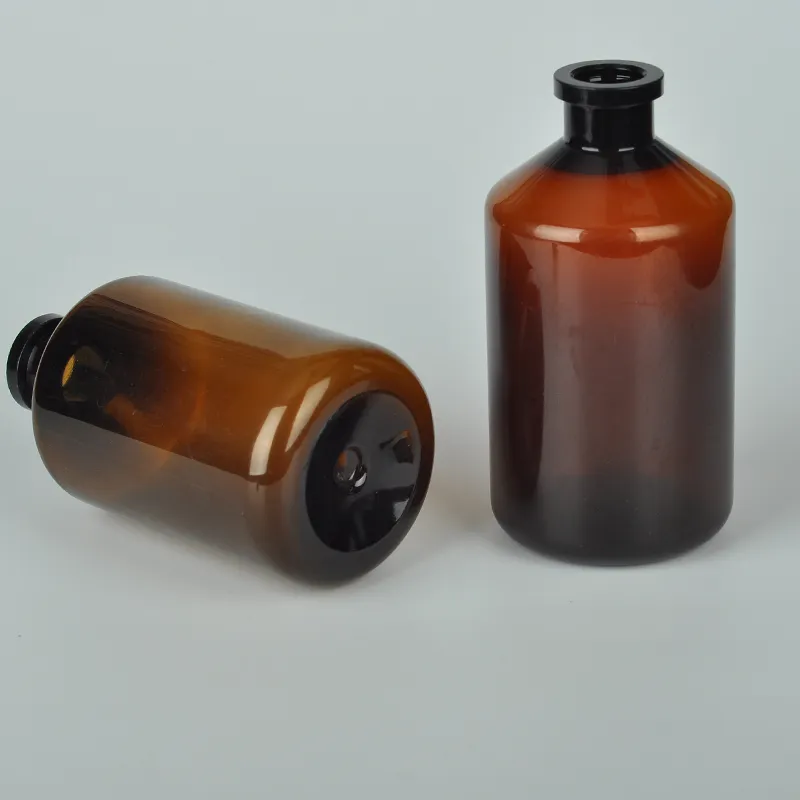
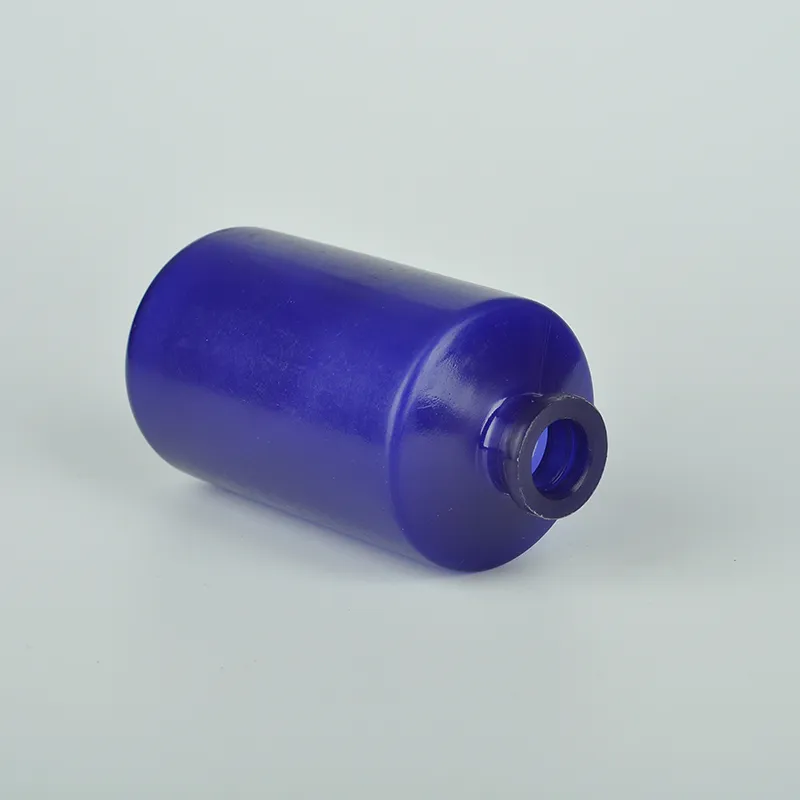
Despite their many strengths, clear medicine bottles face issues like UV light degradation (which can affect sensitive drugs), vulnerability to scratches that reduce clarity, and occasional higher costs for advanced features like humidity control. Experts recommend integrating UV-blocking coatings and better supply chain monitoring systems. Additionally, advances in biodegradable materials might reduce environmental impact — but they require further testing under pharmaceutical conditions.Quick FAQs About Clear Medicine Bottles
Q1: Are clear medicine bottles safe for all types of medication?A1: Mostly yes, but highly UV-sensitive drugs might need tinted or opaque options. Still, many pharma companies use UV-blocking additives in clear bottles to balance visibility and protection. Q2: Can clear medicine bottles be recycled easily?
A2: Yes, especially PET varieties, which are widely recyclable. However, recycling efficiency depends on local infrastructure and whether bottles have labels or seals that need removing. Q3: What makes clear medicine bottles preferable to opaque containers?
A3: Transparency allows quick visual verification of contents, reduces mistakes, and increases patient confidence. Opaque containers may protect better from light but lack visible confirmation. Q4: How customizable are these bottles?
A4: Very customizable. Manufacturers offer various sizes, coatings, caps, and labeling options to fit different meds and markets. Q5: Where can I source reliable clear medicine bottles?
A5: Reputable vendors include both global pharma packagers and specialized manufacturers. See the vendor comparison table below for a quick rundown.
| Vendor | Material Options | Customization | Lead Times | Price Level |
|---|---|---|---|---|
| ClearPack Inc. | PET, Glass | High (labels, caps, sizes) | 4-6 weeks | Mid |
| PharmaBottle Solutions | PET only | Medium (sizes, seals) | 3-5 weeks | Budget |
| MedClear Technologies | Glass, Bio-PET | Very High (custom shapes, printing) | 6-8 weeks | Premium |
Wrapping It Up
Clear medicine bottles may seem like a small piece in the huge healthcare puzzle, but they truly are pivotal. They ensure that the right medicine gets to the right person, in the right condition, and with a clear line of sight. The growing push for transparency, safety, and sustainability means these bottles will continue evolving, serving both patients and providers better. If you’re interested in exploring reliable clear medicine bottles for your needs, or just curious about options, start here: clear medicine bottles. Sometimes it feels like the simplest things — clear containers — hold the biggest impact.References
Share
Latest news
-
Bulk Eye Dropper Bottles for Industrial Packaging - Reliable & CustomizableNewsDec.31,2025
-
Small Plastic Dropper Bottles – Durable, Precise Packaging Solutions for B2B ApplicationsNewsDec.10,2025
-
Medicine Dropper Bottles – Precision and Quality Packaging Solutions for B2B | WK PackingNewsDec.10,2025
-
Discover Top Quality 2 oz Eye Dropper Bottles for Industrial UseNewsDec.09,2025
-
1 Oz Eye Dropper Bottles - Precision Packaging Solutions for B2B Industries | WKPackingNewsDec.09,2025
-
Durable 4 oz Eye Dropper Bottles for Industrial & Cosmetic UseNewsDec.09,2025
RECOMMEND PRODUCTS