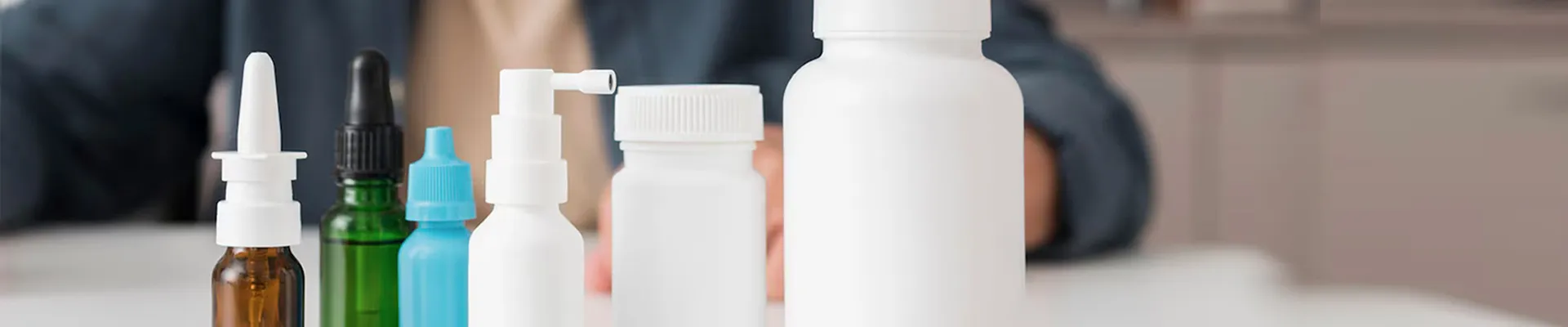


Explore Durable & Custom 2 oz Medicine Bottles for Pharma & Aid | WK Packaging
Understanding 2 oz Medicine Bottles: Small Containers, Big Impact
The humble 2 oz medicine bottle might not steal the spotlight in pharmaceutical packaging, yet its role is surprisingly pivotal across healthcare, humanitarian aid, and industrial sectors worldwide. Why does a tiny container, barely filling your palm, matter on a global scale? Well, these compact holders ensure precise dosing, convenience, and compliance for everything from over-the-counter meds to essential vaccines in remote zones. Getting a grip on their design, materials, and usage isn’t just for packaging geeks — it’s a window into worldwide efforts for safety, affordability, and sustainability in drug delivery.
The Global Importance of 2 oz Medicine Bottles
When you glance at the healthcare packaging market, 2 oz medicine bottles represent a small but dynamic segment valued in the hundreds of millions annually. According to the International Organization for Standardization (ISO), standardized container sizes, including the 2 oz (approximately 60 ml) size, are crucial in streamlining manufacturing and regulatory compliance. Globally, around 50% of prescriptions or supplements in liquid or capsule form rely on containers in this size range for optimal dosing and portability.
Yet, there’s a challenge: particularly in low-resource settings or during rapid humanitarian response, access to reliable, leak-proof, and sustainable smaller containers can be limited. Think about a post-disaster zone where quick, safe distribution of medicines can literally save lives, or rural health clinics tasked with vaccinating children — packaging must be practical, protective, and easy to transport.
Mini takeaway: While small, 2 oz medicine bottles punch above their weight by ensuring health safety and efficient distribution worldwide — especially where it’s most needed.
What Exactly Are 2 oz Medicine Bottles?
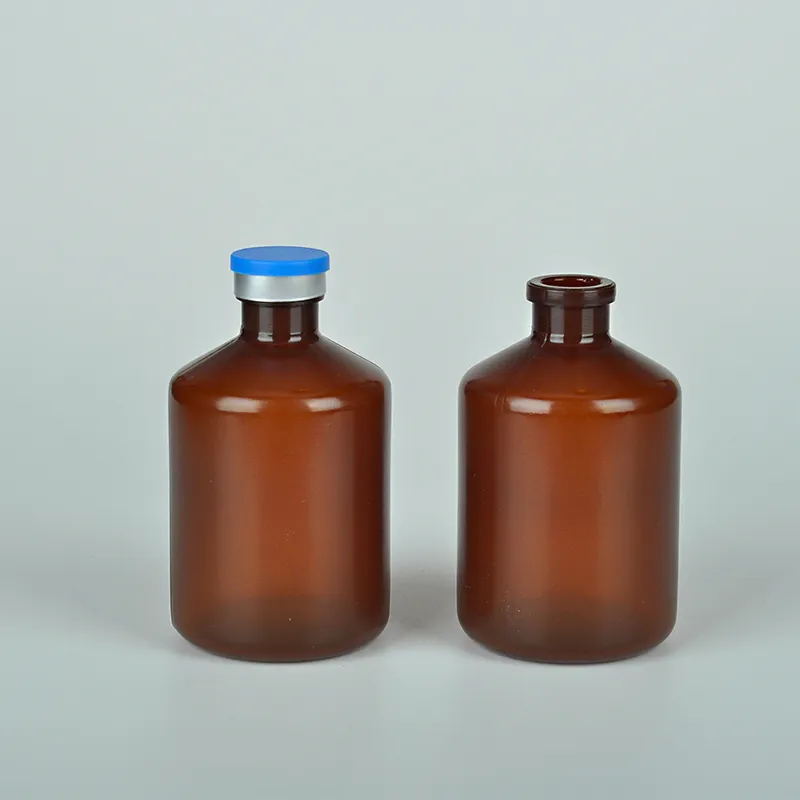
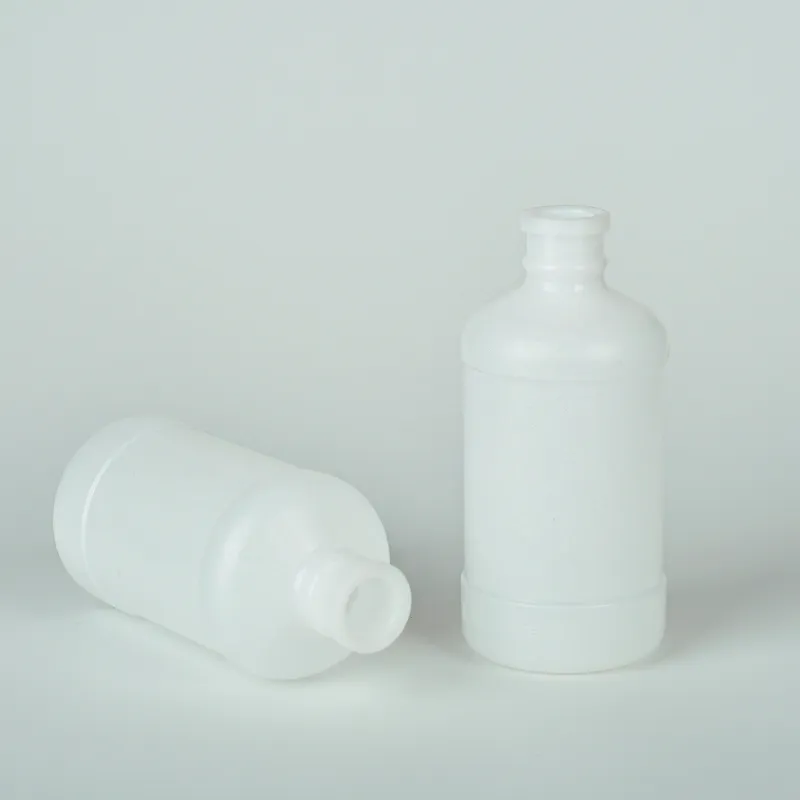
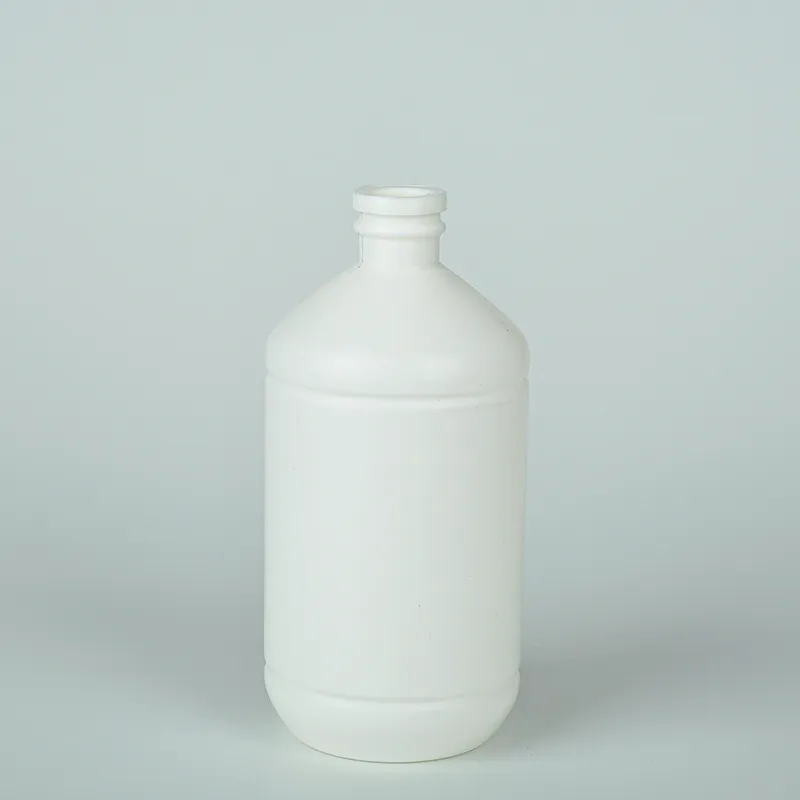
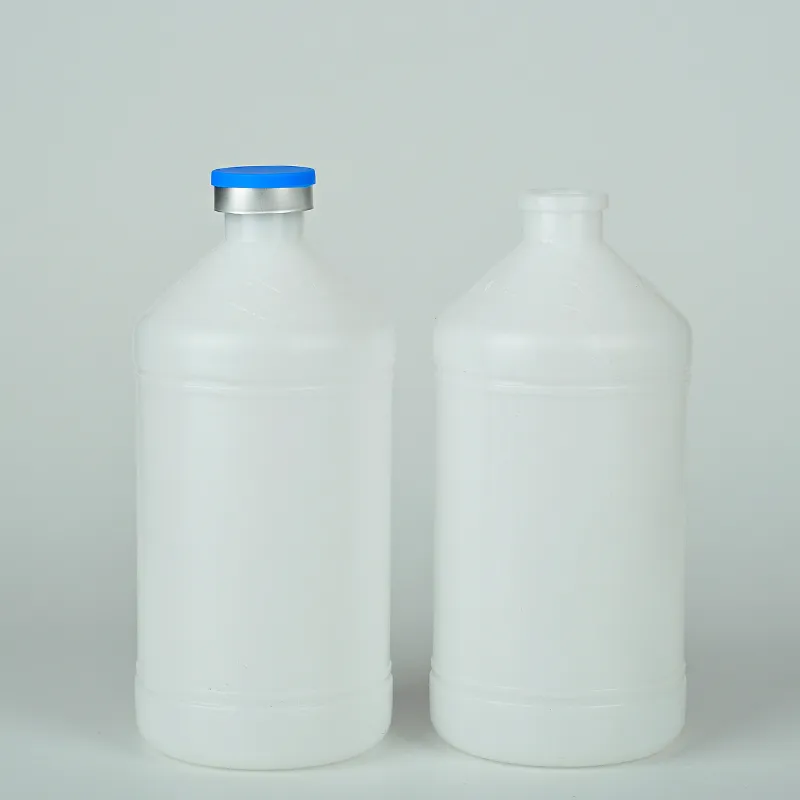
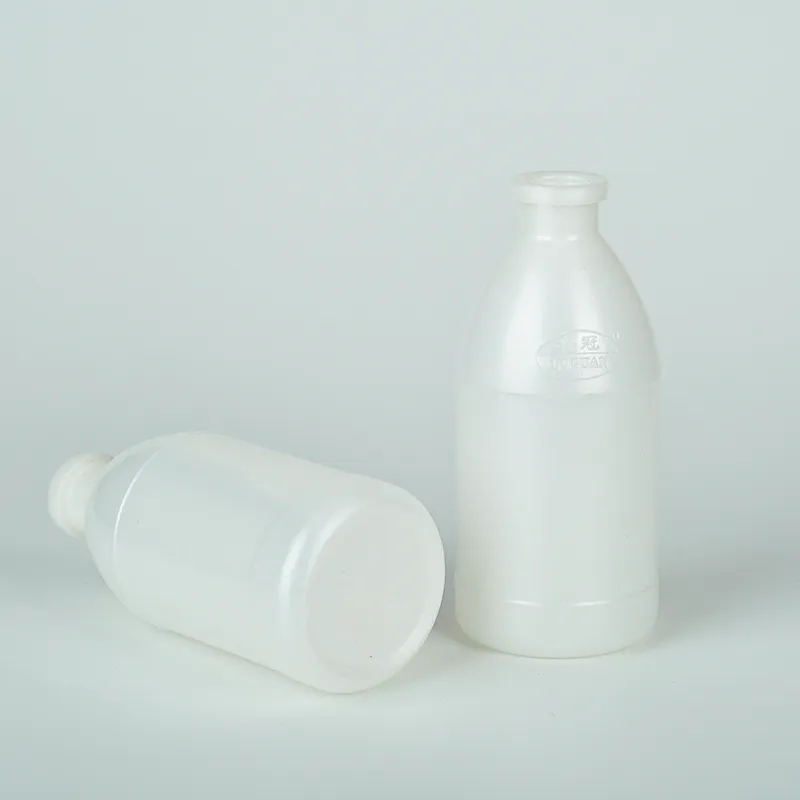
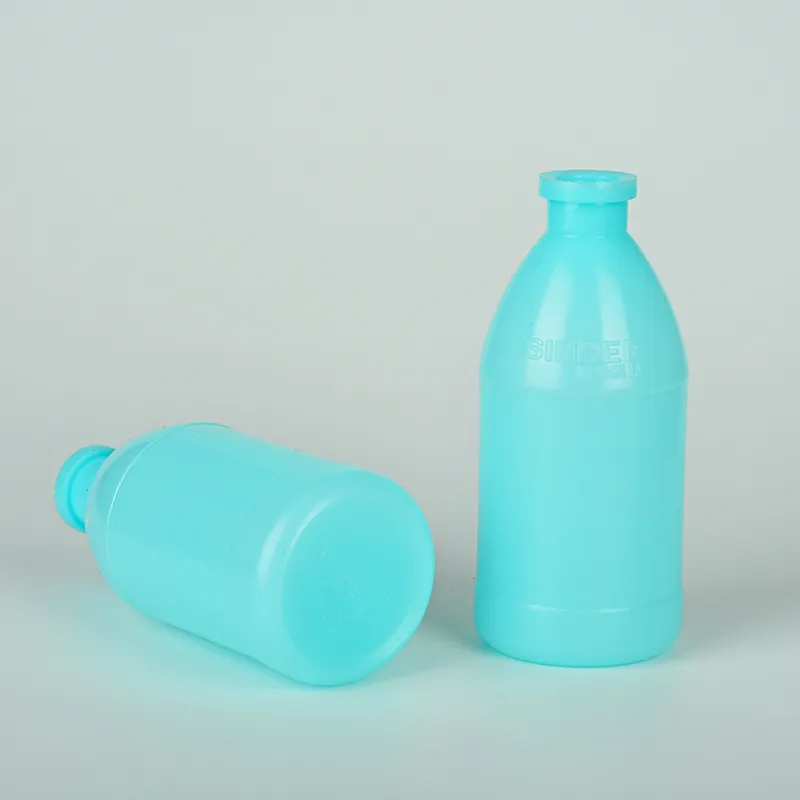
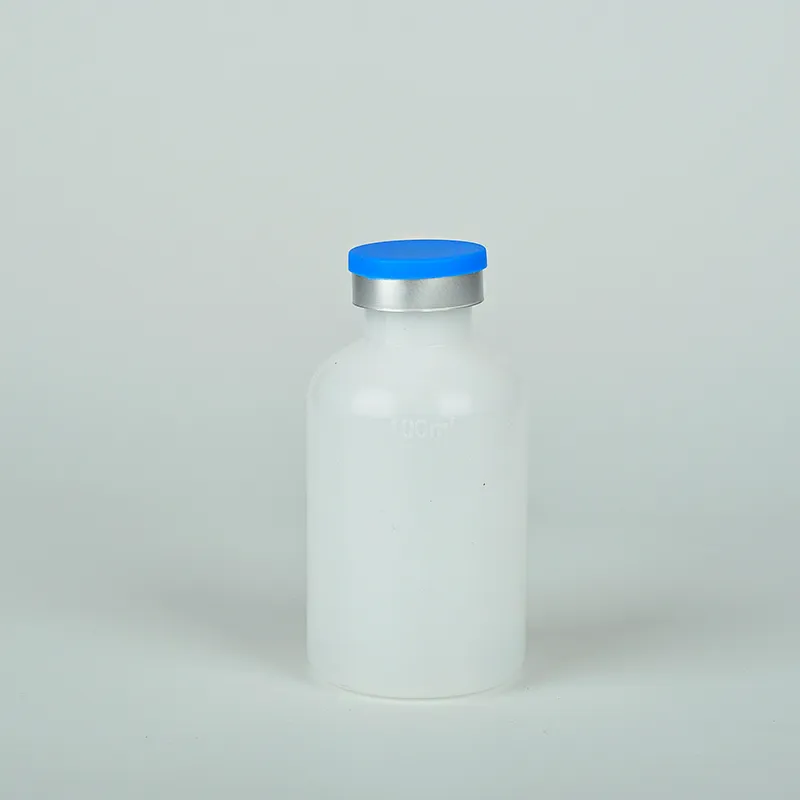
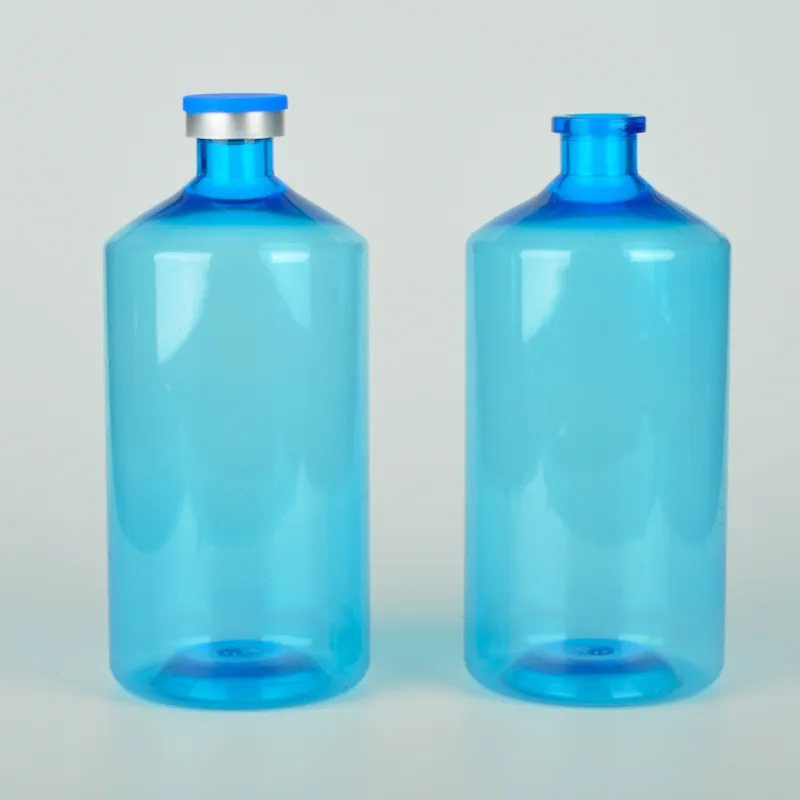
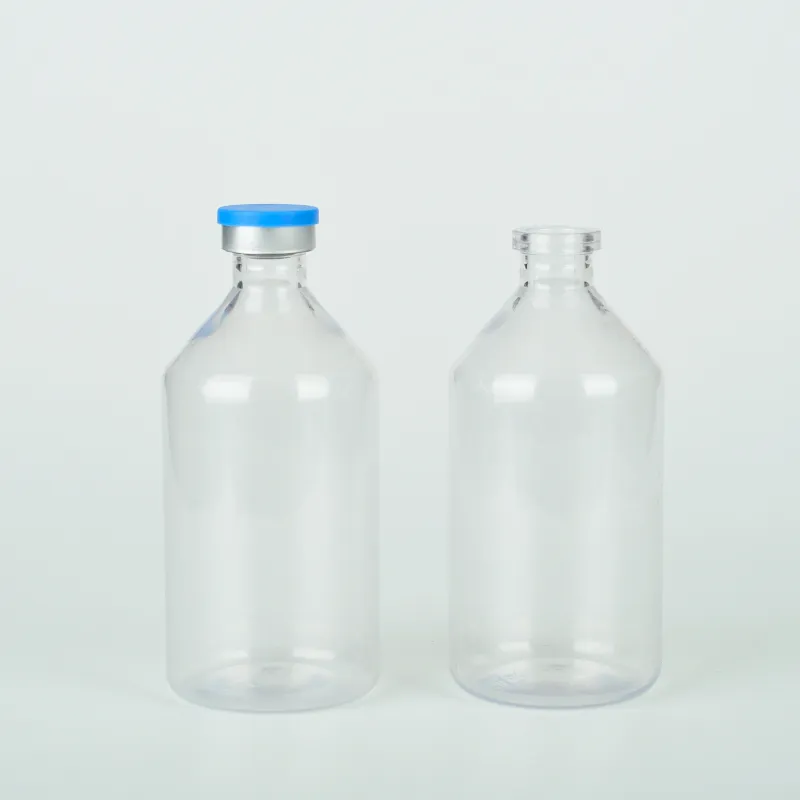
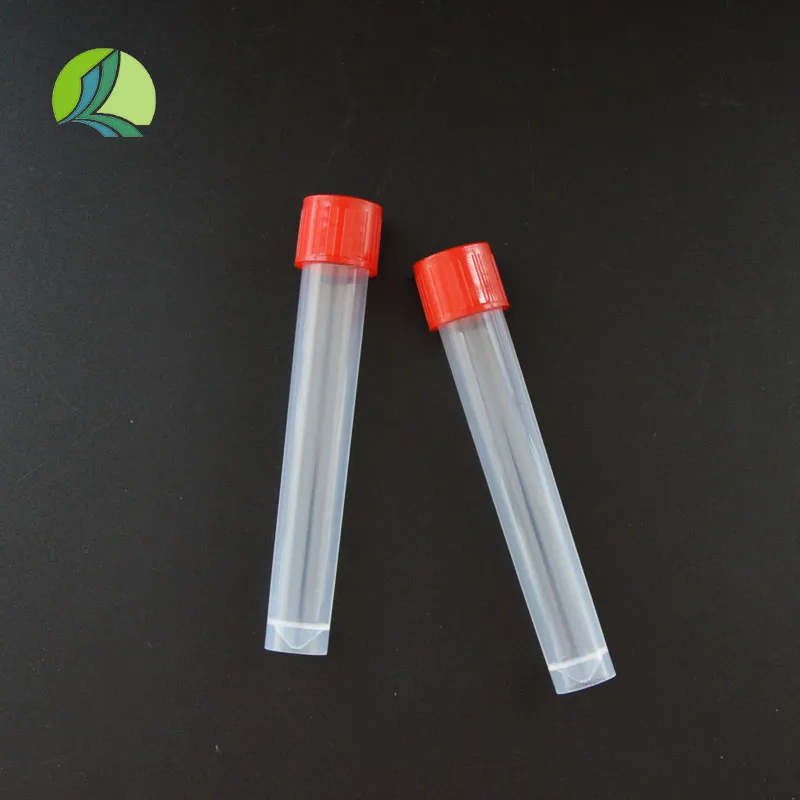
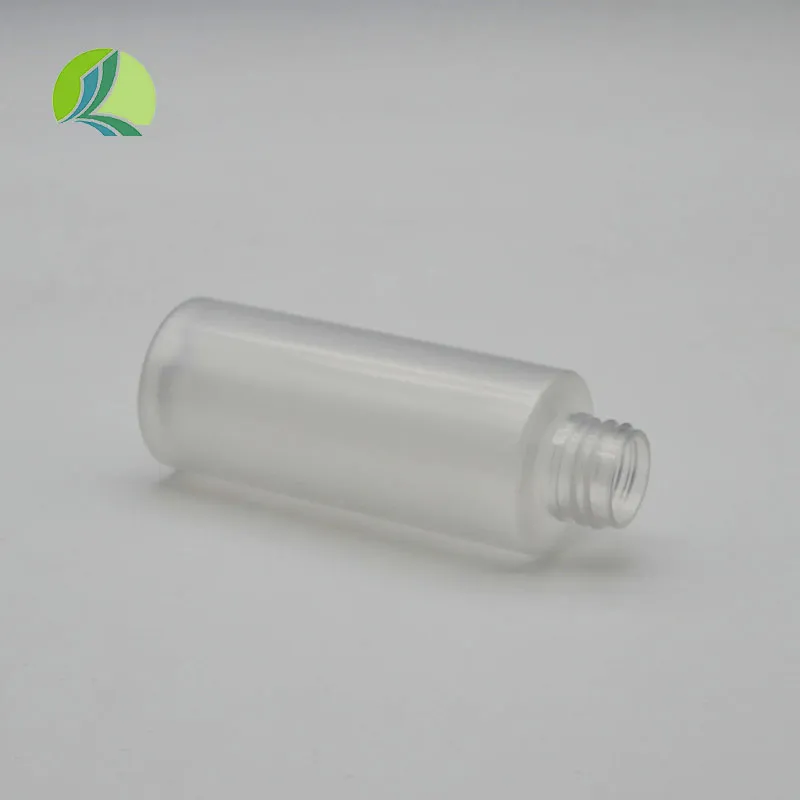
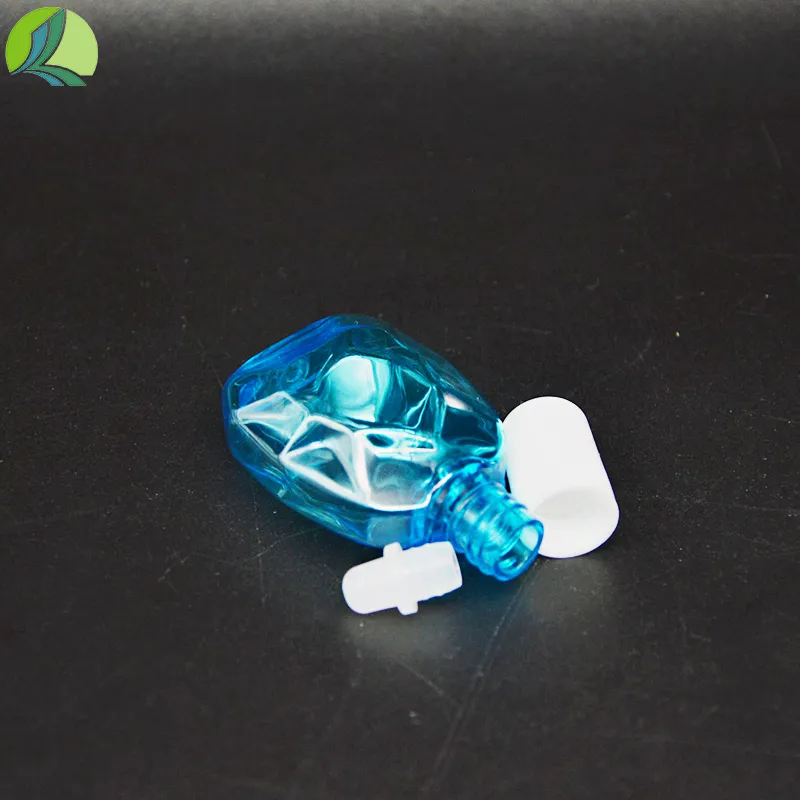
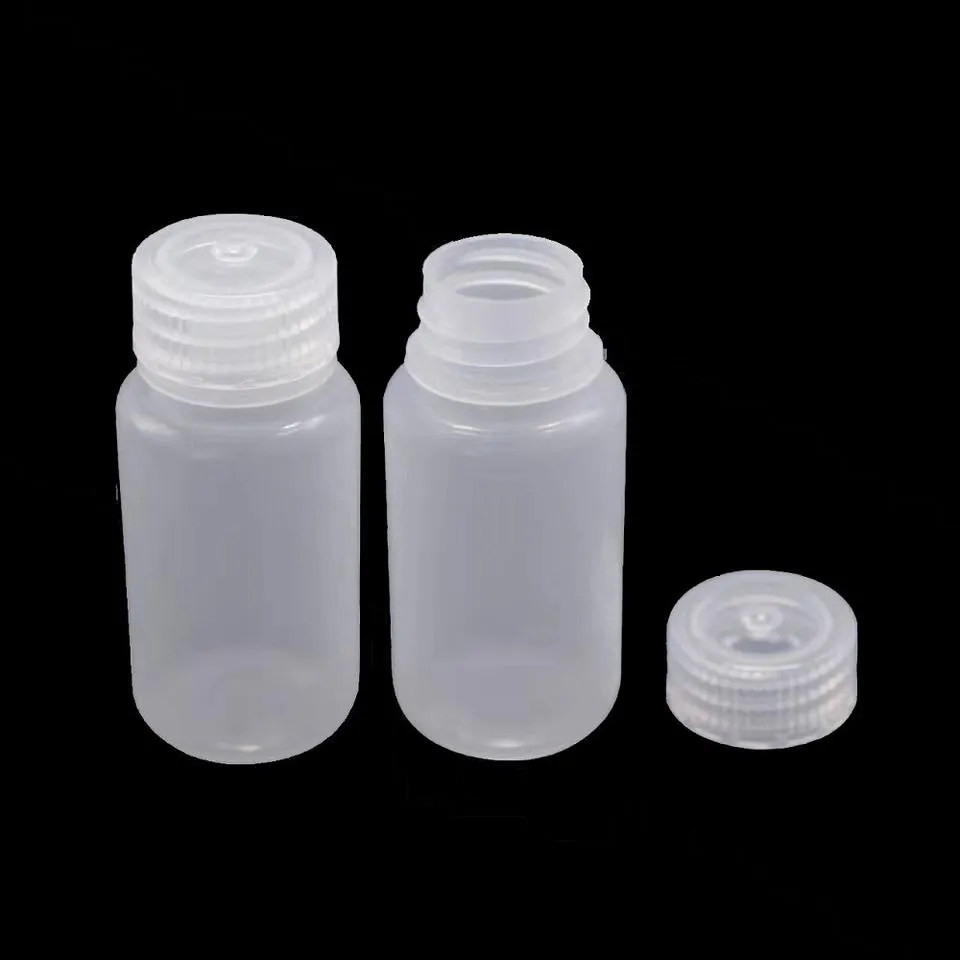
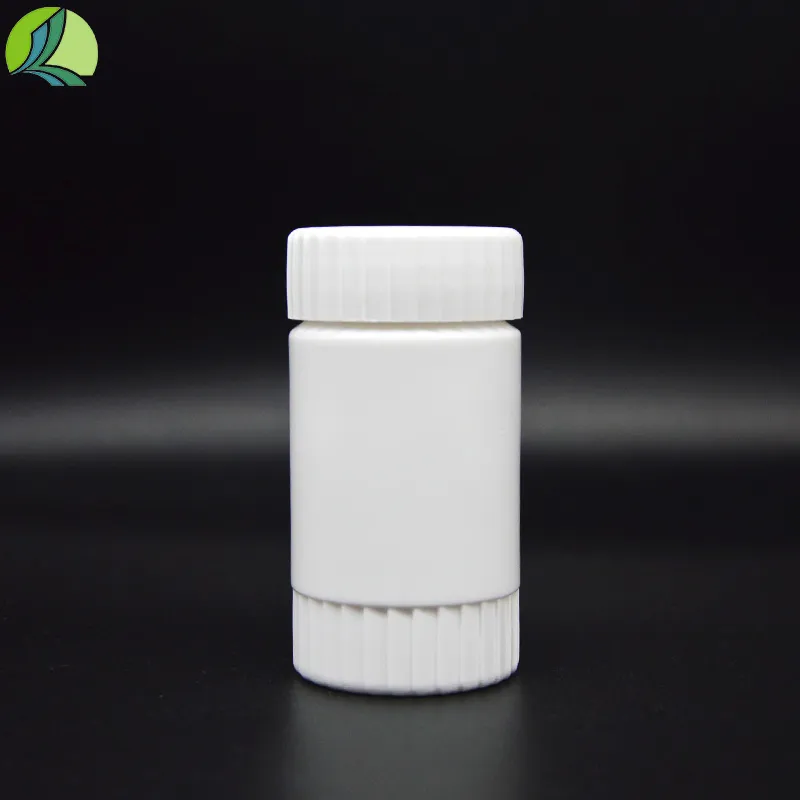
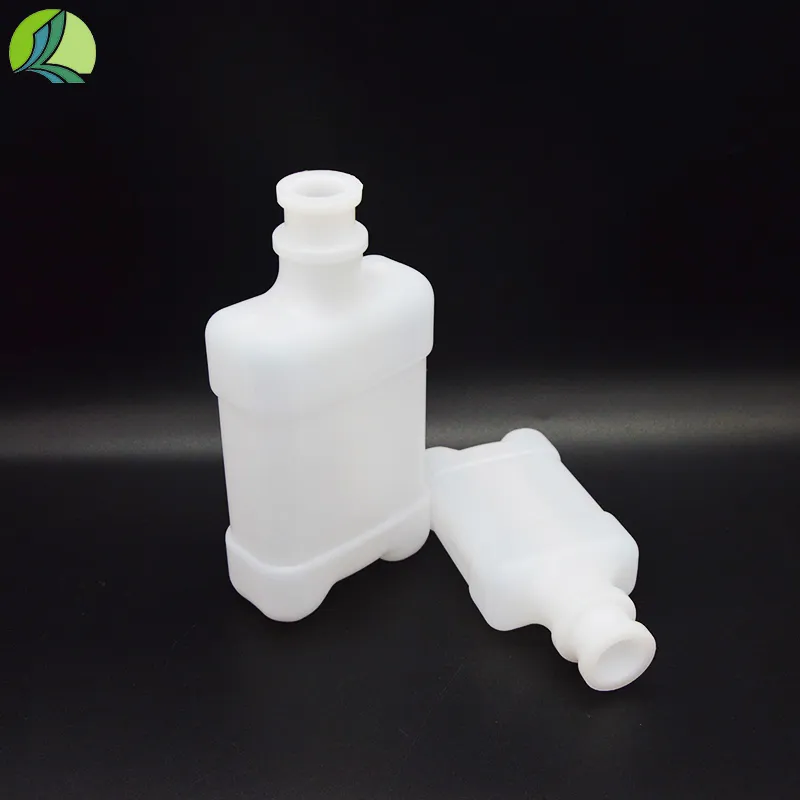
A 2 oz medicine bottle is simply a container designed to hold approximately 60 milliliters of liquid or solid medication, often crafted from plastic or glass. They’re typically used for dispensing pills, syrups, tinctures, or topical fluids. These bottles feature child-resistant caps, tamper-evident seals, or dispensing nozzles depending on the use case.
In the pharmaceutical industry, they represent a standard dosing container, bridging the gap between individual doses and bulk packaging. In humanitarian or industrial settings, their compact size makes them superb for distributing medicines in limited quantities, preserving drug integrity.
Core attributes of 2 oz medicine bottles include:
- Material options: polyethylene (PE), polypropylene (PP), or glass
- Closure types: screw caps, dropper tops, or pump dispensers
- Labeling surfaces compatible with various printing methods
- Compliance with safety and pharma regulatory standards
2 oz medicine bottles thus become more than just containers — they’re carefully engineered tools in the medication supply chain.
Key Factors to Consider in 2 oz Medicine Bottles
Durability and Protection
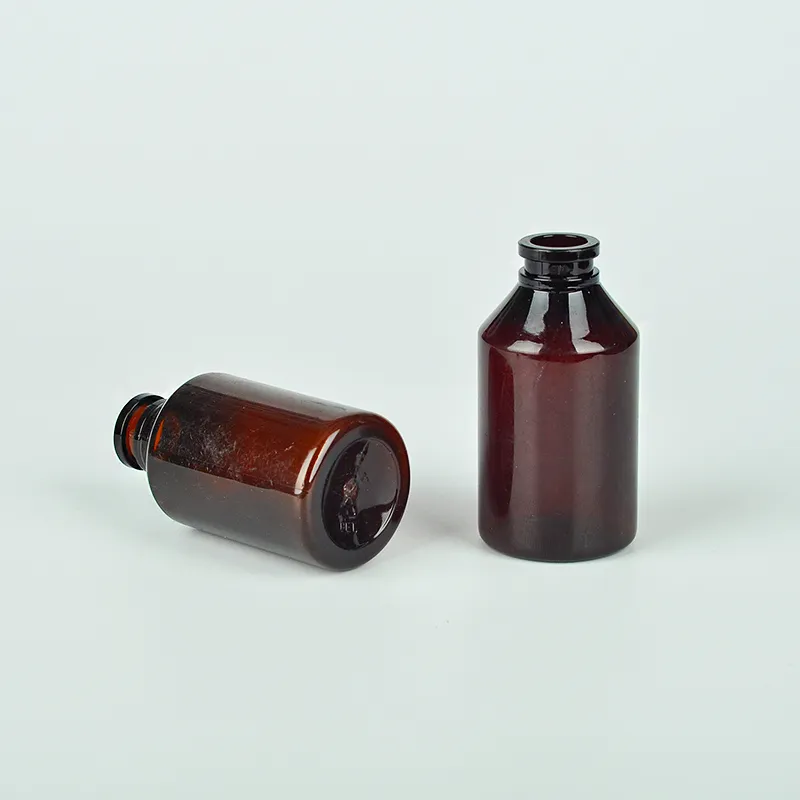
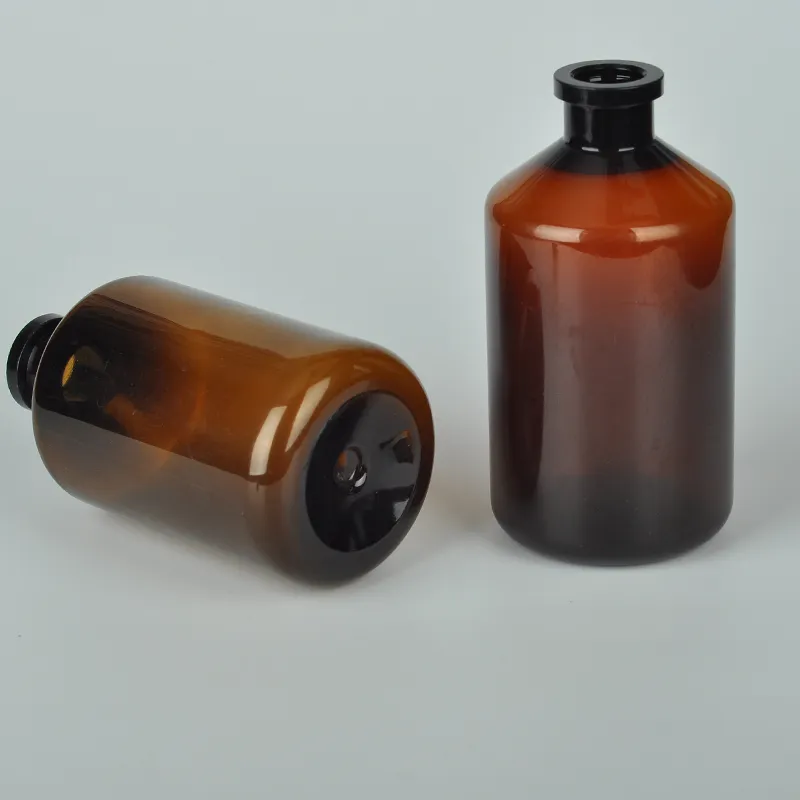
The bottle must protect sensitive medicines from moisture, air, and light. Plastic variants often incorporate UV blockers, while amber glass bottles excel for light-sensitive formulations. Durability ensures the product’s shelf life and maintains medication efficacy.
Child Resistance and Safety Features
Compliance with child safety regulations (like the U.S. Poison Prevention Packaging Act) is paramount. Many 2 oz bottles come with push-and-turn caps or squeeze closures to prevent accidental ingestion, especially important when dealing with hazardous substances.
Cost Efficiency & Scalability
In large-scale pharma or humanitarian deployments, affordable yet reliable bottles matter. Manufacturing uniform containers in huge quantities (sometimes millions) without lowering quality requires smart design and streamlined production methods.
Environmental Considerations
Recyclability and minimizing plastic use have become key. Some vendors now focus on biodegradable plastics or glass reuse programs, aligning with broader sustainability goals.
Customization & Branding
Pharma companies and NGOs alike value customization — from molded shapes for ergonomic use to printing readable, compliant labels directly on the bottle. It helps enhance patient experience and adherence.
Compatibility with Contents
Not all plastics play well with all medicines. Some formulas degrade certain plastics or absorb compounds — and this chemistry shapes material choice decisively.
Mini takeaway: Choosing the right 2 oz medicine bottle is a balancing act between protection, usability, affordability, and environmental impact.
Global Applications and Noteworthy Use Cases
In post-disaster relief, organizations like the World Health Organization (WHO) rely heavily on 2 oz medicine bottles to package emergency medicines shipped worldwide via fragile roads and uncertain political landscapes. These containers must survive rough handling yet be lightweight enough to fit into aid kits.
Remote industrial zones — like mines or oilfields — use these bottles to provide essential medications and first-aid supplies to workers in contained, manageable doses. Even day-to-day pharmacies utilize these for over-the-counter and prescription medicines, leveraging their small footprint.
Clinics administering pediatric doses benefit especially from these bottles, allowing safer, measured liquid administration. And let’s not forget supplement companies packaging herbal tinctures or vitamins targeting niche customer bases.
| Specification | Details |
|---|---|
| Capacity | 60 ml (2 oz) |
| Materials | High-density polyethylene (HDPE), amber glass, polypropylene |
| Closure type | Child-resistant screw cap, dropper top, standard screw cap |
| Dimensions (approx.) | Height 85 mm, Diameter 40 mm |
| Label compatibility | Pressure-sensitive labels, shrink sleeves, direct print |
| Regulation compliance | FDA CFR 21 Part 170+, ISO 9001 production standards |
Why Choose 2 oz Medicine Bottles? Advantages & Long-Term Value
They say big things come in small packages — and 2 oz medicine bottles deliver on that promise. Their compact size translates to lighter shipping loads, reduced storage space, and better dose control, all of which lead to cost savings not just for manufacturers but also for healthcare providers and patients.
From a sustainability standpoint, smaller containers mean less raw material use and, when recyclable materials are used, a smaller environmental footprint — something increasingly vital to corporate responsibility officers and NGOs.
Emotionally speaking, there is a trust factor. Patients who receive neatly packaged, well-designed medicine containers feel cared for; the presence of child safety features can ease parental anxiety. Innovation in packaging also signals commitment to quality, often boosting brand reputation.
Comparing Popular Vendors for 2 oz Medicine Bottles
| Vendor | Material Options | Customization | Compliance Certifications | Lead Time |
|---|---|---|---|---|
| WK Packaging | HDPE, amber glass, PP | Full label printing, custom molds | FDA, ISO 9001 | 2-4 weeks |
| PharmaPack Solutions | HDPE only | Standard sizes, limited colors | FDA compliant | 3-5 weeks |
| EcoBottle Corp. | Biodegradable plastics | Basic customization | ISO 14001 certified | 4-6 weeks |
Emerging Trends & Innovations in Medicine Packaging
We’re now seeing a definite shift toward “smart” medicine bottles — with NFC chips embedded for authenticity verification or patient adherence tracking. This is a game-changer for chronic disease management where missed doses are a problem.
Moreover, sustainable materials are gaining traction. Some suppliers experiment with recycled ocean plastics or plant-based polymers to cut down the carbon footprint substantially.
Automation in packaging lines, aided by AI quality control, ensures fewer defects and better resource efficiency, especially when producing small formats like 2 oz bottles. It’s a bit surprising how high-tech even these little containers have become.
Challenges and How Industry Addresses Them
One persistent issue is balancing child safety with user-friendliness; some patients (elderly or disabled) find child-resistant caps frustrating. Vendors try to innovate with alternative lock-secure mechanisms that don’t sacrifice accessibility.
Another challenge is maintaining quality across low-cost production. Cutting corners can lead to leakage or contamination. Reliance on ISO-certified suppliers and stringent quality audits is standard practice.
Supply chain disruptions, as seen recently, highlight the need for local sourcing and diversified manufacturing — ensuring adequate stocks of 2 oz medicine bottles even during emergencies.
FAQ: Your Top Questions About 2 oz Medicine Bottles
- What materials are best for 2 oz medicine bottles to ensure safety?
- High-density polyethylene (HDPE) and amber glass are popular due to their chemical resistance and ability to shield light. The choice depends on the medicine’s nature; always consider compatibility and regulatory compliance.
- Can 2 oz medicine bottles be recycled easily?
- Most HDPE bottles are widely recyclable in curbside programs, while amber glass is highly recyclable. However, caps and labels may need separate processing. Choosing bottles with minimal additives or biodegradable materials improves recyclability.
- How can I customize 2 oz medicine bottles for branding?
- Options include pre-molded custom shapes, colors, or embossed logos. Labeling ranges from pressure-sensitive stickers to full shrink-sleeve wraps. Communicate early with your supplier to explore available options and lead times.
- Are child-resistant caps mandatory for these bottles?
- Not always, but for medications with poisoning risk, regulations like the U.S. Poison Prevention Packaging Act often require child-resistant features. Check your jurisdiction’s laws and the product type to decide.
- How quickly can I receive bulk shipments of customized 2 oz medicine bottles?
- Typical lead times range from 2 to 6 weeks depending on customization level, material, and production capacity. Planning well ahead is recommended, especially when ordering overseas or during high demand.
Wrapping Up: Why 2 oz Medicine Bottles Matter for the Future
In the grand landscape of healthcare and medicine logistics, 2 oz medicine bottles serve a vital, if often overlooked, role. They neatly combine practicality, safety, and sustainability in a tiny package that can make a big difference—especially in remote clinics, aid operations, and everyday pharmacies.
From innovation in materials to smarter compliance features, these containers will continue evolving alongside medicine needs and global health priorities. If you’re looking into robust, customizable, and compliant 2 oz medicine bottles, WK Packaging offers great options to check out.
After all, sometimes it’s the small things that keep the world running smoothly.
References:
-
Bulk Eye Dropper Bottles for Industrial Packaging - Reliable & CustomizableNewsDec.31,2025
-
Small Plastic Dropper Bottles – Durable, Precise Packaging Solutions for B2B ApplicationsNewsDec.10,2025
-
Medicine Dropper Bottles – Precision and Quality Packaging Solutions for B2B | WK PackingNewsDec.10,2025
-
Discover Top Quality 2 oz Eye Dropper Bottles for Industrial UseNewsDec.09,2025
-
1 Oz Eye Dropper Bottles - Precision Packaging Solutions for B2B Industries | WKPackingNewsDec.09,2025
-
Durable 4 oz Eye Dropper Bottles for Industrial & Cosmetic UseNewsDec.09,2025