


Nov . 13, 2025 20:30
Back to list
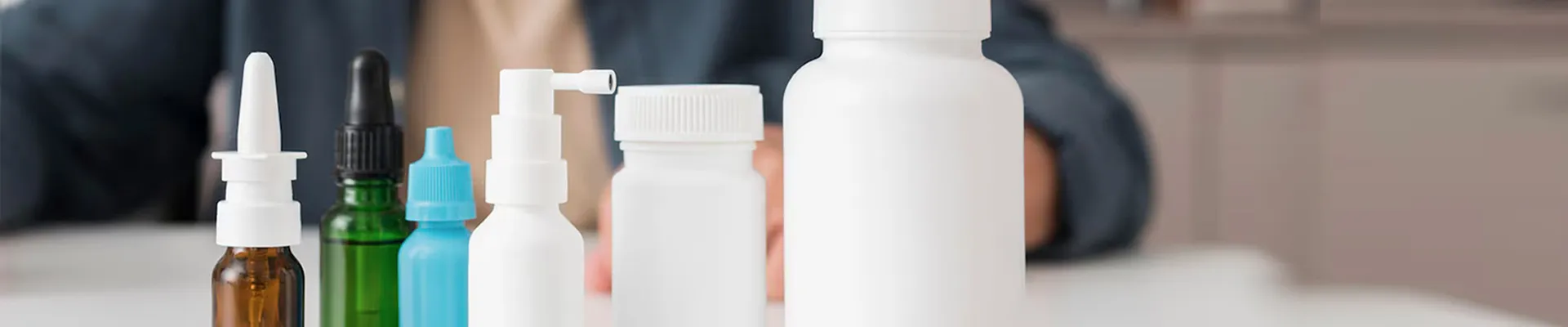
Durable Prescription Medicine Bottles for Industrial Use
Why the Right Prescription Medicine Bottle Matters More Than You Think
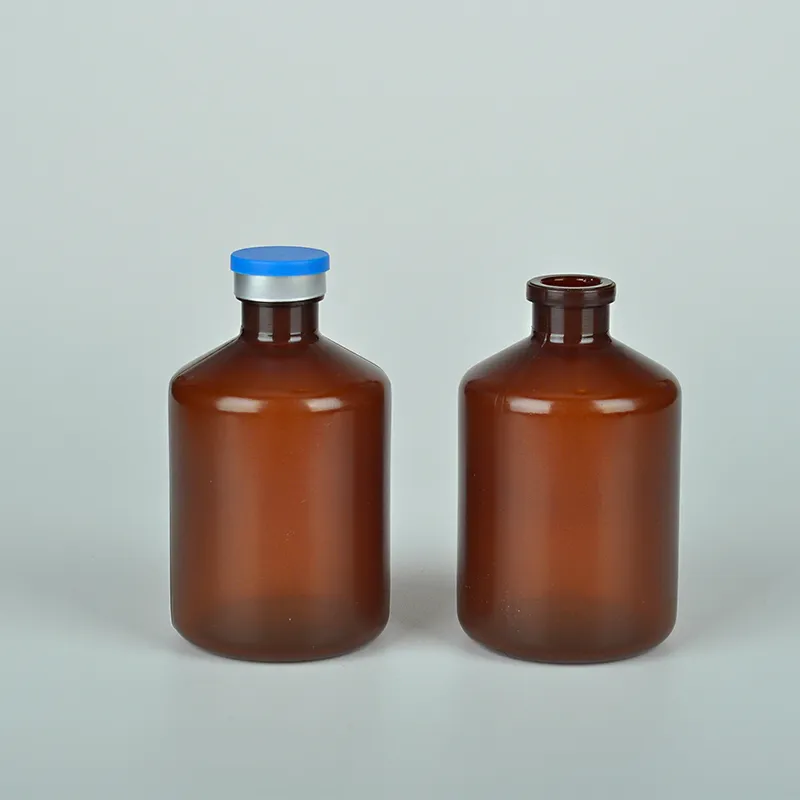
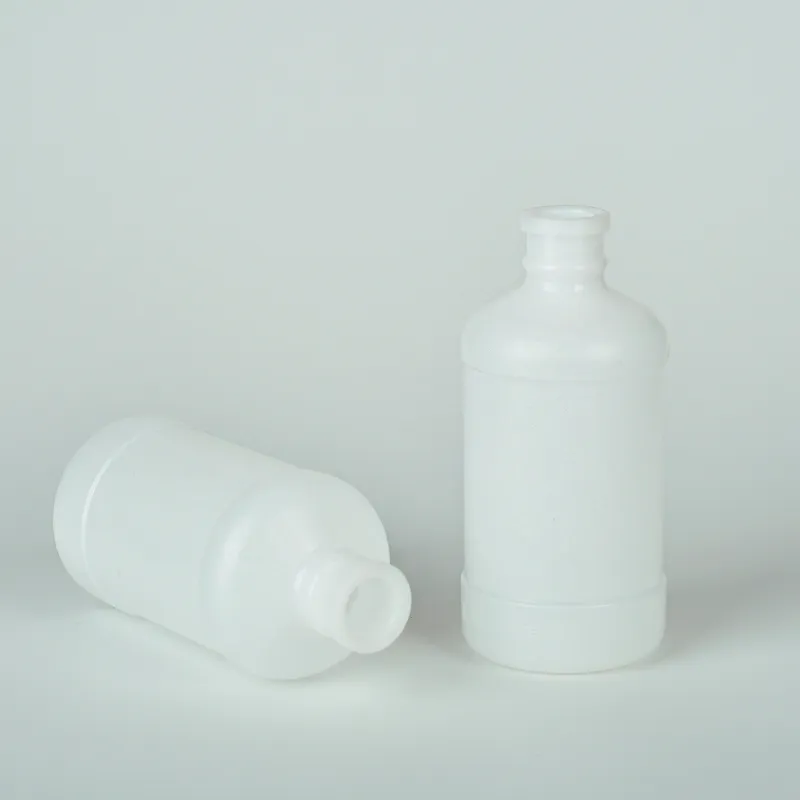
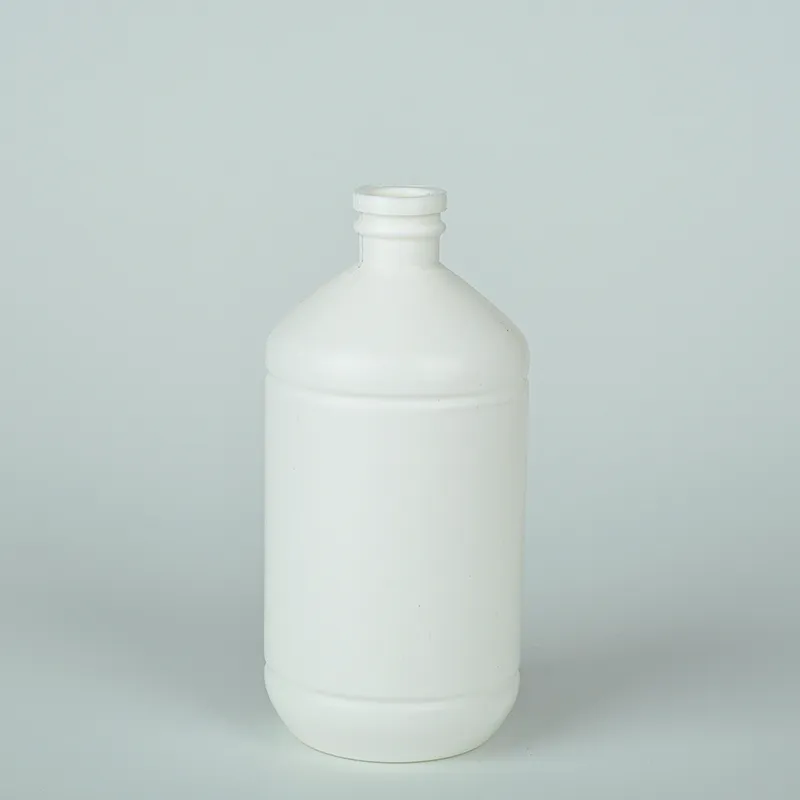
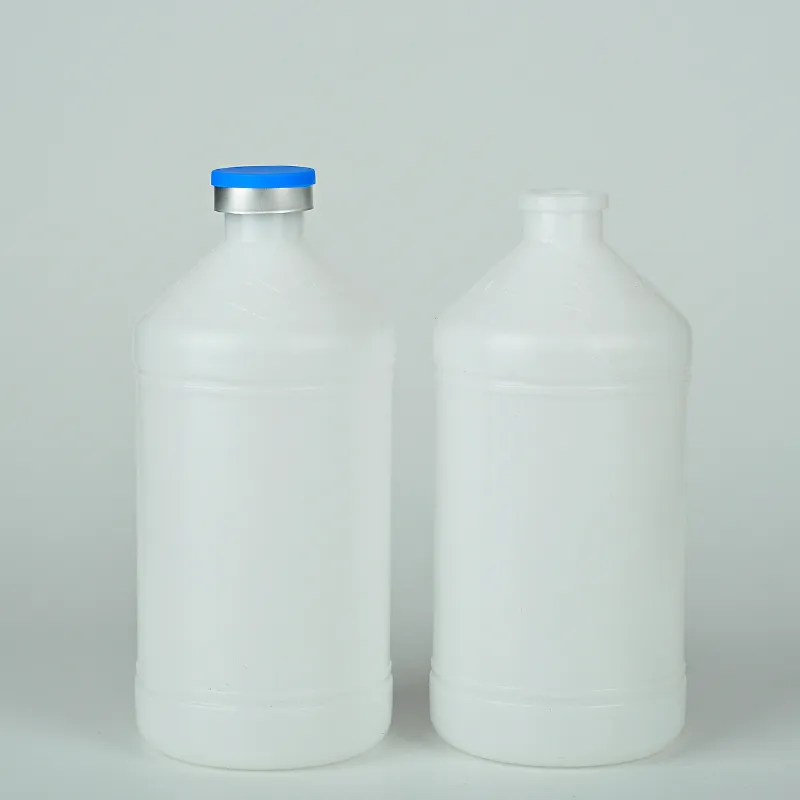
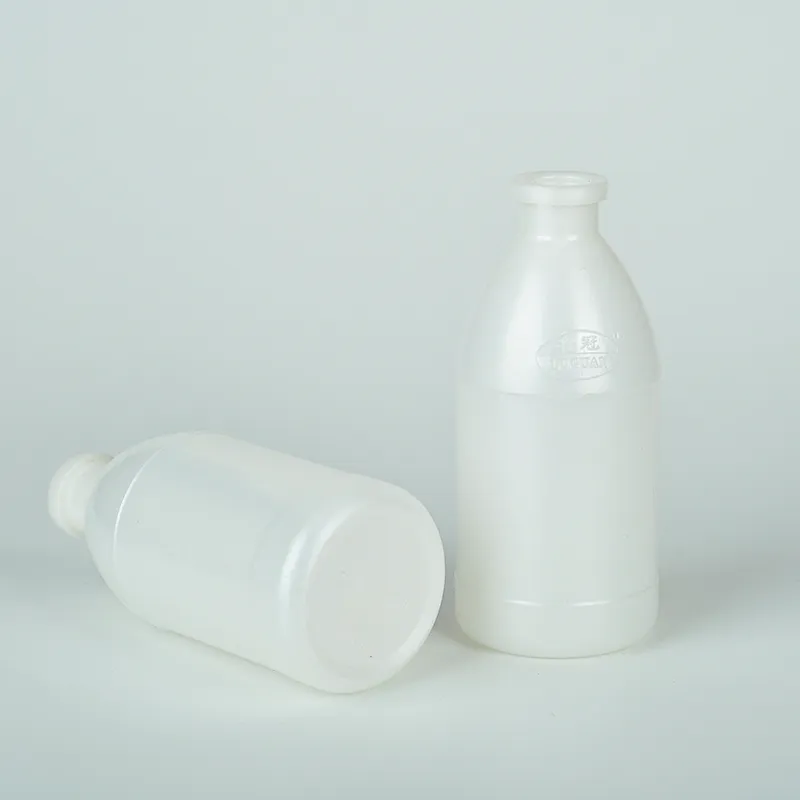
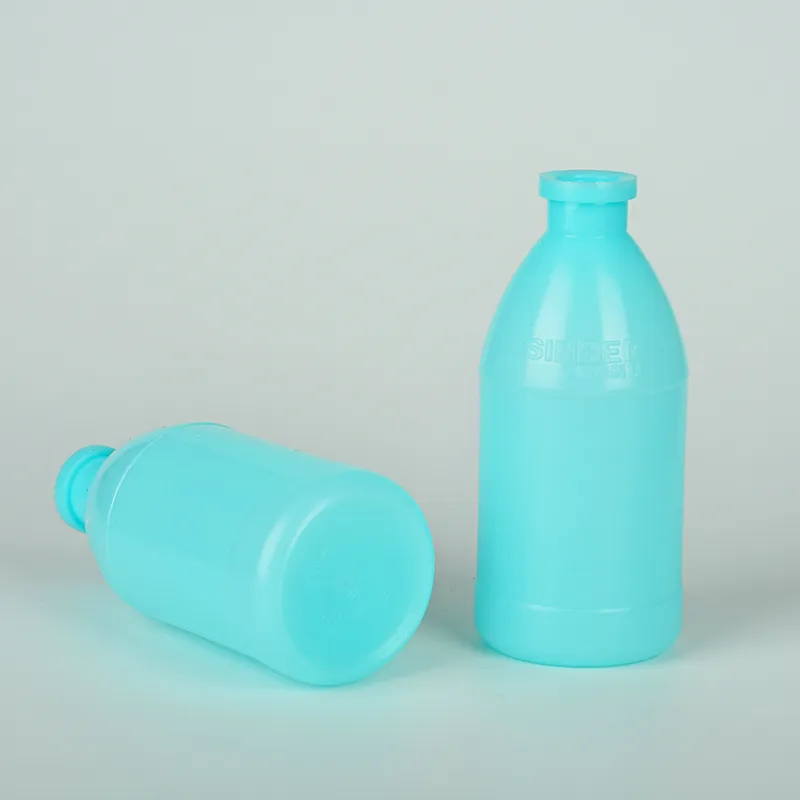
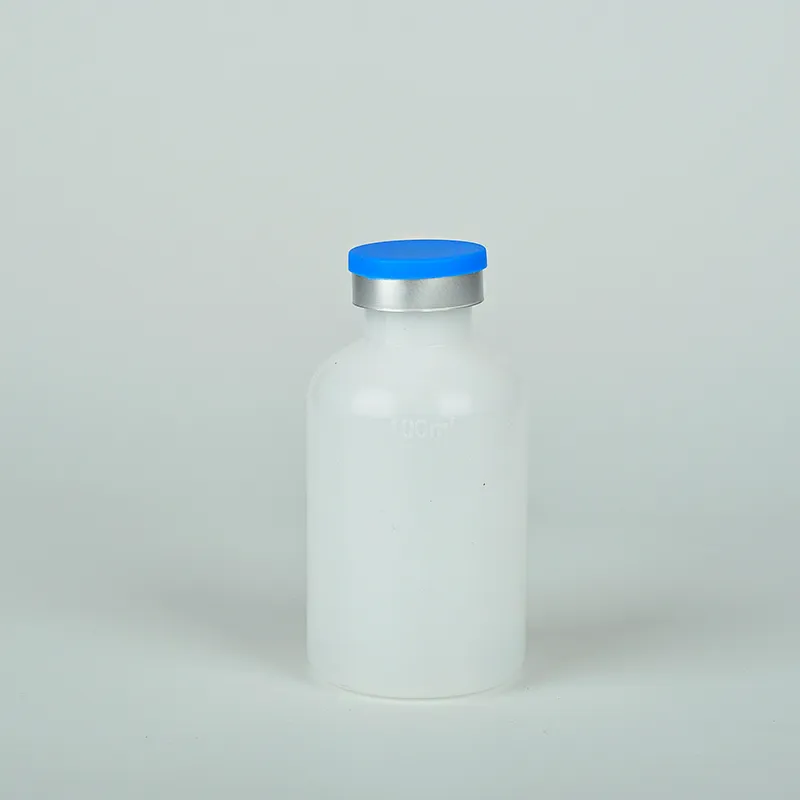
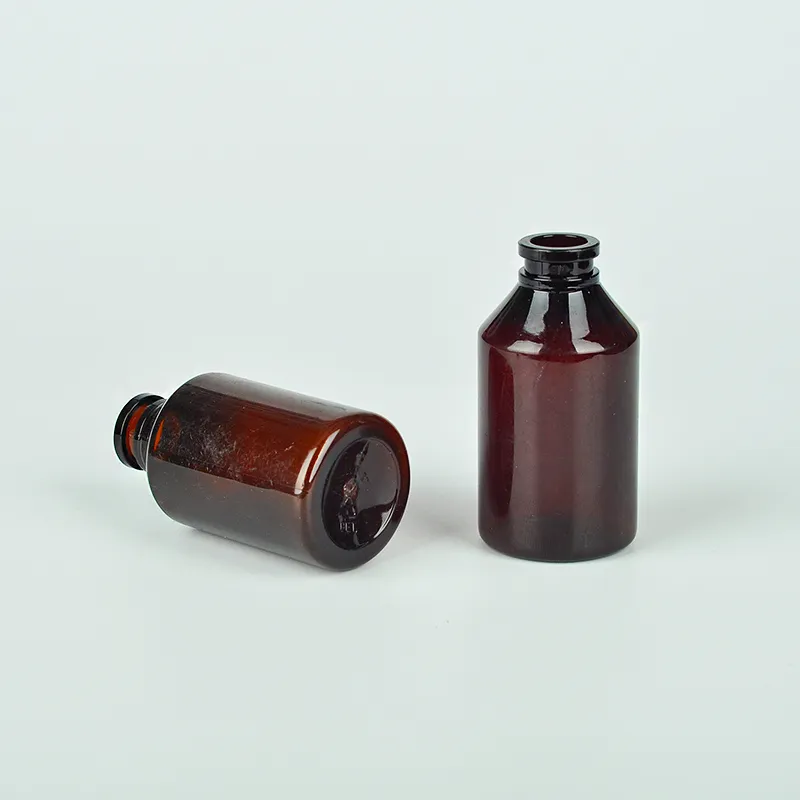
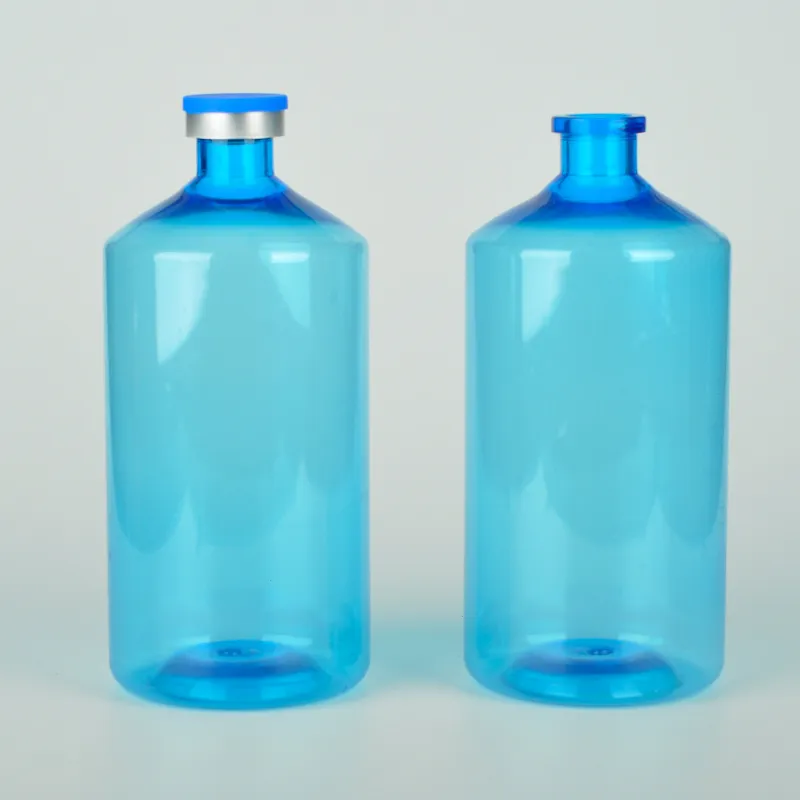
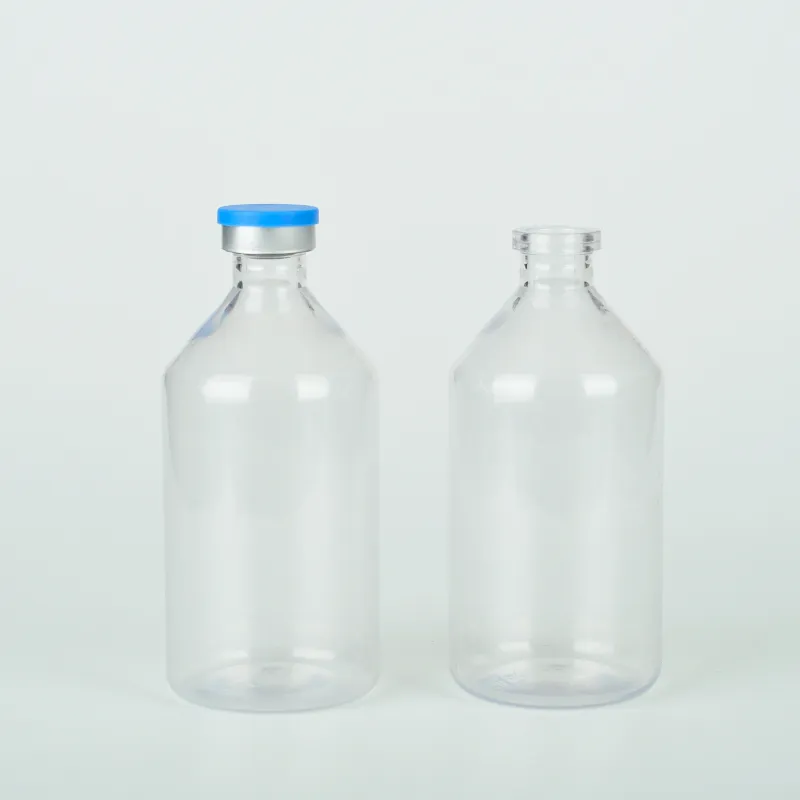
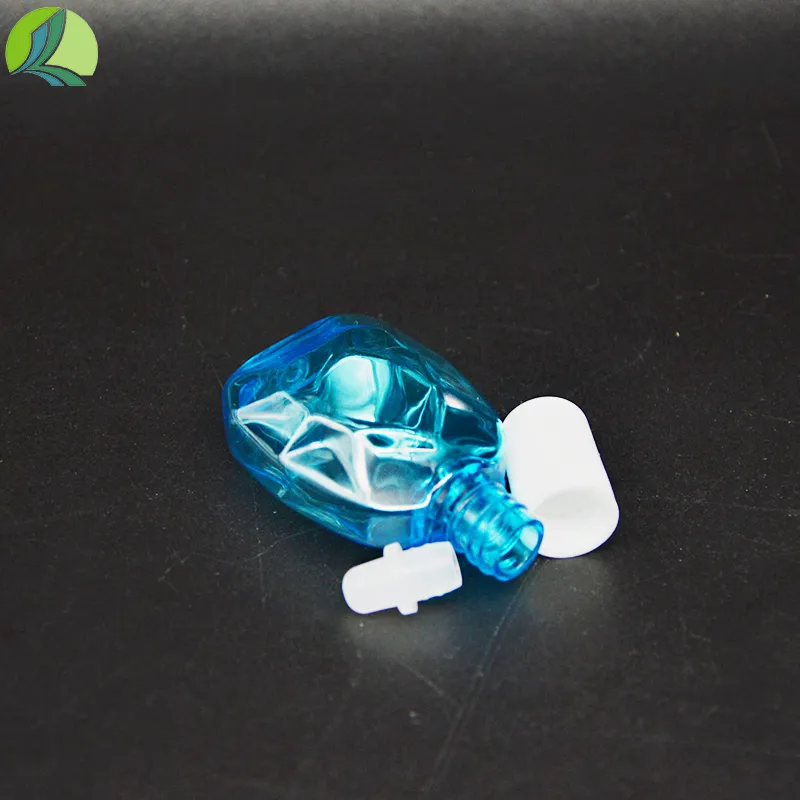
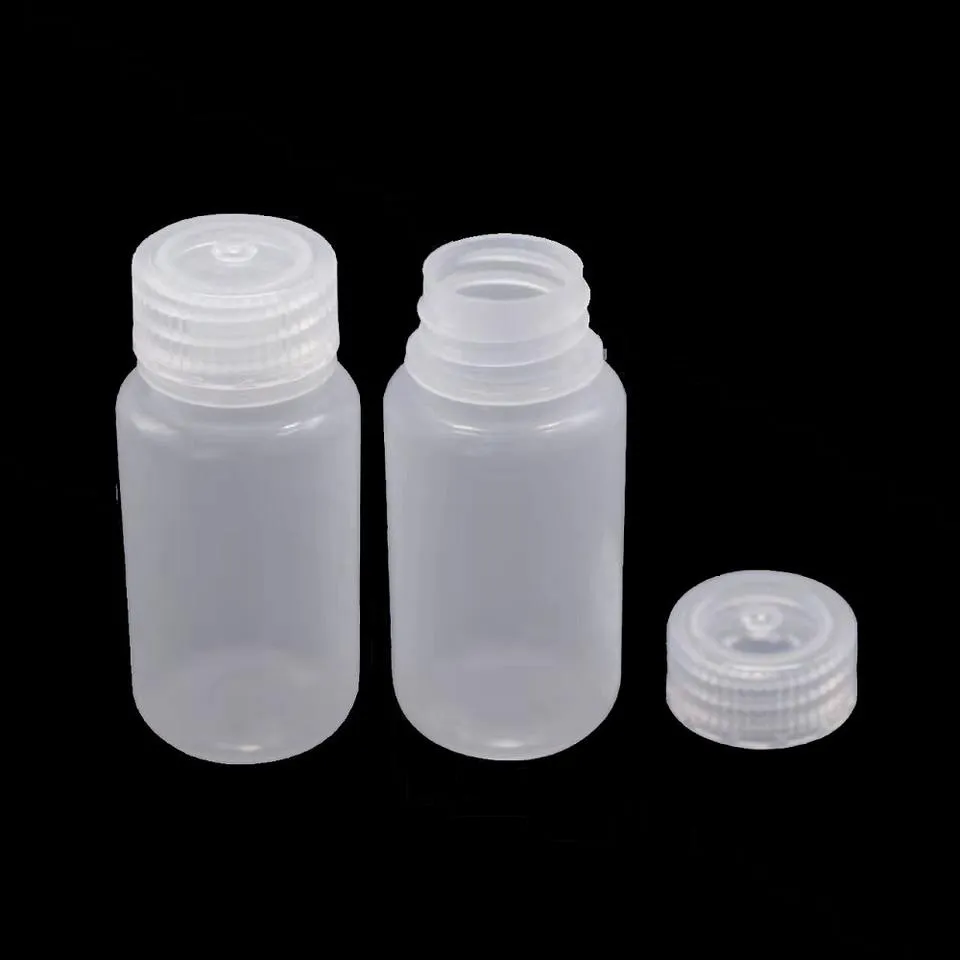
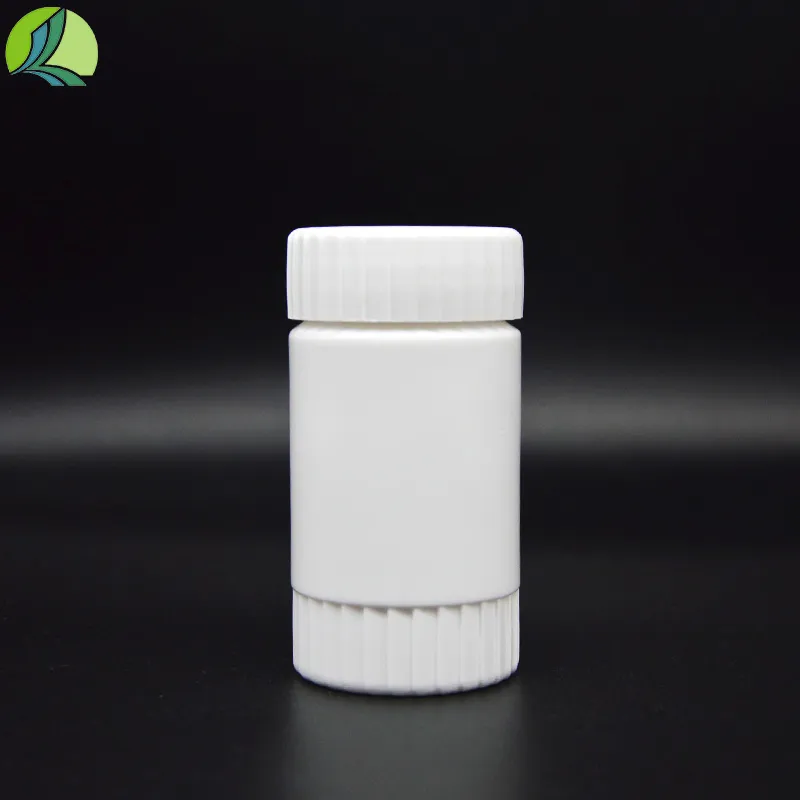
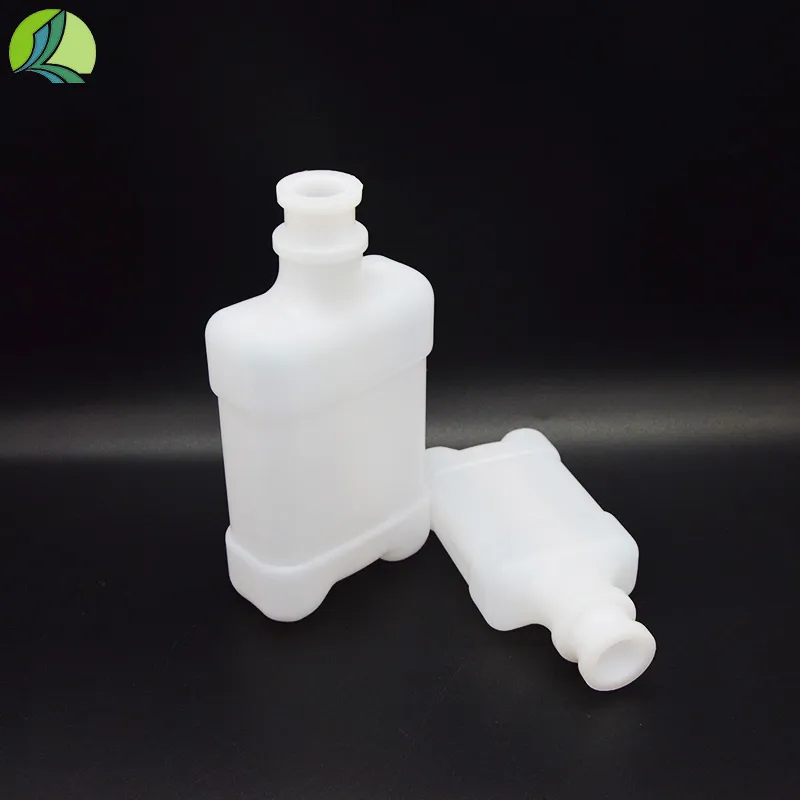
People often don’t consider the humble prescription medicine bottle beyond its obvious function — holding pills. But in my years working closely with industrial packaging for pharmaceuticals, I’ve learned it’s a bit more complex and frankly, pretty fascinating. These bottles must balance safety, durability, compliance, and ease of use... all while keeping production costs reasonable. Oddly enough, not all pharma bottles are created equal. For example, one tricky aspect is the child-resistant cap, which has saved countless kids but added layers of complexity to design and testing. I remember a case where a vendor rushed their prototypes without proper sealing tests — the bottles leaked, patients returned meds, and trust was lost. Lesson learned: robust testing is non-negotiable.What Makes a Prescription Medicine Bottle Stand Out?
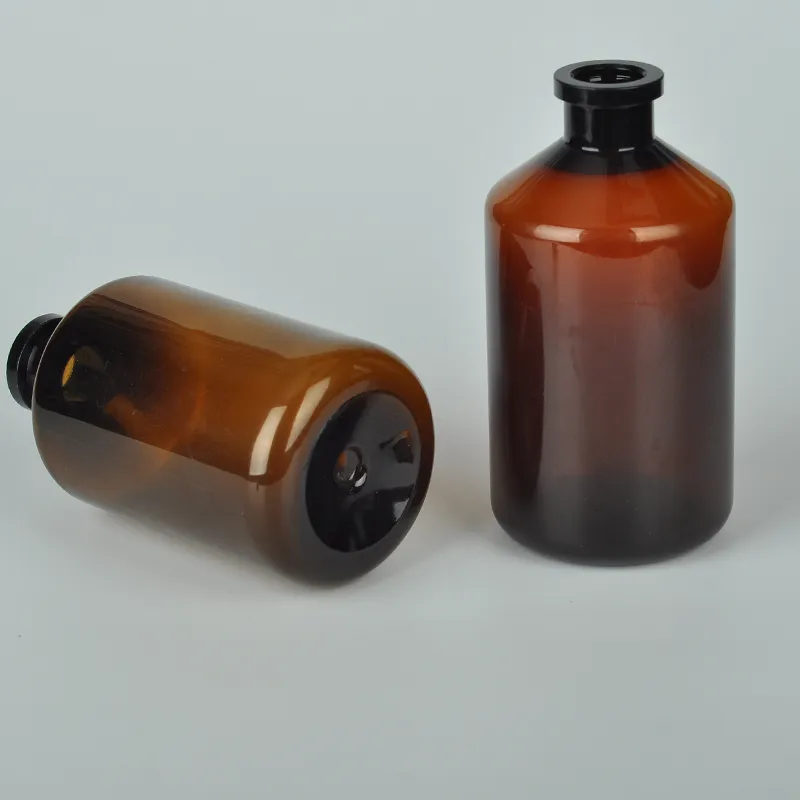
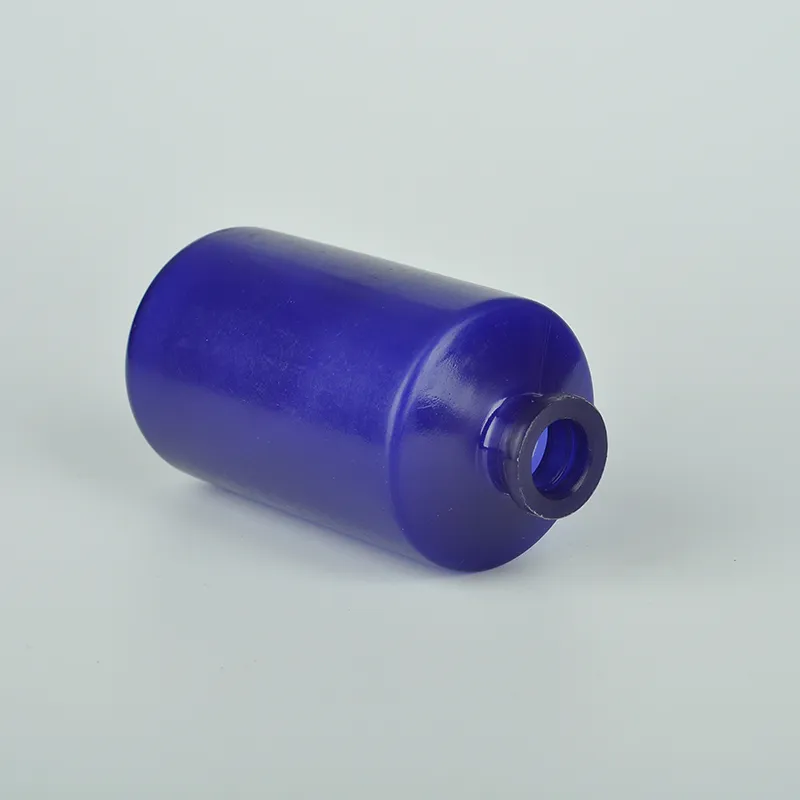
From my site visits and talks with engineers, several factors keep popping up: material quality (mostly HDPE or PET), tight sealing to prevent contamination, UV protection for sensitive medicine, and easy-to-read labeling surfaces. These bottles are surprisingly technical. Oh, and don’t forget tamper-evident features — regulators watch this like hawks, which is good because anyone handling meds wants peace of mind. It’s also worth noting the rise of customization. Pharmaceutical companies often want bottles tailored to their brand or dosage needs — something I’ve noticed as a growing trend is microdosing solutions needing smaller bottles without compromising safety. Quite a balancing act if you ask me.Key Specifications of Prescription Medicine Bottles
Here’s a quick snapshot of specs I’ve seen as pretty standard but flexible, depending on the product line or vendor:| Specification | Typical Range | Remarks |
|---|---|---|
| Material | HDPE, PET, or PP | UV protection optional |
| Capacity | 15 ml to 500 ml | Custom sizes available |
| Cap Type | Child-resistant, tamper-evident | Compliance mandated |
| Label Surface | Smooth, matte finish | Easy printing/printing |
| Testing | Leak, drop, child resistance | Industry standards apply |
Choosing Between Different Prescription Medicine Bottle Vendors
Speaking of vendors — this is where things can get interesting. I remember evaluating several suppliers when a client wanted a new packaging line for their diabetes meds. Some vendors offered great prices but faltered on finish quality or customization. Others delivered impeccable specs but at a price point that blew the budget. Here’s a simple comparison I put together based on reliability, customization options, and price — key factors anyone in the industrial space will appreciate:| Vendor | Customization | Price Range | Lead Time | Reliability |
|---|---|---|---|---|
| PharmaPack Inc. | High - tailored caps and sizes | $$$ | 3-5 weeks | Excellent |
| SafeSeal Solutions | Medium - standard sizes, limited colors | $$ | 2-4 weeks | Good |
| BudgetPack | Low - mostly stock options | $ | 1-2 weeks | Fair |
Final Thoughts: Prescription Medicine Bottles Are Bigger Than Containers
So yes, there’s a lot packed into a seemingly simple bottle — materials, tests, vendors, customization — and the stakes are high. As the pharma landscape evolves, so do packaging needs. If you’re sourcing, balancing cost and quality with safety can’t be overstated. From my view, investing the time and effort here pays dividends in trust and compliance. — Joe M., Industrial Packaging ProReferences:
1. Industry standards: ASTM D3475 for child-resistant closures
2. FDA Packaging Guidelines (fda.gov)
3. WK Packing customer testimonials, 2023
Share
Latest news
-
Bulk Eye Dropper Bottles for Industrial Packaging - Reliable & CustomizableNewsDec.31,2025
-
Small Plastic Dropper Bottles – Durable, Precise Packaging Solutions for B2B ApplicationsNewsDec.10,2025
-
Medicine Dropper Bottles – Precision and Quality Packaging Solutions for B2B | WK PackingNewsDec.10,2025
-
Discover Top Quality 2 oz Eye Dropper Bottles for Industrial UseNewsDec.09,2025
-
1 Oz Eye Dropper Bottles - Precision Packaging Solutions for B2B Industries | WKPackingNewsDec.09,2025
-
Durable 4 oz Eye Dropper Bottles for Industrial & Cosmetic UseNewsDec.09,2025
RECOMMEND PRODUCTS