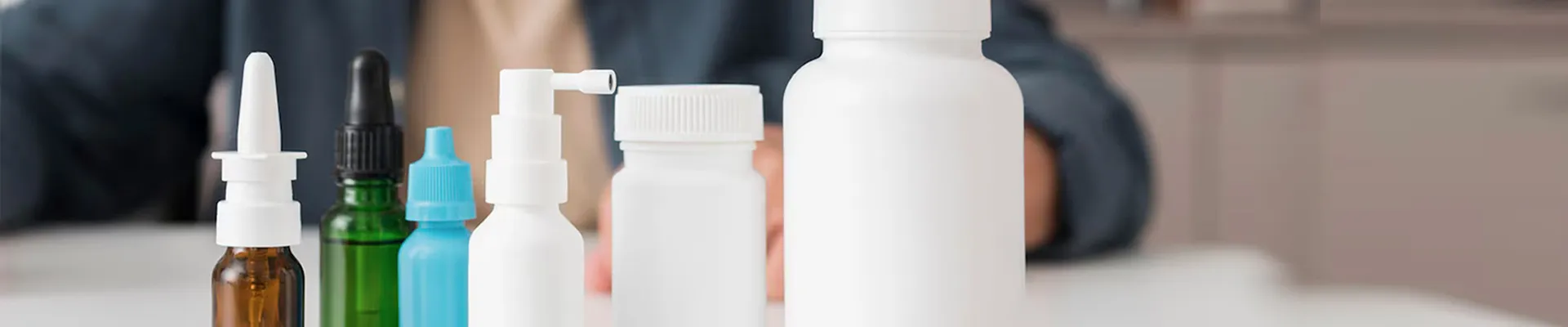


Durable and Safe Plastic Prescription Bottles for Modern Healthcare | WK Packing
Understanding Plastic Prescription Bottles: Why They Matter in Today’s World
Plastic prescription bottles have become an unsung hero in global healthcare logistics. At first glance, they’re just containers—but dig a little deeper, and you’ll find a key player in ensuring medication safety, patient adherence, and widespread pharmaceutical distribution. Their design and material choices influence everything from shelf-life to environmental impact. Understanding these bottles isn’t just a niche topic; it’s about grasping a crucial link in the medicine chain binding healthcare systems worldwide.
The Global Context: How Plastic Prescription Bottles Fit Into Healthcare Today
Globally, the pharmaceutical industry is projected to exceed $1.5 trillion by 2025, with prescription medicines accounting for a vast slice of that pie (Source: WHO, 2023). Plastic prescription bottles – that is, rigid, generally high-density polyethylene (HDPE) containers tailored for pills and capsules – enable widespread access to medication across continents and climates.
Surprisingly, the UN estimates over 2 billion people worldwide lack consistent access to essential medicines. This gap underscores the importance of durable, safe, and cost-effective packaging to deliver doses intact. Plastic bottles fit this role—offering lightness for transport, protection against moisture, and tamper resistance—which ultimately preserves medicine efficacy.
But there’s a backstory: the environmental concerns around plastics and waste management challenge this status quo. So the industry constantly balances functionality with sustainability.
Mini takeaway:
Plastic prescription bottles aren't just containers; they're a vital link in ensuring global health equity, especially where fragile supply chains and limited resources meet big pharmaceutical needs.
What Are Plastic Prescription Bottles, Exactly?
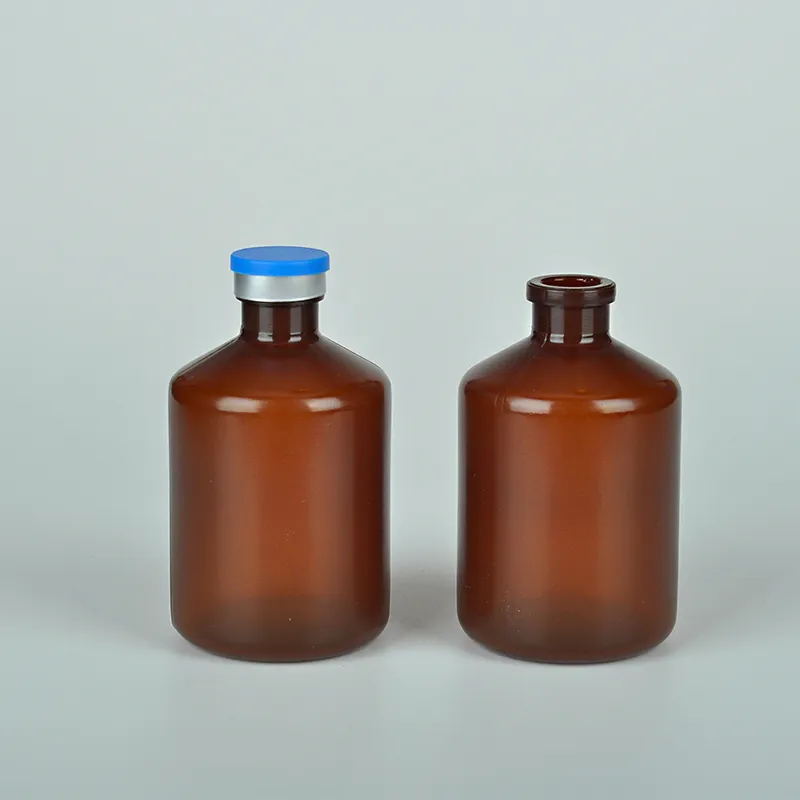
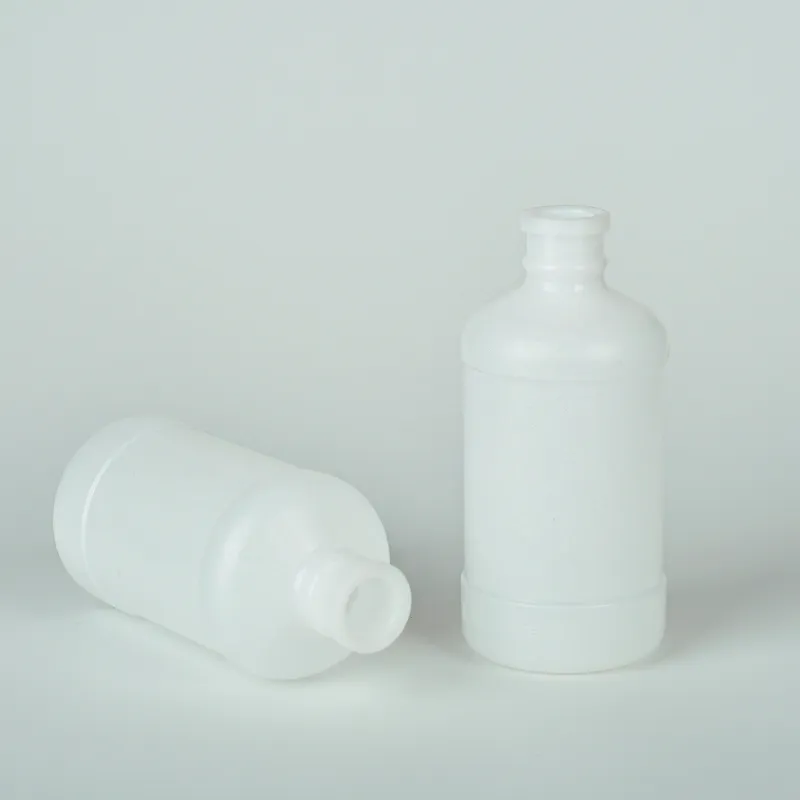
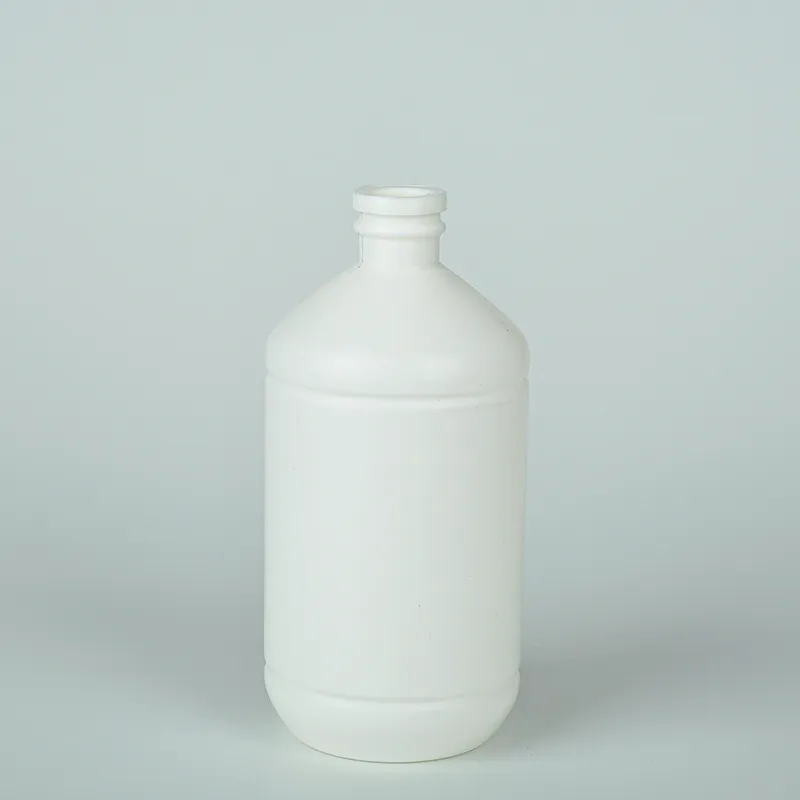
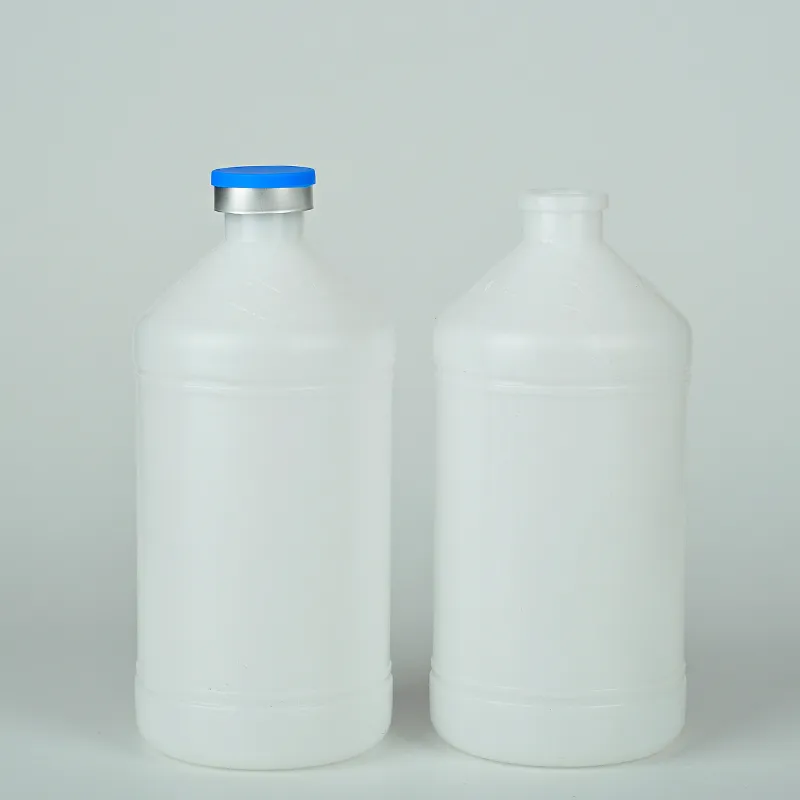
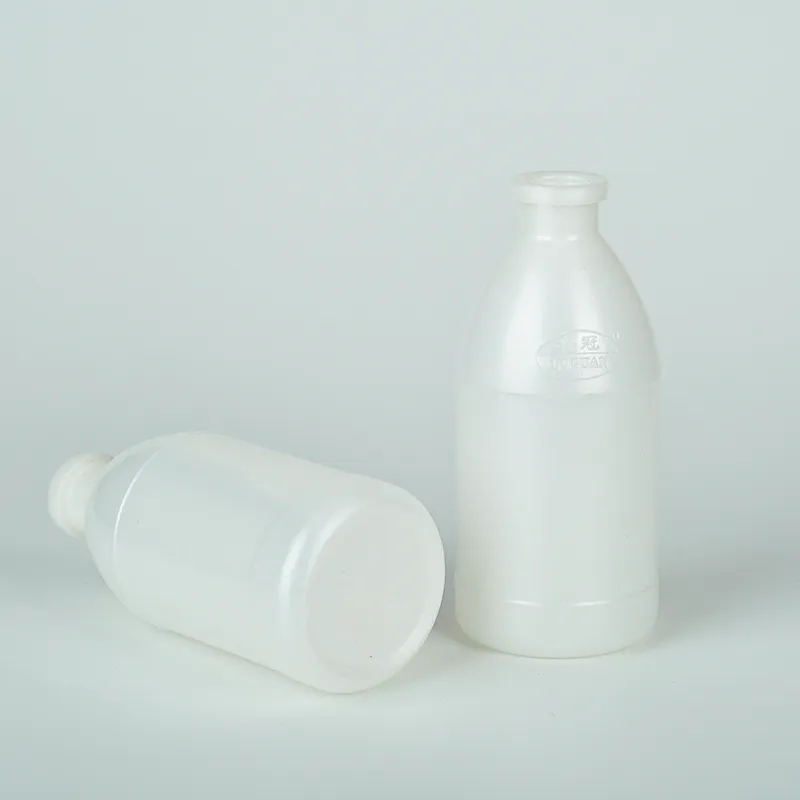
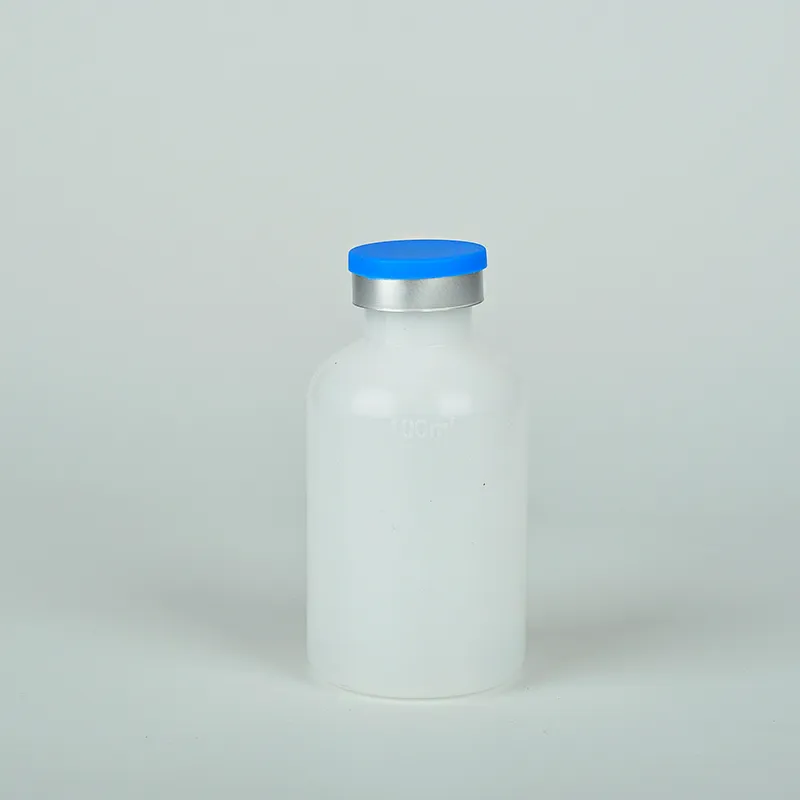
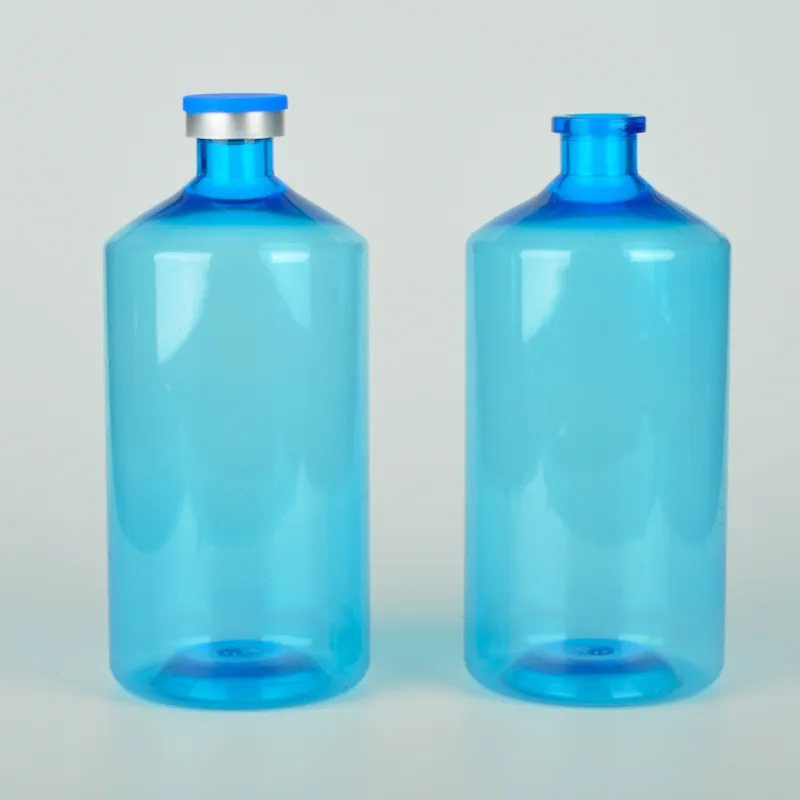
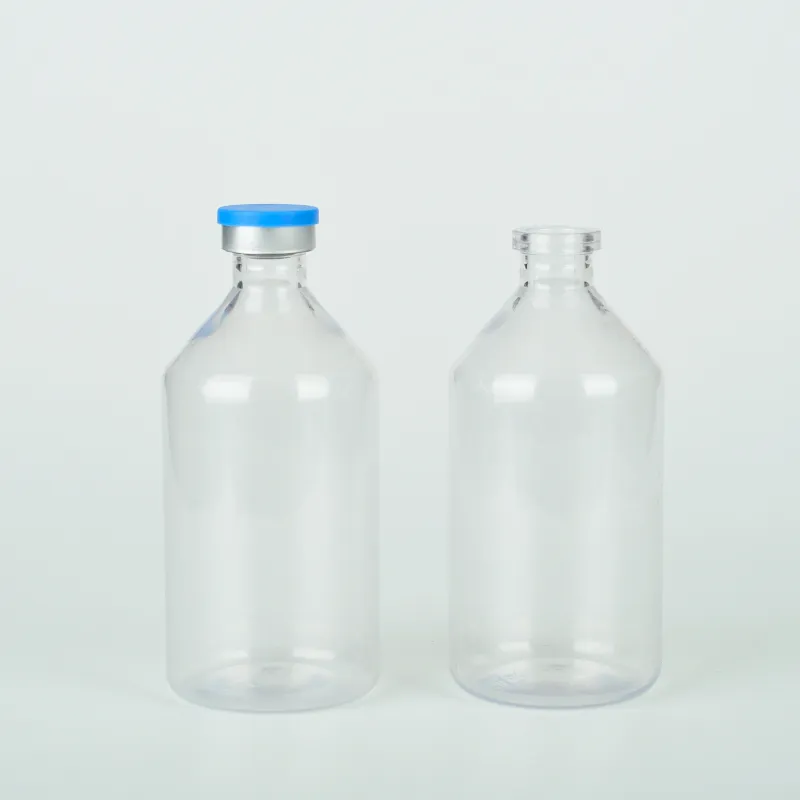
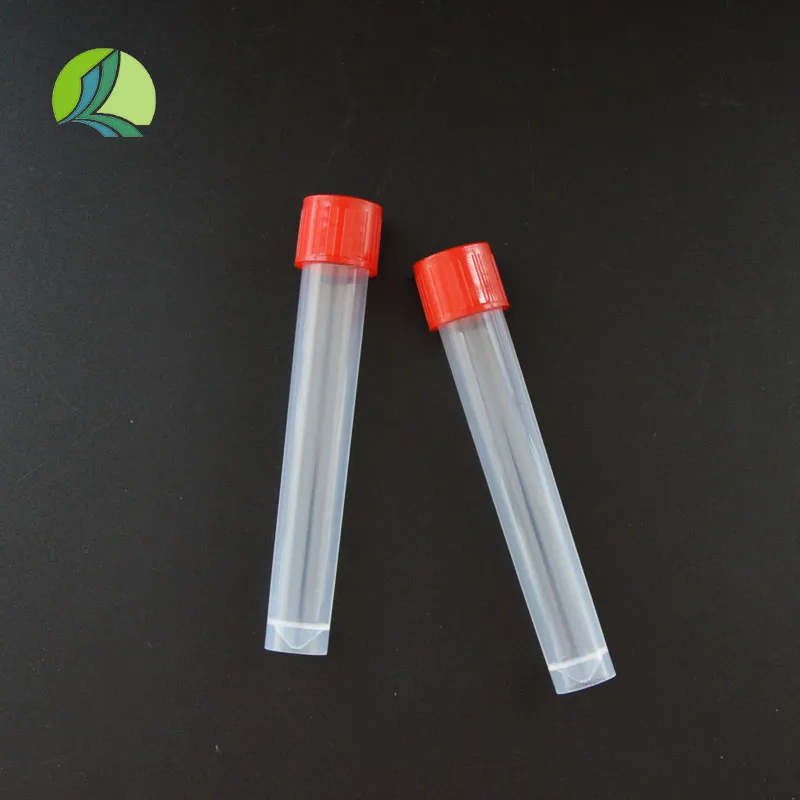
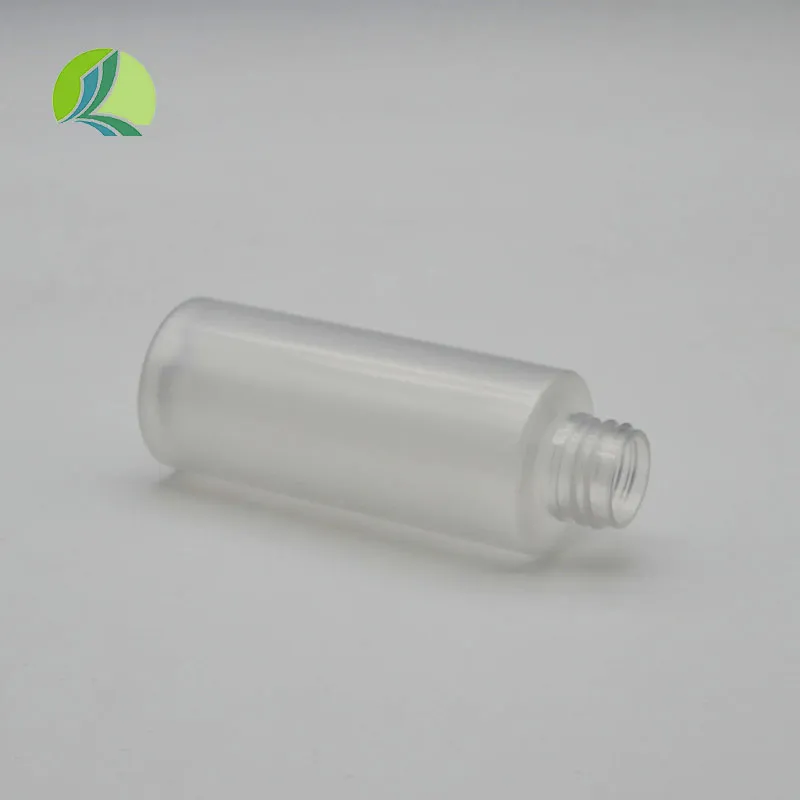
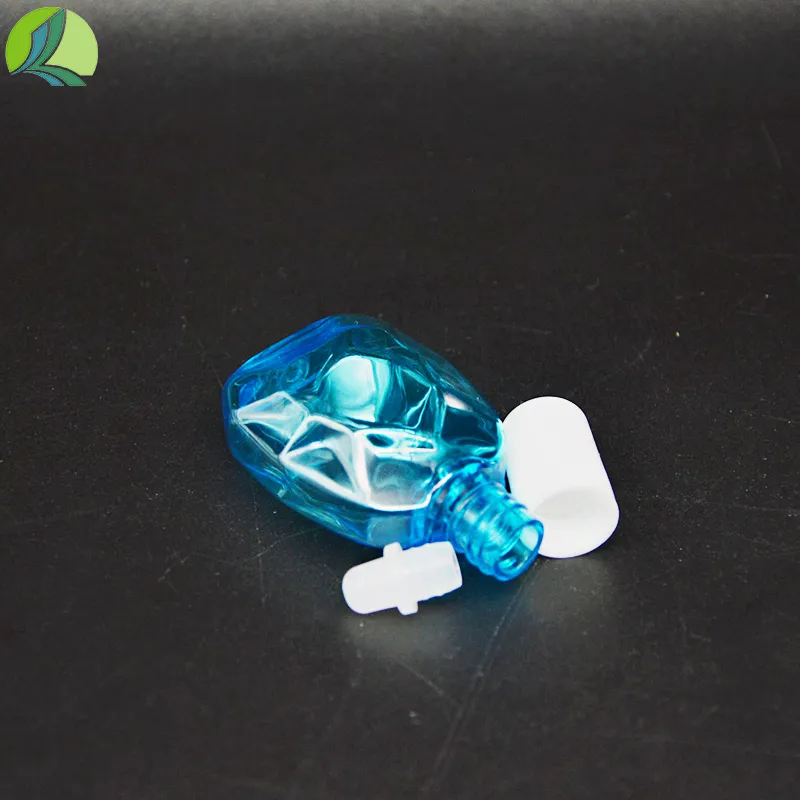
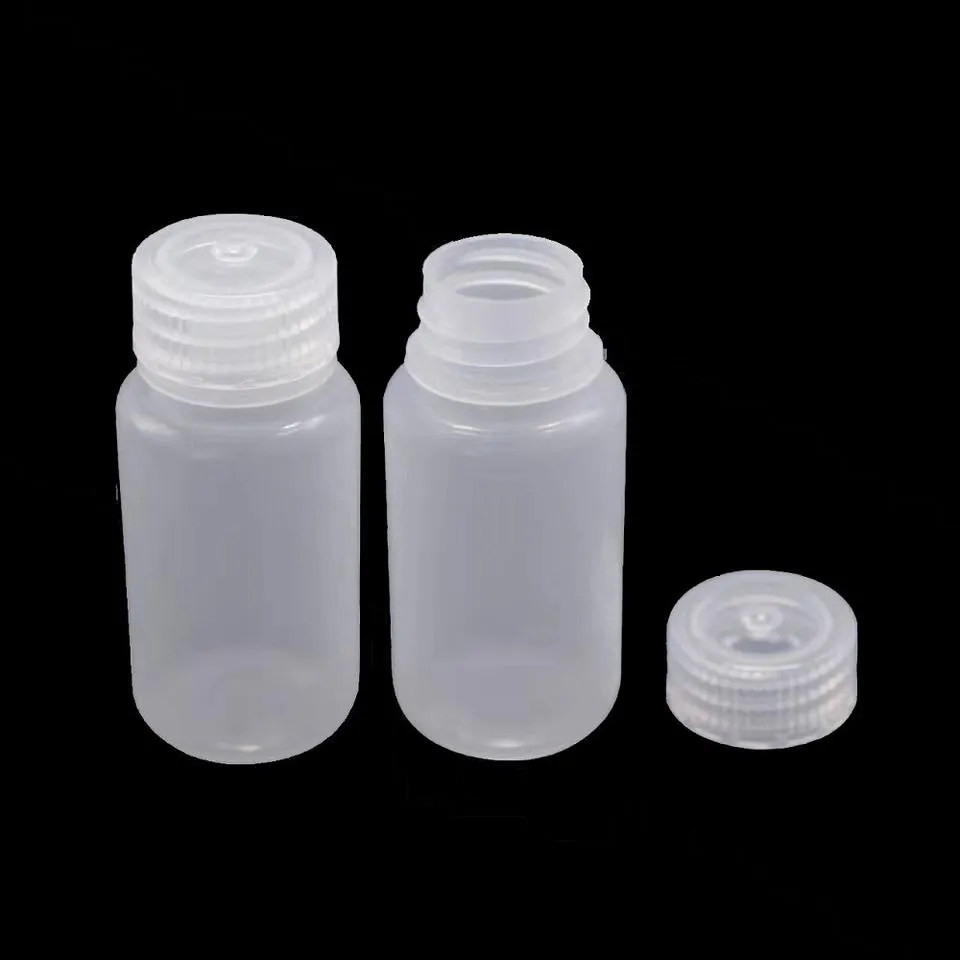
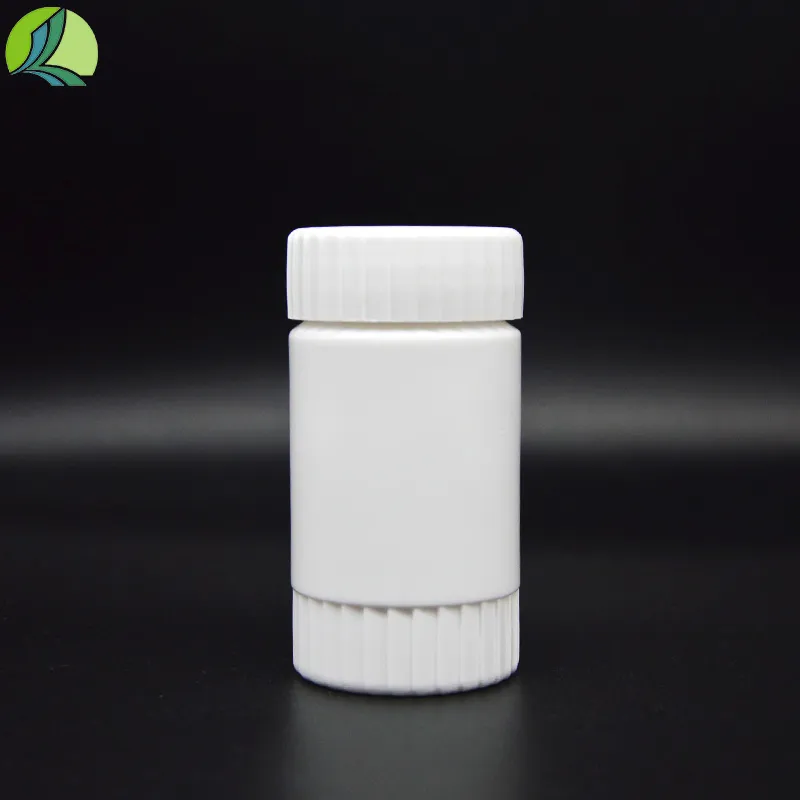
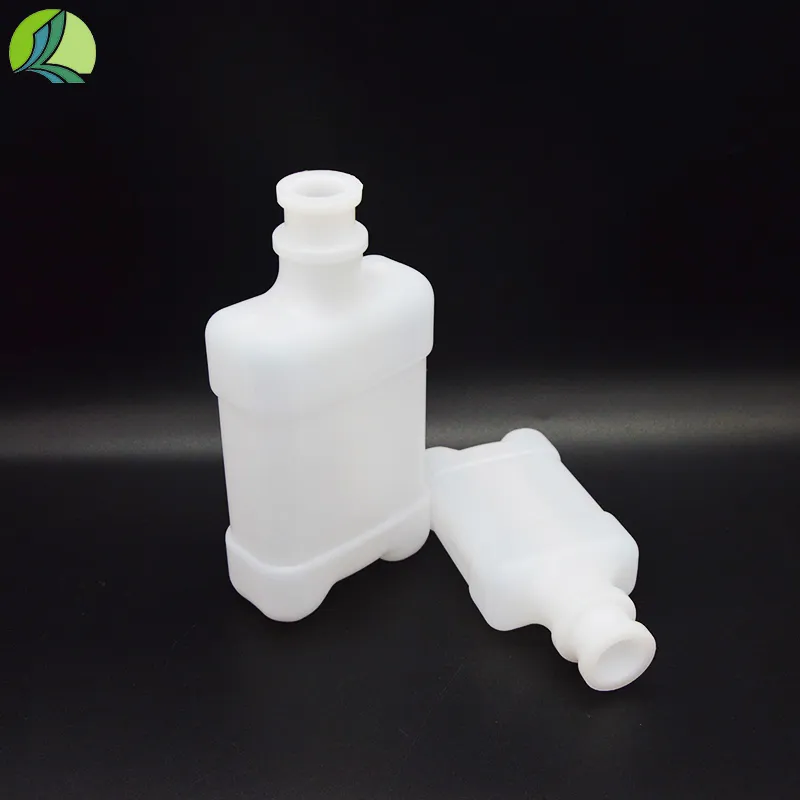
Let’s demystify. A plastic prescription bottle is typically a molded container, often made of HDPE or polypropylene (PP), designed specifically to store medicinal tablets or capsules. These bottles usually feature child-resistant caps, moisture barriers, and labels that comply with regulatory standards.
While they seem simple, their design integrates both industrial precision and patient safety protocols. Beyond protecting pills, these bottles aid pharmacies in dispensing accurate dosages and help patients adhere to regimens by clearly labeling instructions. In humanitarian terms, they’re lifelines during disaster relief or remote clinics.
Key Features of Plastic Prescription Bottles That Make Them So Essential
Durability
One of the reasons HDPE plastic dominates this niche is its resistance to impact and environmental factors. Imagine shipments crossing rough terrains or tropical humidity—the bottles must keep medicines intact without cracks or leaks that compromise safety.
Cost Efficiency
Mass manufacturing of these bottles permits economies of scale, bringing down overall costs. Considering billions of prescriptions annually, switching to a slightly more affordable bottle design can save millions for healthcare systems.
Child-Resistance and Tamper-Evident Features
Safety is paramount. Caps engineered with specific locks or snaps reduce accidental ingestion risks and signal if a bottle has been opened prematurely.
Customization & Branding
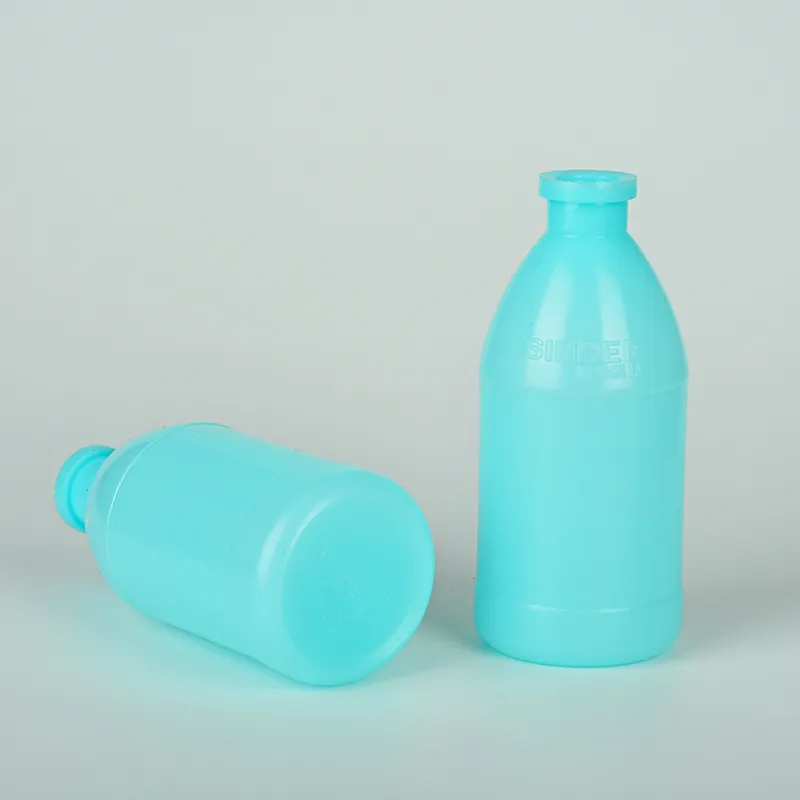
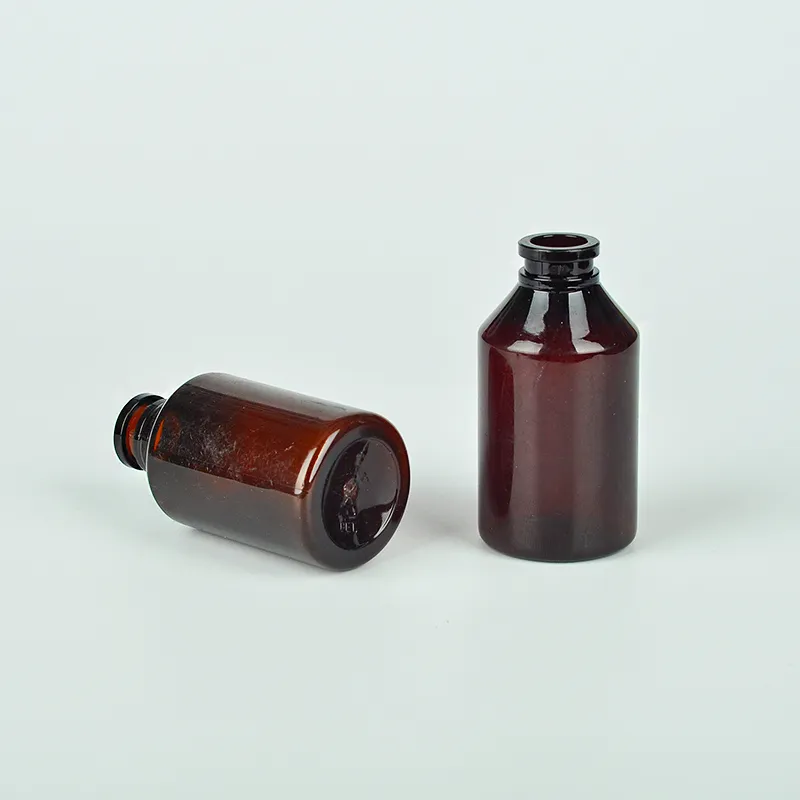
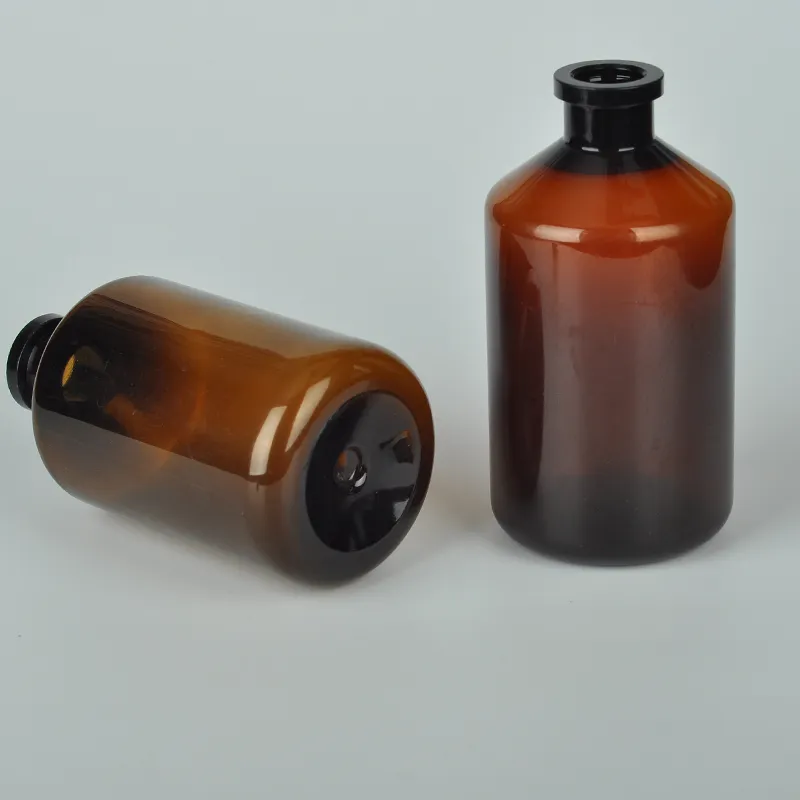
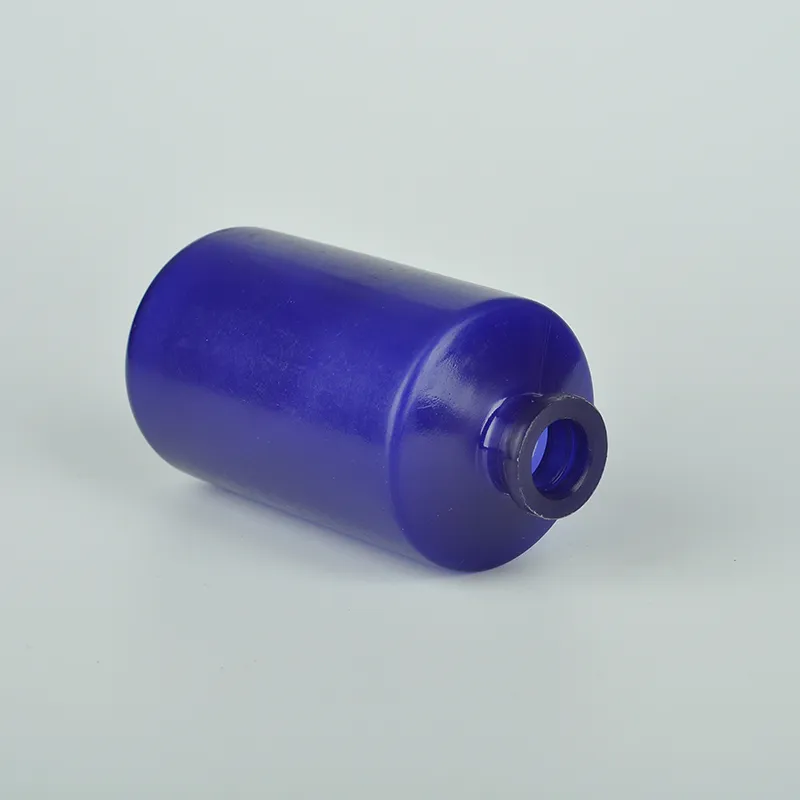
Modern manufacturers provide options for various shapes, sizes, colors, and labels, assisting pharmacies and pharma companies to differentiate products and improve user experience.
Recyclability & Environmental Impact
While plastic poses disposal challenges, advances are underway to increase recyclability or use bioplastics. This promises a greener future.
Specification Table - Typical Plastic Prescription Bottle
| Specification | Detail |
|---|---|
| Material | High-Density Polyethylene (HDPE) or Polypropylene (PP) |
| Capacity | 10 ml to 500 ml |
| Cap Type | Child-resistant, screw-on, or snap-on |
| Moisture Barrier | Standard or enhanced (desiccant liners) |
| Label Compatibility | Adhesive and shrink-wrap compatible |
| Recyclability | Typically recyclable depending on local facilities |
Where Plastic Prescription Bottles Are Making an Impact Globally
Plastic prescription bottles are ubiquitous, but some applications highlight their importance:
- Developing countries: As healthcare infrastructure struggles to meet demand, durable and affordable prescription bottles make medication delivery viable.
- Disaster and humanitarian relief: Emergency medical kits rely heavily on bottles designed for easy transport and safe packaging during crises.
- Retail Pharmacies & Hospitals: Daily dispensing rests on standardized packaging ensuring patients receive the correct dosage and information.
- Remote industrial zones: Chemicals and pharmaceuticals stored safely in rugged plastic bottles support worker health where breakdowns could be a matter of life and death.
Vendor Comparison Table
| Vendor | Material Options | Customization Level | Typical Lead Time | Sustainability Initiatives |
|---|---|---|---|---|
| HealthPack Co. | HDPE, PP | Labels, colors, sizes | 3-4 weeks | Recycled materials use, take-back program |
| EcoBottle Ltd. | Bioplastics, HDPE | Full design suite | 5-6 weeks | 100% compostable options |
| MediPack Solutions | PP only | Standard sizes, limited colors | 2-3 weeks | Focus on recycling-friendly designs |
Why Using Plastic Prescription Bottles Offers Real Advantages
From a financial standpoint, they reduce waste through standardized dosing and prevent costly medication spoilage. Socially, the assurance of child-resistant, tamper-proof bottles boosts patient trust and safety, which, honestly, is priceless.
They embody innovation by evolving materials and design. New technologies allow for digital labels or smart packaging, which could revolutionize adherence monitoring in the next decade.
And while overlooking their environmental risks feels tempting, modern recycling programs and new bioplastic blends bring hope of reducing the ecological footprint.
Mini takeaway:
Plastic prescription bottles combine cost savings, patient safety, and potential sustainability improvements, forming essential tools for healthcare delivery worldwide.
Looking Forward: Trends and Innovations in Plastic Prescription Bottles
One exciting development is the push towards using biodegradable plastics and post-consumer recycled content, aligning with global sustainability goals like those from the ISO 14000 series.
Digital printing technology is enabling on-the-fly label customization—meaning fewer mislabels and faster pharmacy workflows.
Automation in manufacturing improves precision, lowers defects, and shortens production timelines.
Oddly enough, even smart tech integration—such as Bluetooth-enabled caps—could offer real-world adherence data for doctors in remote areas.
Common Challenges and Practical Solutions
Waste is the elephant in the room. Plastics often end up clogging landfills because many regions lack the infrastructure to recycle medical packaging efficiently.
Fortunately, some companies partner with local governments to implement take-back programs or switch to more eco-friendly polymers.
Another challenge lies in balancing airtightness vs. easy patient access—innovations in cap design attempt to address this, providing both child safety and usability.
FAQ: Your Questions on Plastic Prescription Bottles Answered
1. What materials are commonly used for plastic prescription bottles?
Most plastic prescription bottles are made from HDPE or polypropylene due to their durability, moisture barrier capacity, and safety features. Some newer designs incorporate biodegradable bioplastics to improve environmental impact without compromising strength.
2. Are plastic prescription bottles recyclable?
Yes, many are recyclable, especially those made from HDPE or PP, but recyclability depends heavily on local recycling programs and facilities. Always check with local guidelines. Some manufacturers now produce bottles with recycled content to close the loop.
3. How do child-resistant caps on these bottles work?
Child-resistant caps often require pressing down and twisting simultaneously or squeeze-and-turn actions to open, which are difficult for young children but manageable for adults. These safety features help prevent accidental poisoning.
4. Can plastic prescription bottles be customized for branding?
Definitely. Pharmacies and pharmaceutical companies can request custom colors, label styles, shapes, and sizes to distinguish their products. Advances in digital printing enhance this customization capability.
5. What improvements are expected in the future for these bottles?
Future improvements include increased use of eco-friendly materials, smart technology integration for adherence tracking, and even more ergonomic designs for ease of use and manufacturing efficiency.
Wrapping Up: Why Plastic Prescription Bottles Remain Vital
To sum up, plastic prescription bottles continue to be essential in delivering medicines reliably and safely all over the globe. Despite environmental challenges, their practicality and evolving innovations mean they will remain a cornerstone of pharmaceutical packaging for years to come.
Looking for dependable, customizable plastic prescription bottle solutions? Visit our website at plastic prescription bottles to explore your options and partner with trusted industry leaders.
References & Further Reading
-
Bulk Eye Dropper Bottles for Industrial Packaging - Reliable & CustomizableNewsDec.31,2025
-
Small Plastic Dropper Bottles – Durable, Precise Packaging Solutions for B2B ApplicationsNewsDec.10,2025
-
Medicine Dropper Bottles – Precision and Quality Packaging Solutions for B2B | WK PackingNewsDec.10,2025
-
Discover Top Quality 2 oz Eye Dropper Bottles for Industrial UseNewsDec.09,2025
-
1 Oz Eye Dropper Bottles - Precision Packaging Solutions for B2B Industries | WKPackingNewsDec.09,2025
-
Durable 4 oz Eye Dropper Bottles for Industrial & Cosmetic UseNewsDec.09,2025