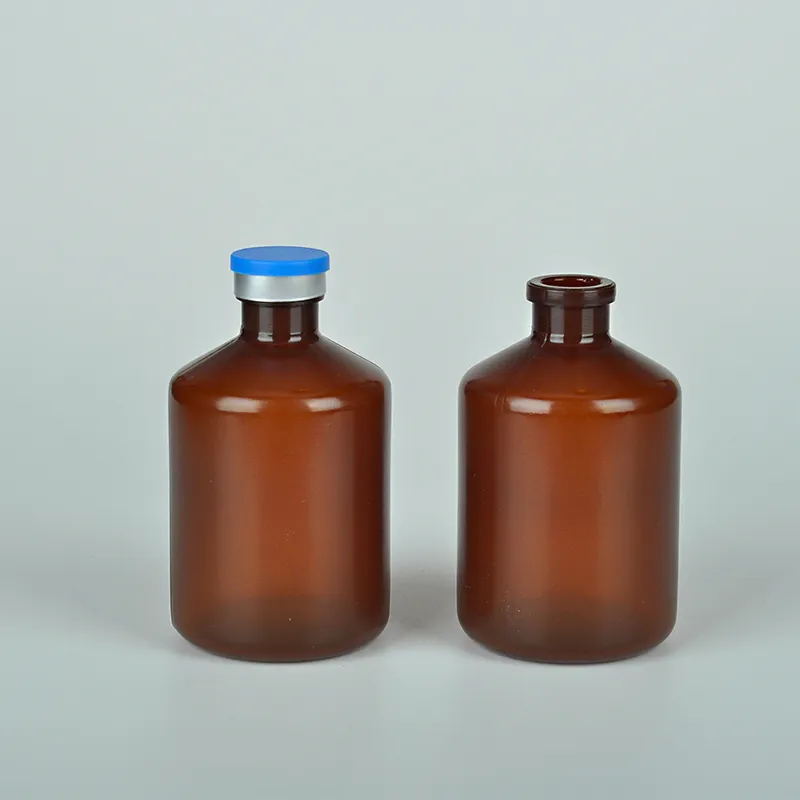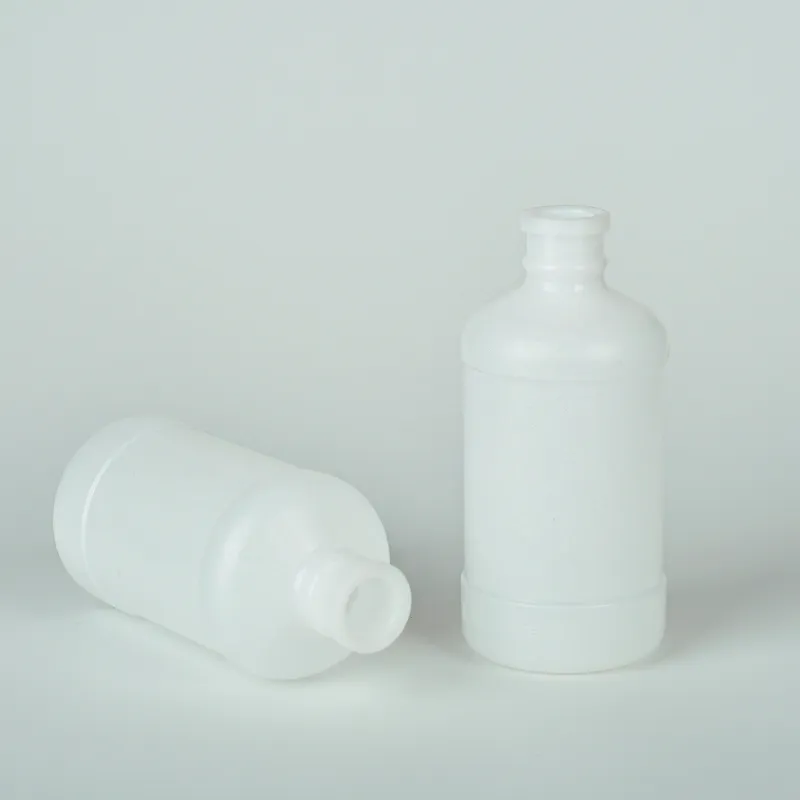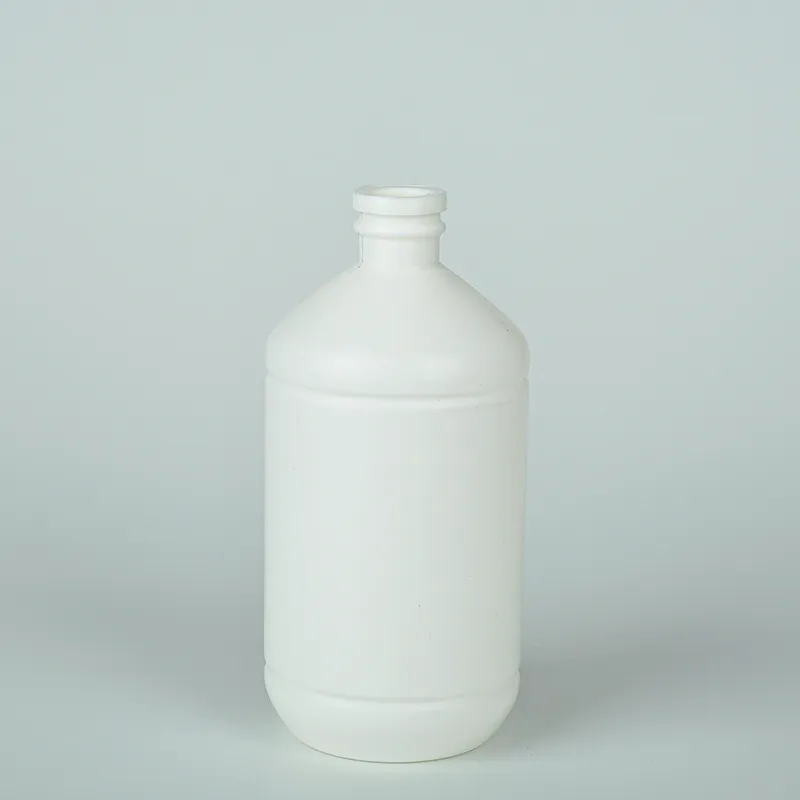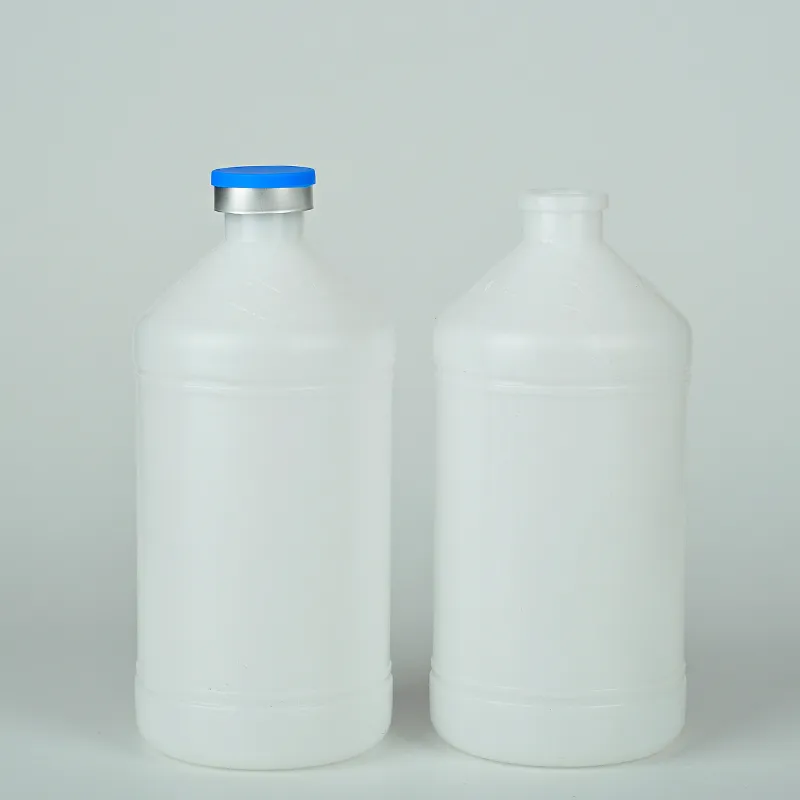
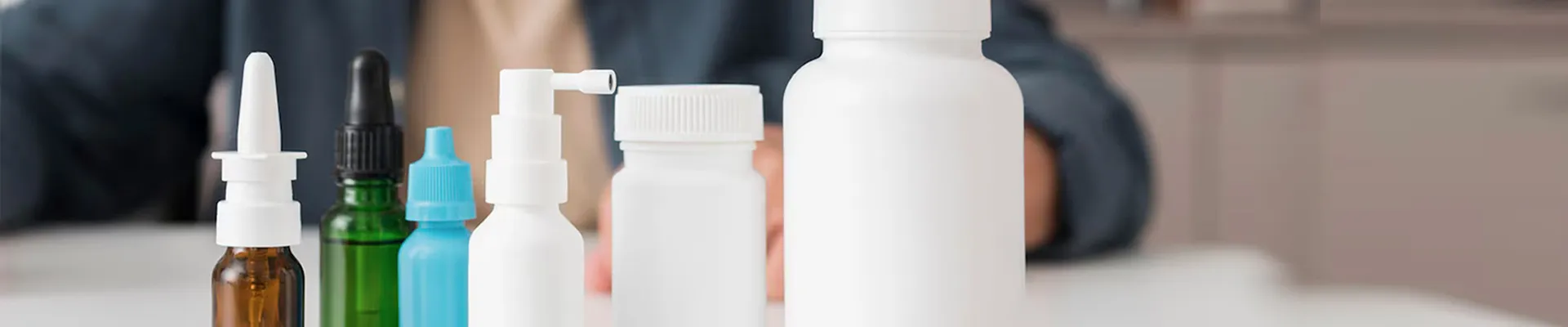


Small Plastic Pill Containers – Reliable Medication Storage Solutions for Global Health
Understanding Small Plastic Pill Containers: Why They Matter Worldwide
Ever wonder about those tiny plastic pill containers? They’re more than just everyday pharmacy staples. Small plastic pill containers form a crucial link in the global healthcare supply chain — ensuring medications stay safe, accessible, and organized. Whether you’re in a busy urban hospital or a remote village clinic, the humble pill container makes a big difference.
On a global scale, millions rely on these small containers daily to store critical medicines, maintain dosage schedules, and protect drugs from contamination. Given the rise in chronic diseases, aging populations, and increased health awareness, understanding this little product’s role has never been more important.
Mini takeaway: Small plastic pill containers might be small in size but have outsized benefits in medicine security and global health logistics.
The Global Importance of Small Plastic Pill Containers
Let’s zoom out. The World Health Organization estimates over 1.3 billion people use some form of medication daily, and pill organization helps patients adhere to their prescriptions correctly. That’s where small plastic pill containers come in — facilitating safe storage and portability.
In addition, the pharmaceutical market’s value exceeded $1.2 trillion globally in 2023 (source: Statista). Packaging plays a vital role in this vast ecosystem. According to ISO standards on medical packaging, containers must adhere to stringent safety and quality guidelines — making small plastic pill containers an important piece of the puzzle.
But here’s the kicker: many regions struggle with poor packaging that leads to contamination, wastage, or even counterfeit medication exposure. Small plastic pill containers address these issues through standardized design and quality materials that protect medicines.
Mini takeaway: Against a backdrop of global health challenges, safe and reliable pill containers help reduce medication errors and improve treatment effectiveness.
What Exactly Are Small Plastic Pill Containers?
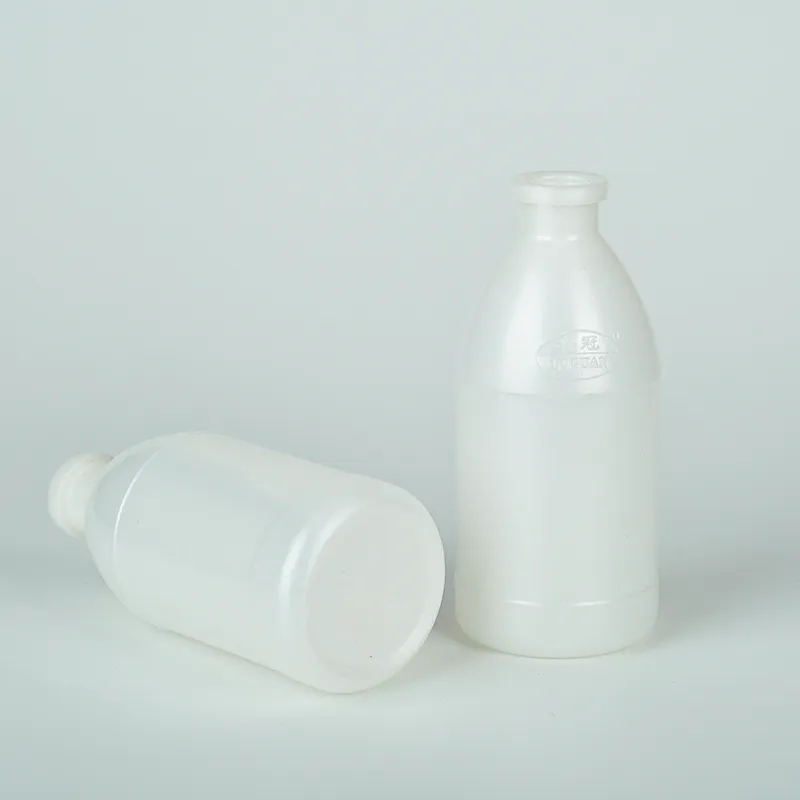
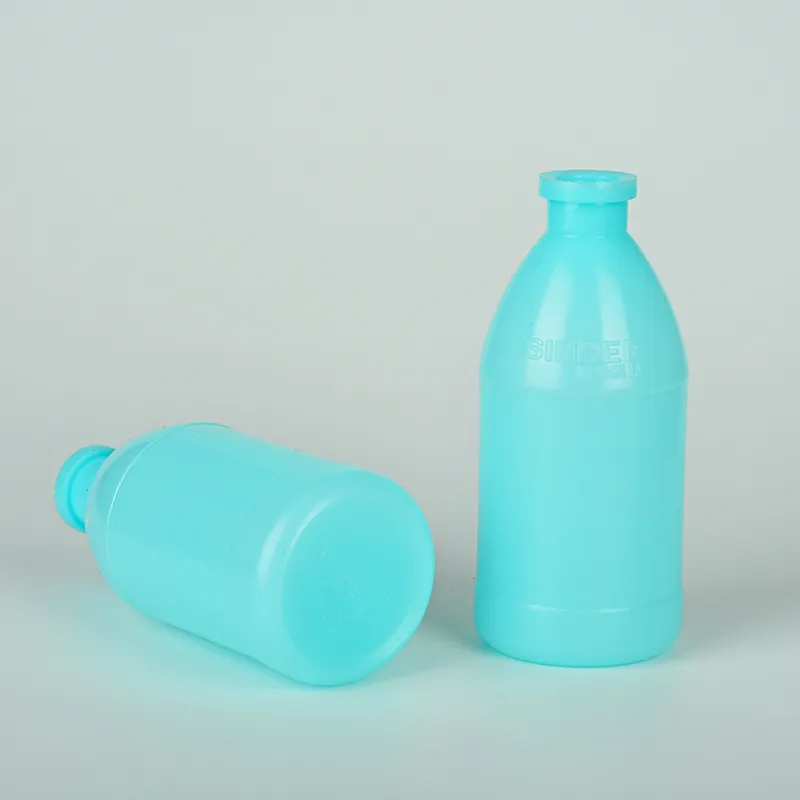
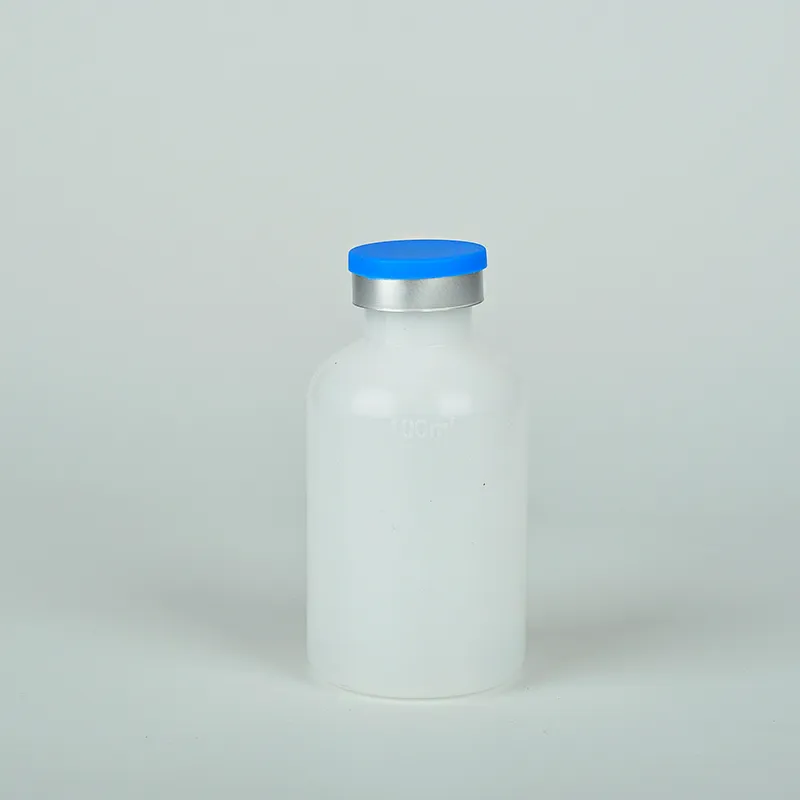
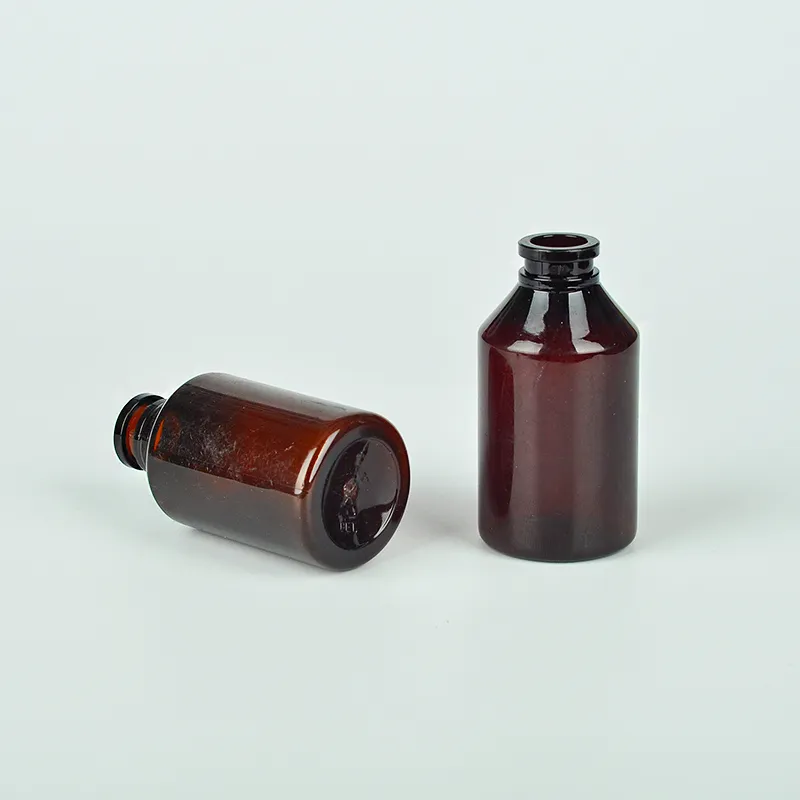
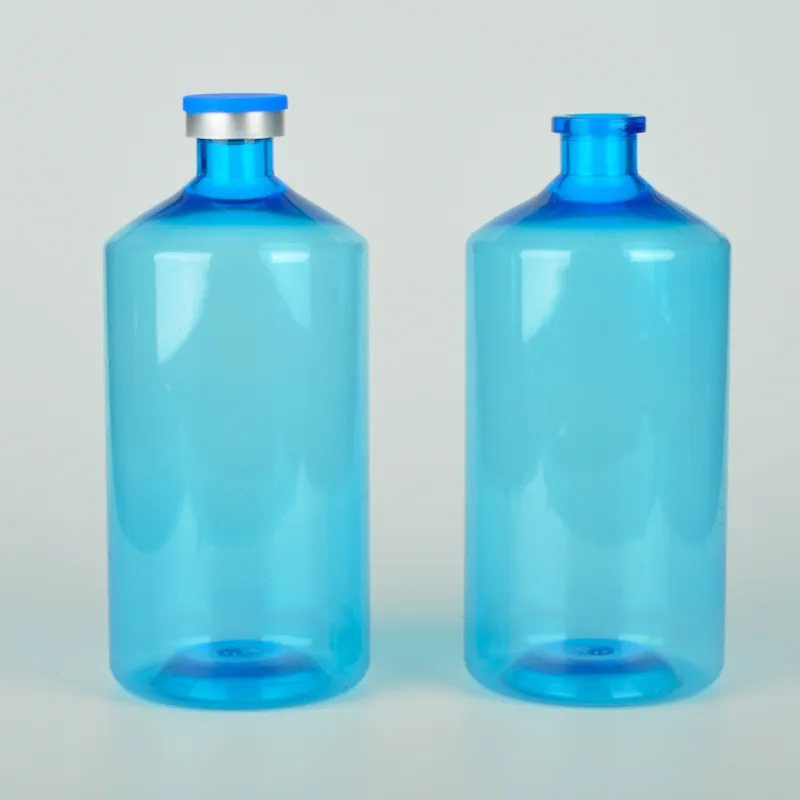
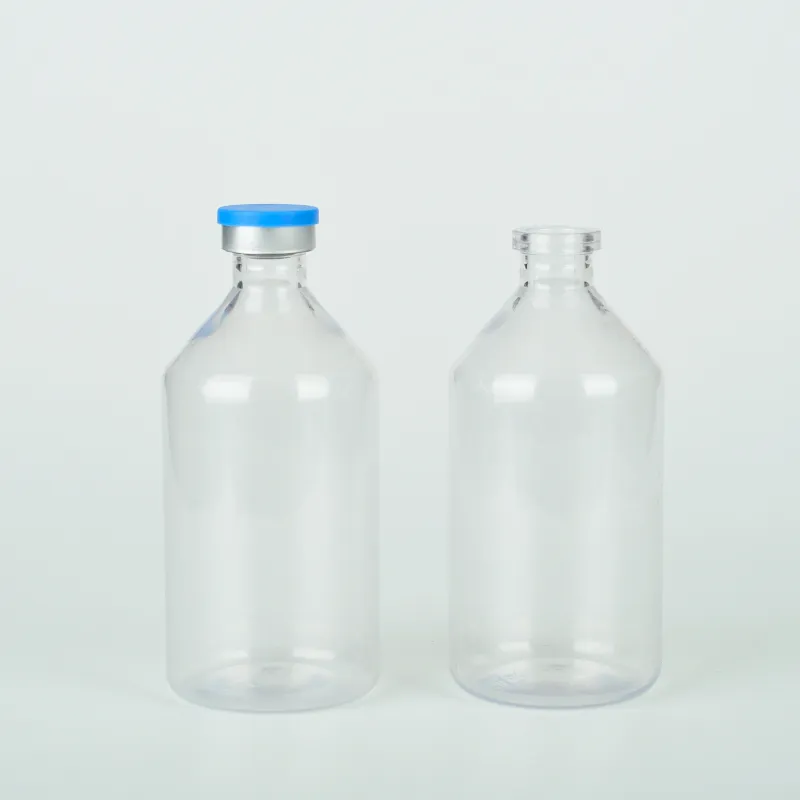
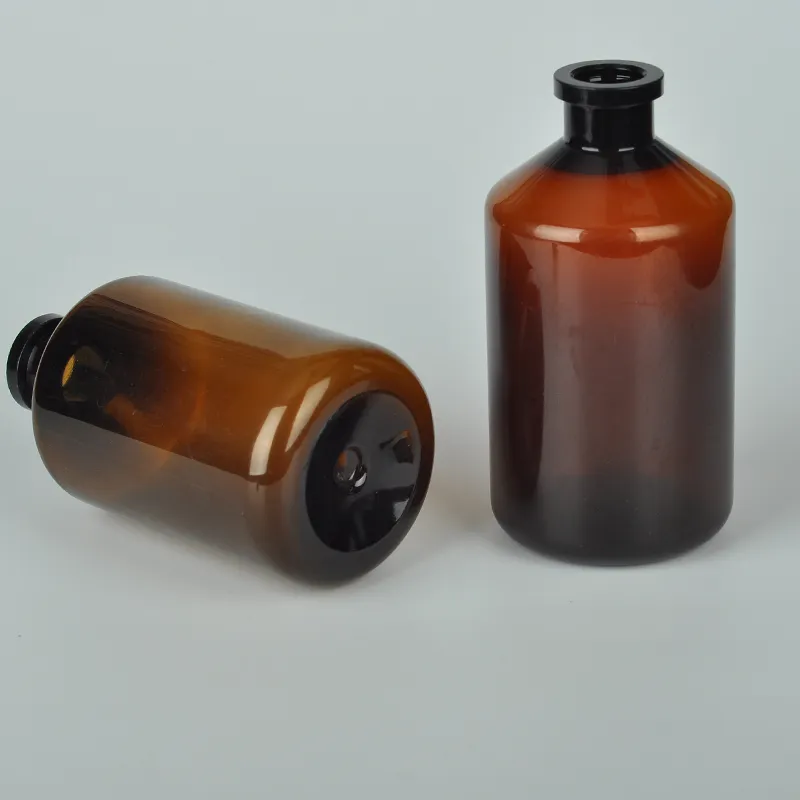
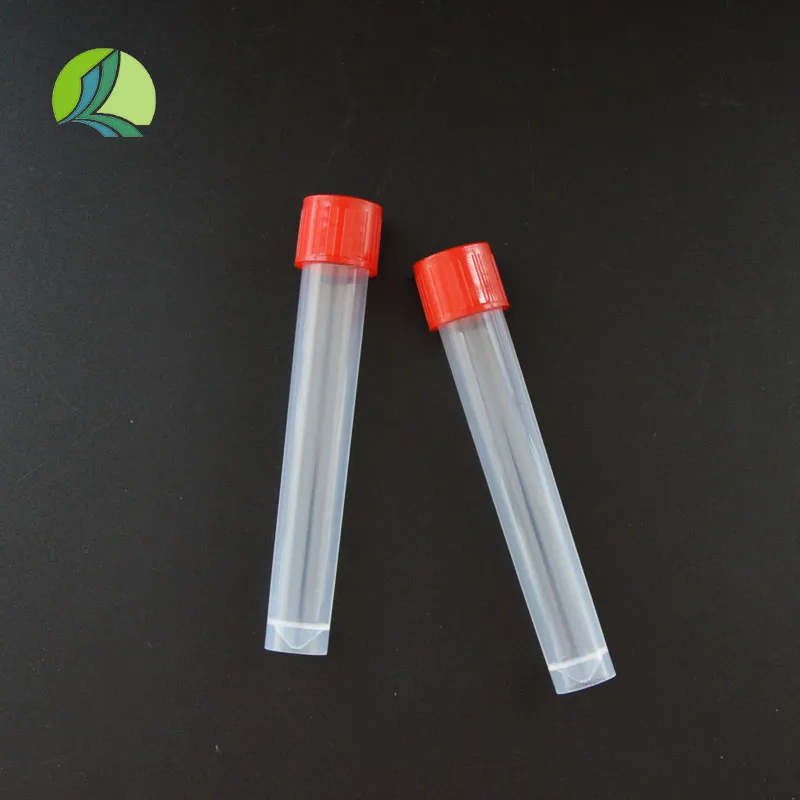
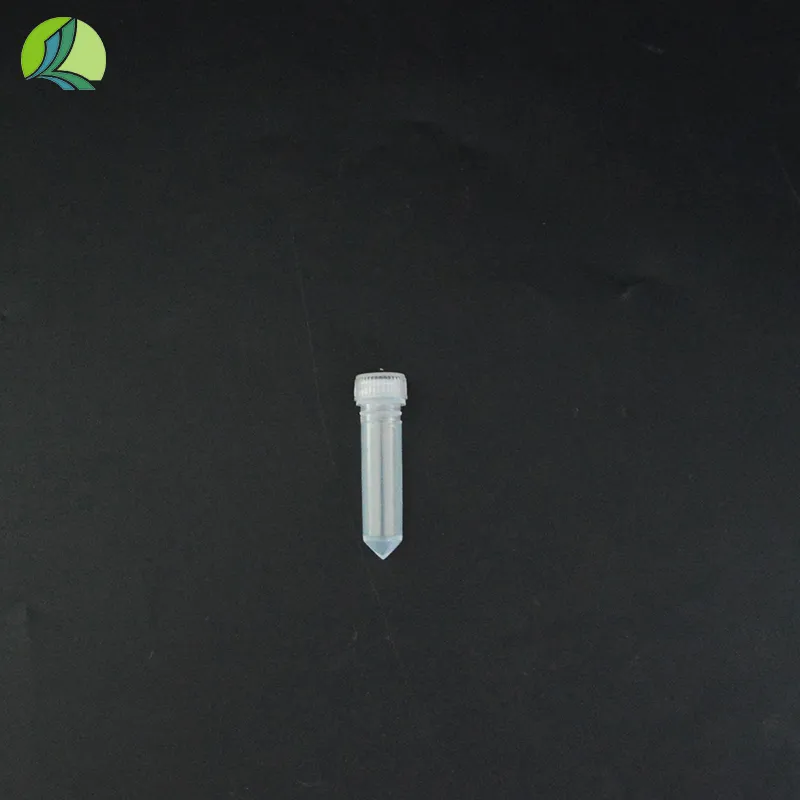
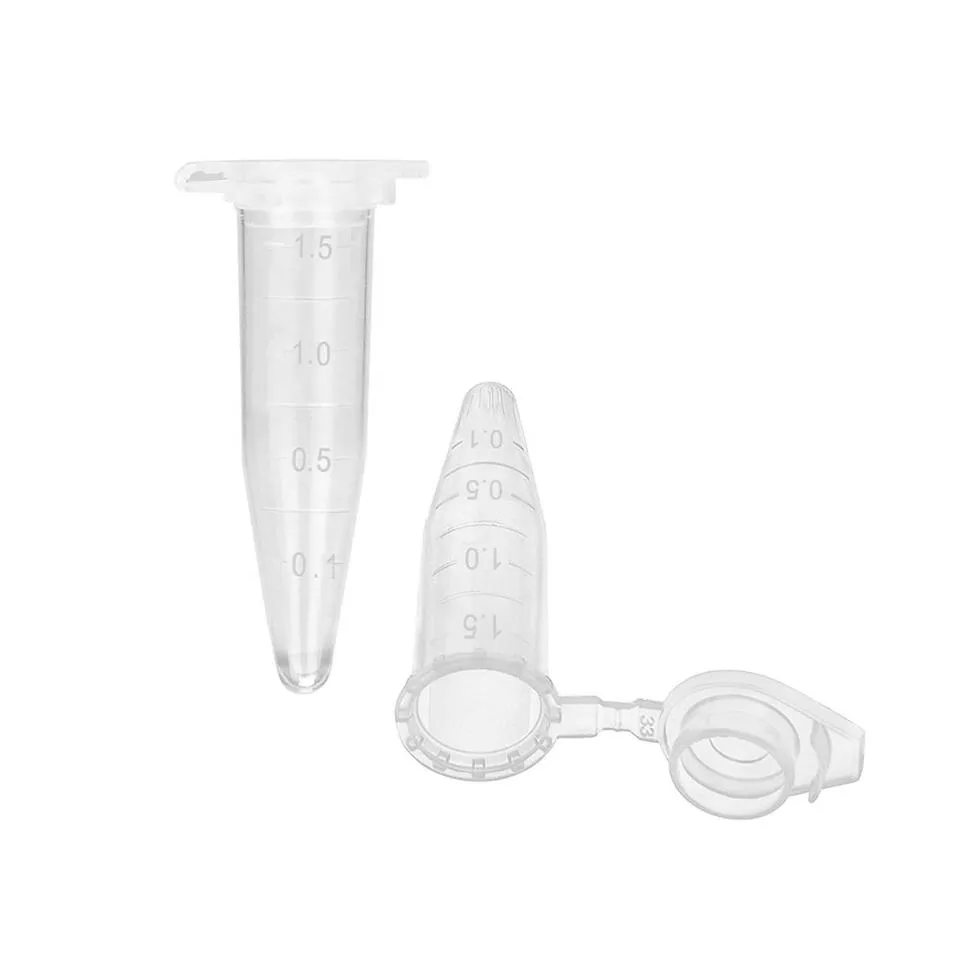
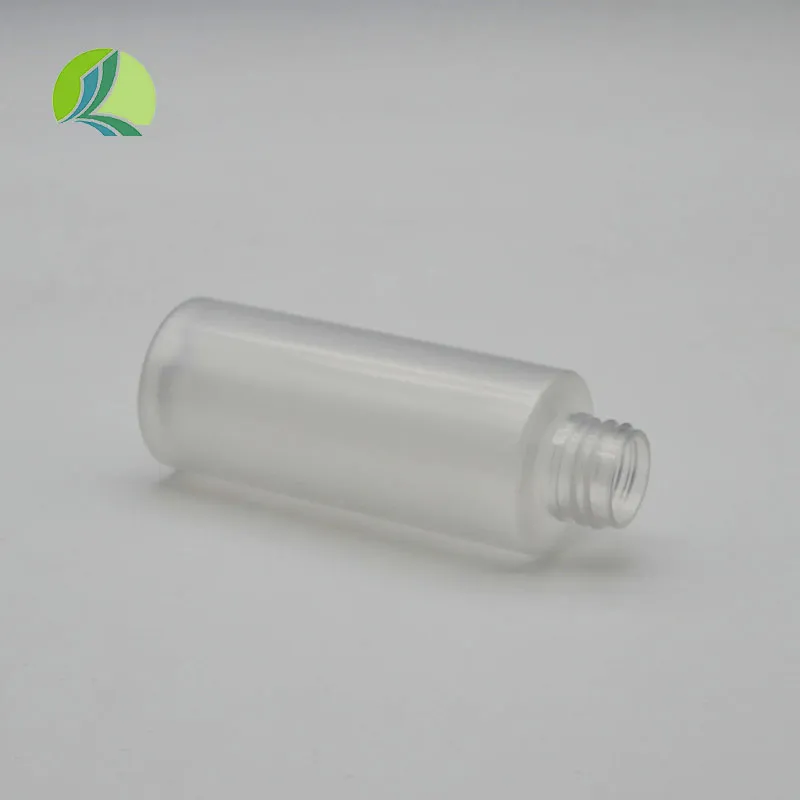
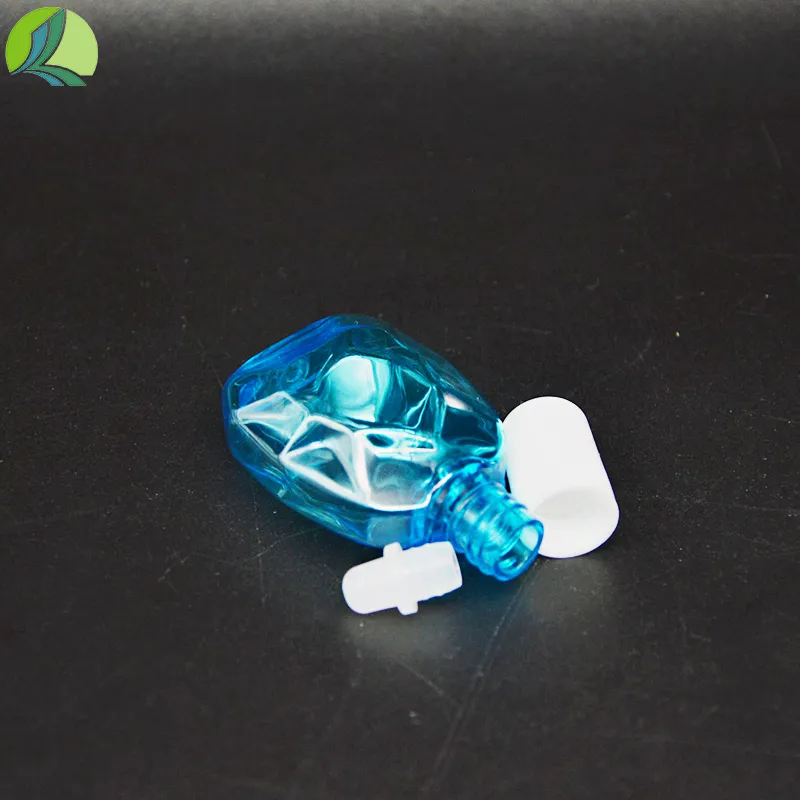
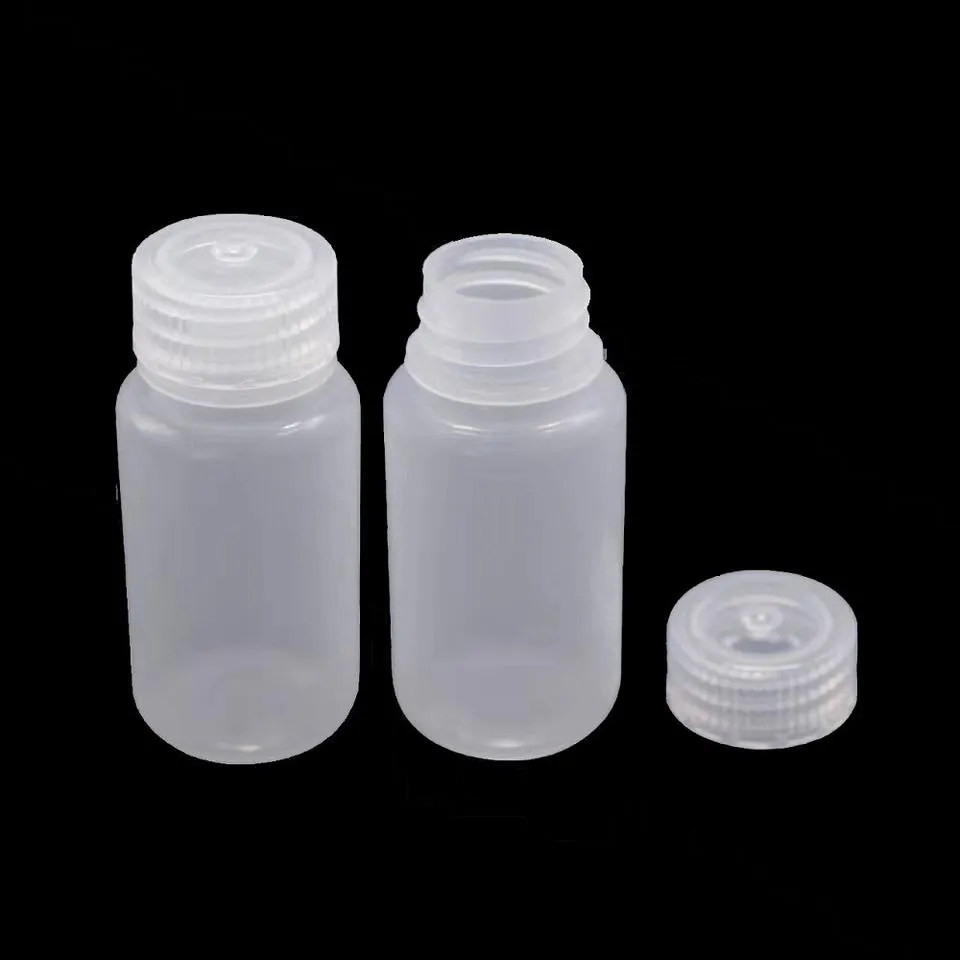
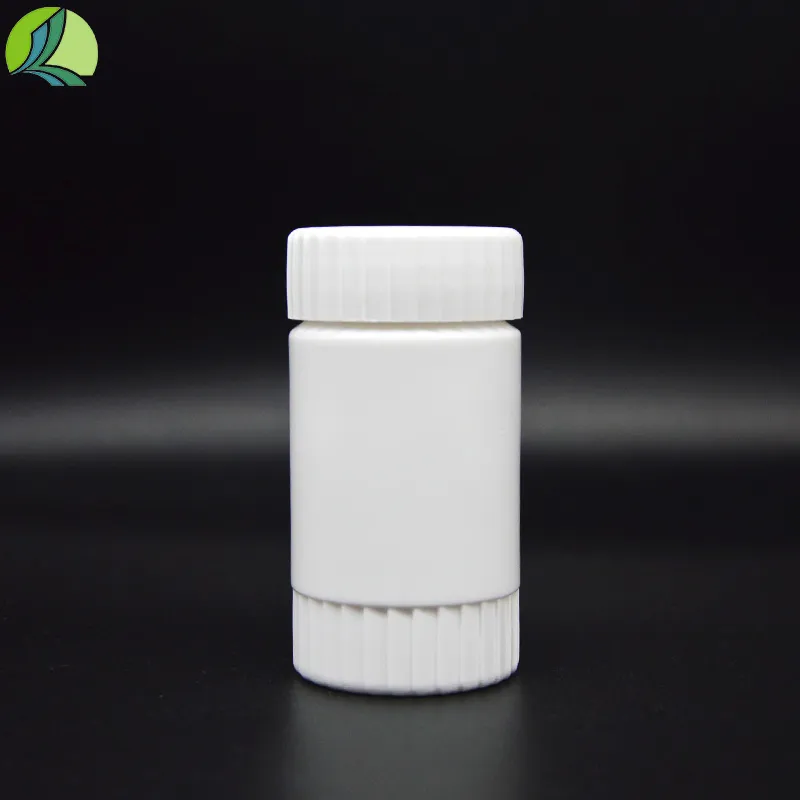
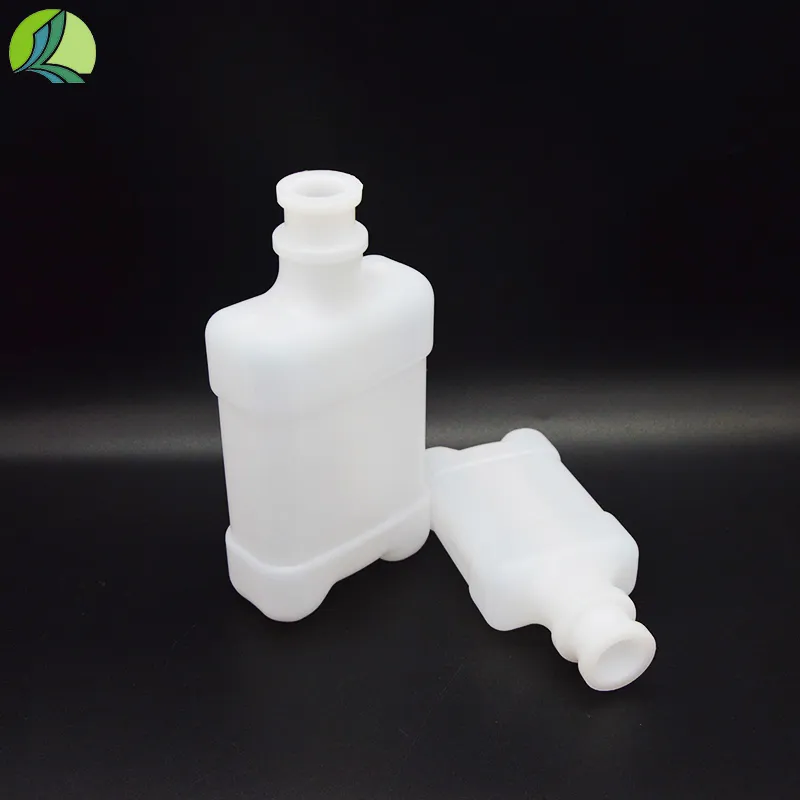
In simple terms, small plastic pill containers are compact, often lightweight, packaging units designed to store pills, capsules, or tablets safely. They come in various shapes and sizes, but their core purpose is the same: protect medicines from moisture, light, and contamination while making transport and dosage easy for users.
Historically, pill storage began with glass jars or metal tins, but plastic now dominates because it’s safer, cheaper, and more flexible. Plus, the plastic used — often polypropylene or polyethylene — complies with health regulations to avoid chemical leaching.
Industrially, these containers are integral to pharmacies, hospitals, and medical supply chains. Humanitarian organizations also value them highly to deliver medication efficiently in disaster-affected zones or remote areas.
Mini takeaway: Small plastic pill containers are purpose-built, safe packaging solutions indispensable across healthcare and humanitarian sectors worldwide.
Core Features of Small Plastic Pill Containers
Durability
Often tossed into bags or pockets, these containers need to be tough. The plastics selected endure drops, pressure, and occasional rough handling without cracking or opening accidentally. Many designs feature snap-lock lids or child-resistant caps, balancing accessibility with safety.
Portability
Size matters here. These containers are designed for convenience — compact enough to fit comfortably in a purse or pill organizer. Their lightweight nature means patients carry them without hassle, encouraging compliance with medication schedules.
Cost Efficiency
The low-cost production methods make small plastic pill containers affordable at scale. Since millions are needed worldwide, keeping costs down without sacrificing quality is a priority for manufacturers.
Sustainability Concerns
Nowadays, there’s a big push for recyclable or biodegradable plastics. The pill container industry is slowly shifting toward more environmentally friendly materials, reducing the impact of single-use plastics in medical waste.
Customizability
Many suppliers offer customization options — from color coding and labeling to tamper-evident seals. This flexibility helps pharmacies, hospitals, and NGOs tailor packaging to patient needs or regulatory requirements.
Mini takeaway: Durability, portability, cost, sustainability, and customization form the backbone of what makes small plastic pill containers so effective.
Where Do Small Plastic Pill Containers Get Used Globally?
- Pharmaceutical companies: Packaging medication for retail sale and transport.
- Hospitals and clinics: Dispensing daily doses and organizing patient medication.
- Humanitarian relief: In crisis zones (like in earthquake aftermaths or refugee camps), small plastic pill containers help deliver lifesaving drugs safely despite challenging logistics.
- Long-term care facilities: Managing various chronic medications for elderly or disabled patients.
- Travel and outdoors: Portable pill boxes for travelers, hikers, or workers in remote sites.
For example, Médecins Sans Frontières frequently includes small plastic pill containers in their emergency medical kits. And in the US, community pharmacies increasingly offer multi-dose pill packs housed in such containers to improve medication adherence.
Mini takeaway: From high-tech hospitals to disaster zones, small plastic pill containers remain versatile and essential movers in global health delivery.
Why Invest in Small Plastic Pill Containers? Advantages & Long-Term Benefits
Beyond just holding pills, these containers offer:
- Medication Safety: Protecting pills from moisture, contamination, and loss.
- Dosage Accuracy: Enabling patients and caregivers to manage medications efficiently with organized compartments or labeling.
- Affordability: Mass production lowers costs, making modern healthcare more accessible globally.
- Sustainability: Emerging eco-friendly materials help reduce plastic waste.
- Psychological Comfort: Patients can trust their medication is secure, which fosters adherence and peace of mind.
It feels like a small thing, but trust me — having a reliable container means fewer missed doses, less accidental contamination, and sometimes even less medication waste.
Mini takeaway: The value of small plastic pill containers extends far beyond cost — they improve health outcomes, safety, and sustainability.
Emerging Trends and Innovations in Pill Containers
The sector isn’t static. Here’s what’s happening:
- Smart Packaging: Embedded sensors or QR codes for tracking medication use and authenticity.
- Biodegradable Plastics: New formulations designed to degrade safely after disposal.
- Automation and Customization: On-demand printing and assembly for bespoke pill packs.
- Anti-Counterfeit Features: Tamper-proof seals and holographic labels to ensure authenticity.
- Design for Accessibility: Easier-open lids for elderly or disabled users, while maintaining child safety.
Frankly, the future looks bright and way more high-tech than I anticipated a decade ago.
Mini takeaway: Tech advancements and sustainability focus promise even smarter, safer, and greener small plastic pill containers ahead.
Challenges and How Experts Are Tackling Them
Of course, it’s not all perfect:
- Environmental concerns: Single-use plastics remain problematic — but recyclable and biodegradable options are on the rise.
- Standardization issues: Variable sizes and shapes can complicate storage and automation.
- Child Safety vs. Accessibility: Balancing secure lids that are still easy for adults to open is tricky.
Innovative solutions include modular container designs, improved materials testing, and public-private partnerships accelerating eco-friendly innovations.
Mini takeaway: With focused industry efforts, current challenges around material waste and user safety are increasingly manageable.
Frequently Asked Questions About Small Plastic Pill Containers
- What materials are used for small plastic pill containers?
- Typically, polypropylene (PP) and high-density polyethylene (HDPE) are used because they are durable, chemically stable, and safe for medical use. Some brands also explore biodegradable plastics where possible.
- How do child-resistant pill containers work?
- They often feature push-and-turn or squeeze-and-turn lid mechanisms that prevent children from opening the container while keeping it accessible for adults.
- Are small plastic pill containers recyclable?
- Many containers made with PP or HDPE are recyclable, depending on local waste management facilities. Consumers should check local guidelines, but manufacturers are also moving toward more recyclable or compostable plastics.
- Can these containers be customized for different medications?
- Yes, customization is common. Clients can request specific colors, sizes, labels, compartments, or tamper-evident seals to meet regulatory or patient needs.
- How long can pills be safely stored in these containers?
- Storage duration depends on the medication, but generally, these containers protect pills for months when kept in cool, dry places away from direct sunlight.
Product Specification Table for Typical Small Plastic Pill Containers
| Specification | Details |
|---|---|
| Material | Polypropylene (PP), HDPE |
| Capacity | 5 ml to 50 ml (various sizes) |
| Closure Type | Snap-fit, child-resistant, screw cap |
| Color Options | Clear, white, amber, custom |
| Dimensions | Varies; typical diameter 3-5 cm, height 2-6 cm |
| Recyclability | Yes, PP and HDPE recyclable |
Vendor Comparison for Leading Small Plastic Pill Container Suppliers
| Vendor | Product Range | Customization Options | Sustainability Focus | Lead Time |
|---|---|---|---|---|
| AlphaPack Solutions | Small plastic pill containers, multi-dose boxes | Color, labeling, tamper-proof seals | Uses 30% recycled plastic | 2-3 weeks |
| MedContain Corp. | Standard containers, child-resistant caps | Limited (standard products) | Standard plastics | 1-2 weeks |
| EcoPack Innovations | Biodegradable and recyclable containers | Wide range, including custom colors | 100% biodegradable plastics | 3-4 weeks |
Summary and Next Steps
Small plastic pill containers may seem straightforward, but their impact is anything but small. From enhancing global medication safety to offering scalable, cost-effective solutions for healthcare providers worldwide, their role continues to evolve alongside medical and environmental needs.
Looking ahead, adoptable innovations such as smart packaging and eco-conscious plastics will reshape this market. And if you’re in the healthcare distribution or pharmaceutical space, exploring these containers’ customizations could boost your patients’ adherence and satisfaction.
If you want to learn more about small plastic pill containers or place an order on versatile, high-quality options, head over to our website for detailed catalogs and expert advice.
Sometimes the tiniest products end up making the biggest difference — and these containers are proof.
References
-
Bulk Eye Dropper Bottles for Industrial Packaging - Reliable & CustomizableNewsDec.31,2025
-
Small Plastic Dropper Bottles – Durable, Precise Packaging Solutions for B2B ApplicationsNewsDec.10,2025
-
Medicine Dropper Bottles – Precision and Quality Packaging Solutions for B2B | WK PackingNewsDec.10,2025
-
Discover Top Quality 2 oz Eye Dropper Bottles for Industrial UseNewsDec.09,2025
-
1 Oz Eye Dropper Bottles - Precision Packaging Solutions for B2B Industries | WKPackingNewsDec.09,2025
-
Durable 4 oz Eye Dropper Bottles for Industrial & Cosmetic UseNewsDec.09,2025