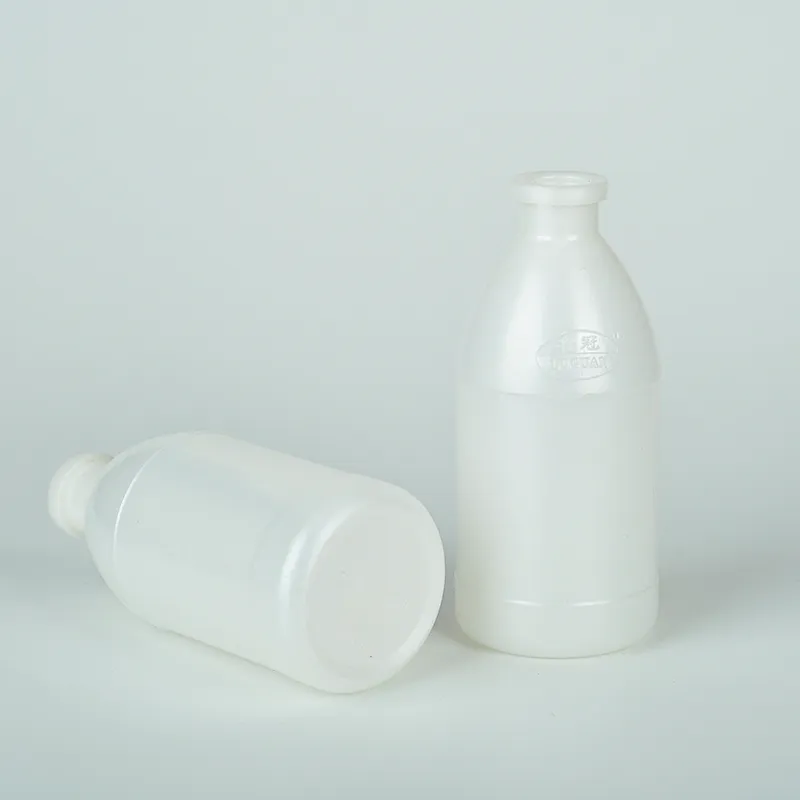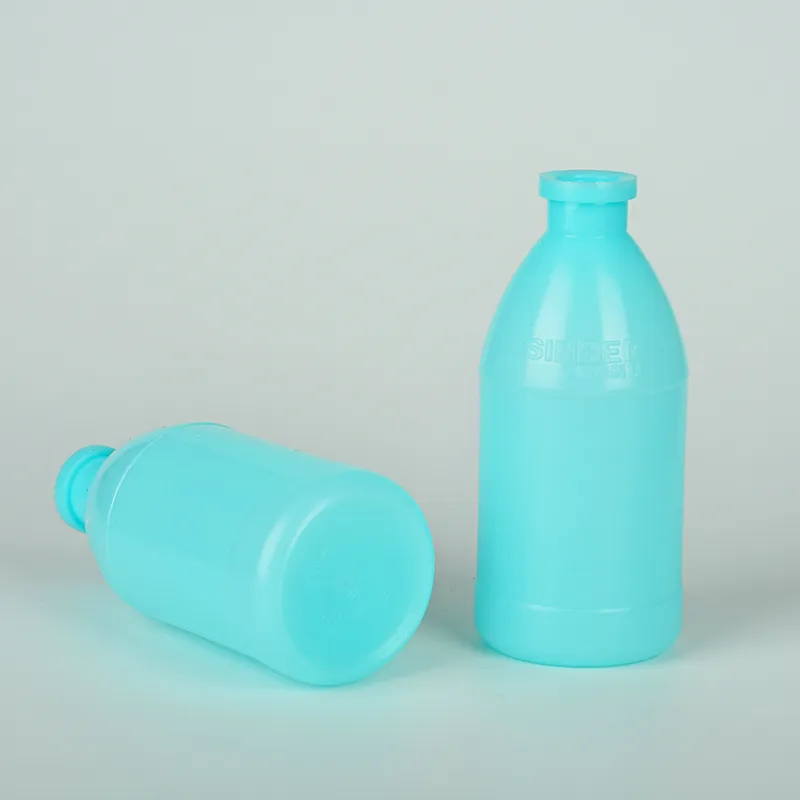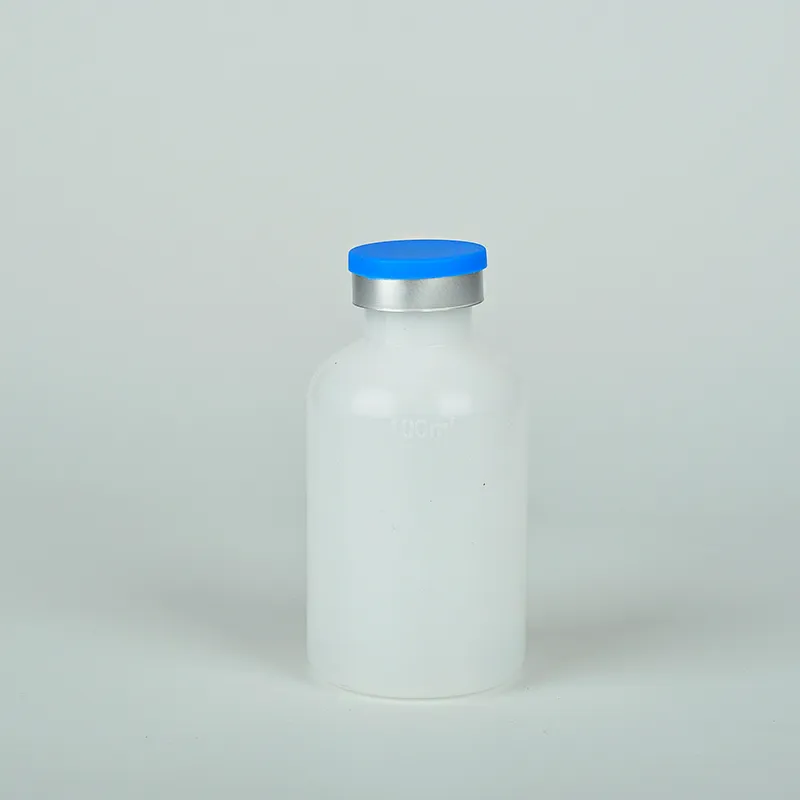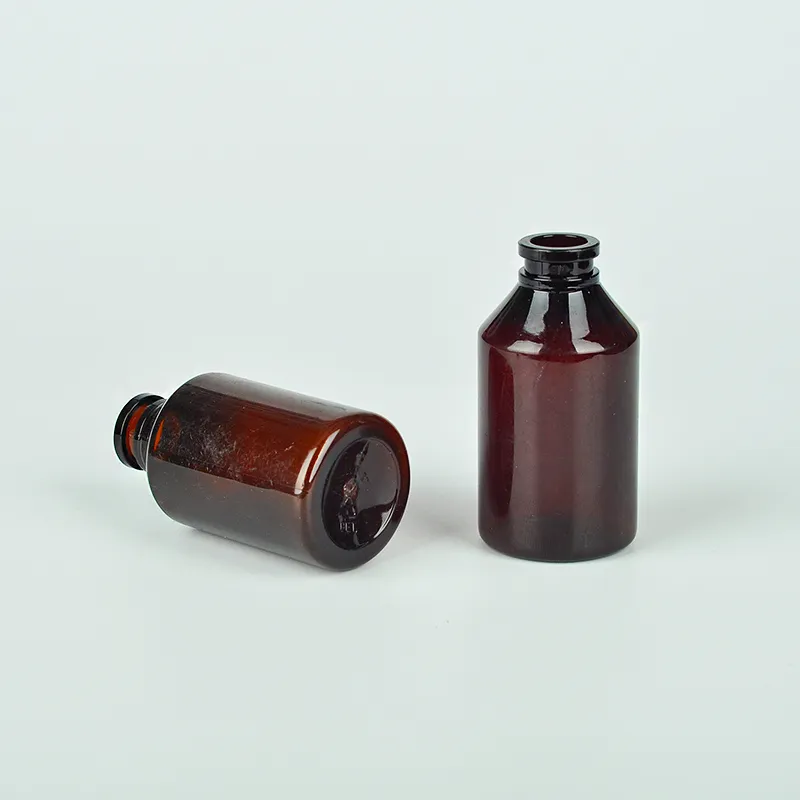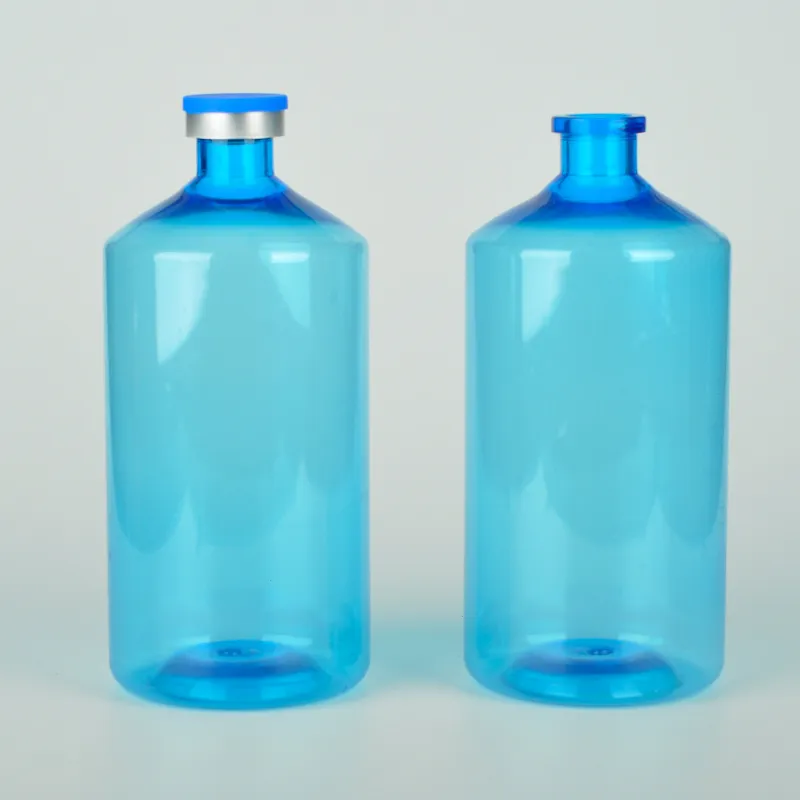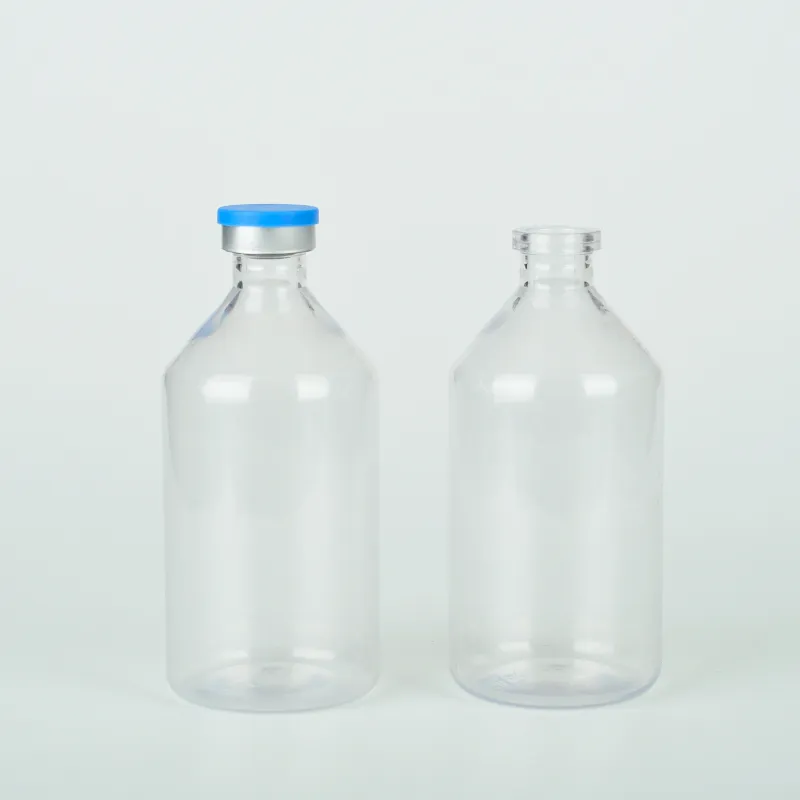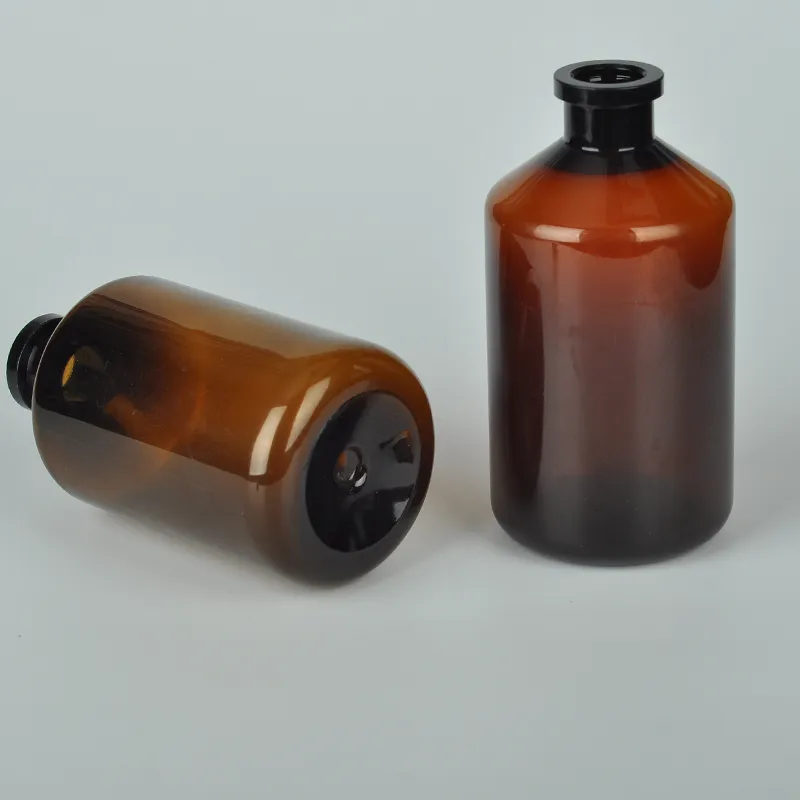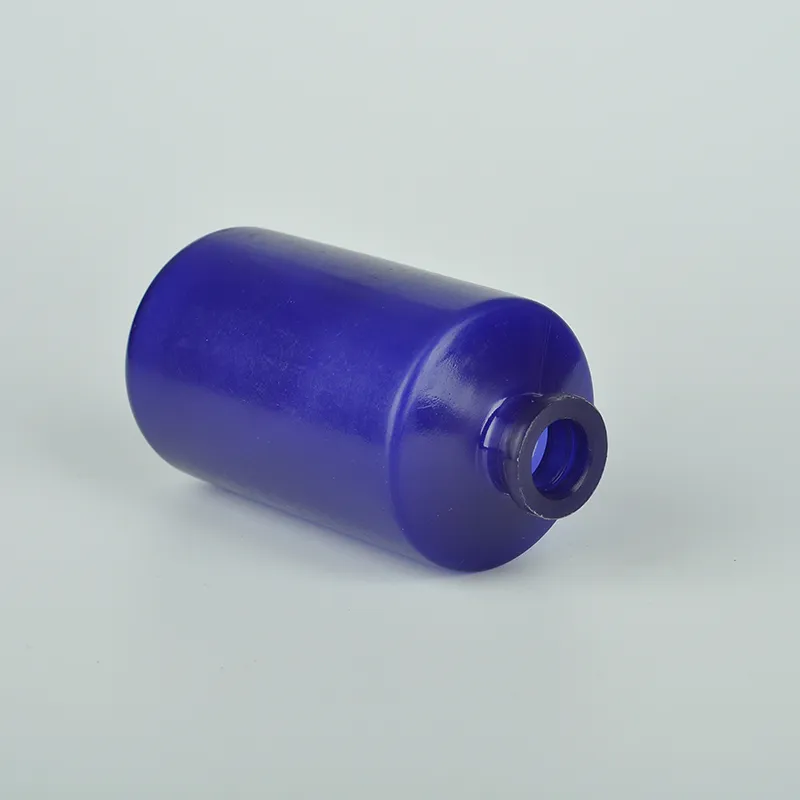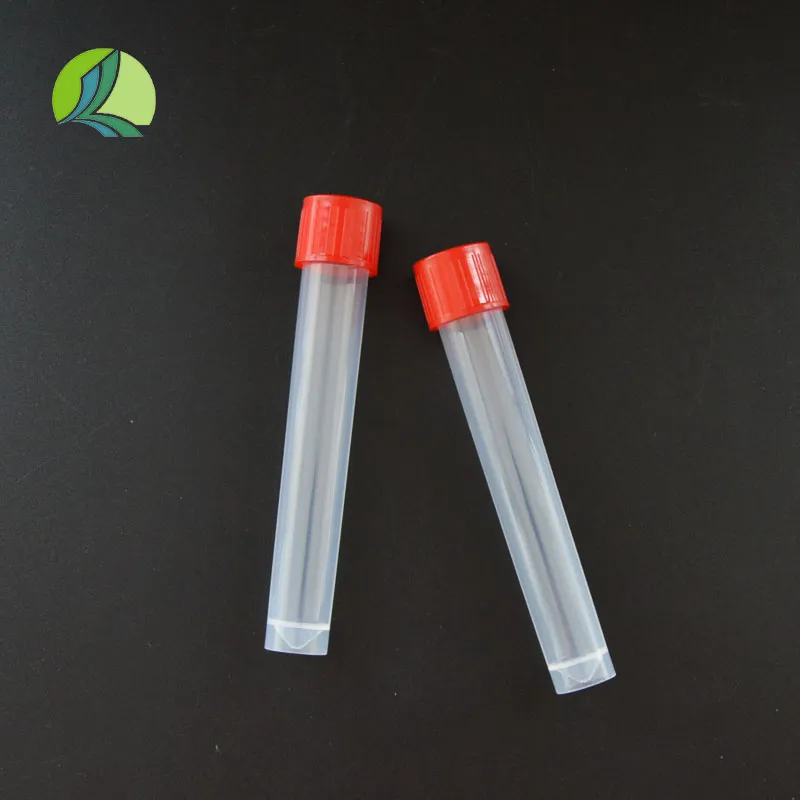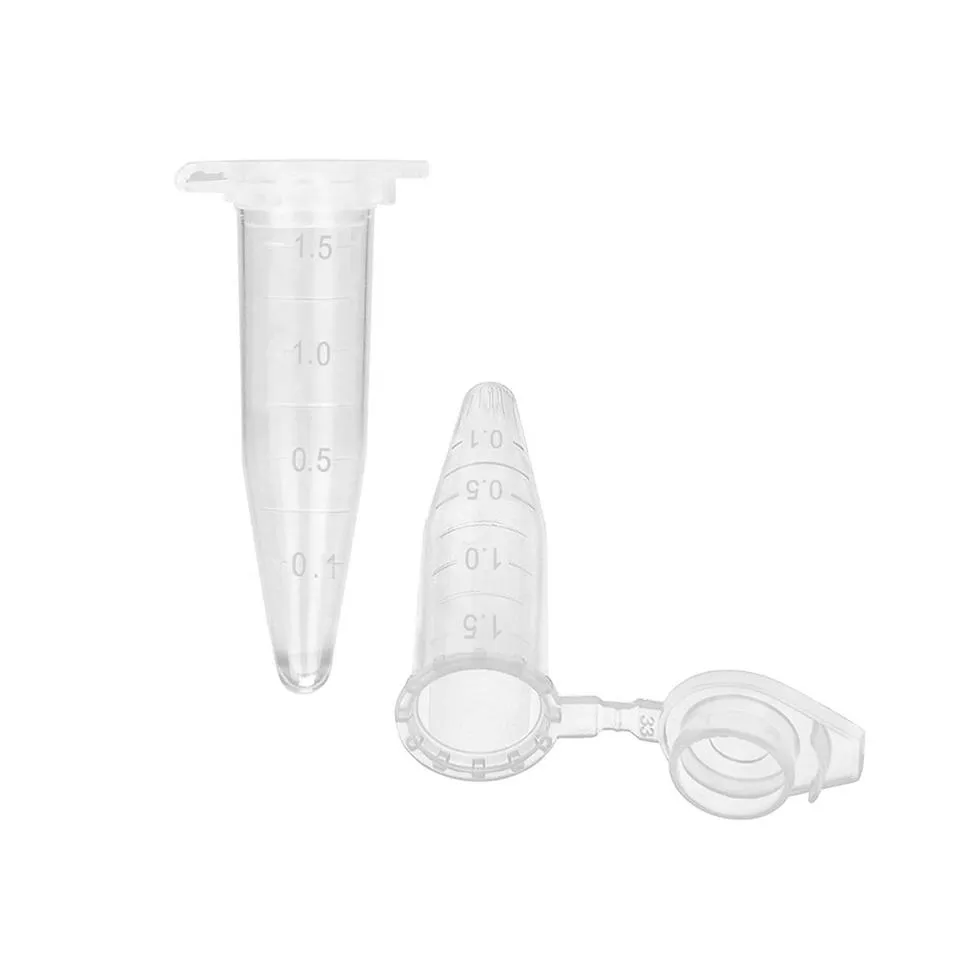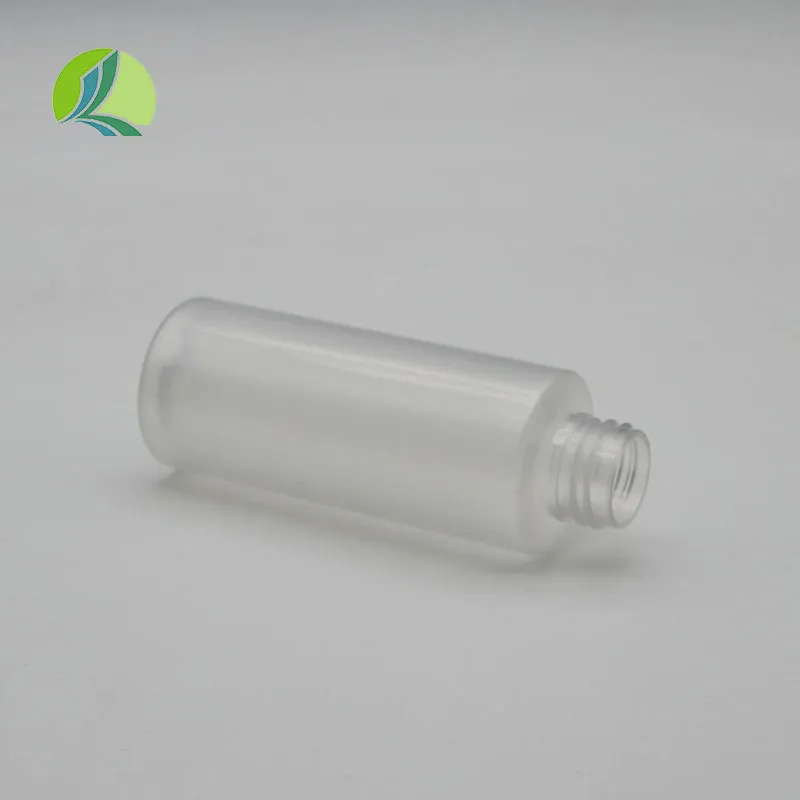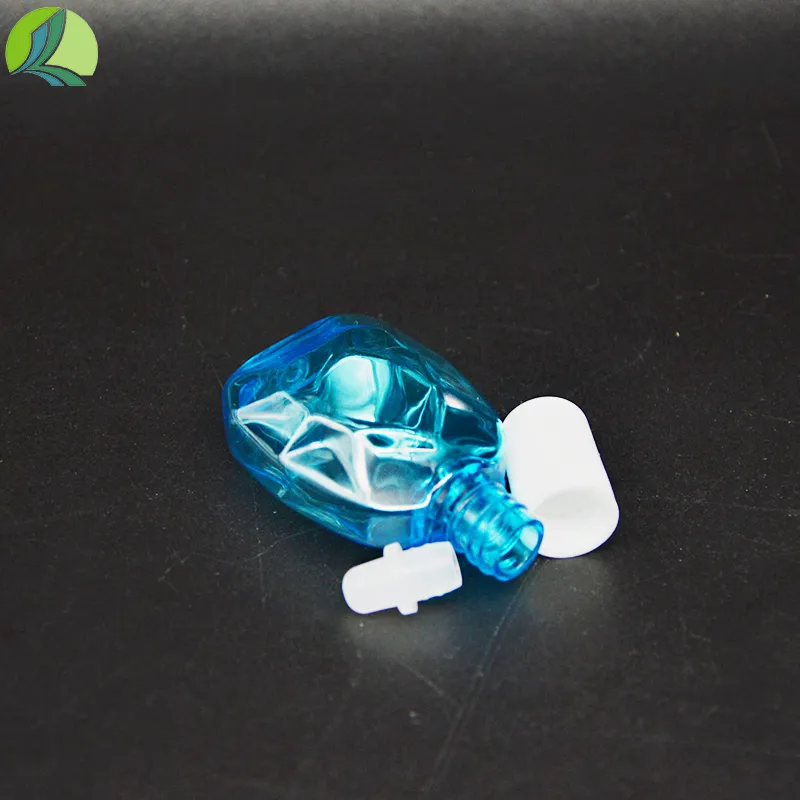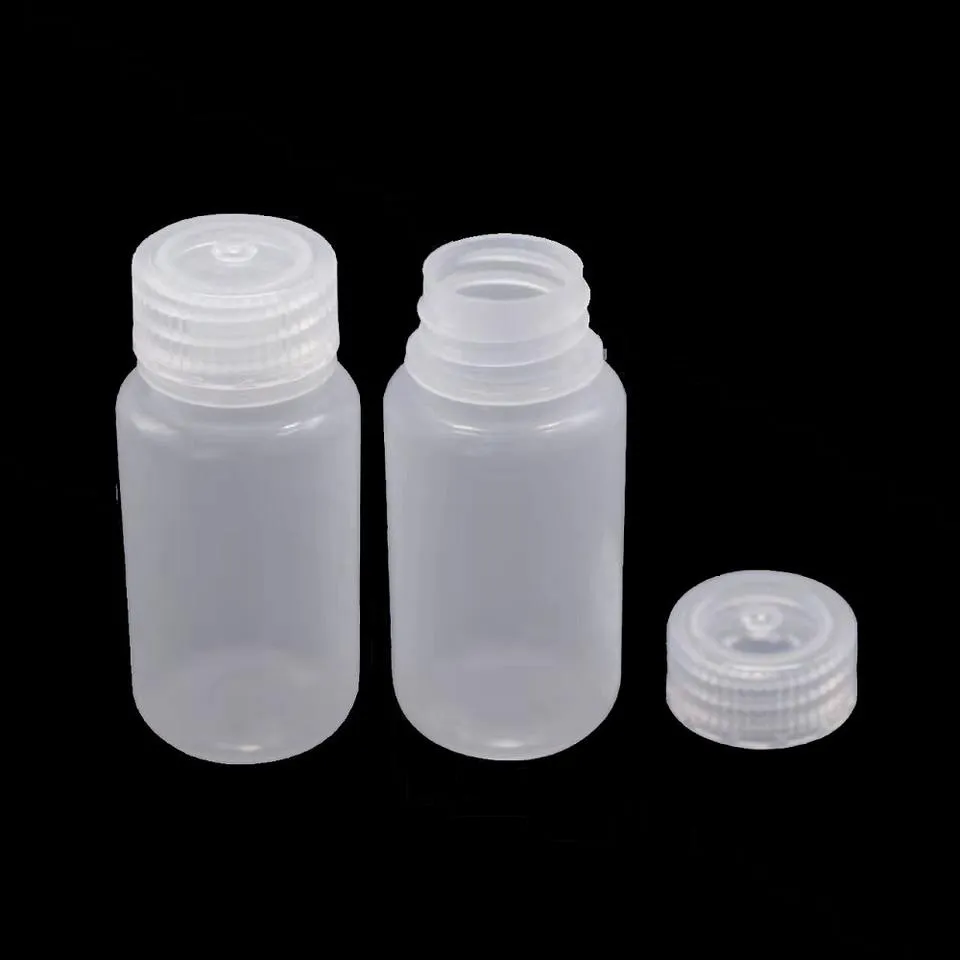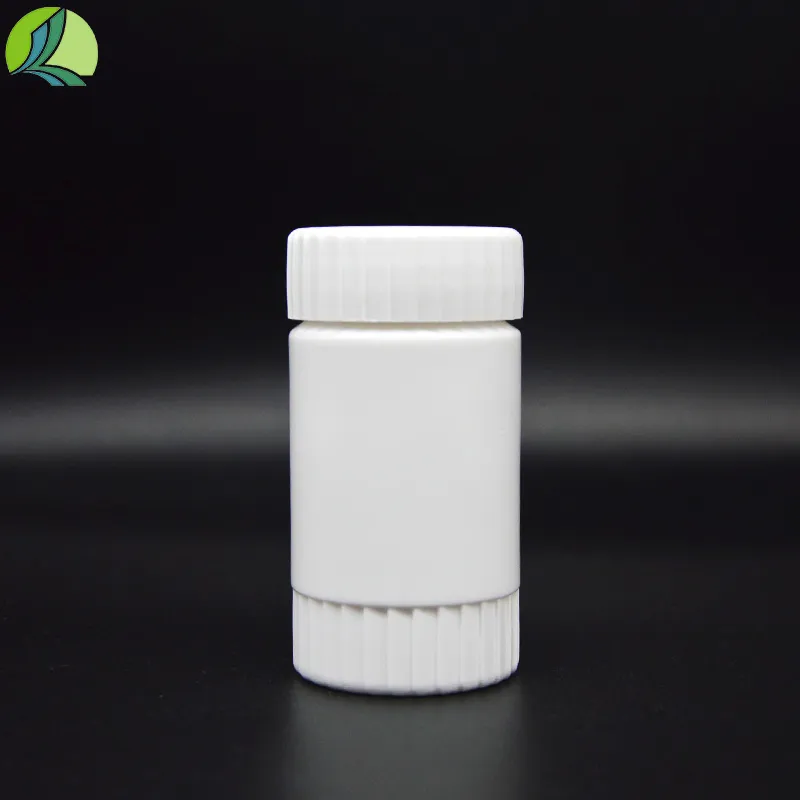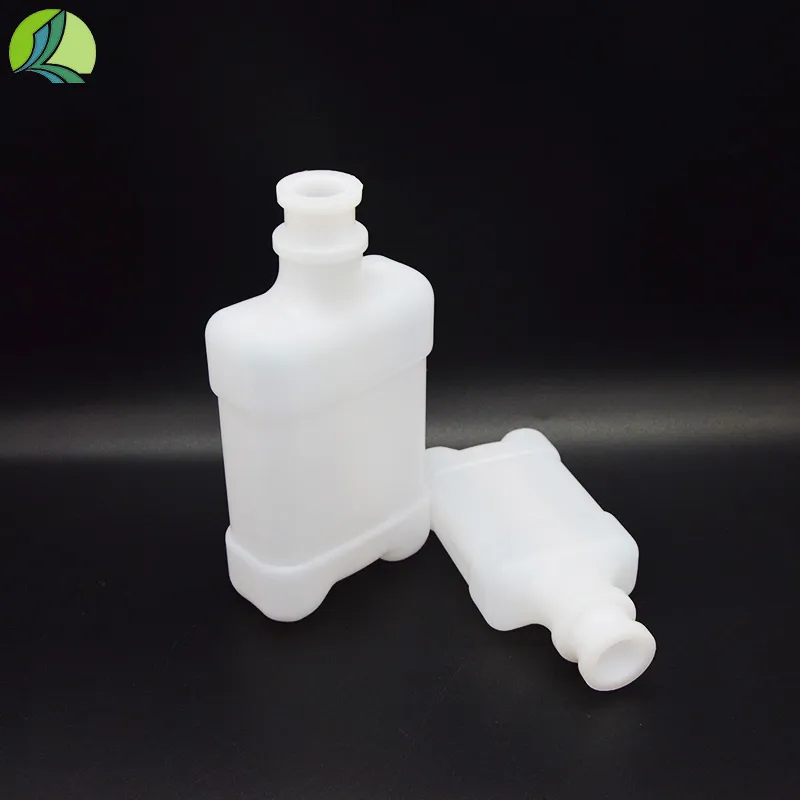




Durable Plastic Bottle Medicine Solutions for Industrial Use
Why Plastic Bottle Medicine Packaging Still Rules in Industrial Settings
In my decade-plus working around industrial equipment and packaging lines, one thing that never ceases to surprise me is how plastic bottle medicine containers have evolved. Not just in design, but their sheer adaptability and safety features make them a cornerstone in pharmaceutical packaging. It’s funny – people often overlook how much goes into what seems like a simple pill bottle.
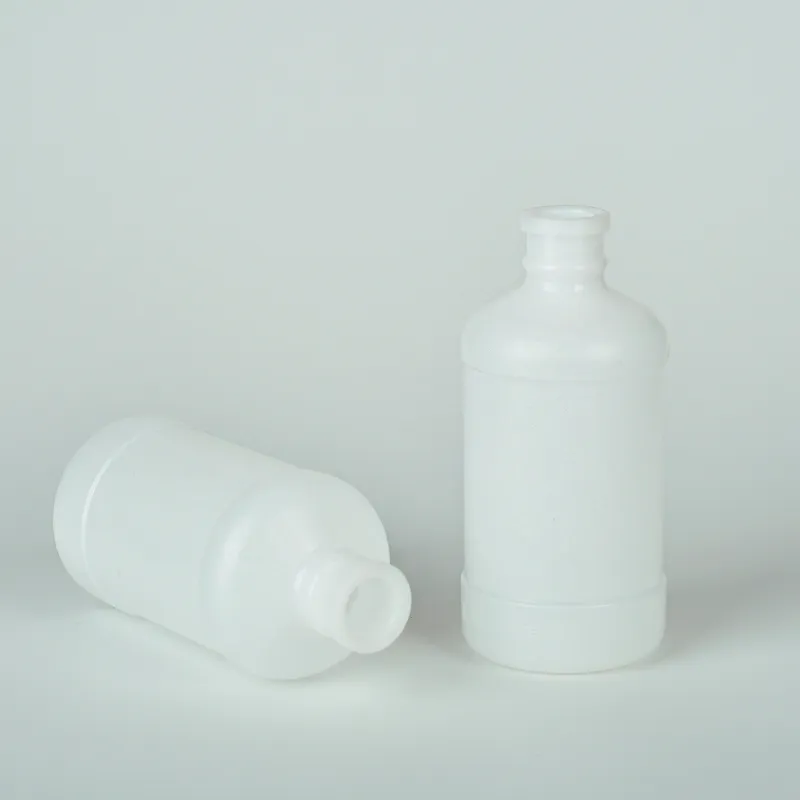
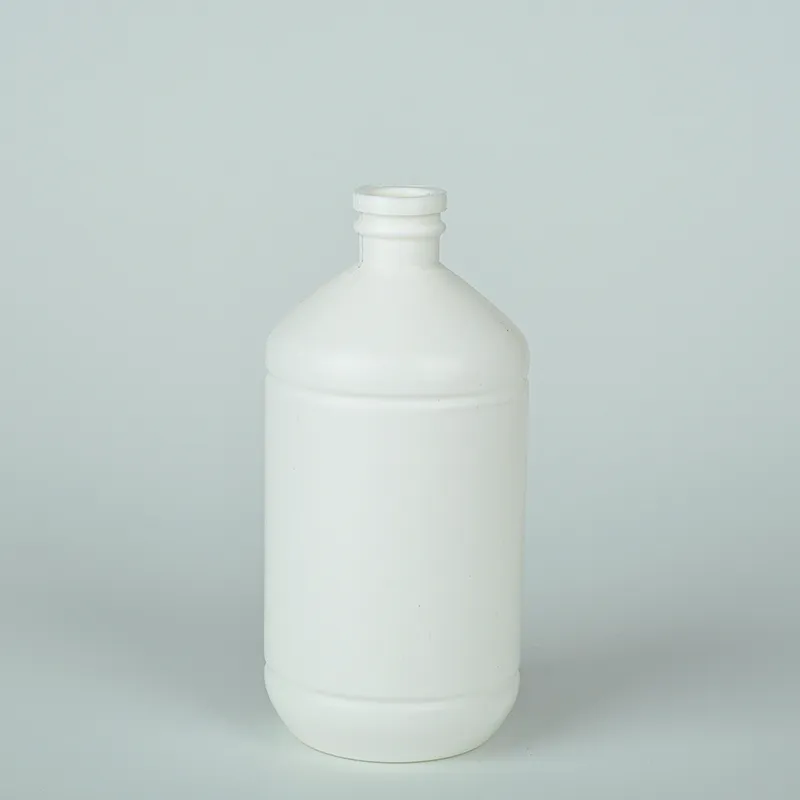
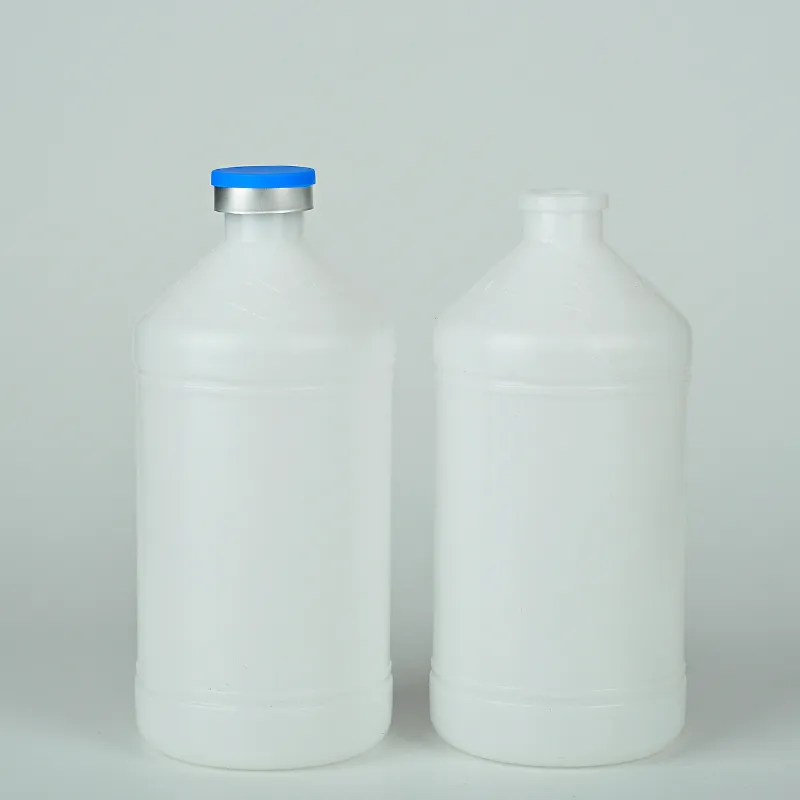
Take a moment to consider the grind on these bottles before they reach the hands of patients: rigorous transport, sterilization processes, and compliance with strict regulations. The materials used, usually high-density polyethylene (HDPE) or polyethylene terephthalate (PET), must withstand everything from chemical exposure to frequent handling. Oddly enough, even minute details like the thickness of the neck or the type of tamper-evident caps can make or break product integrity on a line.
Critical Product Specifications for Plastic Medicine Bottles
In real terms, choosing the right bottle is less about picking the prettiest container and more about tailoring parameters to fit the medicine’s needs. I’ve noticed too many planners rush through this step, only to face headaches later with breakage or leakage. Here’s a rundown that many engineers swear by when specifying plastic bottles for pharmaceutical products:
| Specification | Typical Range | Notes |
|---|---|---|
| Material | HDPE, PET, PP | Common plastics for durability and safety |
| Capacity | 10ml - 1000ml | From small doses to bulk packaging |
| Neck Finish | 18-400, 24-410, 28-415 | Ensures proper capping and sealing |
| Wall Thickness | 0.8mm - 2mm | Impacts strength and flexibility |
| Color | Clear, amber, white, opaque | UV protection or brand identity |
| Tamper Evidence | Shrink bands, breakaway caps | Critical for patient safety |
Comparing Top Plastic Bottle Medicine Vendors
Over the years, I’ve dealt with a bunch of vendors. It’s quite a jungle out there when it comes to picking someone reliable and cost-effective. Honestly, it boils down to a mix of quality consistency, delivery speed, and flexibility with customization. To give you a clearer picture, I threw together a quick comparison table of three popular suppliers in this space:
| Vendor | Material Options | Custom Capabilities | Lead Time | Price Range |
|---|---|---|---|---|
| WK Packing | HDPE, PET, PP | Full custom molds, labeling | 2–4 weeks | Mid-range |
| MedPack Co. | HDPE only | Limited color options | 3–5 weeks | Budget-friendly |
| Pharma Bottlers Ltd. | PET, PP | High customization, premium quality | 4–6 weeks | Premium price |
Choosing a supplier means balancing cost, time, and trust. I once had a pharmaceutical client insist on the cheapest vendor, only to see production lines halt due to capsule leakage – costly lesson there. These bottles must be more than just containers; they’re the frontline in product safety and user experience.
Key Benefits and a Quick Anecdote
Why do plastic bottles keep dominating? For starters, they’re lightweight, shatter-resistant, and easy to recycle — tick multiple boxes for sustainability goals. Plus, customization options today let brands embed safety features that just weren’t affordable a few years ago.
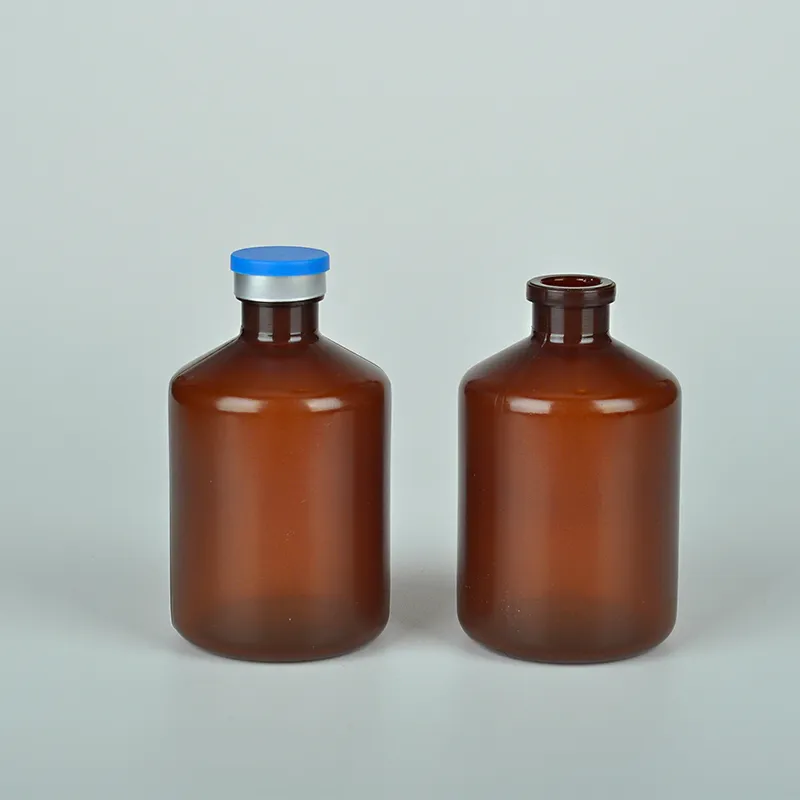
On a practical level, I recall a project where switching from amber glass to a carefully specified opaque HDPE bottle drastically reduced breakage and improved fill speed on the automated line. Maintenance crews loved the change too – fewer sharp shards to worry about.
All told, plastic bottle medicine containers are not just throwaway vessels; they’re carefully engineered parts of a complex supply chain, quietly bridging the gap between production innovation and patient care.
So next time you hold a pill bottle, think about the countless tweaks behind its design. It’s more art and science than you might guess.
- Reflections from a longtime industrial packaging insider
References
- Industry guidelines on pharmaceutical packaging safety. FDA & USP standards.
- Material datasheets from common plastic suppliers for HDPE, PET, and PP.
- Case studies from WK Packing and other vendors about packaging optimization.
-
Guide to Sourcing High Quality wholesale mister bottles for BusinessNewsApr.16,2026
-
Top Quality Spray Bottle 100ml Suppliers for Your Business NeedsNewsApr.09,2026
-
Comprehensive Guide to Pet Spray Bottle Manufacturers and Packaging SolutionsNewsApr.07,2026
-
Comprehensive Guide to Finding Reliable Perfume Sprayers SuppliersNewsApr.04,2026
-
Comprehensive Guide to Wholesale Mini Spray Bottles for Various ApplicationsNewsMar.31,2026
-
Comprehensive Guide to Sourcing Mini Plastic Spray Bottles Bulk for Your BusinessNewsMar.28,2026