



Dec . 09, 2025 08:15
Back to list
Durable Plastic Medicine Pill Bottles for Industrial Use | WK Packaging
Why Plastic Medicine Pill Bottles Still Reign Supreme in Pharma Packaging
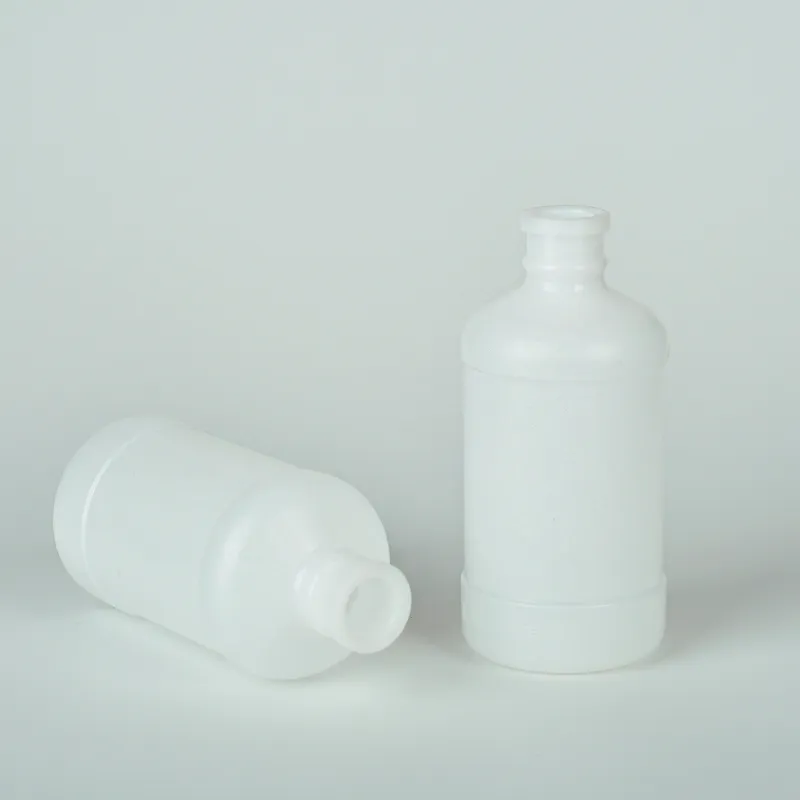
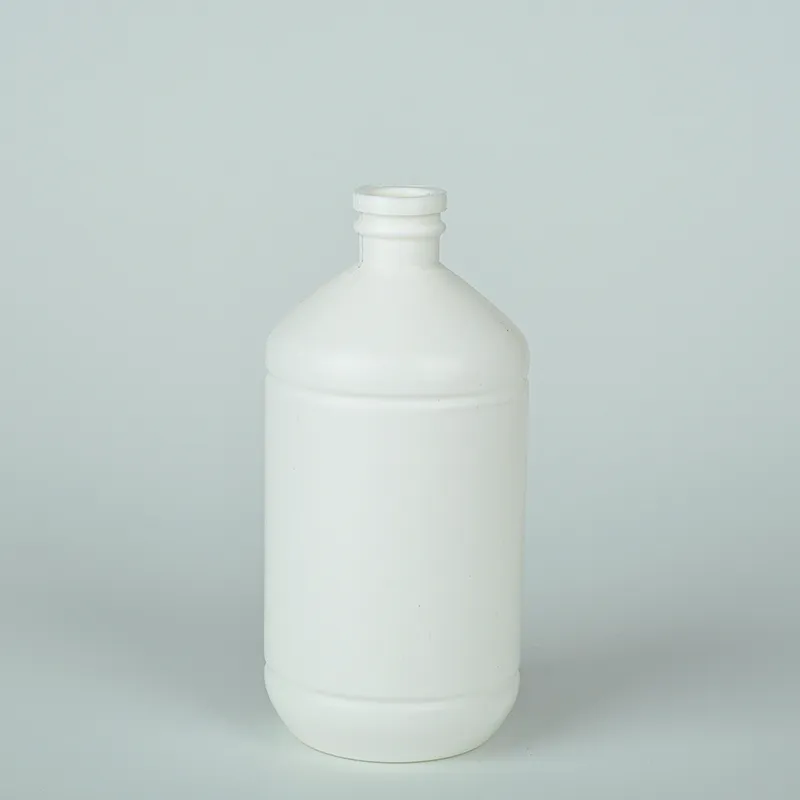
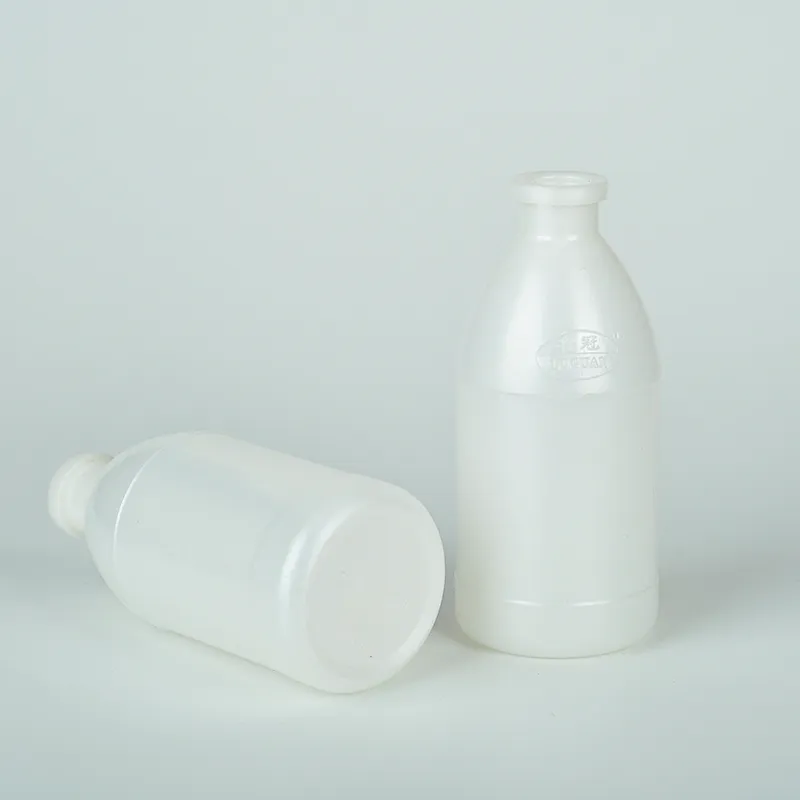
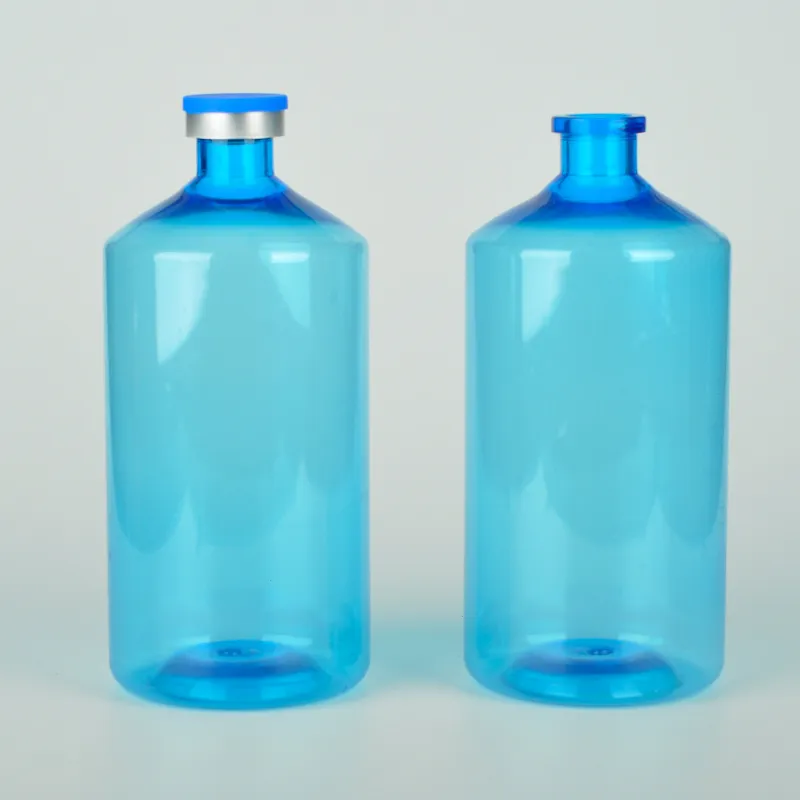
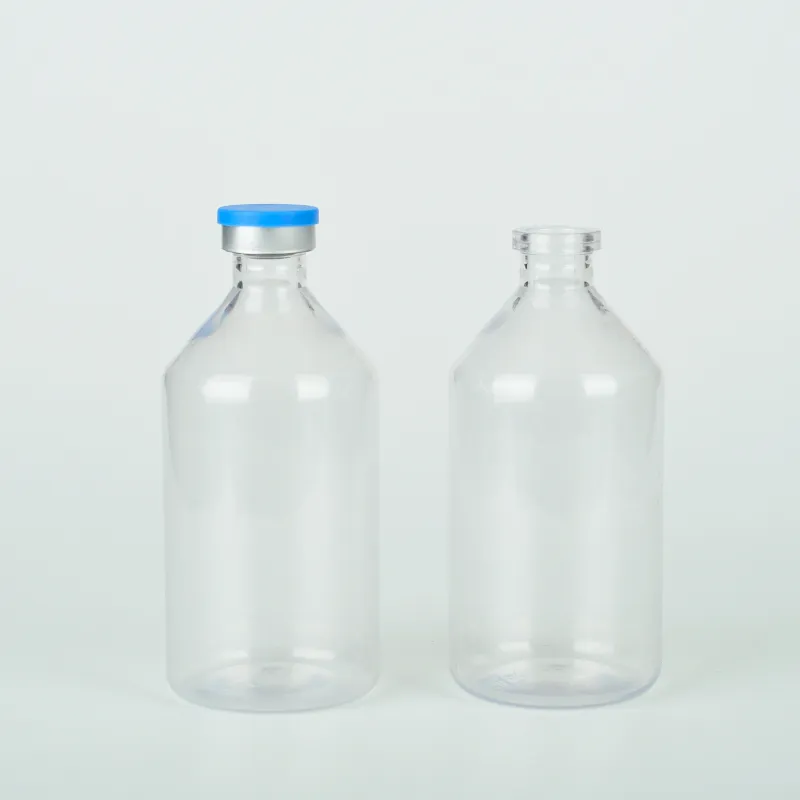
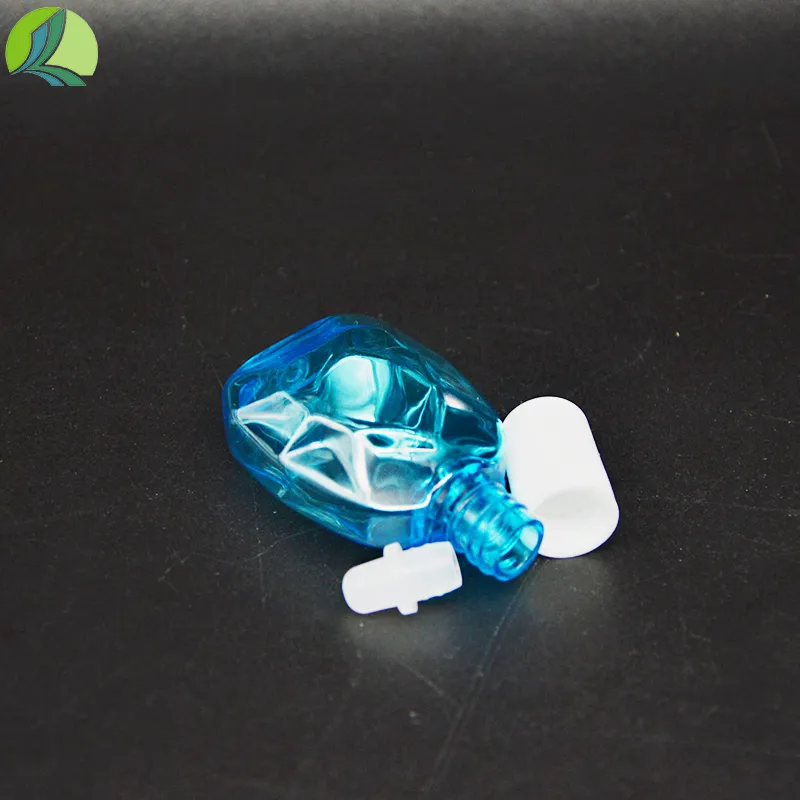
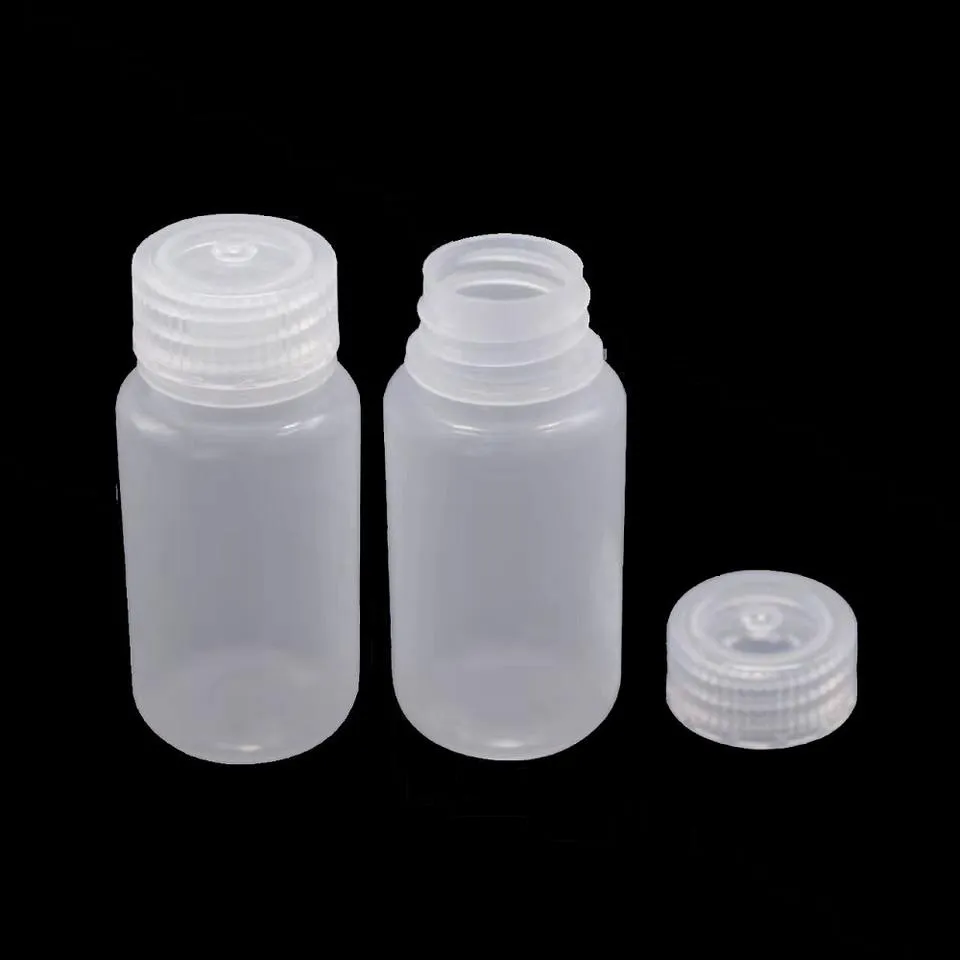
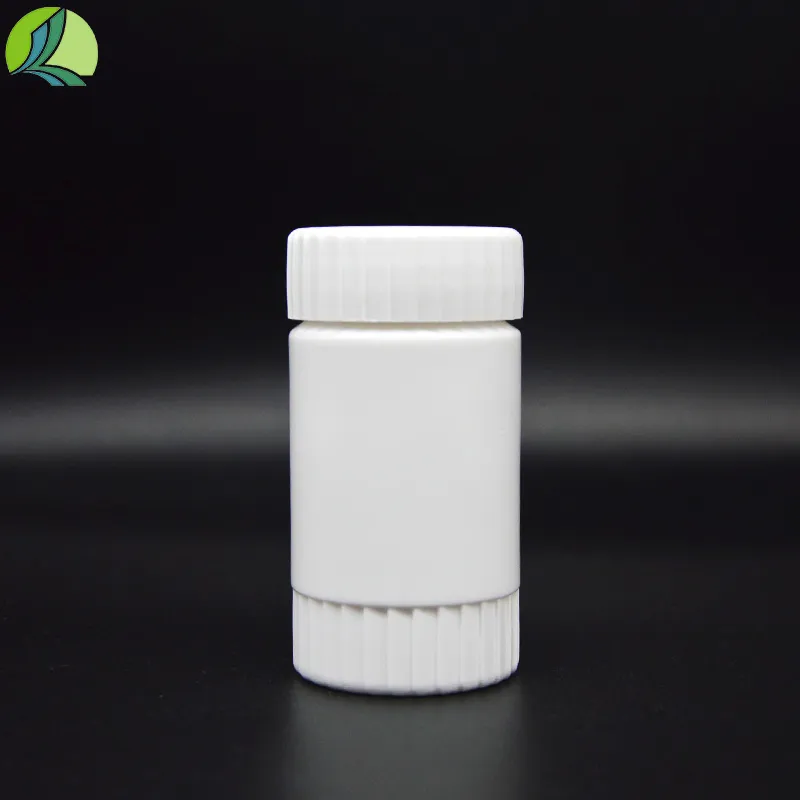
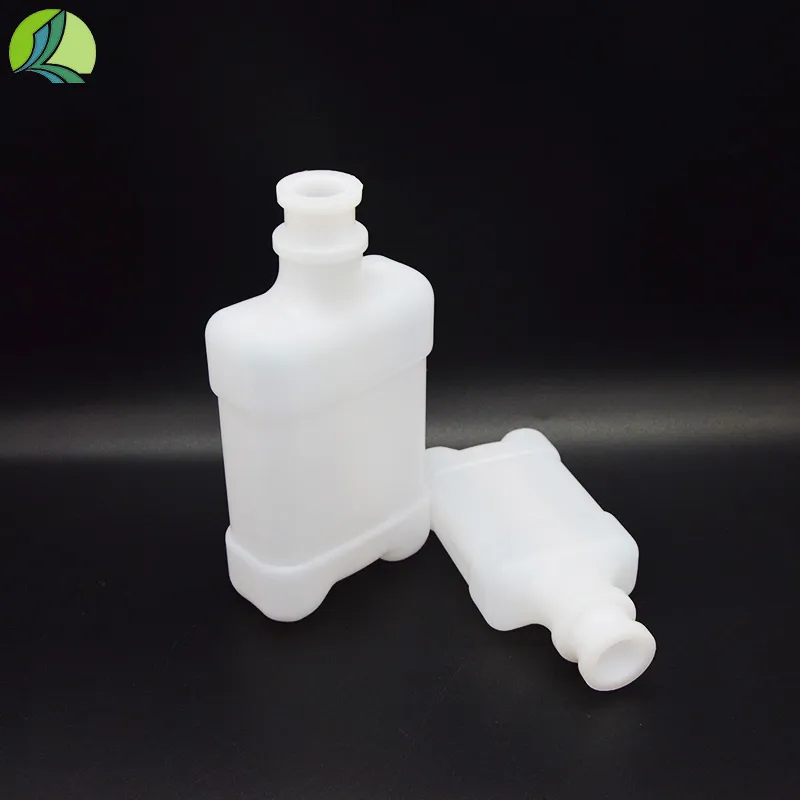
If you've spent any time in the industrial equipment scene — particularly anywhere near pharma packaging — you’ll know plastic pill bottles aren't just about holding pills. They're the quiet workhorses taking the brunt of shipping hazards, regulatory twists, and user handling every single day. Over the years, I've seen countless packaging trends come and go, but these plastic medicine bottles maintain a kind of evergreen appeal. Maybe it’s their balance of durability, cost-effectiveness, and customizability, or just plain inertia in pharma supply chains. I tend to think of these bottles almost like a trusty old pickup truck: simple, rugged, and gets the job done without fuss. And, oddly enough, despite the rise of glass and alternative materials, these plastic containers dominate the market because they hit a sweet spot—lightweight, shatter-resistant, and easy to produce at scale. Let's delve a bit deeper into what makes plastic medicine pill bottles a staple and how today’s suppliers are upping their game.Material Choices, Design, and the Growing Demand for Safety Features
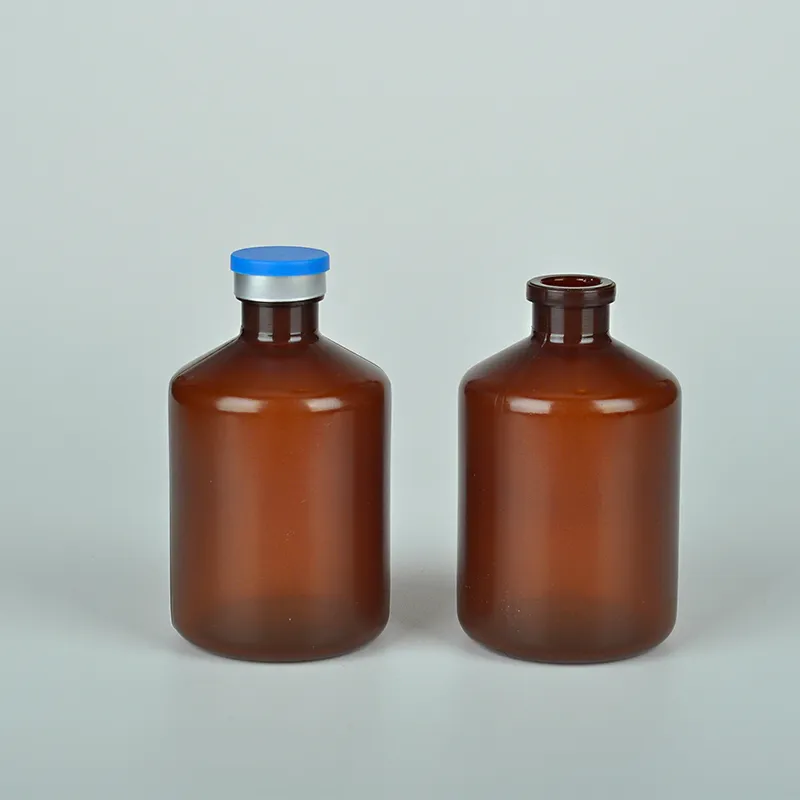
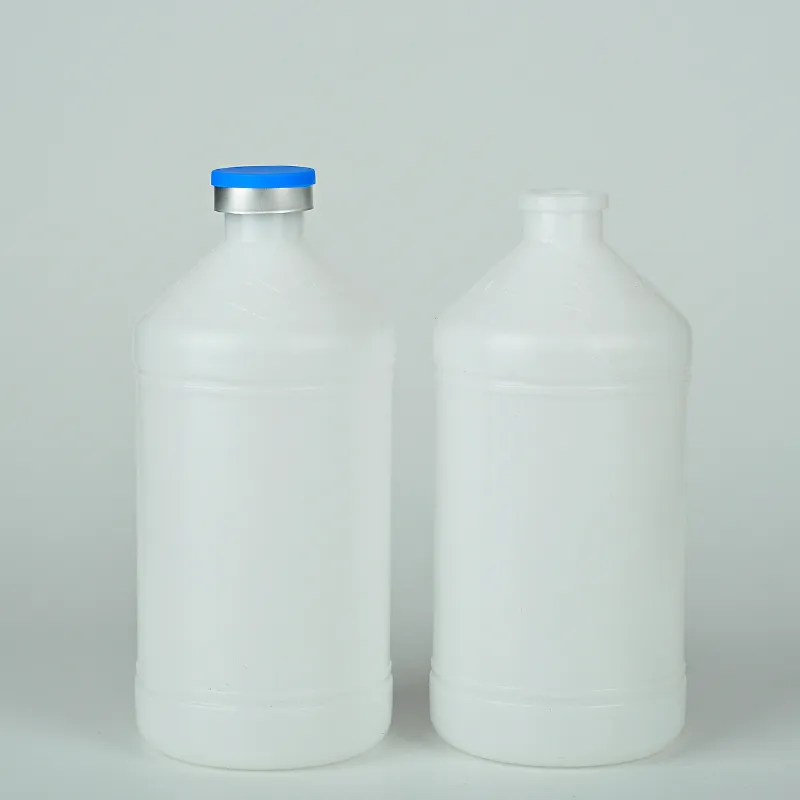
When I first started, most pill bottles were the standard high-density polyethylene (HDPE). Nothing fancy, but dependable. Nowadays, polypropylene (PP) has also become common because it offers better resistance to moisture and chemicals. It might sound trivial until you realize what a nightmare it is if medicines get exposed to humidity or light. A pill bottle is arguably the very last line of defense. Design-wise, tamper-evident caps are now more than just an option—many manufacturers insist on them because patient safety is non-negotiable. I’ve noticed that children-resistant closures have become an expected baseline feature, too. It's satisfying to know these features aren't just marketing fluff; they genuinely prevent accidents. What I find curious is the subtle customization customers request. Sometimes, notches, ribbed surfaces for grip, or even different shapes for branding—odd little things that can make a huge difference in user experience or production line automation. In one case, a customer needed translucent bottles with UV-resistant additives because their pills degrade easily under light. Not everybody thinks about that on day one, but it's those little details that count.Typical Specifications of Plastic Medicine Pill Bottles
| Specification | Details |
|---|---|
| Material | HDPE, PP |
| Standard Capacities | 30 ml, 60 ml, 120 ml, 240 ml |
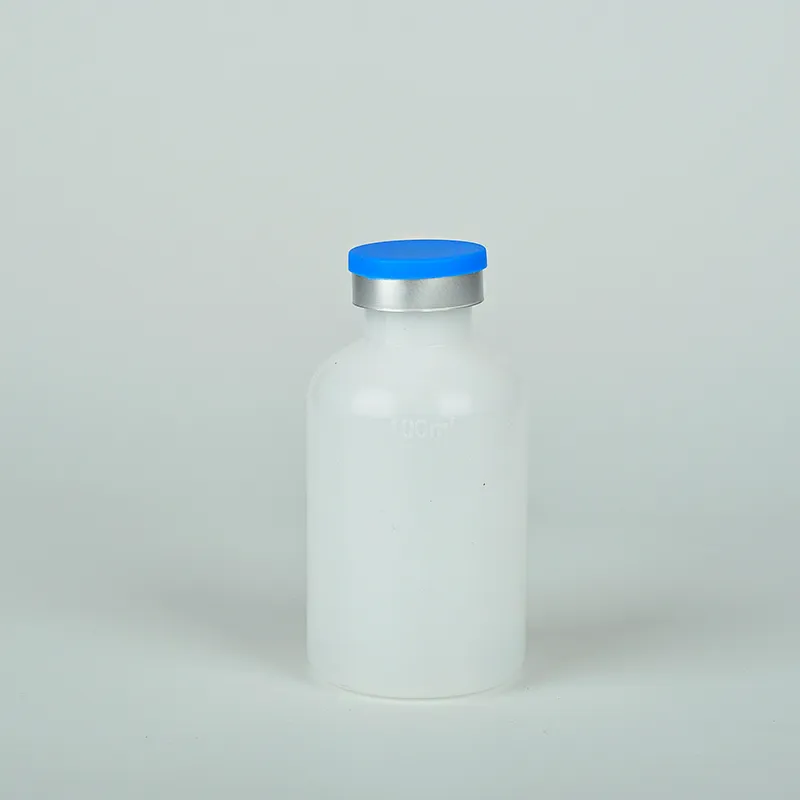
| Closure Types | Child-resistant, Tamper-evident, Standard screw caps |
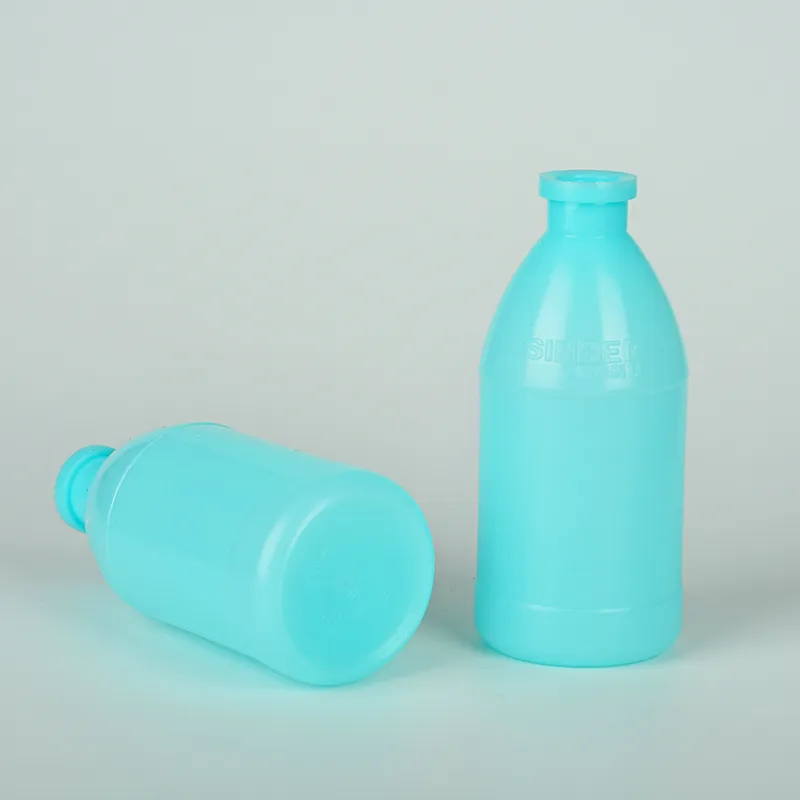
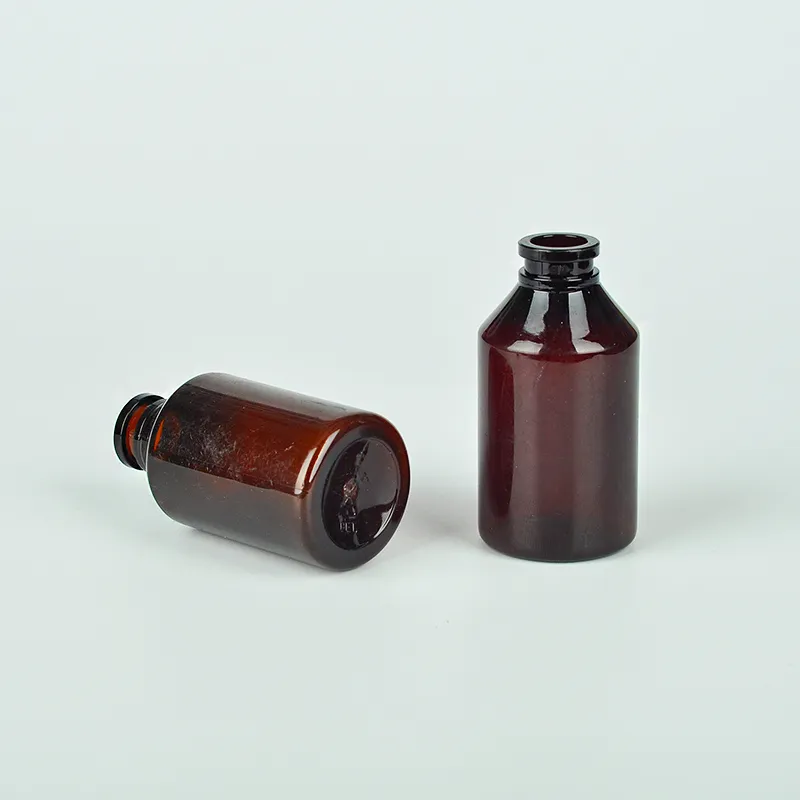
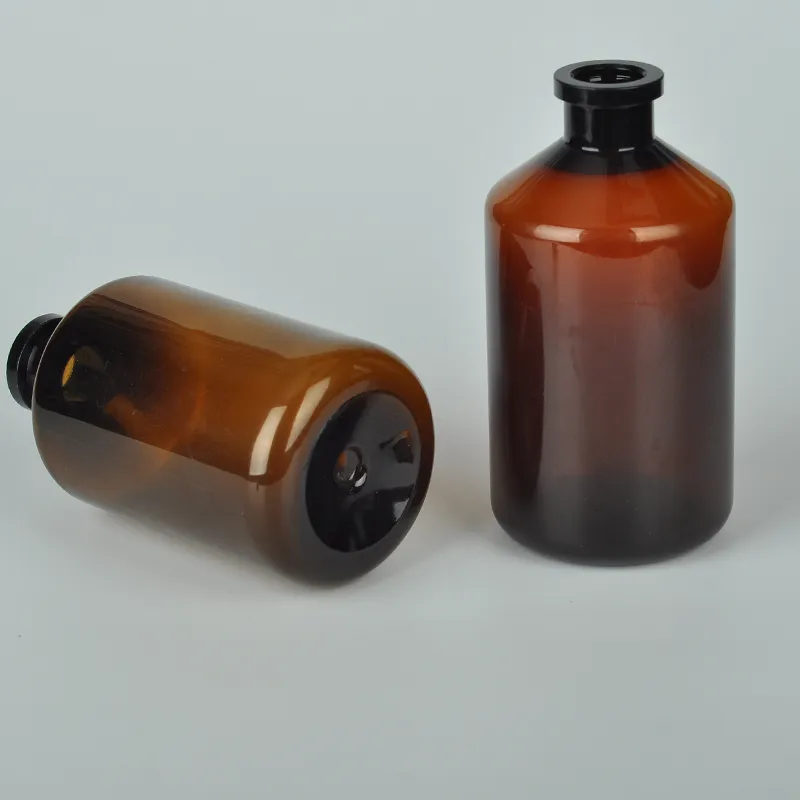
| Color options | White, Amber, Translucent |
| UV Protection | Available with additives for light-sensitive medications |
Comparing Industry Vendors: What to Look For
Not all plastic pill bottle suppliers are created equal. Unless you want to wrestle with inconsistent quality or late deliveries, it pays to know your options. Here’s a quick comparison of three notable vendors from my recent experience:| Supplier | Lead Time | Customization | Certifications | MOQ | Price Range (per 1000 bottles) |
|---|---|---|---|---|---|
| WK Packaging | 2–3 weeks | Extensive (colors, labels, closures) | FDA, ISO 9001 | 5000 pieces | $150–$200 |
| Alpha Pharma Containers | 4–6 weeks | Moderate (standard colors only) | FDA | 10000 pieces | $140–$180 |
| ClearMed Bottles Inc. | 1–2 weeks | Limited (only clear bottles) | ISO 13485 | 2000 pieces | $180–$220 |
A Small Customer Insight: When Flexibility Counts
I remember working with a mid-sized pharmaceutical startup last year. They had a novel herbal supplement that was, frankly, sensitive to both moisture and light. Standard amber bottles weren't enough. Our discussions led us to plastic medicine pill bottles infused with UV inhibitors and a custom high-barrier sealant. The customer was thrilled with the result — no more complaints about clumping or degraded batches—and their repeat orders keep coming. That’s the sort of thing that reminds me why the humble pill bottle is more than just plastic. It’s part of the solution chain, protecting health in the little things. --- Honestly, I feel the demand for more sustainable options will shape this market soon. Bioplastics and recyclability are front and center in conversations now, though change here is creeping rather than sprinting. Still, while that shift edges in, plastic medicine pill bottles remain an industrial staple—reliable, customizable, and often underestimated.Final thoughts
If you’re sourcing for your production line or healthcare facility, pay close attention not just to price, but to specs, regulations, and packaging partners willing to customize. The right pill bottle can silently raise the safety and shelf-life stakes, with surprisingly little fanfare. — Reflections and references: 1. Personal experience over 15 years in pharma packaging 2. Industry standards from FDA and ISO documents 3. Recent vendor info sourced from WK Packaging and trade shows There’s always more to the little plastic bottle than meets the eye—and that’s a neat reminder that even in an age of tech, good packaging is still an art and a science.Share
Latest news
-
Guide to Sourcing High Quality wholesale mister bottles for BusinessNewsApr.16,2026
-
Top Quality Spray Bottle 100ml Suppliers for Your Business NeedsNewsApr.09,2026
-
Comprehensive Guide to Pet Spray Bottle Manufacturers and Packaging SolutionsNewsApr.07,2026
-
Comprehensive Guide to Finding Reliable Perfume Sprayers SuppliersNewsApr.04,2026
-
Comprehensive Guide to Wholesale Mini Spray Bottles for Various ApplicationsNewsMar.31,2026
-
Comprehensive Guide to Sourcing Mini Plastic Spray Bottles Bulk for Your BusinessNewsMar.28,2026
RECOMMEND PRODUCTS