


Nov . 13, 2025 11:30
Back to list
Durable Prescription Drug Bottles: Key Specs & Supplier Comparison
Why Prescription Drug Bottles Are More Than Just Containers
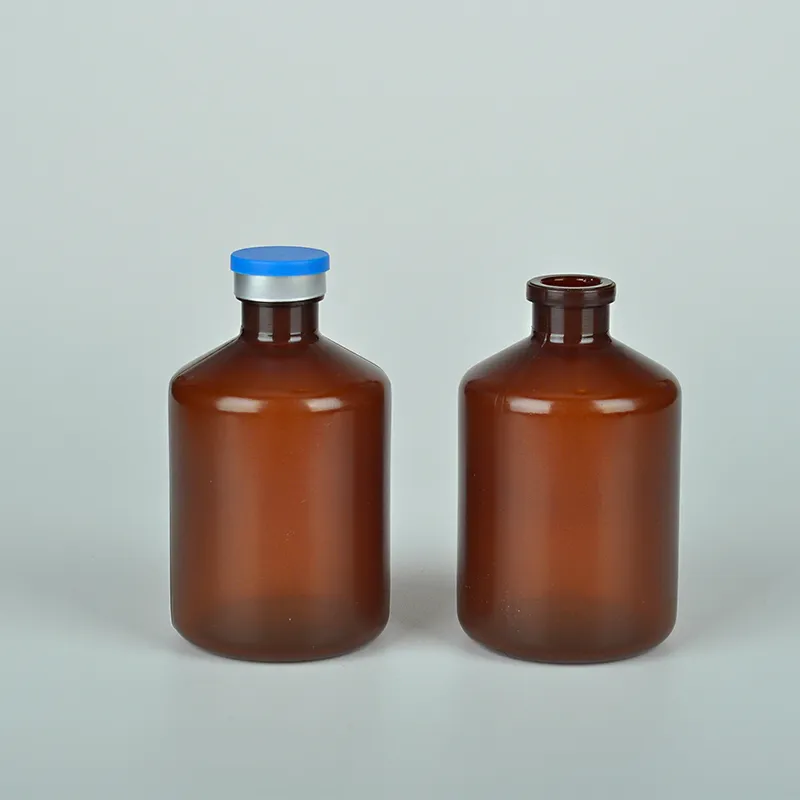
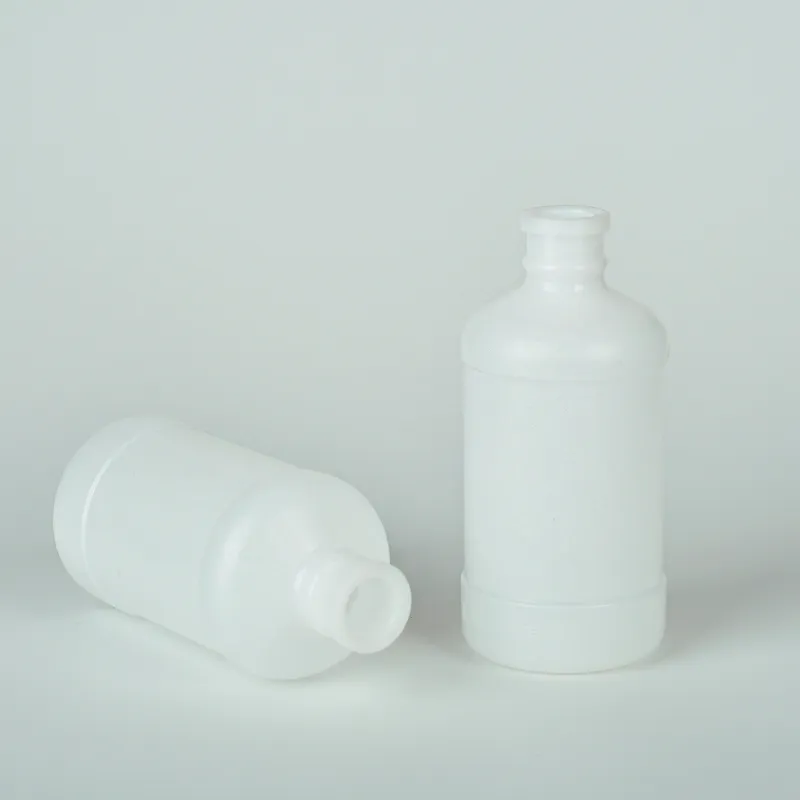
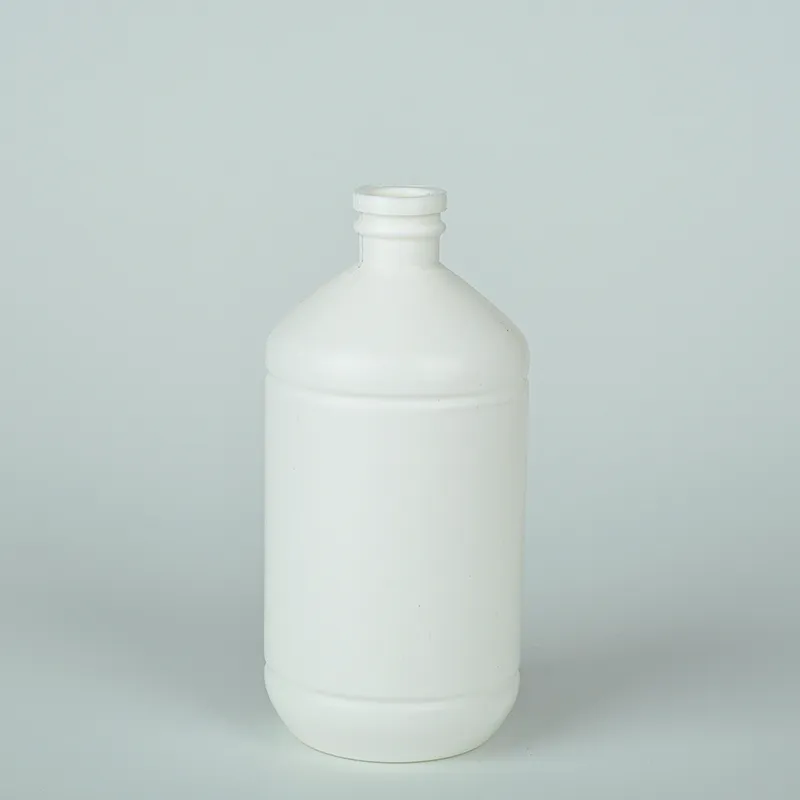
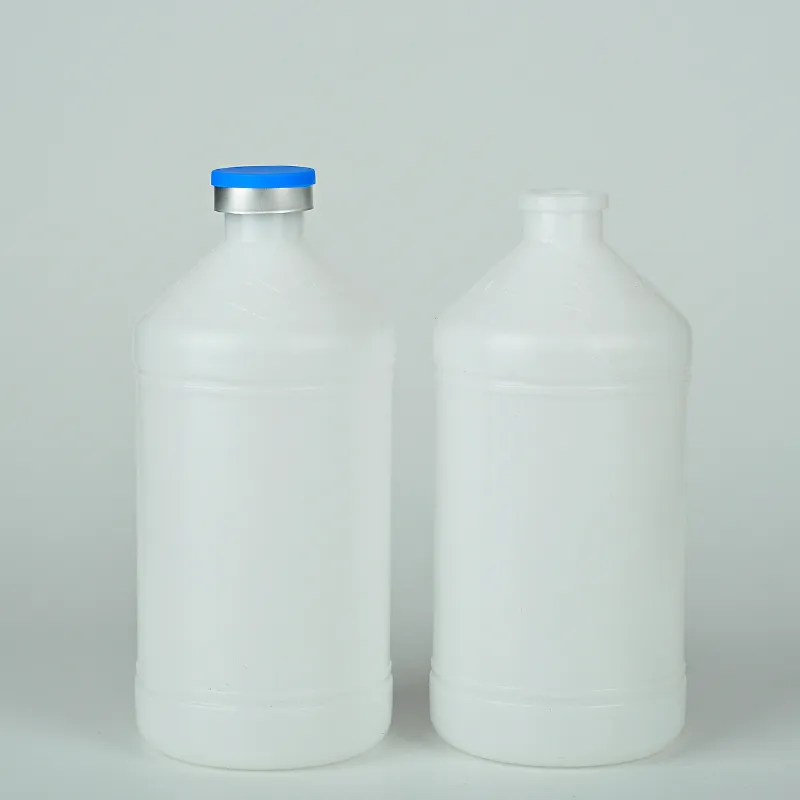
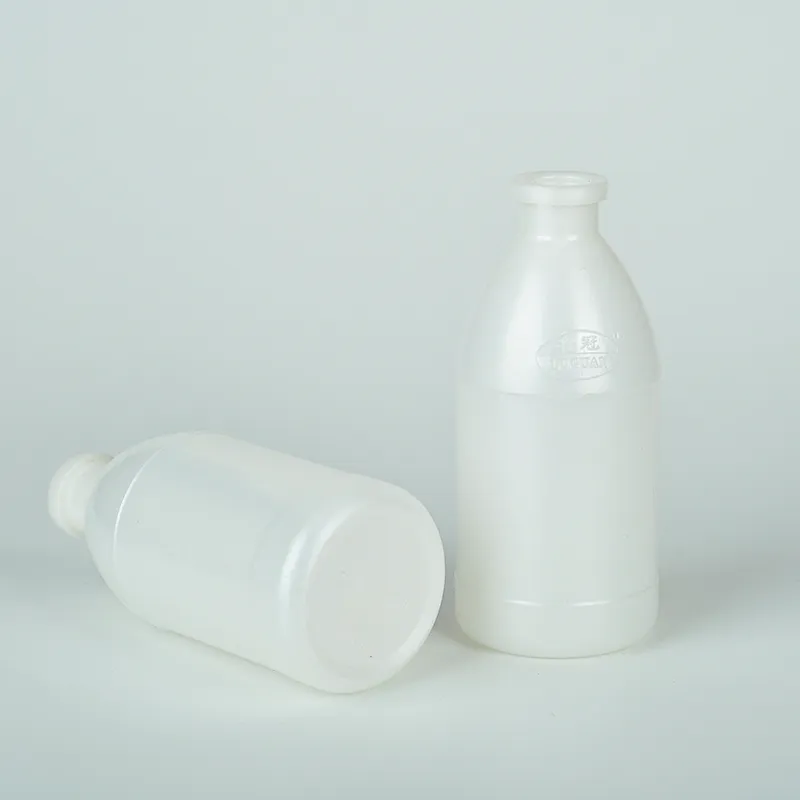
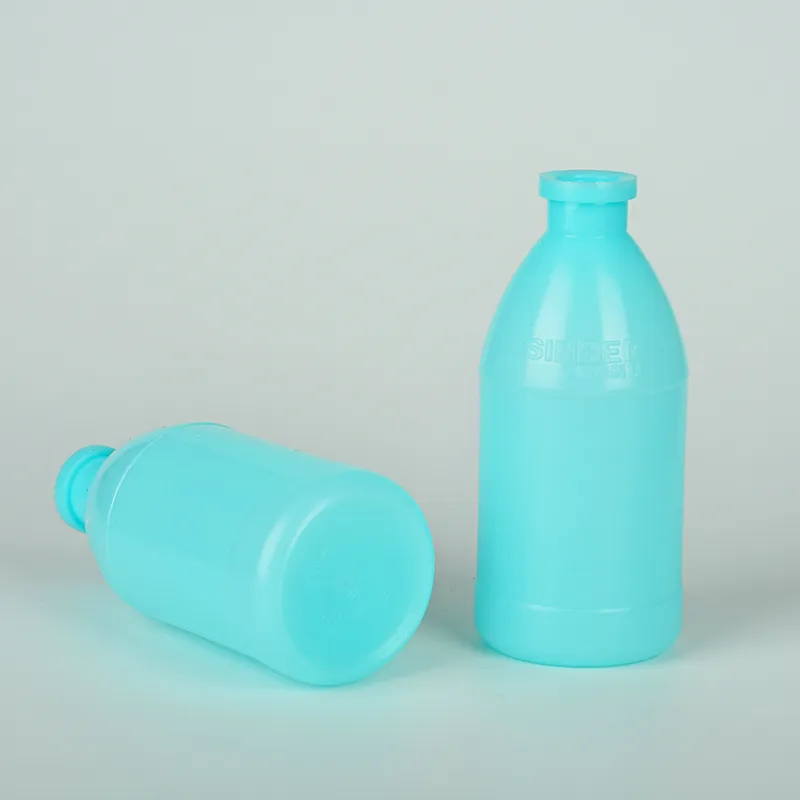
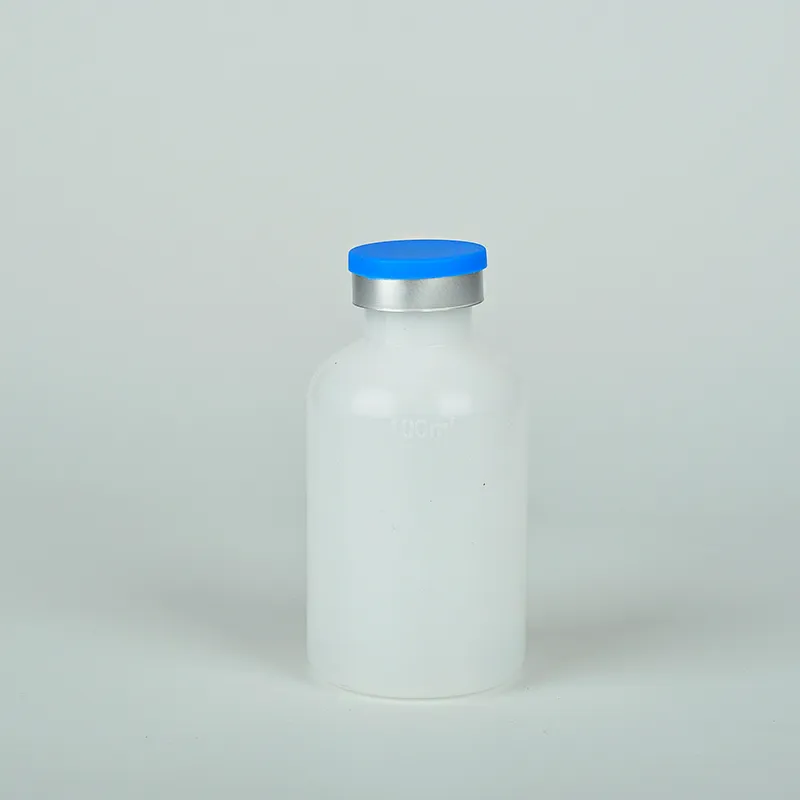
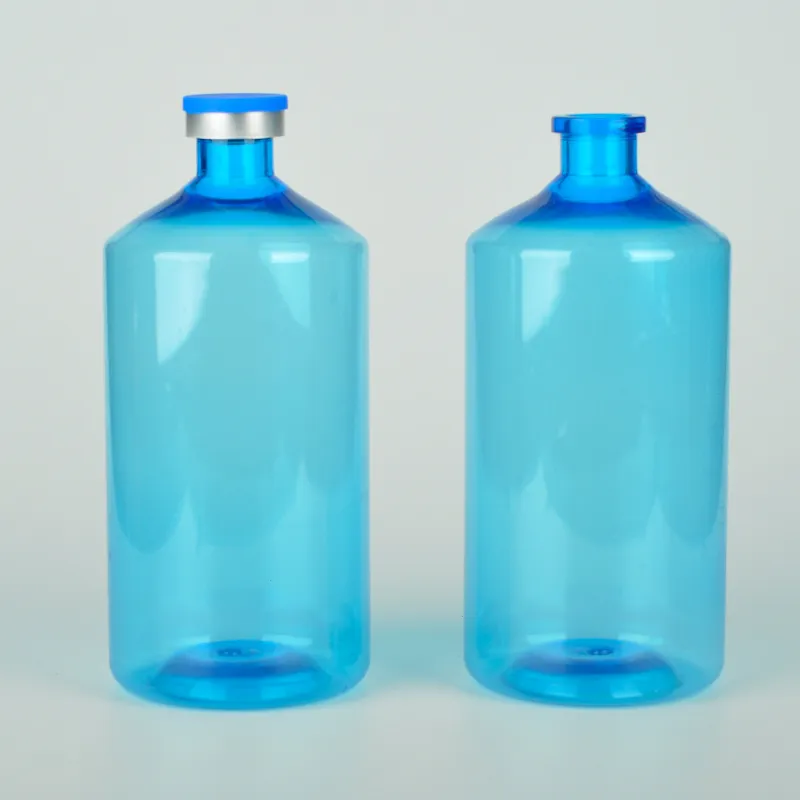
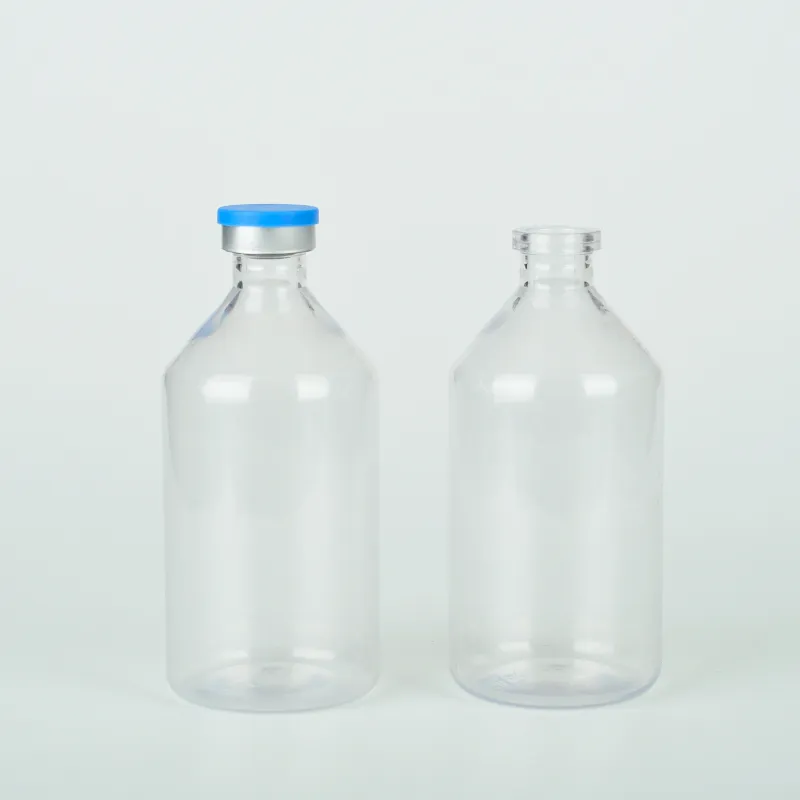
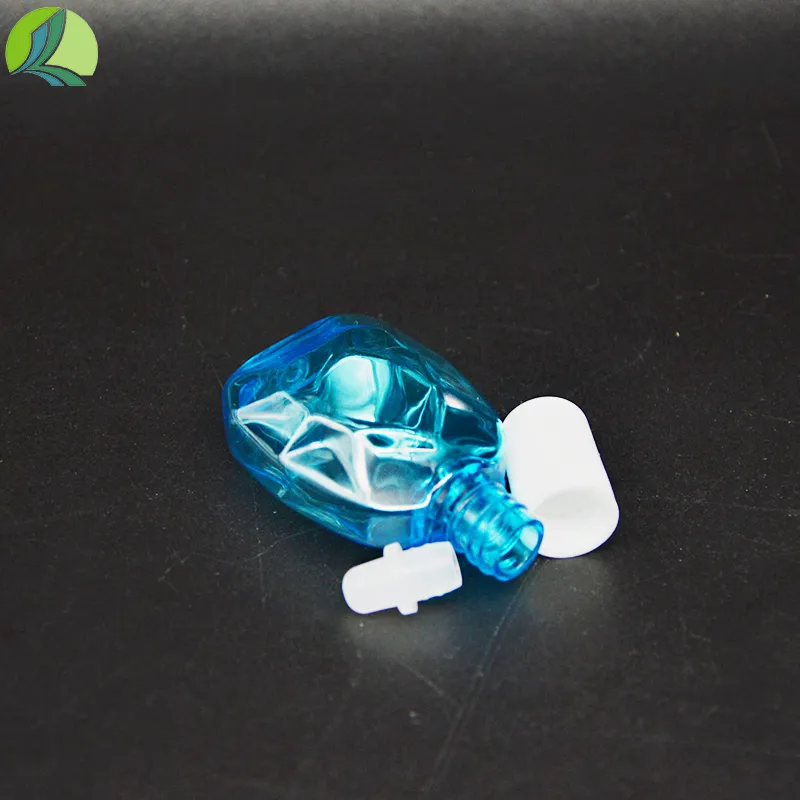
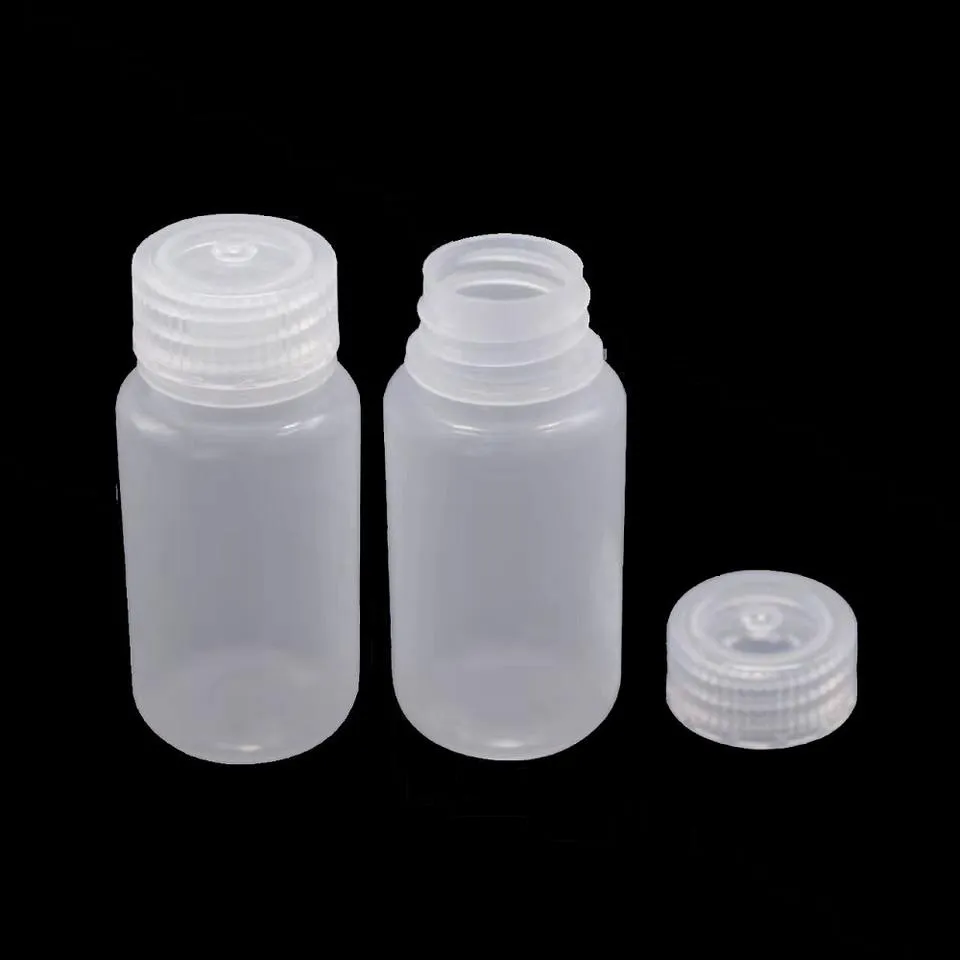
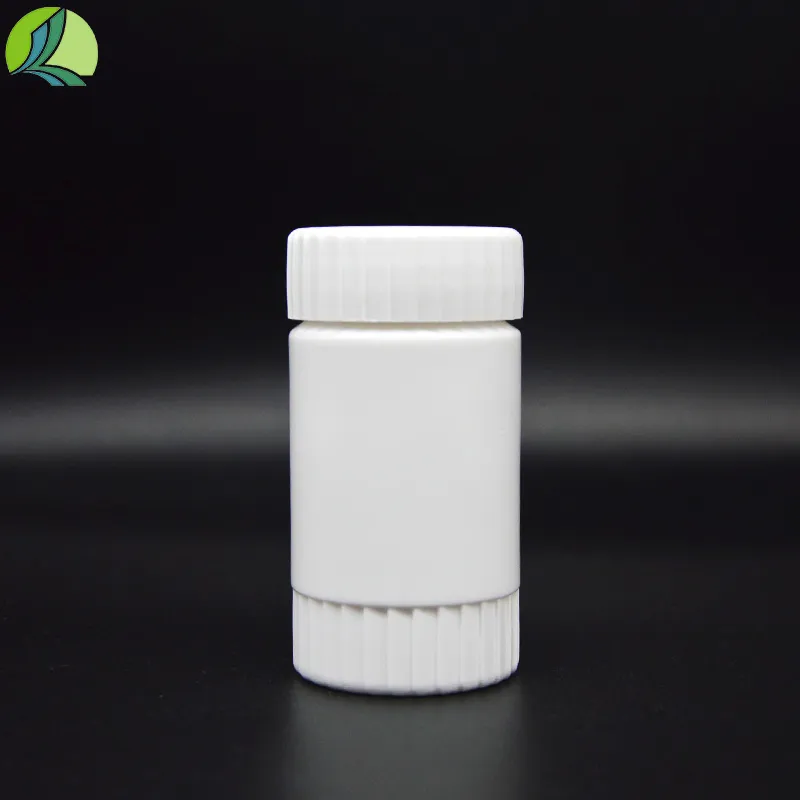
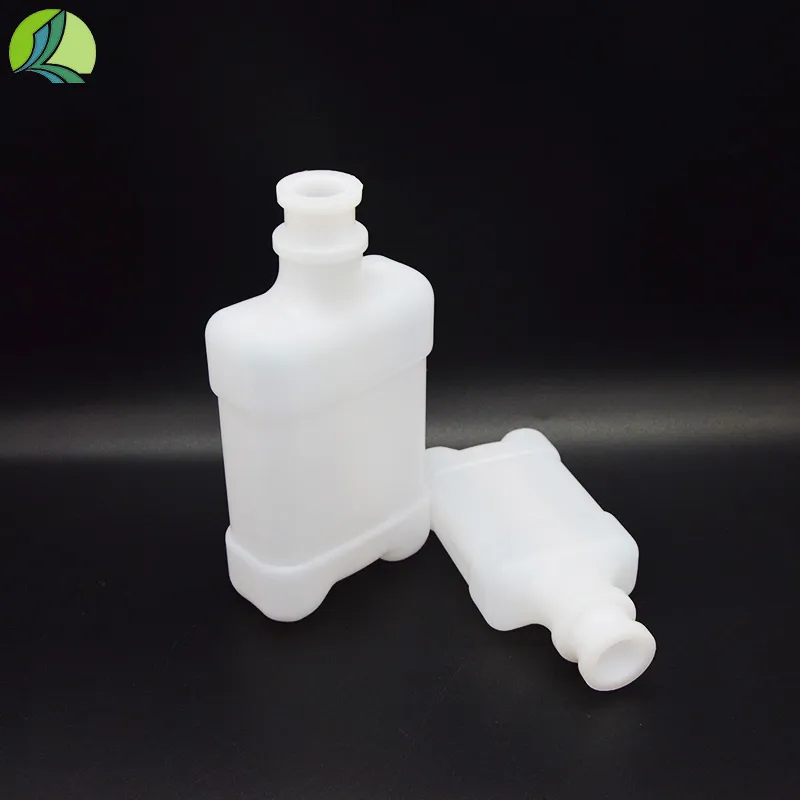
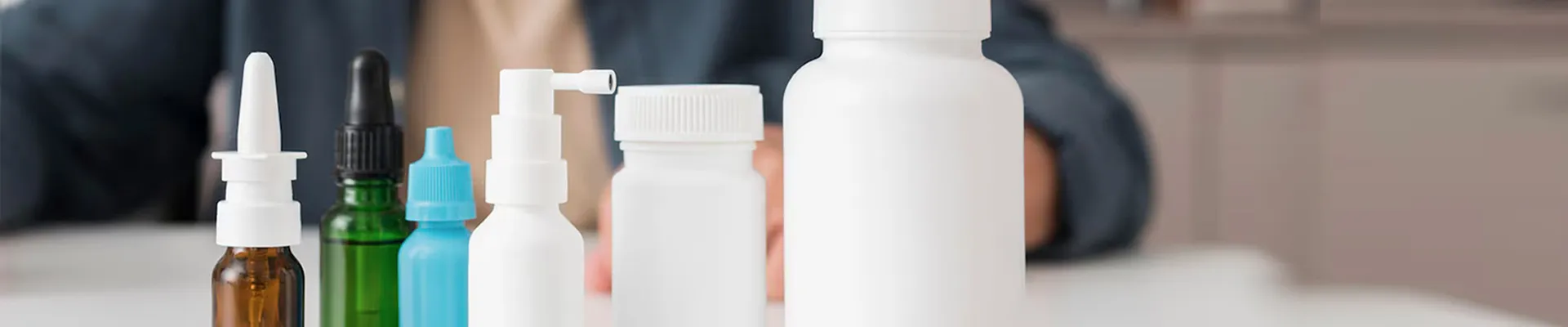
If you’ve ever spent time in pharmaceutical production or distribution, you realize prescription drug bottles really are the unsung heroes of healthcare logistics. Frankly, they’re straightforward — or so it seems at first glance — but underneath all that plastic and labeling lies a fine balance of safety, user-friendliness, and compliance. Oddly enough, the better designed they are, the less you think about them. And when they fail, you notice immediately. What’s interesting is how much thought goes into the seemingly simple task of safely packaging pills. These containers keep medications safe from moisture, light, and tampering — all while making sure patients can open them without hassle. In my years working close to industrial packaging, I’ve seen manufacturers emphasize child resistance and tamper-evidence as fundamental. It’s almost like a dance: ensuring safety without sacrificing accessibility.A Snapshot of Prescription Drug Bottle Specifications
Before getting into who produces the best bottles, a quick look at typical specs might help. I’ve gathered some common technical details that govern most US-market bottles. These aren’t rigid rules, but roughly standard items many pharmacopeias take into account:| Specification | Typical Range | Remarks |
|---|---|---|
| Material | HDPE (High-Density Polyethylene) | Moisture barrier & FDA approved |
| Volume | 30 ml to 500 ml | Standard pharma bottle sizes |
| Closure Type | Child-Resistant Cap (CRC) | Safety compliance |
| Tamper Evident | Yes | Standard for pharmaceuticals |
| Labeling Compatibility | Wet and dry adhesive | Supports print clarity |
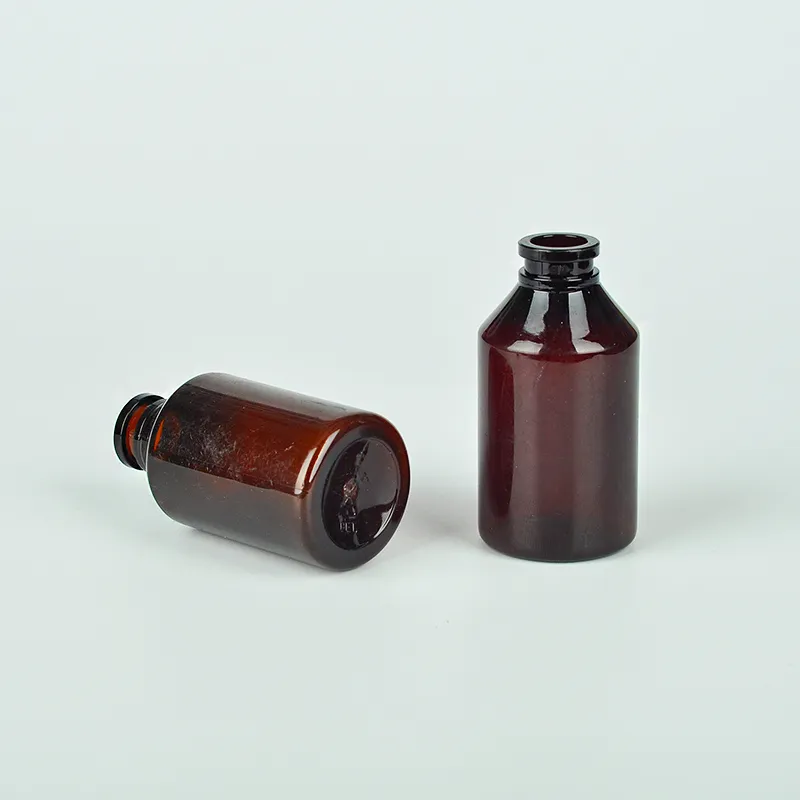
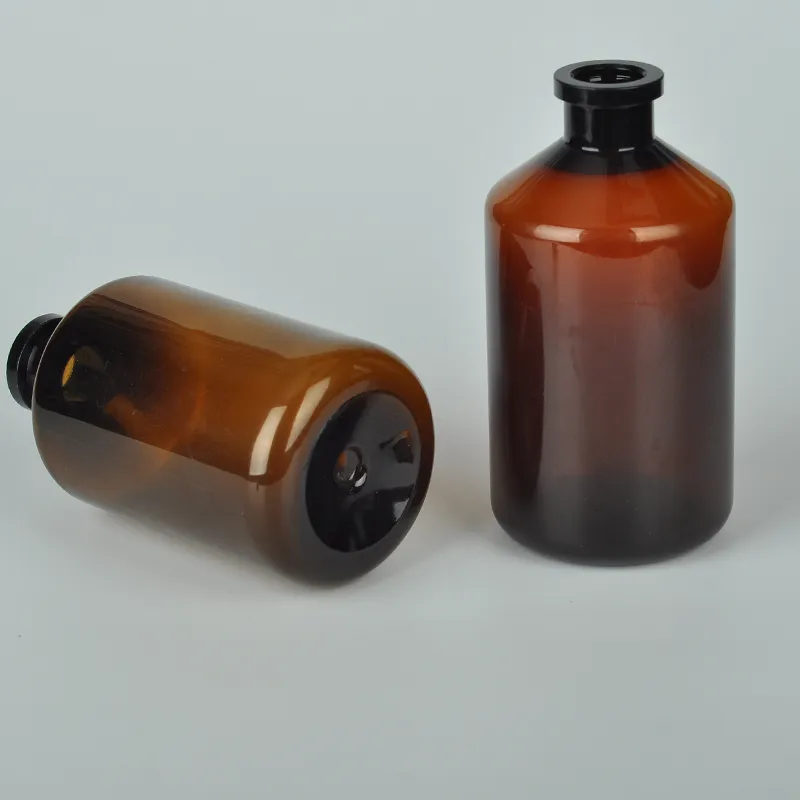
| Light Protection | Optionally amber-colored | Protects photosensitive meds |
Choosing the Right Supplier for Prescription Drug Bottles
Speaking of vendors, I’ve worked with several suppliers of pharmaceutical containers. It’s not just about who offers the cheapest price — though budget always looms large — but more about reliability and certification. You want someone who truly understands regulatory demands, plus your logistical deadlines. Below is a rough vendor comparison reflecting my experience with some main players:| Vendor | Material Quality | Custom Options | Certifications | Lead Time | Notes |
|---|---|---|---|---|---|
| WK Packaging | Premium HDPE, FDA approved | Wide range incl. child-resistant caps | ISO9001, GMP compliant | 4–6 weeks | Strong in customization & support |
| GenericSupplier Co. | Mid-grade plastics | Limited sizes, no special caps | Basic certifications | 2–3 weeks | Budget-friendly but less flexible |
| PharmaPack Ltd. | High durability, UV resistant | Custom printing available | FDA, CE certifications | 5–7 weeks | Good for branded solutions |
Real-World Benefits of Good Prescription Drug Bottles
Let me share a quick story that stuck with me. A mid-sized pharma company I consulted for was struggling with returned shipments — a bulk of the complaints involved bottles breaking or caps not sealing tightly. Switching to a better bottle supplier with improved quality controls (you guessed it, one of the reliable ones in the table above) dramatically lowered returns and customer complaints. The moral? Packaging quality directly impacts trust and cost savings. Patients rely on these bottles to protect their meds, and pharmacies need that reliability to maintain credibility. It feels like a simple container, but it’s a core component of the entire medication ecosystem. --- When you start seeing prescription drug bottles through this lens, it’s easier to appreciate the combination of engineering, regulation, and practical usage that underpins their humble form. The next time you pick up your pill bottle, maybe take a moment to think about how much thought it took before it landed in your hand...References & Personal Notes
- FDA Guidance for Industry: Child-Resistant Packaging
- Personal discussions with pharmaceutical engineers and packaging experts, 2018–2023
- Industry reports on pharma container trends (2020–2023)
Share
Latest news
-
Bulk Eye Dropper Bottles for Industrial Packaging - Reliable & CustomizableNewsDec.31,2025
-
Small Plastic Dropper Bottles – Durable, Precise Packaging Solutions for B2B ApplicationsNewsDec.10,2025
-
Medicine Dropper Bottles – Precision and Quality Packaging Solutions for B2B | WK PackingNewsDec.10,2025
-
Discover Top Quality 2 oz Eye Dropper Bottles for Industrial UseNewsDec.09,2025
-
1 Oz Eye Dropper Bottles - Precision Packaging Solutions for B2B Industries | WKPackingNewsDec.09,2025
-
Durable 4 oz Eye Dropper Bottles for Industrial & Cosmetic UseNewsDec.09,2025
RECOMMEND PRODUCTS