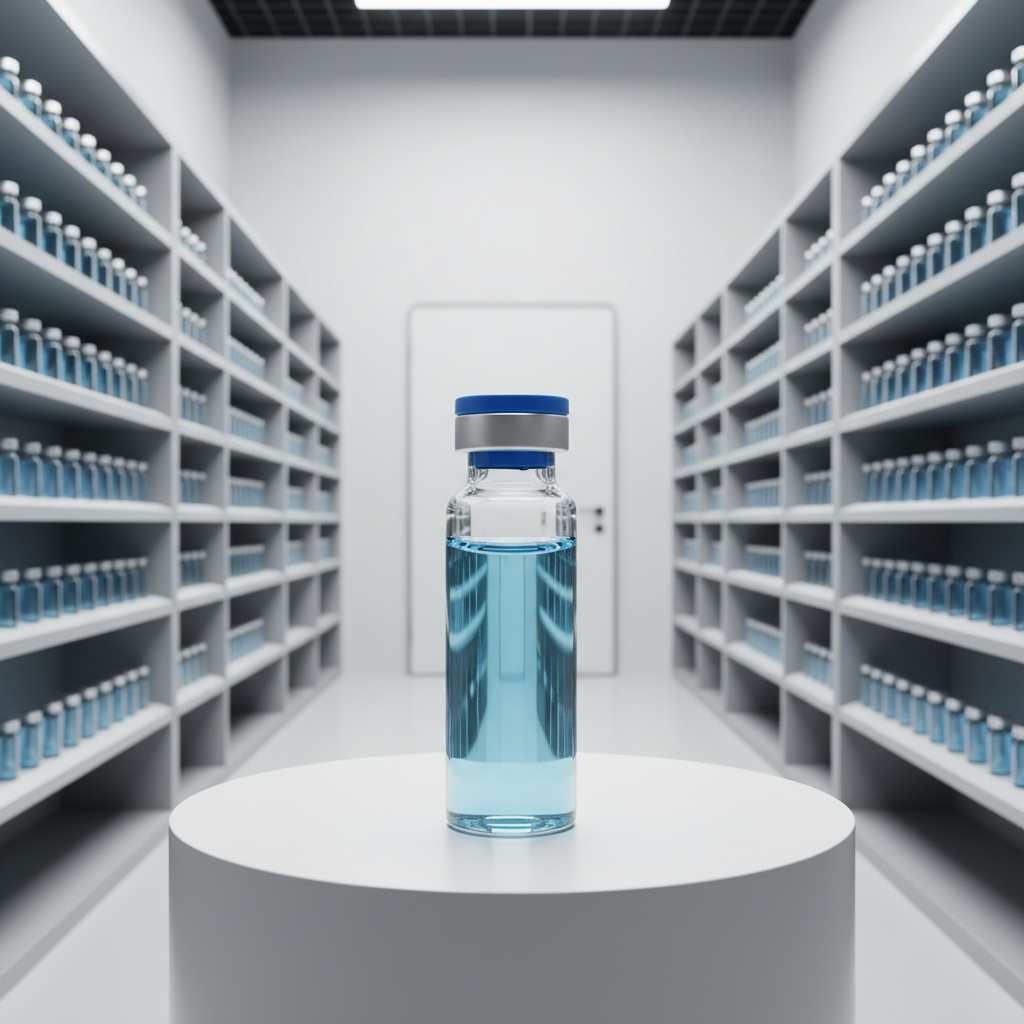
In the precision-driven world of laboratory science and pharmaceutical storage, the choice of containment material can dictate the success of an entire experiment or the stability of a life-saving vaccine. polycarbonate vials have emerged as a critical solution, offering a unique combination of optical clarity, extreme impact resistance, and thermal stability that surpasses traditional glass or lower-grade plastics.
Globally, the shift toward high-performance polymers is driven by the need for safer, unbreakable alternatives in high-throughput screening and cryogenic storage. By reducing the risk of catastrophic breakage and contamination, these specialized containers ensure that high-value reagents and sensitive biological samples remain secure during transport and long-term preservation.
Understanding the technical nuances of polycarbonate—from its chemical compatibility to its sterilization capabilities—is essential for procurement managers and lab directors. This guide explores why polycarbonate vials are becoming the gold standard for modern lab consumables and how they address the rigorous demands of the global healthcare and research sectors.
Global Industry Context of Polycarbonate Vials
The global demand for specialized laboratory plasticware has seen a significant uptick, with a growing emphasis on materials that adhere to ISO 13485 standards for medical devices. As biotechnology and personalized medicine expand, the reliance on polycarbonate vials has increased because they provide the structural integrity required for automated liquid handling systems and high-speed centrifuging.
One of the primary challenges addressed by these vials is the fragility of borosilicate glass in high-stress environments. In large-scale vaccine distribution or genomic banking, a single shattered vial can lead to the loss of irreplaceable samples and create hazardous cleanup scenarios. By transitioning to high-impact polymers, labs are drastically reducing occupational risks and material waste.
Defining the Technical Scope of Polycarbonate Vials
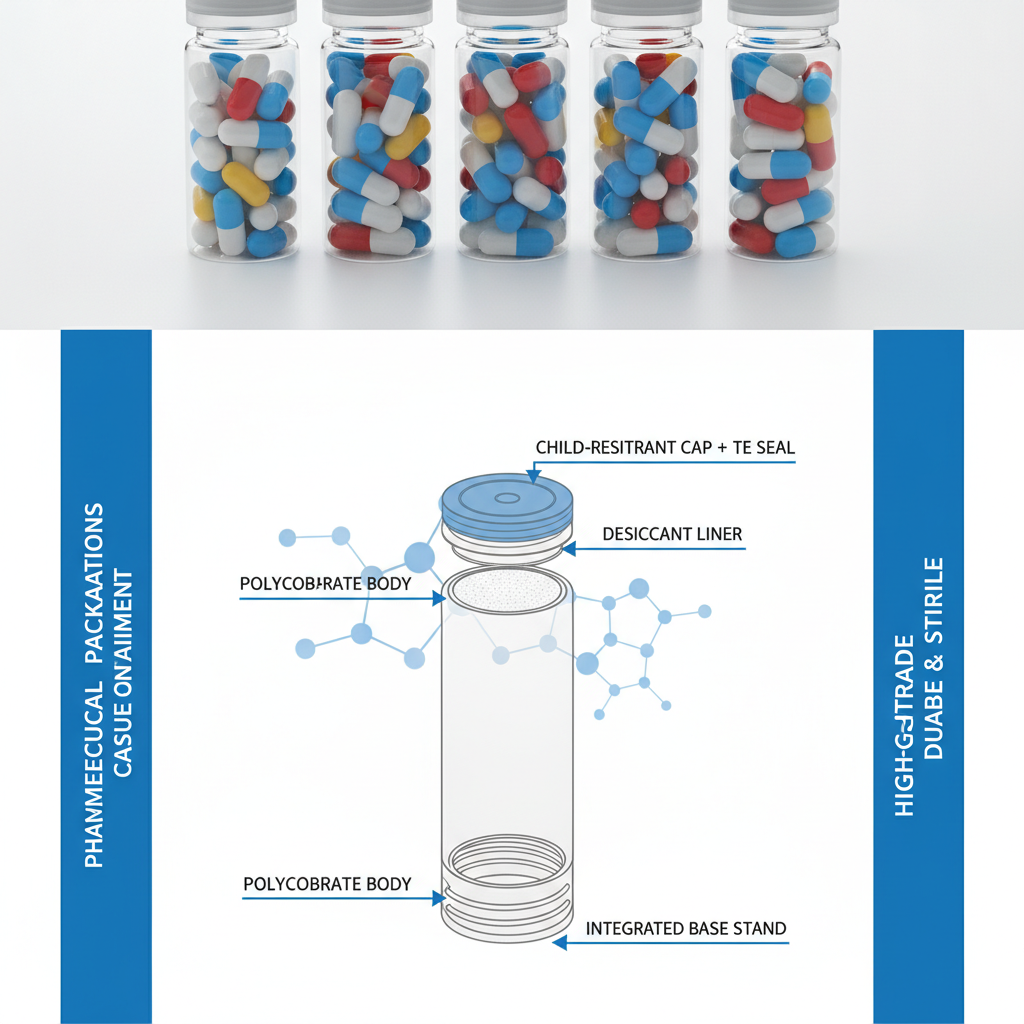
At its core, polycarbonate (PC) is a high-performance thermoplastic polymer known for its exceptional transparency and toughness. When engineered into polycarbonate vials, this material creates a container that is virtually shatterproof while remaining as clear as glass, allowing researchers to visually inspect sample precipitates or color changes without opening the seal.
These vials are not merely "plastic bottles"; they are precision-molded instruments designed to maintain a sterile environment. Their connection to modern industry lies in their ability to withstand extreme temperature fluctuations—from deep-freeze storage to autoclaving—making them indispensable for the storage of volatile reagents and biological specimens.
From a humanitarian perspective, the adoption of these vials in remote industrial zones or disaster-relief medical kits ensures that critical medicine is delivered without the fear of breakage during rough transit. This reliability makes them a cornerstone of global health logistics and pharmaceutical stability.
Core Performance Factors of High-Grade Vials
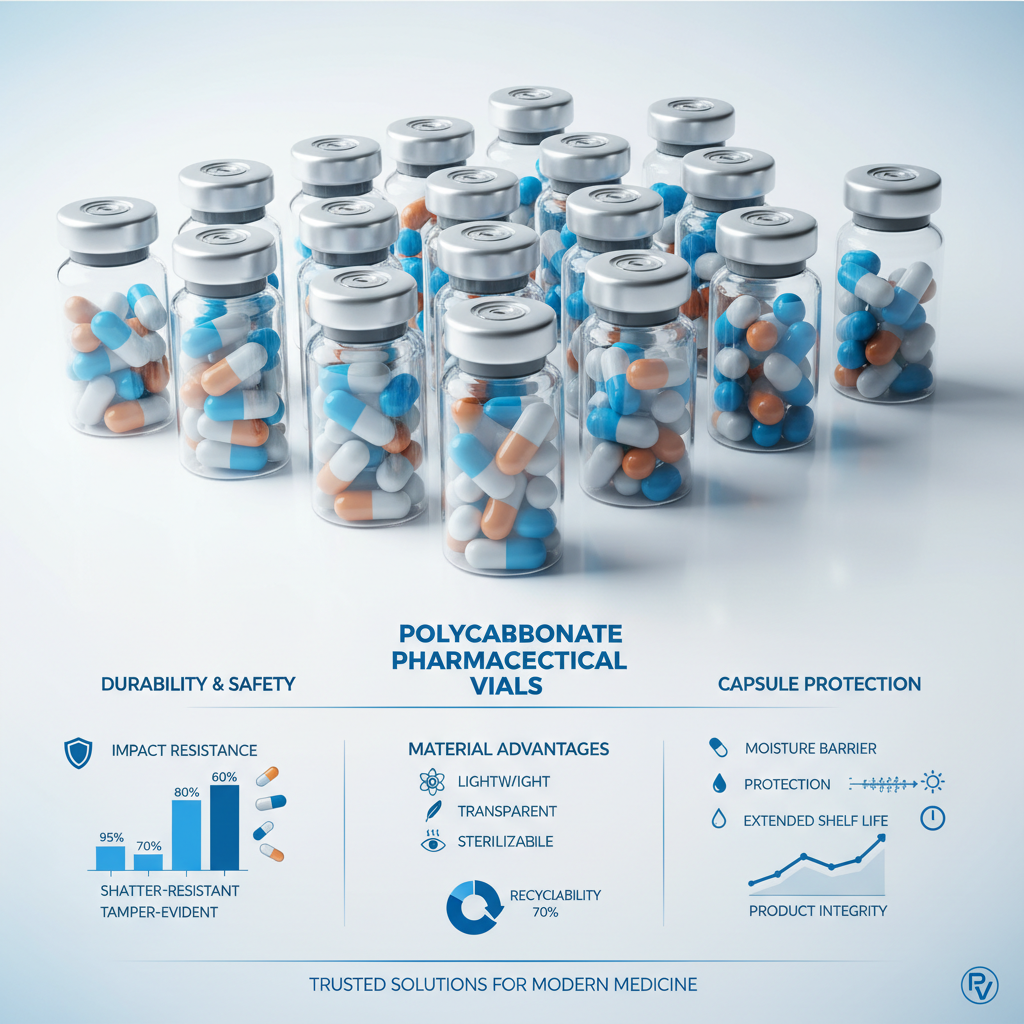
Durability is the most prominent factor of polycarbonate vials. Unlike polypropylene, which may deform under high pressure, or glass, which cracks, polycarbonate maintains its shape and integrity. This allows for secure sealing and prevents leakage during high-speed centrifugation, which is critical for separating plasma or cellular components.
Chemical resistance and purity are equally vital. High-grade polycarbonate vials are manufactured to be low-leachable and low-extractable, ensuring that the polymer does not react with the stored drug or reagent. This purity is essential for maintaining the E-E-A-T (Experience, Expertise, Authoritativeness, and Trustworthiness) standards required in pharmaceutical manufacturing.
Thermal stability and scalability round out the core components. These vials can be produced in massive quantities with micron-level precision, ensuring that every vial in a batch of millions fits perfectly into a robotic gripper or a standard storage rack. Their ability to withstand sterilization cycles makes them a cost-effective, reusable option in certain laboratory settings.
Global Applications and Use Cases
In the real world, polycarbonate vials are deployed across a diverse array of high-stakes environments. In North American and European biotech hubs, they are the primary choice for high-throughput screening (HTS) where thousands of compounds are tested simultaneously. The transparency allows for automated optical scanning, while the durability prevents costly spills in robotic arrays.
Beyond the lab, in remote industrial zones or post-disaster relief operations, these vials are used to transport critical diagnostic reagents to areas without stable infrastructure. Because they cannot be easily broken, they ensure that medical teams in the field have access to sterile, untainted samples, regardless of the transport conditions.
Comparative Performance of Polycarbonate Vials Variants
Long-Term Value and Safety Advantages
The long-term value of investing in polycarbonate vials extends beyond simple material cost. By eliminating the risk of glass shards and chemical leakage, organizations reduce their liability and insurance costs. From a logical perspective, the reliability of the seal and the impact resistance lead to fewer lost samples, which in pharmaceutical R&D can save millions of dollars in repeated trial costs.
Emotionally, the use of these advanced materials provides peace of mind to laboratory technicians and healthcare workers. Knowing that a vial will not shatter during a critical transfer operation fosters a culture of confidence and innovation. This trust in the hardware allows scientists to focus on the discovery process rather than the fear of equipment failure, ultimately accelerating the pace of medical breakthroughs.
Future Trends in Polymer Labware Innovation
The evolution of polycarbonate vials is currently intersecting with the digital transformation of the lab. We are seeing the integration of RFID tags and smart-coding directly into the polymer mold, allowing for real-time tracking of samples across global supply chains. This "Smart Vial" approach reduces human error in sample labeling and ensures total traceability.
Sustainability is also driving innovation. The industry is moving toward bio-based polycarbonates that offer the same mechanical strength but with a significantly lower carbon footprint. These green polymers are designed to be more easily recycled without compromising the stringent purity requirements of medical-grade containers.
Furthermore, automation and 3D printing are enabling the creation of customized vial geometries. Instead of standard sizes, researchers can now request polycarbonate vials with specific internal baffles or specialized neck designs to optimize the recovery of precious liquids, reflecting a shift toward hyper-personalized lab equipment.
Overcoming Challenges in Vials Implementation
Despite their advantages, some users encounter challenges with chemical compatibility, as certain organic solvents can cause polycarbonate to craze or stress-crack. The expert solution here is the application of advanced internal coatings or the selection of specialized PC blends that are engineered for solvent resistance, ensuring the vial remains intact even when exposed to harsh chemicals.
Another common limitation is the perception of cost compared to low-density polyethylene (LDPE). However, when analyzing the Total Cost of Ownership (TCO), polycarbonate vials prove more economical by reducing sample loss and providing a longer lifecycle through sterilization. Education on TCO is helping procurement officers make more sustainable, high-value choices.
Finally, the transition from glass to polymer often requires validation studies to ensure no changes in sample stability. By utilizing certified medical-grade resins and providing comprehensive leachability reports, manufacturers are helping labs bridge this gap, making the switch to polycarbonate a seamless and scientifically sound transition.
Analysis of Polycarbonate Vials Implementation Strategies
| Challenge Dimension |
Current Limitation |
Innovative Solution |
Impact Score (1-10) |
| Chemical Resistance |
Solvent-induced crazing |
Fluorinated internal coatings |
9 |
| Initial Cost |
Higher unit price than PP |
TCO lifecycle analysis |
7 |
| Sterilization |
Thermal warping risk |
Precision annealing process |
8 |
| Validation |
Switching from glass |
Certified leachability data |
10 |
| Sample Traceability |
Manual labeling errors |
Integrated RFID molding |
9 |
| Eco-Footprint |
Petrochemical origin |
Bio-derived PC resins |
8 |
FAQS
Yes, polycarbonate is an impact-resistant thermoplastic that can withstand significant force without cracking. While no material is absolutely "indestructible," polycarbonate vials are engineered to absorb energy upon impact, making them vastly safer than glass in high-stress lab environments or during shipping.
Most high-grade polycarbonate vials are designed to withstand standard autoclaving temperatures. However, it is important to use the correct cycle settings to avoid thermal stress. For extreme heat requirements, we recommend checking the specific thermal grade of the vial to ensure it maintains dimensional stability.
Not at all. One of the primary reasons for choosing polycarbonate over other plastics is its exceptional optical clarity. They allow for clear visual inspection and are compatible with most automated optical scanning systems, provided the wall thickness is consistent.
We provide detailed chemical compatibility charts for all our products. While polycarbonate is resistant to many aqueous solutions, it can be sensitive to certain strong bases or aromatic solvents. We suggest a small-scale compatibility test or consulting our technical team to ensure the best material match.
Yes, specialized cryo-grade polycarbonate vials are designed to handle the contraction and expansion associated with ultra-low temperatures. They prevent the brittle fractures common in cheaper plastics, ensuring the sample remains sealed and uncontaminated during freeze-thaw cycles.
Absolutely. As specialists in customized bottle production, we can adjust the dimensions, neck threads, and wall thickness of our polycarbonate vials to fit your specific automation hardware or capping systems, ensuring a perfect, leak-proof fit every time.
Conclusion
In summary, polycarbonate vials represent a pivotal advancement in laboratory containment, blending the transparency of glass with the ruggedness of high-performance polymers. By addressing critical needs in durability, thermal stability, and chemical purity, these vials safeguard the integrity of high-value samples and enhance the safety of the personnel handling them. From high-throughput screening in modern biotech labs to the delivery of medicine in challenging global terrains, the adoption of these vials is a strategic move toward greater reliability and efficiency.
Looking ahead, the integration of smart technology and sustainable bio-polymers will only further cement the role of polycarbonate in the scientific community. For organizations seeking to optimize their lab consumables, the transition to specialized polymer vials is not just a material change—it is an investment in risk mitigation and operational excellence. To explore our full range of precision-engineered containment solutions, visit our website: www.wkpacking.com.