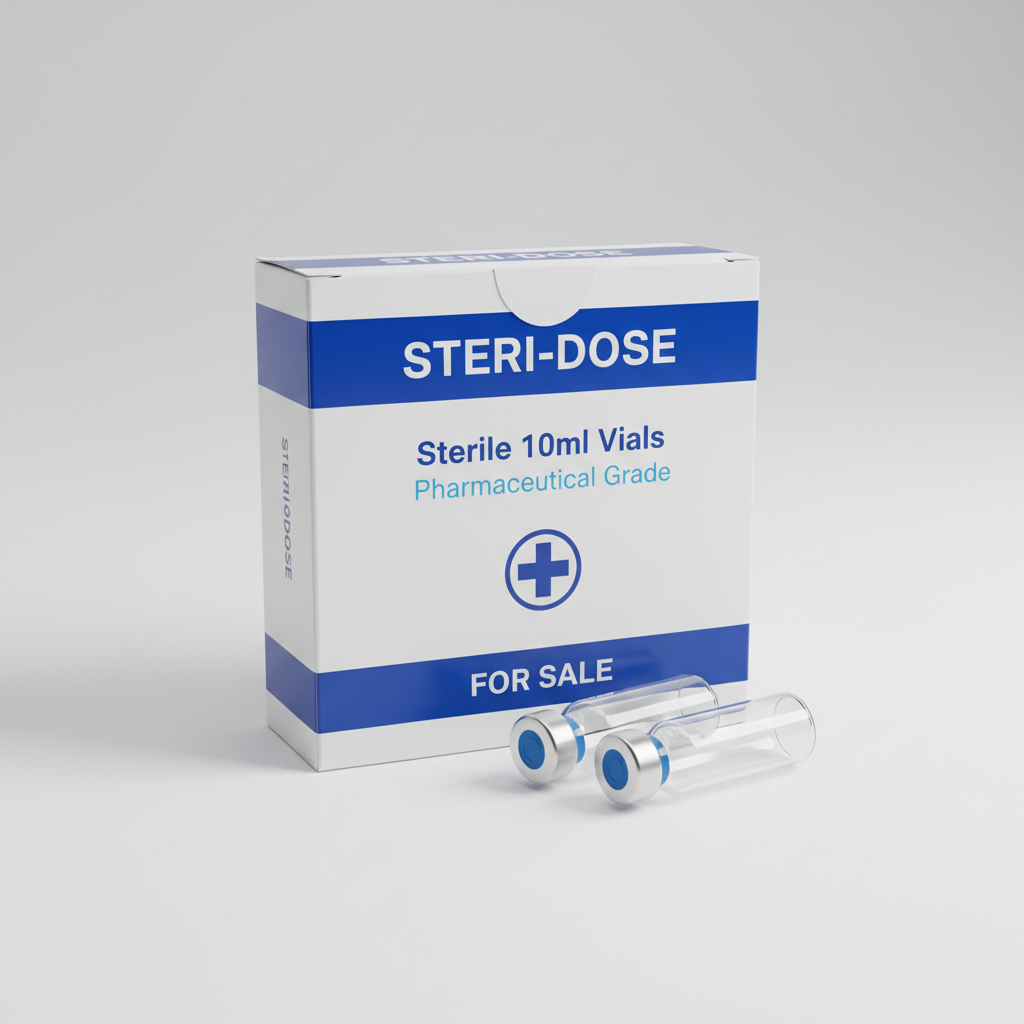
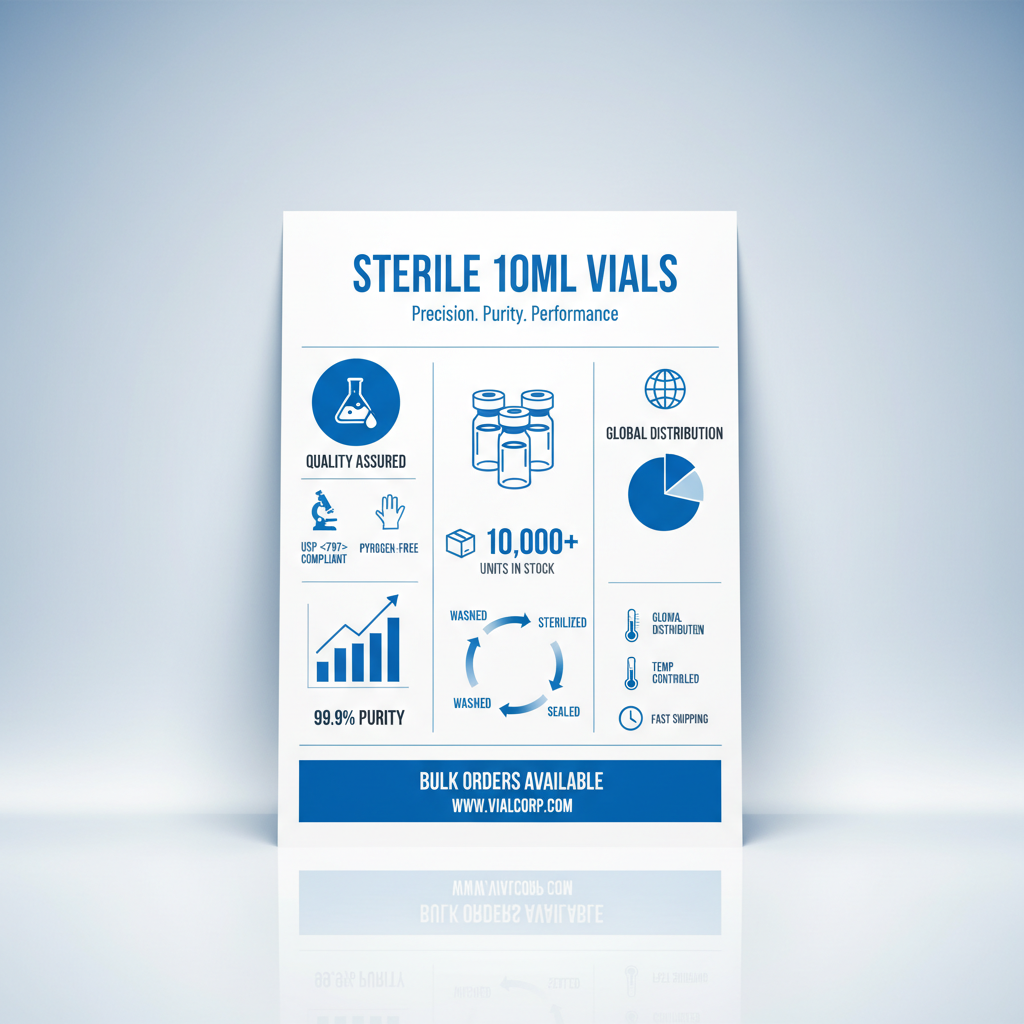
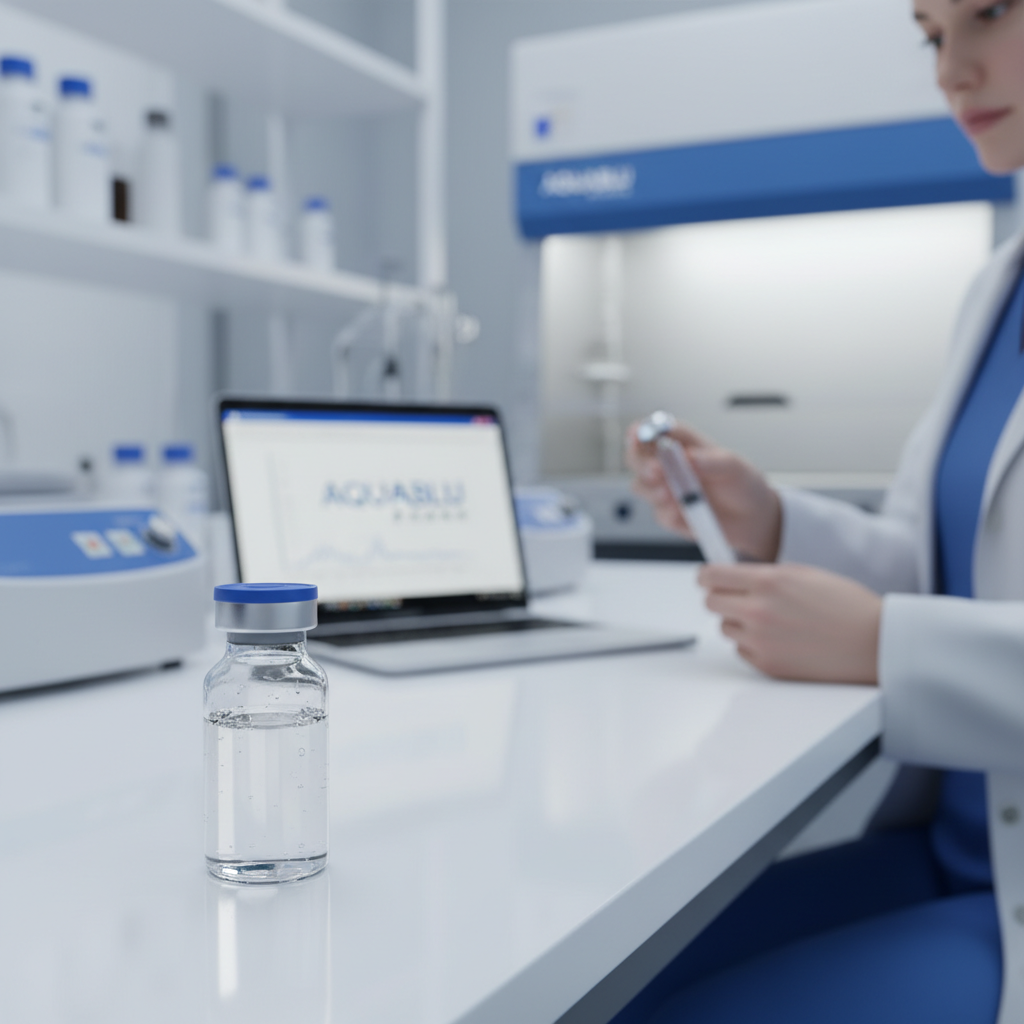
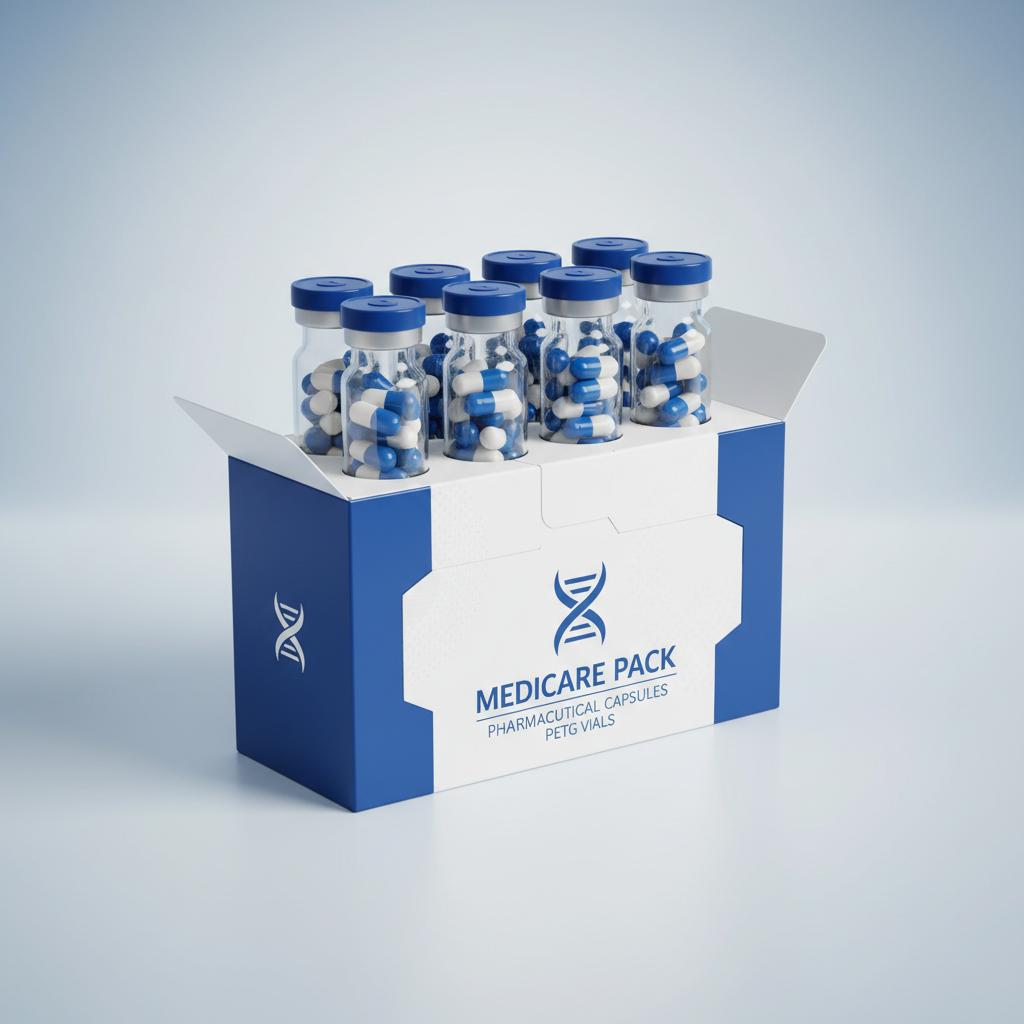
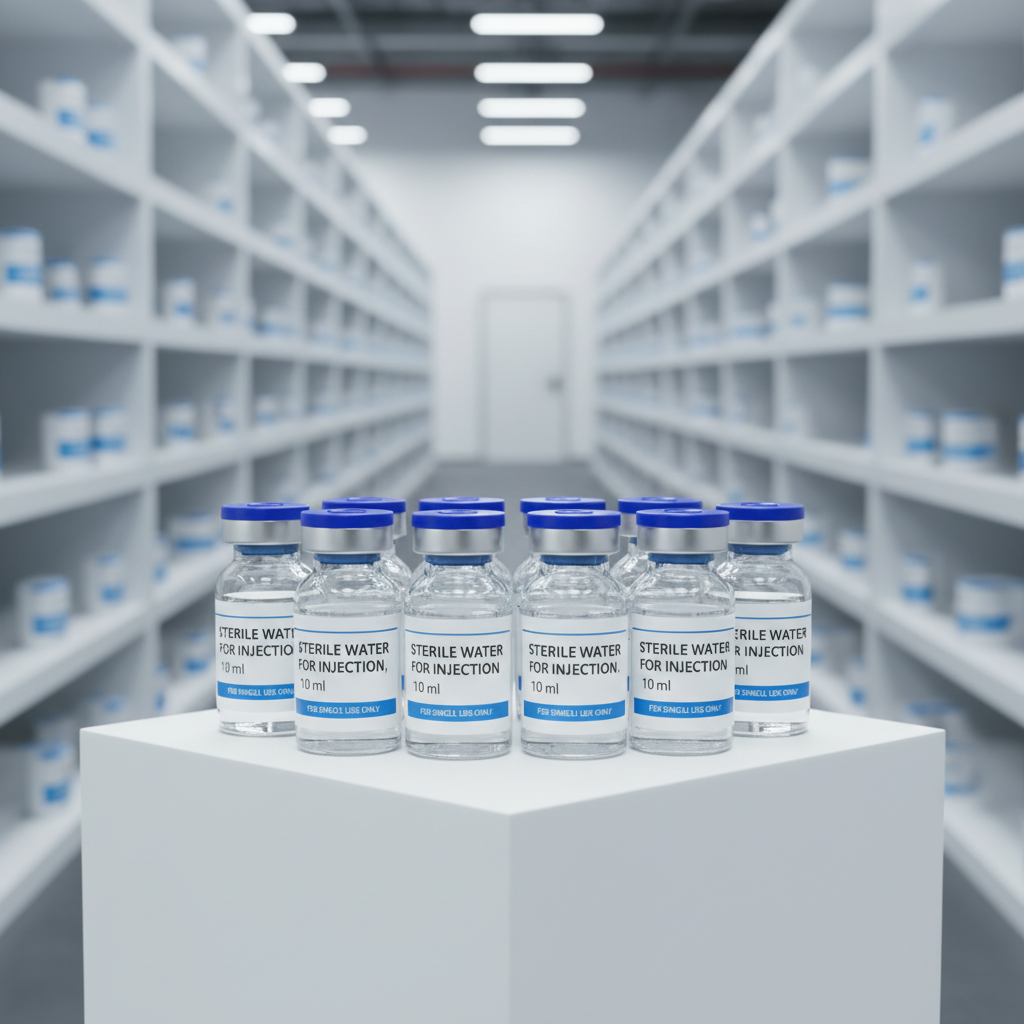
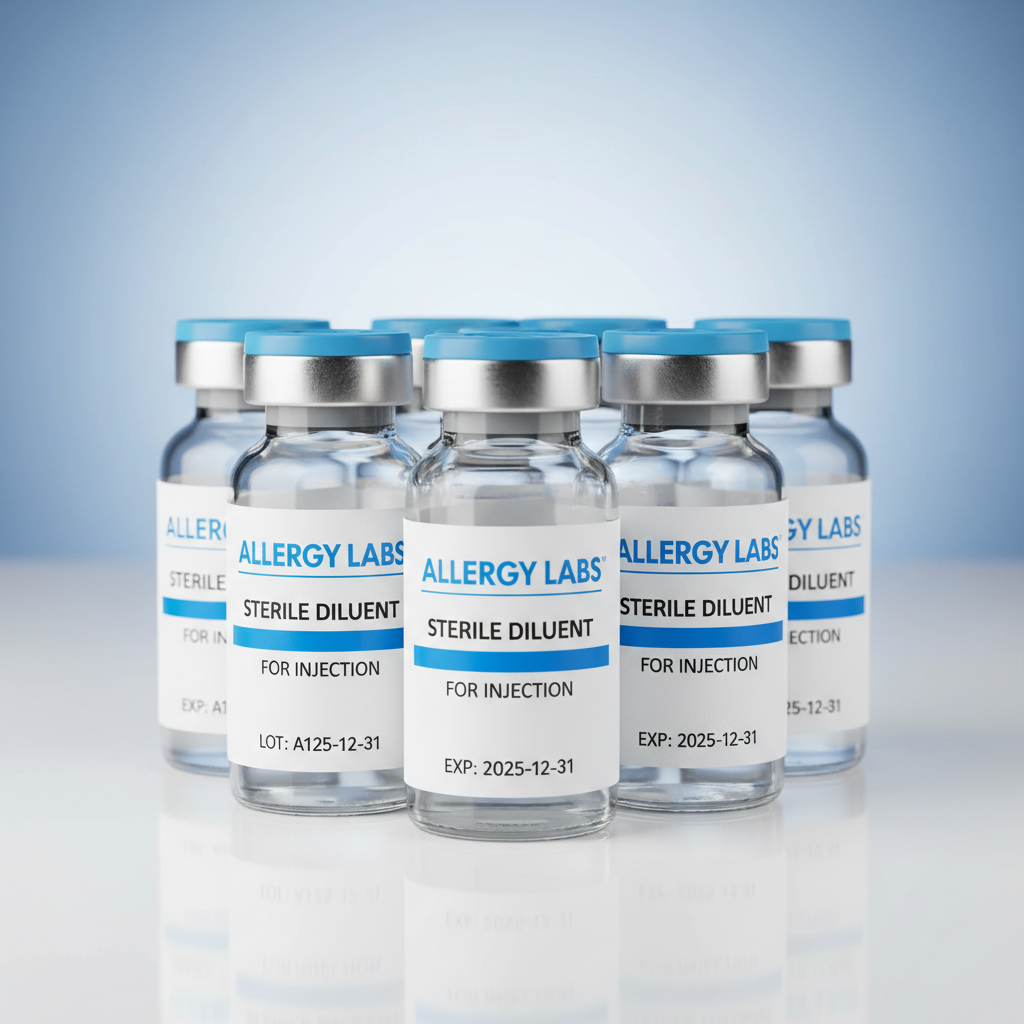
Sterile 10ml vials for sale are critical components in a vast array of industries, ranging from pharmaceutical manufacturing and biotechnology to research laboratories and healthcare facilities. The global demand for these vials is consistently high, driven by the ever-increasing need for precise liquid handling, sample storage, and sterile environments. Understanding the nuances of these vials – their materials, manufacturing processes, quality control, and supply chain – is paramount for ensuring product integrity and patient safety.
The importance of sterile 10ml vials for sale extends beyond simply containing liquids. They represent a vital link in preserving the efficacy of life-saving medications, vaccines, and diagnostic reagents. A robust and reliable supply chain for these vials is crucial for maintaining public health infrastructure, particularly in response to global health crises and emerging infectious diseases. Regulatory compliance and adherence to stringent standards are non-negotiable when dealing with products intended for human use.
Ultimately, investing in high-quality sterile 10ml vials for sale isn't just a cost of doing business; it's an investment in the integrity of scientific research, the safety of healthcare practices, and the well-being of populations worldwide. Choosing the right supplier and understanding the specific requirements for your application are key to maximizing value and minimizing risk.
The Global Significance of sterile 10ml vials for sale
The global market for sterile 10ml vials for sale is estimated to be worth billions of dollars, and is projected to continue growing steadily in the coming years. This growth is fueled by several factors, including the increasing demand for biopharmaceuticals, personalized medicine, and diagnostic testing. According to data from the World Health Organization (WHO), the demand for vaccines alone is expected to increase significantly in the next decade, requiring a substantial increase in vial production.
The reliable sourcing of sterile 10ml vials for sale presents a significant challenge, particularly in developing countries where access to quality healthcare products is limited. Issues like supply chain disruptions, counterfeiting, and inadequate storage facilities can compromise product integrity and pose serious risks to public health. Addressing these challenges requires international collaboration, investment in local manufacturing capabilities, and robust quality control measures.
Defining sterile 10ml vials for sale
Sterile 10ml vials for sale are small, typically cylindrical containers made of glass or plastic, designed to hold 10 milliliters of liquid. The crucial characteristic is their sterility – they are manufactured and packaged to be free from all living microorganisms, including bacteria, viruses, and fungi. This is achieved through rigorous sterilization processes like autoclaving or gamma irradiation.
These vials are essential for maintaining the purity and integrity of various substances, notably pharmaceuticals, vaccines, biological samples, and chemical reagents. They’re designed for single-use, minimizing the risk of contamination and ensuring accurate dosing. Their 10ml capacity strikes a balance between efficient storage and manageable handling, making them a versatile choice for many applications.
The connection to modern industry and humanitarian needs is direct. The pharmaceutical industry relies heavily on sterile 10ml vials for sale to package and distribute life-saving medications. Humanitarian organizations utilize them for vaccine campaigns in remote areas, and research laboratories depend on them for conducting critical experiments.
Core Components of Quality sterile 10ml vials for sale
Several key components contribute to the quality and reliability of sterile 10ml vials for sale. The choice of material—typically Type I borosilicate glass or specific grades of polypropylene or polyethylene—is paramount, impacting chemical compatibility, clarity, and resistance to breakage. The vial’s closure system, often featuring a rubber stopper and aluminum seal, must provide a hermetic barrier to prevent leakage and maintain sterility.
Beyond the physical components, stringent manufacturing processes are essential. These include meticulous cleaning, sterilization validation, and quality control testing at every stage of production. Batch traceability, comprehensive documentation, and adherence to industry standards like ISO 13485 are crucial for ensuring consistent quality and regulatory compliance. The vials themselves are designed with specific tolerances to fit automated filling and capping equipment.
Finally, appropriate packaging—often individual wrapping or bulk packaging with protective cushioning—is critical for preventing damage during transportation and storage. The packaging materials themselves must be compatible with the vials and resistant to environmental factors like moisture and temperature fluctuations.
Key Factors Influencing Performance
Durability is a primary factor, particularly when handling and shipping these vials. Borosilicate glass offers excellent chemical resistance and thermal shock tolerance, while certain plastics provide impact resistance. Scalability refers to the supplier’s capacity to meet fluctuating demand, especially during emergencies or large-scale production runs. Reliable suppliers need to demonstrate consistent production capacity and efficient logistics.
Cost efficiency is crucial, but should never compromise quality. Balancing price with material grade, manufacturing processes, and quality control is essential. Another key factor is sterilization validation—ensuring the chosen sterilization method consistently achieves the required sterility assurance level (SAL). Finally, regulatory compliance with standards like USP, EP, and FDA guidelines is non-negotiable for pharmaceutical applications.
Performance Metrics for sterile 10ml vials for sale
Global Applications and Industry Adoption
In the pharmaceutical industry, sterile 10ml vials for sale are paramount for packaging injectables, vaccines, and other critical medications. They’re utilized extensively in the biotechnology sector for storing cell cultures, antibodies, and other biological materials. Research laboratories employ them for sample collection, storage, and analysis.
These vials are also vital in diagnostic testing facilities, used to contain reagents and analyze patient samples. In post-disaster relief operations, they’re crucial for vaccine deployment and emergency medical supplies. Remote industrial zones, such as oil rigs or mining facilities, rely on them for on-site medical care and laboratory testing.
Geographically, demand is highest in North America and Europe, driven by established pharmaceutical industries and robust healthcare systems. However, rapid growth is occurring in emerging markets like Asia-Pacific and Latin America, fueled by increasing healthcare spending and expanding biopharmaceutical sectors.
Advantages and Long-Term Value
The primary advantage of using high-quality sterile 10ml vials for sale is enhanced safety, minimizing the risk of contamination and ensuring product integrity. This translates to increased patient safety and reduced healthcare costs associated with adverse events. From a cost perspective, reliable vials minimize product loss due to breakage or leakage, lowering overall production expenses.
The long-term value extends to building trust with patients and stakeholders. Consistent quality and regulatory compliance demonstrate a commitment to excellence, enhancing brand reputation. Sustainable manufacturing practices—such as using recyclable materials and minimizing waste—contribute to environmental responsibility and a positive corporate image.
Future Trends and Innovations
One emerging trend is the development of advanced materials with enhanced barrier properties and chemical resistance. Smart vials incorporating sensors to monitor temperature, pressure, or light exposure are also gaining traction, providing real-time data on product integrity. Digital transformation is driving the adoption of track-and-trace technologies, improving supply chain visibility and combating counterfeiting.
Automation in vial manufacturing and filling processes is increasing efficiency and reducing human error. Sustainability is becoming increasingly important, with manufacturers exploring the use of bio-based plastics and implementing closed-loop recycling systems. Regulations are expected to become even more stringent, demanding higher levels of sterility assurance and traceability.
These advancements are paving the way for more reliable, efficient, and sustainable sterile 10ml vials for sale, ultimately benefiting both industry and patients.
Challenges & Solutions
A significant challenge is maintaining sterility throughout the entire supply chain, from manufacturing to end-user. Another hurdle is the rising cost of raw materials and the increasing complexity of regulatory requirements. Counterfeiting remains a persistent threat, eroding trust and endangering public health.
Solutions include investing in advanced sterilization technologies, implementing robust quality control systems, and collaborating with regulatory agencies. Diversifying sourcing options and building strong relationships with trusted suppliers can mitigate supply chain risks. Utilizing tamper-evident packaging and employing track-and-trace technologies can help combat counterfeiting.
Embracing innovative materials and sustainable manufacturing processes can address cost pressures and environmental concerns. Proactive engagement with industry stakeholders and adherence to evolving best practices are essential for navigating these challenges effectively.
Key Attributes of Successful Sterile 10ml Vial Supply Chains
| Supplier Reliability |
Quality Control Metrics |
Cost Competitiveness |
Regulatory Compliance |
| On-time delivery rate |
Sterility Assurance Level (SAL) |
Unit cost per vial |
FDA/ISO certification status |
| Production capacity |
Endotoxin levels |
Minimum order quantity |
GMP compliance verification |
| Geographic diversification |
Particle count |
Payment terms |
Change control procedures |
| Financial stability |
Leakage test results |
Shipping costs |
Document retention policies |
| Communication responsiveness |
Visual inspection criteria |
Customization options |
Audit history |
| Contingency planning |
Material traceability |
Volume discounts |
Recall procedures |
FAQS
Common sterilization methods include autoclaving (steam sterilization), gamma irradiation, and ethylene oxide (EtO) sterilization. Autoclaving is widely used for heat-stable materials, while gamma irradiation is preferred for radiation-resistant items. EtO sterilization is employed for heat-sensitive materials but requires careful aeration to remove residual gas. The choice depends on the vial material and the intended application, adhering to stringent validation procedures to guarantee sterility.
The most common material is Type I borosilicate glass, known for its chemical inertness and low extractables. However, certain plastics, like polypropylene and polyethylene, are increasingly used, especially for applications requiring impact resistance or disposable solutions. Choosing the right material requires considering the chemical compatibility with the contained substance and the intended sterilization method.
Maintaining sterility during transport and storage is crucial. Vials should be individually wrapped or packaged in sterile containers with appropriate cushioning. Temperature control is vital, as extreme temperatures can compromise vial integrity. Strict adherence to established storage guidelines, including humidity and light exposure limits, is essential. Proper documentation of temperature logs is also highly recommended.
Rigorous quality control tests are performed, including sterility testing, endotoxin testing, particulate matter analysis, leak testing, and visual inspection. Sterility testing confirms the absence of viable microorganisms, while endotoxin testing ensures the vial doesn't introduce harmful pyrogens. Particulate matter analysis assesses the presence of unwanted particles, and leak testing verifies the integrity of the closure system.
Look for certifications like ISO 13485 (medical device quality management system) and compliance with relevant pharmacopoeias (USP, EP, JP). A Certificate of Analysis (CoA) should accompany each batch, detailing the results of quality control testing. GMP (Good Manufacturing Practice) compliance is also essential, ensuring the vials were manufactured according to established standards.
The shelf life varies depending on the material, sterilization method, and storage conditions, but typically ranges from 2 to 5 years. It’s crucial to follow the manufacturer’s recommendations for storage and to periodically re-validate the sterility if the vials are stored for extended periods. Proper storage conditions, including temperature and humidity control, are essential for maintaining sterility throughout the shelf life.
Conclusion
In conclusion, sterile 10ml vials for sale are far more than simple containers; they are vital components underpinning modern healthcare, pharmaceutical innovation, and scientific research. Their quality, reliability, and sterility directly impact patient safety, research accuracy, and the integrity of the global supply chain. Understanding the core components, key factors influencing performance, and emerging trends in this field is crucial for making informed decisions and ensuring optimal outcomes.
Looking ahead, continued innovation in materials science, sterilization techniques, and supply chain management will be essential to address evolving challenges and meet the growing demand for these critical products. Prioritizing quality, sustainability, and regulatory compliance will be key to building a robust and resilient supply chain, ultimately benefiting both industry and public health. For reliable and high-quality sterile 10ml vials for sale, visit our website: www.wkpacking.com.