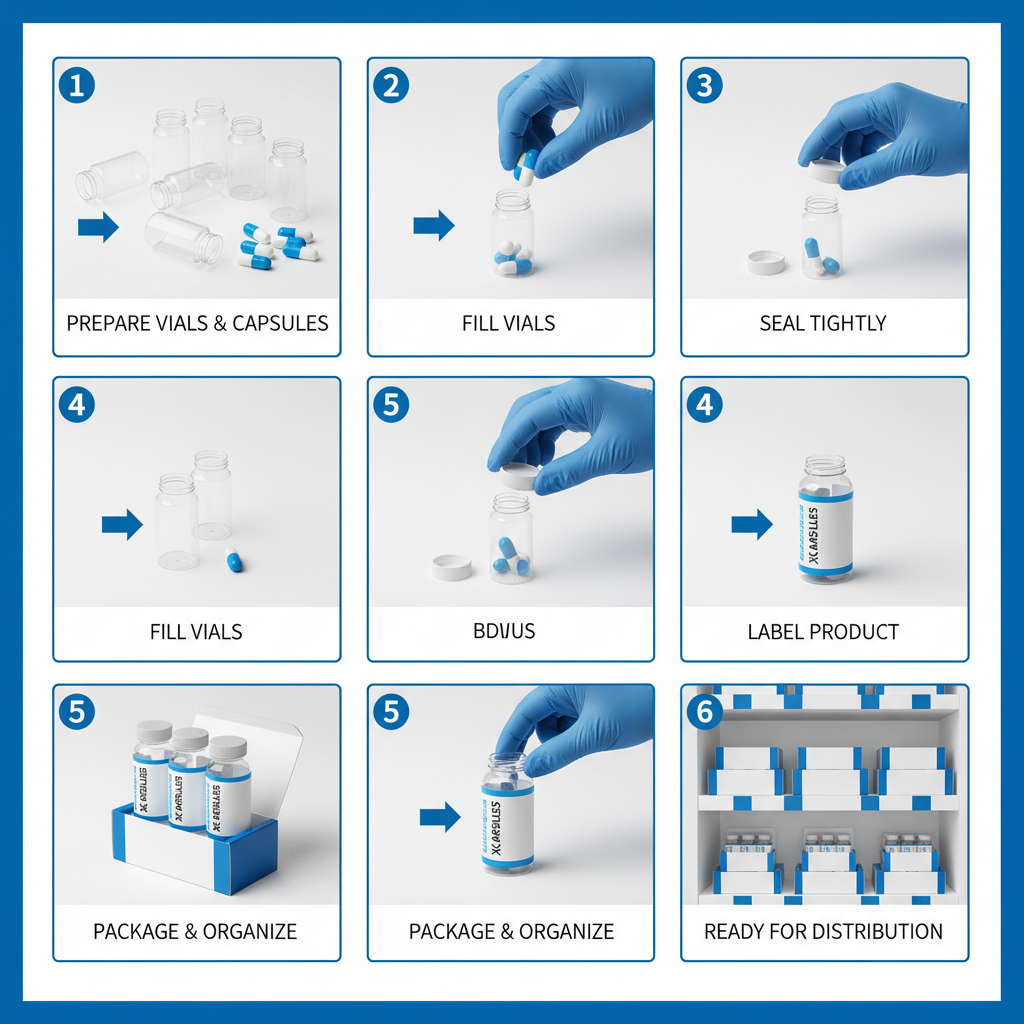
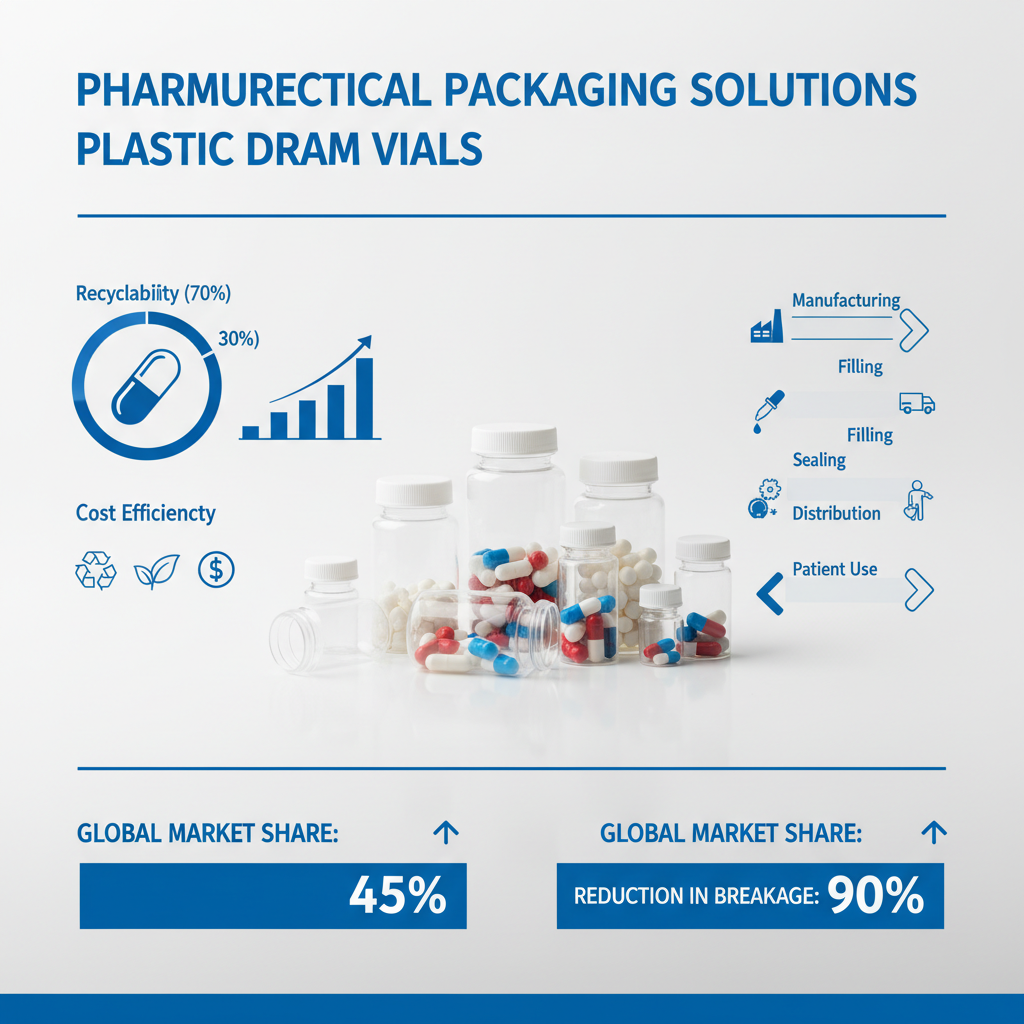
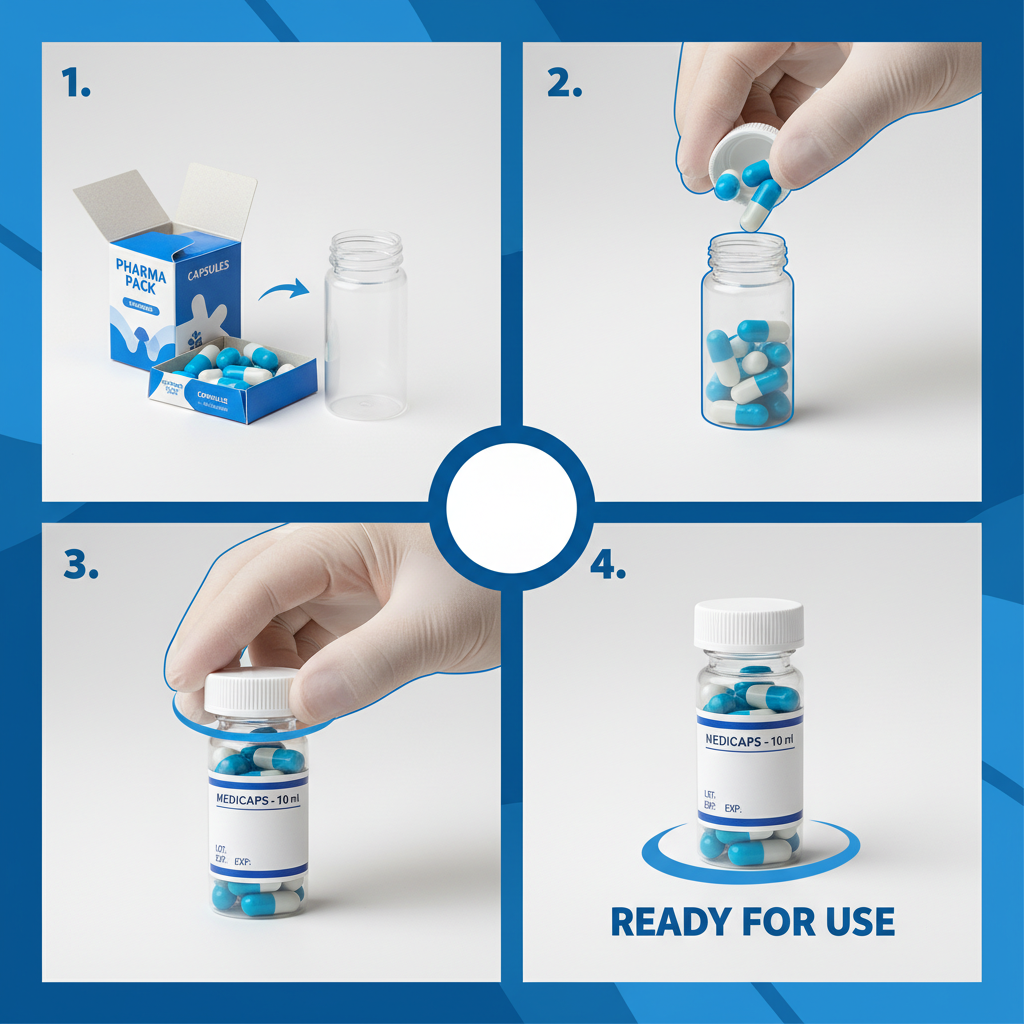
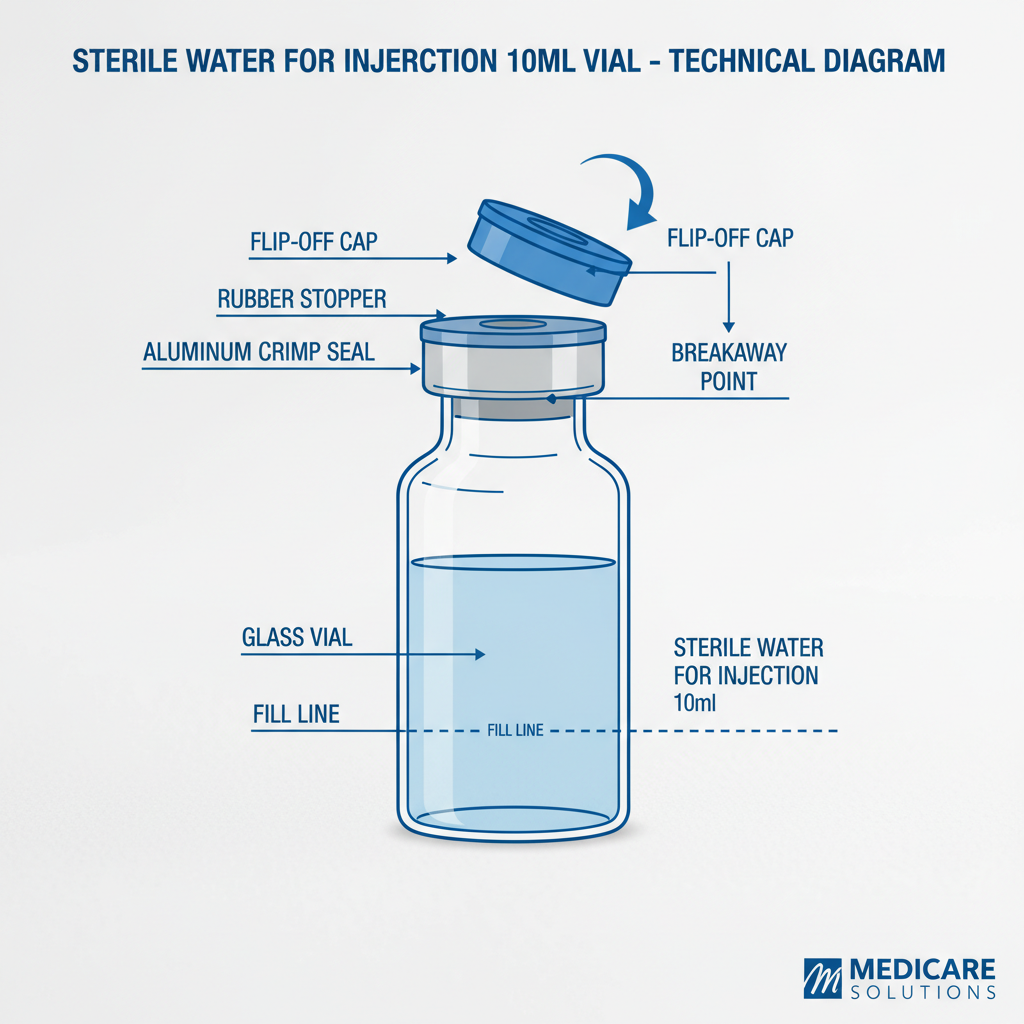
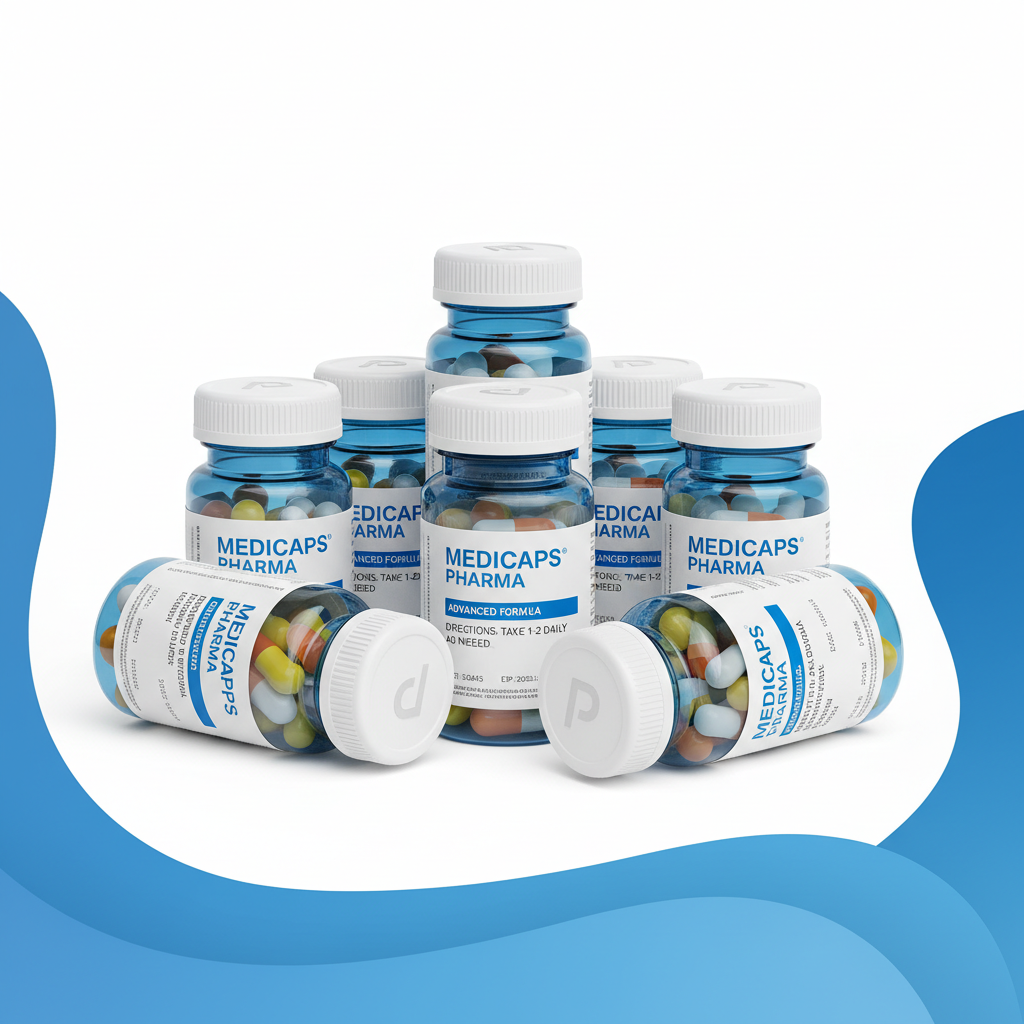
Plastic dram vials, small but vital containers, play a critical role in diverse sectors globally, from pharmaceutical packaging to laboratory research and beyond. Their inherent properties – lightweight nature, shatter resistance, and chemical compatibility – make them indispensable for storing and transporting sensitive liquids and solids. The global demand for these vials is steadily increasing, driven by advancements in healthcare, growing research and development activities, and the expanding need for secure and reliable sample storage solutions. Understanding the nuances of plastic dram vials, their manufacturing processes, and available options is crucial for professionals across various industries.
The increasing prevalence of personalized medicine and diagnostic testing further fuels the demand for smaller, specialized containers like plastic dram vials. These vials facilitate precise dosage delivery, sample integrity, and patient safety. Simultaneously, advancements in polymer science are leading to the development of more sustainable and biocompatible plastic materials, addressing environmental concerns and regulatory requirements. Therefore, a deep dive into the world of plastic dram vials is not just a matter of technical specification; it’s understanding a crucial component of modern scientific and healthcare progress.
As global supply chains become increasingly complex, the need for reliable and consistent packaging solutions is paramount. Plastic dram vials offer a cost-effective and efficient way to ensure product quality and prevent contamination during transit. Their versatility allows for customization to meet specific customer needs, including specialized closures, labeling options, and sterile packaging configurations.
The Importance of Plastic Dram Vials in Modern Industries
Plastic dram vials are indispensable components within numerous industries, impacting everything from pharmaceutical research to cosmetic product distribution. Their versatility stems from their ability to securely contain a wide range of substances, protect them from contamination, and maintain their integrity during storage and transit. This makes them essential for applications requiring precise measurements and reliable containment.
The global market for plastic packaging, including plastic dram vials, is projected to continue its growth trajectory, driven by factors such as increasing healthcare spending, a rising demand for consumer goods, and the ongoing need for safe and efficient packaging solutions. Consequently, understanding the properties, manufacturing processes, and applications of these vials is becoming increasingly important for businesses and professionals across multiple sectors.
Defining Plastic Dram Vials: A Comprehensive Overview
A plastic dram vial is a small-volume container typically made from various types of plastics, such as polypropylene (PP), polyethylene (PE), or polyethylene terephthalate (PET). These vials are primarily used for storing and dispensing liquids or solids in small quantities, generally ranging from 1 ml to 30 ml, though larger sizes are also available. The term "dram" originates from a traditional apothecary unit of measure.
In today’s world, plastic dram vials are integral to laboratory testing, pharmaceutical packaging, sample collection, and the safe distribution of essential chemicals. Their lightweight nature and shatter resistance offer significant advantages over glass alternatives, especially in environments where breakage could pose safety hazards or compromise sample integrity.
The design of plastic dram vials often includes a secure screw cap or closure to prevent leakage and maintain the purity of the contents. They can also be customized with features such as tamper-evident seals, child-resistant caps, and specialized labeling options to meet specific regulatory requirements and industry standards.
Key Attributes of High-Quality Plastic Dram Vials
Several key attributes define a high-quality plastic dram vial. These include chemical resistance, ensuring the vial doesn't react with or leach contaminants into the stored substance. Material selection is crucial, with polypropylene (PP) often favored for its broad chemical compatibility and autoclavability. This ensures plastic dram vials remain suitable for sterile applications.
Another critical attribute is dimensional accuracy. Consistent vial size and shape are essential for automated filling and dispensing processes, particularly in pharmaceutical manufacturing. Furthermore, the vial’s closure system must provide a leak-proof seal to maintain product integrity and prevent environmental contamination. The clarity of the plastic also allows for easy visual inspection of the contents.
Finally, the vial's ability to withstand temperature fluctuations and mechanical stress is paramount. This is particularly important for samples that are transported or stored in challenging conditions. Compliance with relevant industry standards and regulations, such as those set by the USP or ISO, is a further indicator of quality and reliability.
Applications Across Diverse Industries
The versatility of plastic dram vials extends across a vast spectrum of industries. In the pharmaceutical sector, they are used for packaging single-dose medications, diagnostic reagents, and vaccine components. Their sterile nature and ability to maintain product stability make them ideal for these sensitive applications.
In the laboratory setting, plastic dram vials are indispensable for storing and transporting samples for analysis, including blood, urine, DNA, and various chemical compounds. Their resistance to breakage reduces the risk of spills and contamination, ensuring accurate and reliable results. They are also widely used in research and development, particularly in fields like biotechnology and genomics.
plastic dram vials Usage by Industry
Advantages and Long-Term Value Proposition
The use of plastic dram vials offers a multitude of advantages, contributing significantly to cost savings, increased efficiency, and enhanced safety. Compared to glass vials, plastic counterparts are lighter in weight, reducing shipping costs and minimizing the risk of breakage during handling and transportation. This is particularly beneficial for large-scale operations.
Furthermore, plastic vials often have superior chemical resistance, making them suitable for a wider range of substances. They also offer greater design flexibility, allowing for customized shapes, sizes, and closures to meet specific application requirements. This adaptability, combined with their relatively low manufacturing cost, positions plastic dram vials as a compelling value proposition.
Future Trends Shaping the Plastic Dram Vial Market
The plastic dram vial market is poised for continued innovation, driven by growing concerns about sustainability and the demand for higher-performance materials. One key trend is the development of bio-based plastics derived from renewable resources, offering a more environmentally friendly alternative to traditional petroleum-based plastics. These materials reduce carbon footprint and promote a circular economy.
Another emerging trend is the integration of smart technologies, such as RFID tags and QR codes, into plastic dram vials. These technologies enable real-time tracking of inventory, temperature monitoring, and authentication, enhancing supply chain visibility and preventing counterfeiting. Automation in manufacturing processes is also increasing efficiency and reducing production costs.
Finally, the demand for customized vials with specialized features, such as integrated sensors or microfluidic channels, is expected to rise as applications in diagnostics and personalized medicine become more prevalent.
Challenges and Innovative Solutions in Plastic Dram Vial Production
Despite their numerous advantages, the production and use of plastic dram vials face certain challenges. One major concern is the environmental impact of plastic waste. Addressing this requires a multi-pronged approach, including the development of biodegradable plastics, improved recycling infrastructure, and the implementation of closed-loop systems.
Another challenge is ensuring the consistent quality and purity of plastic materials. Contamination can compromise the integrity of stored substances and lead to inaccurate results. To mitigate this risk, manufacturers are investing in advanced quality control measures, such as spectroscopic analysis and particle counting.
Innovative solutions, such as the use of supercritical fluid extraction for cleaning and sterilization, and the development of new polymer blends with enhanced barrier properties, are also helping to overcome these challenges and improve the overall performance of plastic dram vials.
Summary of Challenges and Solutions in Plastic Dram Vial Production
| Challenge |
Impact on plastic dram vials |
Proposed Solution |
Implementation Cost (1-10) |
| Plastic Waste Generation |
Environmental pollution, resource depletion |
Biodegradable plastics, improved recycling infrastructure |
7 |
| Material Contamination |
Compromised sample integrity, inaccurate results |
Advanced quality control measures, spectroscopic analysis |
8 |
| Chemical Resistance Limitations |
Vial degradation, leaching of contaminants |
Development of new polymer blends with enhanced resistance |
6 |
| Temperature Sensitivity |
Deformation, leakage, altered sample characteristics |
Temperature-resistant polymer selection, optimized vial design |
5 |
| Supply Chain Disruptions |
Material shortages, increased costs |
Diversification of suppliers, strategic inventory management |
4 |
| Regulatory Compliance |
Difficulty meeting stringent standards, potential penalties |
Continuous monitoring of regulations, rigorous testing procedures |
9 |
FAQS
Polypropylene (PP) is the most prevalent choice due to its excellent chemical resistance and autoclavability. Polyethylene (PE) offers good flexibility, while polyethylene terephthalate (PET) provides clarity and barrier properties. The specific plastic chosen depends on the intended application and the properties of the substance being stored. Ensuring compatibility between the plastic and the contents is crucial to prevent leaching or degradation.
Yes, certain plastic dram vials are specifically designed for sterile applications. These vials are manufactured in cleanroom environments and are often sterilized using methods like gamma irradiation or ethylene oxide gas. It’s essential to verify that the vials are certified for sterility and that their closures maintain an airtight seal to prevent contamination. Using sterile plastic dram vials is critical for maintaining the integrity of sensitive solutions in pharmaceutical and laboratory settings.
Selecting the appropriate size depends on the volume of the substance you need to store and any potential headspace requirements. Consider the dispensing method and whether you need to accommodate mixing or other processes. It’s often advisable to choose a slightly larger vial to allow for accurate measurements and prevent overflow. Always refer to the manufacturer’s specifications for the accurate volume capacity of each vial.
The recyclability of plastic dram vials depends on the type of plastic used and local recycling infrastructure. PP and PE are generally recyclable, but PET is more widely accepted. However, contamination can hinder the recycling process. It is important to thoroughly clean and empty the vials before recycling them. Efforts are ongoing to develop more easily recyclable or biodegradable plastic alternatives for dram vials.
Plastic dram vials offer several advantages over glass, including being lighter in weight, less prone to breakage, and often more chemically resistant. They also offer greater design flexibility and can be more cost-effective, especially for high-volume applications. However, glass provides superior barrier properties for certain substances and may be preferred for long-term storage or when optical clarity is paramount.
Before using plastic dram vials, always check the chemical compatibility chart provided by the manufacturer. This chart details which substances are compatible with each type of plastic. It's crucial to avoid using vials made from materials that react with your substance, as this could lead to contamination, degradation, or even safety hazards. Consider testing a small sample of your substance with the vial to confirm compatibility before bulk storage.
Conclusion
Plastic dram vials are a cornerstone of modern scientific, pharmaceutical, and industrial processes. Their versatility, cost-effectiveness, and inherent safety advantages make them an indispensable component in a wide range of applications. From storing critical medications to preserving valuable laboratory samples, these seemingly simple containers play a vital role in advancing research, ensuring product integrity, and safeguarding public health. Understanding the nuances of plastic materials, manufacturing processes, and emerging trends is essential for maximizing the benefits of these valuable packaging solutions.
Looking ahead, continued innovation in material science and sustainable manufacturing practices will further enhance the value proposition of plastic dram vials. As the demand for smaller, more specialized containers grows, manufacturers will need to focus on developing customized solutions that meet the evolving needs of their customers. For reliable and high-quality plastic dram vials tailored to your specific requirements, visit our website today.