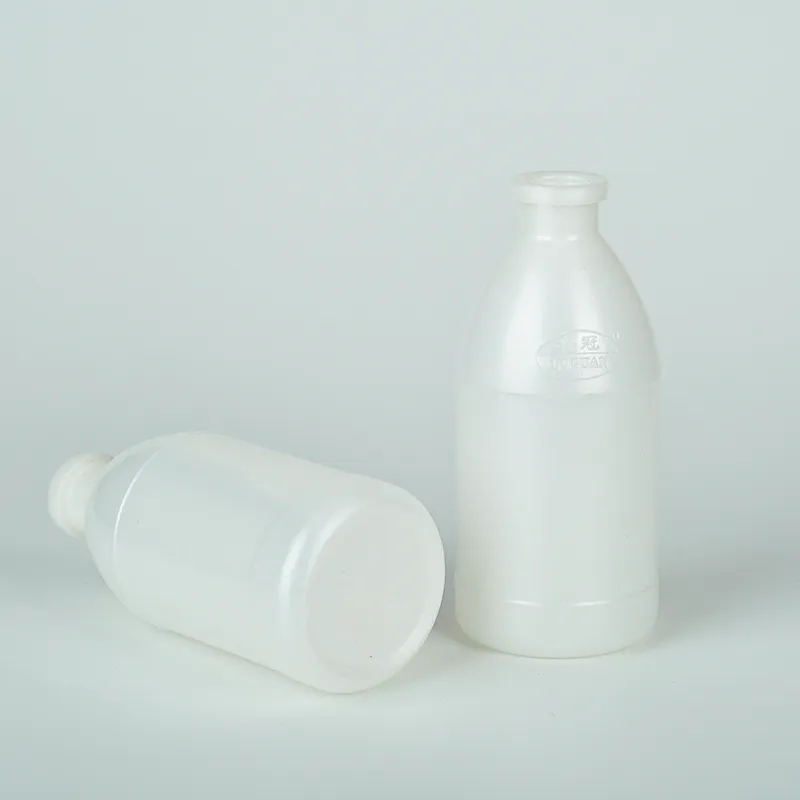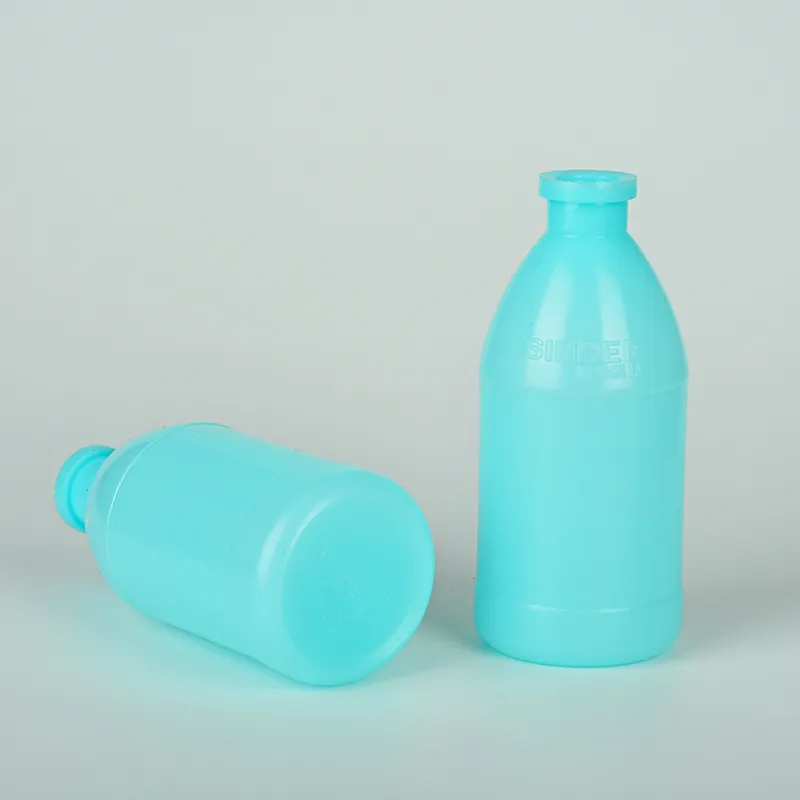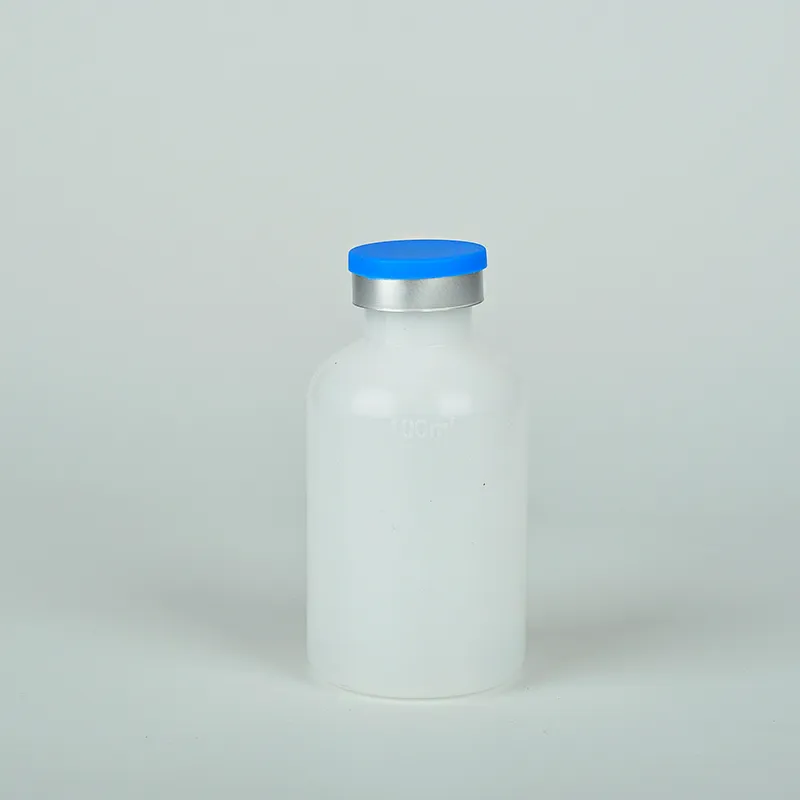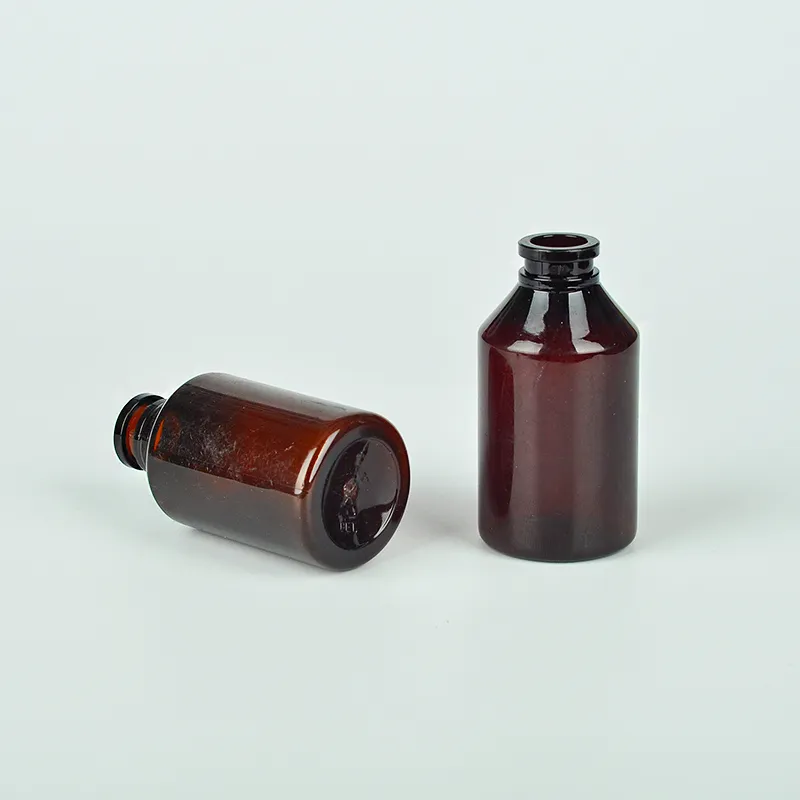


High-Quality Plastic Medicine Bottles: Durable & Safe Packaging
Introduction to Plastic Medicine Bottles in Pharmaceutical Packaging
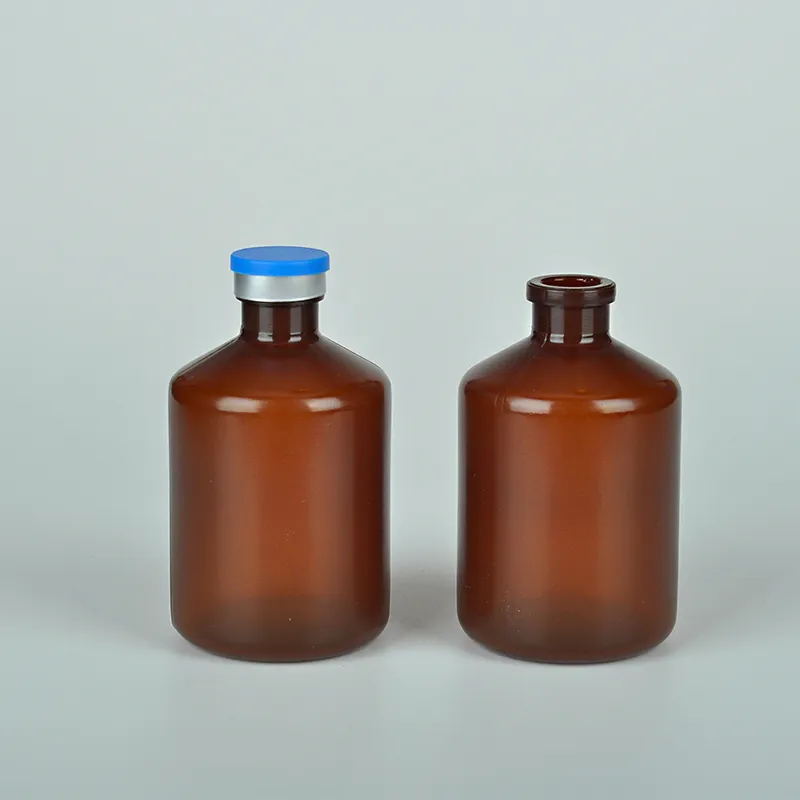
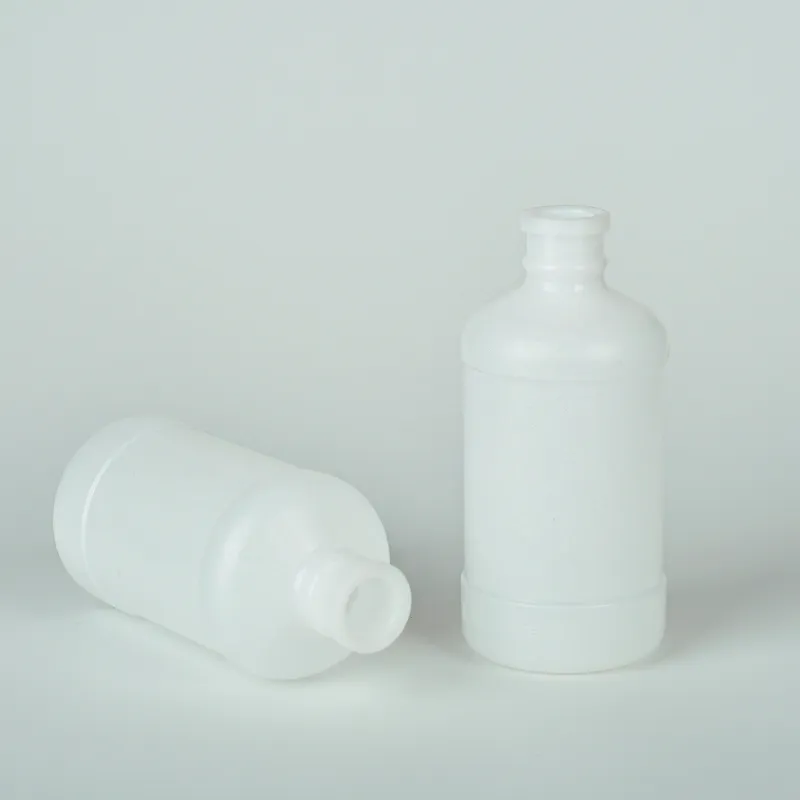
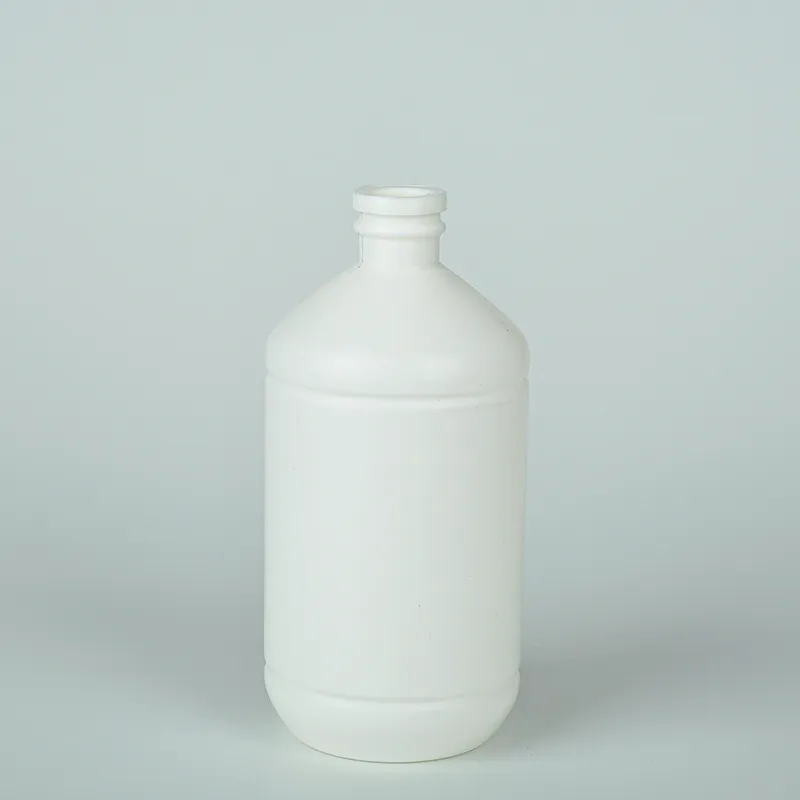
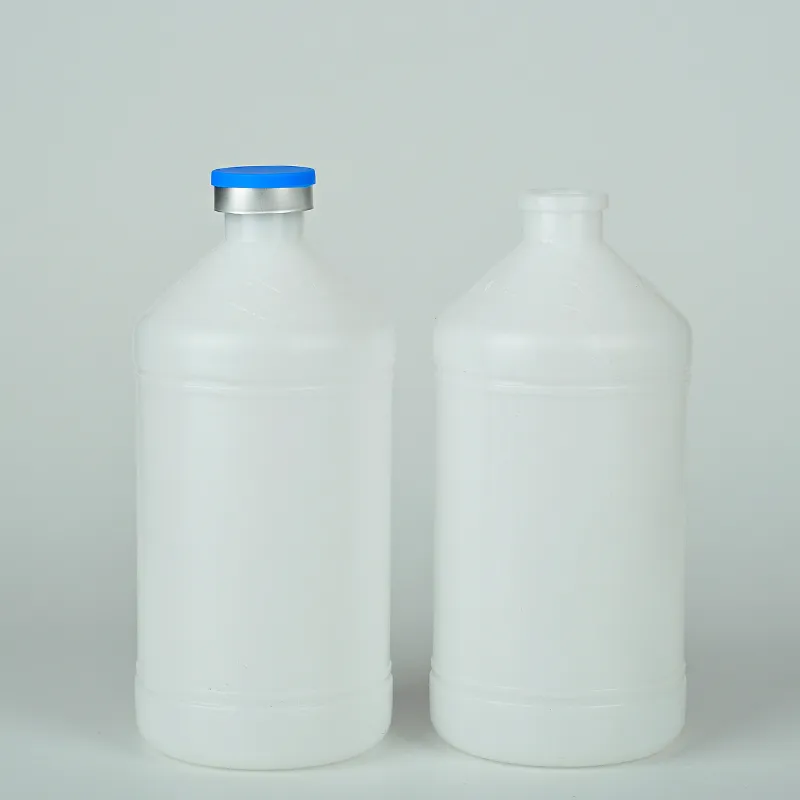
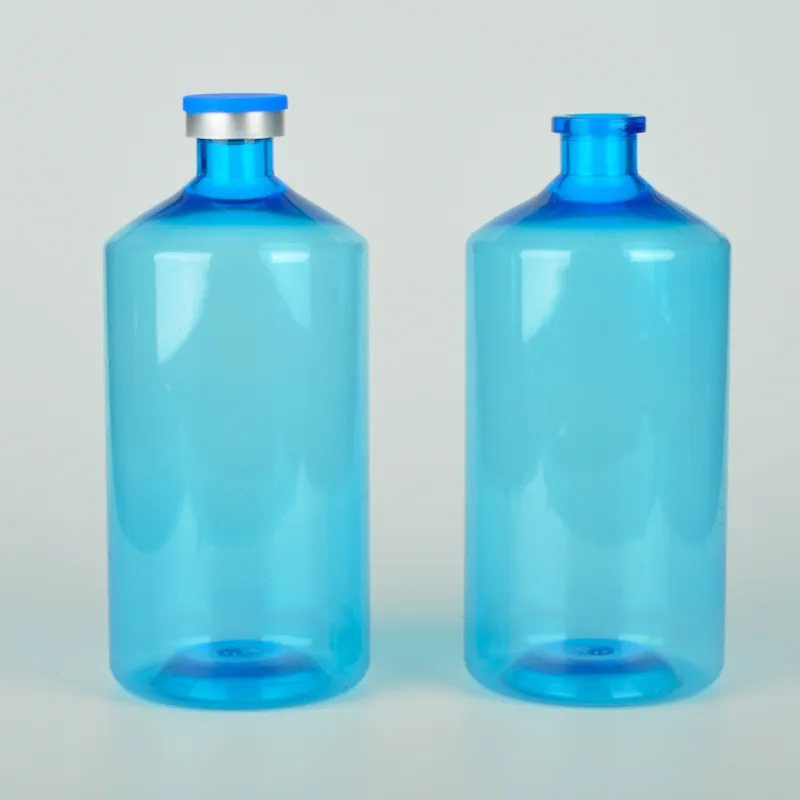
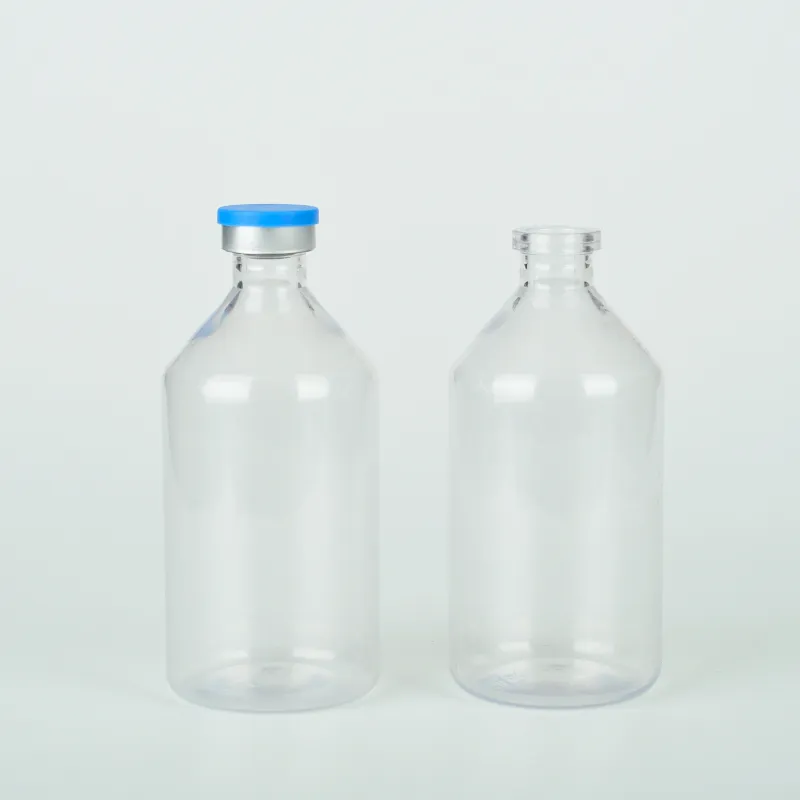
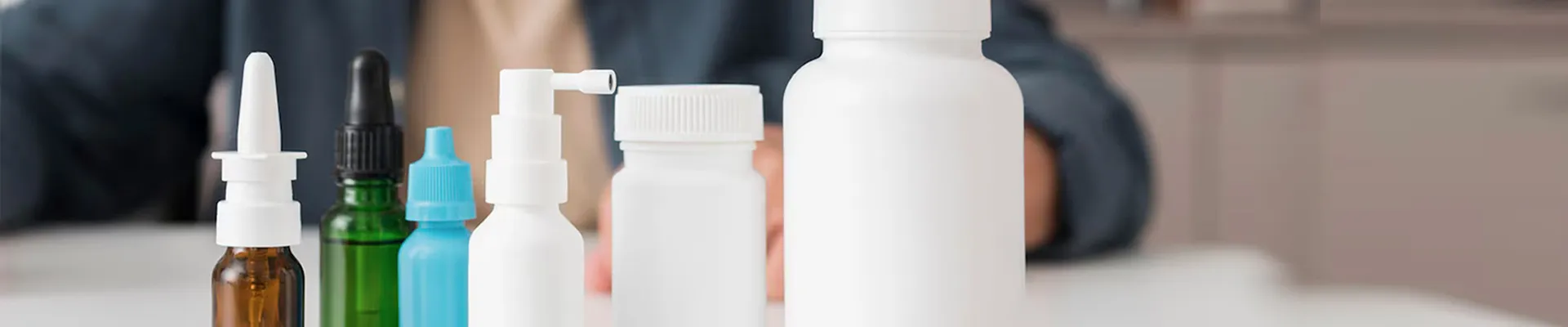
The pharmaceutical industry relies heavily on robust, safe, and compliant packaging solutions to ensure product integrity and patient safety. Among these, the plastic medicine bottle stands as a cornerstone, offering unparalleled versatility, cost-effectiveness, and protection. These container111s are meticulously designed to safeguard medicines from environmental factors such as moisture, light, and oxygen, while also facilitating convenient dispensing for consumers. The evolution of materials science and manufacturing technologies has continually refined these critical packaging components, pushing boundaries in performance and sustainability.
As B2B decision-makers and engineers evaluate packaging strategies, understanding the intricate details of material selection, manufacturing processes, and compliance standards for plastic medicine bottles is paramount. This comprehensive overview delves into the technical aspects, industry trends, and strategic considerations for sourcing and implementing these essential pharmaceutical container111s.
Manufacturing Process Flow for Plastic Medicine Bottles
The production of a plastic medicine bottle is a highly controlled, multi-stage process, leveraging advanced polymer chemistry and precision engineering to meet stringent pharmaceutical requirements. The primary manufacturing methods are injection molding, blow molding (specifically extrusion blow molding and injection blow molding), and stretch blow molding, each optimized for different bottle geometries and material properties.
1. Material Selection and Preparation
- Primary Materials: High-density polyethylene (HDPE), polyethylene terephthalate (PET), polypropylene (PP), and cyclic olefin copolymers (COC/COP) are commonly used. These materials are selected for their inertness, barrier properties, mechanical strength, and regulatory compliance (e.g., USP Class VI, FDA Drug Master File (DMF) listing).
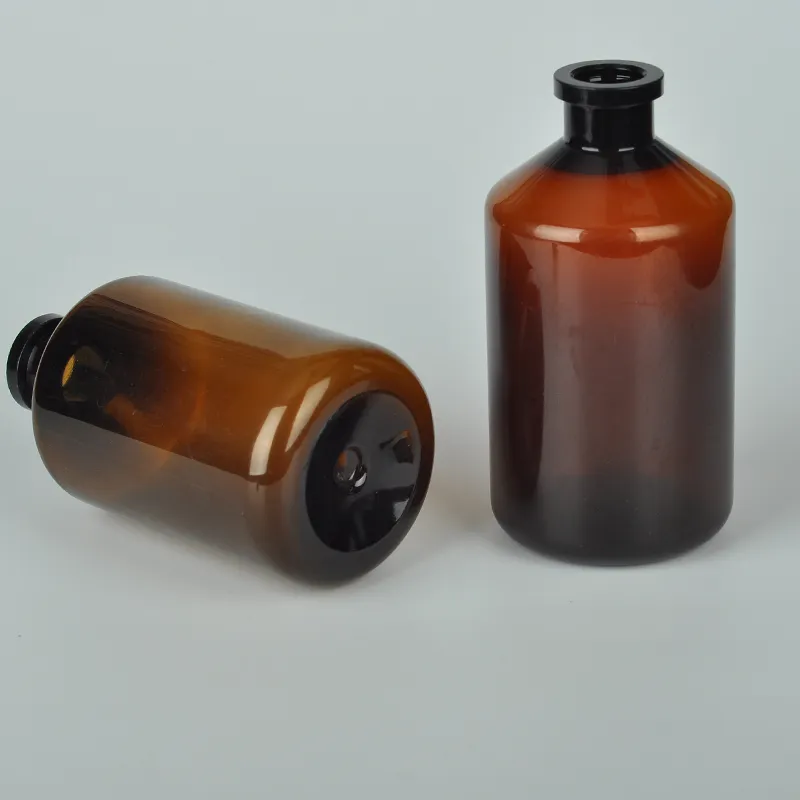
- Additives: UV stabilizers, anti-static agents, and colorants (typically opaque white or amber for light protection) are often incorporated. All additives must be pharmaceutical-grade and not leach into the drug product.
- Granule Feeding: Raw polymer granules are fed into a drying system to remove moisture, crucial for preventing degradation during heating and ensuring optimal mechanical properties of the final product.
2. Extrusion or Injection Molding of Parison/Preform
- Extrusion (for Extrusion Blow Molding): The dried plastic granules are fed into an extruder, where they are heated to their melting point and conveyed by a rotating screw. The molten polymer is then continuously extruded through a die to form a hollow tube, known as a parison.
- Injection (for Injection Blow Molding & Stretch Blow Molding): Plastic granules are heated and injected into a mold cavity to create a solid preform, which already contains the bottle's threaded neck finish. This process offers high precision for neck dimensions.
3. Blowing Stage
- Blow Molding: The hot parison or preform is transferred into a cooled blow mold cavity. Compressed air is then injected into the parison/preform, inflating it to conform to the shape of the mold.
- Stretch Blow Molding (primarily for PET): For PET, the preform is first reheated to an optimal temperature. A stretching rod elongates the preform while compressed air is simultaneously introduced, biaxially orienting the polymer chains. This enhances barrier properties, clarity, and strength.
4. Cooling and Demolding
Once the plastic has cooled and solidified within the mold, the mold opens, and the finished plastic medicine bottle is ejected.
5. Trimming, Finishing, and Inspection
- Deflashing/Trimming: Any excess plastic (flash) from the molding process is precisely trimmed.
- Leak Testing: Each bottle undergoes automated leak testing to ensure container111 integrity.
- Vision Inspection: High-speed cameras inspect for visual defects, dimensional accuracy, and proper neck finish.
- Quality Control: Samples are regularly pulled for destructive testing, including top load strength, drop tests, and material analysis.
6. Packaging
Cleaned and inspected bottles are carefully packaged in cleanroom environments, often double-bagged and boxed, ready for shipment to pharmaceutical filling lines. All processes adhere to Good Manufacturing Practices (GMP).
Testing Standards and Service Life
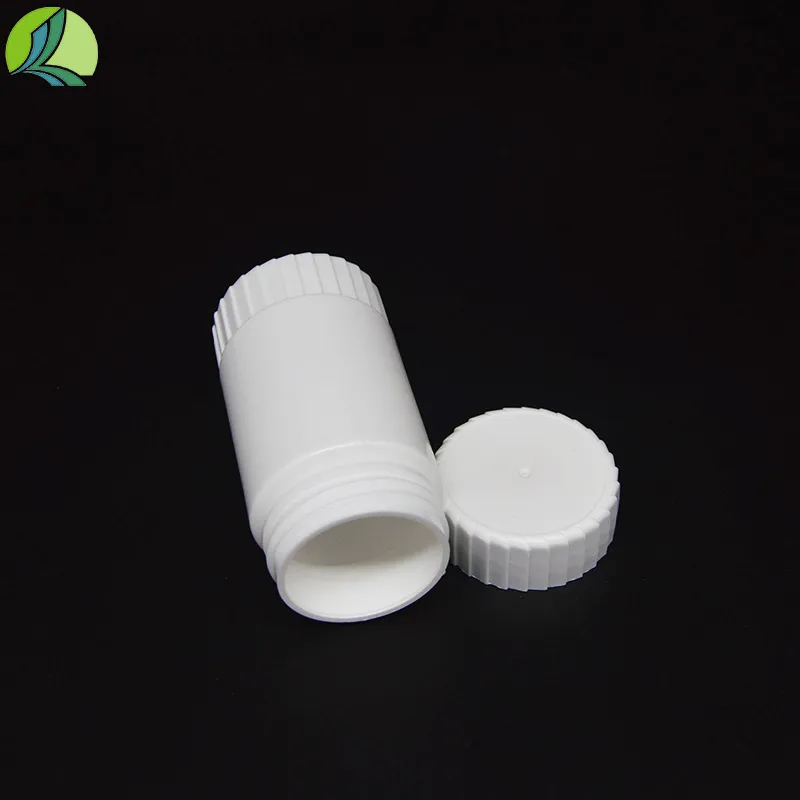
All pharmaceutical packaging, including plastic medicine bottles, must comply with rigorous international standards such as ISO 15378 (Primary Packaging Materials for Medicinal Products — Particular Requirements for the Application of ISO 9001), USP (Plastic Packaging Systems and Their Materials of Construction), and FDA regulations (21 CFR Part 211). These standards dictate material purity, extractables/leachables limits, physical performance, and microbial limits. The typical service life for a plastic medicine bottle is designed to exceed the shelf-life of the drug it contains, often 2-5 years under specified storage conditions.
Target Industries and Advantages
These bottles are indispensable across various sectors of the pharmaceutical industry, including prescription drugs, over-the-counter (OTC) medications, nutraceuticals, and veterinary medicines. Key advantages include:
- Energy Saving: Modern manufacturing processes are optimized for energy efficiency, and lightweight plastic reduces transportation energy costs.
- Corrosion Resistance: Plastics are chemically inert to most pharmaceuticals, preventing degradation of the drug product and container111.
- Lightweight: Reduces shipping costs and carbon footprint.
- Impact Resistance: Significantly reduces breakage compared to glass, improving safety and reducing product loss.
- Versatility: Easily molded into various shapes and sizes, accommodating diverse product needs and branding.
Industry Trends and Innovations in Plastic Pharmaceutical Packaging
The pharmaceutical packaging landscape is dynamic, driven by regulatory changes, sustainability initiatives, and evolving drug delivery methods. Recent trends impacting plastic pill bottles include:
- Sustainability: Increasing demand for recycled content (e.g., Post-Consumer Recycled - PCR plastics) and bio-based polymers. While direct contact with PCR in primary pharmaceutical packaging is still limited due to regulatory hurdles, secondary packaging and non-direct contact components are seeing wider adoption. Manufacturers are investing in design for recyclability.
- Enhanced Barrier Properties: Development of multi-layer co-extruded plastics and barrier coatings (e.g., plasma coating, EVOH layers) to protect sensitive formulations from oxygen and moisture, extending shelf life for products housed in clear pill bottles or even opaque ones.
- Child-Resistant (CR) and Senior-Friendly (SF) Closures: Continuous innovation in closure designs that meet federal safety standards (e.g., 16 CFR Part 1700.20) while remaining accessible for elderly patients.
- Serialization and Tamper-Evidence: Integration of features to combat counterfeiting and ensure supply chain integrity, often through unique identifiers on labels or integrated tamper-evident seals.
- Lightweighting: Ongoing efforts to reduce material usage without compromising structural integrity or barrier performance, contributing to lower material costs and transportation emissions.
These trends reflect a broader industry commitment to patient safety, environmental responsibility, and operational efficiency, significantly influencing the design and production strategies of plastic medicine bottle manufacturers.
Technical Specifications and Material Comparison
Selecting the appropriate material for a plastic medicine bottle is a critical decision, influencing everything from chemical compatibility and barrier performance to cost and aesthetics. The choice depends on the specific drug formulation, required shelf life, and regulatory considerations.
Typical Product Specification Table: Plastic Medicine Bottle (Example)
| Parameter | Specification | Standard/Compliance |
|---|---|---|
| Material | HDPE (High-Density Polyethylene) or PET (Polyethylene Terephthalate) | USP Class VI, FDA 21 CFR 177.1520 |
| Capacity Range | 30 mL to 1000 mL | ISO 2855 (Volume tolerance) |
| Neck Finish | 33-400, 38-400, 45-400 (continuous thread) | GPI/CSI standards |
| Color | White Opaque, Amber, Clear | USP (Light transmission for amber) |
| Barrier Properties (WVTR) | < 0.2 mg/day/bottle (HDPE), < 0.05 mg/day/bottle (PET) for 100mL | USP (Water Vapor Permeation) |
| Impact Resistance | Passes 1.2m drop test (full bottle) | ASTM D5420 |
| Extractables & Leachables | Meets limits for specific solvents | USP , |
| Sterilization Method | Gamma Irradiation, Ethylene Oxide (EtO) Compatible | ISO 11137, ISO 11135 |
Material Comparison for Pharmaceutical Bottles
| Material Type | Key Advantages | Primary Applications | Typical Barrier (WVTR) |
|---|---|---|---|
| HDPE (High-Density Polyethylene) | Excellent moisture barrier, chemical resistance, cost-effective, impact resistant, opaque (ideal for light-sensitive drugs). | Solid dosage forms (tablets, capsules), powders, some liquids. | Very Good |
| PET (Polyethylene Terephthalate) | Excellent clarity, good gas barrier (O2, CO2), strong, lightweight. Ideal for products where visual appeal or visibility of contents is important. | Liquid oral solutions, cough syrups, vitamins, some solid doses (as clear pill bottles). | Good (O2), Fair (H2O) |
| PP (Polypropylene) | High heat resistance (autoclavable), good chemical resistance, good moisture barrier, stiffer than HDPE. | High-temperature sterilization applications, some liquid formulations, closures. | Good |
| COC/COP (Cyclic Olefin Copolymers) | Exceptional clarity, extremely low extractables/leachables, high purity, good barrier, rigid. | Injectable drugs, sensitive biotech products, diagnostics, high-value pharmaceuticals. | Excellent |
Application Scenarios and Technical Advantages
The versatility of the plastic medicine bottle allows its application across a broad spectrum of pharmaceutical products. Understanding typical application scenarios highlights their inherent technical advantages.
Solid Dosage Forms (Tablets, Capsules)
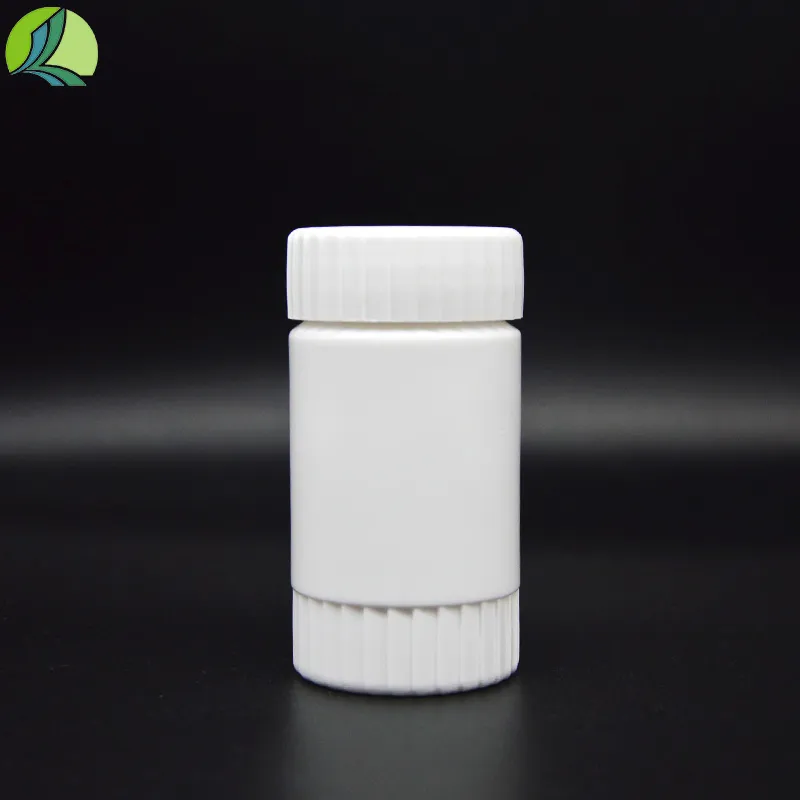
For medications like tablets and capsules, often referred to simply as plastic pill bottles, HDPE is the material of choice due to its excellent moisture barrier properties and opaque nature, which protects contents from light degradation. Amber HDPE bottles, in particular, block a significant portion of UV and visible light (per USP ). These bottles are typically paired with child-resistant (CR) closures to prevent accidental ingestion by children.
- Advantage: Moisture Protection: Prevents hygroscopic drugs from degrading, maintaining potency and extending shelf life.
- Advantage: Light Protection: Opaque and amber options shield light-sensitive compounds.
Liquid Oral Medications (Syrups, Suspensions)
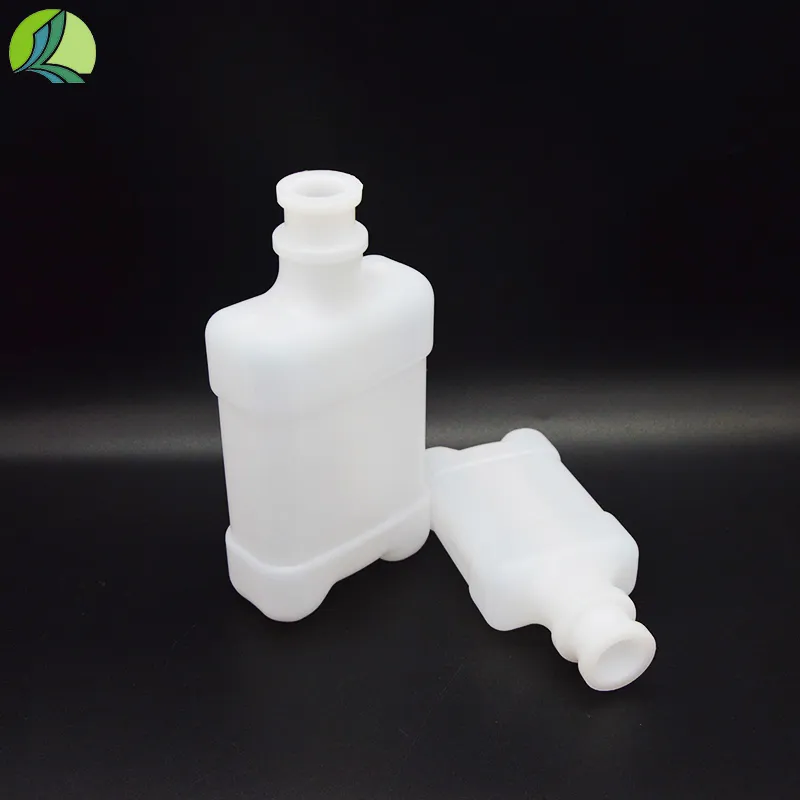
PET and sometimes PP are favored for liquid formulations. PET offers superior clarity, allowing patients to easily see the liquid level and ensuring product integrity. Its good oxygen barrier helps preserve sensitive liquid ingredients. Paired with accurate dosing caps or oral syringes, these bottles enhance patient adherence and safety.
- Advantage: Clarity: Facilitates visual inspection of product and accurate dosing.
- Advantage: Gas Barrier: Protects liquid formulations from oxidation.
Powders and Granules
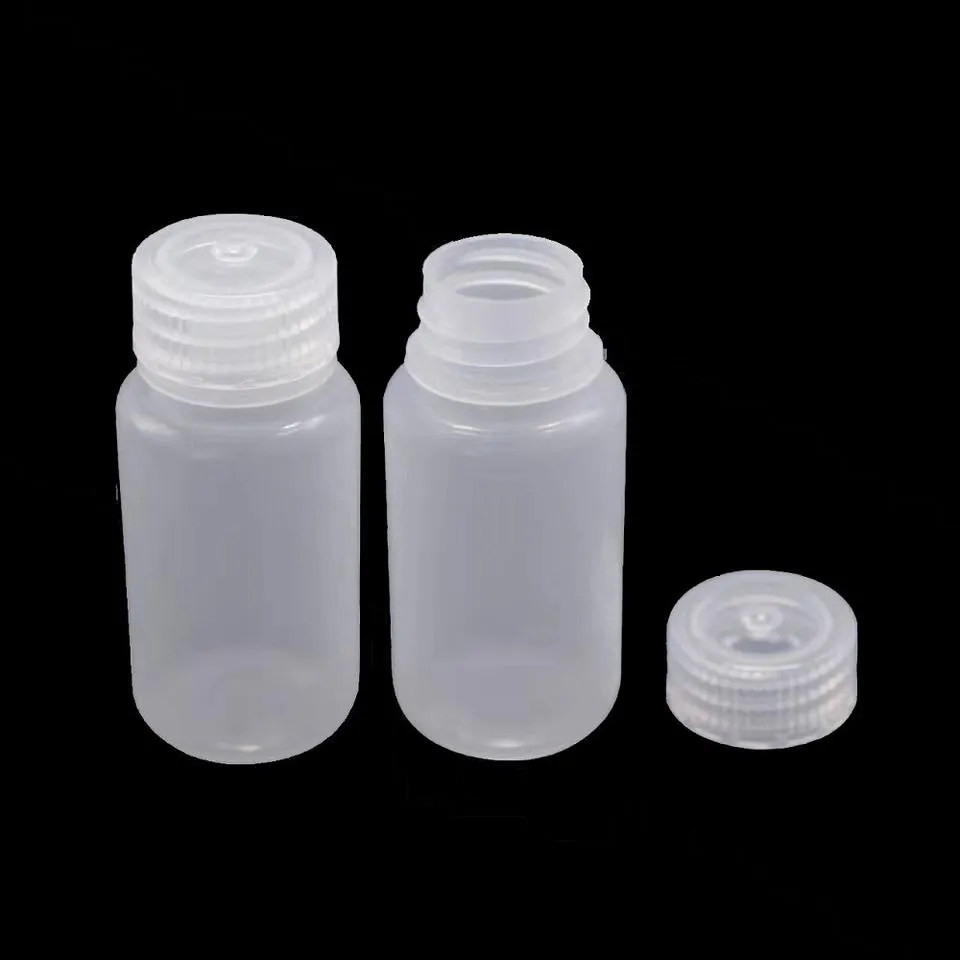
HDPE and PP bottles are commonly used for powdered medications or granules, often accompanied by tamper-evident seals. Their wide-mouth designs facilitate easy scooping or pouring.
- Advantage: Ease of Access: Wide neck openings for convenient filling and dispensing.
- Advantage: Chemical Inertness: Prevents interaction between the plastic and the powder formulation.
What is a medicine bottle called?
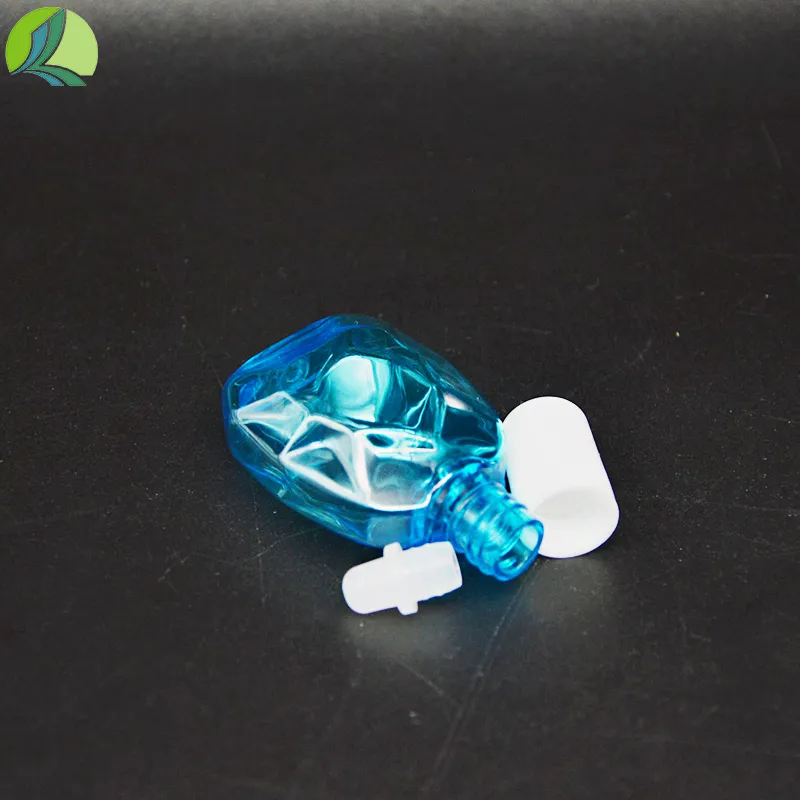
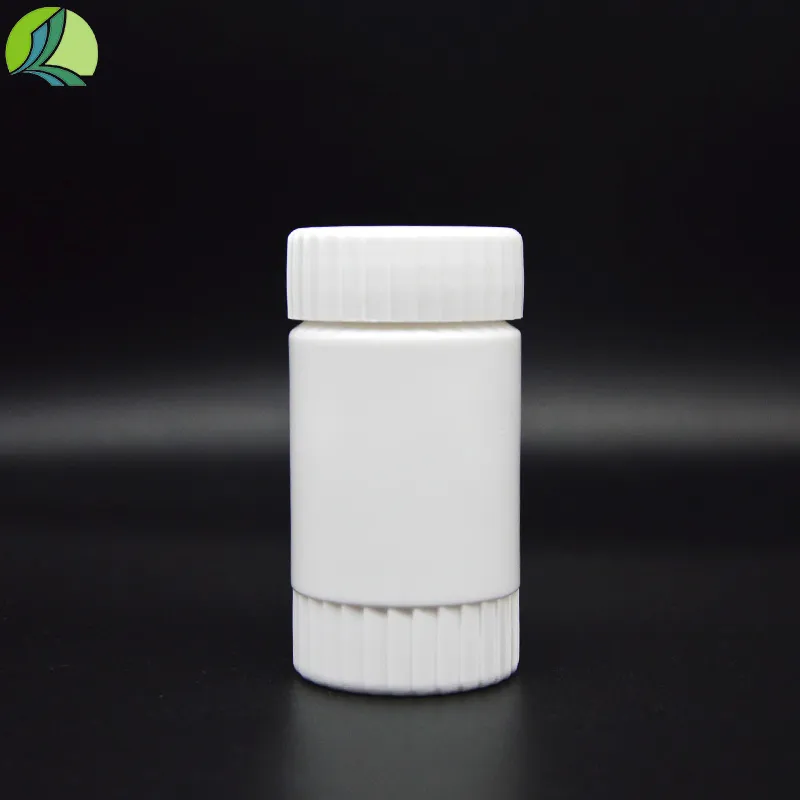
While commonly referred to simply as a "medicine bottle" or "pill bottle," in a professional context, these container111s are often termed "pharmaceutical container111s," "primary pharmaceutical packaging," or specifically, "prescription vials" for dispensed medications. The term "vial" often implies a smaller, typically glass, container111 for injectable liquids, but plastic versions exist, particularly for eye drops or small liquid doses.
Vendor Comparison and Customized Solutions
Choosing the right plastic medicine bottle manufacturers involves evaluating several critical factors beyond just price. Quality, compliance, customization capabilities, and supply chain reliability are paramount for B2B procurement.
Key Factors for Vendor Selection
- Regulatory Compliance: Ensure the manufacturer adheres to cGMP, holds relevant certifications (ISO 9001, ISO 15378), and provides necessary documentation (e.g., Drug Master Files (DMFs) for materials, Certificates of Analysis).
- Quality Control: Robust in-process and final product QC, including leak testing, dimensional checks, and extractables/leachables testing.
- Manufacturing Capabilities: Ability to produce various materials (HDPE, PET, PP, COC), different molding techniques (EBM, IBM, SBM), and diverse bottle sizes and designs.
- Customization: Offering tailor-made solutions for unique bottle shapes, colors, neck finishes, and integrated features (e.g., dispensing mechanisms).
- Supply Chain Reliability: Consistent lead times, secure warehousing, and contingency plans for disruptions.
- Technical Support: Expertise in material science, design for manufacturing (DFM), and problem-solving.
Customized Solutions
Many pharmaceutical companies require specialized packaging that differentiates their product or meets unique formulation demands. Customization for a plastic medicine bottle can include:
- Bespoke Molds: Creating unique bottle geometries for brand recognition or specific functional requirements (e.g., ergonomic designs, integrated dosing features).
- Material Blends: Developing custom polymer blends to achieve specific barrier properties, clarity, or impact resistance not available in standard materials.
- Color Matching: Precision color matching to branding guidelines, often requiring specific pigments that are FDA-compliant.
- Advanced Closures: Designing and integrating specialized closures, such as moisture-absorbing desiccant caps, tamper-evident seals, or custom child-resistant/senior-friendly mechanisms.
- Surface Treatments: Applying internal or external coatings (e.g., fluorination, plasma treatment) to enhance barrier properties, reduce static, or improve chemical resistance.
Application Case Studies
Case Study 1: Enhanced Moisture Protection for Hygroscopic Tablets
A leading pharmaceutical company faced stability issues with a new hygroscopic tablet formulation, requiring superior moisture barrier packaging. Traditional HDPE plastic pill bottles provided adequate protection for standard drugs, but this particular formulation needed more. Our solution involved developing a custom HDPE bottle with a significantly higher wall thickness and incorporating a multi-layer co-extrusion technology. This increased the Water Vapor Transmission Rate (WVTR) performance by 30% compared to standard bottles, effectively extending the drug's shelf life from 24 to 36 months under accelerated stability testing. The client reported zero field complaints related to moisture degradation post-launch, underscoring the success of this tailored approach.
Case Study 2: Transitioning from Glass to Lightweight PET for Pediatric Liquids
A global healthcare brand sought to replace its glass bottles for pediatric liquid medications with a safer, lighter alternative without compromising clarity or product integrity. The primary challenge was maintaining the oxygen barrier crucial for the liquid formulation's stability while achieving the desired impact resistance and visual appeal. We engineered custom PET clear pill bottles using an advanced stretch blow molding process to optimize barrier properties and achieve glass-like clarity. The new PET bottles reduced overall packaging weight by 70%, drastically cutting transportation costs and CO2 emissions. Furthermore, the robust PET material virtually eliminated breakage during transit and handling, enhancing patient safety. The bottles were paired with child-resistant, dosage-marked caps, meeting all regulatory requirements for pediatric use.
Case Study 3: Optimizing Supply Chain Efficiency with Standardized HDPE Bottles
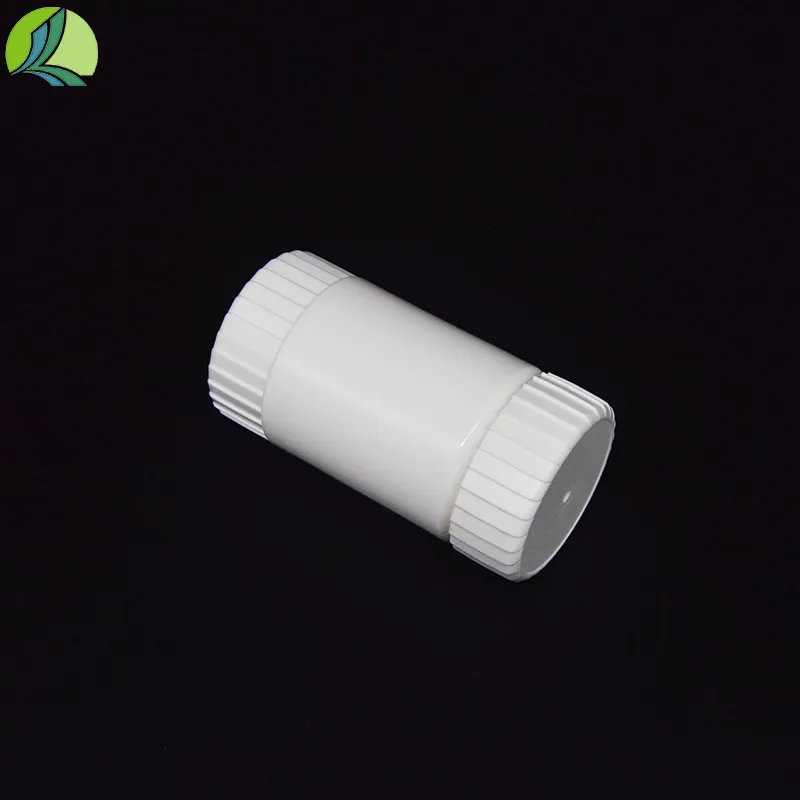
A generic pharmaceutical company operating across multiple markets needed to standardize its packaging for a range of solid dosage products to streamline procurement and inventory management. Our solution provided a family of high-quality, USP Class VI compliant HDPE plastic medicine bottle in various common volumes (60mL, 100mL, 200mL, 500mL) with a consistent neck finish (38-400). This standardization allowed the client to reduce SKUs for primary packaging by 40%, leading to significant cost savings in warehousing and logistics. Our commitment to maintaining a buffer stock and providing flexible order fulfillment ensured a stable supply chain, even during peak demand periods. This strategic partnership exemplified how a reliable supplier of standardized components can drive operational efficiencies for large-scale pharmaceutical manufacturers.
Trustworthiness and Support: FAQs, Lead Times, Warranty, and Customer Service
Frequently Asked Questions (FAQs)
- Q: Are your plastic medicine bottles FDA compliant?
A: Yes, all our primary pharmaceutical packaging materials and manufacturing processes are designed to comply with FDA 21 CFR regulations, and our base materials are listed in FDA Drug Master Files (DMFs).
- Q: Can you provide USP Class VI certification for your materials?
A: Absolutely. We provide full documentation, including USP Class VI certification, for all relevant plastic materials used in our bottles, ensuring biocompatibility and safety.
- Q: Do you offer child-resistant (CR) and senior-friendly (SF) closures?
A: Yes, we offer a comprehensive range of CR and SF closures that comply with federal packaging regulations (e.g., 16 CFR Part 1700.20), rigorously tested for effectiveness and ease of use.
- Q: What are your minimum order quantities (MOQs) for customized plastic medicine bottles?
A: MOQs vary depending on the level of customization and material. Please contact our sales team to discuss your specific requirements, and we will provide a detailed proposal.
Lead Time and Fulfillment
For standard plastic pill bottles, our typical lead time is 4-6 weeks from order confirmation. Custom tooling and specialized production runs may extend this to 8-12 weeks, depending on complexity. We maintain strategic inventory levels for popular items to facilitate faster fulfillment for urgent requirements. Our logistics team works diligently to ensure timely and secure delivery to your facilities, often partnering with validated freight carriers for pharmaceutical-grade transport.
Warranty Commitments
We stand behind the quality of our plastic medicine bottle products. All bottles are warranted against manufacturing defects for a period of 12 months from the date of shipment, provided they are stored and handled according to our specified guidelines. Our commitment extends to ensuring all products meet agreed-upon specifications and regulatory requirements. In the rare event of a defect, our quality assurance team will conduct a thorough investigation and work promptly towards a resolution.
Customer Support and Technical Assistance
Our dedicated customer support team and technical experts are available to assist you at every stage, from initial consultation and design to post-delivery support. We offer:
- Technical Consultations: Expert guidance on material selection, design optimization, and regulatory compliance.
- Sample Provision: Providing samples for testing and evaluation prior to mass production.
- Quality Assurance Reports: Comprehensive documentation for traceability and regulatory submissions.
- Responsive Communication: Prompt responses to inquiries and proactive updates on order status.
Conclusion
The plastic medicine bottle is a critical component in the pharmaceutical supply chain, demanding precision engineering, stringent quality control, and adherence to global regulatory standards. As the industry continues to evolve, the focus on sustainable practices, advanced barrier technologies, and customized solutions will only intensify. Partnering with experienced plastic medicine bottle manufacturers that offer robust technical expertise, comprehensive compliance, and reliable supply chain management is essential for ensuring product integrity, patient safety, and market success. We are committed to providing innovative, high-quality packaging solutions that meet the exacting demands of the modern pharmaceutical landscape.
References
- United States Pharmacopeia. USP Plastic Packaging Systems and Their Materials of Construction.
- International Organization for Standardization. ISO 15378:2017 Primary packaging materials for medicinal products — Particular requirements for the application of ISO 9001:2015, with reference to Good Manufacturing Practice (GMP).
- Food and Drug Administration. 21 CFR Part 177.1520: Olefin polymers.
- US Consumer Product Safety Commission. 16 CFR Part 1700.20: Testing procedure for special packaging.
- L. E. Lox. "Polymer Chemistry for Packaging." Wiley-Interscience, 2005.
-
Bulk Eye Dropper Bottles for Industrial Packaging - Reliable & CustomizableNewsDec.31,2025
-
Small Plastic Dropper Bottles – Durable, Precise Packaging Solutions for B2B ApplicationsNewsDec.10,2025
-
Medicine Dropper Bottles – Precision and Quality Packaging Solutions for B2B | WK PackingNewsDec.10,2025
-
Discover Top Quality 2 oz Eye Dropper Bottles for Industrial UseNewsDec.09,2025
-
1 Oz Eye Dropper Bottles - Precision Packaging Solutions for B2B Industries | WKPackingNewsDec.09,2025
-
Durable 4 oz Eye Dropper Bottles for Industrial & Cosmetic UseNewsDec.09,2025