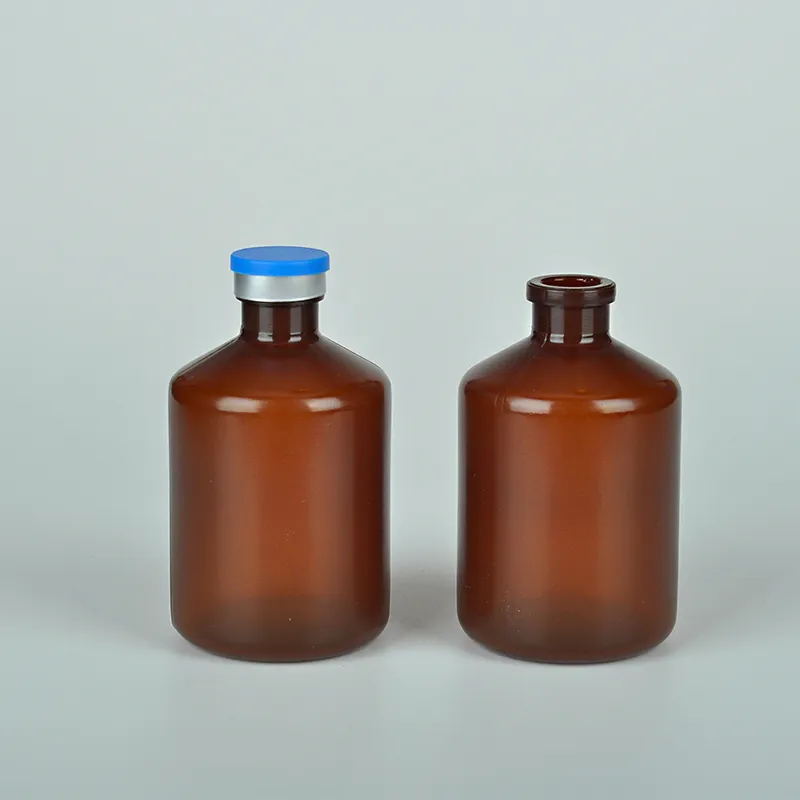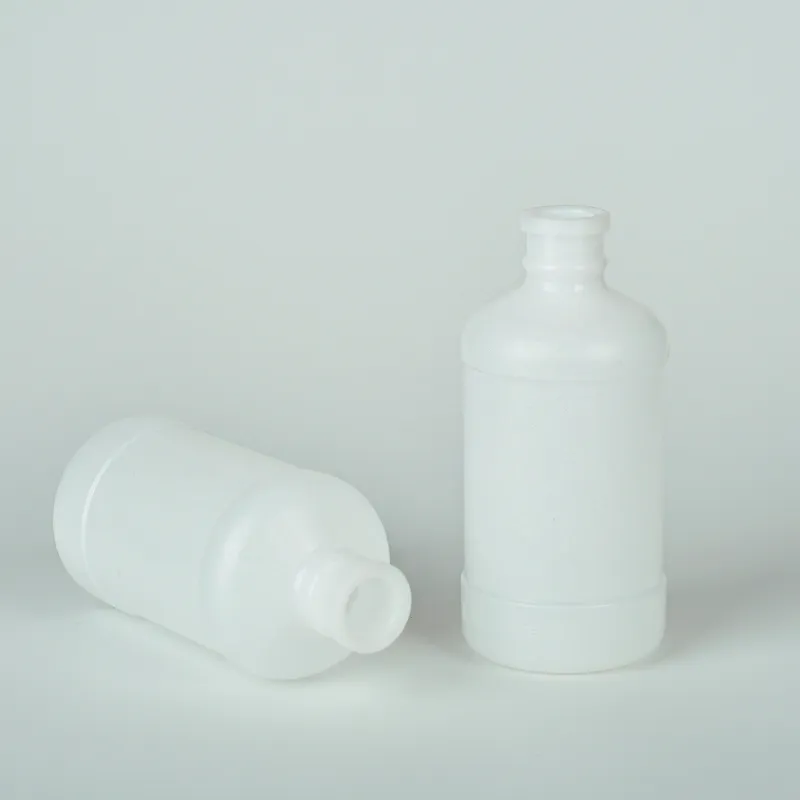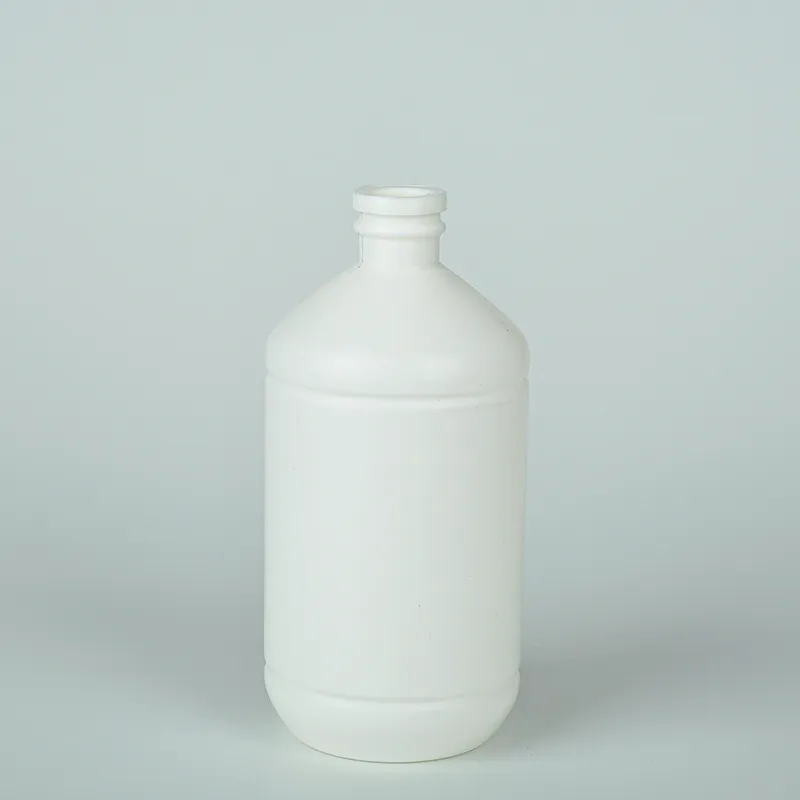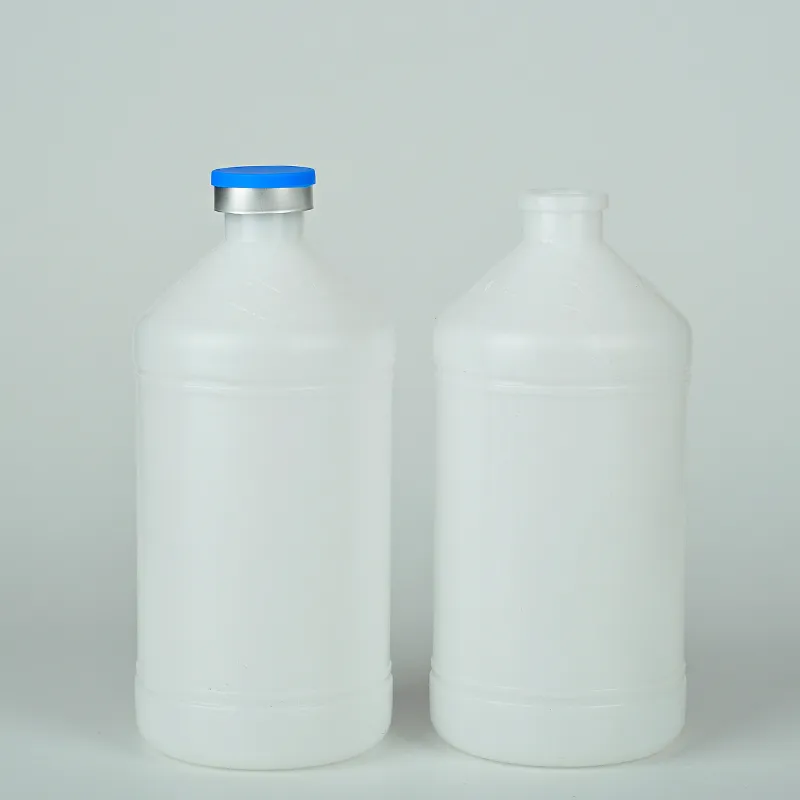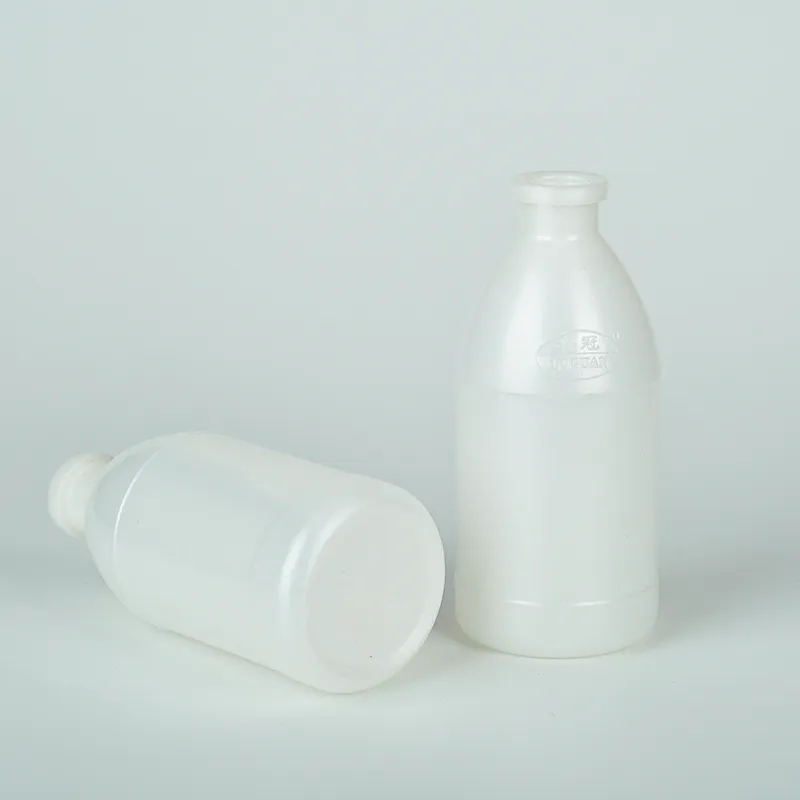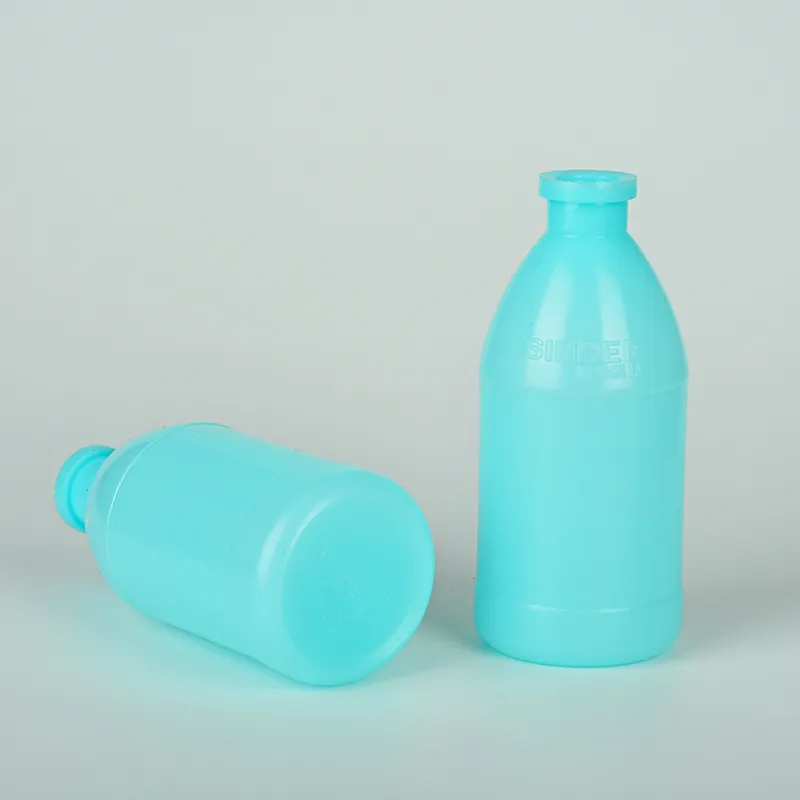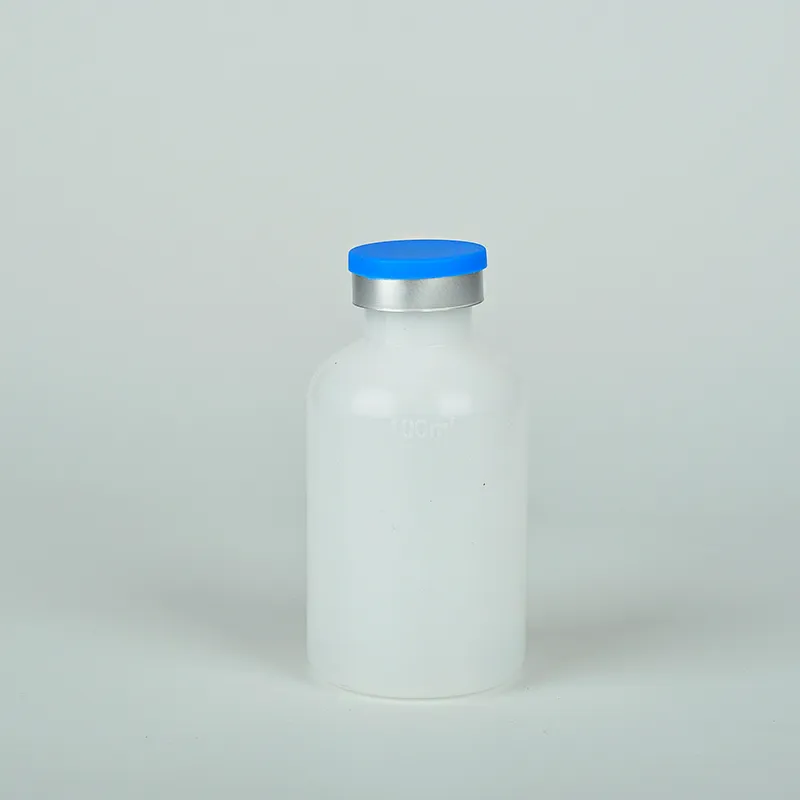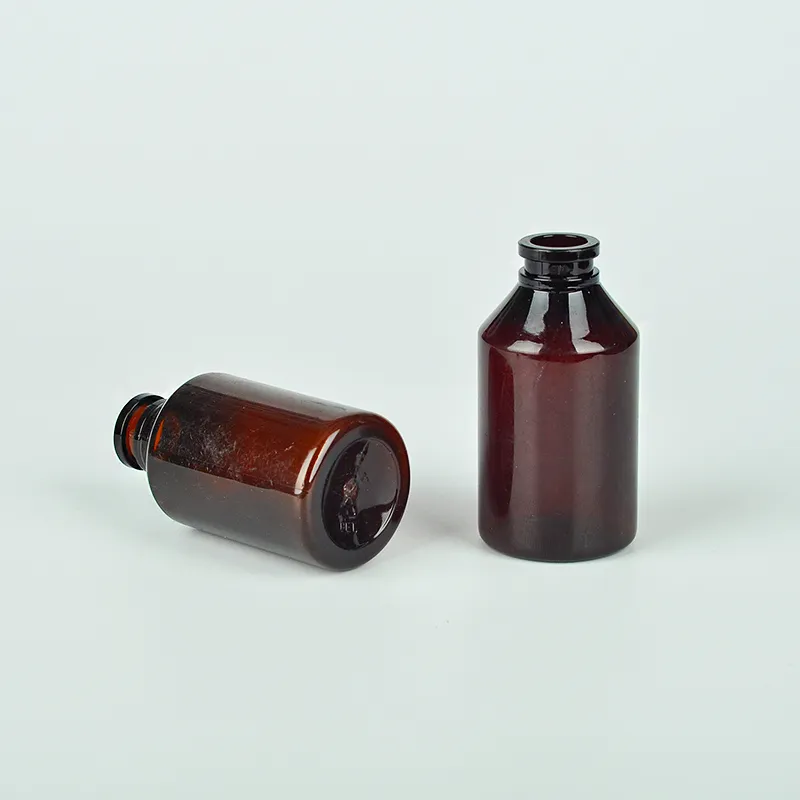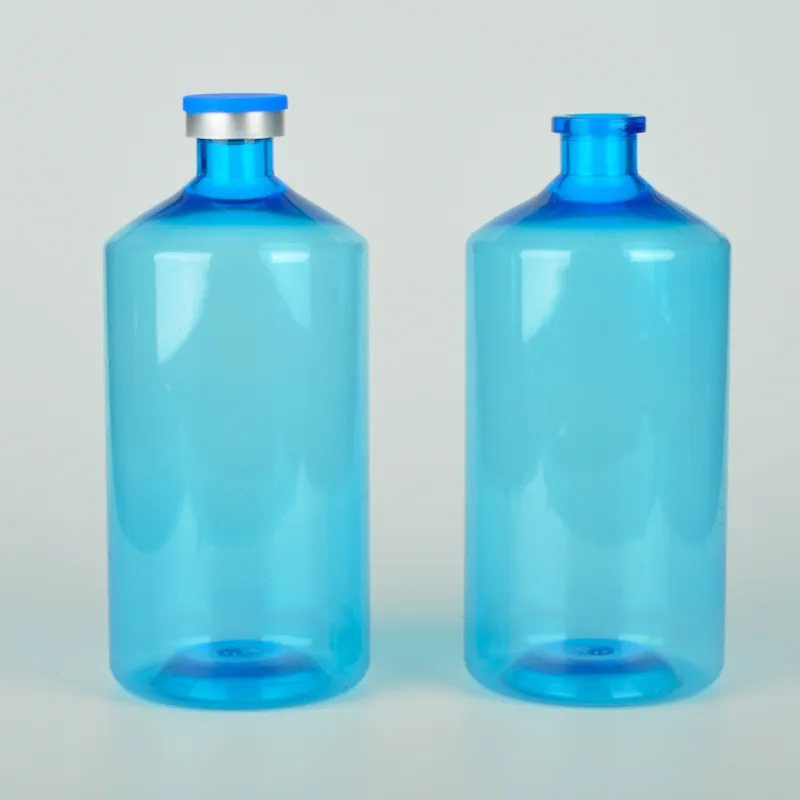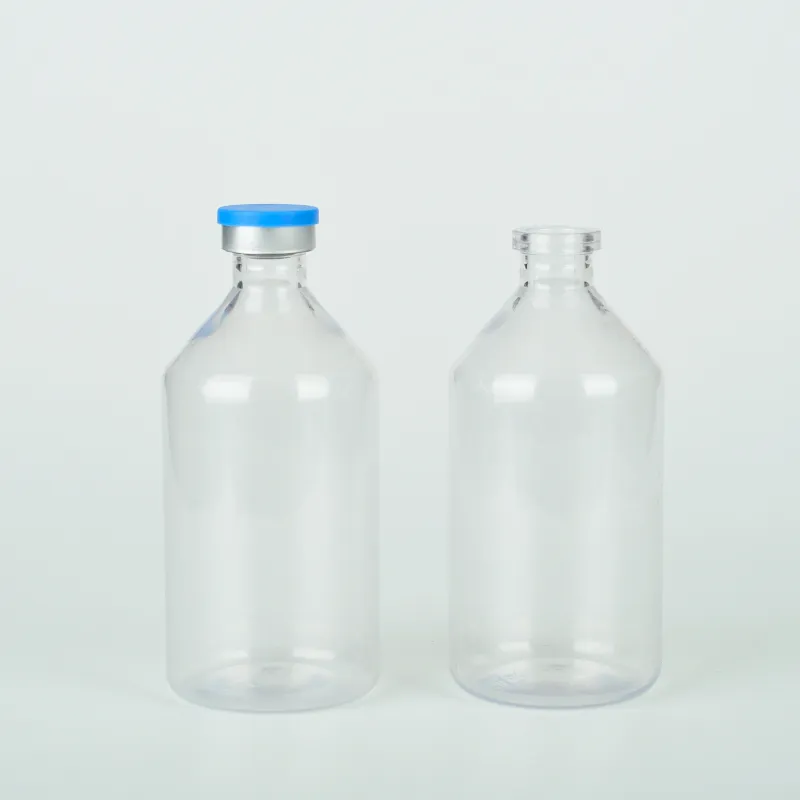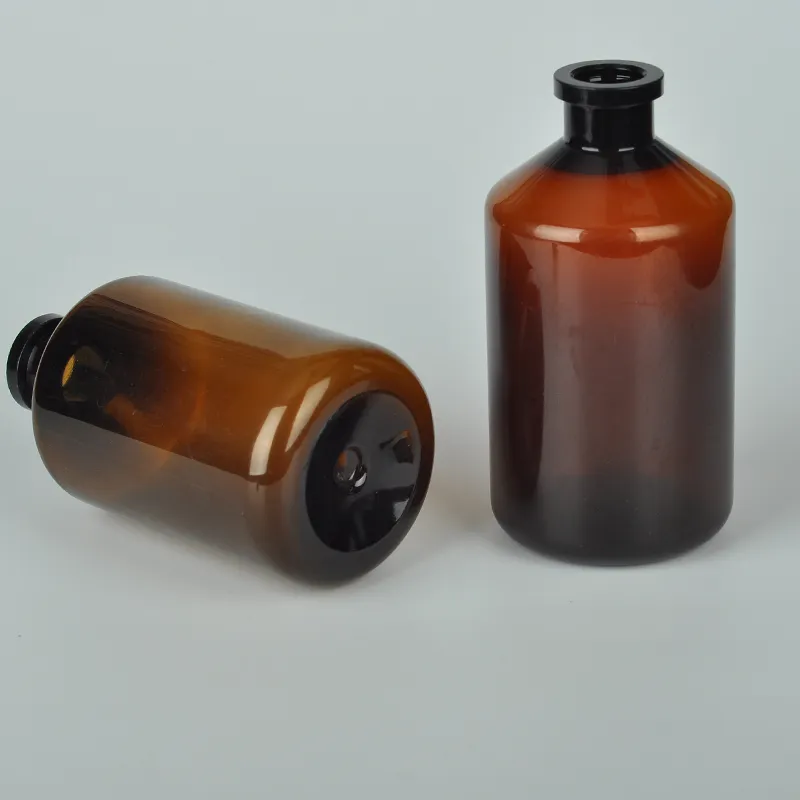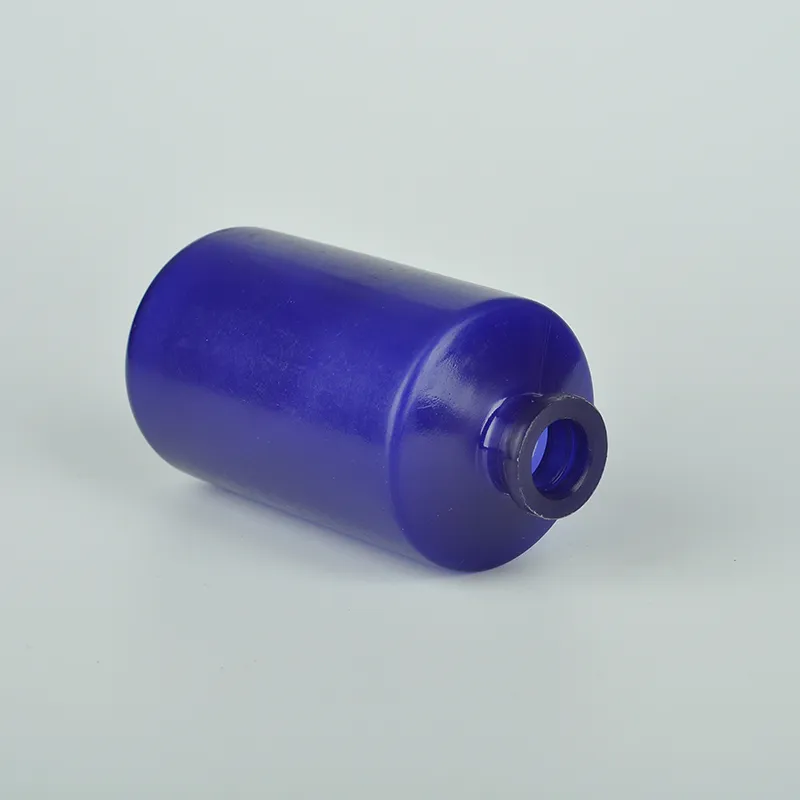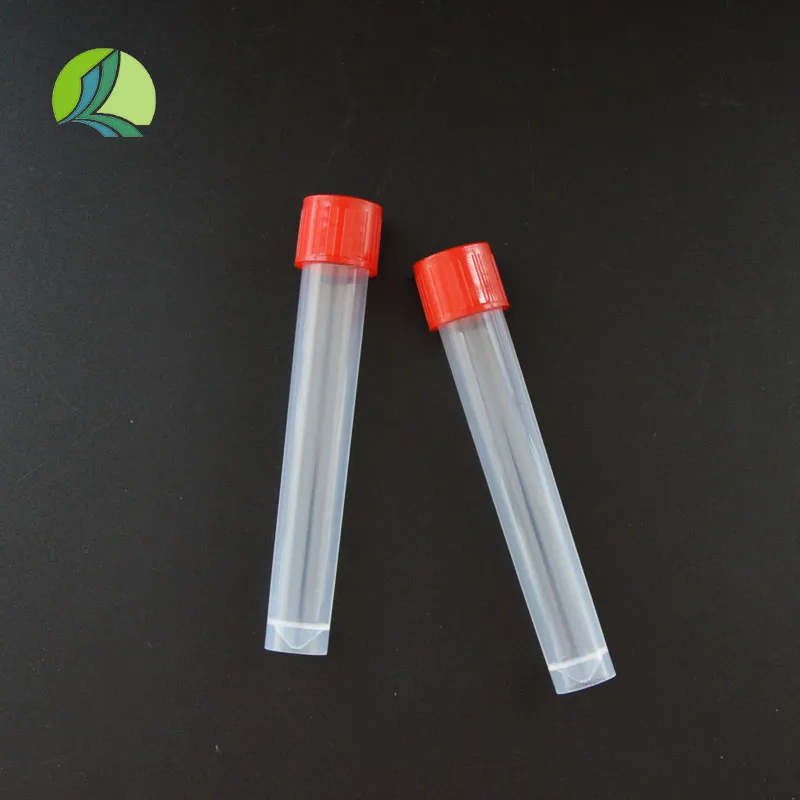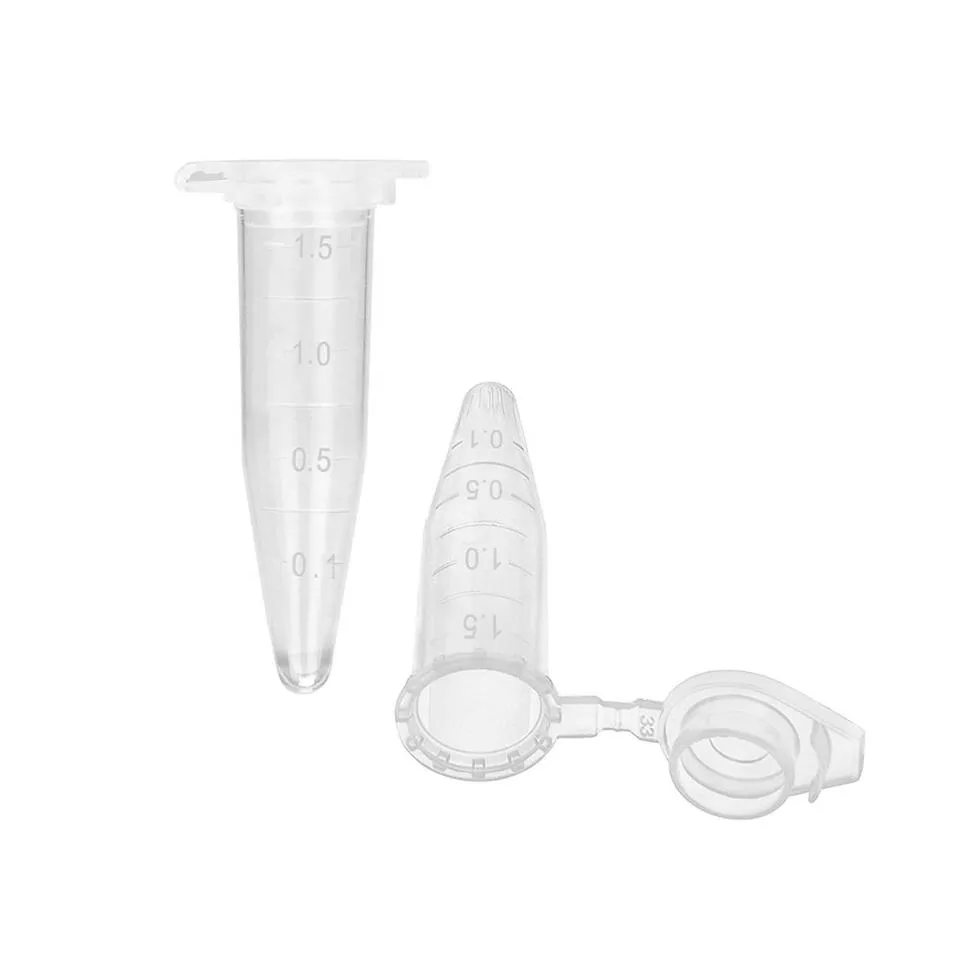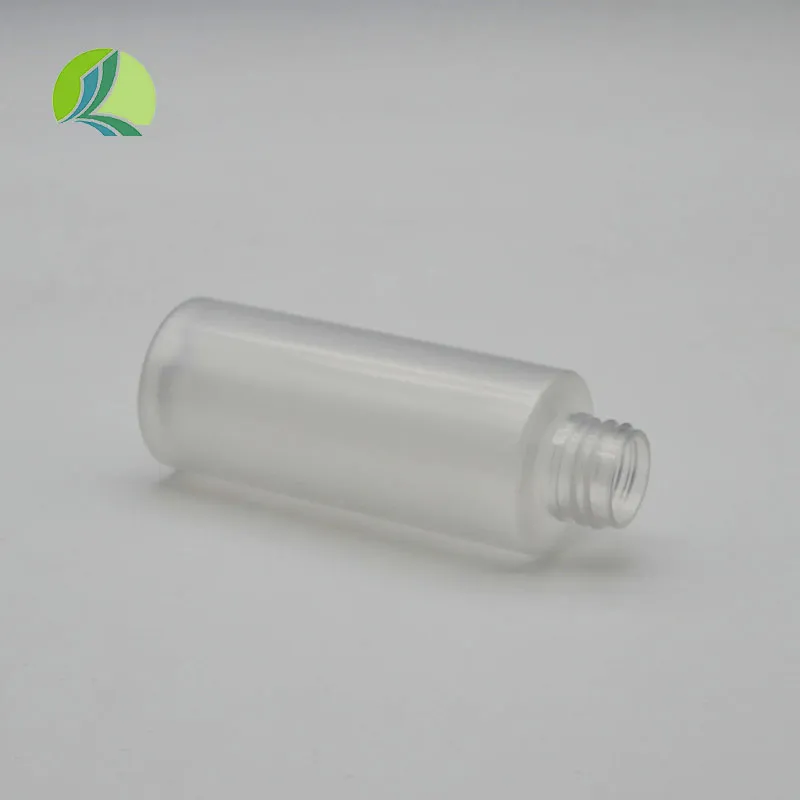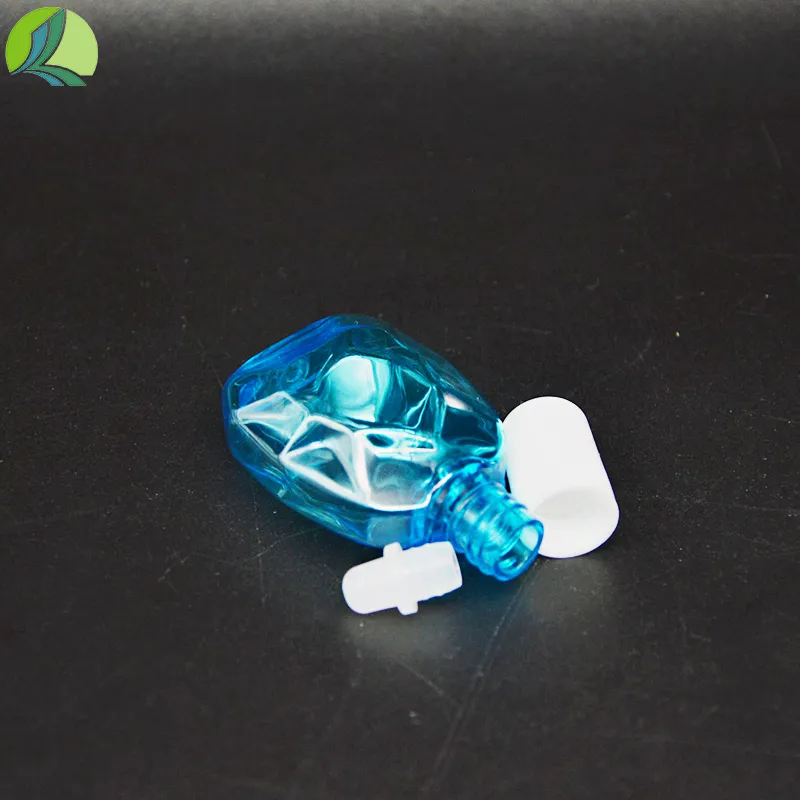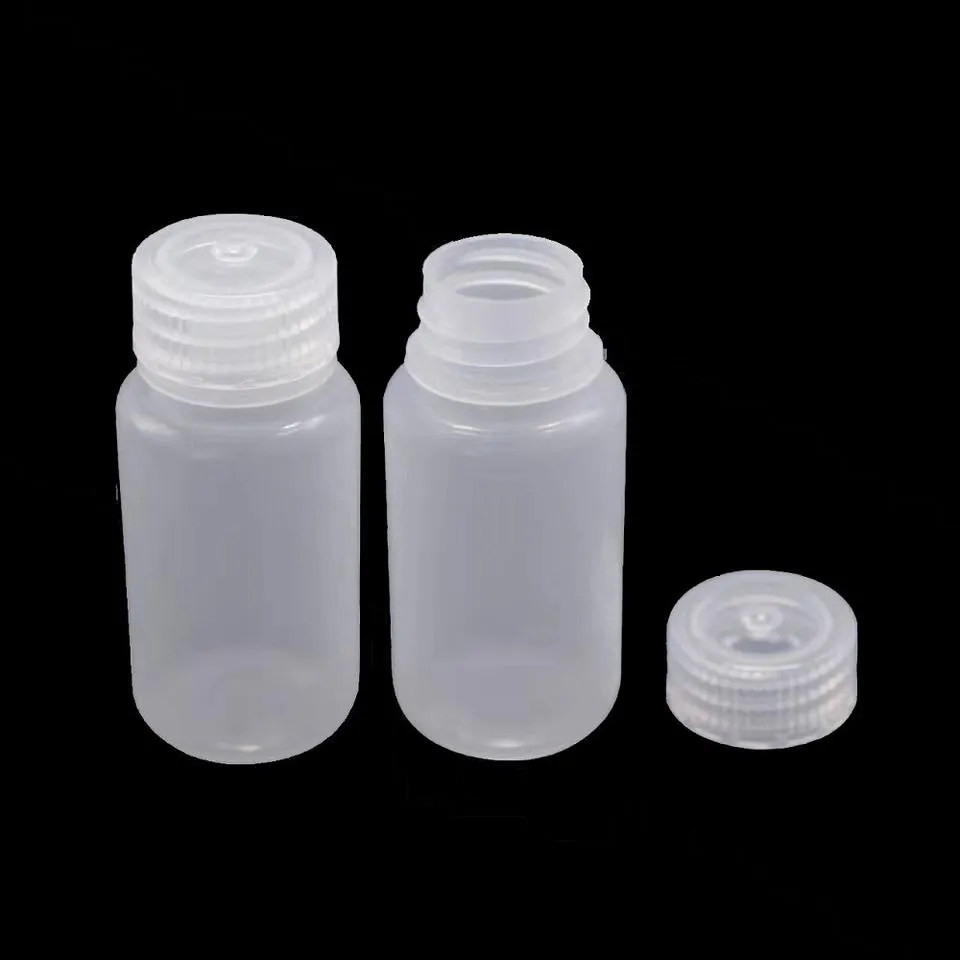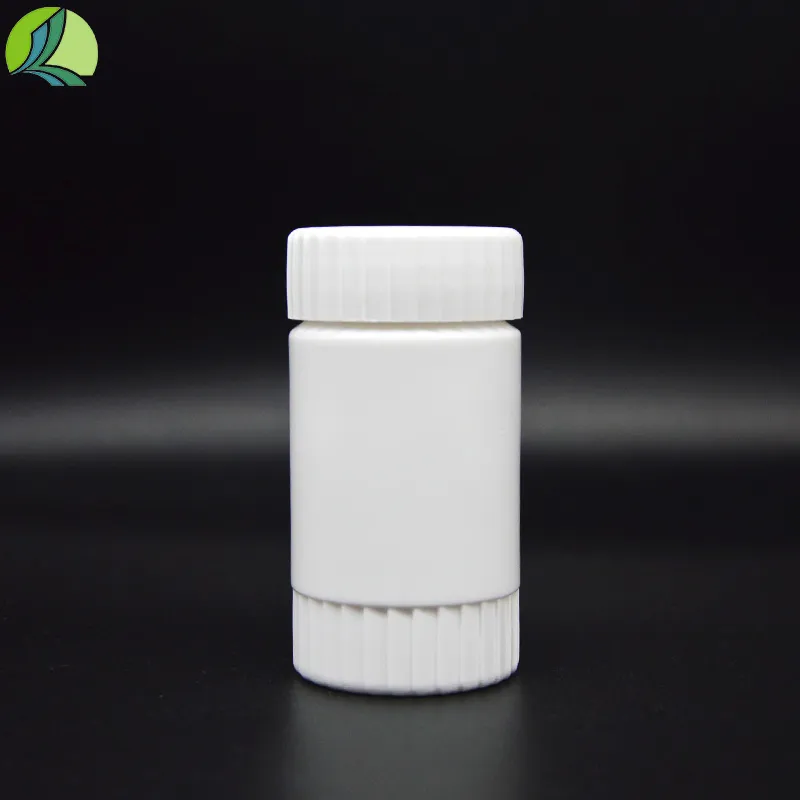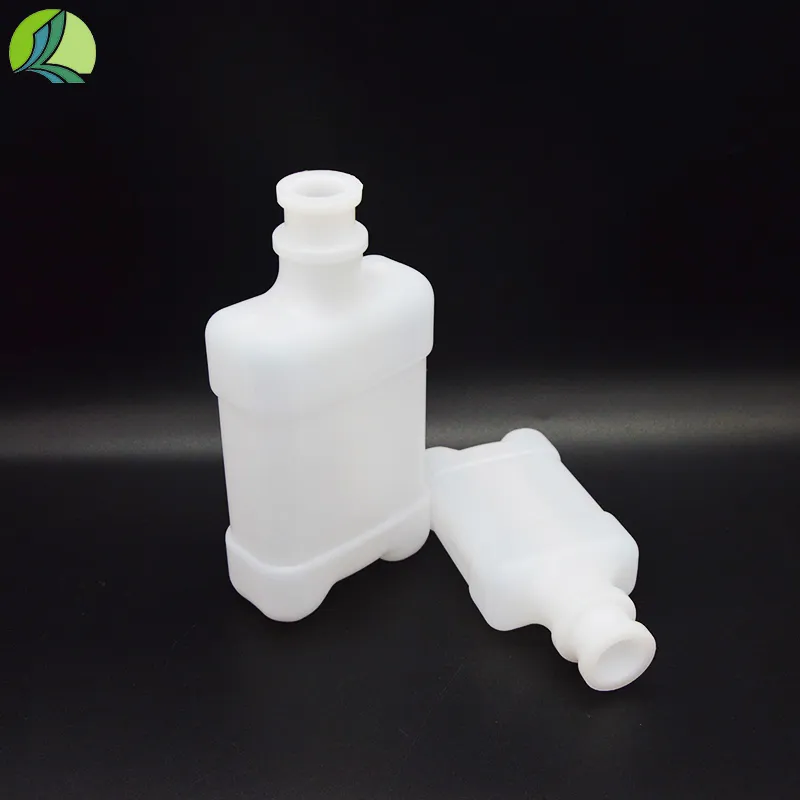
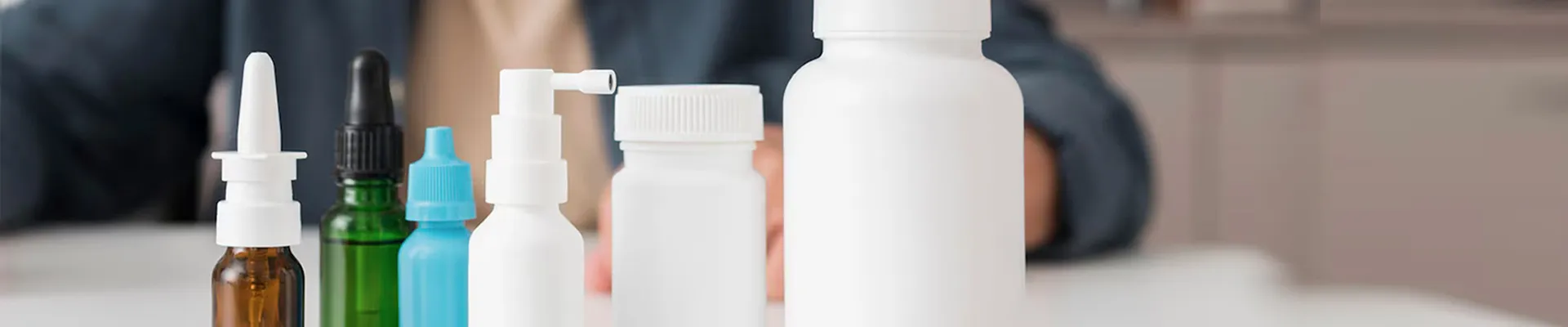


Brown Plastic Vaccine Vials: Durable Lab & Vet Medicine Storage
Industry Trends in Pharmaceutical Packaging and Veterinary Medicine
The landscape of pharmaceutical and veterinary medicine packaging is undergoing significant evolution, driven by increasing regulatory scrutiny, advancements in biologicals, and a global emphasis on product integrity and patient safety. Specifically, the demand for high-performance Brown Plastic Vaccine Vials Laboratory Veterinary Medicine Liquid Vials is experiencing robust growth. This surge is fueled by several key trends, including the expansion of global vaccination programs for both humans and animals, the increasing complexity and light sensitivity of new drug formulations, and the continuous push for more durable, lightweight, and cost-effective packaging solutions.
One prominent trend is the shift from traditional glass vials to advanced plastic alternatives. While glass offers excellent barrier properties, its inherent fragility and heavier weight contribute to higher shipping costs and increased risk of breakage, particularly within complex cold chain logistics. Plastic vials, especially those crafted from materials like HDPE (High-Density Polyethylene) or PP (Polypropylene), address these challenges by providing superior impact resistance, reduced tare weight, and often more economical manufacturing processes. The brown tint in these vials is a critical feature, offering enhanced UV protection for photosensitive contents, a requirement becoming increasingly common for modern vaccines and diagnostic reagents that necessitate precise light-blocking properties.
Furthermore, the veterinary medicine sector is witnessing unprecedented growth due to rising pet ownership, advancements in animal health diagnostics, and the ongoing need to combat zoonotic diseases. This growth directly translates into a higher demand for reliable and specialized primary packaging for animal vaccines, antibiotics, and other liquid formulations. Laboratories, too, are constantly seeking packaging solutions that guarantee the integrity of sensitive reagents and samples, often requiring specific light-blocking properties and chemical inertness. Regulatory bodies worldwide, such as the FDA and EMA, are continually updating guidelines for primary packaging materials, emphasizing material compatibility, extractables and leachables profiles, and overall container111 closure integrity, further driving innovation in this critical market segment.
Understanding Brown Plastic Vaccine Vials: Manufacturing Process and Materials
The production of high-quality Brown Plastic Vaccine Vials Laboratory Veterinary Medicine Liquid Vials involves a sophisticated multi-stage manufacturing process designed to ensure sterility, chemical inertness, and optimal protection for their sensitive contents. The selection of raw materials is paramount, typically involving medical-grade High-Density Polyethylene (HDPE) or Polypropylene (PP), known for their excellent chemical resistance, low moisture vapor transmission rates (MVTR), and durability. The characteristic brown color is achieved by incorporating a specific masterbatch pigment during the compounding phase, which is precisely engineered to block harmful UV light wavelengths, typically between 290-450 nm, crucial for maintaining the efficacy of photosensitive vaccines and reagents.
Manufacturing Process Flow:
Medical-grade HDPE/PP resins and brown masterbatch are meticulously sourced and blended to meet strict purity and light-blocking specifications. This ensures compliance with USP Class VI standards.
Molten plastic is either extruded into a parison or injected into a preform, then precisely blown into the final vial shape within a sophisticated mold. This critical step occurs in ISO Class 7 or 8 cleanrooms to prevent contamination.
Vials undergo a controlled cooling process (annealing) to relieve internal stresses that can arise during molding. This ensures dimensional stability, prevents material brittleness, and enhances overall product integrity and shelf life.
Excess material (flash) is precisely trimmed, and the vial neck finish is accurately calibrated. This ensures tight tolerances critical for optimal sealing with various closure types, preventing leakage and maintaining container111 closure integrity (CCI).
Every vial undergoes rigorous automated optical and manual inspections for defects, dimensional accuracy, leak integrity, and particulate matter in certified cleanroom environments. This ensures adherence to cGMP and relevant pharmacopoeial standards.
Based on client requirements, vials may undergo validated gamma irradiation or ethylene oxide (EtO) sterilization to achieve a specified Sterility Assurance Level (SAL). They are then double-bagged in cleanroom packaging and securely packed for shipment.
Testing Standards and Compliance: Our manufacturing adheres strictly to international pharmaceutical packaging standards, including USP for plastic packaging systems, EP (European Pharmacopoeia), and ISO 15378 (Primary Packaging Materials for Medicinal Products). Critical tests include light transmission properties using spectrophotometry, extractables and leachables analysis (following USP and ), container111 closure integrity (CCI) testing, and sterility assurance level (SAL) validation for sterile products. These rigorous testing protocols ensure that every vial meets the highest standards of safety, efficacy, and regulatory compliance.
Service Life and Target Industries: With proper storage conditions, our plastic vials typically offer a service life of 3-5 years, maintaining their barrier and protective properties. They are indispensable across various critical industries:
- Veterinary Pharmaceuticals: For animal vaccine production (e.g., poultry, livestock, companion animals), antibiotics, and parasiticides, where product stability is paramount.
- Biotechnology and Research Laboratories: Storage of light-sensitive reagents, enzymes, diagnostic kits, and biological samples, ensuring integrity during long-term storage or experimental procedures.
- Compounding Pharmacies: Packaging custom-formulated liquid medications for human and animal use, particularly those requiring protection from UV light to maintain stability and potency.
- Clinical Diagnostics: Sample collection and transport where sample integrity must be maintained against light exposure, preventing degradation that could skew results.
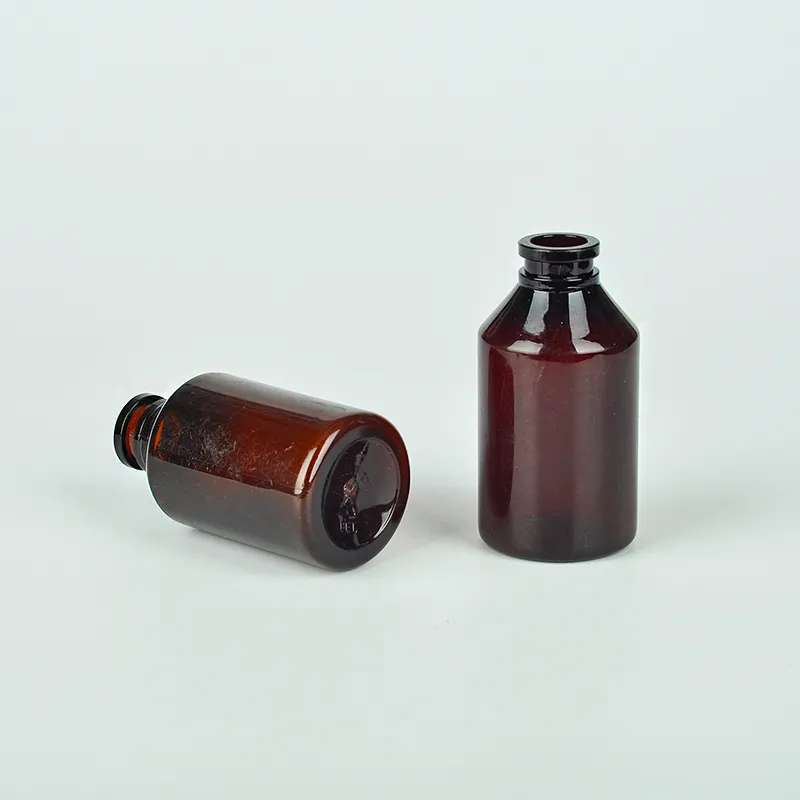
Advantages in Typical Application Scenarios: In energy-intensive cold chain logistics, the lightweight nature of plastic vials significantly reduces fuel consumption and overall carbon footprint compared to glass, offering substantial operational savings. Their inherent corrosion resistance ensures compatibility with a wide array of chemical formulations, preventing product degradation or container111 erosion over time. Furthermore, their robust impact resistance drastically minimizes product loss due to breakage during transit and handling, a common issue with glass vials in high-volume operations like large-scale vaccination campaigns.
Technical Specifications and Performance Parameters
Our range of Brown Plastic Vaccine Vials Laboratory Veterinary Medicine Liquid Vials is engineered to meet the stringent technical requirements of pharmaceutical and laboratory environments. These vials are manufactured with precision, ensuring consistent quality, reliable performance, and adherence to global regulatory standards. The following table outlines typical specifications and performance data for common vial sizes, demonstrating their robust design and material integrity.
Product Specification Table
| Parameter | 5 mL Vial | 10 mL Vial | 20 mL Vial | 30 mL Vial |
|---|---|---|---|---|
| Material | Medical-grade HDPE | Medical-grade HDPE | Medical-grade HDPE/PP | Medical-grade HDPE/PP |
| Color | Amber (Brown) | Amber (Brown) | Amber (Brown) | Amber (Brown) |
| Nominal Volume | 5 mL | 10 mL | 20 mL | 30 mL |
| Neck Finish (e.g., GPI) | 20-410 | 20-410 / 24-410 | 24-410 / 28-400 | 28-400 |
| UV Protection Range | >90% block (290-450 nm) | >90% block (290-450 nm) | >90% block (290-450 nm) | >90% block (290-450 nm) |
| Operating Temperature | -40°C to +80°C | -40°C to +80°C | -40°C to +80°C | -40°C to +80°C |
| Sterilization Method | Gamma Irradiation / EtO (optional) | Gamma Irradiation / EtO (optional) | Gamma Irradiation / EtO (optional) | Gamma Irradiation / EtO (optional) |
| Compliance Standards | USP , EP, ISO 15378 | USP , EP, ISO 15378 | USP , EP, ISO 15378 | USP , EP, ISO 15378 |
| Material Chemical Resistance | Excellent to most acids, bases, alcohols | Excellent to most acids, bases, alcohols | Excellent to most acids, bases, alcohols | Excellent to most acids, bases, alcohols |
These specifications highlight the robust design and material integrity of our vials, ensuring they perform reliably under diverse storage and transport conditions. The precise control over dimensions and neck finish guarantees optimal compatibility with standard capping and sealing equipment, facilitating seamless integration into automated filling lines and minimizing potential for product loss or contamination.
Application Scenarios
The versatility and protective properties of Brown Plastic Vaccine Vials Laboratory Veterinary Medicine Liquid Vials make them indispensable across a broad spectrum of critical applications. Their design directly addresses the challenges associated with packaging sensitive biological and chemical formulations, ensuring product efficacy and safety from manufacturing to end-use.
- Veterinary Vaccine Storage and Distribution: Essential for safeguarding a wide range of animal vaccines, including those for poultry, swine, cattle, and companion animals. The brown tint prevents photodegradation of photosensitive active pharmaceutical ingredients (APIs), ensuring vaccine potency throughout complex cold chain logistics and in varying field conditions. Their robust nature significantly reduces breakage risks during transport to remote or challenging environments.
- Laboratory Reagent Packaging: Ideal for storing light-sensitive biochemical reagents, diagnostic kits, enzymes, and other critical laboratory liquids. This includes reagents used in PCR assays, immunoassay kits, and microbiology media where light exposure can rapidly alter chemical structure, reduce activity, or shorten overall shelf life.
- Diagnostic Sample Collection and Transport: Widely used for collecting and transporting biological samples (e.g., blood, urine, tissue cultures) that may be sensitive to light or require robust containment to prevent leakage or contamination. This ensures sample integrity from collection point to laboratory analysis for accurate diagnostic results.
- Compounding Pharmacies: Both veterinary and human compounding pharmacies utilize these vials for custom-mixing and dispensing liquid medications, especially those requiring protection from UV light to maintain active ingredient stability and potency over their dispensed lifespan.
- Pharmaceutical R&D and Clinical Trials: Employed for the storage of investigational medicinal products (IMPs), reference standards, and API solutions during early-stage drug discovery, preclinical development, and clinical trials, where maintaining the stability and integrity of new formulations is paramount for data reliability.
- Specialty Chemical Packaging: Beyond pharmaceuticals, these vials are also well-suited for industrial and laboratory-grade specialty chemicals that are light-degradable or require high chemical resistance for safe storage and dispensing, particularly in quality control departments.
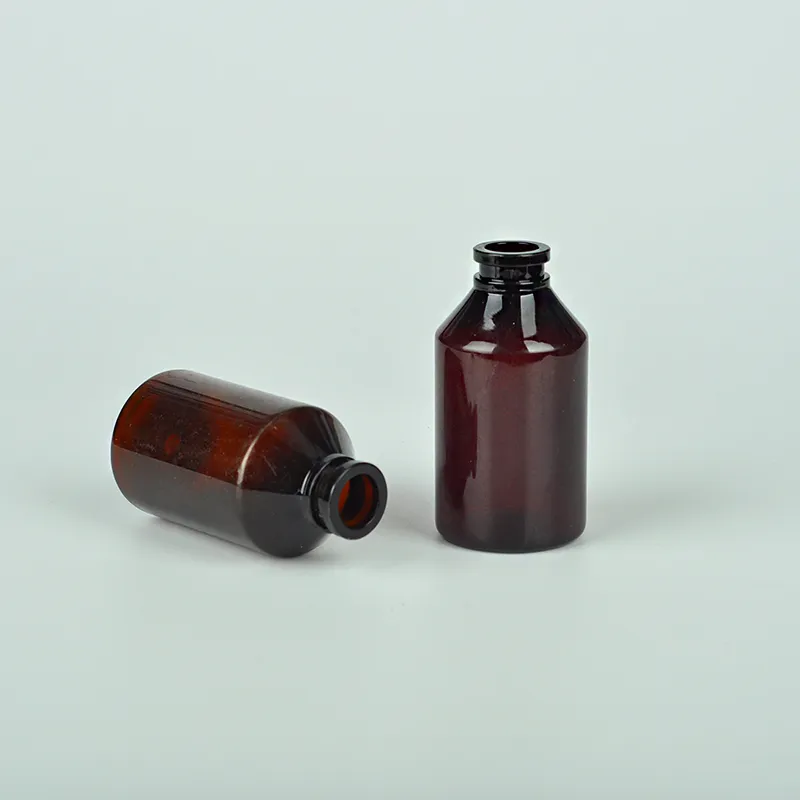
In each of these scenarios, the inherent advantages of brown plastic vials over traditional clear or glass container111s—namely, superior UV protection, significantly reduced breakage, and lighter weight—translate into enhanced product stability, improved safety, and optimized logistical efficiency. This makes them a preferred choice for organizations prioritizing both product integrity and operational cost-effectiveness in their critical operations.
Technical Advantages of Our Vials
Our Brown Plastic Vaccine Vials Laboratory Veterinary Medicine Liquid Vials offer a compelling array of technical advantages designed to meet the rigorous demands of pharmaceutical and laboratory applications. These benefits collectively contribute to superior product protection, operational efficiency, and enhanced safety across the entire product lifecycle.
- Superior UV Light Protection: The distinct amber tint provides highly effective blockage of ultraviolet (UV) light across critical wavelengths (typically 290-450 nm). This spectrophotometrically validated protection prevents photodegradation of light-sensitive contents, such as certain vaccines, vitamins, enzymes, and reagents, thereby extending their shelf life and maintaining full potency. This is a significant advantage over clear plastic or glass, which offer minimal to no UV protection.
- High Impact and Shatter Resistance: Manufactured from robust medical-grade HDPE or PP, these vials are significantly more resistant to impact, drops, and general handling stresses compared to fragile glass. This drastically reduces product loss due to breakage during manufacturing, transit, and handling, particularly beneficial in high-volume operations and challenging logistical environments. It also enhances worker and end-user safety by eliminating the risk of glass shards.
- Chemical Inertness and Material Compatibility: The chosen polymer materials exhibit excellent chemical resistance to a wide range of acids, bases, alcohols, and solvents commonly found in pharmaceutical formulations. This ensures that the vial itself does not react with, absorb, or leach harmful substances into the product, maintaining the integrity and purity of the contained liquid, and fully meeting stringent extractables and leachables guidelines (e.g., USP , ).
- Lightweight and Cost-Effective Logistics: Being substantially lighter than glass vials, our plastic alternatives significantly contribute to reduced shipping costs and a lower carbon footprint across the entire supply chain. This translates into measurable operational savings, especially for large-scale distribution networks, global cold chain management, and remote delivery scenarios.
- Precise Dimensional Stability and Closure Integrity: Manufactured with high precision using advanced molding techniques, these vials feature consistent neck finishes and tight dimensional tolerances. This guarantees reliable and secure sealing with various closure systems (e.g., screw caps, crimp seals, dropper assemblies), safeguarding against leakage, evaporation, and microbial contamination, which are critical for maintaining sterility and product stability over time.
- Sterilization Compatibility: Our vials are compatible with common and validated sterilization methods such as gamma irradiation and ethylene oxide (EtO). This flexibility allows for the provision of pre-sterilized packaging solutions tailored to specific application needs, critical for integration into aseptic filling processes and maintaining sterile drug products.
- Sustainability Profile: HDPE and PP are widely recyclable plastics, offering a more environmentally conscious packaging option compared to some other materials. Their lighter weight also reduces fuel consumption in transport, aligning with modern corporate sustainability objectives and environmental stewardship.
These comprehensive technical attributes underline our unwavering commitment to providing packaging solutions that not only meet but consistently exceed the most stringent industry standards for safety, efficacy, and operational performance.
Vendor Comparison: Choosing the Right Partner for Vaccine Vials
Selecting the appropriate vendor for Brown Plastic Vaccine Vials Laboratory Veterinary Medicine Liquid Vials is a critical decision that profoundly impacts product integrity, supply chain reliability, and ultimately, patient and animal welfare. While numerous suppliers exist in the market, discerning buyers must evaluate more than just the initial price point. A holistic comparison involves assessing a vendor's material quality, manufacturing capabilities, regulatory compliance, customization options, and the depth of their post-sales technical and logistical support.
Comparative Analysis Table: Key Vendor Attributes
| Feature/Criterion | Our Offering | Typical Competitor A | Typical Competitor B |
|---|---|---|---|
| Material Grade & Purity | 100% Virgin Medical-Grade HDPE/PP, USP Class VI Certified, Extractables/Leachables Profile Available | Industrial-grade HDPE (may contain recycled content), limited purity documentation | Medical-grade HDPE, but often with less stringent impurity testing or incomplete documentation |
| UV Blocking Performance | >90% block across 290-450 nm (Validated by Spectrophotometric Analysis per USP ) | ∼70-80% block, often with no detailed wavelength reports or limited testing data | Claimed high block, but frequently lacks independent validation or specific wavelength performance data |
| Manufacturing Environment | ISO Class 7/8 Cleanroom Certified, cGMP compliant, fully audited production facilities | Standard industrial environment, high risk of particulate contamination | Controlled but often not fully certified cleanroom, varying levels of compliance |
| Regulatory Compliance & Certifications | ISO 9001, ISO 15378, USP , EP, DMF Available, FDA Device Master File | Basic ISO 9001, no pharma-specific standards, limited or no DMF availability | ISO 9001, some USP references, but often lacks complete regulatory dossiers |
| Customization & R&D Support | Full design, material, closure, and sterility customization; dedicated R&D team with rapid prototyping | Limited standard options only, no engineering support for bespoke requirements | Some customization possible for very high MOQs, but slow turnaround and limited technical depth |
| Supply Chain Reliability | Robust global manufacturing network, multiple production sites, proactive redundancy plans, and secure logistics partners | Single manufacturing site, prone to disruptions, limited buffer stock | Regional supplier, limited scalability for large or international orders, less resilient to global events |
| Technical Support & Documentation | Dedicated technical team, comprehensive COAs, test reports, full regulatory dossiers, stability data, and material certifications readily available | Basic product sheets, limited technical expertise, often slow or incomplete responses to complex queries | Standard COAs, but often lacks detailed technical reports or responsive support for validation processes |
This comparison underscores the paramount importance of a vendor's unwavering commitment to quality, stringent regulatory adherence, and customer-centric service. Our extensive experience, comprehensive certifications, and robust quality management system provide a distinct advantage, ensuring that our clients receive not just a product, but a fully supported, high-performance packaging solution that upholds the highest standards of safety, efficacy, and compliance. We consistently invest in advanced manufacturing technologies, quality assurance protocols, and scientific expertise to maintain our leadership in the market for specialized primary packaging.
Customized Solutions for Unique Packaging Needs
Recognizing that every pharmaceutical and laboratory application has unique requirements, we offer extensive customized solutions for our Brown Plastic Vaccine Vials Laboratory Veterinary Medicine Liquid Vials. Our approach goes beyond standard off-the-shelf products, providing tailor-made packaging systems that integrate seamlessly with your specific formulations, filling lines, and complex supply chain demands. Our dedicated engineering and R&D teams collaborate closely with clients from initial concept development through to commercialization and post-market support, ensuring optimal results.
- Custom Dimensions and Volumes: While standard sizes are readily available, we can engineer vials to precise custom volumes (e.g., 7.5 mL, 12.5 mL, or larger industrial sizes) and specific physical dimensions (e.g., height, diameter, wall thickness) to optimize fit within existing automated equipment or to meet unique dosage and formulation requirements.
- Specialized Neck Finishes and Closure Systems: Beyond standard GPI threads, we can develop custom neck designs to accommodate proprietary closure technologies, including specialized tamper-evident caps, integrated dropper assemblies, atomizers, or precise dosing pumps, ensuring optimal container111 closure integrity and dispensing accuracy.
- Enhanced Material Formulations: For applications requiring specific properties, we can modify polymer formulations. This includes enhancing barrier properties against oxygen or moisture (e.g., through multi-layer co-extrusion), increasing chemical resistance to aggressive solvents or highly acidic/alkaline contents, or improving low-temperature flexibility and impact resistance for deep-freeze storage conditions (-80°C and below).
- Integrated Features: Custom features such as integrated measuring lines or graduations for accurate dosing, specific textured surfaces for improved grip and handling, or specialized anti-counterfeiting elements (e.g., overt or covert security features) can be incorporated directly into the vial design.
- Pre-Sterilized and Ready-to-Fill Options: We offer vials pre-sterilized to a validated Sterility Assurance Level (SAL) through methods like gamma irradiation or ethylene oxide (EtO), and delivered in cleanroom-compatible, double-bagged packaging. This significantly streamlines your aseptic filling operations by reducing the need for in-house sterilization processes.
- Custom Branding and Labeling Solutions: Beyond the functional aspects, we can provide solutions for custom vial coloring (while rigorously maintaining UV protection specifications), high-precision printing with client logos, product information, or precise graduations, and even the application of pre-printed labels to accelerate your production processes and enhance brand presentation.
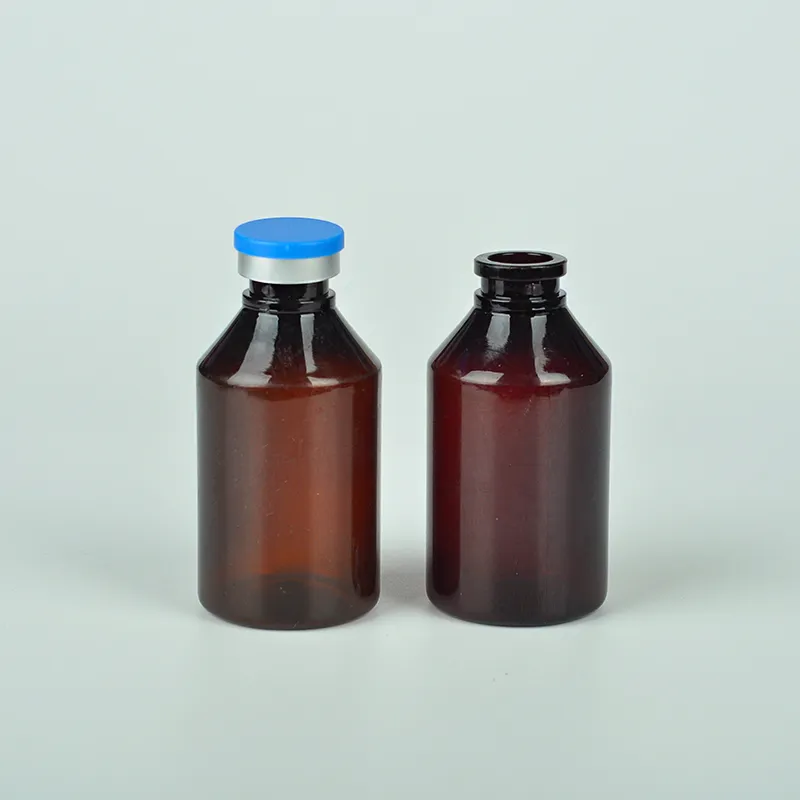
Our comprehensive customization capabilities are supported by rigorous validation processes, including material qualification, accelerated stability testing, and detailed compatibility studies. This ensures that every custom solution meets the highest standards of performance, regulatory compliance, and product safety. This collaborative partnership approach enables clients to develop truly optimized primary packaging that safeguards their valuable products, enhances their market position, and differentiates them in a competitive landscape.
Application Case Studies
Real-world applications demonstrate the tangible benefits and reliability of our brown plastic vaccine vials. These case studies highlight how our solutions address specific industry challenges and deliver measurable improvements for our clients across diverse sectors.
Case Study 1: Optimizing Vaccine Distribution for a Global Animal Health Company
A leading global animal health company faced significant challenges with breakage rates of glass vials during the distribution of their poultry vaccine across diverse and often remote regions. The inherent fragility and heavier weight of glass also contributed to high shipping costs and an increased carbon footprint, directly impacting their operational efficiency and sustainability goals. After a comprehensive evaluation, they transitioned to our 20 mL brown plastic vaccine vials.
- Challenge: High glass vial breakage (>3%) during transport, leading to significant product loss and logistical inefficiencies; excessive shipping costs due to weight; and environmental concerns related to glass disposal and carbon emissions.
- Solution: Implementation of our medical-grade HDPE brown plastic vials, custom-engineered for specific cold chain handling, and rigorously validated for UV protection and chemical compatibility with their sensitive vaccine formulation. The vials were supplied pre-sterilized to simplify their filling process.
- Results:
- Reduced breakage rate by an impressive 98% (to less than 0.1%), virtually eliminating product loss from physical damage.
- Achieved a 25% reduction in overall shipping weight, leading to a substantial 15% decrease in transportation costs and a significant reduction in associated CO2 emissions, contributing to their sustainability targets.
- Maintained full vaccine efficacy and stability, confirmed by accelerated stability studies, due to the superior UV protection and inert material properties of the plastic vials.
- Improved worker safety on the filling line and in the field by eliminating the hazards associated with glass breakage.
Case Study 2: Enhancing Reagent Stability for a Diagnostic Laboratory
A prominent clinical diagnostic laboratory required a more reliable packaging solution for a new range of highly light-sensitive PCR reagents used in critical pathogen detection assays. Their existing clear plastic container111s were causing premature degradation of fluorophores and enzymes within the reagents, impacting test consistency, increasing re-testing rates, and generating costly waste.
- Challenge: Premature degradation of light-sensitive PCR reagents in clear packaging leading to reduced enzyme activity and fluorescent signal, resulting in variability in diagnostic test results and significantly shortened shelf life.
- Solution: Adoption of our 5 mL brown plastic vials, meticulously validated to block >90% of harmful UV and visible light wavelengths. This was combined with a specialized tamper-evident screw cap to ensure container111 closure integrity and prevent environmental exposure.
- Results:
- Extended reagent shelf life by an average of 6 months (a 50% increase), significantly reducing reagent spoilage and waste.
- Achieved greater consistency and reliability in diagnostic test results due to the protected integrity and activity of the reagents. This led to fewer re-tests and improved patient care workflows.
- Reduced the total cost of ownership for reagents by minimizing spoilage and the associated expenses of re-purchasing and re-testing.
- Simplified storage requirements within the laboratory, allowing for less stringent ambient light control in work areas, improving operational flexibility.
These detailed case studies underscore our commitment to providing packaging solutions that not only protect sensitive contents effectively but also drive significant operational efficiencies, reduce costs, and improve overall product lifecycle management for our valued clients in the pharmaceutical and diagnostic sectors.
Frequently Asked Questions (FAQ)
- Q1: What materials are your brown plastic vials made from?
- Our vials are primarily manufactured from medical-grade High-Density Polyethylene (HDPE) or Polypropylene (PP), specifically chosen for their exceptional chemical inertness, high durability, and full compliance with stringent pharmaceutical standards such as USP Class VI. Material certifications are available upon request.
- Q2: How effective is the brown tint in protecting against UV light?
- The brown tint is highly effective, scientifically engineered to block over 90% of harmful UV and certain visible light wavelengths, typically within the 290-450 nm spectrum. This spectrophotometrically validated protection is crucial for maintaining the stability, integrity, and potency of photosensitive contents like vaccines, biologics, and diagnostic reagents over their shelf life.
- Q3: Are these vials supplied sterile?
- We offer both non-sterile and pre-sterilized options to meet diverse client needs. For sterile applications, vials can be provided with a validated Sterility Assurance Level (SAL) through established methods such as gamma irradiation or ethylene oxide (EtO) sterilization, accompanied by comprehensive certificates of analysis (COAs) and sterilization validation reports.
- Q4: What are the typical lead times for an order of your vials?
- Standard lead times typically range from 4-6 weeks for regular stock items, depending on order volume and current production schedules. For customized solutions or large-scale, bespoke orders, lead times may vary, and a detailed, transparent schedule will be provided during the quotation and order confirmation process. Expedited options are often available upon request for urgent requirements.
- Q5: Can these vials be customized to specific requirements?
- Absolutely. We offer extensive customization options, including custom volumes, specific physical dimensions, unique neck finishes, specialized cap types, enhanced material formulations for targeted chemical resistances or barrier properties, and even integrated features like measuring lines or custom branding. Our dedicated R&D team works closely with clients to develop bespoke solutions that precisely fit their needs.
- Q6: Are the vials compatible with automated filling lines and machinery?
- Yes, our vials are manufactured with exceptionally precise dimensional tolerances and consistent neck finishes to ensure optimal compatibility and smooth, efficient integration with most standard automated filling, capping, and labeling equipment. We provide detailed specifications to facilitate seamless integration into your existing production infrastructure.
Lead Time, Warranty, and Customer Support
Our commitment to our clients extends beyond delivering superior Brown Plastic Vaccine Vials Laboratory Veterinary Medicine Liquid Vials. We understand the critical nature of reliable supply, robust quality assurance, and responsive support in the highly regulated pharmaceutical and veterinary sectors. We strive to be a trusted partner in your critical operations.
Lead Time and Fulfillment
We maintain a robust inventory of popular vial configurations and raw materials to facilitate quick turnaround times and ensure supply continuity. For standard, off-the-shelf orders, typical lead times range from 4 to 6 weeks. For custom-engineered solutions or specialized, high-volume production runs, lead times will be precisely coordinated and transparently communicated upfront, supported by clear production schedules and proactive updates. We leverage an optimized global supply chain and agile manufacturing processes to effectively meet demand fluctuations and critical project deadlines. Expedited manufacturing and delivery options are available for urgent requirements, ensuring your operations remain uninterrupted.
Warranty Commitments
Every product we manufacture is backed by a comprehensive warranty against defects in materials and workmanship. Our vials are rigorously guaranteed to meet or exceed all stated technical specifications and comply with relevant international regulatory standards (e.g., USP , ISO 15378) for a specified period, typically one year from the date of shipment. This warranty is valid provided the products are stored, handled, and used according to our published recommendations and industry best practices. Our stringent quality assurance team meticulously inspects and tests each batch, and detailed Certificates of Analysis (COAs) accompany every shipment, providing full traceability and complete confidence in product quality.
Dedicated Customer Support
Our valued clients benefit from dedicated customer support and expert technical assistance from a highly experienced team of professionals. From initial consultation, product selection, and design validation to post-delivery inquiries and comprehensive regulatory documentation, our experts are readily available to assist you at every stage. We proudly provide:
- Technical Consultation: Expert advice on optimal material compatibility, suitable closure system selection, and validated sterilization methods tailored to your specific product and application.
- Regulatory Documentation: Prompt access to essential information such as Drug Master Files (DMFs), Certificates of Analysis (COAs), material certifications, and other necessary compliance documentation to support your regulatory submissions.
- Logistics Support: Comprehensive assistance with international shipping, customs clearance, and inventory management strategies to streamline your procurement process and ensure timely delivery.
- Responsive After-Sales Service: Prompt and efficient response to any product-related concerns, quality inquiries, or technical challenges, ensuring complete customer satisfaction and continuous operational efficiency.
Our unwavering commitment is to be a reliable, knowledgeable, and supportive partner in your critical operations, ensuring seamless integration of our advanced primary packaging solutions into your workflow.
Conclusion
In a global landscape demanding utmost precision, reliability, and unparalleled protection for sensitive biological and chemical formulations, our Brown Plastic Vaccine Vials Laboratory Veterinary Medicine Liquid Vials stand as a testament to advanced primary packaging innovation. Through meticulous manufacturing processes in certified cleanrooms, unwavering adherence to stringent international standards, and a deep understanding of evolving industry challenges, we deliver packaging solutions that consistently exceed the most demanding expectations. From ensuring the long-term stability and potency of critical vaccines to preserving the integrity of light-sensitive laboratory reagents, our vials offer a superior alternative, comprehensively mitigating risks associated with photodegradation, physical breakage, and material incompatibility. By choosing our expertly engineered plastic vials, our partners are investing in unparalleled product protection, enhanced operational efficiency, and a steadfast commitment to regulatory excellence that collectively drives success in the dynamic and critical fields of pharmaceutical and veterinary medicine. We are dedicated to empowering your success through packaging excellence.
References
- United States Pharmacopeia (USP) General Chapter - Plastic Packaging Systems and Their Materials of Construction.
- International Organization for Standardization (ISO) 15378:2017 - Primary packaging materials for medicinal products - Particular requirements for the application of ISO 9001:2015, with reference to Good Manufacturing Practice (GMP).
- European Pharmacopoeia (Ph. Eur.) 11th Edition, Monograph 3.1.3: Polyolefines.
- Rappolt, M. (2018). Pharmaceutical Packaging: Drug-Container Interactions and Regulatory Requirements. CRC Press.
- International Conference on Harmonisation (ICH) Q1B: Photostability Testing of New Drug Substances and Products.
-
Bulk Eye Dropper Bottles for Industrial Packaging - Reliable & CustomizableNewsDec.31,2025
-
Small Plastic Dropper Bottles – Durable, Precise Packaging Solutions for B2B ApplicationsNewsDec.10,2025
-
Medicine Dropper Bottles – Precision and Quality Packaging Solutions for B2B | WK PackingNewsDec.10,2025
-
Discover Top Quality 2 oz Eye Dropper Bottles for Industrial UseNewsDec.09,2025
-
1 Oz Eye Dropper Bottles - Precision Packaging Solutions for B2B Industries | WKPackingNewsDec.09,2025
-
Durable 4 oz Eye Dropper Bottles for Industrial & Cosmetic UseNewsDec.09,2025