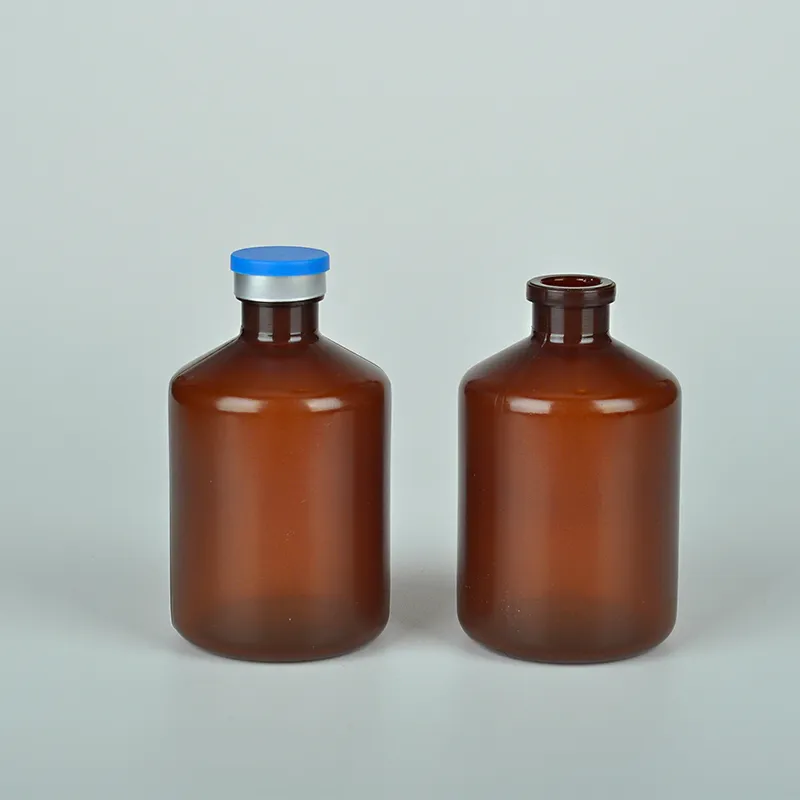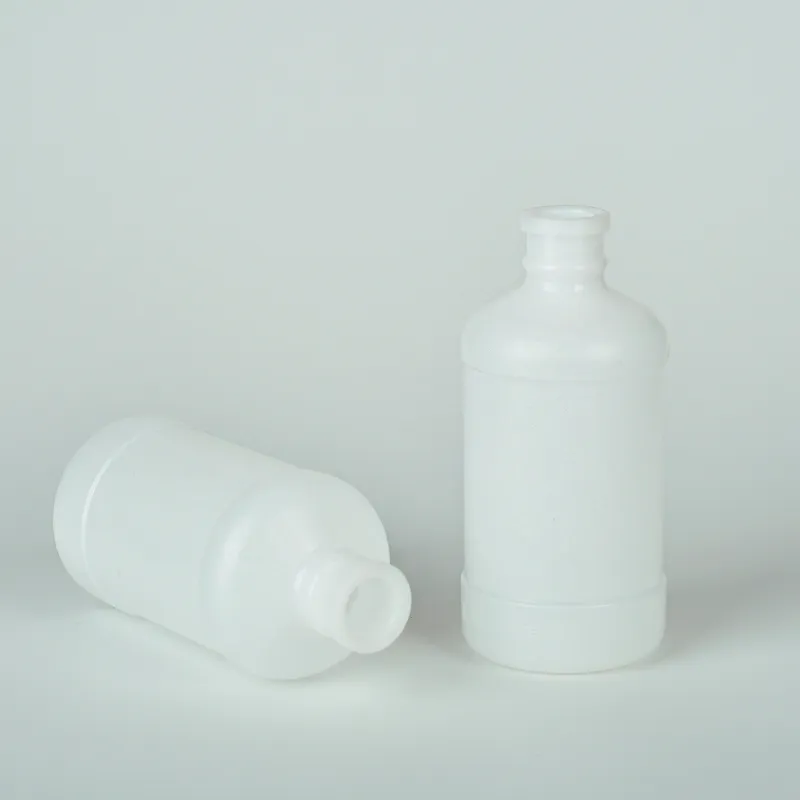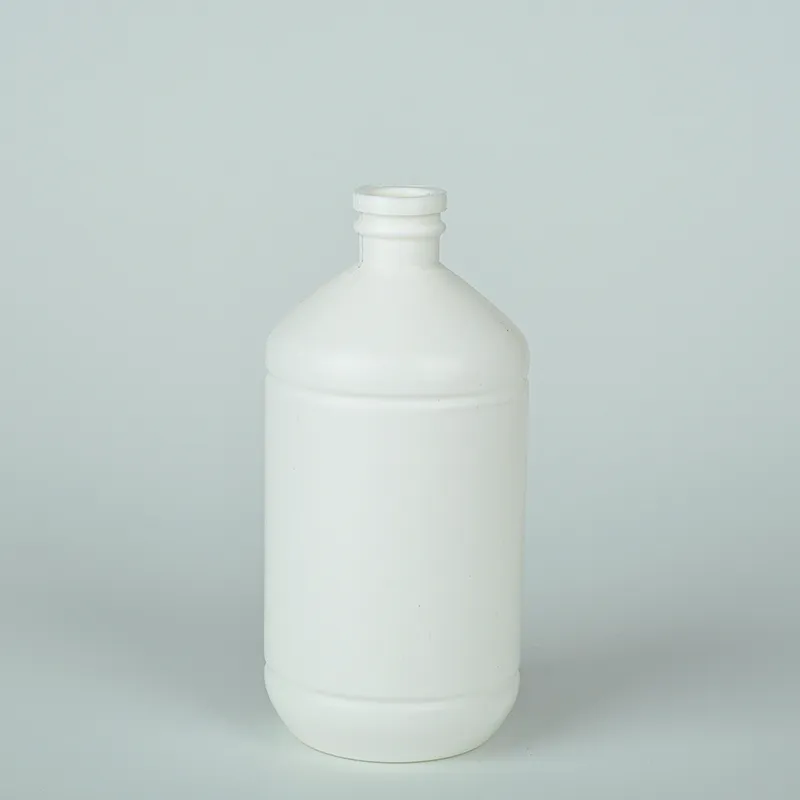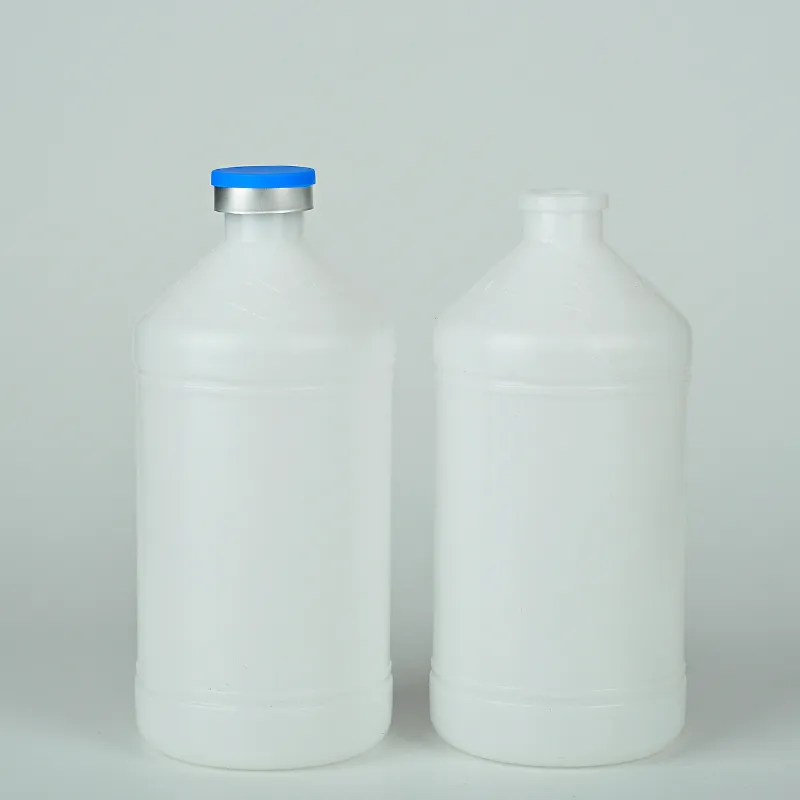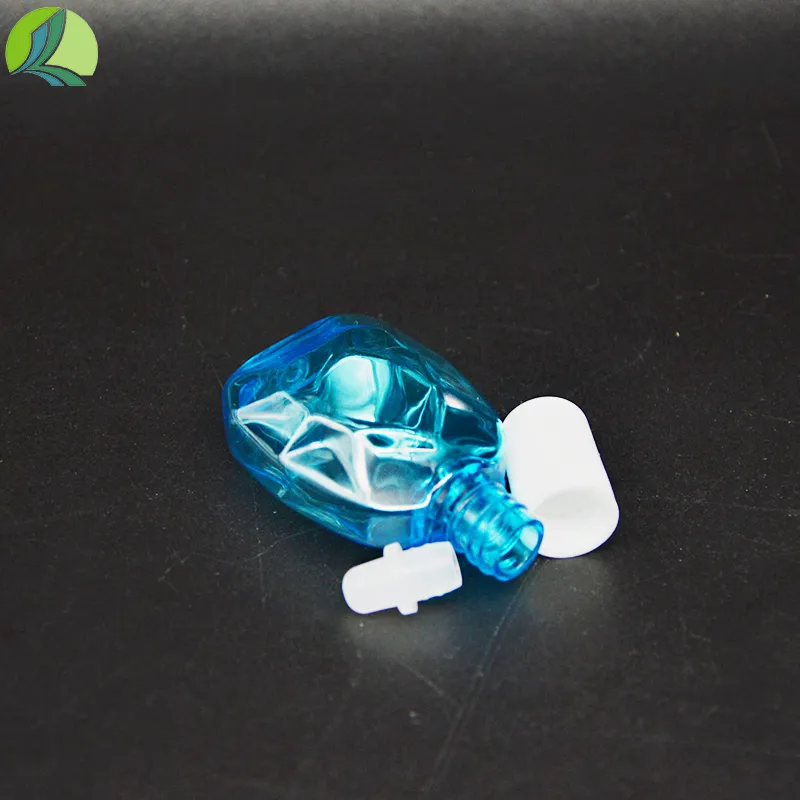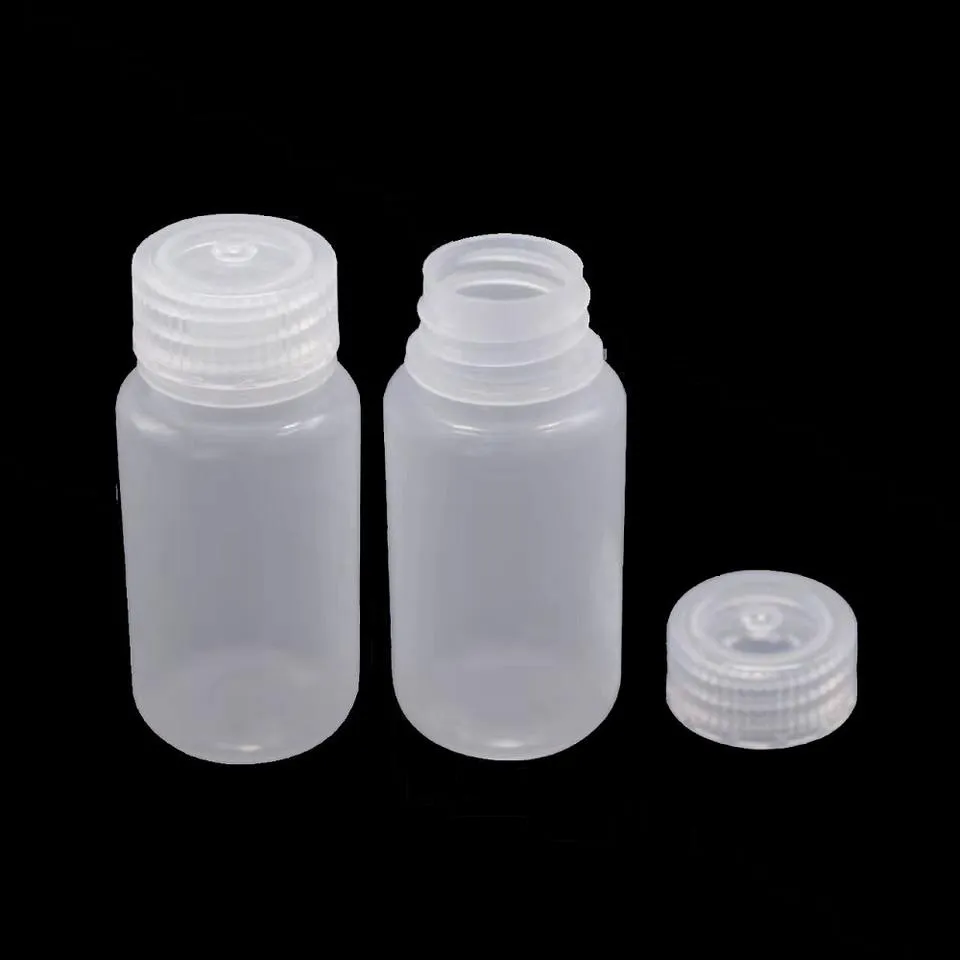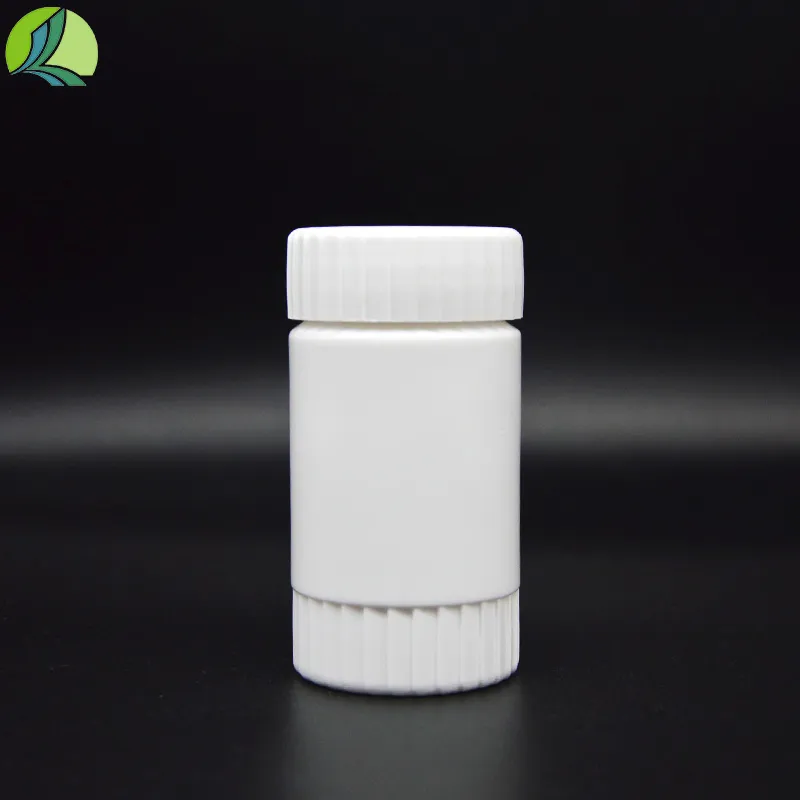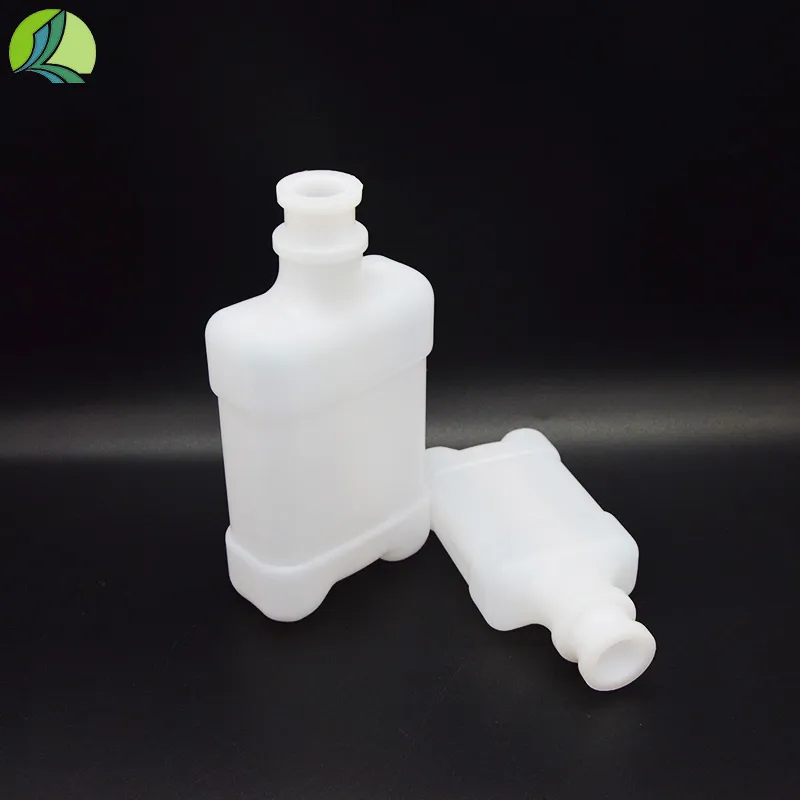

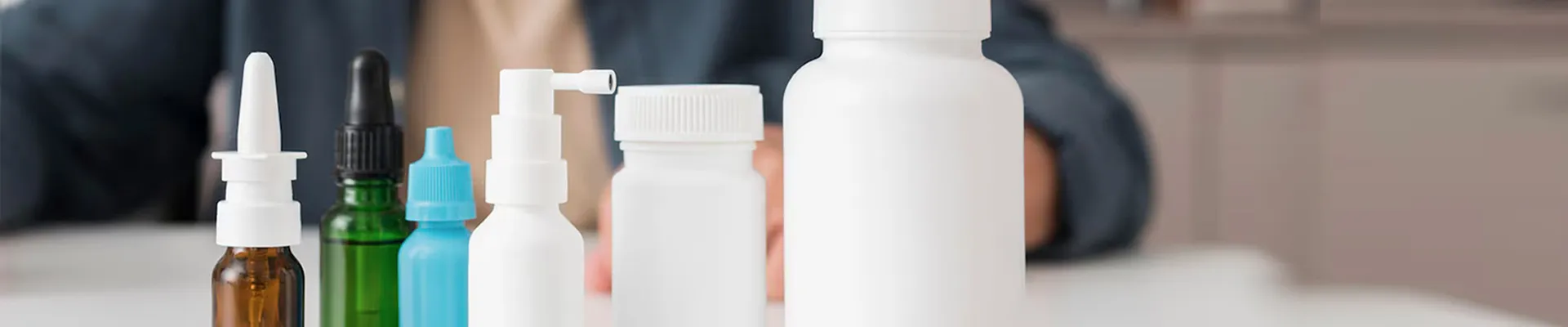


Medicine Liquid Bottle – Leak-Proof, Sterile, BPA-Free
The Quiet Workhorse of Cold-Chain Packaging: medicine liquid bottle
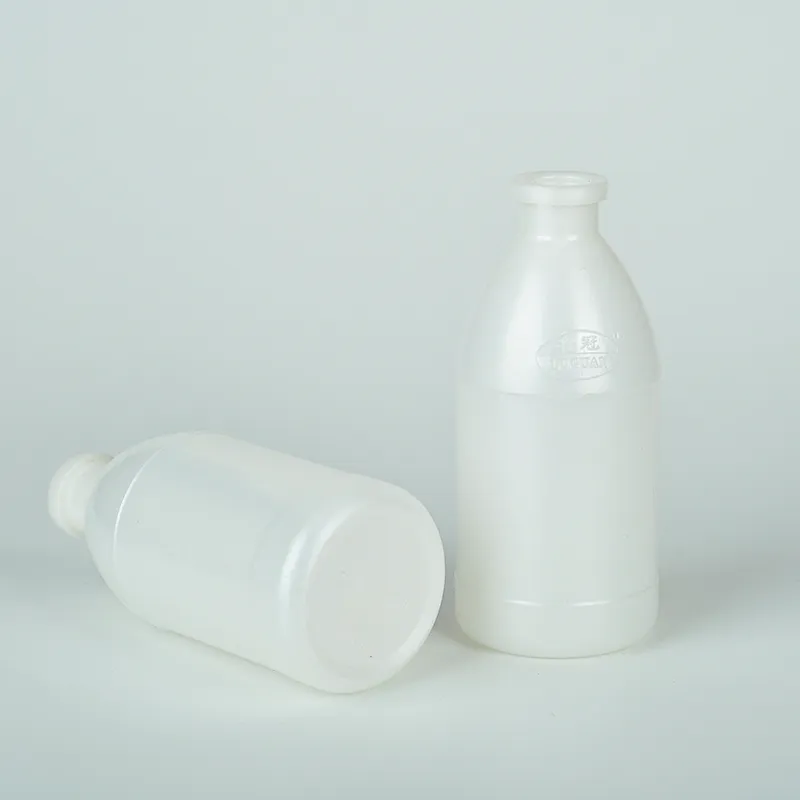
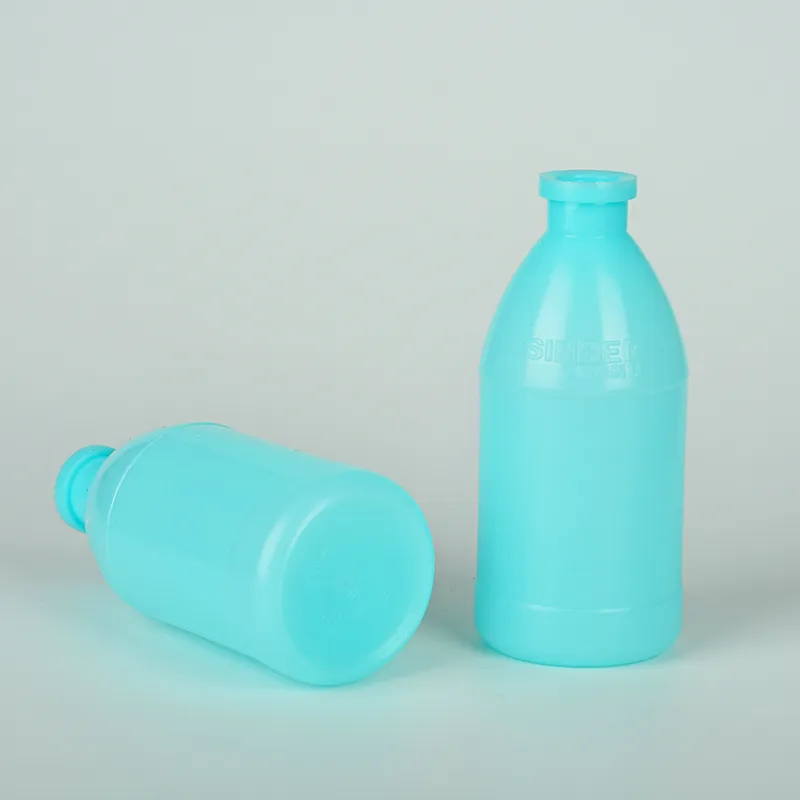
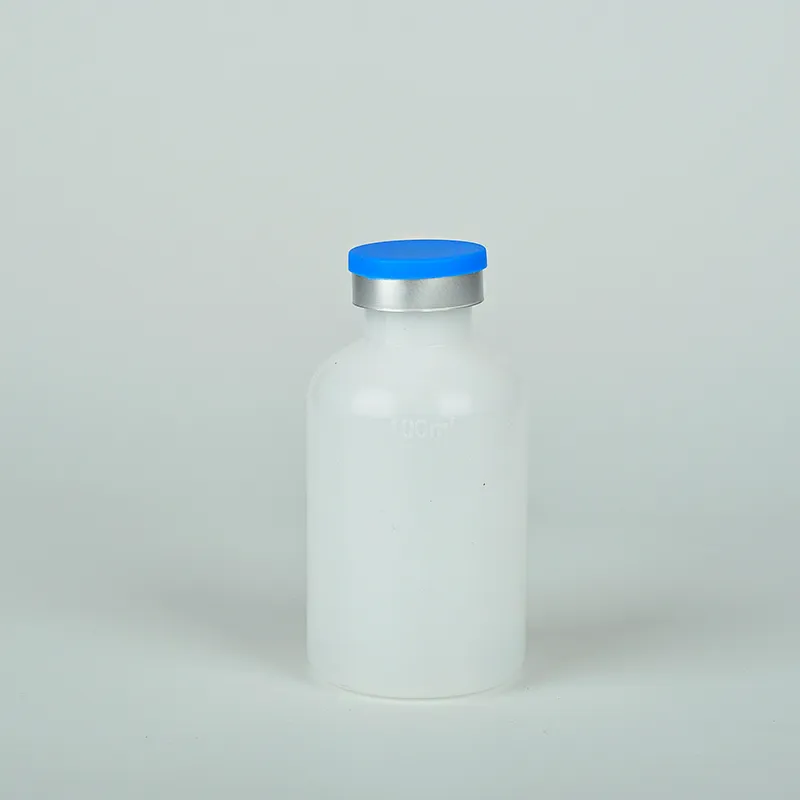
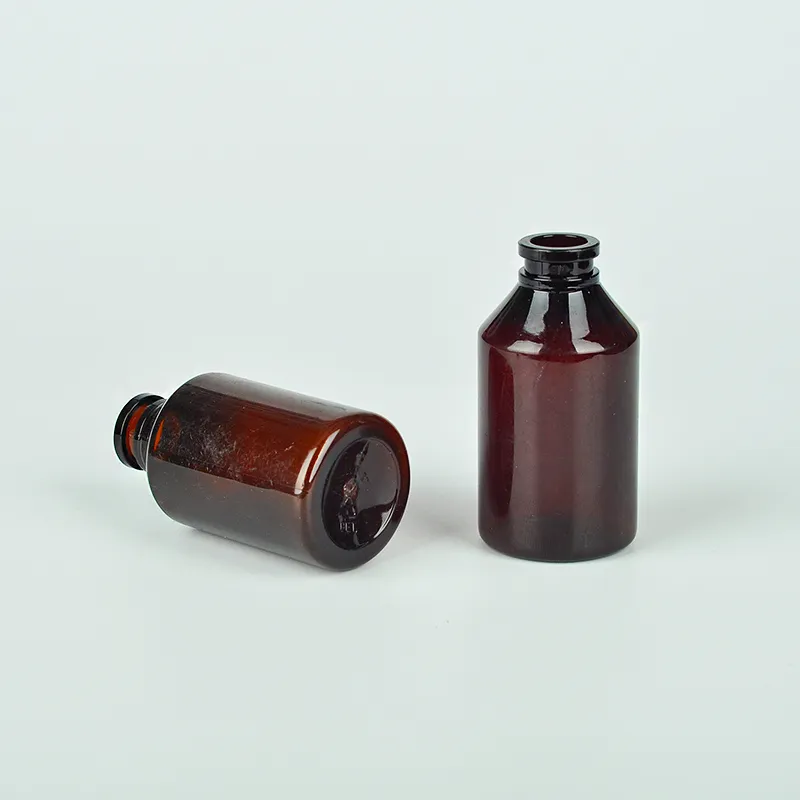
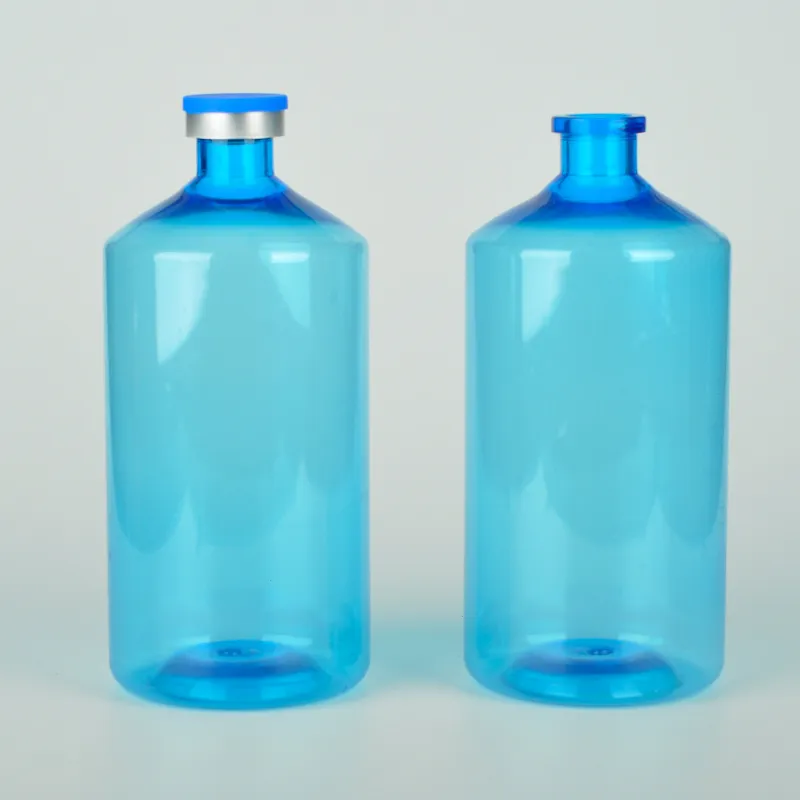
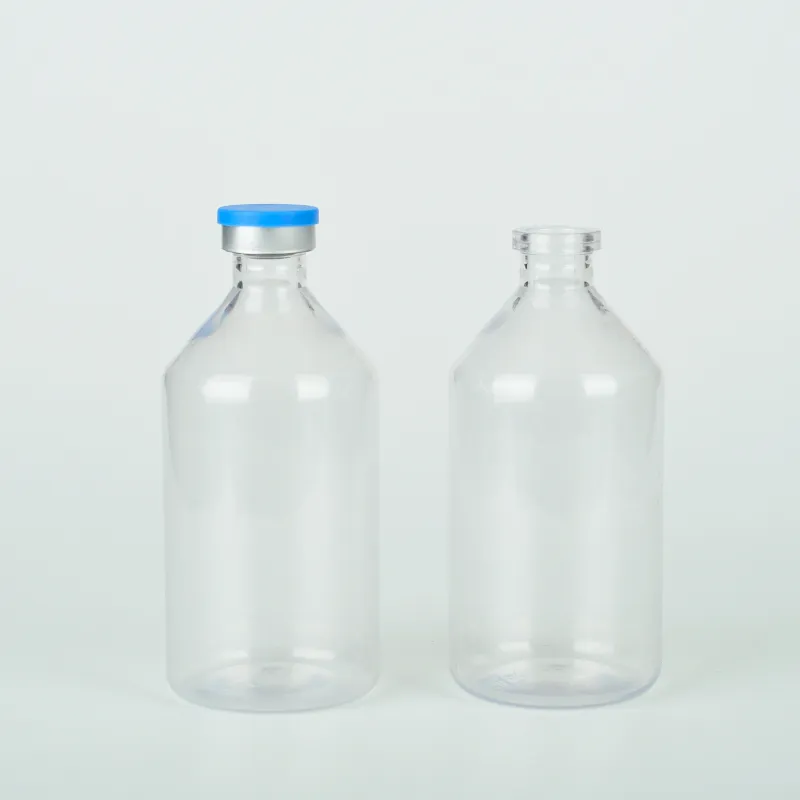
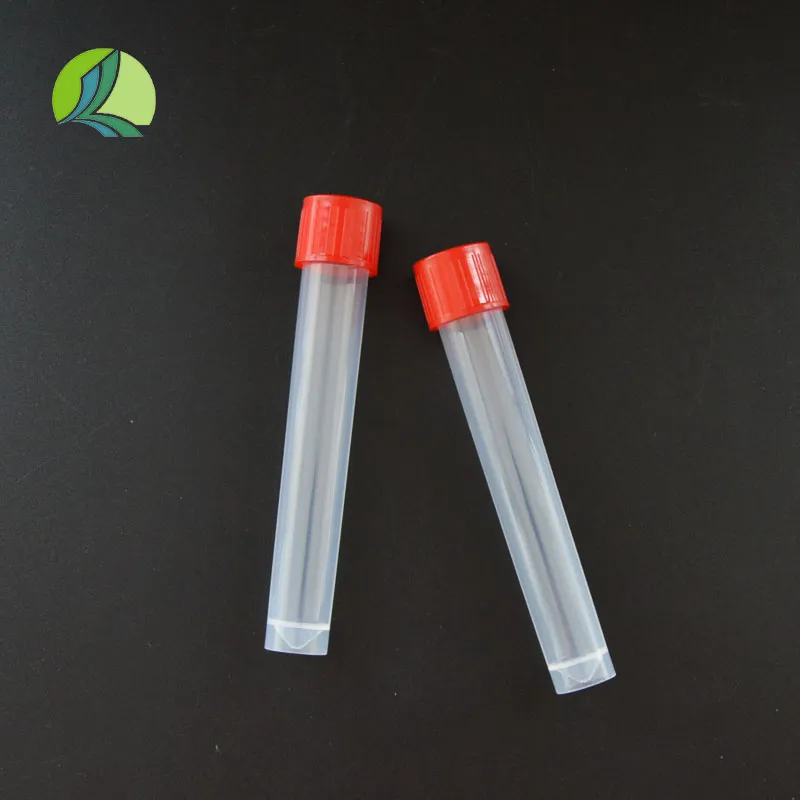
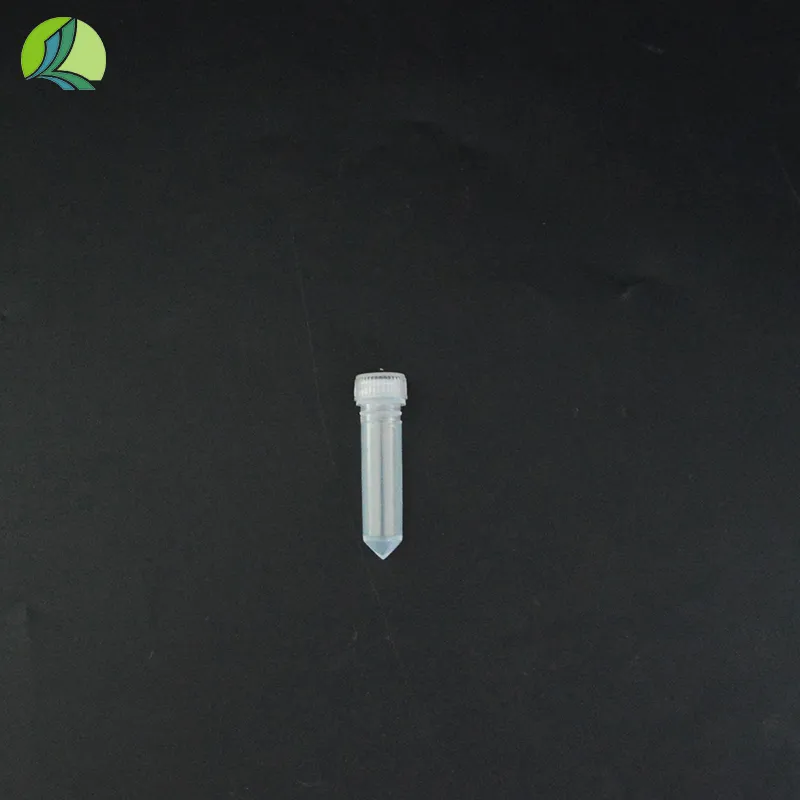
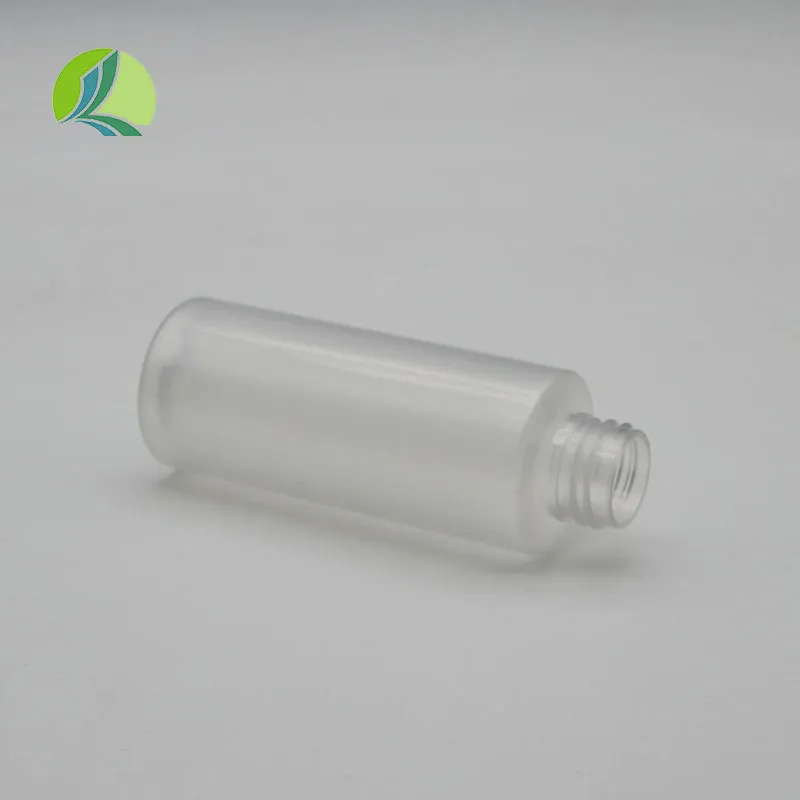
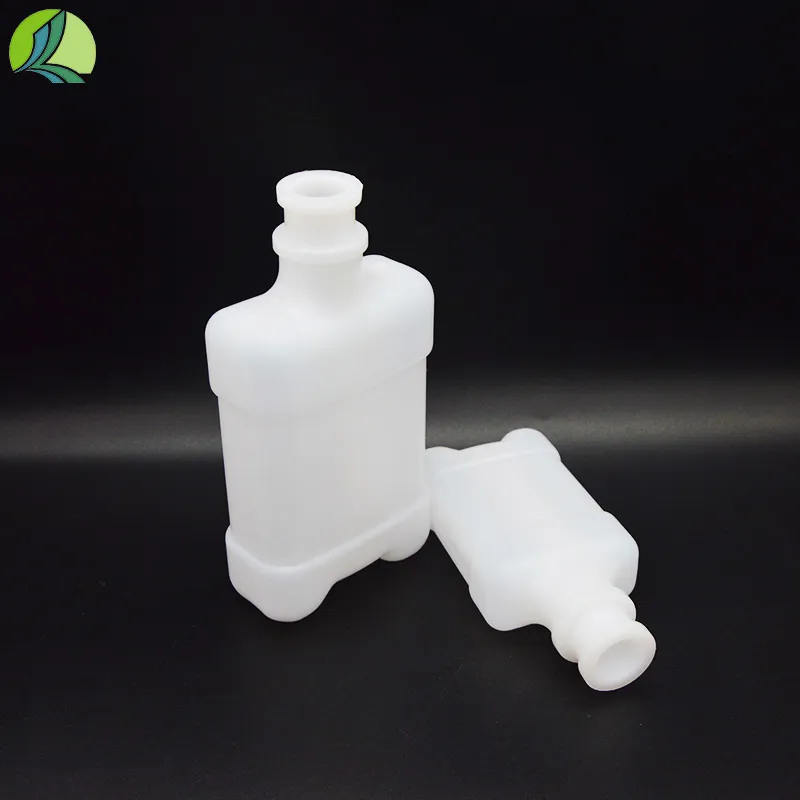
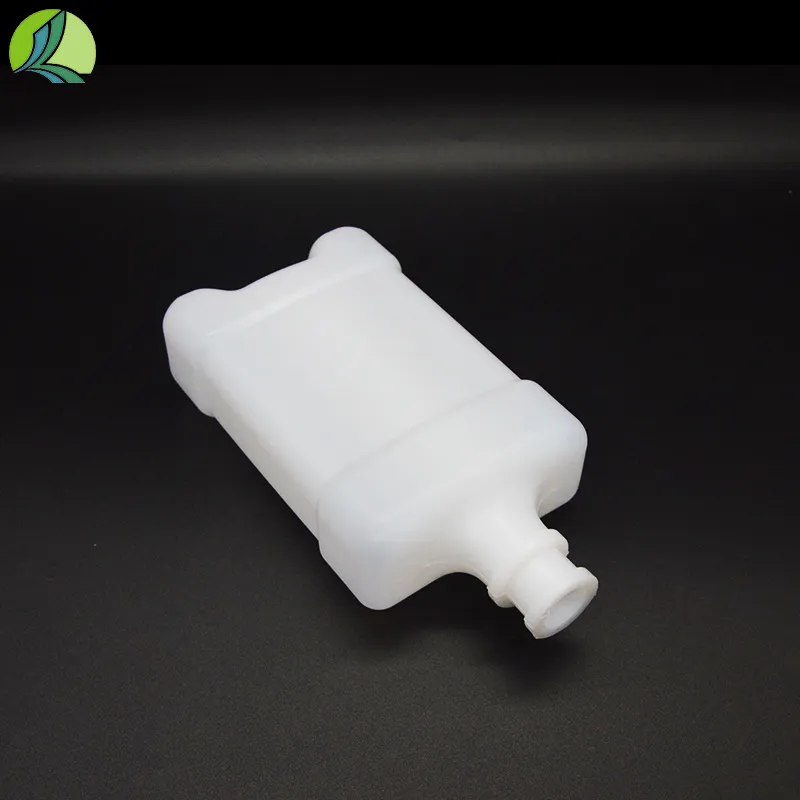
I’ve toured more fill-finish lines than I can count, and one truth keeps surfacing: the vial is not just a container111—it’s part of the drug. That’s why the Sterile Vaccine Vial Plastic Liquid Vial For Medical Purposes from LITUN, Dusheng Town, Cangxian County, Cangzhou, Hebei, caught my eye. It’s built for real-world abuse—steam, pressure, and the occasional hurried operator, to be honest.
What’s happening in the market
Three trends: plastic moving into spaces long owned by glass, more aseptic-ready packaging, and quick-turn customization. Many customers say they want lighter, shatter-safe vials for field work and outreach clinics—especially for vaccines and diagnostics. This medicine liquid bottle leans into that shift with single-stage injection–blow technology and aseptic packaging.
Process and materials (the geeky bit)
- Material: Medical-grade PP/PE blend (USP compliant).
- Method: Advanced injection-and-blowing; one-step body formation for uniform wall thickness.
- Sterilization: Compatible with steam (≈121°C), EtO, and gamma—real-world use may vary by fill.
- Cleanroom: ISO 14644-controlled environment; batch traceability.
- Testing: Dimensional checks, torque, burst/creep, particulate per USP , E&L screening.
- Service life: ≈3–5 years sealed, depending on closure and storage conditions.
Product snapshot
| Spec | Typical Value (≈) | Notes |
|---|---|---|
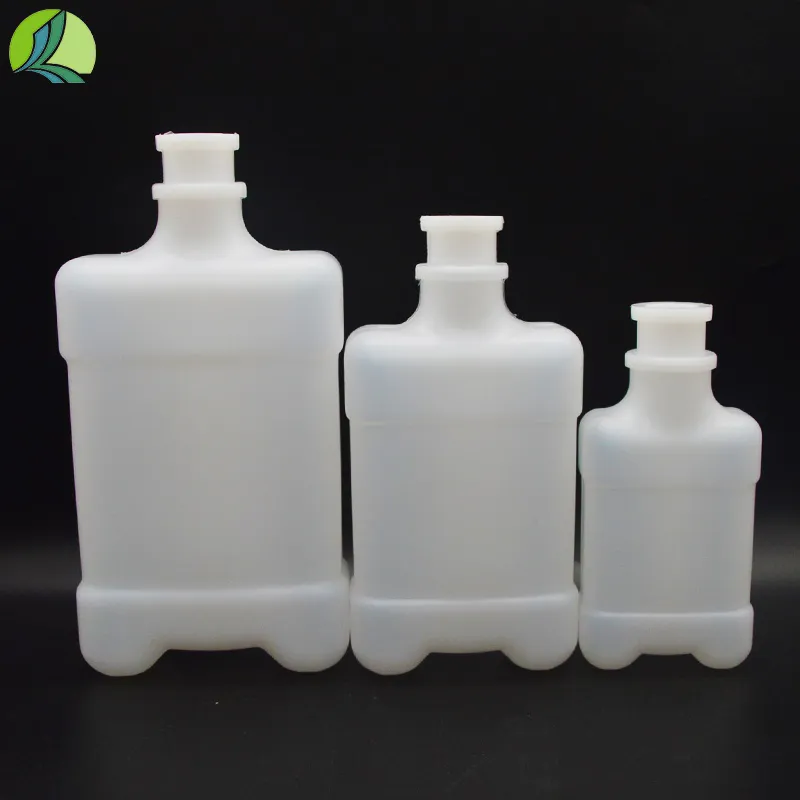
| Volume options | 2 mL, 5 mL, 10 mL, 20 mL | Custom on request |
| Neck/closure | Butyl stopper + PP cap | ISO-fit, crimp or snap |
| Thermal resistance | Steam 121°C (15–30 min) | Cycle validation advised |
| Particulates (USP <788>) | Meets limits for small-volume | Lot CoA provided |
| Certifications | ISO 13485, ISO 9001 | Supplier-level QMS |
Field notes: the uniform wall thickness does help with fill accuracy—less distortion under crimping. Actually, it’s also kinder to automated vision inspection.
Where it fits (and shines)
- Vaccines and biologics—cold chain, outreach clinics, field immunization.
- Diagnostics—PCR reagents, buffers, diluents.
- Veterinary medicines and mobile health programs.
A buyer from a regional CDC told me, “We switched to a medicine liquid bottle for outreach—lighter kits, fewer breakages.” Not exactly peer-reviewed, but it tracks with incident logs.
Vendor comparison (shortlist I keep on hand)
| Vendor | Core Strength | Potential Trade-off |
|---|---|---|
| WK Packing (Hebei, China) | Aseptic packaging, fast customization, pricing | Lead times may vary by sterilization slot |
| Premium Glass Supplier | High chemical inertness, legacy validated | Breakage risk; heavier; higher freight |
| Generic OEM Plastic | Low cost, basic specs | Inconsistent E&L data; limited CoA detail |
Test data snapshot
Recent batches showed particle counts within USP small-volume limits; burst pressure ≈0.45 MPa; torque retention stable after 3 autoclave cycles; extractables below USP screening thresholds. Obviously, verify with your own matrix.
Customization and compliance
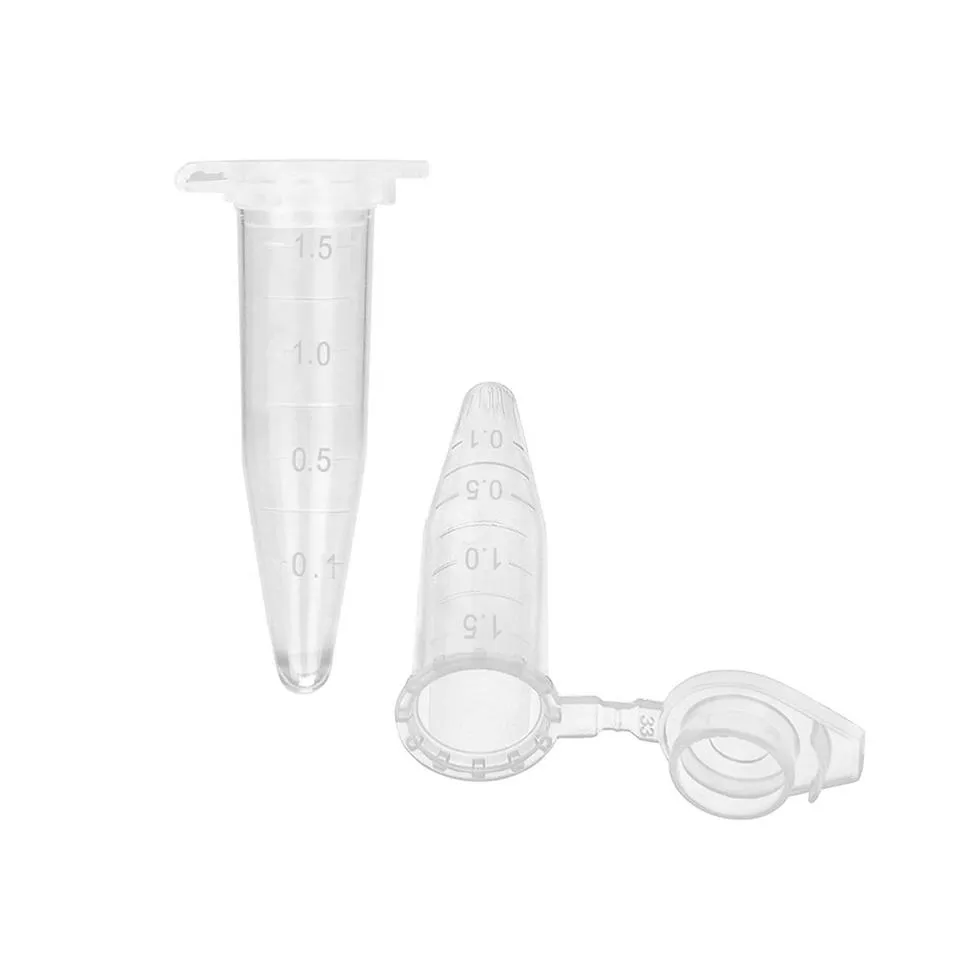
Options include custom volumes, neck finishes, tamper-evident caps, printed graduations, and gamma/EtO pre-sterilization. Documentation: CoA, COC, material biocompatibility summary, and—on request—protocols aligned to ISO 13485. For WHO programs, pairing with VVM-compatible labels is common practice.
A quick case
A provincial vaccine plant moved a pilot lot to this medicine liquid bottle for a buffer-heavy formulation. Outcome: 18% fewer line stoppages from tip-overs and zero breakage incidents over three months. Not flashy, but operations folks notice.
Authoritative references:
- USP Plastic Packaging Systems and Their Materials of Construction.
- USP Particulate Matter in Injections.
- ISO 13485:2016 Medical devices—Quality management systems.
- WHO TRS and PQS guidance on vaccine packaging and cold-chain considerations.
-
Bulk Eye Dropper Bottles for Industrial Packaging - Reliable & CustomizableNewsDec.31,2025
-
Small Plastic Dropper Bottles – Durable, Precise Packaging Solutions for B2B ApplicationsNewsDec.10,2025
-
Medicine Dropper Bottles – Precision and Quality Packaging Solutions for B2B | WK PackingNewsDec.10,2025
-
Discover Top Quality 2 oz Eye Dropper Bottles for Industrial UseNewsDec.09,2025
-
1 Oz Eye Dropper Bottles - Precision Packaging Solutions for B2B Industries | WKPackingNewsDec.09,2025
-
Durable 4 oz Eye Dropper Bottles for Industrial & Cosmetic UseNewsDec.09,2025