
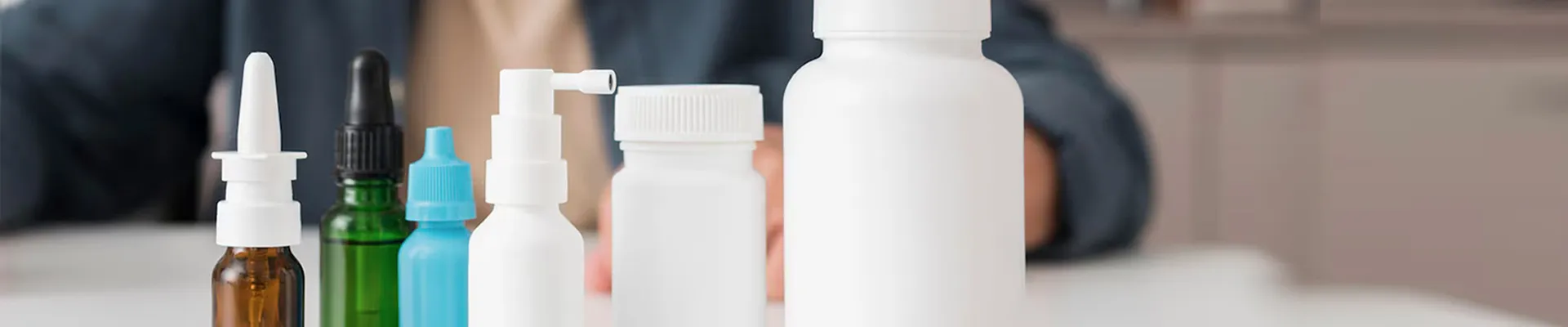


Medicine Liquid Bottle: Leakproof, Tamper-Evident, BPA-Free
The Modern medicine liquid bottle: What’s Changing and Why It Matters
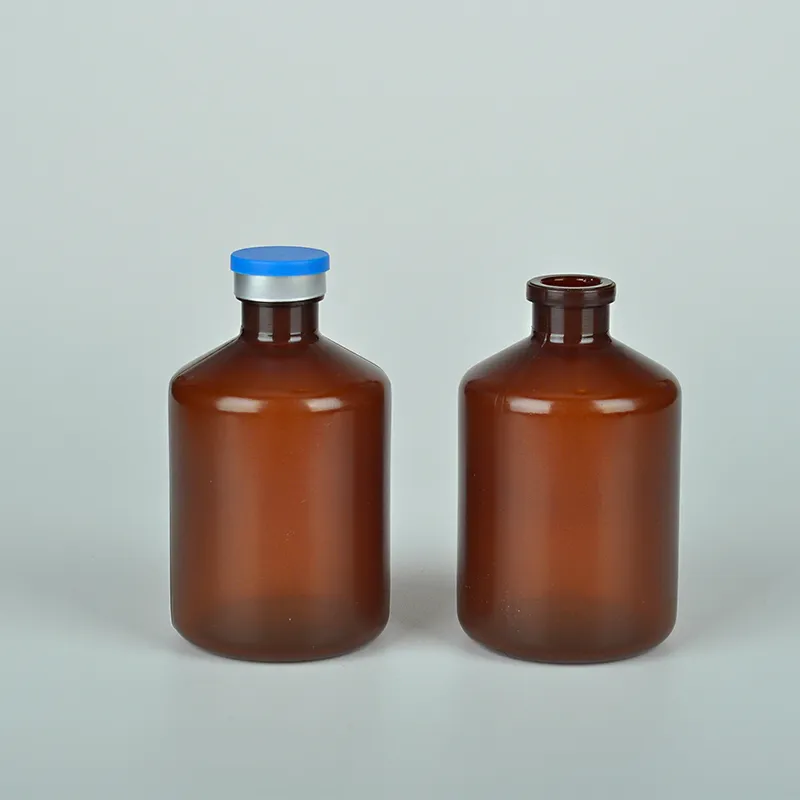
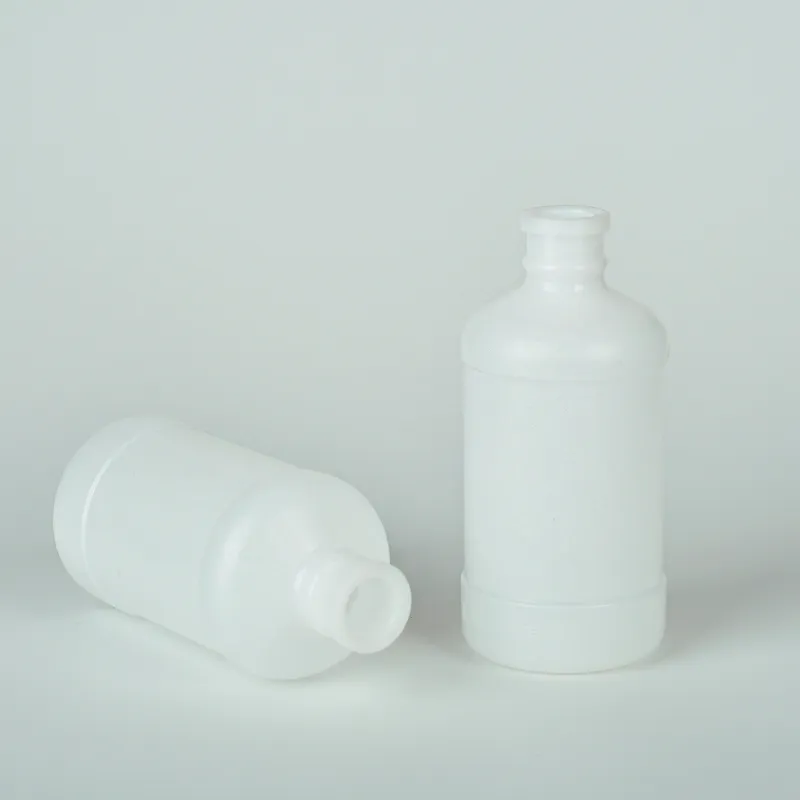
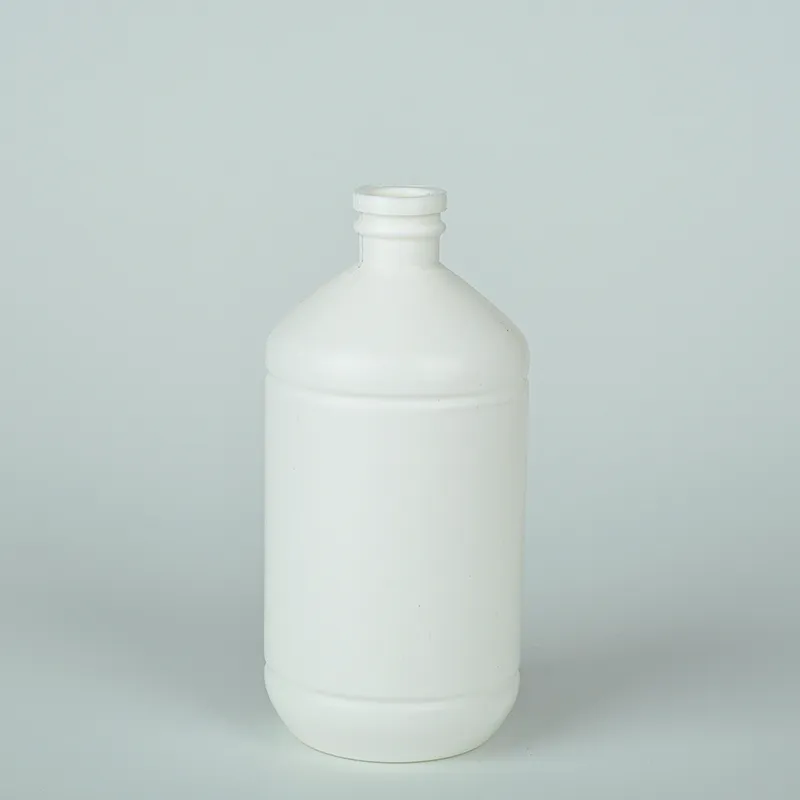
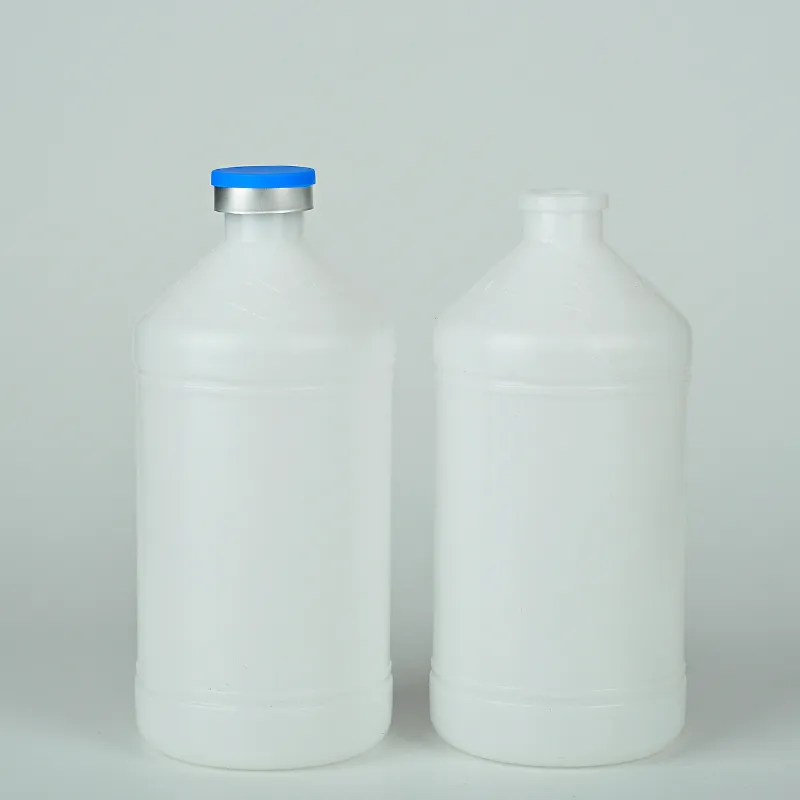
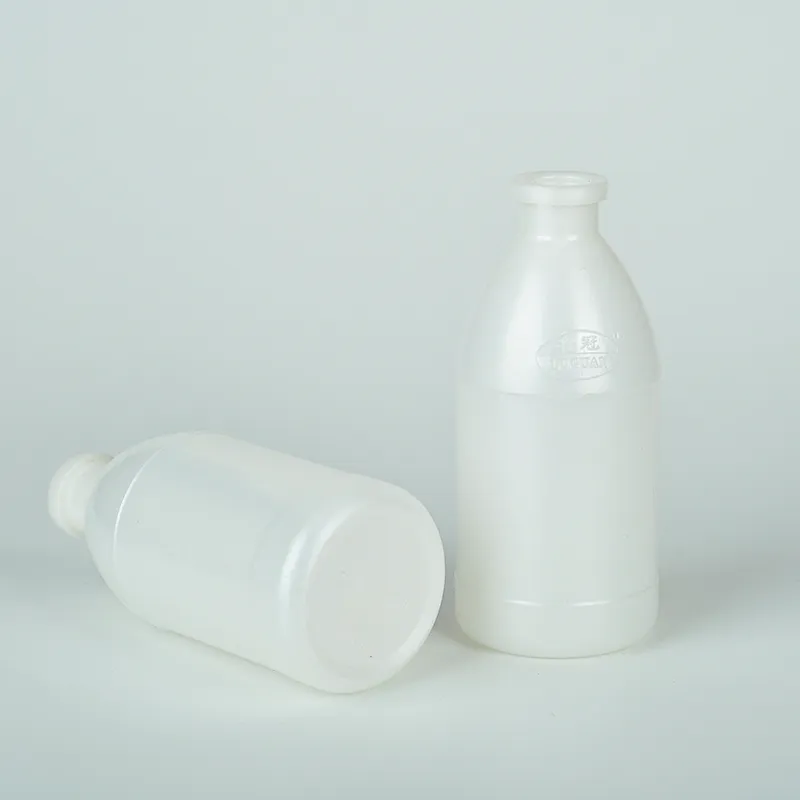
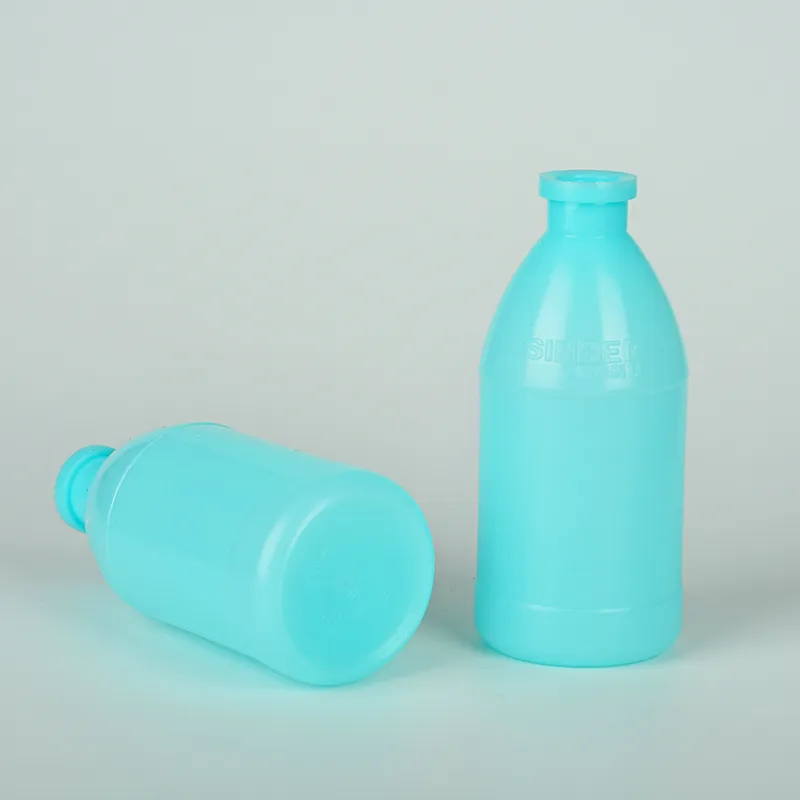
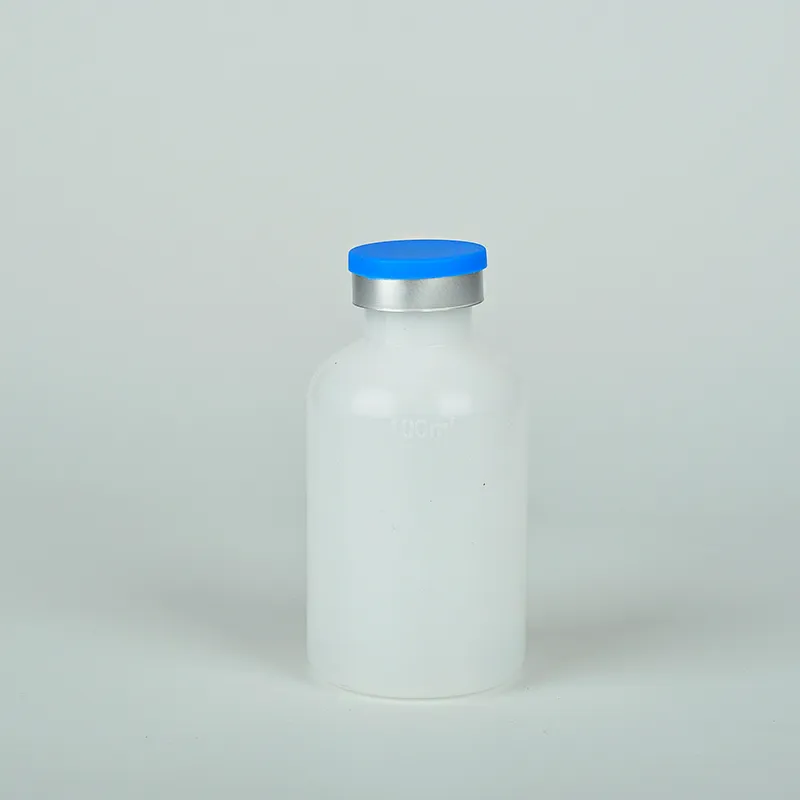
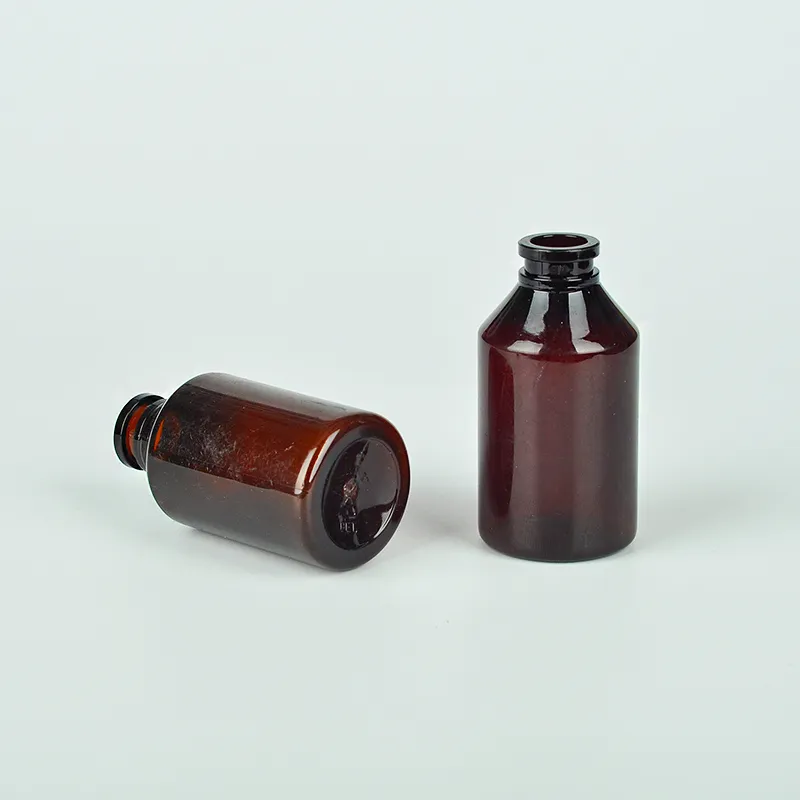
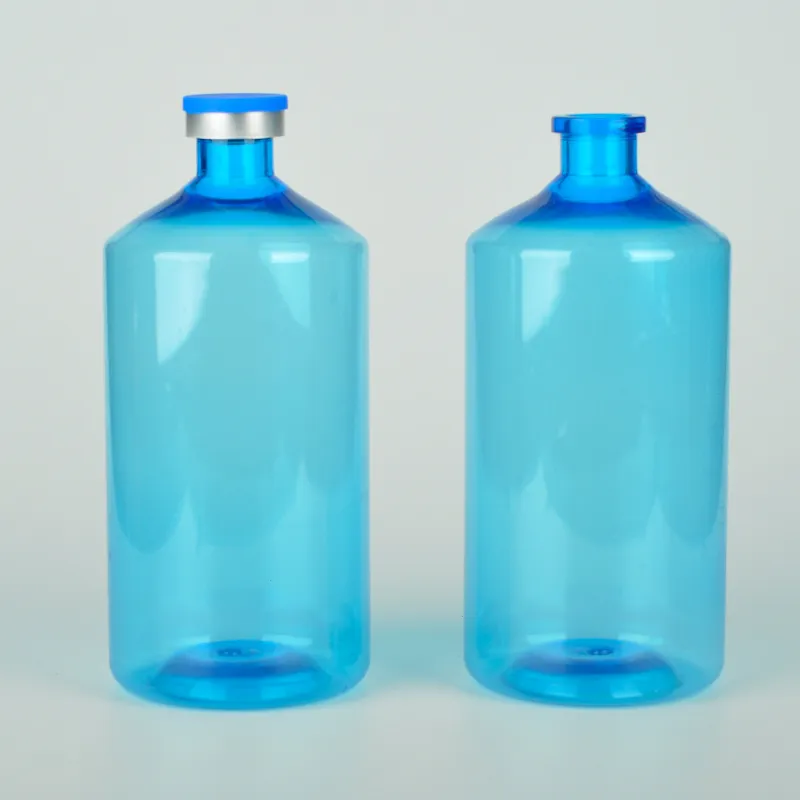
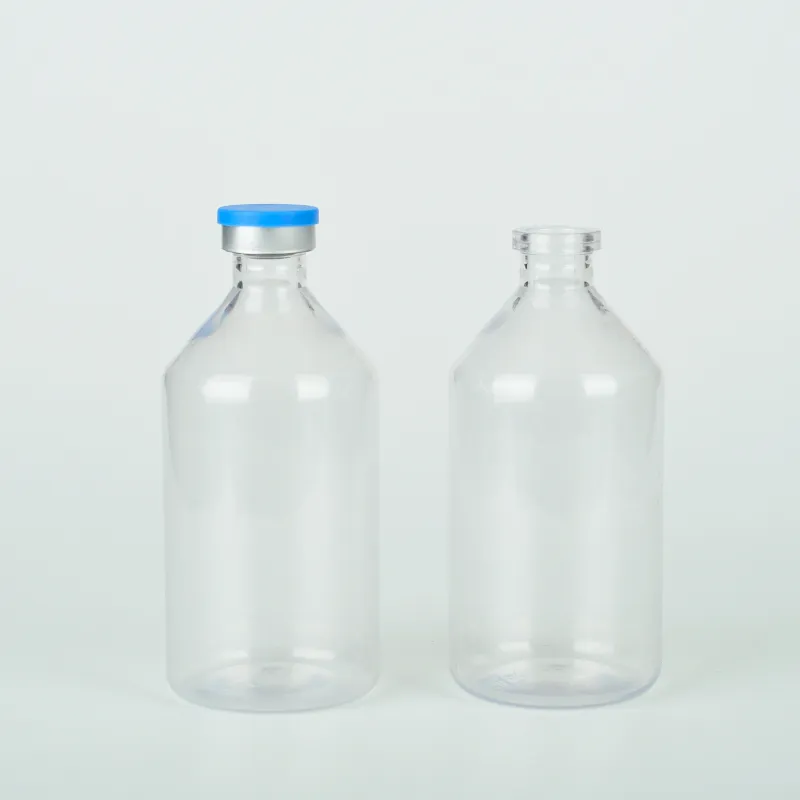
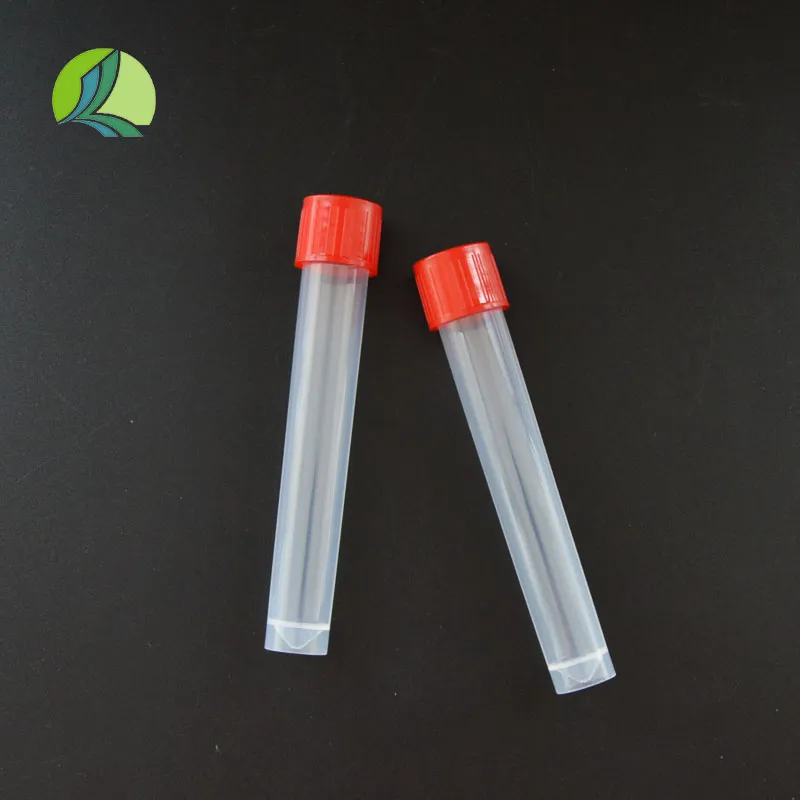
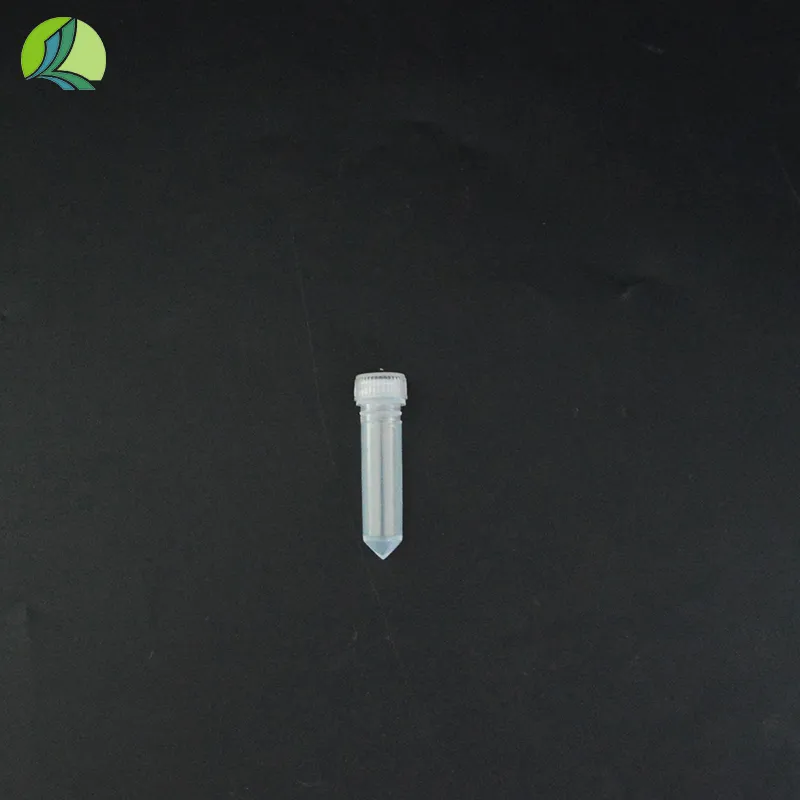
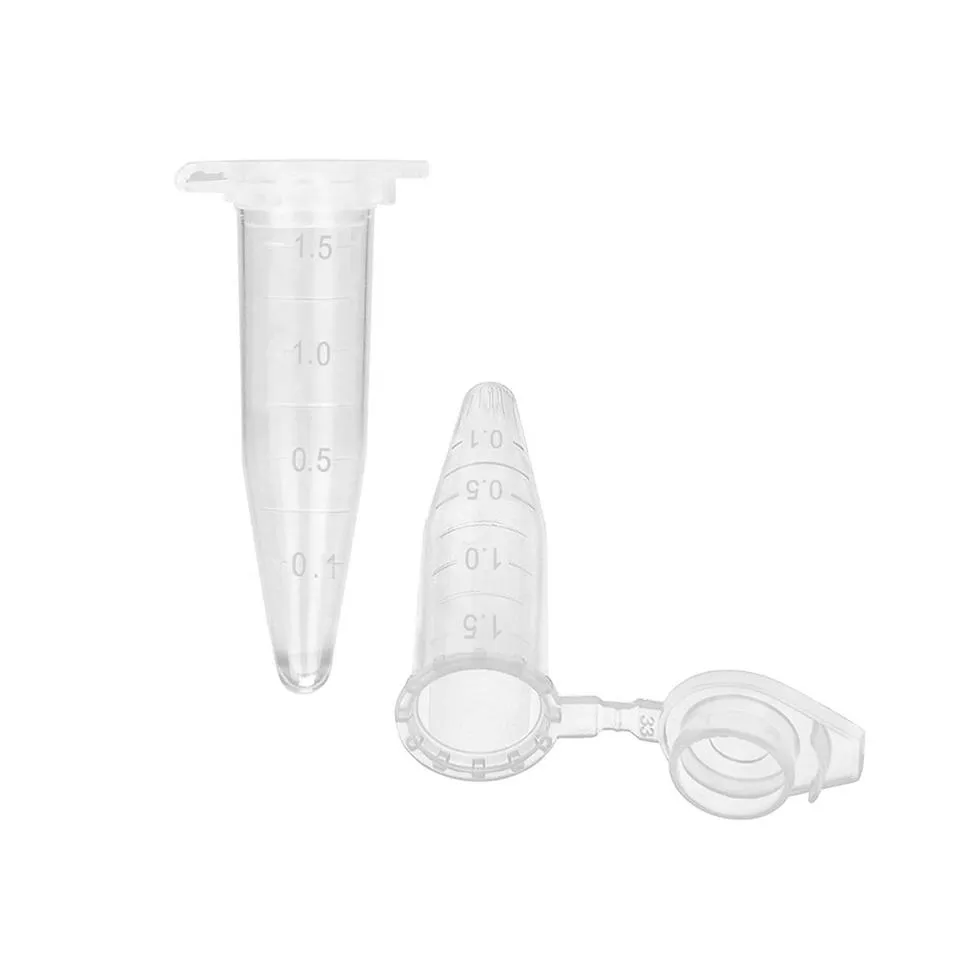
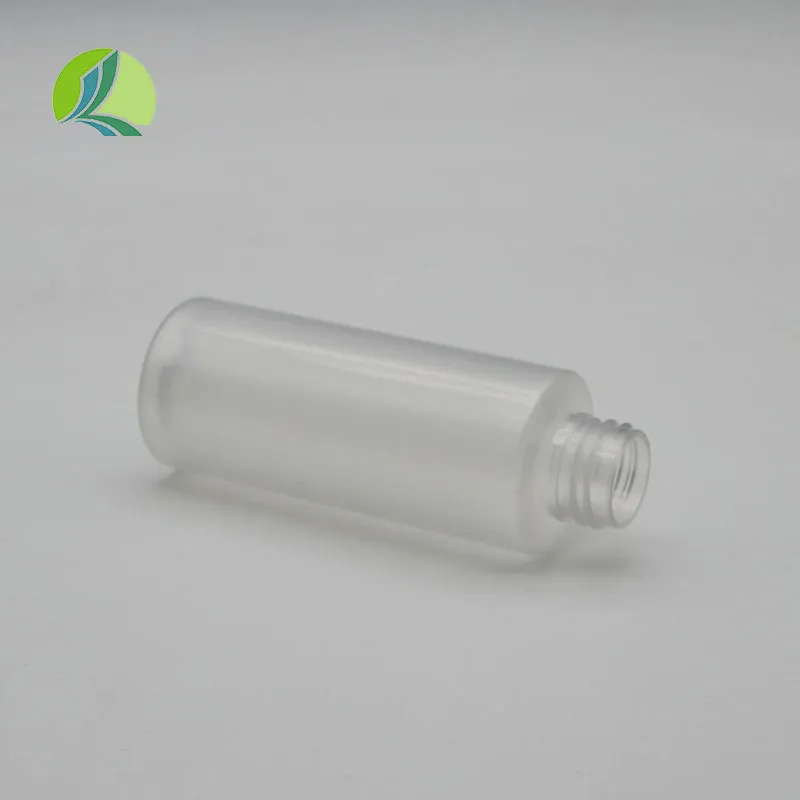
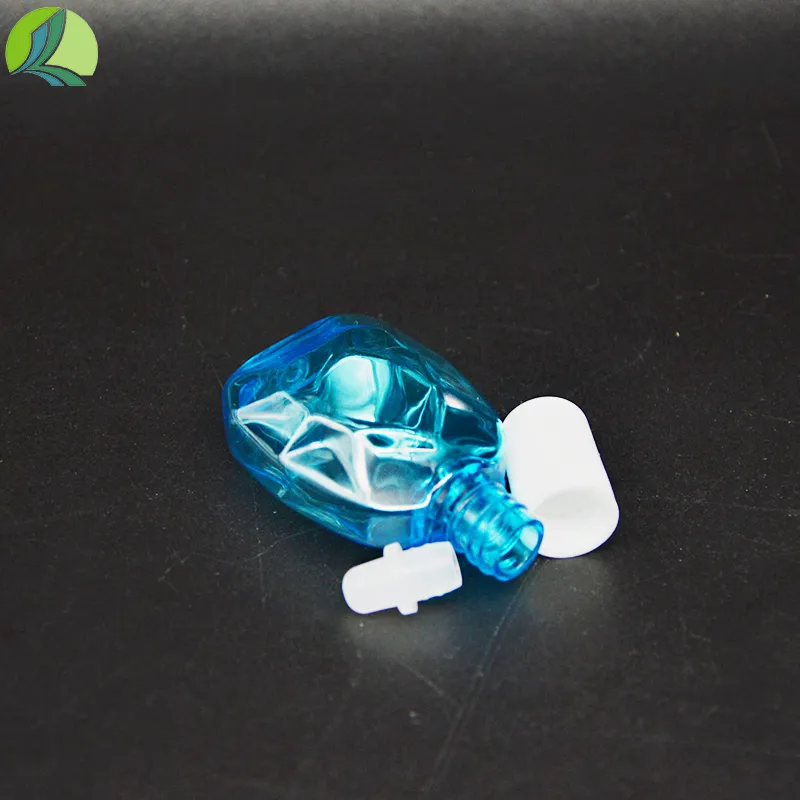
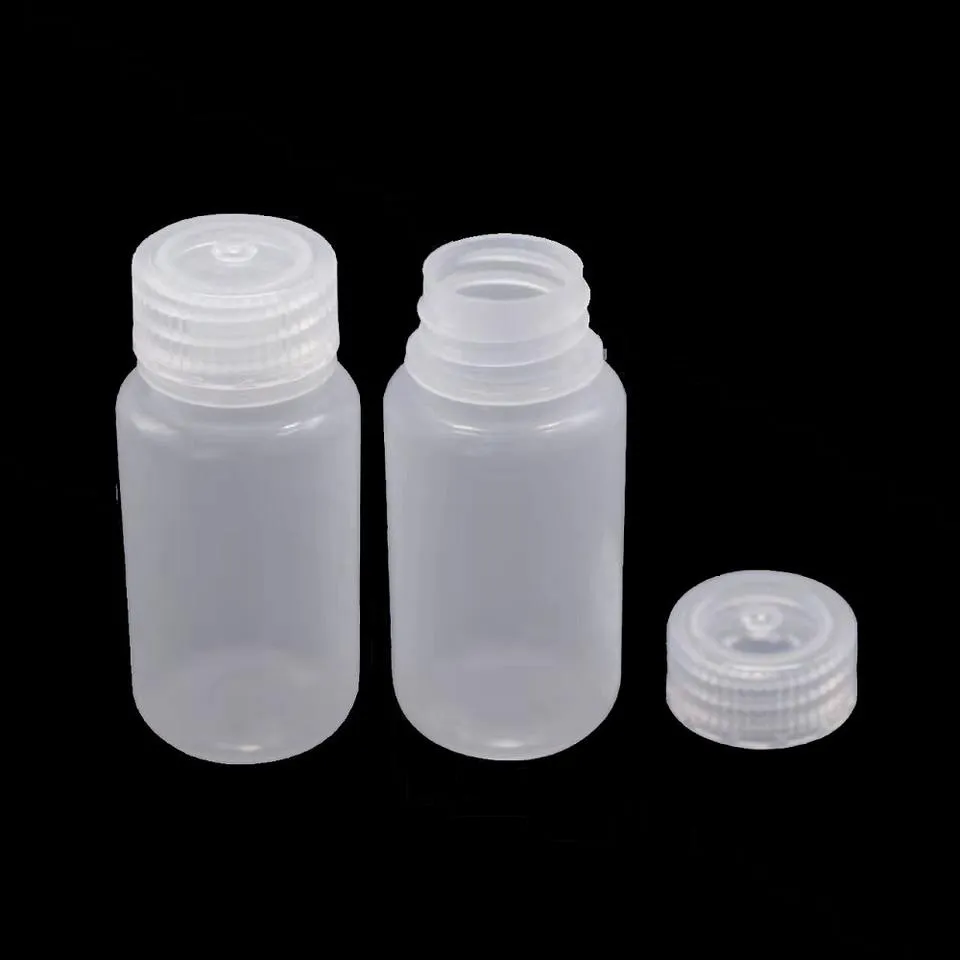
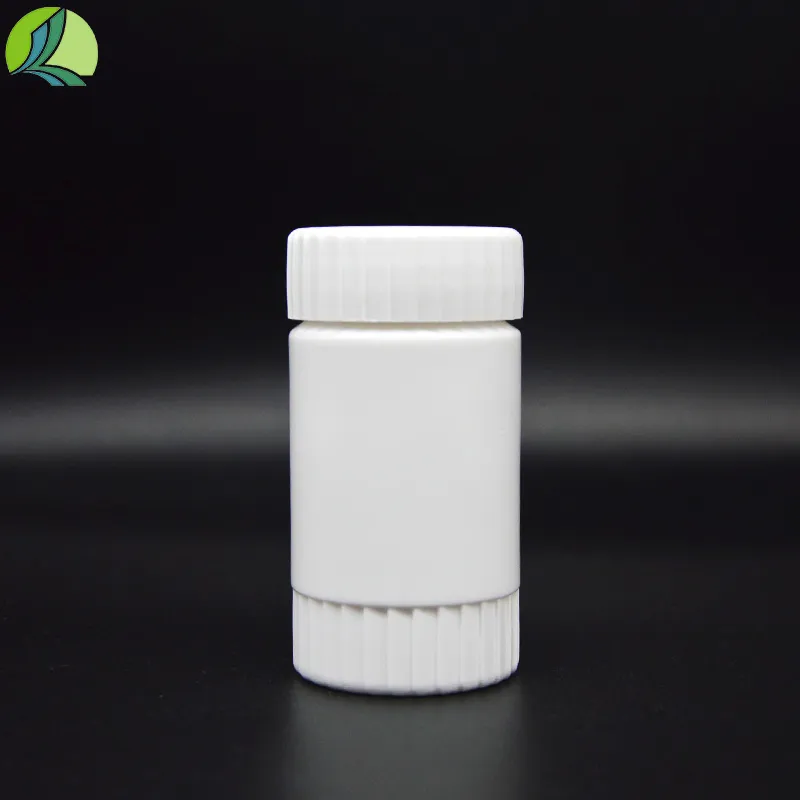
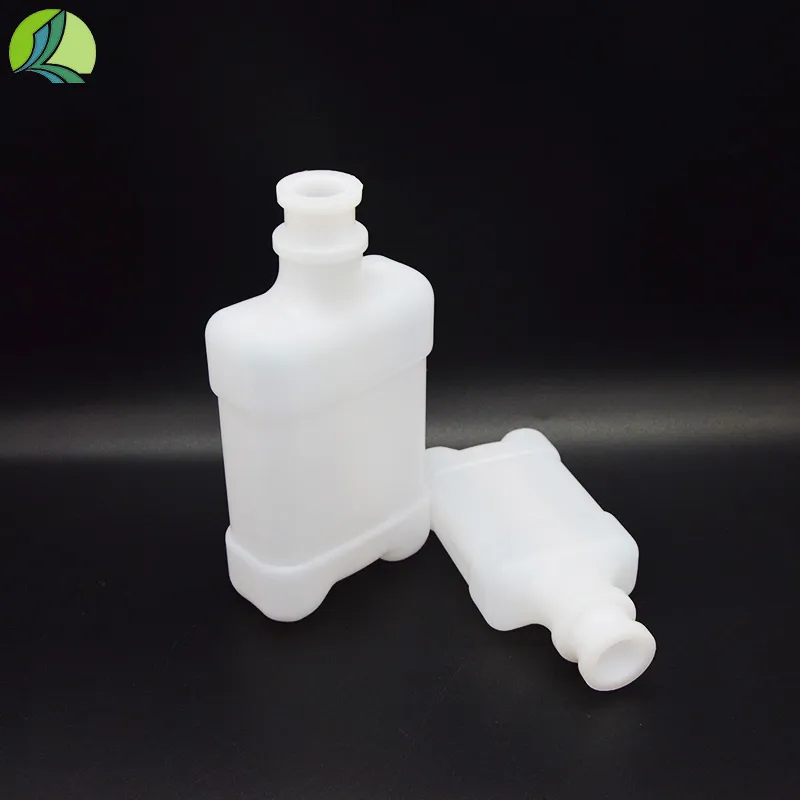
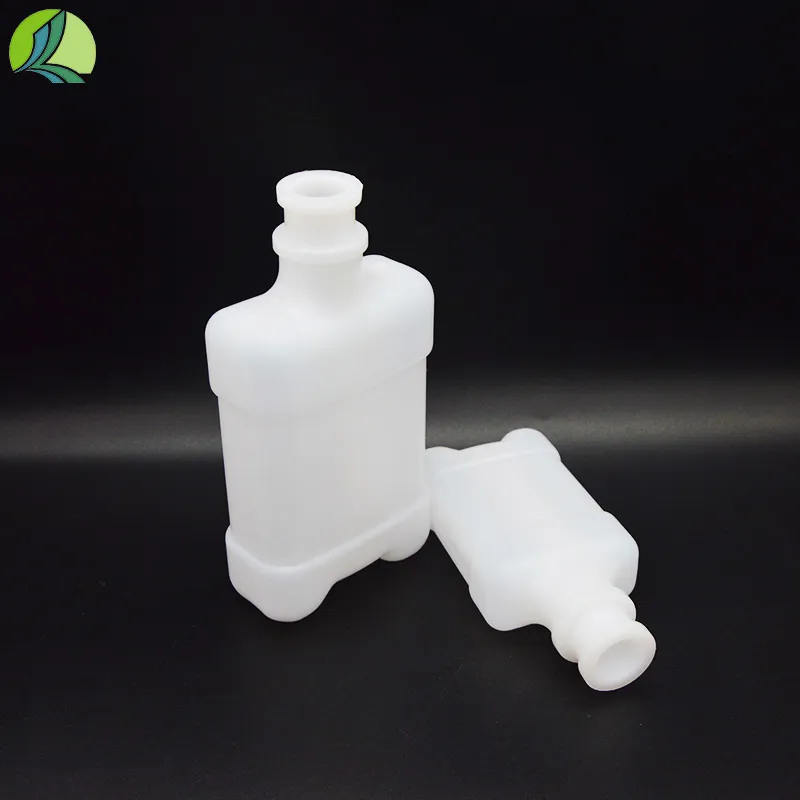
If you’ve ever stood in a fill-finish suite at 6 a.m., you know packaging isn’t a footnote—it’s the headline. The Sterile Vaccine Vial Plastic Liquid Vial For Medical Purposes, produced in LITUN, Dusheng Town, Cangxian County, Cangzhou City, Hebei, China, is one of those quiet workhorses. Actually, it does a lot: aseptic packaging, uniform wall thickness, and reliable high-heat resistance for sterilization. Many customers say the switch from glass reduced breakage drama on the line—surprisingly more than they expected.
Industry trends I’m seeing
Two big shifts: a tilt toward polymer vials for specific liquid biologics, and more stringent container111-closure integrity testing driven by regulators. To be honest, the momentum isn’t anti-glass; it’s pro-fit-for-purpose. Lightweight, shatter-resistant formats cut transport risk and speed line changeovers. And in fact, customization (color coding, vision-friendly geometry) is increasingly non-negotiable for multi-SKU vaccine portfolios.
Product snapshot (real-world values)
| Parameter | Typical spec (≈) |
|---|---|
| Material | Medical-grade PP/PE (BPA-free), color: clear or tinted |
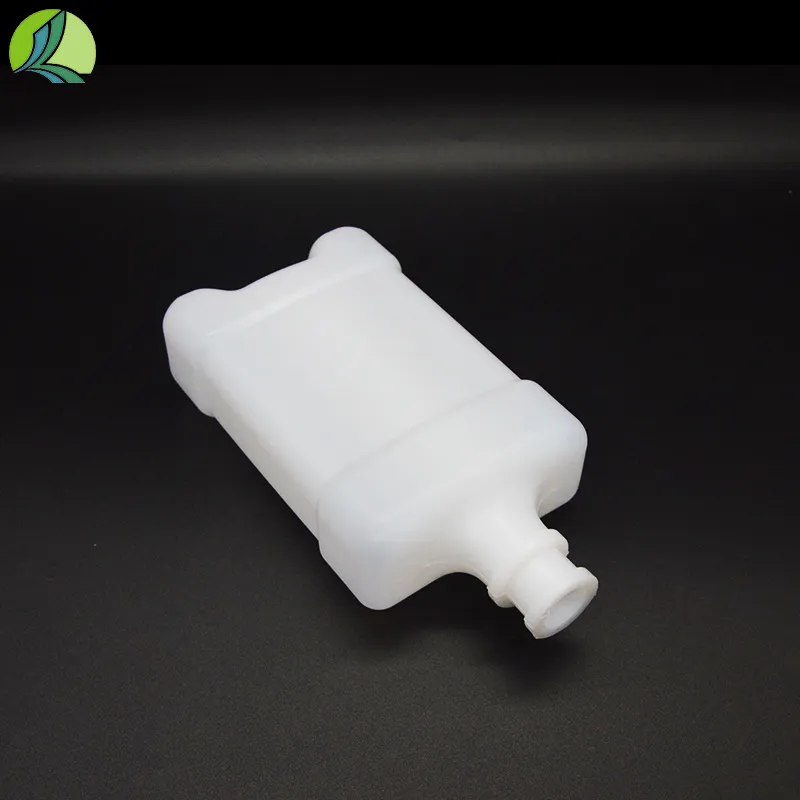
| Process | Injection + blow molding; one-piece body for uniform wall thickness |
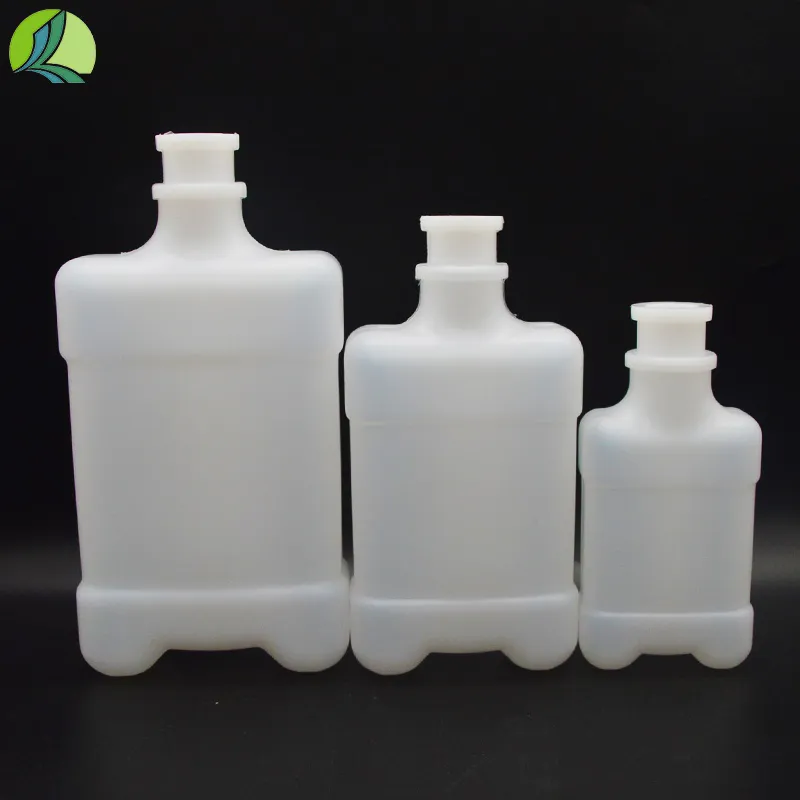
| Volume options | 2–30 mL standard; custom sizes available |
| Sterilization resistance | Autoclave 121°C, 15–20 min; Gamma 25–40 kGy; ETO compatible |
| Closure systems | Snap/screw necks; compatible plugs/stoppers; tamper-evident caps |
| Cleanroom | Manufactured in ISO 14644-1 Class 8 area (vendor data) |
| Integrity tests | USP <671> CCIT; dye ingress (ISO 11607-1 guidance): pass, around 10⁻³ mbar·L/s sensitivity |
| Service life | Up to 2 years sterile shelf life (storage 5–35°C; real-world use may vary) |
Process flow, testing, and compliance
- Materials: medical-grade polypropylene/polyethylene pellets with certified resin lots.
- Methods: injection + blow forming; in-line vision systems for defect detection; aseptic packaging.
- Testing standards: USP <661.1>/<661.2> (plastics), ISO 10993 (biocompatibility), USP <788> (particulates, aqueous), USP <671> (container111-closure), ISO 14644 (cleanroom).
- Typical test data: particulate counts within USP <788> limits; no dye ingress failures in lot sampling; torque/leak per internal SOPs—data on file.
- Service life: validated packaging claims up to 24 months; periodic requalification recommended.
- Industries: human and veterinary vaccines, diagnostics, reconstitution kits, point-of-care, and cold-chain programs.
Why pick a medicine liquid bottle like this?
Advantages include shatter resistance, lighter freight, stable geometry for high-speed filling, and easier customization. I guess the biggest day-to-day win is the reduced line stoppage from cracked container111s—operators notice.
Vendor landscape at a glance
| Vendor | Material | Lead time (≈) | Certs/QMS | Customization | Price index |
|---|---|---|---|---|---|
| WK Packing (this product) | PP/PE | 2–6 weeks | ISO 9001; ISO 13485-aligned | Color, size, neck, print | $$ |
| Vendor A (glass) | Type I glass | 6–12 weeks | ISO 15378; GMP | Limited shapes | $$$ |
| Vendor B (budget) | Generic polymer | 4–8 weeks | Basic ISO 9001 | Minimal | $ |
Values are indicative; real-world use may vary by region, tooling, and order size.
Customization and applications
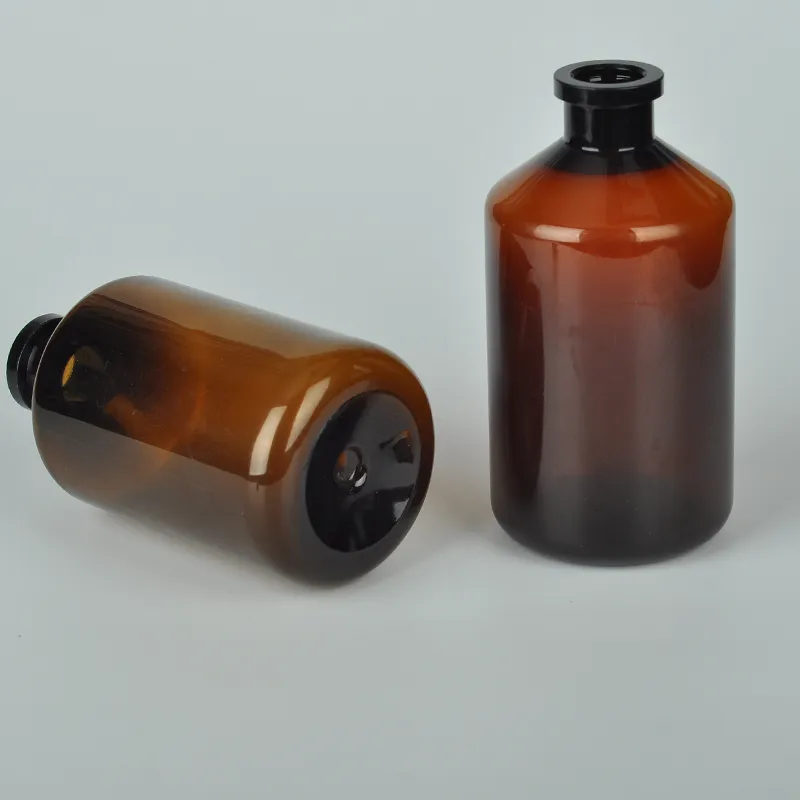
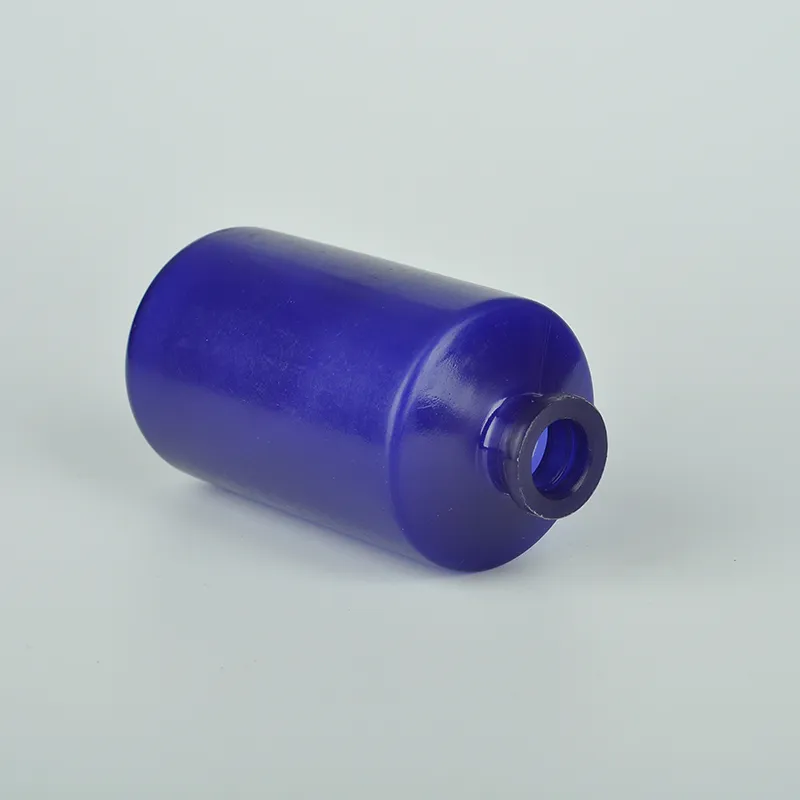
Options include gamma-sterile or non-sterile bulk, color-coded caps, tamper-evident bands, laser or pad print lot/expiry, and bespoke neck finishes. Common use cases: routine vaccines, pilot lots, diagnostic reagents—plus veterinary dose packs where a robust medicine liquid bottle saves the day in field conditions.
Two quick case notes
- Diagnostics startup cut breakage to near-zero after moving from small glass vials to this medicine liquid bottle; reported +7% effective line throughput.
- Public-health program used tinted versions to segregate pediatric vs. adult formulations; picking errors dropped, anecdotally, to “almost none.”
Bottom line: for teams balancing sterility, speed, and cost, a well-designed medicine liquid bottle is more than packaging—it’s process insurance.
Authoritative citations
- USP General Chapters <661.1> and <661.2>: Plastic Packaging Systems (U.S. Pharmacopeia). https://www.uspnf.com/notices/661-1-661-2-plastics
- ISO 10993-1: Biological evaluation of medical devices — Part 1 (International Organization for Standardization).
- ISO 11607-1: Packaging for terminally sterilized medical devices — Part 1 (International Organization for Standardization).
- ISO 14644-1: Cleanrooms and associated controlled environments — Part 1 (International Organization for Standardization).
-
Bulk Eye Dropper Bottles for Industrial Packaging - Reliable & CustomizableNewsDec.31,2025
-
Small Plastic Dropper Bottles – Durable, Precise Packaging Solutions for B2B ApplicationsNewsDec.10,2025
-
Medicine Dropper Bottles – Precision and Quality Packaging Solutions for B2B | WK PackingNewsDec.10,2025
-
Discover Top Quality 2 oz Eye Dropper Bottles for Industrial UseNewsDec.09,2025
-
1 Oz Eye Dropper Bottles - Precision Packaging Solutions for B2B Industries | WKPackingNewsDec.09,2025
-
Durable 4 oz Eye Dropper Bottles for Industrial & Cosmetic UseNewsDec.09,2025