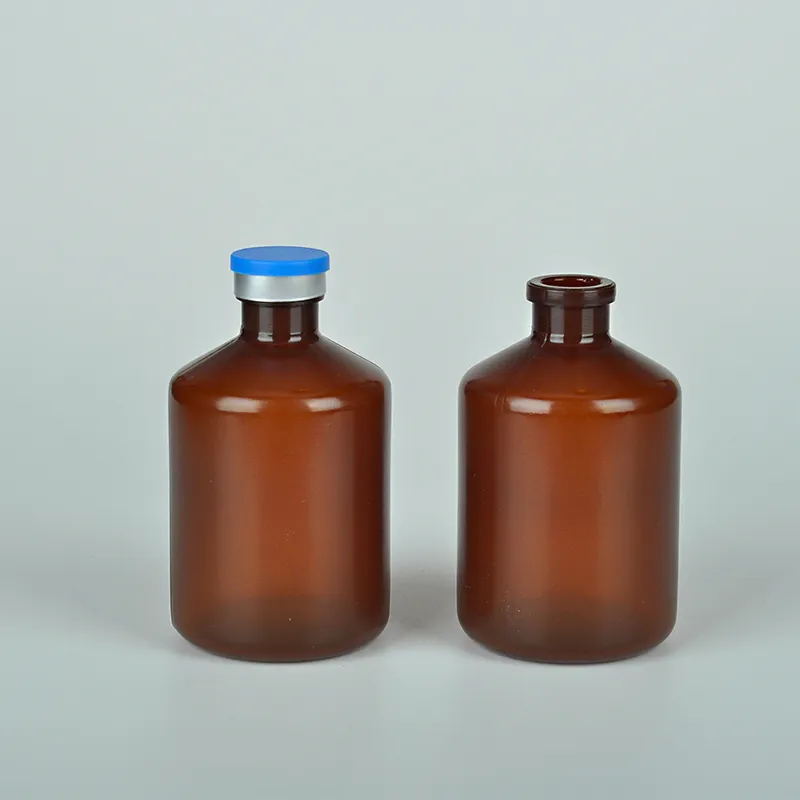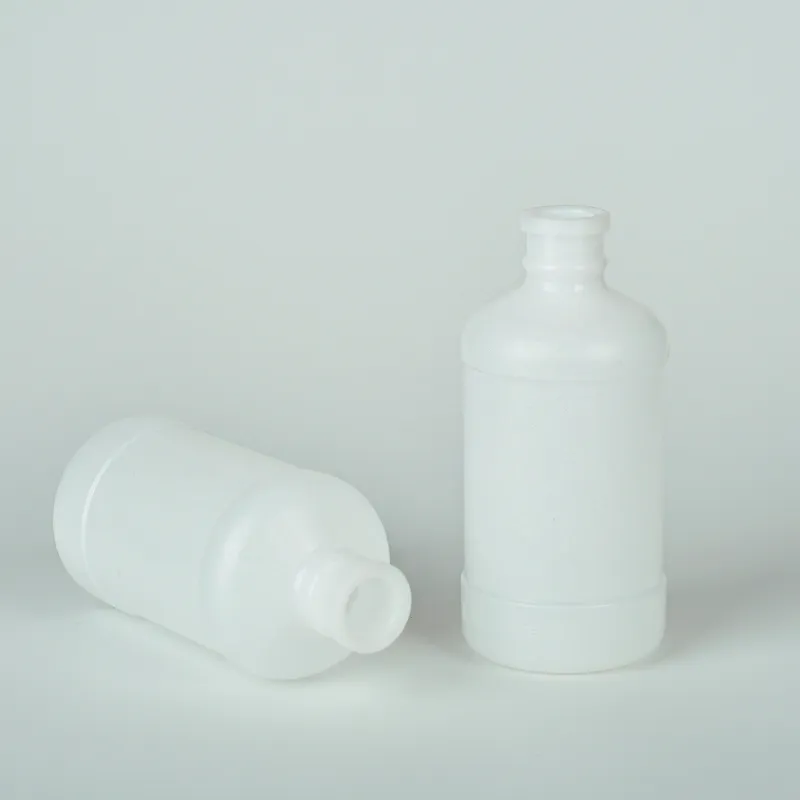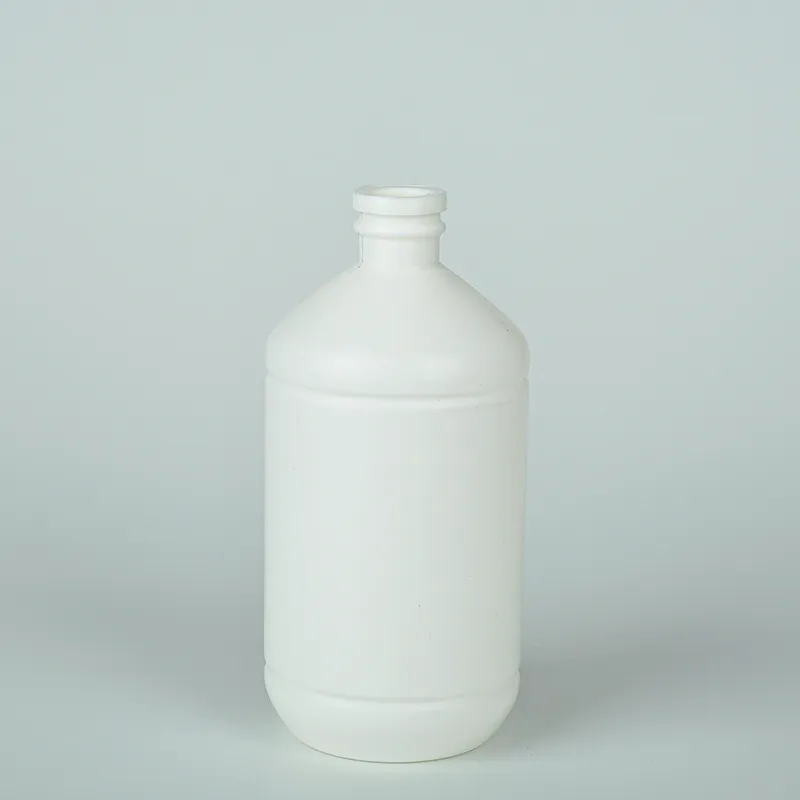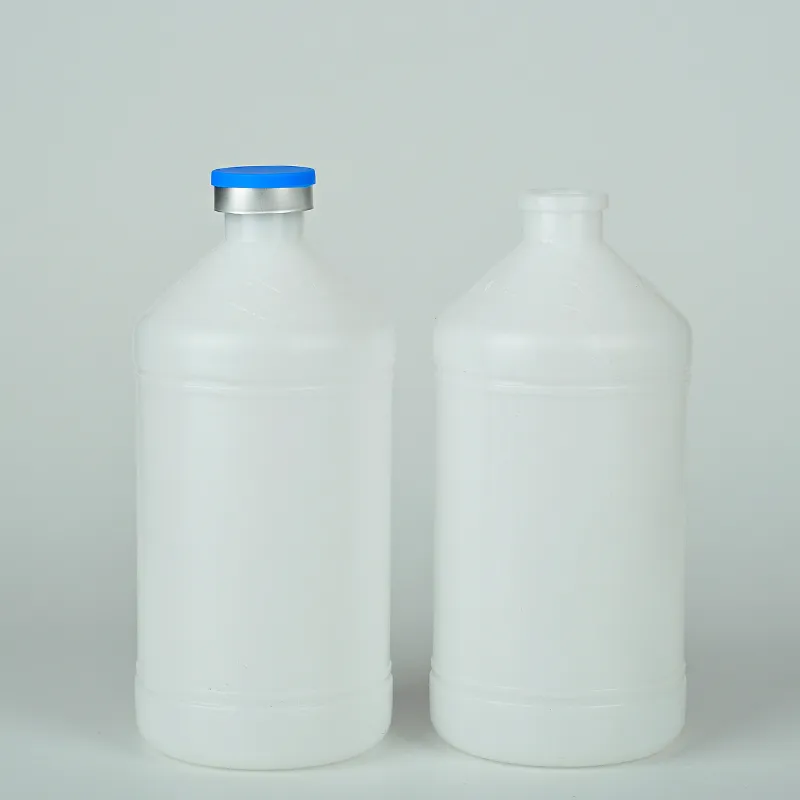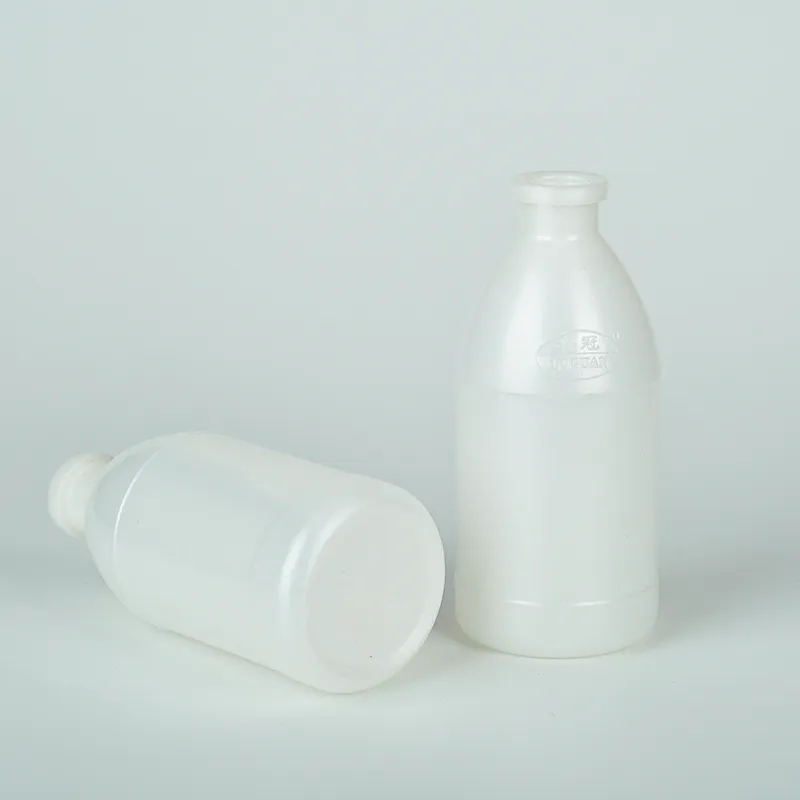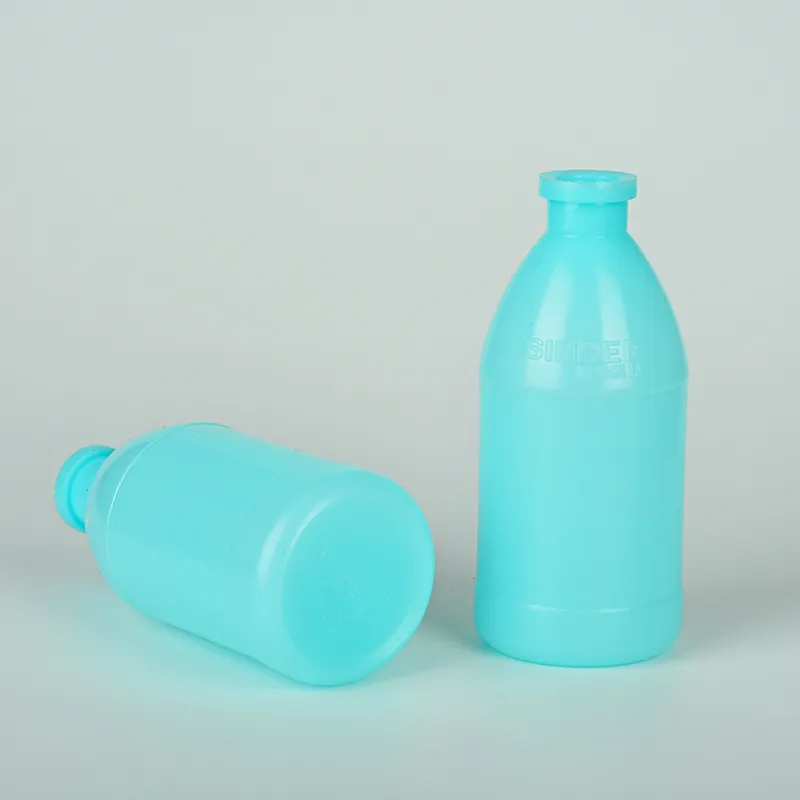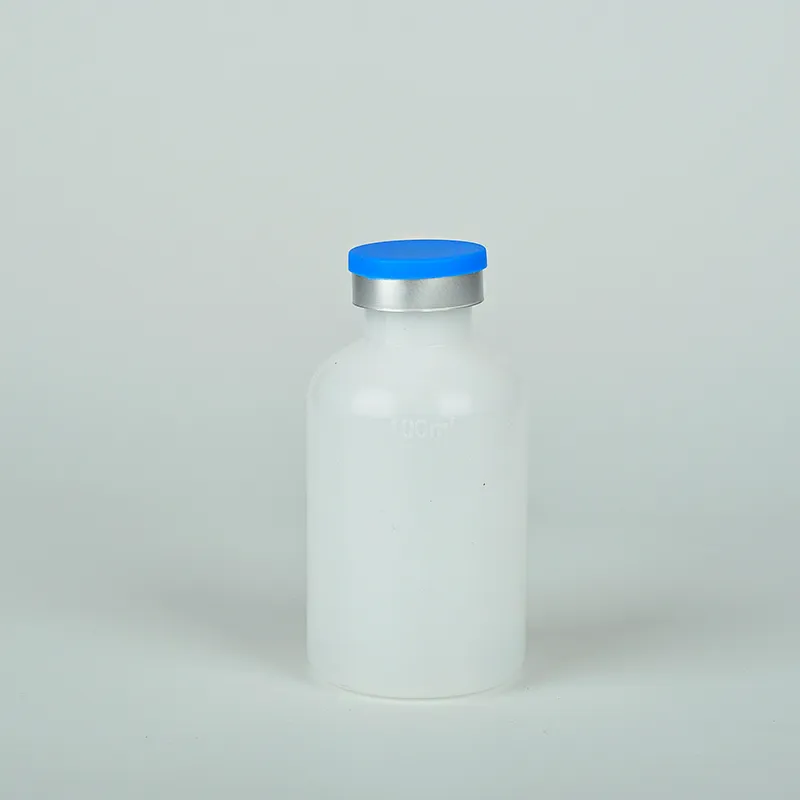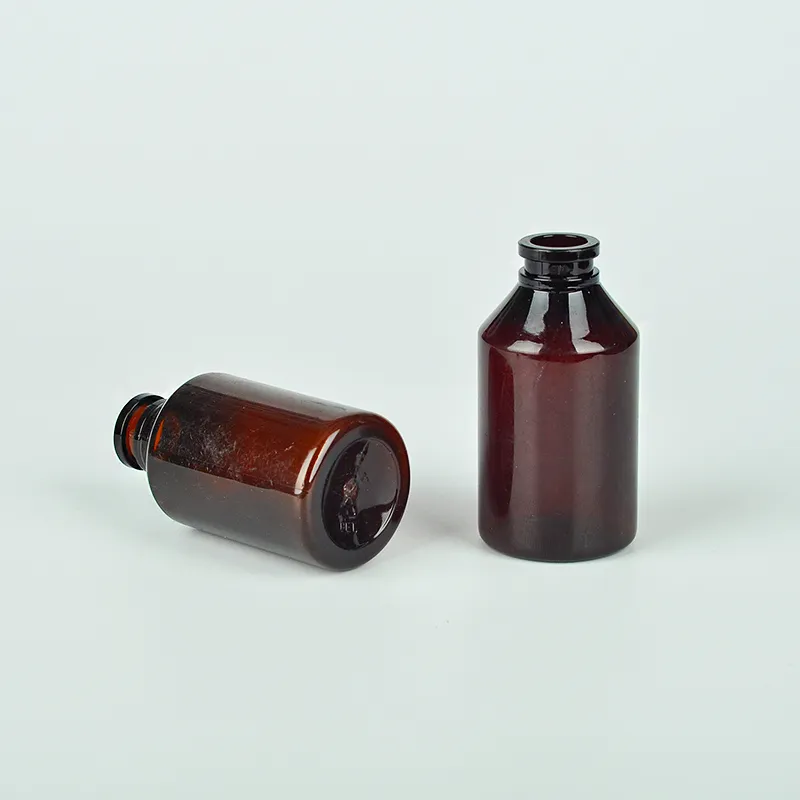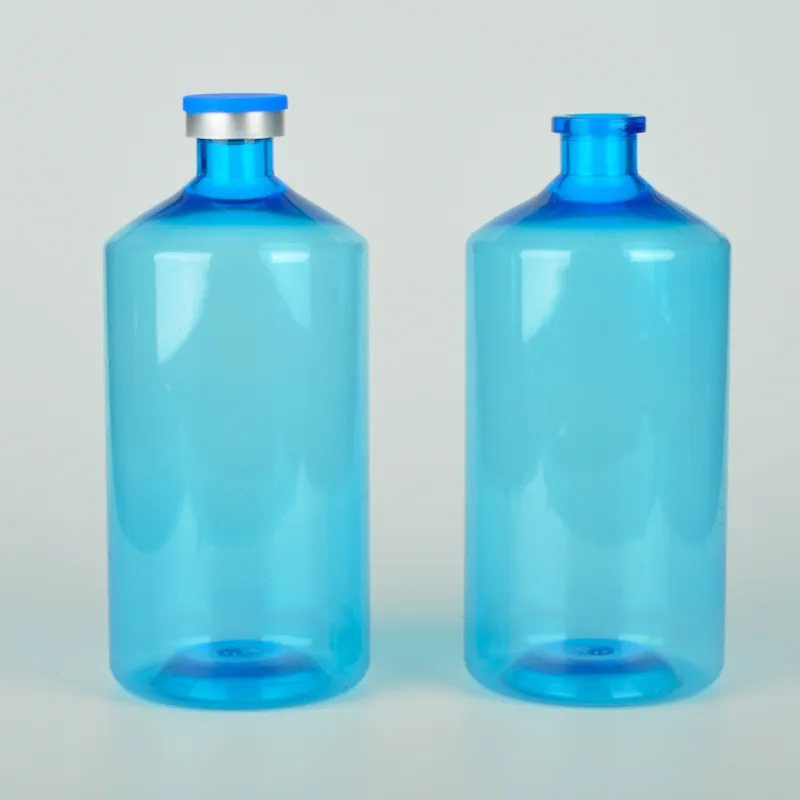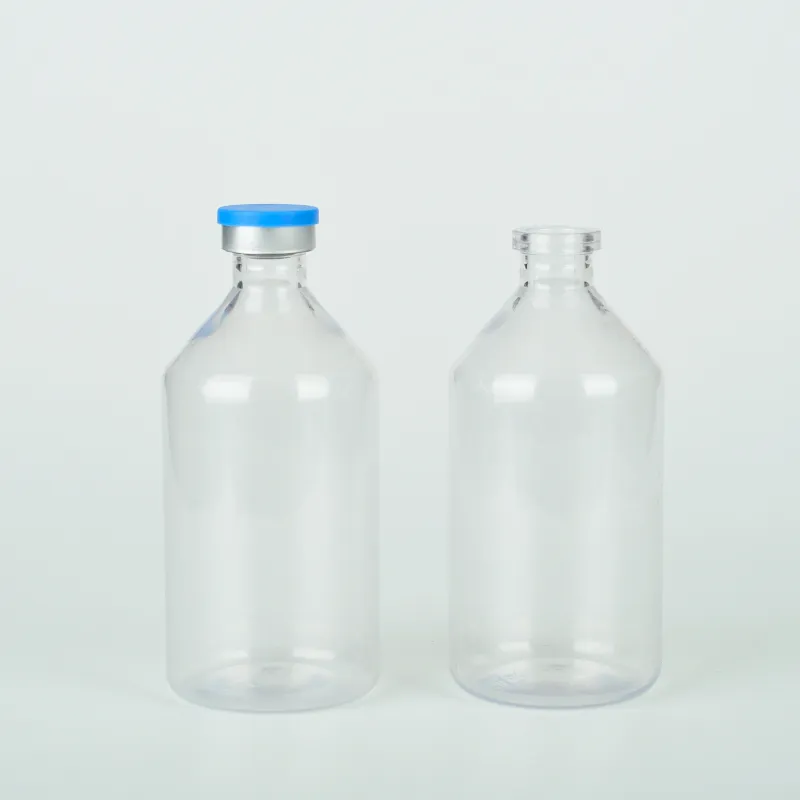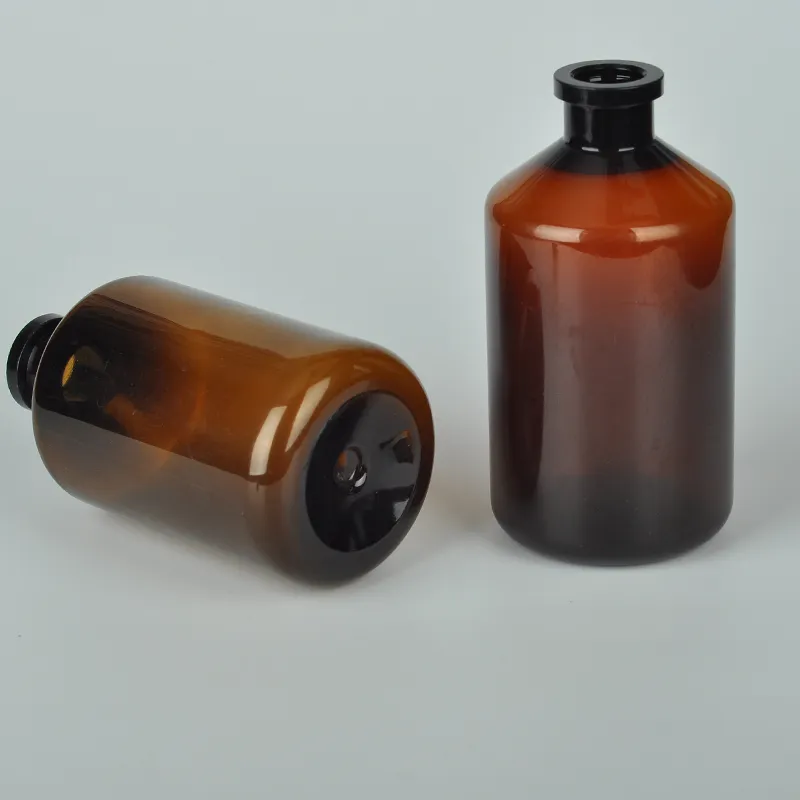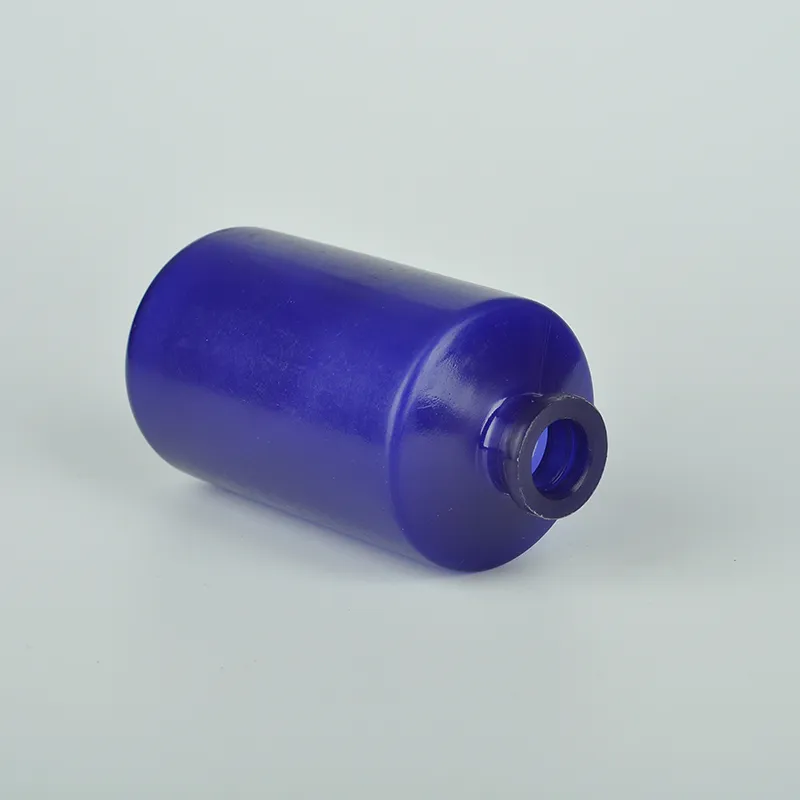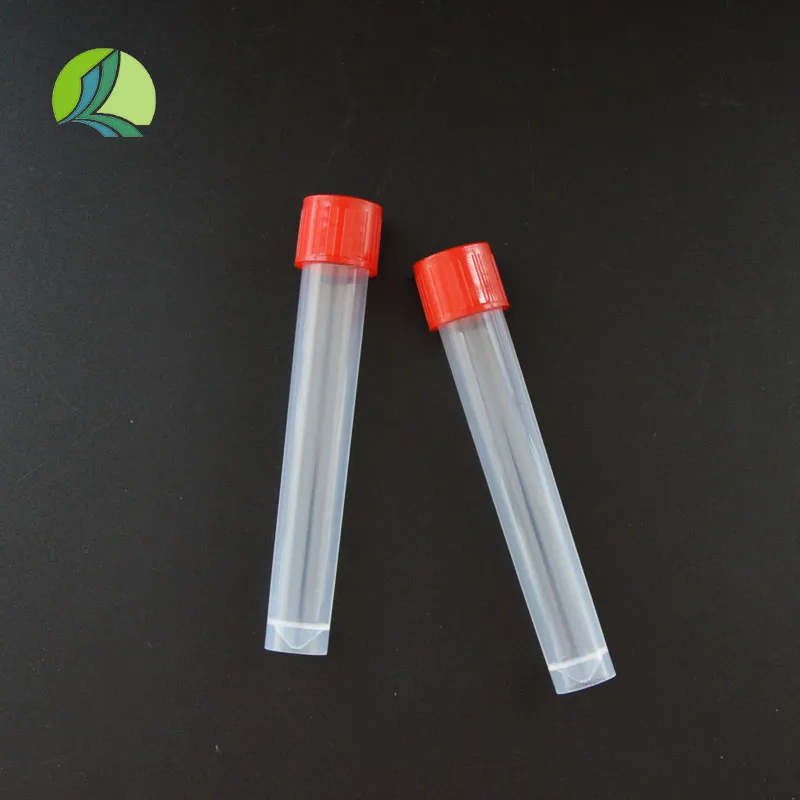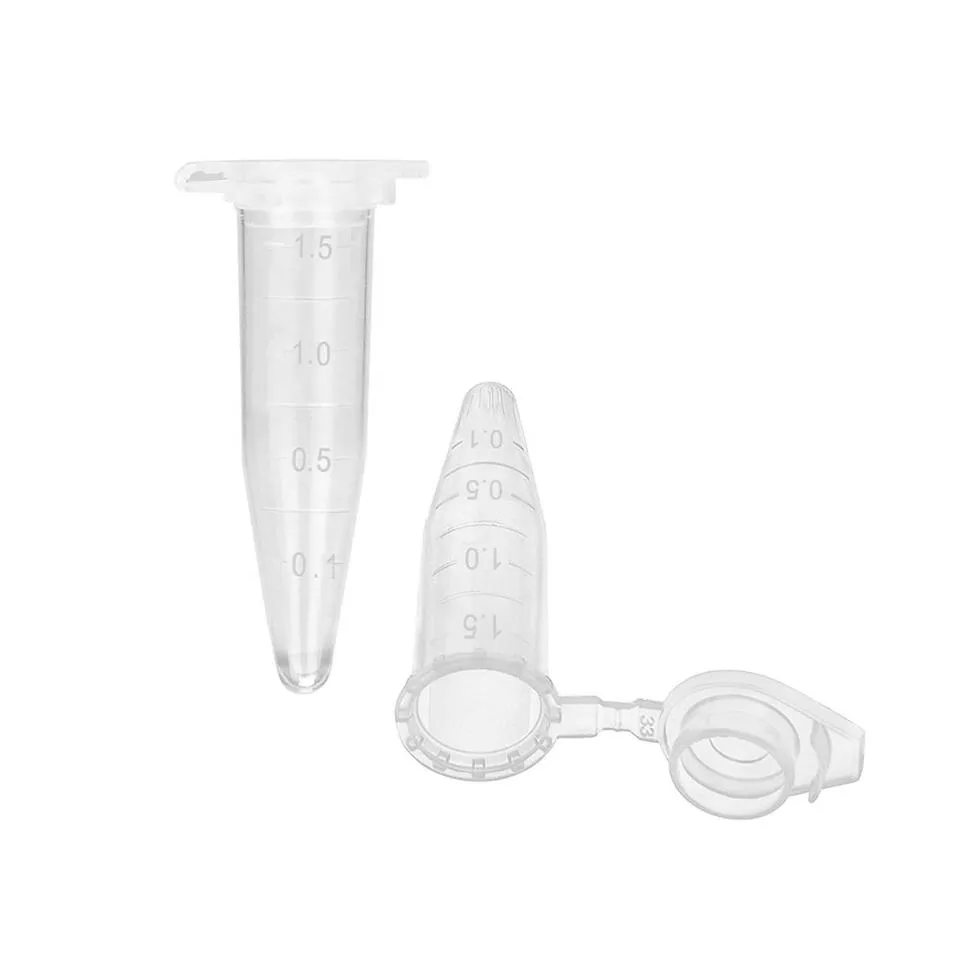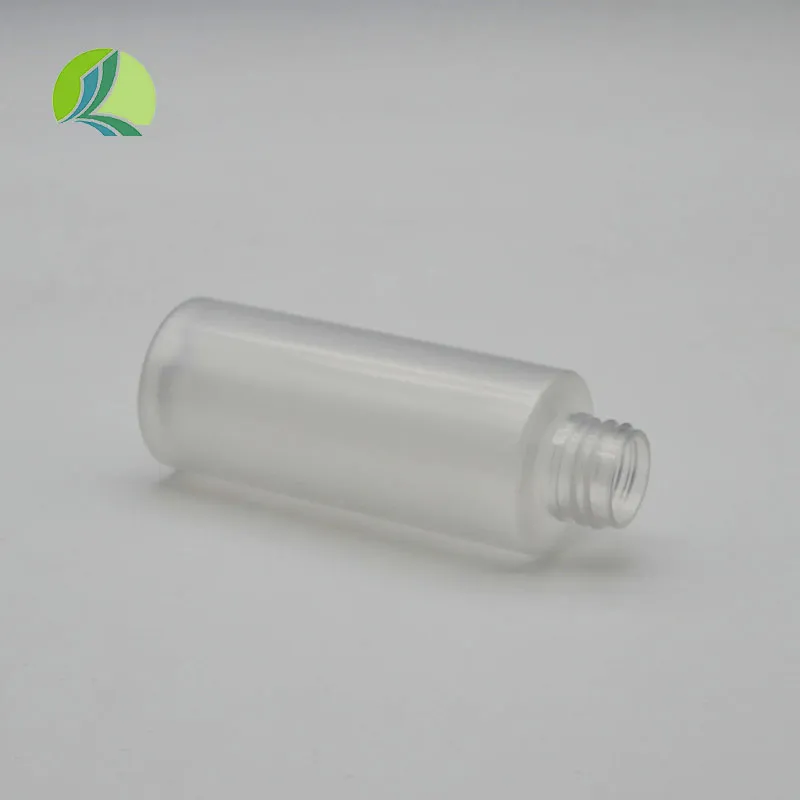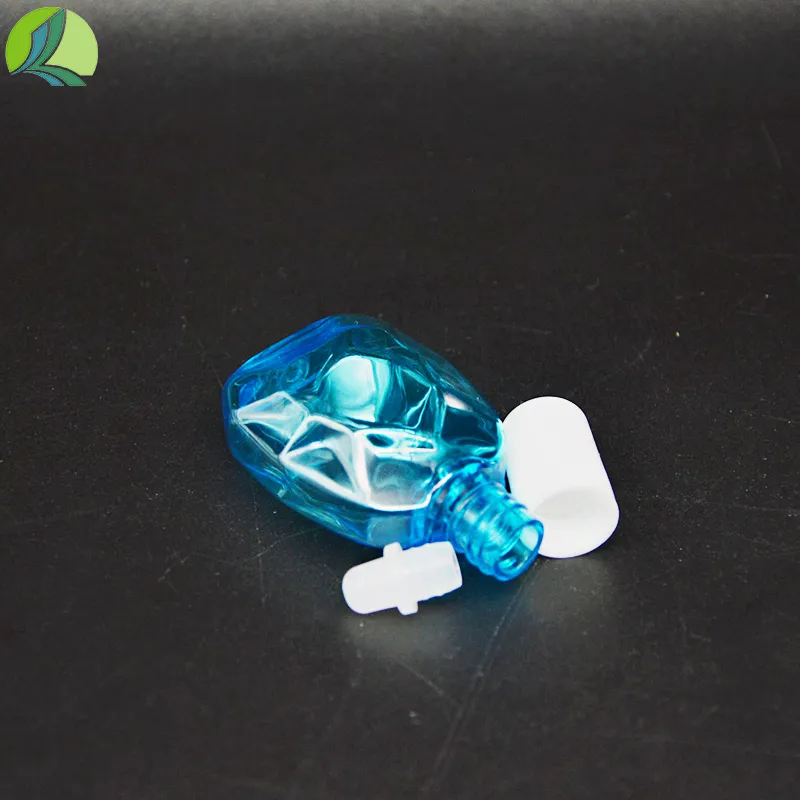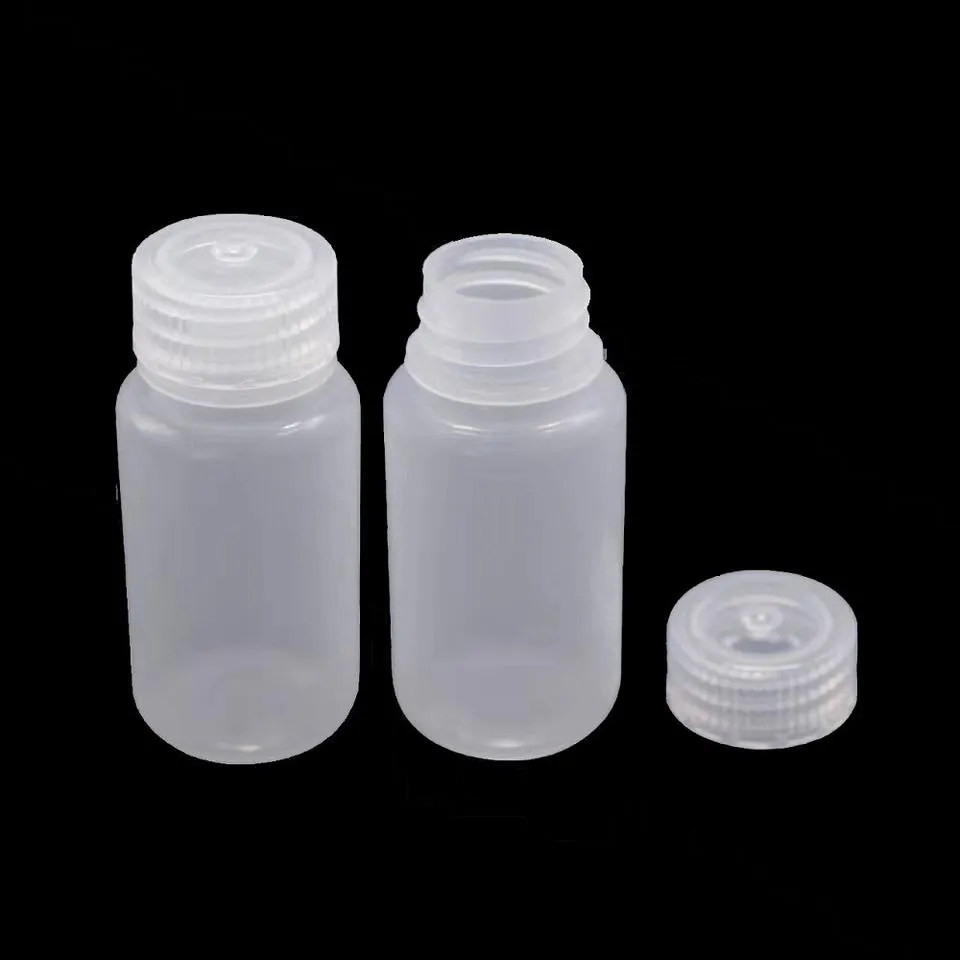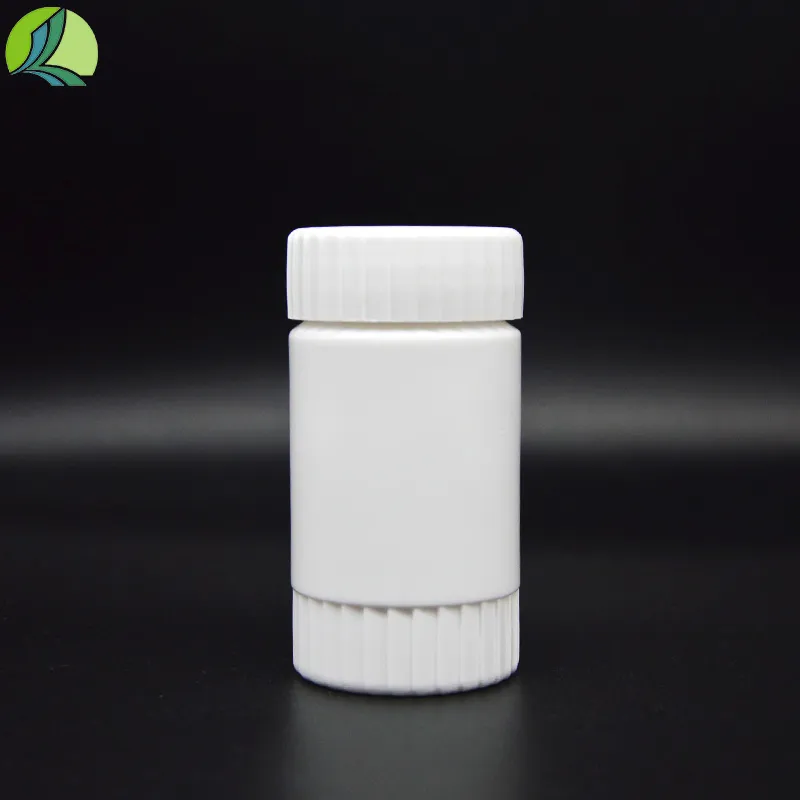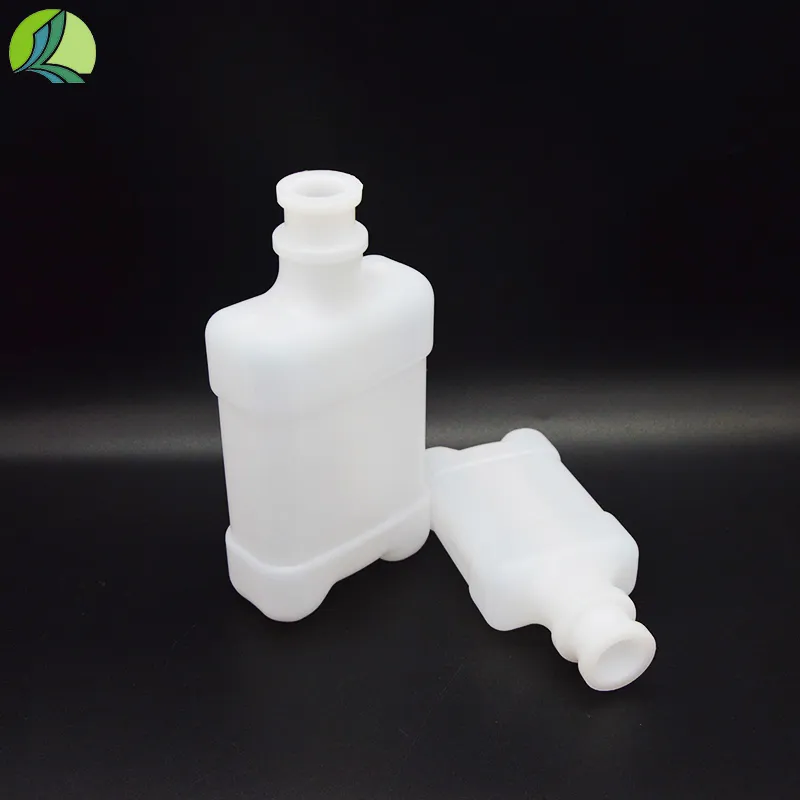
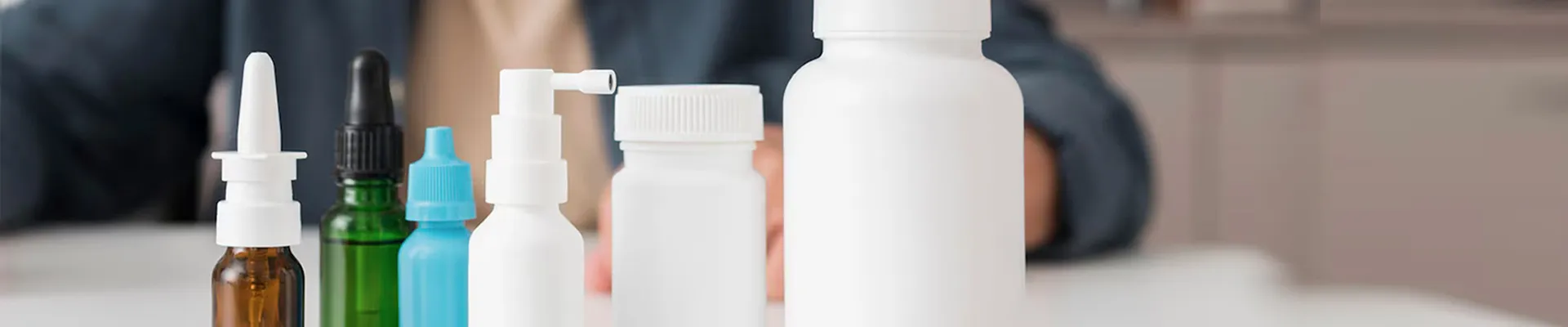


Plastic Clear Vaccine Vials: Lab, Vet Medicine Liquid Storage
Introduction and Industry Trends in Pharmaceutical Packaging
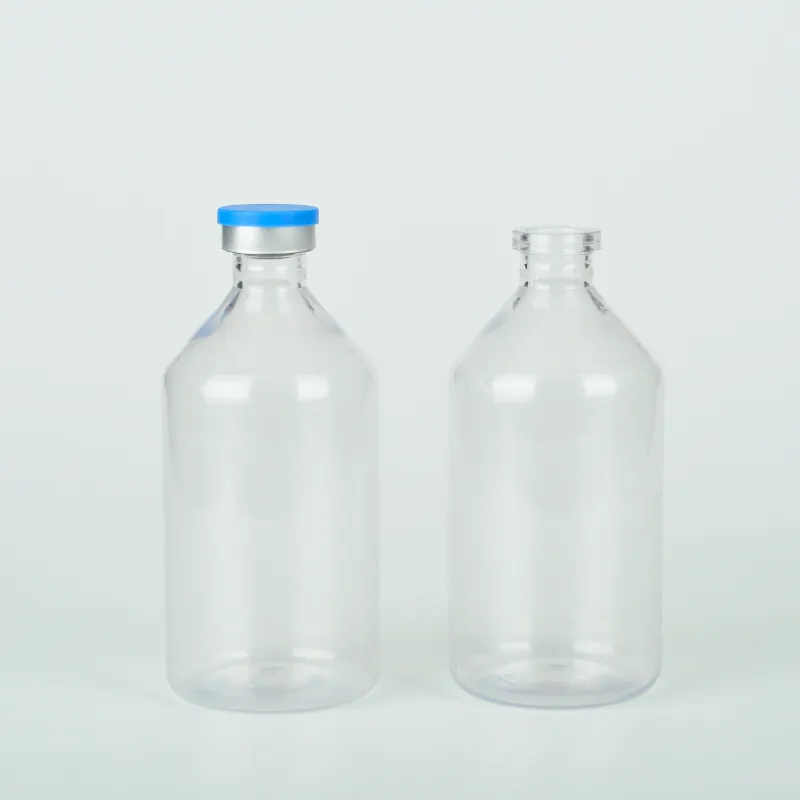
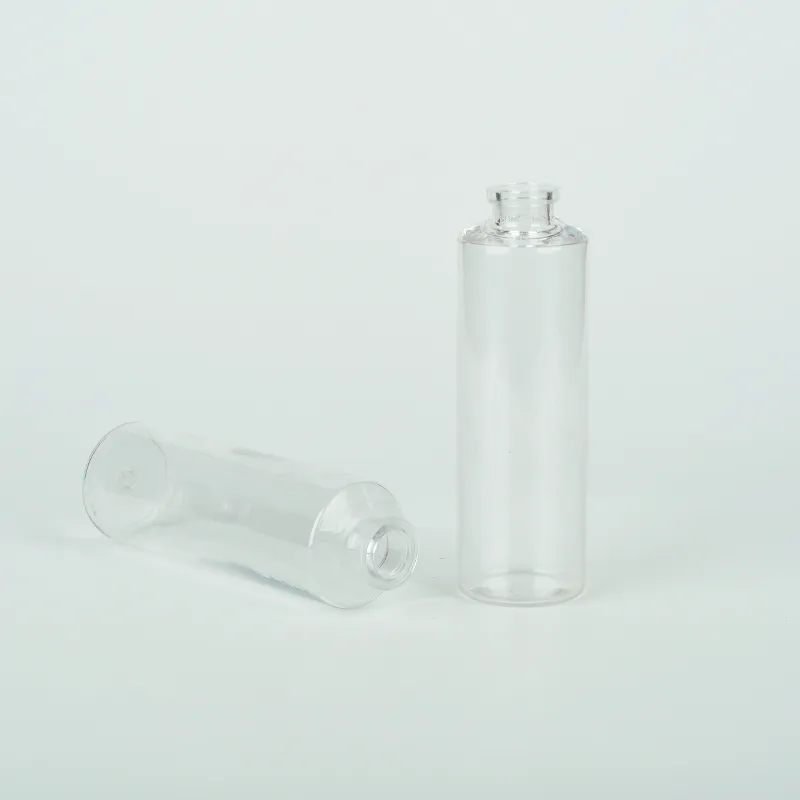
The global pharmaceutical and veterinary medicine industries are undergoing rapid transformation, driven by advancements in biotechnology, increasing demand for vaccines, and evolving regulatory landscapes. A critical component in this ecosystem is the integrity and reliability of primary packaging. We delve into the crucial role of Plastic Clear Vaccine Vials Laboratory Veterinary Medicine Liquid Vials, examining their technical specifications, application advantages, and market trends.
Industry trends indicate a significant shift from traditional glass packaging to advanced polymer solutions. This transition is primarily motivated by enhanced safety profiles, reduced breakage rates, lighter logistical burdens, and cost-efficiency, particularly in high-volume production and distribution. The demand for robust, chemically inert, and sterile packaging is paramount for maintaining the efficacy and stability of sensitive biologicals and pharmaceuticals. Furthermore, the push for sustainable practices is encouraging innovations in polymer recycling and bio-based material development, though the primary focus remains on product safety and integrity.
With the advent of novel therapies and widespread vaccination campaigns, the demand for high-quality, reliable, and cost-effective containment solutions like these plastic vials continues to accelerate, making their technical attributes and manufacturing precision more critical than ever before.
Technical Specifications and Material Science
The performance of Plastic Clear Vaccine Vials Laboratory Veterinary Medicine Liquid Vials is fundamentally determined by their material composition and precise manufacturing. These vials are typically engineered from high-grade polymers such as Polypropylene (PP), High-Density Polyethylene (HDPE), Polyethylene Terephthalate (PET), or Polycarbonate (PC), each selected for specific properties critical to pharmaceutical applications.
Polypropylene (PP) is a prevalent choice due to its excellent chemical resistance, high melting point, and good clarity, especially for opaque or translucent variants. It offers a superior barrier against moisture and is autoclavable, though its clarity might not match that of PET or PC. PET offers exceptional clarity, good gas barrier properties, and rigidity, making it suitable for clear visibility of contents. HDPE provides excellent chemical resistance and impact strength, often used for more robust applications where complete transparency isn't the highest priority. All materials selected adhere to stringent regulatory standards, such as USP Class VI, which certifies biocompatibility and low extractables/leachables profiles, ensuring the integrity and safety of the stored sensitive liquids.
Key Product Specifications Table
| Parameter | Specification Range (Typical) | Relevance to Application |
|---|---|---|
| Material | USP Class VI Polypropylene (PP), PET, HDPE, PC | Biocompatibility, Low Extractables, Chemical Inertness |
| Volume Capacity | 2 mL to 100 mL (Customizable) | Accommodates various dose sizes and sample volumes |
| Closure Type | Screw Cap (various thread sizes), Snap Cap, Stopper | Aseptic seal, tamper-evident, easy access, multi-dose compatibility |
| Clarity | High Clarity (PET, PC) to Translucent (PP) | Visual inspection of contents, precipitate detection |
| Temperature Range | -80°C to +121°C (Material Dependent) | Cryogenic storage, autoclaving, cold chain stability |
| Sterilization | Gamma Irradiation, E-beam, Ethylene Oxide (EtO), Autoclavable | Ensures aseptic readiness for sterile applications |
| Dimensions | Standard & Custom (Diameter, Height, Neck Finish) | Compatibility with automated filling lines, storage systems |
These detailed specifications ensure that each vial provides a secure and inert environment for sensitive biological and chemical agents, critical for maintaining product stability and patient safety.
Manufacturing Process Flow for High-Quality Vials
The production of high-performance Plastic Clear Vaccine Vials Laboratory Veterinary Medicine Liquid Vials involves a meticulously controlled multi-stage process, designed to ensure consistency, sterility, and structural integrity. This process adheres to ISO 13485 (Medical Devices Quality Management Systems) and cGMP (current Good Manufacturing Practices) guidelines.
Detailed Process Steps:
- Material Selection and Preparation: High-purity, virgin polymer resins (e.g., medical-grade PP, PET) are sourced from certified suppliers. These raw materials undergo rigorous incoming quality inspection, including material identification, purity analysis, and melt flow index testing, to ensure compliance with USP Class VI and pharmacopoeial standards.
- Mold Design and Fabrication: Precision molds, typically made from hardened steel, are designed using advanced CAD/CAM software to achieve exact vial dimensions, wall thickness, and neck finish. Tolerances are extremely tight (often in microns) to ensure compatibility with automated filling and capping machinery and to prevent leakage.
-
Injection Molding or Blow Molding:
- Injection Molding: Polymer pellets are melted and injected under high pressure into the closed mold cavity. This method is ideal for producing vials with precise dimensions, intricate features, and excellent surface finish.
- Blow Molding (Extrusion or Injection Blow Molding): A plastic parison (tube) or preform is formed, then placed into a mold and inflated with compressed air, forcing the plastic against the mold walls. This is often used for larger volume vials or specific geometries.
- Cooling and Demolding: After molding, the plastic cools and solidifies within the mold. Controlled cooling cycles are critical to prevent warping, minimize internal stresses, and ensure dimensional stability. Once sufficiently cooled, the finished vials are automatically ejected from the mold.
- Post-Processing and Trimming: Depending on the molding process, vials may undergo automated trimming to remove excess flash material. This step ensures clean edges and proper fit for closures.
-
Automated Inspection and Quality Control:
Each vial undergoes a series of automated and manual inspections. This includes:
- Dimensional Verification: Optical inspection systems measure critical dimensions (e.g., height, diameter, neck finish, wall thickness) against specified tolerances.
- Visual Inspection: Detection of defects such as inclusions, scratches, bubbles, and surface imperfections.
- Leak Testing: Pressure differential or vacuum testing to ensure the integrity of the vial wall and seal area.
- Particulate Matter Testing: In-line systems or offline sampling to quantify particulate levels.
-
Sterilization:
Vials intended for sterile applications are typically sterilized post-production. Common methods include:
- Gamma Irradiation: Effective and widely used for many polymers, ensuring a high Sterility Assurance Level (SAL).
- E-beam Sterilization: Rapid, penetrating, and leaves no residue.
- Ethylene Oxide (EtO): Used for heat-sensitive materials, though residual EtO levels must be carefully controlled.
- Packaging: Sterilized vials are immediately packed into double-bagged, cleanroom-compatible packaging to maintain their sterile state during transit and storage. This often includes protective trays or bags to prevent physical damage.
This rigorous process ensures that each Plastic Clear Vaccine Vials Laboratory Veterinary Medicine Liquid Vials unit meets the exacting demands of pharmaceutical, laboratory, and veterinary applications, providing a reliable and safe containment solution.
Application Scenarios and Technical Advantages
The versatility and robust performance of Plastic Clear Vaccine Vials Laboratory Veterinary Medicine Liquid Vials make them indispensable across a multitude of critical applications. Their design addresses the specific challenges inherent in storing and delivering sensitive biologicals and chemicals.
Typical Application Scenarios:
- Human Vaccine Distribution: Essential for safe transport and storage of single and multi-dose human vaccines, especially critical for cold chain logistics where shatter resistance at low temperatures is paramount.
- Veterinary Medicine: Ideal for packaging animal vaccines, antibiotics, and other liquid medications. The robust nature minimizes breakage in veterinary clinics and on farms, reducing product loss and cross-contamination risks.
- Diagnostic Reagents: Used extensively in clinical laboratories for sensitive diagnostic reagents, ensuring chemical inertness and precise volume delivery.
- Cell Culture Media and Biological Samples: Provides a sterile, non-cytotoxic environment for storing valuable cell lines, media, and other biological specimens, crucial for research and development.
- Research and Development Laboratories: Offers a cost-effective and safe solution for storing a wide array of chemical compounds, solvents, and buffers.
Technical Advantages Over Traditional Glass Vials:
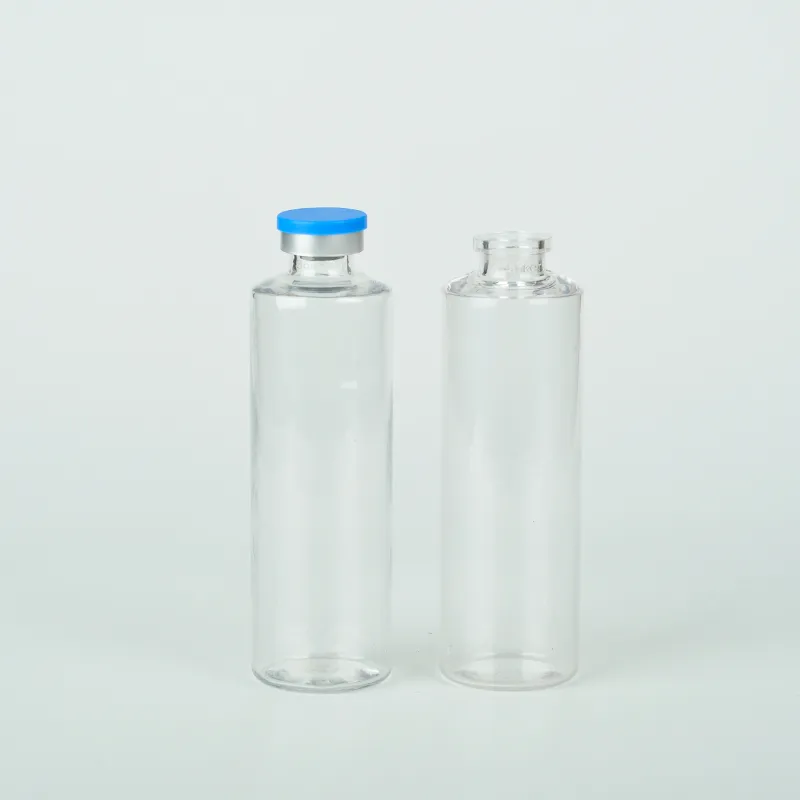
- Shatter Resistance: Unlike glass, plastic vials are virtually unbreakable, drastically reducing the risk of product loss, contamination, and sharps injuries during handling, transport, and administration. This is particularly advantageous in high-throughput settings or field conditions.
- Lightweight and Cost-Effective Logistics: The lower density of plastic significantly reduces shipping weight and associated freight costs, contributing to overall supply chain efficiencies. This is a critical advantage for global distribution networks.
- Reduced Delamination Risk: Glass vials can sometimes suffer from delamination, where microscopic flakes of glass detach from the inner surface, potentially contaminating the drug product. Plastic vials eliminate this risk entirely.
- Chemical Inertness: High-grade polymers are carefully selected for their minimal interaction with a wide range of pharmaceutical solutions, reducing the risk of leaching or adsorption that could compromise drug stability or efficacy.
- Design Flexibility and Customization: Plastic molding allows for greater flexibility in vial design, including custom shapes, embossed markings, integrated features (e.g., tamper-evident seals), and various closure mechanisms, facilitating specialized applications and brand differentiation.
- Sterilization Compatibility: Plastics can be sterilized using various methods like gamma irradiation, E-beam, or EtO, offering flexibility depending on the product requirements, without compromising material integrity.
- User Safety: The inherent break-resistance improves user safety for healthcare professionals and lab technicians, minimizing exposure to hazardous substances in case of accidental drops.
These advantages underscore why plastic clear vaccine vials are rapidly becoming the preferred choice for critical pharmaceutical and biological containment, ensuring both product integrity and operational efficiency.
Advanced Features and Vendor Comparison
Beyond basic containment, advanced Plastic Clear Vaccine Vials Laboratory Veterinary Medicine Liquid Vials incorporate features designed to enhance drug stability, user experience, and supply chain integrity. When selecting a vendor, evaluating these advanced features and comparing capabilities is crucial for B2B decision-makers.
Key Advanced Features:
- Tamper-Evident Closures: Integrated rings or heat-shrink seals provide visible proof of tampering, ensuring product authenticity and patient safety.
- Barrier Coatings: For highly sensitive biologics, specialized barrier coatings (e.g., cyclic olefin copolymer (COC) or plasma-enhanced chemical vapor deposition (PECVD) coatings) can be applied to the inner surface to reduce oxygen ingress or minimize adsorption/leaching, surpassing the inherent barrier properties of the base polymer.
- Low Protein Binding Surfaces: Chemically modified surfaces or specific polymer grades are engineered to minimize protein adsorption, critical for protein-based drugs and highly sensitive diagnostic assays.
- UV Protection: Amber-tinted polymers or UV-blocking additives protect light-sensitive contents from degradation, an essential feature for certain vaccines and pharmaceuticals.
- Barcoding and Serialization: Pre-printed or molded barcodes and serialization capabilities support track-and-trace systems, enhancing supply chain visibility and combating counterfeiting.
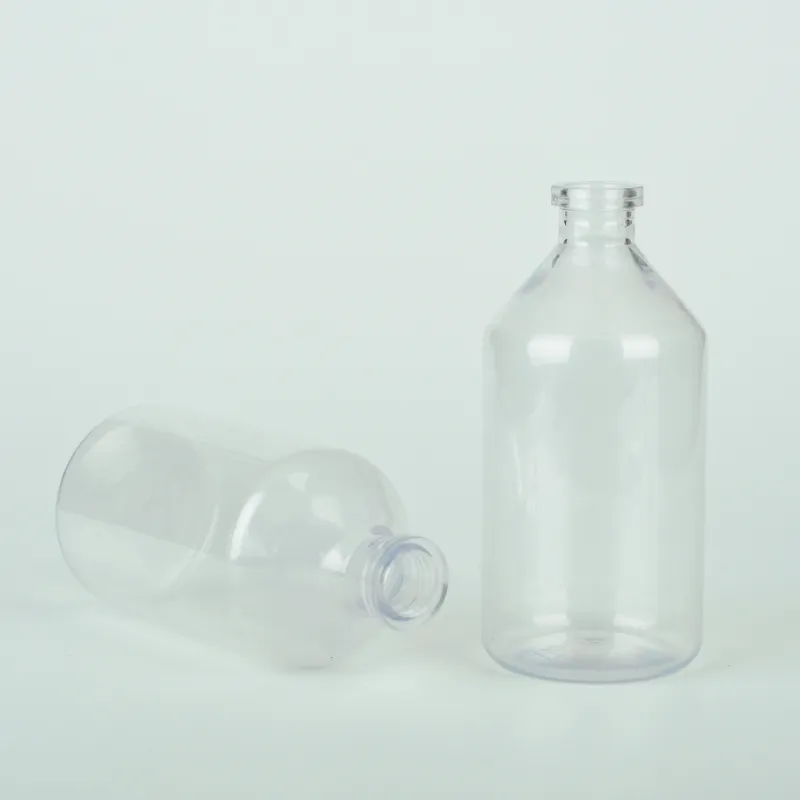
Vendor Comparison: Plastic vs. Glass Vials
| Feature | Plastic Vials (e.g., PP, PET) | Glass Vials (e.g., Borosilicate) | Comparative Advantage |
|---|---|---|---|
| Breakage Risk | Extremely Low (Shatter-resistant) | High (Fragile, esp. during transport/handling) | Plastic: Significantly safer, reduces product loss and injury. |
| Weight | Very Lightweight | Heavy | Plastic: Lower shipping costs, easier handling. |
| Chemical Inertness | Excellent (USP Class VI certified materials) | Excellent (Type I Borosilicate) | Generally comparable, but plastic avoids delamination risk. |
| Delamination Risk | None | Present (esp. with certain drug formulations) | Plastic: Eliminates a critical product contamination risk. |
| Customization | High (Shapes, colors, integrated features) | Limited (Standard shapes, amber tint) | Plastic: Greater flexibility for specific application needs. |
| Cost (Per Unit) | Generally Lower | Generally Higher | Plastic: More economical for high-volume production. |
| Transparency | High (PET, PC) to Translucent (PP) | Very High (Clear) | Glass traditionally superior, but high-clarity plastics are closing the gap. |
For B2B customers, evaluating vendor capabilities extends beyond product features to encompass the supplier's quality management systems, certifications (e.g., ISO 9001, ISO 13485), cleanroom manufacturing standards, and supply chain reliability. A reputable vendor will offer comprehensive technical support, material compatibility studies, and robust quality control protocols for their Plastic Clear Vaccine Vials Laboratory Veterinary Medicine Liquid Vials.
Customized Solutions:
Beyond standard offerings, leading manufacturers provide customized solutions to meet unique project requirements. This includes bespoke vial designs, specific polymer blends for enhanced performance (e.g., improved gas barrier), custom colors, unique closures, and specialized secondary packaging. A collaborative design and development process, leveraging expertise in material science and molding technology, ensures that the tailored vial precisely fits the drug product and delivery system, optimizing performance and cost-efficiency.
Application Case Studies
Real-world applications demonstrate the tangible benefits of utilizing high-quality Plastic Clear Vaccine Vials Laboratory Veterinary Medicine Liquid Vials in demanding environments.
Case Study 1: Global Vaccine Distribution During a Pandemic
A leading pharmaceutical company faced the challenge of rapidly distributing millions of doses of a novel vaccine across diverse geographical regions, often to remote areas with challenging infrastructure. Traditional glass vials presented significant risks of breakage during transit, leading to product loss and delays.
- Solution: They transitioned to USP Class VI PET Plastic Clear Vaccine Vials Laboratory Veterinary Medicine Liquid Vials, pre-sterilized and supplied with tamper-evident screw caps.
- Outcome: The switch resulted in a reported 98% reduction in vial breakage rates during shipment, ensuring vaccine integrity and availability. The lighter weight also reduced transportation costs by 15%, allowing for more efficient cold chain logistics and faster deployment to critical areas.
- Client Feedback: "The robustness of these plastic vials was a game-changer for our global distribution efforts. They withstood harsh handling conditions without compromising the vaccine's integrity, directly impacting our ability to reach populations in need."
Case Study 2: Veterinary Clinic Efficiency and Safety Enhancement
A large chain of veterinary clinics sought to improve safety for their staff and reduce medication wastage due to broken vials. In busy environments, accidental drops were a common occurrence with glass vials.
- Solution: The clinics adopted PP Plastic Clear Vaccine Vials Laboratory Veterinary Medicine Liquid Vials for their most frequently used multi-dose animal vaccines and injectable medications.
- Outcome: Incidents of vial breakage dropped to near zero, significantly enhancing staff safety by eliminating sharps hazards and reducing exposure to potent drugs. Medication wastage decreased by over 20%, leading to substantial cost savings for the clinics.
- Client Feedback: "Switching to plastic vials has made our daily operations safer and more economical. Our technicians appreciate the peace of mind, and we've seen a measurable improvement in our budget due to less wasted medication."
Case Study 3: Research Laboratory for Sensitive Reagent Storage
A biotechnology research laboratory required high-purity, low-binding vials for storing sensitive enzyme solutions and cell culture reagents that were prone to adsorption on glass surfaces and susceptible to pH changes from glass leaching.
- Solution: The lab implemented custom-designed, low-binding Polycarbonate (PC) Plastic Clear Vaccine Vials Laboratory Veterinary Medicine Liquid Vials with enhanced barrier properties.
- Outcome: The use of these specialized plastic vials led to improved stability of critical reagents, reduced loss of enzyme activity, and minimized background noise in sensitive assays. Researchers observed consistent experimental results due to the ultra-clean and inert environment provided by the plastic.
- Client Feedback: "The specific polymer formulation and surface treatment of these plastic vials were essential for our advanced research. They provided the chemical inertness and low-binding characteristics that glass simply couldn't consistently deliver for our sensitive biologicals."
Trust & Support: FAQs, Lead Time, Warranty, and Customer Service
Establishing trust and providing comprehensive support are paramount for B2B partnerships. This section addresses common inquiries and outlines our commitment to customer satisfaction for our Plastic Clear Vaccine Vials Laboratory Veterinary Medicine Liquid Vials.
Frequently Asked Questions (FAQs)
Q1: What materials are your plastic vials made from?
A: Our vials are primarily manufactured from USP Class VI certified Polypropylene (PP), PET, HDPE, and Polycarbonate (PC), selected for their specific chemical resistance, clarity, and biocompatibility profiles. Material choice depends on specific application requirements.
Q2: Are these vials sterile? How are they sterilized?
A: Yes, many of our vials are supplied sterile. Common sterilization methods include validated Gamma Irradiation, E-beam sterilization, or Ethylene Oxide (EtO), achieving a Sterility Assurance Level (SAL) of 10-6 or better. Non-sterile options are also available for applications where end-user sterilization is preferred.
Q3: Can these vials withstand freezing temperatures for vaccine storage?
A: Absolutely. Our vials, particularly those made from specialized PP or PC, are designed to maintain their integrity at cryogenic temperatures, typically down to -80°C, making them suitable for ultra-cold vaccine storage and transport without risk of breakage or leakage.
Q4: What is the shelf life of the empty, sterile vials?
A: When stored under recommended conditions (ambient temperature, out of direct sunlight, in original packaging), our sterile vials typically have a shelf life of 3 to 5 years from the date of sterilization, maintaining their sterility and physical properties.
Q5: Do you offer customization for vial sizes or colors?
A: Yes, we offer extensive customization options, including bespoke vial volumes (from micro-vials to larger capacities), custom polymer formulations, specific colors (e.g., amber for UV protection), unique closure designs, and integrated features like graduations or embossed logos. Our engineering team works closely with clients to develop tailored solutions.
Lead Time and Fulfillment
We understand the critical nature of timely supply in the pharmaceutical and veterinary sectors.
- Standard Orders: For standard configurations of Plastic Clear Vaccine Vials Laboratory Veterinary Medicine Liquid Vials, typical lead times range from 4-6 weeks, depending on order volume and current production schedules.
- Custom Orders: Customized solutions require an initial design and tooling phase, extending lead times. Clients are provided with a detailed project timeline, usually 8-12 weeks for initial samples, followed by production lead times similar to standard orders.
- Expedited Options: We offer expedited manufacturing and shipping options for urgent requirements. Please discuss your specific needs with our sales team.
- Supply Chain Management: Our robust supply chain and extensive inventory management ensure consistent material availability and production continuity, minimizing risks of disruption.
Warranty Commitments
We stand behind the quality and performance of our products.
- Product Quality: All Plastic Clear Vaccine Vials Laboratory Veterinary Medicine Liquid Vials are manufactured under strict ISO 9001 and ISO 13485 certified quality management systems and are guaranteed to meet the published specifications and industry standards (e.g., USP Class VI).
- Defect-Free Guarantee: We warrant that our products will be free from defects in material and workmanship for a period of one (1) year from the date of shipment, provided they are stored and handled as recommended.
- Remedy: In the event of a documented product defect covered by this warranty, we will, at our discretion, replace the defective product or issue a credit for the purchase price.
Customer Support Information
Our dedicated customer support team is available to assist you with technical inquiries, order placement, and after-sales service.
- Technical Support: Our team of material science and packaging engineers provides expert consultation on product selection, material compatibility, and customization projects.
- Sales Inquiries: Contact our sales representatives for pricing, quotes, and order status updates.
- After-Sales Service: For any quality concerns or product issues, please reach out to our customer service department, who will ensure prompt resolution.
Conclusion
The evolution of pharmaceutical and veterinary liquid containment has underscored the critical advantages of Plastic Clear Vaccine Vials Laboratory Veterinary Medicine Liquid Vials. Their superior shatter resistance, lighter weight, reduced risk of delamination, and extensive customization options position them as an essential choice for modern healthcare and research. By adhering to rigorous manufacturing processes, utilizing advanced polymer science, and maintaining stringent quality controls, these vials ensure the integrity, safety, and efficacy of sensitive biological and chemical formulations, facilitating global health initiatives and scientific progress. As industries continue to innovate, the demand for such reliable and advanced packaging solutions will only intensify.
Authoritative References
- United States Pharmacopeia (USP) General Chapter Assessment of Extractables in Pharmaceutical Packaging/Delivery Systems.
- ISO 13485:2016 Medical devices – Quality management systems – Requirements for regulatory purposes.
- ICH Q1A(R2) Stability Testing of New Drug Substances and Products.
- Food and Drug Administration (FDA) Guidance for Industry: Container Closure Systems for Packaging Human Drugs and Biologics.
- European Directorate for the Quality of Medicines & HealthCare (EDQM) European Pharmacopoeia, 10th Edition.
-
Bulk Eye Dropper Bottles for Industrial Packaging - Reliable & CustomizableNewsDec.31,2025
-
Small Plastic Dropper Bottles – Durable, Precise Packaging Solutions for B2B ApplicationsNewsDec.10,2025
-
Medicine Dropper Bottles – Precision and Quality Packaging Solutions for B2B | WK PackingNewsDec.10,2025
-
Discover Top Quality 2 oz Eye Dropper Bottles for Industrial UseNewsDec.09,2025
-
1 Oz Eye Dropper Bottles - Precision Packaging Solutions for B2B Industries | WKPackingNewsDec.09,2025
-
Durable 4 oz Eye Dropper Bottles for Industrial & Cosmetic UseNewsDec.09,2025