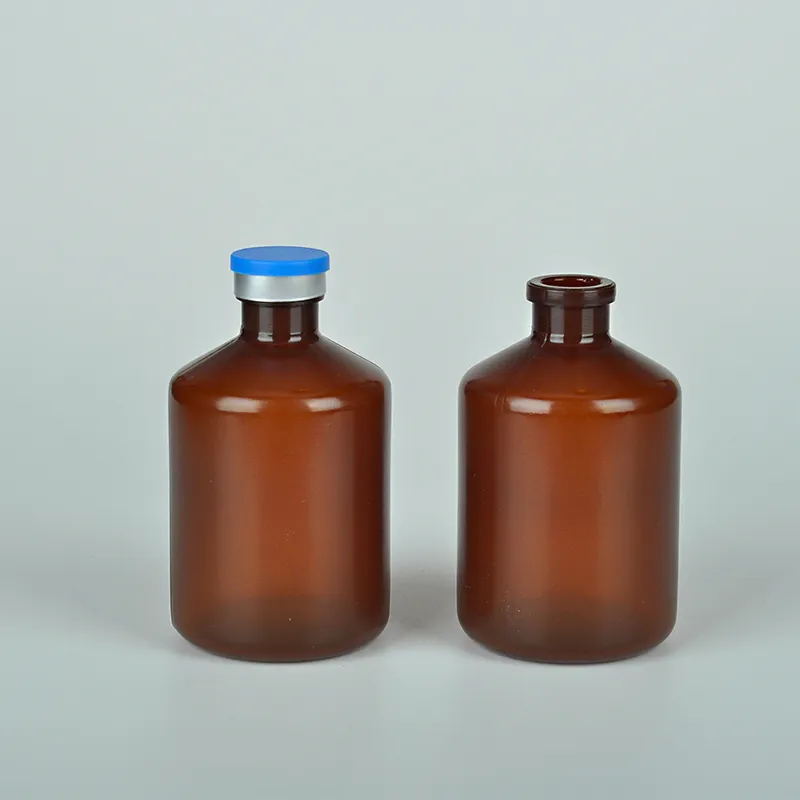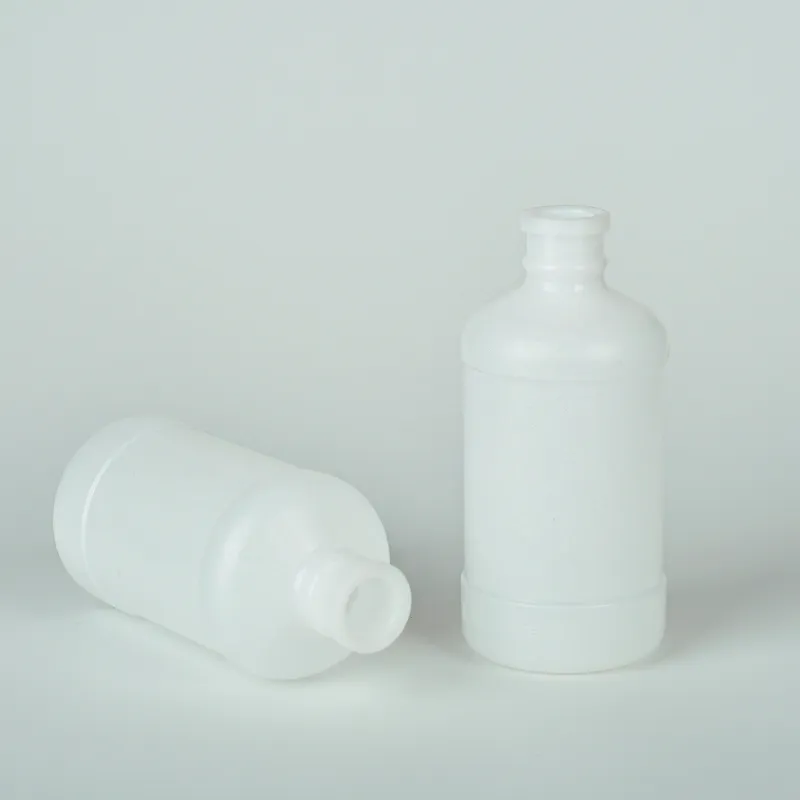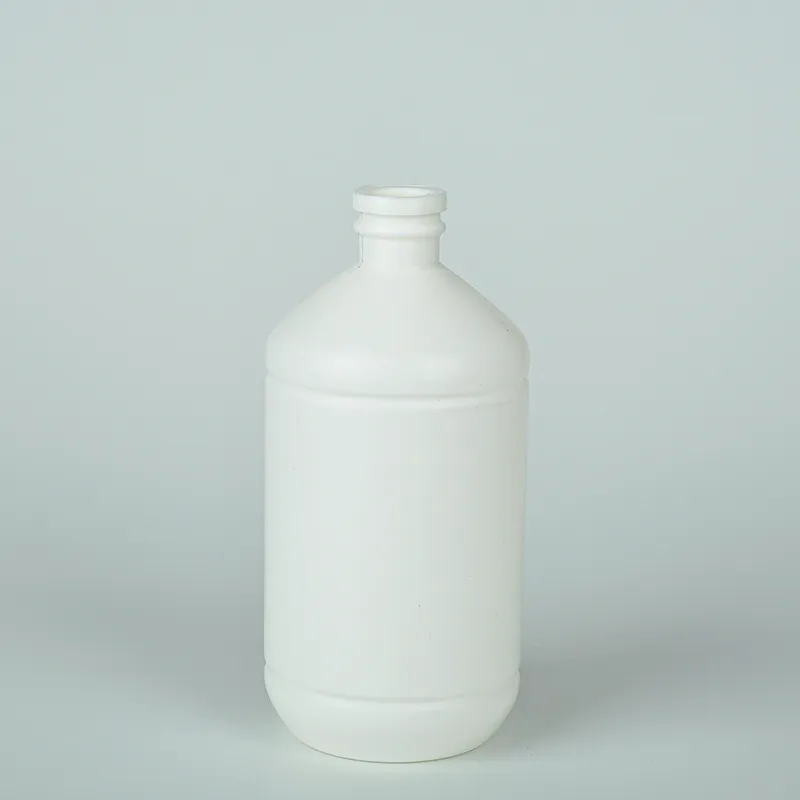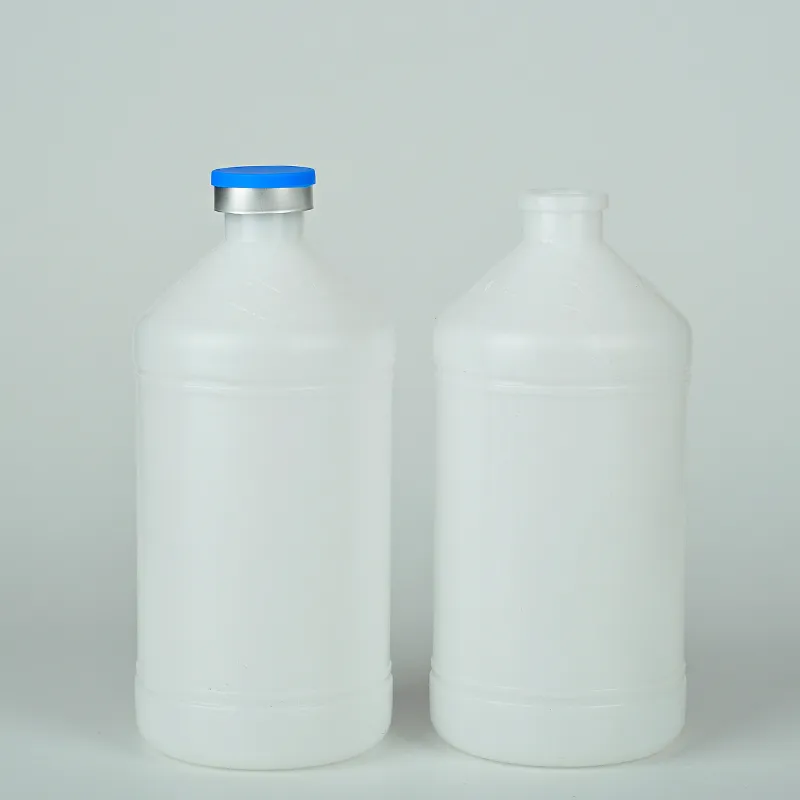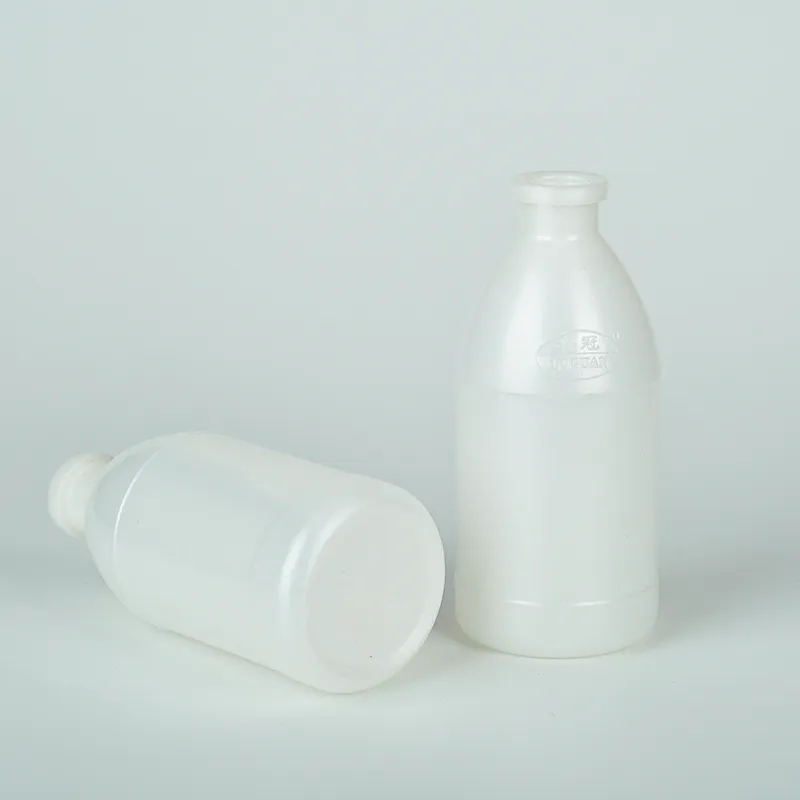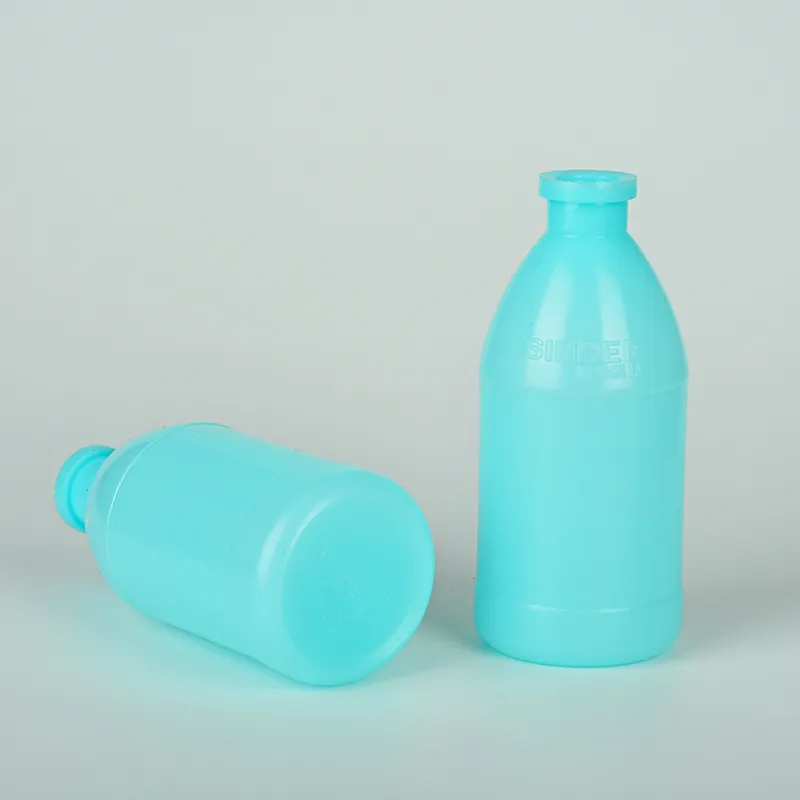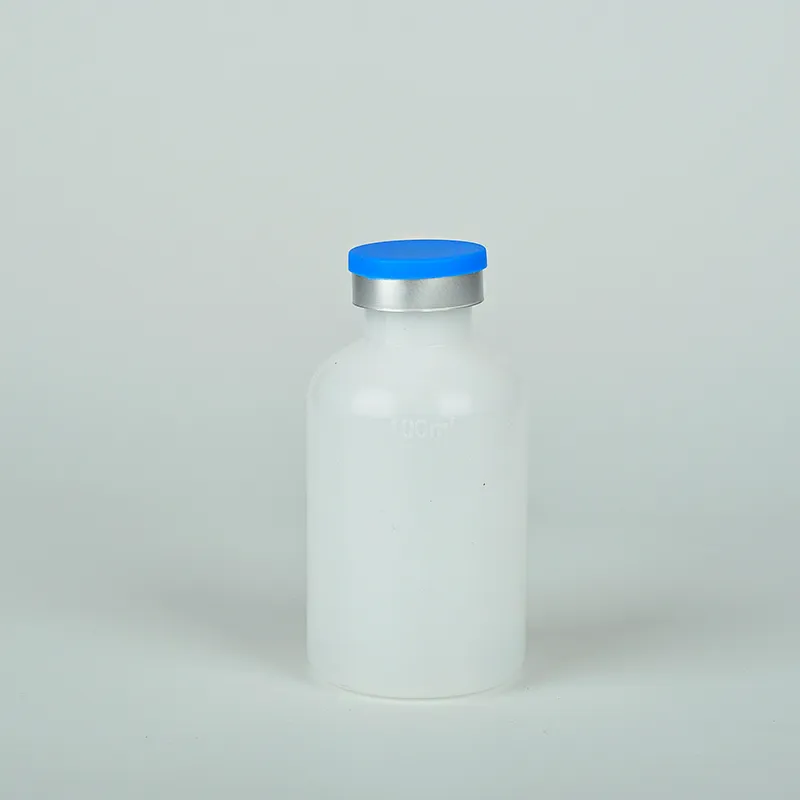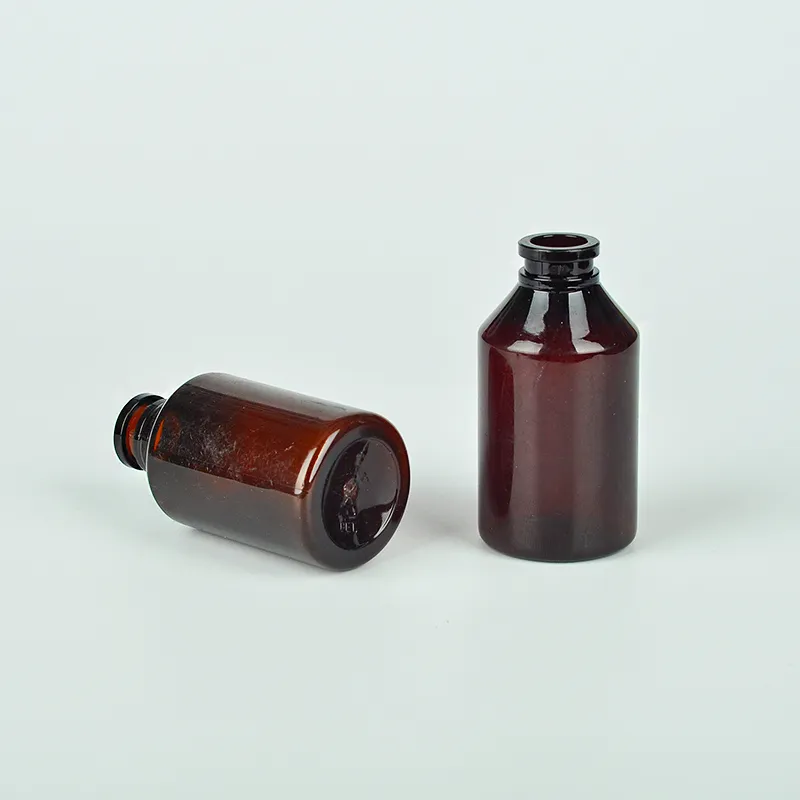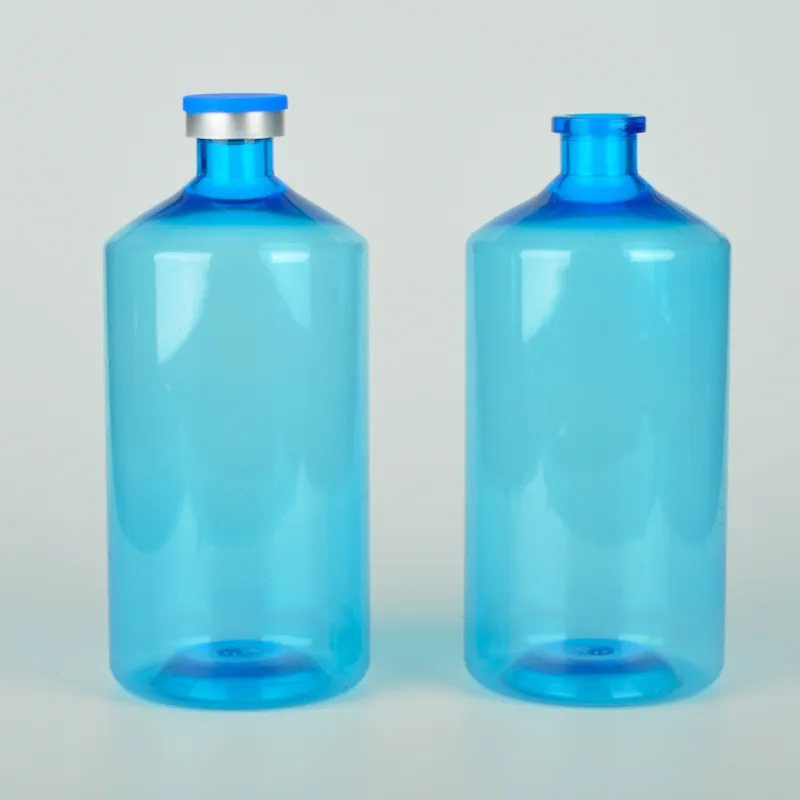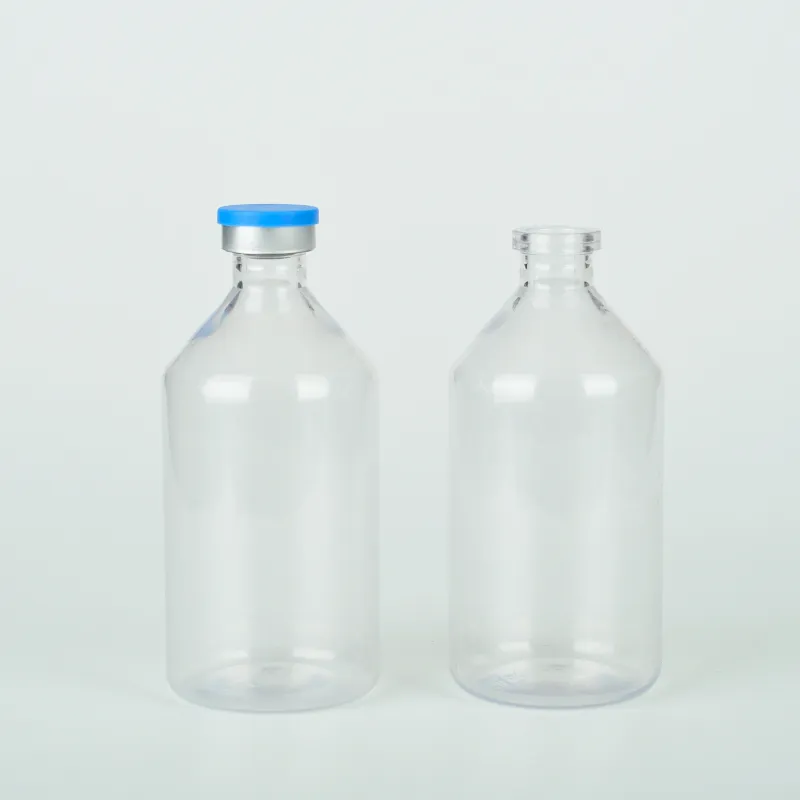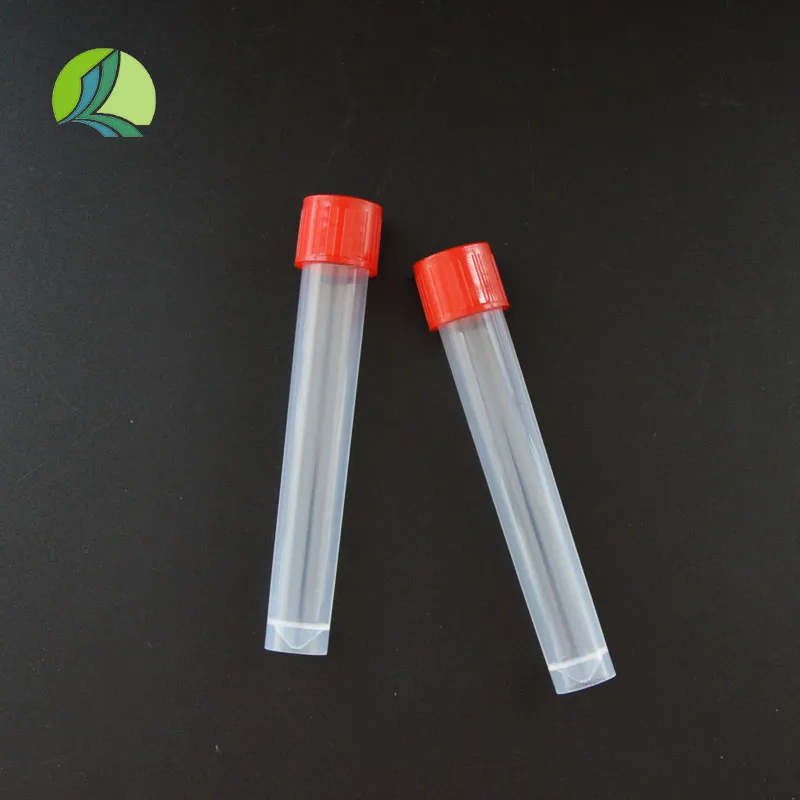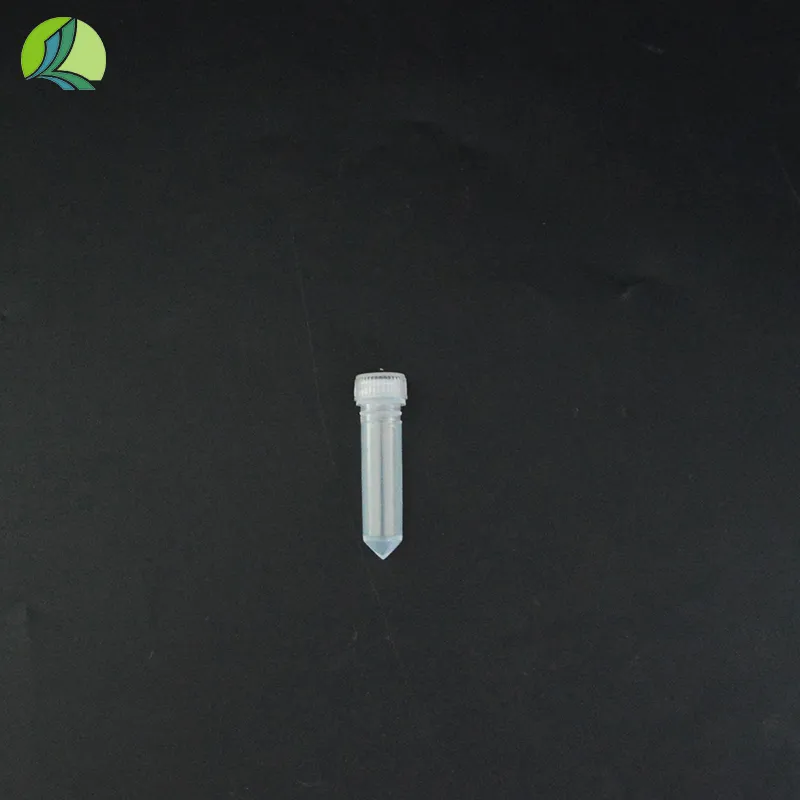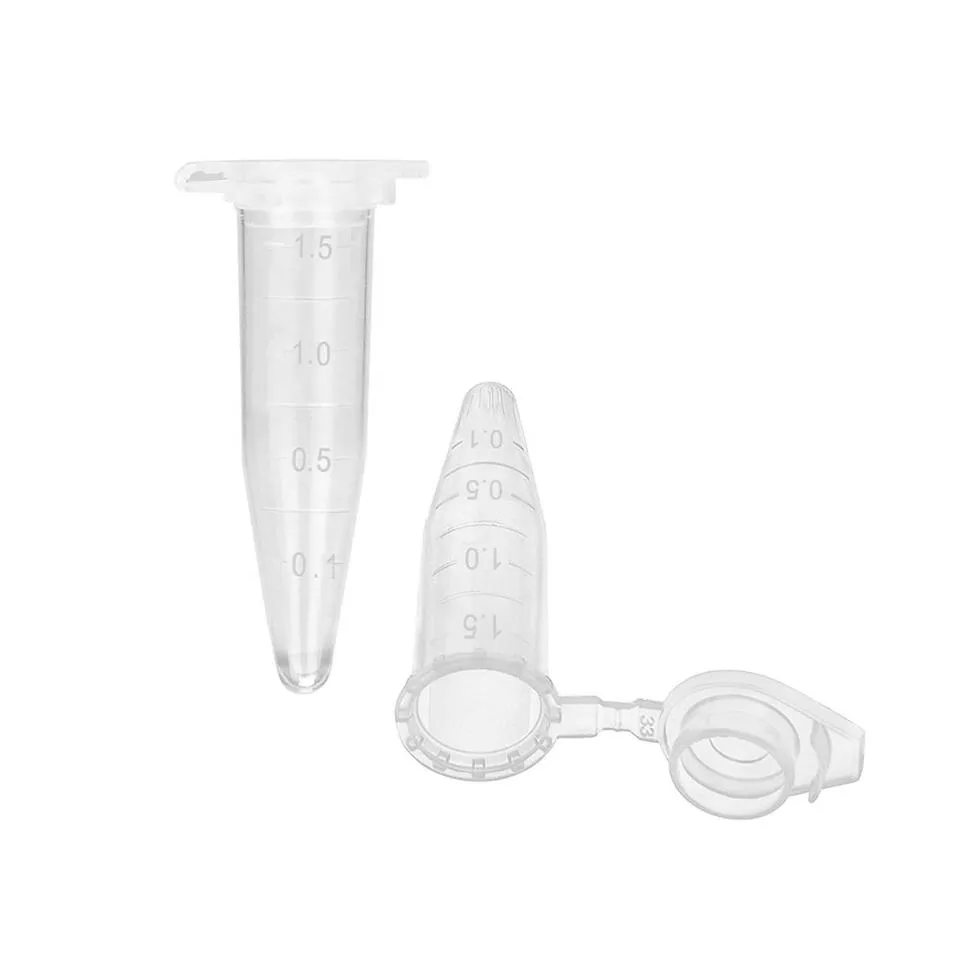



Polypropylene Falcon Tubes: Durable 15ml & 50ml Conical Tubes
The Indispensable Role of Polypropylene Falcon Tubes in Modern Laboratories
In the intricate landscape of life sciences, clinical diagnostics, and research, precision and reliability are paramount. Central to countless laboratory protocols are polypropylene falcon tubes – a ubiquitous consumable engineered for critical tasks such as sample centrifugation, storage, and preparation. These specialized conical bottom tubes, often available in common volumes like 50 ml polypropylene tubes and 15 ml polypropylene conical tube, are designed to withstand high centrifugal forces, resist chemical degradation, and ensure the integrity of precious biological samples. Their robust construction from medical-grade polypropylene makes them indispensable for a wide array of applications, from cell culture processing to molecular biology assays.
This comprehensive guide delves into the technical aspects, manufacturing processes, application scenarios, and key considerations for selecting high-quality polypropylene falcon tubes, providing B2B decision-makers and technical professionals with the insights needed to optimize laboratory operations.
Industry Trends and Market Dynamics
The global market for laboratory consumables, including polypropylene falcon tubes, is experiencing sustained growth, driven by escalating R&D investments in biotechnology, pharmaceuticals, and diagnostics. According to a report by Grand View Research, the global laboratory consumables market size was valued at USD 24.3 billion in 2022 and is expected to grow at a compound annual growth rate (CAGR) of 8.9% from 2023 to 2030. Key trends shaping this market include:
- Increased Automation: The drive towards high-throughput screening and automated liquid handling systems necessitates consumables with precise dimensions and consistent quality.
- Enhanced Sterility Requirements: Growing awareness and stringent regulatory demands (e.g., cGMP, ISO 13485) are pushing for higher sterility assurance levels, including certified RNase/DNase-free and pyrogen-free products.
- Sustainability Initiatives: Demand for eco-friendly manufacturing processes and options for recycling or reduced plastic consumption is emerging, although medical-grade virgin polypropylene remains dominant for performance.
- Specialized Applications: The rise of advanced therapies, such as cell and gene therapies, requires tubes with ultra-low binding properties and superior temperature stability for cryopreservation.
Manufacturers are continuously innovating to meet these evolving demands, focusing on material purity, design optimization for better sealing and higher RCF ratings, and rigorous quality control to ensure batch-to-batch consistency.
Technical Specifications and Material Science
Material Properties: Polypropylene (PP)
Polypropylene (PP) is the material of choice for falcon tubes due to its exceptional properties:
- Chemical Resistance: Excellent resistance to a wide range of organic solvents, acids, and bases commonly used in laboratories.
- Temperature Stability: Capable of withstanding temperatures from -80°C (for freezing) up to 121°C (for autoclaving), making them suitable for various processing and storage conditions.
- Mechanical Strength: High tensile strength and impact resistance allow them to endure high Relative Centrifugal Force (RCF) values during centrifugation without cracking or collapsing.
- Low Binding: Inherently low binding properties minimize sample loss due to adsorption to the tube walls, crucial for sensitive assays.
- Optical Clarity: Sufficiently translucent for visual inspection of samples, though not as clear as polystyrene.
Key Product Specifications for Polypropylene Falcon Tubes
Standard polypropylene conical tube options, such as the 15 ml polypropylene conical tube and 50 ml polypropylene tubes, are designed with specific parameters to ensure optimal performance:
| Parameter | 15 mL Polypropylene Conical Tube | 50 mL Polypropylene Conical Tube |
|---|---|---|
| Material | Medical Grade Polypropylene (PP) | Medical Grade Polypropylene (PP) |
| Volume Capacity | 15 mL | 50 mL |
| Max RCF Rating | Up to 12,000 x g | Up to 16,000 x g |
| Temperature Range | -80°C to +121°C | -80°C to +121°C |
| Sterility | Sterile (Gamma Irradiated) | Sterile (Gamma Irradiated) |
| Certifications | RNase/DNase-Free, Pyrogen-Free, USP Class VI | RNase/DNase-Free, Pyrogen-Free, USP Class VI |
| Cap Type | Screw Cap (HDPE), Leak-proof seal | Screw Cap (HDPE), Leak-proof seal |
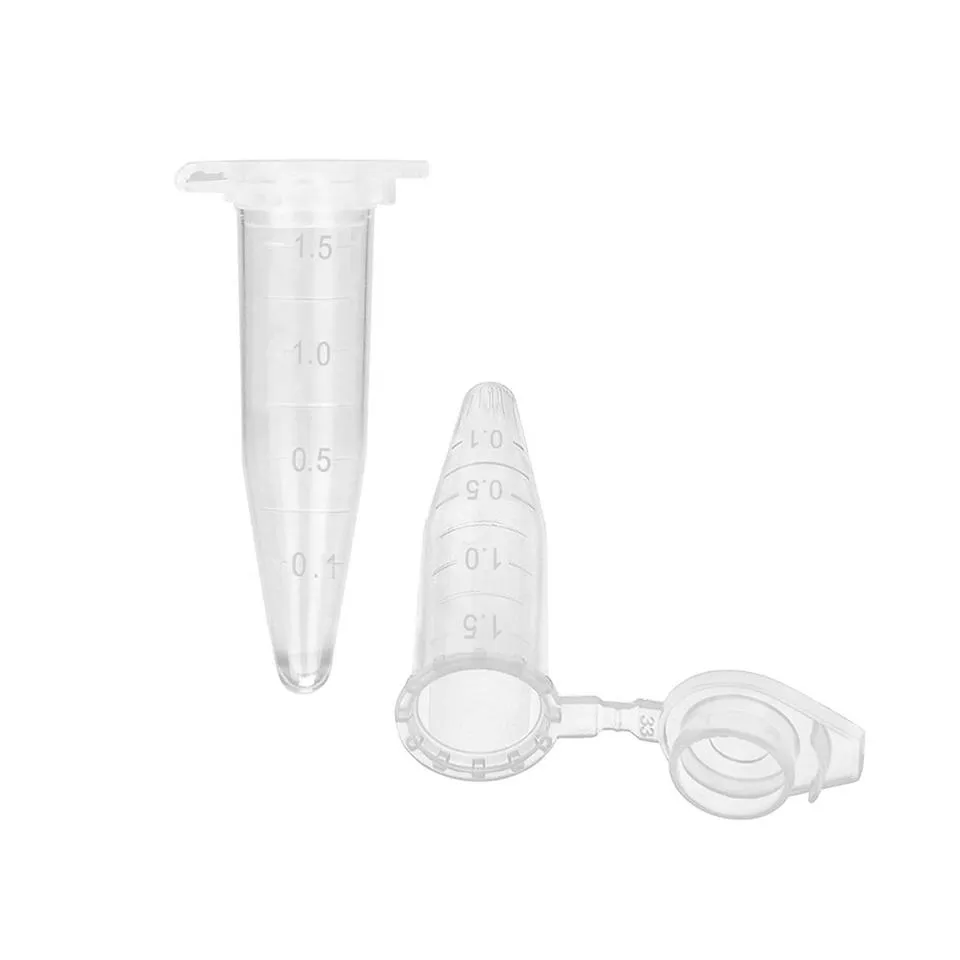
Manufacturing Process: Ensuring Precision and Purity
The production of high-quality polypropylene falcon tubes is a meticulously controlled process, designed to meet the rigorous demands of laboratory environments. While industrial components might utilize casting, forging, or CNC machining, the manufacturing of polypropylene labware relies predominantly on advanced plastic molding techniques to achieve the required precision, sterility, and material integrity. This focus ensures product advantages such as superior sample protection and reliable performance.
Process Flow:
- Material Selection: Only virgin, medical-grade polypropylene resin (typically USP Class VI tested) is chosen. This ensures minimal extractables, chemical purity, and mechanical consistency.
-
Injection Molding:
- The PP resin pellets are fed into an injection molding machine, melted, and injected under high pressure into precision-engineered molds.
- This process forms the tube body and cap separately, ensuring accurate dimensions, a smooth surface finish, and a consistent conical bottom for optimal pellet formation during centrifugation.
- Molds are often designed with multi-cavity configurations for high-volume production, maintaining tight tolerances (e.g., ±0.1 mm on critical dimensions).
- Cooling and Ejection: After injection, the plastic cools rapidly within the mold, solidifying into the desired shape. The finished tubes are then ejected automatically.
- Flashing Removal & Deburring: Any excess plastic (flashing) is precisely removed, and edges are smoothed to prevent contamination or injury.
-
Quality Control (QC) & Inspection:
- Automated optical inspection systems verify dimensions, detect defects (e.g., short shots, flash, blemishes), and ensure consistent wall thickness.
- Leak-proof testing is conducted on a statistically significant sample of capped tubes to confirm sealing integrity at specified pressures.
- Batch-specific testing for biological contaminants (RNase/DNase/Pyrogen-free status) and mechanical strength (RCF rating verification) is performed.
- Sterilization: Tubes designated as sterile undergo validated sterilization processes, typically gamma irradiation, performed in ISO 11137 compliant facilities. This ensures a Sterility Assurance Level (SAL) of 10⁻⁶.
- Packaging: Tubes are typically packaged in resealable bags or racks in certified cleanroom environments (e.g., ISO Class 7 or 8) to maintain sterility and prevent contamination during transit and storage.
This process ensures that each polypropylene conical tube meets stringent quality and performance criteria, offering advantages in terms of consistent sample recovery, robust leak-proof performance, and extended service life under demanding laboratory conditions. The target industries for these precision-manufactured consumables are primarily biotechnology, pharmaceutical development, clinical diagnostics, academic research, and environmental testing laboratories.
Application Scenarios and Case Studies
The versatility of polypropylene falcon tubes makes them indispensable across a multitude of laboratory applications. Their robust design and sterile options are critical for maintaining experimental integrity.
Key Usage Scenarios:
- Cell Culture: Essential for centrifugation of cell suspensions, washing steps, and gentle mixing of media or reagents. The conical bottom aids in efficient cell pellet formation.
- Molecular Biology: Used for DNA/RNA extraction, purification protocols, and separation of reagents. The chemical resistance of PP is vital here.
- Clinical Diagnostics: Sample preparation, aliquotting, and short-term storage of patient samples (blood, urine, CSF) before analysis.
- Microbiology: Dilution series, preparation of bacterial cultures, and pelleting microorganisms for further study.
- Protein Chemistry: Protein precipitation, desalting, and concentration steps often utilize high-speed centrifugation in these tubes.
- General Laboratory Tasks: Mixing, diluting, and temporary storage of various aqueous solutions and non-corrosive chemicals.
Application Case Study: Cell Therapy Development
A leading biopharmaceutical company developing CAR T-cell therapies faced challenges with inconsistent cell viability and recovery rates during critical centrifugation steps. Their initial tubes showed variability in conical bottom precision and cap sealing, leading to sample loss and shear stress on sensitive cells. By switching to certified RNase/DNase/Pyrogen-free 50 ml polypropylene tubes with a documented RCF rating of 16,000 x g and an ultra-leak-proof screw cap, they observed a significant improvement.
The new tubes, manufactured under ISO 13485 standards, ensured consistent cell pellet formation, reduced cell loss due to adsorption, and maintained sterility throughout the process. This optimization contributed to a 15% increase in post-centrifugation cell viability and improved overall process reproducibility, accelerating their therapeutic pipeline.
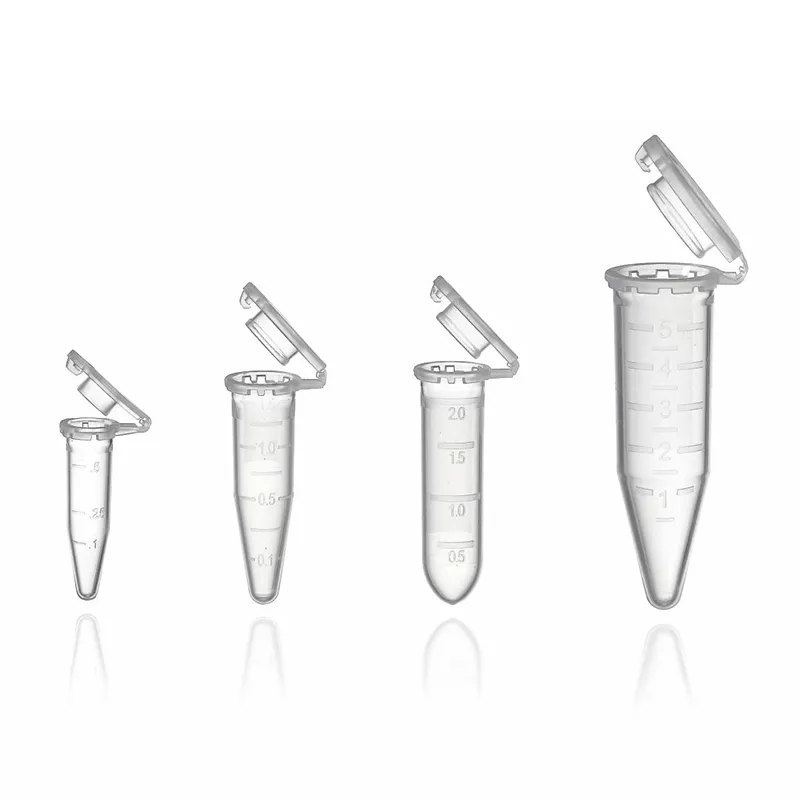
Technical Advantages of High-Quality Polypropylene Falcon Tubes
Investing in high-grade polypropylene conical tube products offers distinct technical advantages crucial for reliable experimental outcomes and operational efficiency:
- Superior Chemical Resistance: Unlike polystyrene, polypropylene is highly resistant to aggressive chemicals like ethanol, acetone, and various detergents, preventing material degradation and sample contamination.
- Robust Temperature Stability: Capable of handling extreme thermal cycles, from deep-freeze storage (-80°C) to autoclaving (+121°C), without compromising structural integrity or sealing.
- High RCF Ratings: Engineered to withstand powerful centrifugal forces, ensuring safe and efficient separation of cellular components or precipitates without fear of tube failure.
- Leak-Proof Design: Precision-molded caps with advanced thread designs ensure a secure, leak-proof seal, critical for handling hazardous biological samples and preventing cross-contamination.
- Low Sample Retention: The smooth, hydrophobic surface of high-quality PP minimizes non-specific binding of proteins and nucleic acids, maximizing sample recovery.
- Sterility Assurance: Certified sterile (SAL 10⁻⁶) products, free from RNase, DNase, and pyrogens, are essential for sensitive molecular biology and cell culture applications, eliminating critical sources of experimental error.
- Clear Graduation Marks: Printed or molded graduations provide accurate volume measurement, enhancing precision in sample preparation and aliquotting.
Vendor Comparison and Customized Solutions
Choosing the Right Supplier
Selecting a reliable vendor for polypropylene falcon tubes is crucial for ensuring consistent supply, quality, and support. Key factors for B2B procurement include:
| Attribute | Description/Considerations | Impact on Lab Operations |
|---|---|---|
| Product Quality & Certifications | ISO 9001, ISO 13485 (manufacturing), USP Class VI, RNase/DNase/Pyrogen-free, CE Mark. | Ensures reliability, reproducibility, and compliance with regulatory standards for sensitive applications. |
| Technical Support & Expertise | Availability of product specialists, technical datasheets, and application notes. | Assists in troubleshooting, product selection, and optimizing experimental protocols. |
| Supply Chain Reliability | Consistent availability, inventory management, efficient logistics, and lead times. | Minimizes stock-outs, prevents delays in research, and ensures operational continuity. |
| Customization Capabilities | Ability to provide custom volumes, cap colors, rack formats, or specialized packaging. | Optimizes workflow for specific instruments or unique experimental requirements. |
| Cost-Effectiveness | Competitive pricing without compromising on quality or performance. | Manages budget constraints while ensuring high-quality research outcomes. |
Tailored Solutions for Unique Needs
Recognizing that standard products may not always fit every specialized application, many manufacturers offer customized solutions for their polypropylene falcon tubes. These can include:
- Specialized Volumes or Designs: Beyond standard 15ml and 50ml, custom capacities or tube geometries for specific instrument compatibility.
- Cap Variations: Different cap materials (e.g., HDPE, PP), colors for coding, or filter caps for gas exchange in cell culture.
- Custom Sterility Levels: Higher SALs or endotoxin levels tailored for specific GMP manufacturing needs.
- Surface Treatments: Low-binding surfaces for ultra-sensitive applications, or surface modifications for cell attachment (though less common for conical tubes).
- Branding and Labeling: Custom printing of logos, barcodes, or specific identifiers directly on the tubes or packaging.
- Packaging Configurations: Bulk packaging, specific rack layouts, or pre-sorted kits to streamline workflow in automated systems.
Collaborating with a manufacturer that possesses strong engineering and production capabilities can lead to optimal solutions that integrate seamlessly into complex workflows, providing a competitive edge.
Quality Assurance and Authoritative Certifications
For critical laboratory applications, the quality and reliability of polypropylene falcon tubes are non-negotiable. Reputable manufacturers adhere to stringent quality management systems and obtain authoritative certifications to demonstrate their commitment to excellence and compliance.
Key Certifications and Standards:
- ISO 9001: General international standard for quality management systems, ensuring consistent product quality.
- ISO 13485: Specific to medical device manufacturers, this standard outlines requirements for a comprehensive quality management system for the design and manufacture of medical devices, including lab consumables.
- CE Marking: Indicates compliance with European health, safety, and environmental protection standards.
- USP Class VI: Certification for plastic materials (polypropylene) ensuring biocompatibility and absence of leachables detrimental to biological systems, critical for pharmaceutical and biotech applications.
- RNase/DNase-Free: Tested and certified free of ribonucleases and deoxyribonucleases, crucial for nucleic acid extraction and amplification.
- Pyrogen-Free (Endotoxin-Free): Certified free of bacterial endotoxins, which can interfere with cell viability and contaminate cell culture experiments.
- Human DNA-Free: Increasingly important for forensics and genomic applications to prevent contamination.
- Traceability: Batch-specific documentation and lot numbers for complete raw material to finished product traceability.
These certifications, alongside robust internal quality control protocols, provide users with the assurance that their polypropylene falcon tubes will perform consistently and reliably, safeguarding experimental integrity and regulatory compliance.
Trustworthiness: FAQ, Logistics, and Support
Frequently Asked Questions (FAQ)
Q: Can polypropylene falcon tubes be autoclaved?
A: Yes, polypropylene falcon tubes are generally autoclavable at 121°C (250°F) for 15-20 minutes at 15 psi. Ensure caps are loosened to prevent sealing and tube deformation during sterilization.
Q: What is the difference between 15 ml polypropylene conical tube and 50 ml polypropylene tubes?
A: The primary difference is volume capacity, with 15 mL tubes used for smaller sample volumes and 50 mL tubes for larger volumes. They often have different maximum RCF ratings due to their size and design, with 50 mL tubes typically tolerating higher RCFs.
Q: Are the tubes guaranteed leak-proof?
A: High-quality polypropylene falcon tubes are designed with precision-engineered screw caps to ensure a leak-proof seal. Manufacturers typically perform rigorous testing to guarantee this. Always ensure caps are securely tightened according to manufacturer instructions.
Q: What is the typical shelf life of sterile polypropylene conical tube?
A: Sterile tubes typically have a shelf life of 3-5 years from the date of manufacture, provided they are stored in their original, unopened packaging away from direct sunlight and extreme temperatures. The sterility is guaranteed until the specified expiration date or until the package is compromised.
Lead Time and Fulfillment
Standard orders for common polypropylene falcon tubes typically have a lead time of 3-7 business days for shipment from our warehouse, depending on order volume and destination. For customized solutions or large-volume institutional orders, lead times will be provided upon inquiry and may range from 2-4 weeks to accommodate specific manufacturing and testing requirements. We maintain robust inventory levels to minimize delays and ensure consistent supply to our clients.
Warranty Commitments
All our polypropylene conical tube products are backed by a comprehensive warranty against defects in materials and workmanship for a period of 12 months from the date of purchase. This warranty covers manufacturing faults and ensures that products meet specified performance characteristics. Any issues related to product quality or performance will be addressed promptly by our technical support team, including replacement or refund where applicable, in accordance with our terms and conditions.
Customer Support Information
Our dedicated customer support team is available to assist with product inquiries, technical support, order processing, and after-sales service. Please contact us via phone at [Insert Phone Number] or email at [Insert Email Address]. Our technical specialists are also available for consultation on specific application needs and to provide detailed product documentation. We are committed to providing exceptional service and building long-term partnerships with our B2B clients.
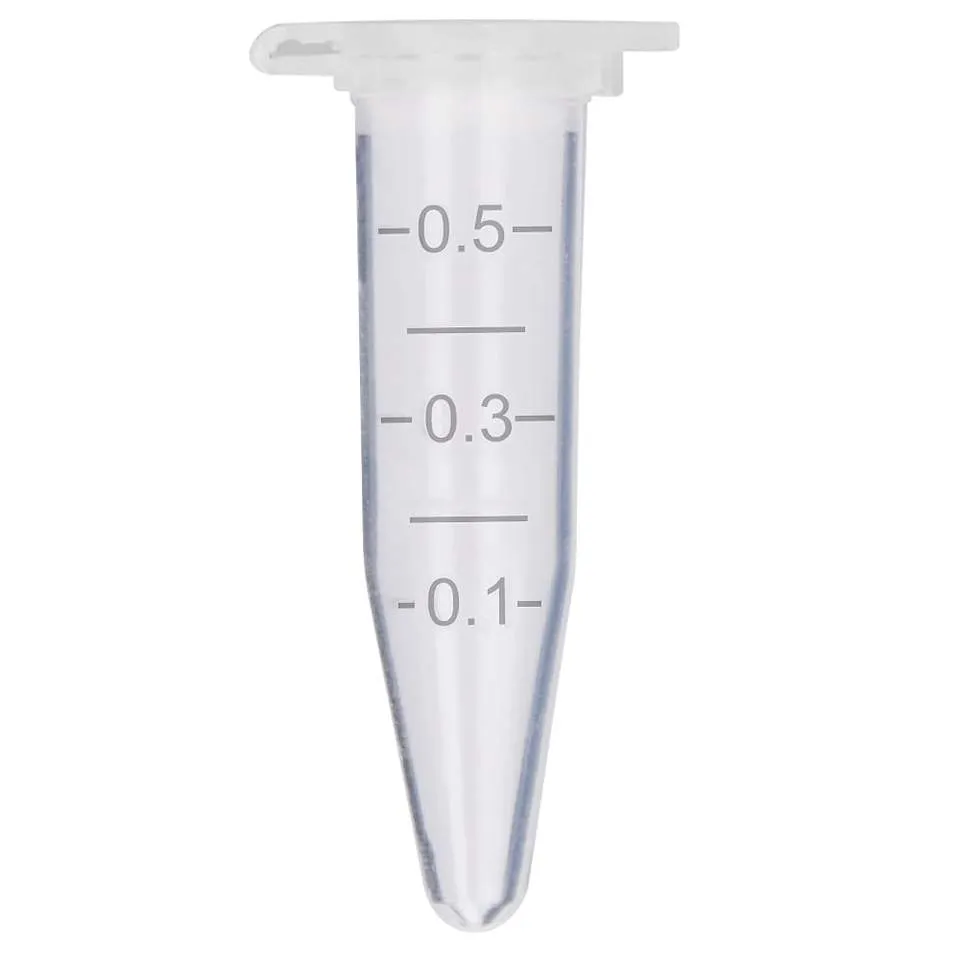
Conclusion
The choice of polypropylene falcon tubes directly impacts the reliability and success of laboratory experiments and diagnostic procedures. By understanding the intricate manufacturing processes, adhering to stringent quality standards, and leveraging specialized material properties, manufacturers can deliver high-performance consumables that meet the evolving demands of the life science industry. Partnering with a trusted supplier committed to quality, innovation, and customer support ensures that laboratories are equipped with the best tools to advance scientific discovery and clinical outcomes.
References
- Grand View Research. (2023). Laboratory Consumables Market Size, Share & Trends Analysis Report By Product (Reagents & Kits, Disposables), By End-use (Biotechnology & Pharmaceutical Companies), By Region, And Segment Forecasts, 2023 - 2030.
- International Organization for Standardization. (2016). ISO 13485:2016 Medical devices – Quality management systems – Requirements for regulatory purposes.
- U.S. Pharmacopeia. (2020). USP Biological Reactivity Tests, In Vivo – Polypropylene.
- ASTM International. (2021). ASTM D638 Standard Test Method for Tensile Properties of Plastics.
-
Bulk Eye Dropper Bottles for Industrial Packaging - Reliable & CustomizableNewsDec.31,2025
-
Small Plastic Dropper Bottles – Durable, Precise Packaging Solutions for B2B ApplicationsNewsDec.10,2025
-
Medicine Dropper Bottles – Precision and Quality Packaging Solutions for B2B | WK PackingNewsDec.10,2025
-
Discover Top Quality 2 oz Eye Dropper Bottles for Industrial UseNewsDec.09,2025
-
1 Oz Eye Dropper Bottles - Precision Packaging Solutions for B2B Industries | WKPackingNewsDec.09,2025
-
Durable 4 oz Eye Dropper Bottles for Industrial & Cosmetic UseNewsDec.09,2025