The humble plastic vial with cap is a cornerstone of modern industry and healthcare. From storing vital pharmaceuticals to safeguarding sensitive samples, these containers play a critical, often unseen, role in countless processes globally. Understanding their design, materials, and applications is paramount for professionals across a wide spectrum of fields, ensuring product integrity, safety, and efficient distribution. The global demand for reliable and cost-effective containment solutions is consistently increasing, driven by population growth, advances in medical technology, and expanding industrial output.
The market for plastic vial with cap is massive and continually evolving. Driven by innovation in polymer science and manufacturing techniques, suppliers are increasingly focused on providing customized solutions tailored to specific client needs. This includes a wide range of materials, sizes, and closure types. Recent trends also highlight the importance of sustainable options, leading to research and development into recyclable and biodegradable plastics for vial production.
Furthermore, the proper selection and use of a plastic vial with cap are crucial to maintaining the quality and efficacy of its contents. Regulatory compliance, particularly in the pharmaceutical and food industries, necessitates a thorough understanding of material compatibility, sterilization methods, and potential leachables.
Defining plastic vial with cap
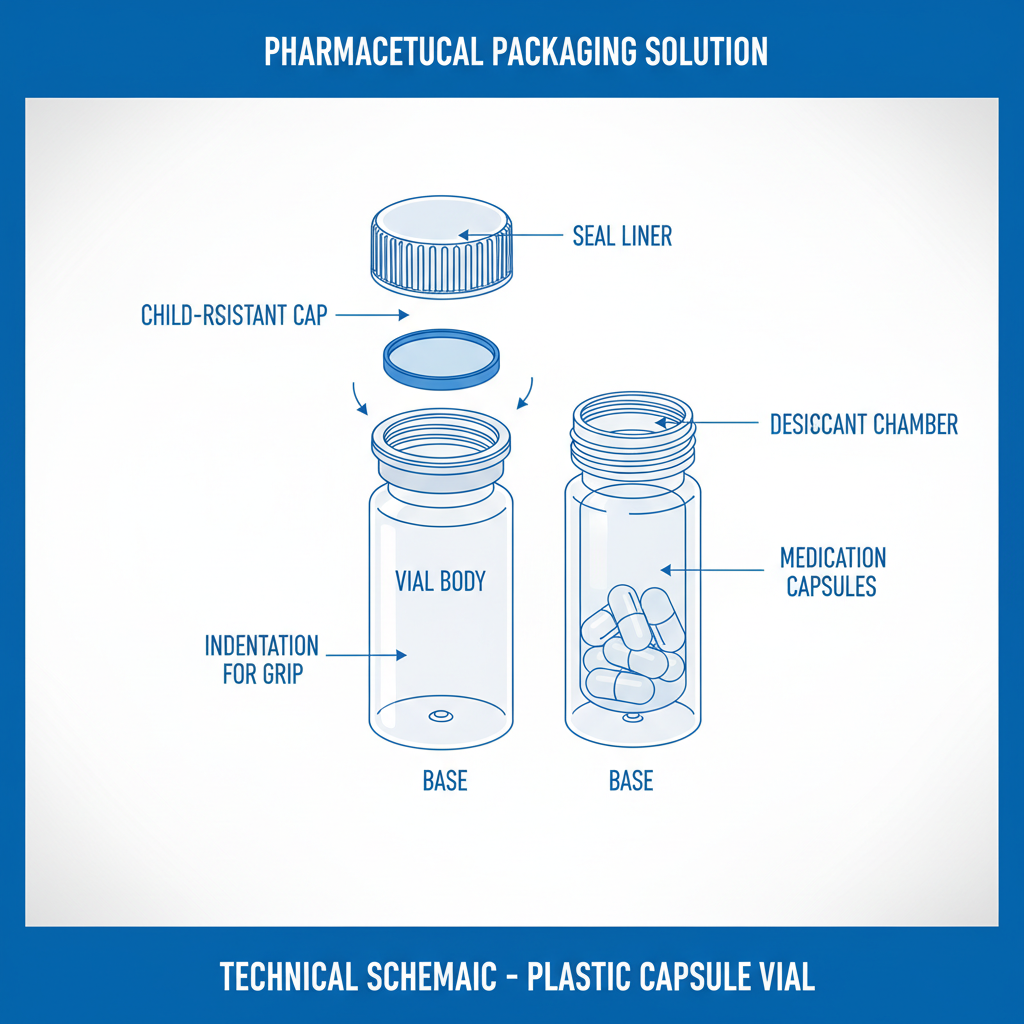
A plastic vial with cap is a container, typically cylindrical in shape, constructed from various types of plastic polymers and sealed with a corresponding closure (the cap). It's designed to store, protect, and transport liquids or solids. The materials used are chosen based on the specific requirements of the contents, considering factors such as chemical compatibility, sterilization needs, and desired shelf life.
Its importance stems from its versatility and cost-effectiveness. Unlike glass vials, plastic alternatives offer reduced risk of breakage, lighter weight for transportation, and greater design flexibility. This makes them essential across a range of industries, from pharmaceuticals and diagnostics to food and beverage, and chemical storage. The ability to customize materials and cap types makes them adaptable to diverse needs.
Global Relevance and Industry Context
The demand for plastic vial with cap is globally significant, directly tied to advancements in healthcare, scientific research, and industrial production. According to the World Health Organization, access to safe and effective medicines is a fundamental human right. Reliable packaging, including plastic vials, is crucial for maintaining drug integrity throughout the supply chain.
The global plastic packaging market, which includes vials, is projected to reach USD 440.3 billion by 2027 (Source: Grand View Research). This growth is spurred by increasing demand from developing economies, the expansion of e-commerce, and the growing need for single-use packaging for hygiene and safety purposes. ISO standards relating to packaging and containment further drive the need for high-quality plastic vials.
However, the increasing reliance on plastic also presents challenges, particularly regarding environmental impact. This drives a demand for innovative solutions, such as biodegradable plastics and improved recycling infrastructure, creating a constant need for improvement and innovation in the plastic vial with cap industry.
Core Components of plastic vial with cap
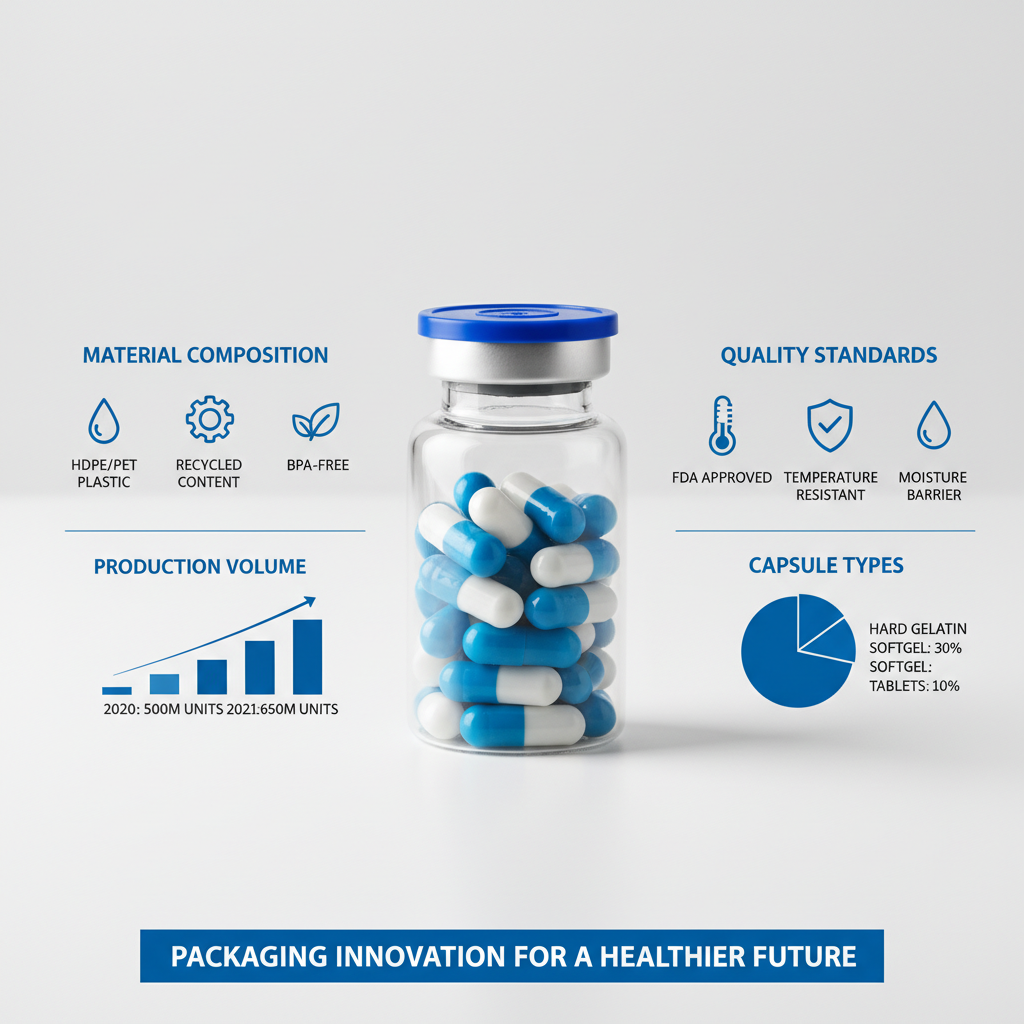
The core of a plastic vial with cap lies in the materials used for both the vial body and the cap. Common plastics include polyethylene (PE), polypropylene (PP), polyethylene terephthalate (PET), and polyvinyl chloride (PVC), each offering different properties regarding chemical resistance, temperature tolerance, and clarity.
Caps are equally critical, frequently made from PP or high-density polyethylene (HDPE). Designs range from simple screw caps to tamper-evident closures, dropper caps, and spray caps, each tailored to the specific application and ensuring secure containment and ease of use. The cap’s liner also plays a vital role in preventing leaks and maintaining product sterility.
Beyond materials, the manufacturing process – often involving injection molding or blow molding – significantly impacts the vial’s structural integrity and dimensional accuracy. Quality control measures, including leak testing and visual inspection, are essential to ensure adherence to industry standards and maintain product safety.
Key Attributes and Practical Applications
Durability is a key attribute of plastic vials. They resist shattering, unlike glass, making them safer to handle and transport. This is especially crucial in settings where vials are subject to impacts or rough handling. Scalability is another significant advantage; plastic vials can be mass-produced efficiently and economically, allowing for quick responses to fluctuating demand.
Cost-efficiency is paramount. The lower material and manufacturing costs of plastic compared to glass result in more affordable packaging solutions. This is particularly important for large-scale applications and price-sensitive markets. Material compatibility is also vital; manufacturers can select plastics that won’t react with the stored substance, preserving its quality.
Performance of plastic vial with cap Materials
Applications Across Diverse Sectors
In the pharmaceutical industry, plastic vial with cap are extensively used for storing injectable medications, vaccines, and diagnostic reagents. The need for sterility, chemical compatibility, and precise dispensing makes plastic vials a preferred choice. In the cosmetic industry, they house lotions, serums, and other personal care products.
The food and beverage sector utilizes plastic vials for samples, flavorings, and small-volume products. Scientific research relies heavily on them for collecting, storing, and transporting biological samples, chemicals, and analytical standards. Environmental monitoring agencies use them for water and soil sample collection.
Advantages and Long-Term Value Proposition
The advantages of using plastic vial with cap extend beyond cost and durability. Their light weight reduces shipping costs and carbon footprint. The design flexibility allows for customization, enhancing brand visibility and user experience. Furthermore, they offer superior barrier properties, protecting contents from moisture, oxygen, and UV radiation.
The long-term value lies in their contribution to product safety, efficacy, and supply chain efficiency. Reduced breakage translates to less product loss and fewer safety hazards. Their adaptability to various sterilization methods ensures product sterility and compliance with regulatory standards. The potential for incorporating recycled materials supports sustainability goals and builds brand trust.
From a social impact perspective, reliable packaging contributes to the safe delivery of essential medicines and supplies, especially in remote or underserved communities.
Future Innovations and Emerging Trends
The future of plastic vial with cap is driven by a growing emphasis on sustainability and circular economy principles. Biodegradable and bio-based plastics are gaining traction, offering alternatives to traditional fossil fuel-based polymers. Smart packaging technologies, incorporating sensors and RFID tags, are being explored to enhance tracking and monitoring of products throughout the supply chain.
Digital transformation is also playing a role, with the use of data analytics to optimize packaging design and improve supply chain efficiency. Automation in manufacturing processes will further reduce costs and increase production capacity. Furthermore, research into advanced barrier materials will enhance product shelf life and reduce food waste.
Policy changes promoting plastic recycling and reducing plastic waste will also shape the future landscape. Compliance with evolving regulations will be crucial for manufacturers seeking to remain competitive.
A Comparative Assessment of plastic vial with cap Material Properties
| Material Type |
Chemical Resistance (1-10) |
Temperature Tolerance (°C) |
Recyclability Score (1-10) |
| Polyethylene (PE) |
6 |
80 |
8 |
| Polypropylene (PP) |
7 |
100 |
7 |
| Polyethylene Terephthalate (PET) |
5 |
70 |
9 |
| High-Density Polyethylene (HDPE) |
8 |
90 |
8 |
| Polyvinyl Chloride (PVC) |
4 |
60 |
3 |
| Bio-Based Plastic (PLA) |
5 |
50 |
10 |
FAQS
Common sterilization methods for plastic vials with caps include gamma irradiation, ethylene oxide (EtO) sterilization, and autoclaving (steam sterilization). The suitability of each method depends on the specific plastic material, cap material, and the contents being stored. Gamma irradiation is widely used, but some plastics may become brittle. EtO sterilization requires careful residue removal. Autoclaving is effective for heat-stable plastics. It's critical to confirm compatibility with the manufacturer's guidelines.
Selecting the right plastic material for your plastic vial with cap requires considering several factors. Chemical compatibility is crucial—the plastic must not react with the contents. Temperature requirements dictate whether a high-temperature resistant plastic is needed. Barrier properties (oxygen, moisture) are vital for product stability. Finally, regulatory compliance, such as FDA approval for pharmaceutical applications, must be met. Consult material data sheets and industry experts to ensure optimal selection.
The shelf life of products stored in plastic vial with cap is influenced by several factors, including the plastic material, cap closure type, storage conditions (temperature, humidity), and the product itself. Proper sealing is critical to prevent contamination and degradation. Conduct stability testing to determine the actual shelf life under specific conditions. Some plastics offer better barrier properties, extending shelf life.
Recyclability varies depending on the plastic type. Polyethylene (PE – #2) and Polypropylene (PP – #5) are commonly recycled. Polyethylene Terephthalate (PET – #1) is also widely recycled. However, PVC (#3) and other plastics often have limited recyclability. Check local recycling guidelines to confirm if specific plastic types are accepted. Investing in vials made from readily recyclable materials supports a circular economy.
Tamper-evident closures are designed to provide visible evidence if the vial has been opened or compromised. These can include breakable seals, shrink bands, or specialized cap designs. They are essential for ensuring product safety and preventing counterfeiting, especially in the pharmaceutical, food, and cosmetic industries. Regulatory requirements often mandate the use of tamper-evident closures for certain products.
The cost of plastic vial with cap varies significantly depending on the material. Polypropylene (PP) and Polyethylene (PE) are generally the most cost-effective options. PET and HDPE are moderately priced. Specialized plastics like fluoropolymers are considerably more expensive. Material cost also impacts the cost of tooling for manufacturing. Consider the total cost of ownership, including material, manufacturing, and potential regulatory compliance requirements.
Conclusion
In conclusion, the plastic vial with cap is far more than a simple container. It's a critical component of modern supply chains, healthcare systems, and scientific advancements. Its versatility, cost-effectiveness, and ongoing innovation ensure its continued relevance in a constantly evolving world. From pharmaceutical stability to environmental sample collection, it touches countless facets of our lives.
Looking ahead, the industry will continue to prioritize sustainability, embracing biodegradable materials and circular economy principles. Further advancements in smart packaging and automation will streamline processes and enhance product safety. By understanding the nuances of material science, manufacturing techniques, and regulatory requirements, stakeholders can leverage the full potential of the plastic vial with cap for years to come. Visit our website at www.wkpacking.com to explore our comprehensive range of plastic vial solutions.