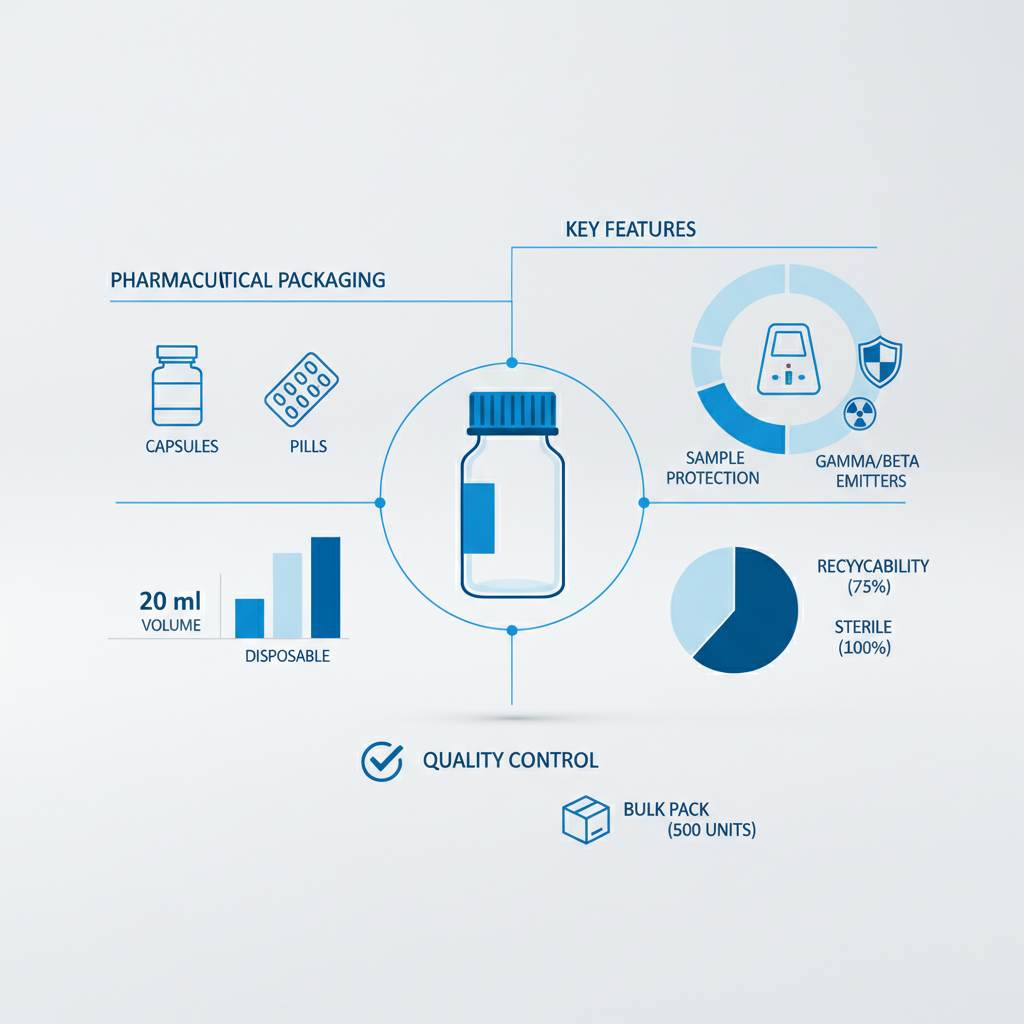
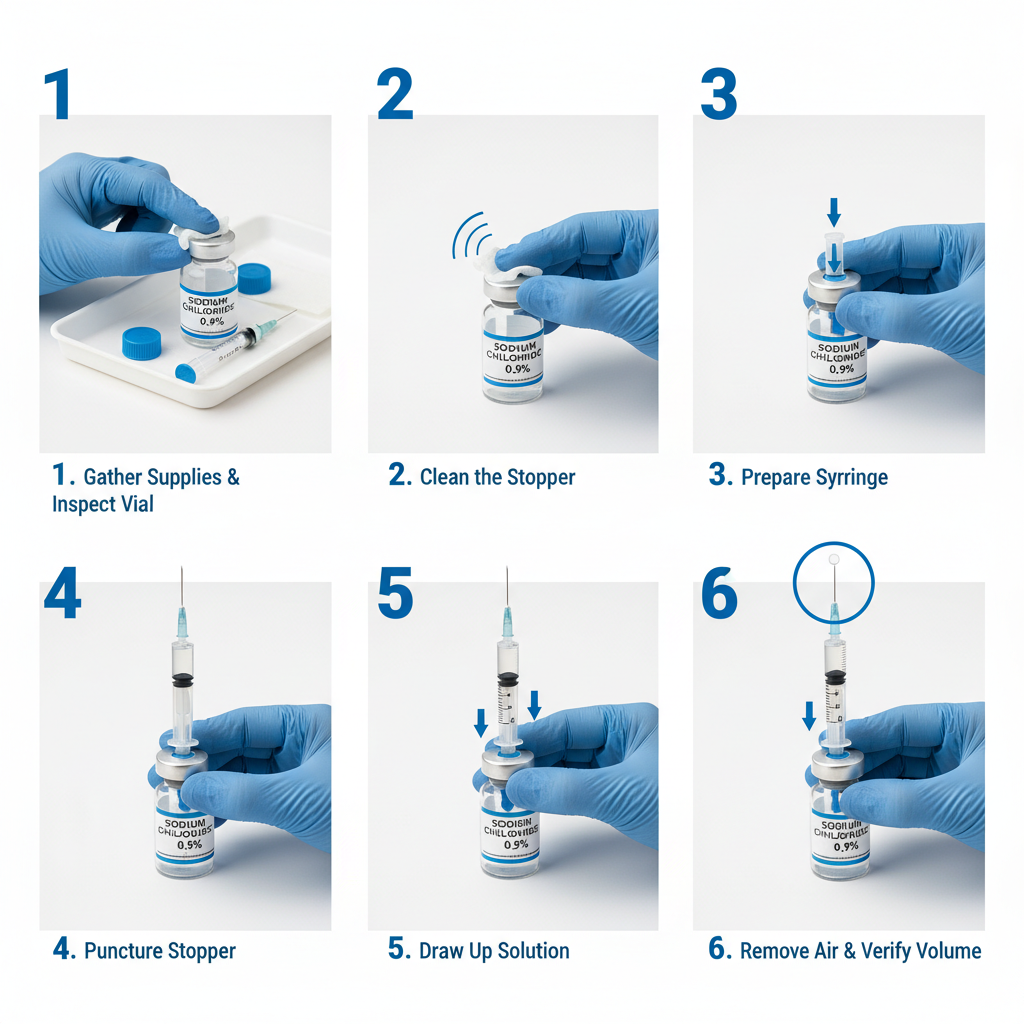
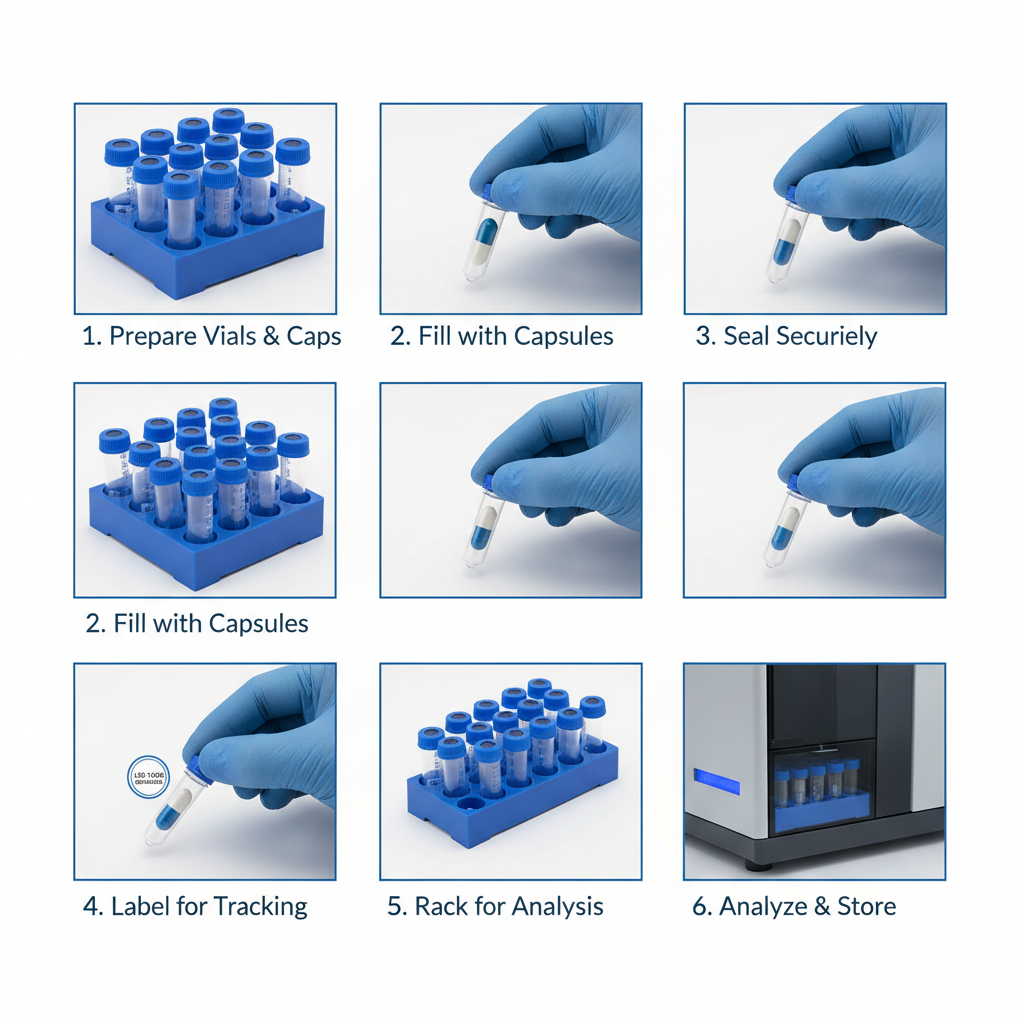
20 ml disposable scintillation vials are essential tools across a diverse range of scientific disciplines, playing a critical role in research areas like biochemistry, molecular biology, and environmental monitoring. Their widespread application stems from their ability to efficiently contain and analyze samples requiring precise radioactivity measurements. These vials are designed for single-use, mitigating the risk of cross-contamination and streamlining laboratory workflows.
The global demand for 20 ml disposable scintillation vials is steadily increasing, driven by advancements in medical diagnostics, pharmaceutical development, and environmental safety regulations. The need for accurate and reliable radioactivity detection fuels this growth. According to industry reports, the market is projected to expand significantly in the coming years, mirroring the broader growth of the life sciences sector.
These vials offer a cost-effective and convenient solution for researchers and technicians, eliminating the need for extensive cleaning and sterilization procedures. This efficiency contributes to increased productivity and reduces the potential for errors in sensitive analyses. Furthermore, the consistent quality and standardized dimensions of these vials ensure compatibility with a wide range of scintillation counters and automated sample handling systems.
Introduction to 20 ml Disposable Scintillation Vials
20 ml disposable scintillation vials are specifically engineered containers used to hold samples that are analyzed using liquid scintillation counting (LSC). LSC is a highly sensitive technique for detecting beta particles and alpha particles, often used to measure radioactivity in various research and industrial applications. The vials are manufactured from materials optimized for minimal background radiation and maximum light transmission, crucial for accurate measurements.
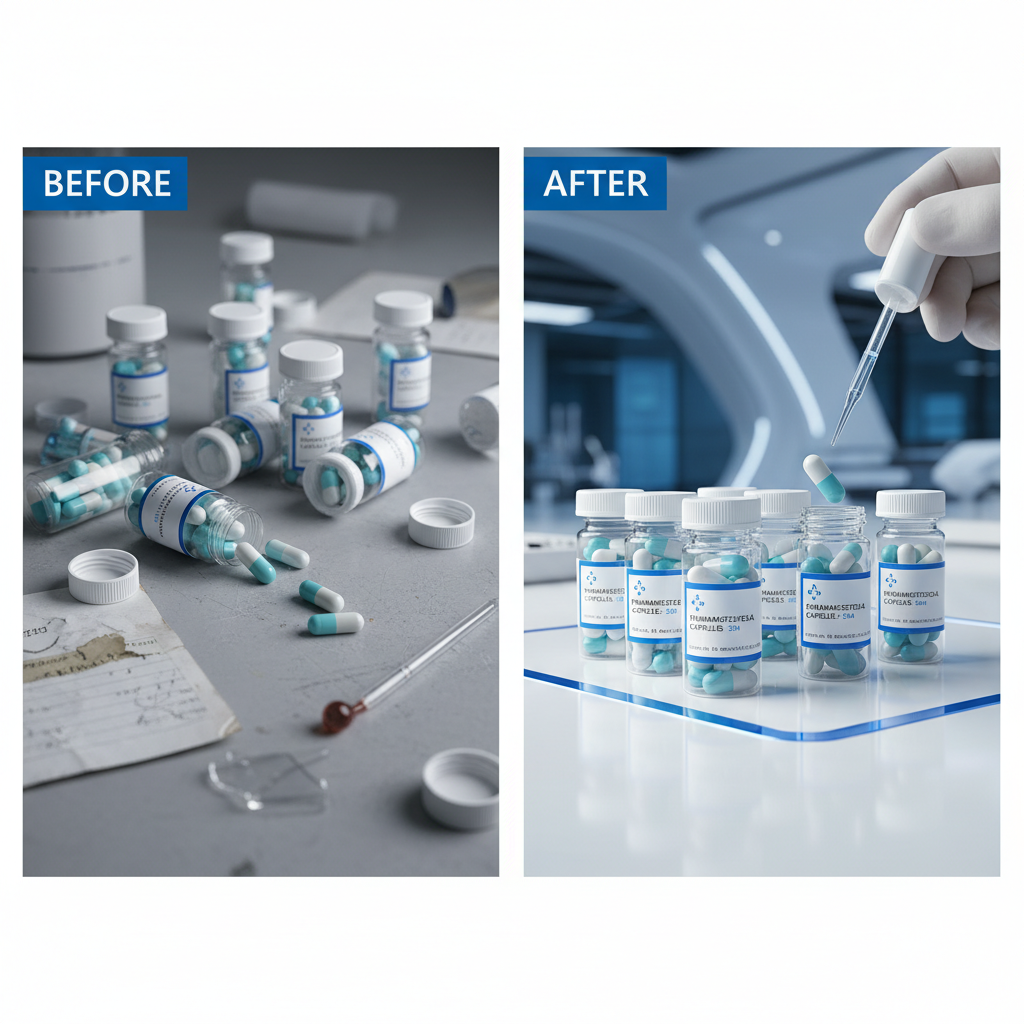
The primary benefit of using disposable vials lies in the reduction of contamination risks, as each sample is contained within a fresh, sterile vessel. This is particularly important in applications where sample integrity is paramount, such as pharmaceutical quality control and environmental monitoring. The use of disposable vials simplifies laboratory processes, saving time and resources associated with cleaning and sterilization.
Defining 20 ml Disposable Scintillation Vials
A 20 ml disposable scintillation vial is a small, typically cylindrical container made of plastic, designed for a single use in liquid scintillation counting. These vials are characterized by their precise volume capacity (20 milliliters) and their composition, often polypropylene or polyethylene, selected for their low background radiation and compatibility with scintillation cocktails. The vials are sealed with screw caps or other closures to prevent leakage and maintain sample integrity.
The core purpose of these vials is to provide a suitable environment for samples containing radioactive isotopes to interact with a scintillation cocktail. This interaction generates light photons, which are then detected by a scintillation counter, allowing for the quantification of the radioactive material. Their disposable nature directly addresses the need for contamination control in sensitive analyses.
These vials are integral to modern scientific practice, supporting a broad spectrum of research and diagnostic procedures. The evolution of these vials reflects an ongoing commitment to accuracy, efficiency, and safety in radioactivity measurement techniques.
Core Components and Characteristics
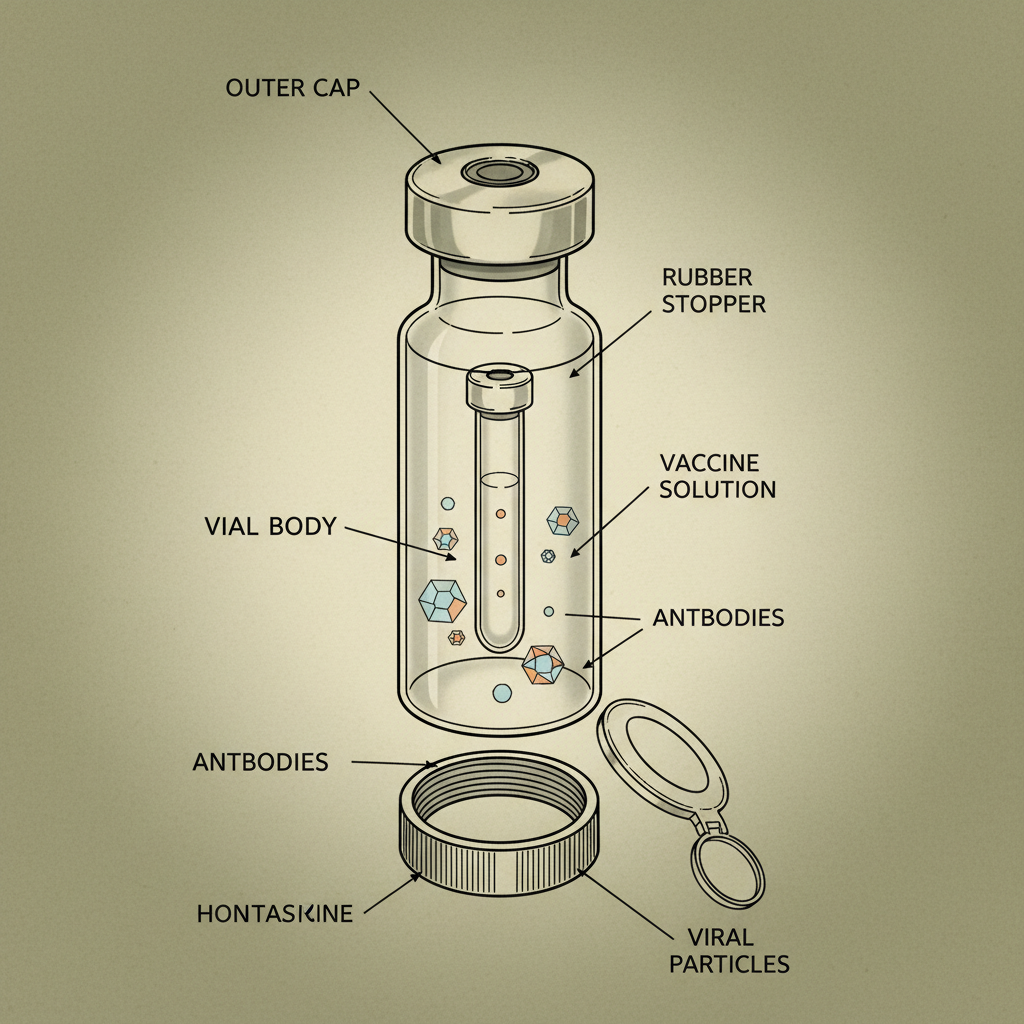
The fundamental components of 20 ml disposable scintillation vials are the vial body, typically constructed from polypropylene or polyethylene, and the closure system – usually a screw cap. The choice of plastic is critical, influencing factors like chemical compatibility, light transmission, and background radiation levels. High-quality vials utilize materials that minimize quenching and maximize scintillation efficiency.
Key characteristics include dimensional accuracy (ensuring precise volume measurements), leak-proof seals (preventing sample loss and contamination), and low levels of inherent radioactivity. Vial clarity is also essential, as it impacts the amount of light reaching the scintillation counter. Furthermore, the vials must be robust enough to withstand handling and centrifugation without cracking or deforming.
Variations exist based on intended application. Some vials are designed with flat bottoms for optimal light collection, while others feature specialized coatings to reduce adsorption of radioactive materials. The consistent production standards across different manufacturers ensure interchangeability and reliability in research settings.
Key Performance Indicators
Evaluating the performance of 20 ml disposable scintillation vials requires consideration of several key indicators. Background radiation levels are paramount, as higher levels can mask or distort the signal from the sample. Light transmission efficiency directly impacts the sensitivity of the measurement.
Another crucial indicator is the vial’s chemical compatibility with various scintillation cocktails and sample matrices. The vial material must not react with the sample or leach any contaminants that could interfere with the analysis. Leakage rates, assessed through pressure testing, determine the vial’s ability to securely contain the sample.
20 ml Disposable Scintillation Vials Performance Metrics
Global Applications and Industries Served
20 ml disposable scintillation vials find extensive use across numerous industries and research fields. In pharmaceutical research and development, they are critical for analyzing radiolabeled drugs and monitoring metabolic processes. Environmental monitoring relies heavily on these vials to detect radioactive contaminants in water, soil, and air samples.
Academic research institutions worldwide utilize these vials for a broad spectrum of applications, including biochemistry, molecular biology, and nuclear physics. Clinical diagnostic laboratories employ them in medical imaging and diagnostic assays. In post-disaster relief operations, these vials can be used for rapid assessment of radioactive contamination levels in affected areas.
Benefits and Long-Term Value Proposition
The benefits of using 20 ml disposable scintillation vials extend beyond simple convenience. The reduction in contamination risk leads to more reliable and accurate results, ultimately saving time and resources in the long run. The cost-effectiveness of disposable vials, compared to the labor and materials required for cleaning and sterilizing reusable vials, provides a significant economic advantage.
The inherent safety of single-use vials minimizes exposure to radioactive materials for laboratory personnel, promoting a healthier and more secure working environment. Their consistent quality and standardized dimensions build trust and reliability in research findings. The overall value proposition lies in the combination of accuracy, efficiency, safety, and cost savings, contributing to advancements in scientific knowledge and improved public health.
The environmental impact is also considered, with many manufacturers focusing on recyclable materials and sustainable production practices.
Future Trends and Innovations
The future of 20 ml disposable scintillation vials is likely to be shaped by several emerging trends. The development of bio-based plastics and biodegradable materials is gaining momentum, addressing growing concerns about environmental sustainability. Innovations in vial coatings are aimed at further reducing adsorption and quenching effects, enhancing measurement sensitivity.
Automation and high-throughput screening are driving demand for vials with optimized geometries and robotic handling compatibility. Integration with digital data management systems and track-and-trace technologies is also expected to become increasingly prevalent, improving sample management and data integrity. Research into novel scintillation cocktails and vial materials will continue to push the boundaries of detection limits and analytical accuracy.
The move towards miniaturization and microfluidic technologies may also lead to the development of smaller-volume scintillation vials for specialized applications.
Summary of Challenges and Potential Solutions for 20 ml Disposable Scintillation Vials
| Challenge |
Impact on 20 ml Disposable Scintillation Vials |
Potential Solution |
Implementation Difficulty (1-10) |
| Quenching Effects |
Reduces measurement accuracy |
Optimized vial coatings and scintillation cocktails |
6 |
| Environmental Concerns |
Plastic waste generation |
Biodegradable and recyclable vial materials |
8 |
| Batch-to-Batch Variability |
Inconsistent performance |
Stricter quality control measures |
5 |
| Sample Compatibility |
Vial material reacting with sample |
Wider range of vial materials available |
4 |
| Light Leakage |
Reduced signal detection |
Improved vial opacity and cap sealing |
7 |
| Automation Compatibility |
Difficulty with robotic handling |
Standardized vial dimensions and geometries |
3 |
FAQS
20 ml disposable scintillation vials are mainly utilized in liquid scintillation counting (LSC), a technique used to detect and quantify radioactive isotopes. They are essential for research in biochemistry, molecular biology, environmental science, and pharmaceutical development where accurate measurement of radioactivity is crucial. The vials provide a contained and optimized environment for the interaction between the radioactive sample and the scintillation cocktail, generating detectable light signals.
These vials are commonly manufactured from polypropylene or polyethylene plastic. These materials are chosen for their low background radiation, which minimizes interference with measurements, and their compatibility with a wide range of scintillation cocktails. They also offer good chemical resistance and are relatively inexpensive, making them ideal for disposable applications. The clarity of the plastic is also important for maximizing light transmission.
Vial quality significantly impacts accuracy. Factors like background radiation levels, light transmission efficiency, and chemical compatibility all play a role. High-quality vials have minimal inherent radioactivity, allowing for detection of even low-level samples. Optimal light transmission maximizes the signal detected by the scintillation counter, and compatibility with the cocktail prevents quenching (reduction of light output). Leakage can also compromise results by causing sample loss.
Yes, there is a growing trend towards more sustainable options. Manufacturers are developing vials from bio-based plastics, such as polylactic acid (PLA), which are derived from renewable resources. Recyclable polypropylene vials are also becoming more common. While these alternatives may have different properties, they represent a significant step towards reducing the environmental impact of LSC.
20 ml disposable scintillation vials should be stored in a clean, dry, and dark environment. Exposure to direct sunlight can degrade the plastic and potentially increase background radiation. They should also be protected from physical damage and extreme temperatures. It's generally recommended to store them in their original packaging until ready for use to maintain their integrity and cleanliness.
As the name suggests, 20 ml disposable scintillation vials are designed for a single use. They should not be reused due to the potential for contamination and degradation of the plastic. Although the plastic itself might seem structurally sound after a single use, microscopic changes can occur that affect its performance and introduce errors in subsequent measurements. Proper disposal after a single use is essential.
Conclusion
20 ml disposable scintillation vials are indispensable tools in modern scientific research and diagnostics, providing a safe, efficient, and accurate means of analyzing radioactive samples. Their widespread adoption is driven by the need for contamination control, consistent performance, and cost-effectiveness. The future of these vials is focused on sustainability, with innovations in bio-based materials and improved manufacturing processes.
Continued advancements in vial technology, coupled with the growing demand for accurate radioactivity measurements, will ensure the ongoing relevance of these seemingly simple, yet critically important, scientific consumables. We encourage researchers and practitioners to explore the latest innovations in vial materials and designs to optimize their LSC workflows and achieve the most reliable results.