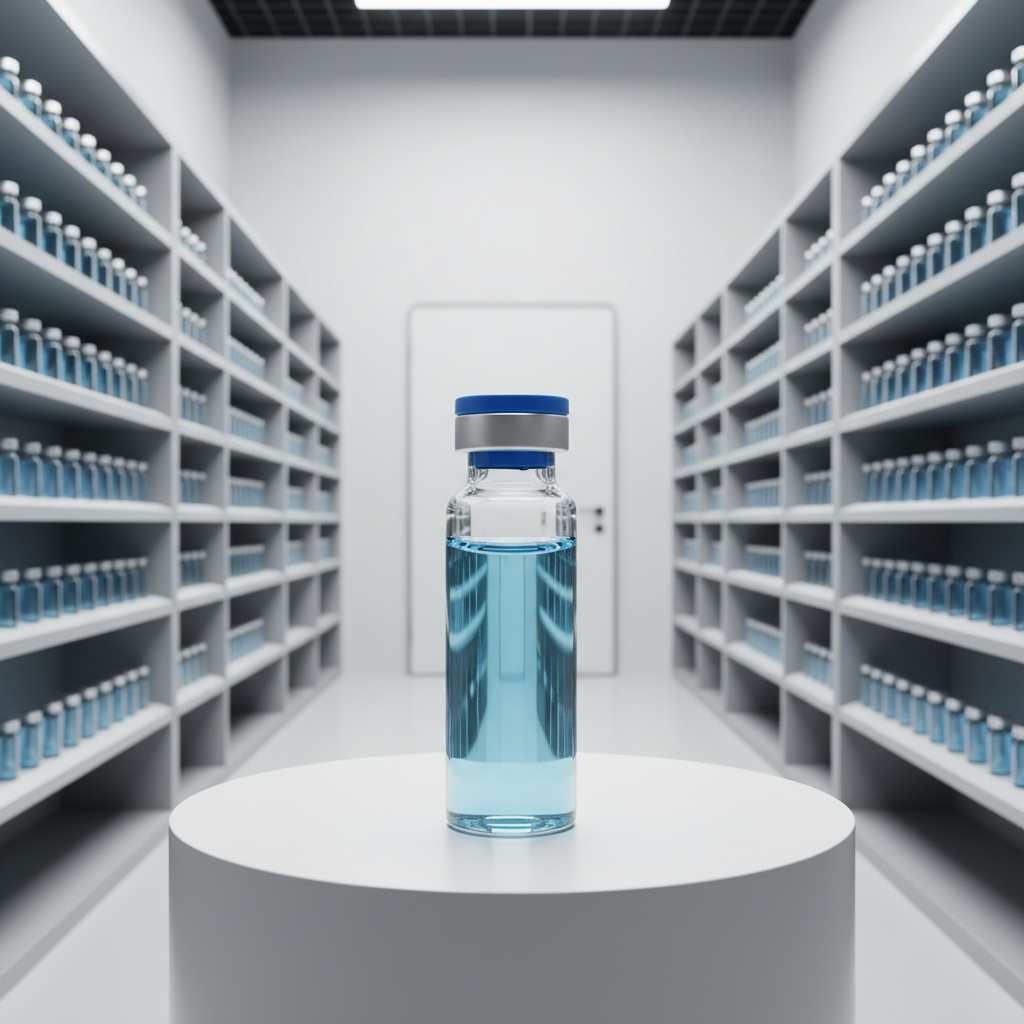
Plastic vials are ubiquitous containers, essential across a remarkably diverse range of industries and applications. From the precise containment of pharmaceutical samples and laboratory reagents to the secure storage of cosmetic formulations and specialty chemicals, the plastic vial plays a critical, often unseen, role in modern life. Their affordability, versatility, and relative safety make them a cornerstone of countless processes.
The global demand for plastic vials is driven by factors like increasing healthcare spending, growing cosmetic industries in emerging markets, and the expanding need for reliable sample storage in research facilities. According to a recent report by Grand View Research, the global plastic vial market size was valued at USD 4.8 billion in 2022 and is projected to reach USD 6.5 billion by 2030, growing at a CAGR of 3.7% from 2023 to 2030. This growth underscores the fundamental importance of this seemingly simple packaging solution.
The challenge lies in balancing this demand with increasing environmental concerns surrounding plastic waste. Innovation in sustainable materials and recycling technologies is crucial to ensuring the long-term viability of plastic vial usage while minimizing its ecological footprint. Understanding the nuances of plastic vial production, application, and end-of-life management is paramount for industries and consumers alike.
Introduction to Plastic Vials
The simple plastic vial has become an indispensable component in a vast array of scientific, medical, and consumer applications. Its primary function – the safe and secure containment of liquids and solids – belies the complex engineering and materials science that underpin its design and manufacture. Understanding the role these containers play is crucial to optimizing processes and ensuring product integrity.
The versatility of plastic vials stems from their adaptability. They can be manufactured in a multitude of shapes, sizes, and materials, tailored to specific needs. Whether it's a small, tightly sealed vial for storing valuable pharmaceutical samples or a larger, robust container for transporting industrial chemicals, plastic vials provide a cost-effective and reliable solution.
Defining the Plastic Vial
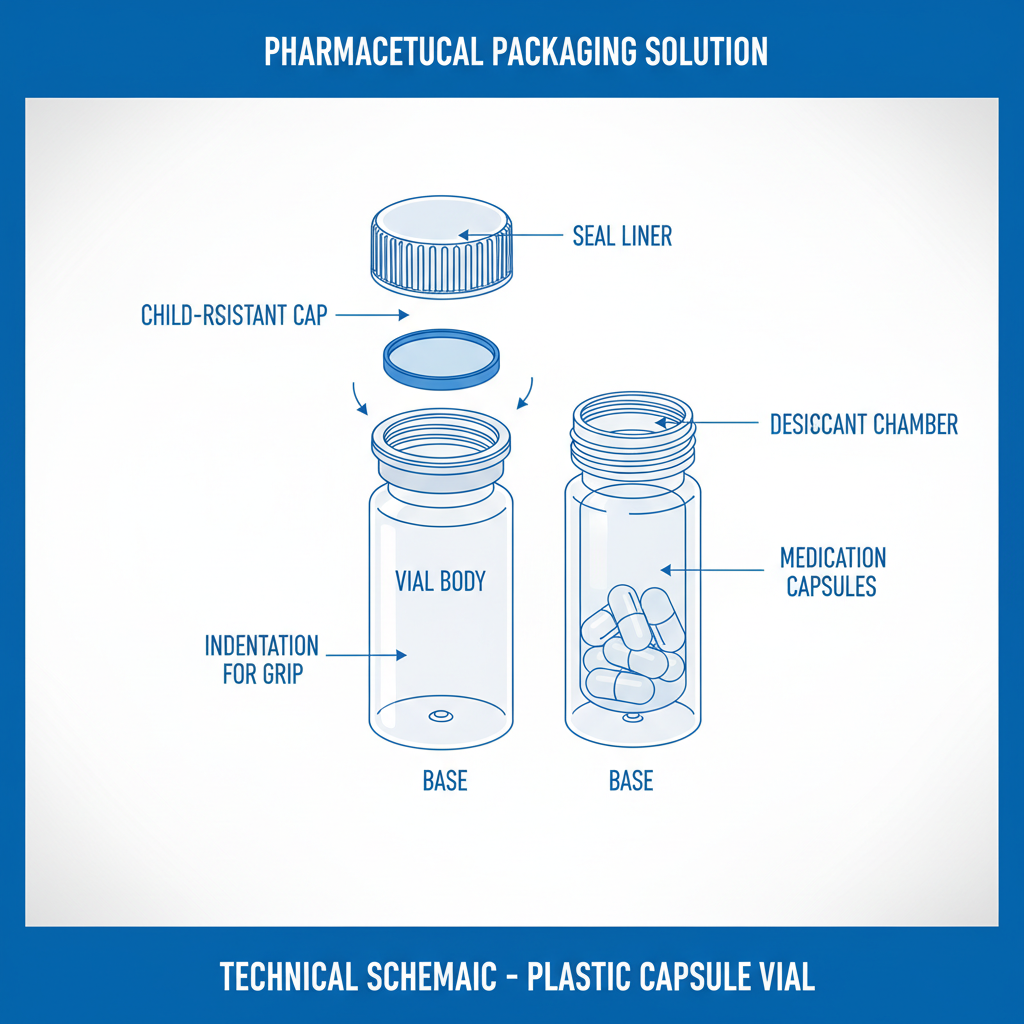
A plastic vial is, at its core, a small container typically made from polymers like polypropylene (PP), polyethylene (PE), polystyrene (PS), or polyethylene terephthalate (PET). These materials offer varying degrees of chemical resistance, clarity, and impact strength, allowing manufacturers to select the optimal material for the intended application. The term ‘vial’ distinguishes it from bottles, generally implying a smaller capacity and often a narrower neck.
Its connection to modern industry is undeniable. Consider the pharmaceutical sector – precise dosage and sample integrity are paramount, and plastic vials provide a secure, sterile environment for these critical components. Similarly, in cosmetic chemistry, the stability of formulations is directly linked to the quality of the container.
Beyond commercial applications, plastic vials also play a crucial role in humanitarian aid. They are used to package and distribute essential medicines, vaccines, and diagnostic reagents in remote areas and disaster zones, contributing to public health and wellbeing.
Core Components and Characteristics
Several key factors define the utility and performance of a plastic vial. Durability is paramount, ensuring the container can withstand handling, transportation, and storage without compromising its integrity. The choice of plastic material significantly impacts this characteristic.
Another critical aspect is chemical compatibility. Different plastics exhibit varying levels of resistance to different chemicals. Selecting a vial material that is inert to the contained substance prevents leaching, contamination, and degradation of the product. This is particularly important in pharmaceutical and scientific applications.
Seal integrity is also essential, particularly for volatile or sensitive compounds. Closures, ranging from simple screw caps to more sophisticated tamper-evident seals, must provide a robust barrier against leakage and contamination. Furthermore, clarity allows for visual inspection of the contents, while UV protection can preserve light-sensitive materials.
Applications Across Industries
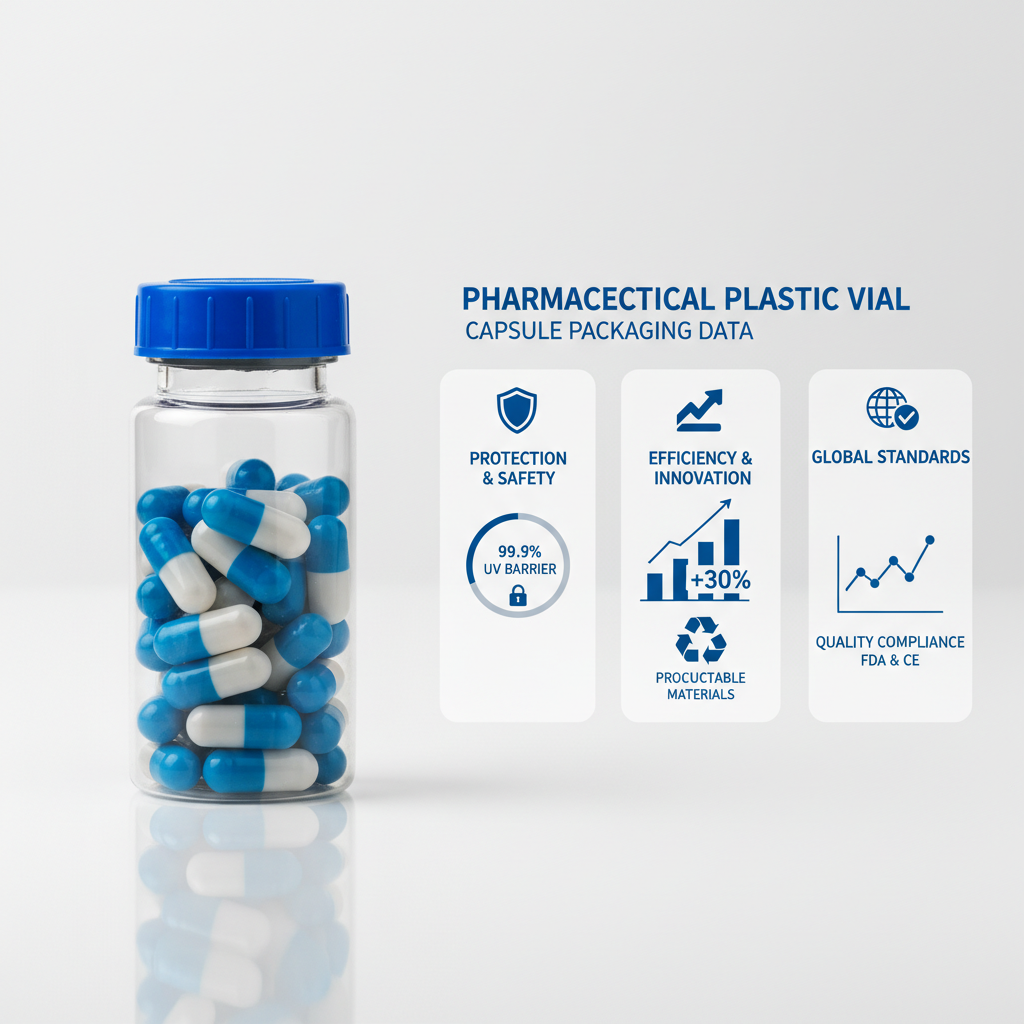
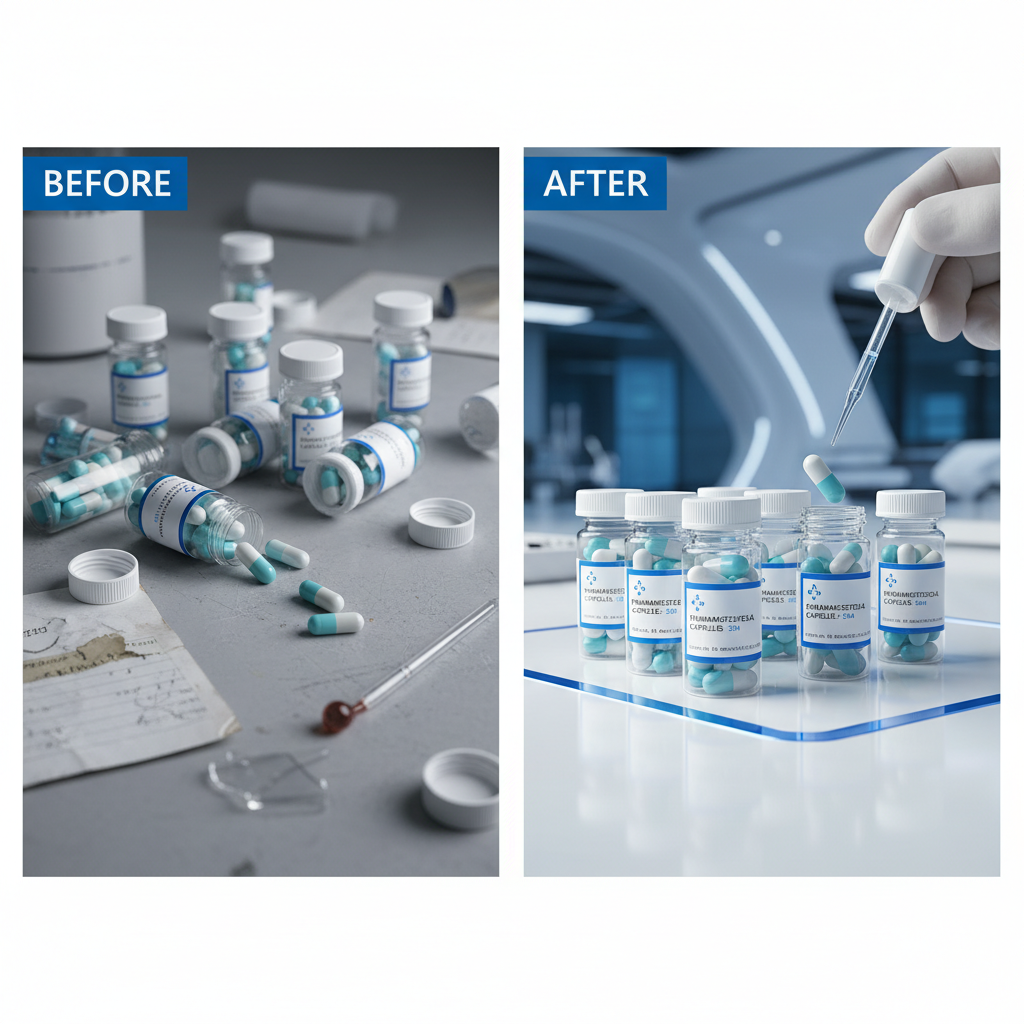
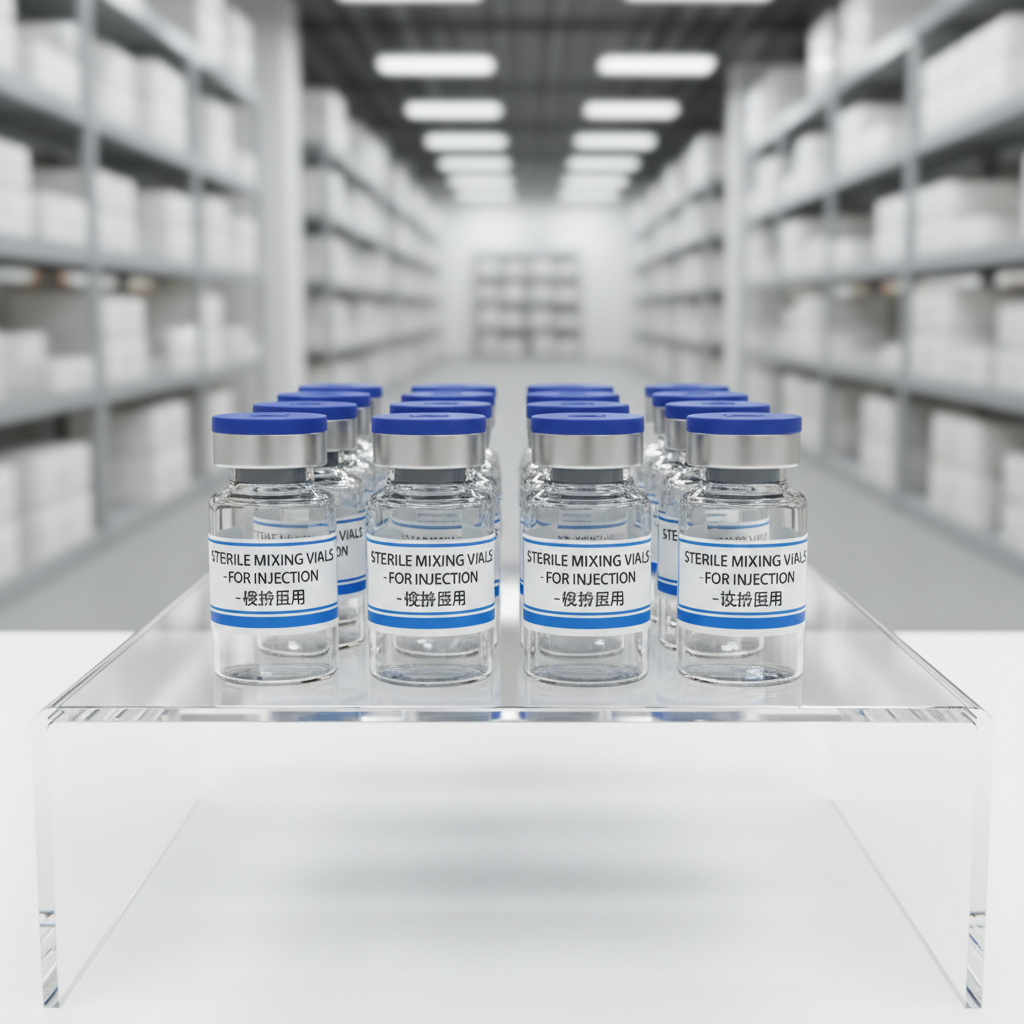
The versatility of plastic vials leads to widespread application across numerous sectors. In the pharmaceutical industry, they are indispensable for storing and dispensing medications, vaccines, and diagnostic reagents. Laboratories rely on them for sample collection, preservation, and analysis.
The cosmetic industry utilizes plastic vials for packaging serums, lotions, and fragrances, capitalizing on their clarity and aesthetic appeal. Industrial applications encompass the storage of solvents, chemicals, and specialized fluids.
Plastic Vial Performance Metrics by Application
Advantages and Value Proposition
The primary advantage of plastic vials lies in their cost-effectiveness. Compared to glass or metal containers, plastic vials are significantly cheaper to produce, making them ideal for large-scale applications. This cost efficiency extends to transportation as well, due to their lightweight nature.
Beyond cost, plastic offers inherent safety benefits. Unlike glass, plastic vials are less prone to breakage, reducing the risk of spills and injuries. Their inertness prevents reactions with the contained substance, maintaining product purity and integrity. These benefits translate to enhanced safety protocols and reduced liabilities for businesses.
Emerging Trends and Innovations
A major trend is the development of biodegradable and bio-based plastics. These materials, derived from renewable resources like corn starch or sugarcane, offer a more sustainable alternative to traditional petroleum-based plastics. This aligns with growing consumer demand for eco-friendly products.
Another exciting innovation is the integration of smart technologies into plastic vials. RFID tags and QR codes can be incorporated into the vial design to enable track-and-trace capabilities, enhancing supply chain transparency and combating counterfeiting. Furthermore, advancements in barrier technology are extending the shelf life of sensitive products.
Automation in manufacturing processes is also gaining traction, increasing production efficiency and reducing costs. Automated filling, capping, and labeling systems streamline the packaging process, improving throughput and minimizing human error.
Challenges and Sustainable Solutions
The most significant challenge associated with plastic vials is their environmental impact. Plastic waste accumulates in landfills and oceans, contributing to pollution and harming wildlife. The slow degradation rate of traditional plastics exacerbates this problem.
However, innovative solutions are emerging. Increased investment in recycling infrastructure and technologies is crucial. Chemical recycling, which breaks down plastics into their original monomers, offers a promising pathway to create a circular economy.
Exploring alternative materials, such as bioplastics and compostable polymers, is also vital. Furthermore, designing vials for optimal recyclability – using standardized materials and minimizing multi-layer constructions – can significantly improve end-of-life management.
Summary of Plastic Vial Sustainability Efforts
| Effort Category |
Implementation Strategy |
Impact Level (1-10) |
Cost Estimate (USD) |
| Improved Recycling Infrastructure |
Investing in sorting facilities and processing technologies |
8 |
100,000 - 500,000 |
| Bioplastic Adoption |
Switching to vials made from renewable resources |
7 |
20,000 - 100,000 |
| Chemical Recycling Initiatives |
Developing technologies to break down plastics into monomers |
9 |
500,000 - 1,000,000 |
| Design for Recyclability |
Using standardized materials and minimizing complex constructions |
6 |
5,000 - 20,000 |
| Consumer Education Campaigns |
Raising awareness about proper recycling practices |
5 |
10,000 - 50,000 |
| Extended Producer Responsibility (EPR) |
Holding manufacturers accountable for end-of-life management |
7 |
Variable, based on regulations |
FAQS
Polypropylene (PP) and polyethylene (PE) are the most prevalent due to their cost-effectiveness, chemical resistance, and ease of processing. Polyethylene terephthalate (PET) is also used for its clarity and strength, especially in applications requiring greater rigidity. Polystyrene (PS) is utilized when lower costs are prioritized, but it has limitations in chemical resistance. Choosing the right plastic depends heavily on the intended use and the properties of the contained substance.
Always consult a chemical compatibility chart before selecting a vial. These charts detail the resistance of different plastics to various chemicals. Consider factors like concentration, temperature, and exposure duration. If uncertain, conduct a small-scale compatibility test – store a sample of the chemical in the vial for a period and observe for any signs of degradation, discoloration, or leakage. Supplier datasheets also provide valuable compatibility information.
The suitability of plastic vials for long-term storage depends on the sample’s properties and the plastic material. Generally, high-density polyethylene (HDPE) and polypropylene (PP) offer good long-term stability. However, for extremely sensitive samples, glass vials with specialized closures are often preferred. Proper storage conditions – temperature control, light protection, and minimal exposure to air – are crucial regardless of the vial material.
Plastic vials offer a range of customization options. Color can be added during the manufacturing process to identify contents or enhance branding. Labeling can be achieved through adhesive labels, direct printing, or molded-in lettering. Specific cap and closure options can be selected to provide tamper-evidence or improve dispensing. Custom sizes and shapes are also possible with sufficient order volume.
Prioritize using recycled plastic vials whenever possible. Explore bio-based or biodegradable plastic alternatives. Implement robust recycling programs within your organization. Design your processes to minimize vial usage and waste. Consider collaborating with suppliers who offer take-back programs for vial recycling. Proper disposal is essential – never discard plastic vials into general waste streams.
Polypropylene (PP) is generally the most cost-effective option. Polyethylene (PE) is also relatively inexpensive. PET and polystyrene (PS) fall in the mid-range. Specialized plastics like polycarbonate (PC) are significantly more expensive due to their superior properties. Customization options, such as color, labeling, and mold design, also add to the overall cost. Balancing performance requirements with budget constraints is key.
Conclusion
In conclusion, the plastic vial, despite its unassuming nature, remains a vital component of countless industries and processes. Its cost-effectiveness, versatility, and adaptability have cemented its position as a go-to container for liquids and solids. Understanding its core characteristics, applications, and emerging trends is crucial for optimizing efficiency, ensuring product integrity, and minimizing environmental impact.
Looking ahead, innovation in sustainable materials, enhanced recycling technologies, and intelligent vial designs will shape the future of this essential packaging solution. By embracing these advancements, we can harness the benefits of plastic vials while mitigating their environmental footprint. To explore a wide range of high-quality plastic vial solutions tailored to your specific needs, visit our website today.