The global demand for safe and reliable packaging solutions, particularly in the pharmaceutical, cosmetic, and scientific industries, has driven significant growth in the plastic vial manufacturer sector. These vials are critical for storing and transporting liquids and solids, ensuring product integrity and preventing contamination. Understanding the nuances of plastic vial manufacturing—from material science to quality control—is crucial for businesses seeking optimal packaging solutions.
The rise of personalized medicine and diagnostics further increases the demand for smaller, specialized plastic vials. Innovation in materials and manufacturing processes is key to meeting these evolving needs and reducing environmental impact. A reliable plastic vial manufacturer is a vital link in the supply chain for countless industries, influencing product safety, shelf life, and brand reputation.
The plastic vial manufacturer industry is experiencing a period of rapid technological advancement. From automated production lines to the development of sustainable bio-plastics, manufacturers are constantly innovating to improve efficiency, reduce costs, and minimize their environmental footprint. This requires constant adaptation and a commitment to quality to remain competitive in the global marketplace.
The Significance of Plastic Vial Manufacturing
The plastic vial manufacturer industry plays a pivotal role in preserving and delivering critical substances across a spectrum of sectors. From pharmaceutical compounds requiring strict sterility to cosmetic formulations needing product stability, the quality of the vial directly impacts efficacy and safety. Investing in a reputable plastic vial manufacturer guarantees compliance with industry standards and safeguards brand reputation.
Beyond product preservation, efficient plastic vial manufacturing directly affects supply chain logistics. Lightweight and durable, plastic vials reduce shipping costs and minimize breakage, enhancing operational efficiency. Moreover, ongoing innovations in sustainable materials and manufacturing processes contribute to environmental responsibility, aligning with growing consumer demand for eco-friendly packaging solutions.
Defining Plastic Vial Manufacturing
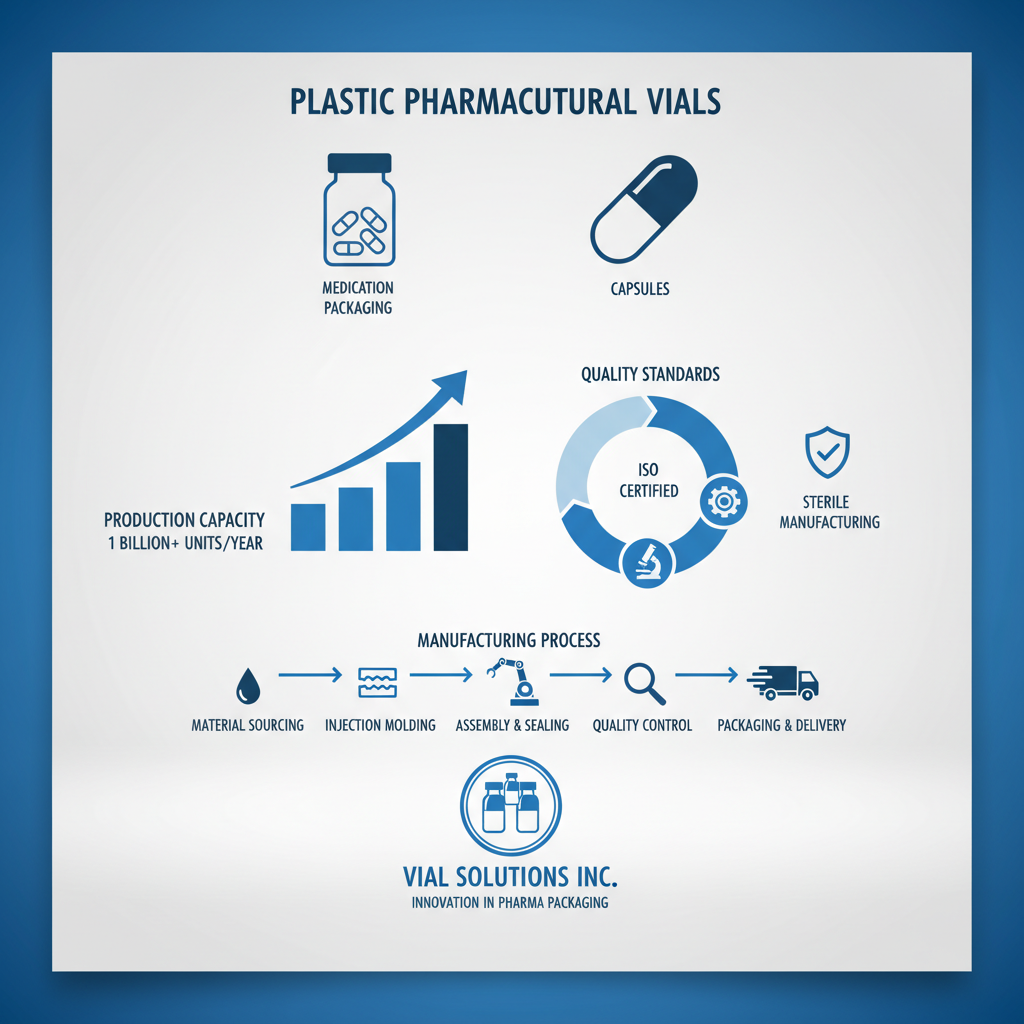
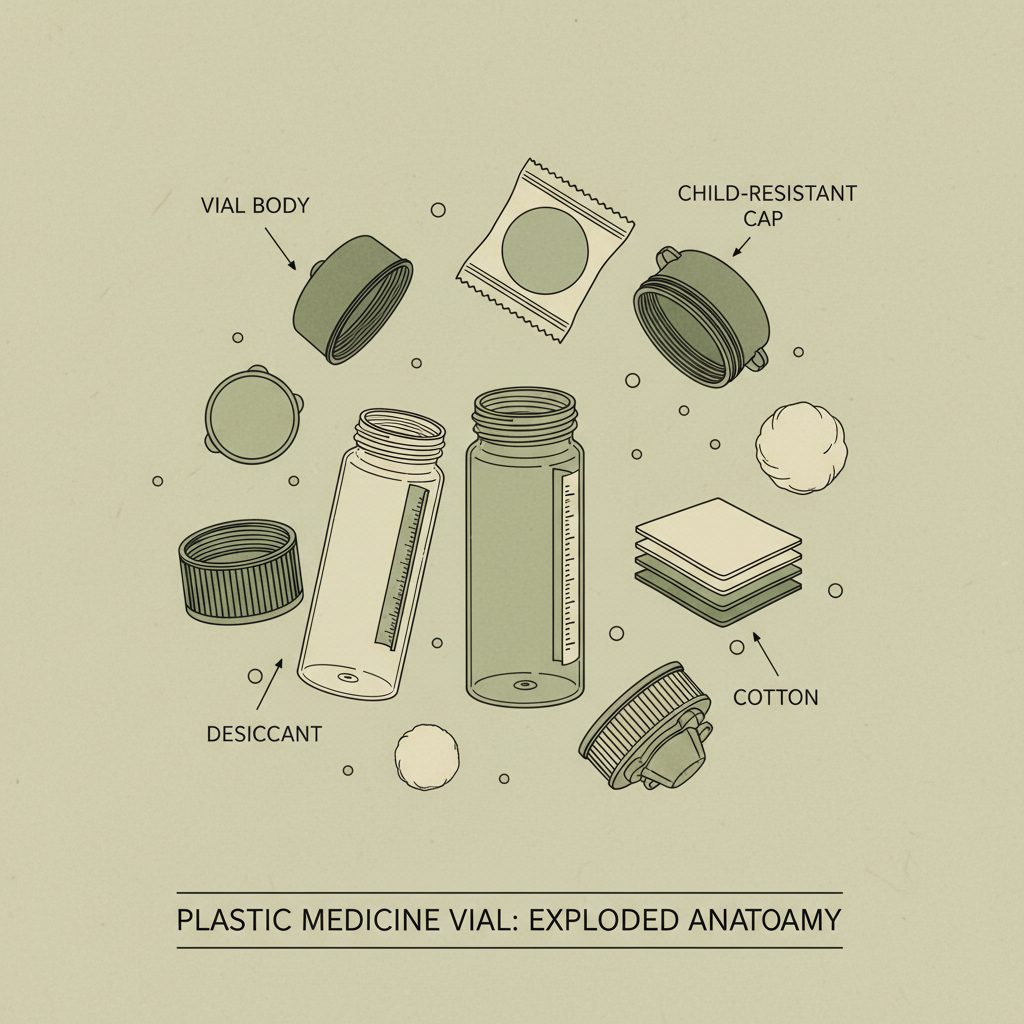
Plastic vial manufacturing encompasses the process of creating small containers, typically cylindrical, from various plastic polymers such as polypropylene (PP), polyethylene (PE), and polyethylene terephthalate (PET). These vials are designed to securely hold liquids, powders, or solids, acting as a primary packaging component. The manufacturing process usually involves injection molding, blow molding, or extrusion, depending on the desired vial shape, size, and material.
The process isn't solely about forming the plastic; it includes stringent quality control checks at every stage—from raw material sourcing to final product inspection—to ensure consistency and compliance with regulations like those set by the FDA or ISO. A quality plastic vial manufacturer understands and adheres to these standards, providing customers with reliable and certified products.
This specialized area of manufacturing directly supports vital industries, from healthcare (vaccines, medications) and cosmetics (serums, lotions) to scientific research (sample storage, chemical solutions). The integrity of these containers is paramount, influencing the safety, efficacy, and overall value of the contained substances.
Core Components of Efficient Manufacturing
Efficient plastic vial manufacturing relies on several key components, starting with high-quality raw materials. The selection of the appropriate polymer – PP, PE, PET, or others – depends on the specific application and required properties, such as chemical resistance, clarity, and temperature tolerance. This initial step profoundly impacts the final product’s performance.
Automated production lines are another critical component, ensuring consistent quality and high throughput. These lines typically involve injection molding machines, blow molding machines, or extrusion equipment, coupled with robotic handling systems for efficient transfer and packaging. The plastic vial manufacturer’s investment in modern automation directly translates to cost savings and faster lead times.
Finally, rigorous quality control measures, including visual inspection, leak testing, and dimensional analysis, are essential. Implementing Statistical Process Control (SPC) helps monitor manufacturing processes and identify potential issues before they lead to defects. A robust quality management system is non-negotiable for a trusted plastic vial supplier.
Key Factors Influencing Vial Quality
Vial quality isn’t accidental; it's a result of carefully controlled parameters during the manufacturing process. Material purity is paramount; contaminants can compromise the integrity of the contained substance. Precision molding is crucial for maintaining consistent dimensions and ensuring proper sealing, preventing leaks or contamination.
Surface finish also plays a role, influencing compatibility with certain substances and ease of labeling. A smooth, defect-free surface ensures accurate dispensing and minimizes the risk of particle shedding. A reliable plastic vial manufacturer prioritizes these factors to deliver consistently high-quality products.
Plastic Vial Manufacturer Quality Metrics
Global Applications and Industry Impact
The reach of plastic vial manufacturer extends across a wide range of industries globally. In the pharmaceutical sector, these vials are essential for storing and distributing vaccines, serums, and other critical medications, impacting public health worldwide. In cosmetics, they ensure product stability and maintain the integrity of formulations during shipping and storage.
Scientific research institutions rely on plastic vials for sample collection, storage, and analysis. From environmental monitoring to biomedical research, these vials play a crucial role in advancing scientific knowledge. In post-disaster relief operations, plastic vials are used to safely transport and administer essential medical supplies.
Advantages and Long-Term Value Proposition
Choosing a quality plastic vial manufacturer offers significant advantages, beginning with cost-effectiveness. Plastic is generally less expensive than glass, reducing packaging costs. The lightweight nature of plastic vials lowers shipping expenses and minimizes environmental impact during transportation.
Durability is another key benefit. Plastic vials are less prone to breakage than glass, reducing product loss and enhancing safety. Furthermore, modern plastics offer excellent chemical resistance, ensuring compatibility with a wide range of substances. These factors collectively contribute to a strong return on investment.
Beyond the immediate cost savings, prioritizing quality ensures long-term brand protection. Reliable vials prevent leaks, contamination, and product degradation, safeguarding the reputation of the contained product and fostering customer trust.
Future Trends and Innovation in Vial Production
The future of plastic vial manufacturing is focused on sustainability and innovation. The development of bio-plastics – derived from renewable sources – is gaining momentum, offering a more environmentally friendly alternative to traditional petroleum-based plastics. This aligns with growing consumer demand for eco-conscious packaging.
Automation and digitalization are also shaping the industry. Smart manufacturing technologies, including real-time monitoring and predictive maintenance, optimize production processes and reduce waste. Furthermore, advancements in materials science are leading to the development of plastics with enhanced barrier properties and improved chemical resistance.
Expect to see greater integration of circular economy principles, with increased emphasis on recycling and reuse of plastic vials. Plastic vial manufacturer are investing in technologies that facilitate closed-loop systems, minimizing environmental impact and maximizing resource efficiency.
A Summary of Challenges and Solutions in Plastic Vial Manufacturing
| Challenge |
Impact on Plastic Vial Manufacturer |
Proposed Solution |
Implementation Cost (1-10) |
| Raw Material Price Volatility |
Increased production costs, reduced profit margins. |
Diversify sourcing, long-term contracts with suppliers. |
6 |
| Stringent Regulatory Compliance |
Increased compliance costs, potential for penalties. |
Invest in robust quality management systems, regular audits. |
8 |
| Maintaining Sterility |
Risk of product contamination, compromising patient safety. |
Implement aseptic processing techniques, invest in sterilization equipment. |
9 |
| Waste Management |
Environmental concerns, increasing disposal costs. |
Implement recycling programs, explore biodegradable materials. |
5 |
| Production Efficiency |
Higher production costs, longer lead times. |
Automate production lines, optimize process workflows. |
7 |
| Skilled Labor Shortage |
Difficulty maintaining quality, reduced innovation. |
Invest in employee training, attract talent with competitive wages. |
6 |
FAQS
Polypropylene (PP) and polyethylene (PE) are the most prevalent due to their chemical resistance, durability, and cost-effectiveness. Polyethylene terephthalate (PET) is also used, particularly when clarity is important. The selection depends on the specific application, required barrier properties, and regulatory requirements. A reputable plastic vial manufacturer can advise on the optimal material for your needs.
Comprehensive quality control includes visual inspection for defects, dimensional accuracy checks, leak testing to ensure containment, and material analysis to confirm purity and composition. Some manufacturers also perform sterility testing for pharmaceutical applications. Advanced techniques like Statistical Process Control (SPC) monitor production processes to prevent deviations.
Lead times vary depending on order volume, complexity, and material availability. Generally, standard vials can be delivered within 2-4 weeks. Custom designs or large orders may require 6-12 weeks. Communicating your requirements clearly with the plastic vial manufacturer and establishing a firm production schedule is crucial.
If sterility is critical, specify sterile vials during the ordering process. Manufacturers employ validated sterilization processes, such as gamma irradiation or ethylene oxide (EtO) sterilization. Ensure the vials are shipped in sterile packaging and that the plastic vial manufacturer provides a Certificate of Sterility with each batch.
Customization options commonly include color, size, shape, neck finish (to accommodate different closures), and printing (labeling, graduations, logos). Some manufacturers also offer custom mold design for unique vial configurations. The extent of customization depends on the manufacturer’s capabilities and the order volume.
Yes, the industry is increasingly adopting bio-plastics derived from renewable resources like sugarcane or corn starch. Recycled plastics are also gaining traction. Choosing a plastic vial manufacturer committed to sustainability ensures you’re contributing to a more environmentally responsible supply chain.
Conclusion
In conclusion, the plastic vial manufacturer industry is a critical component of countless sectors, ensuring the safe and reliable storage and transportation of essential substances. From pharmaceutical innovations to scientific research and everyday consumer products, the quality and performance of these vials directly impact success and public safety. Investing in a reputable and innovative manufacturer is paramount for businesses seeking optimized packaging solutions.
Looking forward, sustainability and technological advancements will continue to shape the future of plastic vial manufacturing. The adoption of bio-plastics, automation, and circular economy principles will not only minimize environmental impact but also drive efficiency and reduce costs. We encourage you to explore the latest advancements and partner with a plastic vial manufacturer committed to excellence.