
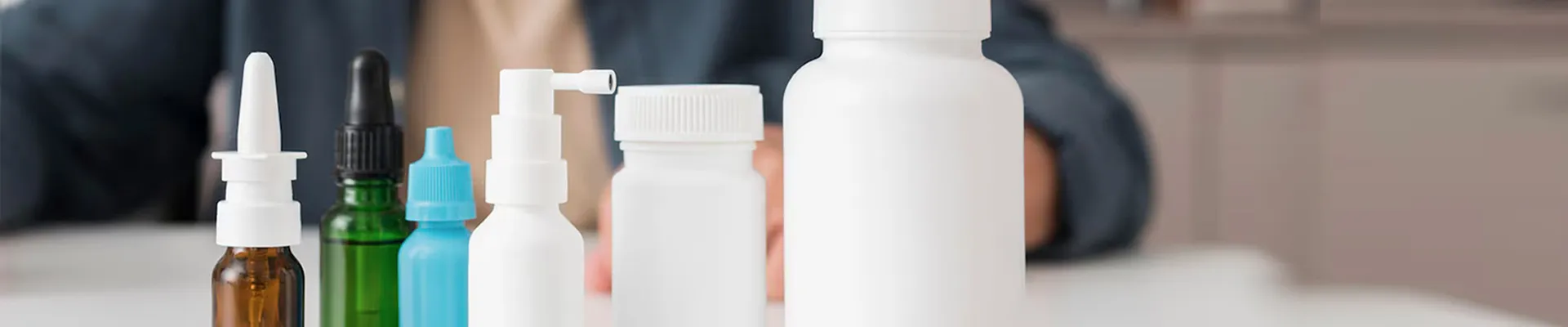


Tiny Pill Bottle – Compact Pharmaceutical Packaging Solutions for Global Health
The Tiny Pill Bottle: Small Packaging, Global Impact
At first glance, a tiny pill bottle might seem like just a container—a little package for medications that fits discreetly in your palm or pocket. But zoom out a bit, and it becomes clear how this small marvel plays a significant role across global health, pharmaceutical logistics, and even humanitarian relief. Understanding tiny pill bottles is more than just about packaging; it’s about safe medication adherence, reducing waste, and enabling efficient medical outreach worldwide.
Globally, billions of pills are dispensed daily, and keeping them safe, identifiable, and accessible is no small task. Whether in a bustling urban hospital or a remote rural clinic, a tiny pill bottle makes medication management practical. Plus, with rising concerns over medication safety, counterfeit drugs, and environmental sustainability, these tiny vessels have become central to multiple interconnected challenges—and solutions.
Global Context: Why Tiny Pill Bottles Matter More Than You Think
If you check out global medicine usage stats, according to the World Health Organization, over 50% of all medications are not taken correctly—often due to confusion, access issues, or packaging problems. That is a huge problem in medical adherence and patient outcomes. Tiny pill bottles help by packaging pills in user-friendly ways that reduce confusion and mix-ups.
In addition, the ISO standards for pharmaceutical packaging have been evolving, emphasizing tamper-evident designs and child-resistant caps, often applied in these small bottles. Interestingly, the UN’s Sustainable Development Goals (SDGs), especially those focusing on health (SDG 3) and responsible production (SDG 12), tie back to innovations in packaging—including compact, recyclable tiny pill bottles.
However, the challenge remains: How to keep these bottles both sustainable and capable of safeguarding diverse medications in vastly different environments, from tropical heat to freezing mountains?
What Exactly Is a Tiny Pill Bottle?
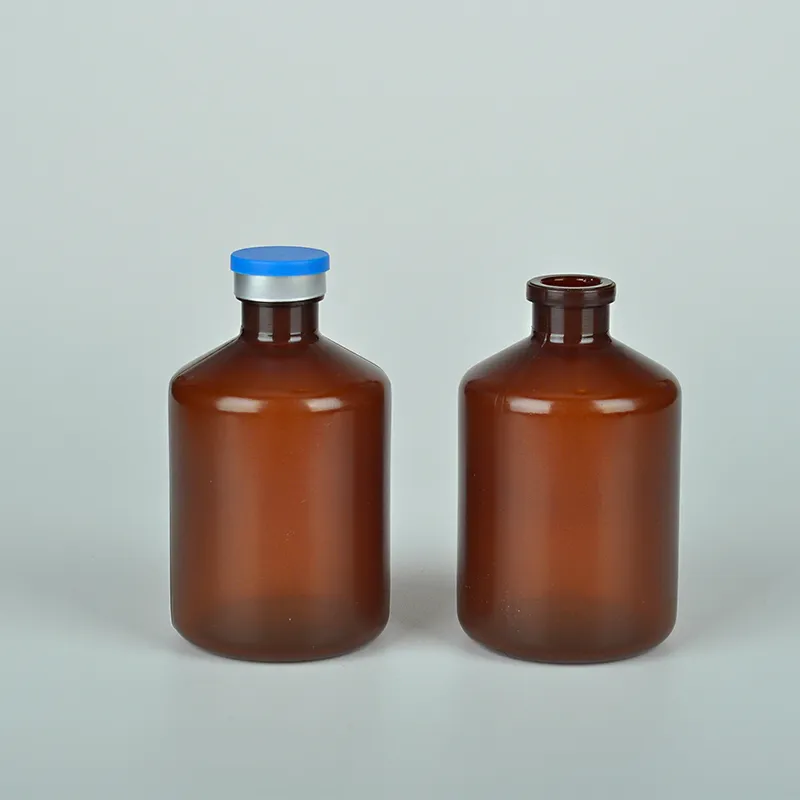
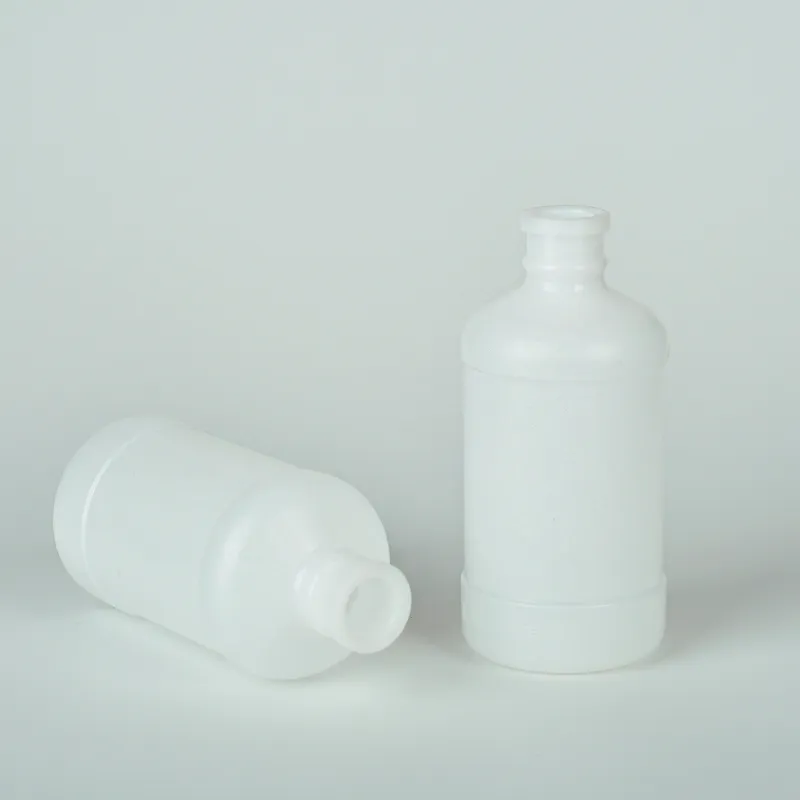
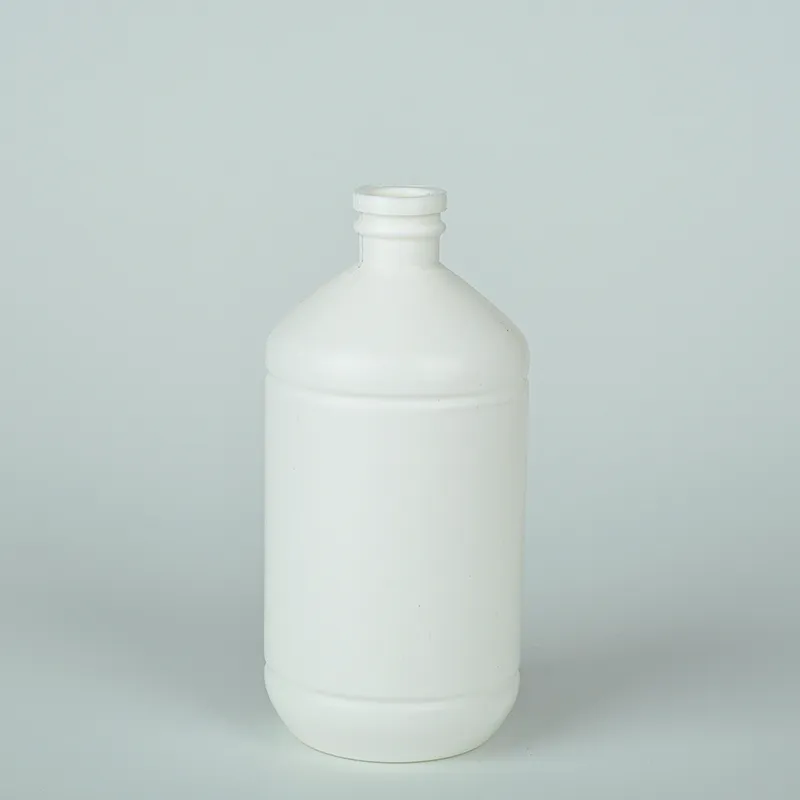
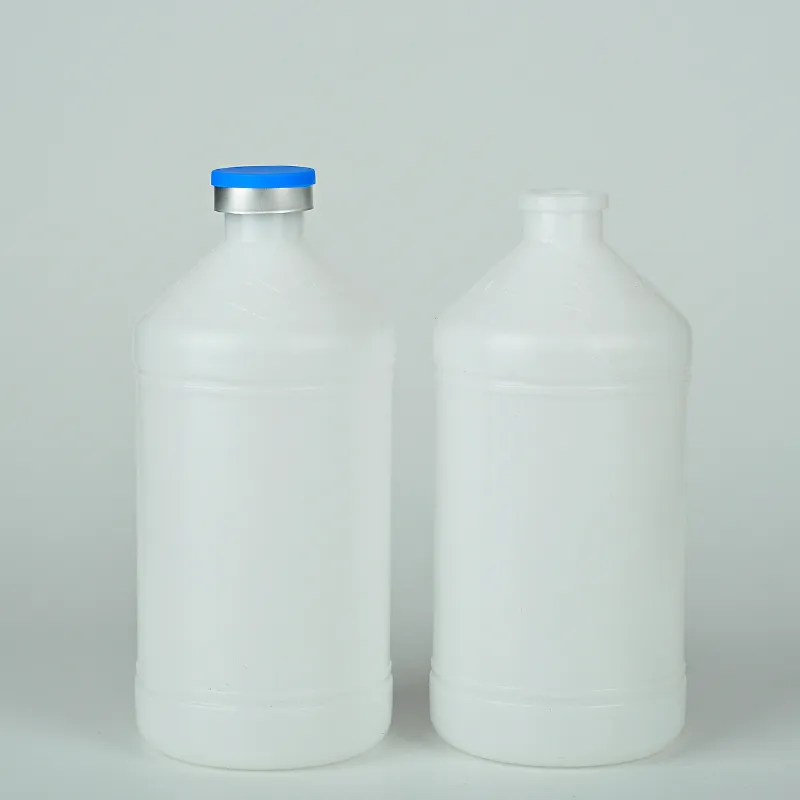
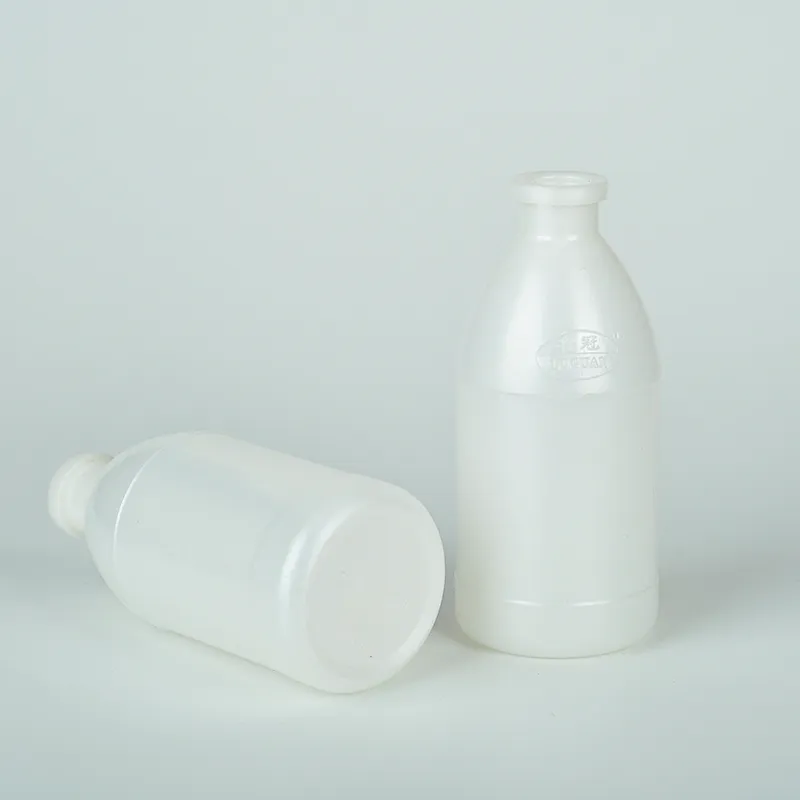
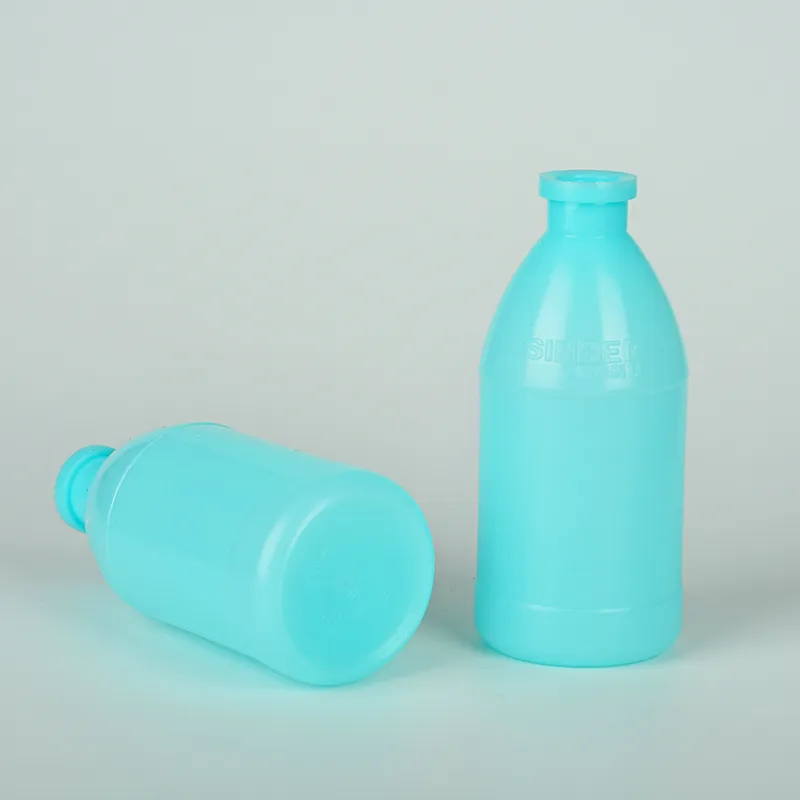
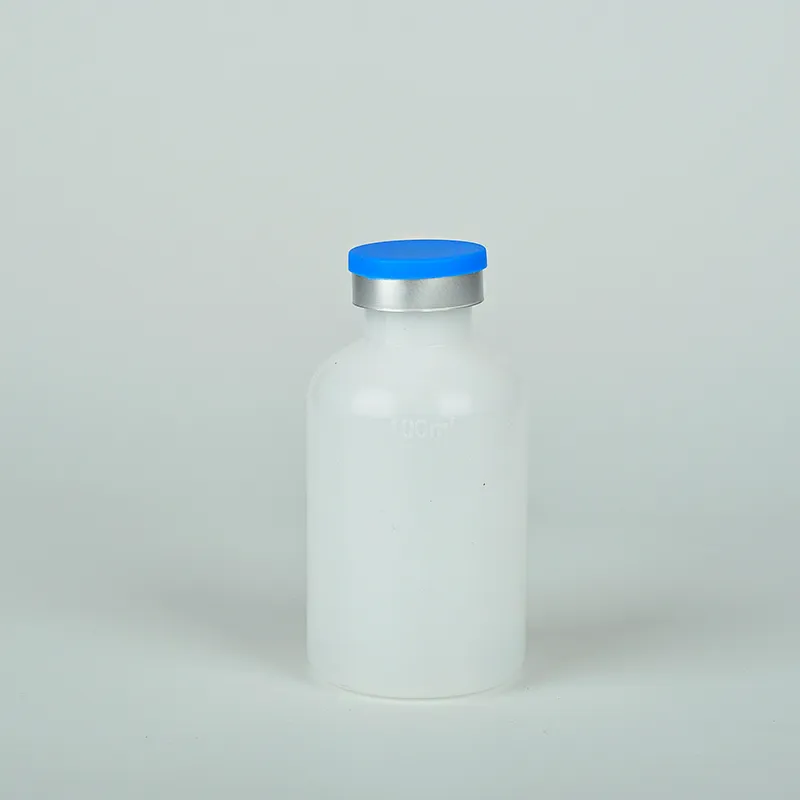
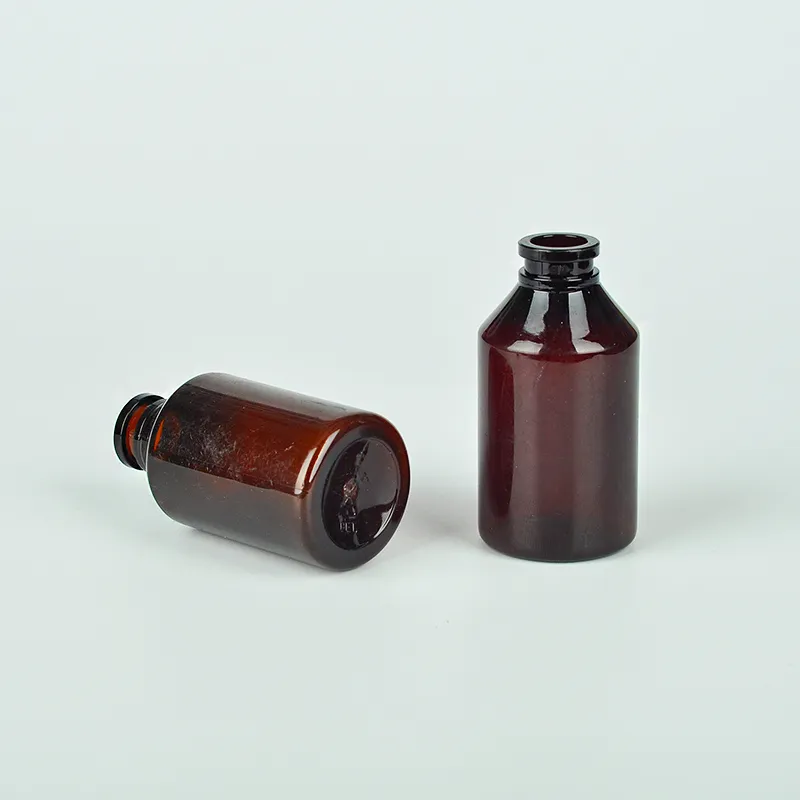
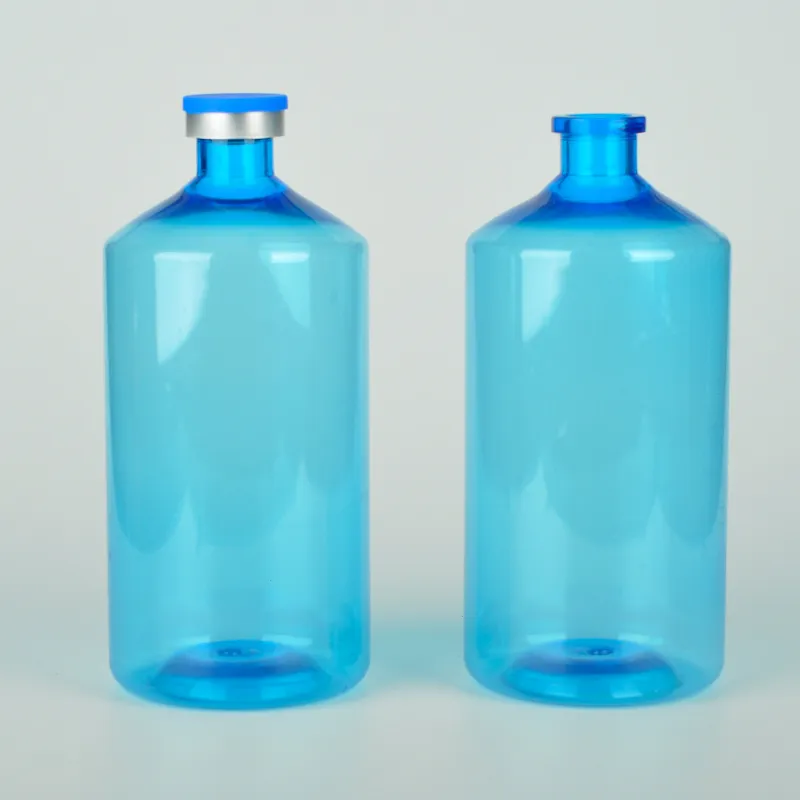
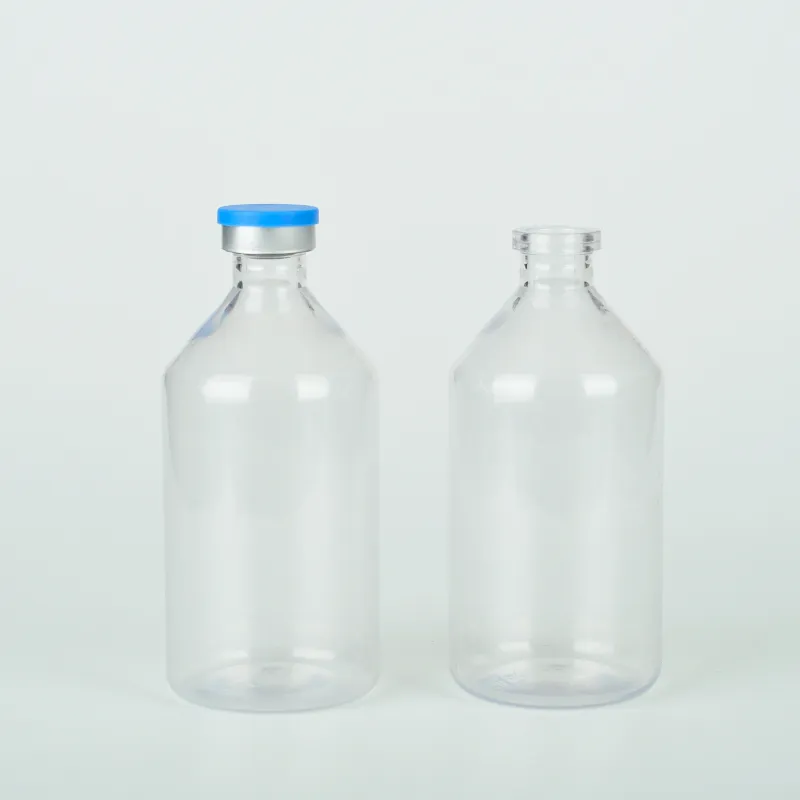
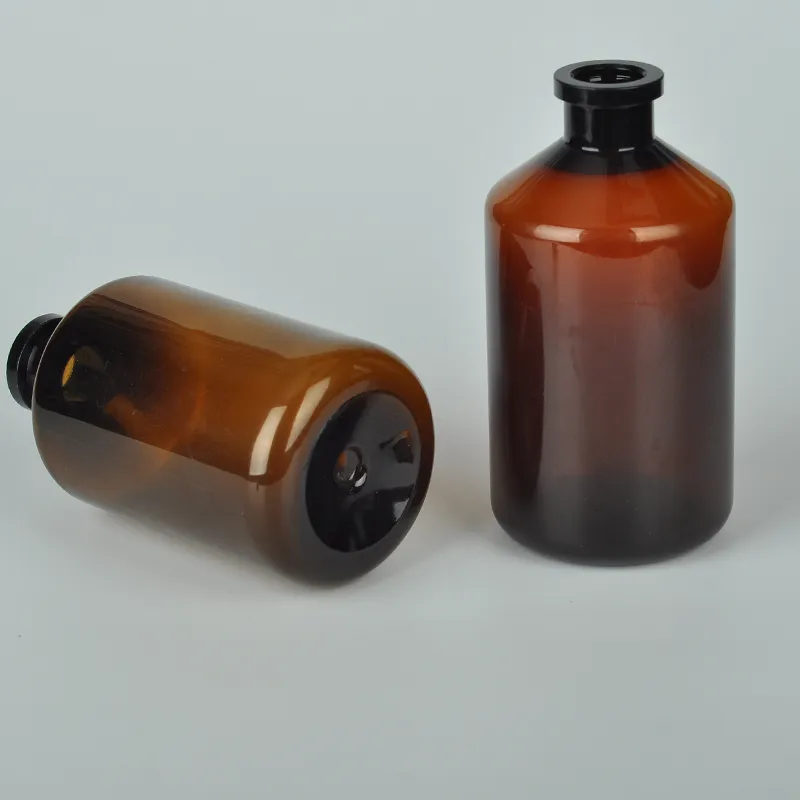
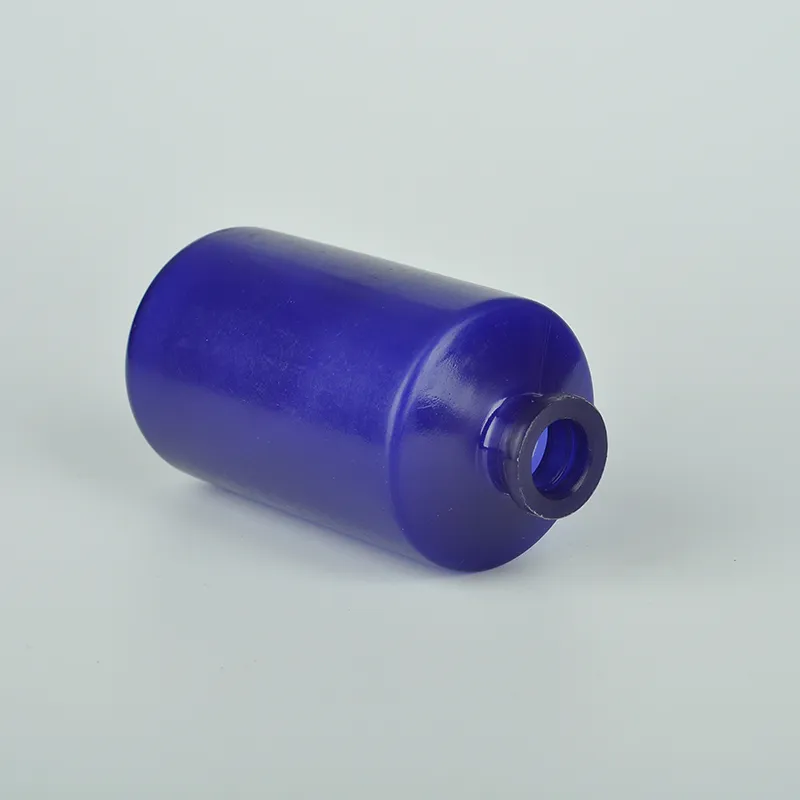
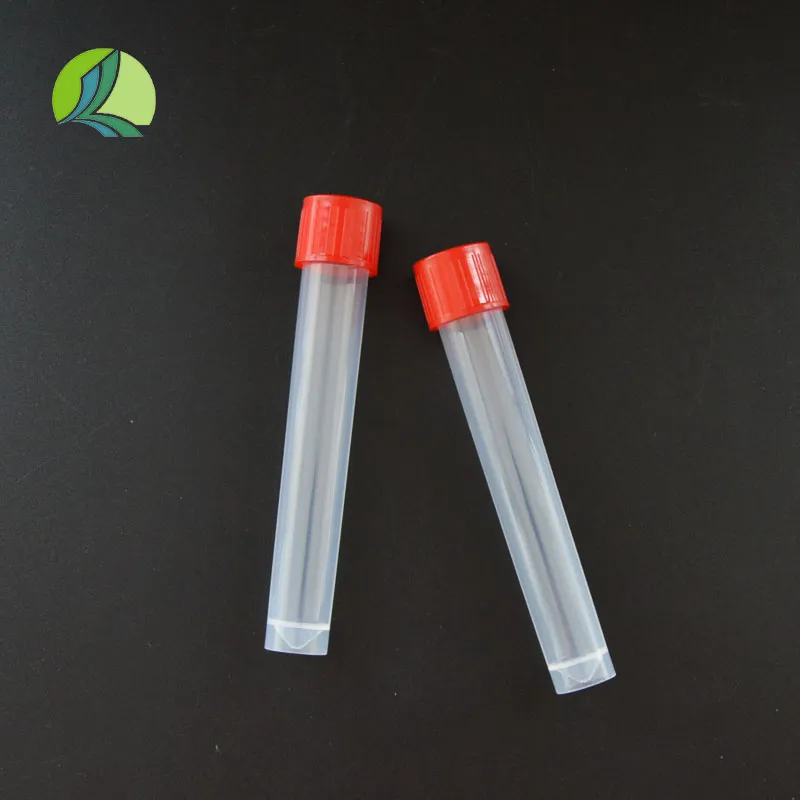
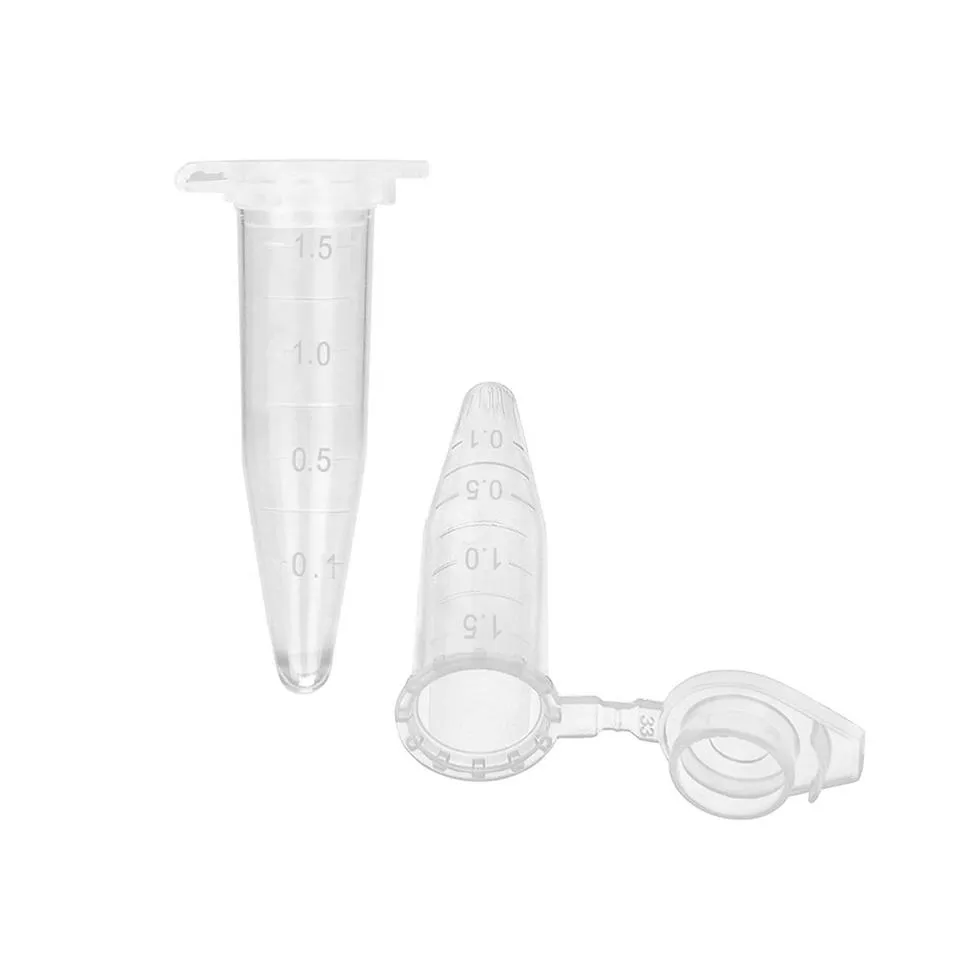
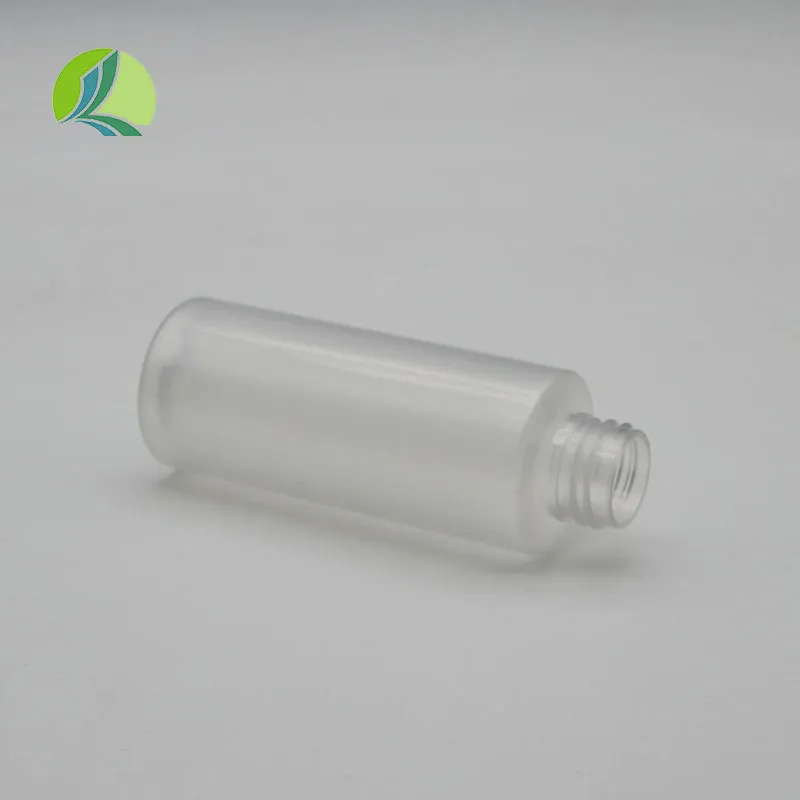
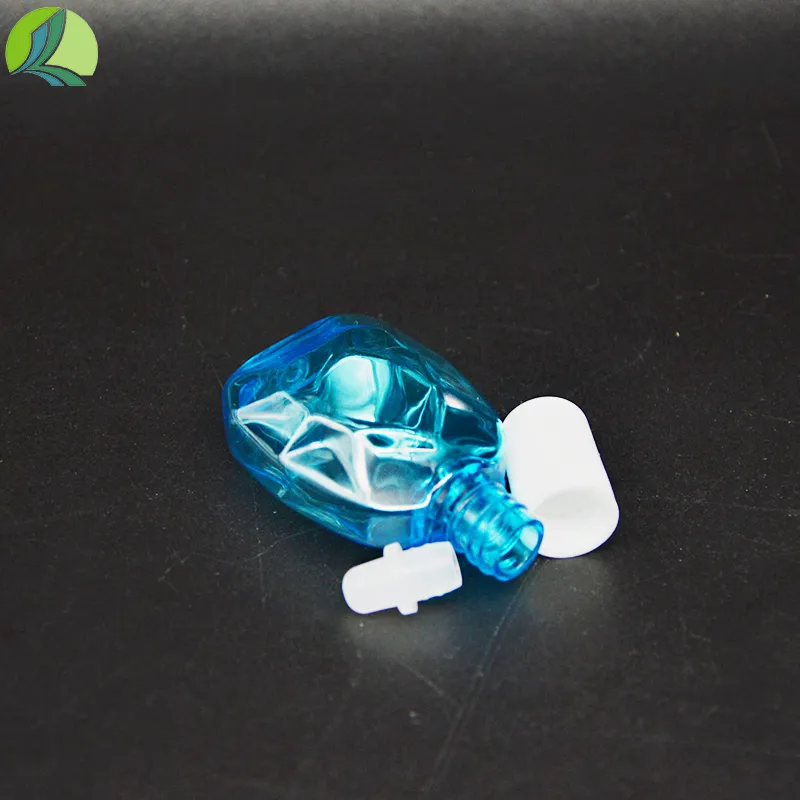
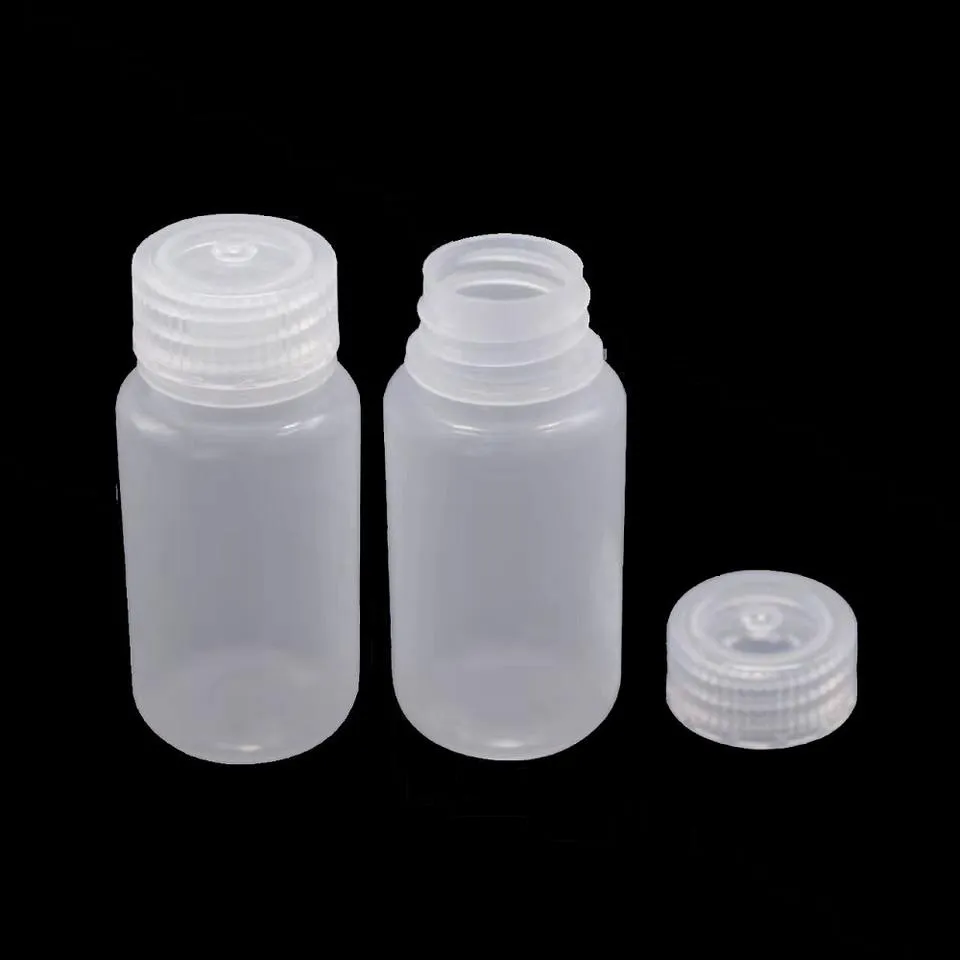
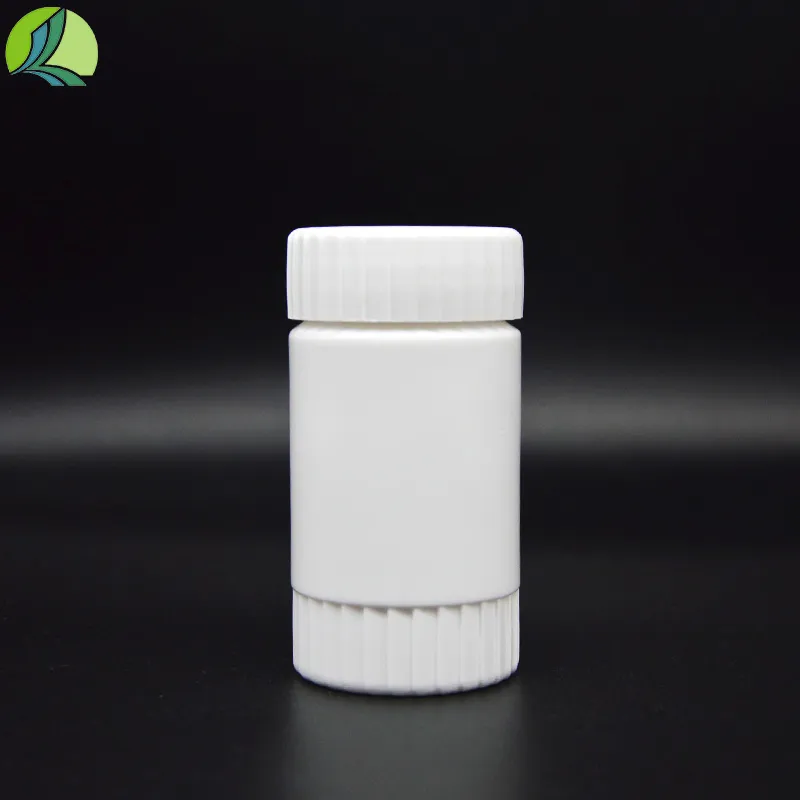
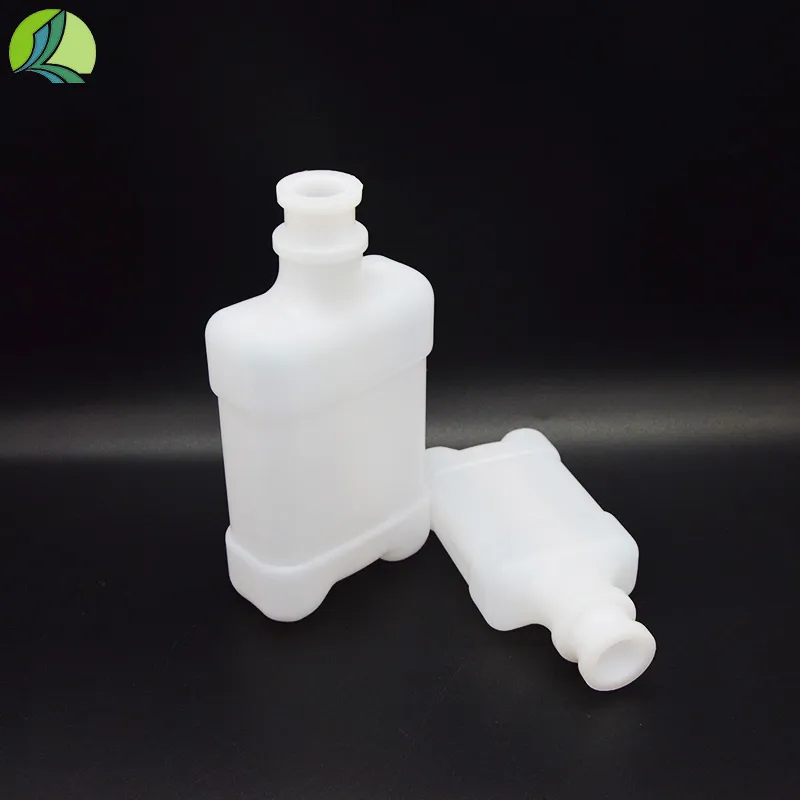
Simply put, a tiny pill bottle is a small, usually plastic container designed to securely store and dispense pills or capsules. They are typically between 10ml to 100ml in volume, often cylindrical, with screw-top or snap-fit caps designed for child safety or tamper resistance.
The term “tiny” references their minimal size for ease of transport and convenience—patients can carry just a day's or week's supply. Beyond personal use, pharmaceutical companies and health organizations rely on these bottles for sample distribution, clinical trials, and humanitarian aid where lightweight, compact storage is critical.
They connect profoundly to modern industry because demand for cost-efficient, safe packaging is growing. Plus, the humanitarian sector loves them for their transport-friendly features and ease of disposal or recycling, crucial when shipping medicines to remote or disaster-stricken regions.
Key Factors That Make Tiny Pill Bottles Work
1. Durability
The material (usually HDPE or PET plastic) needs to withstand drops, crushing, and variable temperatures without breaking or compromising seal integrity. Durability ensures the pills remain safe and contamination-free.
2. Child-Resistant and Tamper-Evident Features
Safety is paramount. Many tiny pill bottles come with push-and-turn caps or snap-alert seals that help prevent accidental poisoning and indicate if the contents have been opened, which is vital for patient safety and drug security.
3. Size and Portability
The smaller the bottle, the easier to carry and store. This helps patients maintain dosage schedules especially for daily medications or emergency kits. Portability also benefits pharmaceuticals during transport, reducing shipping cost and bulk.
4. Cost Efficiency and Sustainability
Tiny pill bottles must hit the sweet spot: low cost for mass distribution but with an eye toward sustainability, including recyclability or biodegradable options, conforming to increasingly strict environmental regulations worldwide.
5. Customization & Labeling
Today’s tiny pill bottles often include smart labeling or printed information to help patients understand dosage, warnings, or expiration dates, improving adherence and reducing medication errors.
How Tiny Pill Bottles Impact Real-World Scenarios
Their influence spreads far beyond your local pharmacy shelf:
- Post-Disaster Relief: After natural disasters, organizations like Médecins Sans Frontières rely on tiny pill bottles to deliver essential antibiotics and antivirals in fragile supply chains.
- Remote Medical Clinics: In places like rural Africa or Papua New Guinea, tiny pill bottles help remote health workers distribute medications without weighing down transport.
- Pharmaceutical Trials: Clinical drug trials use tiny pill bottles to dispense precise quantities to patients while maintaining sterility and security.
- Veterinary Medicine: Pocket-sized bottles help vets dose medications to animals in the field efficiently.
Typical Specifications of a Tiny Pill Bottle
| Feature | Specification | Notes |
|---|---|---|
| Material | HDPE or PET Plastic | High durability & chemical resistance |
| Capacity | 10ml to 100ml | Fits various pill quantities |
| Closure | Child-Resistant Screw Cap | Safety & tamper-evident options |
| Labeling | Printable or RFID-enabled | Enhance compliance and tracking |
| Recyclability | 100% recyclable or biodegradable | Supports eco-friendly initiatives |
Quick Vendor Comparison: Choosing Your Tiny Pill Bottle Supplier
| Vendor | Material Options | Custom Features | Minimum Order | Sustainability |
|---|---|---|---|---|
| PharmaPack Ltd. | HDPE, PET | Tamper-evident caps, custom colors | 5,000 units | Recyclable plastics |
| EcoMed Bottles | Biodegradable PLA | RFID labels, eco-ink printing | 10,000 units | Certified compostable |
| SafeSeal Containers | HDPE | Child-resistant tech, batch coding | 2,500 units | Standard recyclable |
Advantages and Long-Term Value of Tiny Pill Bottles
It’s easy to overlook how much these small containers matter, but their impact resonates deeply in cost savings, product safety, and sustainability. Cost-wise, tiny pill bottles reduce space requirements in warehouses and shipping containers, bringing down logistics expenses substantially for global pharma companies. They also cut down on medication waste by allowing exact quantities rather than bulk dispensing.
On a social and emotional level, these bottles add dignity to patients—think elderly users who appreciate easy-open yet secure caps or users in developing nations who rely on clear labeling to avoid dangerous mix-ups. The feelings of safety and trust that good packaging inspires aren’t trivial; medicine adherence is tightly linked to them.
Emerging Trends and Innovations
We’re edging into some exciting territory with tiny pill bottles. For one, biodegradable and compostable plastics are finally becoming cost-competitive, nudging out traditional materials. Automation in packaging lines now allows for “smart bottles” with embedded sensors or QR codes for dose reminders, which could revolutionize patient compliance.
Also, ongoing research is improving sealing technologies that keep pills fresher longer without harsh preservatives, and some companies are experimenting with modular multi-compartments—like tiny pill organizers built into the bottle itself.
Challenges and Practical Solutions
Of course, no product is perfect. Some persistent issues include balancing child-resistant designs with ease of use for elderly or disabled patients, and making the bottles sustainably without sacrificing protective qualities. Recycling infrastructure varies wildly worldwide, meaning that even recyclable bottles sometimes end up in landfills.
Innovators suggest smarter labeling to educate on disposal and new refillable bottle programs. Plus, designing caps that meet multiple safety standards while still being user-friendly is an ongoing engineering puzzle. Frankly, it’s a matter of patient feedback and iteration.
FAQ: Tiny Pill Bottle Basics
- Q: What makes tiny pill bottles better than blister packs?
A: Tiny pill bottles offer reusable, tamper-evident storage that’s often easier for elderly users to open and use compared to blister packs. They can also be resealed, which is handy for multi-dose medications. - Q: Are tiny pill bottles environmentally friendly?
A: Many modern bottles are recyclable or made from biodegradable plastics, but their environmental impact largely depends on local recycling programs and disposal methods. - Q: Can tiny pill bottles be custom labeled?
A: Absolutely. Most suppliers offer print-on-demand labels or even RFID-enabled tags for tracking and compliance. - Q: How do child-resistant caps work on tiny pill bottles?
A: These typically require a push-and-turn mechanism or similar action to open, preventing children from accidentally accessing the contents. - Q: Where can I source quality tiny pill bottles?
A: Numerous specialized suppliers exist globally; for tailored needs, companies like PharmaPack Ltd. or EcoMed Bottles are reputable options.
Conclusion: Small Bottle, Big Benefits
In the vast, complex world of pharmaceuticals and healthcare, tiny pill bottles quietly pack a punch. Their design touches safety, environmental stewardship, patient dignity, and cost efficiency simultaneously—no small feat for something so unassuming.
If you’re looking to explore or upgrade your tiny pill bottle needs, whether it’s for manufacturing, distribution, or humanitarian purposes, I highly recommend checking out tiny pill bottle suppliers and discovering the latest in packaging innovation today.
1. World Health Organization, “Medication Safety,” 2023.
2. ISO 26782:2020 – Packaging Safety Standards.
3. UN Sustainable Development Goals, SDG 3 & 12.
-
Bulk Eye Dropper Bottles for Industrial Packaging - Reliable & CustomizableNewsDec.31,2025
-
Small Plastic Dropper Bottles – Durable, Precise Packaging Solutions for B2B ApplicationsNewsDec.10,2025
-
Medicine Dropper Bottles – Precision and Quality Packaging Solutions for B2B | WK PackingNewsDec.10,2025
-
Discover Top Quality 2 oz Eye Dropper Bottles for Industrial UseNewsDec.09,2025
-
1 Oz Eye Dropper Bottles - Precision Packaging Solutions for B2B Industries | WKPackingNewsDec.09,2025
-
Durable 4 oz Eye Dropper Bottles for Industrial & Cosmetic UseNewsDec.09,2025