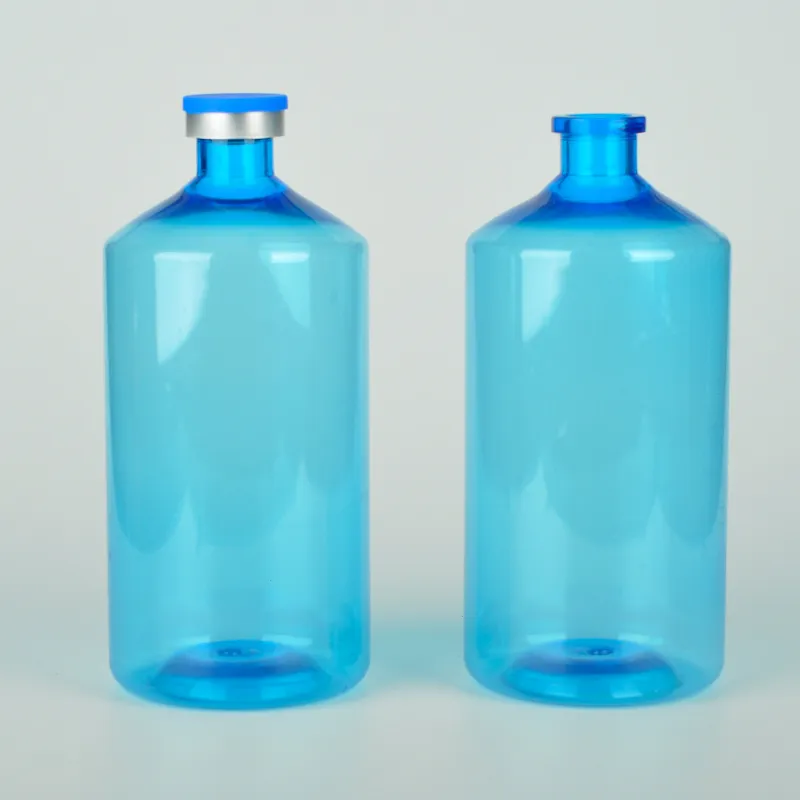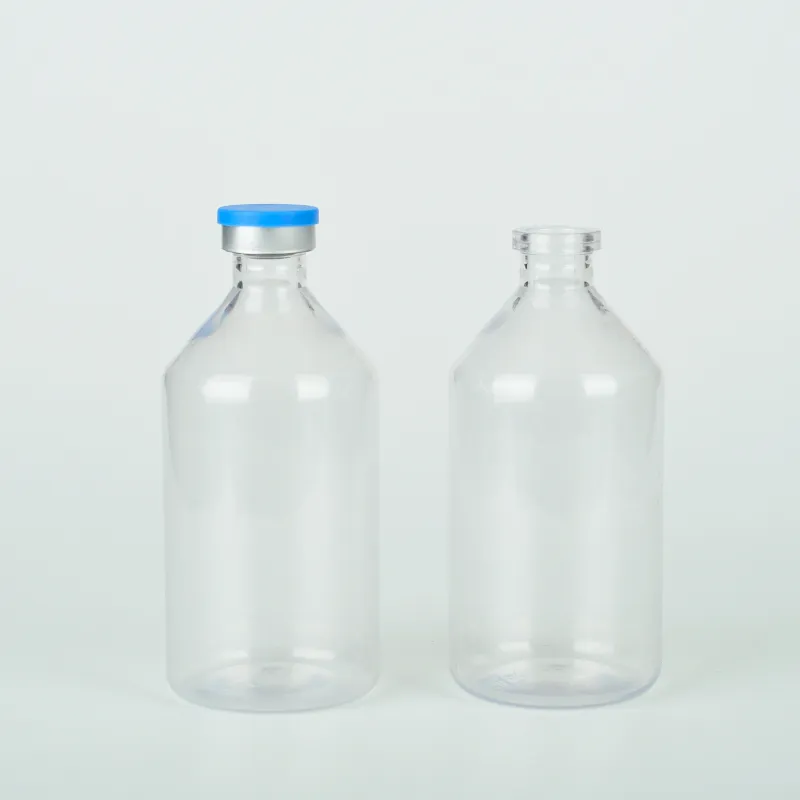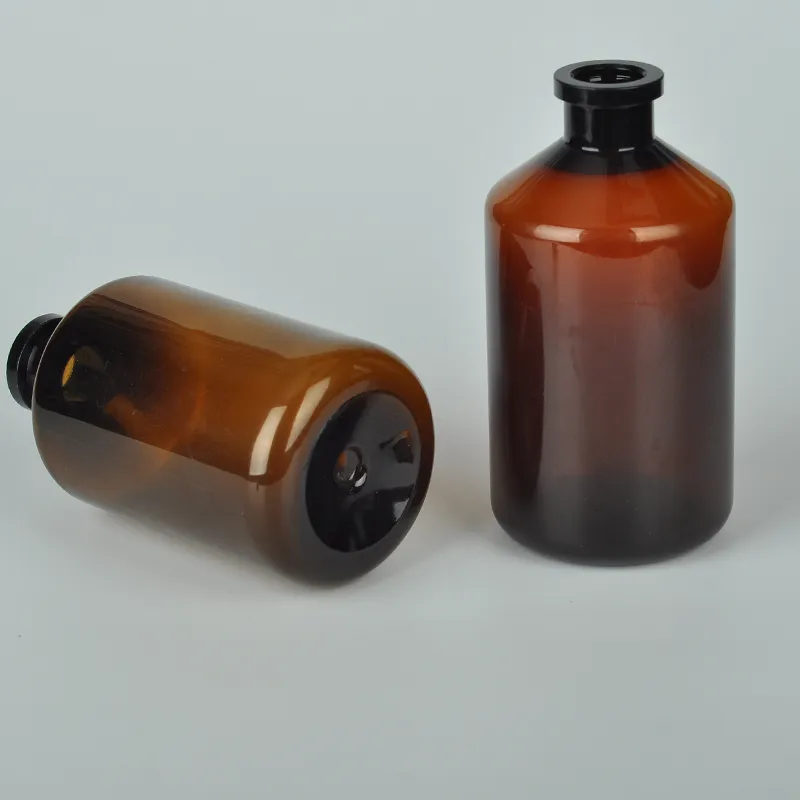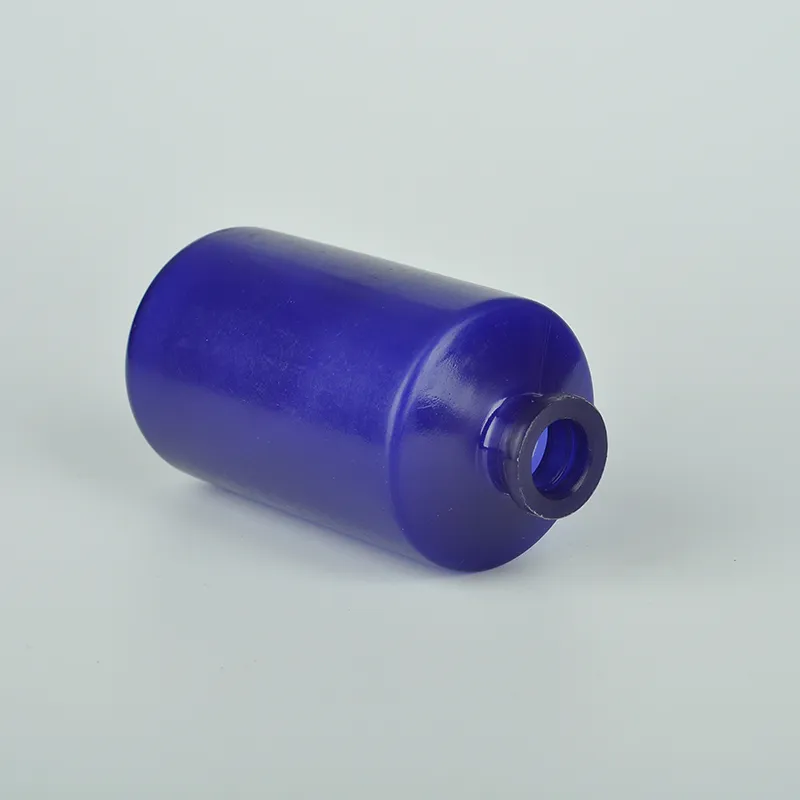

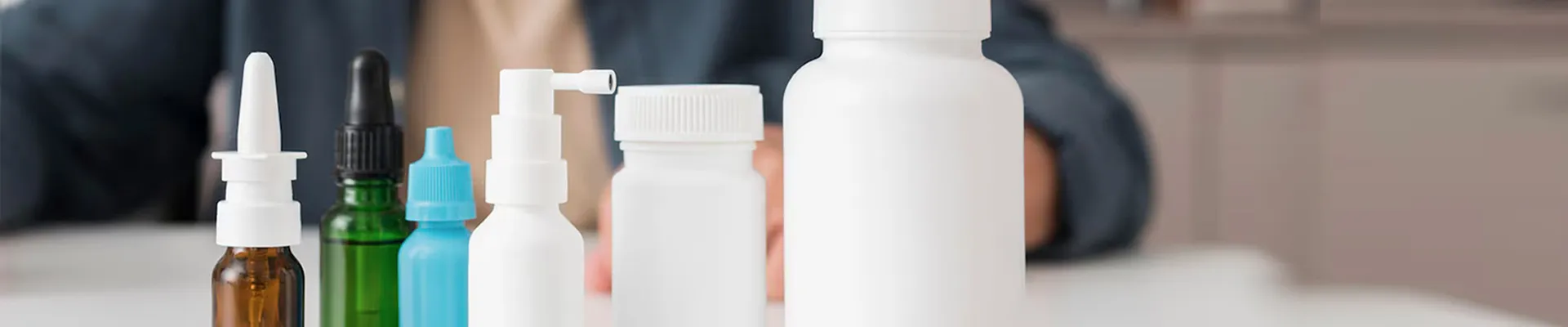


Travel Liquid Medicine Dispenser – Safe, Precise, and Portable Solutions for Global Health
Why Understanding the Travel Liquid Medicine Dispenser Matters Today
When we think about travel essentials, items like passport holders, travel adapters, or those tiny bottles of shampoo usually come to mind. Yet, one unsung hero on that list—especially for frequent travelers, healthcare workers, and humanitarian missions—is the travel liquid medicine dispenser. This nifty device transforms how medications are carried, measured, and administered on-the-go, improving safety and convenience for millions worldwide. But beyond individual use, it plays a surprisingly significant role in global health logistics and emergency responses, an area worth unpacking.
The Growing Global Relevance of Travel Liquid Medicine Dispensers
Globally, about 1.5 billion people (around 20% of the population) rely on regular medication (WHO, 2023 data), many juggling fragile liquid medicines requiring precise dosing and careful handling. Now mix in the realities of increased global travel, refugee movements, and post-disaster relief efforts — and it’s clear that simple drug carriers just don’t cut it. The shipping and dispensing of liquid medications safely during travel or in remote zones is a puzzle the travel liquid medicine dispenser helps solve. According to the United Nations Office for the Coordination of Humanitarian Affairs (OCHA), improved medical logistics can reduce morbidity rates by up to 30% in emergency zones, and precise medicine dispensing is a key part of that equation.
The problem is multifaceted: liquid medicines are bulky, vulnerable to leaks, and need careful measurement. Conventional bottles are ill-suited to frequent travelers navigating tight airline regulations or field workers needing dose accuracy in harsh terrains.
Defining the Travel Liquid Medicine Dispenser
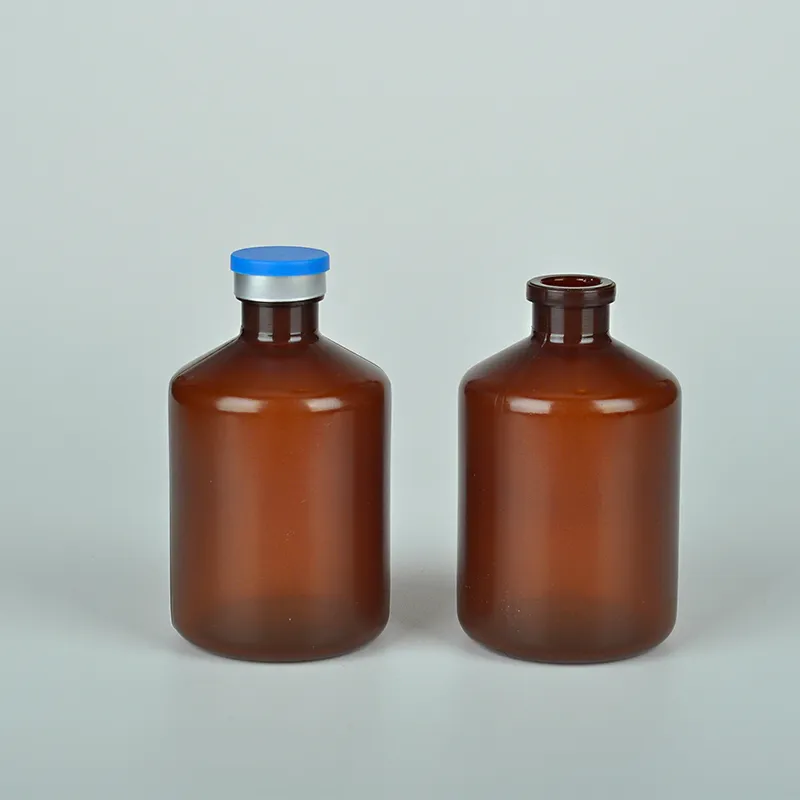
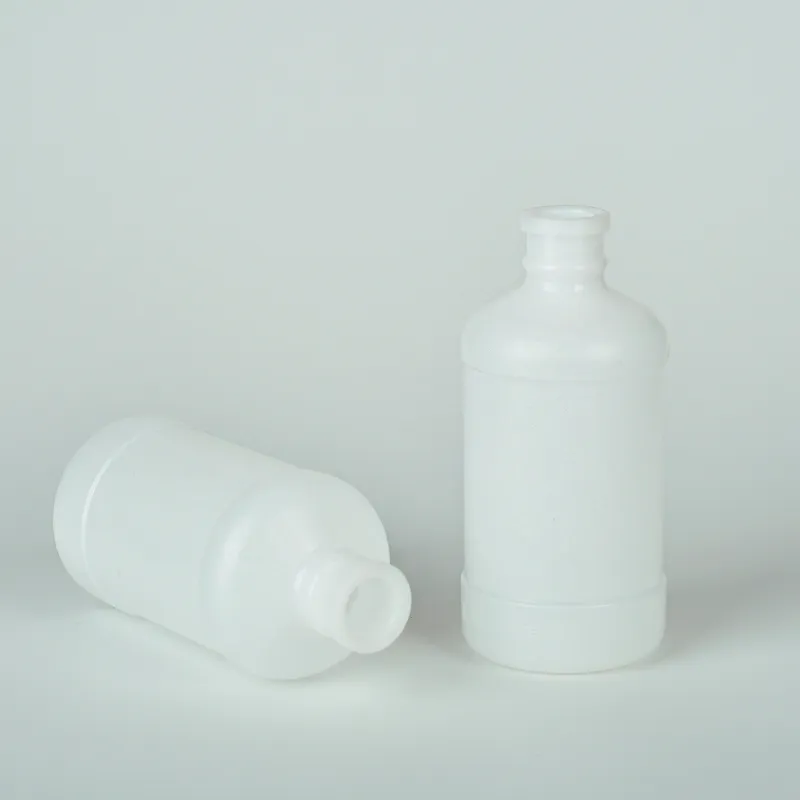
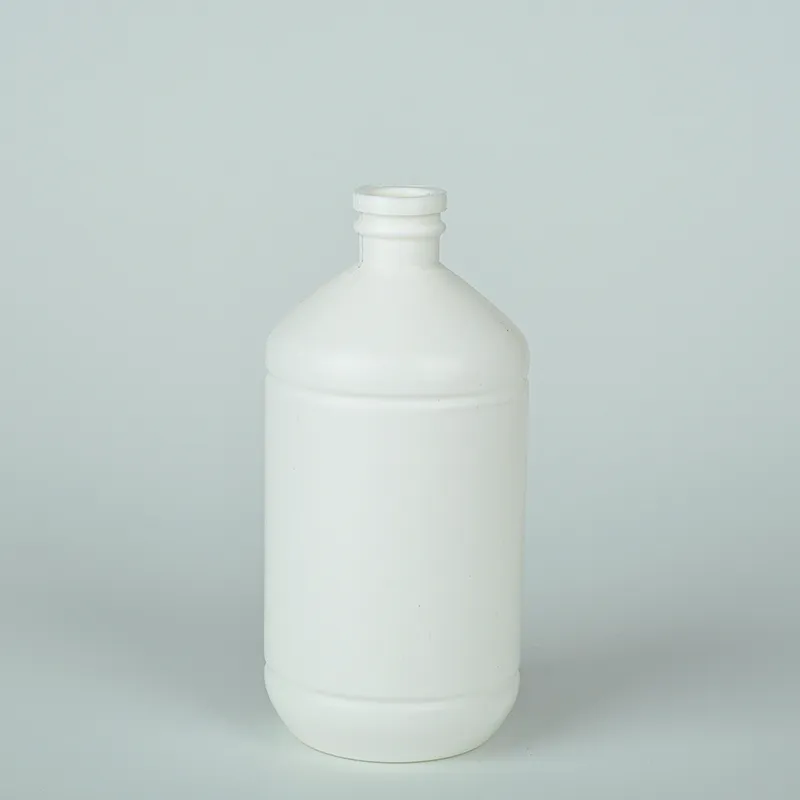
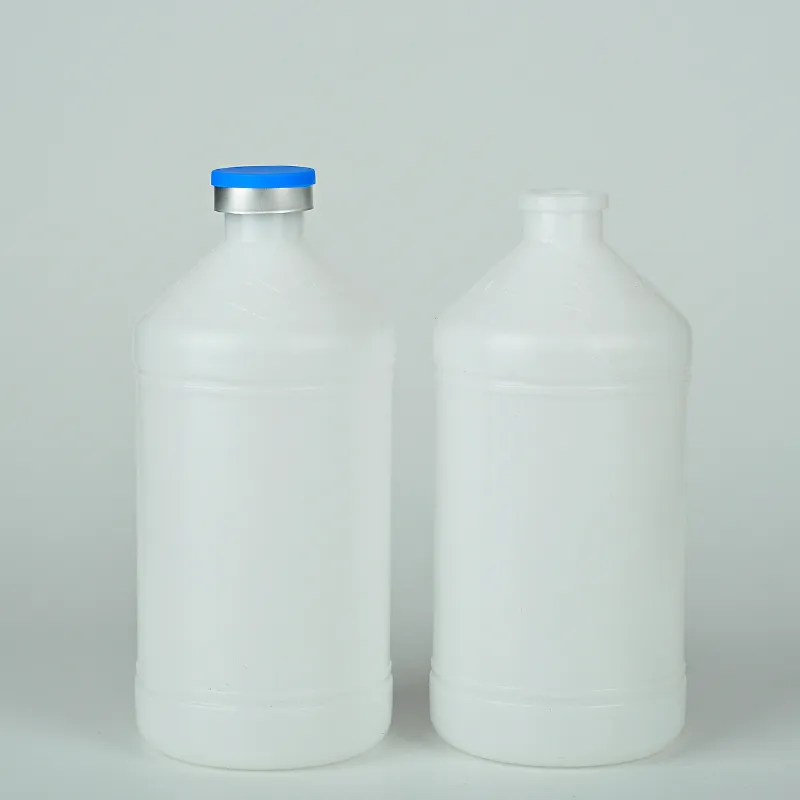
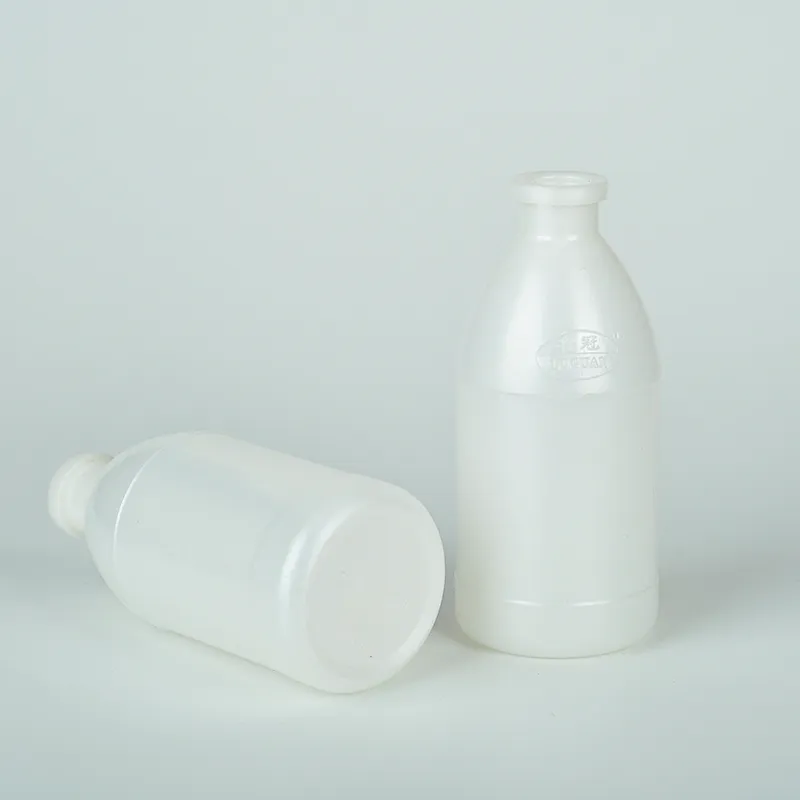
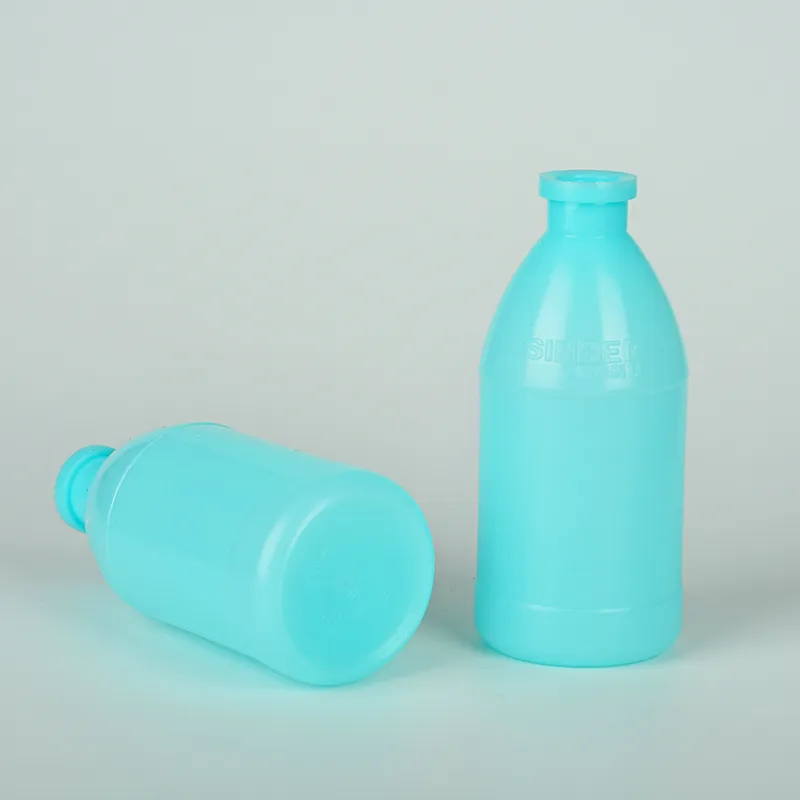
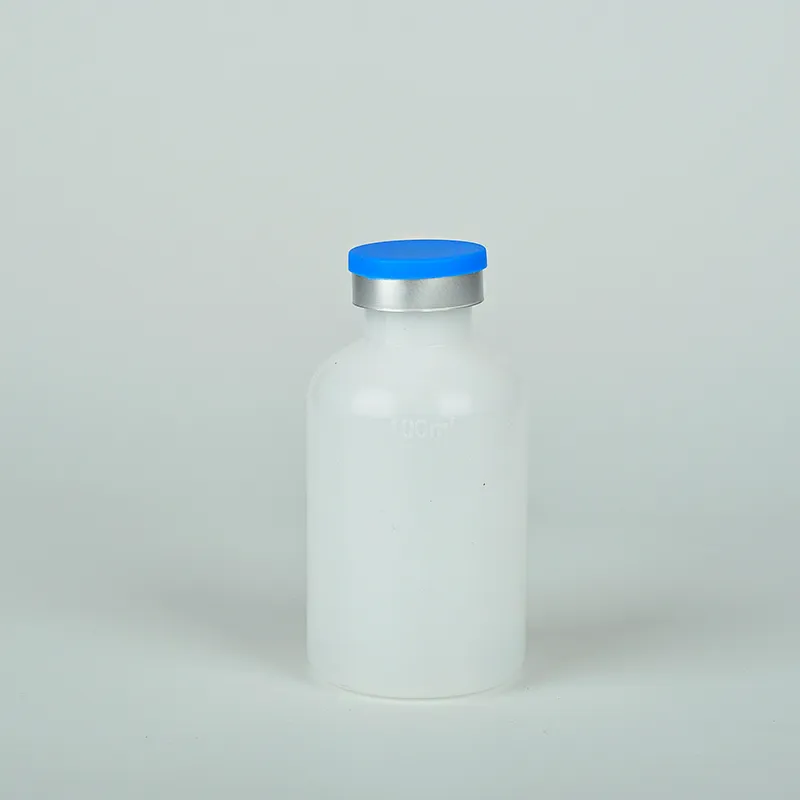
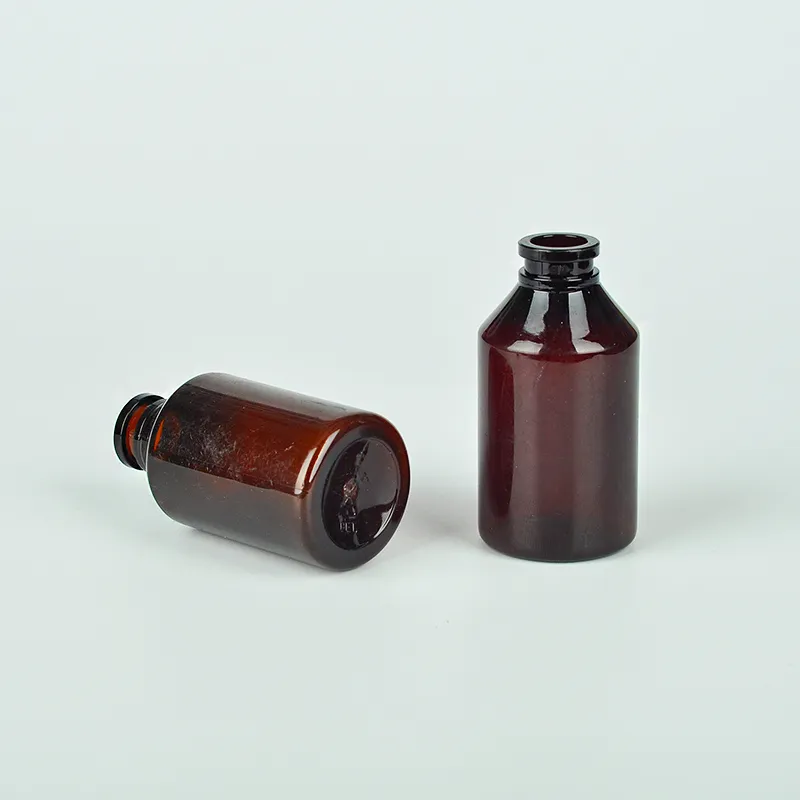
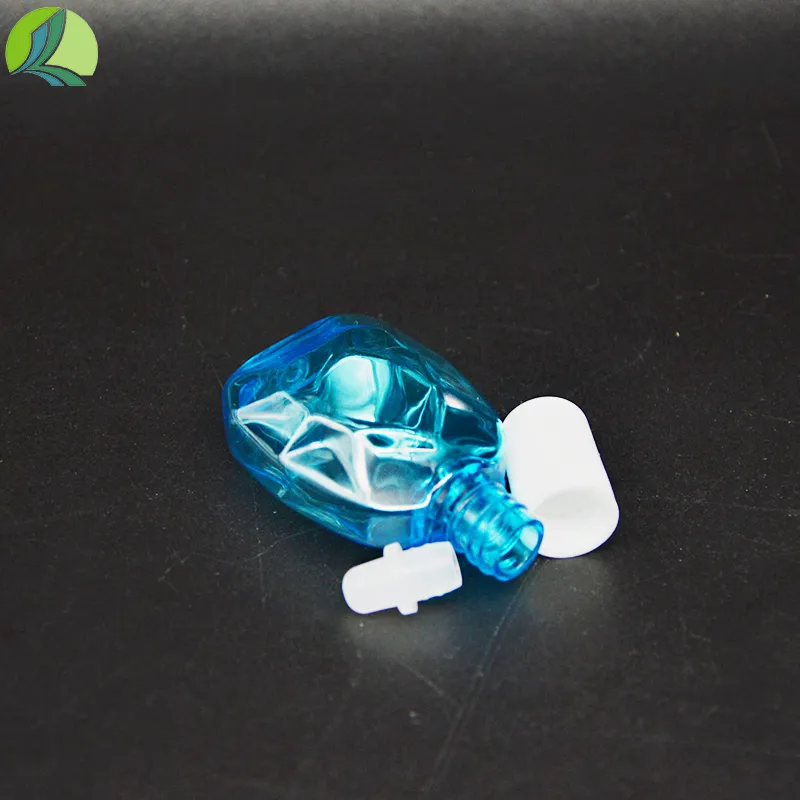
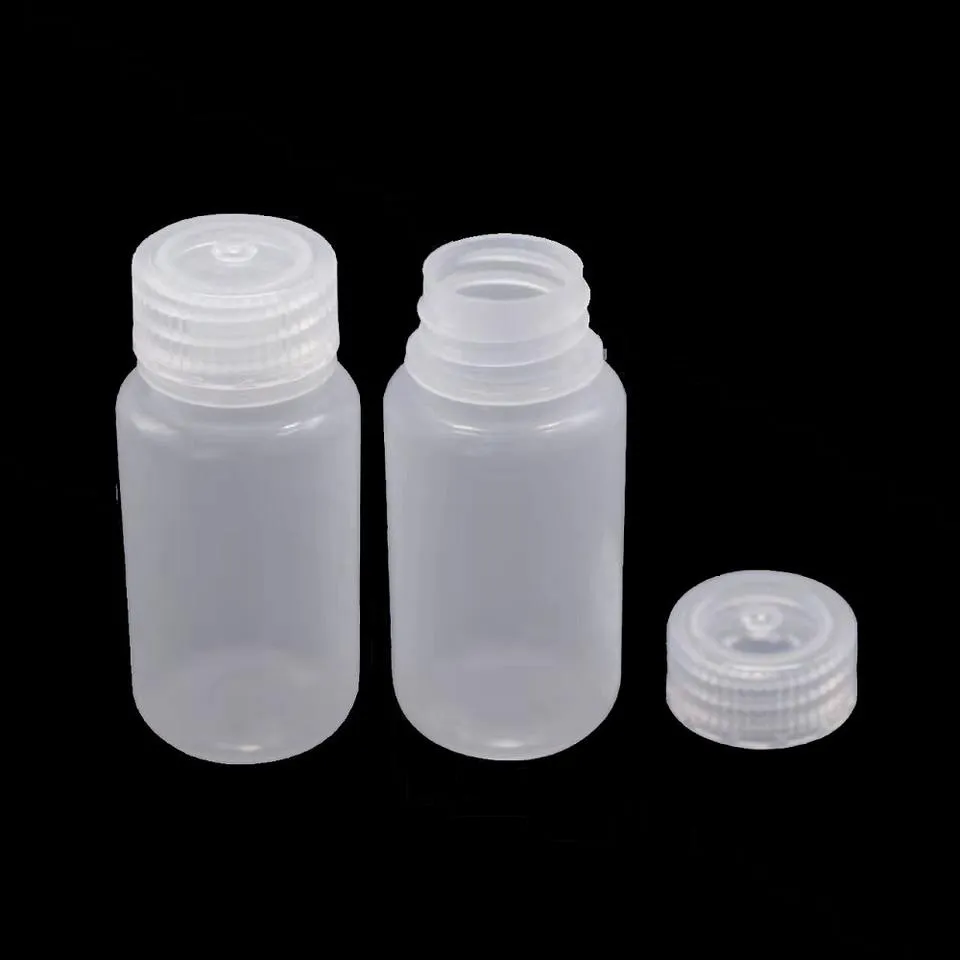
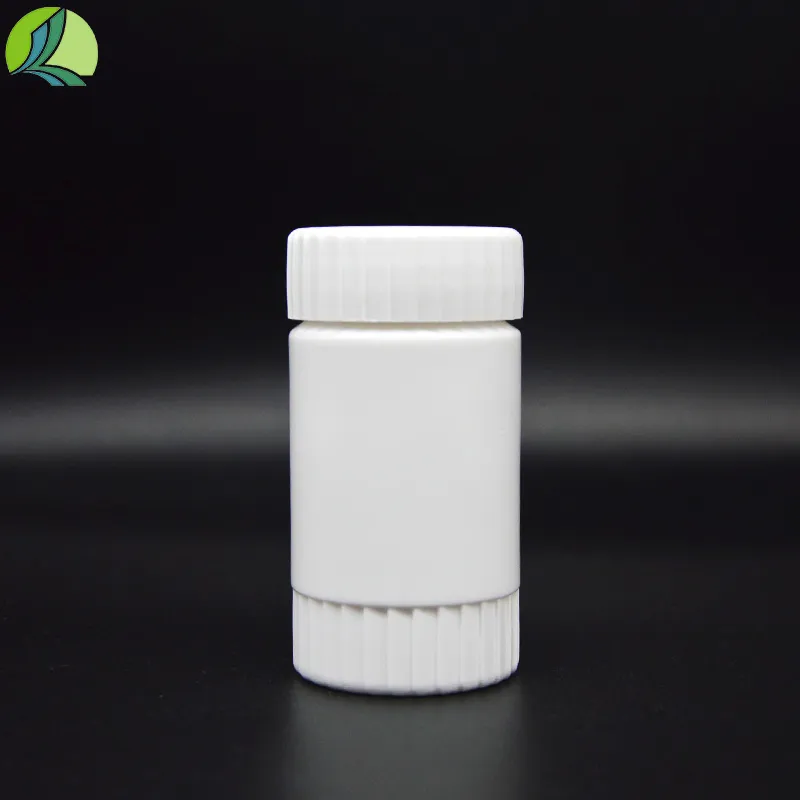
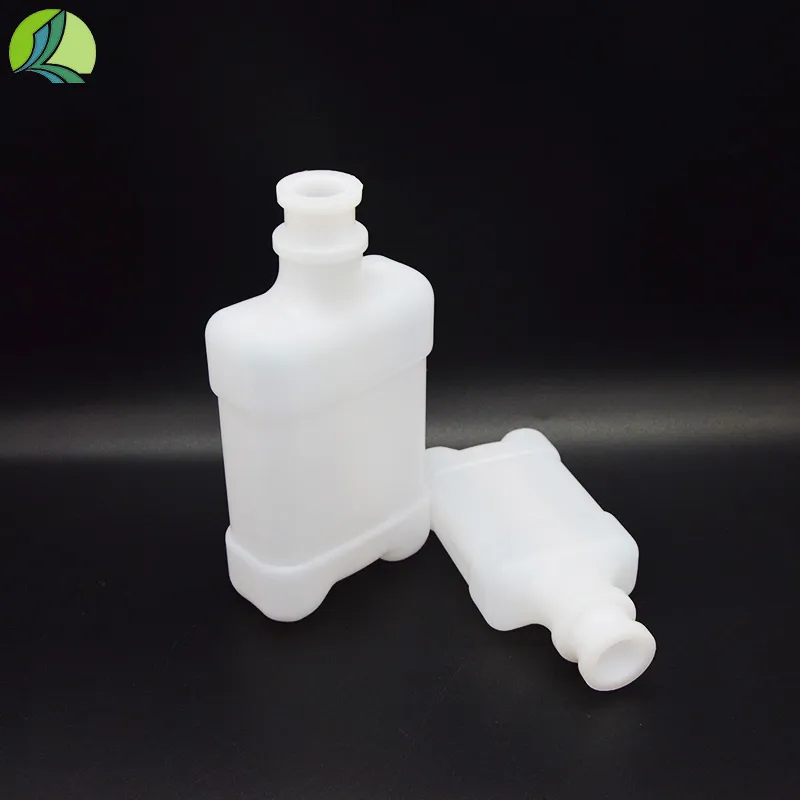
Simply put, a travel liquid medicine dispenser is a compact container designed specifically to safely store, transport, and accurately dispense liquid medications in small, measured doses. Think of it as a miniaturized, travel-ready pharmacy tool that combines spill-proof design with easy-to-use mechanisms — often with marked dosing chambers, dropper tips, or even multi-compartment setups for different meds. These devices are particularly helpful where refrigeration isn’t guaranteed and contamination risks run high.
In the broader industry context, these dispensers fill a niche in pharmaceutical logistics, medical tourism, disaster relief, and even personal care. They reflect a modern shift toward portable, user-friendly health solutions — vital when every drop counts.
Core Components That Make These Dispensers Work
1. Leak-Proof Design
One of the biggest concerns? Spills or leaks can ruin medications and cause dangerous dosing errors. Most travel dispensers incorporate silicone seals, screw-on caps, and lockable valves to keep everything airtight. Many engineers I spoke with emphasized that this feature alone determines how trustworthy a dispenser feels.
2. Dose Measurement Accuracy
A dispenser’s real magic lies in accuracy. Graduated markings or built-in measuring chambers ensure that users get just the right quantity — no guesswork allowed. Proper dosing is critical, especially with potent medications.
3. Material Durability & Safety
Materials vary: from BPA-free plastics to sturdy food-grade silicone or even lightweight metals for rugged use. Safety standards require non-reactive, hypoallergenic materials to avoid altering medicines or causing skin irritations.
4. Compactness & Portability
They often boast slim, ergonomic designs that slip into pockets or bags without fuss. Airline-friendly sizes help travelers glide through security effortlessly.
5. Multi-Compartment Systems
Some dispensers offer multiple chambers for different medicines, ideal when managing several prescriptions simultaneously. This reduces clutter and confusion.
Mini Takeaway
If I had to sum it up: leak-proofing and dose accuracy are the MVPs — without them, a travel liquid medicine dispenser feels almost useless.
Where Are These Dispensers Actually Used?
Applications stretch far beyond tourist luggage. Consider these real-world scenarios:
- Disaster Relief Efforts: In post-earthquake zones or flood-stricken areas, medics use these dispensers to distribute antibiotics and vitamins safely, reducing cross-contamination risks.
- Remote Industrial Sites: Offshore oil rigs or isolated mining camps rely on durable dispensers for first-aid liquids amid limited medical facilities.
- Healthcare Travel: Traveling patients carry precise meds seamlessly, avoiding bulky pharmacy bottles and complicated prep.
- Humanitarian Missions: NGOs like Médecins Sans Frontières deploy these dispensers to control dosage and prevent resource wastage during vaccination drives or child treatment programs.
Mini Takeaway
Whether on a rugged mountain trail or a clinic thousands of miles away, the travel liquid medicine dispenser is quietly pivotal in improving medicine delivery reliability.
Comparing Some Popular Travel Liquid Medicine Dispenser Specs
| Feature | Brand A | Brand B | Brand C |
|---|---|---|---|
| Capacity per Chamber | 15 ml | 12 ml | 20 ml |
| Materials Used | BPA-Free Plastic | Food-Grade Silicone | Aluminum Alloy |
| Leak-Proof Certification | ISO 8317 Compliant | ASTM F2394 Approved | ISO 8317 Compliant |
| Multi-Compartment | Yes, 3 Chambers | No | Yes, 2 Chambers |
| Dimensions (L×W×H) | 110×40×25 mm | 95×35×20 mm | 120×45×30 mm |
The Long-Term Value of Travel Liquid Medicine Dispensers
At first glance, you might think, "Is it really worth investing in a specialized dispenser instead of reusing existing bottles?" Well, this isn’t just about convenience — it’s about safety, dignity, and trust. Correct dosing reduces adverse side effects; sealed compartments mean less contamination risk; and a compact form eases packing tensions. For caregivers, it can mean peace of mind knowing that children or elderly patients get the right dose every time, no matter where. There’s a social impact too — cutting down on medicine wastage and plastic pollution aligns with wider sustainability goals.
I noticed that users often report feeling more in control of their treatment — a surprisingly emotional but important benefit, especially on stressful journeys or in unstable environments.
Vision on Future Trends
There’s some interesting innovation afoot. Some companies are exploring smart dispensers integrating Bluetooth connectivity for dose reminders and digital logs, which can sync with health apps — a neat feature for chronic condition management. Sustainability-wise, the push towards biodegradable materials and refillable designs is gaining momentum. Automation and microfluidic technology might soon make ultra-precise nano-dosing feasible, ideal for new biologic drugs. Plus, solar-powered cooling attachments? Oddly enough, it’s being tested in pilot programs for vaccines needing controlled temps en route to remote clinics.
Common Challenges and How Experts Suggest Overcoming Them
Despite the hype, challenges remain. Spill risk is reduced but never zero. Some dispensers are too bulky for real pocket carry. Cost can be prohibitive in low-income regions. Then there’s user error — no dispenser can fix someone misreading a dose. Still, innovations like tactile dose feedback (so users can feel the right amount without looking), combined with simple pictogram instructions, have cut errors substantially.
NGOs often partner with manufacturers to subsidize costs, and bulk purchasing helps drive prices down. I’d say the key takeaway is: no perfect system exists, but continuous iteration and field feedback keep pushing limits.
Frequently Asked Questions About Travel Liquid Medicine Dispensers
- How do I know if a travel liquid medicine dispenser is leak-proof?
- Look for certifications such as ISO 8317 or ASTM standards that attest to child-resistant and leak-proof performance. User reviews and sealed valve designs also help assure quality.
- Can I carry a travel liquid medicine dispenser through airport security?
- Yes, most travel dispensers are designed to comply with TSA liquid restrictions when filled with approved medications, but always keep them in clear, resealable bags and declare them if asked.
- Are these dispensers reusable or disposable?
- Many models are reusable and easy to clean, constructed from durable materials. Some single-use versions exist for sterile or emergency applications — check product details accordingly.
- How accurate are the dose measurements on travel liquid medicine dispensers?
- High-quality dispensers have clear graduated markings or built-in chambers, offering dosing accuracy within 0.1 ml margins, suitable for most outpatient medications.
- Where can I buy reliable travel liquid medicine dispensers?
- You can find them via medical supply companies, some pharmacies, or specialized online retailers. For trusted suppliers, visit travel liquid medicine dispenser.
Vendor Comparison: Key Players in Travel Liquid Medicine Dispensers
| Vendor | Price Range | Material | Warranty | Customizable |
|---|---|---|---|---|
| MediTravel Pro | $15 - $25 | BPA-Free Plastic | 2 Years | Yes, logo & sizes |
| SafeDose Systems | $22 - $35 | Food-Grade Silicone | 3 Years | Limited (colors only) |
| TravelMed Plus | $18 - $28 | Aluminum Alloy | 1 Year | No |
Wrapping Up: Why This Small Device Packs a Big Punch
In the end, the humble travel liquid medicine dispenser is more than a convenience—it's a tool that supports medical efficacy, safety, and dignity across multiple sectors and geographies. Whether you’re a globetrotter managing chronic meds, a medic working in challenging conditions, or a humanitarian logistics planner, understanding and adopting the right dispenser can truly save lives and resources. For practical guidance and product options that reflect the latest innovations, you might want to check out travel liquid medicine dispenser — a resource worth bookmarking.
Final Mini Takeaway
It’s one of those clever everyday inventions that quietly makes global health travel safer — often overlooked, but incredibly vital.
References:
1. World Health Organization. (2023). Medication Safety in Travel. https://www.who.int/
2. United Nations Office for the Coordination of Humanitarian Affairs. (2022). Medical Logistics in Crisis Zones. https://www.unocha.org/
3. ISO 8317:2015. Child-resistant packaging standards. https://www.iso.org/
-
Bulk Eye Dropper Bottles for Industrial Packaging - Reliable & CustomizableNewsDec.31,2025
-
Small Plastic Dropper Bottles – Durable, Precise Packaging Solutions for B2B ApplicationsNewsDec.10,2025
-
Medicine Dropper Bottles – Precision and Quality Packaging Solutions for B2B | WK PackingNewsDec.10,2025
-
Discover Top Quality 2 oz Eye Dropper Bottles for Industrial UseNewsDec.09,2025
-
1 Oz Eye Dropper Bottles - Precision Packaging Solutions for B2B Industries | WKPackingNewsDec.09,2025
-
Durable 4 oz Eye Dropper Bottles for Industrial & Cosmetic UseNewsDec.09,2025