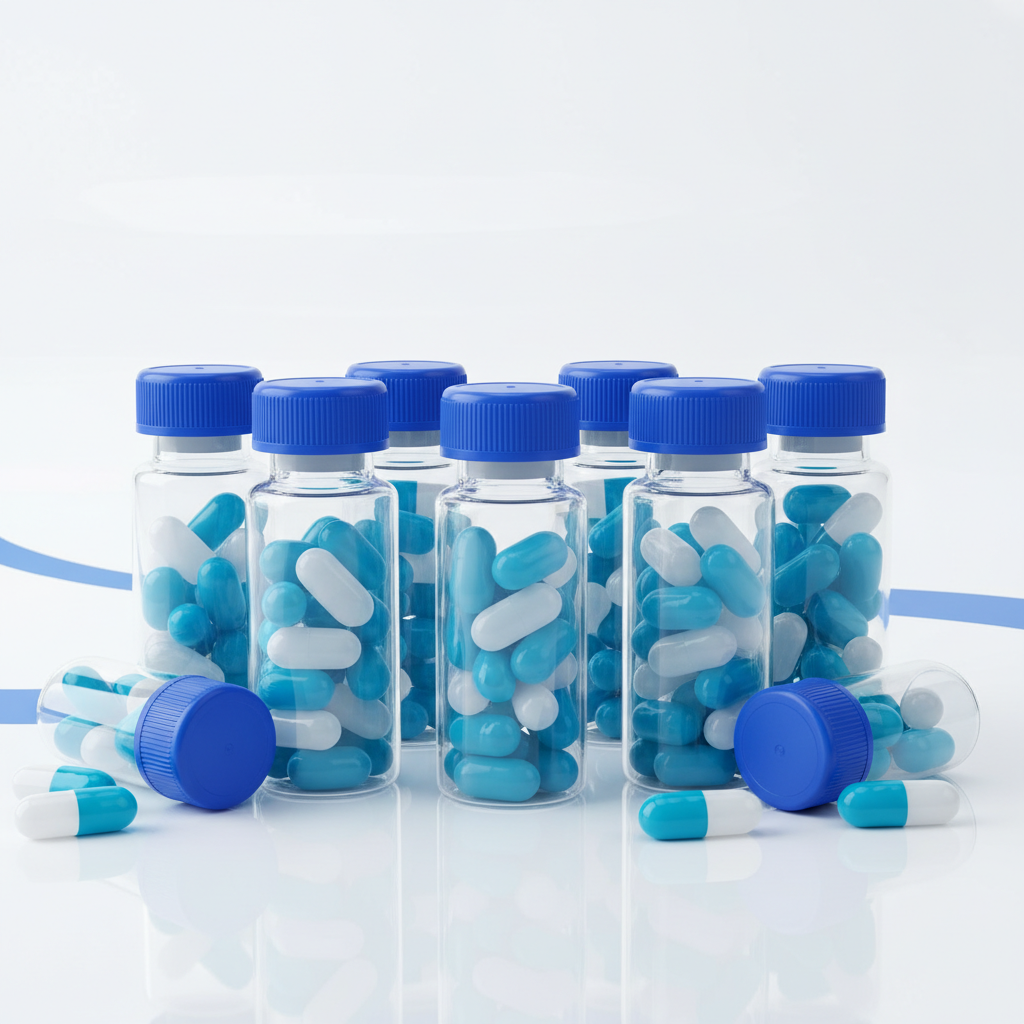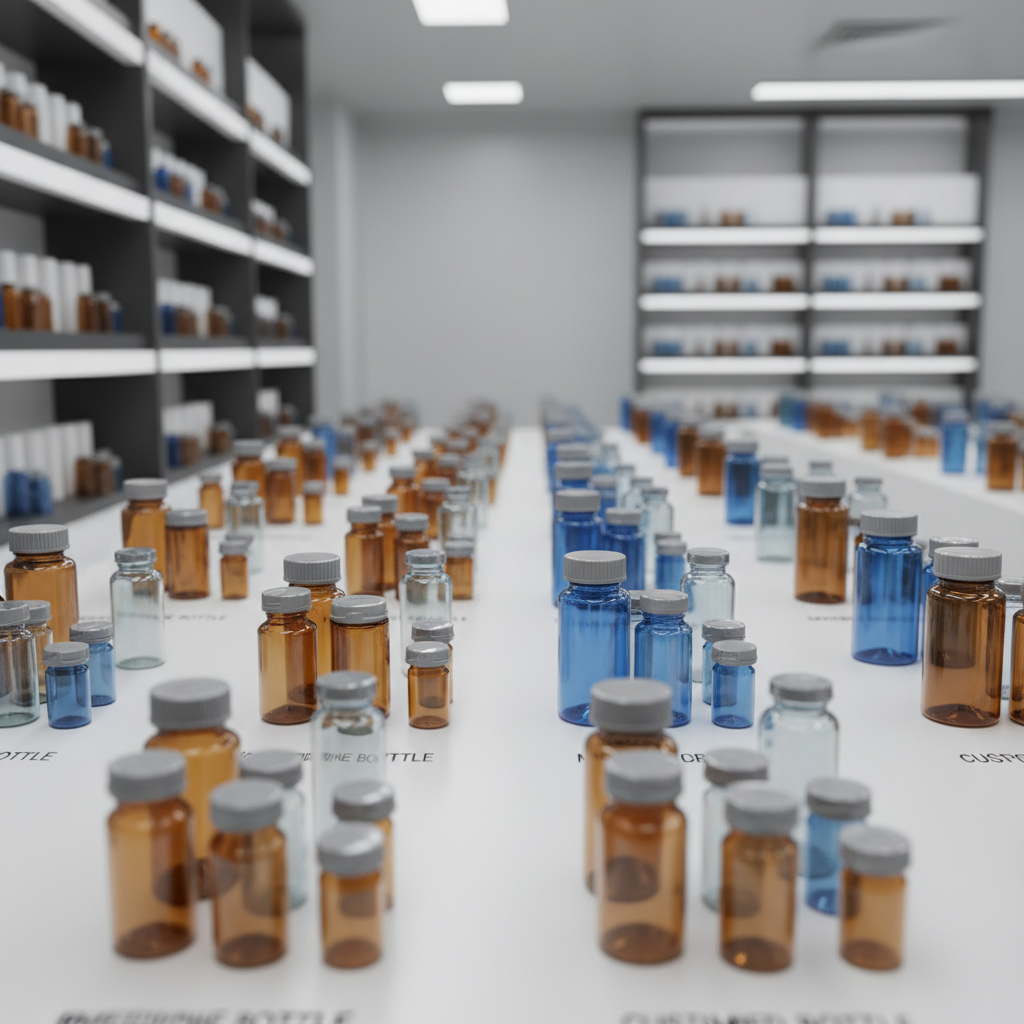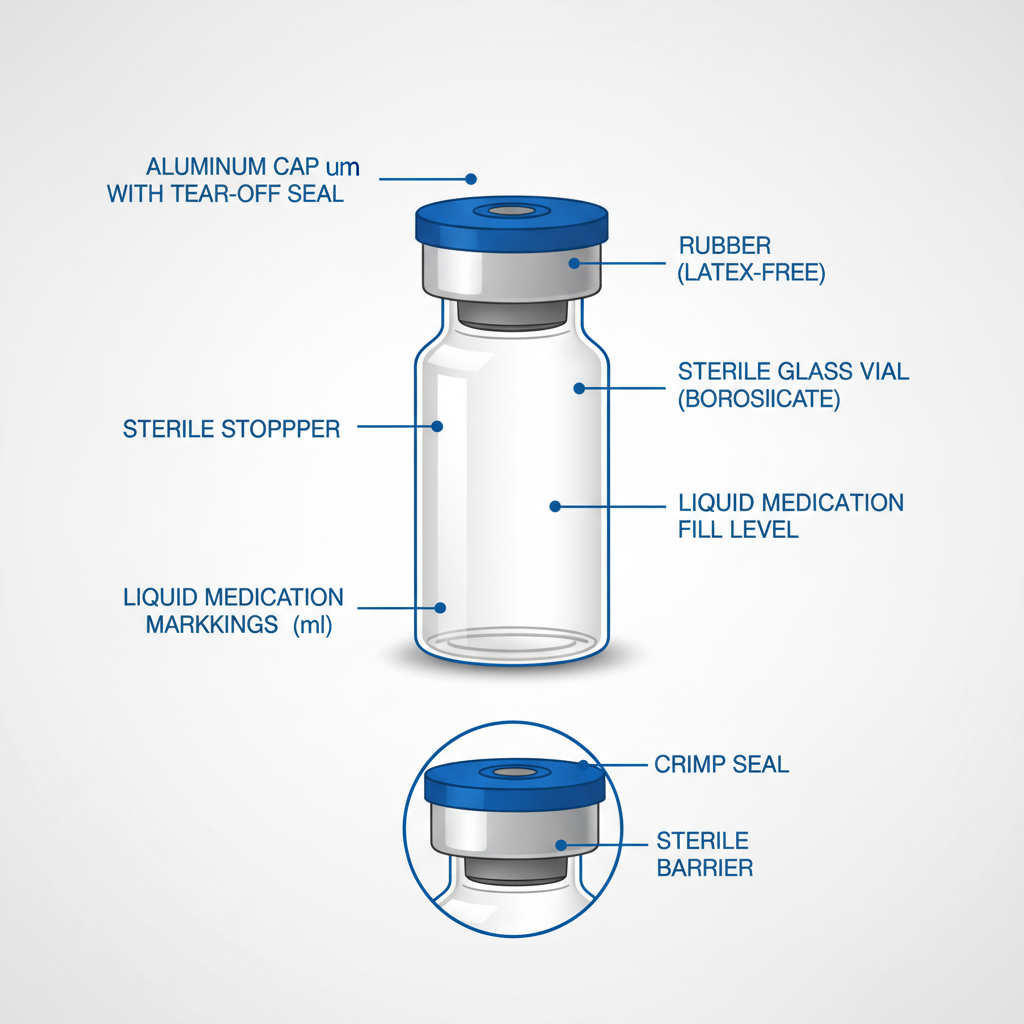
Selecting the right containment system for laboratory reagents often comes down to a critical balance between chemical compatibility, physical durability, and cost-efficiency. In high-throughput environments, the failure of a single container can lead to sample contamination or hazardous spills, making the choice of manufacturer a strategic decision rather than a simple procurement task.
The shift from traditional borosilicate glass to advanced polymers has redefined how veterinary clinics and research facilities manage liquid assets. Modern materials like polypropylene (PP) and PET provide shatter-resistance and light-blocking capabilities that are essential for maintaining the potency of sensitive biological agents, such as animal vaccines and serums.
For procurement officers and laboratory managers, understanding the technical distinctions between molding processes and material grades is key to optimizing workflow. By partnering with experienced plastic reagent bottle suppliers, organizations can ensure their storage solutions meet rigorous safety and sterility standards.


Historically, laboratories relied almost exclusively on glass for reagent storage due to its inert nature. However, the inherent fragility of glass presented significant risks in fast-paced veterinary and clinical environments, where accidental breakage could lead to dangerous chemical exposures or the loss of irreplaceable vaccine batches.
The transition toward high-grade plastics like Polypropylene (PP) and PET was driven by the need for shatter-resistance and lightweight handling. Modern polymer engineering now allows for the creation of bottles that match the chemical stability of glass for a vast majority of laboratory liquids while offering superior safety and logistical advantages.
The quality of a reagent bottle is fundamentally determined by its manufacturing process. Injection blow molding is frequently utilized for pharmaceutical-grade containers because it produces a high-precision neck finish and a stable wall structure without the need for secondary trimming. This process involves injecting molten plastic into a mold to create a tube blank, which is then blown into the final shape, ensuring a clean appearance with no flash edges.
Extrusion blow molding, conversely, is more versatile for producing larger containers or those with complex shapes. This method extrudes a plastic parison that is then expanded by compressed air. Depending on the requirement, manufacturers may use single-layer or multi-layer co-extrusion to add barriers that prevent oxygen permeation or enhance chemical resistance.
For PET-based products, a specialized injection stretch blow molding process is applied. This adds a longitudinal stretching phase to the transverse expansion, significantly increasing the mechanical strength and transparency of the bottle. The accuracy of the mold in this process is paramount to ensuring the bottle can withstand internal pressures and maintain dimensional stability during storage.
In veterinary medicine, many vaccines and serums are photo-sensitive, meaning exposure to ultraviolet (UV) light can trigger chemical degradation and reduce the potency of the medicine. This is where material color and opacity become functional safety features rather than aesthetic choices.
The use of opaque white polypropylene (PP) serves as a critical barrier against UV radiation, ensuring that light-sensitive veterinary liquids maintain their stability and clinical effectiveness over extended storage periods.
Beyond light protection, the chemical resistance of PP makes it ideal for a wide array of laboratory solutions. Its non-reactive nature prevents the bottle from leaching impurities into the reagent, while its shatter-resistant properties eliminate the risk of glass shards contaminating a sterile environment, a factor that is particularly crucial in animal healthcare facilities.
Operational efficiency in a clinic is often measured by the time saved during medicine administration and the reduction of waste. A 500ml capacity bottle, for example, allows for the bulk storage of multiple doses, reducing the frequency of refills and simplifying inventory management for livestock operations.
The integration of ergonomic designs—such as wide-mouth openings for easy filling and secure screw caps for leak-proof transport—directly correlates to a reduction in accidental spillage. When combined with the lightweight nature of PP, staff can move larger volumes of medicine with less physical strain and lower risk of breakage.
In a typical industrial veterinary setting, the transition to plastic reagent bottles is most evident during field vaccinations. The ability to transport 500ml PP bottles across uneven terrain without the fear of catastrophic breakage allows technicians to focus on accurate dosing rather than container security.
Furthermore, in research laboratories, the compatibility of these bottles with standardized hanging racks and storage shelves optimizes the use of refrigerated space. The opaque white surface also provides a superior substrate for high-contrast labeling, ensuring that expiration dates and dosage instructions are immediately visible, thereby reducing human error in fast-paced environments.
The trajectory of laboratory packaging is moving toward higher specialization. We are seeing a shift from generic containers to "application-specific" designs, where the polymer blend is tailored to the specific permeability requirements of the reagent it will hold.
Sustainability is also becoming a primary driver. The industry is exploring more advanced recyclable polymers and optimizing wall thickness to reduce plastic waste without compromising the structural integrity of the bottle. This balance is critical for maintaining the FDA and ISO certifications that govern pharmaceutical packaging.
Digital integration is another emerging trend. The adoption of smart labeling and RFID-compatible plastic surfaces allows for automated inventory tracking, reducing the manual overhead associated with managing large stocks of reagent bottles in expansive veterinary hospitals.
When evaluating plastic reagent bottle suppliers, procurement teams should look beyond the unit price. The true cost of ownership includes the risk of leakage, the stability of the stored medium, and the efficiency of the dispensing mechanism.
A robust selection framework considers the chemical nature of the contents—whether they are acidic, basic, or organic—and matches them with the appropriate polymer (PP, PET, or HDPE). For instance, while PET offers excellent transparency, PP is often preferred for its superior chemical resistance and thermal stability.
Finally, the manufacturing certifications of the supplier, such as ISO 9001 or FDA compliance, serve as a proxy for quality consistency. A supplier with clean-room capabilities (such as 100,000-class clean rooms) ensures that the bottles are free from particulates, which is a non-negotiable requirement for injectable vaccine storage.
| Selection Factor | Polypropylene (PP) | PET / PETG | Borosilicate Glass |
|---|---|---|---|
| Impact Resistance | High (Shatter-proof) | Moderate | Low (Fragile) |
| Chemical Stability | High (General) | Moderate | Excellent (Universal) |
| UV Protection | Excellent (Opaque) | Low (Transparent) | Variable (Amber) |
| Weight/Handling | Lightweight | Lightweight | Heavy |
| Sterilization | Autoclavable | Limited | High Temp Ready |
| Cost per Unit | Low | Low-Moderate | High |
PP is preferred primarily due to its shatter-resistance and chemical durability. In veterinary settings, where bottles are often moved in field conditions, glass poses a high risk of breakage and contamination. PP provides a safe, lightweight alternative that prevents spills and injury while offering excellent resistance to a wide range of chemical reagents and serums.
The molding process determines the bottle's wall thickness, neck precision, and overall purity. Injection blow molding, for instance, produces containers with extremely stable quality and no flash edges, which is essential for a tight seal with the screw cap. This prevents leakage and contamination, ensuring the sterile environment required for pharmaceutical-grade laboratory consumables.
Many biological reagents, including vaccines and serums, are sensitive to UV light, which can cause them to degrade and lose efficacy. An opaque white design acts as a physical shield against light exposure, preserving the potency of the medicine. Additionally, the white surface allows for clear, high-contrast labeling, reducing identification errors in busy laboratories.
Reliability should be evaluated based on manufacturing certifications (ISO 9001, FDA), the presence of controlled clean-room environments (e.g., 100,000 class), and their experience with specific molding processes. A supplier that can provide detailed technical specifications on material grades and wall consistency is more likely to deliver a product that meets rigorous pharmaceutical standards.
While 500ml is highly efficient for bulk storage and multiple-dose dispensing in veterinary clinics and livestock farms, it may not be suitable for rare, high-cost reagents where small-volume precision is required. However, for standard vaccines and laboratory solutions, the 500ml size balances storage capacity with ease of handling and transport.
PET offers superior clarity and gas barrier properties, making it ideal for products where visual inspection is critical. However, PP generally offers better chemical resistance and thermal stability, and it is easier to produce in opaque forms for UV protection. The choice depends on whether the reagent requires transparency (PET) or maximum chemical/light shielding (PP).
The shift toward specialized polymer containment represents a broader trend of prioritizing safety and operational efficiency in the pharmaceutical and veterinary sectors. By moving away from the risks associated with glass and adopting precision-molded PP and PET solutions, laboratories can significantly reduce waste and enhance the stability of their critical reagents.
Ultimately, the value of a storage system is found in its ability to disappear into the workflow—providing secure, sterile, and reliable containment without introducing new risks. As materials science continues to evolve, the partnership between laboratories and expert manufacturers will remain the cornerstone of safe and effective medical storage.