The realm of vial sterile is critical across diverse sectors, from pharmaceutical manufacturing and healthcare to research and diagnostics. Maintaining sterility in vials isn't merely a procedural step; it's a fundamental cornerstone of patient safety, accurate research results, and the efficacy of critical medical interventions. As global healthcare demands evolve, understanding and implementing robust vial sterile processes becomes increasingly paramount.
The importance of vial sterile extends beyond the immediate protection of contents. Regulatory bodies worldwide—including the FDA, EMA, and WHO—mandate stringent sterility assurance protocols, emphasizing the need for validated processes, rigorous quality control, and meticulous documentation. Failure to meet these standards can result in product recalls, legal liabilities, and, most importantly, risks to public health. This global regulatory landscape drives continuous innovation in sterilization techniques and vial manufacturing.
Effective vial sterile is a multidisciplinary challenge requiring expertise in microbiology, engineering, chemistry, and quality assurance. It’s a vital aspect of modern medicine and scientific advancement, continually adapting to emerging threats and demanding increased precision and reliability. Choosing the correct vial sterile solution directly impacts the quality and safety of countless products worldwide, from life-saving medications to crucial diagnostic tests.
The Significance of Vial Sterile
Vial sterile serves as the cornerstone of product safety and efficacy across countless industries. In pharmaceuticals, maintaining a sterile environment within vials is non-negotiable, preventing contamination that could lead to adverse patient reactions or render medications ineffective. Without meticulous vial sterile processes, the very foundation of therapeutic intervention is compromised.
The significance isn’t limited to injectables. Diagnostic samples, research reagents, and even certain cosmetic products rely on vial sterile to ensure accurate results, reliable data, and consumer safety. The economic implications of compromised vial sterile—through product recalls or compromised research—are substantial, highlighting the need for preventative measures and robust quality control.
Defining Vial Sterile: A Core Principle
At its most fundamental, vial sterile refers to the complete absence of viable microorganisms – bacteria, viruses, fungi, and their spores – within a vial and on its internal surfaces. This isn't merely a visual cleanliness; it's a state verified through rigorous testing and validation procedures. Achieving vial sterile necessitates a holistic approach encompassing vial material selection, manufacturing processes, filling procedures, and sealing techniques.
The concept connects directly to modern healthcare’s reliance on parenteral administration – delivering medications directly into the body via injection or infusion. Because these routes bypass natural defenses, the risk of infection is heightened, making vial sterile an absolute requirement. Furthermore, in research, contaminating microorganisms can invalidate experimental results, leading to flawed conclusions and hindering scientific progress.
Understanding vial sterile also involves recognizing different levels of sterilization. While absolute sterility is the goal, processes are often validated to achieve a Sterility Assurance Level (SAL) of 10-6, meaning there’s less than a one in a million chance of a non-sterile unit. This probabilistic approach reflects the inherent challenges in achieving absolute certainty.
Key Components of Effective Vial Sterile
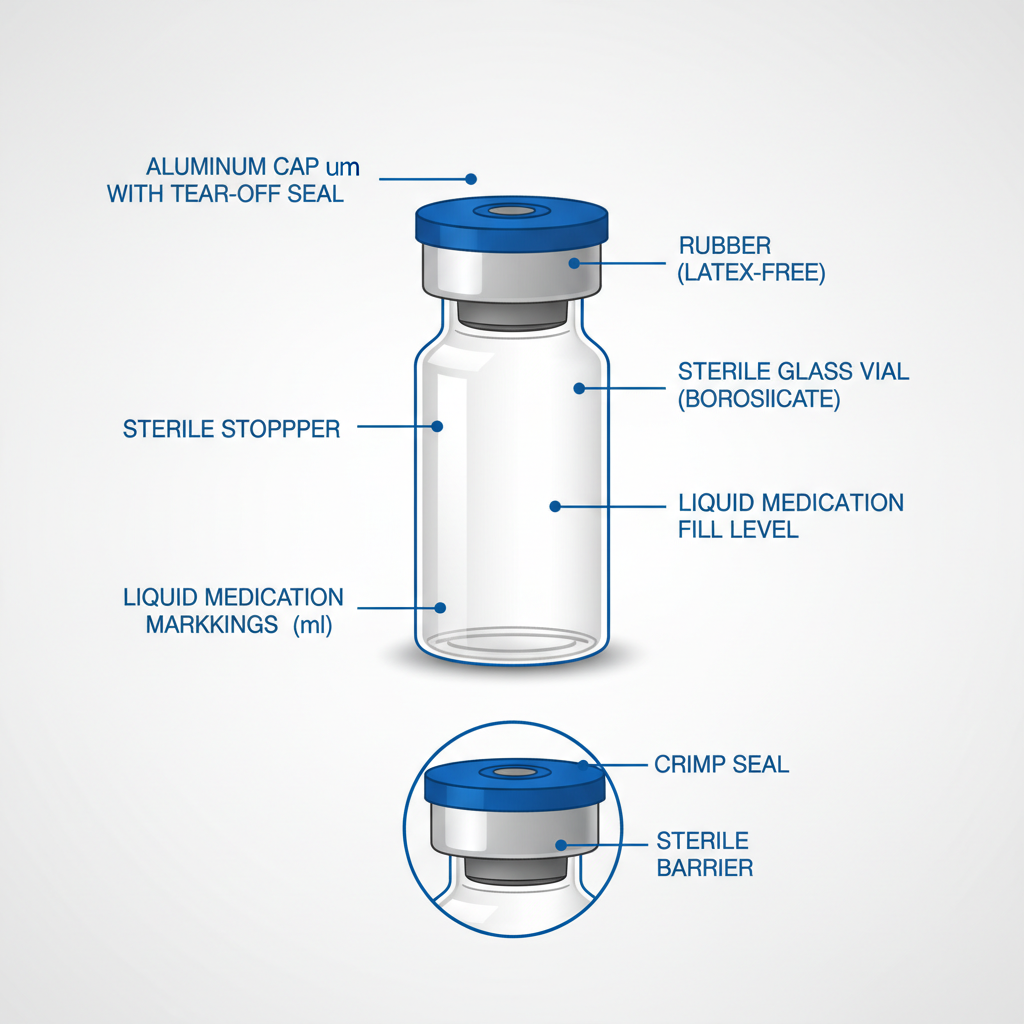
Effective vial sterile hinges on several interconnected factors. First, the choice of vial material – typically glass or plastic – significantly influences its sterilizability. Different materials react differently to various sterilization methods, requiring careful consideration. Second, the vial design itself, including closures and seals, must prevent microbial ingress post-sterilization.
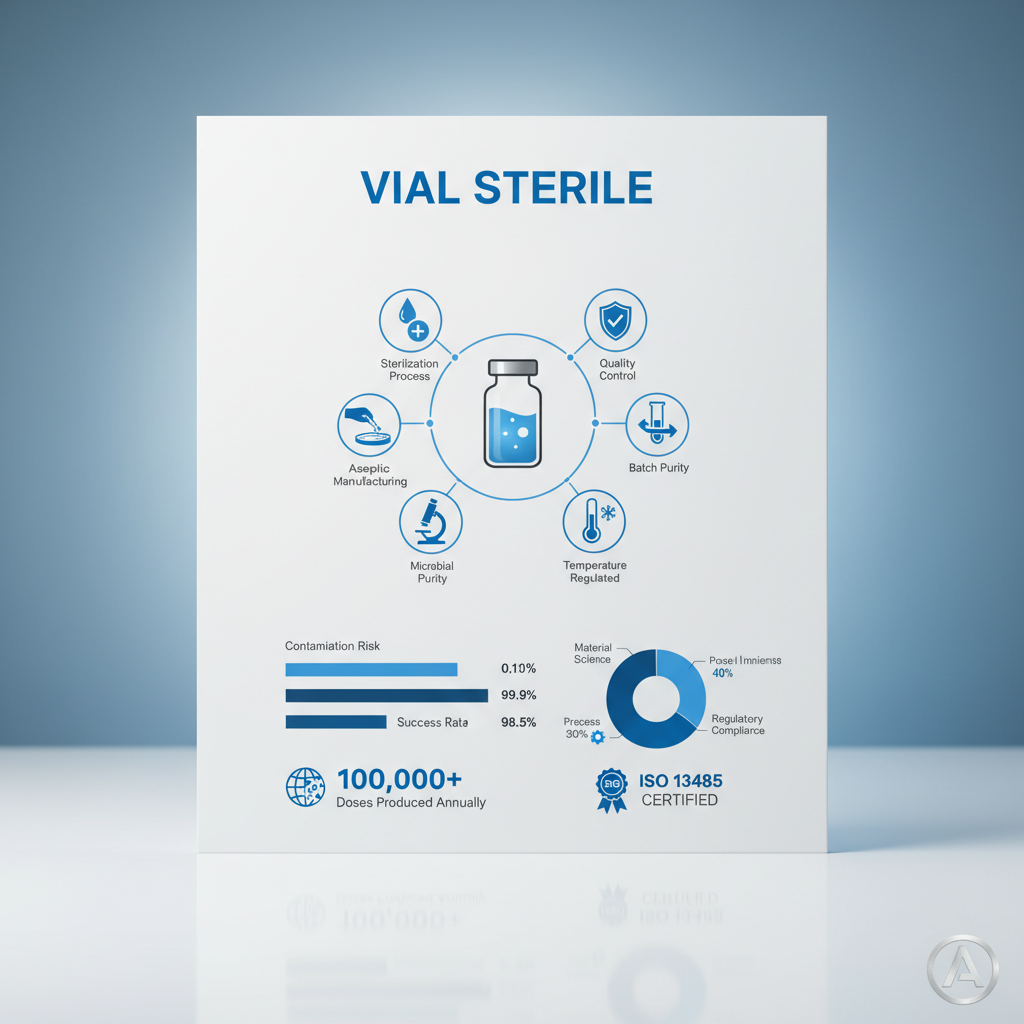
Third, the sterilization method employed – such as autoclaving (steam sterilization), dry heat sterilization, or filtration – must be validated to effectively eliminate microorganisms without damaging the vial or its contents. Fourth, meticulous quality control procedures, including sterility testing, are crucial for verifying the effectiveness of the sterilization process. Fifth, adherence to Good Manufacturing Practices (GMP) ensures consistent and reproducible results. Finally, robust documentation and traceability are essential for regulatory compliance and identifying potential issues.
Beyond these core elements, personnel training and environmental controls – maintaining cleanroom conditions – play a vital role in minimizing contamination risks. Each component is interdependent; a weakness in one area can compromise the entire vial sterile process.
Global Applications and Use Cases
The applications of vial sterile are widespread and crucial. In the pharmaceutical industry, it’s essential for injectable drugs, vaccines, and biological therapies. Healthcare facilities rely on vial sterile for solutions used in intravenous treatments, ophthalmic preparations, and surgical procedures. Diagnostic laboratories depend on it for the integrity of sample collection and analysis.
Geographically, demand for vial sterile is escalating in rapidly developing nations with expanding healthcare infrastructure. Regions experiencing increased investment in biotechnology and pharmaceutical manufacturing, like China and India, are particularly focused on achieving high sterility standards. In post-disaster relief operations, sterilized vials are vital for administering emergency medications and vaccines, preventing secondary infections in vulnerable populations.
Organizations like the World Health Organization (WHO) actively promote and support the implementation of vial sterile best practices globally, recognizing its critical role in preventing disease and improving health outcomes. Even specialized areas like cell and gene therapy manufacturing heavily rely on impeccable vial sterile protocols to ensure the viability and safety of these advanced treatments.
Sterilization Method Effectiveness Comparison
Advantages and Long-Term Value
The advantages of robust vial sterile extend far beyond simply preventing contamination. From a cost perspective, preventing product recalls and associated liabilities significantly reduces financial burdens. Furthermore, maintaining product integrity minimizes waste and maximizes resource utilization. A commitment to vial sterile builds trust with consumers and regulatory agencies, enhancing brand reputation.
From a sustainability standpoint, preventing contamination reduces the need for re-manufacturing and disposal of compromised products, lowering environmental impact. Socially, effective vial sterile safeguards patient health and well-being, contributing to a higher quality of life. The long-term value lies in establishing a culture of quality and continuous improvement, fostering innovation and ensuring the reliability of critical medical and scientific products.
Future Trends and Innovations
The future of vial sterile is poised for significant advancements. Single-use vial systems, designed for ready-to-use sterilization, are gaining traction due to their convenience and reduced contamination risk. Advanced sterilization technologies, like pulsed-light sterilization and supercritical carbon dioxide sterilization, offer faster, more energy-efficient alternatives to traditional methods.
Digital transformation is playing an increasing role, with the integration of sensors and data analytics providing real-time monitoring of sterilization processes and improved traceability. Automation of vial handling and filling operations further minimizes human intervention and reduces the potential for contamination. Emphasis on sustainable materials and eco-friendly sterilization techniques is also gaining momentum, aligning with global environmental concerns.
Challenges and Solutions in Vial Sterile
Despite advancements, challenges in vial sterile persist. Maintaining sterility throughout the entire supply chain, from vial manufacturing to final product delivery, remains complex. The emergence of antibiotic-resistant microorganisms necessitates continuous evaluation and improvement of sterilization methods. Ensuring the compatibility of sterilization processes with sensitive drug formulations can be difficult.
Solutions include implementing robust supply chain management systems, investing in research and development of novel sterilization technologies, and adopting risk-based approaches to sterilization validation. The application of advanced barrier technologies and improved vial closure designs can enhance sterility protection. Continuous staff training and adherence to updated regulatory guidelines are also vital.
A proactive approach, focused on preventative measures and continuous monitoring, is crucial for addressing these challenges and ensuring the ongoing integrity of vial sterile processes.
Table Summarizing Common Vial Sterilization Challenges and Mitigation Strategies
| Challenge |
Impact on vial sterile |
Mitigation Strategy |
Implementation Cost (1-10) |
| Microbial Contamination |
Compromised product safety and efficacy. |
Enhanced sterilization protocols, improved cleanroom procedures. |
7 |
| Material Compatibility Issues |
Damage to vial or drug formulation. |
Selection of appropriate vial materials, sterilization method optimization. |
6 |
| Insufficient Sterilization Validation |
Uncertainty about sterility assurance level. |
Comprehensive validation studies, regular re-validation. |
8 |
| Human Error |
Contamination during handling and filling. |
Automated processes, enhanced training, strict adherence to SOPs. |
5 |
| Supply Chain Integrity |
Risk of contamination during transport and storage. |
Validated packaging, temperature monitoring, secure transport. |
6 |
| Emerging Microbial Resistance |
Reduced effectiveness of current sterilization methods. |
Research into novel sterilization techniques, continuous monitoring of microbial resistance patterns. |
9 |
FAQS
The most prevalent methods include autoclaving (steam sterilization), which is effective for heat-stable materials, and filtration, ideal for heat-sensitive substances. Dry heat sterilization is used for materials that shouldn’t be exposed to moisture. Radiation sterilization, while less common, is used for certain plastics and devices. The specific choice depends on the vial material, contents, and required Sterility Assurance Level (SAL).
Sterility verification typically involves a sterility test, where vials are incubated with growth media and monitored for microbial growth. This test can take up to 14 days. Another crucial verification method is the validation of the sterilization process itself, demonstrating its ability to consistently achieve the desired SAL. This often involves bioindicators—test organisms that mimic resistant microorganisms—to assess process effectiveness.
Cleanrooms are classified based on the number of particles of a certain size per cubic meter of air. For vial sterile, ISO Class 5 or Class 6 cleanrooms are typically required. These necessitate HEPA-filtered air, controlled temperature and humidity, specialized clothing for personnel, and strict cleaning and disinfection protocols. Regular monitoring of air quality and surface contamination is essential.
Sterilization processes should be re-validated at least annually, or whenever significant changes occur, such as changes in vial material, filling process, or sterilization equipment. Any modifications to the process parameters also necessitate re-validation. Periodic re-validation ensures that the process remains effective and consistently achieves the desired SAL. It’s a crucial aspect of maintaining regulatory compliance.
Documentation is paramount. Detailed records must be maintained for every step of the process, including sterilization cycles, validation studies, quality control testing, personnel training, and maintenance of equipment. This documentation provides a complete audit trail for regulatory inspections and helps identify potential issues or deviations. Comprehensive records demonstrate a commitment to quality and traceability.
Several emerging technologies are transforming the field. These include single-use vial systems for reduced contamination risk, advanced sterilization methods like pulsed-light and supercritical CO2, and real-time monitoring systems utilizing sensors and data analytics. Automation and robotics are also increasing efficiency and minimizing human error in filling and handling operations. These innovations aim to enhance sterility assurance and reduce costs.
Conclusion
Vial sterile is far more than a procedural necessity; it’s the cornerstone of safe and effective pharmaceuticals, diagnostics, and research. A comprehensive approach encompassing material selection, sterilization methods, quality control, and meticulous documentation is essential for ensuring product integrity and safeguarding patient health. By understanding the key components and challenges of vial sterile, stakeholders can implement robust processes that meet stringent regulatory requirements and build trust in their products.
Looking ahead, continued innovation in sterilization technologies, automation, and data analytics will further enhance vial sterile practices. Investing in research and development, promoting best practices, and embracing a culture of continuous improvement are vital for maintaining the highest standards of sterility assurance in the face of emerging threats and evolving healthcare needs. For comprehensive solutions in sterile packaging, including vials and related components, visit our website: www.wkpacking.com.