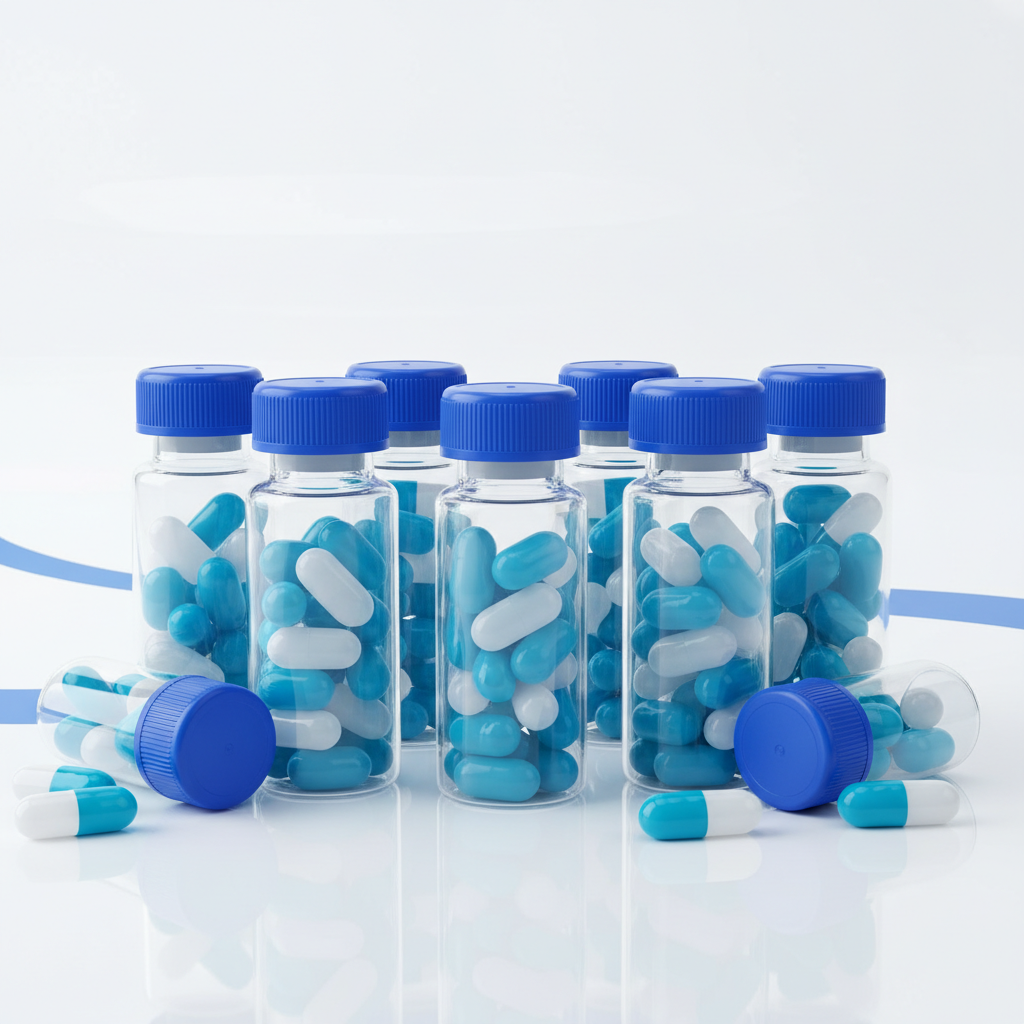
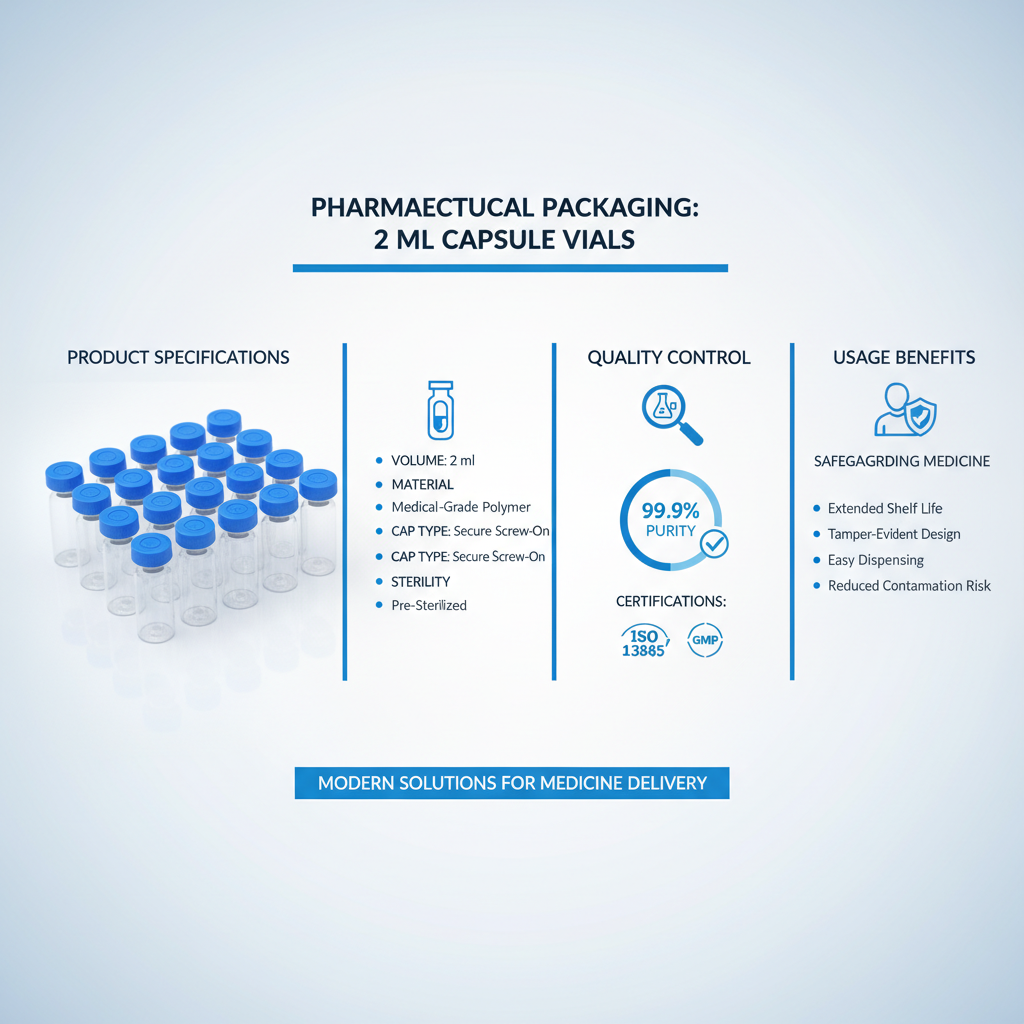
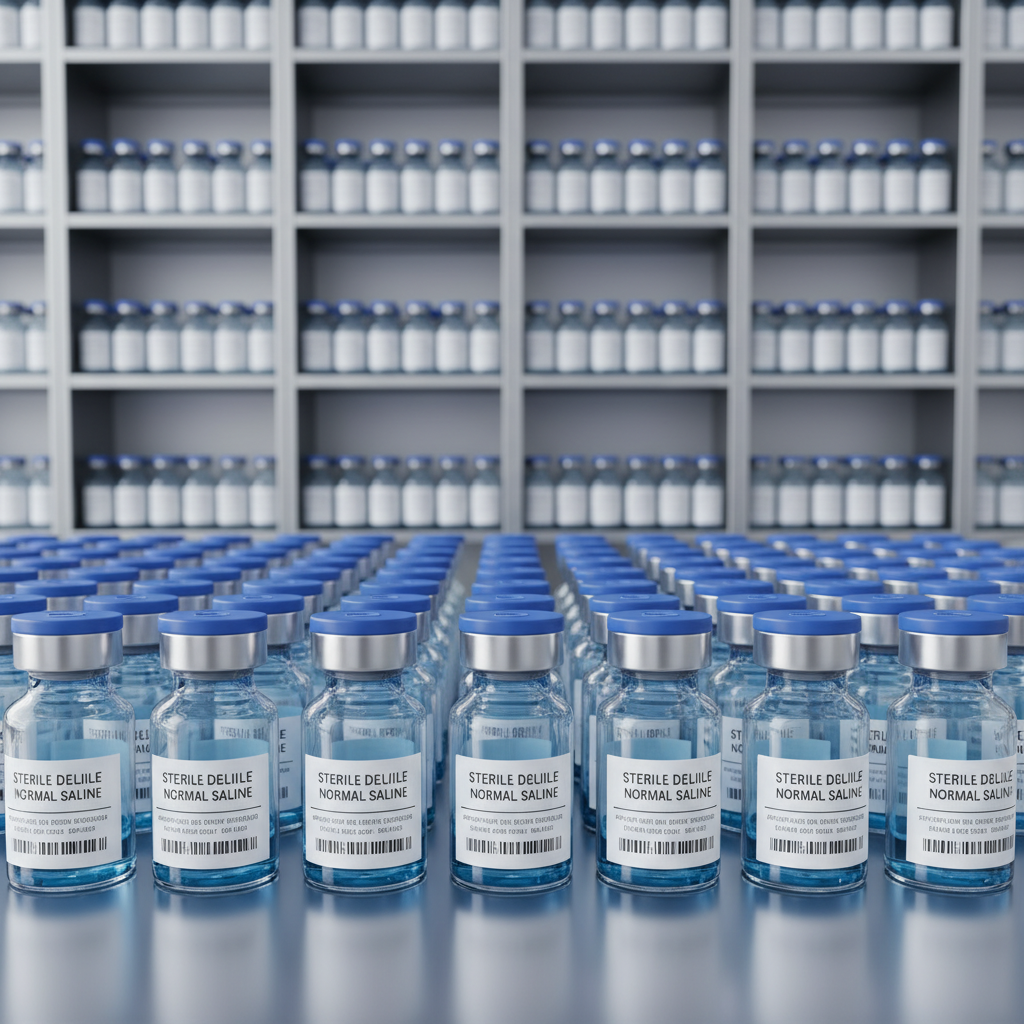
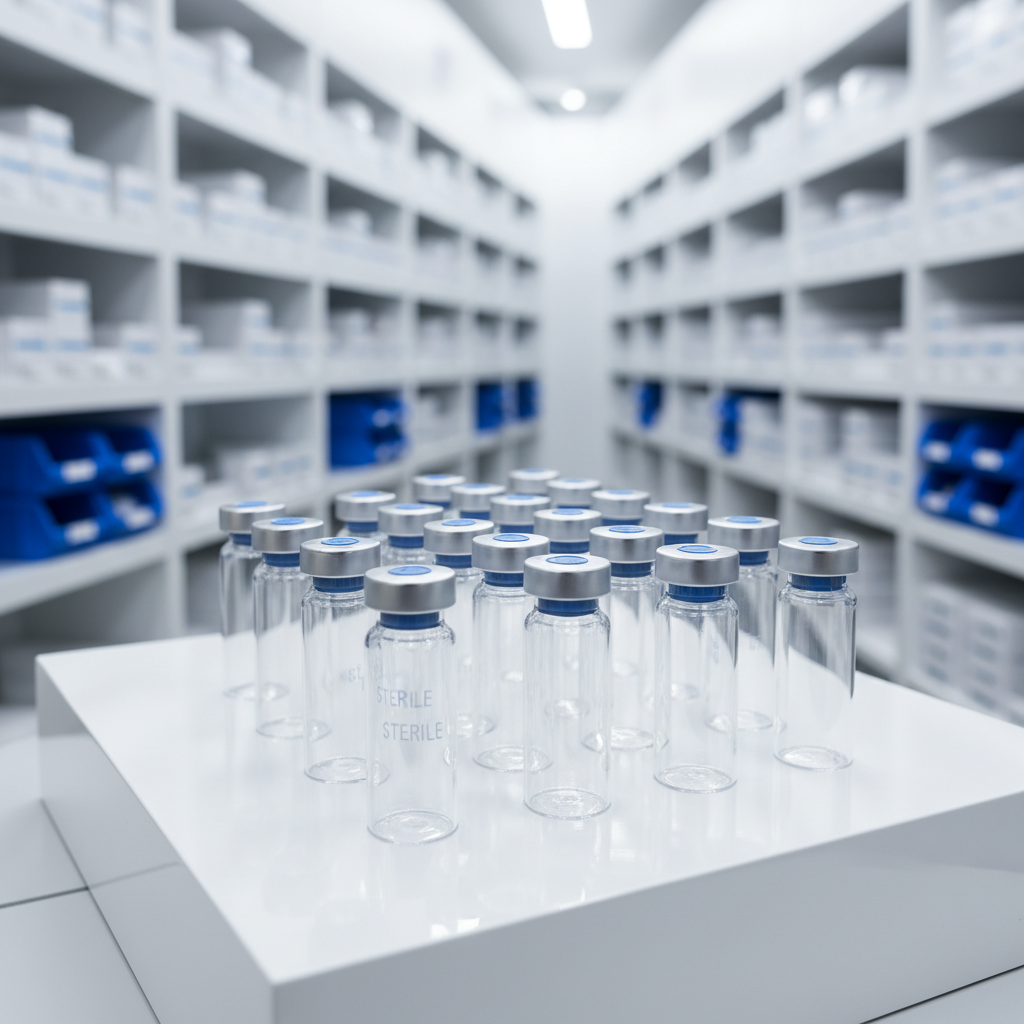
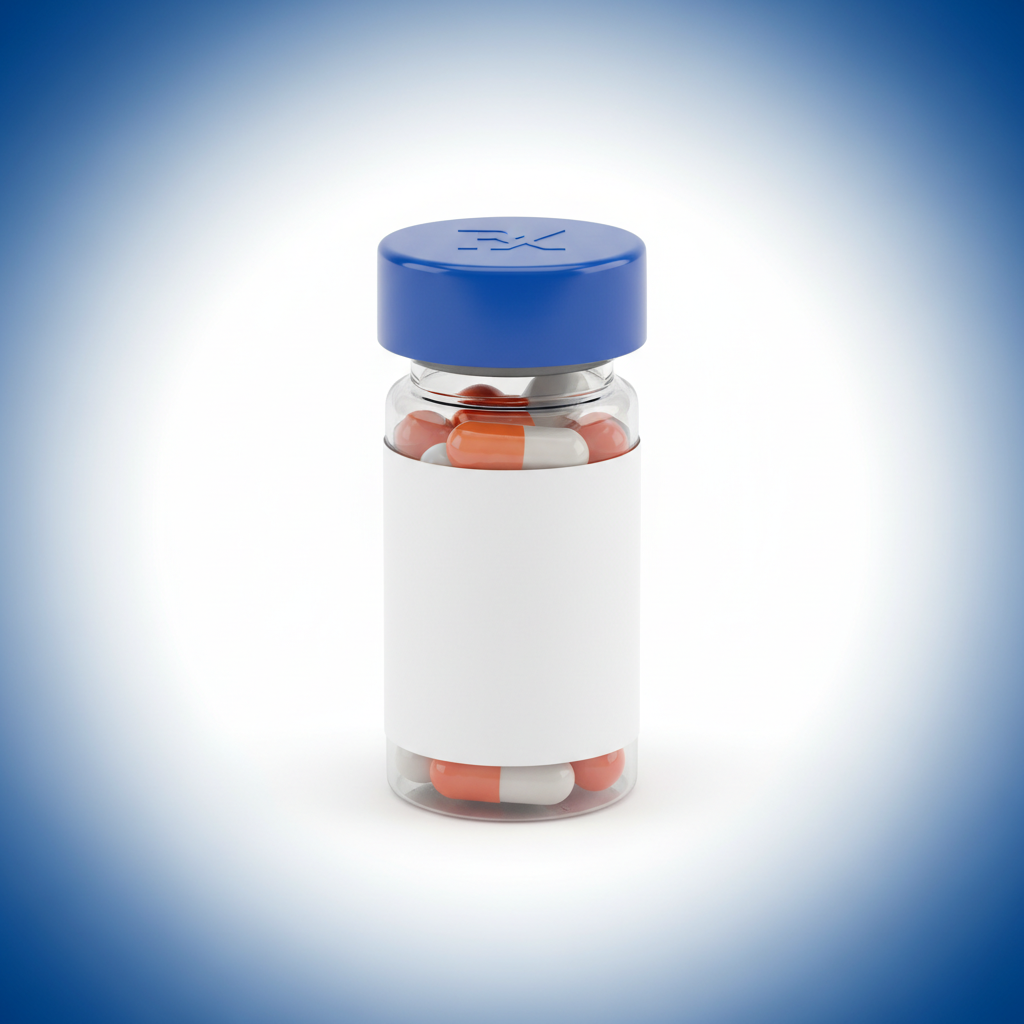
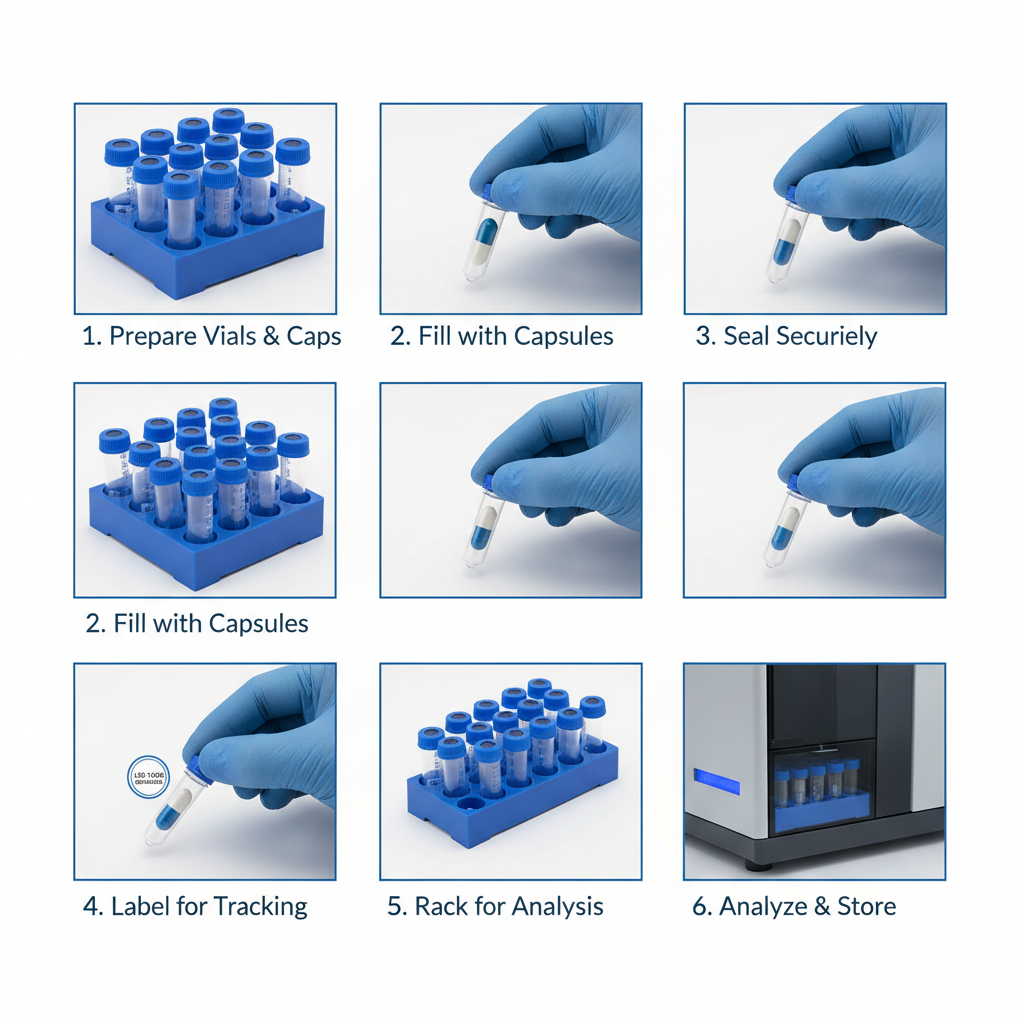
2 ml plastic vials, you see them everywhere now. Not just in labs anymore. I’ve been tracking their use on sites for years, everything from soil sample storage to specialized adhesives. Used to be glass was king, but glass breaks. Plain and simple. Costs time, money, and can be a real safety hazard. These vials? Tougher, lighter, and you can get ‘em pre-sterilized which saves a ton of hassle. We're talking about streamlining workflows, reducing waste, and improving overall project efficiency, especially on remote jobs where sourcing replacements quickly isn’t an option. It's the small things, really, that make or break a project.
What’s impressed me lately is the consistency. Early plastic vials? Material quality was all over the place. Now, with better polymers and tighter quality control, you're getting reliable performance. That’s huge for things like storing volatile compounds on-site for testing. Knowing the container won't leach or degrade under different weather conditions is critical. The increasing demand globally, driven by the pharmaceutical industry and environmental monitoring, shows they’re not just a niche product anymore. They are becoming essential for a wide range of applications.
And honestly, the price has come down. A few years back, the cost difference between glass and plastic was significant. Now, especially when you factor in the breakage rates and disposal costs of glass, 2 ml plastic vials are often the more economical choice. That’s a language everyone understands - bottom line impact. It’s not just about being ‘green’ or ‘high-tech’; it’s about making a smart business decision.
The Core Role of 2 ml plastic vials in Modern Applications
These aren’t just little containers; they’re integral to maintaining sample integrity. I've seen projects delayed because of compromised samples. Proper storage, even for small volumes, is vital. Think about environmental testing – you're collecting trace amounts of contaminants. If the vial leaches anything, your results are garbage. That’s where knowing your materials matters.
From a practical standpoint, the screw cap design on many of these 2 ml plastic vials is a game-changer. It provides a much tighter seal than a simple press-fit cap, reducing the risk of evaporation and contamination. Especially important when you’re dealing with volatile organic compounds or expensive reagents. I've pushed for specifying screw-cap vials on several projects just for that reason.
Global Relevance and Industry Standards
The demand for reliable sample storage is universal. The UN’s sustainable development goals, particularly those related to environmental monitoring and public health, are driving increased need for these kinds of containers. ISO standards, especially those around laboratory containers, are becoming stricter, and manufacturers are having to step up their game. It isn't just about meeting specs, it’s about demonstrating traceability and quality control.
You see it in the pharmaceutical sector, with the need for precise dispensing of small volumes. You see it in environmental agencies monitoring water and soil quality. Even in forensics, maintaining a chain of custody requires secure, tamper-evident containers. The global supply chain for these is complex, with a lot of production happening in Asia, which means quality control and shipping are crucial considerations.
The challenge is staying ahead of the curve. Regulations are constantly evolving, and new contaminants are being identified. We need vials that can handle the latest challenges and meet the increasingly stringent demands of analytical testing. That’s why I always check certifications and supplier credentials.
Defining 2 ml plastic vials: A Practical Perspective
Simply put, a 2 ml plastic vial is a small container, typically made of polypropylene or polyethylene, designed to hold approximately two milliliters of liquid or solid material. But it’s more than just a volume; it’s about the entire system – the vial itself, the cap, and the materials they’re compatible with. What good is a leak-proof vial if the cap degrades in the presence of your solvent?
They’re a direct response to the limitations of glass, offering increased safety, reduced weight, and lower cost. Modern applications require durable, chemically resistant containers that can withstand varying temperatures and pressures. They've evolved from basic storage vessels to integral components in complex scientific processes.
Their connection to modern industry and humanitarian needs is significant. Think about vaccine distribution, especially in remote areas. Lightweight, shatterproof vials are essential for maintaining vaccine potency during transport and storage. Or consider disaster relief efforts where rapid sample analysis is needed to assess water and food safety.
Key Performance Indicators of 2 ml plastic vials
When I’m spec’ing these things, I look at a few key things. First, chemical resistance. What’s the vial going to be exposed to? You need to know if the plastic will react or degrade. Second, temperature stability – can it handle freezing, heating, or fluctuating temperatures? Third, leak-proof performance – you don’t want spills!
And then there's the mechanical strength. Will it survive being dropped or bumped during transport? You’d be surprised how often that happens on a construction site. Also, you need to consider the clarity of the vial – can you easily see the contents? That’s especially important for visual inspections.
2 ml plastic vials Performance Metrics
Diverse Applications Across Industries
In environmental science, you’ve got teams collecting water samples for analysis, using these vials to ensure no contamination. In pharmaceuticals, they're vital for storing and dispensing precise doses of medications. Even in the food industry, you’ll find them used for preserving flavor extracts and additives.
I've seen them used extensively in field research in remote locations, where the ruggedness and lightweight nature are essential. Post-disaster relief operations rely on them for collecting and analyzing water samples to assess contamination levels. And don't forget the growing field of personalized medicine, where small-volume samples are crucial for diagnostics and treatment.
Long-Term Benefits and Value Proposition
The tangible benefits are clear – reduced breakage, lower shipping costs, and improved safety. But there’s also a sustainability aspect. Many of these vials are recyclable, and the reduction in glass usage lowers energy consumption. That appeals to companies with strong environmental commitments.
The value proposition extends beyond cost savings. By providing reliable sample storage, 2 ml plastic vials contribute to the accuracy and reliability of scientific data, which can have significant implications for public health, environmental protection, and product development. It’s about building trust in the results.
Future Trends and Innovations in 2 ml plastic vials Technology
We’re starting to see more bio-based plastics being used, reducing reliance on fossil fuels. There's also research into vials with integrated sensors that can monitor temperature and pressure in real-time. Imagine a vial that alerts you if the sample has been compromised during transport.
Automation is another key trend. Robotics are being used to fill, cap, and label these vials, increasing efficiency and reducing the risk of human error. And with the rise of digital traceability, we’re seeing vials with embedded QR codes that allow for easy tracking and verification of sample provenance.
The push for more sustainable materials and smarter packaging will continue to drive innovation in this space. We’ll likely see more specialized vials designed for specific applications, with features tailored to meet the unique needs of different industries.
Key Comparison of 2 ml plastic vials Features
| Material Type |
Chemical Resistance |
Cost Effectiveness |
Sterility Assurance |
| Polypropylene (PP) |
8/10 |
9/10 |
7/10 |
| Polyethylene (PE) |
7/10 |
8/10 |
6/10 |
| Bio-Based Plastic |
6/10 |
7/10 |
8/10 |
| Standard Plastic |
7/10 |
8/10 |
5/10 |
| Specialty Polymer |
9/10 |
6/10 |
9/10 |
| Recycled Plastic |
5/10 |
9/10 |
6/10 |
FAQS
The shelf life really depends on the material and storage conditions. Generally, polypropylene vials have excellent chemical resistance and can last for years if stored properly – cool, dry, away from direct sunlight. We typically recommend checking the manufacturer's specifications for precise details. Degradation can occur over time, impacting sample integrity, so it's crucial to follow best practices for storage and handling.
Not all plastic vials are created equal! Standard polypropylene can become brittle at extremely low temperatures. You need vials specifically designed for cryogenic storage, typically made from specialized polymers like ultra-high molecular weight polyethylene (UHMWPE). These materials maintain their integrity even at temperatures down to -80°C or even lower. Always check the manufacturer’s specifications before using any vial for cryogenic applications.
Screw caps are generally superior to press-fit caps when it comes to leak prevention. They provide a tighter, more secure seal, especially with volatile liquids. Also, look for caps with a silicone or PTFE liner – these materials create an even better barrier against leakage and evaporation. It's a small detail, but it can save you a lot of headaches down the line.
Sterility is paramount in many applications. Look for vials that are pre-sterilized by the manufacturer, typically using gamma irradiation or ethylene oxide (EtO) sterilization. If you need to sterilize them yourself, autoclave compatibility is key. Make sure the plastic material can withstand the autoclave’s temperature and pressure. Always verify sterility using appropriate quality control procedures.
Absolutely. Bio-based plastics, made from renewable resources like corn starch or sugarcane, are gaining traction. While they may not have the exact same properties as traditional plastics, they offer a significantly reduced carbon footprint. Recycled plastics are another option, but it's important to ensure they meet the required purity and performance standards. Sustainable sourcing and responsible disposal are key.
Look for certifications like ISO 9001 (quality management) and ISO 13485 (medical devices). If the vials are used for food or pharmaceutical applications, ensure they meet relevant FDA or EU regulations. Certifications demonstrate that the manufacturer has robust quality control processes in place and that the vials meet industry standards for safety and performance.
Conclusion
2 ml plastic vials have evolved from a simple container to a critical component in a wide range of industries. Their versatility, durability, and cost-effectiveness have made them an indispensable tool for scientists, engineers, and healthcare professionals. Understanding their properties, applications, and future trends is essential for anyone involved in sample handling, storage, and analysis.
Looking ahead, we’ll see continued innovation in materials, design, and manufacturing processes. The focus will be on developing more sustainable, efficient, and reliable vials that meet the evolving needs of a rapidly changing world. For those looking for high-quality, dependable 2 ml plastic vials, explore our comprehensive selection at wkpacking.com.