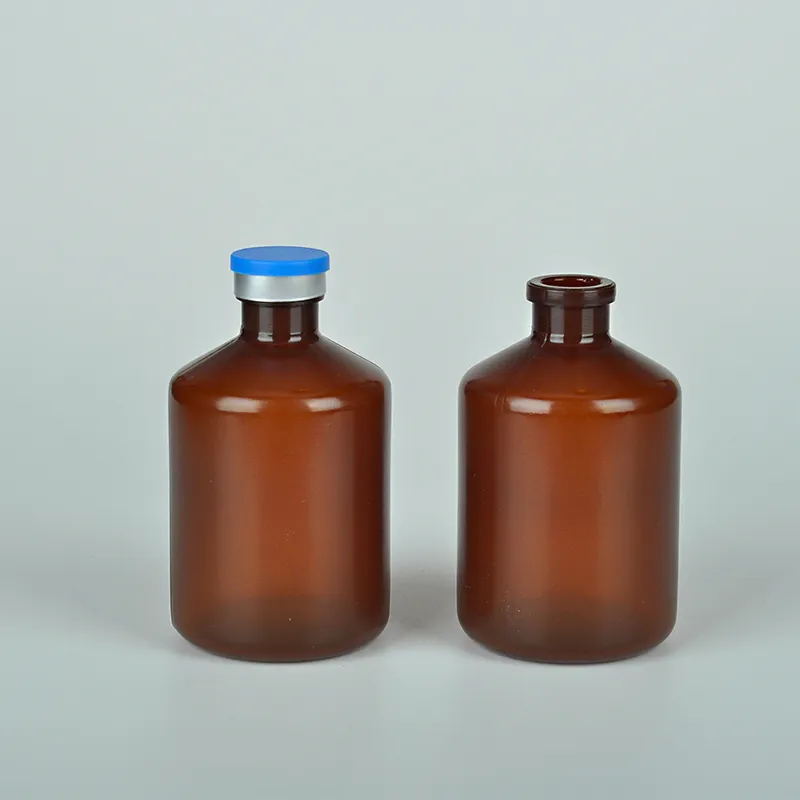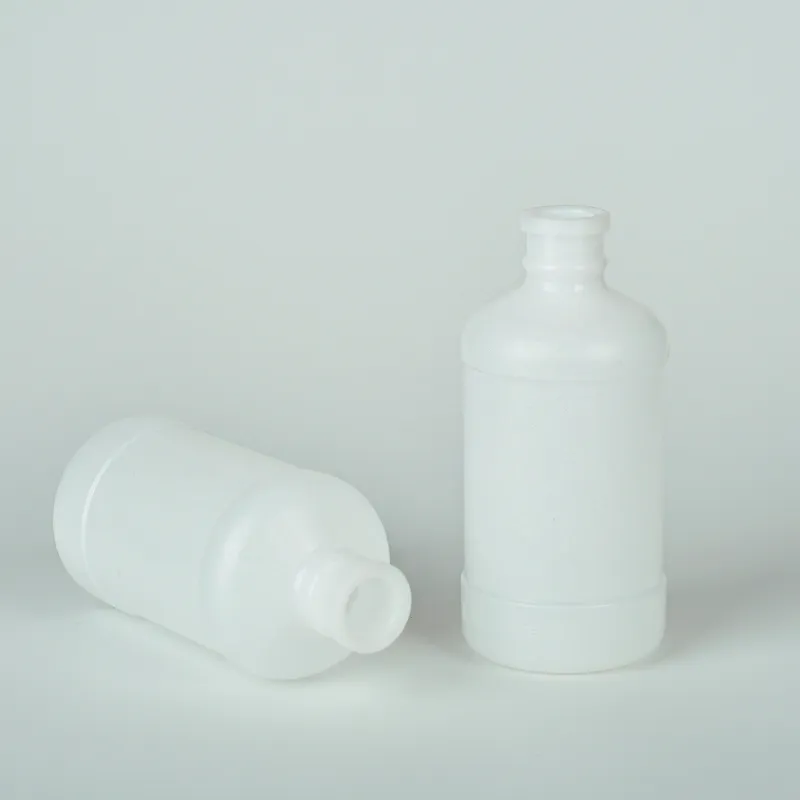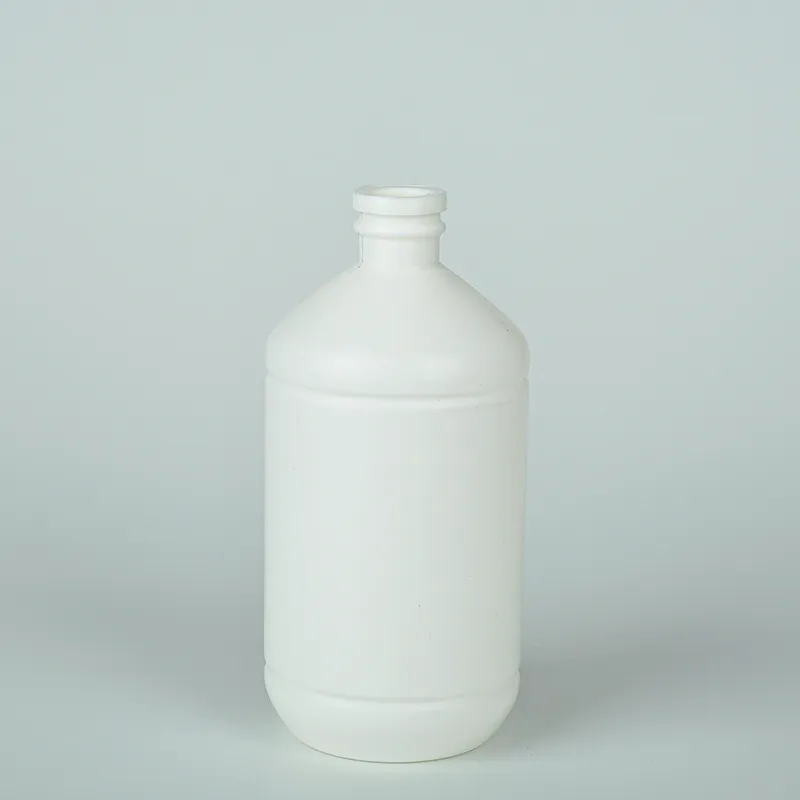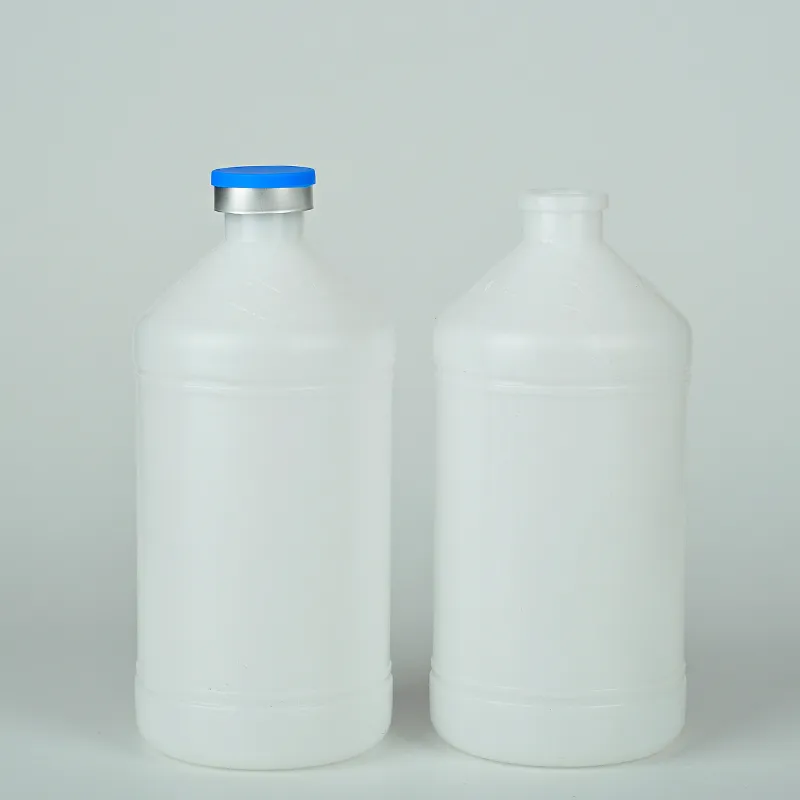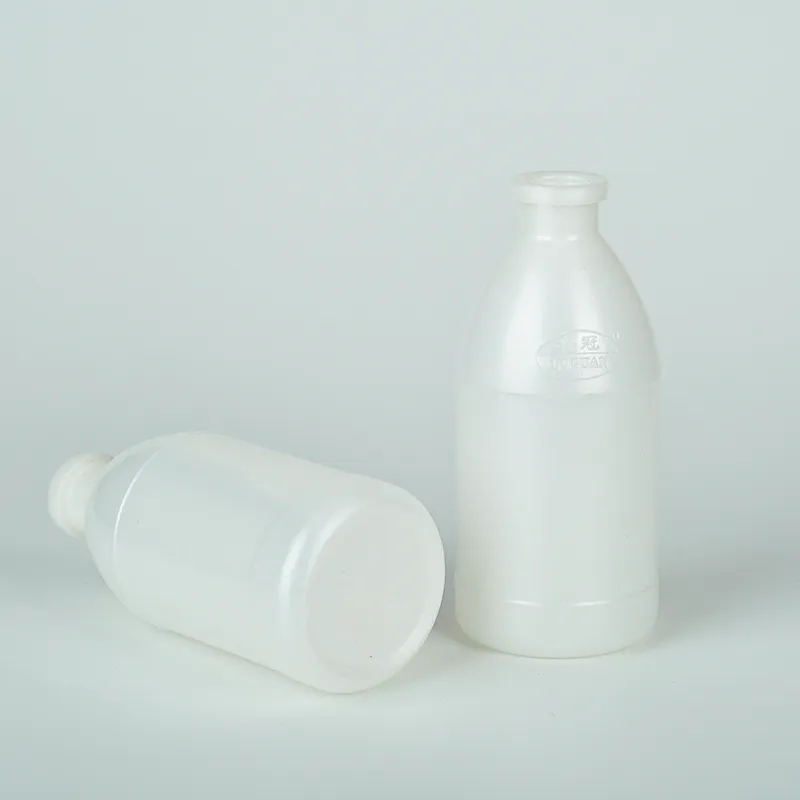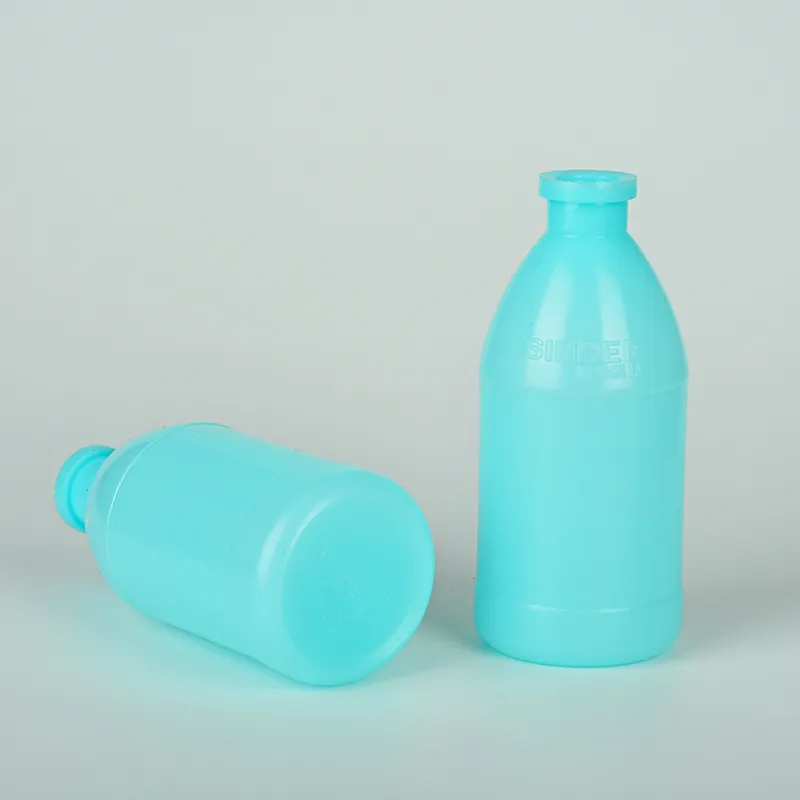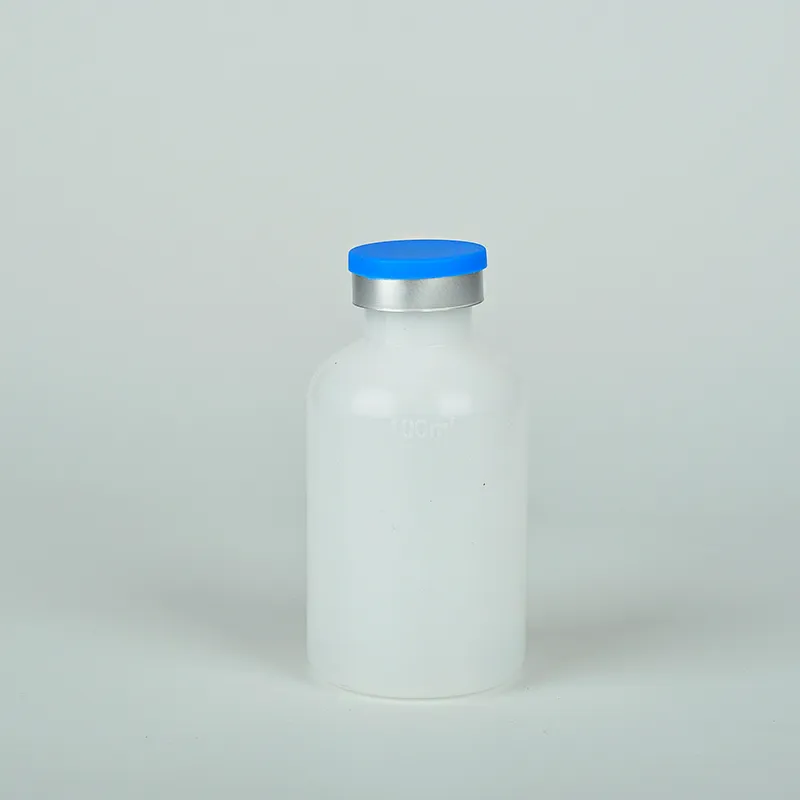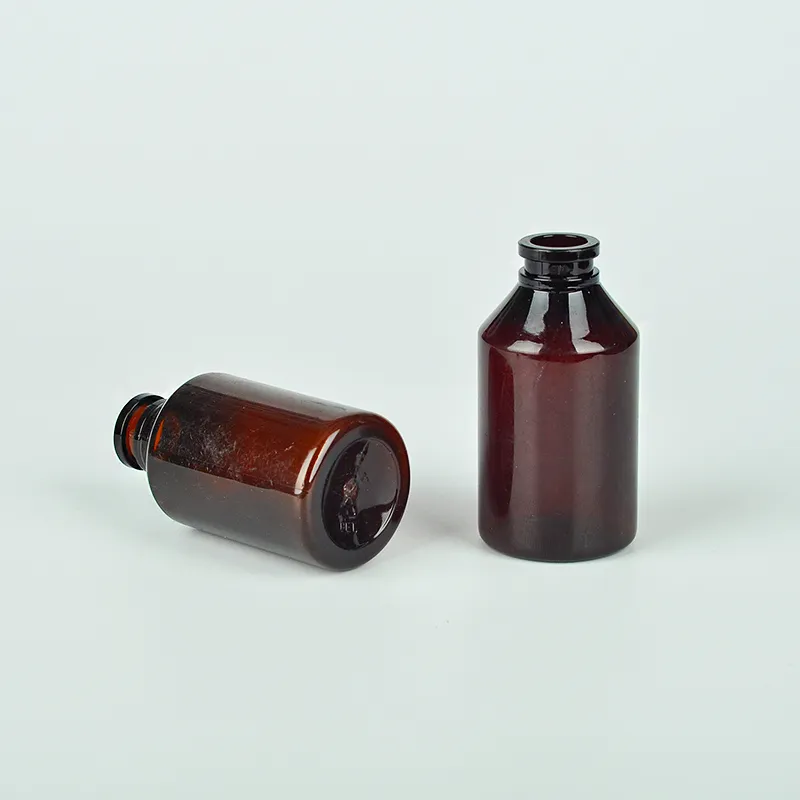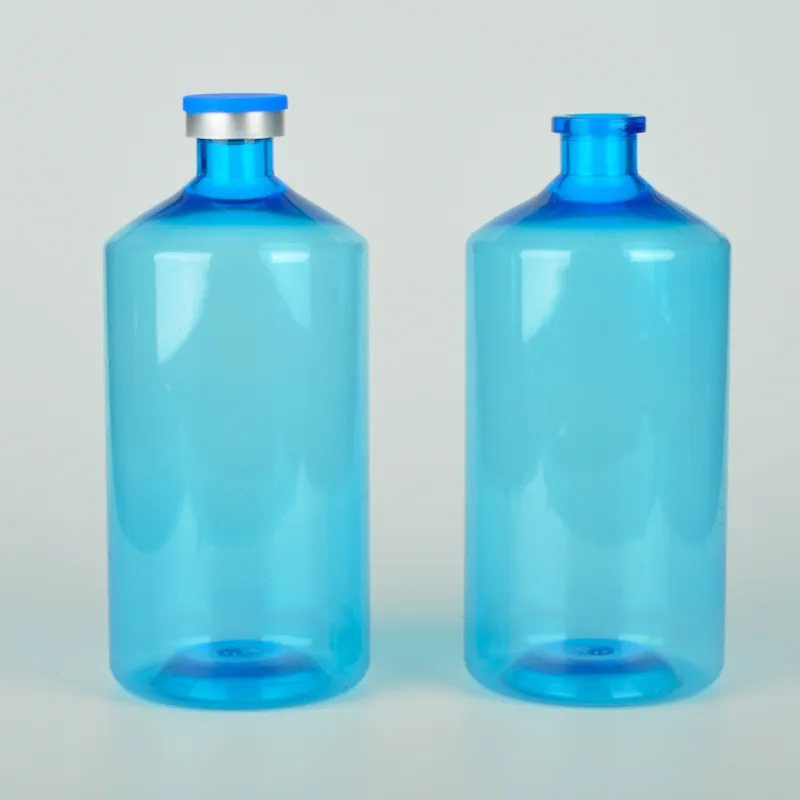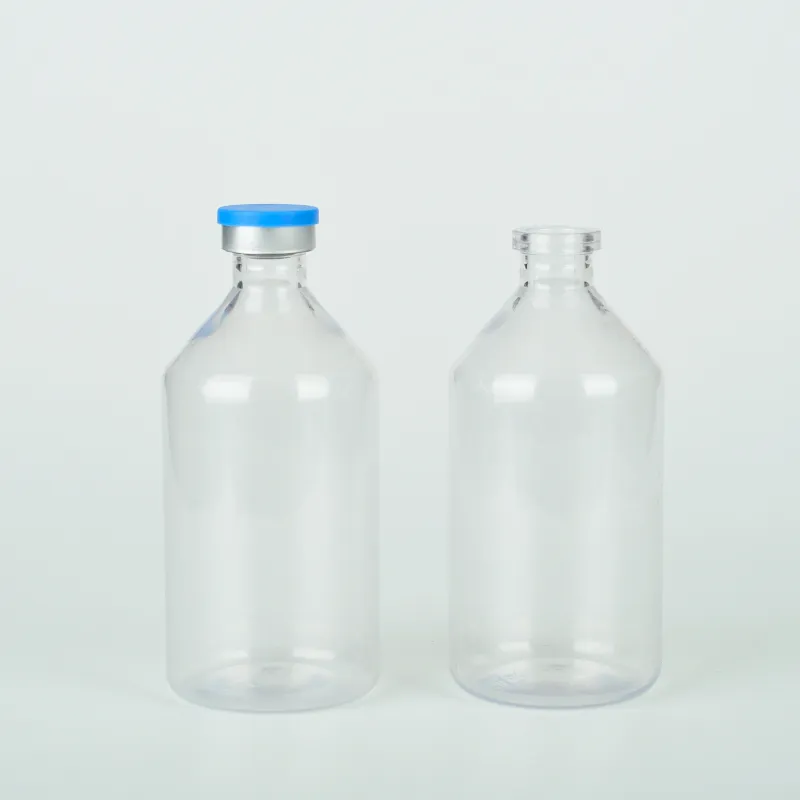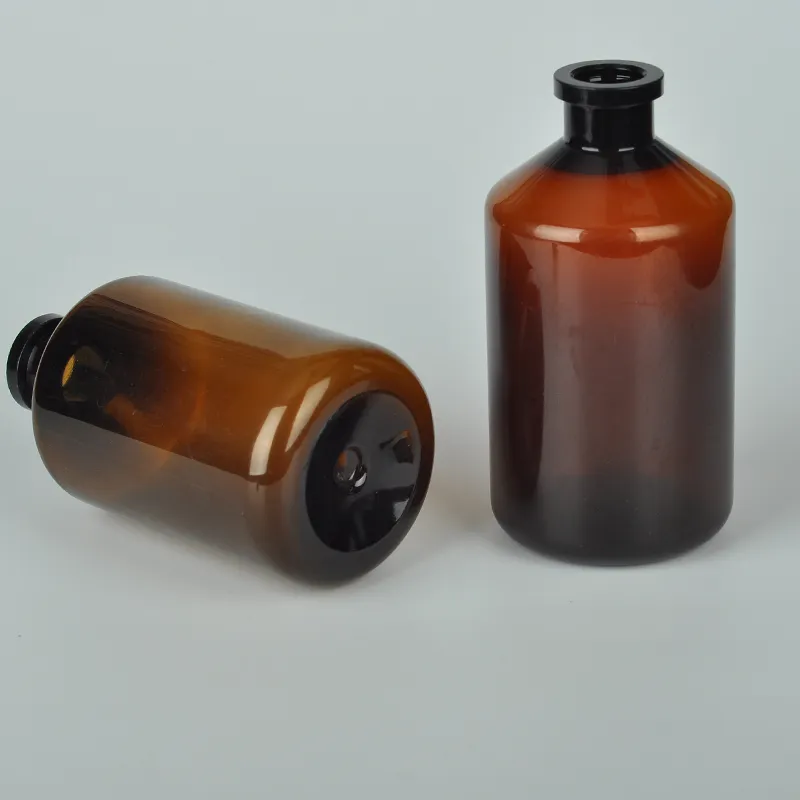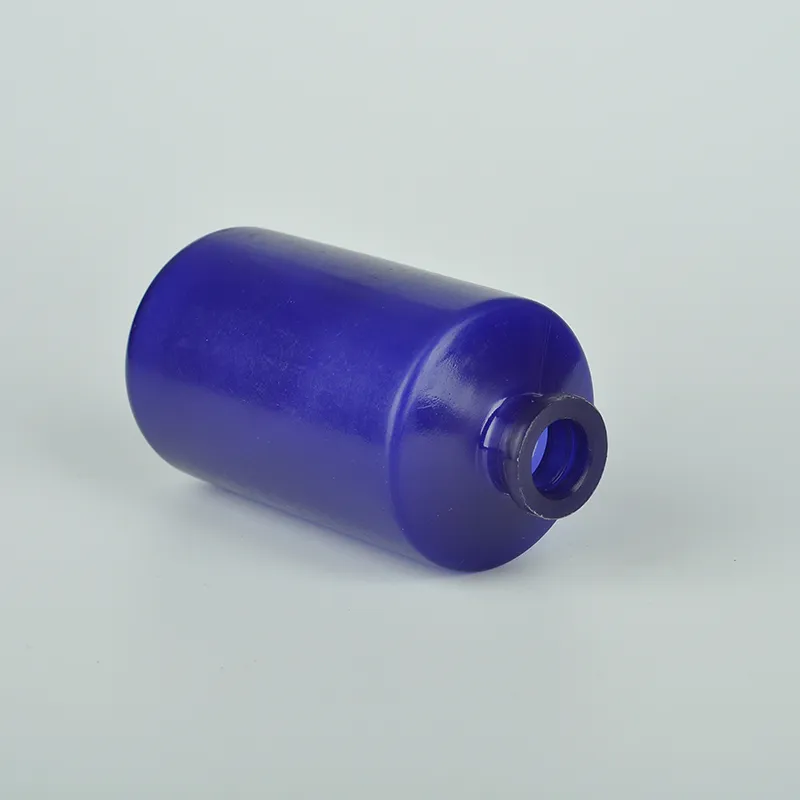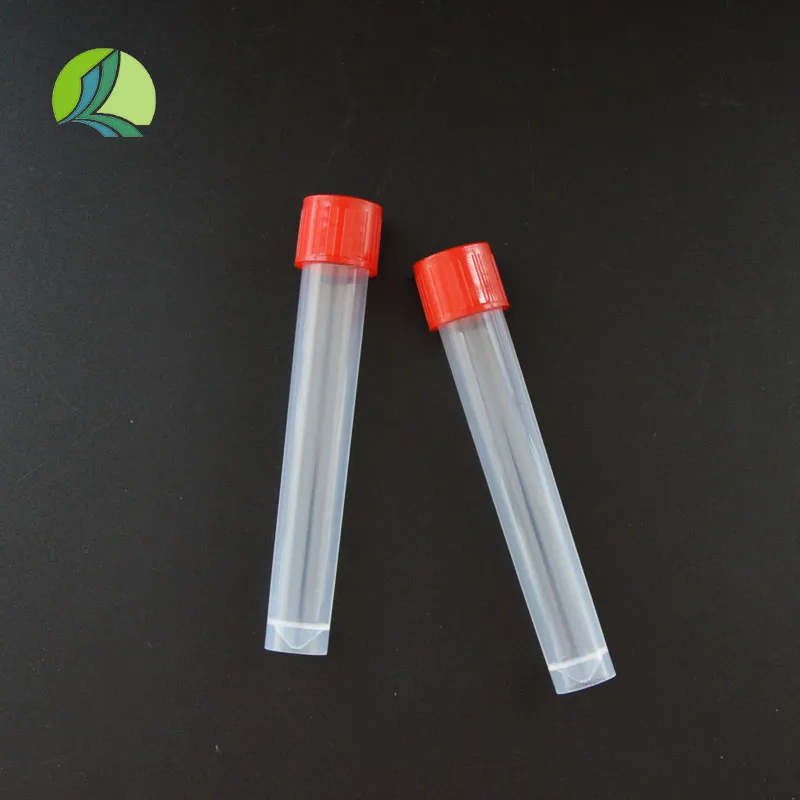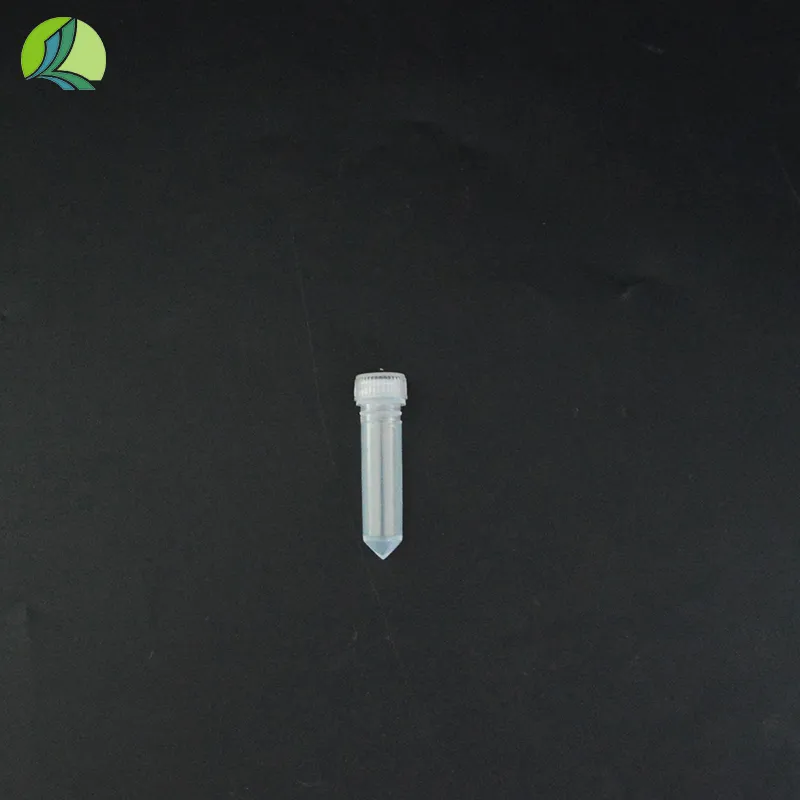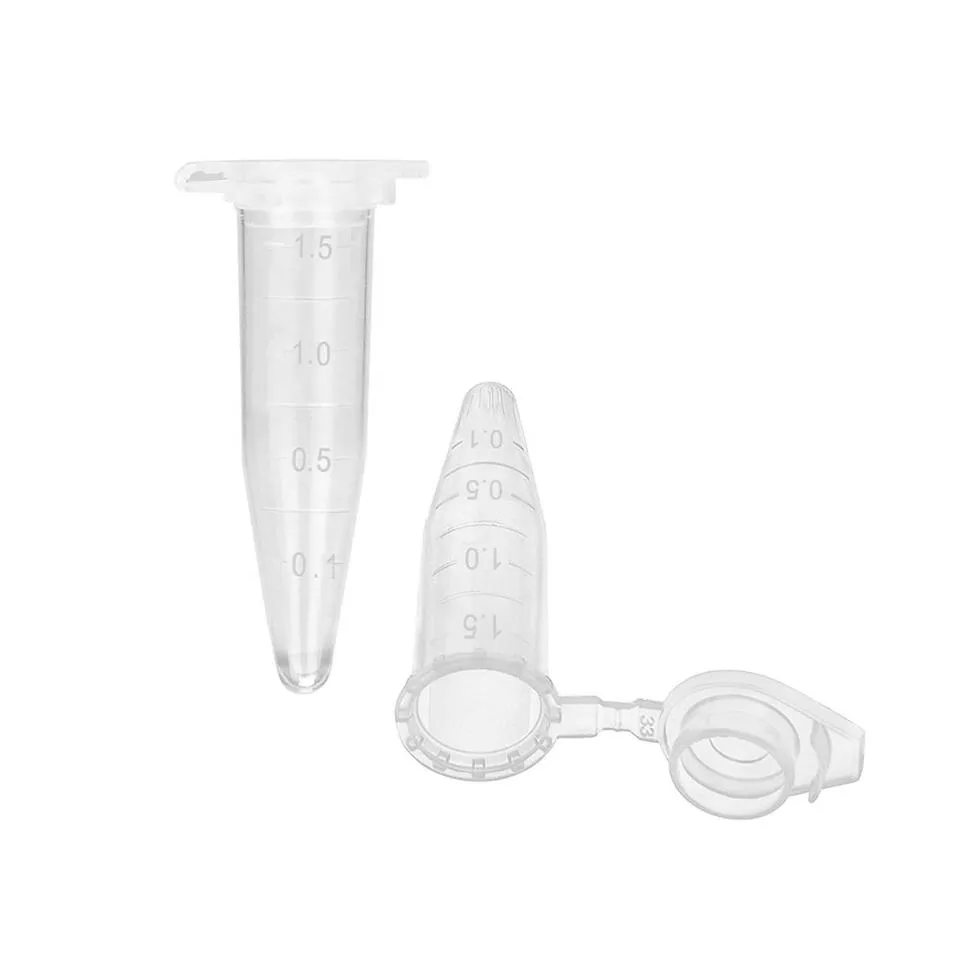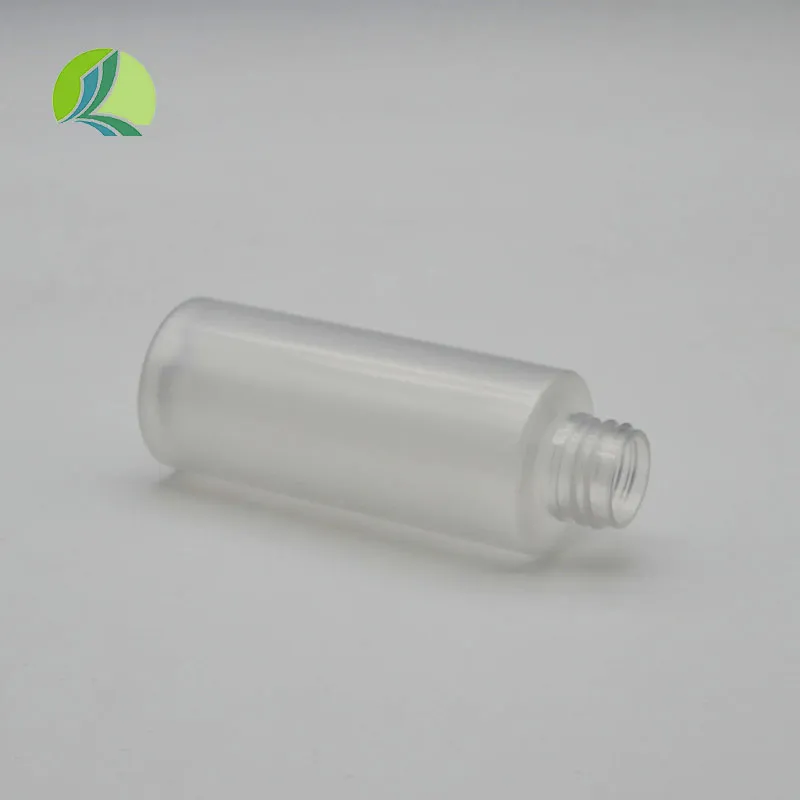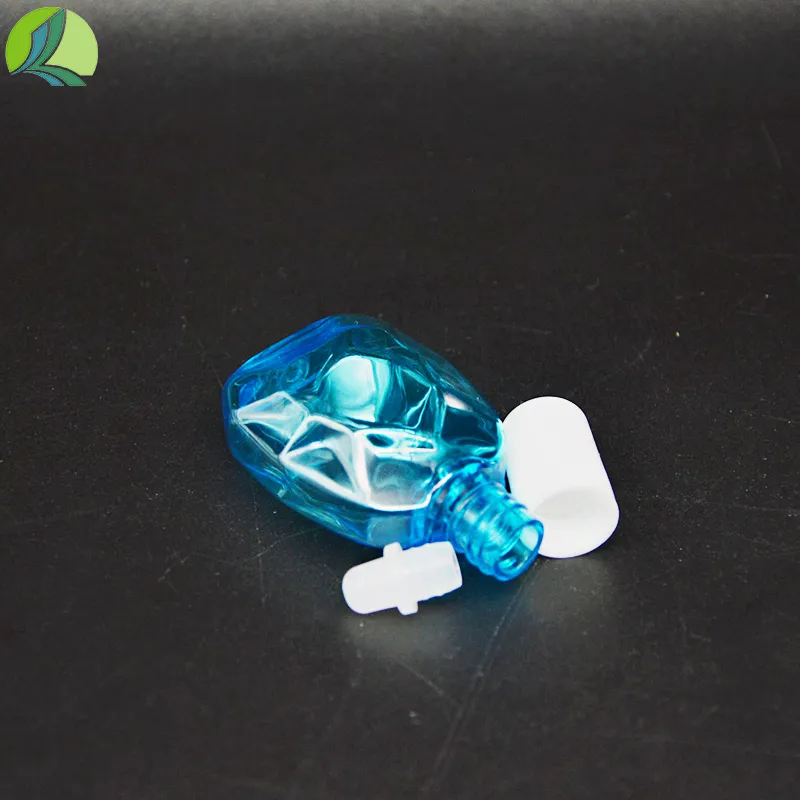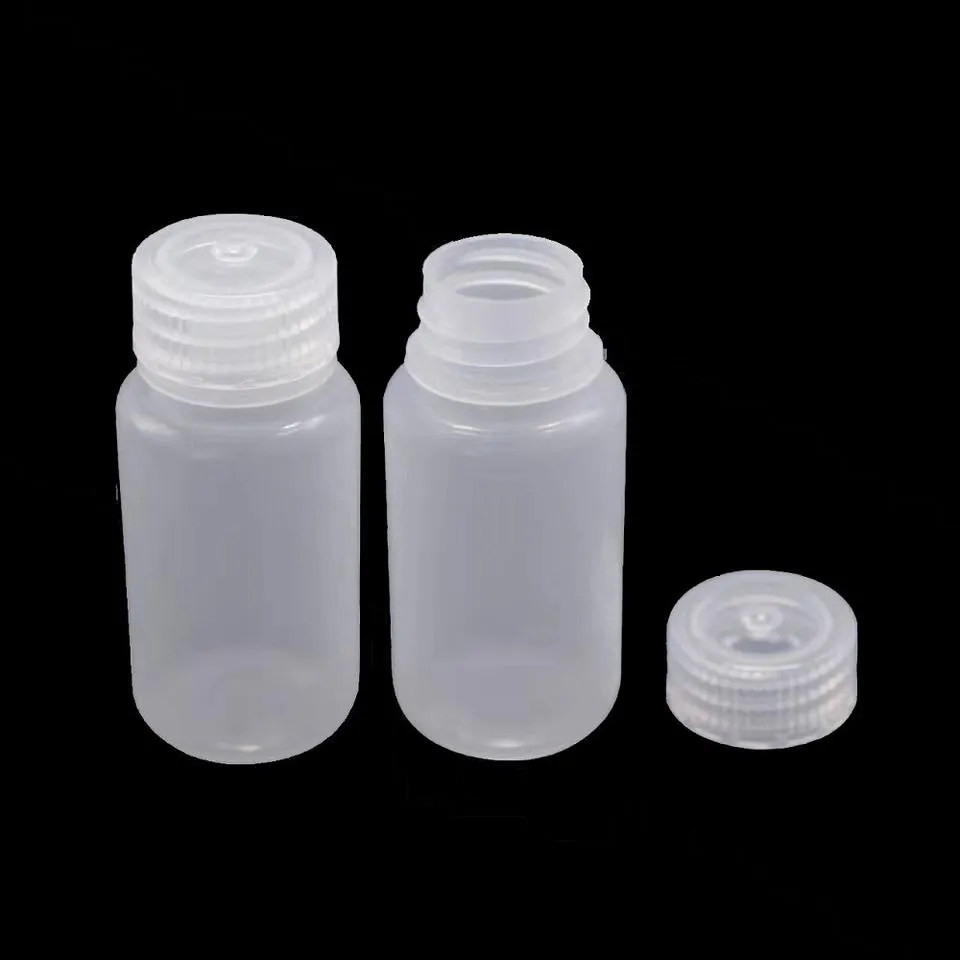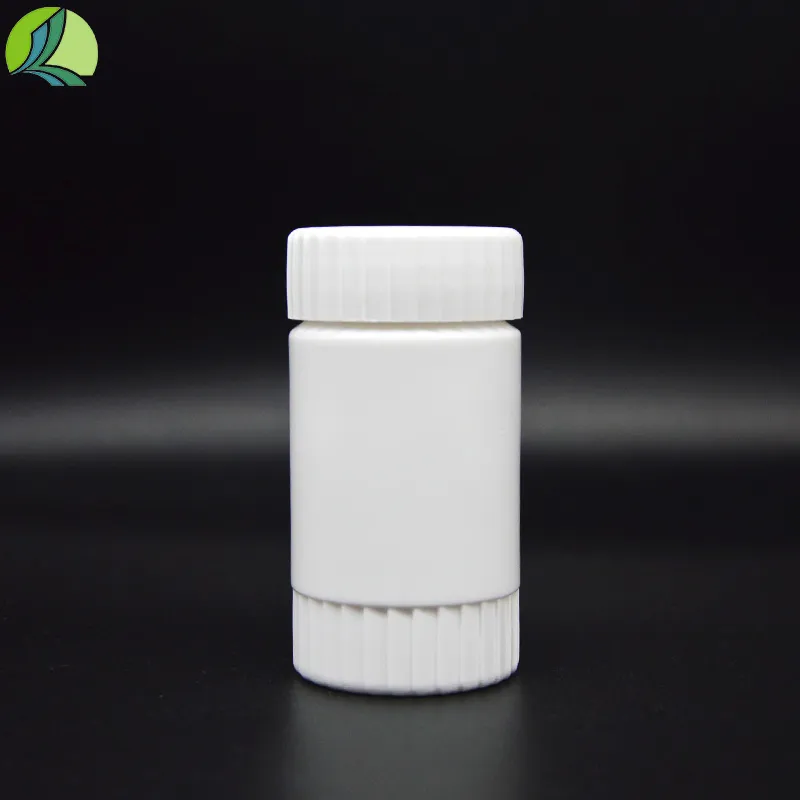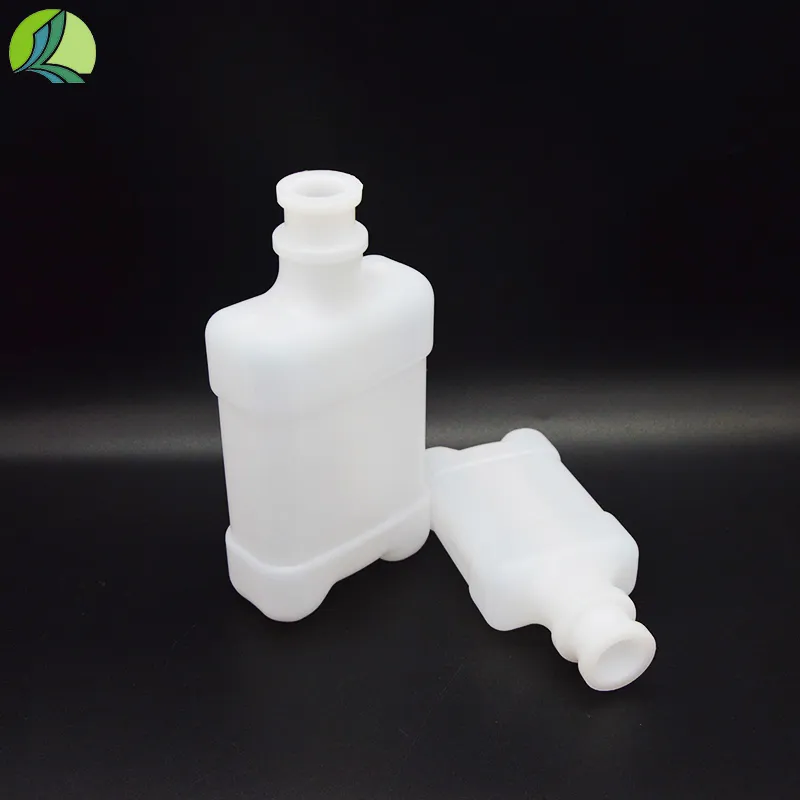
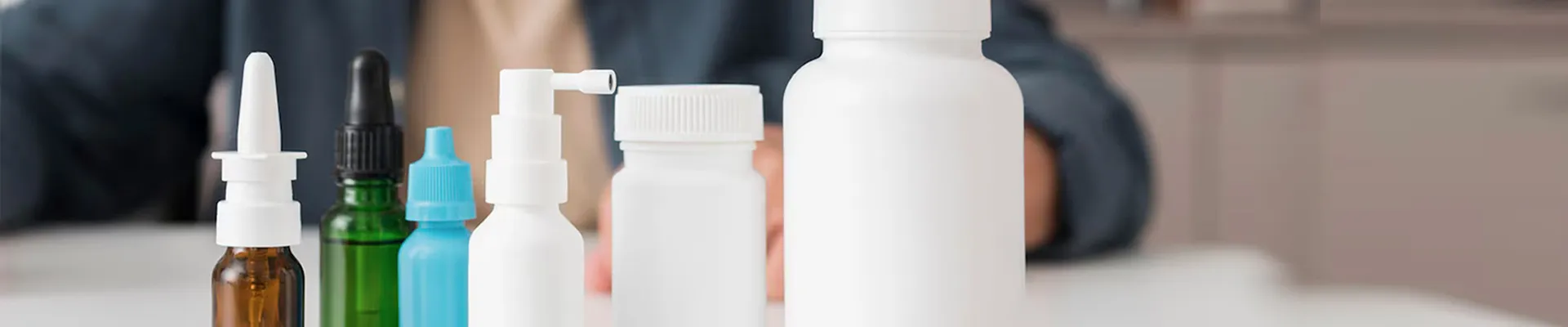


Translucent Blue Plastic Vaccine & Vet Medicine Vials | Lab Liquids
Navigating the Landscape of Advanced Pharmaceutical Packaging for Sensitive Liquids
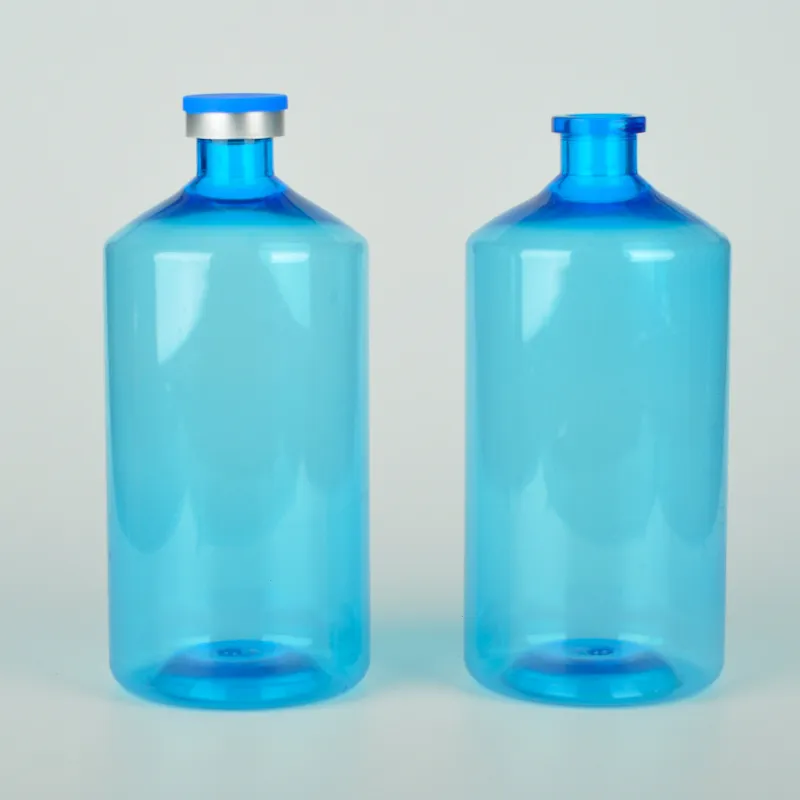
In the rapidly evolving fields of veterinary medicine, laboratory diagnostics, and biopharmaceutical research, the integrity and stability of liquid formulations are paramount. The choice of primary packaging material is a critical decision, directly impacting product efficacy, safety, and shelf-life. Modern industry trends are pushing towards packaging solutions that offer superior protection, enhanced visibility, and robust compliance with stringent regulatory standards. Innovations in polymer science have led to specialized container111s designed to meet these exacting demands. Among these advancements, the Translucent Blue Plastic Vaccine Vial Laboratory Veterinary Medicine Liquid Vial stands out as a high-performance solution tailored for sensitive biologicals and critical reagents.
Current industry trends emphasize several key areas: miniaturization for high-throughput screening, enhanced barrier properties for extended shelf-life, improved traceability through integrated labeling, and the increasing demand for sustainable and recyclable materials. Furthermore, there's a significant drive towards reducing glass breakage risks in high-volume laboratory and production environments, favoring more robust plastic alternatives without compromising chemical inertness or clarity. The aesthetic appeal, such as the translucent blue tint, also plays a role, offering UV protection while allowing visual inspection of content volume.
The demand for secure, sterile, and chemically stable packaging is growing exponentially, particularly with the rise in novel vaccine development, advanced diagnostic kits, and specialized veterinary treatments. Manufacturers are increasingly seeking partners who can provide not just a product, but a comprehensive solution that integrates seamlessly into complex supply chains and production lines, upholding the highest standards of quality and regulatory adherence.
Precision Manufacturing Process of Advanced Polymer Vials
The production of a high-quality Translucent Blue Plastic Vaccine Vial Laboratory Veterinary Medicine Liquid Vial involves a meticulously controlled, multi-stage manufacturing process designed to ensure sterility, chemical inertness, and structural integrity. This process typically adheres to ISO 13485 (Medical Devices – Quality Management Systems) and cGMP (current Good Manufacturing Practices) guidelines, vital for products intended for pharmaceutical and medical applications.
Manufacturing Process Flow:
-
Material Selection and Preparation:
- Primary Material: Medical-grade Polypropylene (PP) or High-Density Polyethylene (HDPE), compliant with USP Class VI and FDA 21 CFR standards for biocompatibility and chemical resistance. These polymers are chosen for their excellent barrier properties against moisture and gases, and their minimal extractables and leachables profile.
- Colorant: A medical-grade, non-migrating blue pigment is incorporated to provide UV protection (typically filtering UV light up to 400 nm) while maintaining translucency for visual content inspection.
- Pre-processing: Raw polymer pellets are dried to remove moisture, which prevents defects during molding and ensures optimal material properties.
-
Injection Molding:
- Precision molds are used to create the vial bodies and caps. The molten polymer is injected under high pressure into these molds, ensuring precise dimensions and consistent wall thickness.
- Critical parameters like melt temperature, injection pressure, and cooling time are rigorously controlled within a cleanroom environment (e.g., ISO Class 7 or 8) to prevent contamination and ensure structural integrity.
-
Component Assembly (if applicable):
- For multi-piece vials or integrated closures, automated assembly lines ensure precise fitting and leak-proof sealing.
-
Post-Molding Processes:
- Deflashing/Trimming: Excess material (flash) is removed, and edges are smoothed.
- Quality Inspection: Automated visual inspection systems (e.g., camera-based systems) detect any cosmetic flaws, dimensional inaccuracies, or foreign particles. Leak tests are performed on a statistical basis.
-
Sterilization:
- Vials are typically sterilized using validated methods such as gamma irradiation, ethylene oxide (EtO), or autoclaving, depending on material compatibility and client requirements. Gamma sterilization is often preferred for its penetration capabilities and minimal residual effects. Sterility assurance level (SAL) of 10-6 is standard.
-
Packaging:
- Sterilized vials are packaged in double or triple barrier bags within the cleanroom, then sealed and boxed to maintain sterility during transport and storage.
Testing Standards and Service Life:
Adherence to international standards is non-negotiable. Key testing protocols include:
- ISO 13485: Quality Management System for Medical Devices.
- USP Class VI (United States Pharmacopeia): Ensures biocompatibility for plastics used in medical and pharmaceutical applications.
- FDA 21 CFR Part 177: Regulations for indirect food additives (relevant for medical-grade plastics).
- EP (European Pharmacopoeia) Compliance: Equivalent standards for materials in contact with pharmaceutical products.
- Leakage and Seal Integrity Tests: Performed according to ASTM or ISO standards to guarantee containment.
- Physical Property Tests: Including impact resistance, tensile strength, and clarity measurements.
The typical service life of a Translucent Blue Plastic Vaccine Vial Laboratory Veterinary Medicine Liquid Vial, when stored under recommended conditions and prior to opening, can extend for several years (e.g., 3-5 years) without degradation of material properties or compromise of sterility. This long service life makes them ideal for pharmaceutical supply chains requiring extended storage.
Target Industries and Application Advantages:
These vials are indispensable across various sectors:
- Pharmaceutical Industry: Primary packaging for small-volume injectable drugs, oral solutions, and active pharmaceutical ingredients (APIs).
- Veterinary Medicine: Critical for vaccines, serums, and other liquid medications, ensuring safe delivery from manufacturer to animal.
- Diagnostic Laboratories: Storage of reagents, calibrators, controls, and patient samples.
- Biotechnology and Research: Used for cell culture media, buffers, and sensitive biological compounds that require protection from light and contamination.
In typical application scenarios, these vials offer significant advantages:
- Enhanced Product Stability: The translucent blue tint effectively mitigates UV light exposure, a common cause of degradation for photosensitive compounds, thus extending the shelf-life of delicate vaccines and reagents.
- Superior Safety: Unlike glass, plastic vials are shatter-resistant, significantly reducing the risk of injury from broken glass and preventing product loss in laboratory or field settings.
- Corrosion Resistance: Medical-grade PP/HDPE are highly inert and resistant to a wide range of chemicals, ensuring no leaching of container111 components into the liquid contents, a crucial aspect for maintaining product purity.
- Cost-Effectiveness and Logistics: Lighter weight reduces shipping costs, and their durability minimizes breakage during transport and handling, leading to overall energy saving and reduced operational expenditures.
Technical Specifications and Performance Parameters
Understanding the detailed technical specifications of a Translucent Blue Plastic Vaccine Vial Laboratory Veterinary Medicine Liquid Vial is crucial for ensuring compatibility with specific applications and regulatory compliance. The following table outlines typical parameters for these high-performance vials.
| Parameter | Specification | Relevant Standard/Method |
|---|---|---|
| Material | Medical-Grade Polypropylene (PP) or HDPE | USP Class VI, FDA 21 CFR Part 177 |
| Color/Transparency | Translucent Blue (approx. 50-70% light transmission) | Spectrophotometric Analysis (UV-Vis) |
| UV Protection | Filters >90% of UV light up to 400 nm | ISO 20473 (Photometric properties) |
| Volume Capacity | 1 mL, 2 mL, 5 mL, 10 mL, 20 mL, 30 mL (custom sizes available) | ISO 8362-1 |
| Closure Type | Screw Cap (Threaded), Snap Cap, Crimp Top (compatible with septa) | ISO 8362-2 |
| Sterility | Sterile (SAL 10-6) or Non-Sterile | ISO 11137 (Radiation Sterilization), ISO 11135 (EtO) |
| Leak Resistance | Leak-proof seal up to 15 psi | ASTM D3078 |
| Temperature Range | -80°C to +121°C | Accelerated Stability Testing |
| Extractables & Leachables | Low/Negligible | USP , |
| Outer Diameter | Specific to volume (e.g., 20mm for 10mL) | Dimensional Metrology |
| Total Height (with cap) | Specific to volume (e.g., 50mm for 10mL) | Dimensional Metrology |
These specifications highlight the engineering precision and material science applied to these vials. The choice of medical-grade PP or HDPE ensures chemical inertness, minimizing interaction with sensitive contents. The wide temperature range (-80°C to +121°C) makes them suitable for cryopreservation and autoclaving, further expanding their utility in diverse laboratory and pharmaceutical settings. Each batch is subjected to rigorous quality control to ensure consistency and performance.
Versatile Application Scenarios Across Key Industries
The robust design and specialized material properties of the Translucent Blue Plastic Vaccine Vial Laboratory Veterinary Medicine Liquid Vial make it exceptionally versatile across a multitude of critical applications. Its ability to protect light-sensitive contents while offering physical durability addresses key challenges in pharmaceutical manufacturing, research, and diagnostics.
-
Veterinary Vaccine Storage and Transport:
Veterinary vaccines often contain delicate biological components susceptible to light degradation. The translucent blue tint provides a crucial UV barrier, preserving vaccine efficacy during storage, transport, and distribution to clinics and farms. The plastic construction also minimizes breakage, a significant concern when shipping to remote or rugged locations, ensuring the integrity of vital immunizations. The vials are compatible with standard refrigeration and cold chain logistics.
-
Laboratory Reagents and Media:
In diagnostic and research laboratories, reagents like enzymes, fluorescent dyes, and culture media are often light-sensitive. These vials offer a secure, inert environment for long-term storage, preventing degradation and maintaining the accuracy of experimental results. Their clear visual indicators for volume and sample identification are invaluable in high-throughput laboratory settings.
-
Diagnostic Sample Collection and Storage:
For collecting and storing patient samples (e.g., urine, blood plasma, cerebrospinal fluid), sterility and sample integrity are paramount. The pre-sterilized versions of these vials provide a clean, secure container111, ideal for sensitive biological samples destined for molecular diagnostics, clinical chemistry, or microbiology. Their robust nature ensures safe handling and transport within hospital systems and reference laboratories.
-
Biopharmaceutical Liquid Storage:
The biopharmaceutical sector utilizes these vials for the storage of protein solutions, antibodies, and other biologics. The inert polymer material reduces the risk of protein adsorption to vial walls, a common issue with some glass types, thereby preserving the concentration and activity of therapeutic molecules. Their compatibility with automated filling lines further enhances efficiency in biomanufacturing processes.
-
Chemical Standard and Reference Material Storage:
Analytical laboratories rely on certified reference materials and chemical standards. The chemical resistance and low extractables profile of these plastic vials make them suitable for storing these critical solutions, ensuring their stability and preventing contamination that could compromise analytical accuracy.
The adaptability and reliability of these vials underscore their value as an essential component in the modern scientific and medical infrastructure, supporting advancements across diverse fields.
Key Technical Advantages and Performance Excellence
The selection of the Translucent Blue Plastic Vaccine Vial Laboratory Veterinary Medicine Liquid Vial is driven by a series of compelling technical advantages that directly address the stringent requirements of sensitive liquid packaging. These benefits collectively contribute to enhanced product safety, stability, and operational efficiency.
- Superior UV Protection: The inherent translucent blue pigmentation of the vial material provides critical protection against harmful UV radiation. This is a paramount advantage for photosensitive drugs, vaccines, and reagents, preventing photodegradation and maintaining chemical integrity and potency over extended periods. This extends product shelf-life and reduces the need for secondary opaque packaging.
- Exceptional Shatter Resistance: Unlike traditional glass vials, these plastic counterparts are significantly more robust, virtually eliminating the risk of breakage during handling, transport, and automated filling processes. This leads to safer working environments, reduced product loss, and lower cleanup costs, especially crucial in busy laboratory or production settings.
- Chemical Inertness and Low Extractables: Manufactured from medical-grade PP or HDPE, these vials exhibit excellent chemical resistance to a broad spectrum of substances, including acids, bases, and organic solvents. The rigorously tested low extractables and leachables profile ensures that no detrimental compounds migrate from the vial into the contained liquid, preserving the purity and stability of sensitive formulations, complying with USP and guidelines.
- Lightweight and Cost-Effective Logistics: The lower density of plastic compared to glass translates into significantly reduced weight per unit. This directly impacts shipping costs and overall logistical efficiency, contributing to lower operational expenditures for high-volume users. The durability also reduces packaging waste due to breakage.
- Compatibility with Automated Systems: Precision-molded dimensions and consistent quality ensure seamless integration into high-speed automated filling, capping, and labeling lines. This maximizes production throughput and minimizes downtime, a critical factor for large-scale pharmaceutical and diagnostic manufacturers.
- Sterility Assurance: Available in sterile versions with a Sterility Assurance Level (SAL) of 10-6, these vials are ready for immediate use in aseptic processes. The material properties allow for validated sterilization methods such as gamma irradiation, ensuring product safety from the point of packaging.
These combined technical advantages position the translucent blue plastic vial as a superior choice for protecting and delivering critical liquid formulations across diverse life science applications.
Vendor Comparison and Customized Solutions
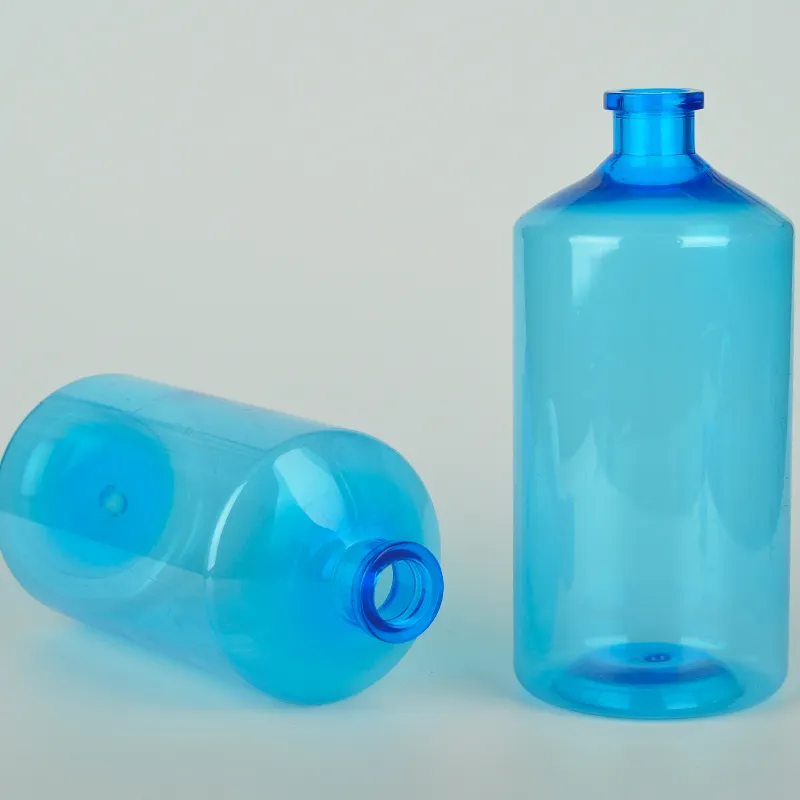
Choosing the right supplier for a Translucent Blue Plastic Vaccine Vial Laboratory Veterinary Medicine Liquid Vial is a strategic decision that extends beyond mere product specifications. It involves evaluating a vendor's commitment to quality, manufacturing capabilities, and ability to provide tailored solutions.
Vendor Comparison Factors:
When evaluating suppliers, key differentiation points emerge:
| Feature/Criterion | Standard Vendor | WK Packing (Focus Product) |
|---|---|---|
| Material Grade | General purpose PP/HDPE, limited certifications | Medical-Grade PP/HDPE (USP Class VI, FDA 21 CFR, EP compliant) |
| Manufacturing Environment | Standard industrial environment | ISO Class 7/8 Cleanroom manufacturing |
| Sterilization Options | Limited (e.g., non-sterile, EtO only) | Gamma irradiation, EtO, Autoclave-compatible (validated SAL 10-6) |
| Customization Capabilities | Basic custom colors/printing | Full custom molding (size, shape), specialized materials, color matching, branding |
| Quality Control & Testing | Standard checks, often outsourced | In-house, rigorous testing (E&L, dimensional, leak, stability) |
| Regulatory Support | Minimal documentation | Full documentation, compliance certificates (ISO, FDA, DMF support) |
| Supply Chain Reliability | Varies, potential for disruption | Robust global logistics, buffer stock options, dual-sourcing capabilities |
Tailored Customized Solutions:
Recognizing that off-the-shelf solutions may not always perfectly align with unique product requirements, leading manufacturers offer extensive customization options for the Translucent Blue Plastic Vaccine Vial Laboratory Veterinary Medicine Liquid Vial. This consultative approach ensures optimal performance and seamless integration.
- Custom Dimensions and Form Factors: Beyond standard capacities (e.g., 1mL to 30mL), vials can be engineered to specific heights, diameters, and neck finishes to perfectly fit existing automated filling equipment, specific labeling requirements, or unique storage configurations.
- Material Optimization: While medical-grade PP/HDPE are standard, specialized polymer blends can be formulated to enhance specific properties, such as even higher barrier performance, increased chemical resistance for aggressive solvents, or reduced gas permeability for oxygen-sensitive contents.
- Closure System Integration: Custom closures, including various screw cap designs (e.g., child-resistant, tamper-evident), rubber stoppers, or crimp seals, can be designed and validated in conjunction with the vial to ensure a perfect, leak-proof seal and compatibility with specific dispensing or sampling methods.
- Branding and Labeling Solutions: Custom colors (beyond translucent blue for specific branding or functional needs), molded-in logos, or integrated labeling areas can be incorporated during the design phase. This enhances brand recognition and streamlines the labeling process.
- Aseptic Handling and Packaging: For ultra-sensitive applications, vials can be supplied in specialized sterile packaging formats, such as nested trays or tubs, compatible with isolator-based aseptic filling operations.
Working with a vendor possessing robust engineering and manufacturing capabilities allows for a truly collaborative development process, resulting in a packaging solution perfectly aligned with product requirements and market demands.
Application Case Studies: Real-World Impact
The practical benefits of the Translucent Blue Plastic Vaccine Vial Laboratory Veterinary Medicine Liquid Vial are best illustrated through real-world applications where they have demonstrably improved product integrity and operational efficiency.
Case Study 1: Veterinary Pharmaceutical Company – Vaccine Rollout
- Challenge: A major veterinary pharmaceutical company faced significant challenges with glass vial breakage during the transport of a new, highly effective, but light-sensitive poultry vaccine to rural distribution centers. Breakage rates approached 2%, leading to substantial product loss and logistical complexities.
- Solution: The company transitioned to 10 mL Translucent Blue Plastic Vaccine Vial Laboratory Veterinary Medicine Liquid Vials. The durable plastic construction drastically reduced breakage to negligible levels (below 0.1%), even across rough terrain. The integrated UV protection of the blue tint ensured the vaccine's potency was maintained throughout the supply chain, verified by accelerated stability studies.
- Outcome: This switch resulted in an estimated 1.9% reduction in product loss, saving the company over $500,000 annually in lost product and recall costs. Furthermore, the lighter weight of the plastic vials contributed to a 10% reduction in shipping fuel consumption, aligning with their sustainability goals.
Case Study 2: Clinical Diagnostics Laboratory – Reagent Packaging
- Challenge: A large clinical diagnostics lab producing proprietary immunoassay reagents required sterile, inert packaging that could withstand automated filling and capping while protecting sensitive fluorescent markers from light exposure. Their previous opaque plastic vials obscured visual inspection of fill levels.
- Solution: They implemented 5 mL pre-sterilized translucent blue plastic vials with custom screw caps. The translucency allowed operators to visually confirm reagent volumes without compromising light protection. The vials' precise dimensions ensured smooth operation on their high-speed automated lines.
- Outcome: The lab achieved a 15% increase in production line efficiency due to reduced stoppages from misaligned or damaged vials. The superior light protection extended reagent shelf-life by an average of three months, significantly reducing waste and enhancing product reliability for their customers.
Case Study 3: Biotechnology Research Institute – Cell Culture Media Storage
- Challenge: A biotechnology institute needed to store specialized cell culture media and growth factors, which are highly sensitive to both light and potential leachables from packaging materials. Traditional glass bottles were prone to breakage in their busy research labs, posing safety and contamination risks.
- Solution: The institute adopted 20 mL sterile translucent blue plastic vials made from USP Class VI medical-grade PP. These vials offered the required chemical inertness and light protection for their sensitive media. The robust plastic eliminated breakage concerns, enhancing lab safety.
- Outcome: Researchers reported no discernible impact on cell viability or growth factor activity attributable to the packaging, confirming the low extractables profile. The absence of glass breakage incidents improved laboratory safety metrics by 30% and reduced instances of contaminated experiments, saving valuable research time and resources.
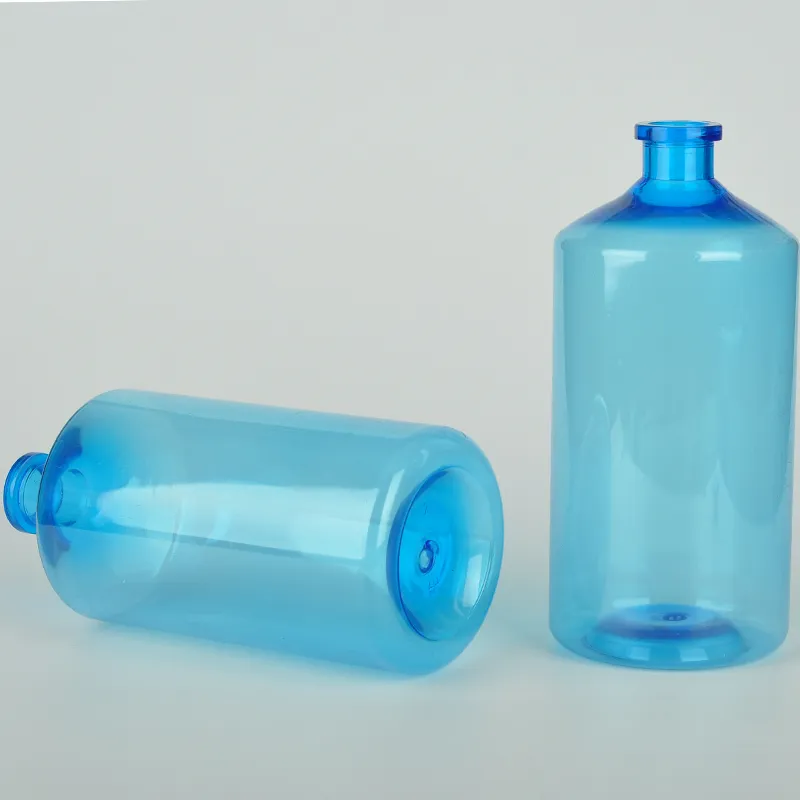
Trust and Support: FAQ, Fulfillment, and Warranty
Frequently Asked Questions (FAQ)
- Q: Are these vials sterile and ready for aseptic filling?
- A: Yes, our translucent blue plastic vials are available pre-sterilized with a validated Sterility Assurance Level (SAL) of 10-6, typically through gamma irradiation, making them suitable for aseptic filling processes directly out of their cleanroom packaging.
- Q: What materials are used, and do they meet regulatory standards?
- A: Our vials are manufactured from medical-grade polypropylene (PP) or high-density polyethylene (HDPE), fully compliant with USP Class VI, FDA 21 CFR, and European Pharmacopoeia (EP) standards. These materials are chosen for their superior biocompatibility and low extractables profile.
- Q: Can these vials be used for cryopreservation?
- A: Yes, the medical-grade polymers used in these vials are designed to withstand extreme temperatures, typically from -80°C up to +121°C, making them suitable for various cryopreservation applications, including storage in ultra-low freezers and liquid nitrogen vapor phase.
- Q: How does the translucent blue color provide UV protection?
- A: The specific blue pigment incorporated into the polymer during manufacturing acts as a filter, absorbing and reflecting harmful UV wavelengths up to 400 nm. This helps protect light-sensitive contents from photodegradation while maintaining enough translucency for visual inspection of the fill level.
- Q: Are customized sizes or designs available?
- A: Absolutely. We offer extensive customization capabilities, including specific capacities, unique dimensions, different neck finishes, custom colors, and even integration of logos or unique cap designs to meet your precise requirements. Our engineering team can collaborate with you on bespoke solutions.
Lead Time and Fulfillment
We understand the critical nature of timely supply for pharmaceutical and laboratory operations. Standard, in-stock Translucent Blue Plastic Vaccine Vial Laboratory Veterinary Medicine Liquid Vial products typically have a lead time of 2-4 weeks, depending on order volume and specific configurations. For customized solutions, lead times will vary based on design complexity, mold fabrication, and validation processes, generally ranging from 8-16 weeks for initial production. We maintain robust supply chain management and offer various shipping options to ensure reliable and efficient delivery globally. Expedited production and shipping may be available upon request.
Warranty and Customer Support
Our products are manufactured to the highest industry standards under stringent quality control. We provide a comprehensive warranty against manufacturing defects, guaranteeing that our vials will perform as per published specifications when stored and used under recommended conditions. Our dedicated customer support team comprises technical experts who are available to assist with product selection, technical inquiries, application support, and any post-purchase concerns. We are committed to fostering long-term partnerships through exceptional product quality and responsive service. Contact us via phone, email, or our online portal for prompt assistance.
References
- United States Pharmacopeia. USP 38-NF 33. The United States Pharmacopeial Convention, Rockville, MD, 2015.
- International Organization for Standardization. ISO 13485:2016 Medical devices – Quality management systems – Requirements for regulatory purposes. ISO, Geneva, Switzerland, 2016.
- Food and Drug Administration. 21 CFR Part 177: Indirect Food Additives: Polymers. U.S. Government Publishing Office, Washington, DC.
- European Pharmacopoeia (Ph. Eur.) 10.0. Council of Europe, Strasbourg, France, 2020.
- ASTM International. ASTM D3078 – 02(2013) Standard Test Method for Determination of Leaks in Flexible Packaging by Bubble Emission. ASTM International, West Conshohocken, PA, 2013.
-
Bulk Eye Dropper Bottles for Industrial Packaging - Reliable & CustomizableNewsDec.31,2025
-
Small Plastic Dropper Bottles – Durable, Precise Packaging Solutions for B2B ApplicationsNewsDec.10,2025
-
Medicine Dropper Bottles – Precision and Quality Packaging Solutions for B2B | WK PackingNewsDec.10,2025
-
Discover Top Quality 2 oz Eye Dropper Bottles for Industrial UseNewsDec.09,2025
-
1 Oz Eye Dropper Bottles - Precision Packaging Solutions for B2B Industries | WKPackingNewsDec.09,2025
-
Durable 4 oz Eye Dropper Bottles for Industrial & Cosmetic UseNewsDec.09,2025