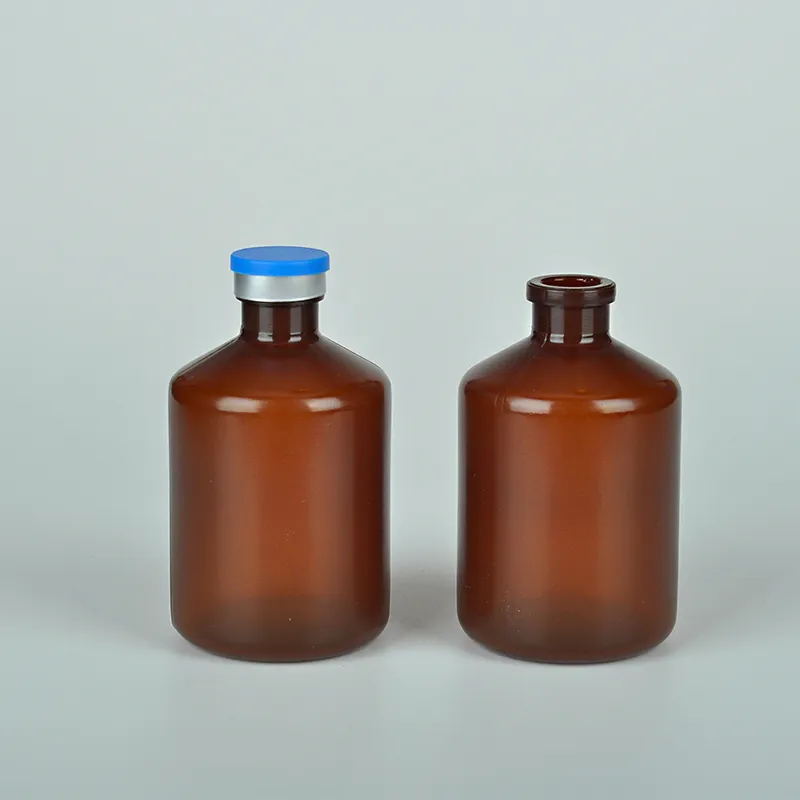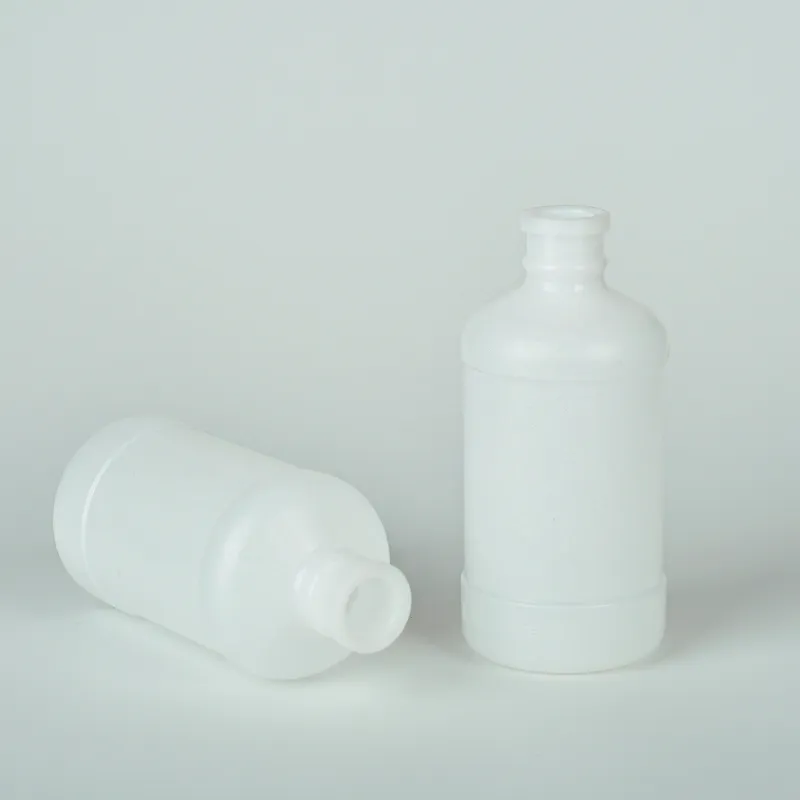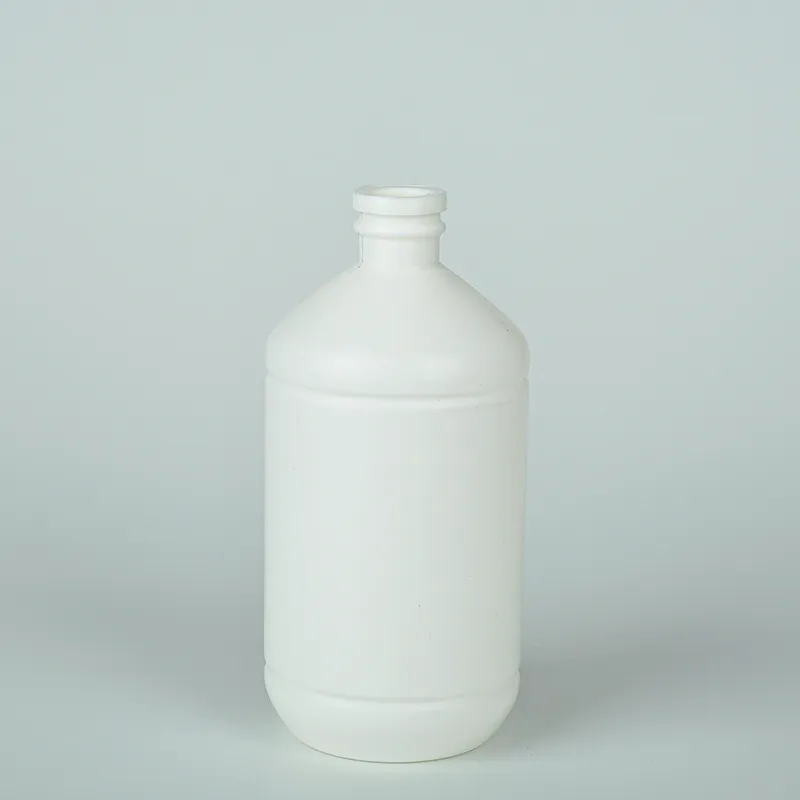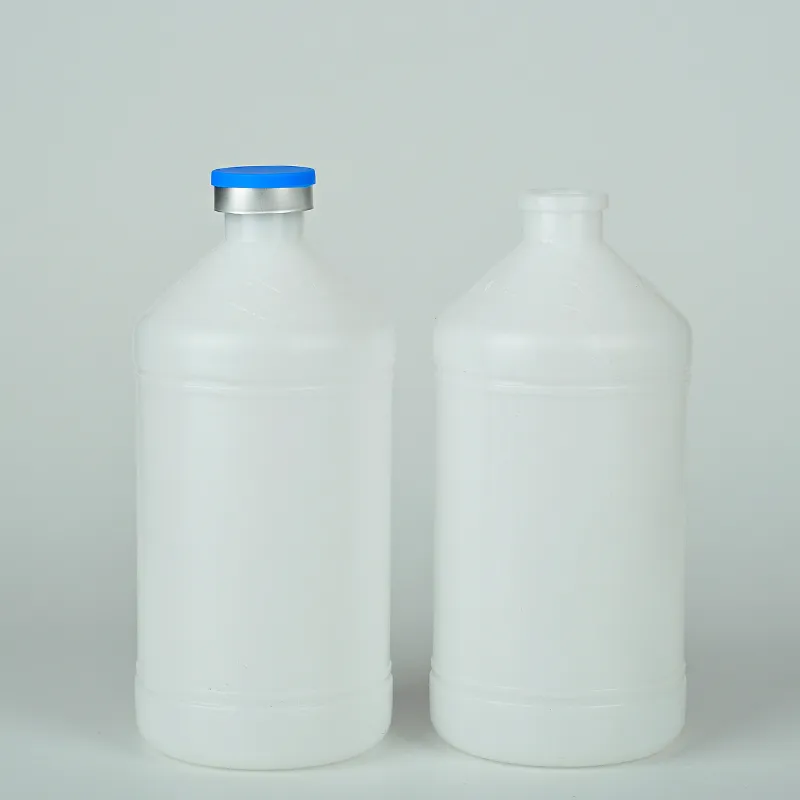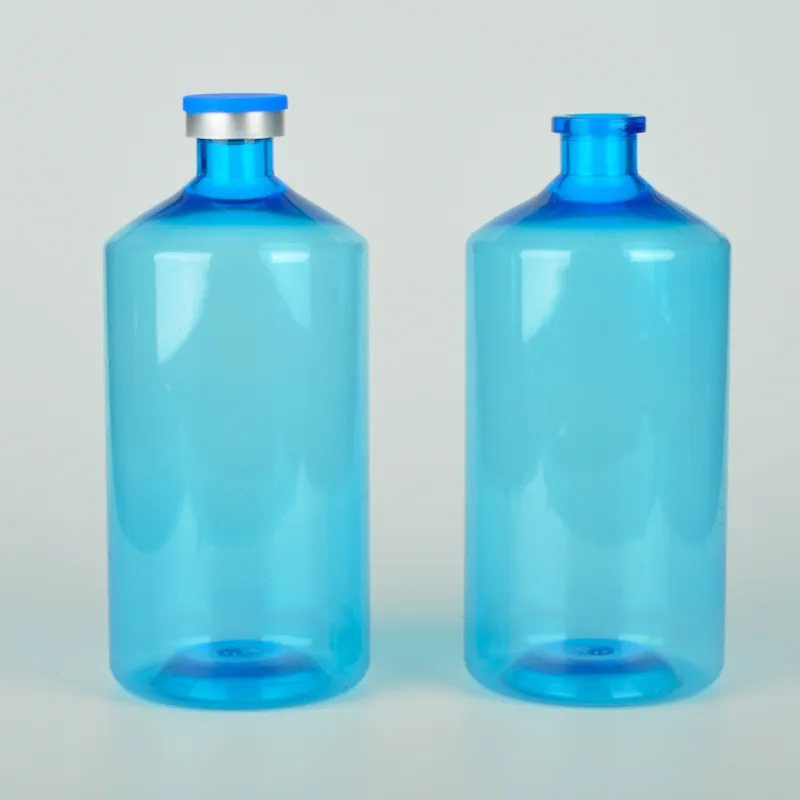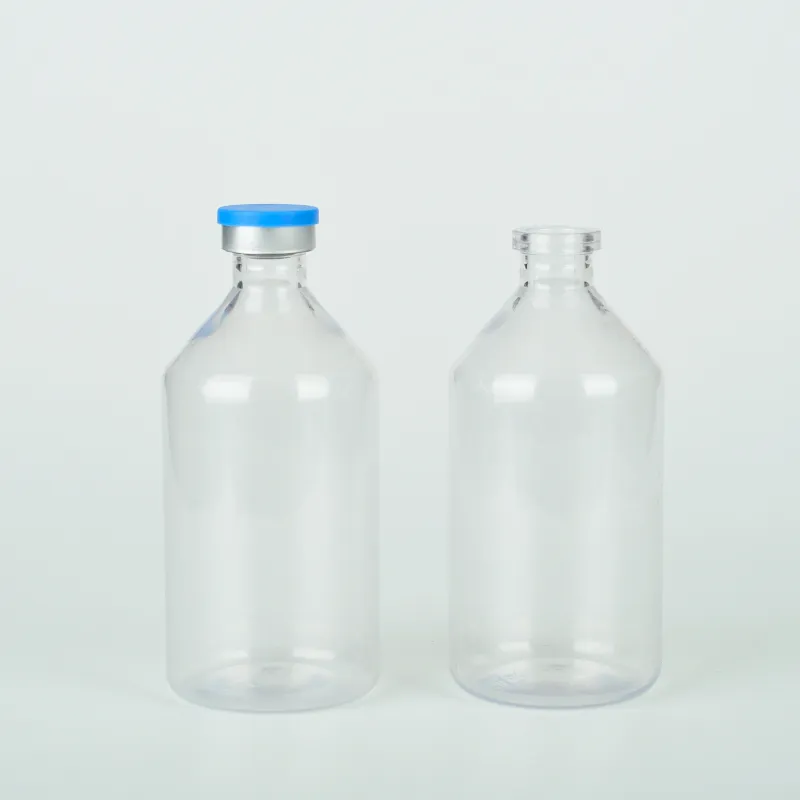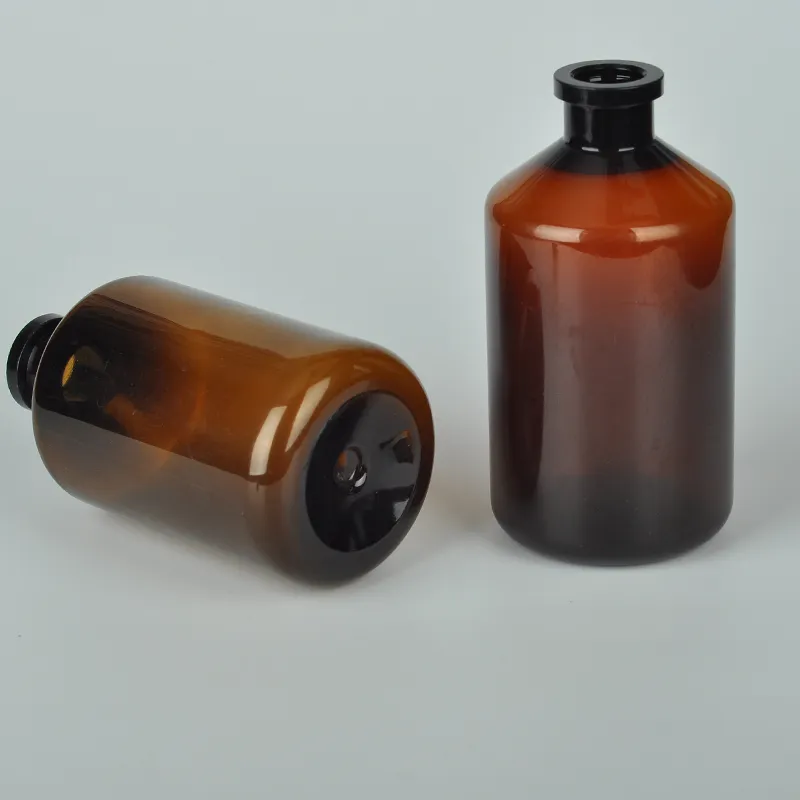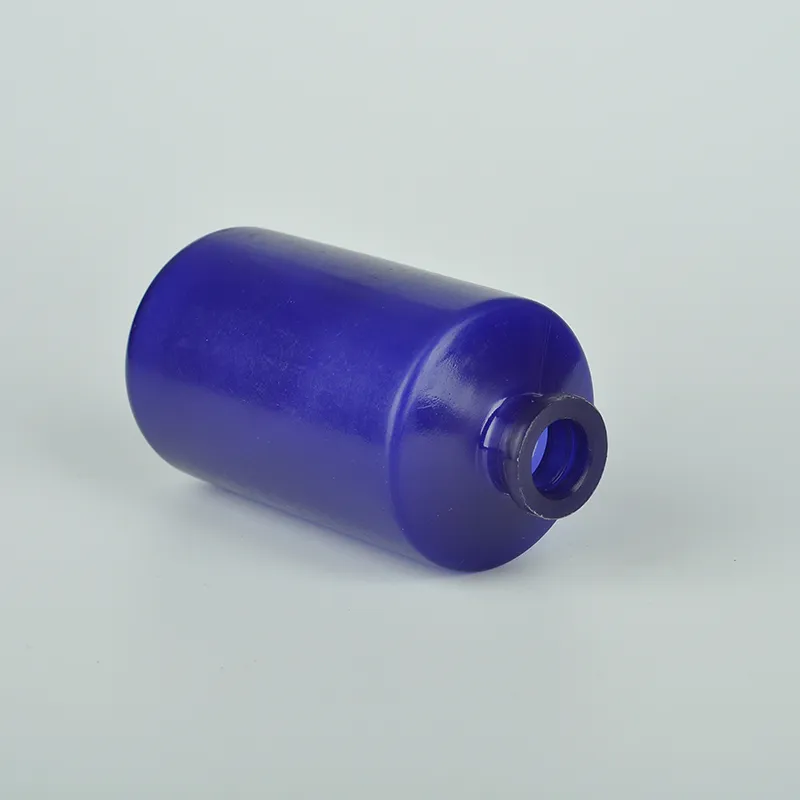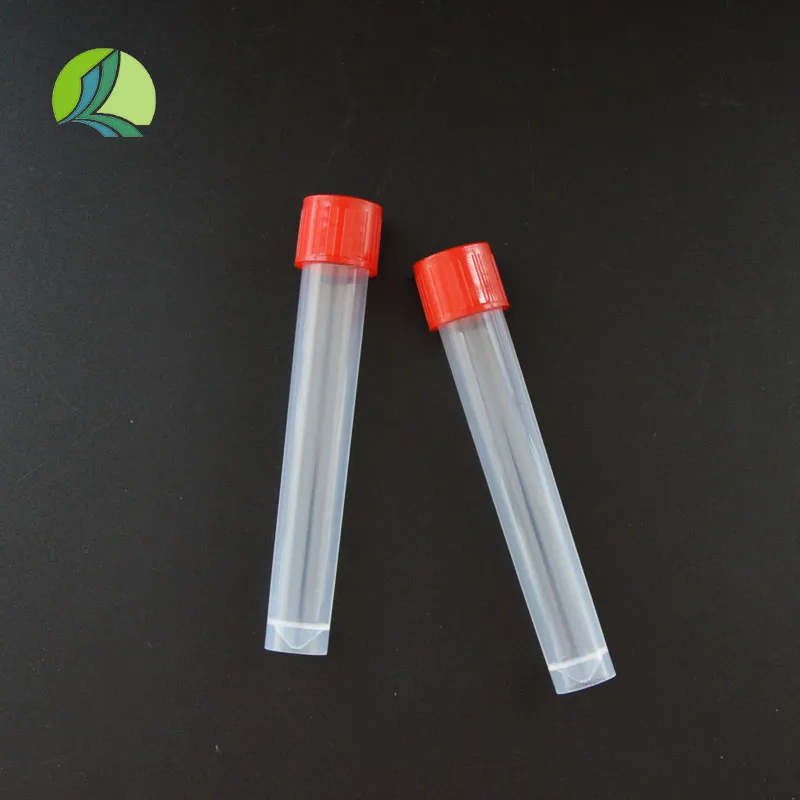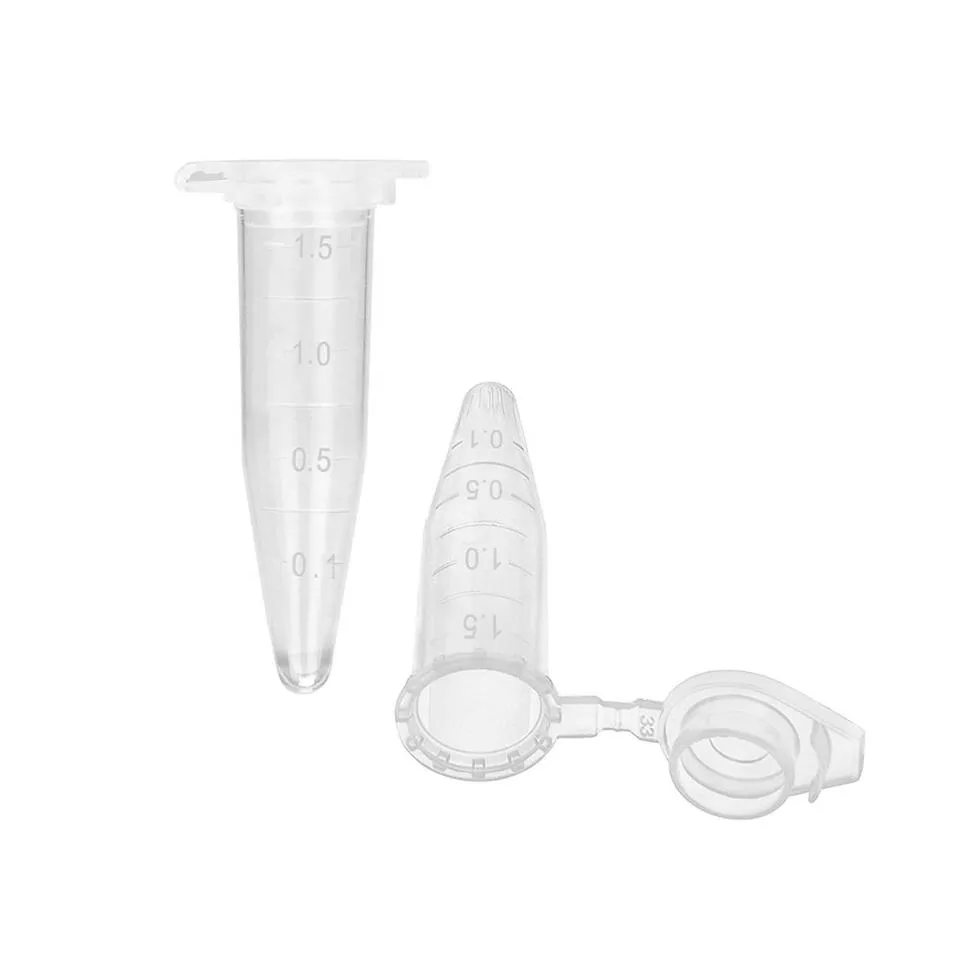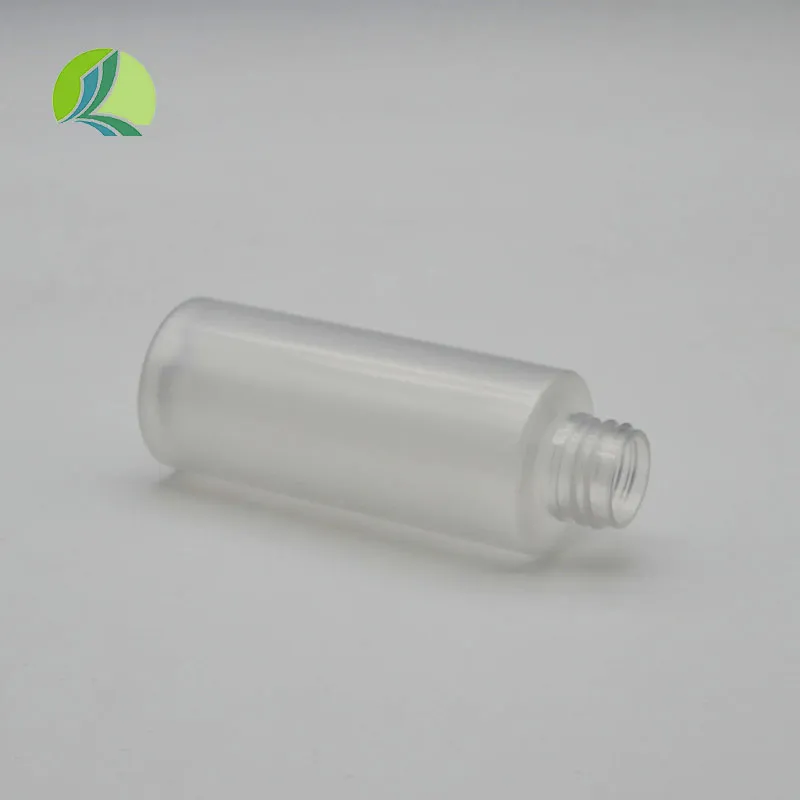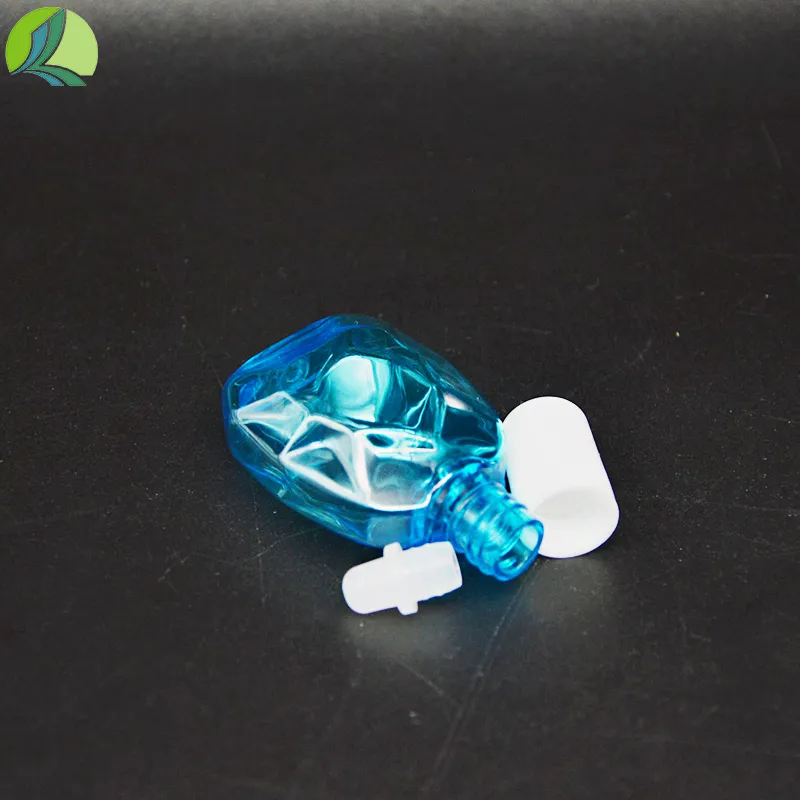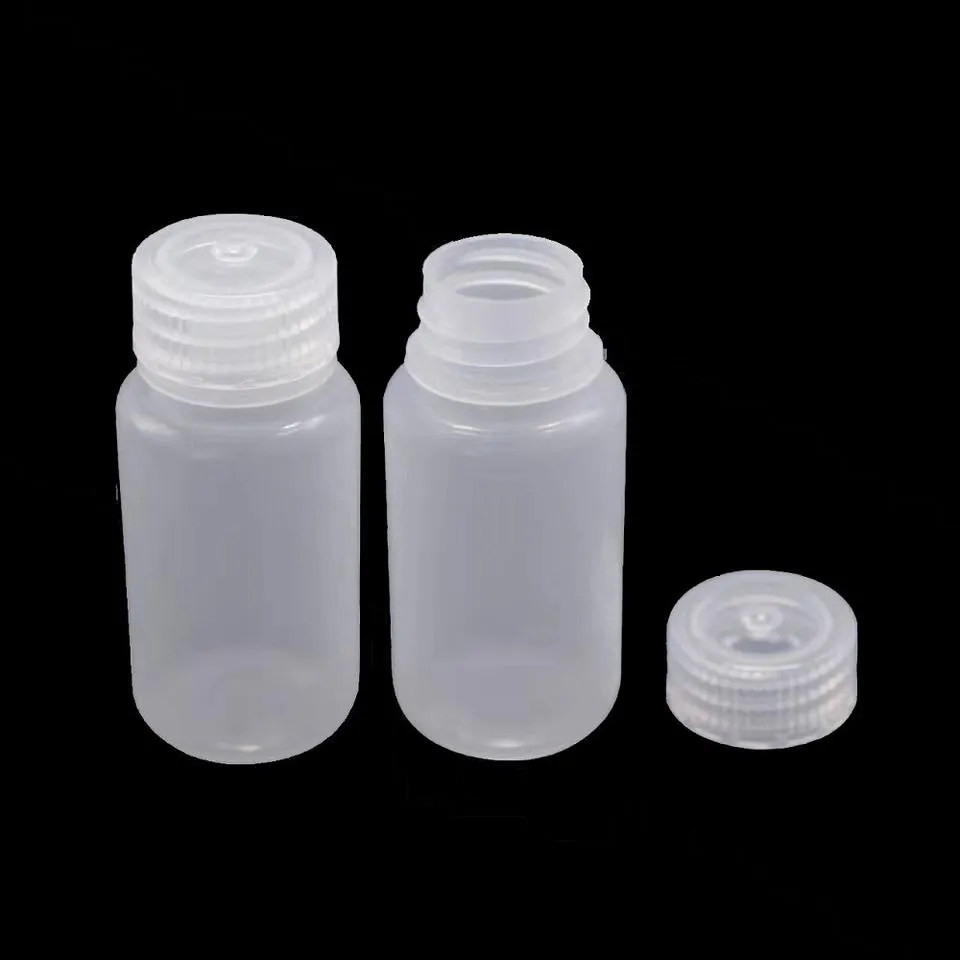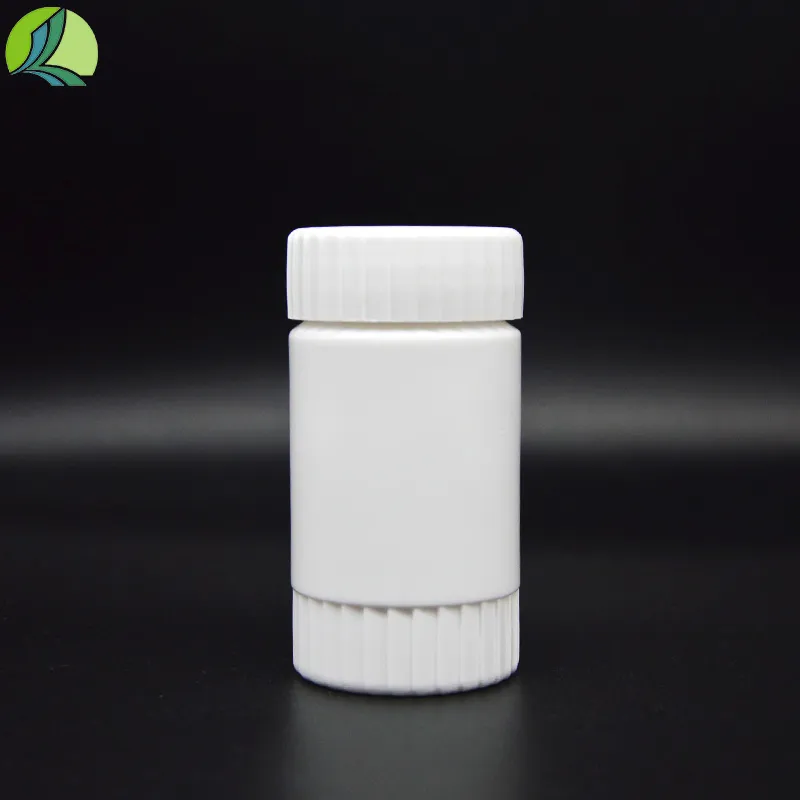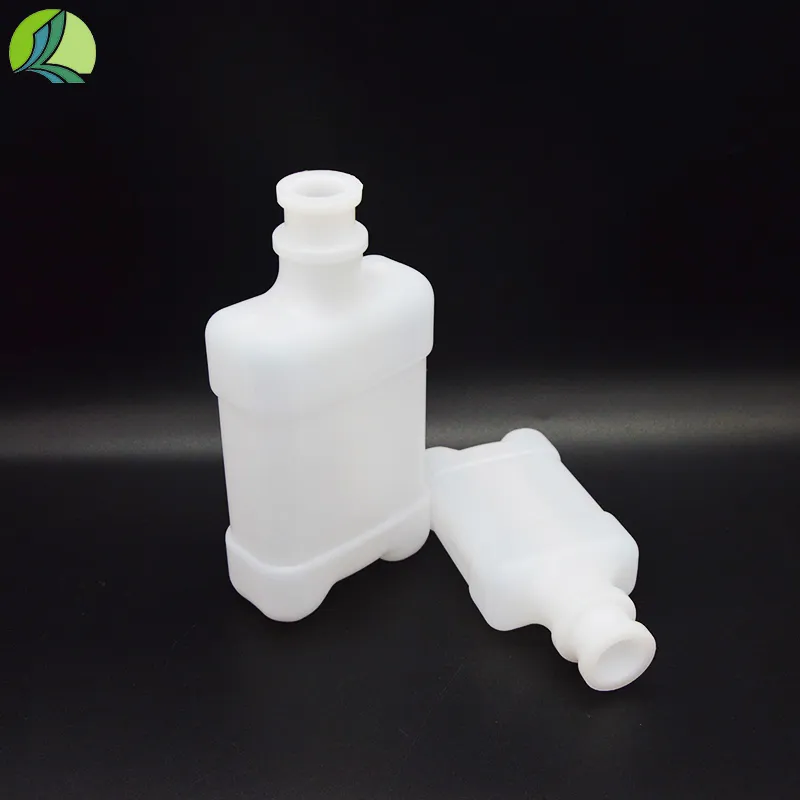
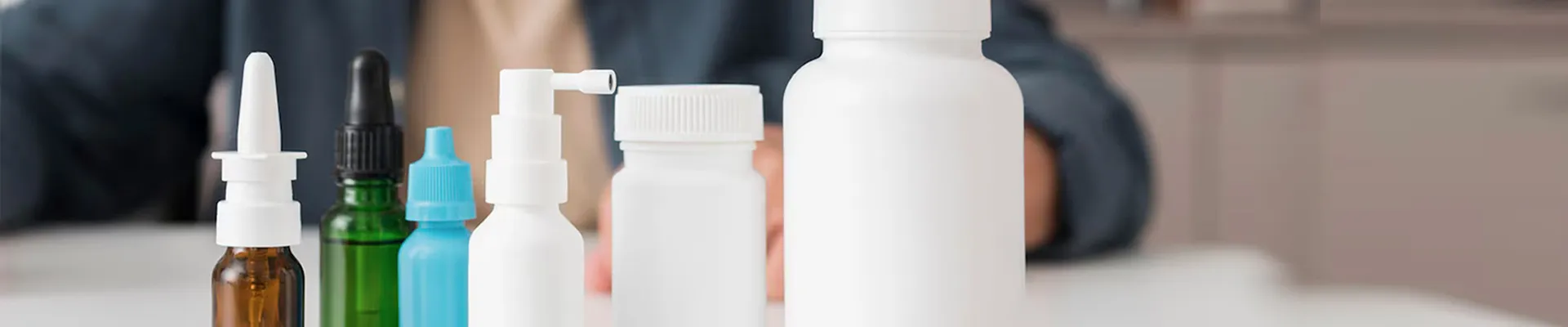


White Plastic Vet Medicine Vaccine Vials | Animal Lab Liquid Bottles
The Evolution of Veterinary Medicine Packaging: Focus on Advanced Vial Solutions
The landscape of veterinary medicine is continually evolving, driven by advancements in pharmaceuticals, increased global animal health awareness, and the demand for safer, more efficient drug delivery systems. Central to this evolution is the packaging that preserves the integrity and facilitates the administration of critical medications, particularly vaccines. Modern veterinary practices and animal laboratories require robust, sterile, and user-friendly solutions that can withstand diverse environmental conditions while maintaining product efficacy.
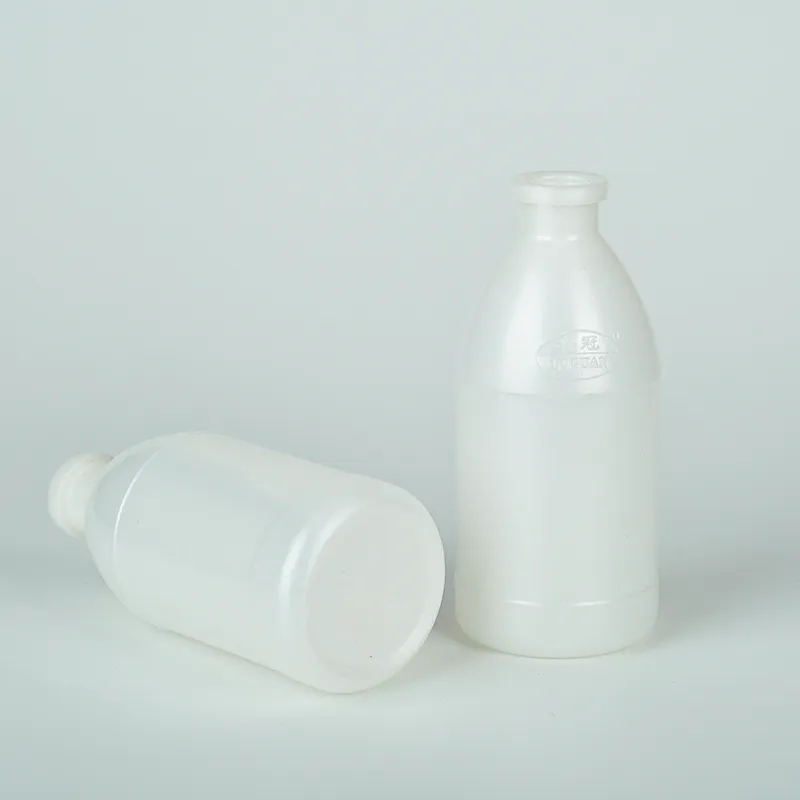
In this context, the White Plastic Veterinary Medicine Vaccine Vial Animal Laboratory Liquid Hanging Bottl represents a significant leap forward. This specialized packaging solution is engineered to meet the stringent requirements of veterinary pharmaceutical manufacturing, distribution, and on-site application. Its design specifically addresses the need for secure containment of sensitive biologicals and liquid medications, offering both durability and unparalleled convenience for practitioners in the field and laboratory settings.
Industry Trends Driving Packaging Innovation
- Enhanced Biosecurity: A growing emphasis on preventing contamination and ensuring vaccine viability from production to administration.
- Field Efficacy: Increasing demand for packaging that is resilient, portable, and easy to use in challenging outdoor or remote veterinary environments.
- Sustainability: While maintaining performance, there's a push for packaging solutions that offer a reduced environmental footprint, often through material optimization and lighter weight.
- Regulatory Compliance: Strict adherence to international pharmaceutical packaging standards, including material biocompatibility and sterility assurance.
- User-Friendly Design: Features that simplify the administration process, such as integrated hanging mechanisms, are becoming critical for efficiency in high-volume vaccination programs.
These trends underscore the necessity for advanced packaging that goes beyond simple containment, providing functional benefits that directly impact animal welfare and operational efficiency.
Technical Specifications and Design Excellence
The design and material selection for a White Plastic Veterinary Medicine Vaccine Vial Animal Laboratory Liquid Hanging Bottl are paramount to its performance. These vials are typically manufactured from medical-grade polymers, primarily high-density polyethylene (HDPE) or polypropylene (PP), which are selected for their excellent chemical inertness, low extractables and leachables profile, and mechanical strength.
Key Material Properties and Design Features:
- Biocompatibility: Materials meet USP Class VI standards, ensuring no adverse biological reactions with contained substances or animal tissues.
- Chemical Resistance: Inertness to a broad spectrum of veterinary pharmaceutical formulations, including those with acidic or alkaline pH values.
- Temperature Stability: Capable of maintaining structural integrity and barrier properties across a wide temperature range, crucial for vaccine storage (typically 2-8°C).
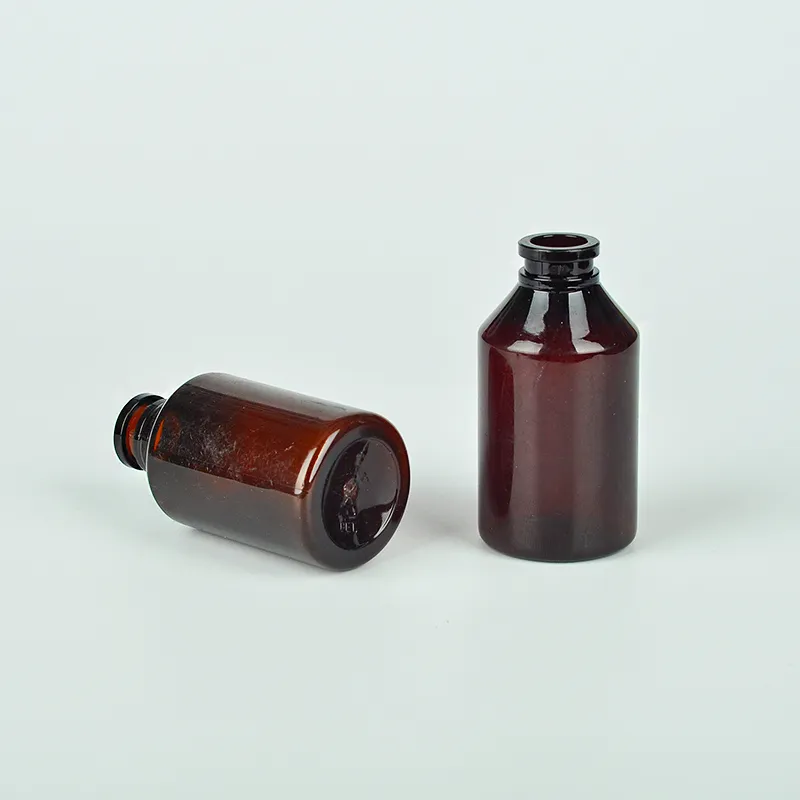
- Impact Resistance: Significantly more durable than traditional glass vials, reducing breakage during transport, handling, and field use.
- UV Protection: The opaque white color provides superior protection against UV degradation for light-sensitive medications.
- Hanging Mechanism: An integrated loop or hook design allows for easy suspension during administration, enhancing convenience and reducing spillage, particularly when using gravity-fed systems.
- Closure System: Often features a tamper-evident, secure screw cap or stopper/seal combination, ensuring product integrity and preventing unauthorized access.
- Volume Precision: Available in various precise volumes (e.g., 50mL, 100mL, 250mL, 500mL) to accommodate different dosage requirements.
Typical Product Specification Table:
| Parameter | Specification |
|---|---|
| Material | Medical-Grade HDPE / PP (USP Class VI) |
| Color | Opaque White |
| Standard Volumes | 50 mL, 100 mL, 250 mL, 500 mL |
| Sterilization Method | Gamma Irradiation or E-beam (pre-sterilized options) |
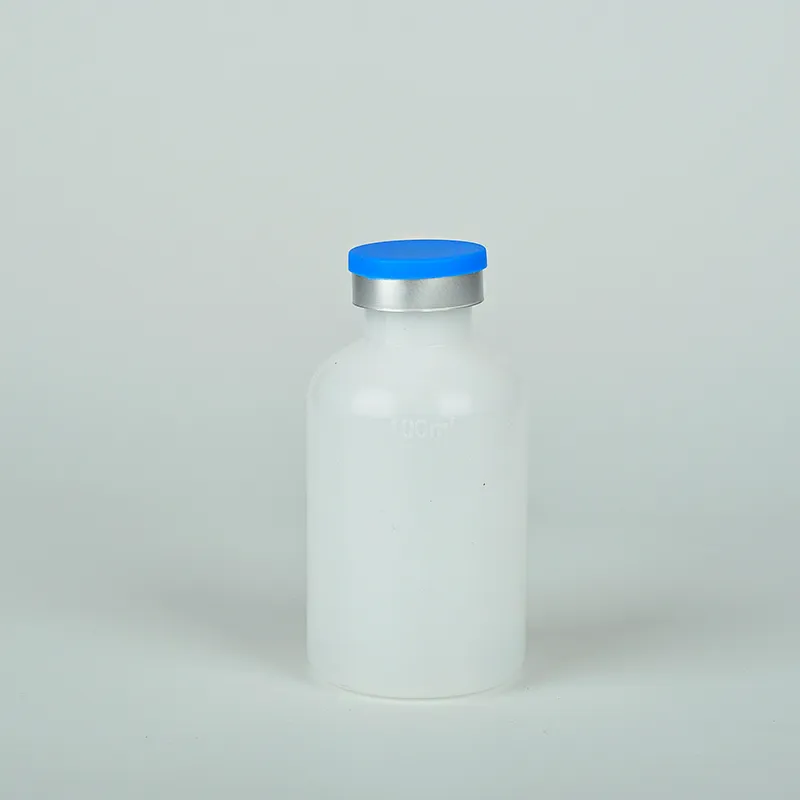
| Closure Type | Tamper-evident Screw Cap / Rubber Stopper & Aluminum Seal |
| Hanging Feature | Integrated Loop/Hook for Suspension |
| Operating Temperature | -20°C to +60°C (depending on specific formulation) |
| Certifications | ISO 13485, GMP, FDA CFR 21 Compliant Materials |
The meticulous selection of materials and precise engineering ensures that each vial provides optimal protection for its contents, reducing the risk of degradation or contamination.
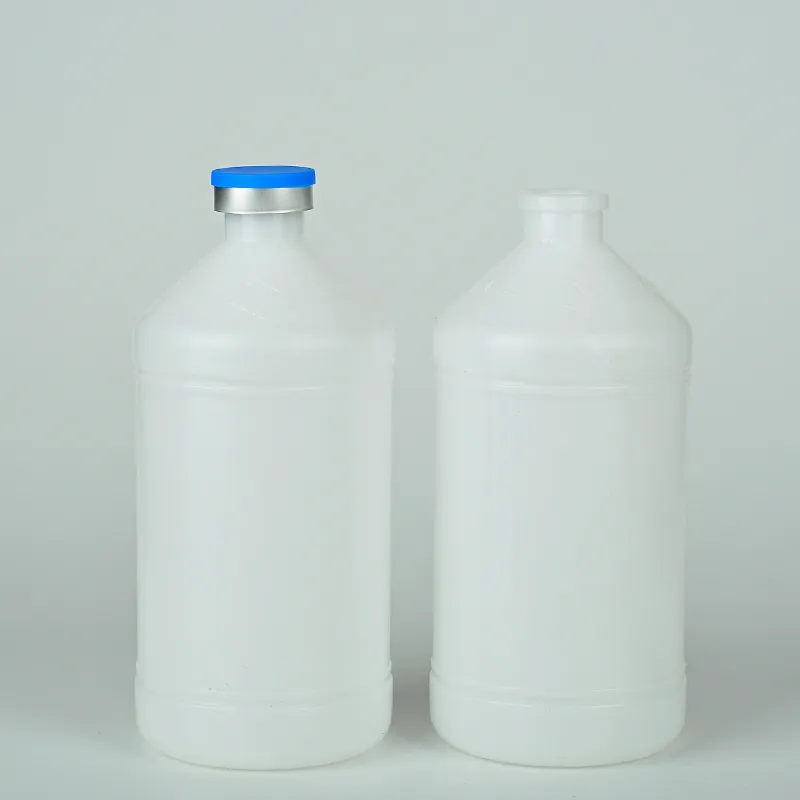
Precision-engineered for optimal pharmaceutical containment.
Manufacturing Process and Rigorous Quality Assurance
The production of a White Plastic Veterinary Medicine Vaccine Vial Animal Laboratory Liquid Hanging Bottl is a highly controlled process, adhering to Good Manufacturing Practices (GMP) to ensure sterility, dimensional accuracy, and material integrity. This process is critical for pharmaceutical-grade packaging where even minor defects can compromise product safety and efficacy.
Detailed Manufacturing Process Flow:
- Material Procurement and Preparation: Sourcing of certified medical-grade HDPE or PP resins from approved suppliers. These materials undergo incoming quality checks for purity, melt flow index, and density.
-
Injection Blow Molding or Extrusion Blow Molding:
- Injection Blow Molding: Polymer pellets are melted and injected into a mold to form a preform. This preform is then transferred to a blow mold where heated air is introduced to expand it into the final vial shape, ensuring precise neck finish and consistent wall thickness.
- Extrusion Blow Molding: A parison (a hot plastic tube) is extruded, clamped into a mold, and then blown with compressed air to form the final shape. This method is often used for larger volumes.
- Deflashing and Trimming: Excess material (flash) is precisely removed from the molded vials, ensuring smooth edges and accurate dimensions, particularly around the hanging mechanism and closure threads.
- Washing and Cleaning: Vials undergo a multi-stage washing process using purified water (e.g., Water for Injection - WFI quality) to remove any residual particles or contaminants from the molding process.
-
Sterilization (Pre-Sterilized Options): For pre-sterilized vials, they are typically subjected to validated sterilization processes such as:
- Gamma Irradiation: Exposure to gamma rays effectively sterilizes the vials by destroying microorganisms without significantly altering material properties.
- E-beam Sterilization: Electron beam radiation offers a fast, effective sterilization method, similar to gamma irradiation.
- Automated Visual Inspection: High-speed cameras and sensors detect any cosmetic defects, embedded particles, or dimensional inconsistencies.
- Leak Testing: Vials undergo rigorous leak testing, often using vacuum decay or pressure differential methods, to guarantee hermetic sealing capability.
- Packaging: Finished, sterilized vials are immediately packaged in cleanroom conditions (e.g., ISO Class 7 or 8) into protective, barrier packaging to maintain sterility until use.
Adherence to Testing Standards:
Throughout the manufacturing and post-processing stages, adherence to international testing standards is non-negotiable. Key standards include:
- ISO 13485: Quality management system for medical devices, ensuring systematic control over design, production, and distribution.
- USP / : United States Pharmacopeia standards for plastic materials of construction for packaging systems and their components, specifically addressing physicochemical tests and extractables.
- FDA CFR 21 Part 177: Compliance with regulations regarding indirect food additives, ensuring material safety for pharmaceutical contact.
- BP/EP/JP Compliance: Meeting requirements of British, European, and Japanese Pharmacopoeias for pharmaceutical packaging.
- Container Closure Integrity (CCI) Testing: Methods like dye ingress or headspace analysis verify the seal integrity of the vial system.
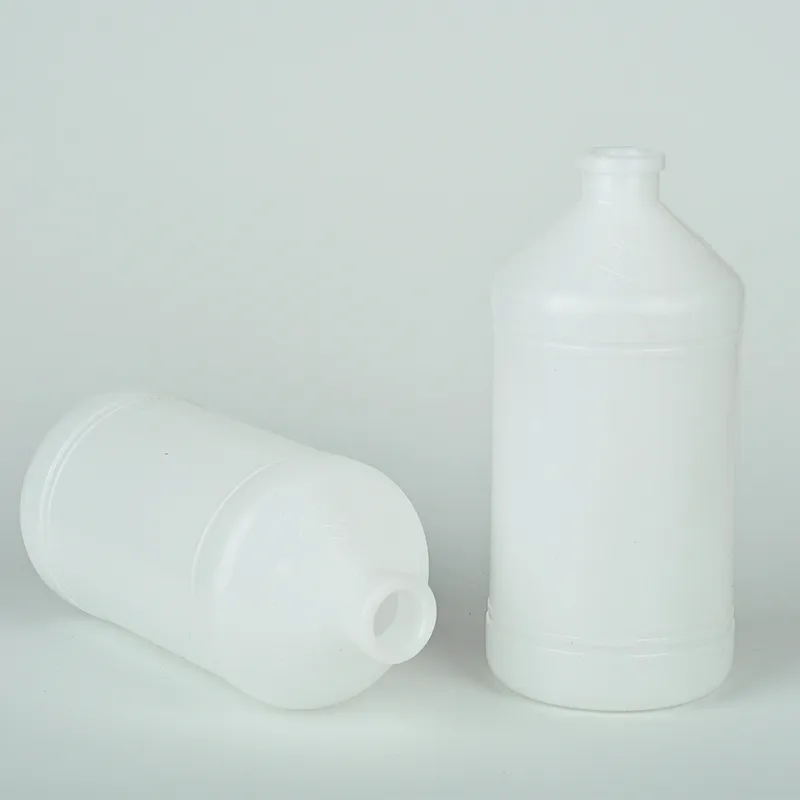
Ensuring sterility and structural integrity through advanced manufacturing.
Application Scenarios and Technical Advantages
The versatility and robustness of the White Plastic Veterinary Medicine Vaccine Vial Animal Laboratory Liquid Hanging Bottl make it indispensable across a spectrum of veterinary and animal laboratory applications. Its technical advantages translate directly into operational efficiencies and enhanced safety for both animals and practitioners.
Primary Application Scenarios:
- Large-Scale Animal Vaccination Programs: Ideal for administering vaccines to livestock (e.g., cattle, swine, poultry) in agricultural settings, where ruggedness and ease of handling are paramount. The hanging feature simplifies continuous administration with automated or semi-automated systems.
- Veterinary Clinics and Hospitals: Used for various liquid medications, including antibiotics, anti-inflammatories, and nutritional supplements, ensuring sterile and secure storage.
- Animal Research Laboratories: Crucial for storing sensitive reagents, cell culture media, and experimental drug formulations that require specific light protection and inert containment.
- Field Veterinary Services: Essential for mobile vets working in remote or challenging environments, where breakage of traditional glass vials is a significant concern.
- Zoological and Wildlife Management: For the safe transport and administration of medications to exotic or wild animals, often requiring specialized handling techniques.
Technical Advantages in Practice:
- Unmatched Durability: Unlike glass, plastic vials are shatter-resistant, significantly reducing product loss and potential for injury during transportation, storage, and handling in busy or demanding environments. This leads to reduced operational costs associated with breakage.
- Enhanced Sterility Assurance: Manufacturing in cleanroom environments combined with validated sterilization methods (e.g., gamma irradiation) ensures the vials arrive sterile and ready for aseptic filling, critical for vaccine integrity.
- Chemical Inertness: The medical-grade polymers do not react with or leach substances into the contained liquid, preserving the efficacy and stability of sensitive vaccine formulations over their service life (typically 2-3 years, depending on product shelf-life). This advantage is crucial for preventing degradation of active pharmaceutical ingredients.
- Optimized for Administration: The integrated hanging design allows veterinarians to suspend the bottle conveniently, freeing up hands during injections or continuous IV/subcutaneous fluid delivery. This improves workflow efficiency and reduces the risk of accidental spillage.
- Lightweight and Cost-Effective Logistics: Being significantly lighter than glass, these plastic vials reduce shipping costs and carbon footprint, providing an economic advantage for large-volume orders and international distribution.
- UV Protection: The opaque white color shields light-sensitive vaccines and medications from harmful UV radiation, maintaining their potency and extending shelf life.
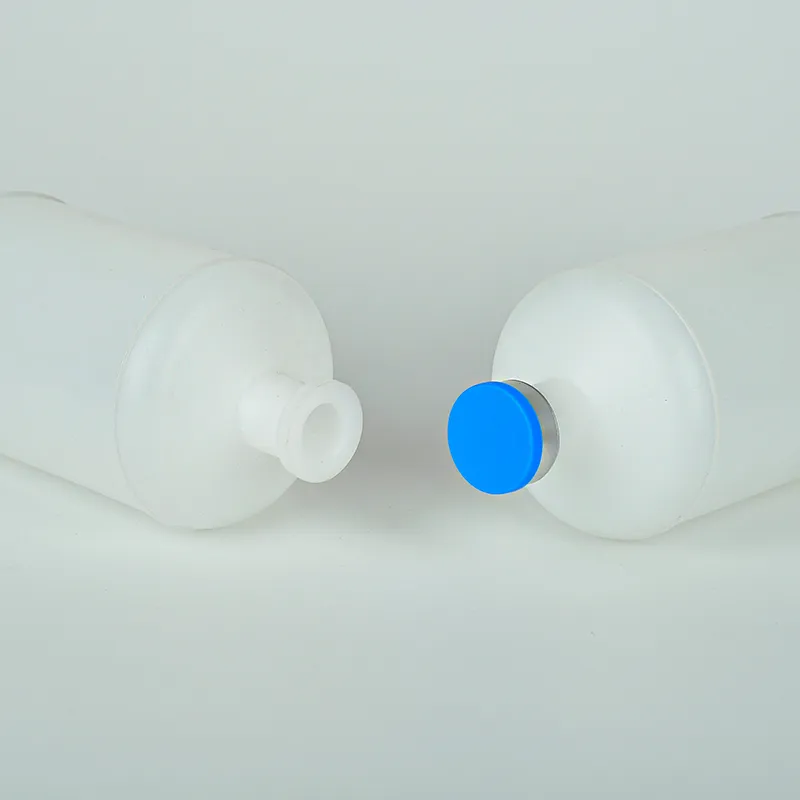
Versatile applications in field veterinary services and laboratory settings.
Vendor Comparison and Customized Solutions
Selecting the right supplier for a White Plastic Veterinary Medicine Vaccine Vial Animal Laboratory Liquid Hanging Bottl involves more than just price; it requires evaluating manufacturing capabilities, quality certifications, and the ability to offer tailored solutions. While numerous packaging providers exist, not all possess the specialized expertise required for pharmaceutical-grade veterinary products.
Comparison with Alternative Packaging Solutions:
| Feature/Criterion | Plastic Hanging Vial (HDPE/PP) | Glass Vial (Type I Borosilicate) | Flexible IV Bag (PVC/Non-PVC) |
|---|---|---|---|
| Shatter Resistance | Excellent | Poor | Excellent |
| Weight (Empty) | Very Low | High | Low |
| UV Protection | Excellent (opaque white) | Limited (amber glass) | Variable (material dependent) |
| Hanging Feature | Integrated Design | Requires external holder | Integrated punch hole |
| Chemical Inertness | Excellent | Excellent | Good (non-PVC) / Moderate (PVC) |
| Cost-Effectiveness | High (especially for large volumes) | Moderate to High | Moderate |
| Recyclability | Good (HDPE/PP) | Good | Challenging (multi-layer) |
Customized Solutions for Specific Needs:
Reputable manufacturers understand that a one-size-fits-all approach is insufficient for the diverse requirements of the veterinary pharmaceutical industry. Customized solutions for the White Plastic Veterinary Medicine Vaccine Vial Animal Laboratory Liquid Hanging Bottl can include:
- Volume Variations: Beyond standard sizes, custom molds can be created for specific volumes (e.g., 75mL, 1L) to match unique dosage or formulation requirements.
- Closure Types: Options for specialized caps, septa, or stoppers to accommodate different filling lines, medication types, or administration methods (e.g., needle puncture vs. pour-on).
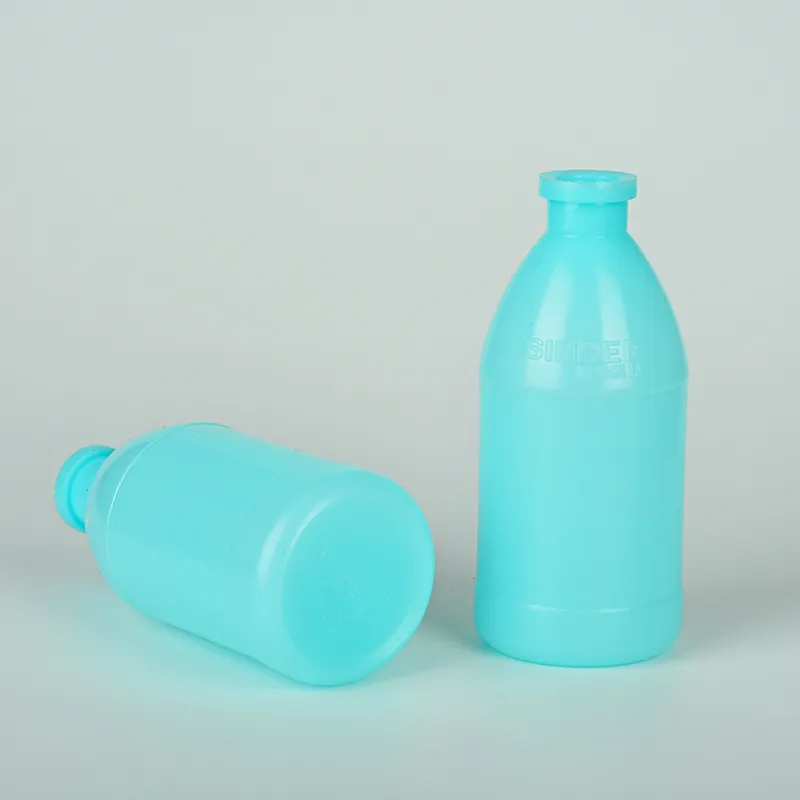
- Color and Opacity: While white is standard for UV protection, variations in opacity or specific colors may be requested for branding or to meet particular light-sensitive requirements.
- Integrated Features: Custom designs might include embossed graduations for easier measurement, specific hanging loop dimensions, or integrated tamper-evident features.
- Labeling and Printing: Pre-applied labels, direct printing, or etched markings can be integrated into the manufacturing process, improving efficiency for pharmaceutical companies.
- Sterilization Protocols: Tailored sterilization validation for specific customer needs, including specific SALs or alternative methods if required.
Engaging with a manufacturer that possesses deep technical expertise and a flexible production capacity is key to developing packaging that perfectly aligns with unique product specifications and market demands.
Application Case Studies and Customer Experience
The practical advantages of the White Plastic Veterinary Medicine Vaccine Vial Animal Laboratory Liquid Hanging Bottl are best illustrated through real-world applications and the direct feedback from end-users. These case studies highlight how superior packaging contributes to enhanced operational efficiency, reduced risks, and improved animal health outcomes.
Case Study 1: Large-Scale Poultry Vaccination Program
A leading poultry vaccine manufacturer in Southeast Asia faced challenges with glass vial breakage during transport to remote farms and the slow, cumbersome process of vaccine administration. They transitioned to our specialized plastic hanging vials.
- Challenge: High breakage rates of glass vials (up to 5%) during last-mile delivery and manual handling, leading to significant vaccine loss and safety hazards.
- Solution: Adoption of 500mL White Plastic Veterinary Medicine Vaccine Vial Animal Laboratory Liquid Hanging Bottl with integrated hanging loops.
- Results:
- Breakage Reduction: Near-zero breakage reported, saving hundreds of thousands of dollars annually in product loss.
- Efficiency Gain: The hanging feature allowed for easier integration with automated vaccination machines, speeding up the process by 30% per flock.
- Safety Improvement: Eliminated the risk of broken glass in agricultural environments, protecting both workers and animals.
Case Study 2: Research & Development Lab for Equine Pharmaceuticals
A pharmaceutical R&D lab specializing in equine medications required a packaging solution for novel, light-sensitive liquid formulations during stability testing and small-batch production.
- Challenge: Ensuring long-term stability for light-sensitive compounds and minimizing extractables from packaging materials that could interfere with sensitive analytical tests.
- Solution: Custom-designed 100mL White Plastic Veterinary Medicine Vaccine Vial Animal Laboratory Liquid Hanging Bottl made from medical-grade HDPE, pre-sterilized by gamma irradiation, with specific closure for inertness.
- Results:
- Product Stability: The opaque white material provided superior UV protection, extending the perceived shelf life of compounds under various stress conditions.
- Analytical Integrity: Low extractables and leachables ensured that packaging did not interfere with complex analytical measurements, preserving data integrity.
- Reduced Contamination Risk: Pre-sterilized vials eliminated the need for in-house sterilization, reducing lab workload and contamination risks.
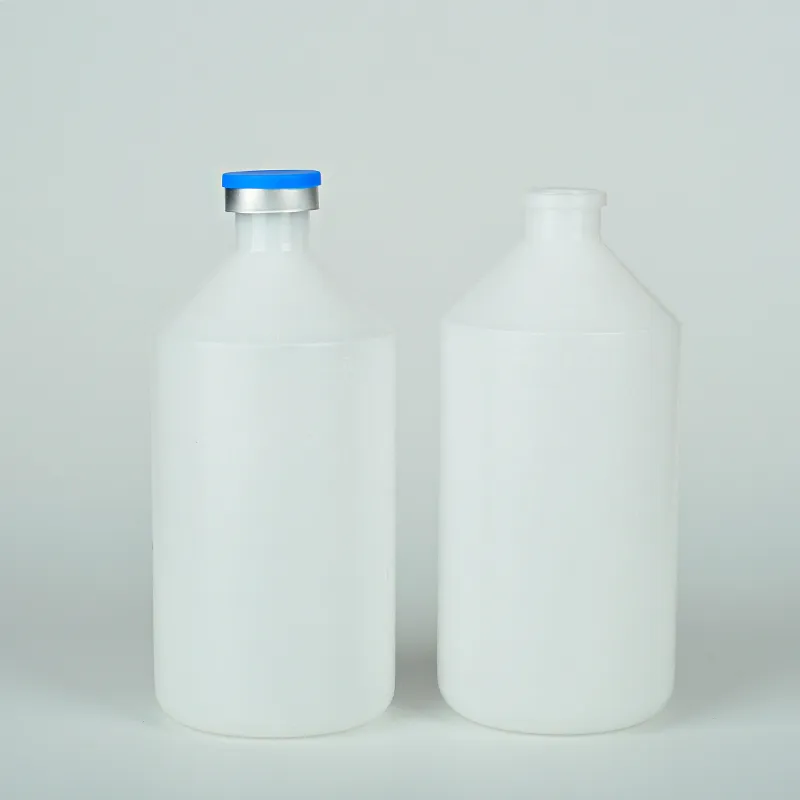
Ensuring reliable containment and ease of use in diverse veterinary environments.
Trust, Authoritativeness, and Customer Support
For B2B partners, trust and reliability are paramount. Our commitment to quality for every White Plastic Veterinary Medicine Vaccine Vial Animal Laboratory Liquid Hanging Bottl is underpinned by stringent certifications, robust support systems, and transparent operational practices. We have been serving the pharmaceutical packaging industry for over 15 years, building a reputation for excellence.
Certifications and Compliance:
- ISO 9001:2015 Certified: Demonstrates our consistent commitment to quality management across all operations.
- ISO 13485:2016 Certified: Specifies requirements for a quality management system where an organization needs to demonstrate its ability to provide medical devices and related services that consistently meet customer and regulatory requirements.
- GMP Compliant Facilities: Our manufacturing plants operate under strict Good Manufacturing Practice guidelines, ensuring product quality and safety.
- FDA Master File Support: We maintain Drug Master Files (DMFs) for our materials and processes, simplifying regulatory submissions for our pharmaceutical clients.
Lead Time and Fulfillment:
We understand the critical nature of timely delivery in the pharmaceutical supply chain.
- Standard Products: Typical lead time for standard volumes and specifications is 4-6 weeks after order confirmation.
- Customized Solutions: Lead times for custom molds or specialized features range from 8-12 weeks, depending on complexity and material availability.
- Expedited Options: Expedited manufacturing and shipping can be arranged for urgent requirements, subject to additional charges and capacity.
Warranty and After-Sales Support:
We stand behind the quality of our products with a comprehensive warranty and dedicated customer support:
- Product Warranty: All vials are warranted against manufacturing defects for a period of 12 months from the date of delivery, provided they are stored and used according to specifications.
- Technical Support: Our team of packaging engineers and material scientists is available to assist with product integration, material compatibility questions, and troubleshooting.
- Dedicated Account Management: Each client is assigned a dedicated account manager to ensure seamless communication and personalized service.
- Complaint Resolution: A structured and efficient process is in place for handling any product-related inquiries or complaints, with a commitment to swift investigation and resolution.
Frequently Asked Questions (FAQ)
Q1: Are the plastic vials sterilizable by the customer?
A1: Our White Plastic Veterinary Medicine Vaccine Vial Animal Laboratory Liquid Hanging Bottl can be supplied pre-sterilized via gamma irradiation or E-beam, offering a Sterility Assurance Level (SAL) of 10⁻⁶. While the medical-grade HDPE/PP materials have good heat resistance, autoclaving is generally not recommended for finished plastic vials due to potential deformation or changes in barrier properties at high temperatures and pressures. We advise using our pre-sterilized options or validating alternative low-temperature sterilization methods if in-house sterilization is required.
Q2: What is the typical shelf life of the vials before filling?
A2: When stored under recommended conditions (cool, dry, away from direct sunlight), our pre-sterilized plastic vials have a validated shelf life of up to 5 years from the date of manufacture. Unsterilized vials have an indefinite shelf life for the plastic material itself, though we recommend using them within 5 years to ensure optimal performance of any surface treatments or coatings.
Q3: Can these vials be used for highly viscous liquids or suspensions?
A3: Yes, the design of the White Plastic Veterinary Medicine Vaccine Vial Animal Laboratory Liquid Hanging Bottl, including its neck finish, is optimized for efficient filling and dispensing of a wide range of liquid consistencies, including moderately viscous suspensions. For extremely viscous formulations, we can offer customized neck diameters or cap designs to facilitate easier administration.
Q4: Are the materials used in the vials recyclable?
A4: Yes, the primary materials, HDPE and PP, are widely recyclable plastics (recycling codes #2 and #5, respectively). While post-consumer recycling of pharmaceutical waste can be challenging due to contamination risks, the material itself is capable of being recycled in appropriate waste streams, contributing to sustainability efforts within the veterinary pharmaceutical industry. We encourage customers to investigate local recycling options and collaborate on end-of-life solutions.
Conclusion
The White Plastic Veterinary Medicine Vaccine Vial Animal Laboratory Liquid Hanging Bottl stands as a testament to advanced pharmaceutical packaging engineering, specifically tailored for the demanding environment of animal health. By combining superior material science with intelligent design, these vials offer unparalleled durability, sterility, and user-friendliness. They directly address the critical needs of veterinary pharmaceutical manufacturers, practitioners, and researchers, ensuring vaccine efficacy, enhancing safety, and streamlining administration processes. Investing in such high-quality packaging is not merely a logistical decision but a strategic commitment to upholding product integrity and improving animal welfare globally.
References:
- United States Pharmacopeial Convention. (2020). USP General Chapters: Plastic Materials of Construction and Plastic Packaging Systems for Pharmaceutical Use. Rockville, MD: USP.
- International Organization for Standardization. (2016). ISO 13485: Medical devices — Quality management systems — Requirements for regulatory purposes. Geneva, Switzerland: ISO.
- European Medicines Agency. (2017). Guideline on plastic primary packaging materials. London, UK: EMA.
- Food and Drug Administration. (2023). 21 CFR Part 211 - Current Good Manufacturing Practice for Finished Pharmaceuticals. Silver Spring, MD: FDA.
- ASTM International. (2021). ASTM F2095 - Standard Test Methods for Detecting Gross Leaks in Medical Packaging by Internal Pressurization (Bubble Test). West Conshohocken, PA: ASTM International.
-
Bulk Eye Dropper Bottles for Industrial Packaging - Reliable & CustomizableNewsDec.31,2025
-
Small Plastic Dropper Bottles – Durable, Precise Packaging Solutions for B2B ApplicationsNewsDec.10,2025
-
Medicine Dropper Bottles – Precision and Quality Packaging Solutions for B2B | WK PackingNewsDec.10,2025
-
Discover Top Quality 2 oz Eye Dropper Bottles for Industrial UseNewsDec.09,2025
-
1 Oz Eye Dropper Bottles - Precision Packaging Solutions for B2B Industries | WKPackingNewsDec.09,2025
-
Durable 4 oz Eye Dropper Bottles for Industrial & Cosmetic UseNewsDec.09,2025