


What Is a Medicine Bottle Called? Understanding Pharmaceutical Packaging Basics
What Is a Medicine Bottle Called? A Simple Explanation with Global Implications
At first glance, a medicine bottle might just seem like a plain container holding pills or liquid medicines. But have you ever wondered what exactly a medicine bottle is called, and why understanding its design and terminology matters beyond our local pharmacy? Well, it turns out that these small vessels play a surprisingly big role in healthcare systems worldwide—impacting drug safety, supply logistics, and even humanitarian aid.
Knowing what a medicine bottle is called helps medical professionals, packaging engineers, and supply chain managers communicate clearly about specifications essential for protecting medicines and patients. From durability to child-resistant caps, the right bottle isn’t just a trivial detail—it can literally save lives. So let’s dive deeper into what “a medicine bottle” actually means in industry terms, why it matters globally, and what the future holds.
Why the Term “Medicine Bottle” Matters on a Global Scale
The global pharmaceutical market was valued well above $1.2 trillion in recent years, according to the World Bank and other economic bodies, and this market depends heavily on proper packaging. Medicines require packaging solutions that are secure, tamper-evident, eco-friendly, and compliant with international standards such as ISO 15378 (primary packaging materials for medicinal products).
Frankly, poor packaging can lead to contamination, dosing errors, or environmental waste—problems seen worldwide from developed cities to remote villages. For example, the World Health Organization highlights medicine packaging as a key element in preventing counterfeit drugs from entering the supply chain, which cost lives particularly in low-income regions.
With global supply chains stretched thin and constantly evolving post-pandemic, the humble medicine bottle’s design, name, and specification have taken on new importance—especially in emergencies, vaccinations, or chronic disease management programs.
Defining the Medicine Bottle: What Is a Medicine Bottle Called?
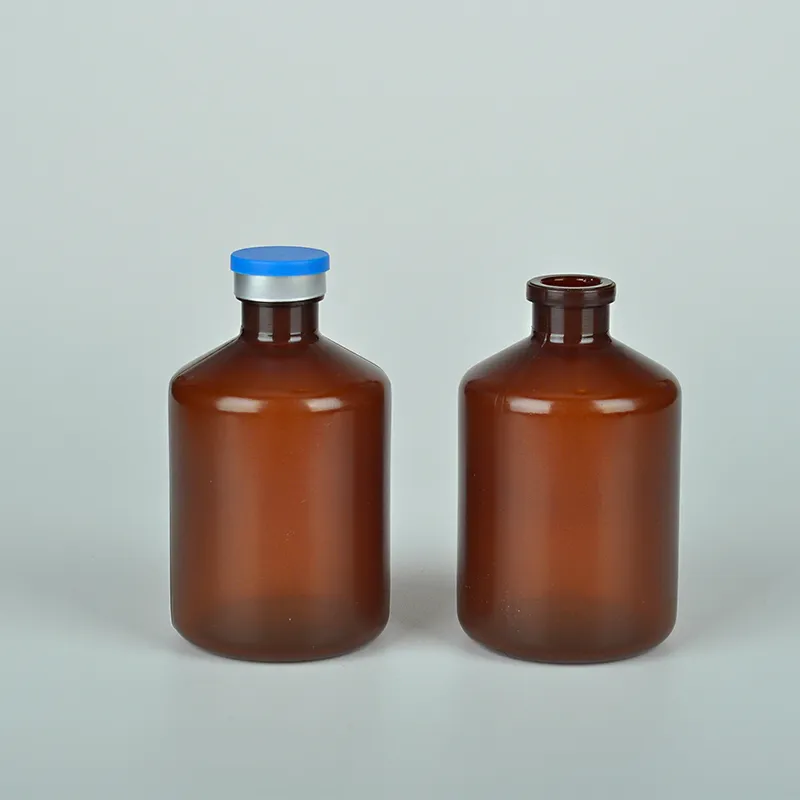
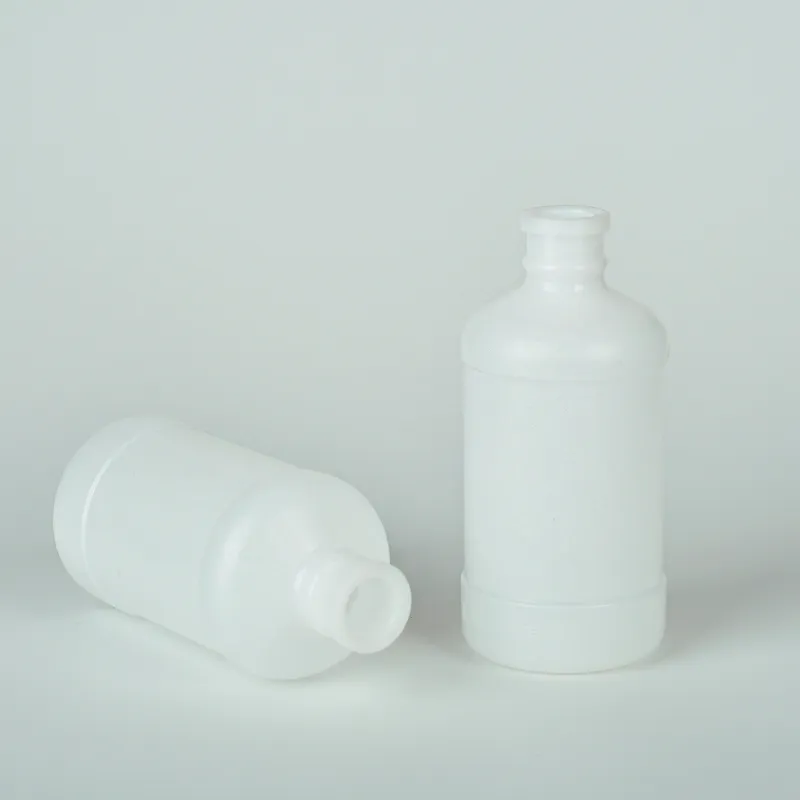
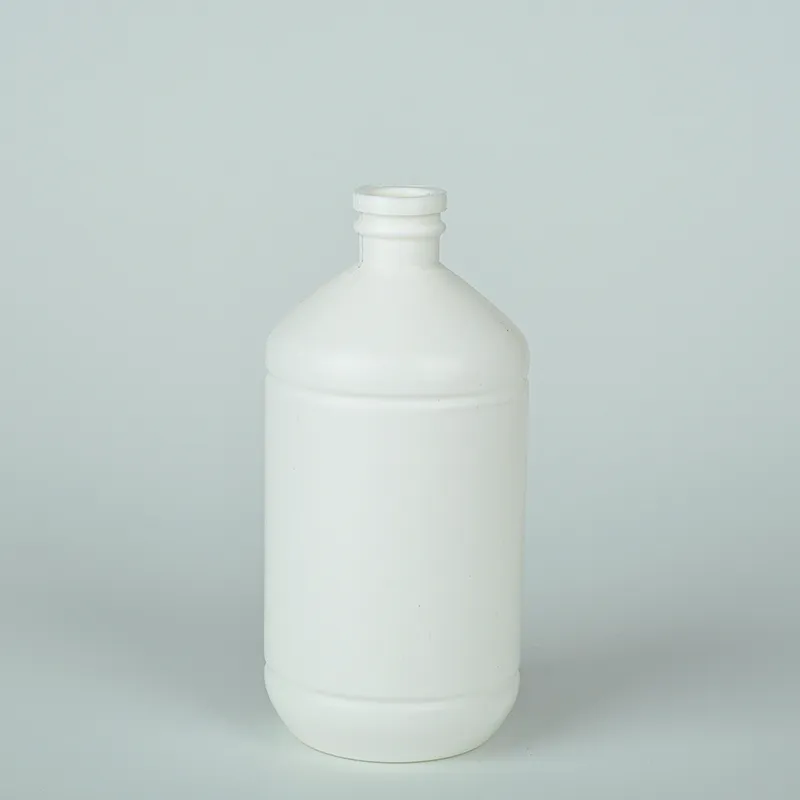
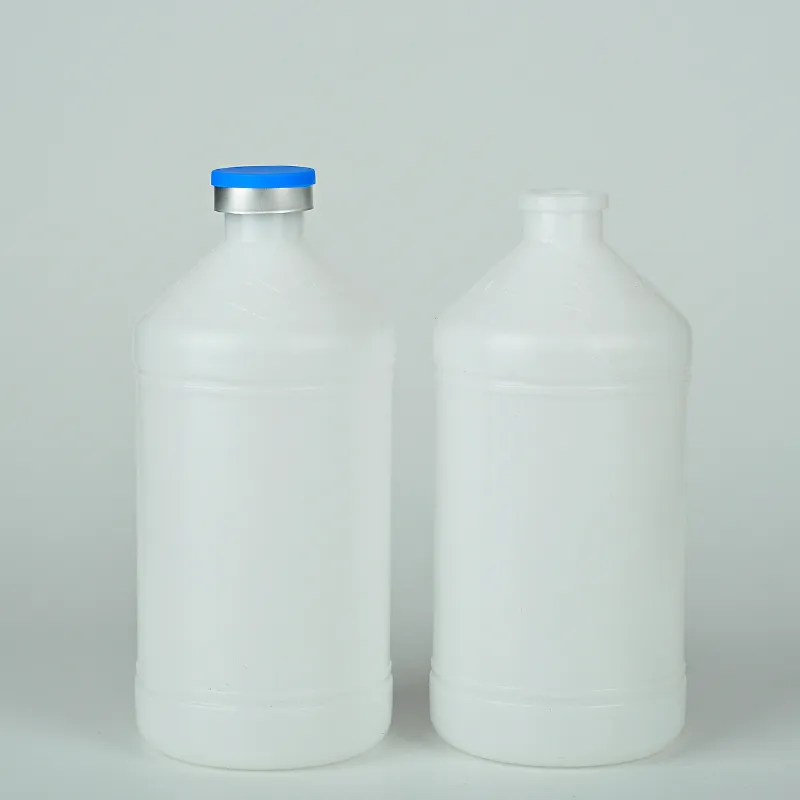
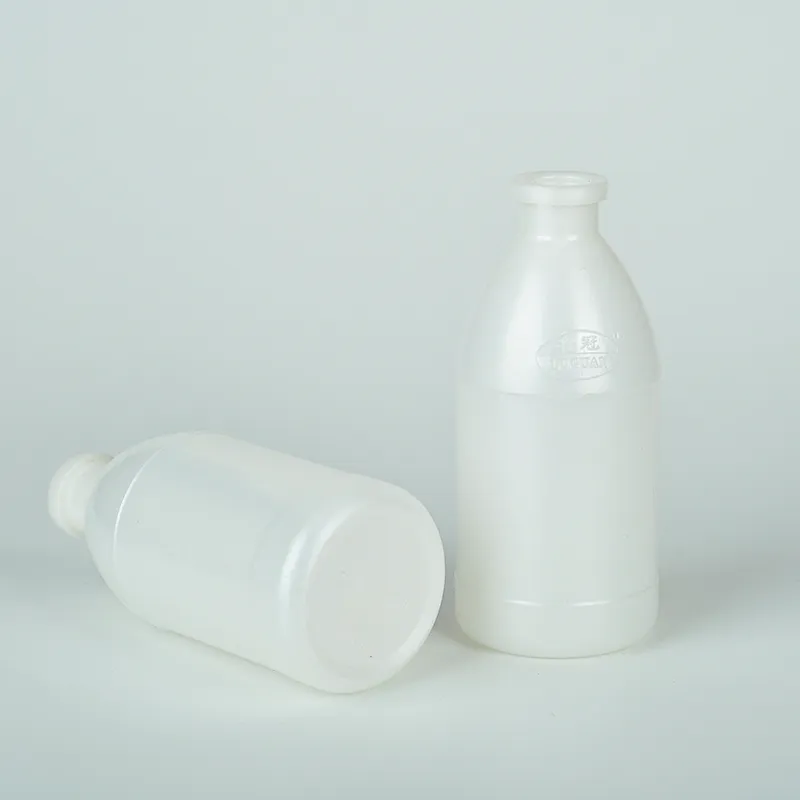
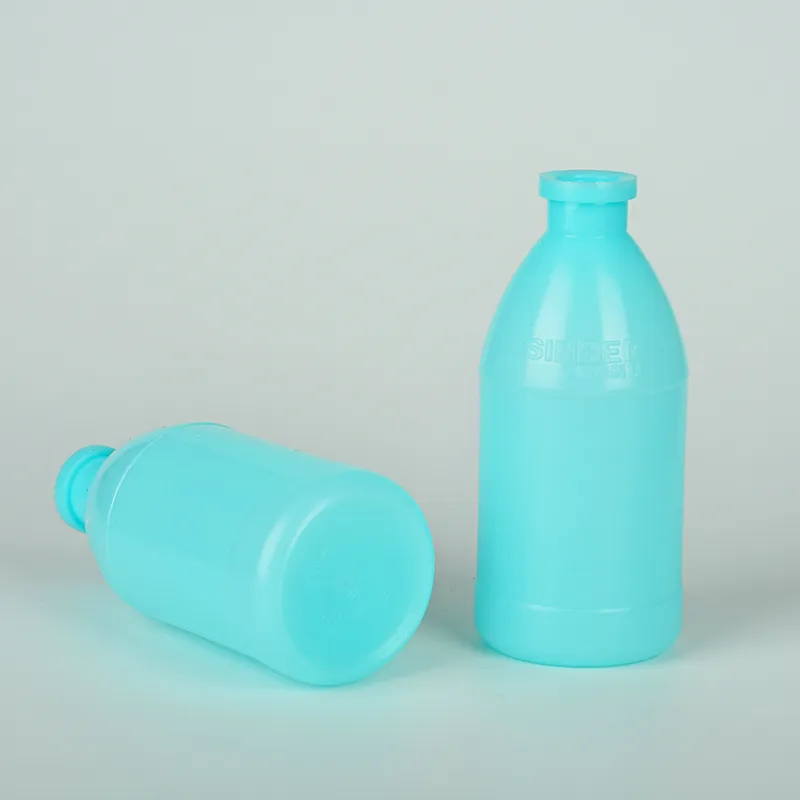
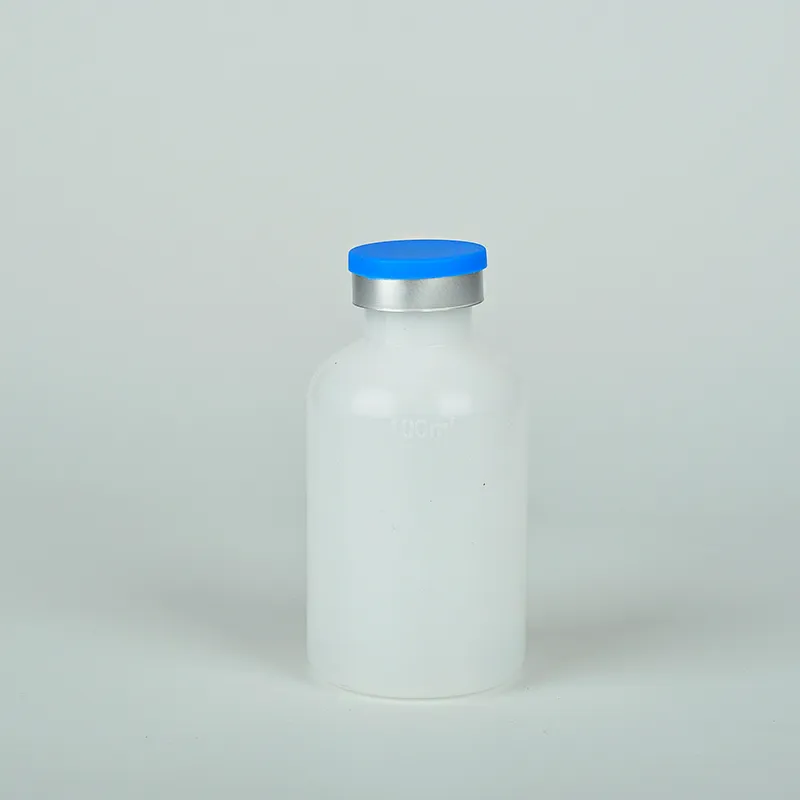
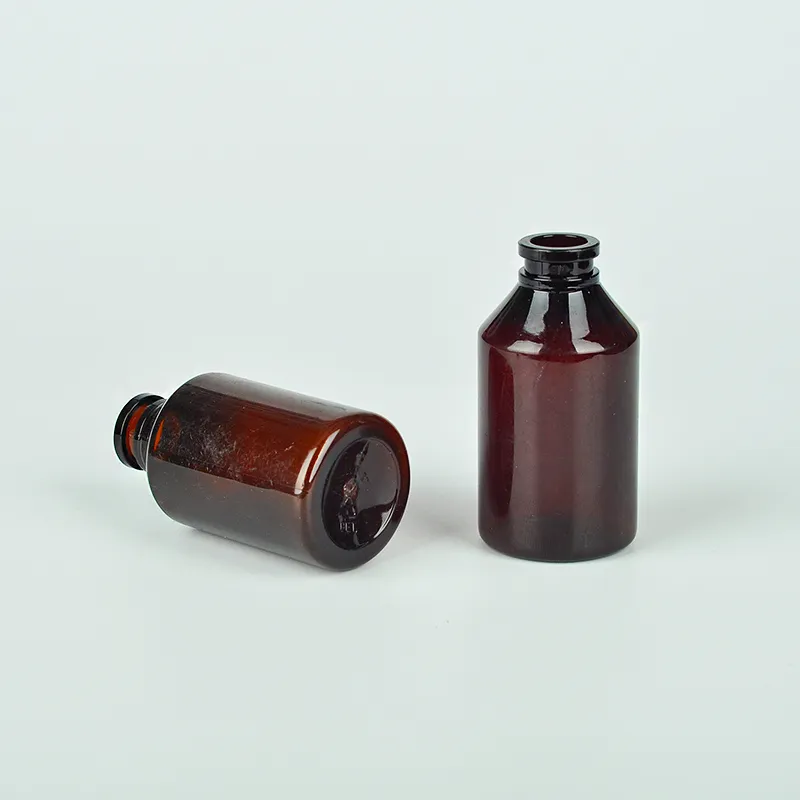
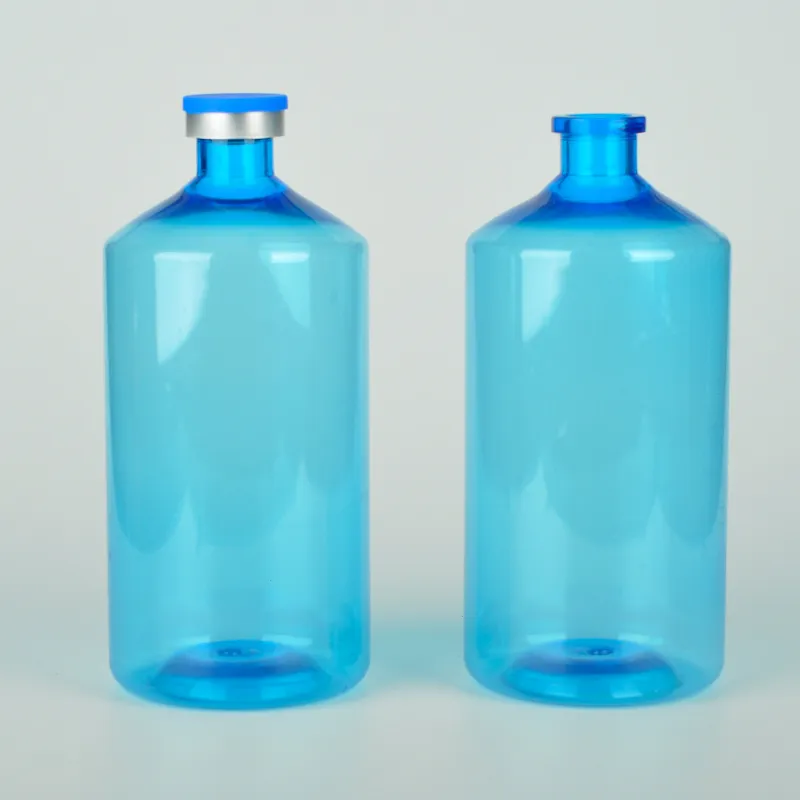
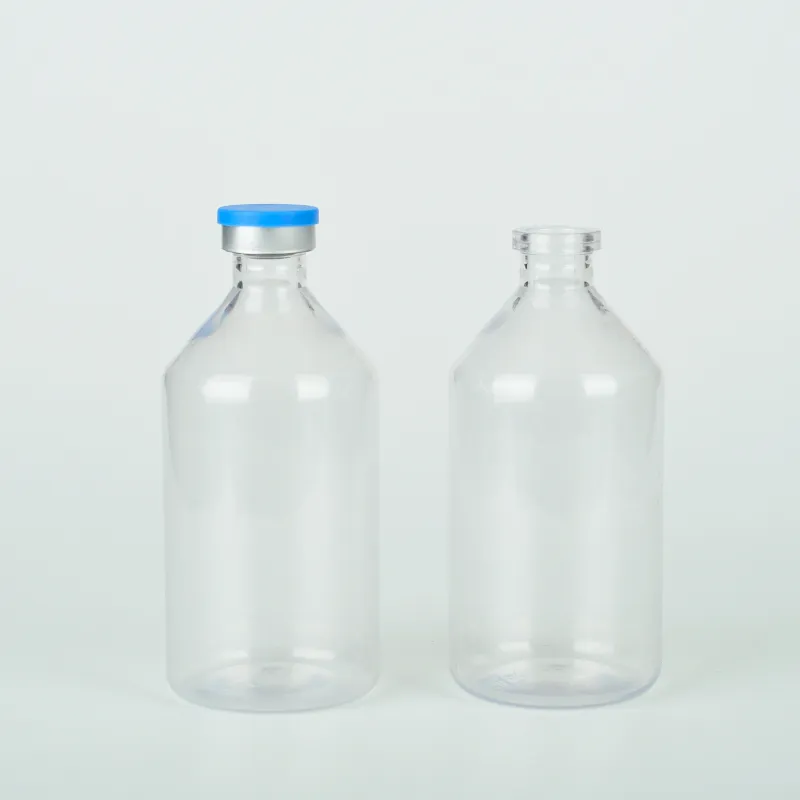
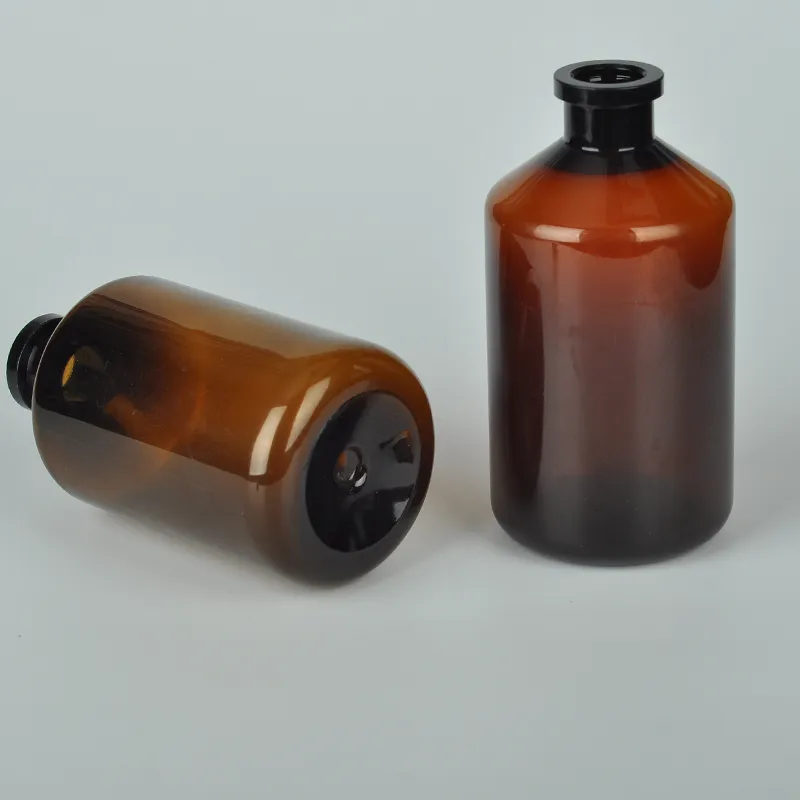
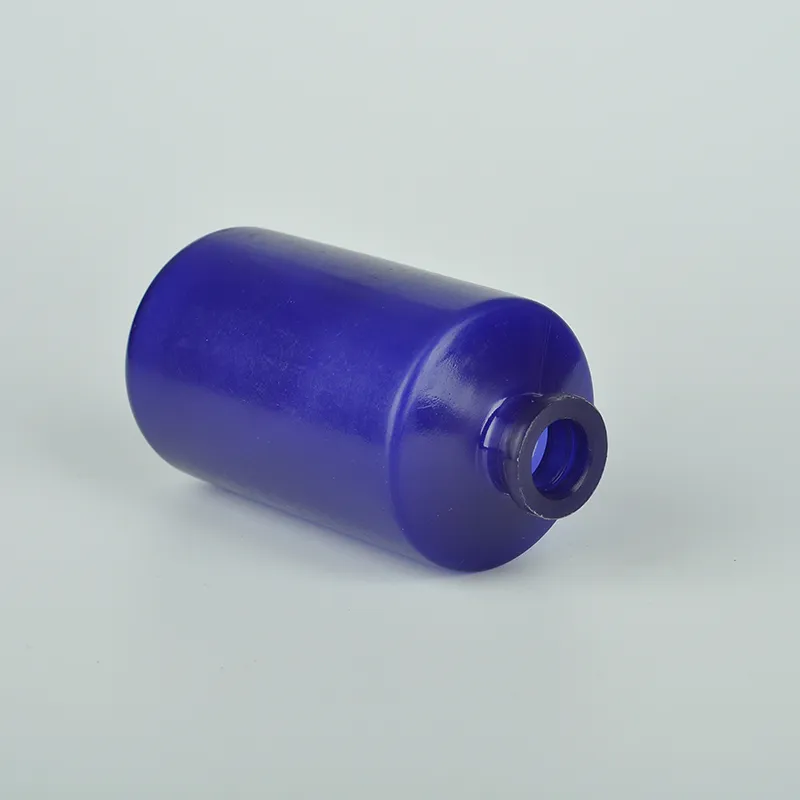
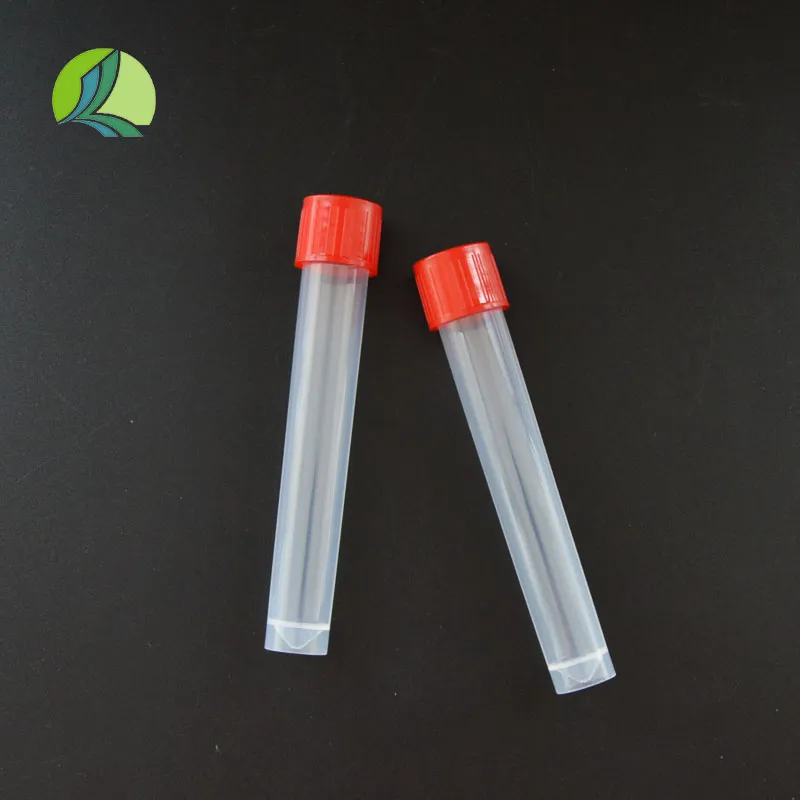
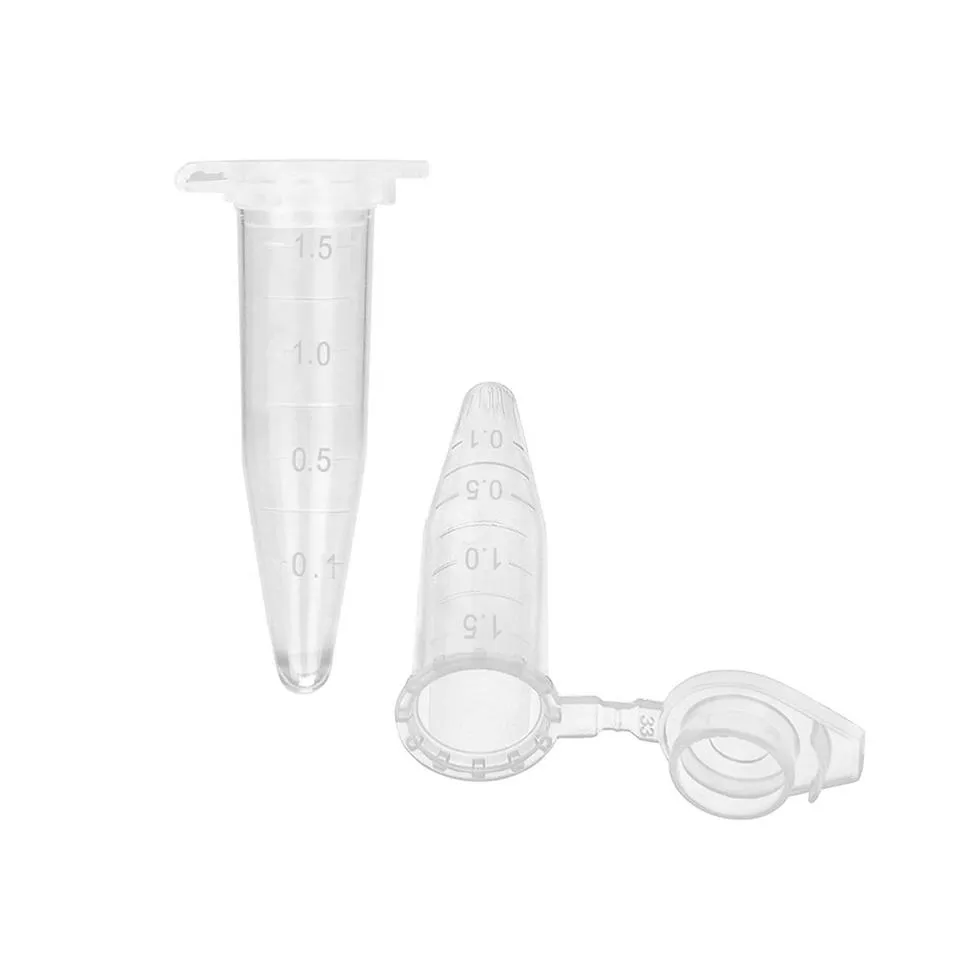
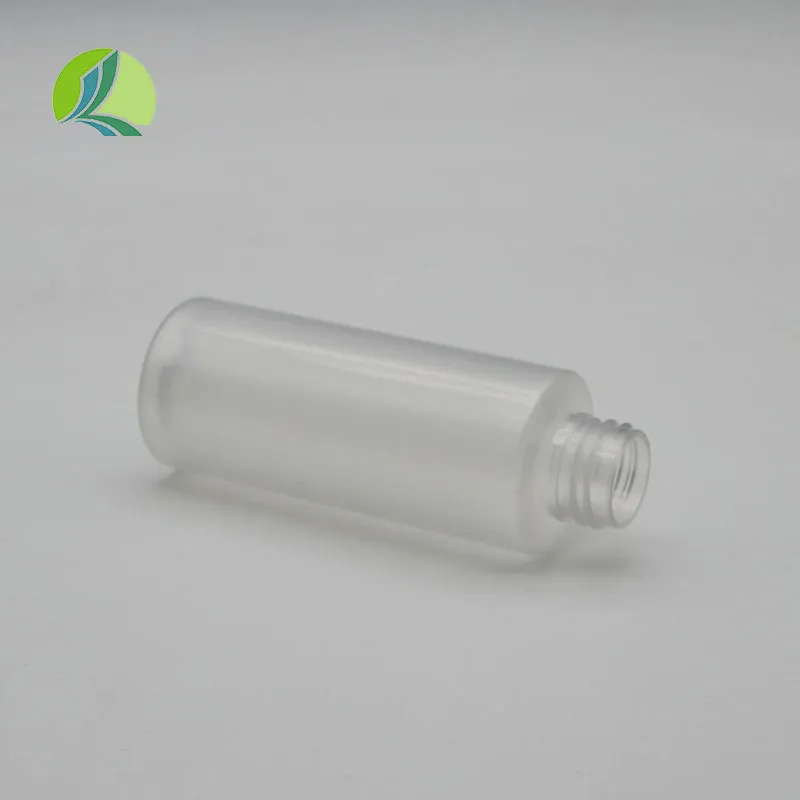
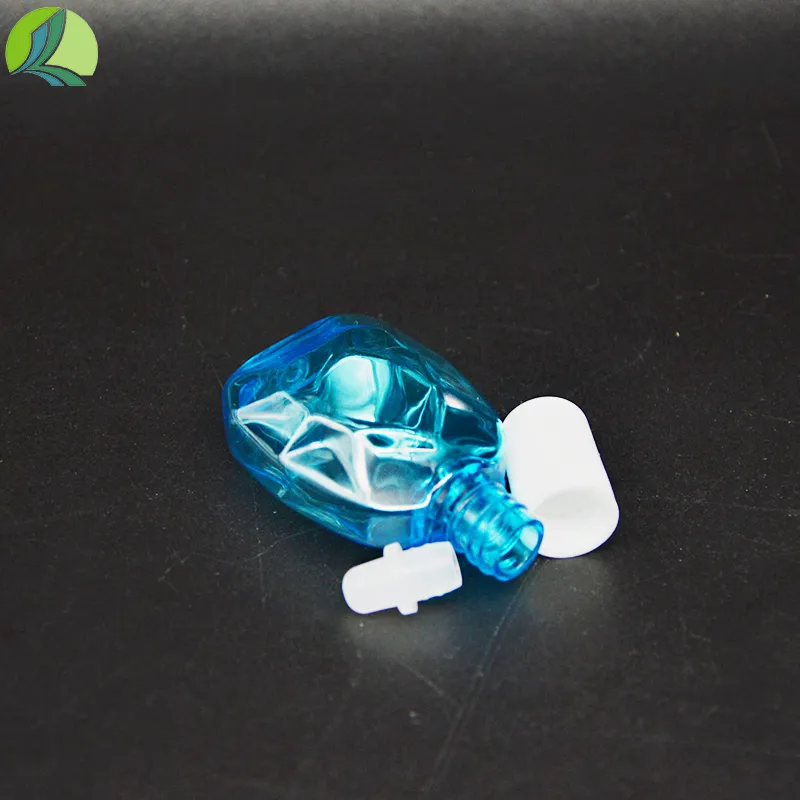
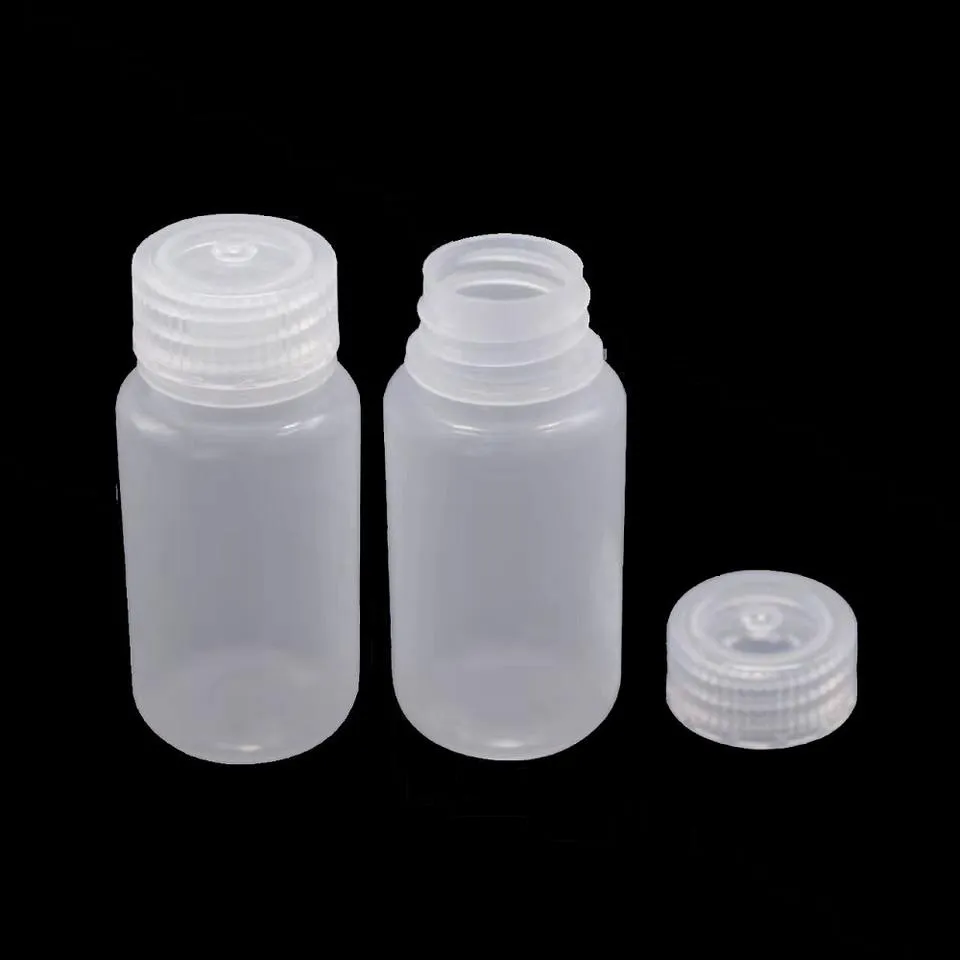
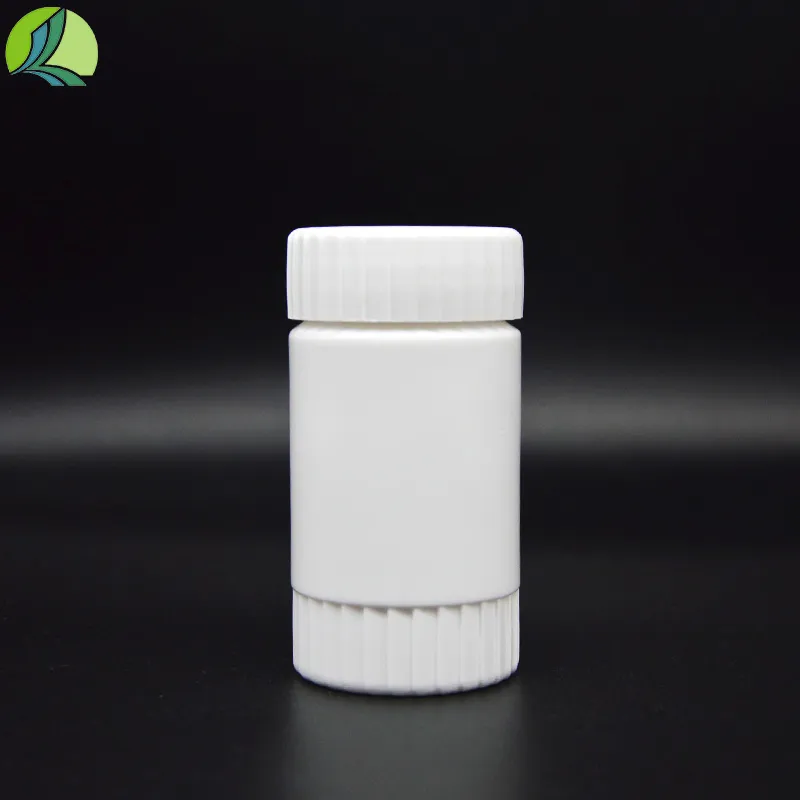
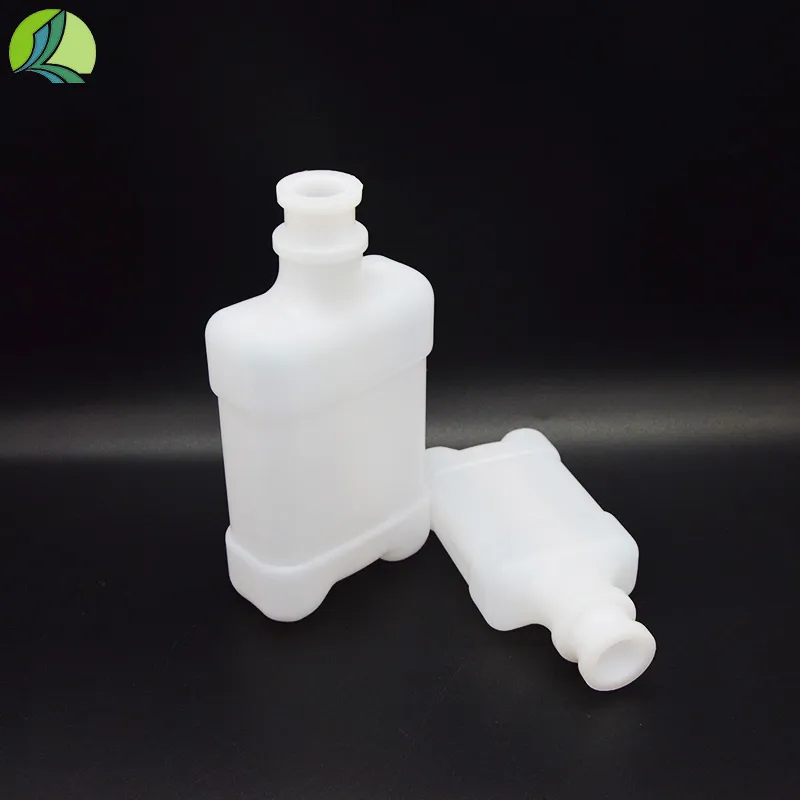
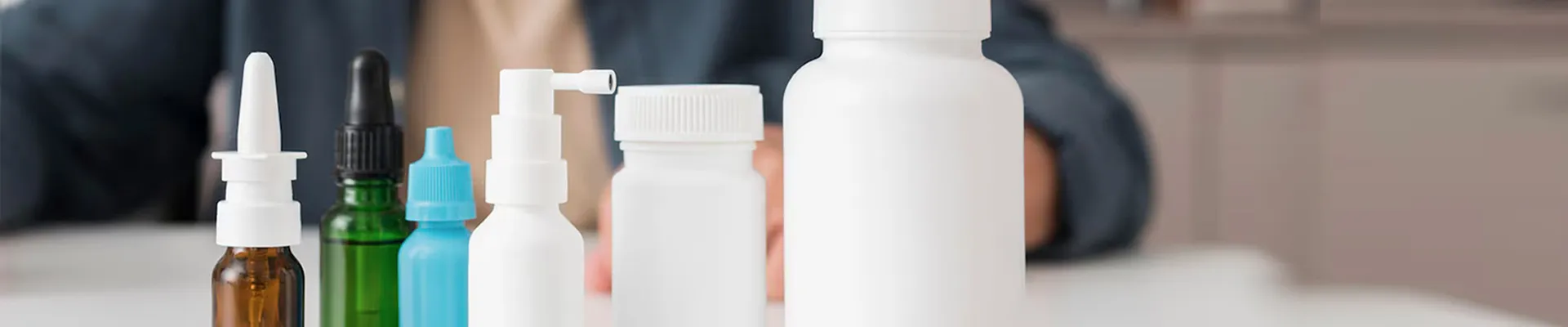
In the pharmaceutical and manufacturing industries, a medicine bottle is often called a pharmaceutical container or simply a medication vial if it's small and glass-based, or a plastic pill bottle if it’s for tablets/capsules. These containers come in various forms – from amber glass bottles that protect from UV light, to HDPE plastic bottles with child-resistant caps.
These bottles aren't just generic vessels; they connect deeply with both patient safety and industry logistics, acting as the frontline defense against contamination and dosage confusion. Also, they have humanitarian importance—consider relief efforts where medicines must be securely packaged for extreme climates or long transports.
Key Components & Features You Should Know
1. Material Composition
From glass to plastics like HDPE or PET, the material not only influences durability but also chemical compatibility with medicines. For instance, amber glass resists UV light, preserving light-sensitive drugs.
2. Closure Systems
Caps aren’t just lids; we talk about child-proof safety caps, tamper-evident seals, and even unit-dose blister pack containers which have revolutionized consumption and safety, especially for pediatric and elderly users.
3. Labeling & Compliance
Labels carry not just ingredients and instructions—they ensure traceability and regulatory compliance, which aids in global supply and emergency scenarios where language and clarity are critical.
4. Size & Volume Variety
Sizes range from tiny vials for injectable medicines to large bottles for bulk liquid medications. This scalability is crucial when addressing needs from clinical trials to humanitarian mass immunization.
5. Sustainability
Increasingly, manufacturers focus on recyclable, biodegradable, or low-carbon-footprint materials to meet environmental standards—and sometimes patient preferences.
| Feature | Common Options | Notes |
|---|---|---|
| Material | Amber Glass, HDPE Plastic, PET Plastic | UV protection & chemical resistance |
| Cap Type | Child-resistant, Screw-on, Flip-top | Safety & tamper evidence |
| Volume | 5ml to 500ml | From vial to bulk containers |
| Labeling | Adhesive, Direct print | Regulatory compliance & traceability |
| Sustainability | Recyclable, Biodegradable | Environmentally conscious options |
Global Applications & Real-World Examples
In post-disaster relief operations, medicine bottles designed for rugged environments ensure that lifesaving drugs reach survivors intact after rough transport and exposure to heat or moisture. Take, for example, the deployments by Médecins Sans Frontières in Southeast Asia after typhoons—they rely on packaging that safeguards medicines in tropical climates.
Meanwhile, in remote industrial zones, such as mining camps or oil rigs, compact plastic pill bottles with child-resistant caps are mandatory to secure medicines for onsite clinics, minimizing accidental overdoses.
Large pharmaceutical corporations also use sophisticated glass vials for injectable drugs, often in sterile conditions, catering to hospitals worldwide. This, of course, falls under stringent standards like US Pharmacopeia or the European Medicines Agency regulations.
Advantages and Long-Term Value
The proper medicine bottle does more than just hold pills—it upholds safety, trust, and compliance. For patients, it means the dignity of precise dosing and the confidence in medicine integrity. For distributors, it reduces wastage, recalls, and counterfeit risks.
Logic and emotion combine here: sustainability efforts meet public health objectives, manufacturing innovations reduce costs, and patients get medicines that look professional and feel safe to use. It’s a subtle but vital part of the healthcare ecosystem.
Future Trends and Innovations
Emerging innovations include smart medicine bottles with RFID tags or QR codes linking to digital information, so users or healthcare workers can track usage and authenticity easily. Also, developments in biodegradable polymers may soon offer bottles that break down harmlessly after disposal—something to cut pharmaceutical waste, a surprisingly large environmental contributor.
Automation in packaging lines, plus AI-based quality control, is helping manufacturers ramp up production with minimal defects while maintaining safety standards. And increasingly, we see eco-friendly materials mandated by regulators, shifting the industry toward green pharma packaging at scale.
Challenges and Practical Solutions
One persistent challenge is balancing child-resistant features with user-friendliness—elderly patients sometimes find safety caps frustrating, leading to non-compliance. Industry experts are working on adaptive caps that remain secure yet easier to open by seniors.
Another issue is supply chain delays impacting availability of high-quality bottles. Diversified manufacturing and local sourcing are strategies many companies adopt to reduce bottlenecks.
Lastly, integrating new sustainable materials faces hurdles due to cost and regulatory acceptance—though pilot programs, such as those run by ISO or national pharmaceutical boards, help smooth the path.
FAQ: Practical Questions About What Is a Medicine Bottle Called
- Q: What is the difference between a medicine vial and a pill bottle?
A: A medicine vial typically refers to small glass containers used for injectable liquids or powders, often sealed with rubber stoppers, whereas a pill bottle is usually a plastic container meant for tablets or capsules, often with child-resistant caps. - Q: Why do some medicine bottles come in amber glass?
A: Amber glass protects light-sensitive drugs from UV light exposure, which can degrade the medicine and reduce effectiveness. This is common for medications requiring stable storage. - Q: Are plastic medicine bottles recyclable?
A: Many plastic bottles, especially those made from HDPE or PET, can be recycled. However, local recycling programs vary, and some bottles may require removal of caps or labels before disposal. - Q: How do child-resistant caps work and why are they necessary?
A: Child-resistant caps typically require a push-and-turn or squeeze-and-turn action that is difficult for young children to open, reducing accidental poisoning. They are often mandated by law for prescription medications. - Q: Can medicine bottles help prevent counterfeit drugs?
A: Yes. Advanced packaging includes tamper-evident seals, serialized codes, or even embedded RFID tags that make it harder for counterfeit products to enter the supply chain.
Comparing Leading Medicine Bottle Vendors
| Vendor | Material Options | Safety Features | Sustainability | Typical Markets |
|---|---|---|---|---|
| MedPack Corp. | Amber Glass, HDPE | Child-resistant, Tamper-evident | Recyclable only | Hospitals, Pharmacies |
| EcoPharm Packaging | Biodegradable Polymers | Advanced locking caps | Fully biodegradable | NGOs, Green pharma |
| SecureSeal Inc. | HDPE, PET Plastic | Tamper-evident, RFID-enabled | Partial recyclability | Clinical trials, Hospitals |
In Conclusion: Why Understanding What a Medicine Bottle Is Called Actually Matters
What is a medicine bottle called? It’s more than a name—it’s the cornerstone of medicine safety, supply chain efficiency, and global health trust. Whether you’re a pharmacist selecting the best vial, a humanitarian worker organizing disaster relief, or just someone curious about the tiny things that keep us healthy, the humble medicine bottle deserves attention.
Next time you pick up your pills or a prescription, remember all the innovation, compliance, and care packed into that container.
Curious to learn more or explore advanced packaging solutions? Visit our website: https://www.wkpacking.com
Mini Summary
- Medicine bottles are called pharmaceutical containers, vials, or pill bottles, depending on form and use.
- They serve multiple roles: protecting, dosing, preventing counterfeits, and supporting sustainability.
- Global demand requires balancing safety, environment, and cost—plus innovation like smart packaging.
- Challenges like user-friendliness and supply chain resilience are being tackled with new designs and materials.
References
-
Bulk Eye Dropper Bottles for Industrial Packaging - Reliable & CustomizableNewsDec.31,2025
-
Small Plastic Dropper Bottles – Durable, Precise Packaging Solutions for B2B ApplicationsNewsDec.10,2025
-
Medicine Dropper Bottles – Precision and Quality Packaging Solutions for B2B | WK PackingNewsDec.10,2025
-
Discover Top Quality 2 oz Eye Dropper Bottles for Industrial UseNewsDec.09,2025
-
1 Oz Eye Dropper Bottles - Precision Packaging Solutions for B2B Industries | WKPackingNewsDec.09,2025
-
Durable 4 oz Eye Dropper Bottles for Industrial & Cosmetic UseNewsDec.09,2025