
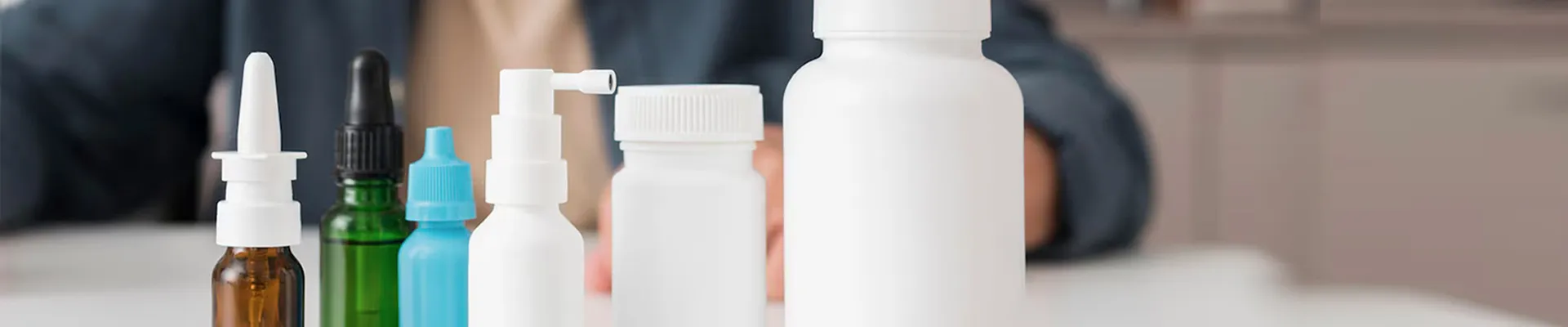


Comprehensive Guide to Plastic Medicine Bottles: Safety, Sustainability & Innovation
Understanding the Plastic Medicine Bottle: Why It Matters Worldwide
In an era where medical accessibility and pharmaceutical safety are paramount, the humble plastic medicine bottle plays a surprisingly critical role. These lightweight, durable containers not only ensure that medication reaches patients safely, but they also help hospitals, pharmacies, and humanitarian organizations efficiently store and dispense medicine around the globe. Understanding plastic medicine bottles isn’t just about packaging—it’s about protecting health, improving distribution logistics, and addressing global challenges such as contamination, limited shelf life, and even environmental waste. When you think about it, it’s fascinating how something as 'simple' as a plastic container can have far-reaching effects on health outcomes worldwide—from bustling urban hospitals to remote clinics in the Andes or sub-Saharan Africa.A Global Perspective: The Significance of Plastic Medicine Bottles
The global pharmaceutical packaging market was valued at roughly $90 billion in 2023, with plastic medicine bottles making up a significant share. According to the World Bank, over 70% of the world’s population live in regions relying heavily on cost-effective, safe packaging solutions for their medicine supplies. What many don’t realize is how critical plastic bottles are to combating medication errors, maintaining drug potency by protecting from moisture and light, and enabling easy transportation. Yet amid all this, challenges remain, especially concerning environmental sustainability and ensuring the packaging meets strict ISO standards for safety and recyclability. The United Nations Environment Programme (UNEP) stresses the need for innovations that balance healthcare delivery with minimal ecosystem impact. It’s a balancing act—not just keeping patients safe—also keeping the planet safe.What Exactly Is a Plastic Medicine Bottle?
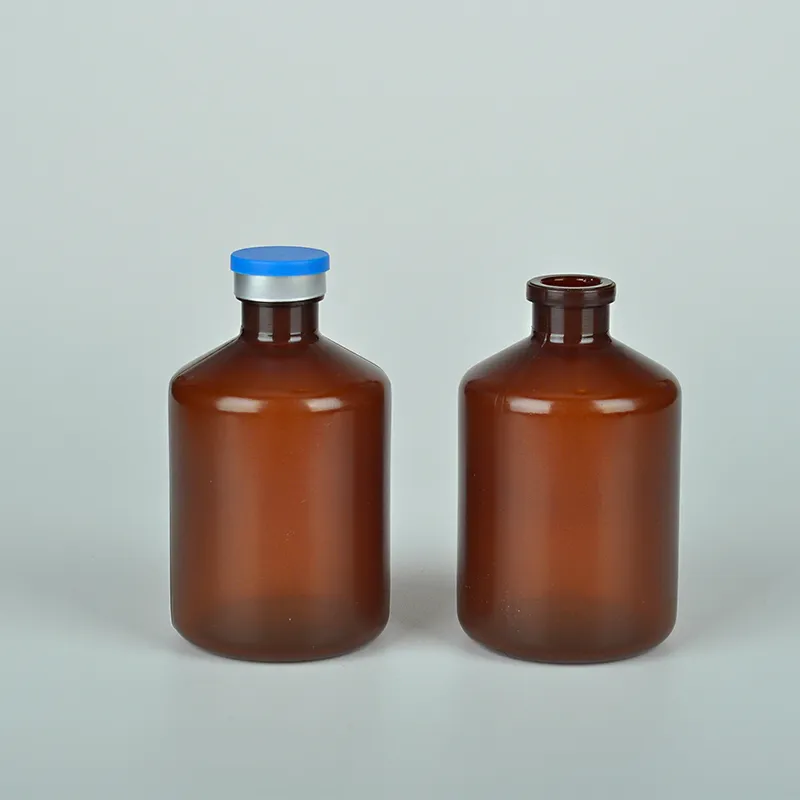
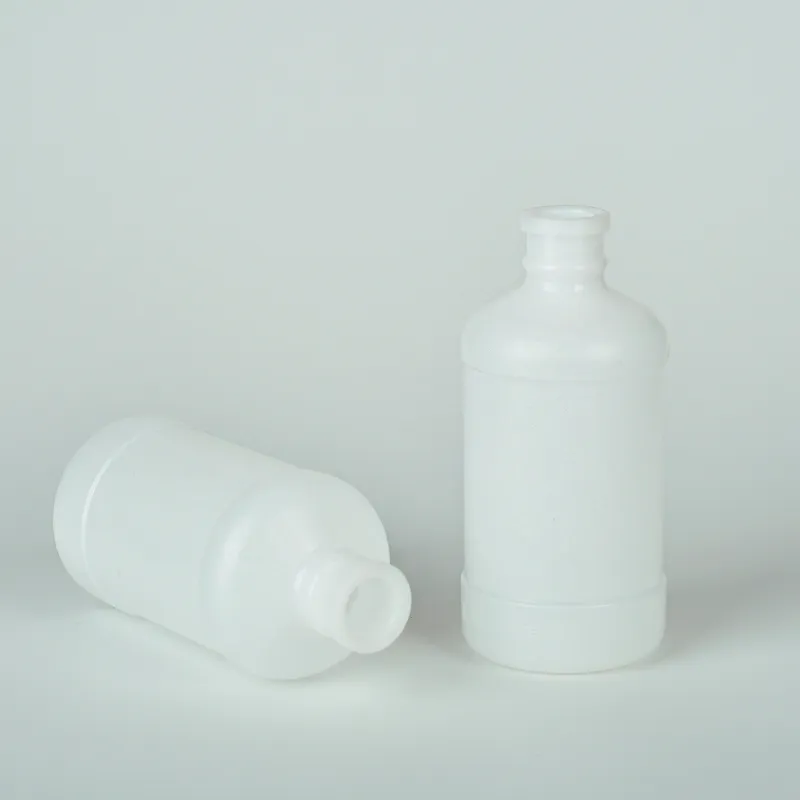
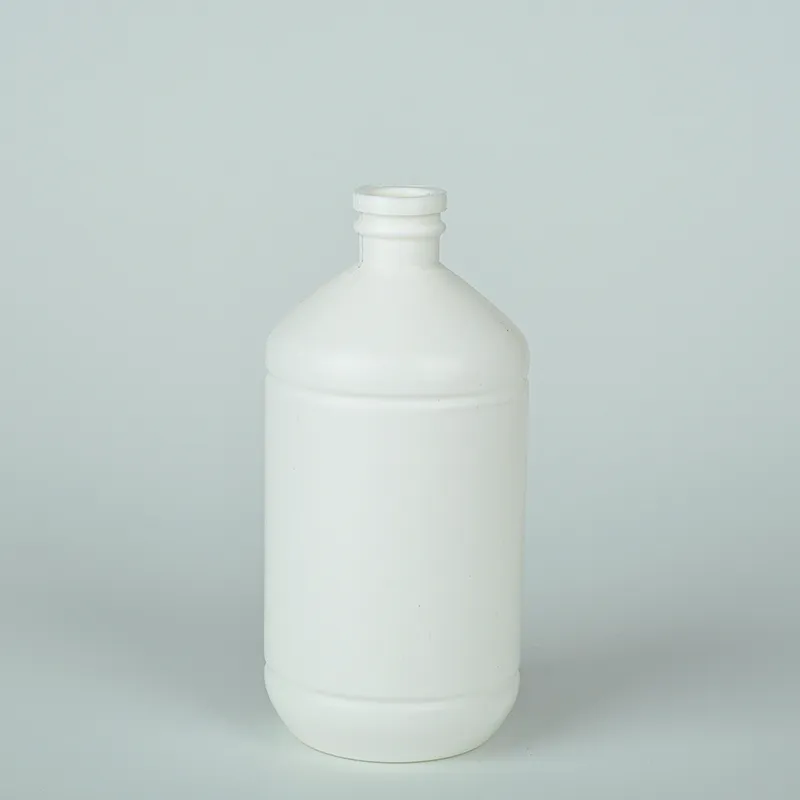
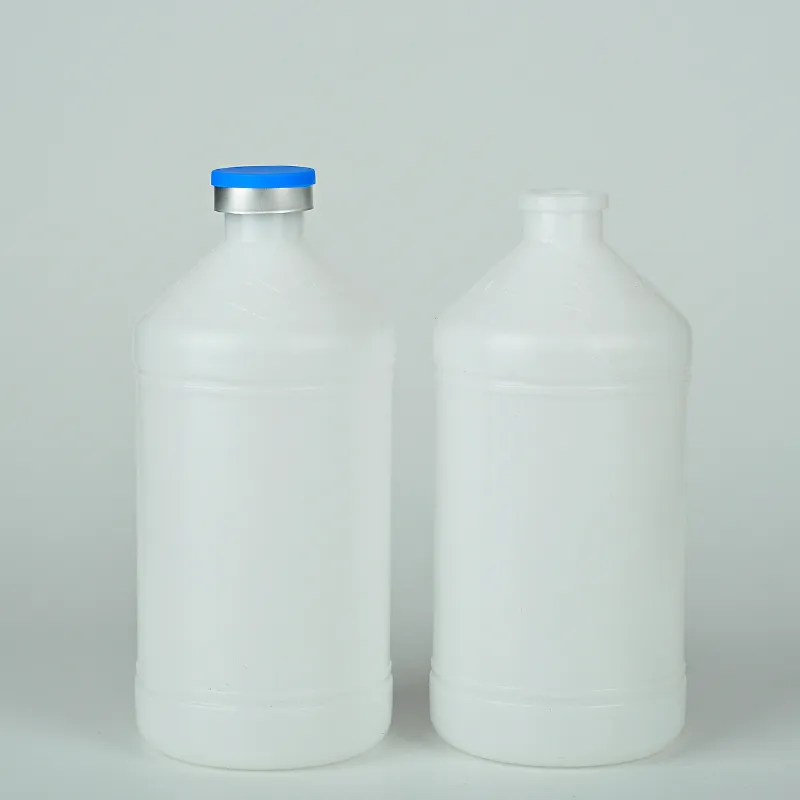
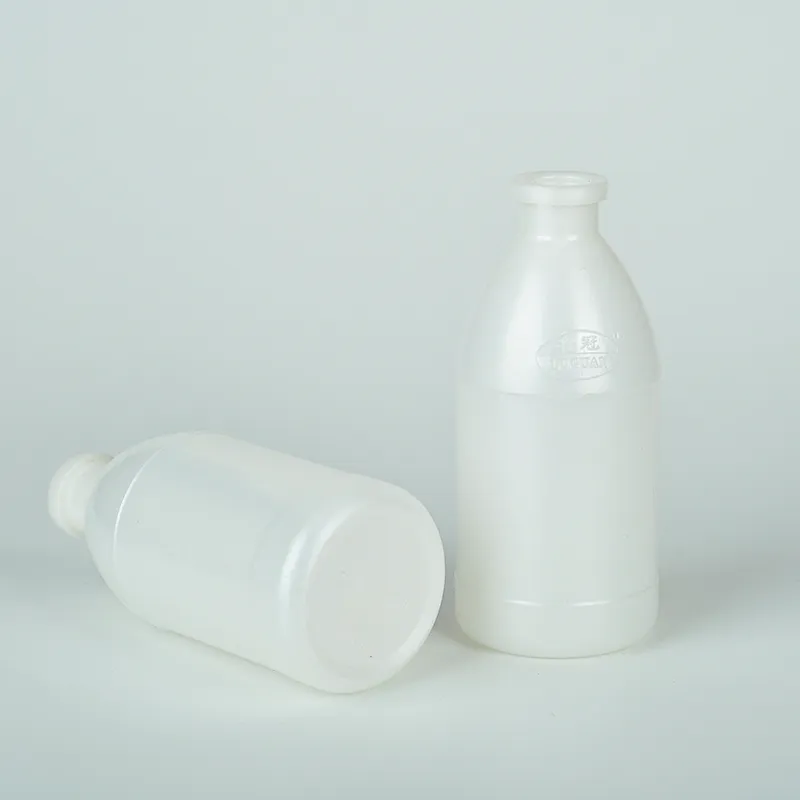
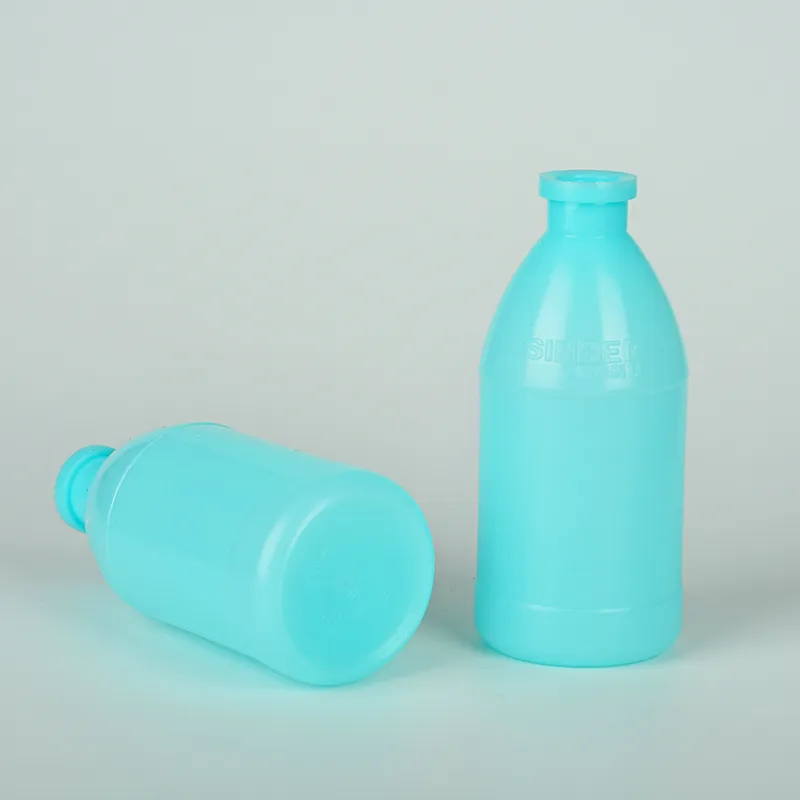
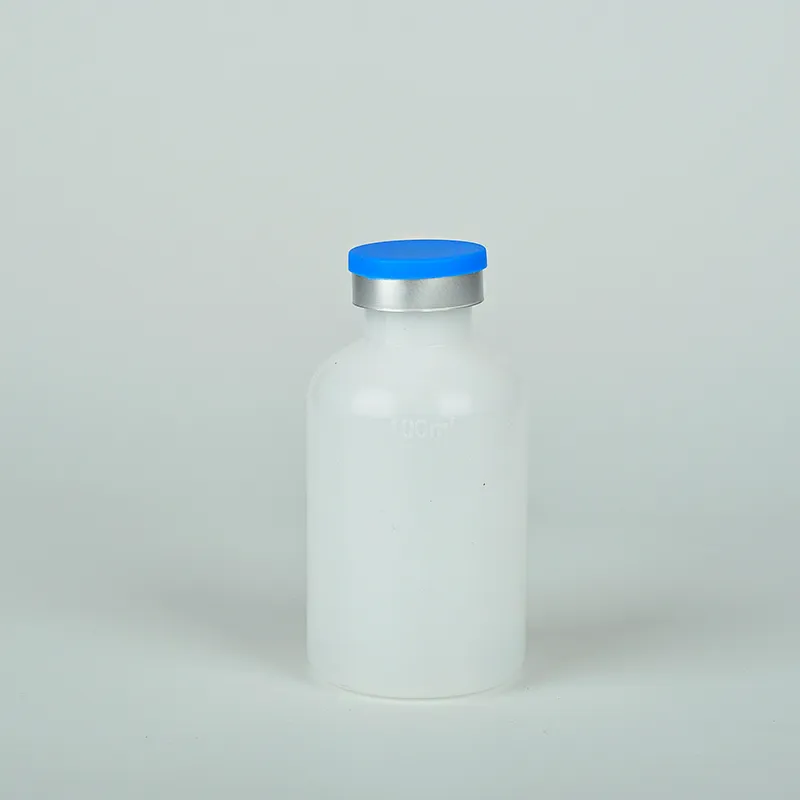
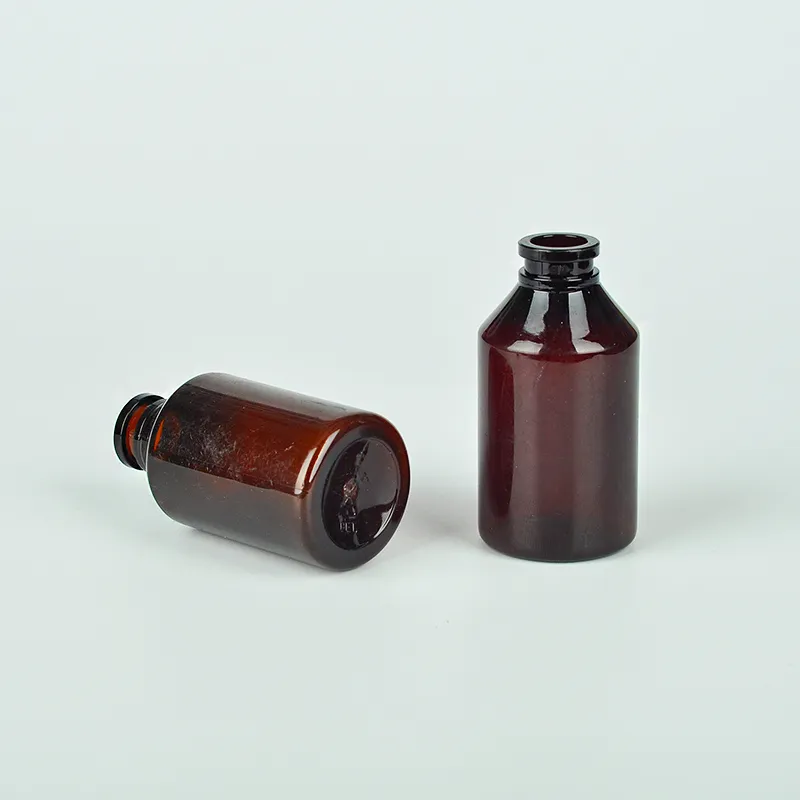
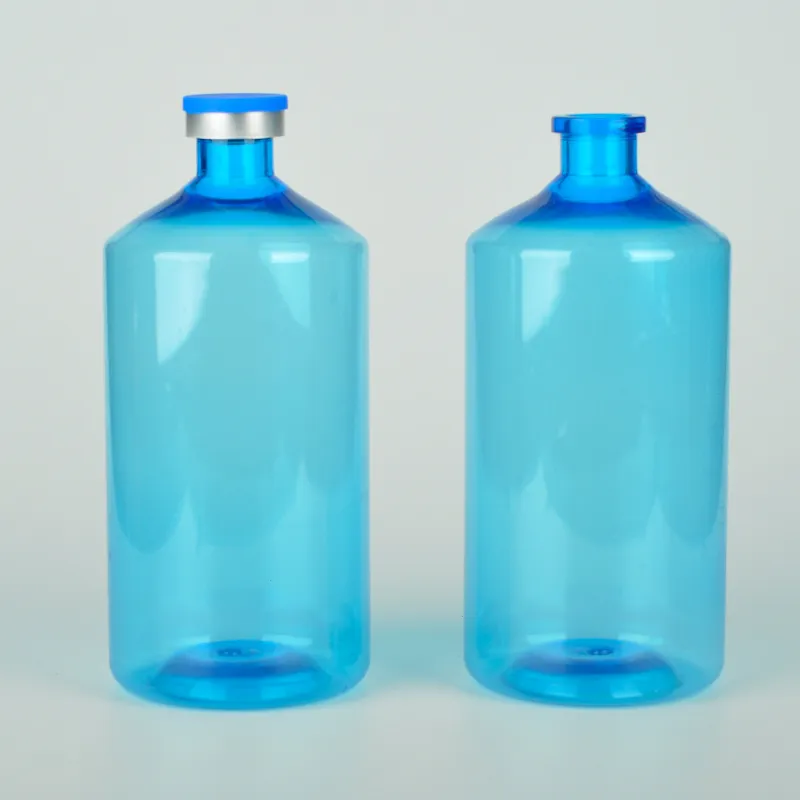
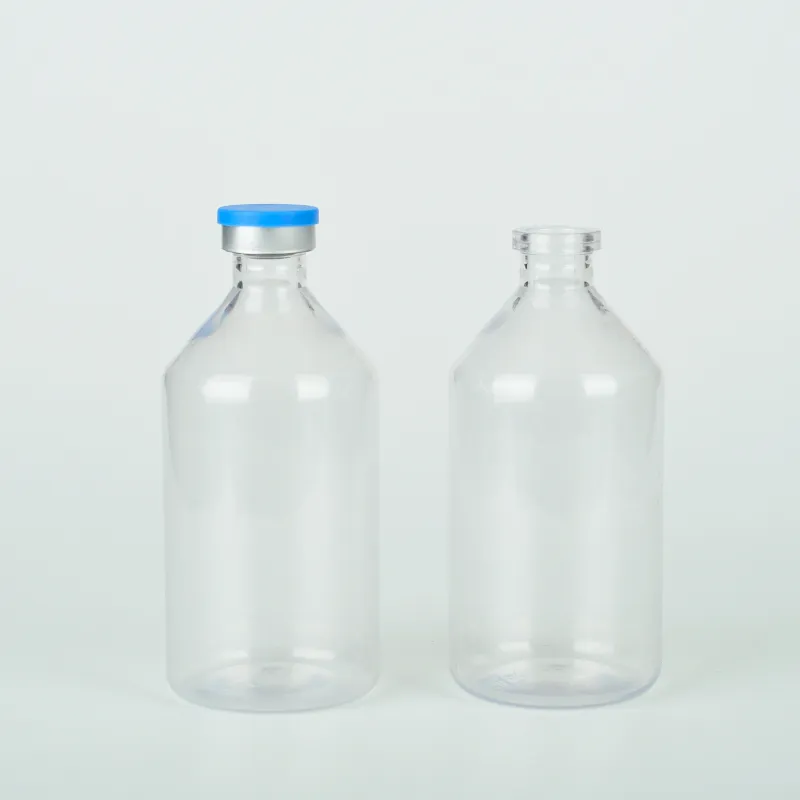
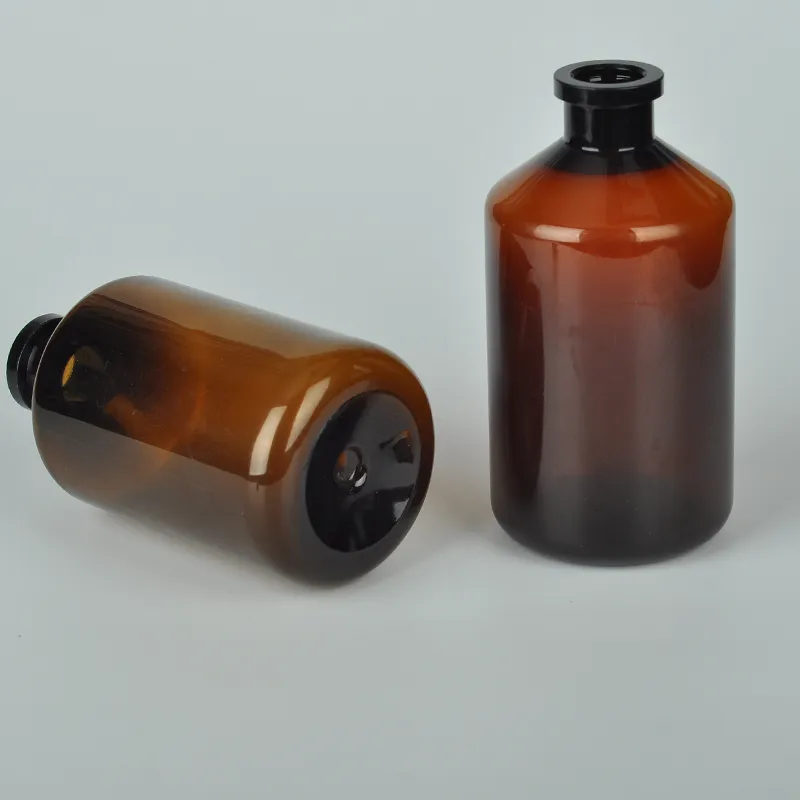
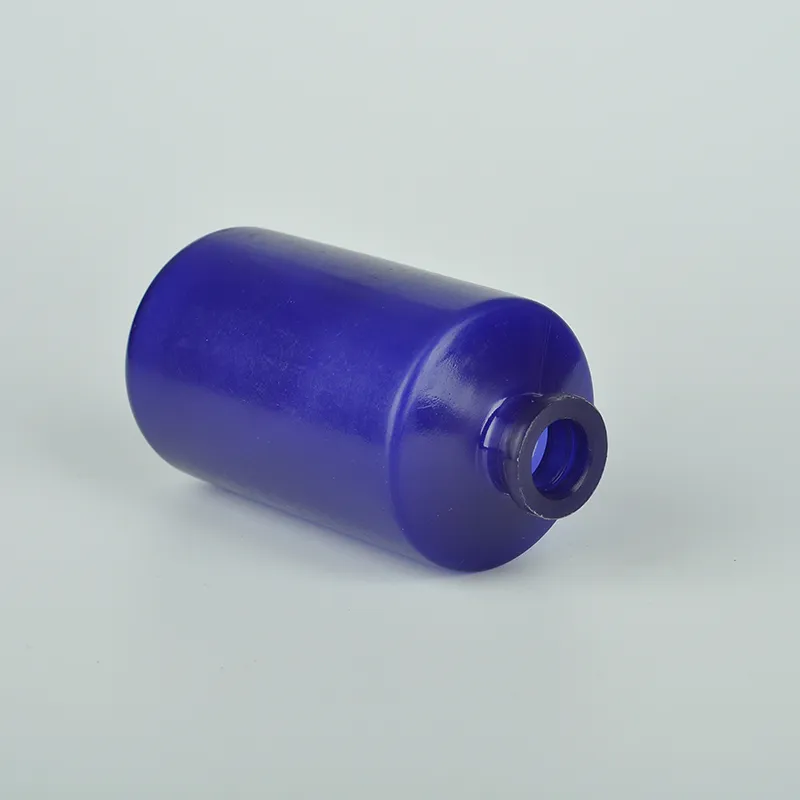
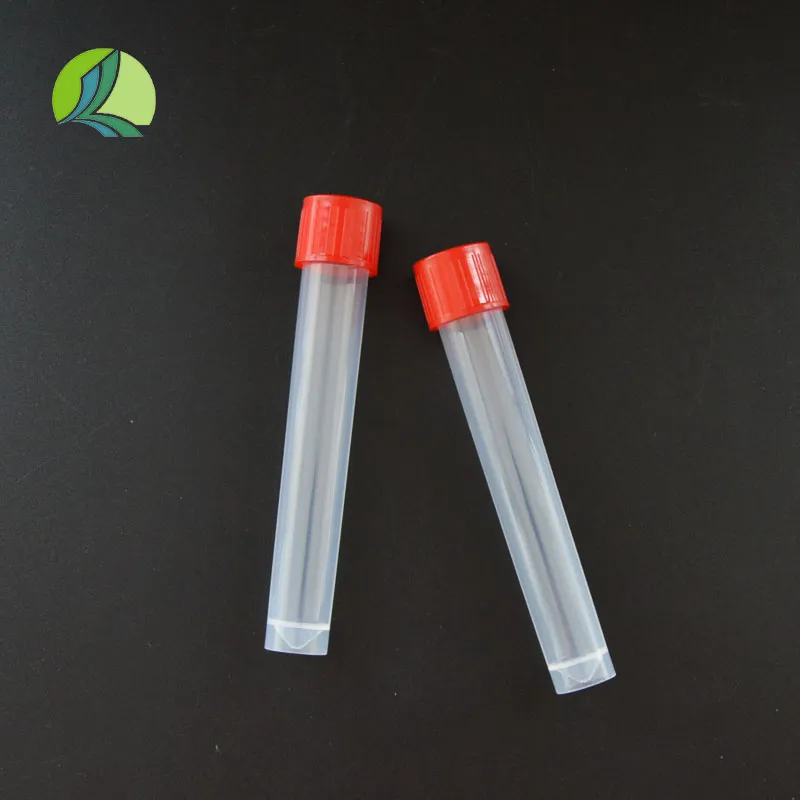
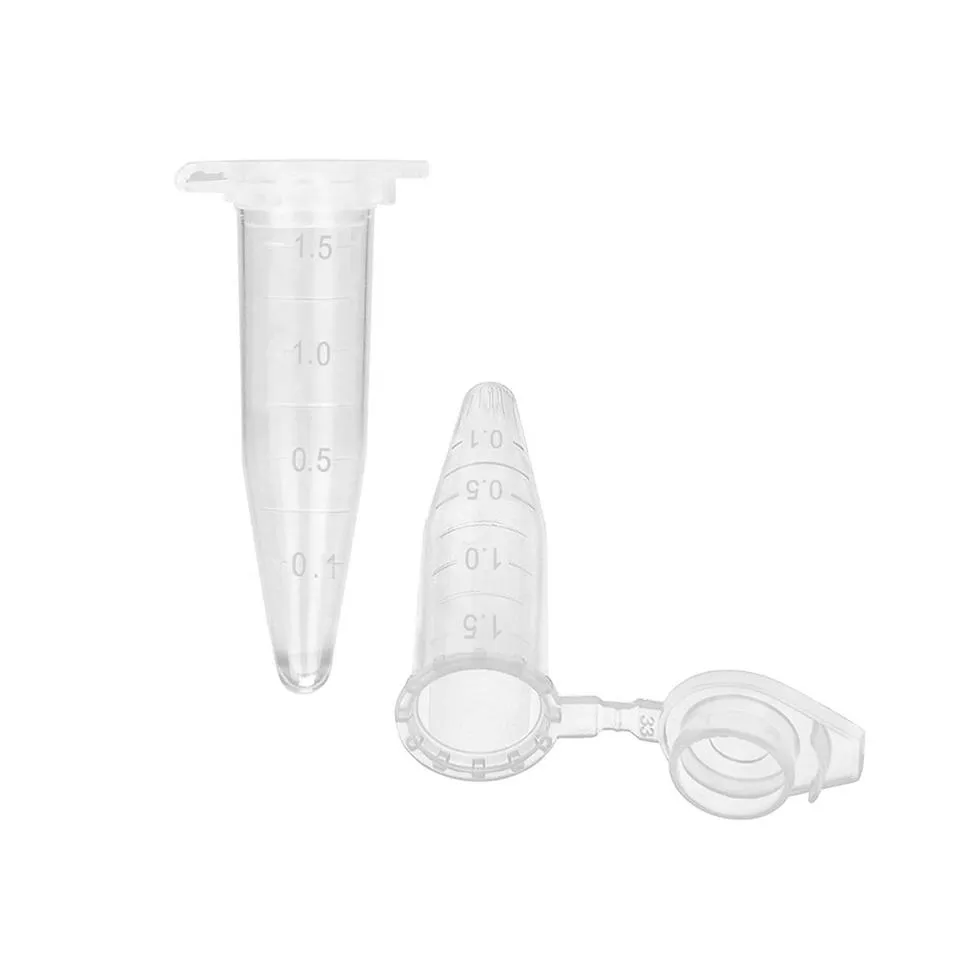
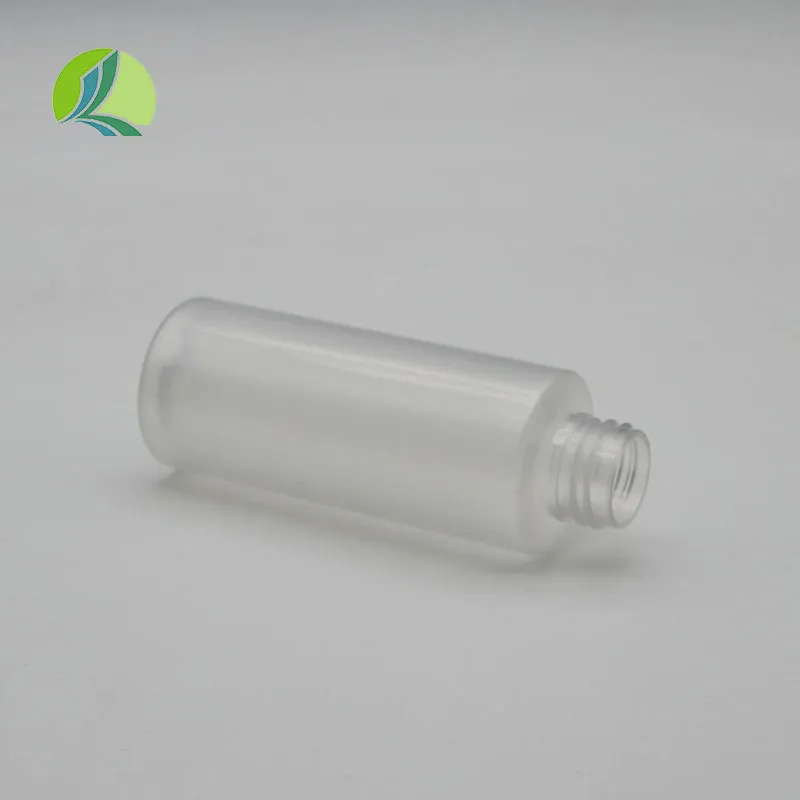
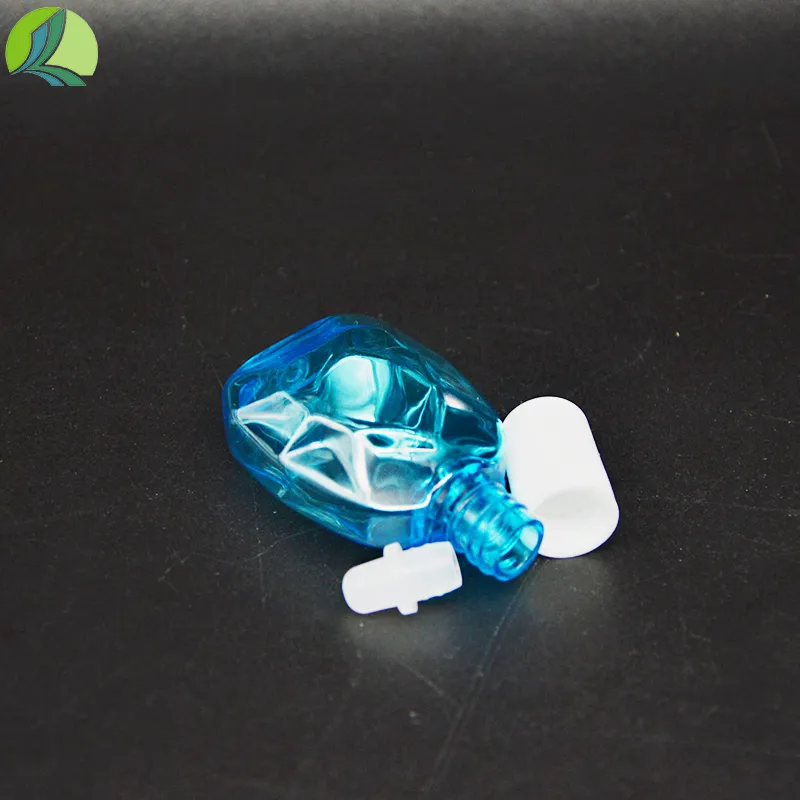
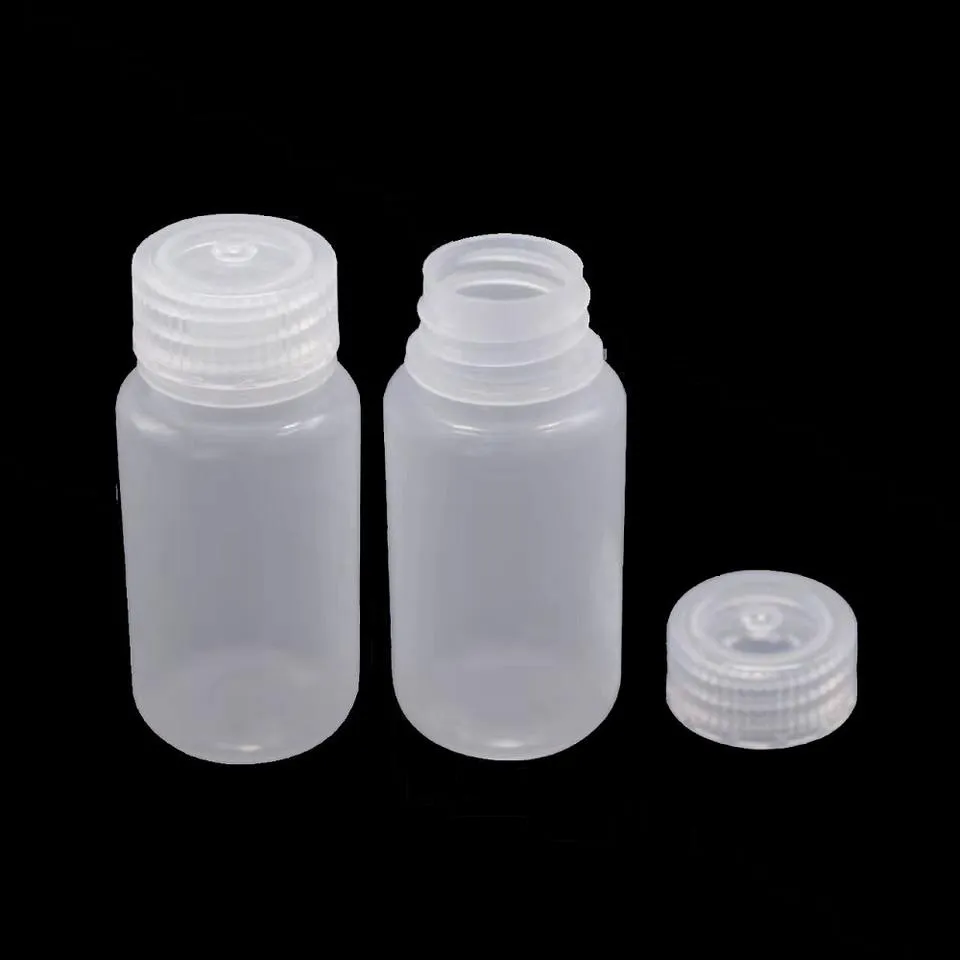
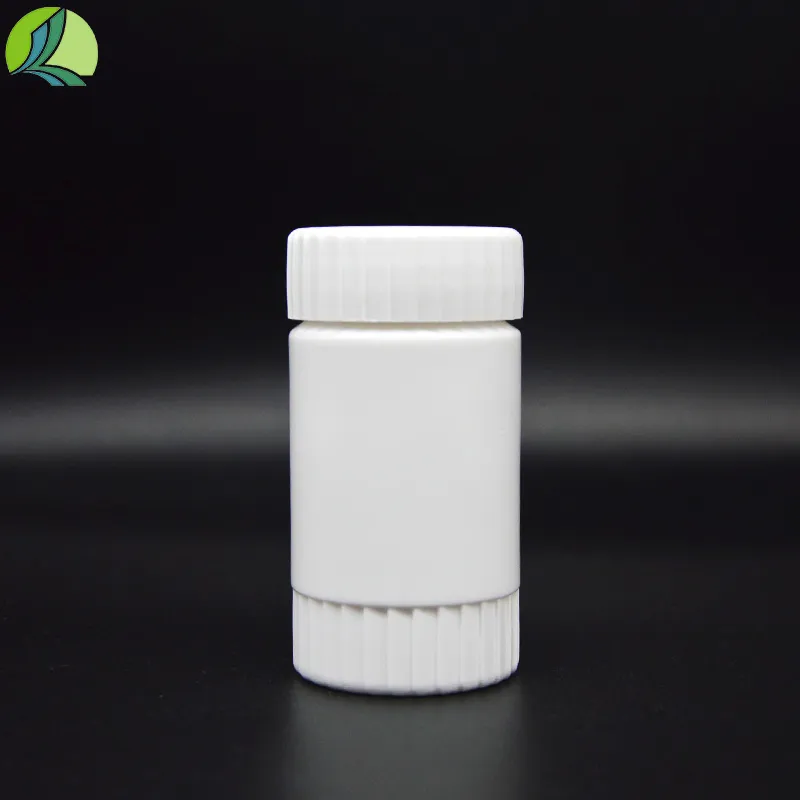
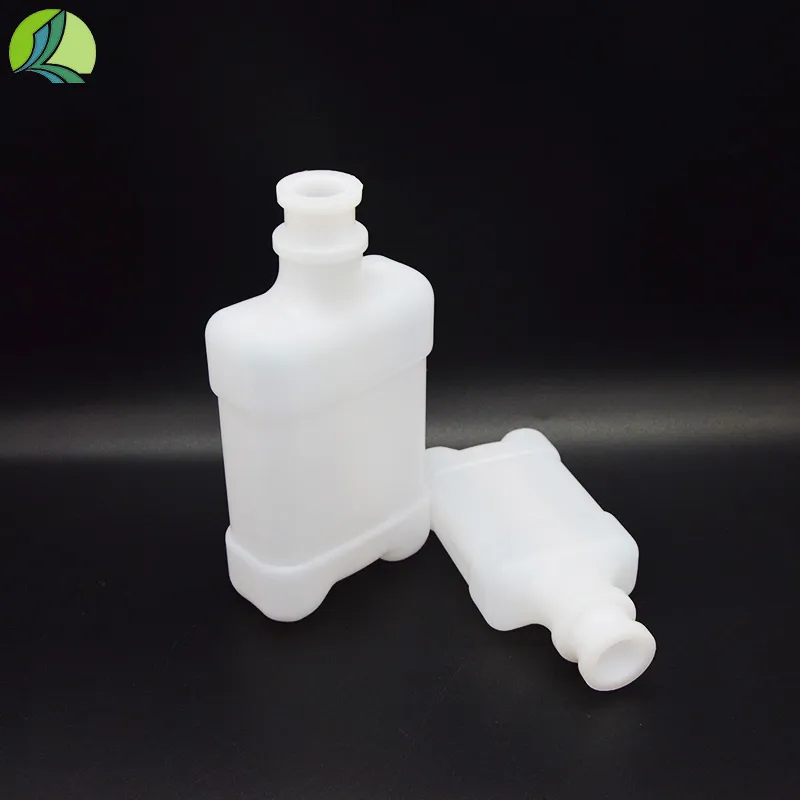
Simply put, a plastic medicine bottle is a container made from various polymers designed specifically to hold pharmaceuticals safely. Most commonly, these bottles are made from high-density polyethylene (HDPE) or polyethylene terephthalate (PET) due to their chemical resistance and durability. They come in diverse shapes and sizes—some child-resistant, others with tamper-evident seals—to suit different medication types. This packaging helps preserve medication integrity, prevent contamination, and enhance dosing accuracy. On a deeper level, these bottles integrate with modern pharmaceutical logistics, enabling automated dispensing and inventory management systems.Core Components That Define a Top-Quality Plastic Medicine Bottle
- Durability: It must resist cracks, deformation, and UV degradation to maintain barrier properties.
- Safety Features: Child-resistant caps, tamper-evident seals, and proper labeling are essential to avoid misuse.
- Material Compatibility: The bottle must not react chemically with medication inside, ensuring purity over time.
- Cost Efficiency: Production and transportation costs must be optimized without sacrificing quality.
- Environmental Impact: Ideally, the bottle should be recyclable or biodegradable to reduce plastic waste.
- Scalability: The design should handle mass production as well as customization for specific clients or regional requirements.
Each of these components plays into real-world applications—from mass pharmaceutical runs in Europe to emergency medicine distribution in disaster zones.
Mini Takeaway: A great plastic medicine bottle strikes the right balance between protecting medicine, user safety, cost-effectiveness, and sustainability — not an easy feat, but crucial nonetheless.Global Applications of Plastic Medicine Bottles: More Than Just Pharmacy Counters
Plastic medicine bottles have become staples beyond pharmacies. Take, for example, WHO’s mass vaccination campaigns where large volumes of vaccines and oral medications must be delivered securely. Plastic bottles help maintain cold-chain compatibility with their insulating properties and physical resilience. In humanitarian aid scenarios—post-disaster relief in Indonesia or refugee camps in Jordan—lightweight medicine bottles reduce logistical burdens and simplify distribution. Even industrial pharmacology labs rely on these bottles for storing chemical reagents safely. Regions like Southeast Asia and Africa have seen an uptake in these bottles’ use for community health programs, reflecting a global drive to bring quality medicine closer to underserved populations. Pharmaceutical companies also increasingly tailor bottle designs to regional languages, regulations, and user behaviors—a trend showing how far packaging has come as a frontline medical tool.Snapshot: Plastic Medicine Bottle Specifications
| Specification | Details |
|---|---|
| Material | HDPE / PET / PP |
| Volume Capacity | 10ml to 1000ml |
| Closure Type | Child-resistant cap, screw cap, tamper-evident seal |
| Shelf Life Protection | UV filtering option, moisture barrier |
| Recyclability | 100% recyclable under ISO 14001 compliant systems |
Advantages & Long-Term Value of Plastic Medicine Bottles
Okay, so why should anyone care beyond “it holds medicine”? Here’s where it gets interesting. Plastic medicine bottles afford:- Economic savings: Cheaper manufacturing and shipping than glass alternatives.
- Longevity & Safety: Resistant to shattering and chemical interaction, decreasing waste due to damaged goods.
- Environmental progress: Gradual movement toward recyclable and even bio-based plastics lowers long-term pollution risks.
- Social dignity: Proper medicine packaging helps maintain patient trust, emphasizing safety and dosage accuracy.
- Innovation platform: Integration with digital tagging and serialization enhances tracking and combats counterfeit drugs.
Looking Ahead: Innovations and Future Trends in Plastic Medicine Bottles
The industry is buzzing with advances, such as:- Smart packaging: Embedded RFID chips for real-time inventory tracking and patient adherence monitoring.
- Eco-friendly materials: Shifting from pure plastics to bioplastics derived from corn starch or sugarcane.
- Modular design: Adjustable dosing caps for personalized medicine delivery.
- Automation-friendly structures: Bottles designed for robotic filling lines to increase speed and accuracy.
Common Challenges and How the Industry is Overcoming Them
But not all is rosy. The main obstacles:- Plastic waste: Despite recyclability claims, global recycling rates lag and contamination is big.
- Regulatory hurdles: Varying national standards mean suppliers often juggle multiple certifications.
- Material limitations: Some medicines interact adversely with plastic over time, requiring alternative materials.
- Supply chain complexity: Disruptions can impact production and timely delivery.
Vendor Comparison Table: Leading Plastic Medicine Bottle Suppliers
| Vendor | Material Options | Customization | Sustainability Focus | Lead Time |
|---|---|---|---|---|
| AlphaMed Plastics | HDPE, PET | High - bespoke sizes and caps | ISO 14001 certified, bio-based plastics R&D | 4–6 weeks |
| GlobalPack Solutions | PP, HDPE | Medium - standard molds | Focus on recycling partnerships | 3–5 weeks |
| EcoPharma Packaging | Recyclable PET, Bioplastics | Custom caps and labeling | Leader in biodegradable bottles | 6–8 weeks |
FAQ: Answers to Common Questions About Plastic Medicine Bottles
Q1: Are plastic medicine bottles safe for storing all types of medications?
A1: Most plastic bottles are designed to be chemically inert, especially those made from HDPE or PET. However, some medications may require special packaging to avoid interactions. Always check with your supplier or pharmacist to ensure compatibility.
Q2: How are child-resistant caps tested for effectiveness?
A2: Child-resistant caps undergo rigorous testing—including user trials with children and adults—to ensure they effectively prevent accidental opening by children, while remaining accessible for adults.
Q3: Can plastic medicine bottles be recycled efficiently?
A3: Yes, when disposed of correctly, most plastic medicine bottles (especially HDPE and PET) are recyclable in compliance with ISO environmental standards. Always remove caps and labels if requested by local recycling regulations.
Q4: Are there options for eco-friendly plastic medicine bottles?
A4: Absolutely. Several vendors now offer bioplastic or biodegradable medicine bottles that reduce carbon footprint and assist in global sustainability efforts.
Q5: How can NGOs source affordable yet high-quality plastic medicine bottles?
A5: Many specialized suppliers provide bulk discounts and customization tailored for humanitarian needs. Collaboration with organizations like the WHO can also help vet reliable vendors with proven safety records.
Wrapping Up: Why Plastic Medicine Bottles Will Keep Making a Difference
In the long haul, plastic medicine bottles remain vital cogs in the healthcare machine—protecting medicines, saving costs, and enhancing patient safety worldwide. They’re far from glamorous, but their value is undeniable. As industry innovations dovetail with growing environmental awareness, it feels like we’re on the cusp of something new—where convenience, sustainability, and medicine integrity coexist harmoniously. If you want to explore premium options or get advice on selecting the perfect plastic medicine bottle for your needs, don’t hesitate to visit plastic medicine bottle suppliers with industry expertise.Mini Takeaway: Embracing the humble plastic medicine bottle is like embracing the lifeline of modern medicine distribution—simple, essential, and evolving fast.
References
-
Bulk Eye Dropper Bottles for Industrial Packaging - Reliable & CustomizableNewsDec.31,2025
-
Small Plastic Dropper Bottles – Durable, Precise Packaging Solutions for B2B ApplicationsNewsDec.10,2025
-
Medicine Dropper Bottles – Precision and Quality Packaging Solutions for B2B | WK PackingNewsDec.10,2025
-
Discover Top Quality 2 oz Eye Dropper Bottles for Industrial UseNewsDec.09,2025
-
1 Oz Eye Dropper Bottles - Precision Packaging Solutions for B2B Industries | WKPackingNewsDec.09,2025
-
Durable 4 oz Eye Dropper Bottles for Industrial & Cosmetic UseNewsDec.09,2025