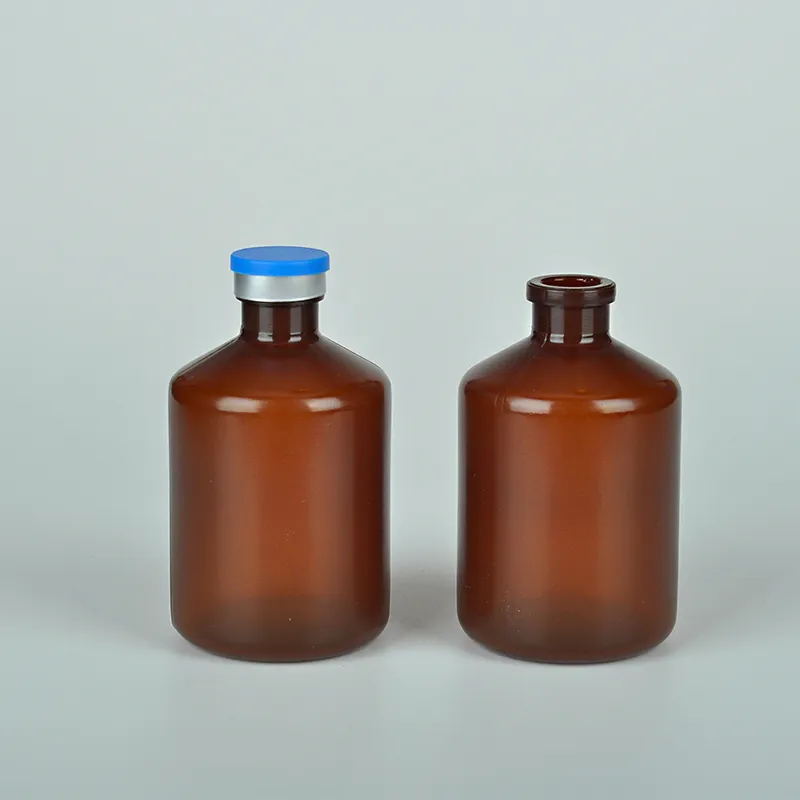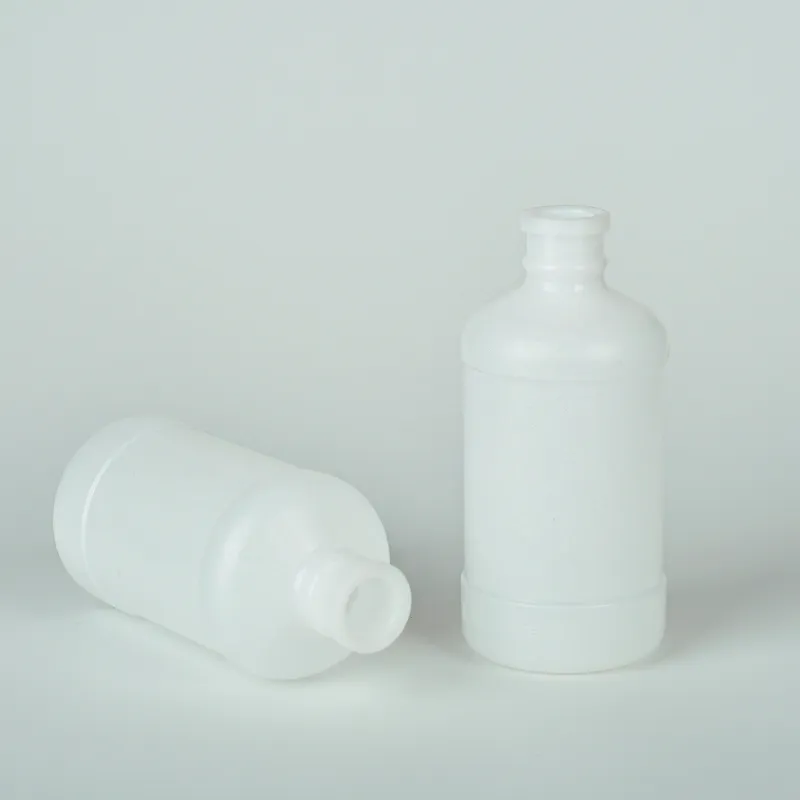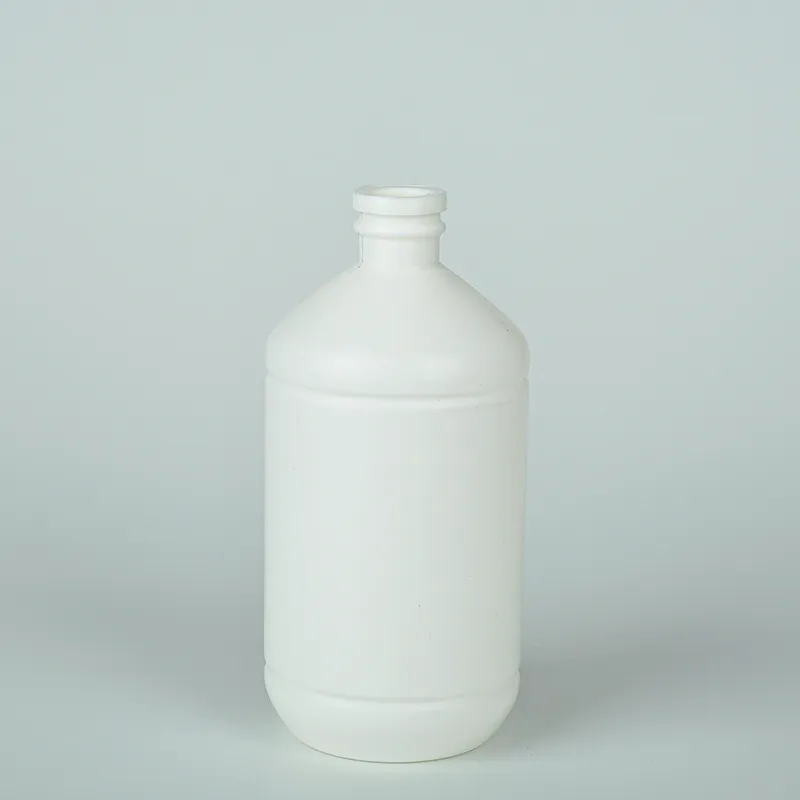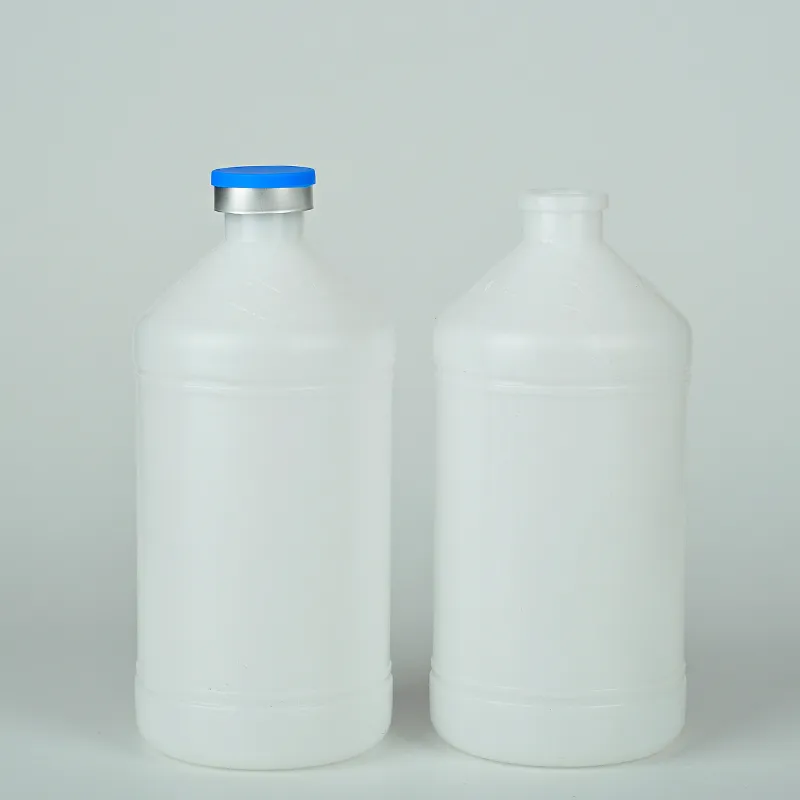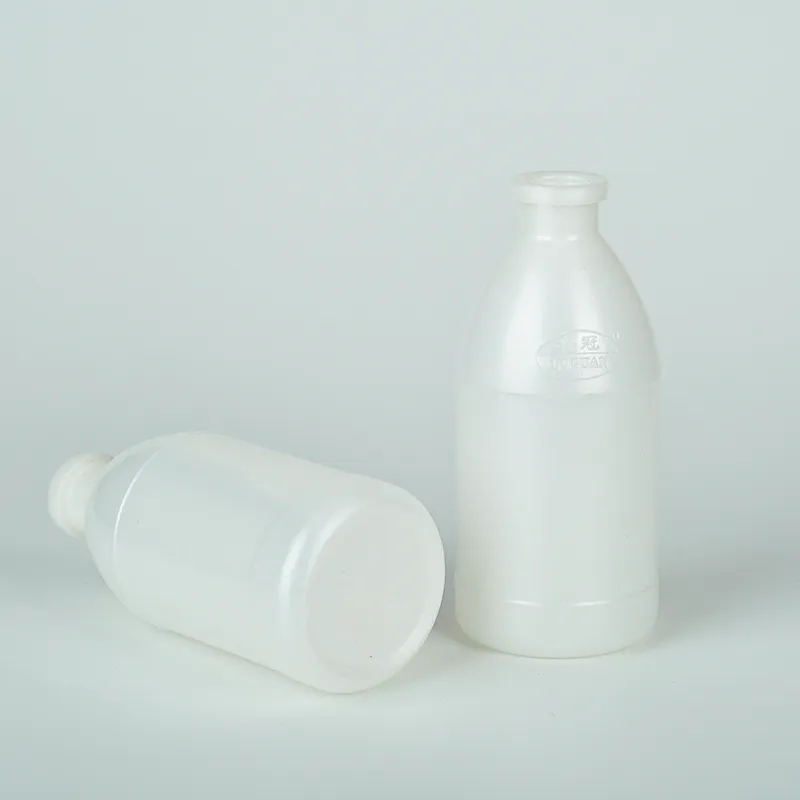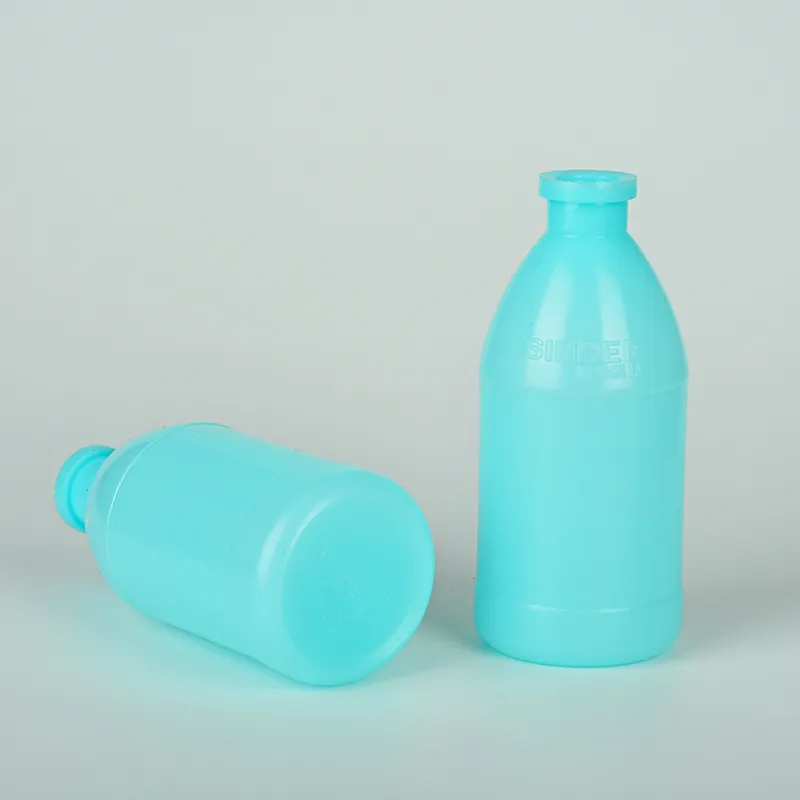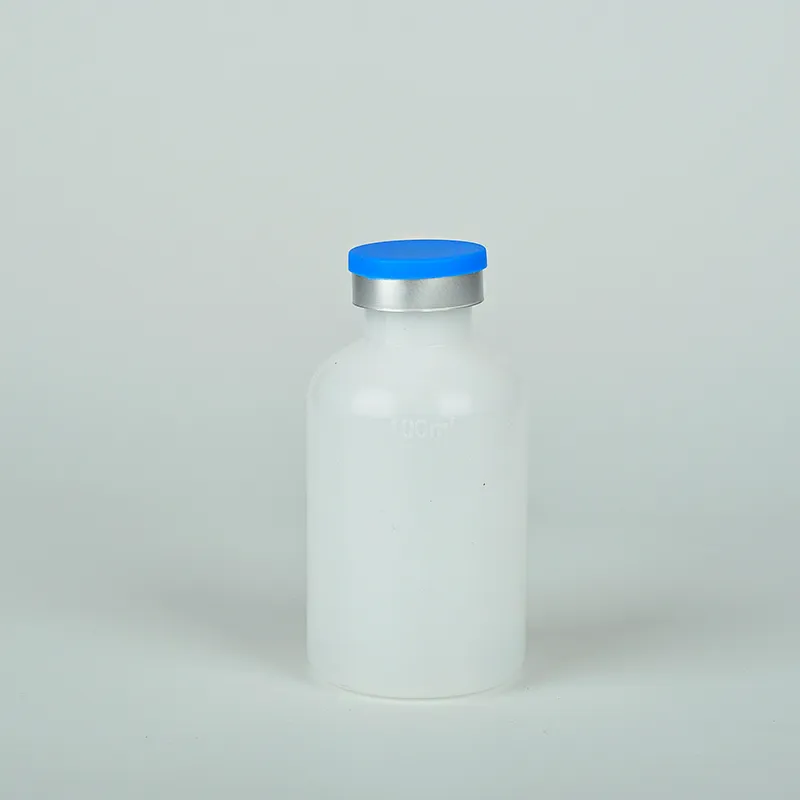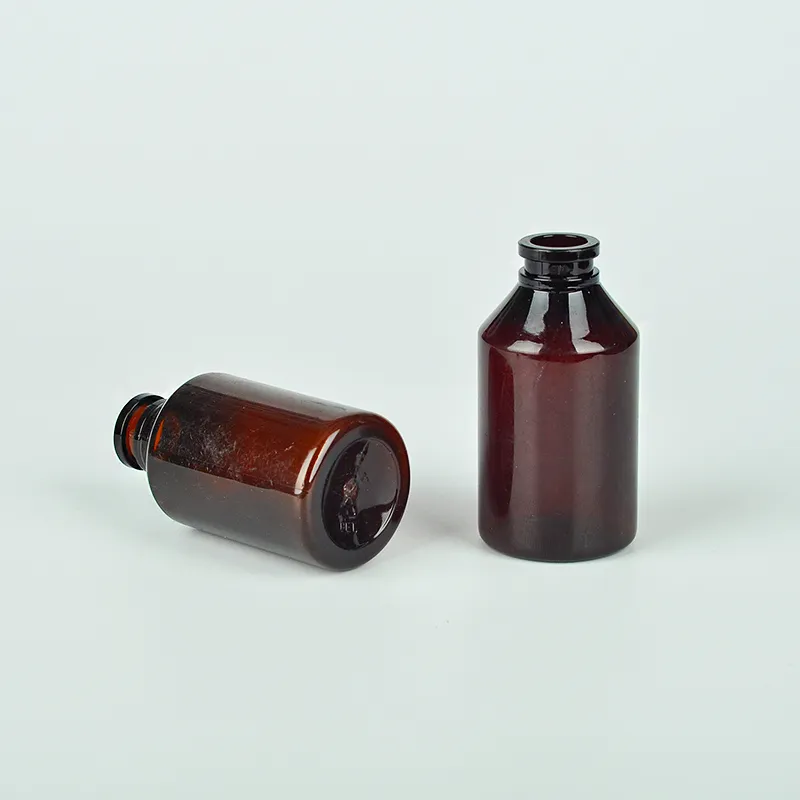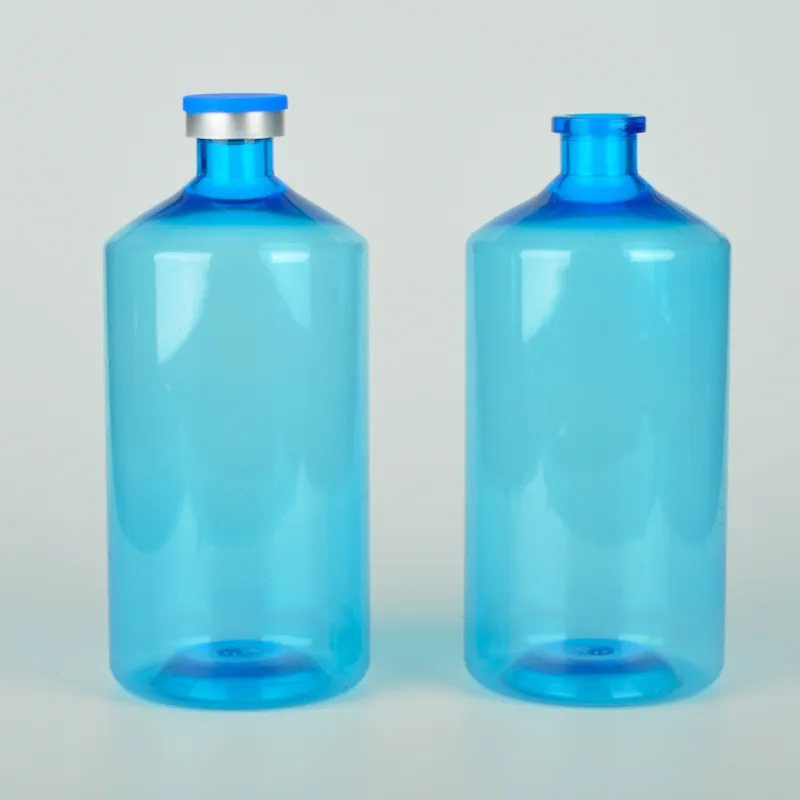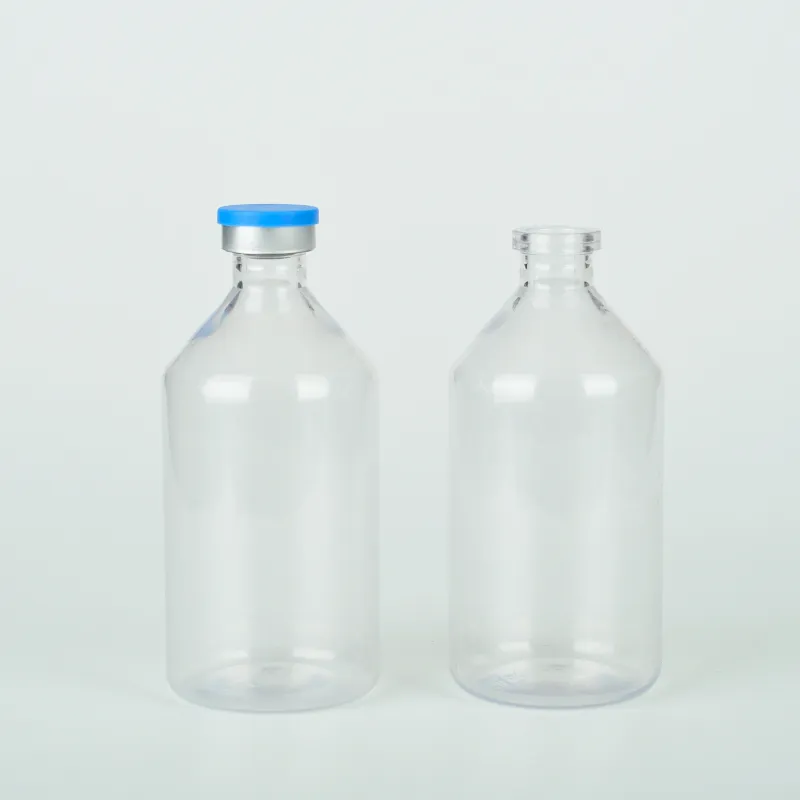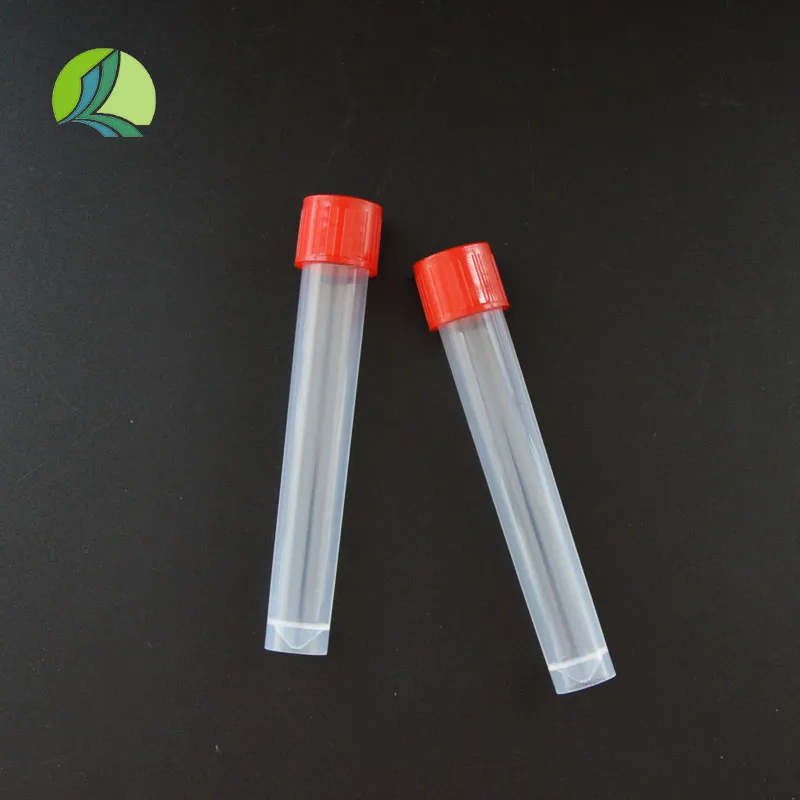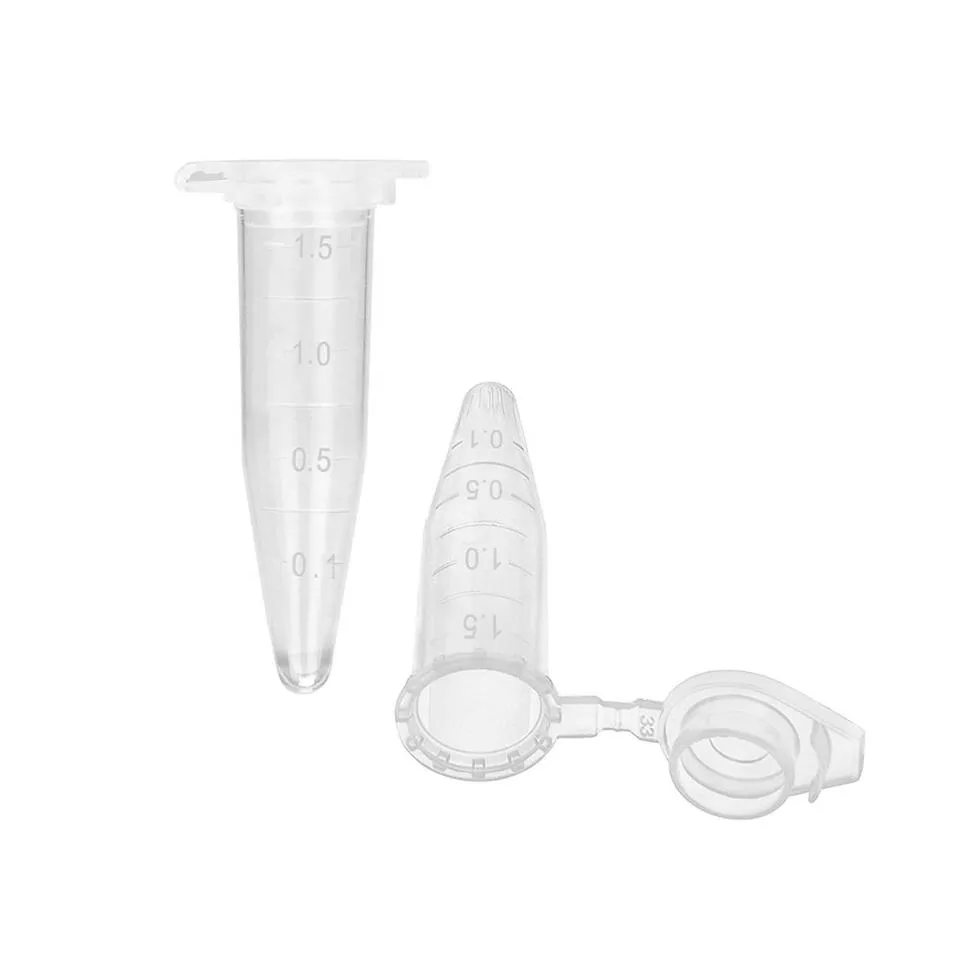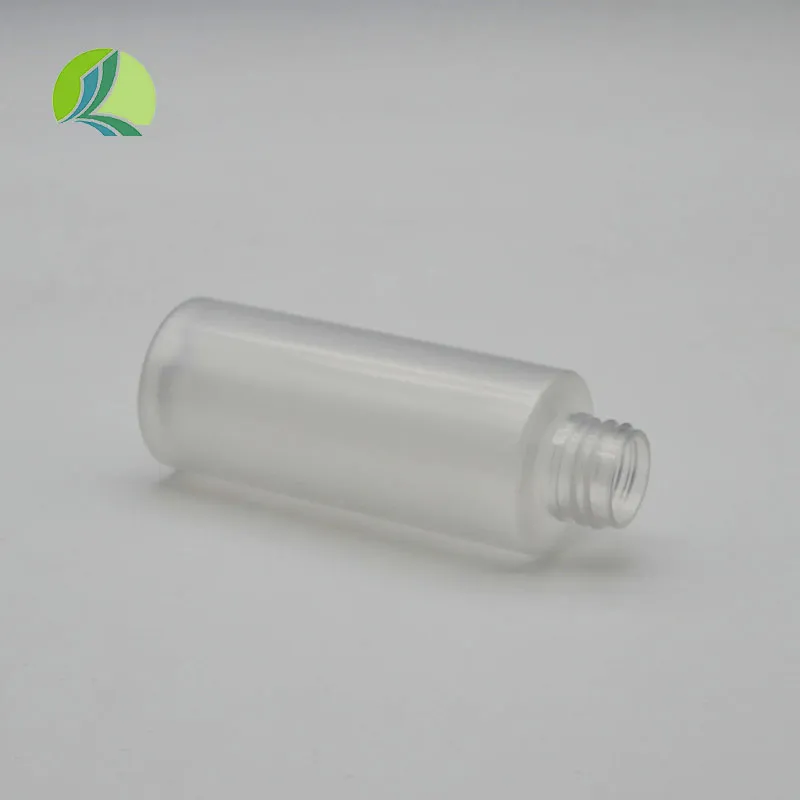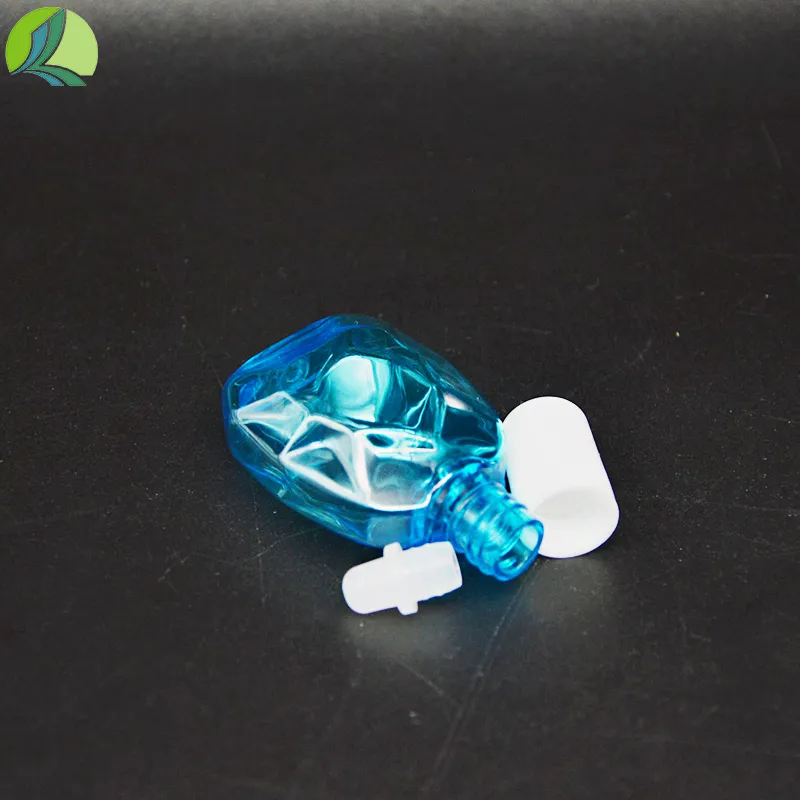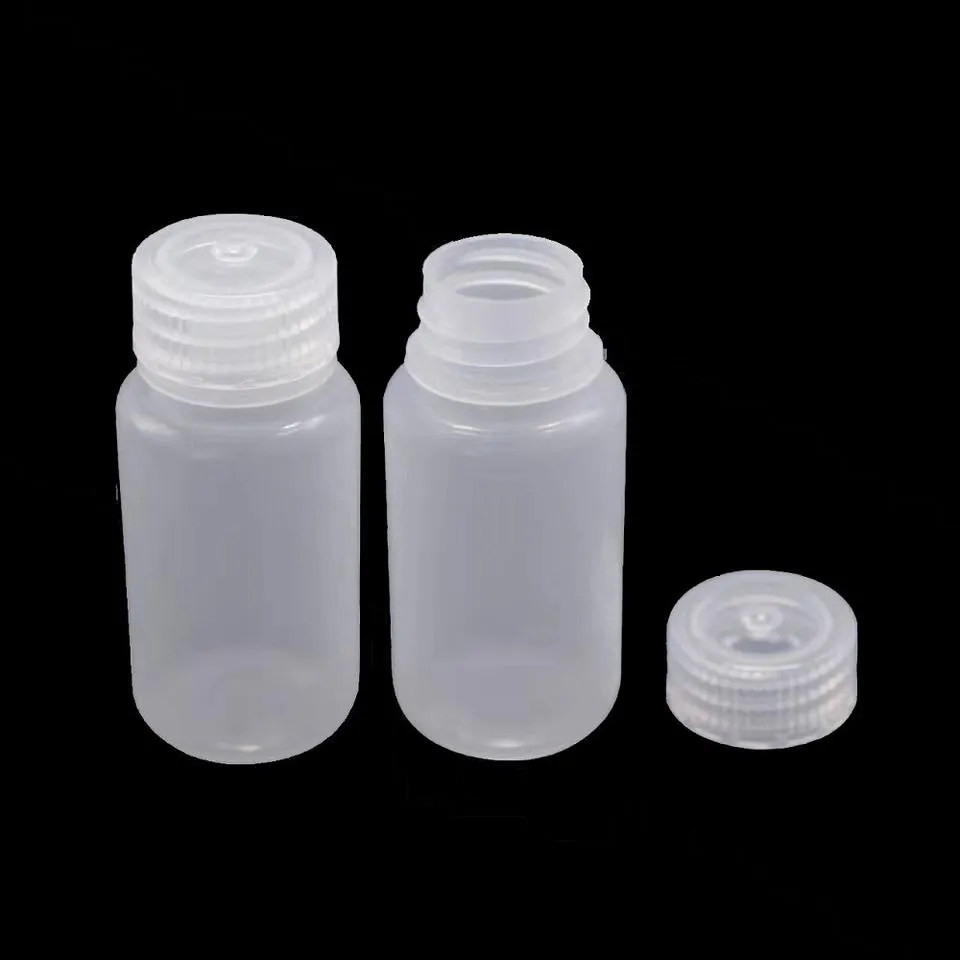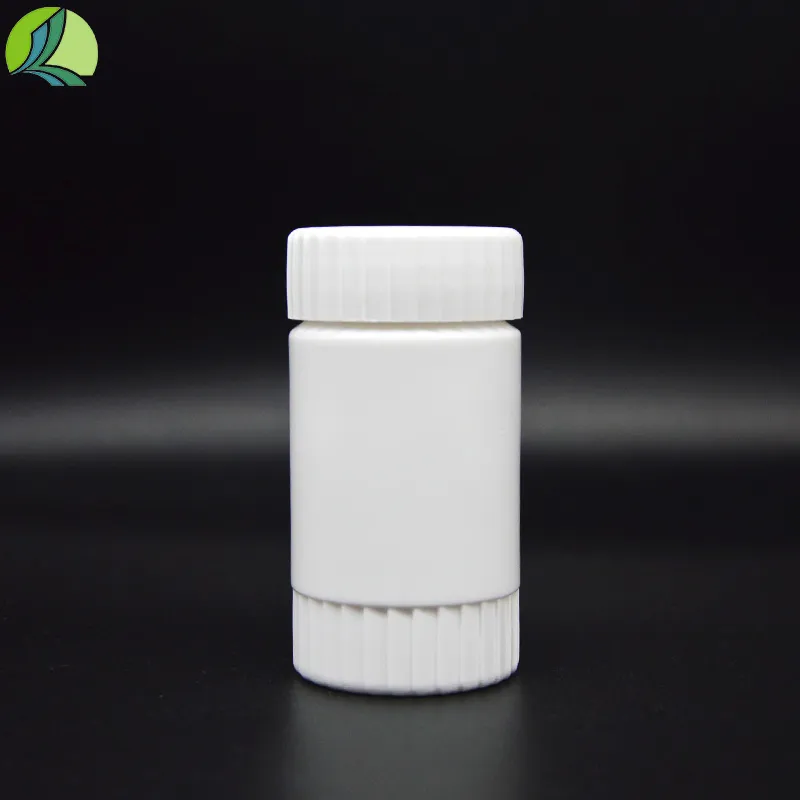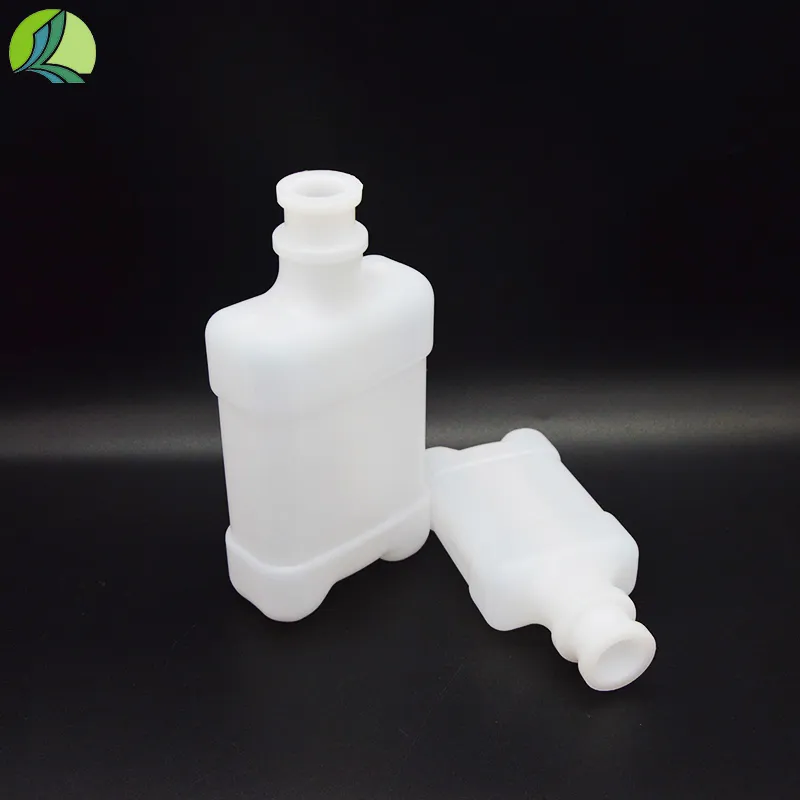


White 250ml Plastic Clear Vaccine Vial, Leak-Proof Lab & Vet
A field-tested look at a modern lab workhorse: a 250 ml plastic vial that punches above its weight
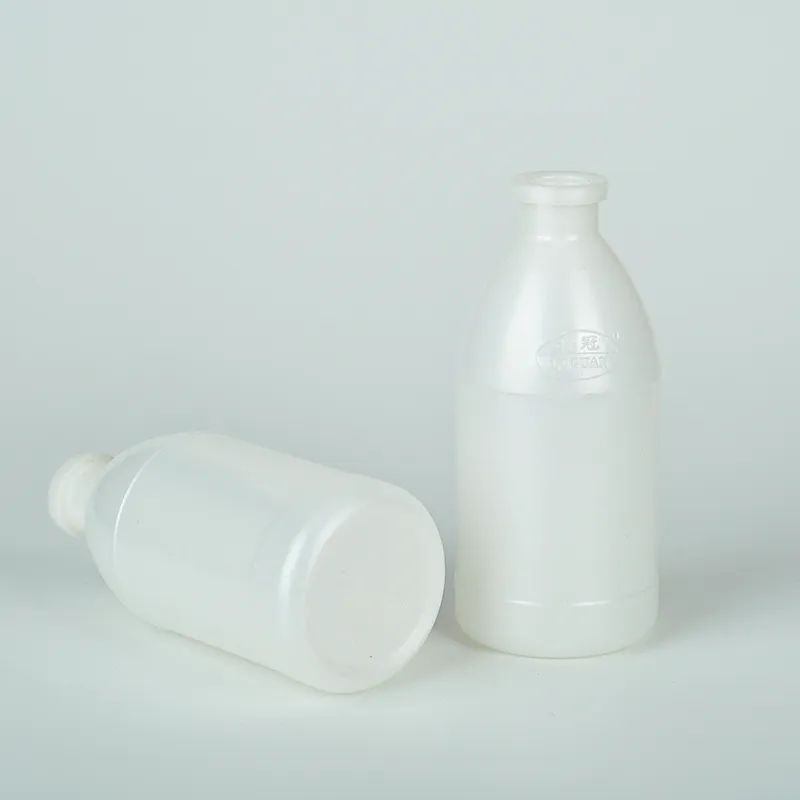
I spend a lot of time talking to lab managers and veterinary buyers. The same refrain keeps coming back: glass is great—until it breaks. That’s why the White 250ml Plastic Clear Vaccine Vial Laboratory Veterinary Medicine Liquid Vial has been showing up on tender lists from provincial CDCs to fast-growing vet chains. It’s light, tough, and, to be honest, more forgiving in real-world hands than classic glassware.
What’s driving the switch
Industry trends are clear: polyolefin vials (PP/PE) are eating into glass for non-parenteral fills, buffer solutions, reagents, and veterinary biologics. Reasons? Fewer breakages in transit, faster handling on automated lines, and consistent sterilization outcomes. Supply chain teams also like the cost-to-performance ratio—and yes, many customers say their cold-chain losses dropped after the switch.
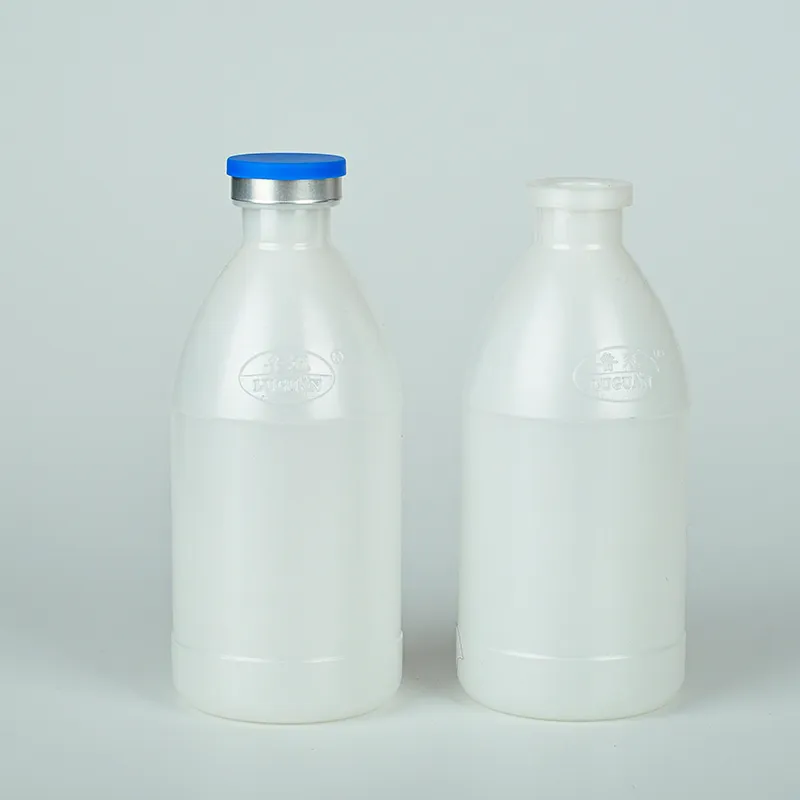
The product at a glance
| Capacity | 250 ml (±3%) |
| Material | Polypropylene (PP) or High-Density Polyethylene (HDPE) — PP favored for high-temp autoclave cycles |
| Neck / Closure | ≈28 mm screw neck standard; options for crimp/stopper systems on request |
| Sterilization | Autoclave 121°C, 20 min (PP), Gamma, or EtO (real-world use may vary) |
| Cleanroom | Manufactured in a Class 10,000 purification workshop (ISO Class 7 environment) |
| Wall thickness | ≈1.6 mm average (varies with customization) |
| Certifications | ISO 9001; ISO 13485-ready documentation; USP <661.1> material data available |
From pellets to sterile-ready: process flow
- Materials: medical-grade PP/PE pellets screened for extractables per USP <661.1> and EU Ph. Eur. 3.1.3 (polyolefins).
- Methods: injection blow molding for uniform neck finish; caps molded separately; in-line vision checks.
- Clean manufacturing: Class 10,000 workshop with HEPA filtration; lot-level traceability.
- Testing: drop test ASTM D5276 (pass at 1.2 m, 5 drops, −10°C), chemical resistance ASTM D543; dimensional checks; bioburden monitoring.
- Service life: typically 3–5 years sealed, dark, 5–30°C; PP tolerates repeated 121°C autoclave cycles (check closure spec).
Origin matters to some buyers: these are produced in LITUN, Dusheng Town, Cangxian County, Cangzhou City, Hebei Province, China—an established plastics hub with reliable upstream resin supply.
Where it’s being used
- Veterinary clinics: diluents, vaccines in bulk, prophylactic doses.
- Government labs: sample prep, buffer storage, culture media transport.
- Field teams: mobile vaccination drives; rugged enough for bumpy rides.
- Biotech and CROs: stability studies and pilot batches.
Advantages (and a few candid notes)
- Lightweight, shatter-resistant—shipping costs drop, waste incidents plummet.
- Autoclavable PP option; HDPE for cold-room robustness.
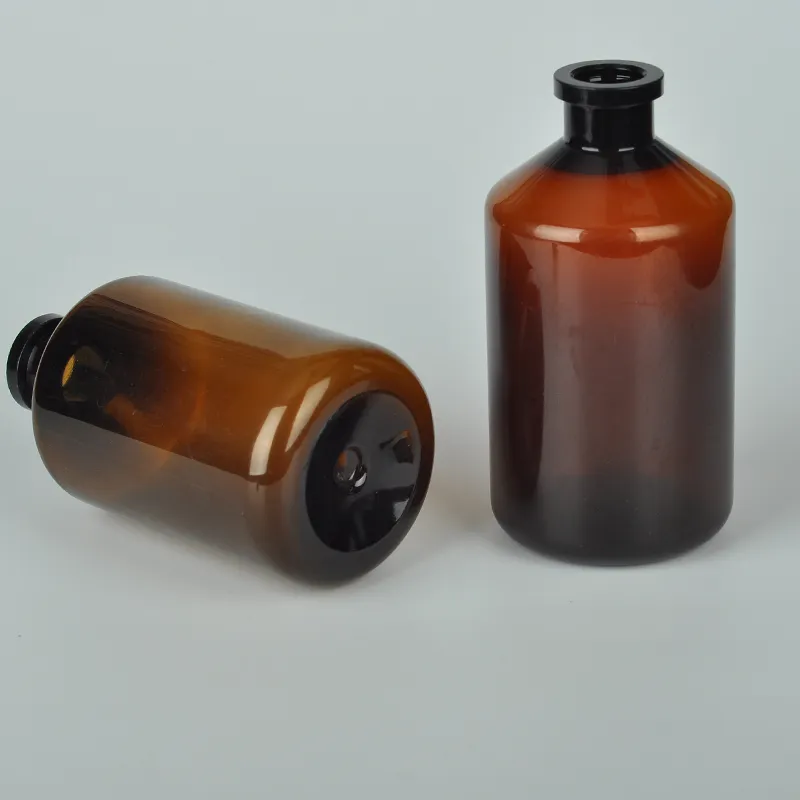
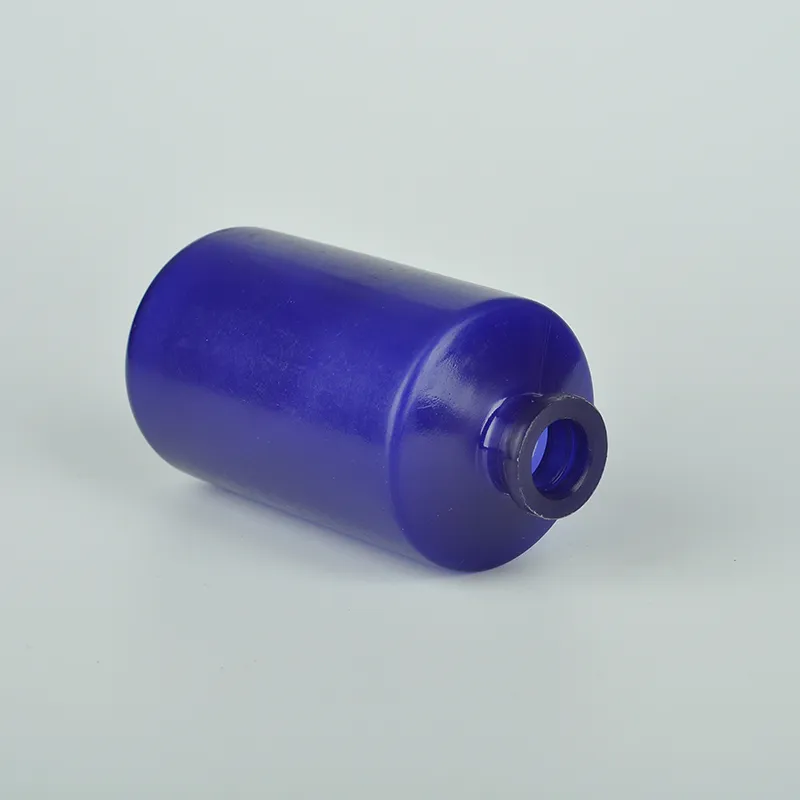
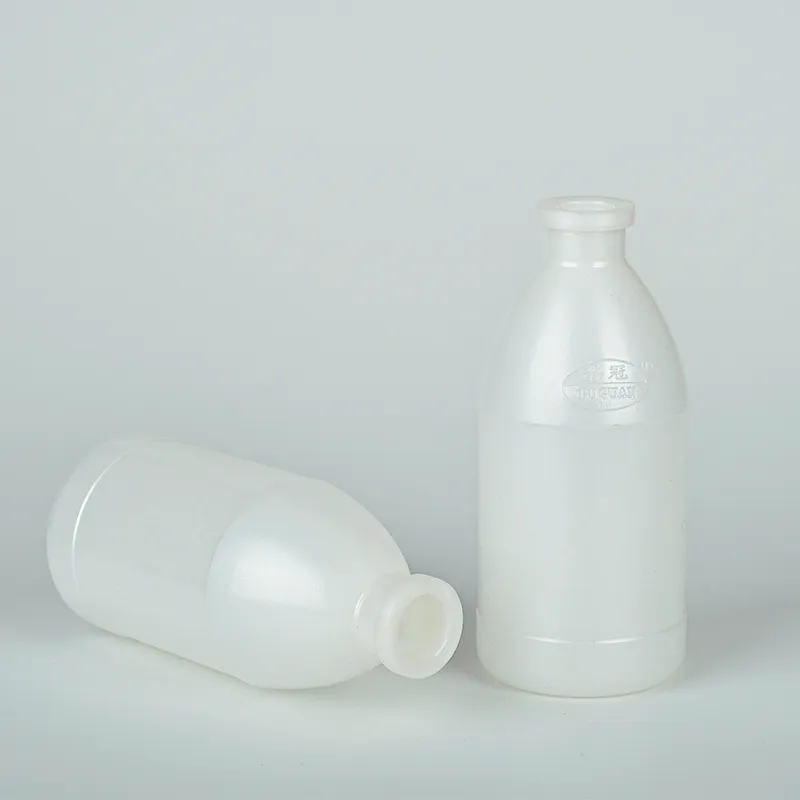
- Customizable: color, neck finish, graduations, tamper-evident caps, labeling.
- Limit: for highly reactive solvents, confirm compatibility first (simple ASTM D543 spot checks go a long way).
Real feedback: “Breakage down 80% quarter-over-quarter,” says a northern clinic chain; “Easier aseptic handling on the line,” notes a biotech tech lead. I guess the appeal is obvious.
Vendor snapshot: how it stacks up
| Vendor | Material / Risk | Sterilization | MOQ | Lead Time |
|---|---|---|---|---|
| WK Packing (this model) | PP/PE, low breakage | Autoclave/Gamma/EtO | ≈3,000 units | ≈15–25 days |
| Generic plastic bottle | Unknown resin mix | Limited data | 5,000+ | 30–45 days |
| Glass supplier | Glass, breakage risk | Autoclave only | ≈10,000 vials | 20–40 days |
Mini case studies
- Provincial vet network: switching to White 250ml Plastic Clear Vaccine Vial Laboratory Veterinary Medicine Liquid Vial reduced in-transit breakage by 85% and cut cold-box weight by ≈12%.
- Biotech pilot line: PP version with tamper-evident cap passed three 121°C cycles; extractables met USP <661.1> internal thresholds.
Compliance and test data highlights
- E&L screening: PP/PE within USP <661.1> acceptance; biocompatibility assessed per ISO 10993-5 (cytotoxicity) – pass.
- Sterilization validation support for ISO 11137 (gamma) and moist heat cycles; lot CoAs available.
- Drop test pass at −10°C and ambient; torque retention validated on screw closures.
If you need branding, color-matching, or a different neck finish, the team can customize molds—useful when you want a distinctive profile for the White 250ml Plastic Clear Vaccine Vial Laboratory Veterinary Medicine Liquid Vial range without upsetting your automation setup.
References
- USP General Chapter <661.1> Plastic Packaging Systems and Their Materials of Construction.
- ISO 13485:2016 Medical devices — Quality management systems — Requirements for regulatory purposes.
- ISO 11137 Sterilization of health care products — Radiation.
- ISO 10993-1 Biological evaluation of medical devices.
- ASTM D5276 Drop Test of Loaded Containers by Free Fall; ASTM D543 Chemical Resistance of Plastics.
- WHO guidelines on the international packaging and shipping of vaccines (WHO/IVB/05.23).
-
Bulk Eye Dropper Bottles for Industrial Packaging - Reliable & CustomizableNewsDec.31,2025
-
Small Plastic Dropper Bottles – Durable, Precise Packaging Solutions for B2B ApplicationsNewsDec.10,2025
-
Medicine Dropper Bottles – Precision and Quality Packaging Solutions for B2B | WK PackingNewsDec.10,2025
-
Discover Top Quality 2 oz Eye Dropper Bottles for Industrial UseNewsDec.09,2025
-
1 Oz Eye Dropper Bottles - Precision Packaging Solutions for B2B Industries | WKPackingNewsDec.09,2025
-
Durable 4 oz Eye Dropper Bottles for Industrial & Cosmetic UseNewsDec.09,2025