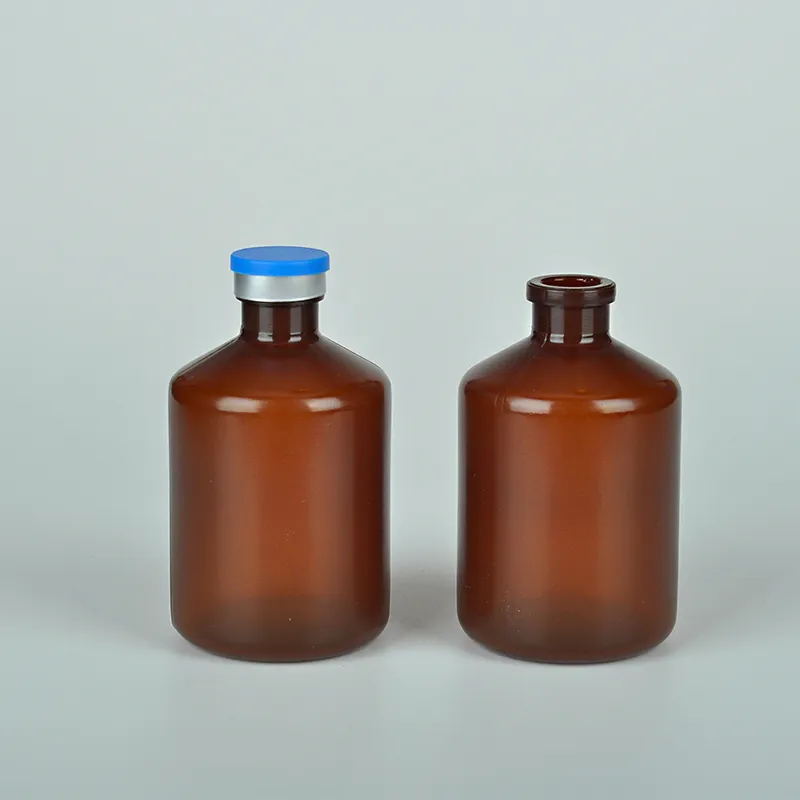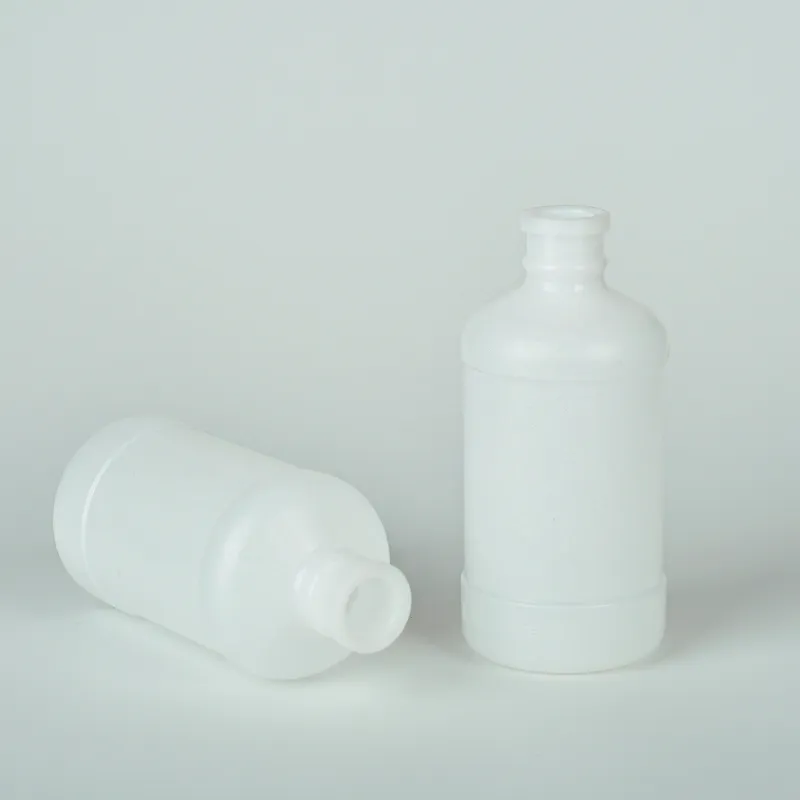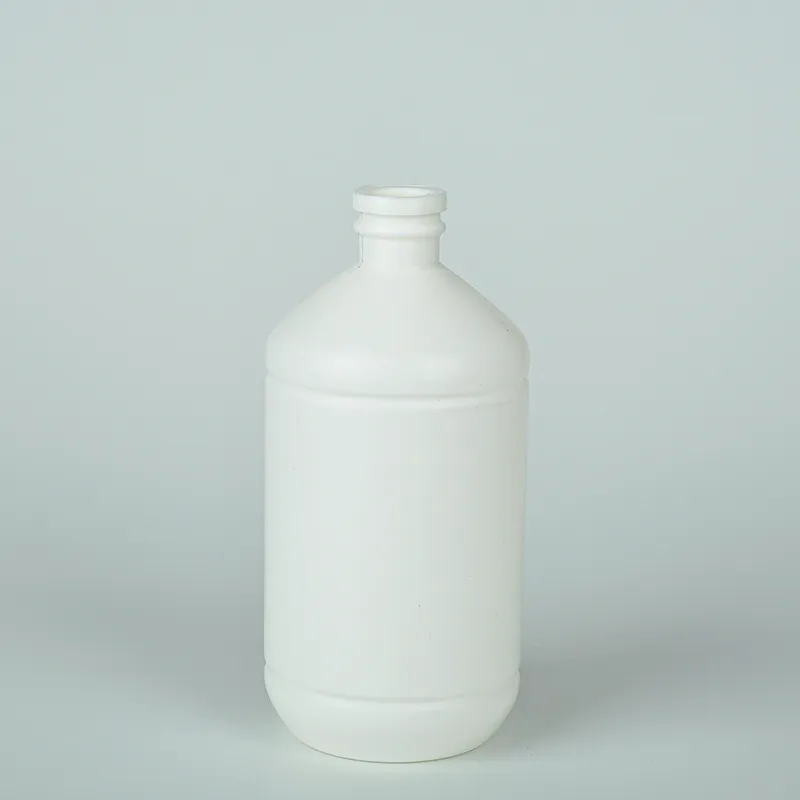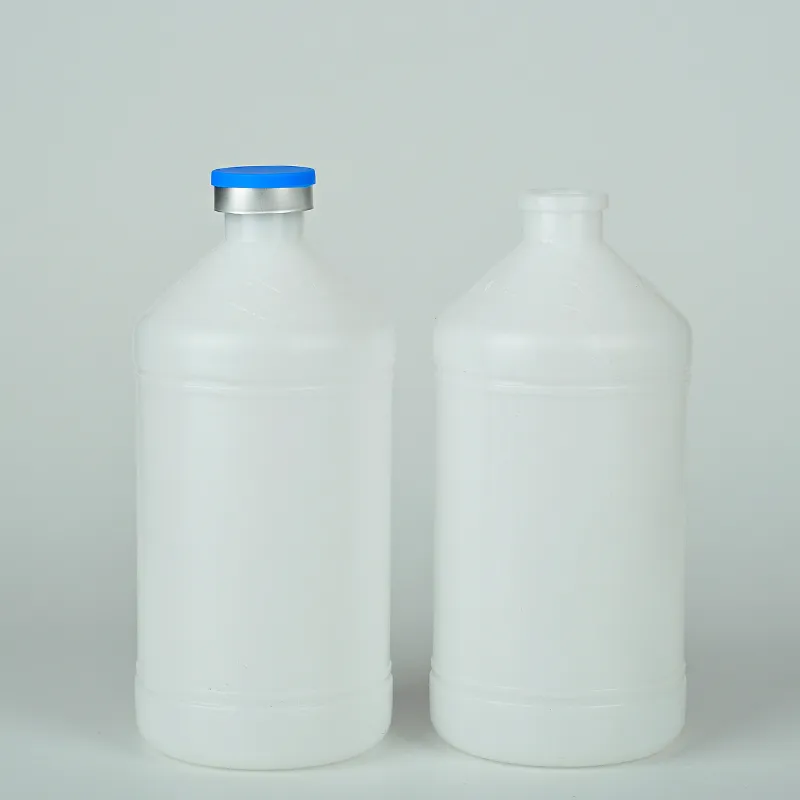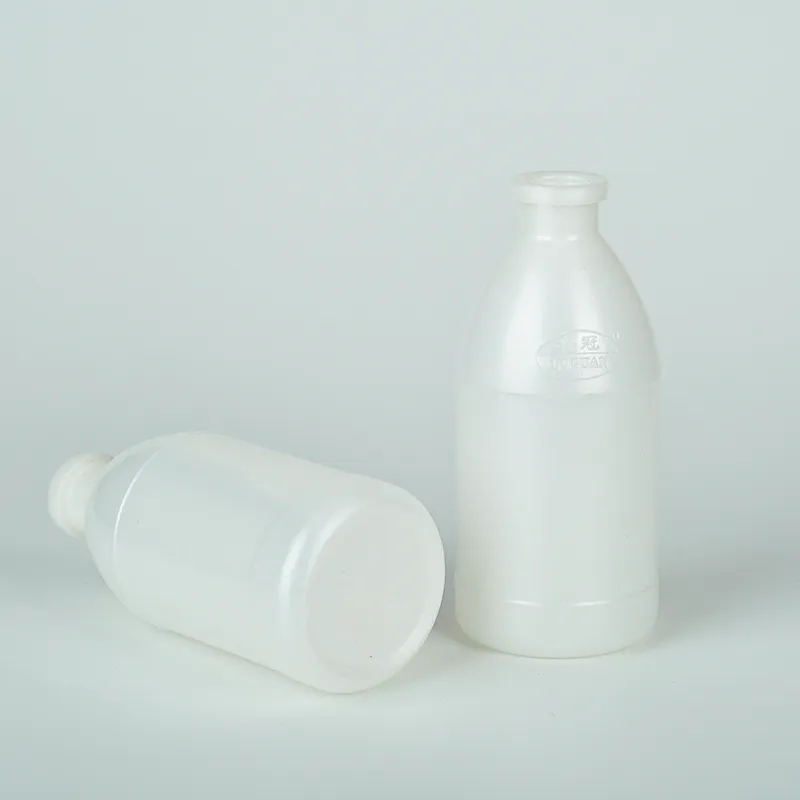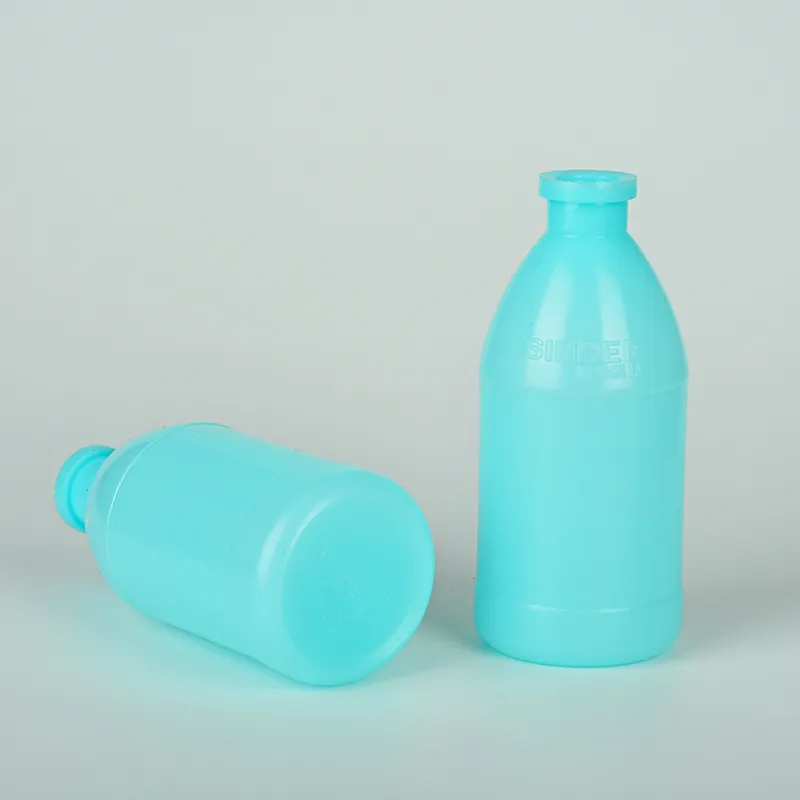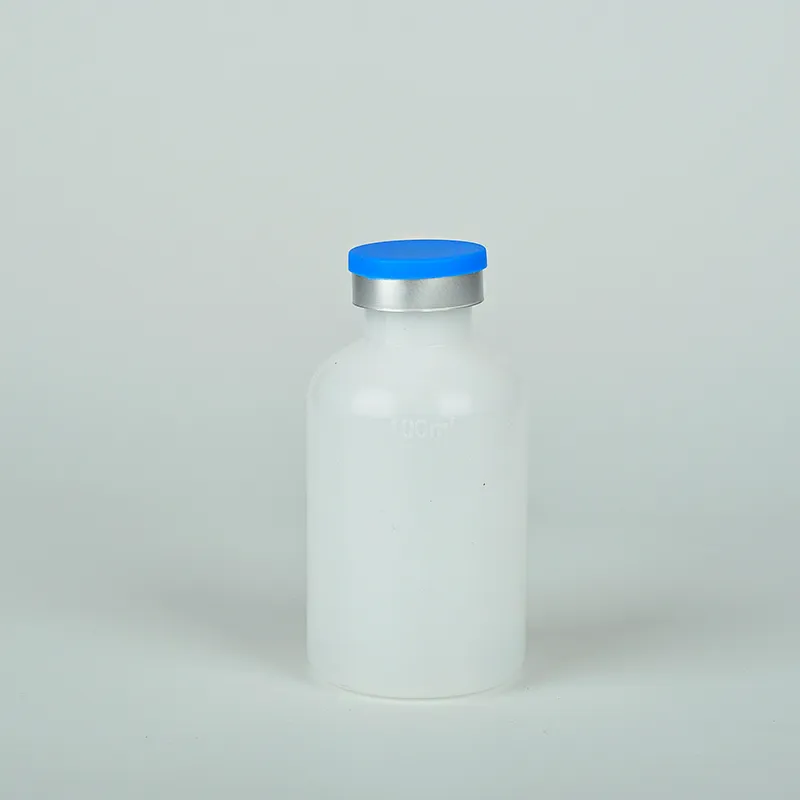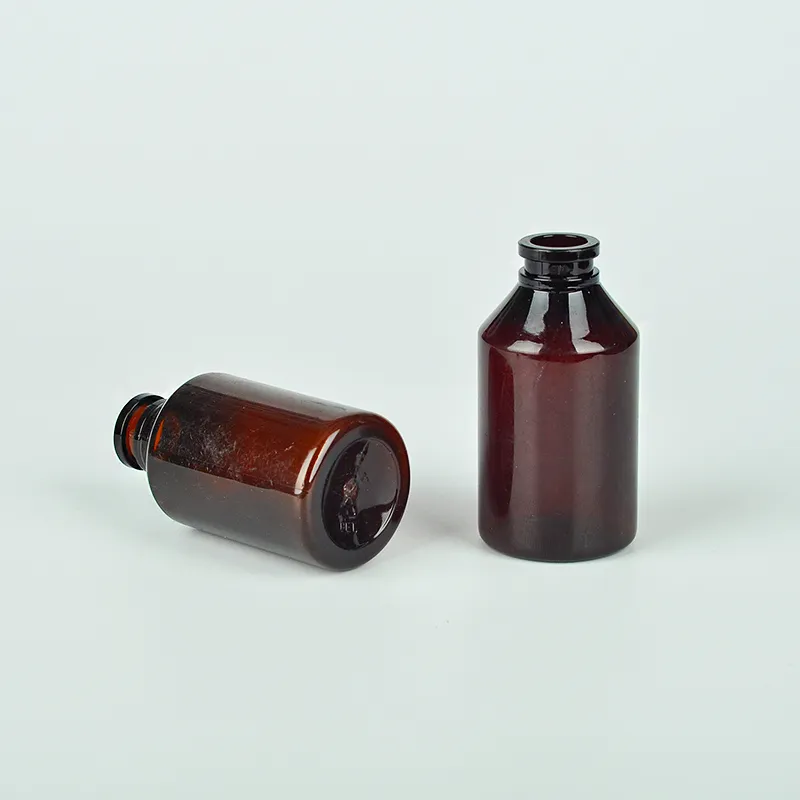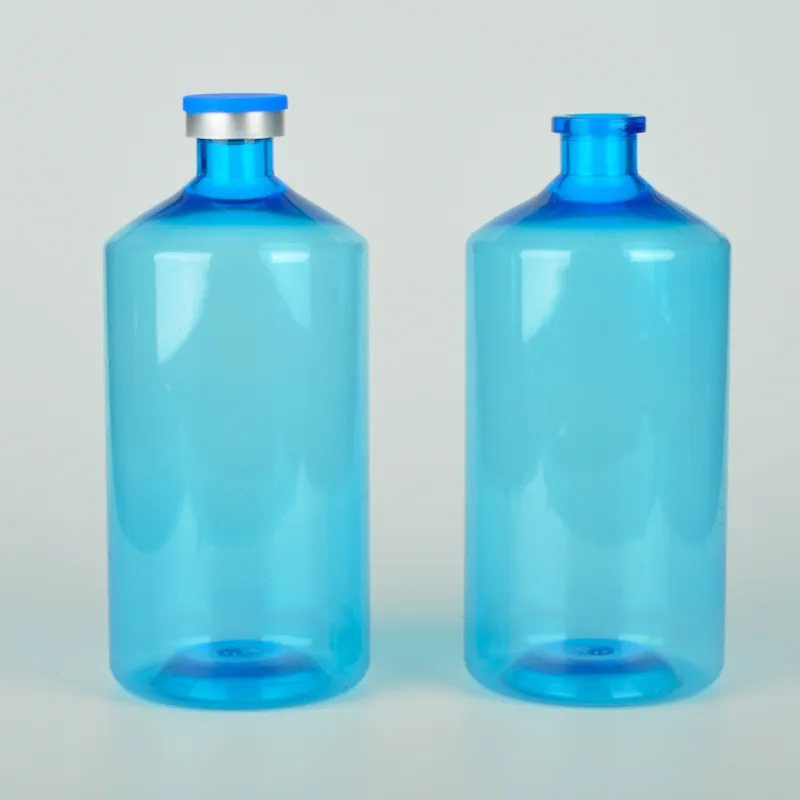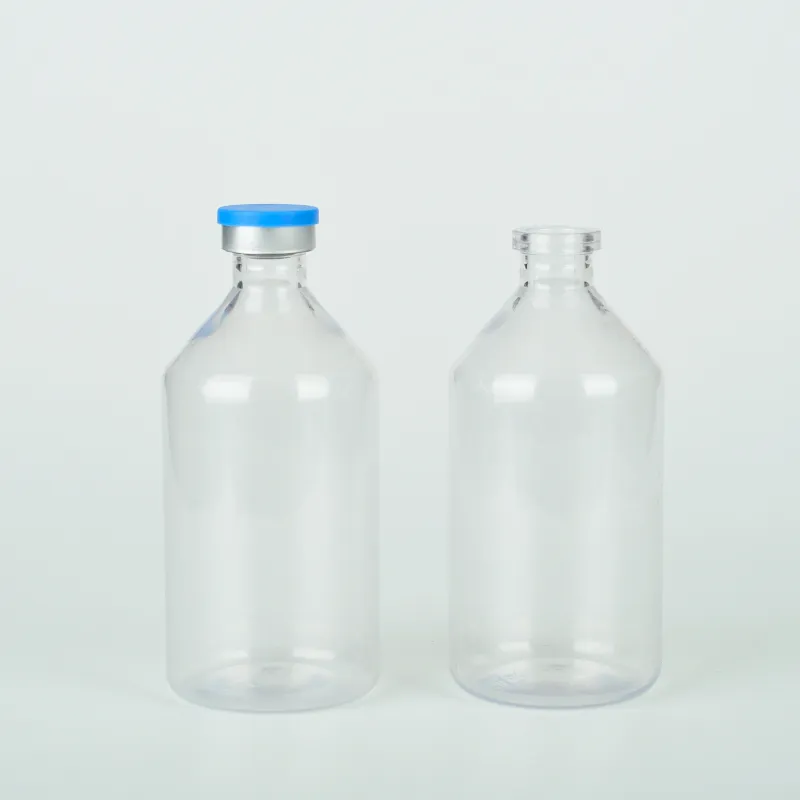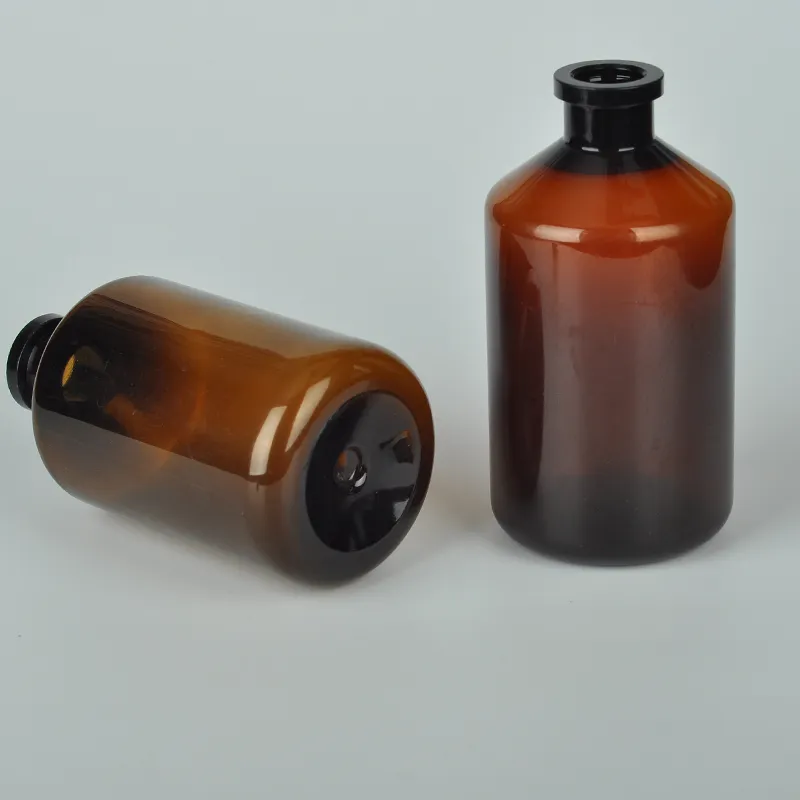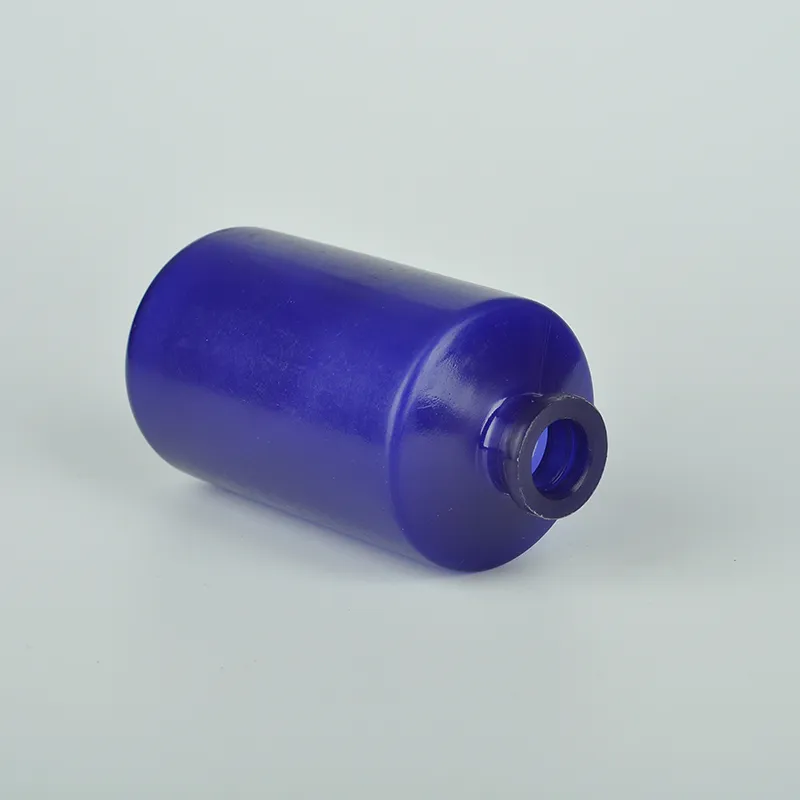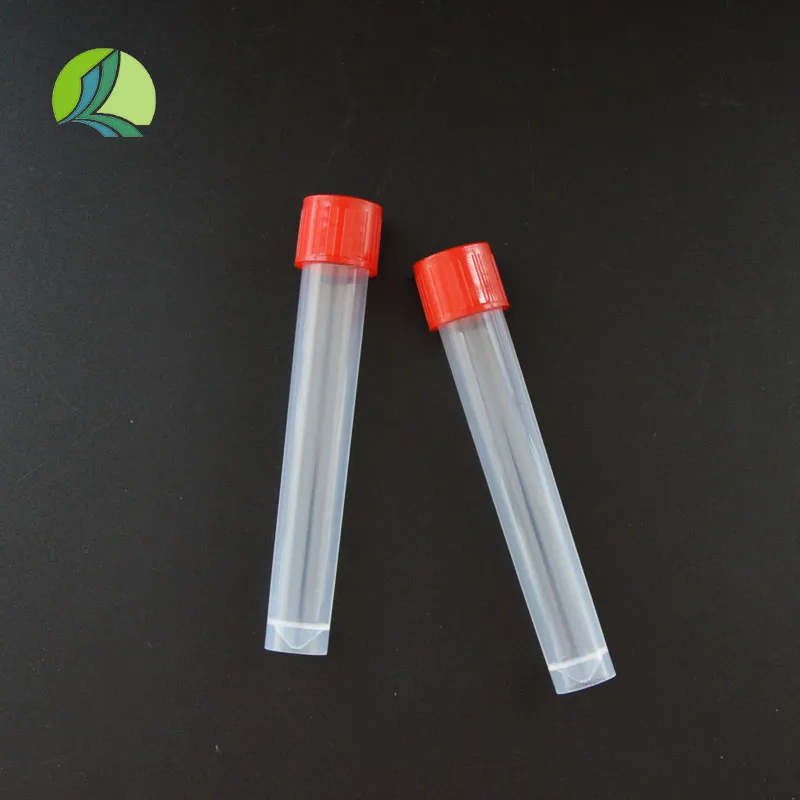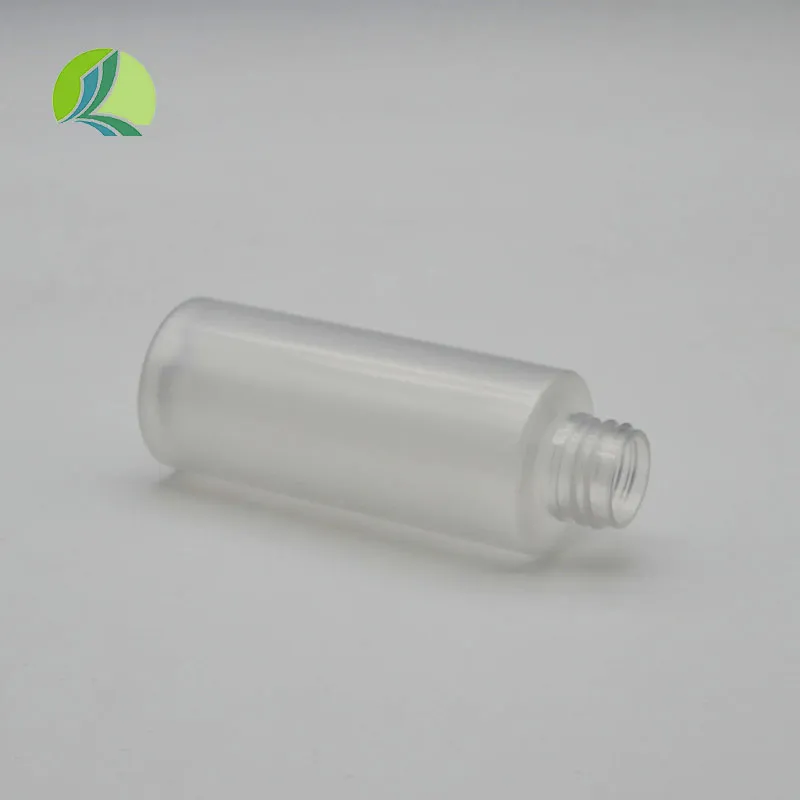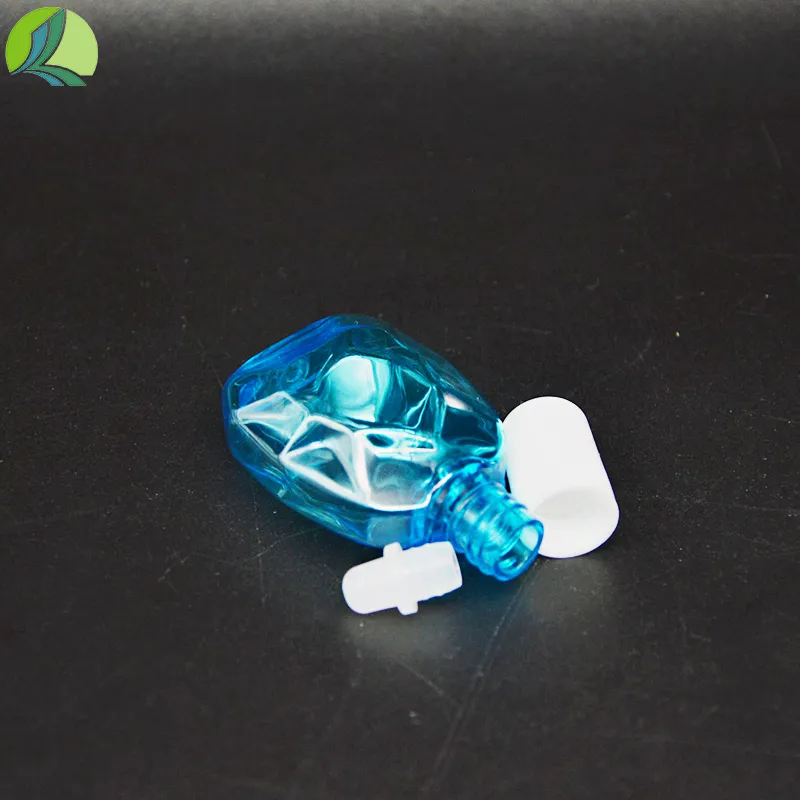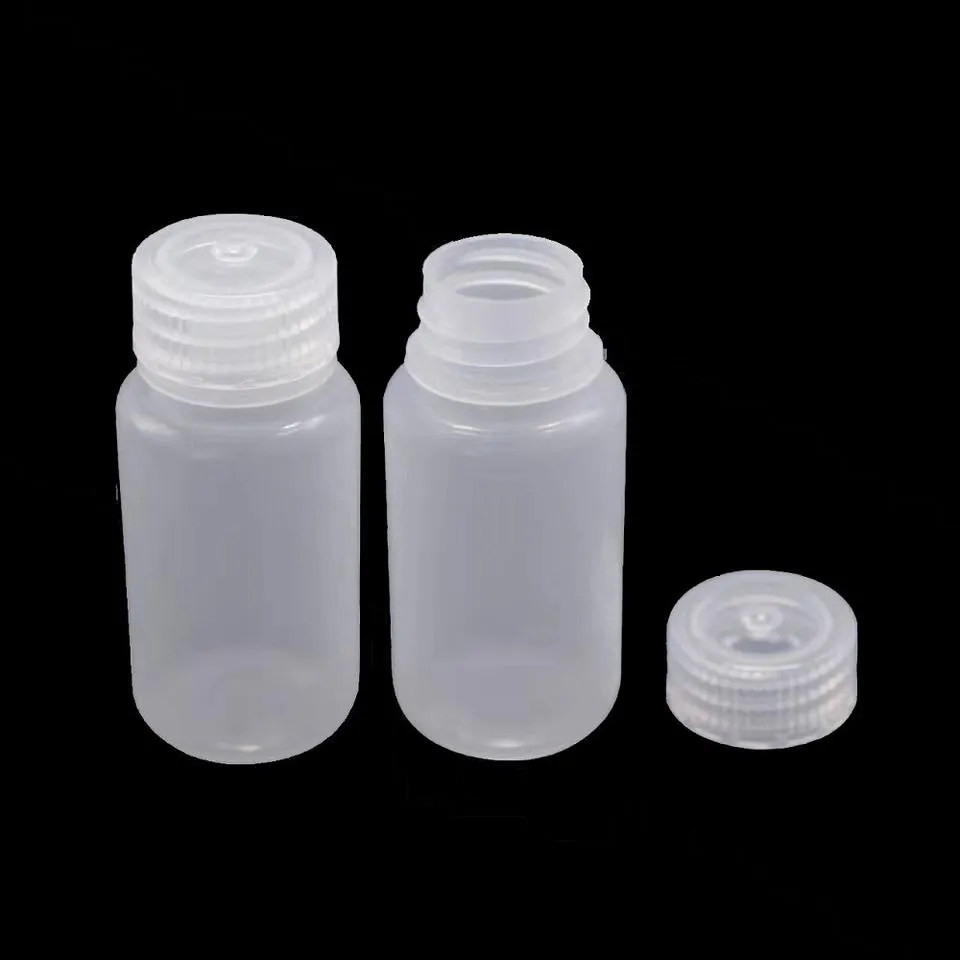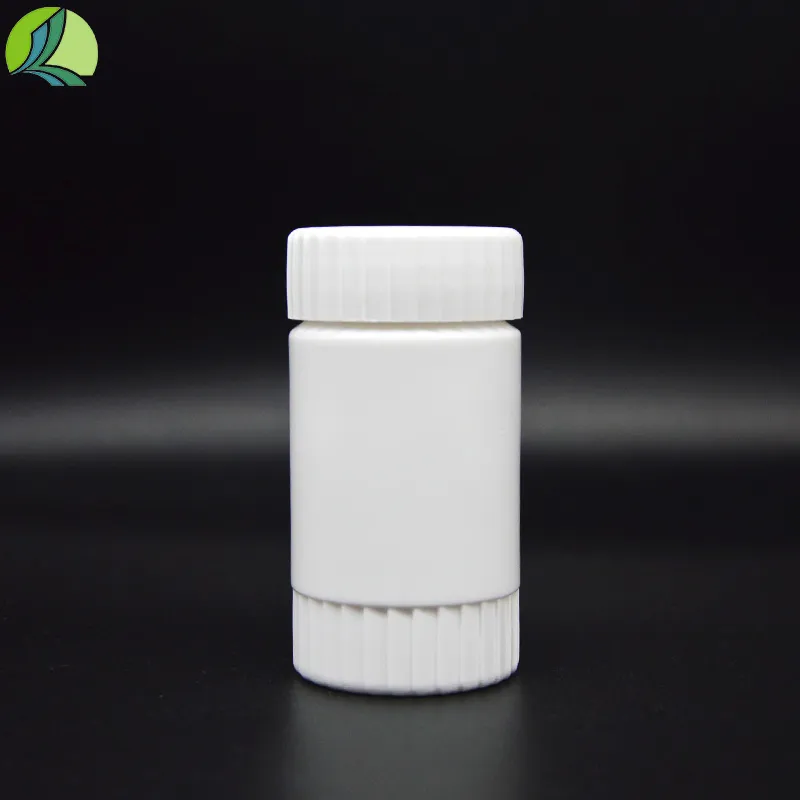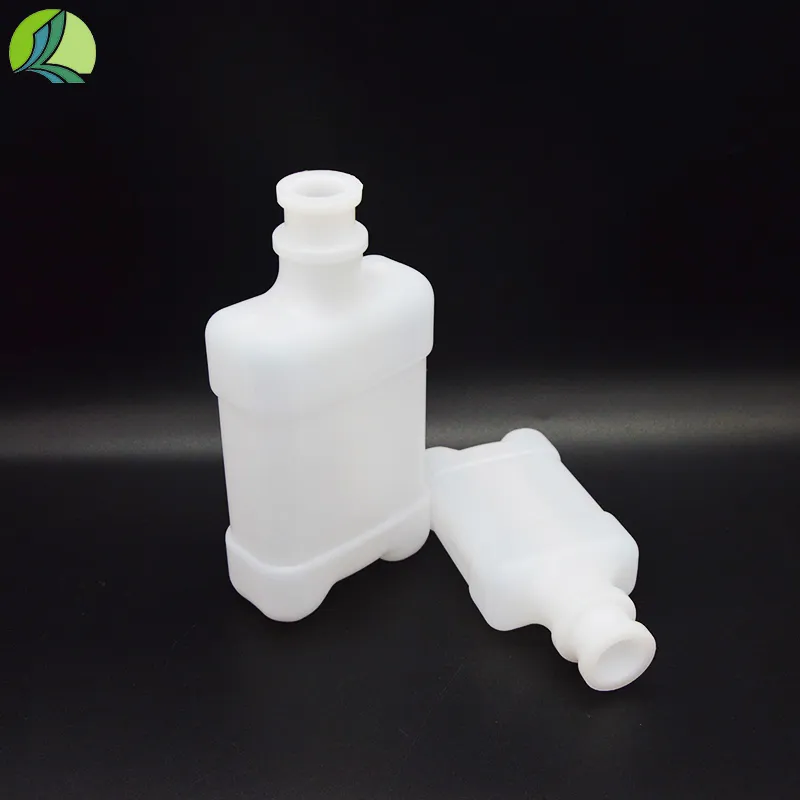
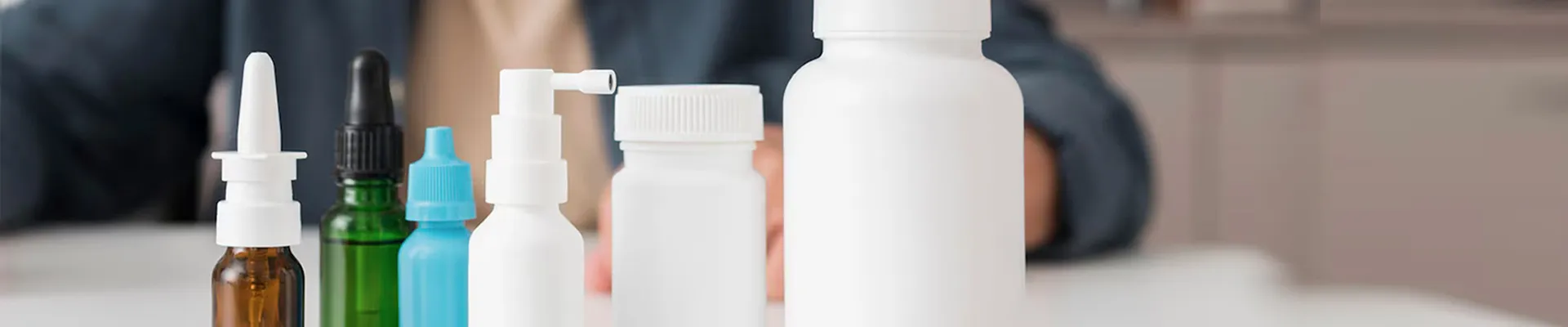


PP 500ml White Plastic Vet Medicine Vaccine Bottle Leakproof
Why PP 500 ml Vaccine Bottles Are Quietly Replacing Old-School Lab Containers
If you walk through any modern veterinary plant today, you’ll notice a subtle shift: polypropylene (PP) bottles are everywhere. Case in point, the Animal Laboratory Liquid Bottle White Plastic Veterinary Medicine Vaccine Bottle Pp 500ml. To be honest, I didn’t expect such a humble container to get this much attention from QA teams and purchasing managers alike. But it’s earned it—mostly for the balance of sterilization tolerance, chemical compatibility, and price stability.

What’s changing in the industry
Two trends stand out. First, vaccine producers are moving from mixed-material packaging toward mono-material PP to simplify validation and improve recyclability. Second, sterilization flexibility rules: PP tolerates gamma and EtO, and in many cases brief steam cycles—handy when line realities aren’t perfect. Many customers say they’re tired of breakage, especially during cold-chain distribution. PP helps.
Process flow and how this bottle is made
For veterinary vaccine bottles, three processing routes dominate: injection blow molding, extrusion blow molding, and injection–stretch–blow variations. The choice depends on resin rheology, neck precision needs, and barrier demands. In practice, here’s the flow most teams recognize:
- Resin selection: medical/food-grade PP with additive masterbatch (UV and slip/antistat as needed).
- Molding: injection preform for neck accuracy → blow to final geometry; or direct extrusion-blow for speed and thicker walls.
- Post-processing: deflashing, vision inspection, optional surface treatment for label adhesion.
- QC & testing: dimensional checks, leak test, torque/closure testing, sterilization validation.
- Lot traceability and clean packing.

Product specs (quick view)
| Product | Animal Laboratory Liquid Bottle White Plastic Veterinary Medicine Vaccine Bottle Pp 500ml |
| Material | Polypropylene (PP), medical/food-grade |
| Nominal volume | 500 ml (usable fill ≈ 480–500 ml, real-world use may vary) |
| Neck/closure | Screw neck ≈ 28 mm; tamper-evident options, liner-ready |
| Color/finish | White, matte or semi-gloss |
| Sterilization | Gamma (≤25–40 kGy), EtO; brief steam exposure depending on cap/liner |
| Operating temp | ≈ -20 °C to 100 °C (application-dependent) |
| Origin | LITUN, DUSHENG TOWN, CANGXIAN COUNTY, CANGZHOU CITY, HEBEI PROVINCE, CHINA |
Testing, certifications, and data points
Labs typically benchmark against USP & ISO guidance. I’ve seen batches pass extractables screens per USP profiles and bioreactivity checks per USP / (screening level). Drop and compression are often verified per ASTM D5276 (free-fall) and D642 (box compression), with leak testing under vacuum/pressure (methods vary). Typical results I’ve encountered: zero visible leakage at 30 kPa differential for 10 minutes; drop survival from 1.0 m at 23 °C when capped—note: your mileage may vary with closure and fill.

Where it’s used (and why)
- Veterinary vaccines and diluents (poultry, swine, companion animals).
- Lab reagents and buffers needing non-fragile, sterilizable primary packaging.
- On-farm dosing kits—rugged enough for field handling, colder climates.
Advantages? Chemical resistance to many aqueous/alkaline solutions, low extractables, comparatively low weight, and fewer breakages than glass. Actually, logistics managers like the cube efficiency; I guess it’s the hidden budget win.
Vendor snapshot (indicative)
| Vendor | Certificates | MOQ | Lead time | Customization | Indicative price |
|---|---|---|---|---|---|
| WK Packing | ISO 9001; supports USP compliance documentation | ≈ 5,000 | 2–4 weeks (stock color) | Color, neck, cap/liner, printing | ≈ $0.35–0.65/unit |
| Generic Importer | ISO 9001 (varies) | ≈ 10,000 | 4–8 weeks | Limited color/print | ≈ $0.30–0.55/unit |
| Local Bottler | Varies | ≈ 1,000 | 1–3 weeks | Fast prototyping | ≈ $0.45–0.90/unit |
Notes: pricing and timelines are indicative; real-world outcomes vary by spec, cap/liner choice, and sterilization validation.

Customization and service life
Teams often request tamper-evident rings, laser coding, or molded graduations. PP lets you tweak wall sections for squeeze-ability or stiffness. Stored at 5–30 °C, away from UV and ozone, service life is typically 3–5 years; always revalidate after sterilization or colorant changes.
Mini case study
A mid-sized poultry vaccine maker switched to Animal Laboratory Liquid Bottle White Plastic Veterinary Medicine Vaccine Bottle Pp 500ml across two fill lines. After a quarter, they reported ≈15% fewer handling breakages and ~8% logistics savings thanks to lighter secondary packaging. Surprisingly, label rejects also dropped once surface treatment was dialed in.
Standards to keep on your radar
- USP <661.1> Plastic Materials; USP <87>/<88> biocompatibility screens.
- ISO 11137 (gamma sterilization validation) and ISO 11607 for packaging processes.
- WHO/WOAH guidance on vaccine handling and cold chain for veterinary use.
References
- USP <661.1> Plastic Materials of Construction, United States Pharmacopeia. https://www.uspnf.com
- USP <87> and <88> Biological Reactivity Tests. https://www.uspnf.com
- ISO 11137 Sterilization of health care products—Radiation. https://www.iso.org/standard/66169.html
- ISO 11607 Packaging for terminally sterilized medical devices. https://www.iso.org/standard/66269.html
- WOAH (OIE) Manual of Diagnostic Tests and Vaccines for Terrestrial Animals—Vaccine handling guidance. https://www.woah.org
-
Bulk Eye Dropper Bottles for Industrial Packaging - Reliable & CustomizableNewsDec.31,2025
-
Small Plastic Dropper Bottles – Durable, Precise Packaging Solutions for B2B ApplicationsNewsDec.10,2025
-
Medicine Dropper Bottles – Precision and Quality Packaging Solutions for B2B | WK PackingNewsDec.10,2025
-
Discover Top Quality 2 oz Eye Dropper Bottles for Industrial UseNewsDec.09,2025
-
1 Oz Eye Dropper Bottles - Precision Packaging Solutions for B2B Industries | WKPackingNewsDec.09,2025
-
Durable 4 oz Eye Dropper Bottles for Industrial & Cosmetic UseNewsDec.09,2025