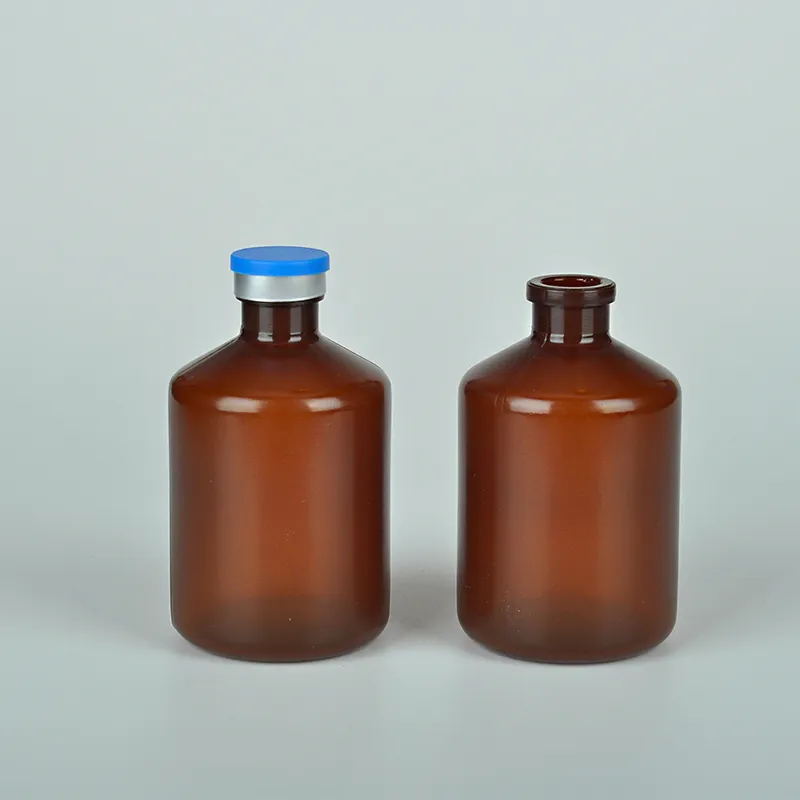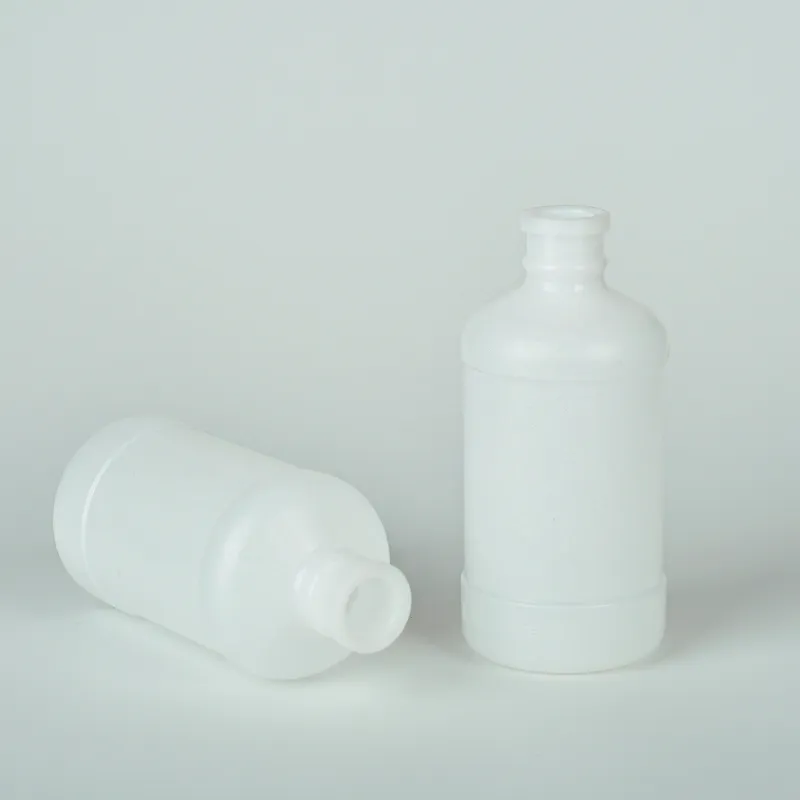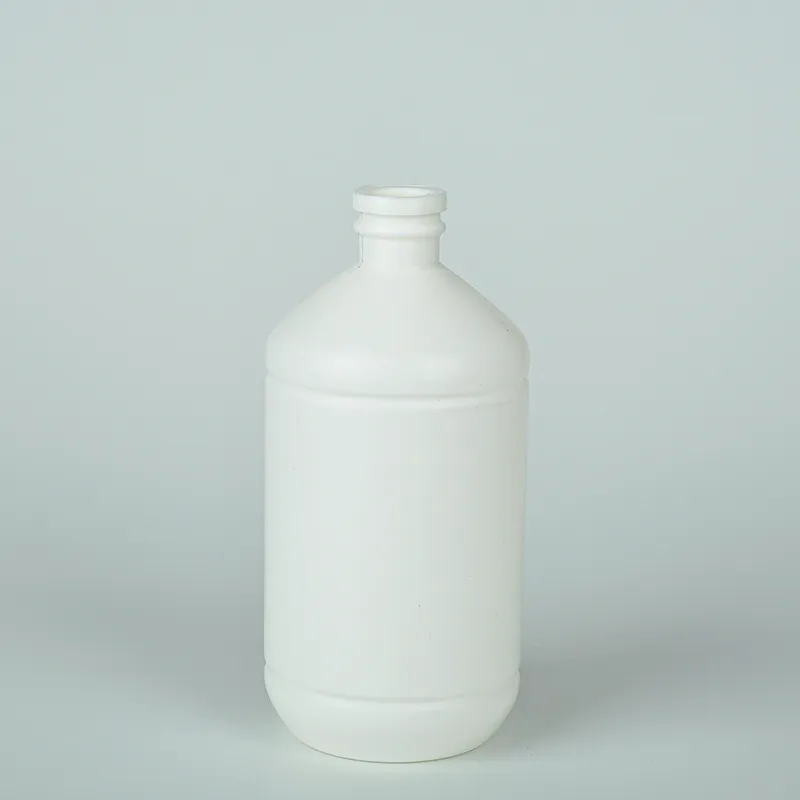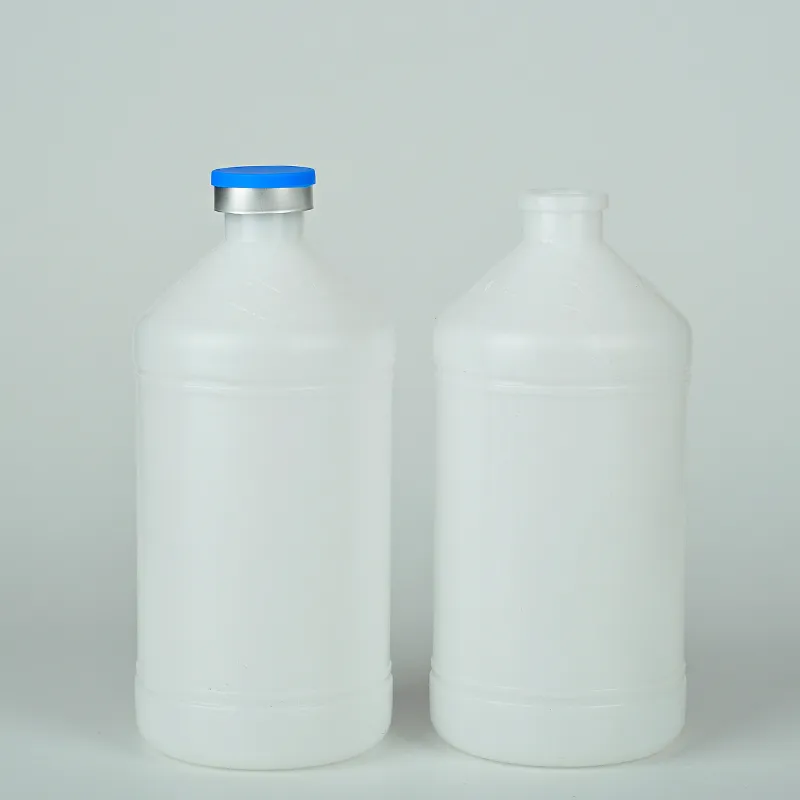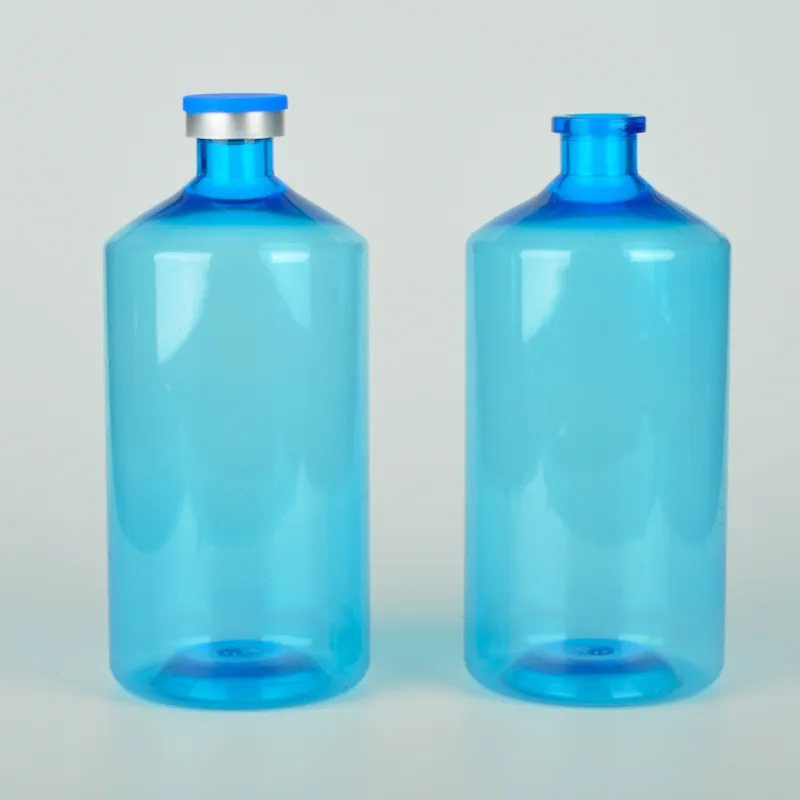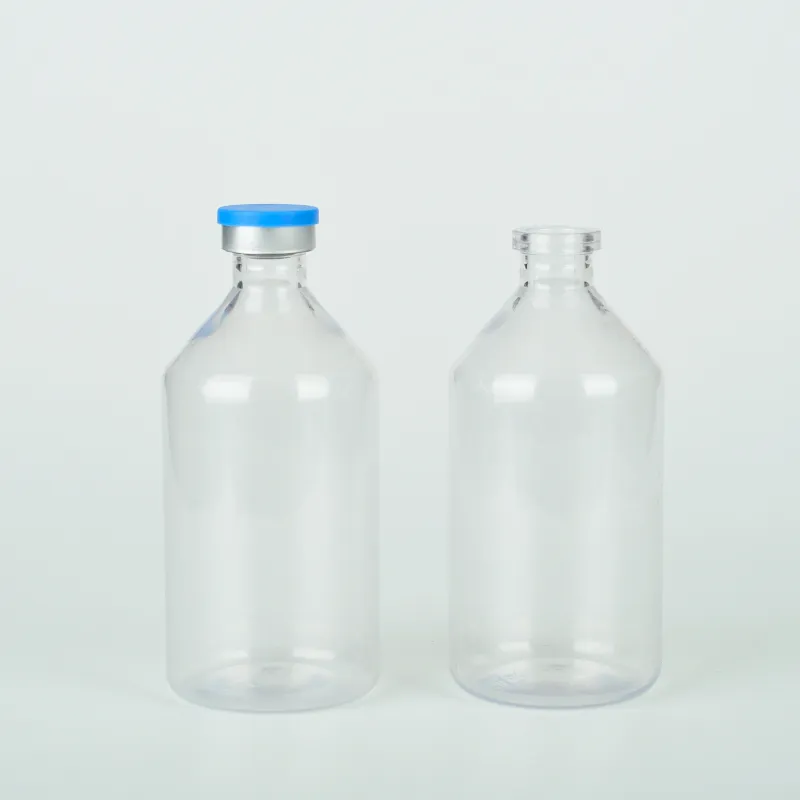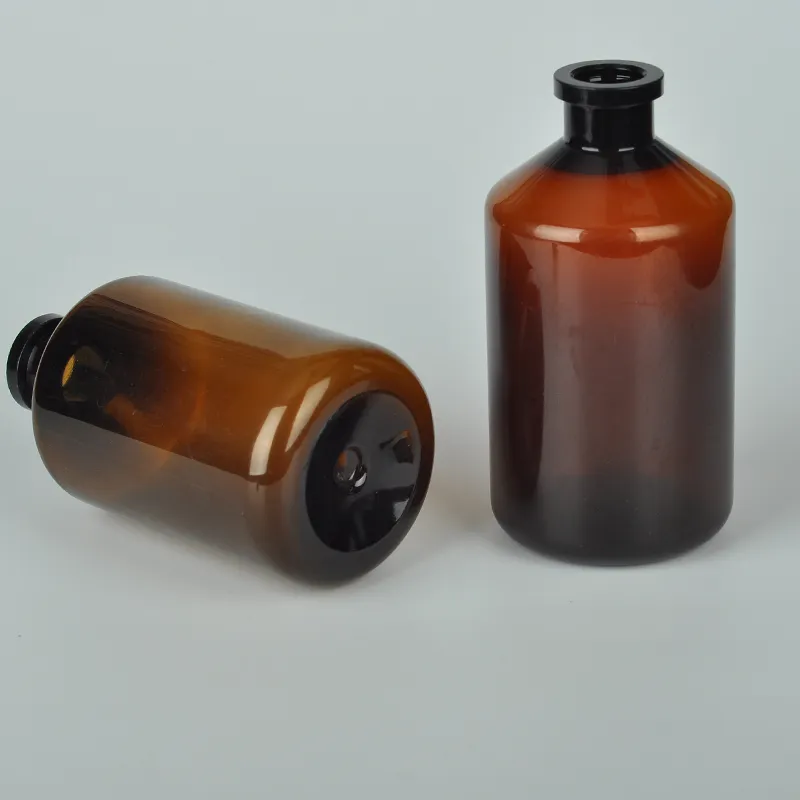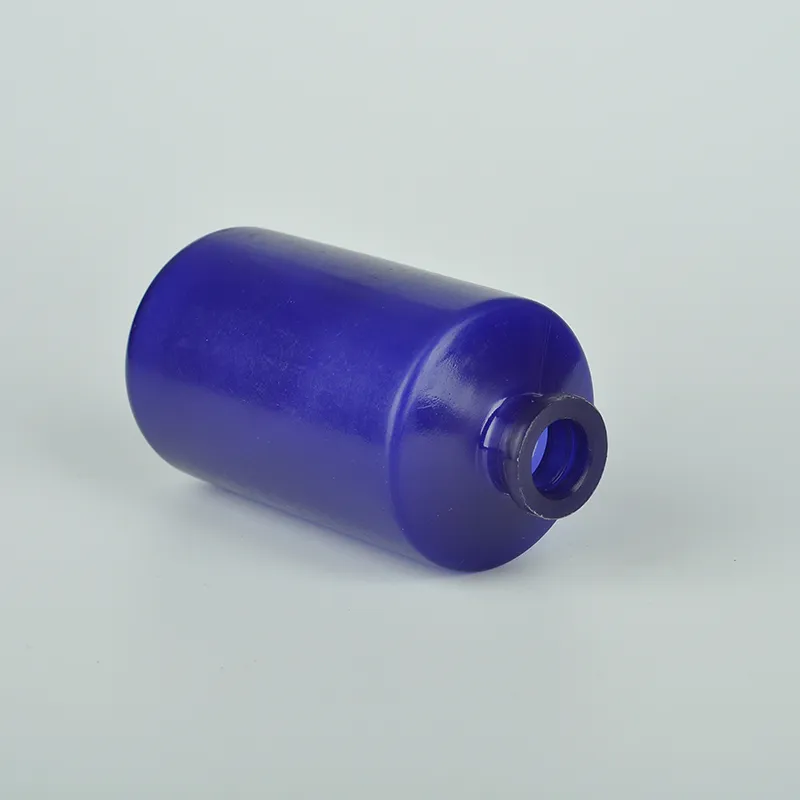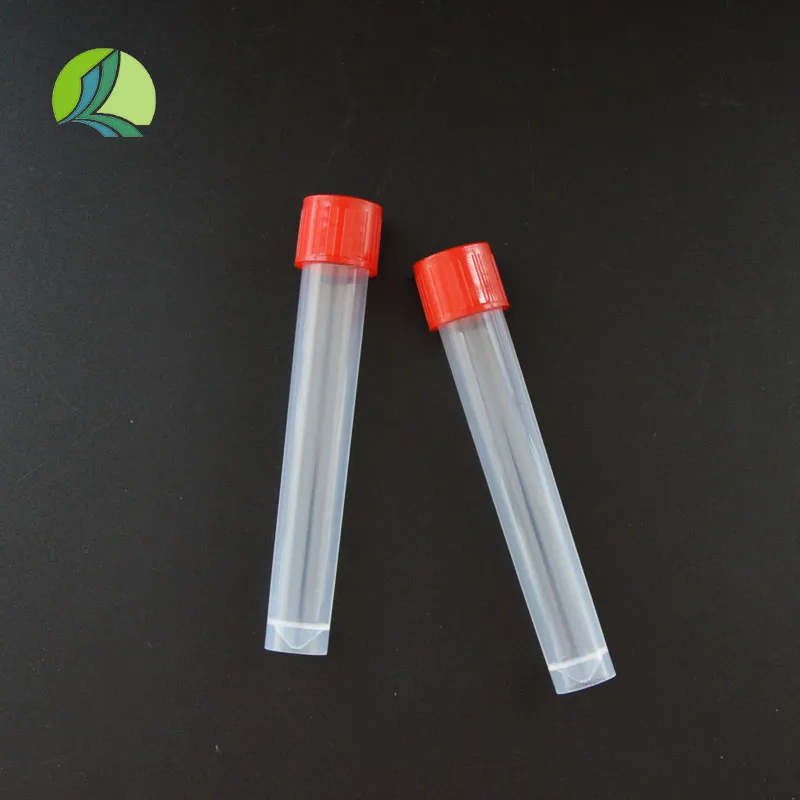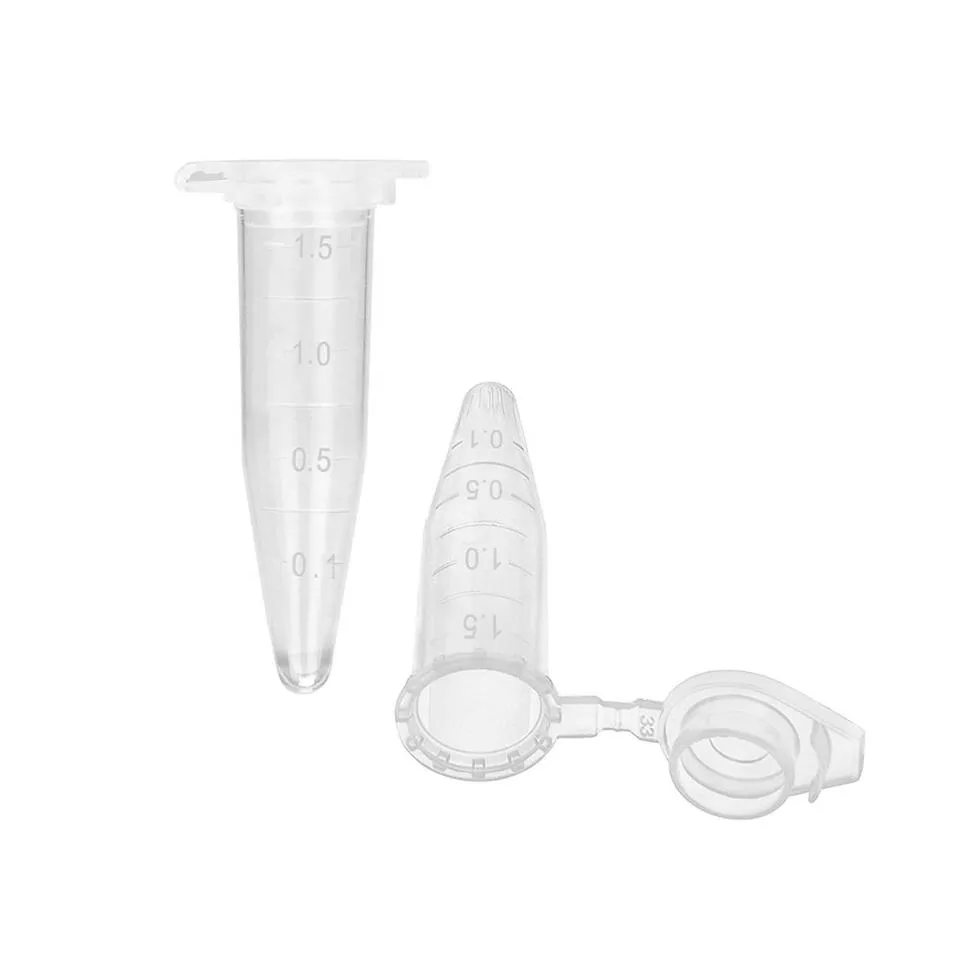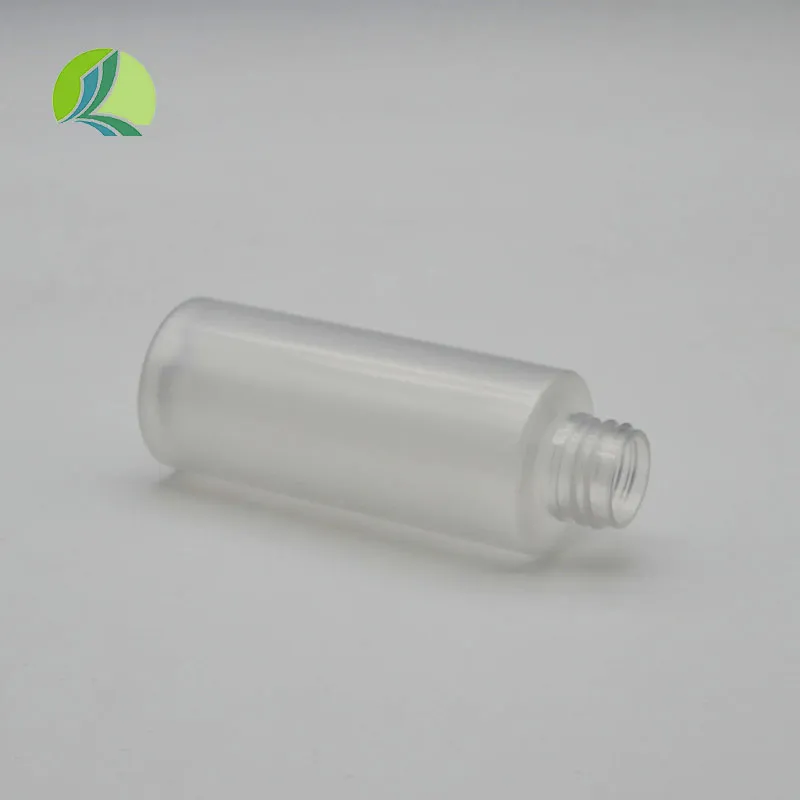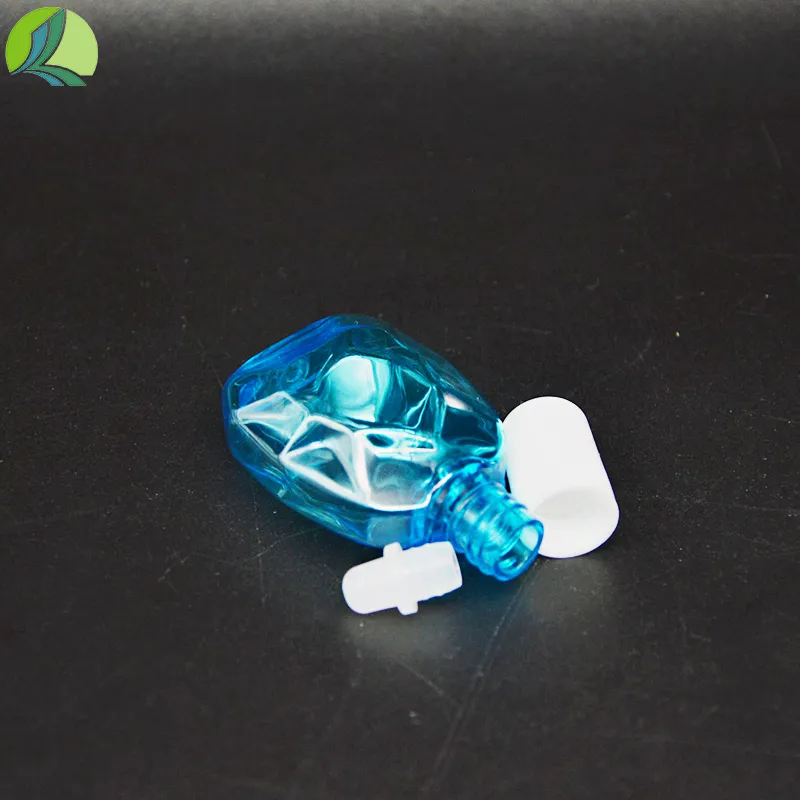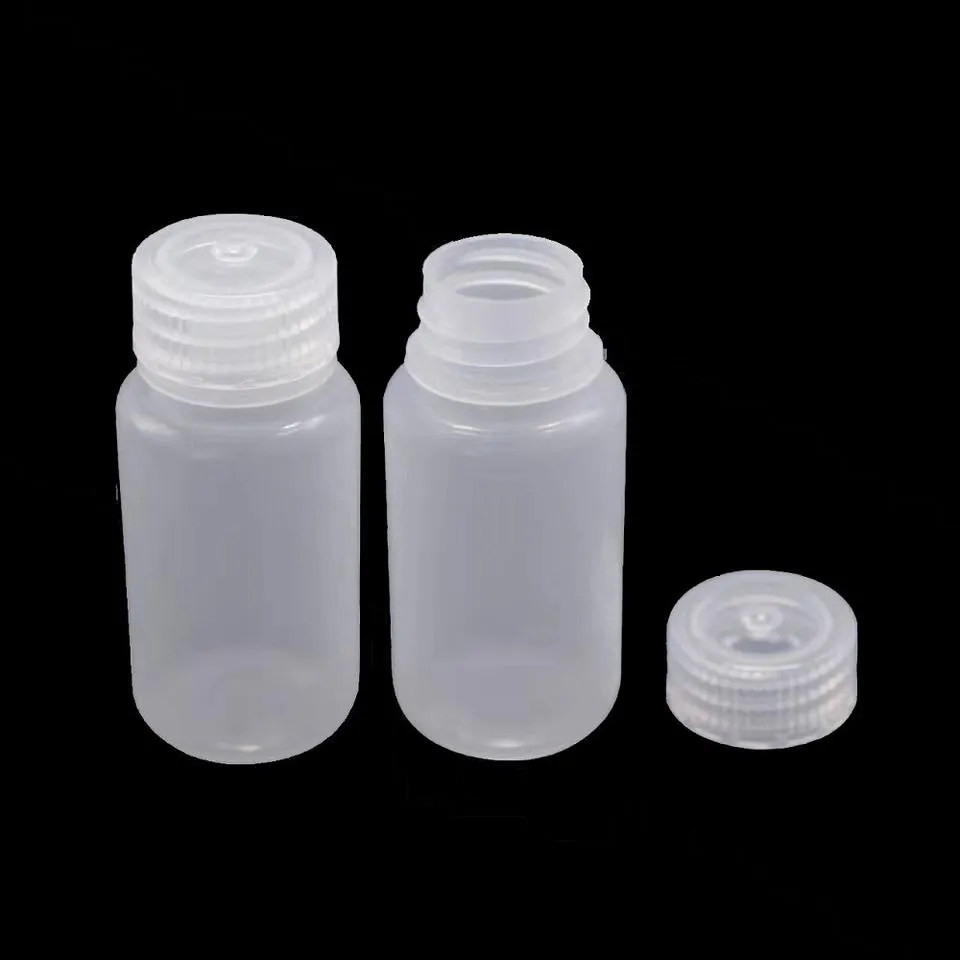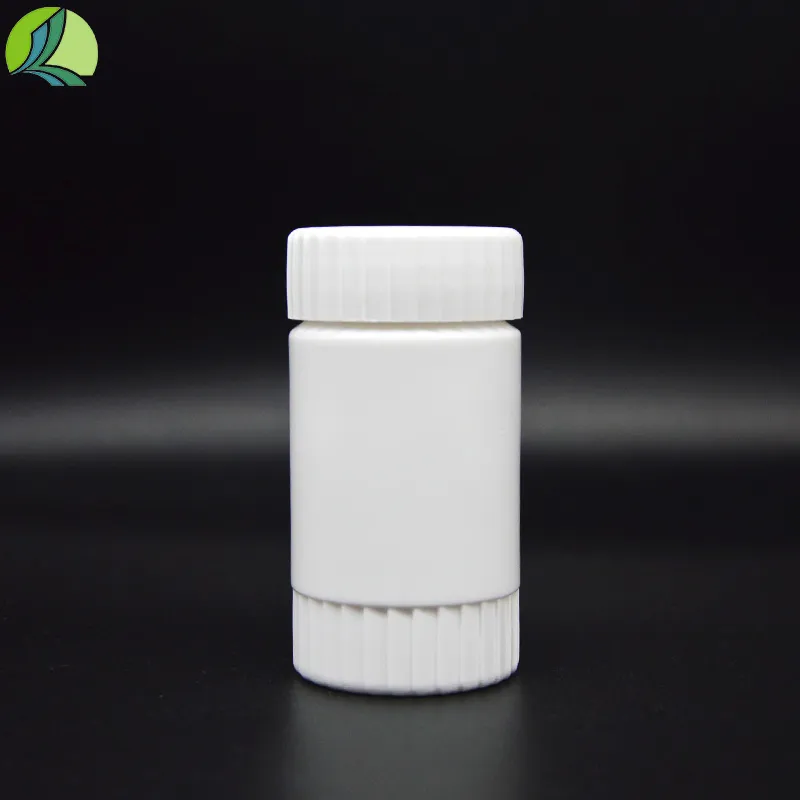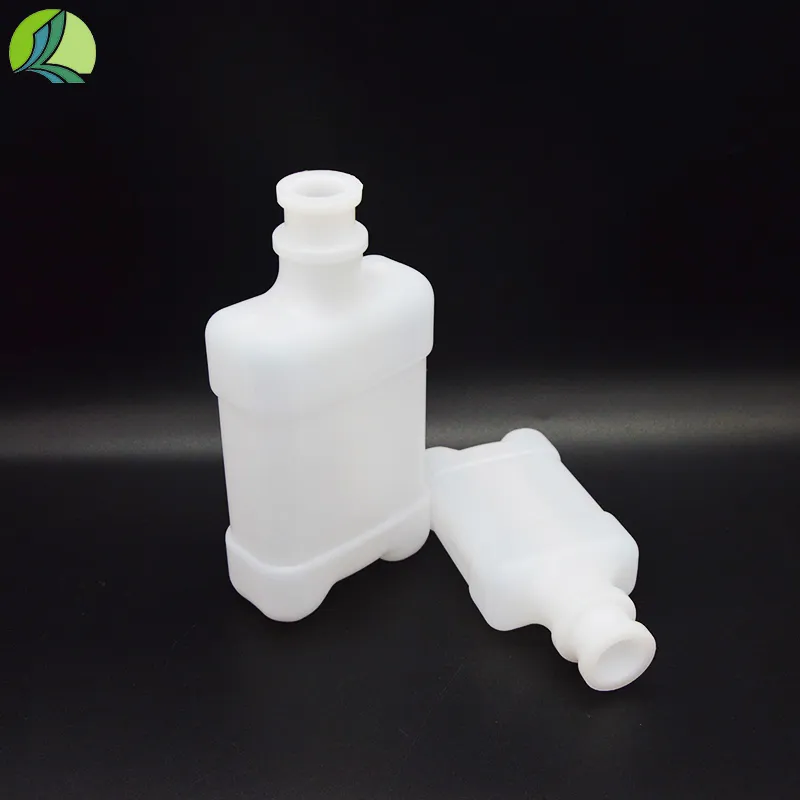



White Plastic Vet Vaccine Vial Hanging Bottle – Leak-Proof
Hands-on Review: White Plastic Veterinary Medicine Vaccine Vial Animal Laboratory Liquid Hanging Bottl
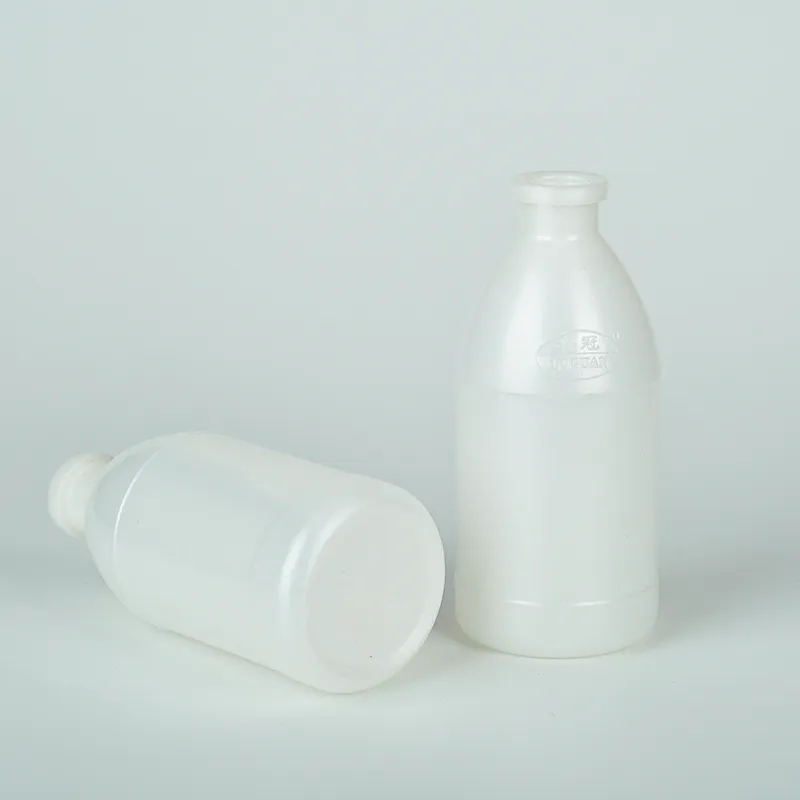
If you’ve ever tried to manage a barn-side vaccination run at 5 a.m., you learn very quickly that packaging can make or break the workflow. These white plastic hanging bottles from Cangzhou, Hebei (LITUN, Dusheng Town, Cangxian County—yes, I visited that cluster once) are showing up everywhere in animal health supply chains. Many customers say the hanging loop is a small thing that solves a big problem—no more juggling bottles and syringes while holding a skittish piglet.
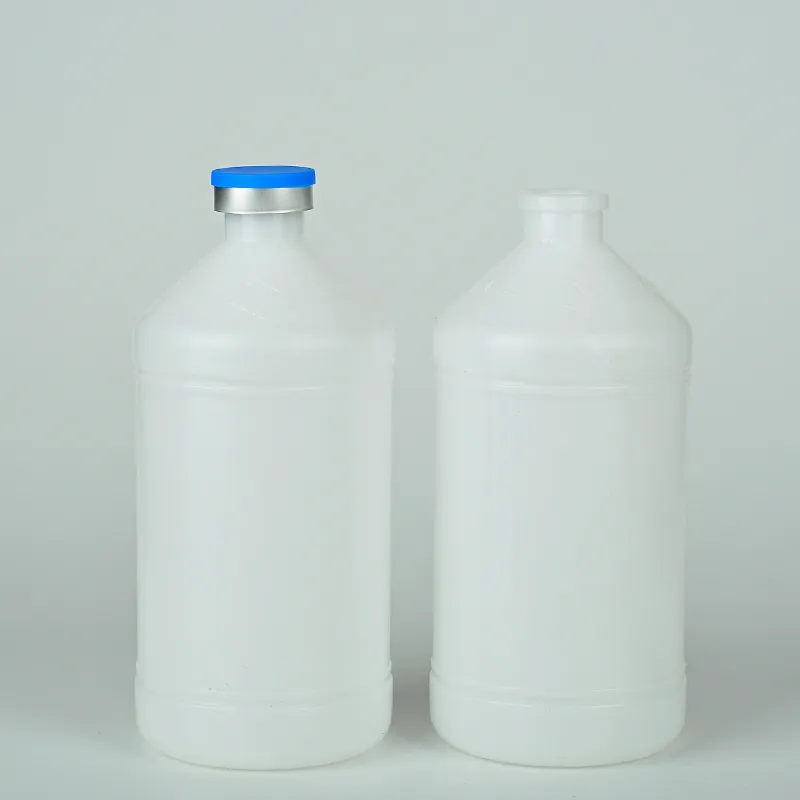
What it’s designed for
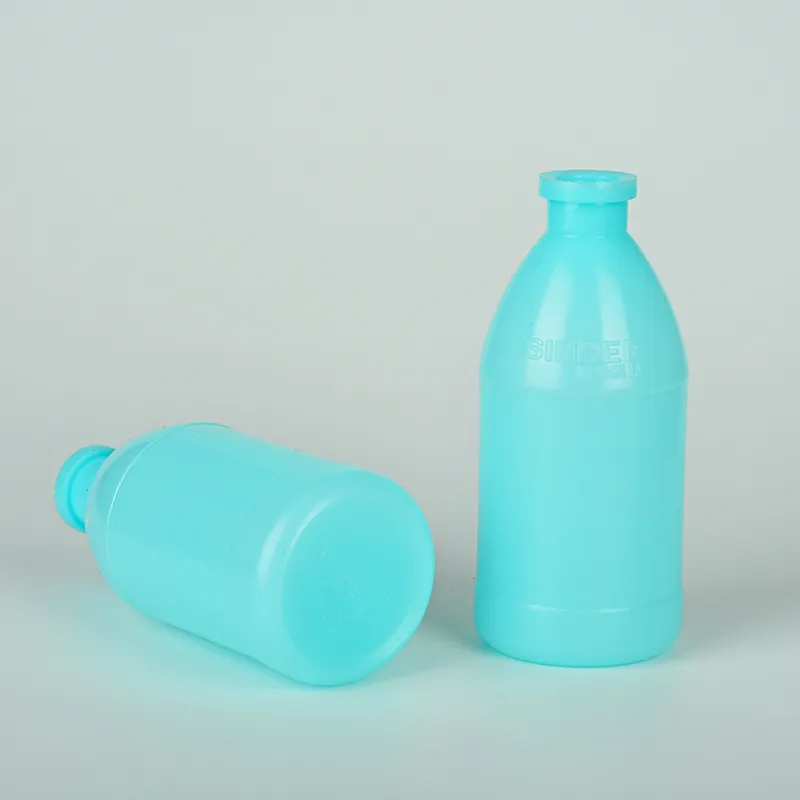
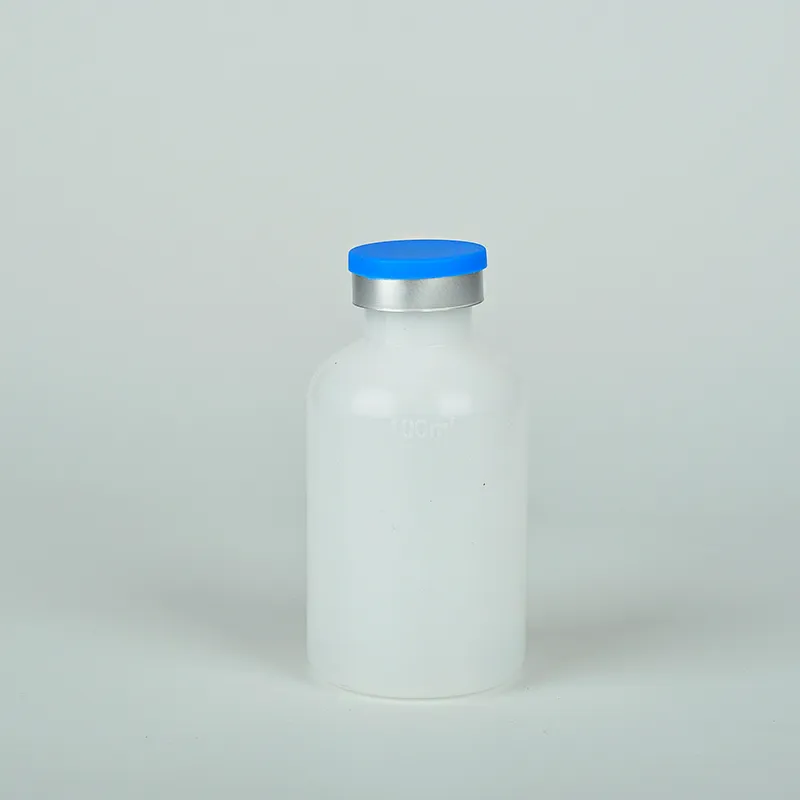
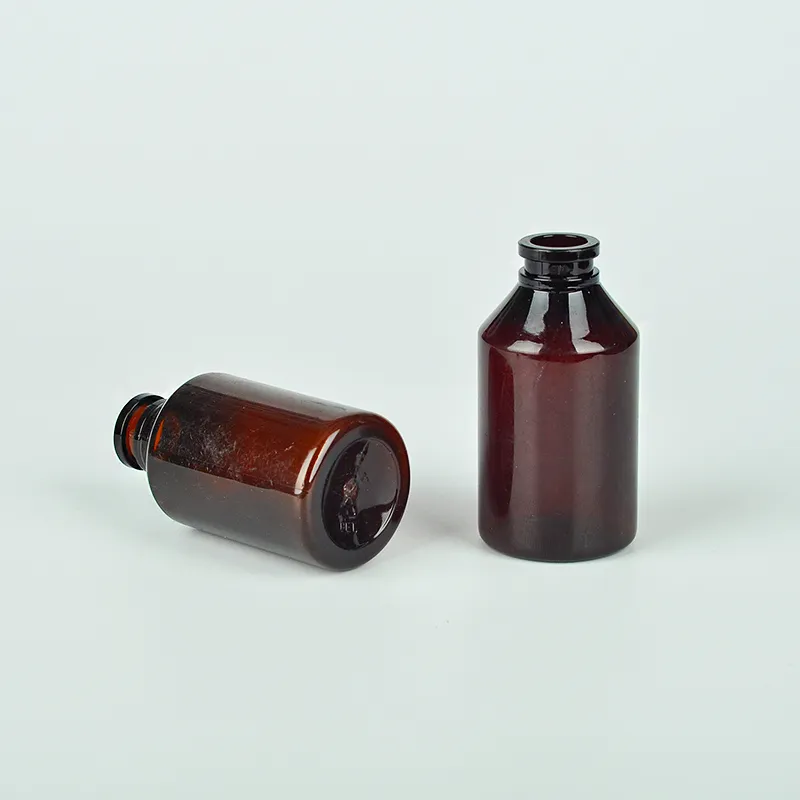
The bottle targets inactivated veterinary vaccines—porcine circovirus, pseudorabies, FMD, and avian lines like influenza, infectious rhinitis, and mycoplasma. Common fills: 20/30/40/50/100/250/500 ml. In fact, you’ll often see multi-spec options under one vaccine SKU. The White Plastic Veterinary Medicine Vaccine Vial Animal Laboratory Liquid Hanging Bottl plays nicely with cold-chain routines and barn deployment, which is not always true for glass in rough field conditions.
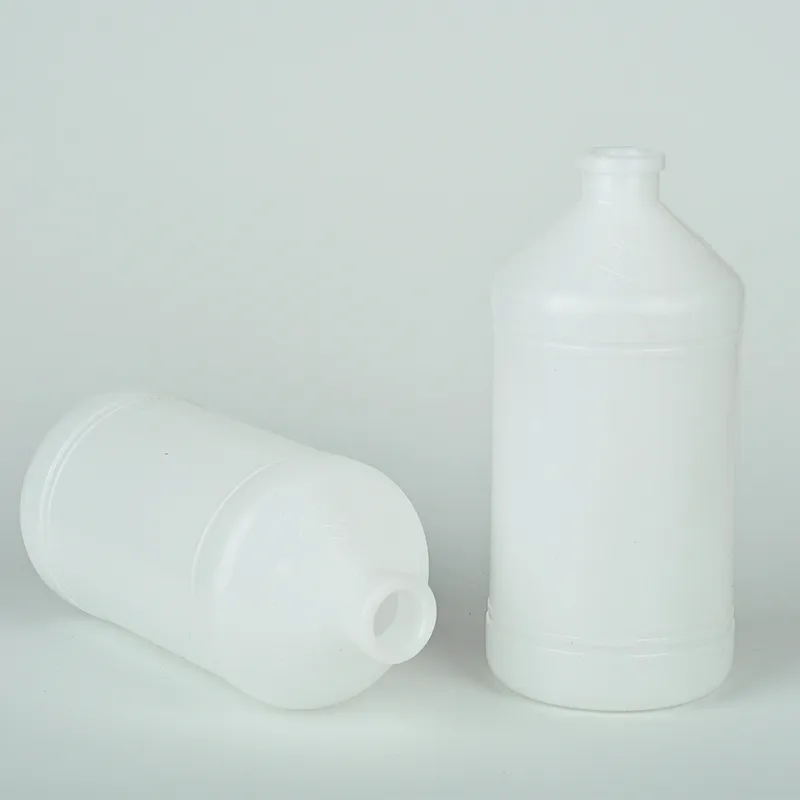
Specs at a glance
| Parameter | Typical Value |
|---|---|
| Materials | Medical-grade HDPE or PP bottle; HDPE/PP cap; optional TPE/Silicone liner |
| Volumes | ≈20, 30, 40, 50, 100, 250, 500 ml (real-world use may vary) |
| Neck/Closure | 28–32 mm finishes; screw or snap; tamper-evident ring optional |
| Sterility | Non-sterile bulk; ETO or gamma treated available on request |
| Color/Opacity | White, light-shielding to reduce photodegradation |
| Hanging Feature | Integrated loop for field suspension |
| Temp Range | 2–8°C storage; withstands -20 to +50°C transport excursions |
| Service Life | 24–36 months depending on formulation and closure integrity |
Process flow and testing
Material selection → injection or extrusion blow molding → trimming/annealing → cap/liner fit → washing → optional sterilization → container-closure integrity (CCI) → labeling/pack-out. Testing follows USP plastics guidance, USP / bioreactivity screens, and dye ingress or vacuum decay CCI per ASTM practices. In a recent internal validation (one lot, HDPE, 100 ml), dye ingress showed 0/300 failures; drop test at 1.2 m yielded no cracks in 5°C condition—your mileage may vary, of course.
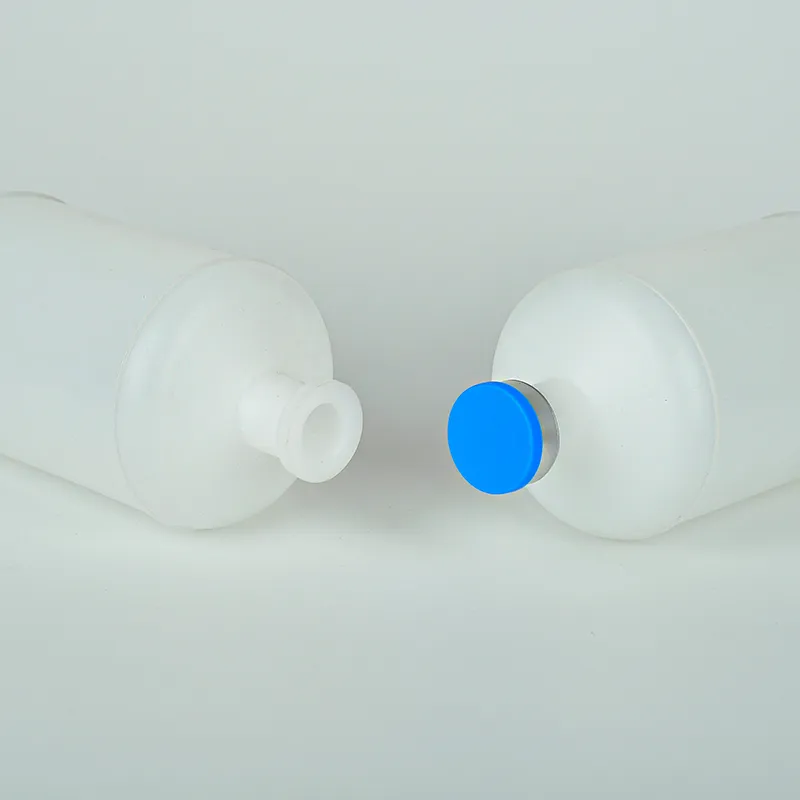
Where it’s used (and why)
- Veterinary drug manufacturers: fill-finish lines for inactivated vaccines.
- Animal health labs: pilot batches, stability studies.
- Farms and integrators: barn-side dosing, portable hook-and-go setups.
- Distributors: cold-chain logistics needing robust, non-breakable containers.
Advantages? Impact resistance versus glass, lighter freight, and faster handling. I guess the hanging loop feels like a gimmick until you’ve worked in tight pens—then it becomes essential.
Customization options
Brand color masterbatch, embossed logos, graduations, tamper-evident closures, liner materials (TPE/silicone), and carton configurations tuned to your filling machine pitch. Lead time varies with molds.
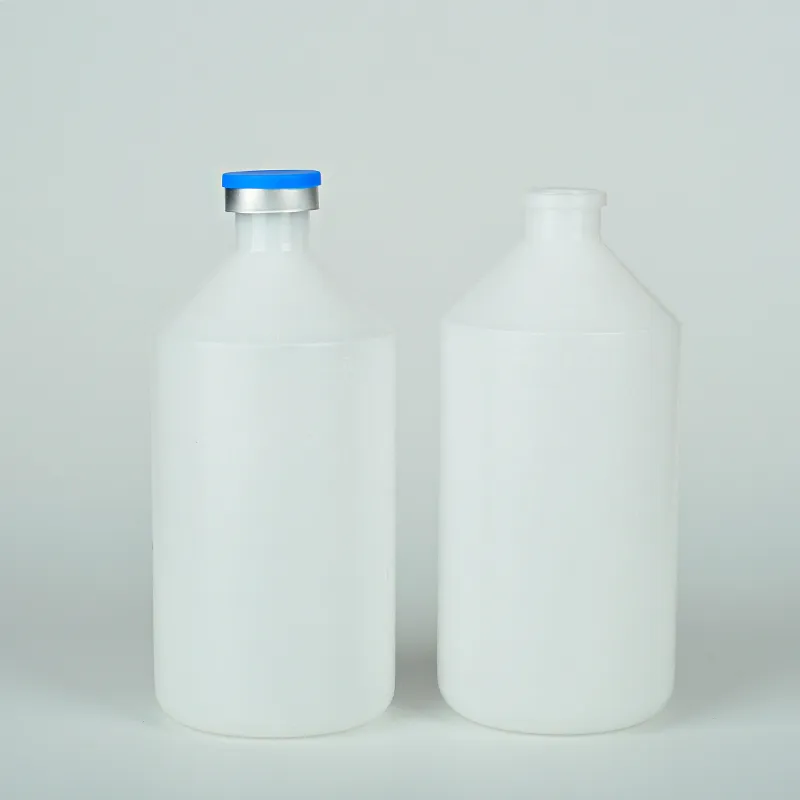
Vendor landscape: quick comparison
| Supplier | Materials | Certs | Customization | Lead Time |
|---|---|---|---|---|
| WK Packing (Cangzhou, Hebei) | HDPE/PP, TE caps | ISO 9001; ISO 15378 (site dependent) | High—molds, colors, liners | ≈2–5 weeks |
| Generic A (EU) | PP, PETG | ISO 13485; ISO 15378 | Medium | ≈4–8 weeks |
| Generic B (APAC) | HDPE | ISO 9001 | Low–Medium | ≈3–6 weeks |
Field notes and mini case studies
Poultry integrator in Shandong swapped 100 ml glass for White Plastic Veterinary Medicine Vaccine Vial Animal Laboratory Liquid Hanging Bottl and reported a 27% reduction in breakage-related product loss during winter runs. A European distributor told me—somewhat skeptically at first—that handlers preferred the loop when dosing layers at height; fewer drops, faster cycles. To be honest, the lighter weight is the quiet hero in cold-chain freight invoices.
Standards and compliance
Design and QA typically reference ISO 15378 (primary packaging for medicinal products), ISO 10993 screening where applicable, USP plastic systems, and CCI checks aligned with ASTM methods. For vaccines, manufacturing teams also map to WOAH (OIE) vaccine handling guidance and local pharmacopeias.
Authoritative citations:
- USP General Chapter <661.1> Plastic Packaging Systems and Their Materials of Construction
- ISO 15378: Primary packaging materials for medicinal products
- ASTM F1929: Standard Test Method for Detecting Seal Leaks by Dye Penetration
- ISO 10993 series: Biological evaluation of medical devices
- WOAH (OIE) Manual of Diagnostic Tests and Vaccines for Terrestrial Animals
-
Bulk Eye Dropper Bottles for Industrial Packaging - Reliable & CustomizableNewsDec.31,2025
-
Small Plastic Dropper Bottles – Durable, Precise Packaging Solutions for B2B ApplicationsNewsDec.10,2025
-
Medicine Dropper Bottles – Precision and Quality Packaging Solutions for B2B | WK PackingNewsDec.10,2025
-
Discover Top Quality 2 oz Eye Dropper Bottles for Industrial UseNewsDec.09,2025
-
1 Oz Eye Dropper Bottles - Precision Packaging Solutions for B2B Industries | WKPackingNewsDec.09,2025
-
Durable 4 oz Eye Dropper Bottles for Industrial & Cosmetic UseNewsDec.09,2025