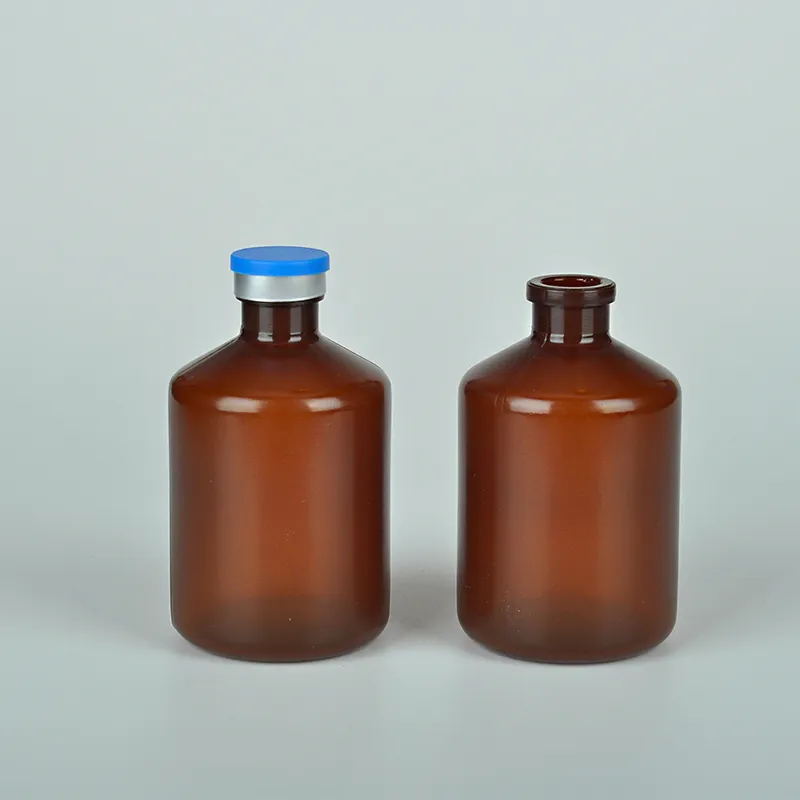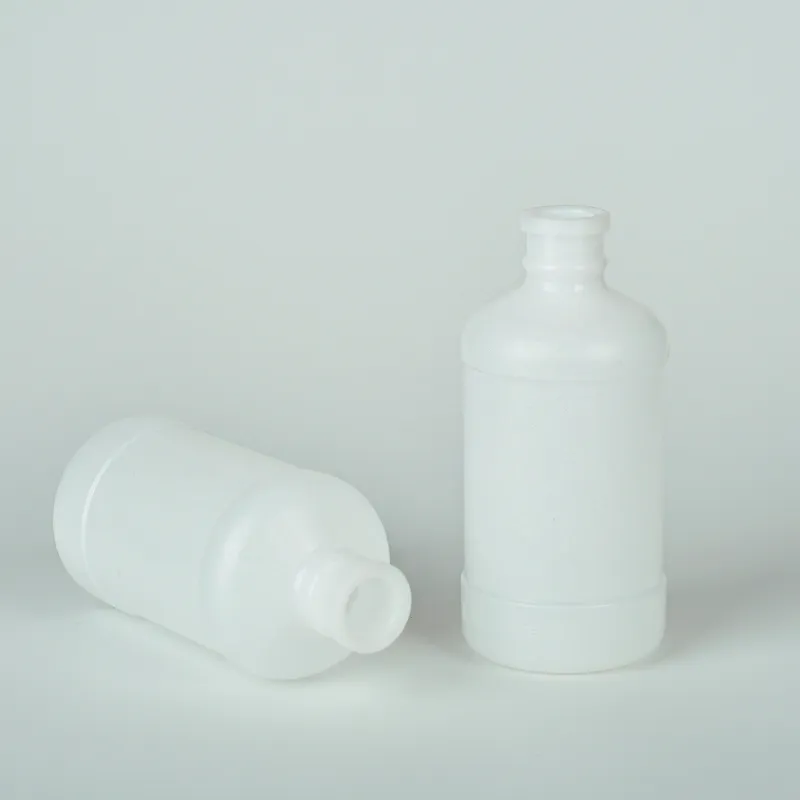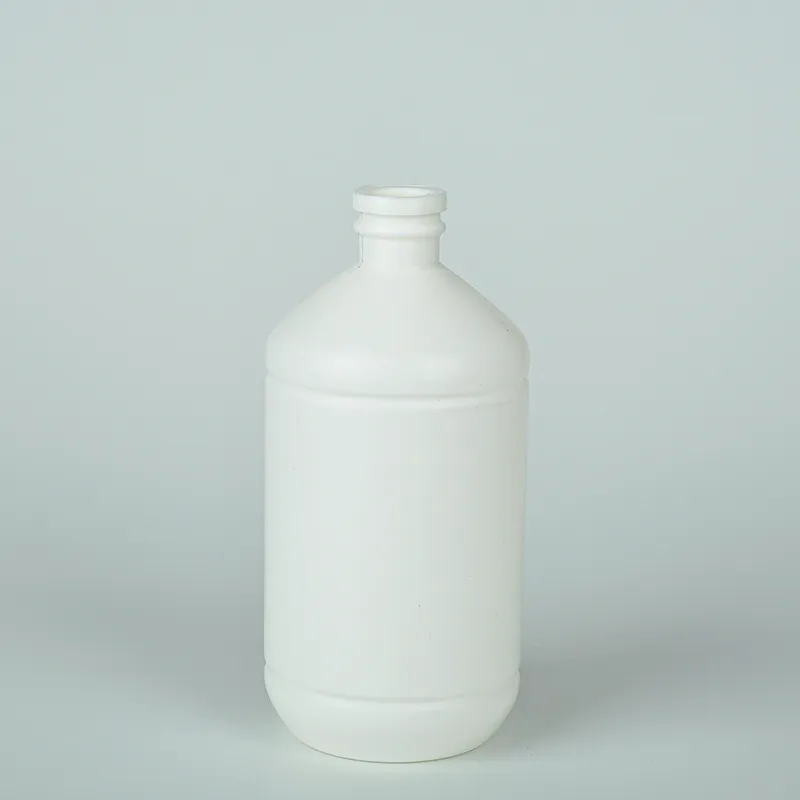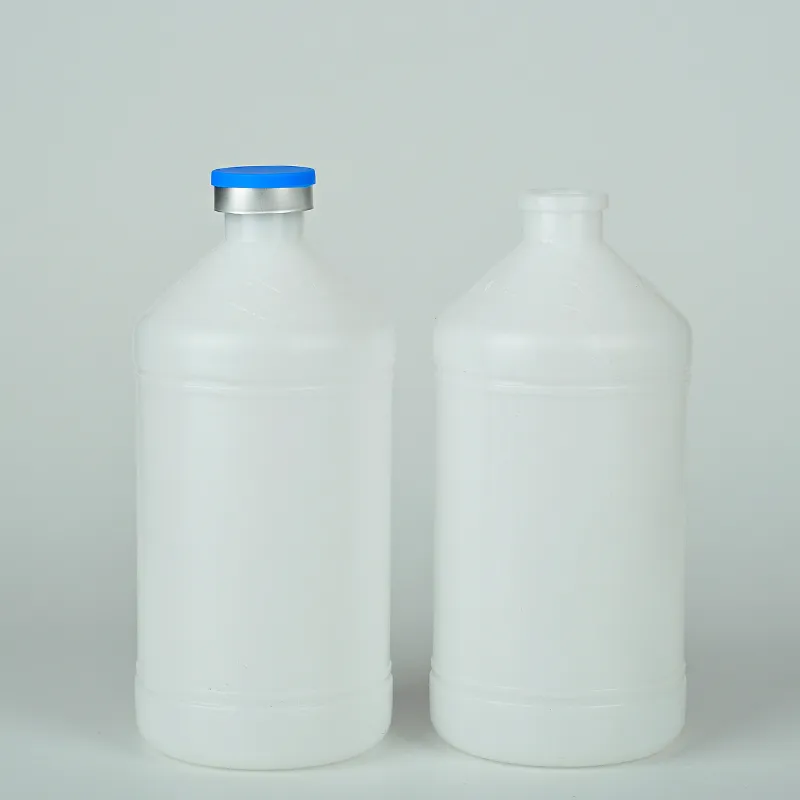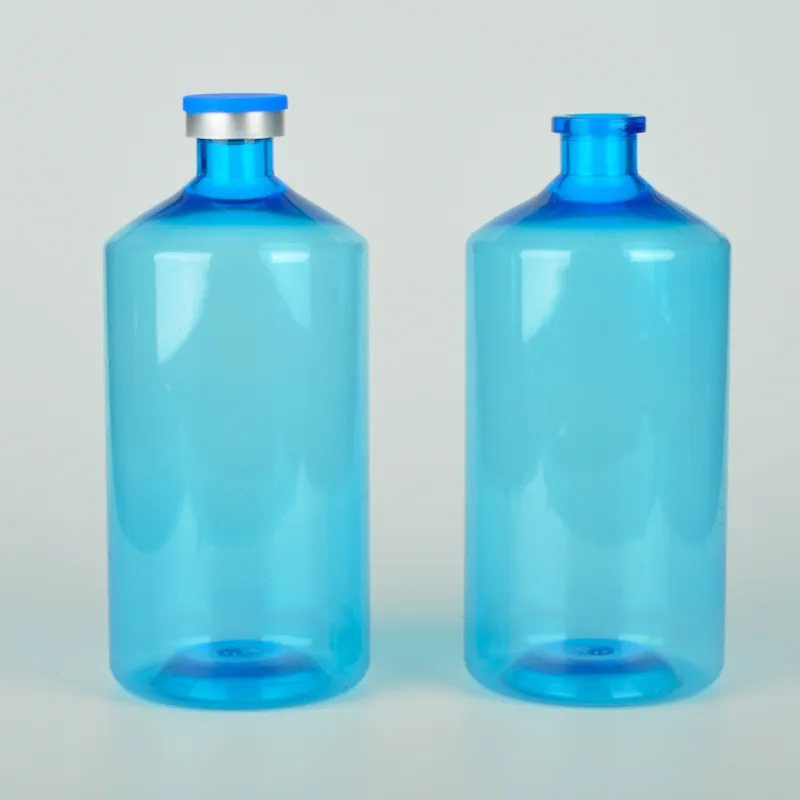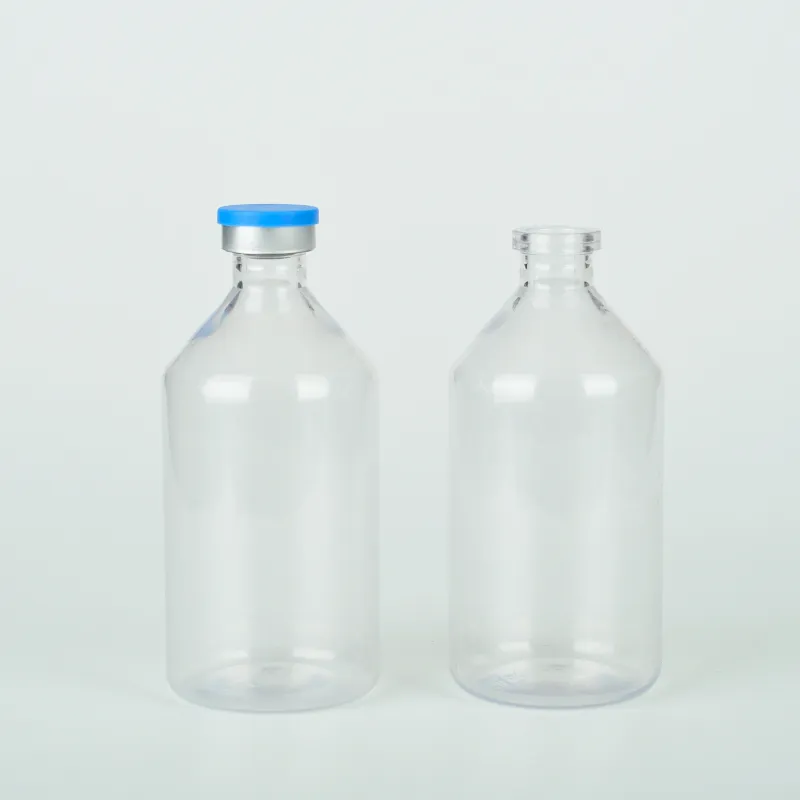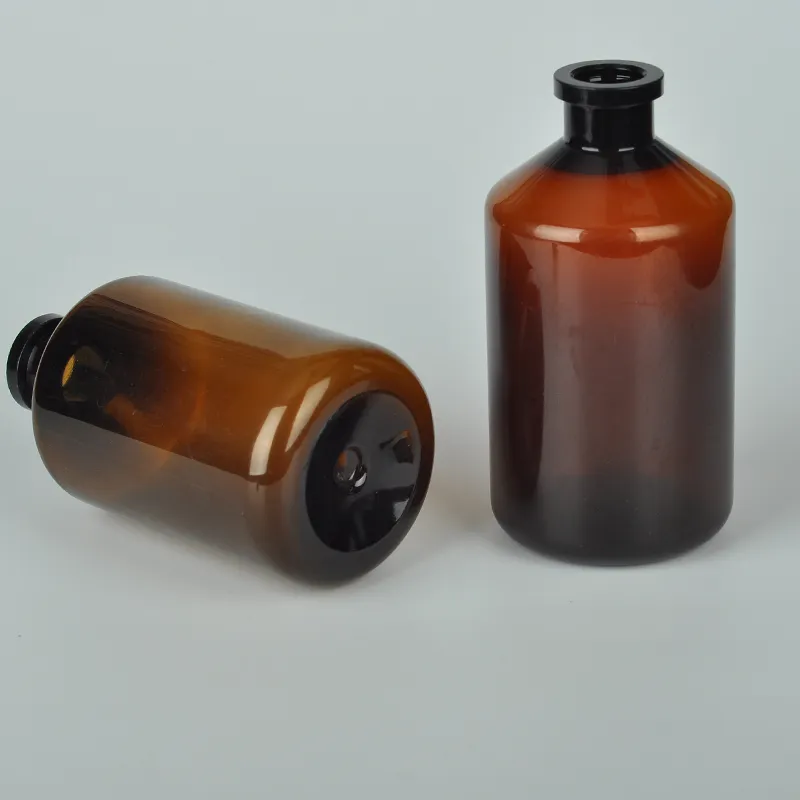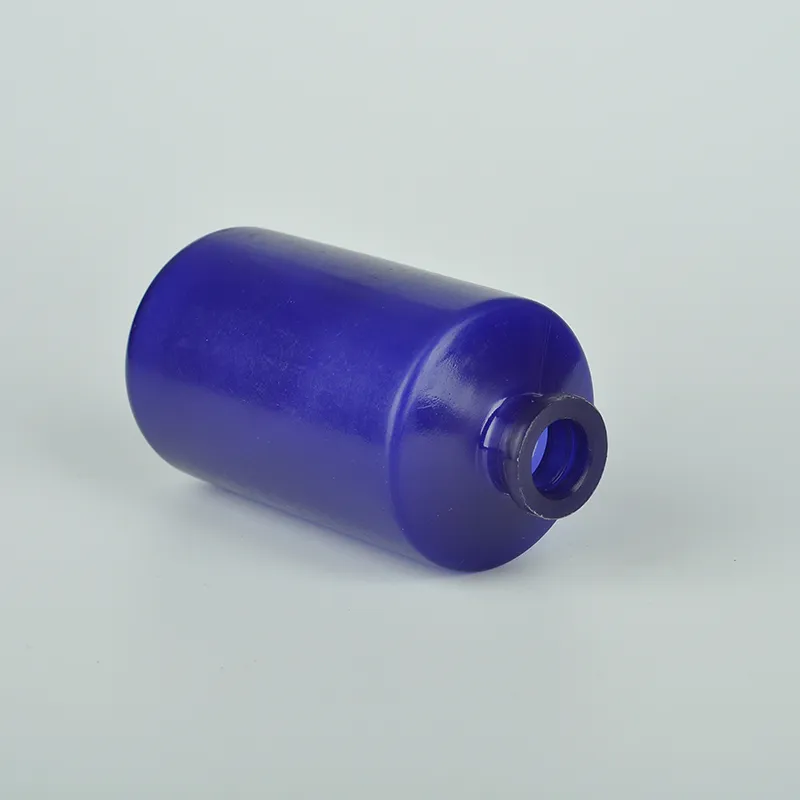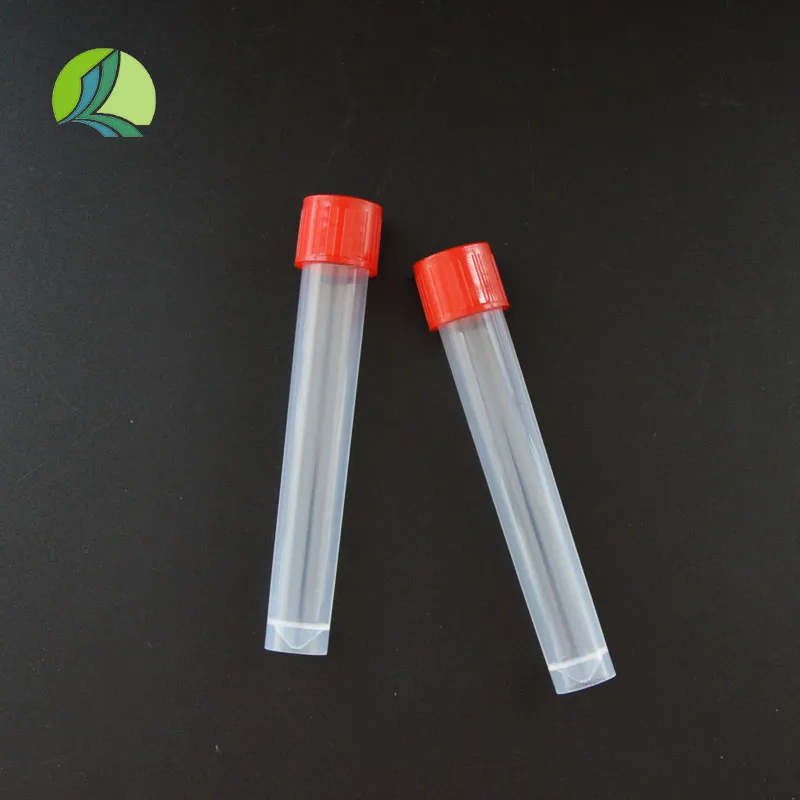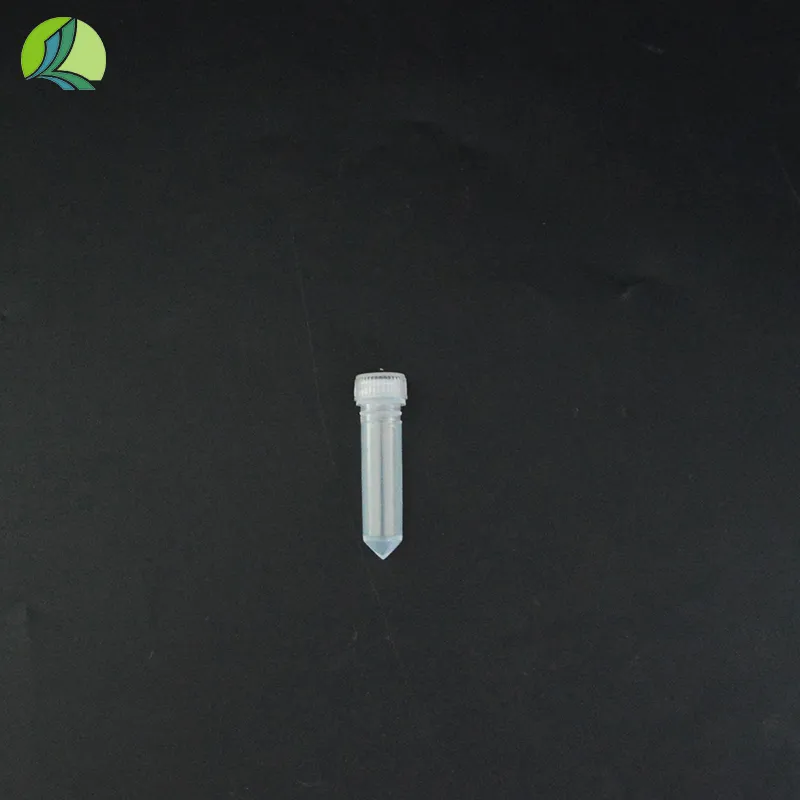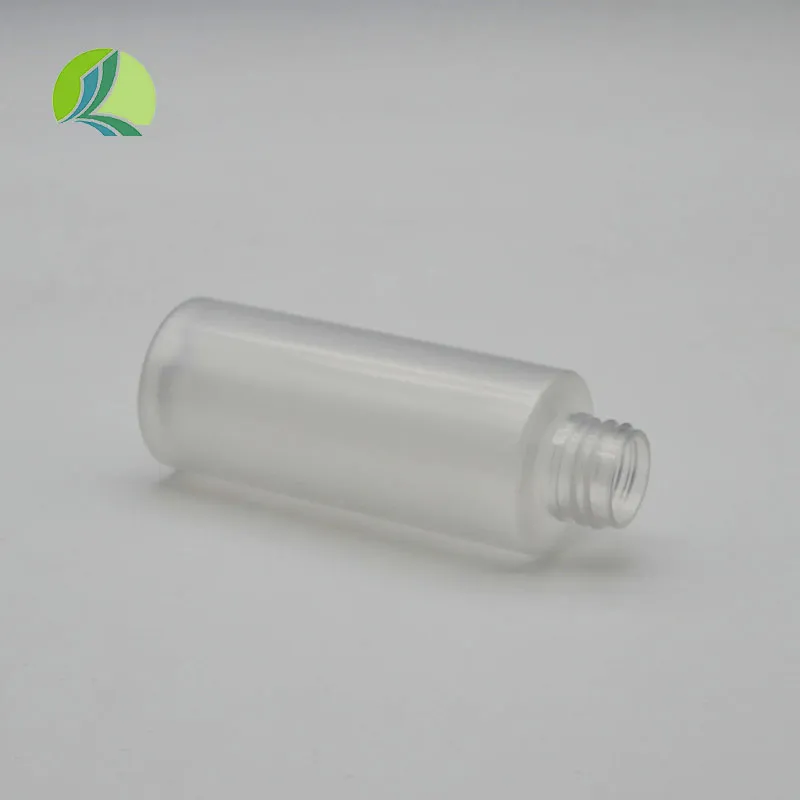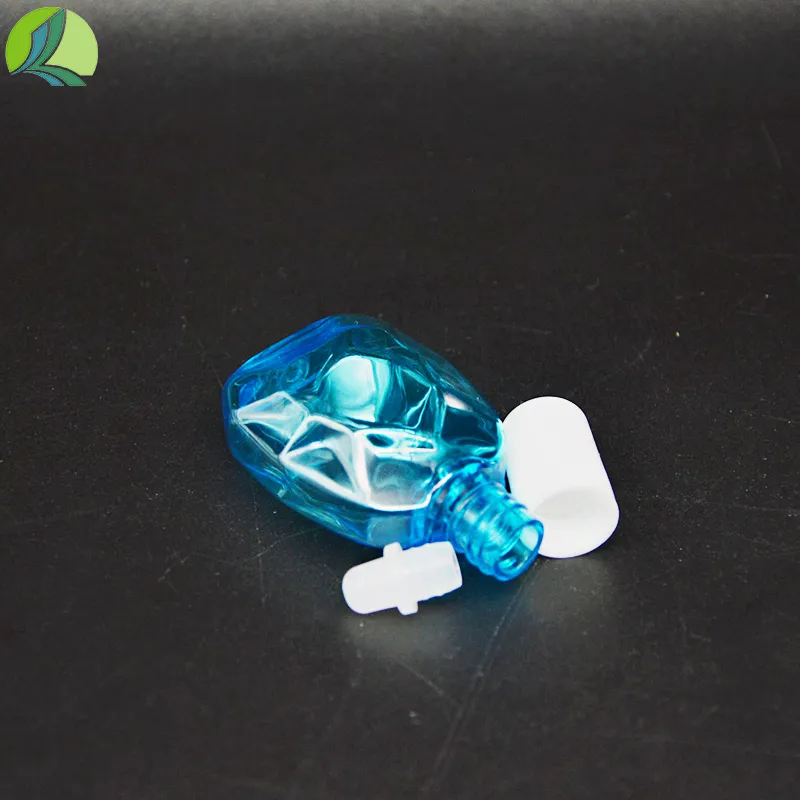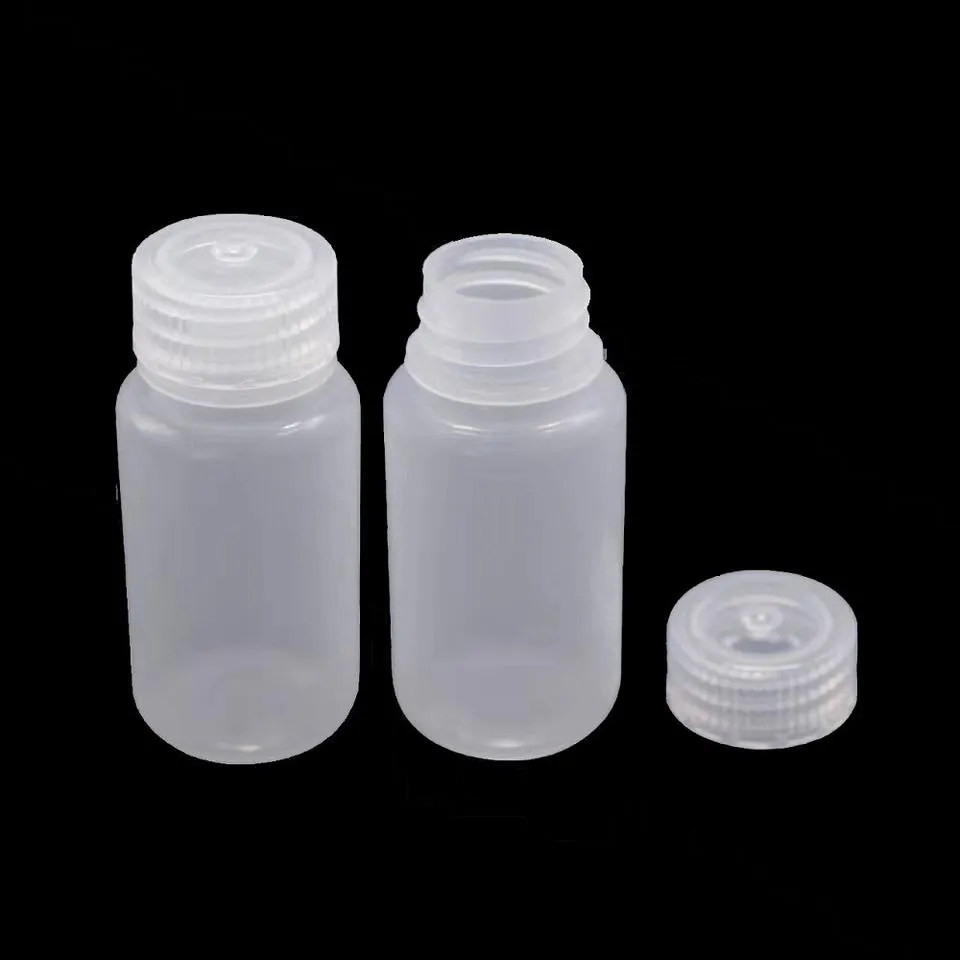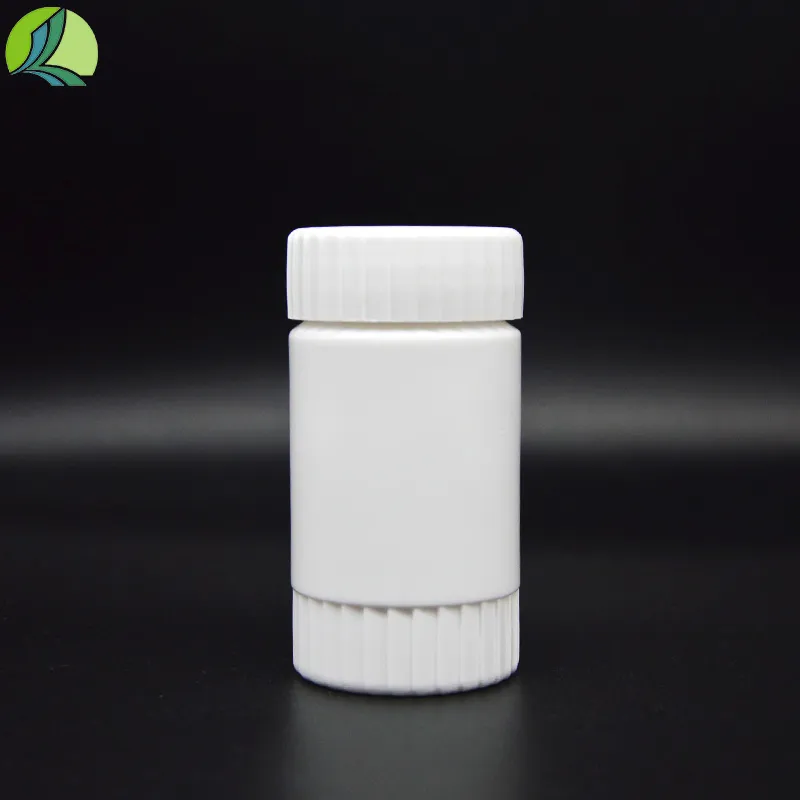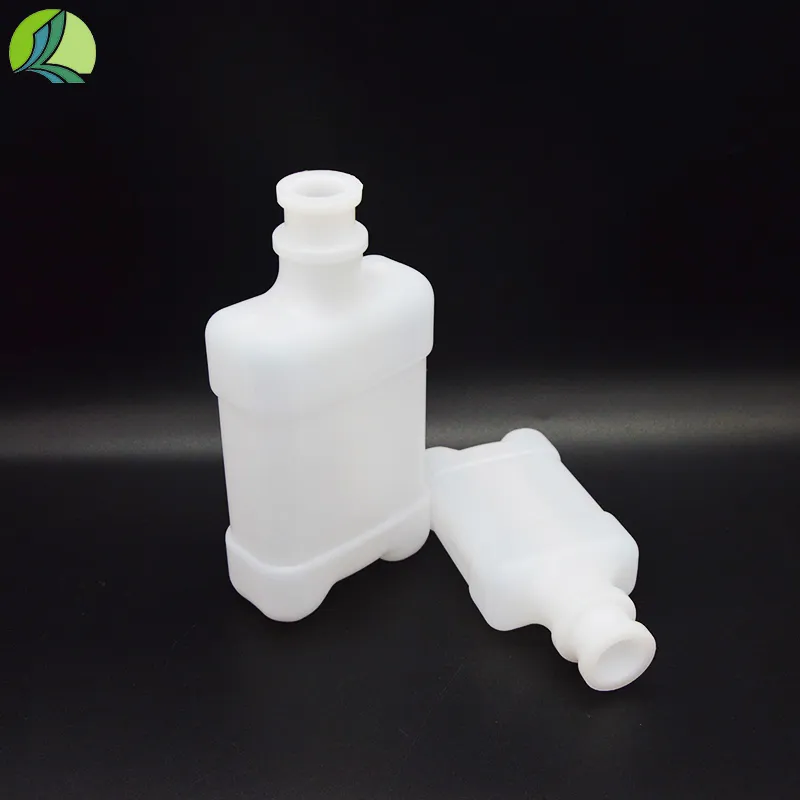


Medicine Liquid Bottle: Leak-Proof, BPA-Free, Sterile
Sterile Vaccine Vial Plastic Liquid Vial For Medical Purposes: field notes from the fill-finish line
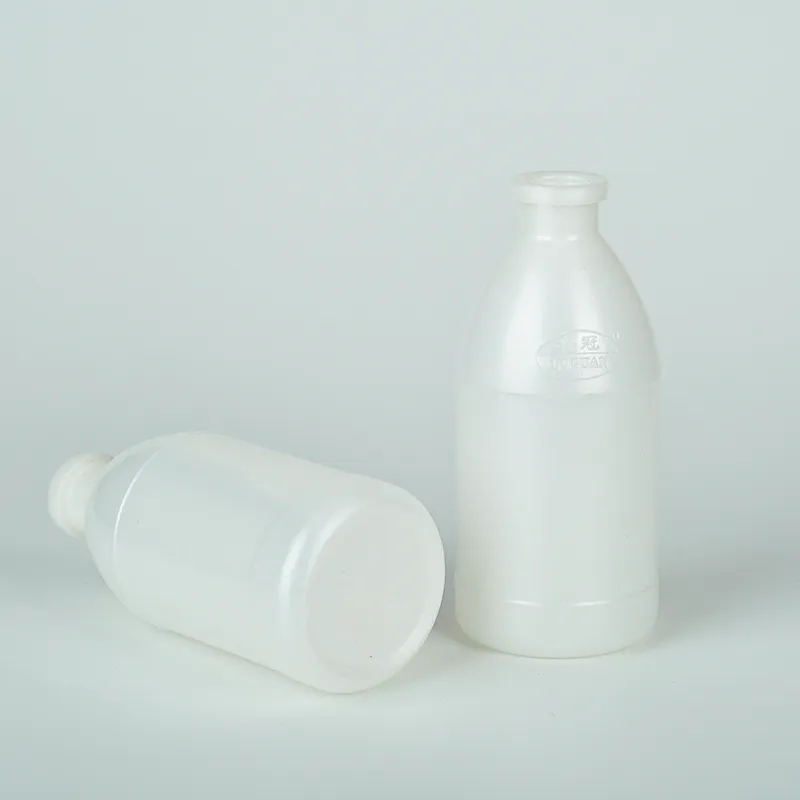
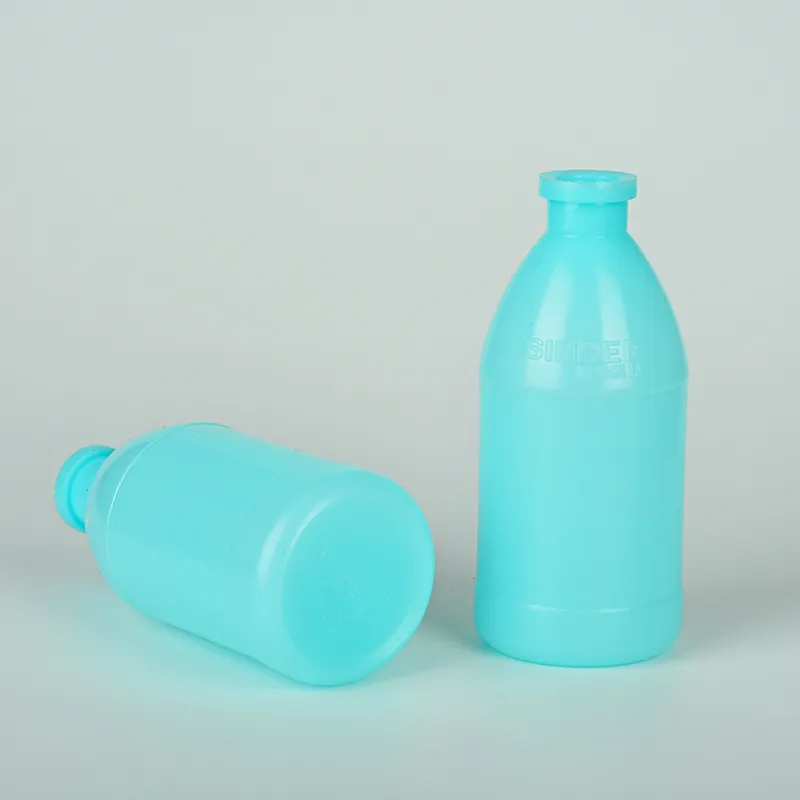
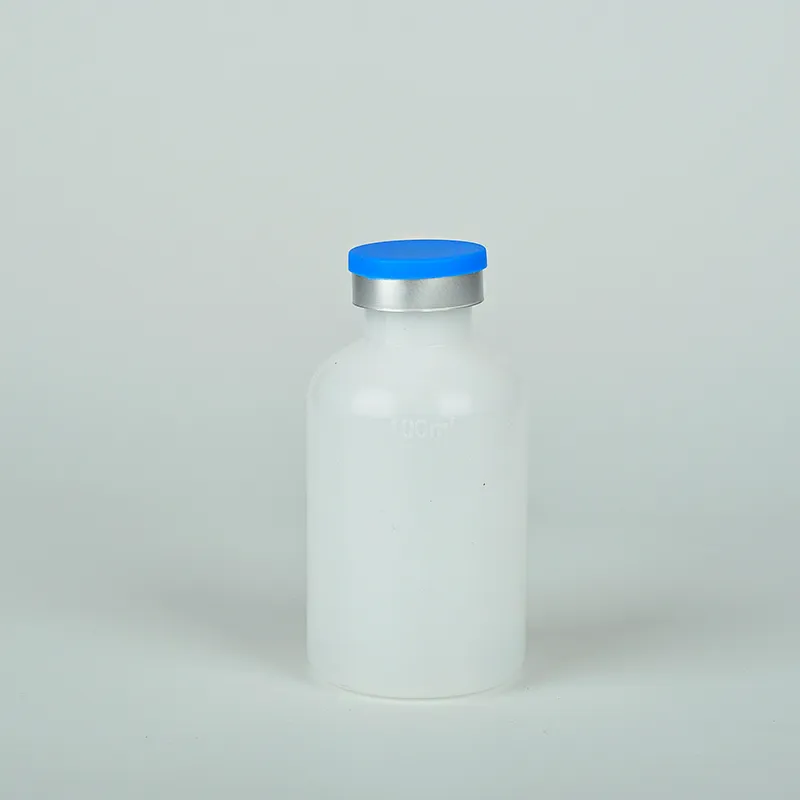
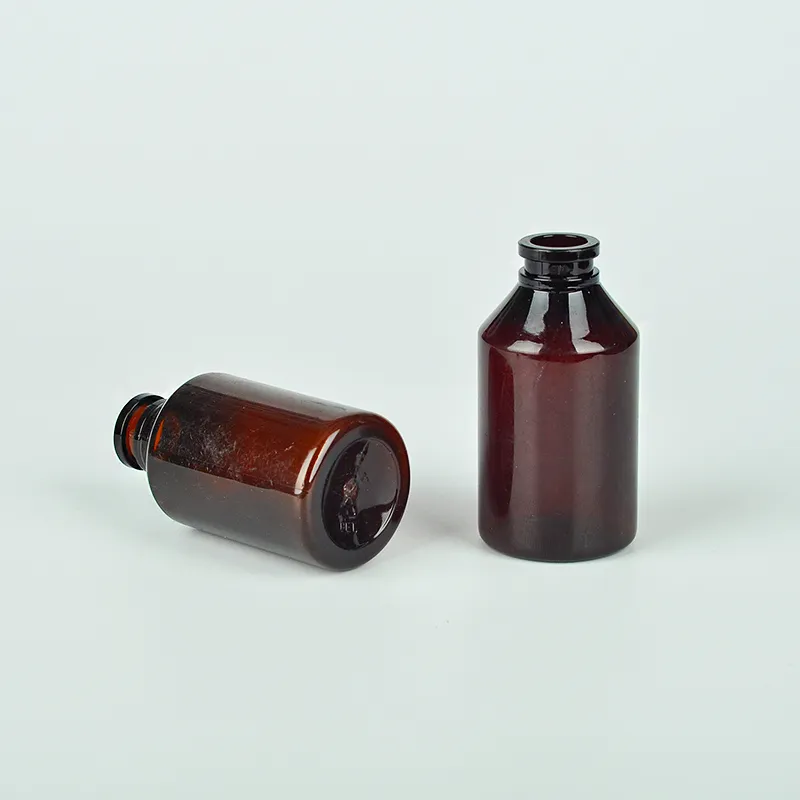
If you’re sourcing a medicine liquid bottle for vaccines or diagnostic reagents, here’s the short version: plastic is no longer the underdog. The latest injection–blow molded vials from LITUN, Dusheng Town, Cangxian County (Cangzhou, Hebei, China) are engineered for cleanroom filling, autoclave cycles, and cold-chain bumps that used to make glass cringe. In fact, many customers say breakage anxiety basically disappears, which, to be honest, is half the battle during peak production.
What’s changing in the industry
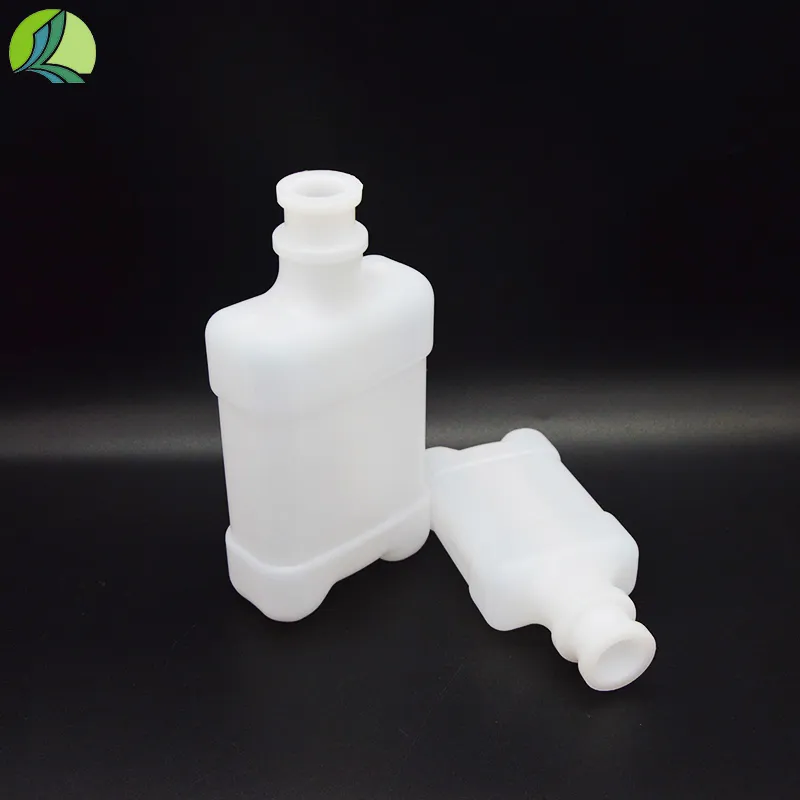
Two things: supply-chain resilience and operator safety. Plastic vials (medical-grade PP or COP) offer low particulates, uniform wall thickness, and nearly zero breakage—plus compatibility with gamma sterilization. Trends I’m seeing on the floor: migration toward ready-to-fill sterile packs, validated SAL 10⁻⁶, and tighter dimensional tolerances for high-speed lines. The medicine liquid bottle here checks those boxes with aseptic packaging and one-step bottle formation for repeatability.
Process flow and quality controls
- Materials: medical-grade PP or COP (BPA-free), colorants gamma-stable on request.
- Method: advanced injection–blow molding; one-piece body; uniform wall thickness.
- Environment: ISO Class 8 cleanroom forming/packing; ISO 2859-1 AQL sampling for visual defects.
- Sterilization: gamma 25–40 kGy per ISO 11137; validated SAL ≈ 10⁻⁶.
- Testing standards: USP <661.1> (plastic packaging), USP <788> (particulates, where applicable), USP <85> (endotoxins), ASTM D1003 (haze), ISO 10993 (biocompatibility, as needed).
- Service life: typical sterile shelf life ≈ 3 years post-sterilization (5–30°C, RH <70%, away from UV); real-world use may vary.
Key specifications
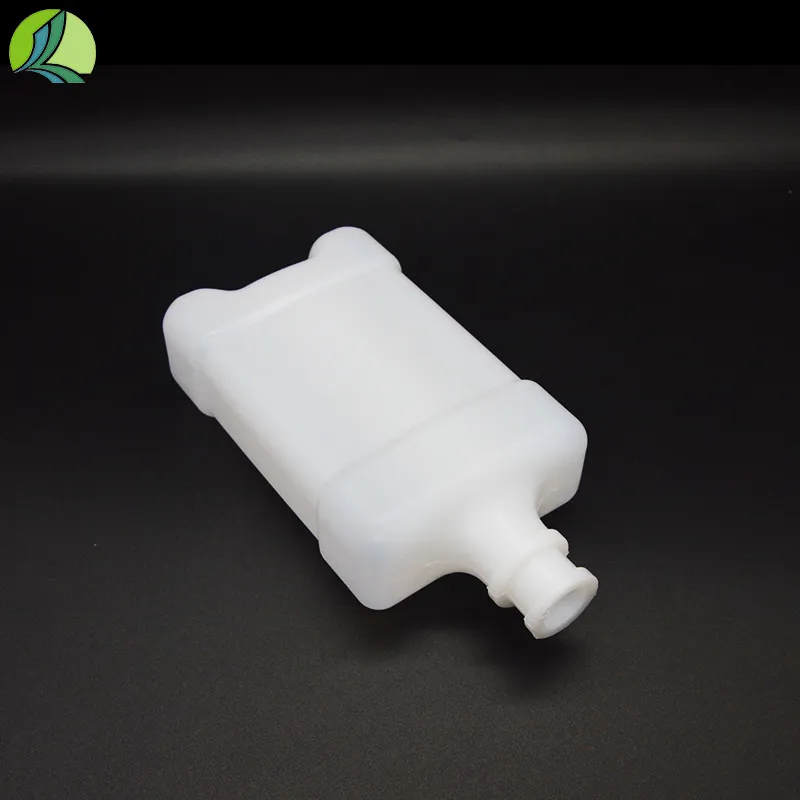
| Parameter | Spec (typical) |
|---|---|
| Nominal volumes | 2 mL, 5 mL, 10 mL, 20 mL, 30 mL |
| Material options | PP (autoclavable) / COP (high clarity) |
| Closure interfaces | 13 mm or 20 mm stopper/crimp, or screw-cap SKUs |
| Sterility | Gamma sterilized; SAL ≈ 10⁻⁶ (ISO 11137) |
| Thermal range | PP: −20°C to 121°C (20 min autoclave); COP: verify cycle |
| Dimensional tolerance | ≈ ±0.15 mm (body/neck), line-speed dependent |
| Clarity (COP) | Haze ≤ 2% (ASTM D1003), typical |
| Particulates | Meets USP <788> targets in RTU packs |
Where it fits
Vaccine fill–finish (bulk and pilot), cold-chain humanitarian kits, diagnostic reagents, clinical trial lots, and emergency stockpiles where glass breakage is a risk. The medicine liquid bottle format is also handy for field vaccination—lighter, safer, and easier on logistics.
Why teams switch
- Breakage resistance and operator safety—surprisingly calming on fast lines.
- Uniform wall thickness improves crimp consistency.
- Aseptic packaging supports RTU workflows and faster tech transfers.
| Vendor | Lead time | Certs | Customization | MOQ |
|---|---|---|---|---|
| WK Packing (Hebei) | ≈ 2–4 weeks stock; 6–8 weeks custom | ISO 9001; ISO 13485-compliant production support | Volumes, necks, markings, gamma packs | ≈ 10k–50k |
| Generic Glass Supplier | 4–10 weeks | ISO 15378 | Standard necks; limited colors | ≈ 50k+ |
| Regional Plastic Molder | 6–12 weeks (tooling) | ISO 9001 (varies) | High if new mold funded | Project-based |
Customization options
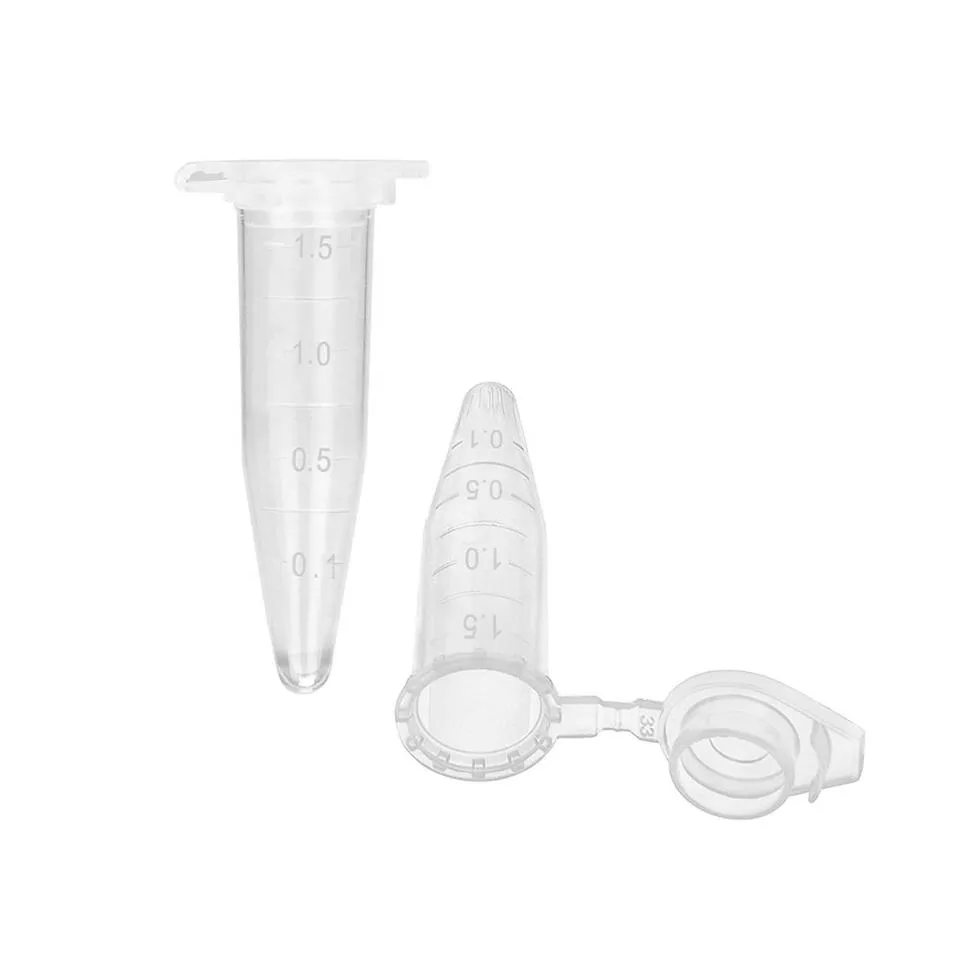
Graduations, tamper-evident caps, RFID/2D codes for serialization, color tints for UV-sensitive APIs, sterile blister bundles, and alternate stopper compatibility. I guess the nicest surprise is how fast a custom neck can be tooled when forecasts are solid.
Field feedback and a quick case
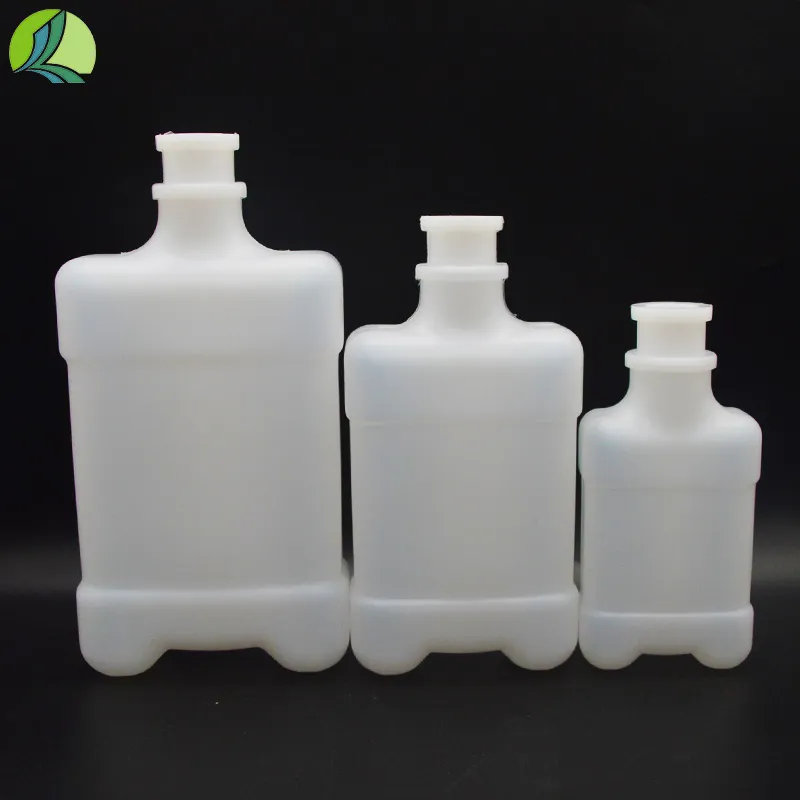
A QA lead at a midsize CDMO told me changeovers got simpler: fewer glass shards, fewer line stoppages. In one APAC immunization program, switching to the medicine liquid bottle cut transport breakage by ≈96% versus legacy glass (internal logistics tally), and cartons weighed ~35% less—helpful when cold trucks are tight on payload.
Notes: Specs and performance are indicative; validate against your protocol and stability data. Origin: LITUN, Dusheng Town, Cangxian County, Cangzhou City, Hebei Province, China.
References
-
Bulk Eye Dropper Bottles for Industrial Packaging - Reliable & CustomizableNewsDec.31,2025
-
Small Plastic Dropper Bottles – Durable, Precise Packaging Solutions for B2B ApplicationsNewsDec.10,2025
-
Medicine Dropper Bottles – Precision and Quality Packaging Solutions for B2B | WK PackingNewsDec.10,2025
-
Discover Top Quality 2 oz Eye Dropper Bottles for Industrial UseNewsDec.09,2025
-
1 Oz Eye Dropper Bottles - Precision Packaging Solutions for B2B Industries | WKPackingNewsDec.09,2025
-
Durable 4 oz Eye Dropper Bottles for Industrial & Cosmetic UseNewsDec.09,2025