
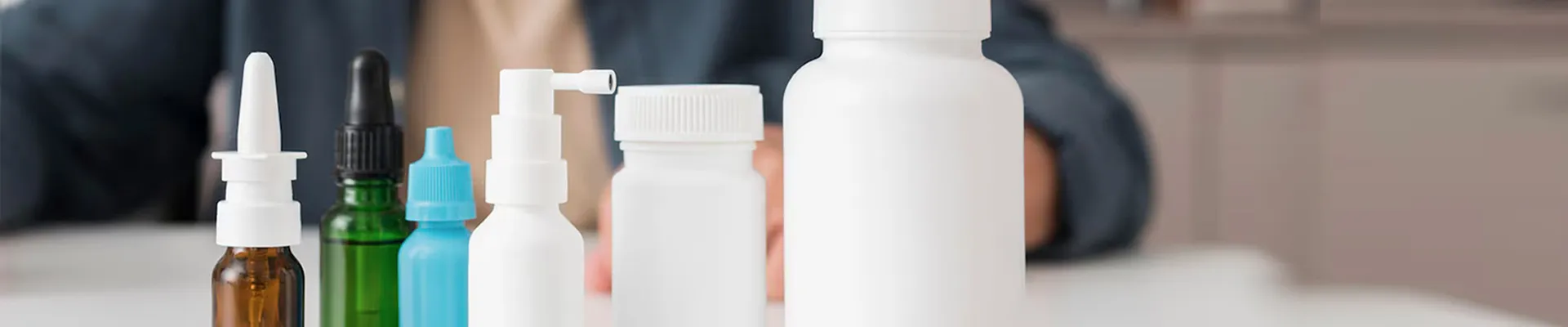


Tiny Medicine Bottles: Small Containers with Global Healthcare Impact
What’s Up with the Tiny Medicine Bottle and Why It Matters
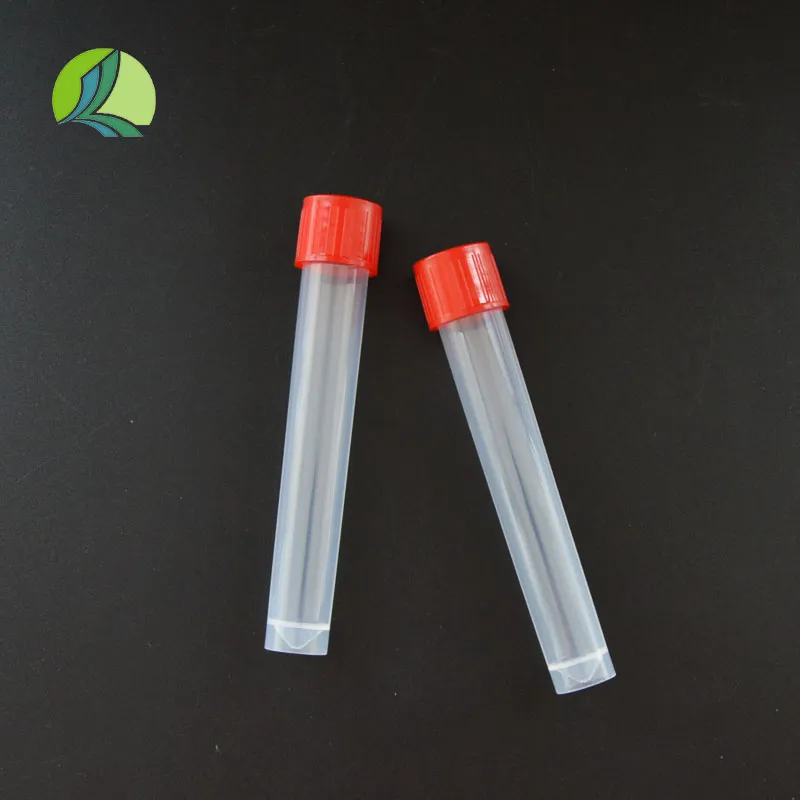
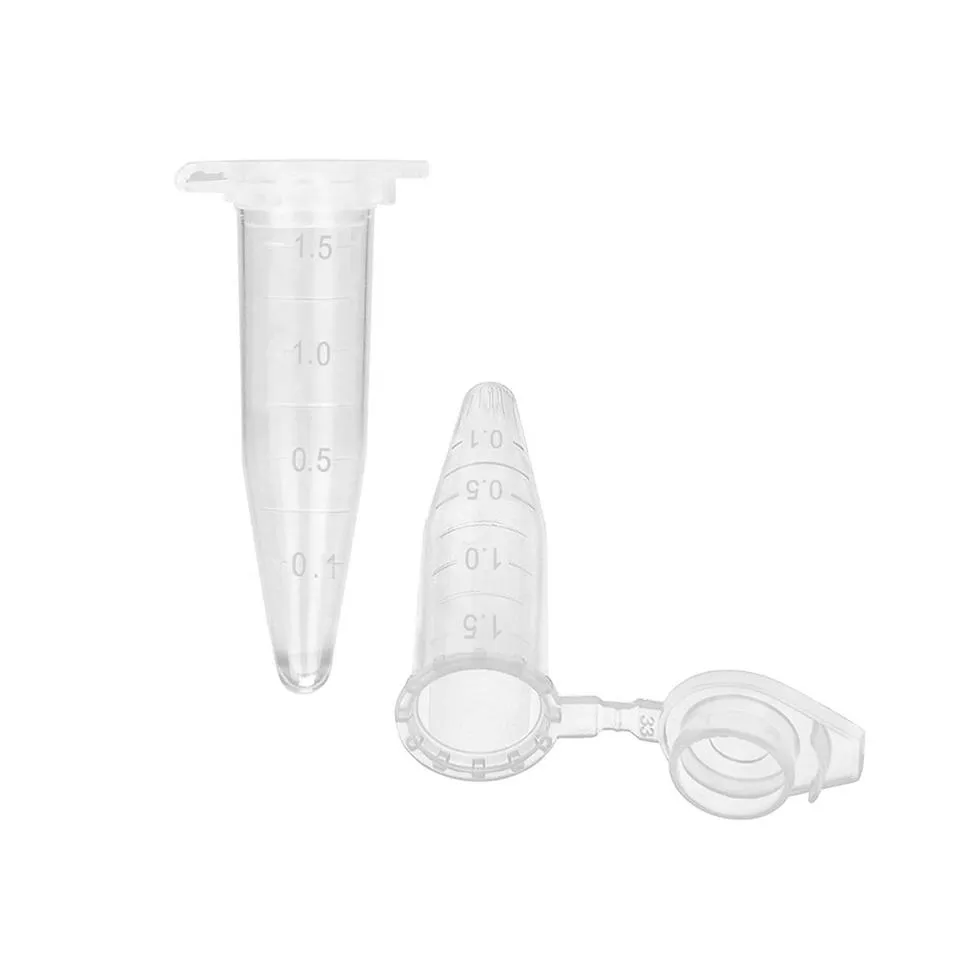
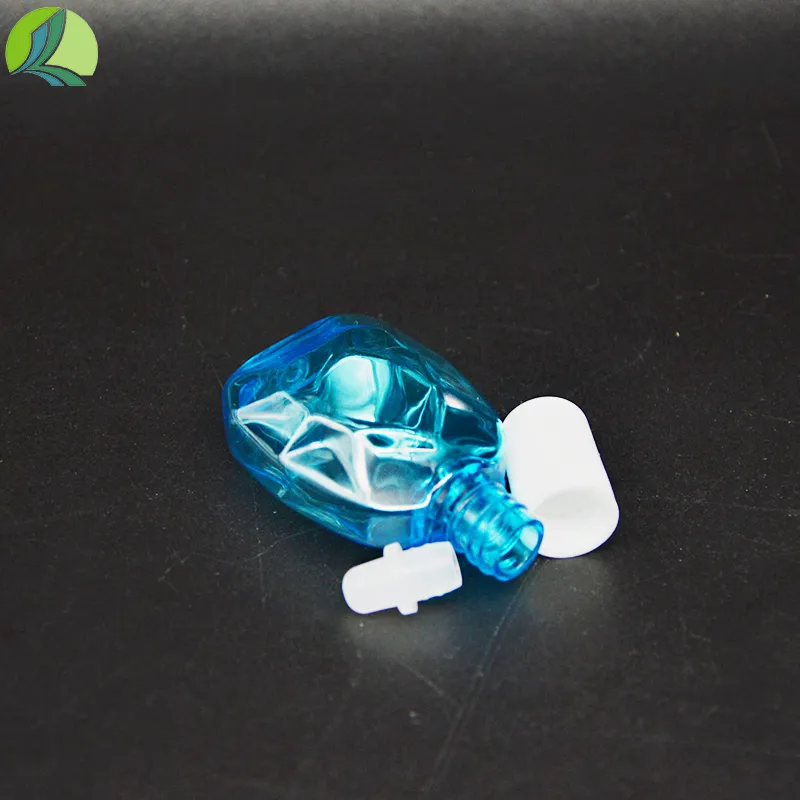
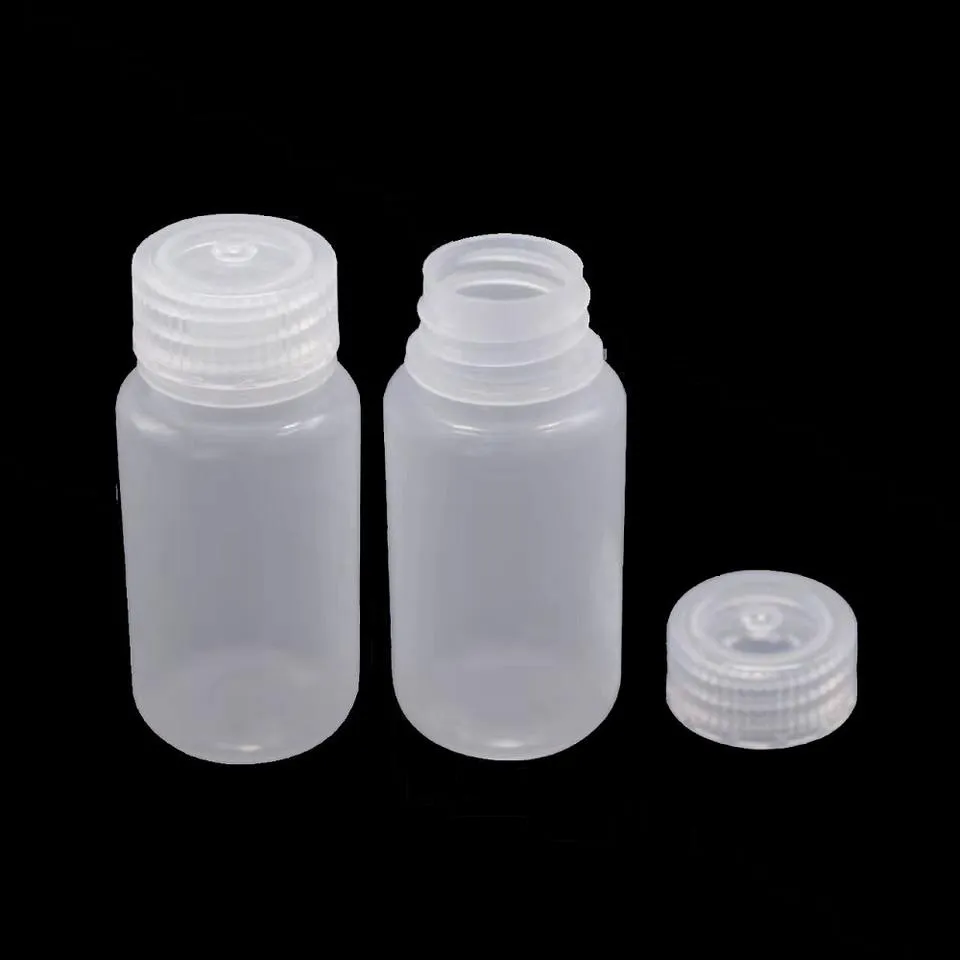
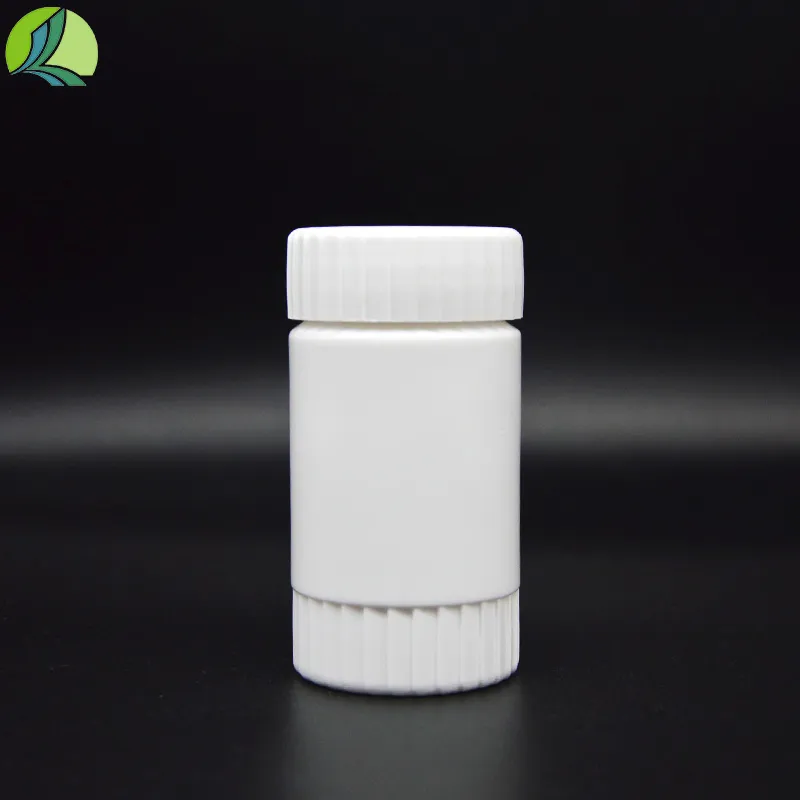
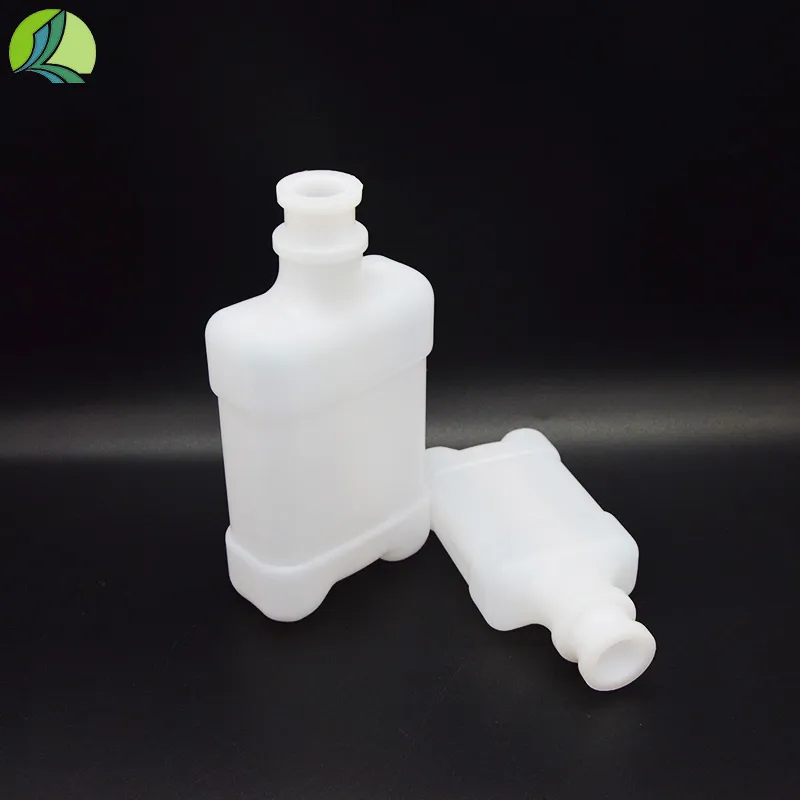
Take a moment to think about a tiny medicine bottle. Seemingly insignificant, right? But globally, these little containers pack a serious punch. They're carriers of life-saving medicines, the unsung heroes making healthcare accessible worldwide—especially where medical logistics get complicated. Understanding their design, application, and innovation unlocks insights into global health delivery, sustainability efforts, and patient safety. Tiny medicine bottles are, in a way, tiny ambassadors of healthcare equity.
The Global Relevance of Tiny Medicine Bottles
Here’s a slice of reality: over 5 billion people lack access to essential medicines at times, according to the World Health Organization (WHO). How medicines get from point A to point B, safely and intact, is a global challenge. Enter the tiny medicine bottle, often overlooked but critical in battlefields, remote villages, and bustling cities alike. From the cold-chain complexities in developing countries to strict ISO standards in pharma industries, tiny medicine bottles must meet performance benchmarks — no spilling, contamination, or degradation.
Oddly enough, the UN's Sustainable Development Goals (SDGs) touch on medicine accessibility, where packaging plays an essential role. Without proper containment, medication efficacy can plummet, wasting huge investments and risking patient lives.
Defining What a Tiny Medicine Bottle Actually Is
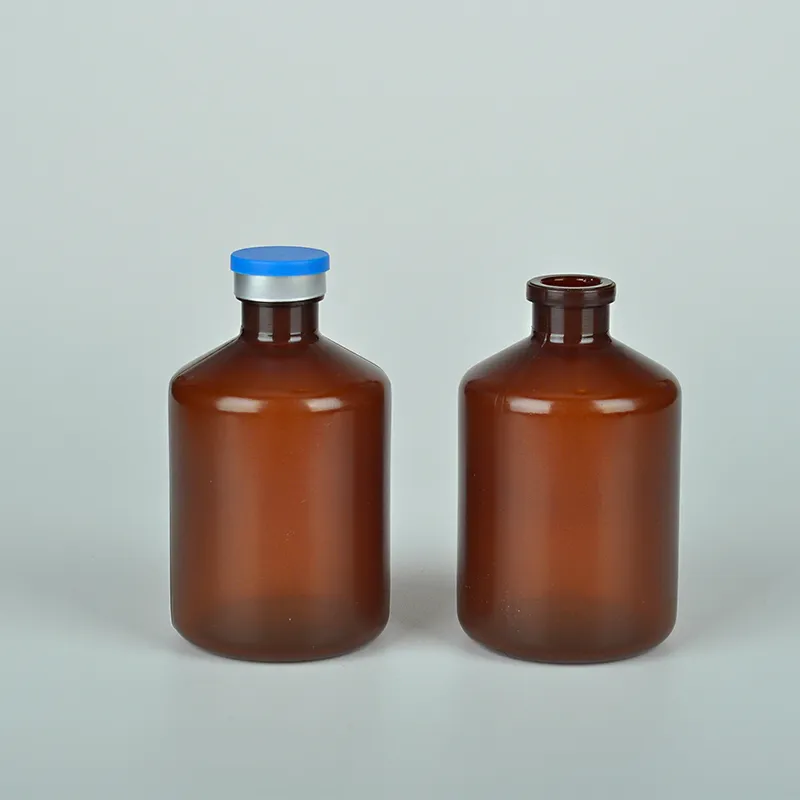
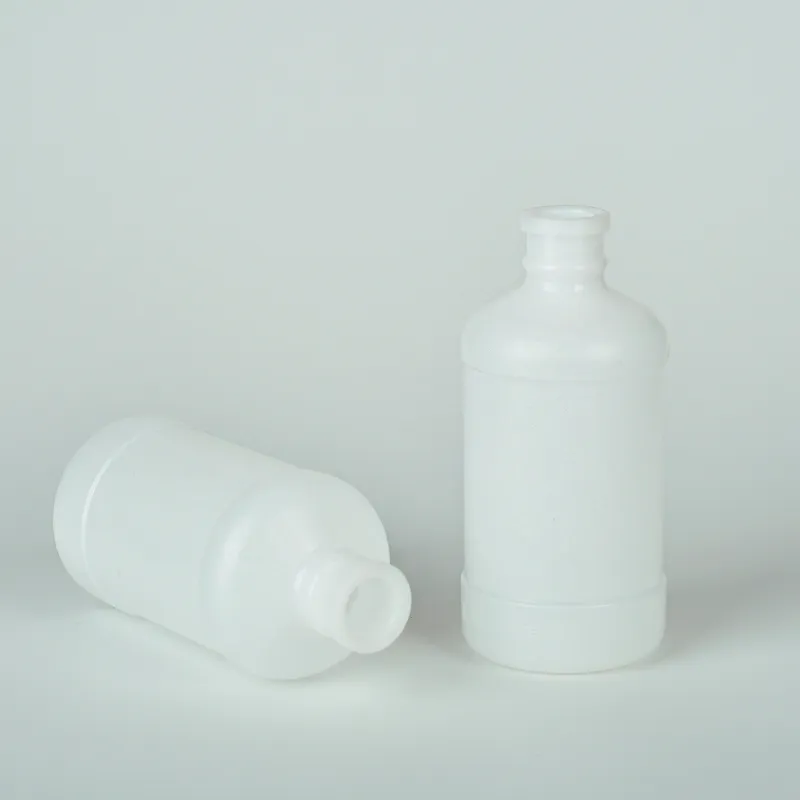
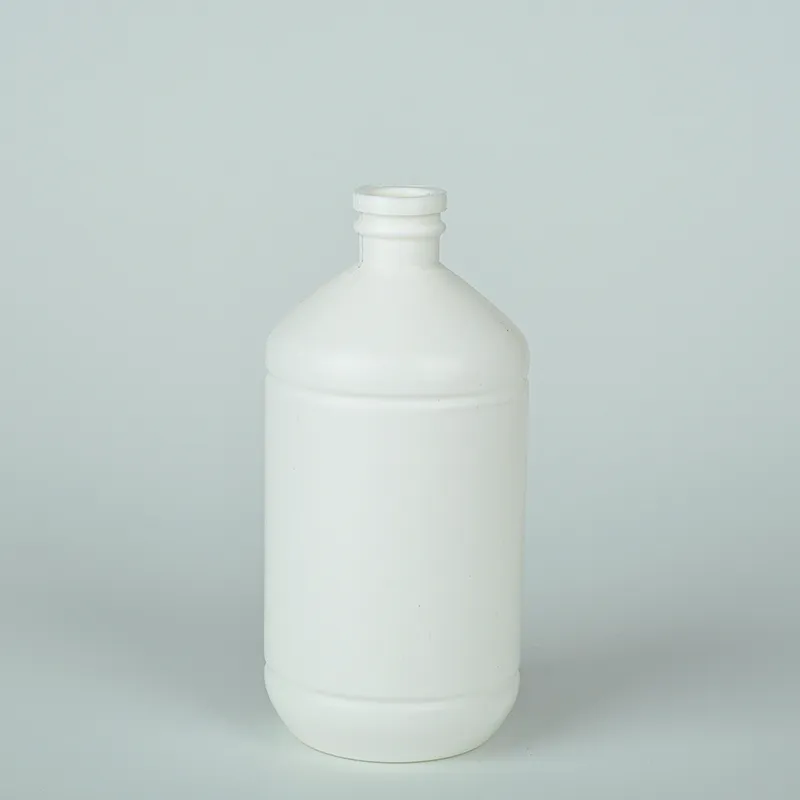
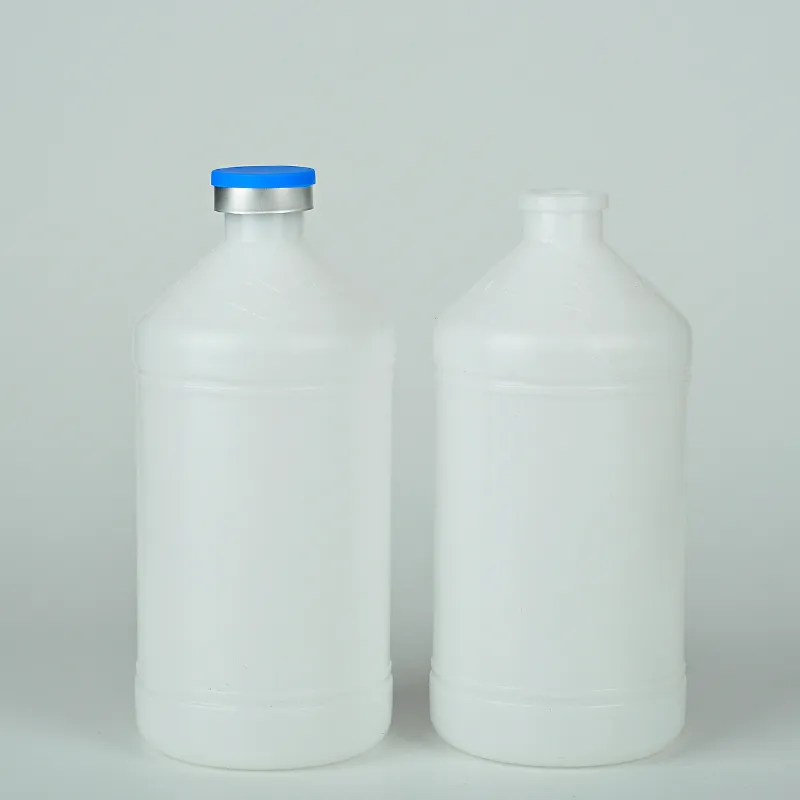
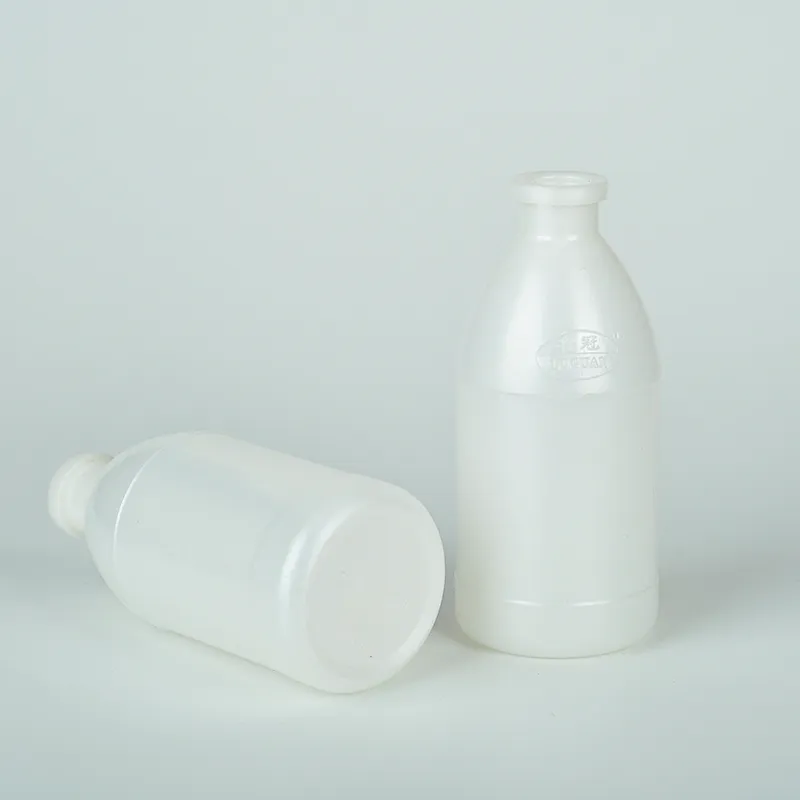
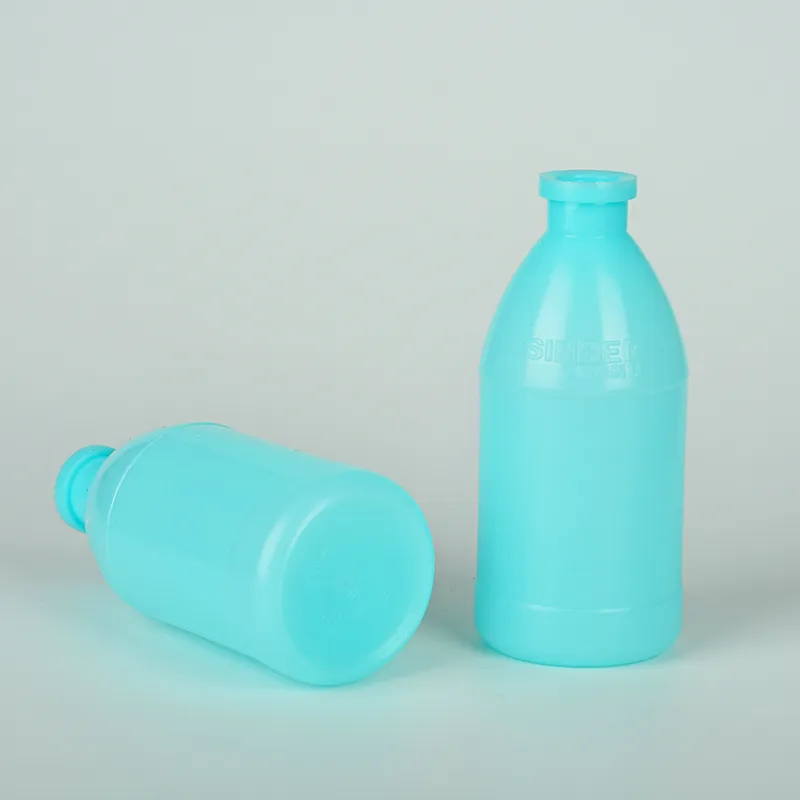
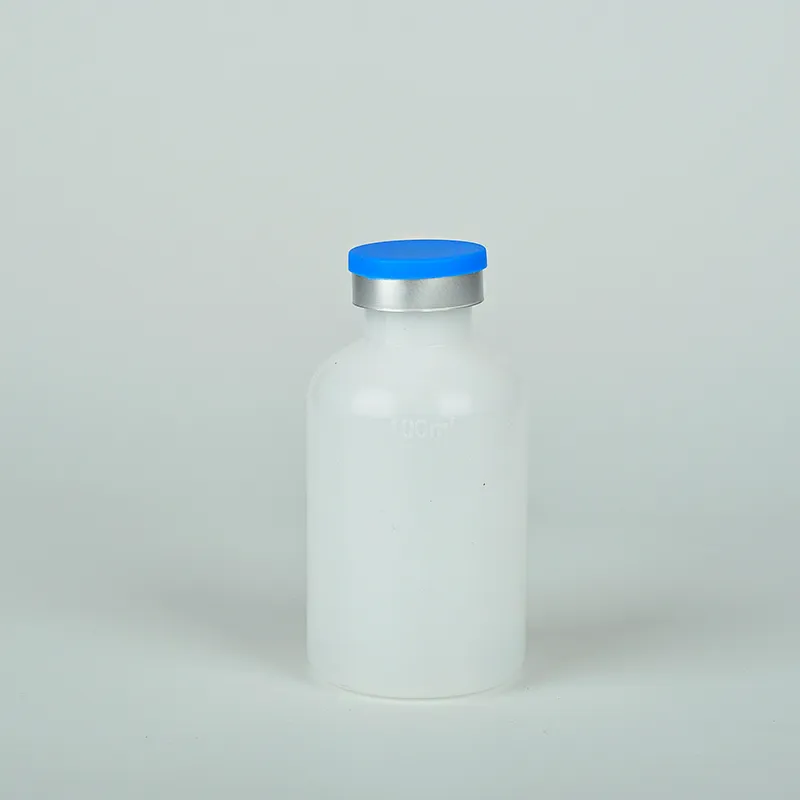
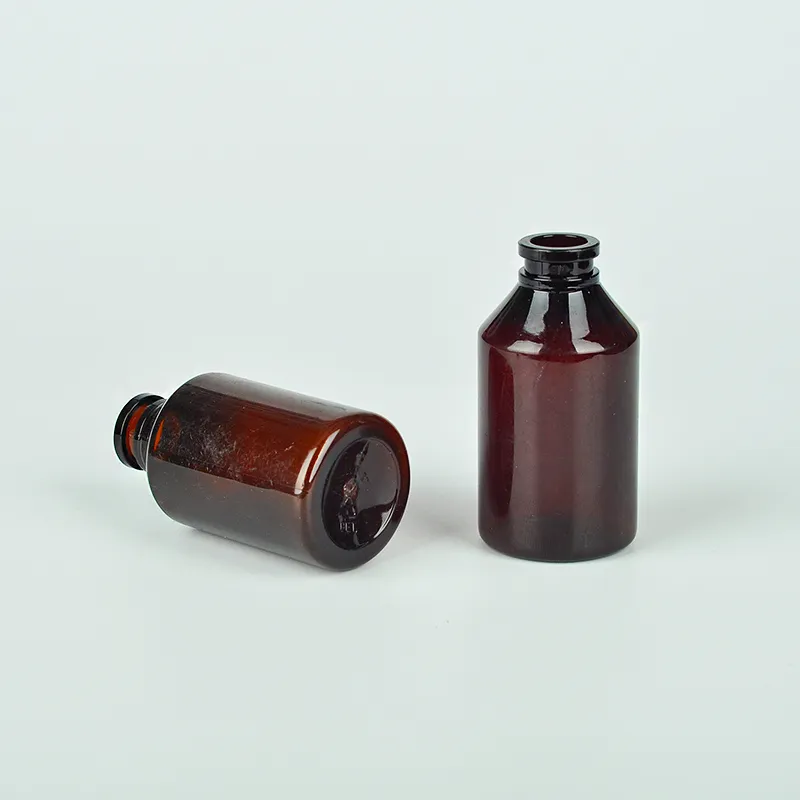
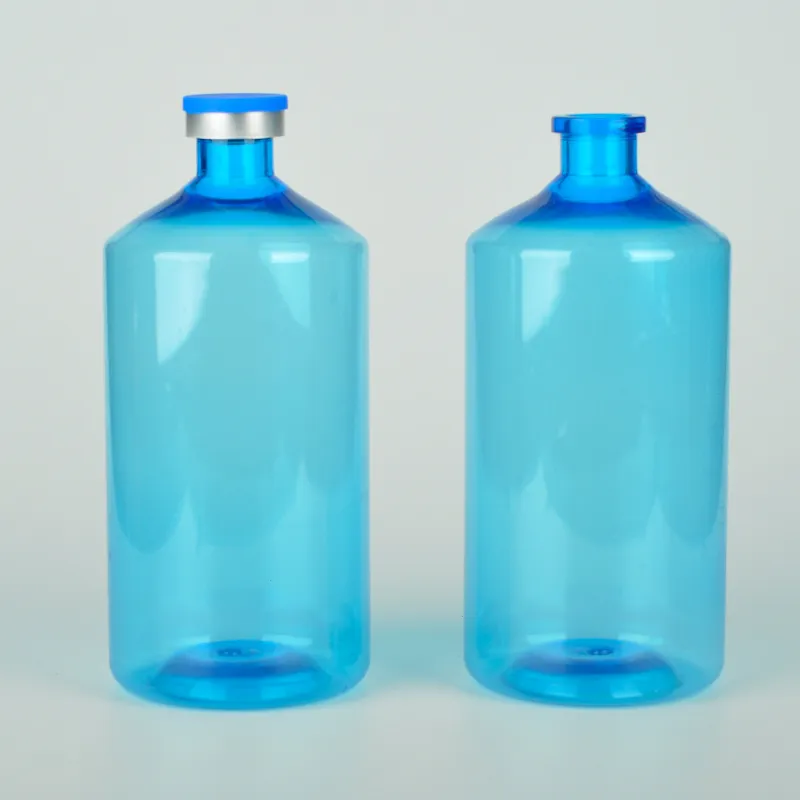
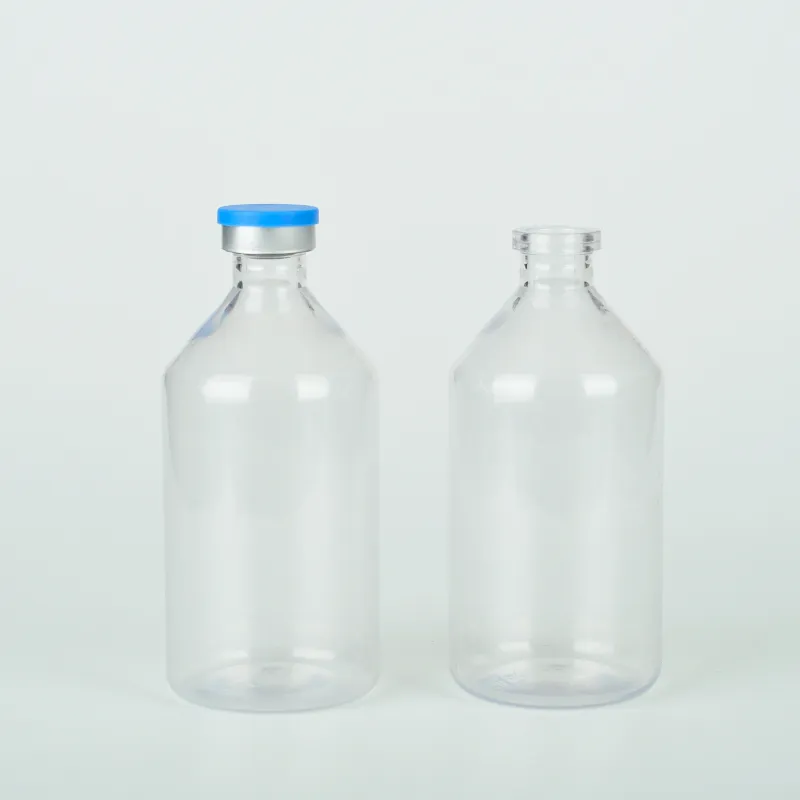
In the simplest terms, a tiny medicine bottle is a small container designed specifically to hold liquid or solid pharmaceuticals in quantities appropriate for individual dose use. Unlike generic bottles, these are engineered with precise safety features—child-proof caps, tamper-evident seals, and materials compatible with drug chemistry. They link modern manufacturing precision with humanitarian need, helping deliver critical treatment reliably anywhere from urban clinics to disaster zones.
Think of them as the perfect marriage of form, function, and compliance, optimized for diverse conditions and regulatory landscapes. Without them, mass distribution of vaccines, antibiotics, or vitamins would be far clumsier, and frankly, much less trustworthy.
Key Components That Make Tiny Medicine Bottles Tick
1. Durability under Diverse Conditions
One big thing is how these bottles can endure temperature fluctuations, rough handling, and UV exposure without compromising the drug inside. Whether stored in a hot warehouse in Lagos or a freezing freezer in Helsinki, the bottle’s integrity must remain intact.
2. Material Safety & Compatibility
Usually, medical-grade plastics like HDPE or glass are used to ensure chemical inertness. This keeps the medicine safe and avoids undesirable reactions—a key reason many pharma companies stick to strict ISO 15378 standards for primary packaging.
3. Size & Portability
Small enough to fit a pocket or a small medical kit, but big enough for dosage accuracy. This balance helps frontline workers carry more stock with less bulk, speeding up care delivery.
4. Security Features
Child-resistant caps and tamper-proof seals not only protect patients but also build trust in medicine authenticity. This is a subtle but vital component in fighting counterfeit drugs worldwide.
5. Cost Efficiency & Sustainability
Manufacturers strive to keep costs low for mass distribution without cutting corners on quality. There’s also a growing trend towards eco-friendly materials like biodegradable plastics or recycled PET. Sustainability here isn’t just a buzzword; it’s a lifeline to reduce medical waste buildup globally.
Mini takeaway: The tiny medicine bottle’s magic lies in blending practicality, safety, and cost, truly a marvel of modern medical packaging.
How Tiny Medicine Bottles Are Used Across the Globe
In humanitarian contexts, these bottles are frontline packages in vaccine campaigns. For instance, during the Ebola outbreak, the ability to supply vaccines securely, dose-by-dose, saved countless lives. Similarly, NGOs in Southeast Asia rely on these bottles to distribute antibiotics in flood zones where infrastructure is compromised.
Manufacturers serving the pharmaceutical industry in North America and Europe often customize these containers for specialized drugs requiring precise dosage forms. Oddly enough, even cosmetic and nutraceutical brands tapping into the “tiny bottle” format to appeal to on-the-go consumers are redefining the humble medicine bottle.
Industries like veterinary medicine also use these bottles to dose treatments on farms, underlining the broad applicability.
Advantages and Long-Term Value
- Reliability and Safety: Ensuring medicine stays potent and uncontaminated.
- Accessibility: Simplifying delivery in challenging environments.
- Sustainability: New materials reduce plastic waste without breaking bank.
- Trust and Compliance: Built-in security features reduce counterfeits.
- Cost-Effectiveness: Efficient production and shipping lower prices.
Emotionally, think of the tiny bottle as a guardian of health—protecting dignity and life. From a logical angle, it's an investment in public health infrastructure that pays dividends over decades.
Product Specification Table
| Feature | Specification | Typical Value |
|---|---|---|
| Material | Medical-grade HDPE / Glass | HDPE most common |
| Volume Capacity | 1ml – 100ml | 10ml typical |
| Cap Type | Child-resistant, Tamper-evident | Snap-on seal |
| Shelf Life | Dependent on medicine & storage | Up to 24 months |
| Temperature Range | -20°C to 50°C | Standard for cold chain |
Vendor Comparison: Picking the Right Supplier
| Feature | Vendor A | Vendor B | Vendor C |
|---|---|---|---|
| Material Certified | Yes, ISO 15378 | Partially | Yes, FDA approved |
| Customization Options | High | Medium | Low |
| Lead Time | 3 weeks | 4-6 weeks | 2 weeks |
| Sustainability Initiatives | Recycled materials used | None | Biodegradable options |
| Price per 1000 units | $1200 | $900 | $1100 |
Looking Ahead: Innovations in Tiny Medicine Bottles
The future is pretty exciting. Some startups are exploring smart bottles embedded with RFID chips to verify authenticity and track usage digitally. There’s also a push towards materials that decompose naturally without releasing toxins—a serious nod to battling pharmaceutical waste.
Automation in production lines is shrinking lead times and customization costs. This means you’ll see better tailored bottles hitting markets faster, especially in urgent outbreak responses. And frankly, as telemedicine and at-home care grow, these bottles become the bridge connecting advanced medicine to everyday folks.
Common Challenges and How the Industry Tackles Them
One challenge is balancing cost with high safety and sustainability demands. Low-cost vendors often skip eco features or quality checks, risking drug spoilage or patient safety. Experts say standardized international guidelines and more transparent supply chains help a lot. Also, modular production and 3D printing can reduce waste and speed customization, promising solutions outside the traditional mold.
FAQs: Your Tiny Medicine Bottle Questions Answered
Q: What makes tiny medicine bottles different from regular small containers?
A: Tiny medicine bottles are specifically engineered for pharmaceutical use, featuring safety caps, materials compatible with medications, and tamper-evident seals. Generic containers usually lack these standards, risking contamination or dosage errors.
Q: How do tiny medicine bottles help in vaccine distribution?
A: Their small size enables precise, individualized doses vital for managing vaccine supplies in remote or emergency settings, reducing waste and improving transport efficiency.
Q: Can tiny medicine bottles be recycled or reused?
A: Most are designed for single use to prevent contamination. However, recycling initiatives are growing, focusing on eco-friendly plastics, making disposal greener without compromising safety.
Q: Are these bottles customizable for different medicines?
A: Absolutely. Vendors usually offer a range of sizes, materials, and cap types tailored to the drug's chemical properties and patient needs.
In Conclusion: Why Tiny Medicine Bottles Are Big on Impact
When you zoom out, tiny medicine bottles are more than just plastic or glass—they’re critical enablers of global healthcare. By ensuring medicine gets safely to those who need it, they uphold health, trust, and dignity worldwide. If you’re curious to explore quality tiny medicine bottles or want to boost your pharma packaging game, check out our selection here. It’s worth investing in the little things that make a huge difference.
References
-
Bulk Eye Dropper Bottles for Industrial Packaging - Reliable & CustomizableNewsDec.31,2025
-
Small Plastic Dropper Bottles – Durable, Precise Packaging Solutions for B2B ApplicationsNewsDec.10,2025
-
Medicine Dropper Bottles – Precision and Quality Packaging Solutions for B2B | WK PackingNewsDec.10,2025
-
Discover Top Quality 2 oz Eye Dropper Bottles for Industrial UseNewsDec.09,2025
-
1 Oz Eye Dropper Bottles - Precision Packaging Solutions for B2B Industries | WKPackingNewsDec.09,2025
-
Durable 4 oz Eye Dropper Bottles for Industrial & Cosmetic UseNewsDec.09,2025